
Destination
Addis Ababa
The story
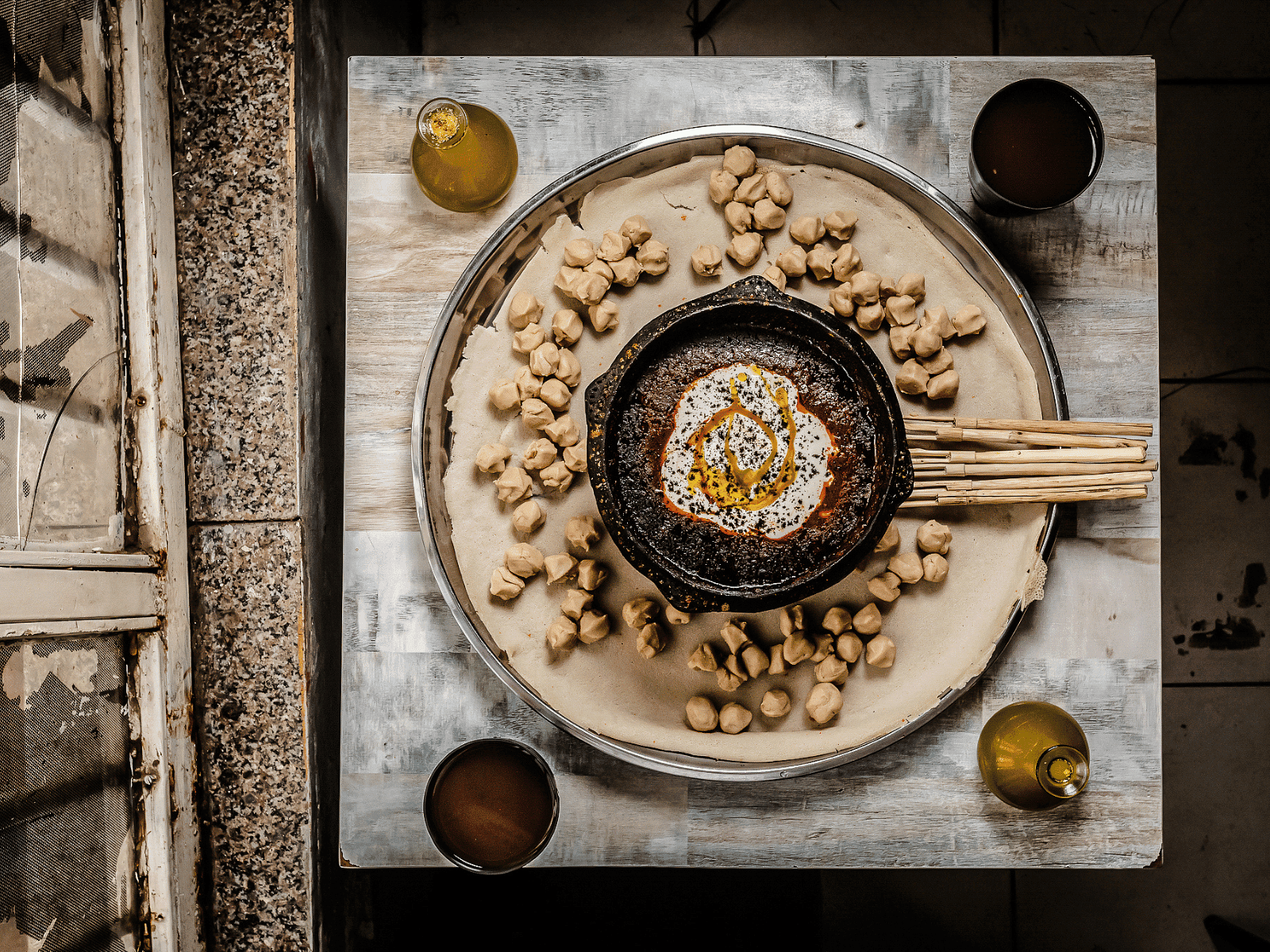
Tihilo is a specialty of Ethiopia's northern Tigray region: a dough made from roasted chickpea flour (shiro powder) worked with a little warm water into a soft, workable putty, then torn into small walnut-sized balls and served on a wide platter around a central bowl of hot niter kibbeh spiced with mitmita or berbere. Eaters pick up a ball with their fingers, dip it into the spicy butter and pop it into their mouth, one after another, while conversation moves around the table.
Method
Heat a large heavy dry pan over medium heat. Add the chickpea flour and toast, stirring constantly with a wooden spoon, for 8 to 10 minutes until deep gold and nutty-smelling. Watch closely; it goes from golden to burnt in about 15 seconds. Transfer to a large bowl and cool for 5 minutes.
Whisk the salt, cardamom and cumin into the roasted flour.
Slowly add the warm water, stirring with a wooden spoon, until the mixture comes together into a soft, pliable dough. It should feel like soft Play-Doh: smooth, holding a shape, not sticky. Add water a tablespoon at a time; too much all at once turns it gluey.
Cover the dough with a damp tea towel and rest 10 minutes to let the flour hydrate fully.
Wet your hands lightly. Pinch off small pieces of dough (about the size of a walnut) and roll into smooth balls between your palms. Arrange on a large platter as you go, with space between each. You should get 25 to 30 balls.
In a small saucepan, warm the niter kibbeh over low heat until fully melted and fragrant. Add the mitmita and salt. Stir 30 seconds until the mitmita has bloomed into the fat and turned it deep red-orange.
Pour the hot spiced butter into a small heatproof bowl and set it in the centre of the platter of tihilo balls. Bring to the table immediately. Guests pick up a ball with their fingers, dip it into the hot butter and eat straight.
Tips
- Roast the chickpea flour thoroughly. This is the flavour foundation. Deep golden, nutty-smelling flour makes a completely different tihilo from pale under-roasted flour. Stir constantly and watch the colour.
- Warm water, not hot. Very hot water sets the chickpea flour into a stiff dough that's hard to work; warm water (comfortable to touch) gives you a pliable, workable putty.
- Rest the dough. Ten minutes lets the flour hydrate fully and the dough become smoother. Skipping this step gives you a crumbly, hard-to-shape dough.
- Mitmita is essential in the dipping butter. Its specific chilli-cardamom-clove profile is what makes tihilo taste specifically Tigrayan. Cayenne is a workable substitute but tastes flatter.
- Serve the butter hot. As the butter cools, it solidifies, and the flavour turns off. Bring the small bowl to the table straight from the stove and eat quickly. Reheat the butter briefly if needed.
More recipes
View all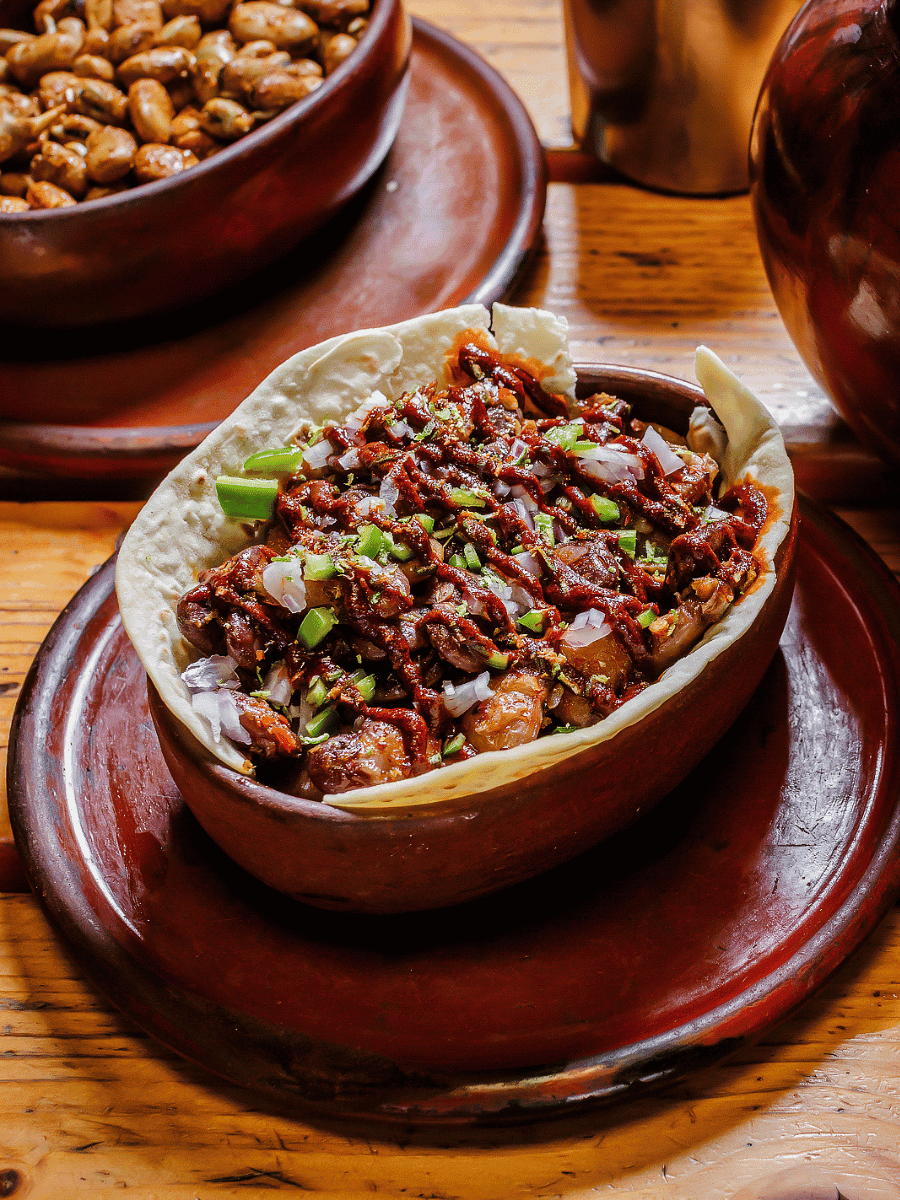
Roasted barley, chickpeas, peanuts and sunflower seeds tossed with a little salt. Ethiopia's coffee-ceremony snack, portable, endlessly refillable.
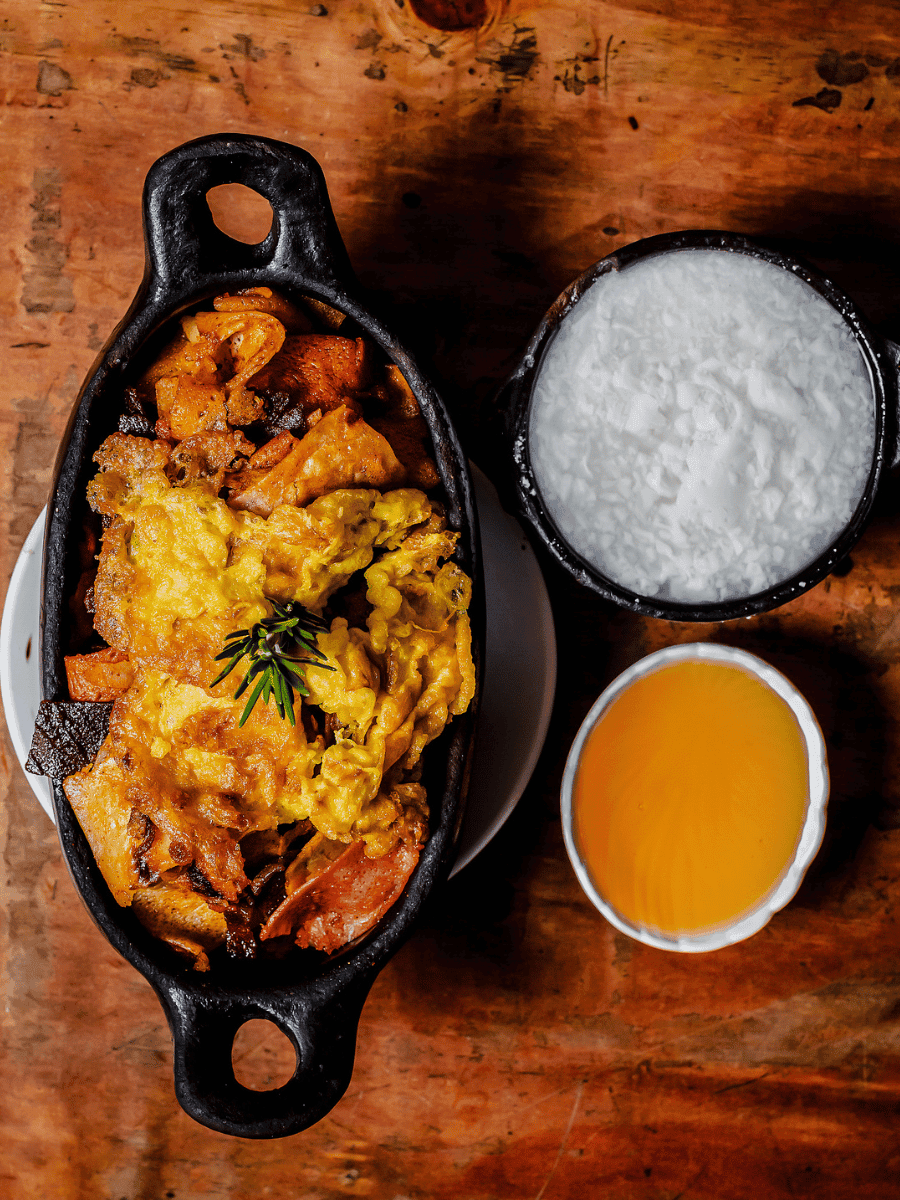
Stewed fava beans mashed hot with tomato, chilli, egg and a slick of niter kibbeh, spooned onto bread. Ethiopia's café breakfast, half-Sudanese, half-Habesha.

Torn flatbread pan-fried in niter kibbeh and berbere until glossy and spiced. Ethiopia's Oromo breakfast, sold from morning cafés across Addis Ababa.
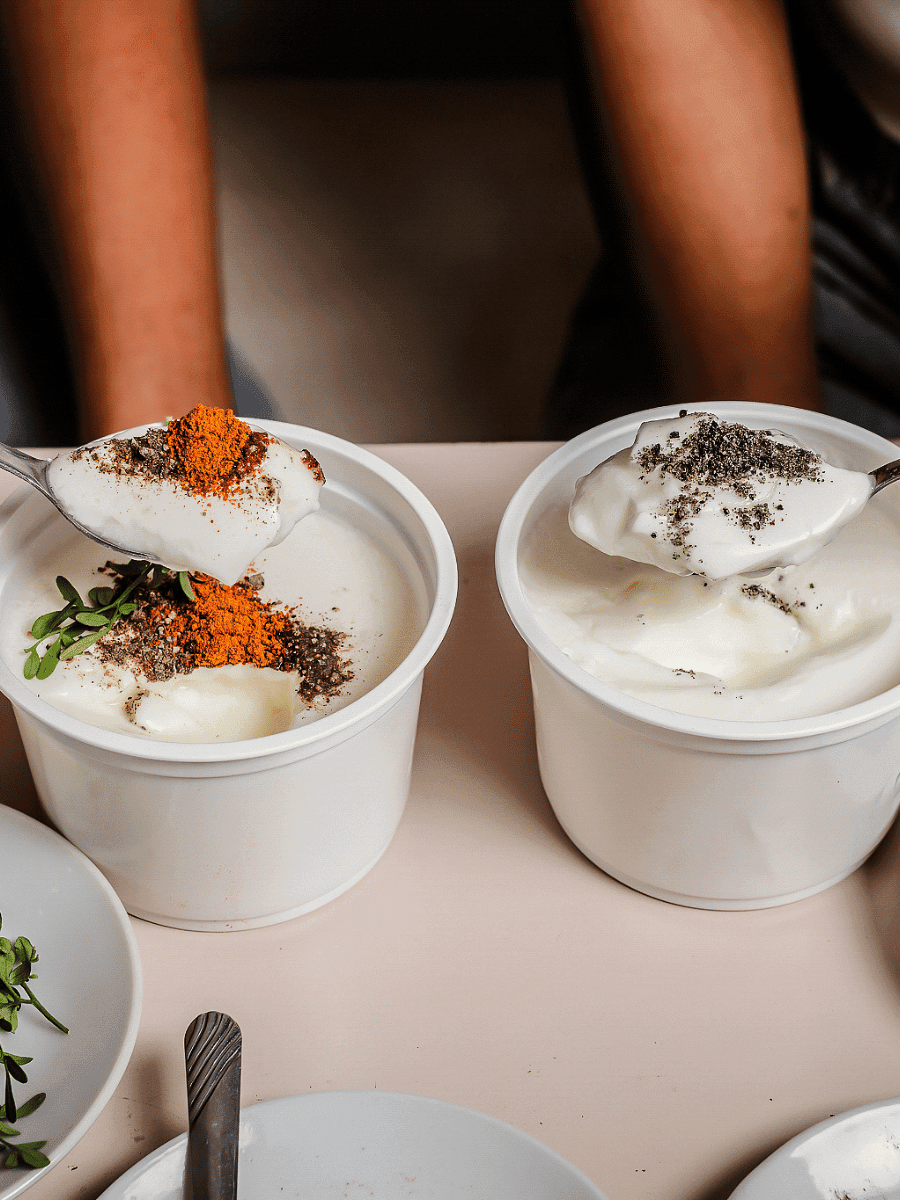
Whole milk fermented overnight into a thick, tangy Ethiopian yogurt. Served with kitfo, drizzled with honey, or spooned into fitfit dishes.

Berbere blended with tej or red wine and a splash of oil into a fiery, glossy red paste. Ethiopia's essential condiment, on every table.

Ripe yellow plantains sliced thick and fried until deep gold and caramelised at the edges. Rwanda's after-school snack and side dish.