

Destination
Addis Ababa
The story
Bekolt (a close cousin of the more widely known kolo) is Ethiopia's daily-grain snack: barley, chickpeas, peanuts and sunflower seeds toasted separately in a dry pan until each is deeply golden, then tossed together with a small pinch of salt and served in a bowl at the coffee ceremony or scooped by the handful from a pantry jar. Portable, keeps for weeks, satisfies hunger without filling anyone up.
Method
If starting from dried chickpeas: soak overnight in cold water, drain, and boil in fresh salted water for 40 to 50 minutes until tender. Drain and pat completely dry. If using pre-cooked, drain and pat very dry (moisture is the enemy of a good roast).
Heat a large heavy dry pan over medium heat. Add the barley and toast, stirring often, for 8 to 10 minutes until deep gold, fragrant and slightly darker at the edges. Transfer to a large bowl.
In the same pan (add the tablespoon of oil if using pre-cooked chickpeas), toast the chickpeas over medium heat for 10 to 12 minutes, stirring often, until deep gold and crunchy through. Transfer to the bowl.
Toast the peanuts in the same pan for 4 to 5 minutes, stirring often, until deep gold and fragrant. Transfer to the bowl.
Toast the sunflower seeds in the same pan for 2 to 3 minutes, watching closely (they burn fast). Transfer to the bowl.
Toss the mixed grains with the salt (and berbere/sesame/raisins if using). Spread on a tray to cool completely.
Transfer to an airtight jar. Serve in small bowls alongside the coffee ceremony, or by the handful at any hour. Keeps 4 weeks at room temperature.
Tips
- Roast each grain separately. Different sizes cook at different rates. Combining them all in one pan gives you burnt seeds and undercooked chickpeas. Individual toasts, poured together at the end, is the professional way.
- Watch the sunflower seeds. They go from raw to burnt in about 15 seconds once they've toasted. Set a timer and stir constantly.
- Dry chickpeas thoroughly. Any moisture in the chickpeas turns to steam in the pan and prevents proper crisping. Pat with a tea towel until dry to the touch.
- For a spicy version, add berbere at the end. Off the heat, once the grains are still warm, toss with 1 tsp berbere. The residual warmth blooms the spice.
- Keeps for weeks in an airtight jar. Bekolt improves for the first few days as the flavours integrate. If it goes soft, re-crisp briefly in a low oven (10 minutes at 120°C).
More recipes
View all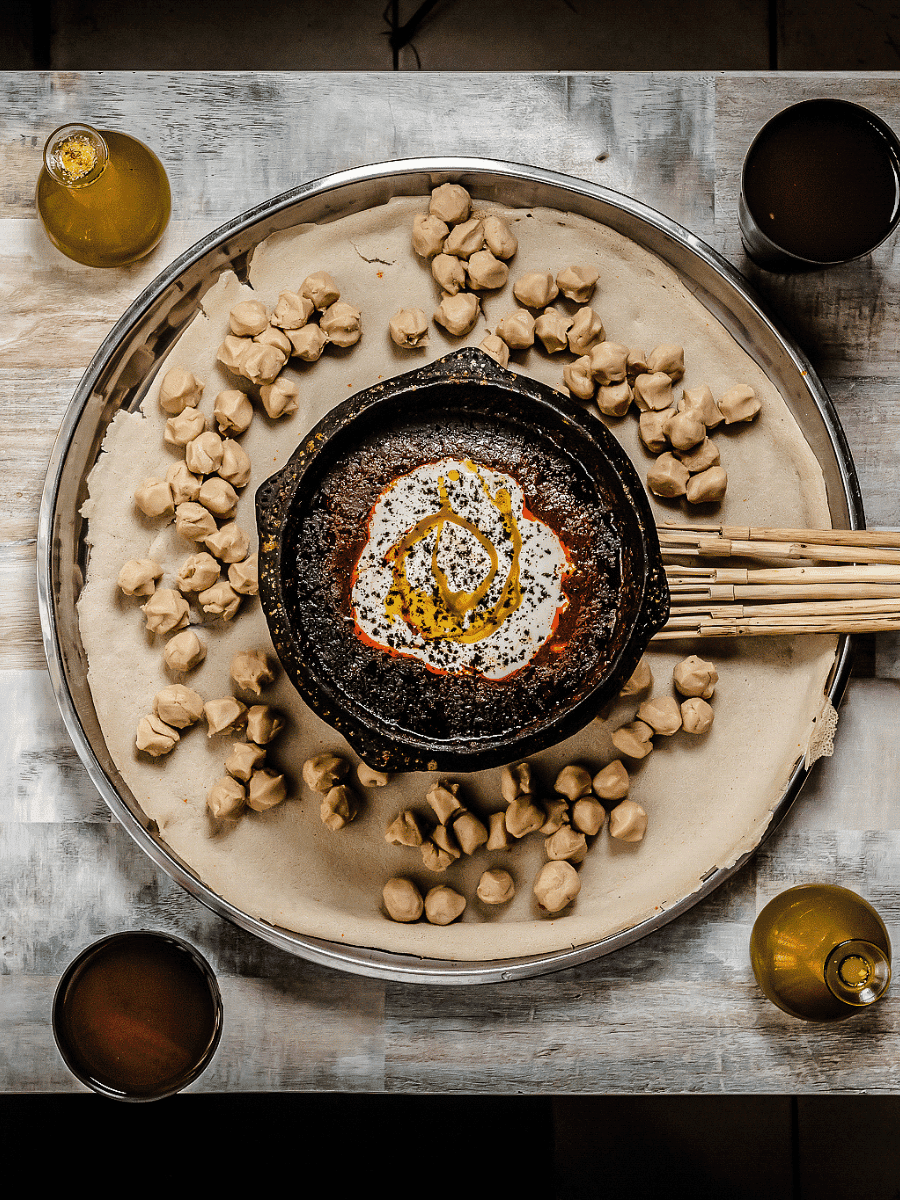
Roasted chickpea-flour dough pinched into small balls and dipped in a bowl of spiced niter kibbeh. Tigray's communal snack, eaten by hand from the shared platter.
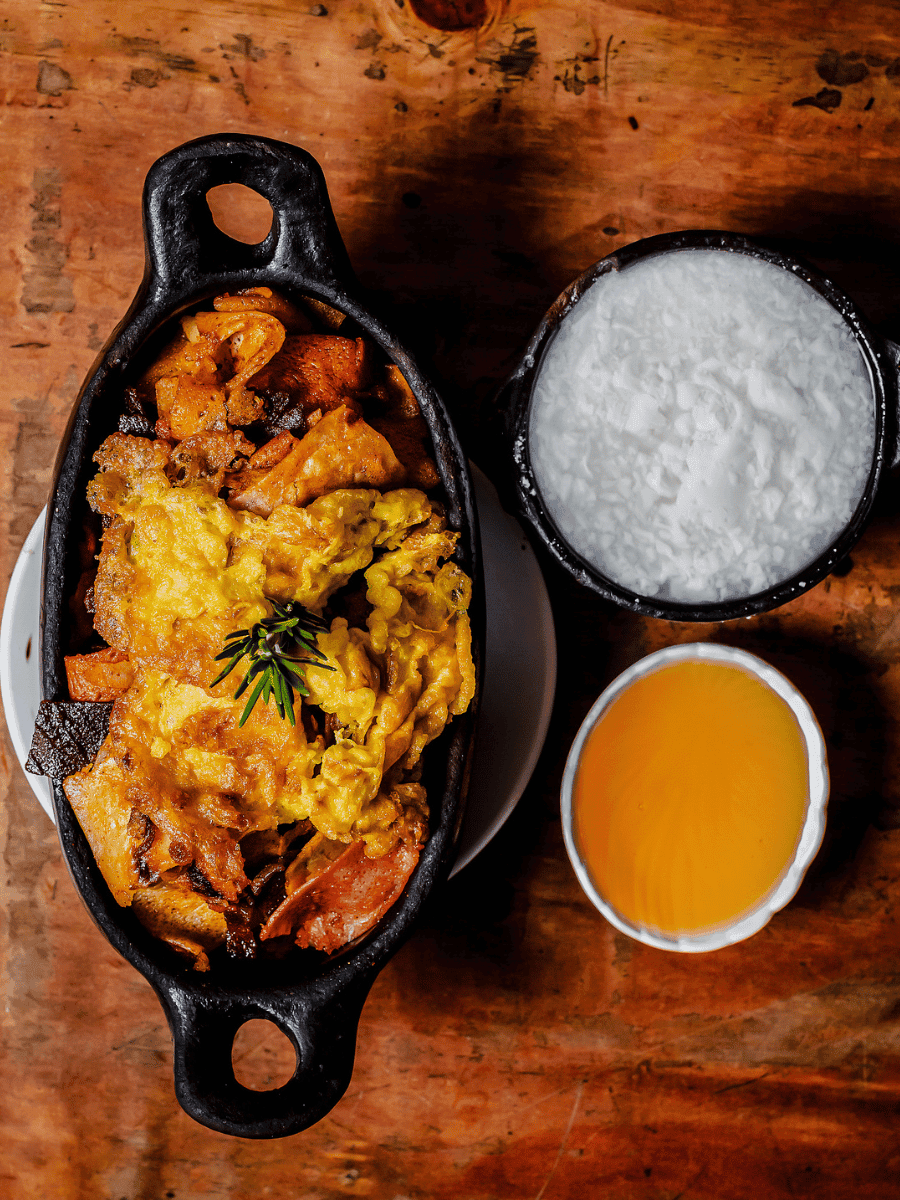
Stewed fava beans mashed hot with tomato, chilli, egg and a slick of niter kibbeh, spooned onto bread. Ethiopia's café breakfast, half-Sudanese, half-Habesha.

Spaghetti tossed with berbere-spiced tomato sauce, awaze and a spoon of niter kibbeh. Ethiopia's café pasta, born of the Italian occupation and made unmistakably Addis.

Torn flatbread pan-fried in niter kibbeh and berbere until glossy and spiced. Ethiopia's Oromo breakfast, sold from morning cafés across Addis Ababa.

Berbere blended with tej or red wine and a splash of oil into a fiery, glossy red paste. Ethiopia's essential condiment, on every table.
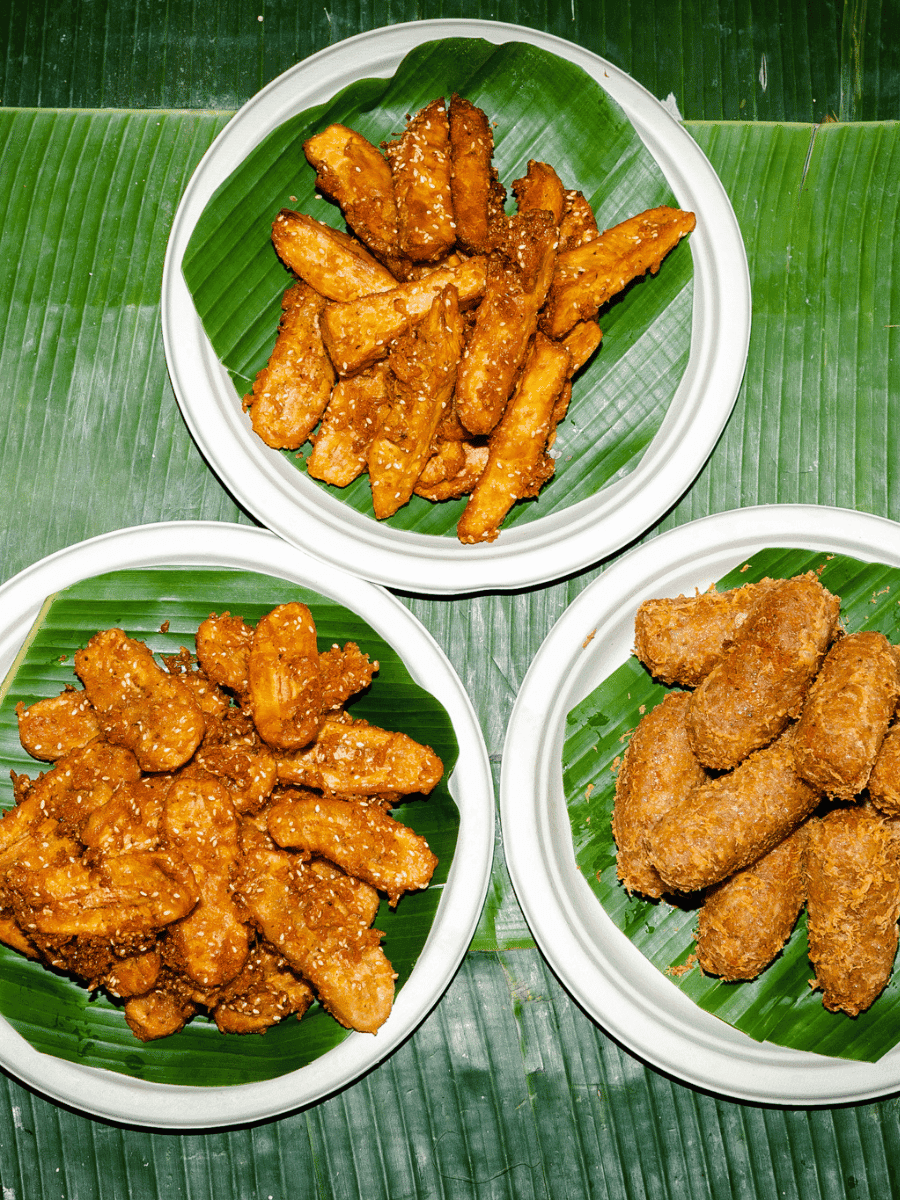
Sliced ripe bananas dipped in a coconut-flour-sesame batter and deep-fried until deep golden. Bangkok's evening tea-time snack, served hot from paper cones.