

Destination
Addis Ababa
The story
Chebchebsa (or chechebsa or kitcha fitfit) is Ethiopia's breakfast bread hash: a thick, unleavened flatbread called kitcha, torn into rough small pieces, pan-fried hot with niter kibbeh (spiced clarified butter) and berbere until every piece is glossy, red-orange and spiced through. Served in a wide bowl with a drizzle of honey, a bowl of yogurt (ergo) alongside and a small cup of strong Ethiopian coffee. Deeply Oromo (from Ethiopia's western highlands), now a Sunday breakfast tradition across the country.
Method
Melt the niter kibbeh in a wide heavy pan over medium heat. When fully melted and beginning to smell nutty, add the berbere and salt. Stir 30 seconds until the berbere blooms into the fat and turns a deep red-orange.
Add the torn kitcha (or your flatbread substitute) to the pan. Toss with a wooden spoon or spatula to coat every piece in the spiced butter.
Cook 3 to 4 minutes, tossing occasionally, until the bread pieces are hot through, glossy with the red butter and starting to crisp at the edges. Don't burn; medium heat, patient toss.
Tip into a wide serving bowl. Drizzle honey generously over the top.
Serve immediately with a bowl of thick yogurt on the side and small cups of strong coffee. Each spoonful should catch a bit of the yogurt to balance the spiced bread.
Tips
- Day-old bread is best. Fresh kitcha or tortilla is too soft and turns gluey in the pan. Day-old bread (or lightly dried in a low oven for 10 minutes) holds its shape and crisps at the edges.
- Niter kibbeh is what makes it Ethiopian. Regular butter works if you don't have niter kibbeh, but the specific smoky-spiced flavour of Ethiopian clarified butter (with cardamom, fenugreek, koseret) is the signature of the dish. Sold at Ethiopian and East African grocers.
- Berbere blooms in the hot fat. Add the berbere directly to the hot melted butter for 30 seconds before the bread goes in. This releases the spice oils; adding it later gives you a dusty finish.
- Honey drizzle is essential. Not decoration. The sweet balances the heat and turns chebchebsa into a proper breakfast rather than a spicy bread scramble.
- Yogurt on the side, not stirred in. A small bowl of thick tangy yogurt at the table lets each person add as much as they like. Stirred in, the yogurt goes wet and dulls the crispness.
More recipes
View all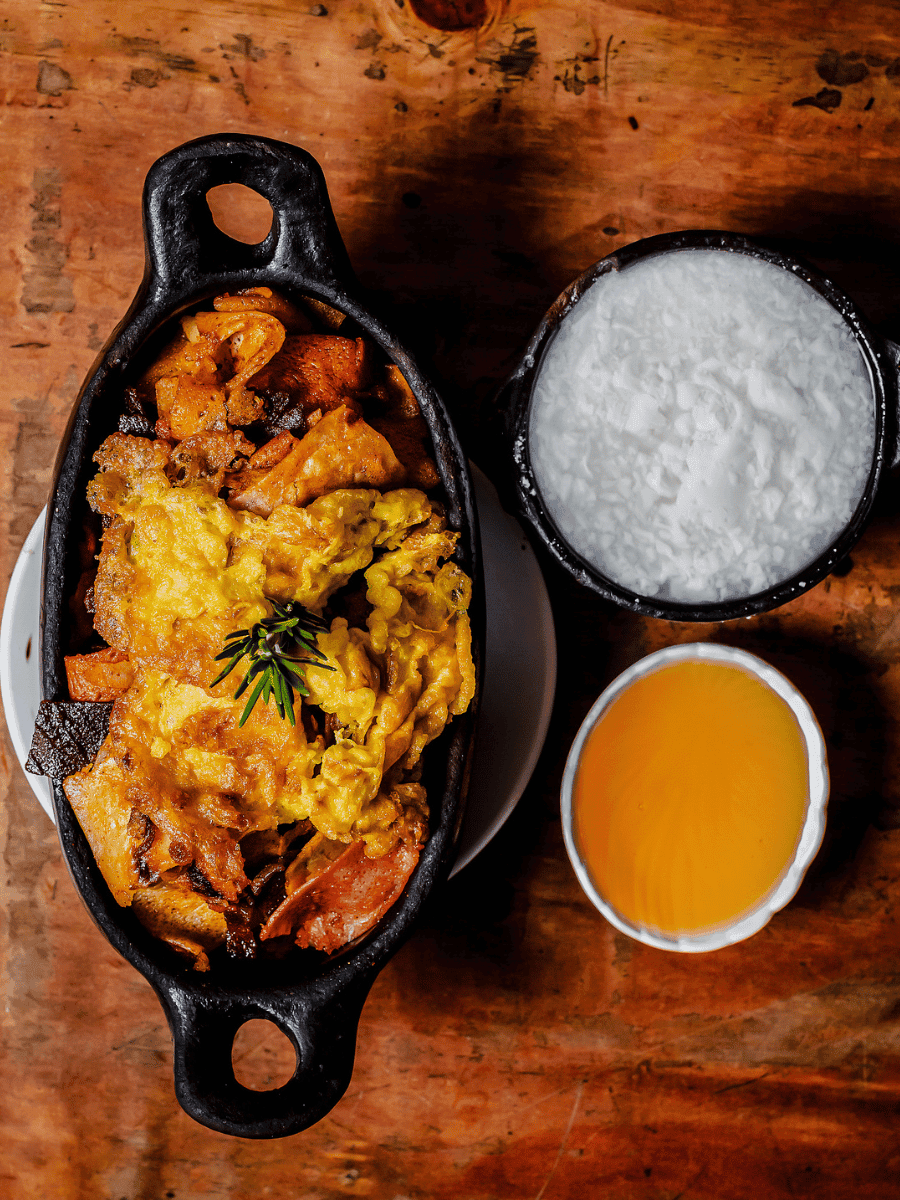
Stewed fava beans mashed hot with tomato, chilli, egg and a slick of niter kibbeh, spooned onto bread. Ethiopia's café breakfast, half-Sudanese, half-Habesha.

Puffed deep-fried whole wheat breads served with a spiced potato-tomato curry. Kathmandu's Saturday-morning breakfast, sold at every corner sweet shop.

Spaghetti tossed with berbere-spiced tomato sauce, awaze and a spoon of niter kibbeh. Ethiopia's café pasta, born of the Italian occupation and made unmistakably Addis.

Berbere blended with tej or red wine and a splash of oil into a fiery, glossy red paste. Ethiopia's essential condiment, on every table.
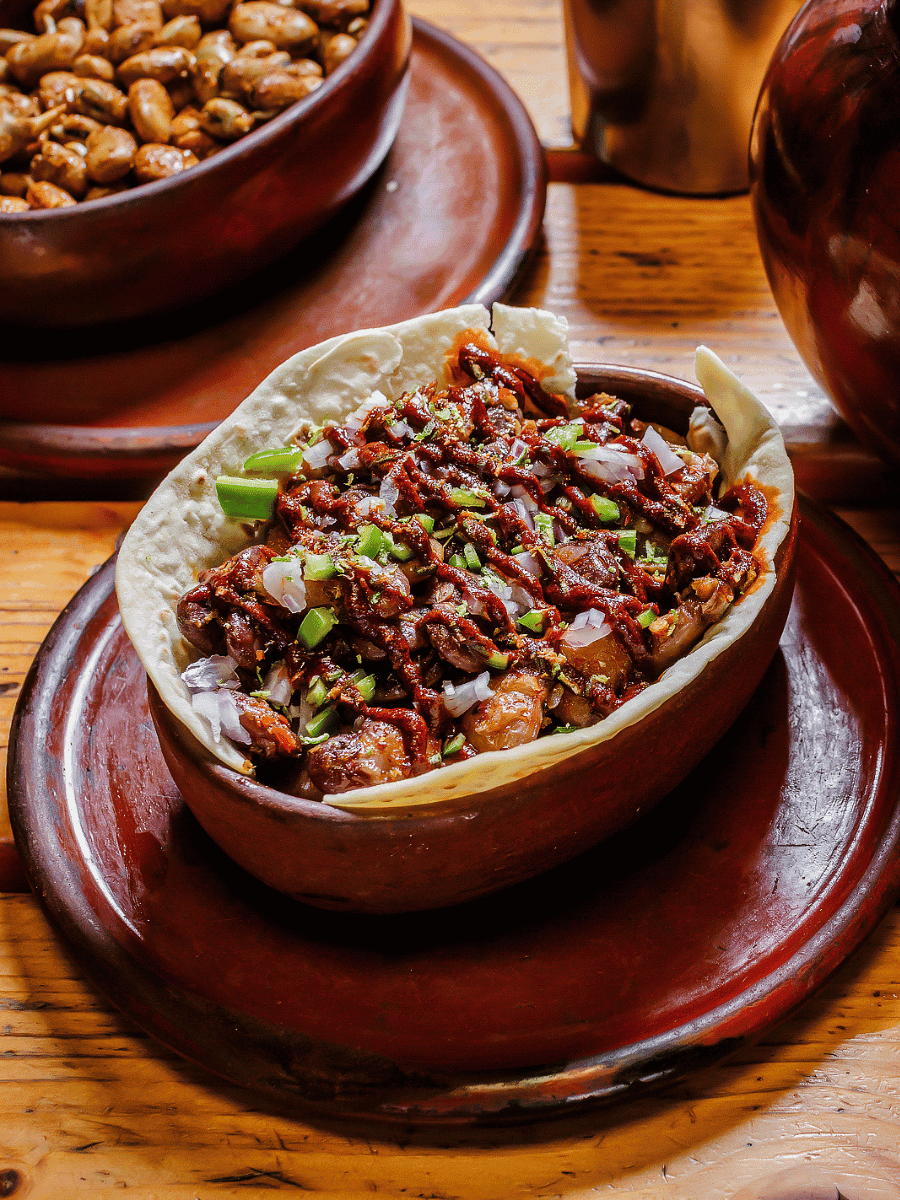
Roasted barley, chickpeas, peanuts and sunflower seeds tossed with a little salt. Ethiopia's coffee-ceremony snack, portable, endlessly refillable.
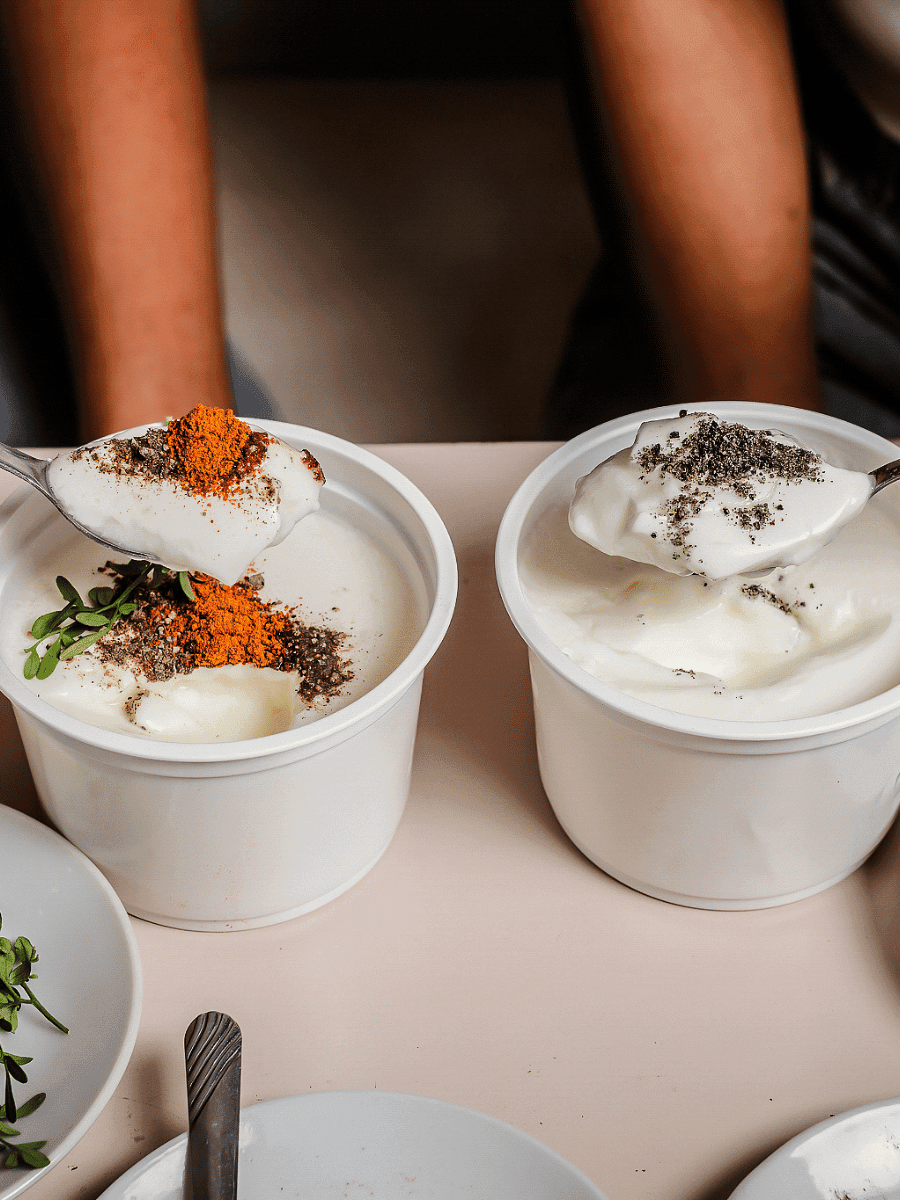
Whole milk fermented overnight into a thick, tangy Ethiopian yogurt. Served with kitfo, drizzled with honey, or spooned into fitfit dishes.