

Destination
Addis Ababa
The story
Pasti is Ethiopia's café pasta: spaghetti tossed with a spicy tomato sauce built around berbere and awaze, finished with a spoon of niter kibbeh and served on a flat plate with a fork and a small dish of extra awaze on the side. Ordered for breakfast (surprisingly common in Addis Ababa cafés), for lunch, or as a quick evening meal. Sweeter, hotter and more spiced than any Italian version, and completely its own thing.
Method
Melt the niter kibbeh in a wide heavy pan over medium heat. Add the onion. Cook 12 to 15 minutes, stirring often, until deeply golden and sweet. This slow cook is the base of the sauce; don't rush.
Add the garlic and ginger. Cook 1 minute. Add the berbere and tomato paste. Stir for 1 minute until the berbere blooms into the fat and the paste darkens.
Add the crushed tomatoes, stock, sugar, salt and pepper. Simmer 12 to 15 minutes, stirring occasionally, until thick and glossy. Stir in the awaze for the last 2 minutes.
While the sauce simmers, bring a large pot of salted water to a rolling boil. Cook the spaghetti to package directions; Ethiopian style is 1 to 2 minutes past al dente (a shade softer than the Italian ideal). Drain, reserving a cup of the pasta water.
Add the drained spaghetti to the pan with the sauce. Toss well to coat, adding a splash of pasta water if needed for consistency. Cook together 1 minute for the pasta to absorb the sauce.
Off the heat, add the extra spoon of niter kibbeh for gloss. Toss once more.
Plate on flat plates. Scatter with coriander. Serve with a small dish of extra awaze on the side for those who want more heat.
Tips
- Cook the onions properly. 12 to 15 minutes of slow cooking gives you the deep sweet base that carries the whole sauce. Rushed onions give you a thin, one-note pasti.
- Berbere in the fat, not the sauce. Adding berbere directly to the hot niter kibbeh with the tomato paste blooms the spice oils. Stirring it into a cooked tomato sauce at the end gives you a dusty, less integrated flavour.
- Cook the pasta slightly softer than Italian al dente. This is the Ethiopian preference. A minute or two past al dente lets the pasta absorb the sauce properly.
- Awaze is the depth trick. A spoon of the berbere paste added late in the sauce gives the finish a specific Ethiopian character that plain tomato-berbere sauce misses.
- Serve on flat plates, not shallow bowls. Ethiopian pasti presentation is spread out on a wide flat plate (like a pizza), not piled in a nest. The sauce should coat every strand evenly.
More recipes
View all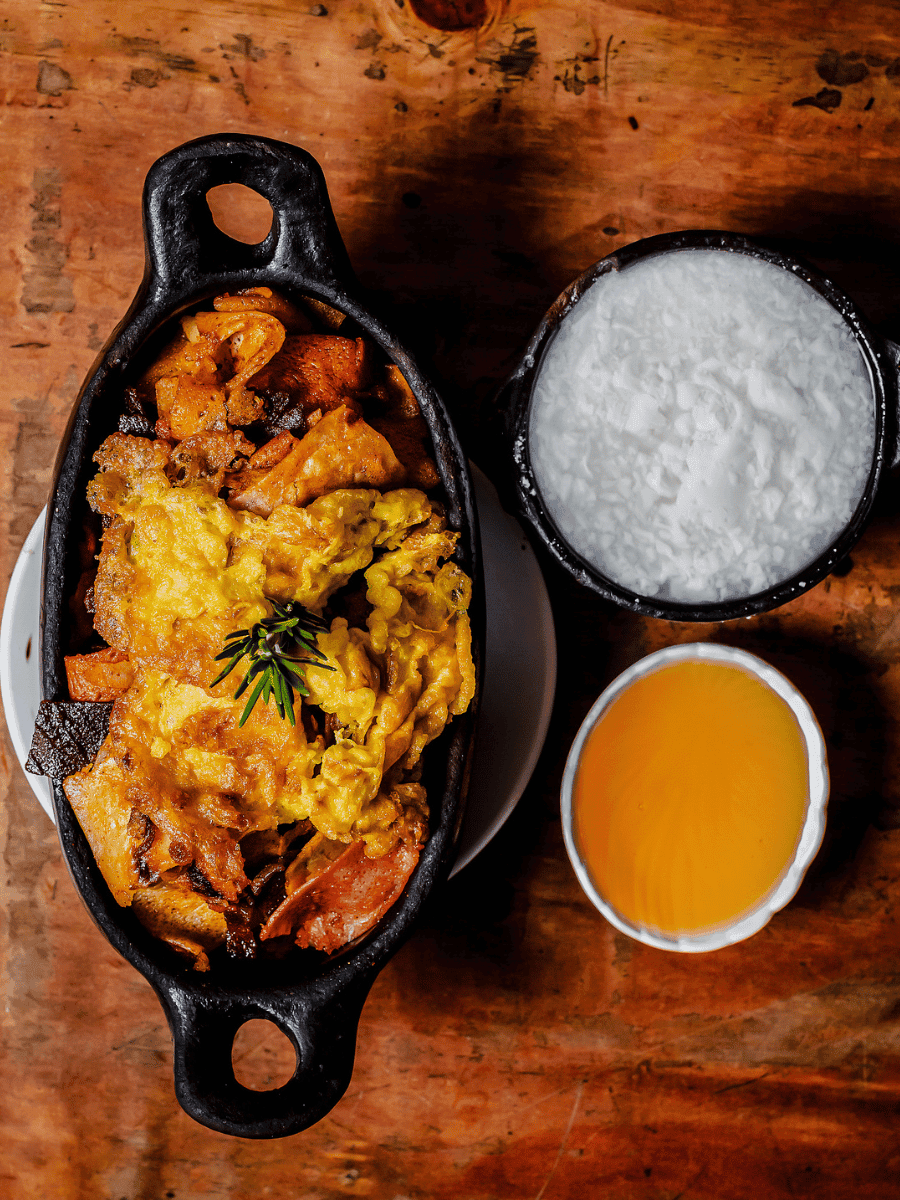
Stewed fava beans mashed hot with tomato, chilli, egg and a slick of niter kibbeh, spooned onto bread. Ethiopia's café breakfast, half-Sudanese, half-Habesha.

Torn flatbread pan-fried in niter kibbeh and berbere until glossy and spiced. Ethiopia's Oromo breakfast, sold from morning cafés across Addis Ababa.
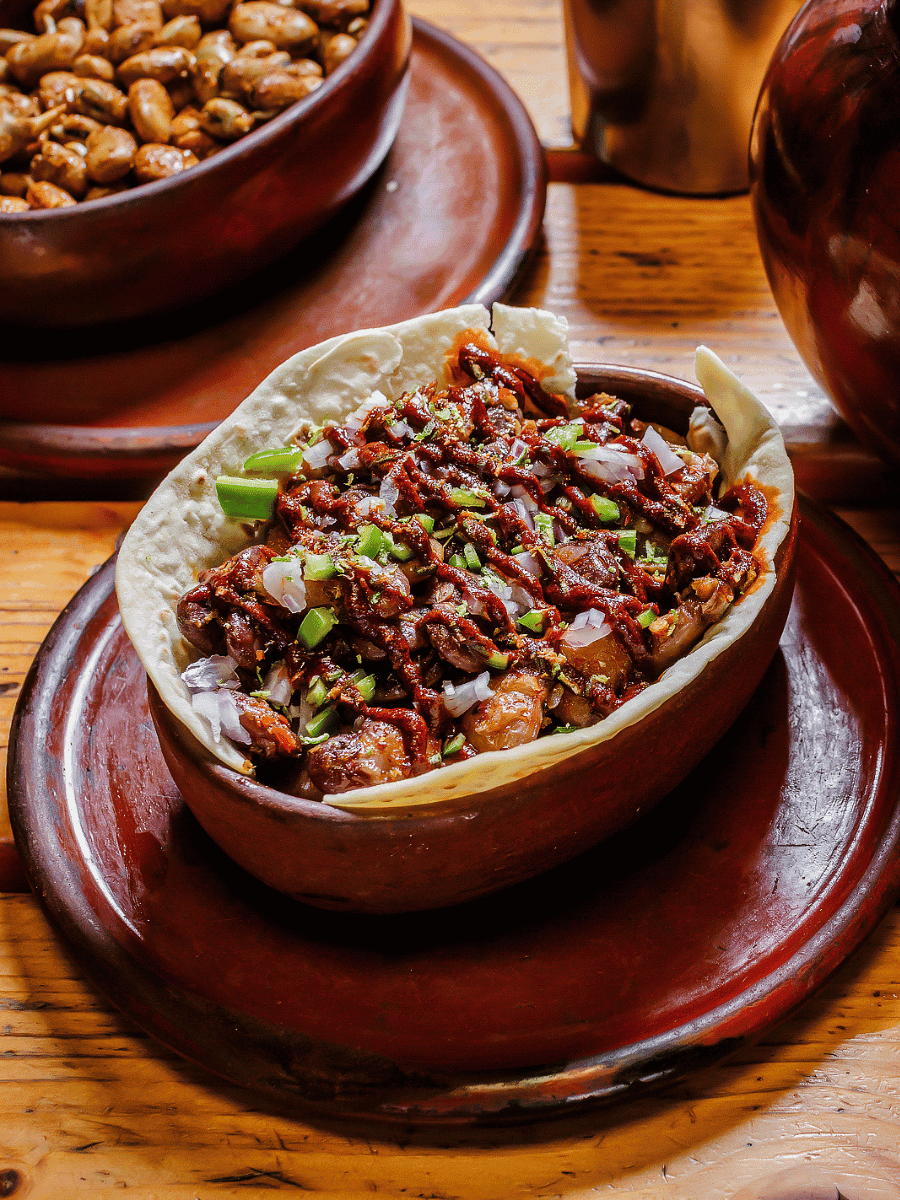
Roasted barley, chickpeas, peanuts and sunflower seeds tossed with a little salt. Ethiopia's coffee-ceremony snack, portable, endlessly refillable.

Silky rice noodle rolls in a dark sweet-shrimp sauce with a scatter of toasted sesame seeds. Penang's morning-market breakfast, cousin to Hong Kong's cheung fun.

Berbere blended with tej or red wine and a splash of oil into a fiery, glossy red paste. Ethiopia's essential condiment, on every table.

Very finely chopped raw beef seasoned with mitmita and warmed briefly in niter kibbeh. Ethiopia's Gurage-invented national dish, served with ayib and gomen.