
Destination
Addis Ababa
The story
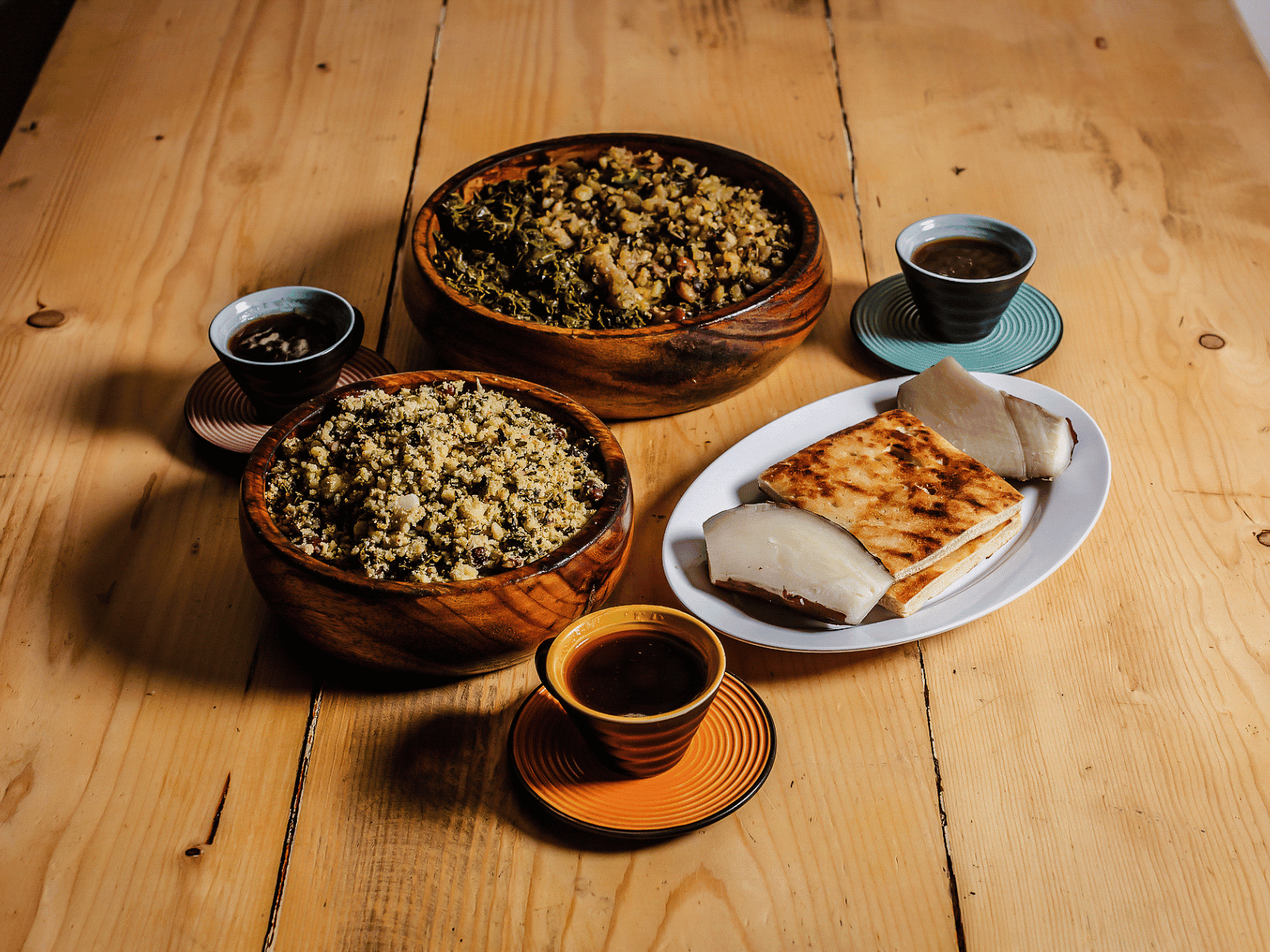
Gomen is the everyday Ethiopian green: collard greens (or occasionally kale) chopped, sweated slowly with onion, garlic and ginger, seasoned with cardamom, black pepper and a spoon of niter kibbeh, cooked until the leaves are tender but still holding a bit of texture. Served alongside almost every Ethiopian main: kitfo, doro wat, tibs, misir wat, tere sega. Cool, savoury, mildly aromatic; the vegetable balance to the fiery stews on the same plate.
Method
Bring a large pot of salted water to a rolling boil. Add the shredded greens and cook 3 to 4 minutes only, until wilted and slightly softened but still bright green. Drain and rinse under cold water to stop the cooking. Squeeze out excess water and set aside.
Melt the niter kibbeh in a wide heavy pan over medium heat. Add the onion and cook 8 to 10 minutes, stirring often, until soft and just starting to gold.
Add the garlic, ginger and cardamom. Cook 1 minute until fragrant.
Add the blanched greens, salt, pepper and water. Toss to coat in the buttery aromatics.
Reduce heat to low, cover partially with a lid, and cook 15 to 20 minutes, stirring every 5 minutes, until the greens are tender and glossy but still have some body. Add a splash more water if the pan looks dry.
Taste for salt. Add lemon juice or chopped tomato at the very end if using.
Tip into a bowl and serve warm as a side alongside kitfo, doro wat, tibs or any Ethiopian main course. Also good spooned onto a piece of injera.
Tips
- Blanch first, then braise. The two-stage approach (brief blanch, then long slow braise in the aromatic butter) gives you tender-with-texture greens rather than either raw-tasting or collapsed ones.
- Niter kibbeh is what makes it Ethiopian. Its smoky, spiced note is the whole flavour of gomen. Plain butter with a pinch of cardamom and nutmeg is a passable substitute.
- No berbere, no chilli (traditionally). Gomen is the cool voice on the Ethiopian plate. The heat comes from other dishes on the same platter. Adding chilli here changes the role the dish plays.
- Ginger goes in whole quantities. A tablespoon of grated fresh ginger sounds like a lot, but ginger is a base note in Ethiopian cooking. Trust the amount.
- Better warm than hot. Gomen is often served slightly cooled from the pan (still warm, not scorching) which lets the flavours read cleaner. Rest 5 minutes off the heat before plating.
More recipes
View all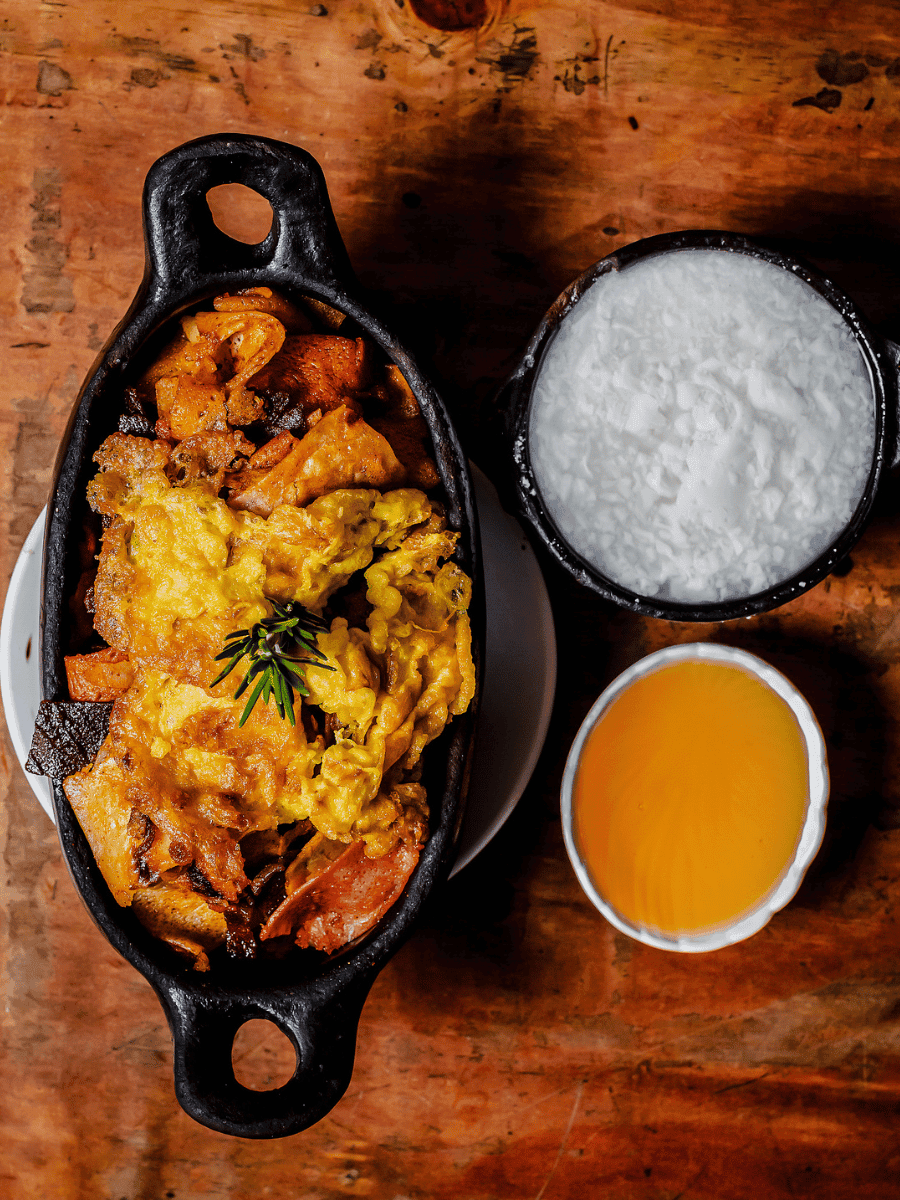
Stewed fava beans mashed hot with tomato, chilli, egg and a slick of niter kibbeh, spooned onto bread. Ethiopia's café breakfast, half-Sudanese, half-Habesha.

Very finely chopped raw beef seasoned with mitmita and warmed briefly in niter kibbeh. Ethiopia's Gurage-invented national dish, served with ayib and gomen.
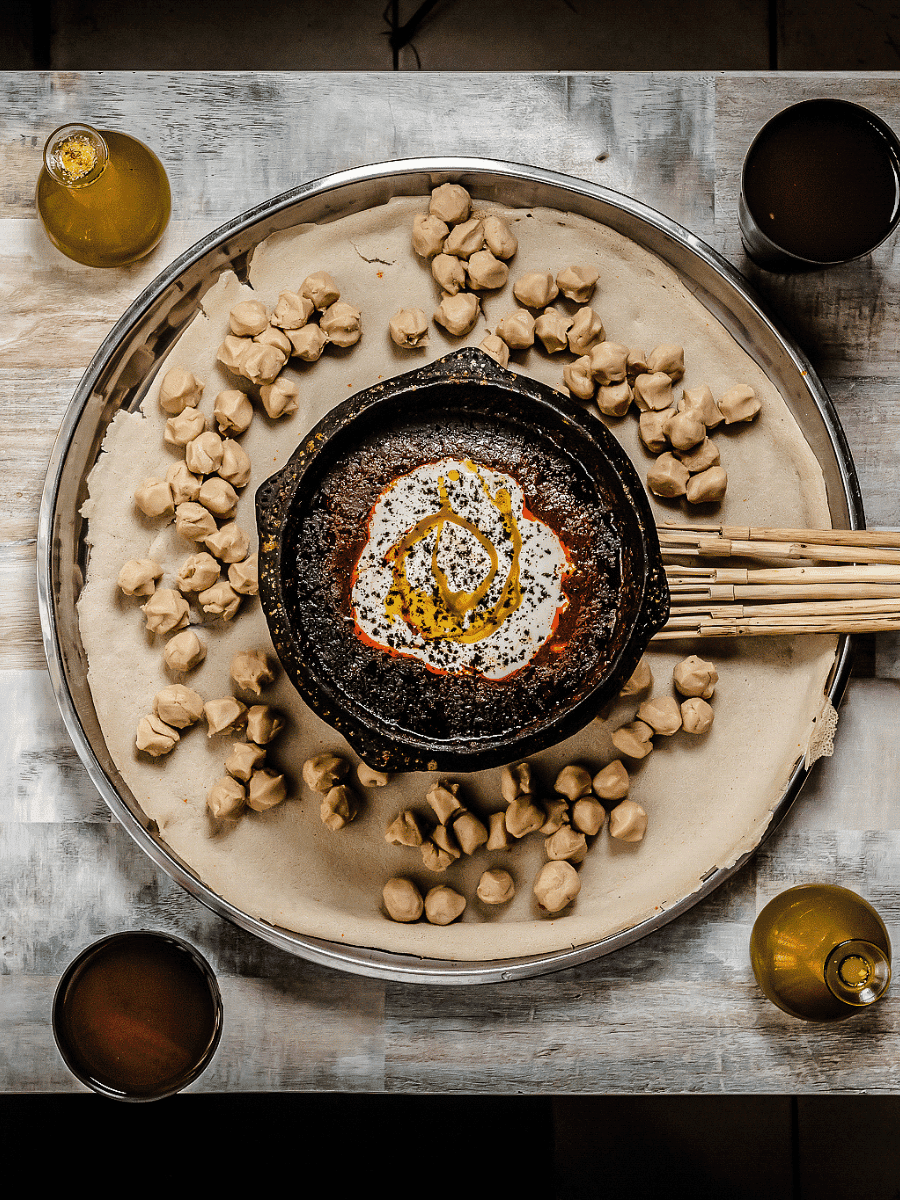
Roasted chickpea-flour dough pinched into small balls and dipped in a bowl of spiced niter kibbeh. Tigray's communal snack, eaten by hand from the shared platter.
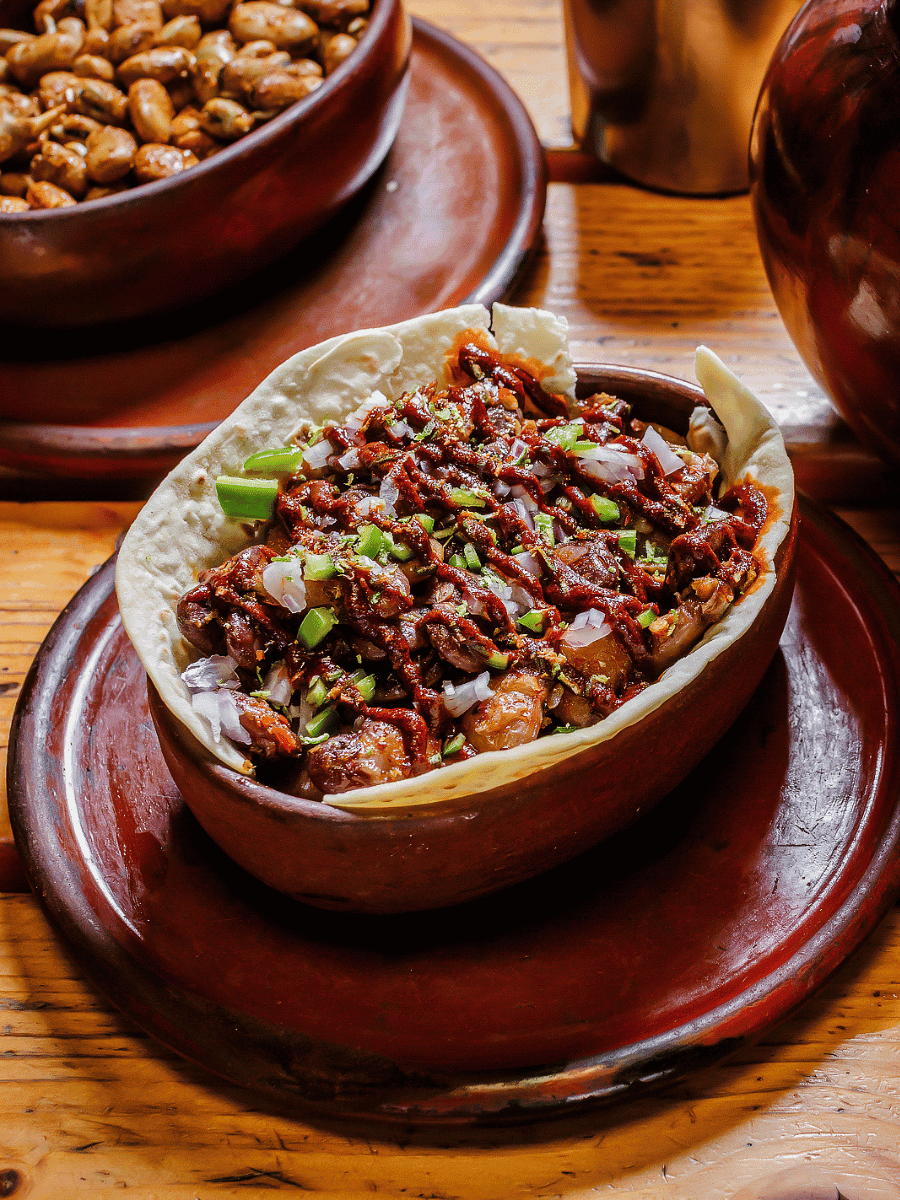
Roasted barley, chickpeas, peanuts and sunflower seeds tossed with a little salt. Ethiopia's coffee-ceremony snack, portable, endlessly refillable.

Spaghetti tossed with berbere-spiced tomato sauce, awaze and a spoon of niter kibbeh. Ethiopia's café pasta, born of the Italian occupation and made unmistakably Addis.
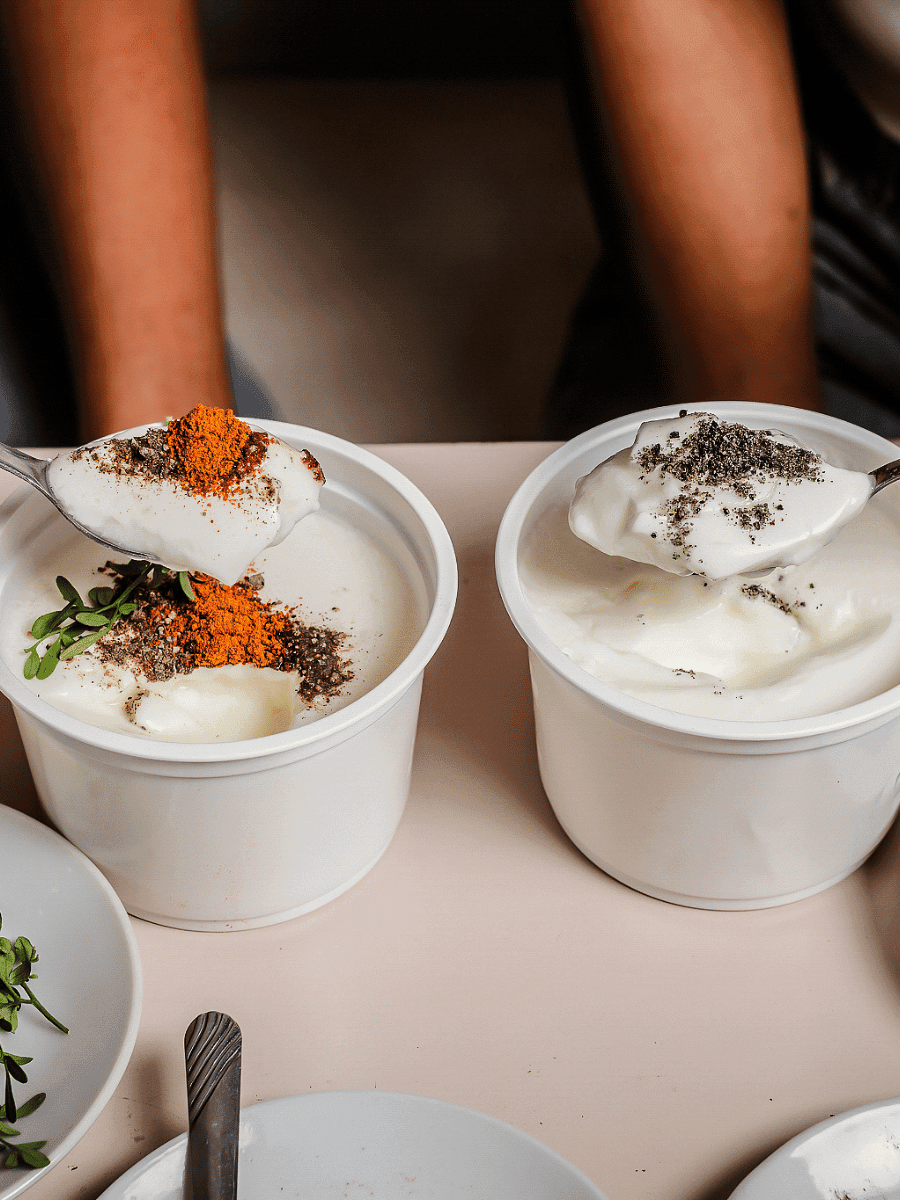
Whole milk fermented overnight into a thick, tangy Ethiopian yogurt. Served with kitfo, drizzled with honey, or spooned into fitfit dishes.