
“An incredible night - we would never have found the spots without this tour. ”
— Elizabeth, 2026
01 Food tours
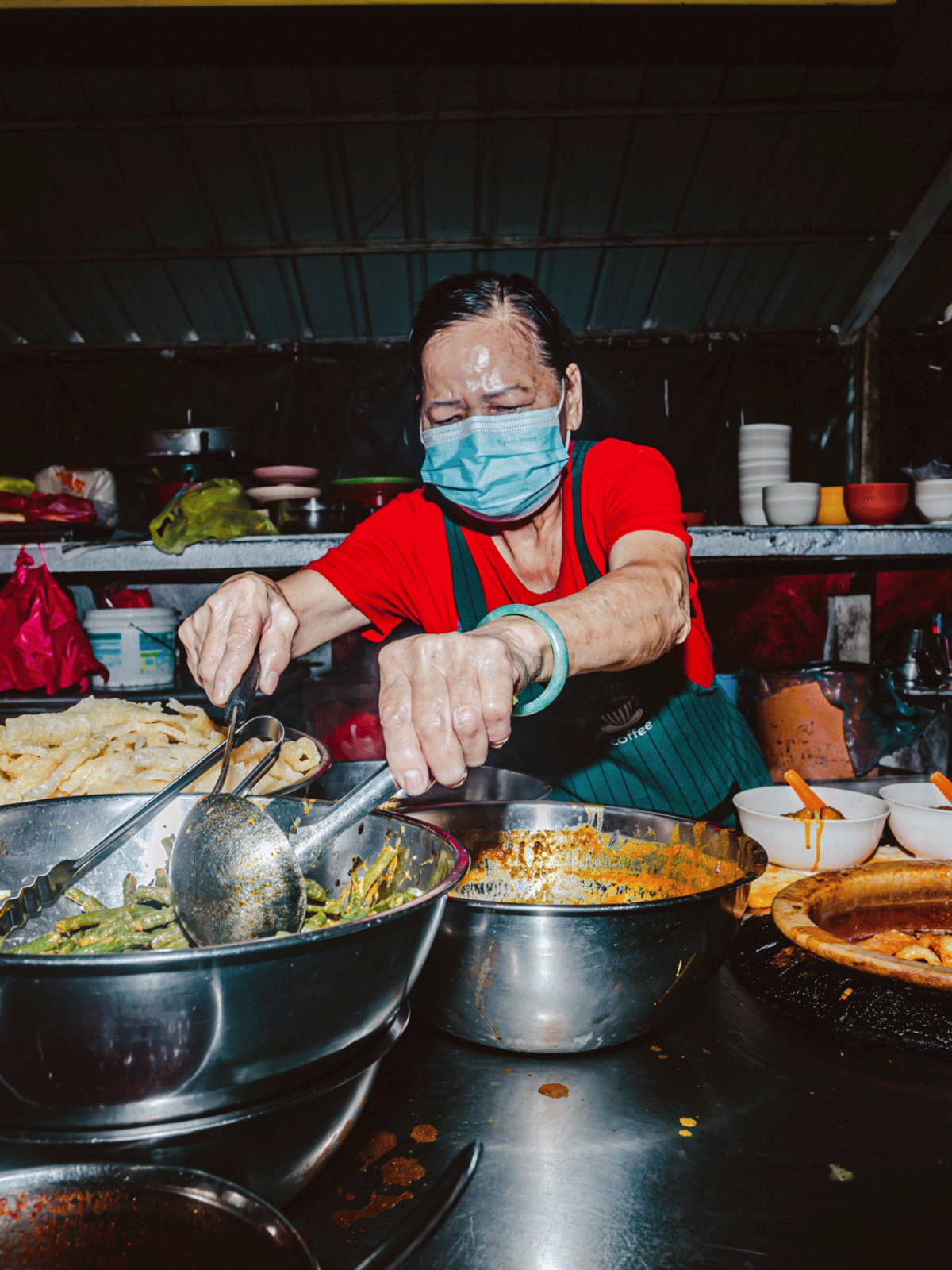
Original food tours, curated with our local tastemakers to showcase the neighbourhood kitchens, markets and family-run eateries that define Kuala Lumpur.
Laksa Lanes
Kuala Lumpur
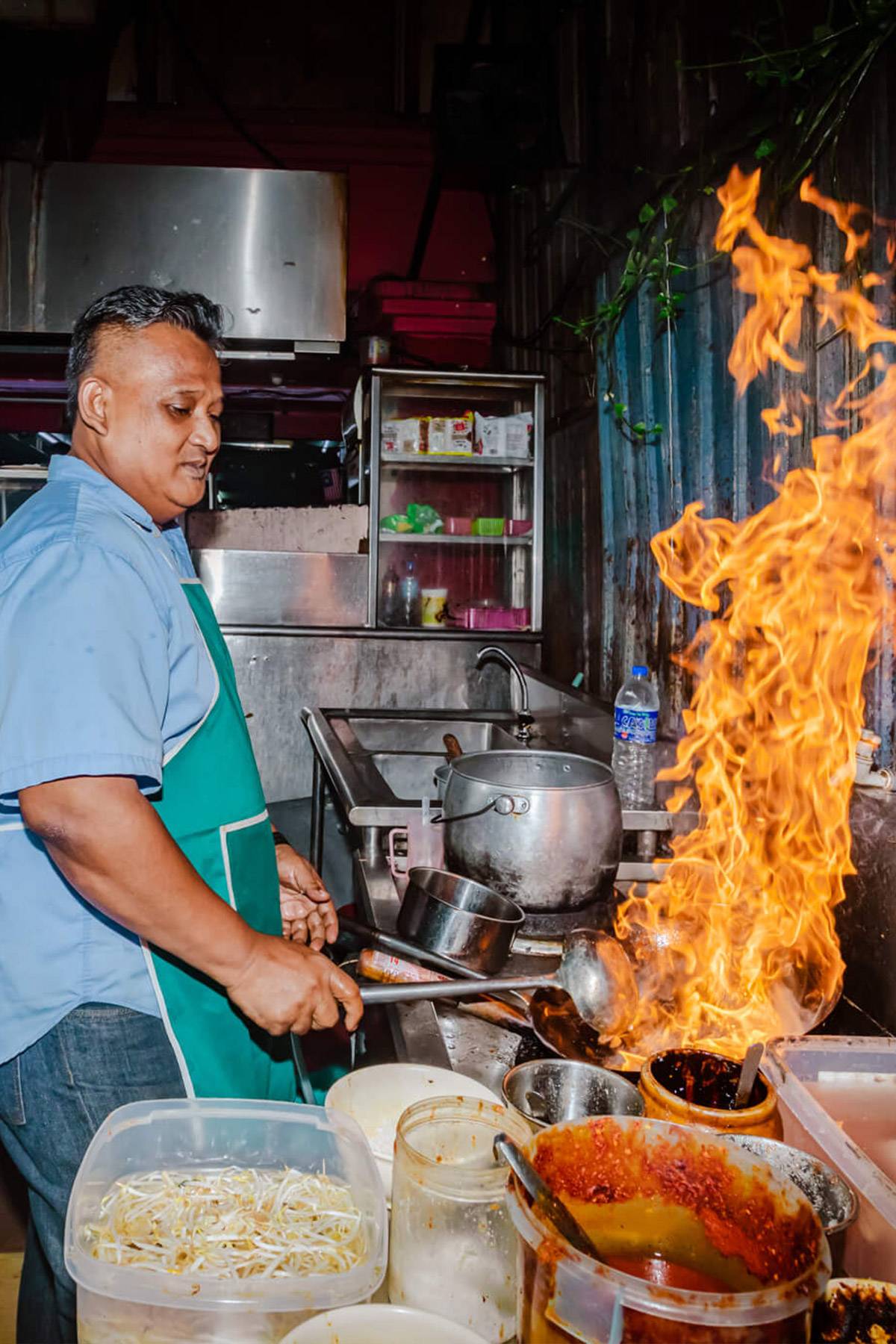
Wander KL's Chinatown — char kway teow flames, Hokkien mee and satay glazed with peanut.
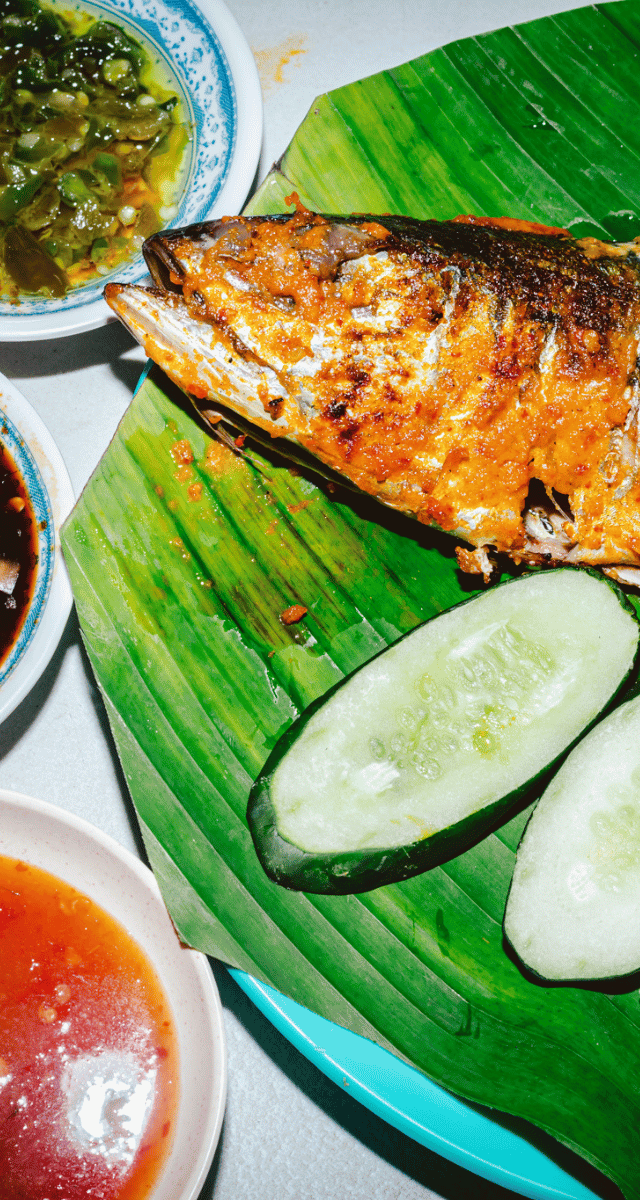
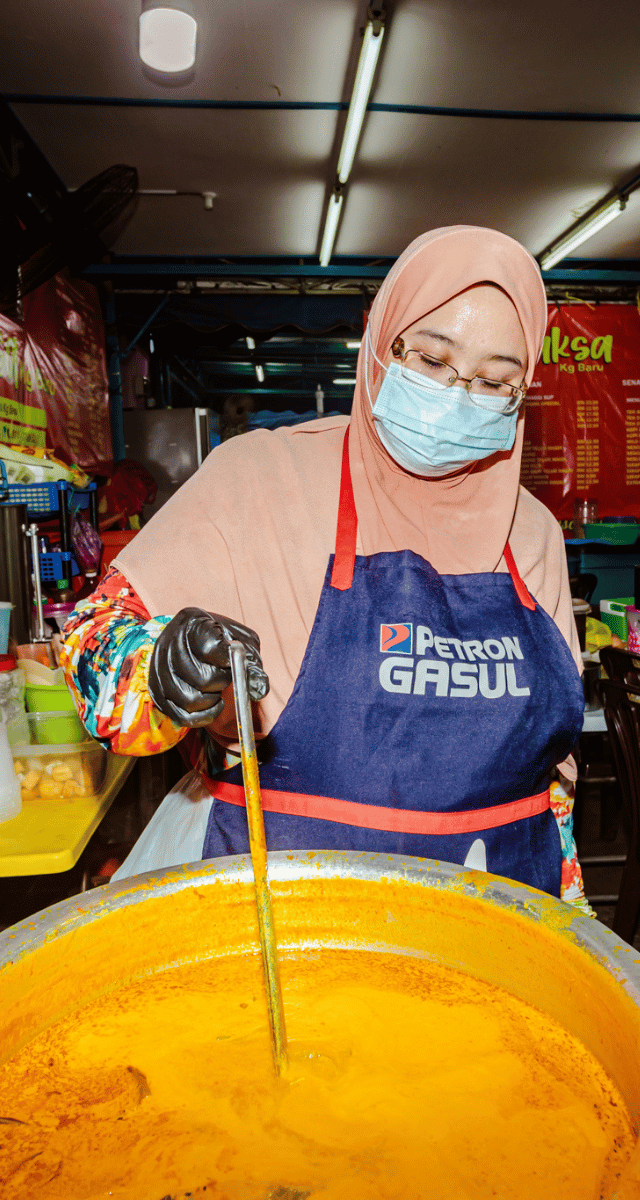
Sambal Streets
Kuala Lumpur
Explore KL's three cuisines, one wok — nasi lemak, char kway teow, satay and laksa.
02 Meet the tastemakers
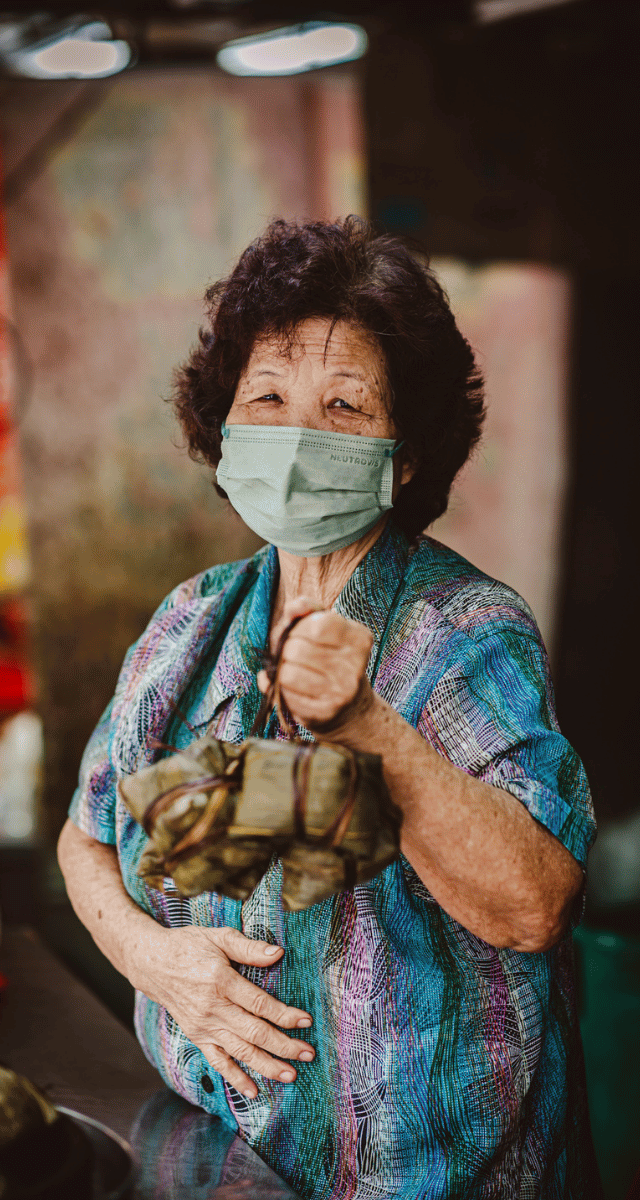
The local food experts who help us research, refine and lead every A Chef's Tour.


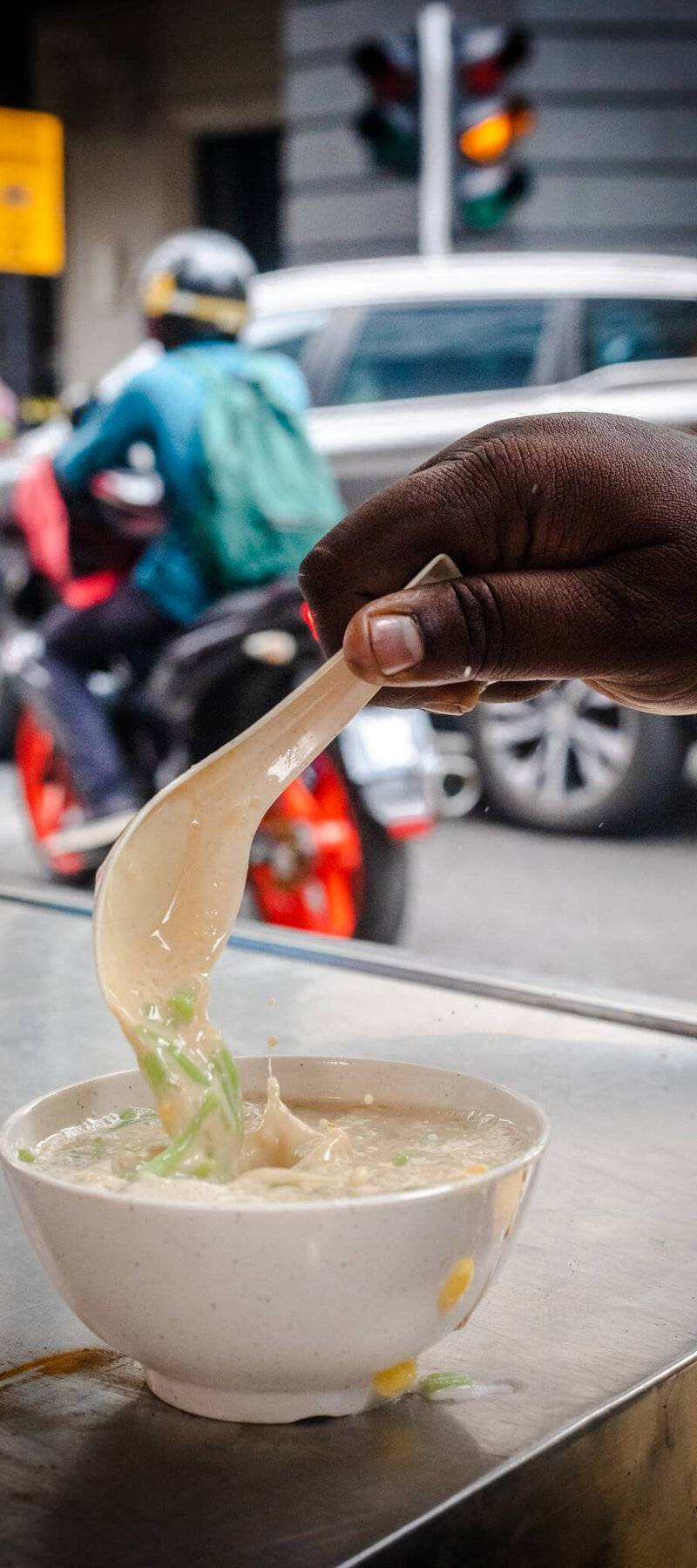
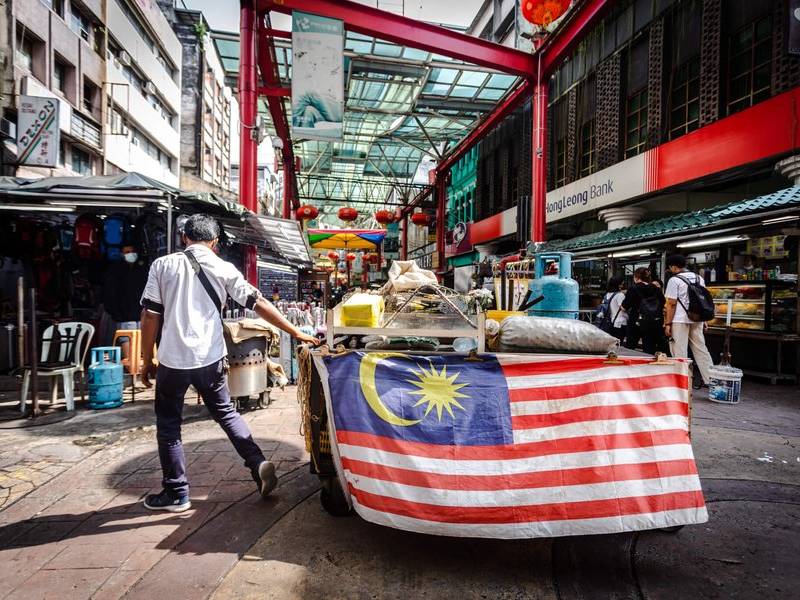
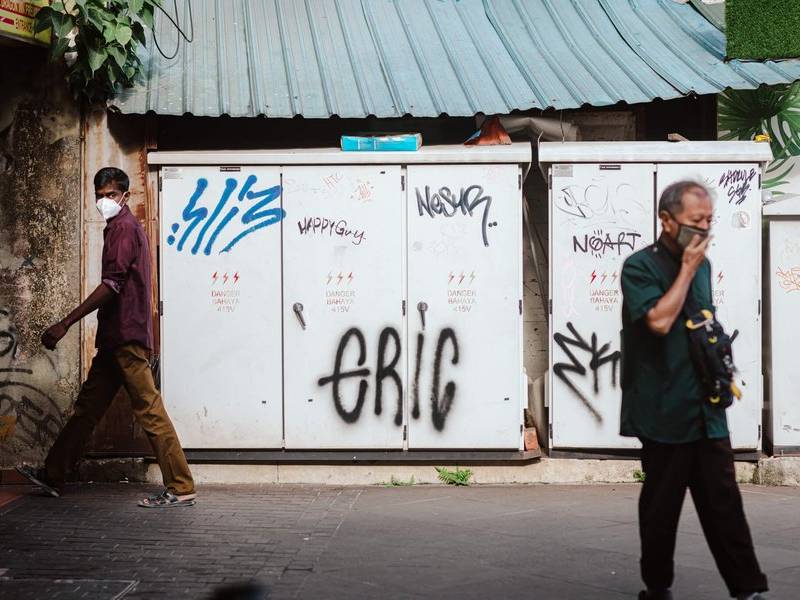
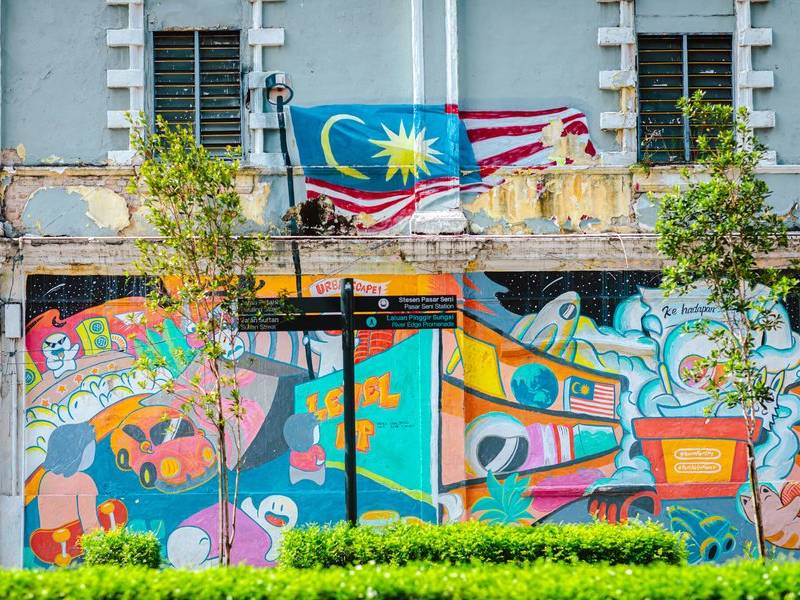
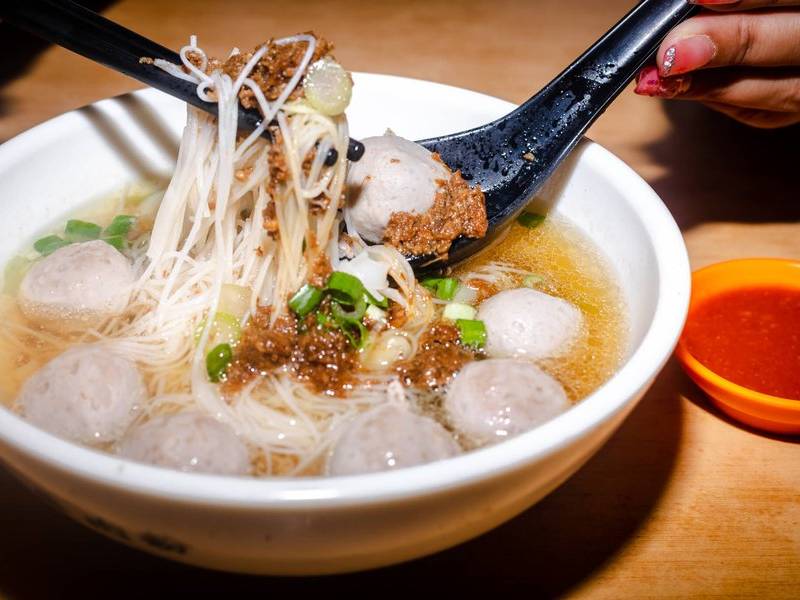
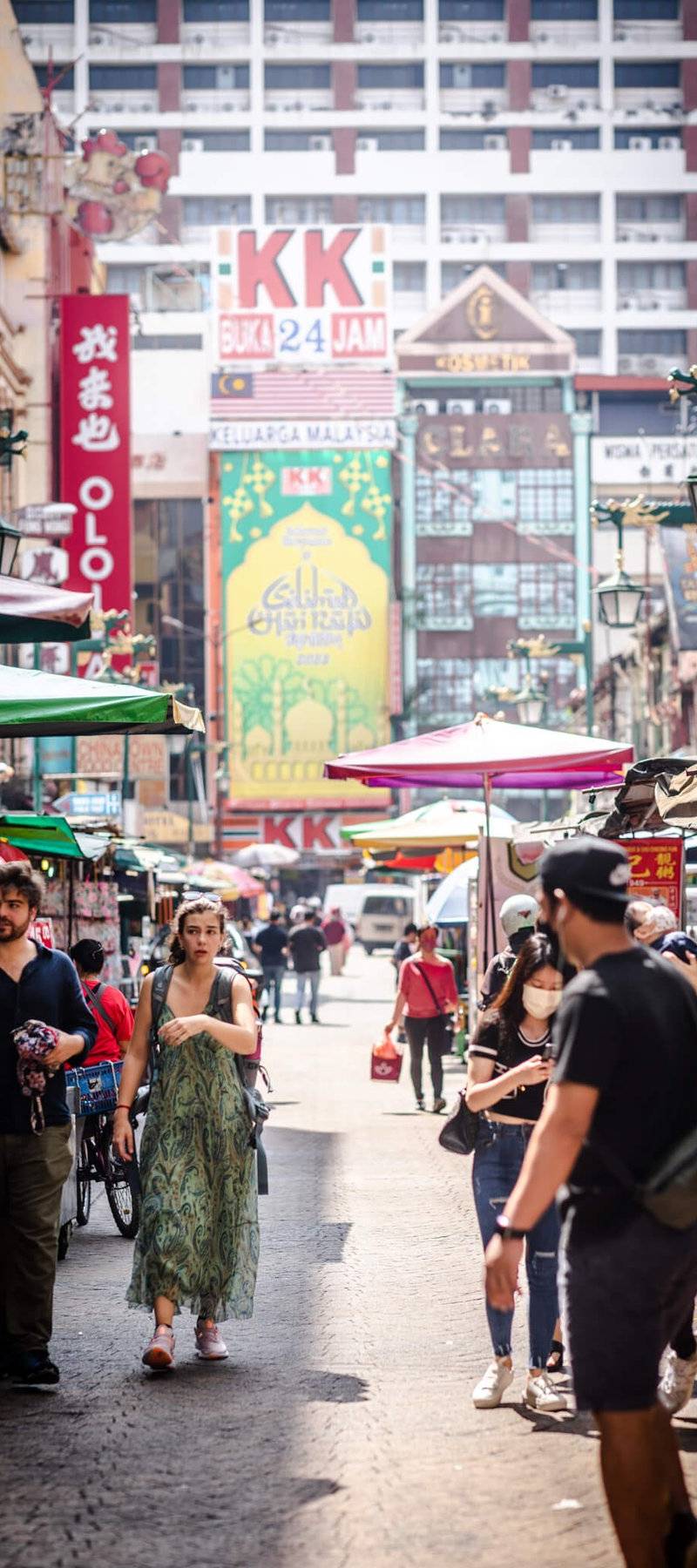
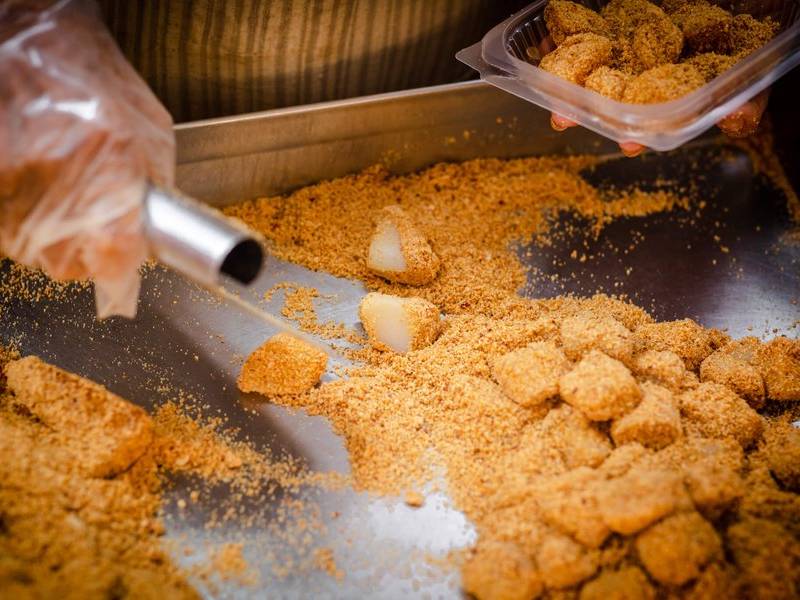
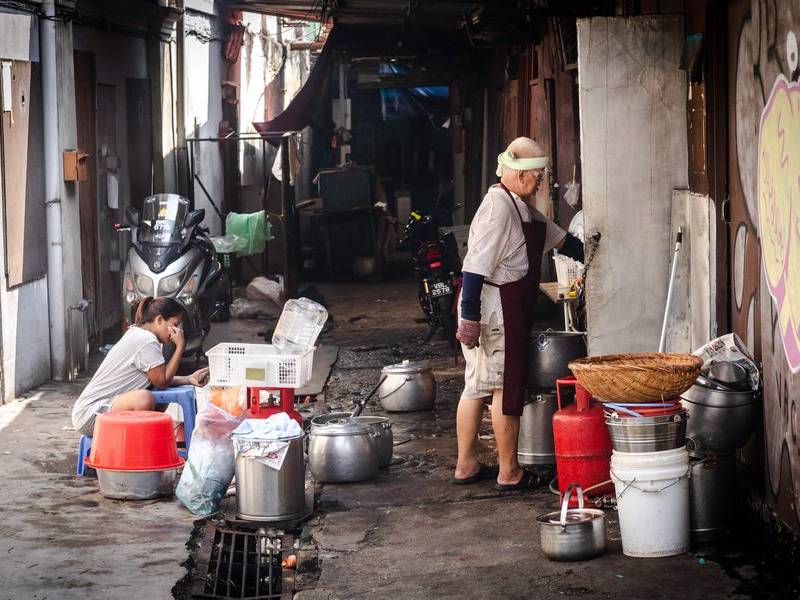
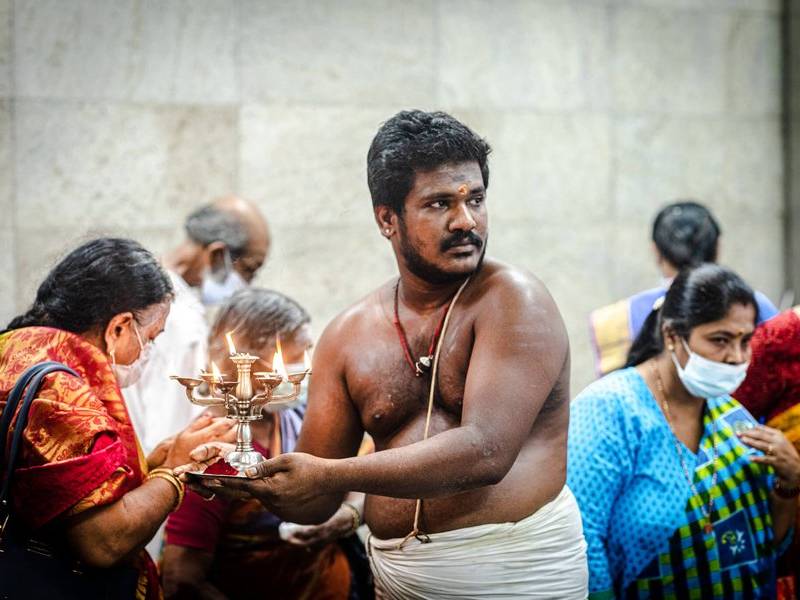
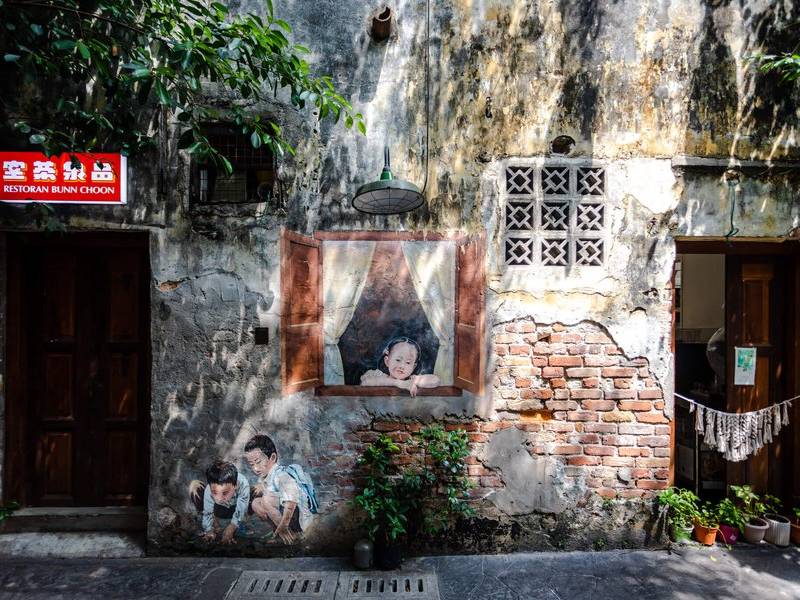
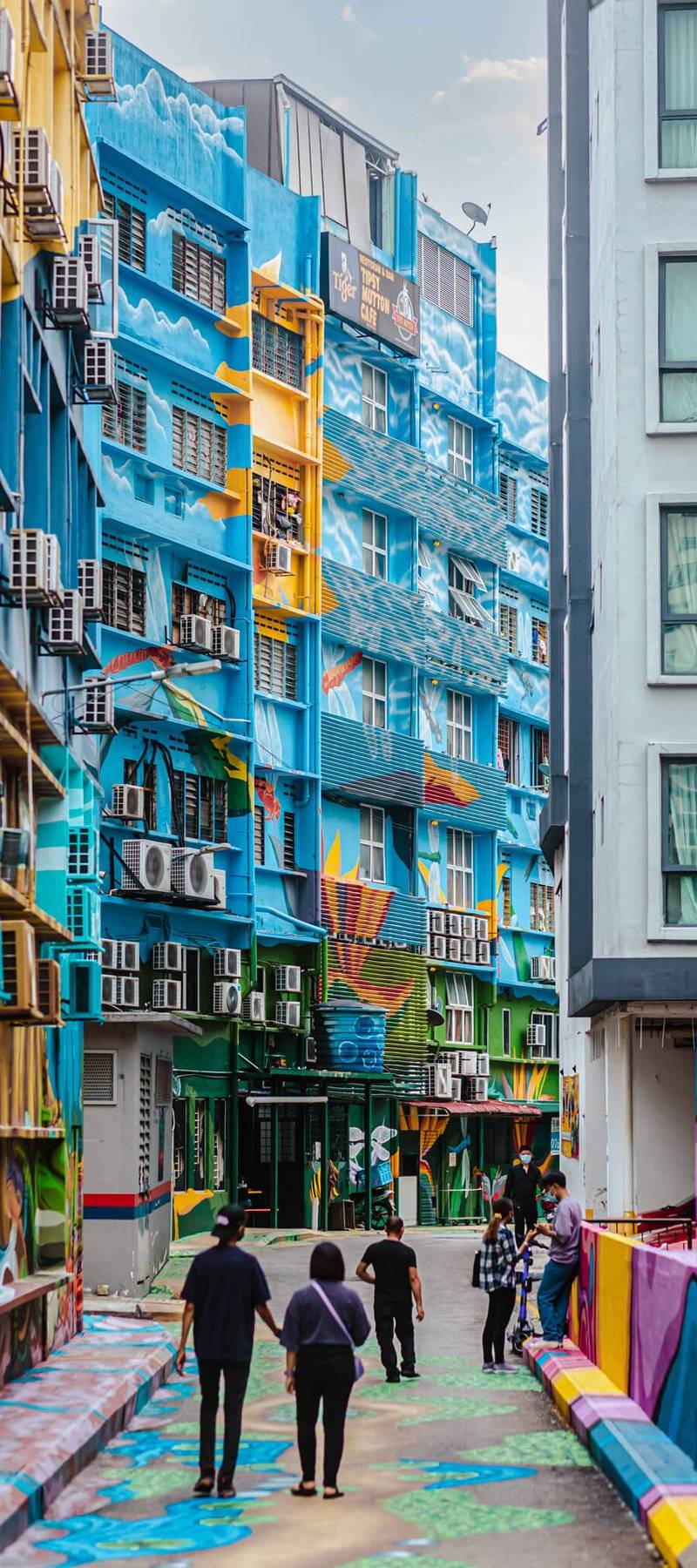
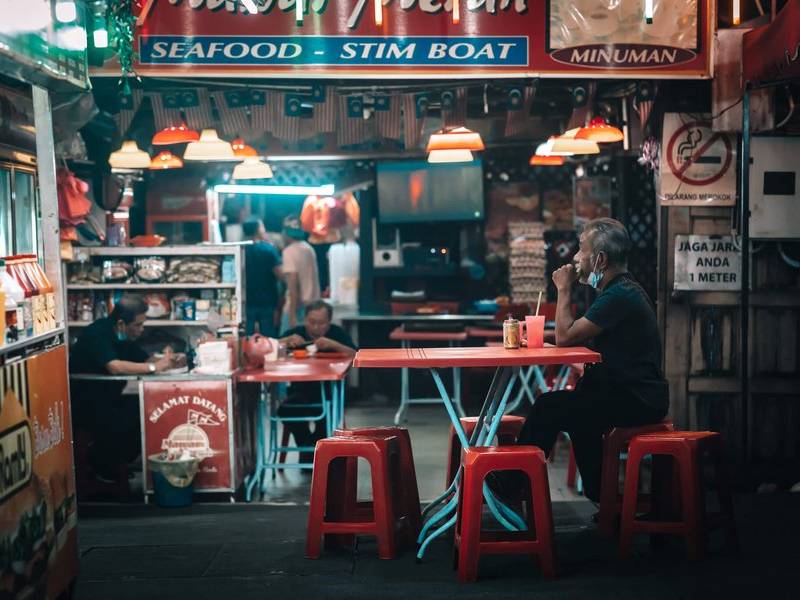
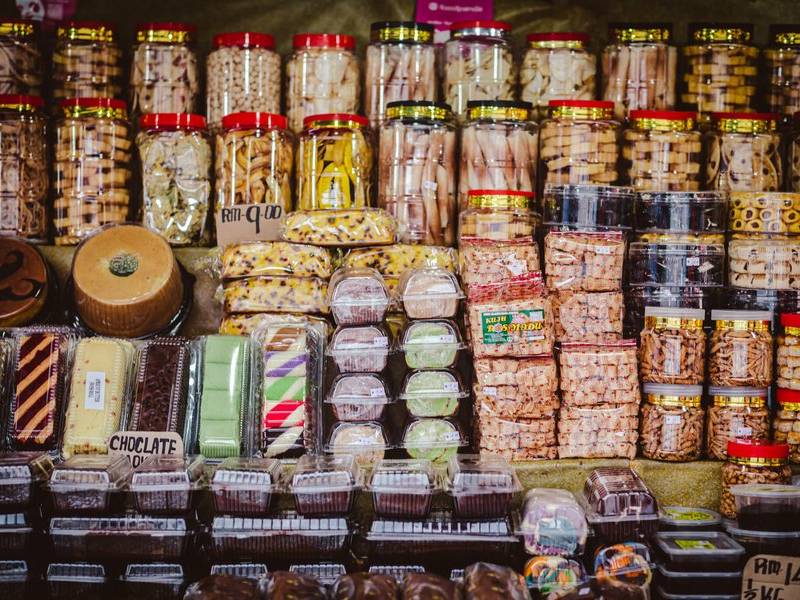
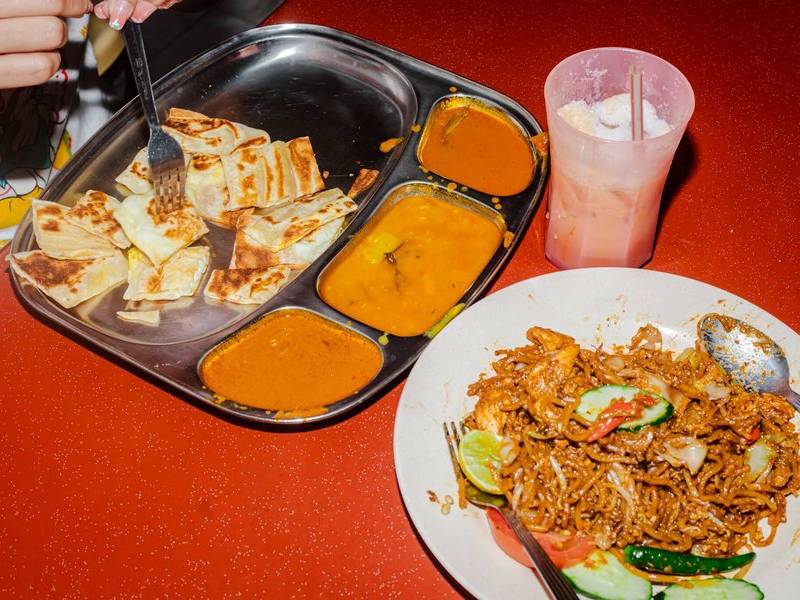
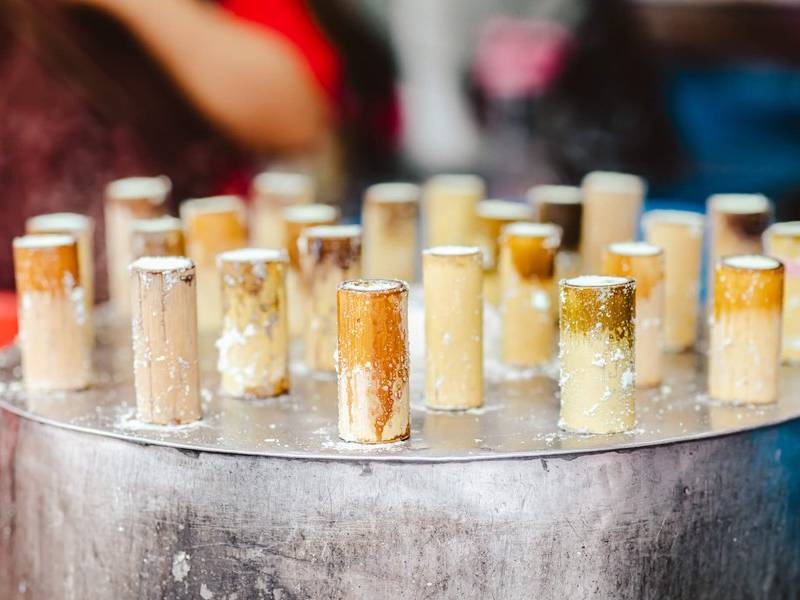
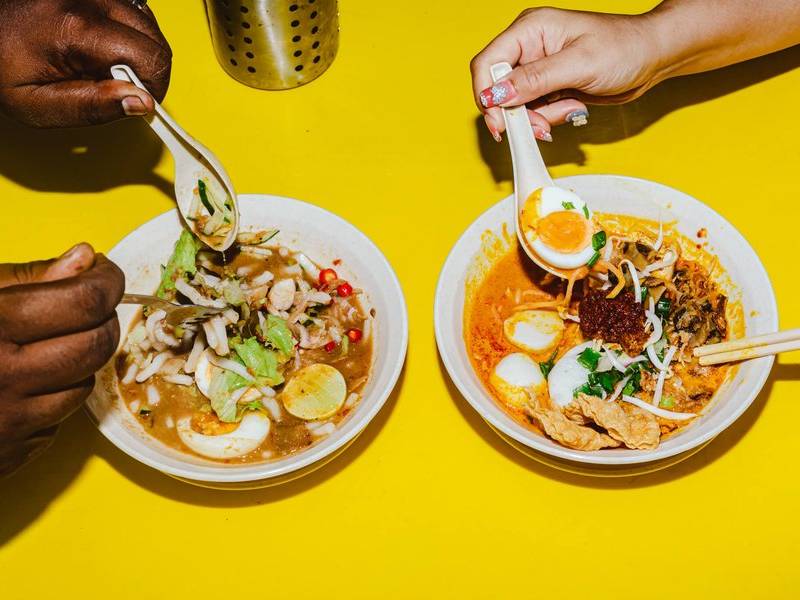
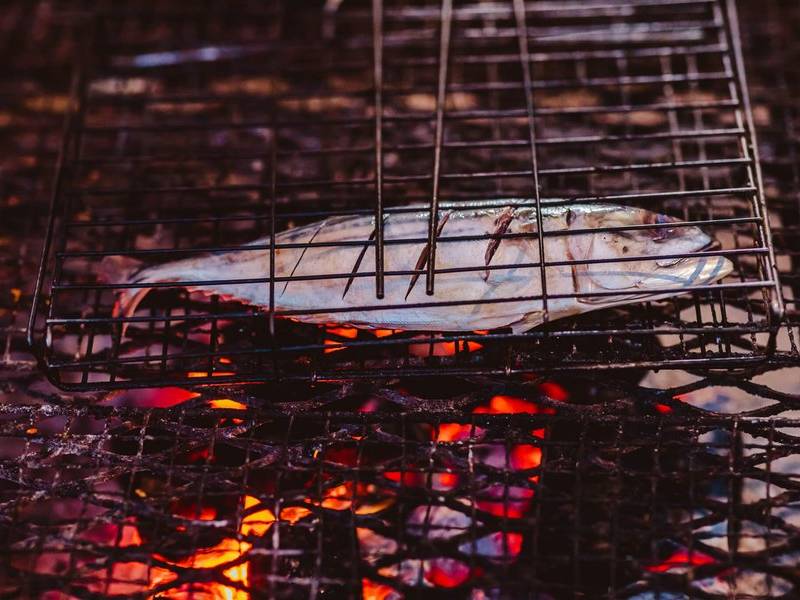
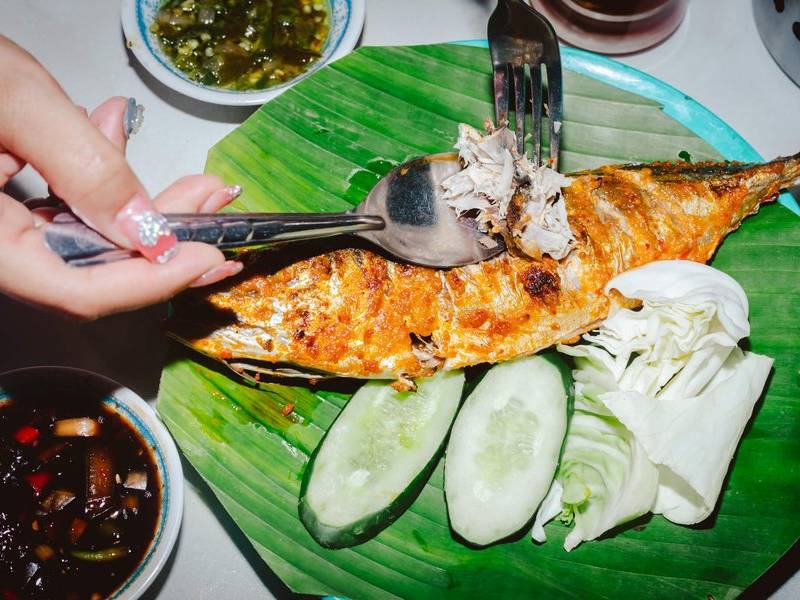
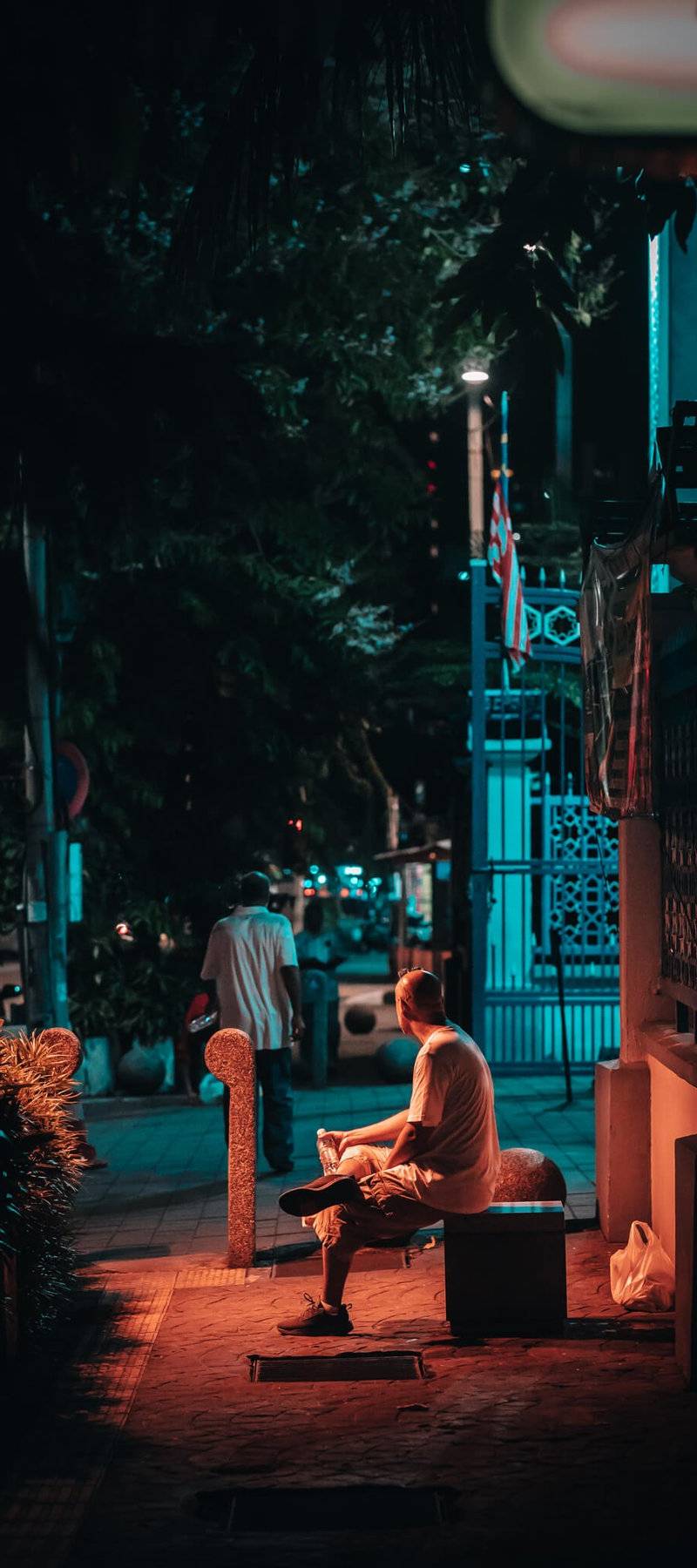
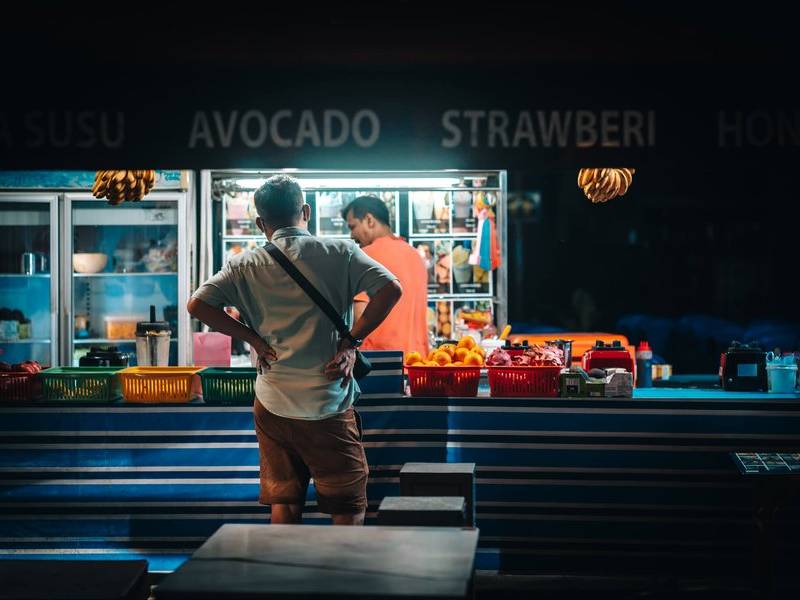
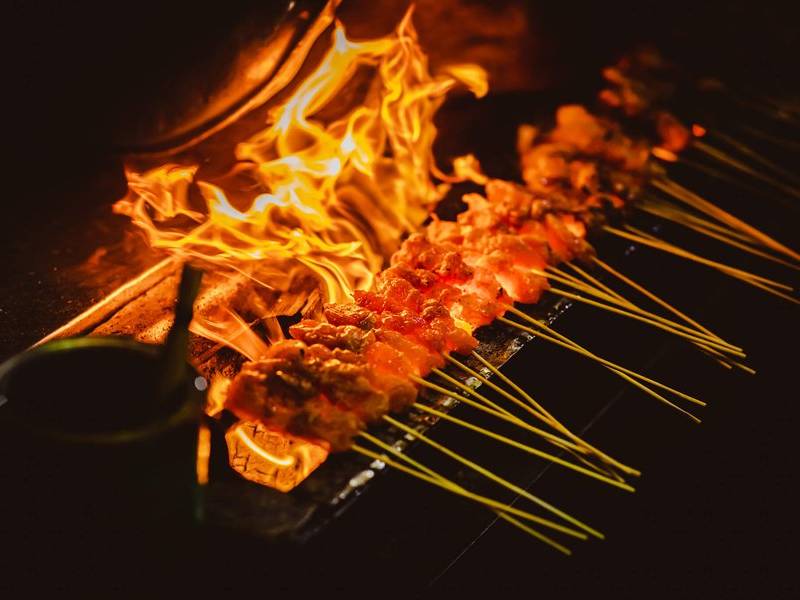
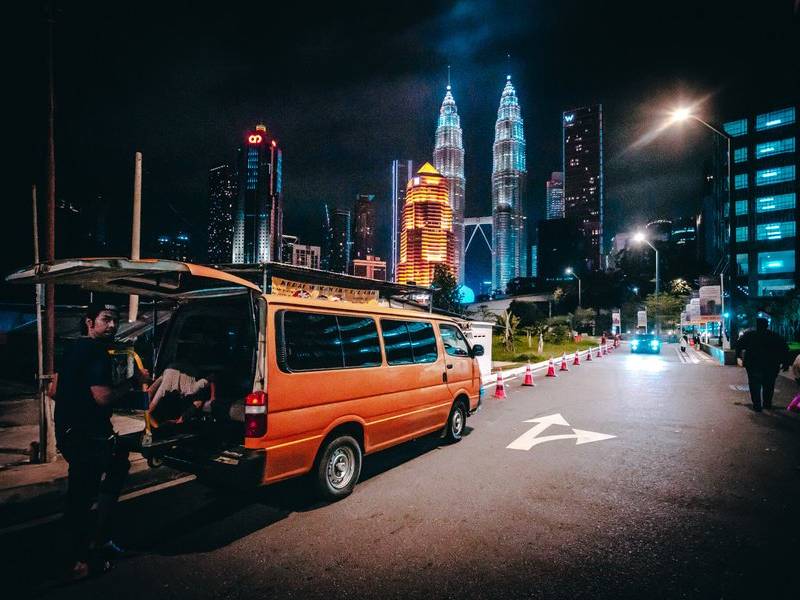
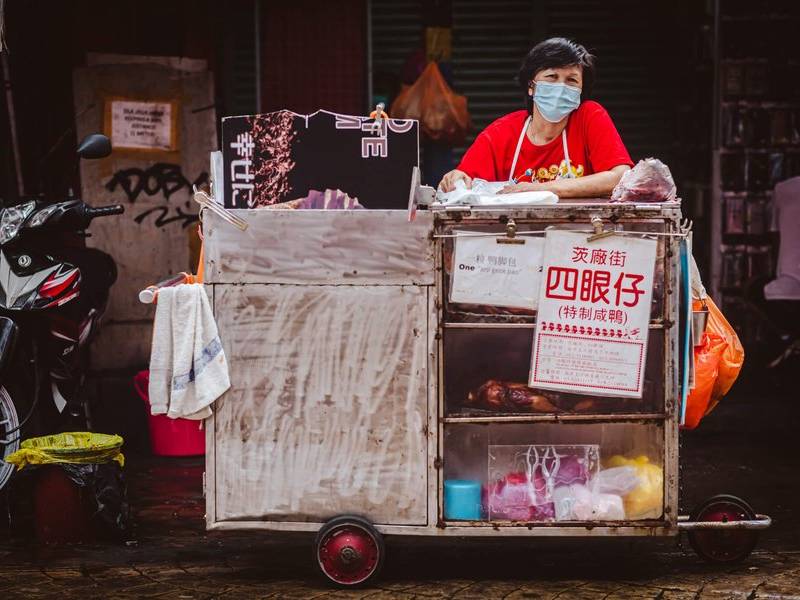
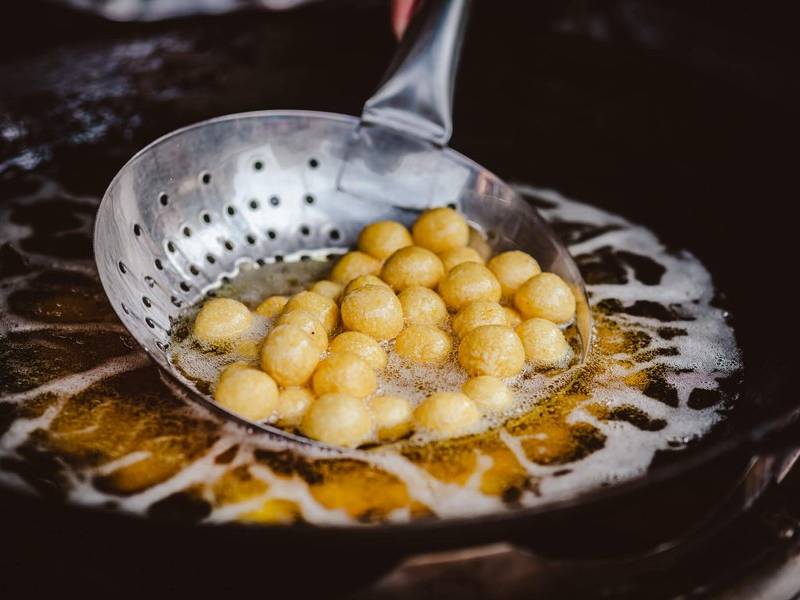
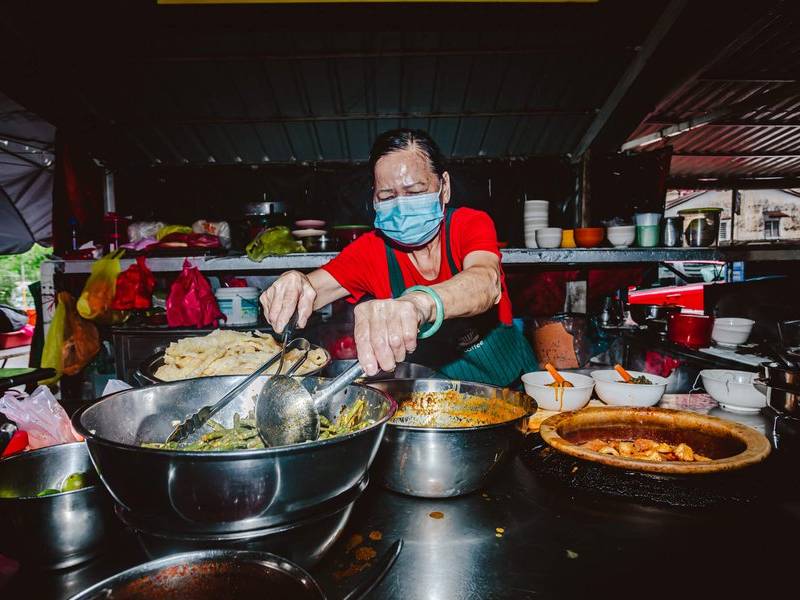
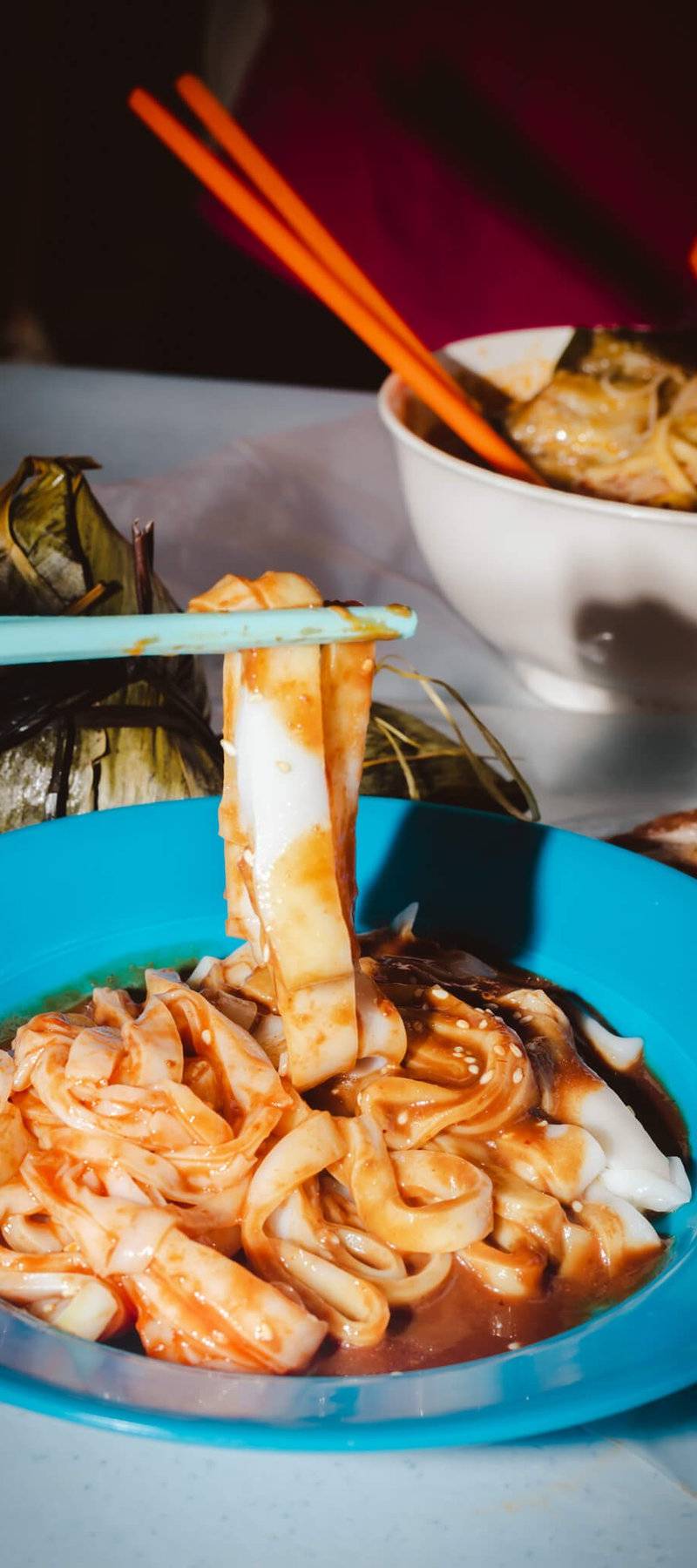
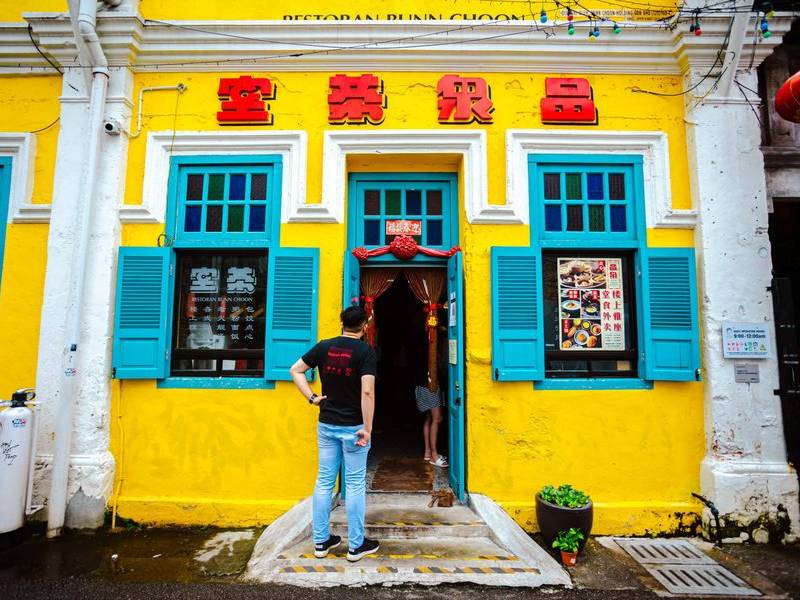
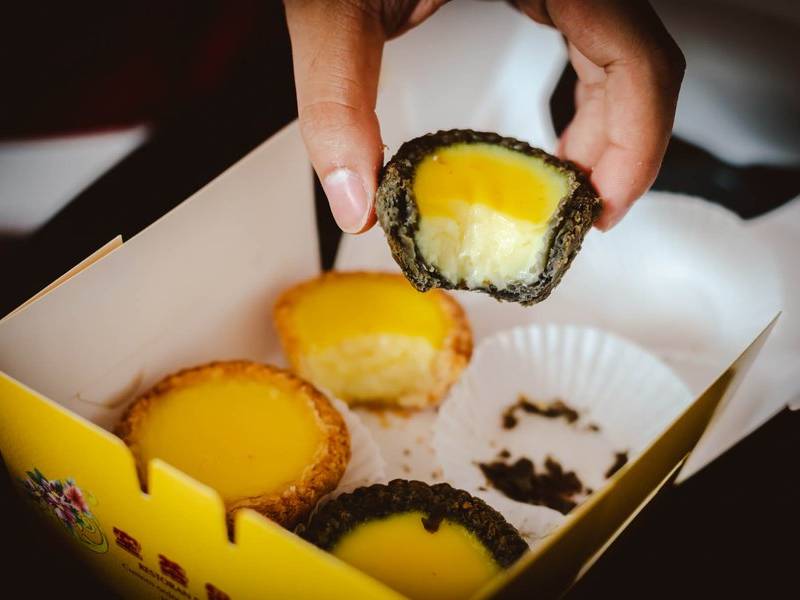
Nasi lemak coconut rice, char kway teow tossed in wok flame, satay glazed with peanut, laksa broth thick with shrimp paste. Three cuisines share the same street and the same wok.
04 The pantry
- Belacan, dense fermented shrimp paste at the base of Malay cooking
- Pandan, screwpine leaves for nasi lemak and kaya
- Ikan bilis, tiny fried anchovies scattered onto nasi lemak
- Sambal, chilli paste with a hundred household versions
- Kaya, coconut-egg jam spread on toast for breakfast
05 In the kitchen
- Cooking rice in coconut milk and pandan for nasi lemak
- Tossing char kway teow over roaring wok flame with pork fat
- Pounding curry pastes and sambals in the deep mortar
- Grilling satay skewers over open charcoal at hawker stalls
- Baking roti canai dough stretched thin on a hot griddle
06 Eat this first
- Nasi lemak, coconut rice with sambal, egg, peanuts and anchovies
- Char kway teow, flat rice noodles tossed with prawn and cockles
- Roti canai, flaky flatbread with dal or curry gravy
- Satay, charcoal-grilled skewers with peanut sauce
- Kaya toast, coconut-egg jam on charcoal-toasted white bread


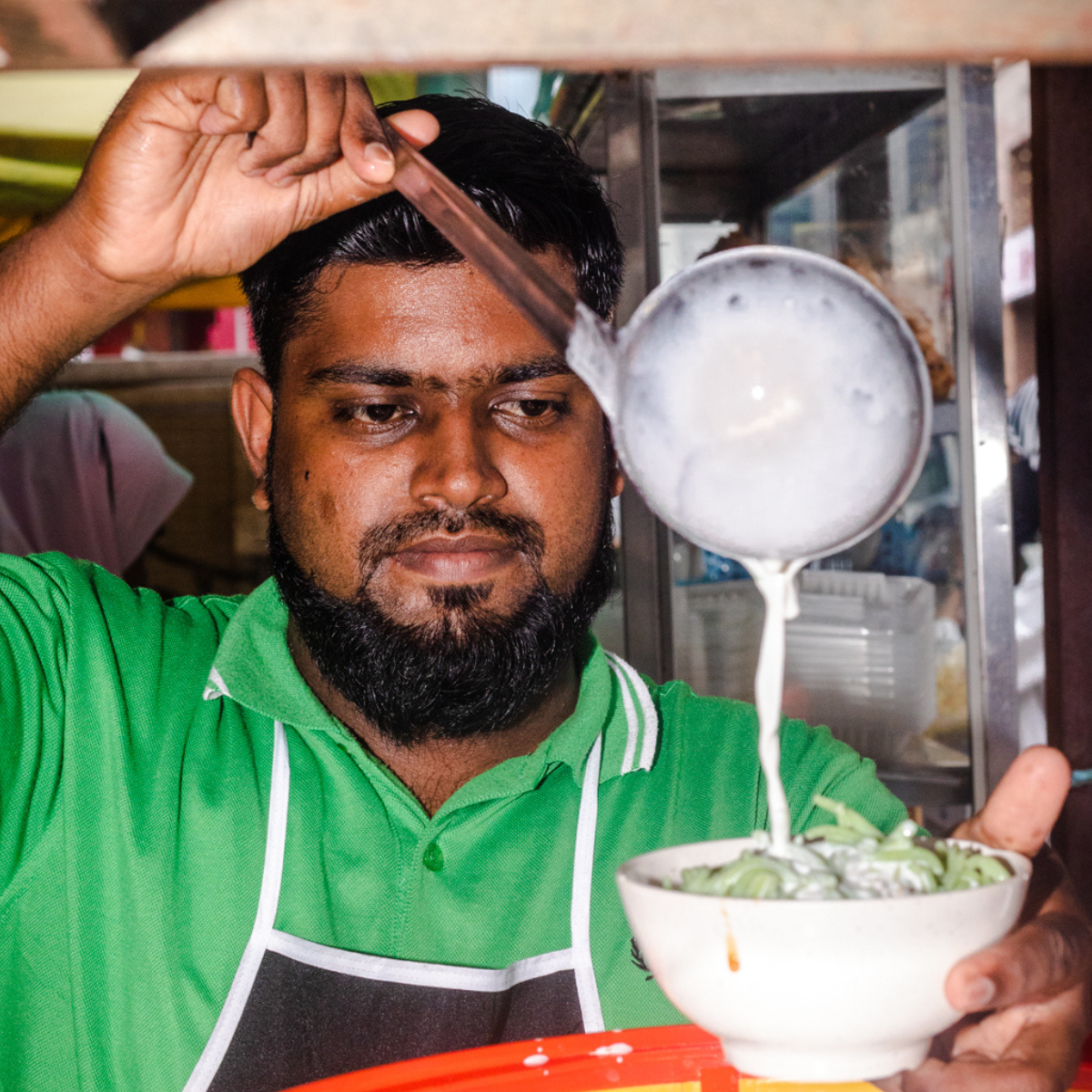
Best spots for a proper Malaysian breakfast in Kuala Lumpur
Forget smashed avo on toast or pancakes. If you want to do things right, try a proper Malaysian breakfast in Kuala Lumpur.

09 Recipes
A collection of authentic recipes we couldn't leave behind.

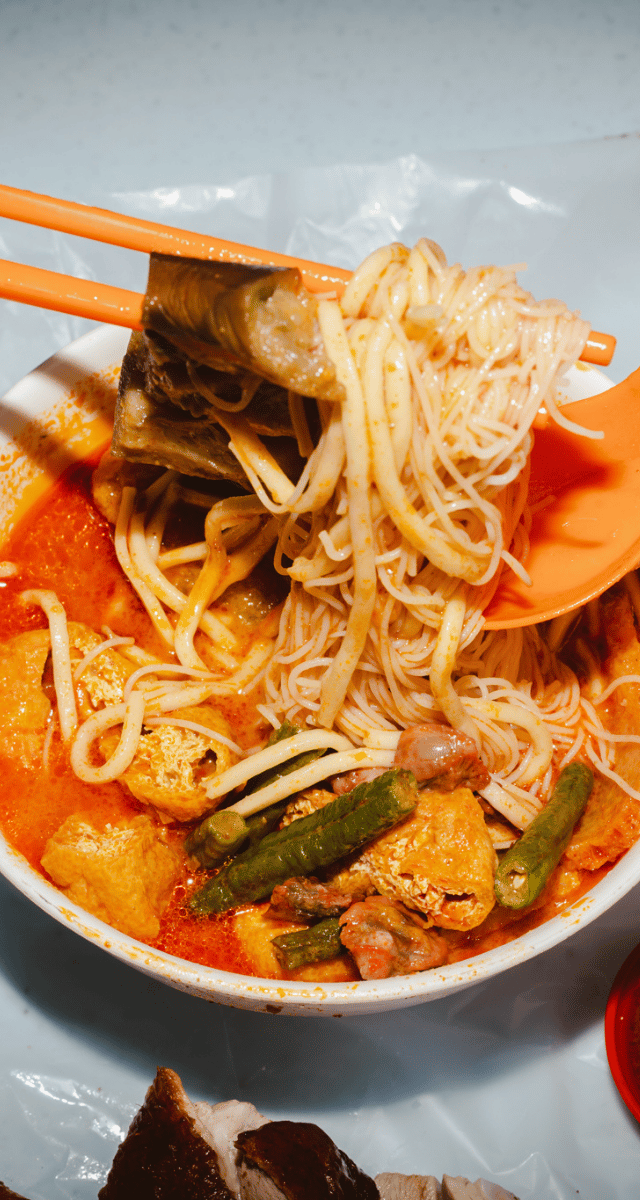
Egg noodles and rice vermicelli in a deep, orange prawn-shell broth topped with poached prawns, hard-boiled egg, water spinach and fried shallots. Penang's most-loved noodle soup.
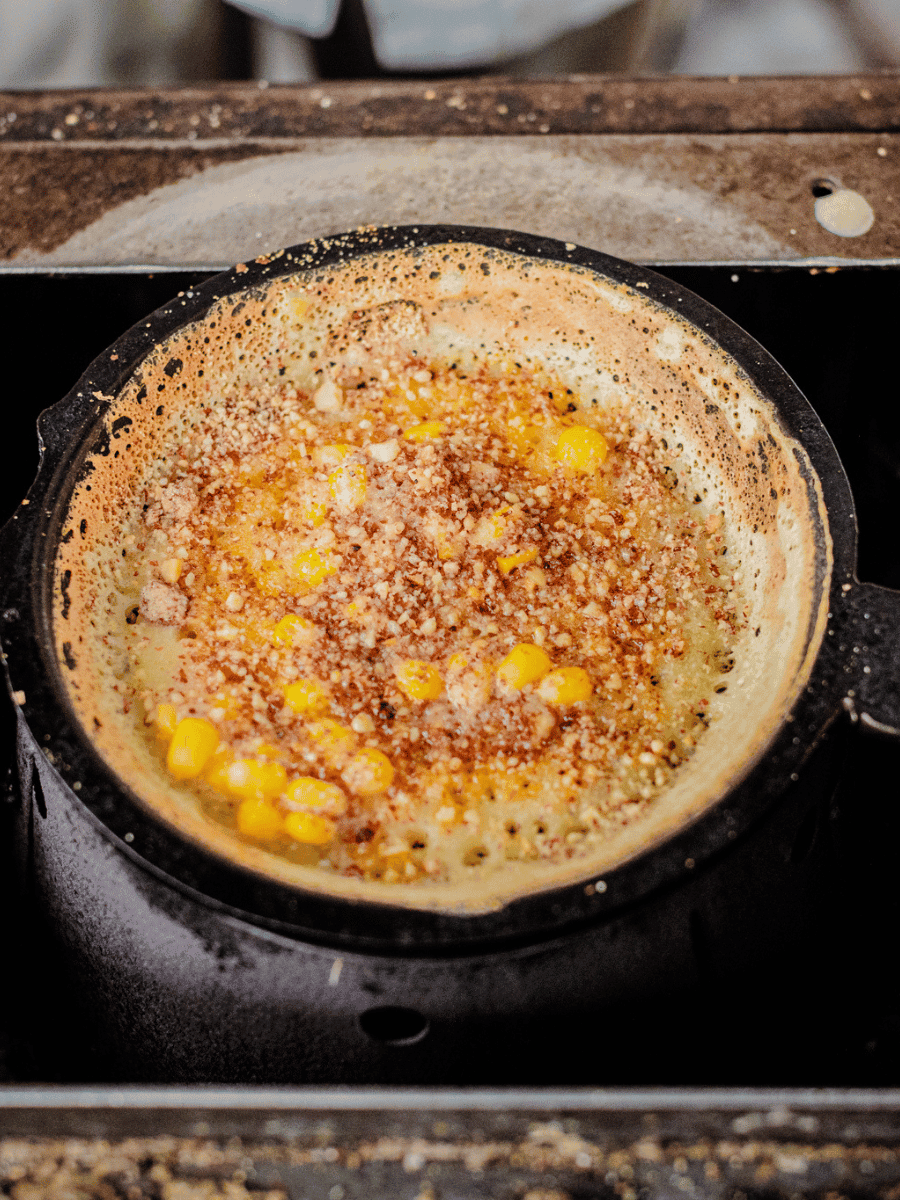
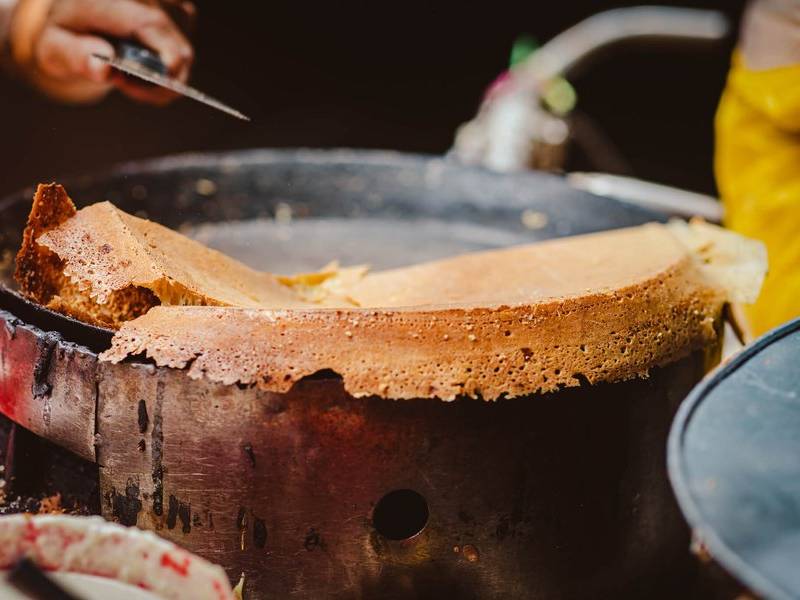
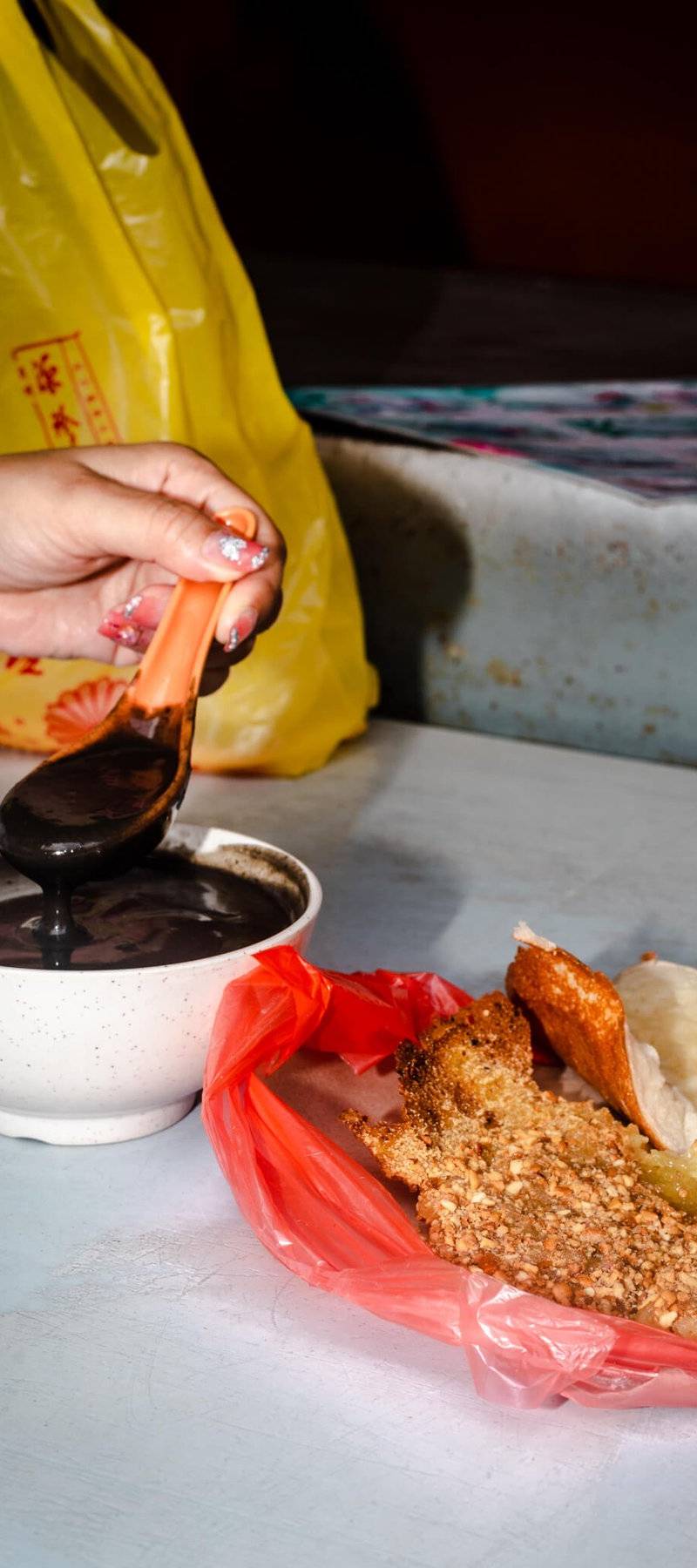
A folded pancake stuffed with crushed peanuts, sugar, sweetcorn and a slick of butter. Malaysia's night-market half-moon, cooked to order in a heavy pan.
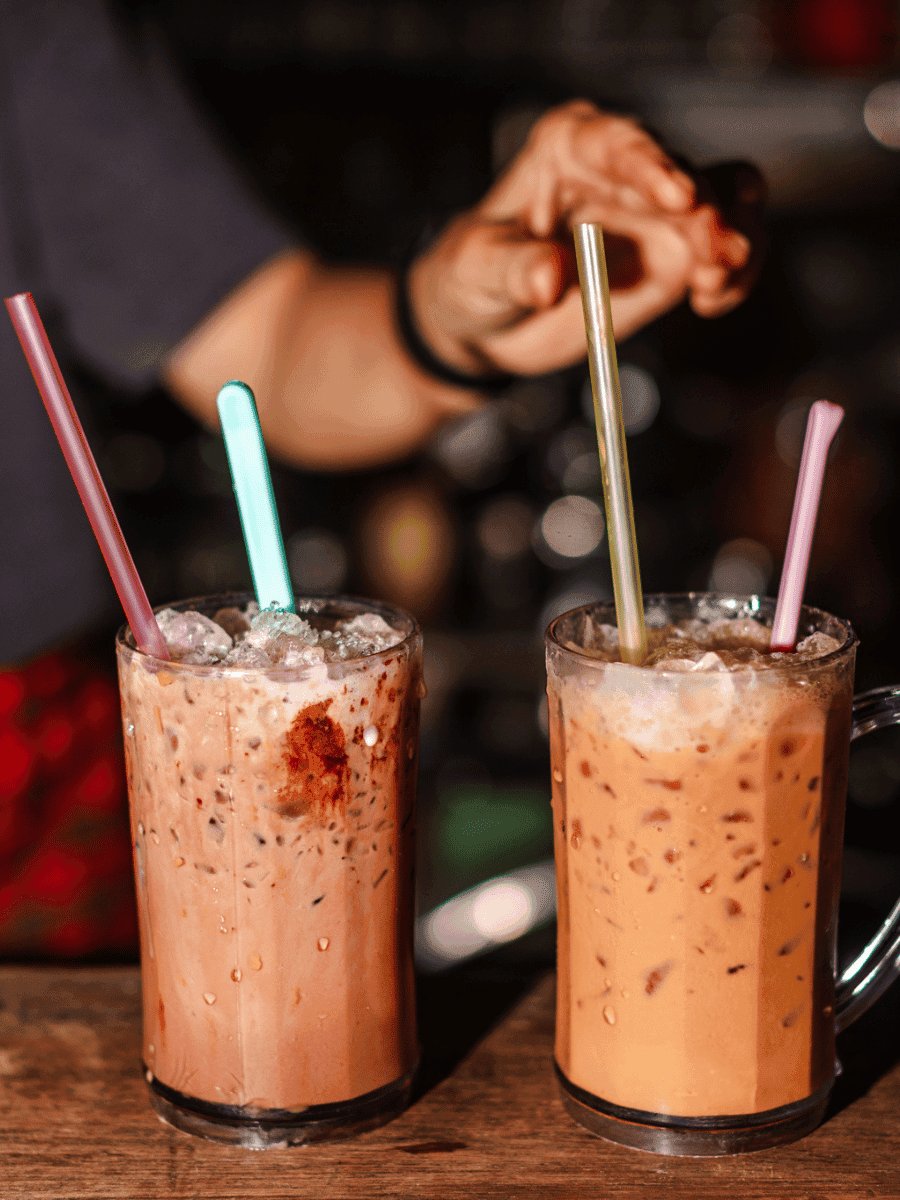
Slices of crackling-skin roast pork belly served on a bed of steamed rice with dark soy and a scoop of pickled greens. Penang's coffee-shop lunchtime plate.

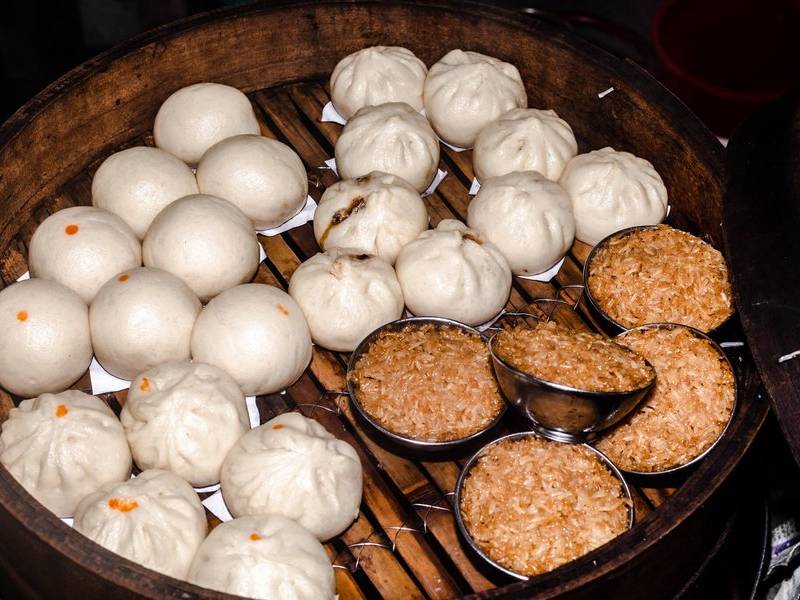
Soft white steamed buns filled with slow-braised char siu pork, chicken curry or red bean. Malaysia's dim-sum-and-kopitiam staple.
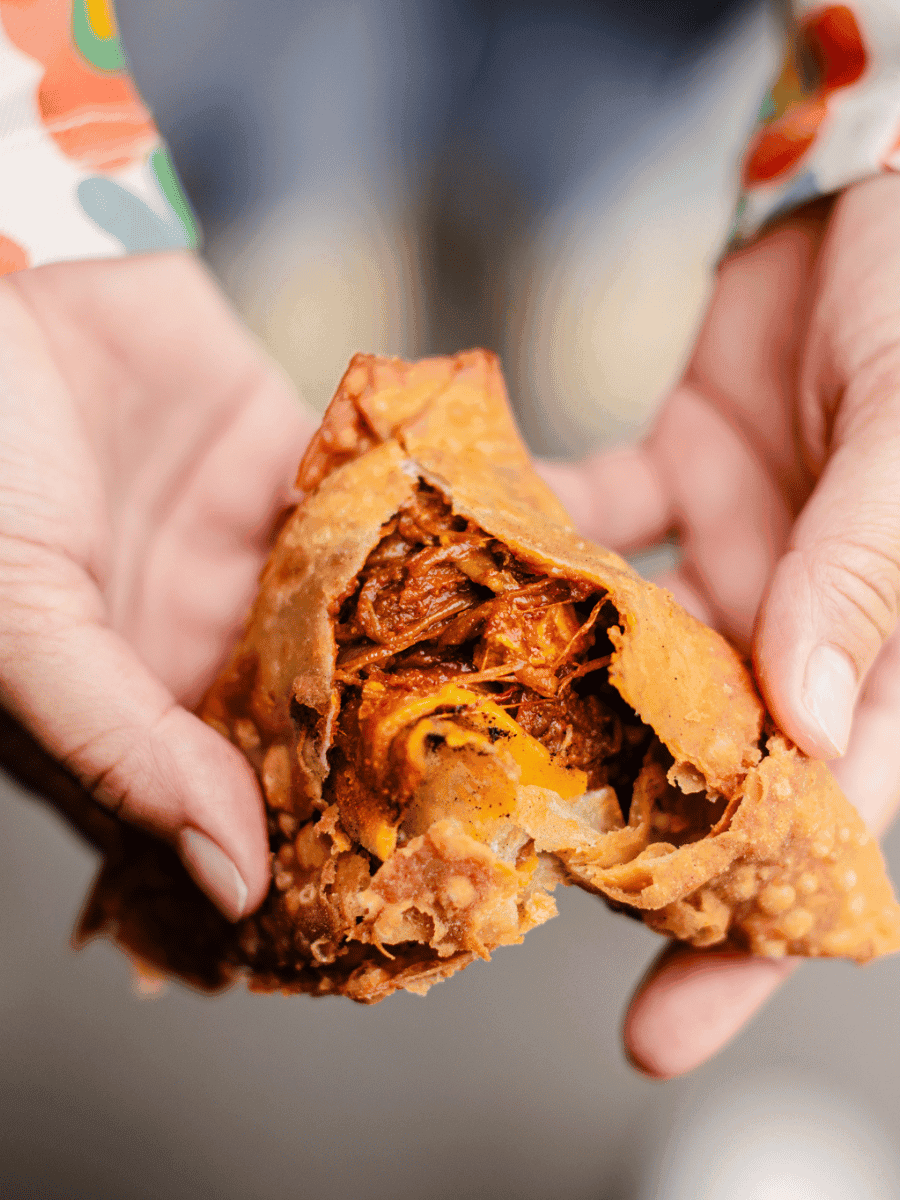
Triangular pastries filled with spiced potato and peas, deep-fried until crackling. Malaysia's mamak-stall snack, always with mint chutney.

Silky rice noodle rolls in a dark sweet-shrimp sauce with a scatter of toasted sesame seeds. Penang's morning-market breakfast, cousin to Hong Kong's cheung fun.
10 Field Notes
Quick field notes to help you get accustomed to Kuala Lumpur.
Weather
Tropical. Warm and humid year-round (24–33°C) with rain most afternoons. Slightly drier June–August. Monsoon rains October–March.
Currency
The Malaysian ringgit (MYR). Cards work almost everywhere including hawker centres. Touch 'n Go and GrabPay dominate for locals.
Language
Malay is the national language. Mandarin, Cantonese, Tamil, and English are all widely spoken. Signage is often multilingual.
Etiquette
Modest dress at mosques and Hindu temples. Cover shoulders, knees, and (at some mosques) hair. Robes are loaned at the entrance. Use your right hand at meals.
Getting around
The LRT, MRT, and monorail cover most of the city cheaply and are bilingual. Grab is the everyday ride option. Taxis rarely use the metre.
Prayer
Muslim-majority with Chinese Buddhist / Taoist, Hindu, Sikh, and Christian communities all thriving. Batu Caves (Hindu), Thean Hou (Chinese), the National Mosque and countless churches all sit within a short ride.