

Destination
Ipoh
The story
Pau (Malaysian romanisation of Chinese bao) is the soft white steamed bun found at every Malaysian dim sum restaurant, kopitiam (traditional coffee shop) and Chinese bakery. A pillowy yeasted dough (leavened for a snow-white finish) is wrapped around any of a dozen classic fillings — the most popular being char siu (sweet-savoury barbecue pork), chicken curry, red bean paste, or salted egg custard (liu sha) — and steamed until it puffs into a soft, cloud-like bun. Sold in wooden steamer baskets at yum cha restaurants, in warmers at kopitiams, and from Chinese bakeries.
Method
Chop the char siu into small dice. Warm the oil in a wide pan over medium heat. Sweat the onion 3 minutes. Add the hoisin, light soy, oyster sauce, sugar, dark sweet soy and water. Simmer 3 minutes. Stir in the cornstarch slurry and cook until thickened. Add the diced char siu and sesame oil. Stir to coat. Cool completely, then refrigerate for at least 1 hour to firm up.
In a stand mixer with a dough hook, combine the flour, sugar, salt, yeast and baking powder. Add the warm milk. Mix on low until it comes together, then knead 6 to 8 minutes on medium. Add the shortening in small pieces and knead 3 more minutes until smooth, soft and slightly tacky.
Cover the bowl and rise in a warm spot for 90 minutes, until doubled.
Turn the dough onto a lightly floured surface. Punch down. Divide into 12 equal balls (about 65g each).
Working one at a time (keep the others covered with a damp cloth): flatten a dough ball into a disc about 10cm across, thinner at the edges and slightly thicker in the middle. Place a heaped tablespoon of cold filling in the centre. Gather the edges up around the filling by pleating (12 pleats is traditional, but any tight seal works). Pinch closed at the top. Set on a parchment square.
Arrange the shaped pau in a bamboo steamer with plenty of space between (they double in size). Cover loosely and rest at room temperature for 30 minutes until visibly puffed.
Set the steamer over a pot of rapidly boiling water. Cover tightly and steam over high heat for 12 to 15 minutes.
Turn off the heat and let the pau sit in the covered steamer for another 3 minutes (this prevents the buns from collapsing when exposed to cold air). Serve immediately, warm from the steamer.
Tips
- Pau flour or cake flour, not plain flour. Malaysian pau depends on a low-protein flour for its classic soft, white, pillowy texture. Pau flour is sold at Southeast Asian grocers; cake flour + a little plain flour is the home substitute.
- Cold filling for shaping. Warm filling melts through the dough and makes it sticky. At least 1 hour in the fridge, ideally overnight.
- Small pleats for a professional look. The classic 12-pleat top takes practice; a simple gather-and-twist gives you a functionally sealed pau that tastes the same but looks less refined.
- Steam over rapidly boiling water, then rest with heat off. High-heat steaming gives you the classic puffy finish; the 3-minute rest with heat off prevents collapse from thermal shock when the lid comes off.
- Freeze extras. Cooled steamed pau freezes perfectly in a sealed bag. Reheat from frozen in a steamer for 8 minutes to restore the fresh-baked texture.
More recipes
View all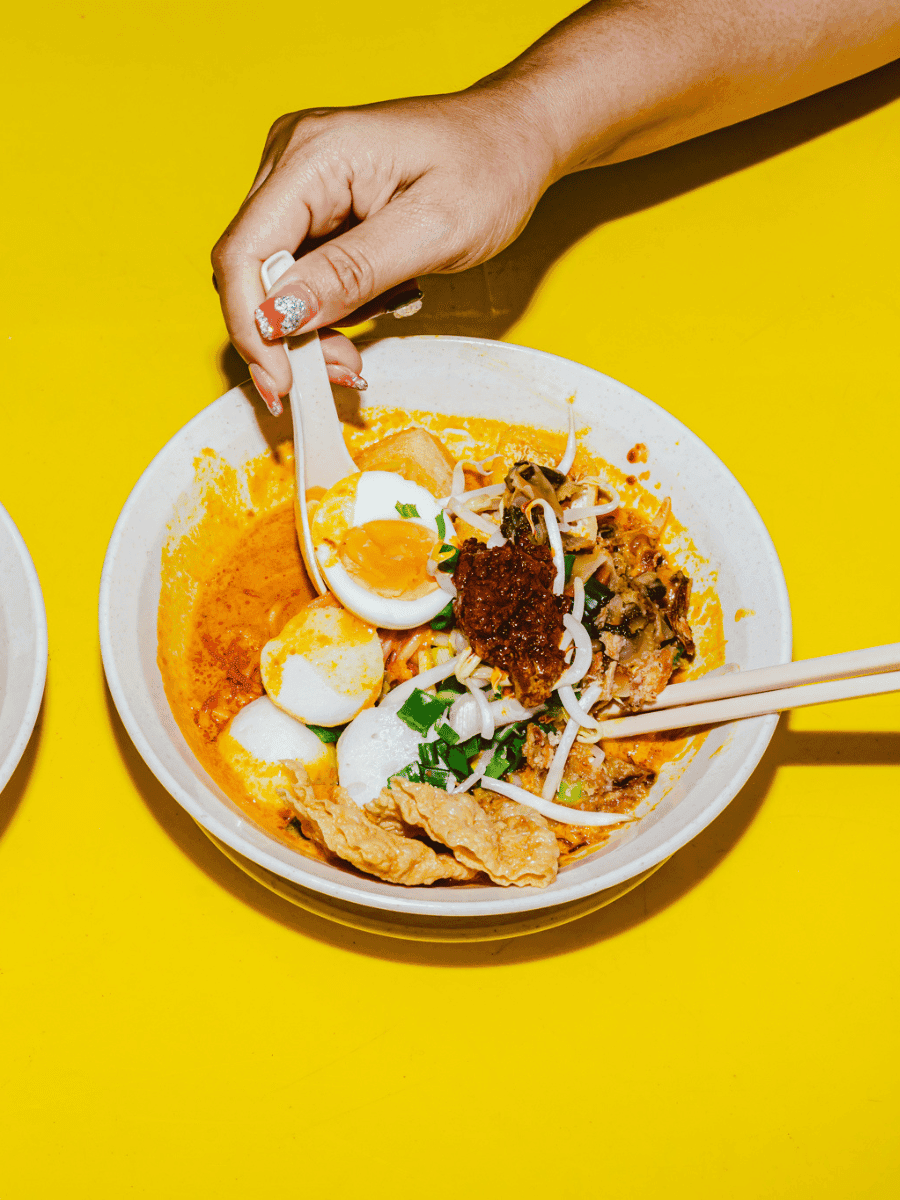
Coconut-based curry noodle soup with prawns, tofu puffs, cockles and a scarlet slick of chilli oil. Malaysia's default lunchtime laksa, richer and softer than its Penang cousin.
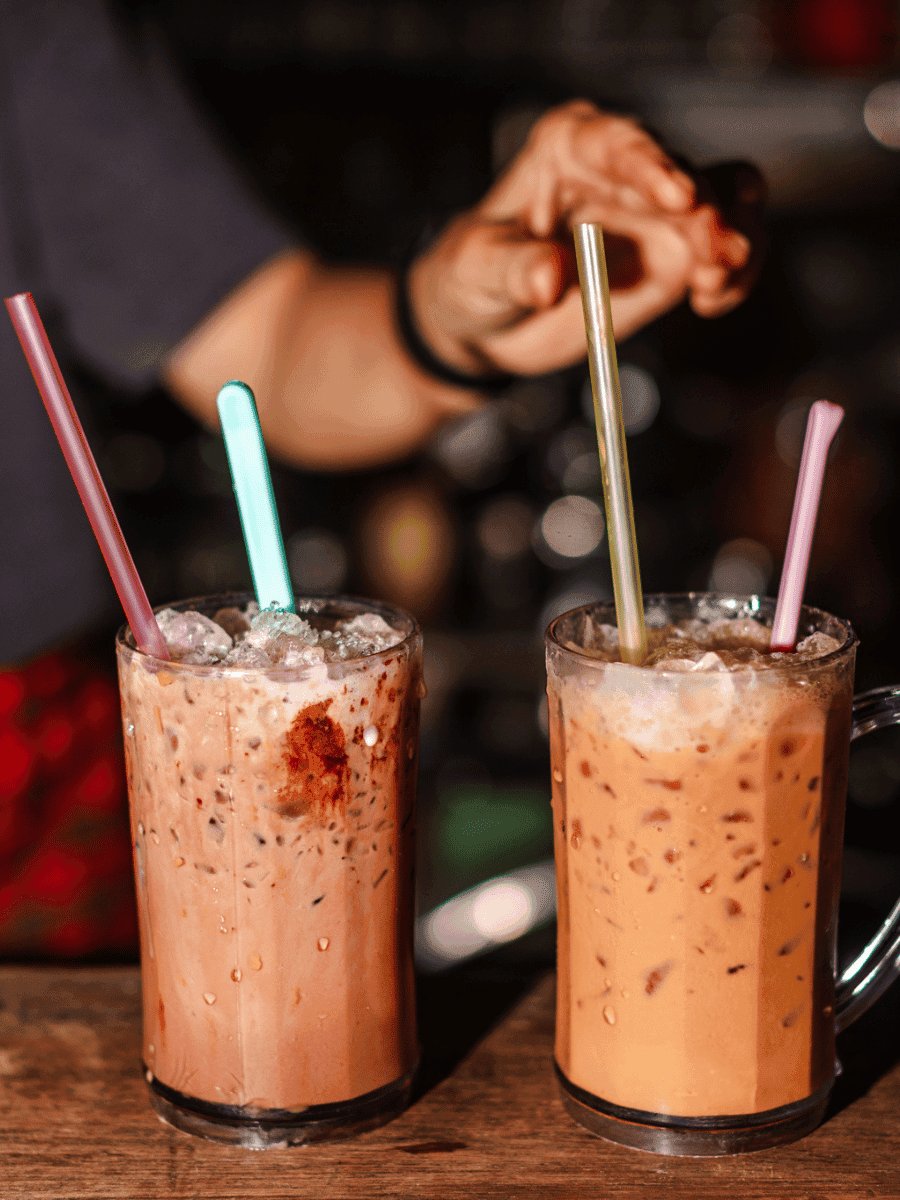
Slices of crackling-skin roast pork belly served on a bed of steamed rice with dark soy and a scoop of pickled greens. Penang's coffee-shop lunchtime plate.
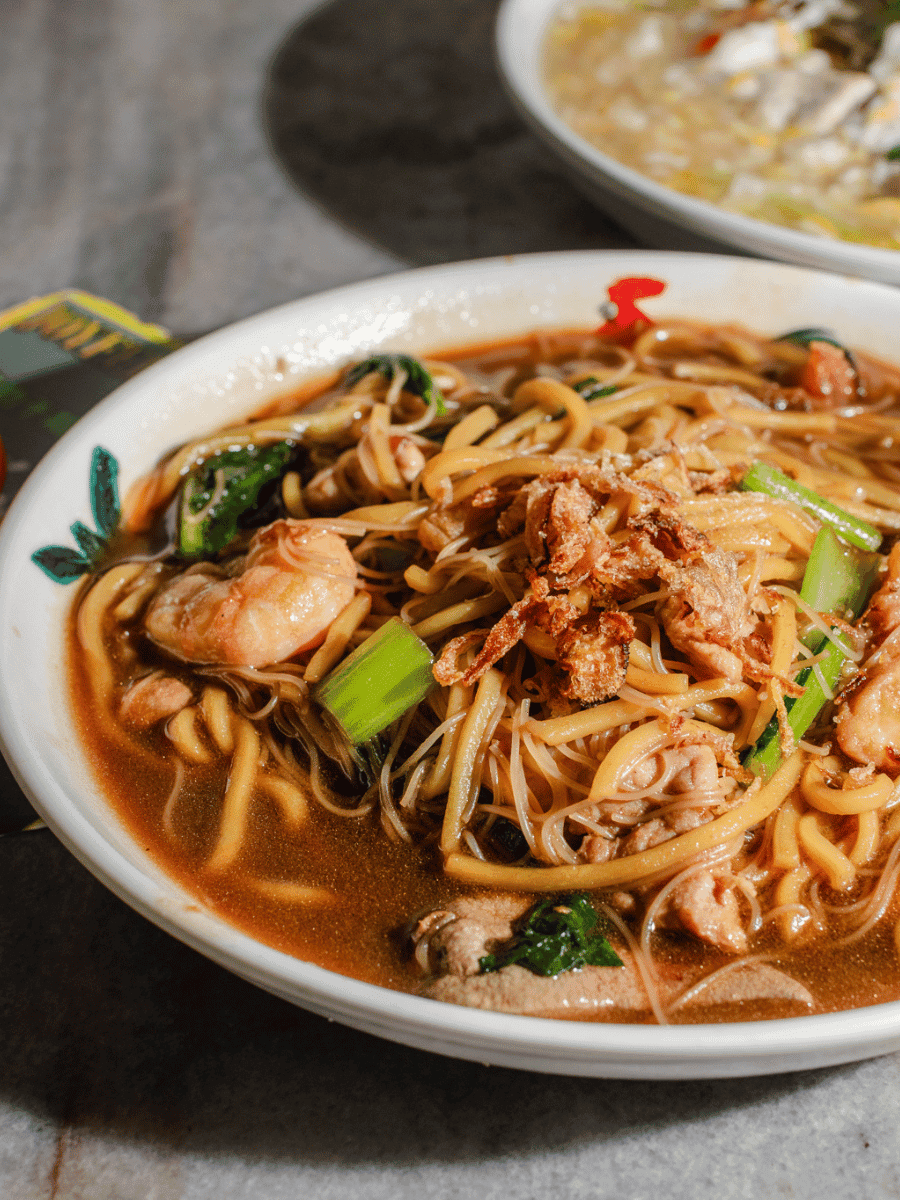
Thick yellow noodles stir-fried hard in a dark sweet soy glaze with prawns, squid, cabbage and slices of pork. KL's late-night black-noodle classic.
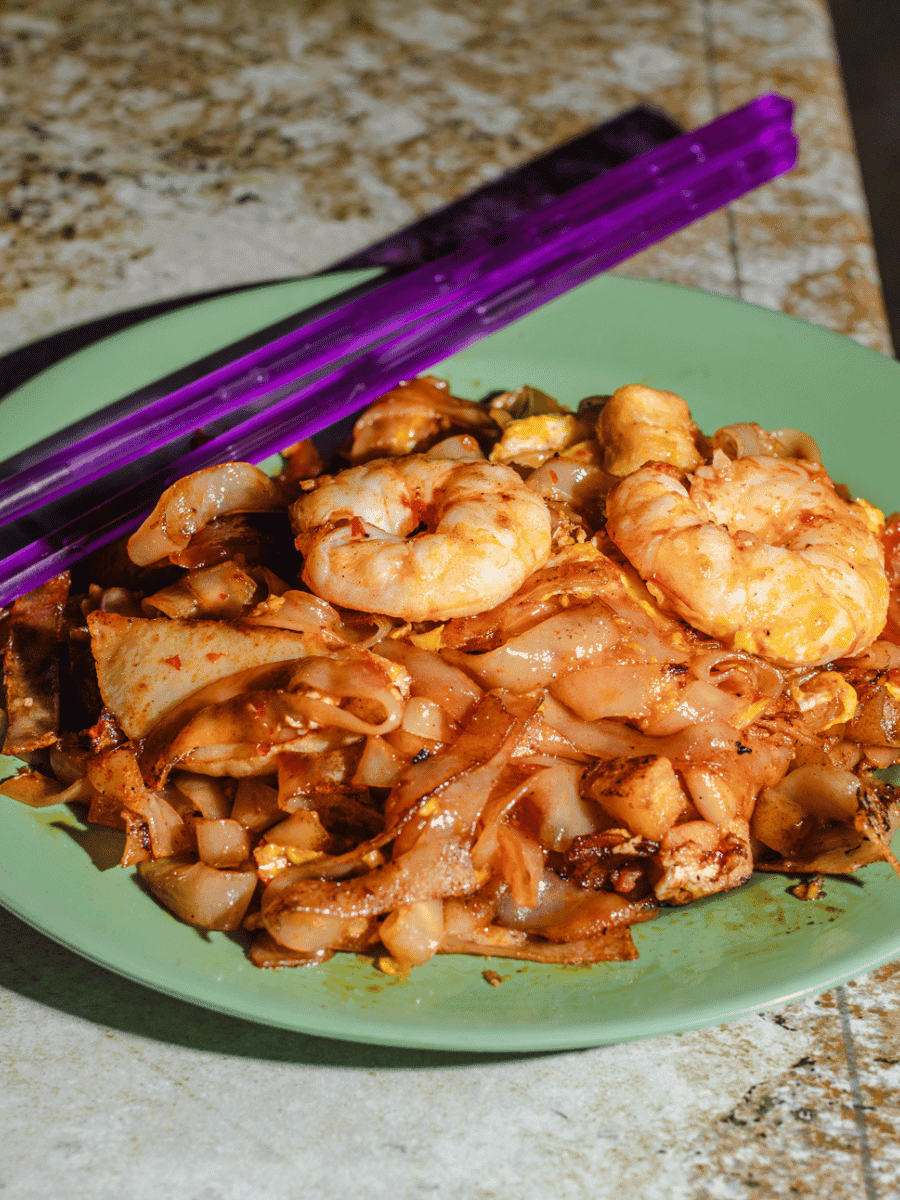
Flat rice noodles stir-fried hard in a wok with prawns, cockles, Chinese sausage, chives, bean sprouts and dark sweet soy. Penang's most famous hawker dish.

Malaysia's iconic street burger — a griddled patty wrapped in an egg-omelette blanket, mayonnaise, chilli sauce and Worcestershire, all crammed into a soft toasted bun.
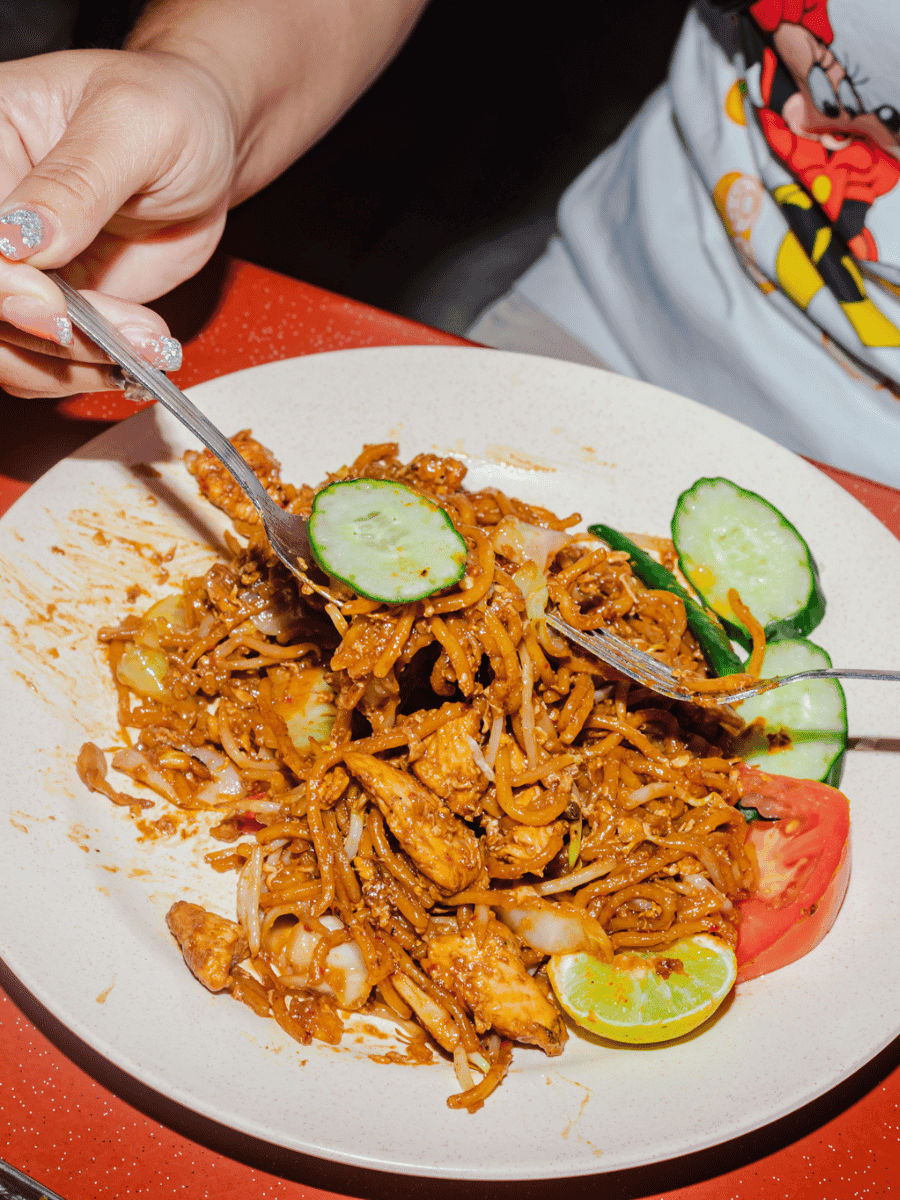
Yellow noodles fired in a screaming-hot wok with sambal, ketchup, egg, potato cubes and tofu puffs. Malaysia's signature mamak-stall plate, ready in six minutes.