
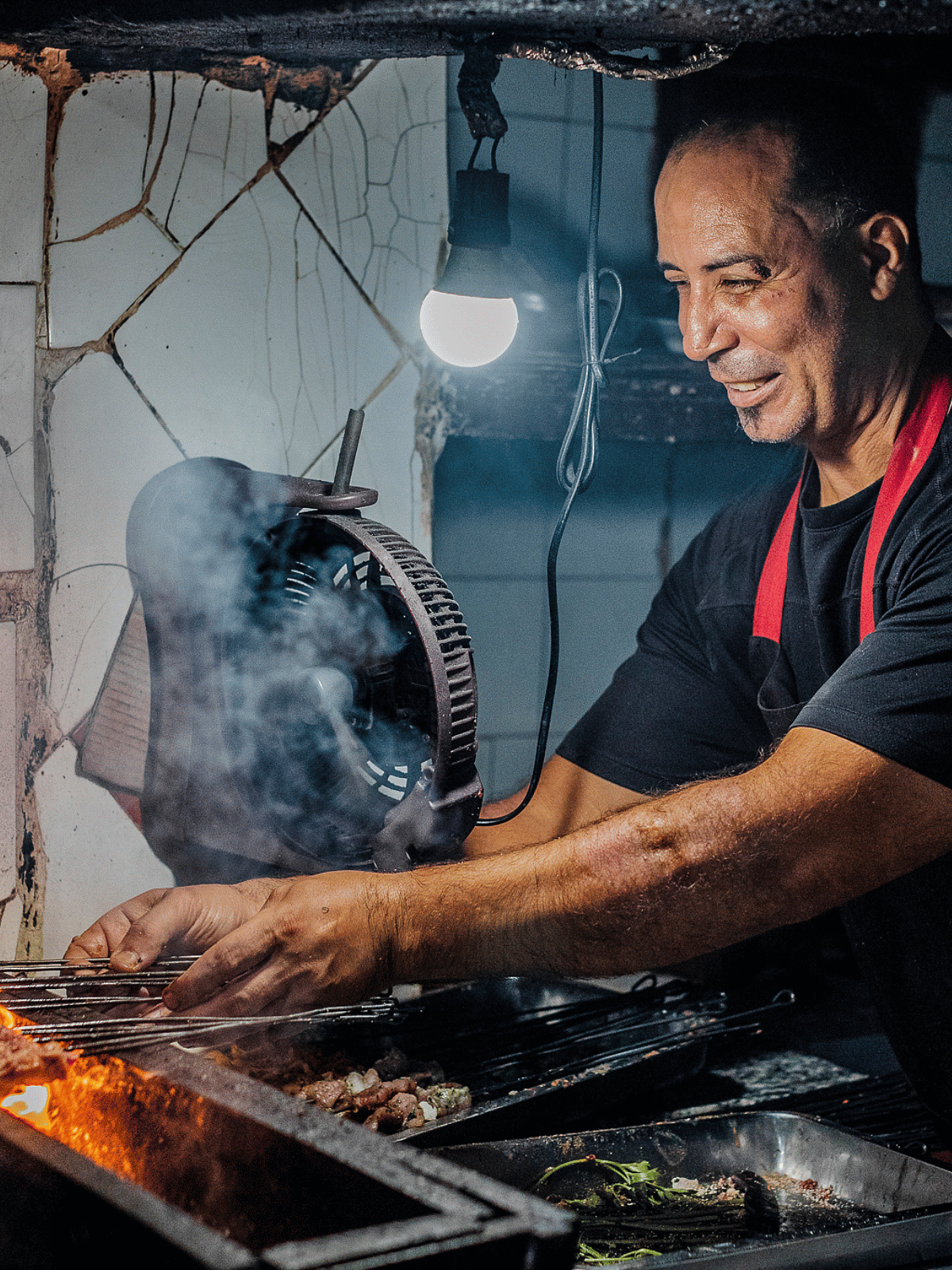
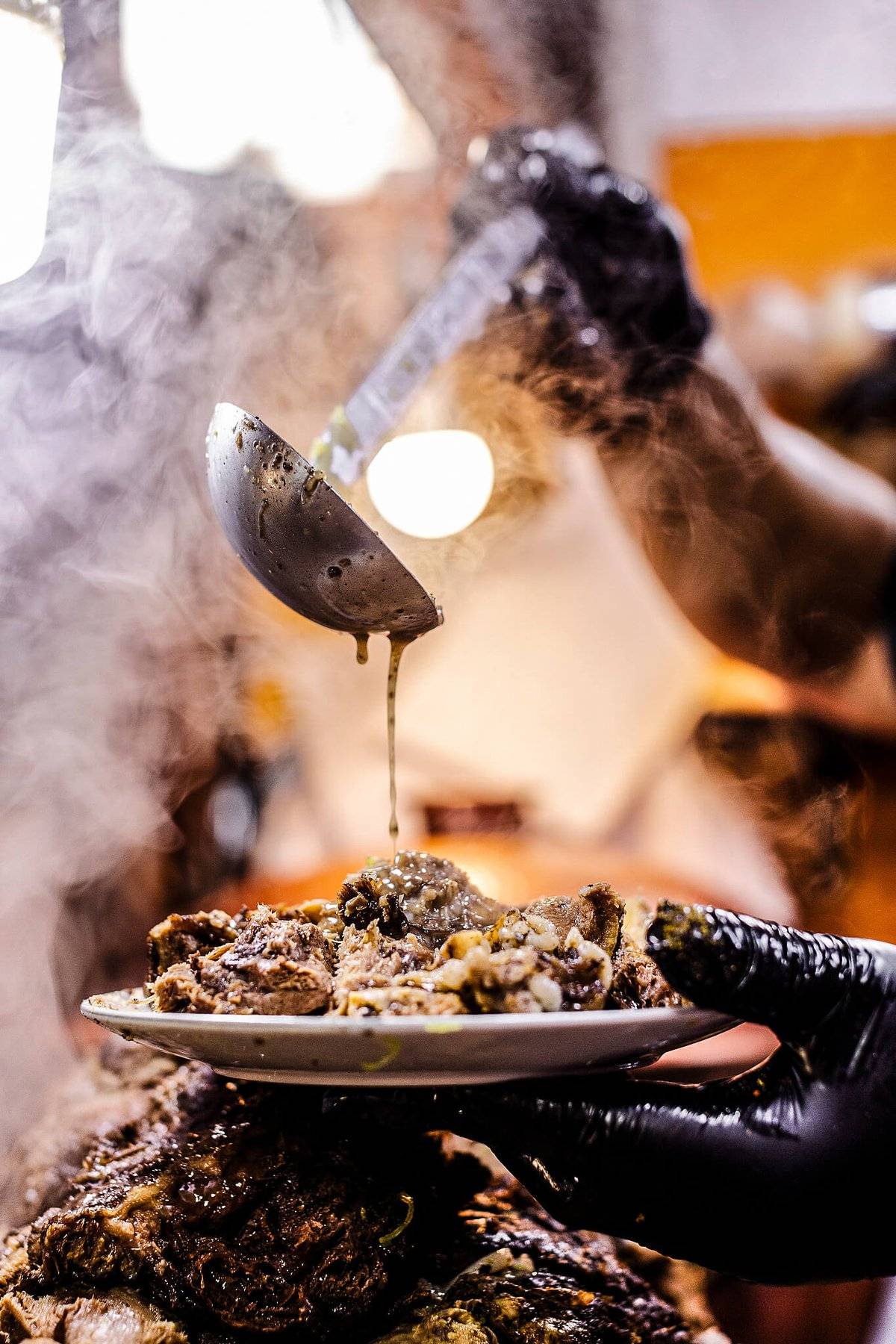
“A wonderful tour of the medina.”
— Ruud, 2026
01 Food tours
Original food tours, curated with our local tastemakers to showcase the neighbourhood kitchens, markets and family-run eateries that define Fes.
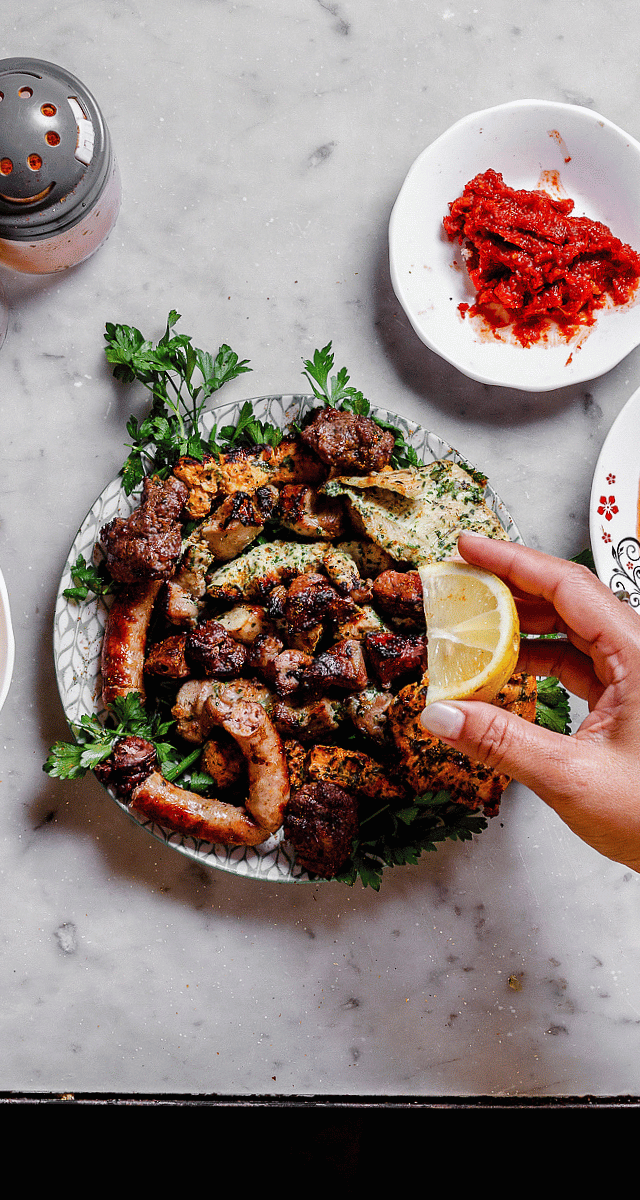
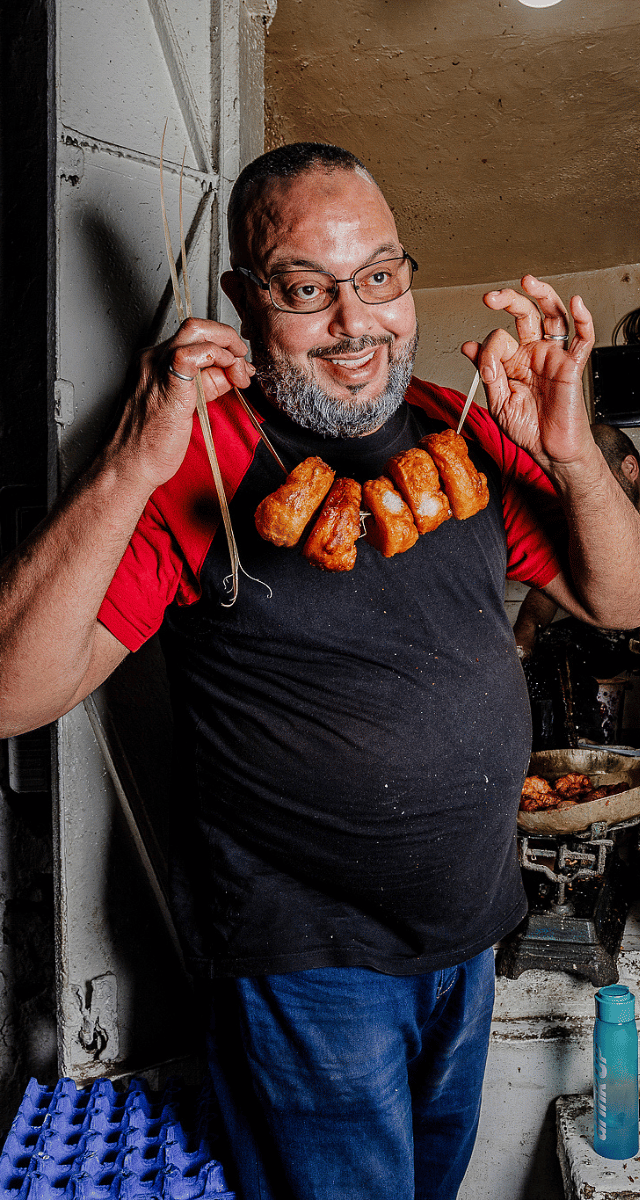
Fes Flavours
Fes
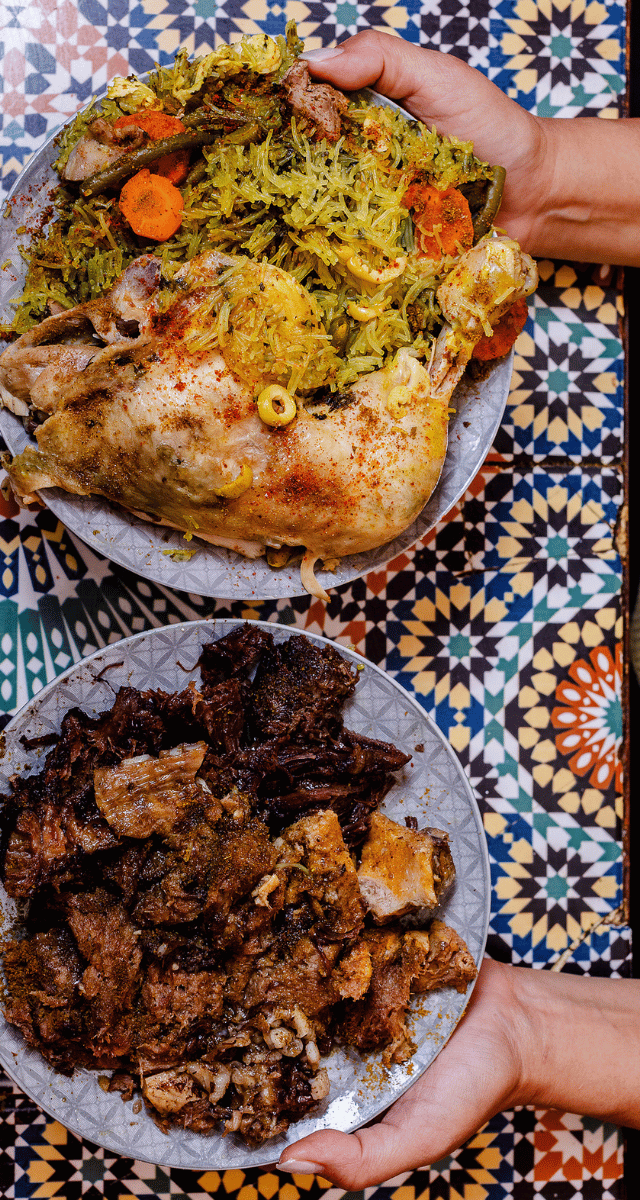
Discover Morocco's oldest imperial kitchen — bastilla with pigeon, harira and sfenj from the fryer.
Spice Streets
Fes
Explore Fes and its imperial kitchen — bastilla with pigeon, harira and sfenj.
02 Meet the tastemakers
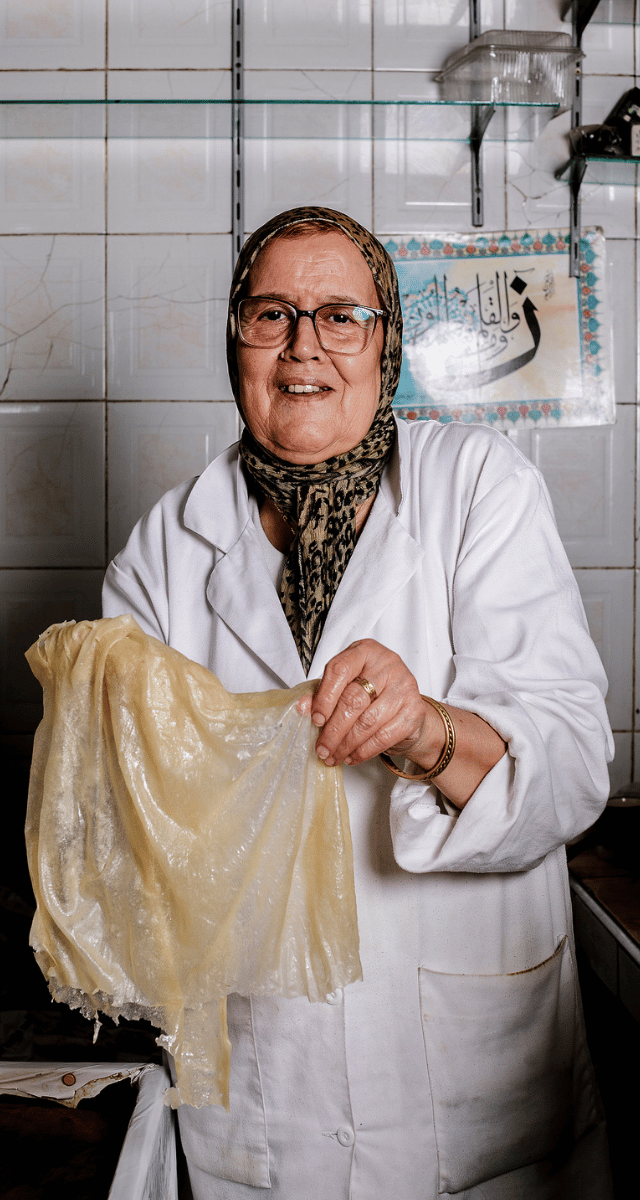
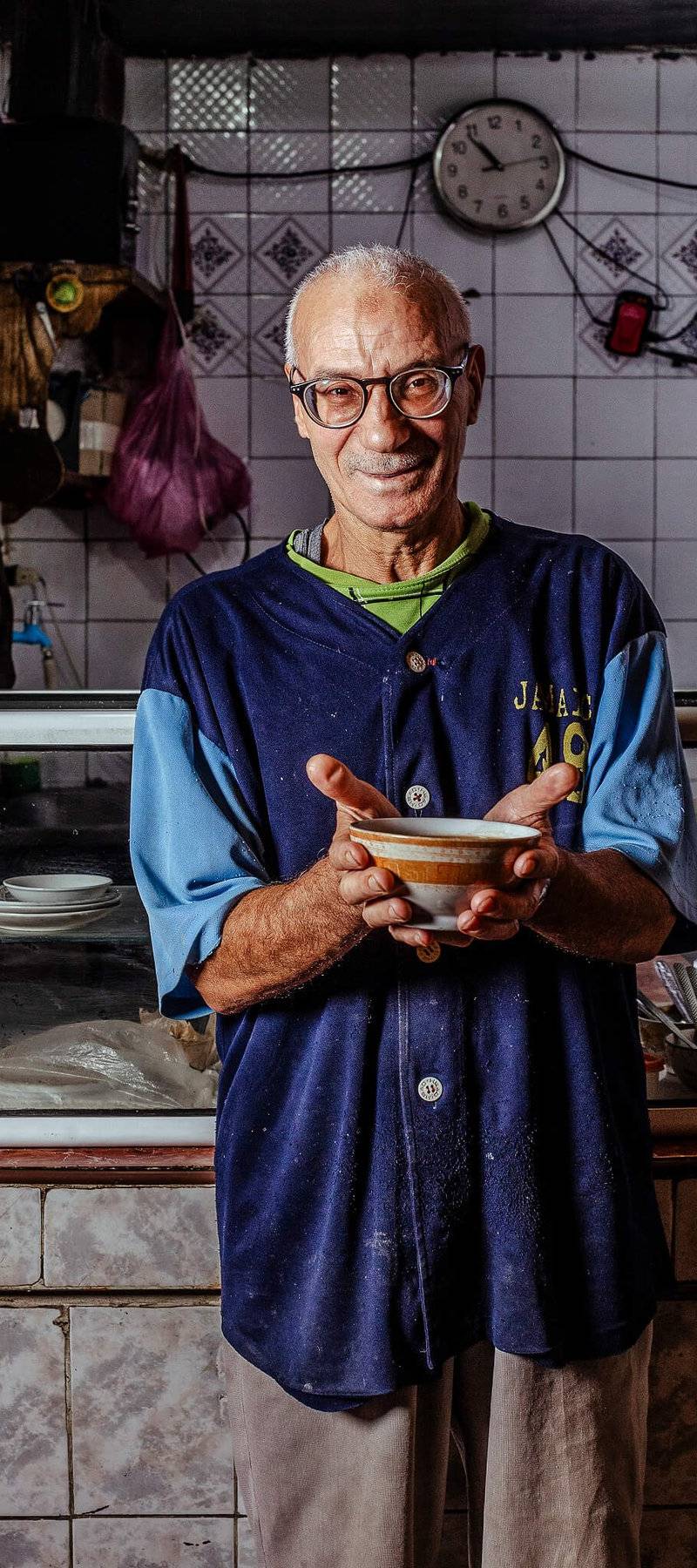
The local food experts who help us research, refine and lead every A Chef's Tour.


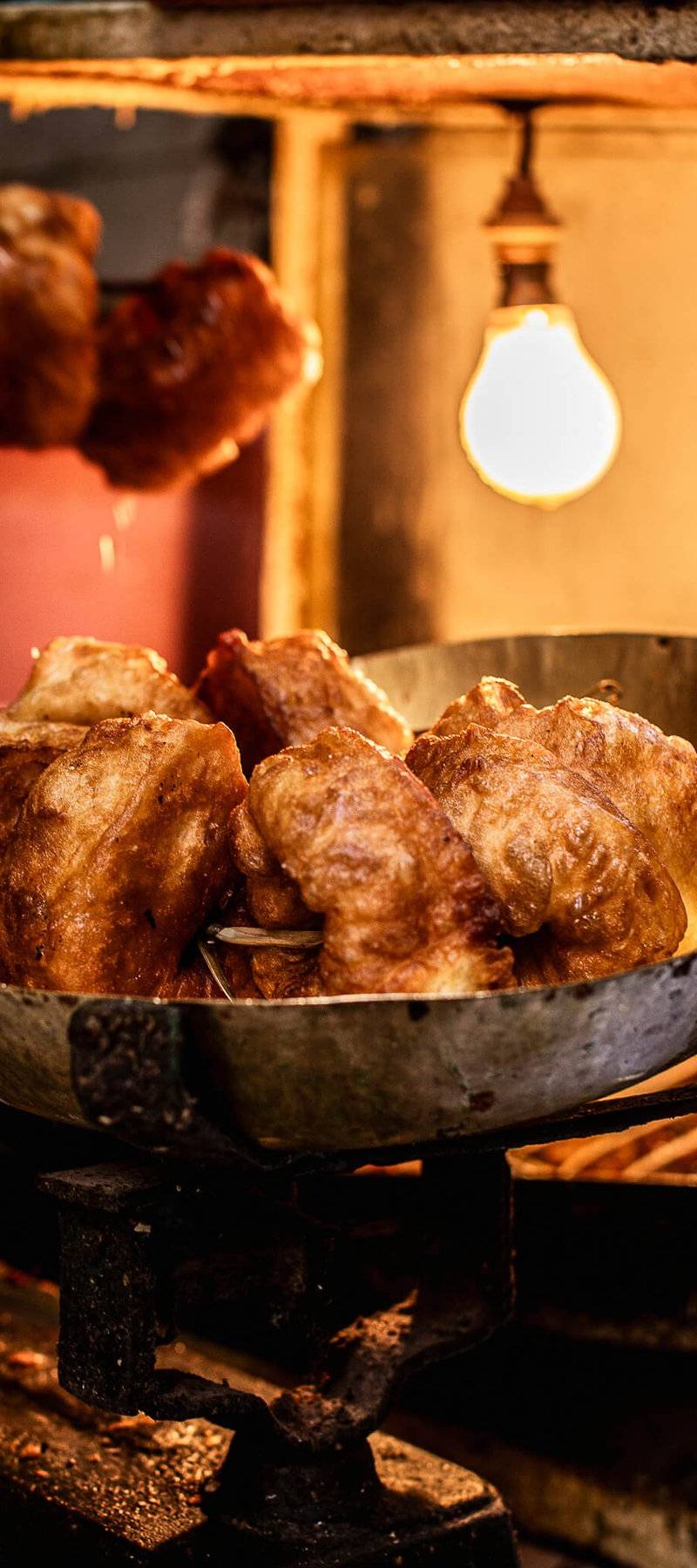
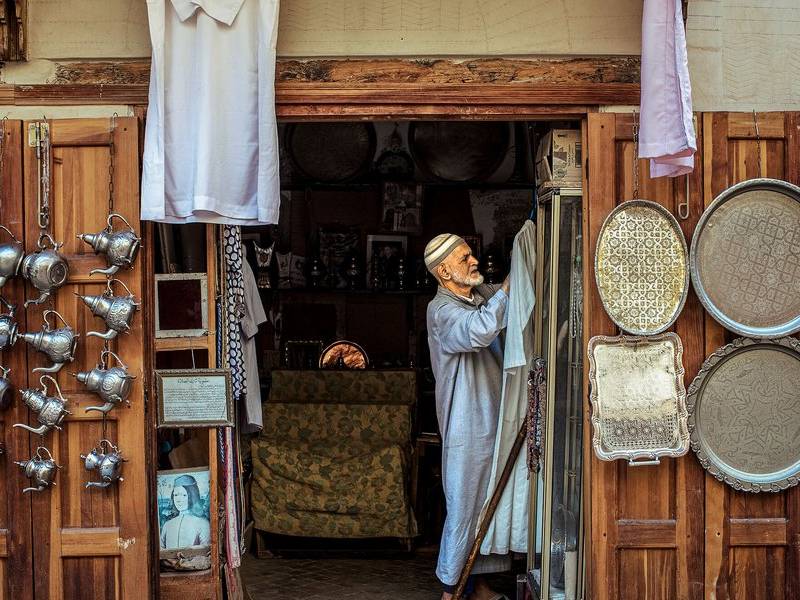
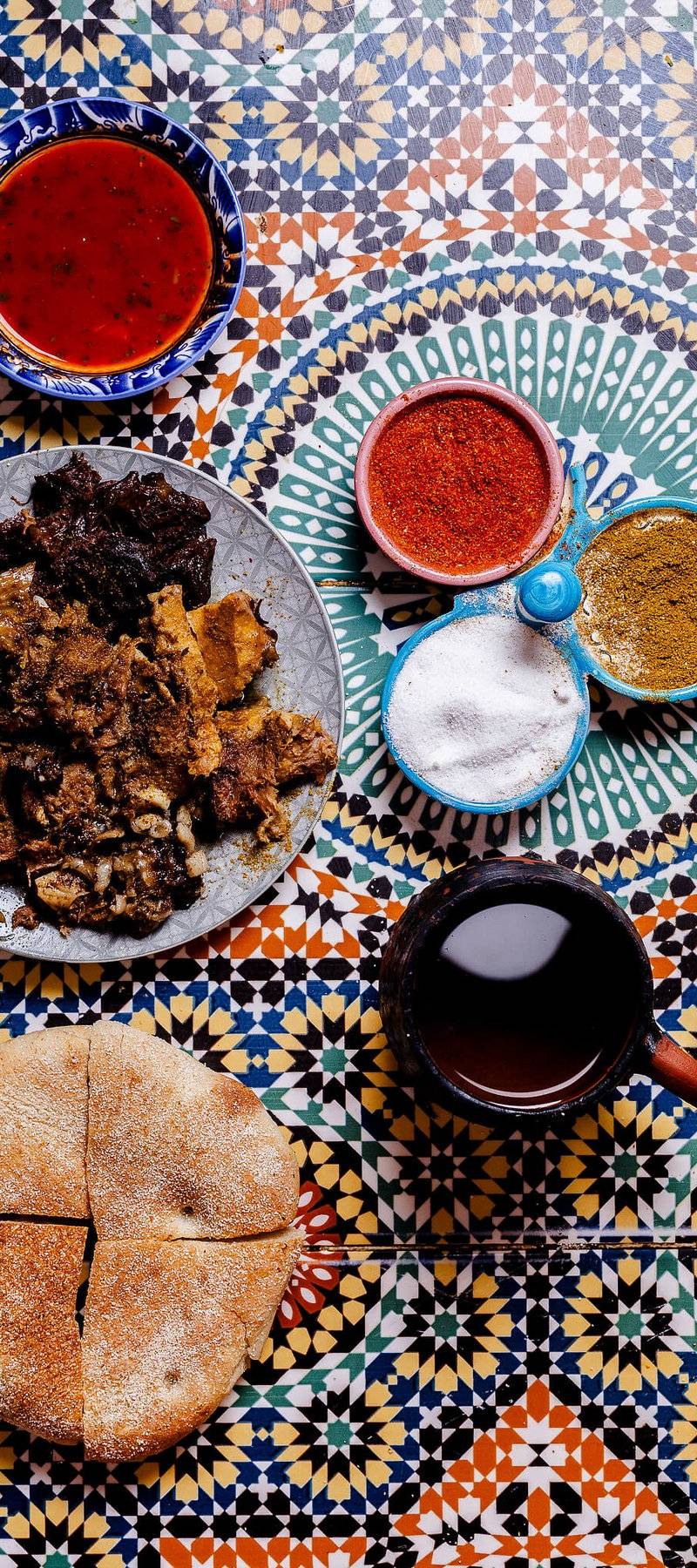
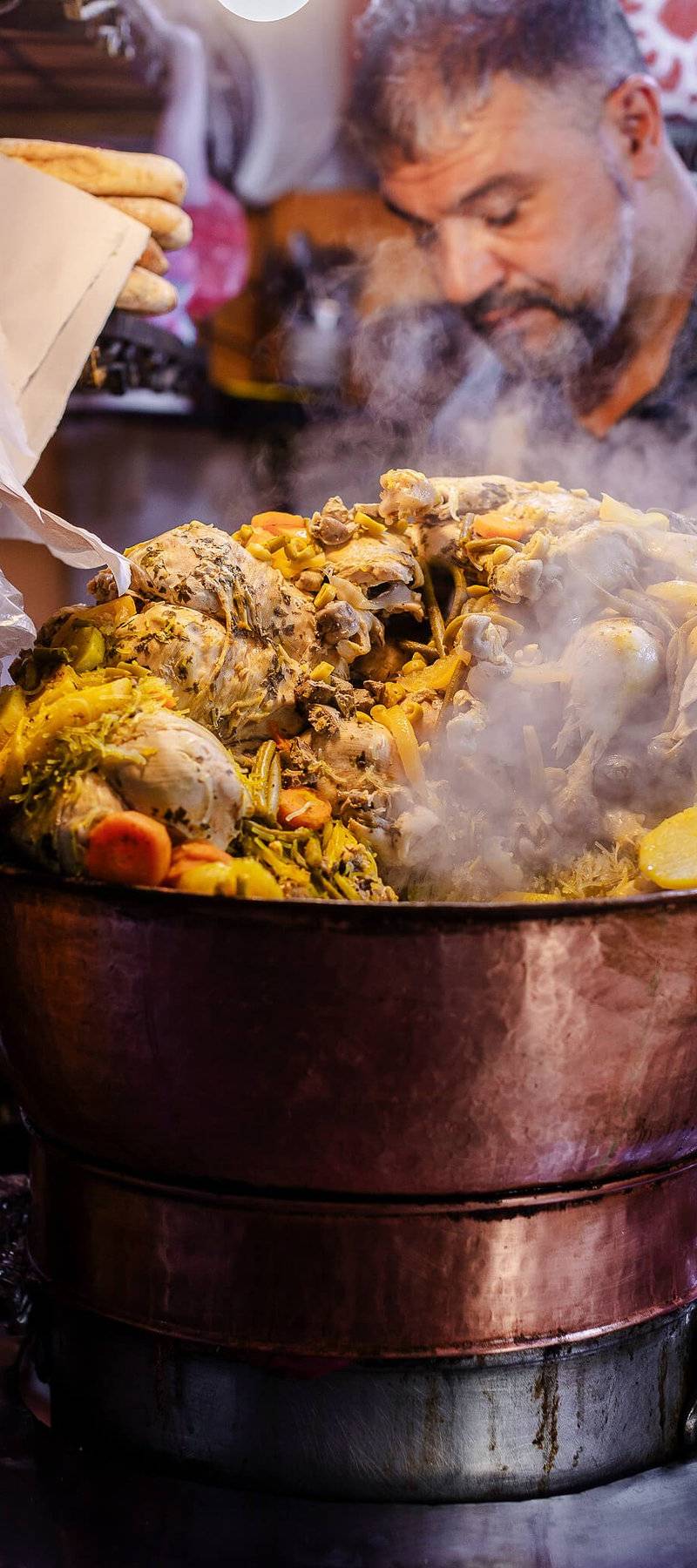
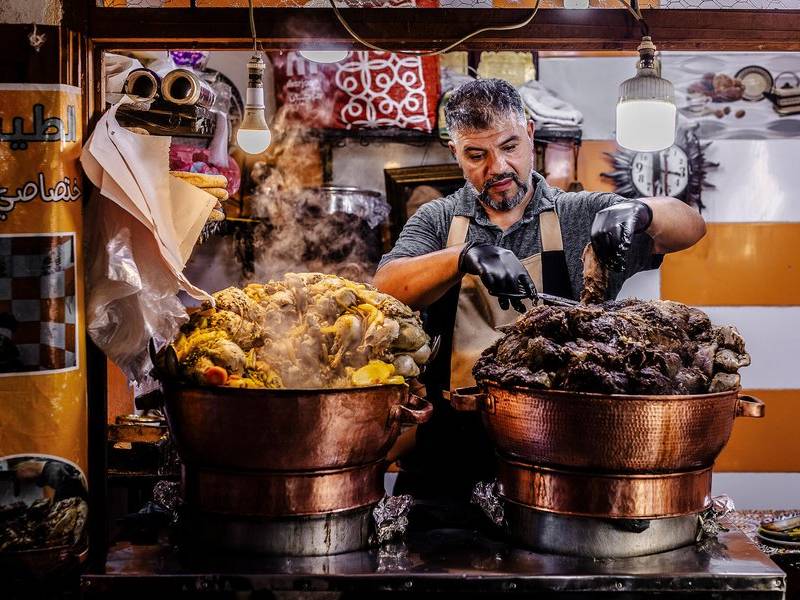
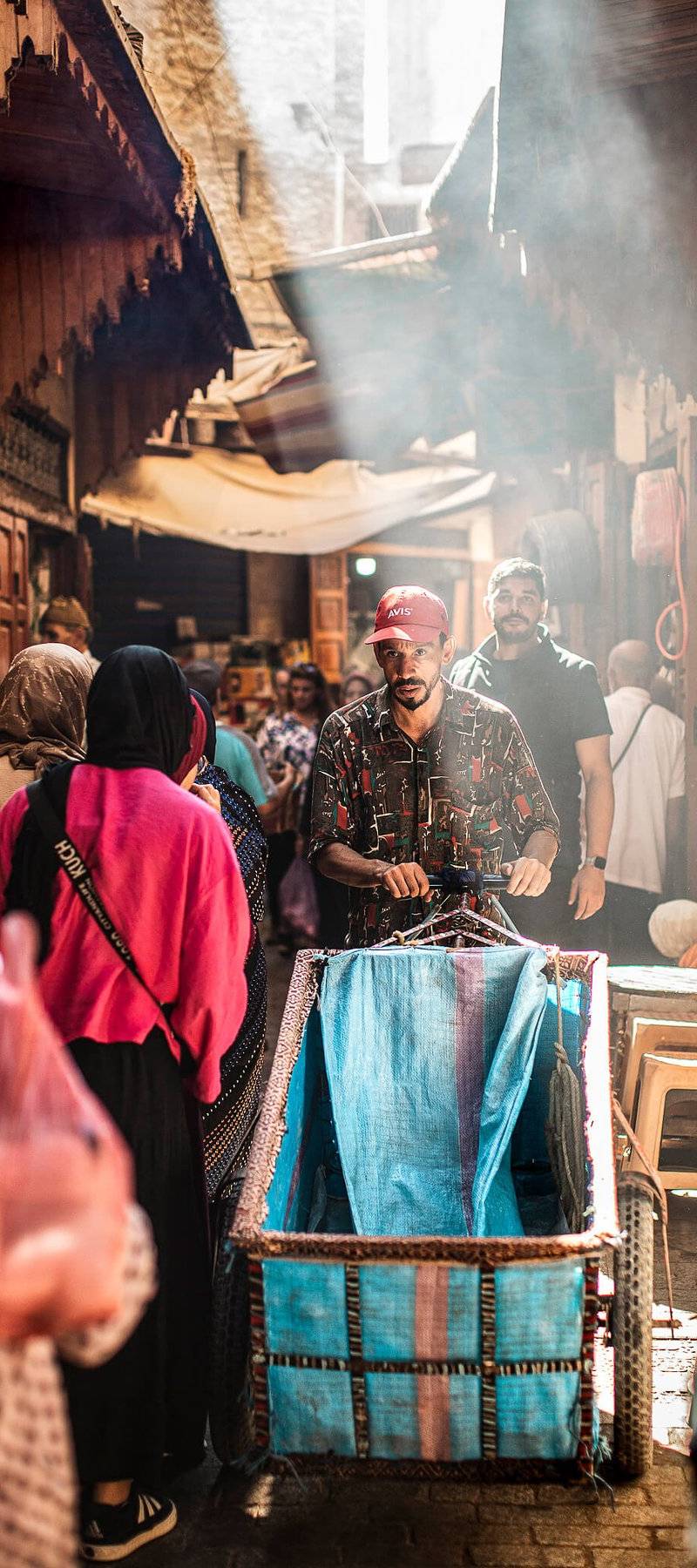
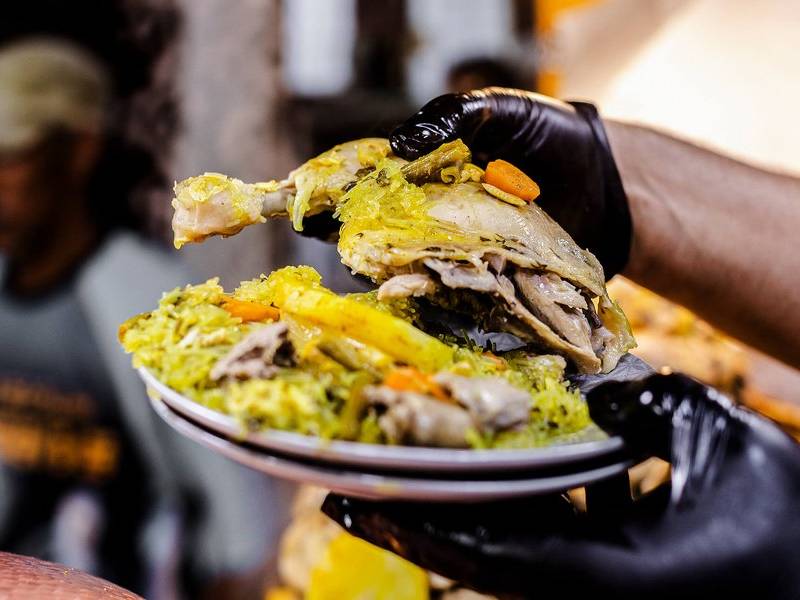
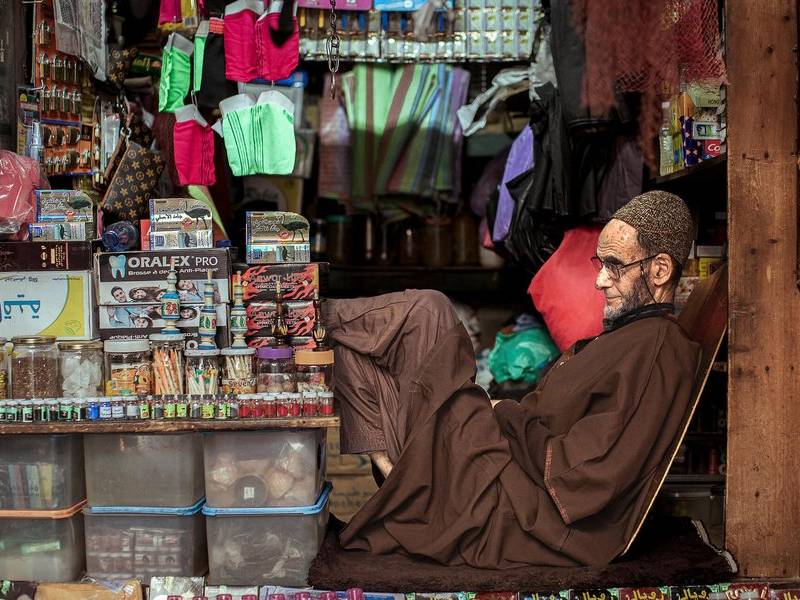
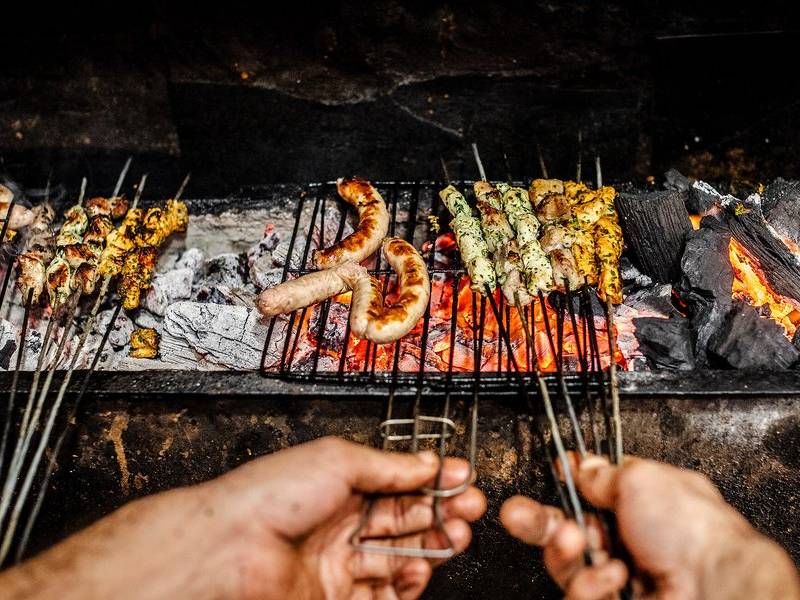
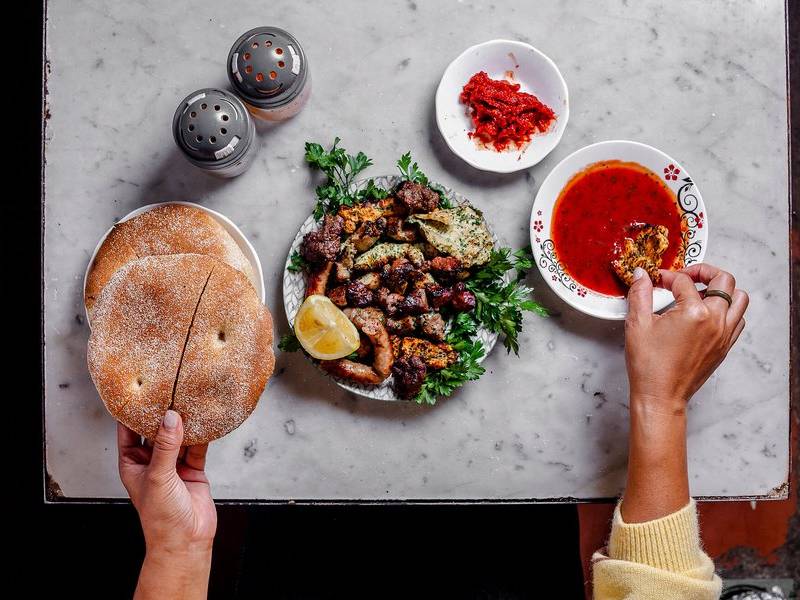
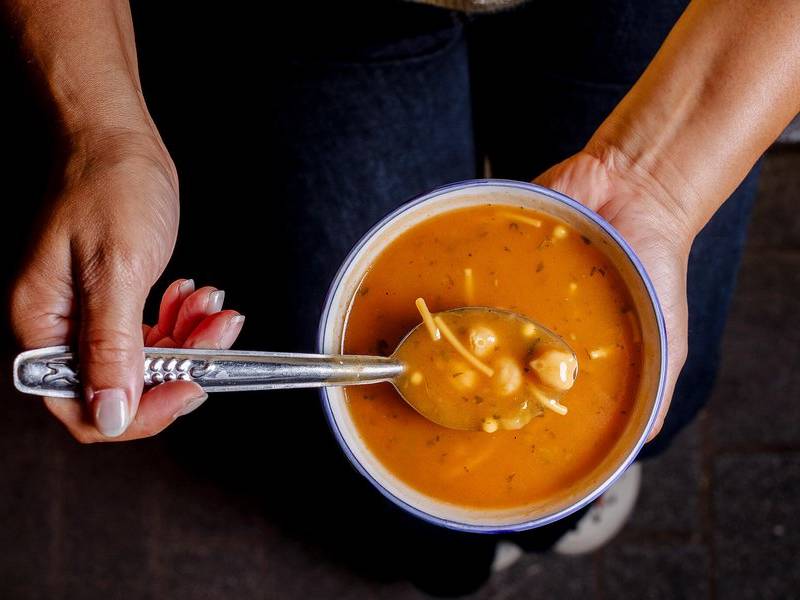
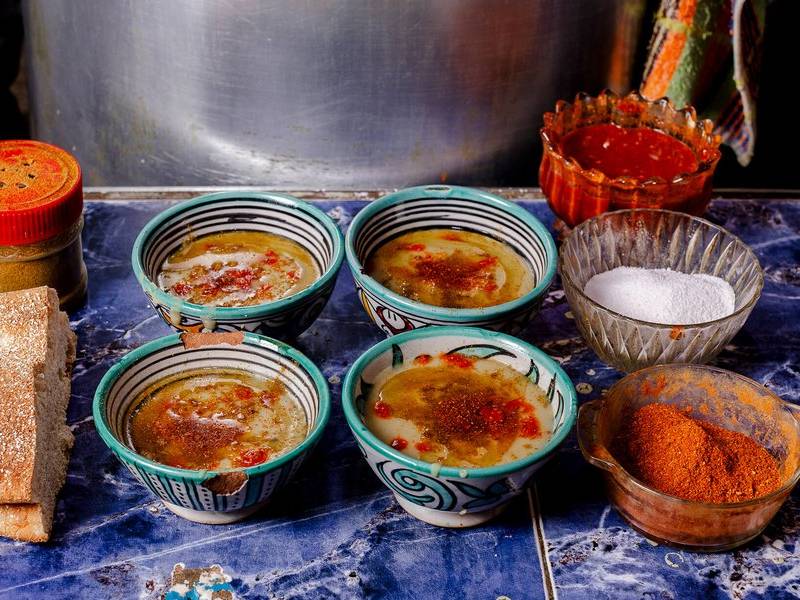
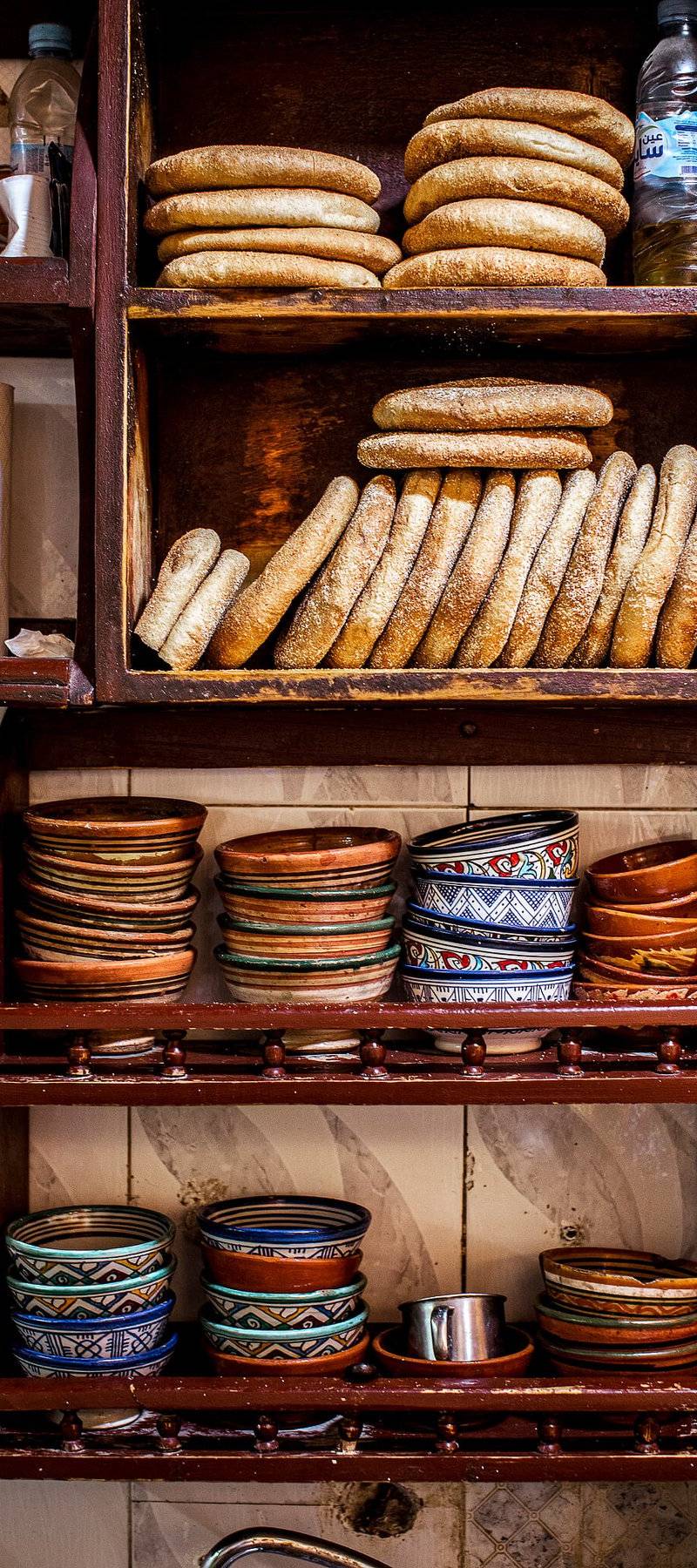
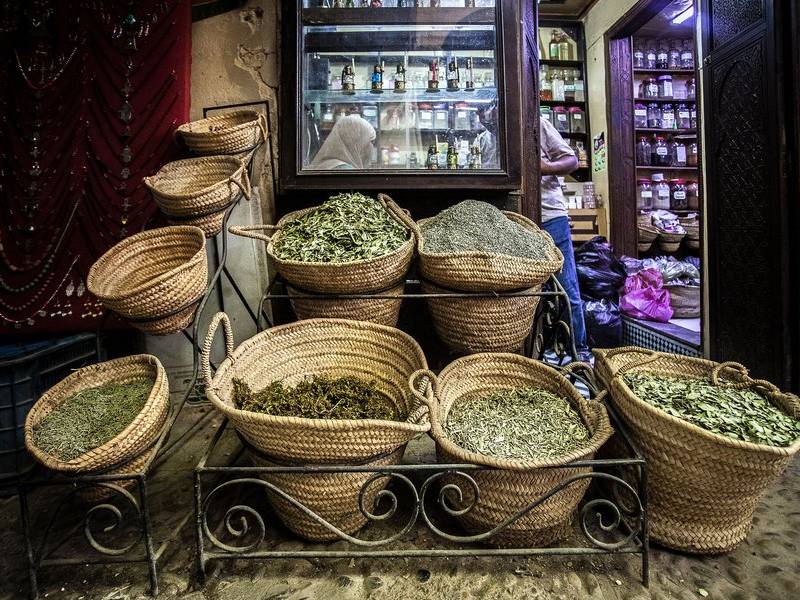
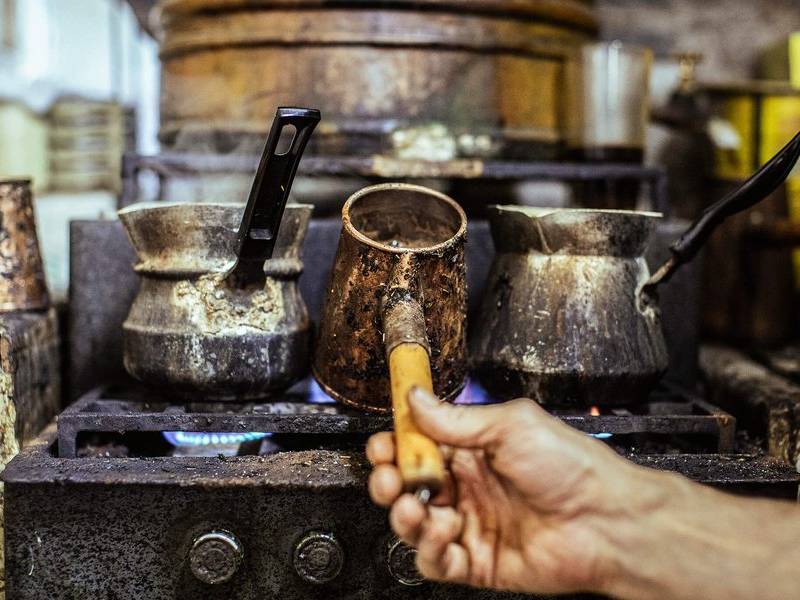
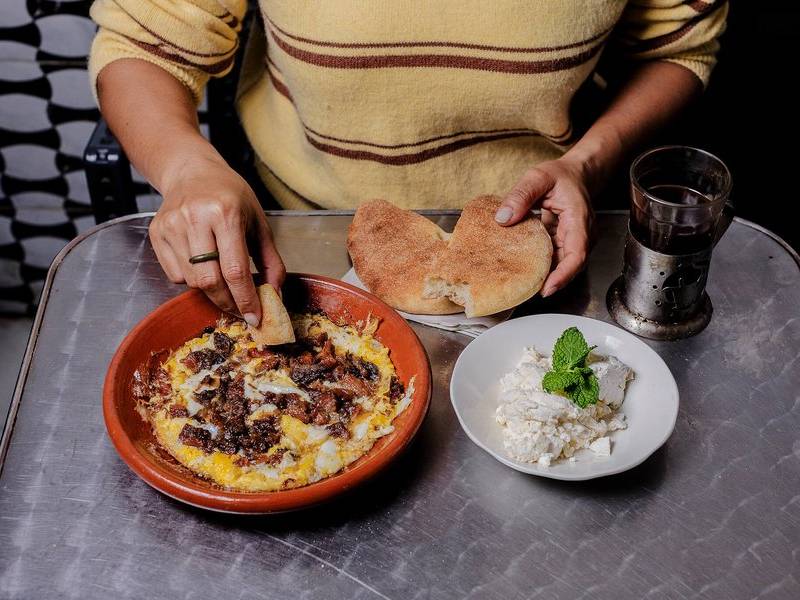
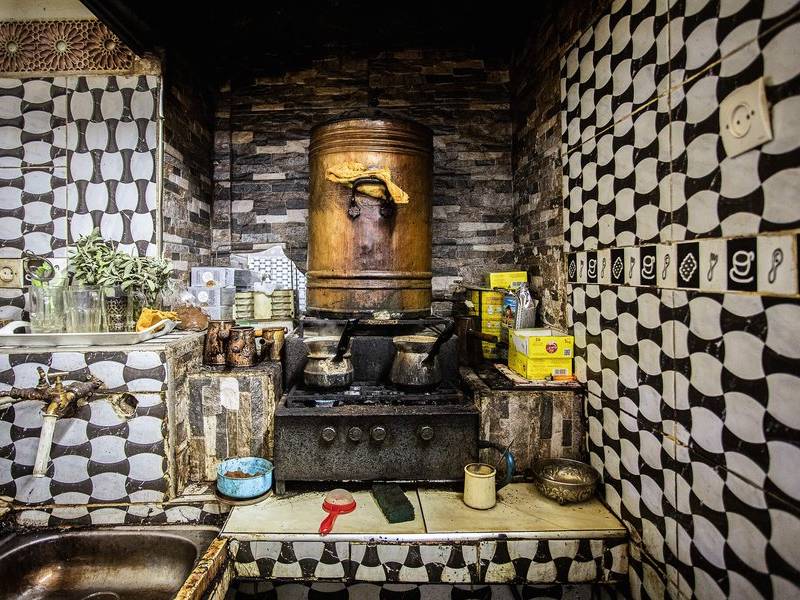
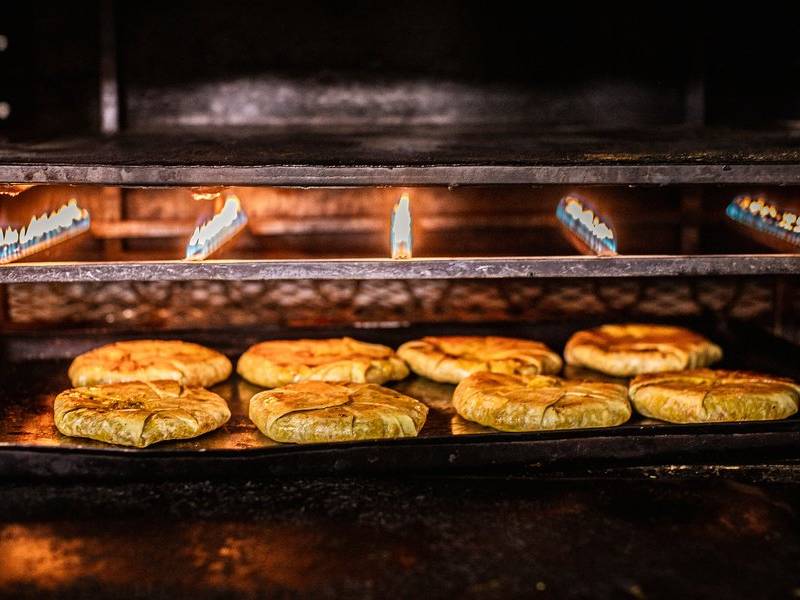
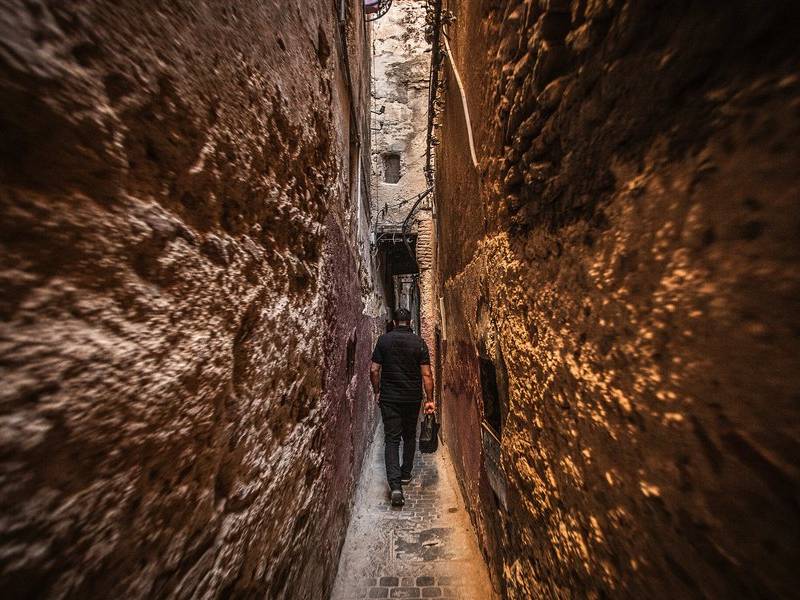
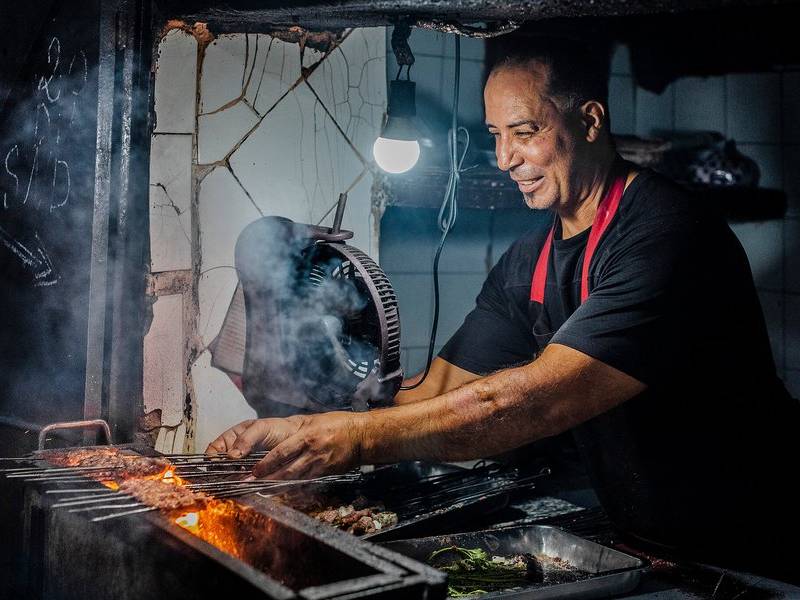
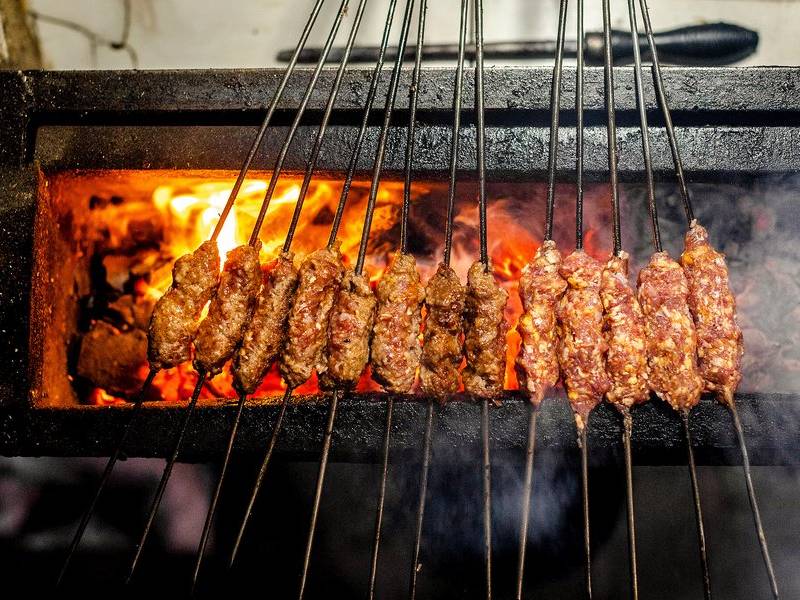
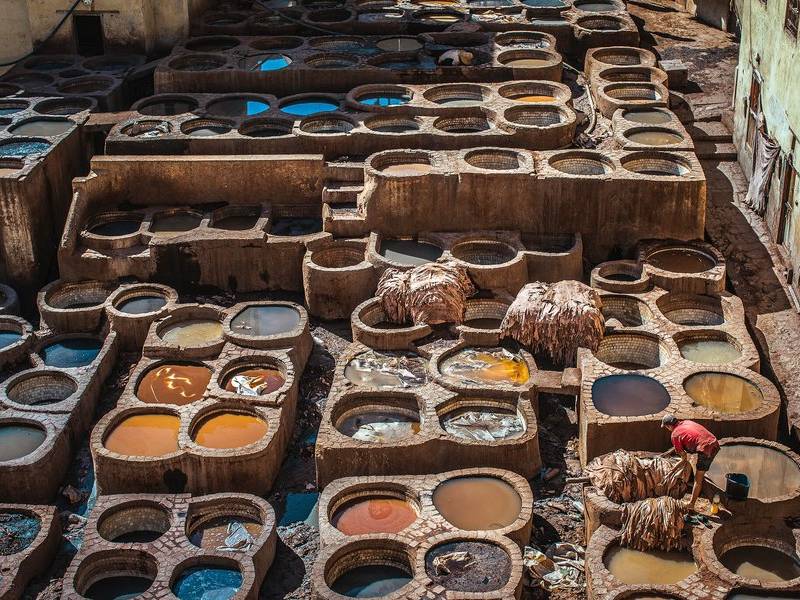
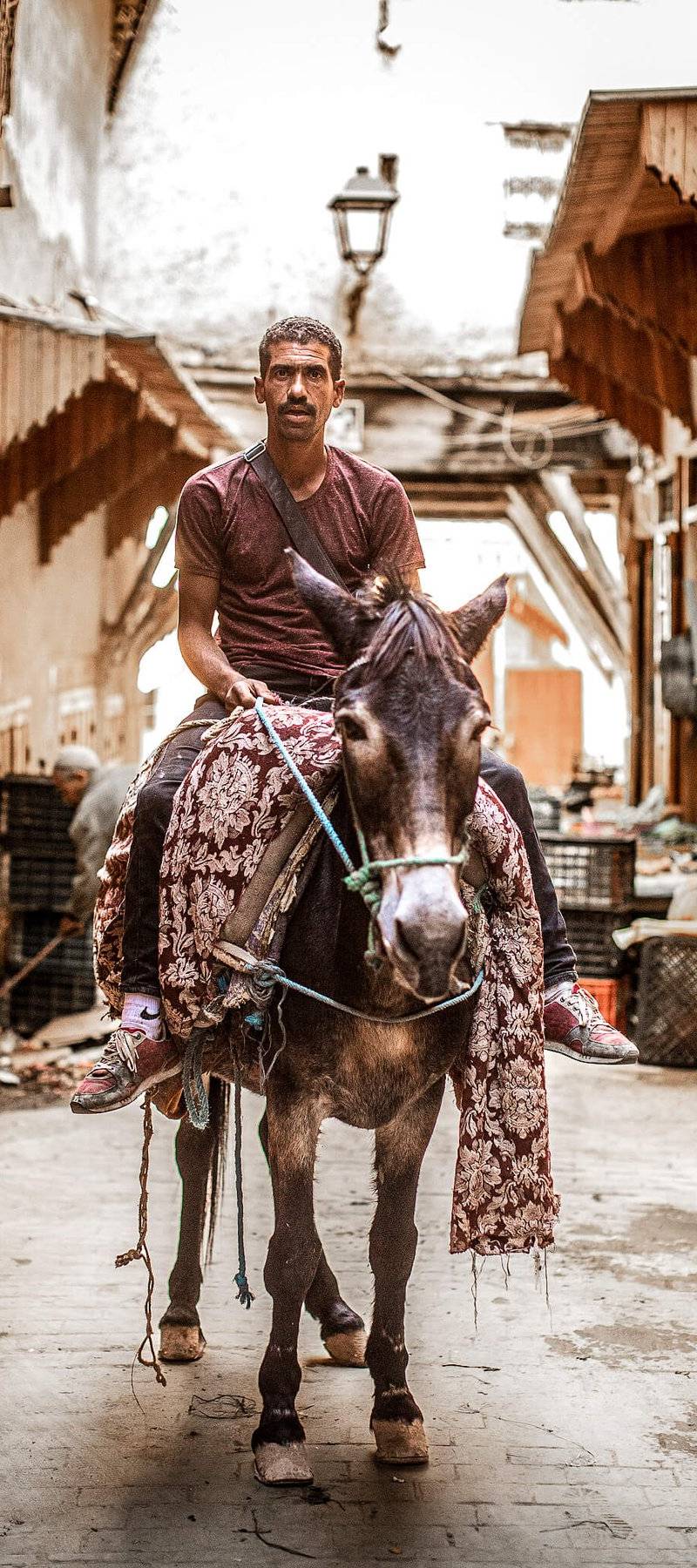
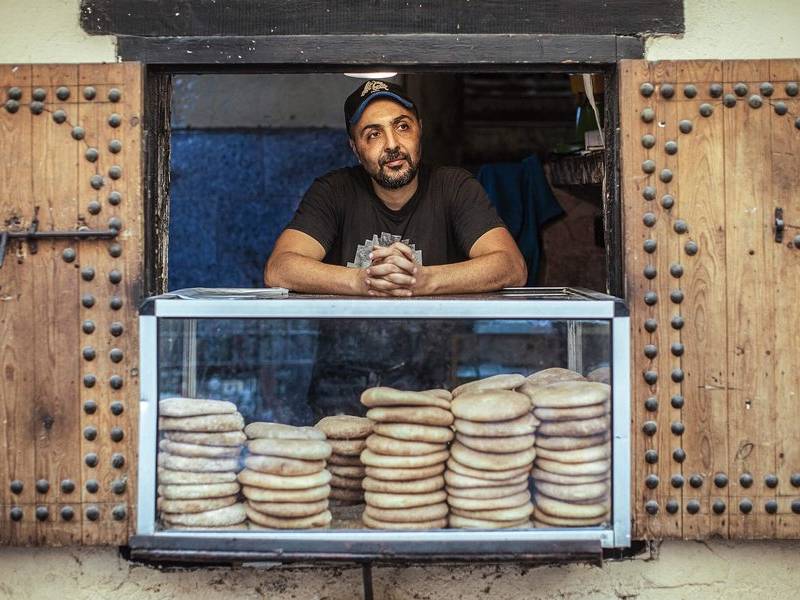
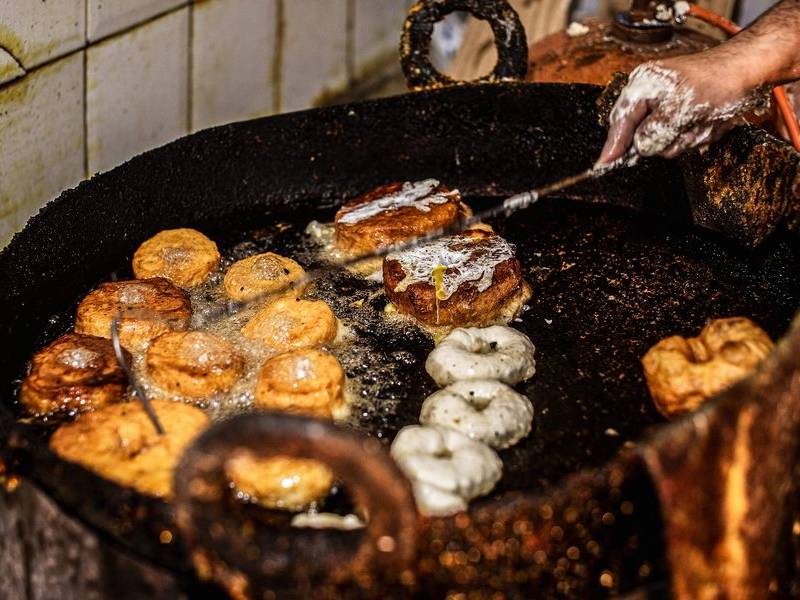
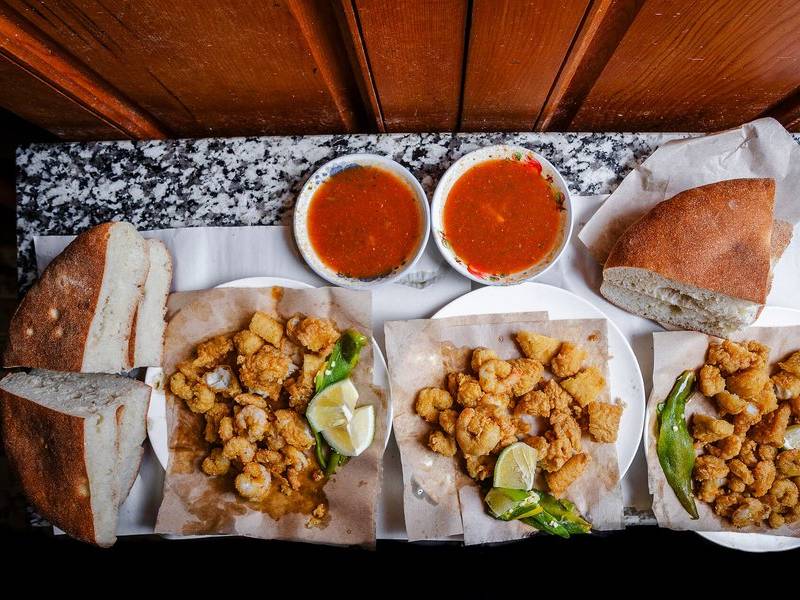
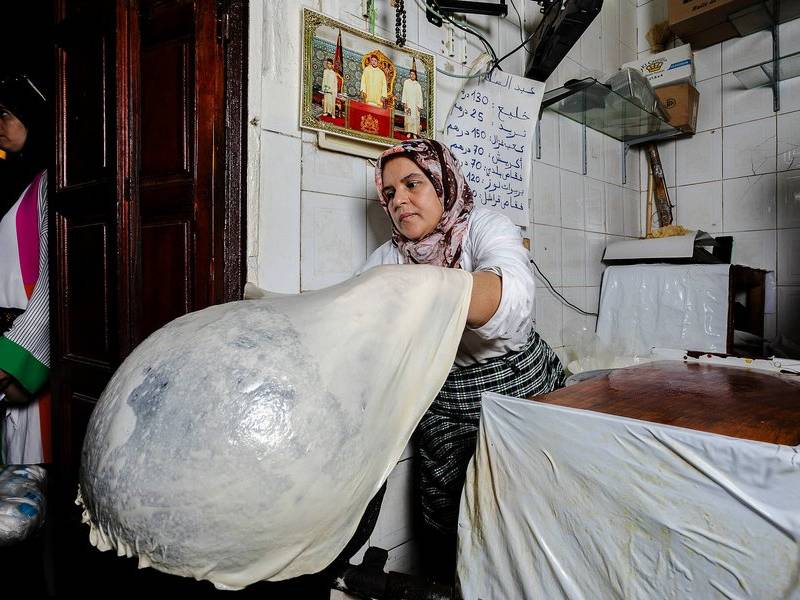
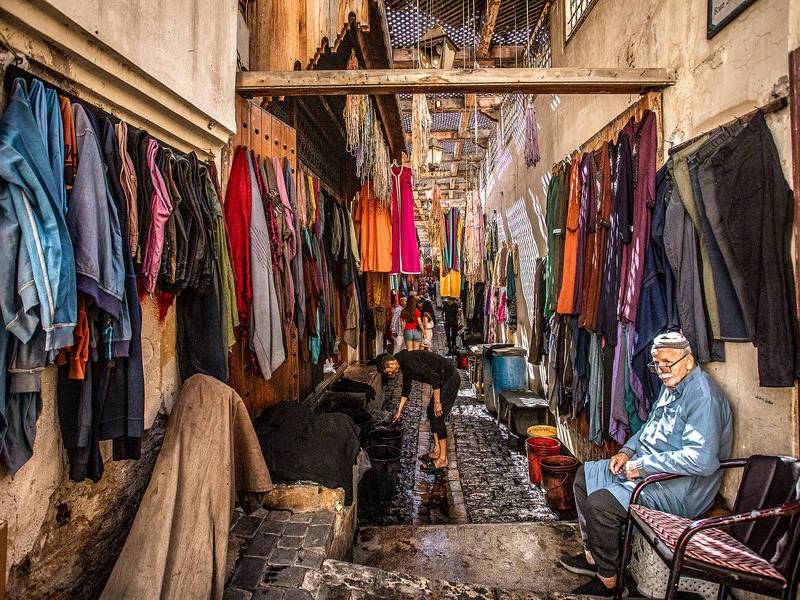
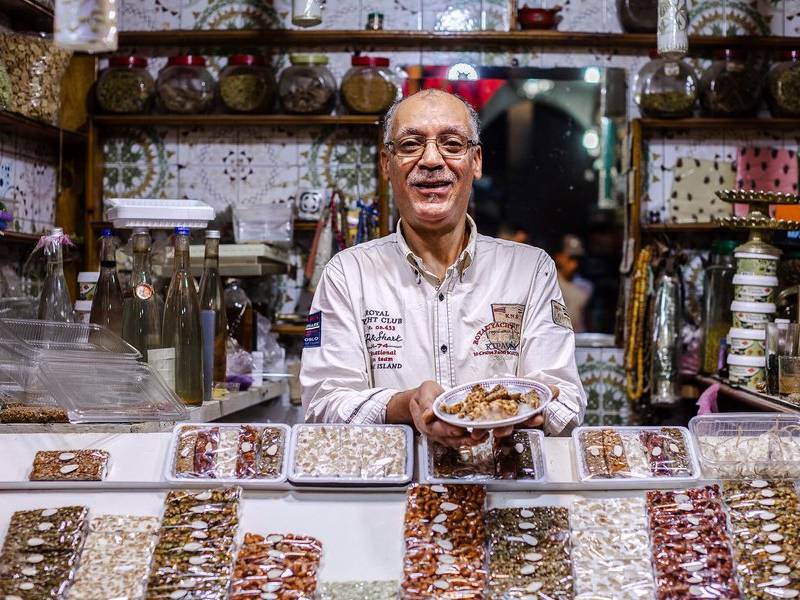
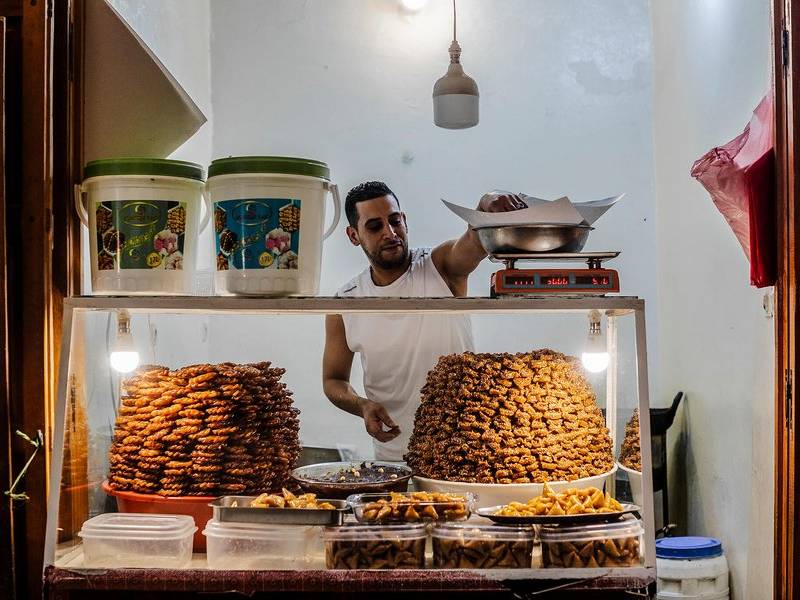
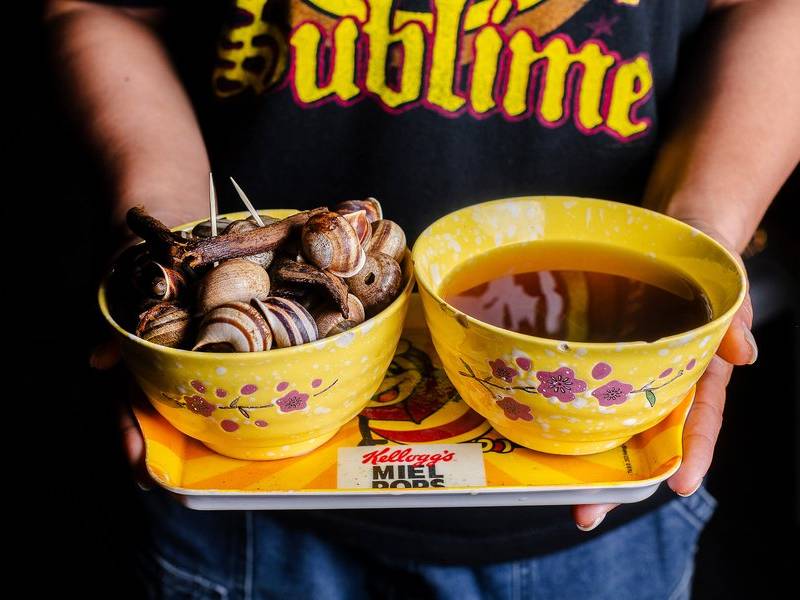
Bastilla layered with pigeon and cinnamon, harira soup for iftar, sfenj yeast doughnuts, argan oil on everything. Fes cooks the country's oldest imperial kitchen.
04 The pantry
- Argan oil, pressed from the argan trees to the south
- Saffron, threads from the Taliouine slopes
- Preserved lemons, salt-cured for months in the medina cellars
- Amlou, argan-almond spread eaten with bread
- Ras el hanout, spice merchant's proprietary blend
05 In the kitchen
- Baking bastilla filo pastry with cinnamon-scented pigeon
- Slow-cooking harira soup with lentils, chickpeas and lamb for iftar
- Frying sfenj yeast doughnuts fresh in the morning
- Wrapping trid layered pastry with lentils and squash
- Blending spices individually for each merchant's ras el hanout
06 Eat this first
- Bastilla, saffron-pigeon pie dusted with icing sugar and cinnamon
- Harira, tomato and lentil soup that breaks the Ramadan fast
- Sfenj, ring-shaped yeast doughnuts eaten hot with mint tea
- Rfissa, chicken and lentils layered over torn msemen
- Sellou, roasted flour and almond sweet with sesame and honey


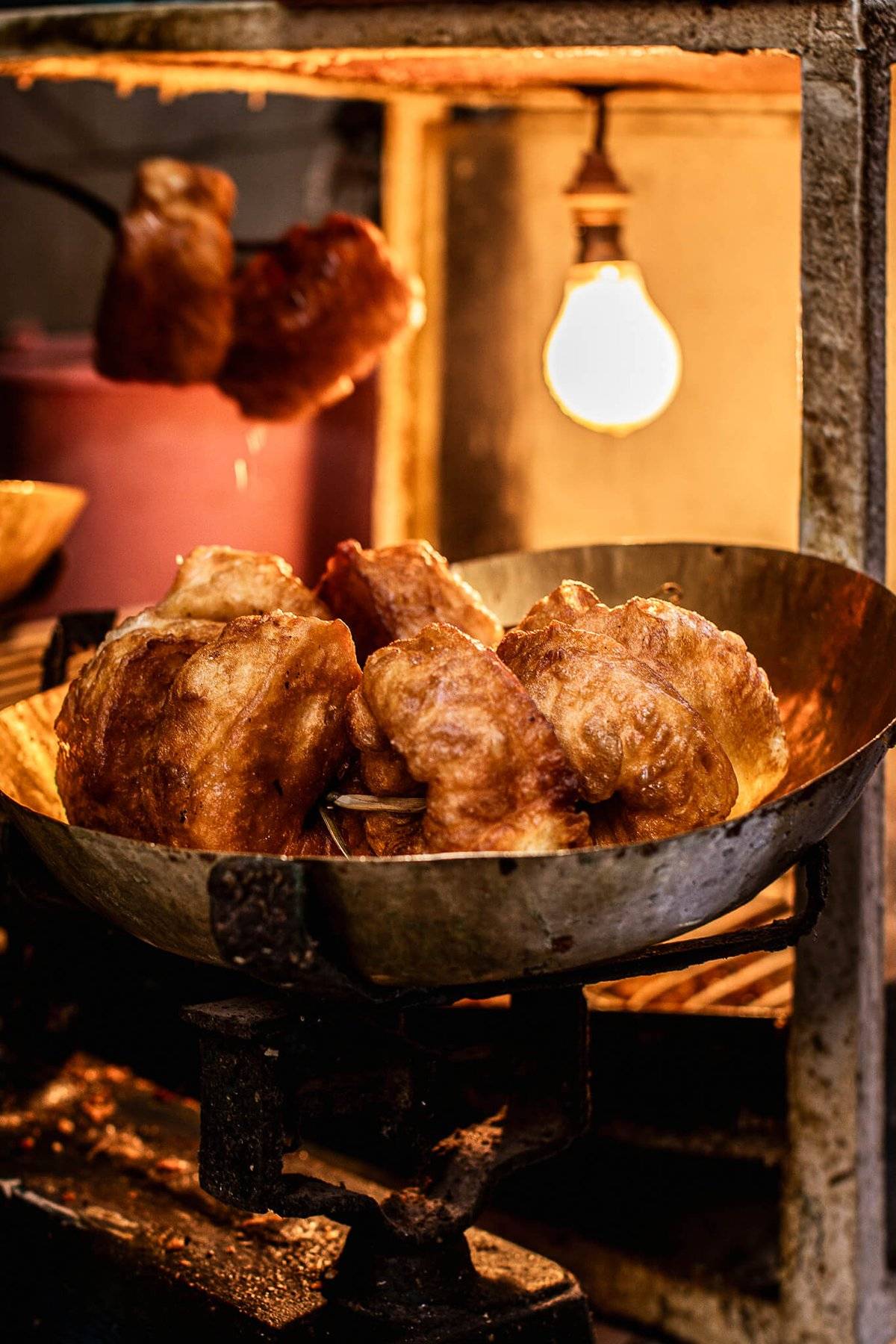
What happens inside a hammam kitchen
A morning with the cooks who feed the neighbourhood before dawn. Charcoal, dough, the smell of a bakery working its second oven.
09 Recipes
A collection of authentic recipes we couldn't leave behind.
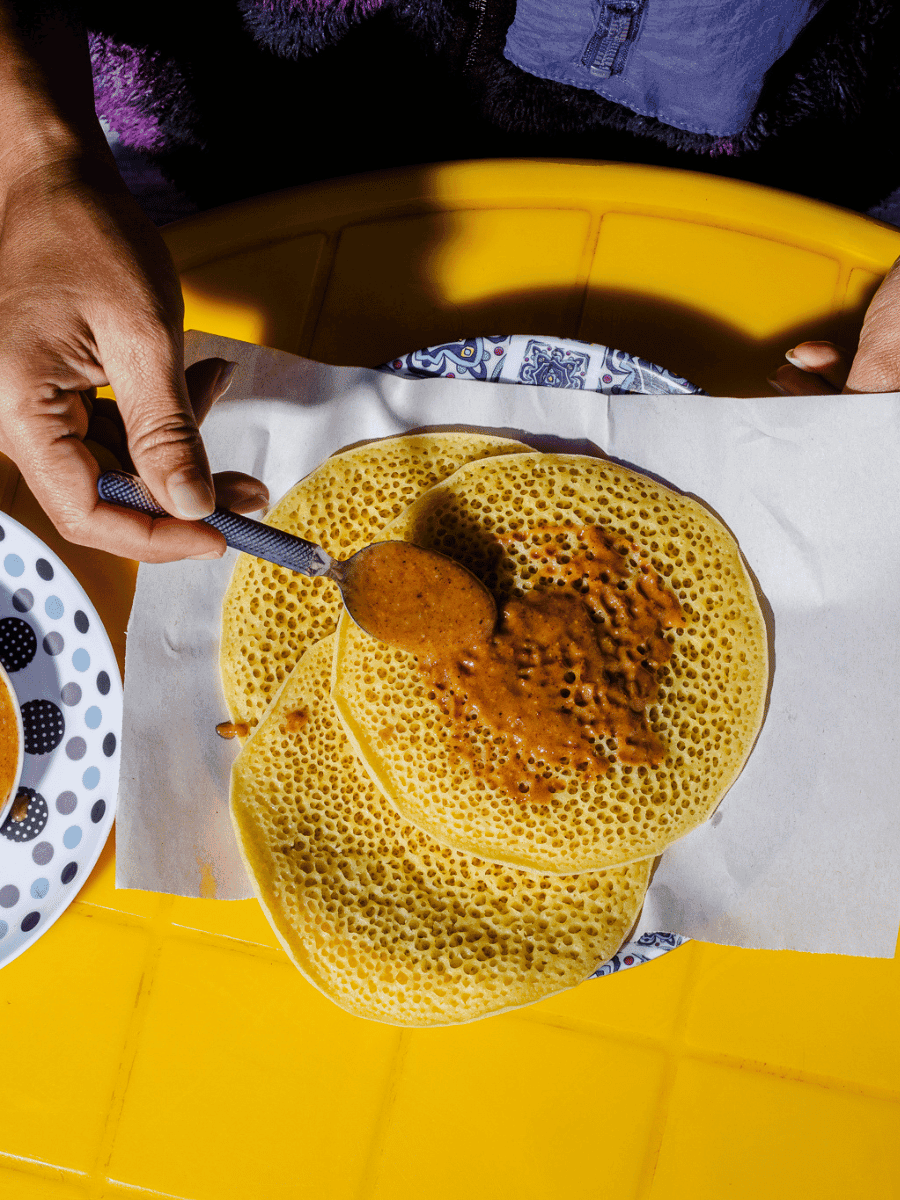
Soft yeasted semolina pancakes covered in a thousand tiny bubbles, cooked on a hot skillet on one side only. Morocco's spongy honey-soaked breakfast.

Spicy merguez lamb sausages grilled hard, tucked into a crusty baguette with sliced tomato, chili sauce and pickles. Tangier's Spanish-Moroccan street lunch.

Cannellini or white beans simmered in tomato, garlic, cumin and paprika until soupy-tender. The Moroccan winter one-pot, eaten with khobz.

Small triangular or cigar-shaped pastries stuffed with spiced meat, cheese or almond paste, fried crisp. Morocco's cocktail-party appetiser, sold at every souk stand.

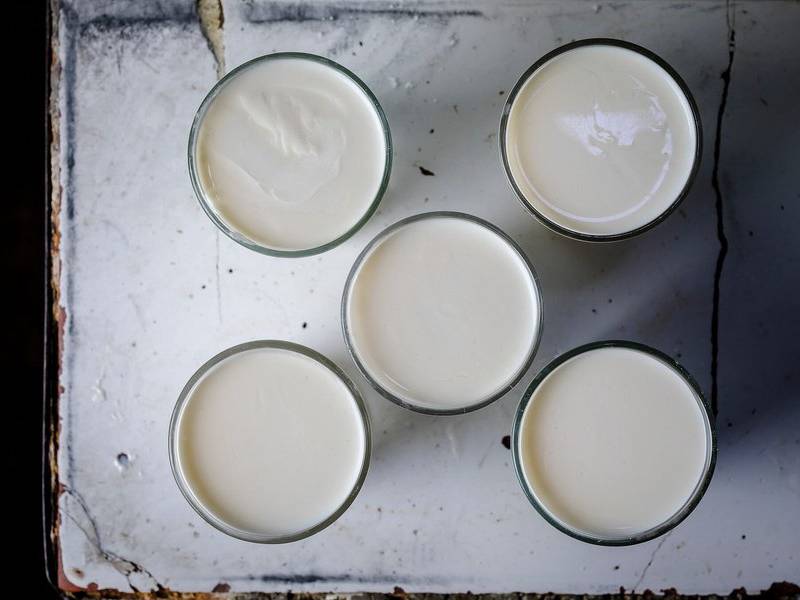
Sweet, thick set yogurt made from whole milk and rennet, scented with orange blossom. Morocco's oldest dessert, spooned from small clay jars.

Slow-cooked chicken tagine with preserved lemons, cracked green olives and a saffron-onion sauce. Morocco's Friday-lunch classic, eaten with khobz.
10 Field Notes
Quick field notes to help you get accustomed to Fes.
Weather
Continental. Hot, dry summers (35°C-plus in July and August) and cold, wet winters (near freezing at night). Spring and autumn are the sweet spots.
Currency
The Moroccan dirham (MAD); cash is essential in the medina. Few stalls take card. ATMs are just outside the medina gates.
Language
Moroccan Arabic (Darija) is spoken everywhere. French is the language of business. Some tanneries and rug shops have staff who speak English.
Etiquette
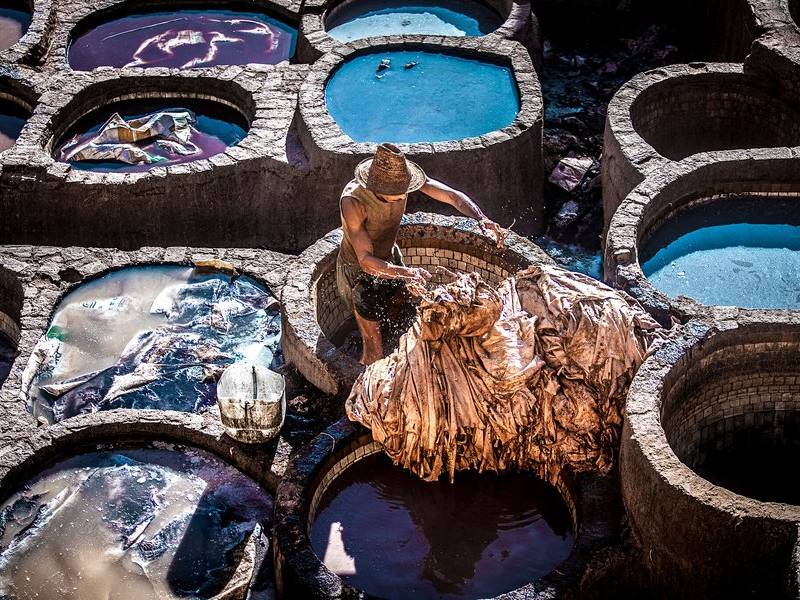
Modest dress everywhere in the medina. Cover shoulders and knees. The tanneries expect a small tip if you climb up for the view. Refuse mint sprigs graciously if you don't need one.
Getting around
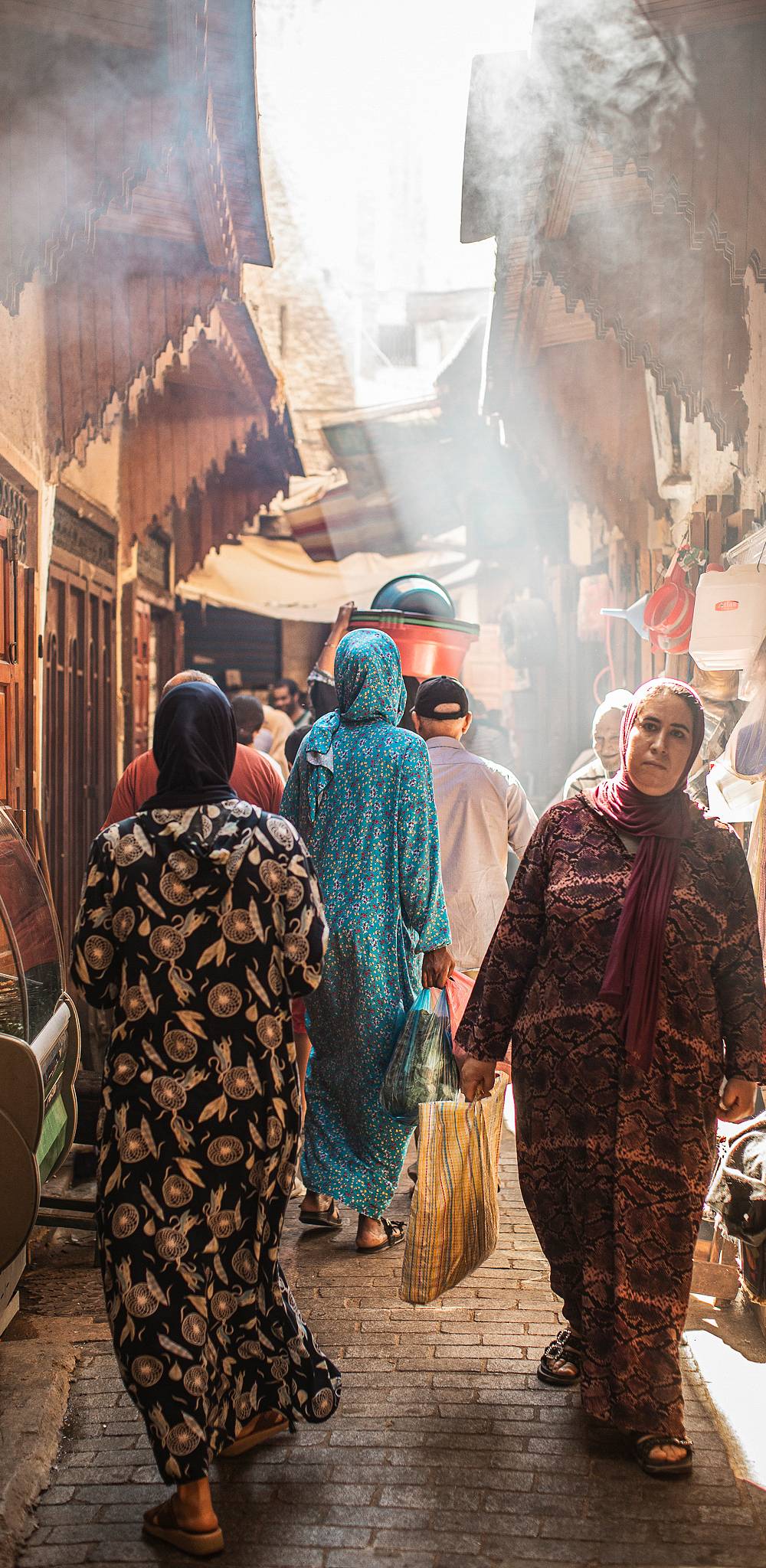
The medina (Fes el Bali) is walking-only. It's the world's largest car-free urban zone and easy to get lost in. Petits taxis (red) cover the newer city and outer walls cheaply.
Prayer
Five calls to prayer echo through the medina. Impossible to miss. The Kairaouine Mosque, one of the oldest in the world, sits at the heart of the old city (non-Muslims can look in from the doorways).