

Destination
Tangier
The story
Tajine de poulet aux citrons confits et olives — chicken tagine with preserved lemons and olives — is Morocco's most-served chicken dish and one of the country's most photographed plates: bone-in chicken pieces slow-cooked in an earthenware conical-lidded tagine with olive oil, onion, garlic, saffron, ginger and turmeric, then bathed in a sauce brightened by cracked green olives and thin slices of Moroccan preserved lemon. Served on Fridays for family lunch, at wedding banquets, and at every Moroccan tourist restaurant on the planet, this is the tagine that non-Moroccans know first. Every Moroccan grandmother has her own version, and the family recipe is passed down.
Method
Combine all marinade ingredients in a bowl. Add the chicken pieces and rub the marinade into every crevice. Refrigerate 30 minutes to 3 hours.
Warm the olive oil in a large tagine (or heavy Dutch oven) over medium heat. Add the chicken pieces skin-side down and brown 5 to 6 minutes until golden. Flip and brown the other side 3 minutes. Lift out and reserve.
Add the sliced onions to the same pot. Cook 8 to 10 minutes over medium-low heat, stirring, until soft and golden.
Return the browned chicken to the pot, skin-side up, nestled into the onions. Add the chopped coriander, parsley, cinnamon stick, and water. Season with the salt.
Cover with the tagine lid (or a heavy pot lid) and simmer over the lowest heat for 60 minutes. Do not open the lid. If cooking on a stovetop, use a heat diffuser.
After 60 minutes, open the lid. Add the preserved lemon strips and cracked green olives. Simmer another 20 minutes uncovered, so the sauce reduces slightly and the flavours integrate.
Test a piece of chicken — it should be falling off the bone. The sauce should be reduced to a rich, oniony gravy. If too watery, uncover and simmer 5 more minutes; if too dry, add a splash of water. Taste and adjust salt (the preserved lemon and olives are already salty).
Bring the tagine to the table with a stack of fresh khobz. Scatter with fresh coriander. Diners tear the bread and pinch pieces of chicken; the sauce is scooped up with bread. Eat with hands. Serve with mint tea after.
Tips
- Preserved lemons are essential. Not decorative — they're the flavour marker. Any Moroccan or Middle Eastern grocer sells them; making your own takes 30 days. Do not substitute regular lemon peel — the flavour is completely different.
- Rinse the preserved lemon. It's aggressively salty. Rinse under running water, remove the pulp (fibrous and sour), and use only the peel.
- Cracked green olives, not black. Moroccan cracked green olives are the classical choice — meaty, mildly bitter, holding their shape. Kalamata or black olives change the flavour profile completely.
- Low and slow. Ninety minutes over the lowest heat is the target. A hard boil breaks up the chicken and clouds the sauce.
- Better on day two. Chicken tagine improves overnight. Make Friday for Saturday lunch; the flavours settle and the sauce thickens.
More recipes
View all
Small spiced meatballs simmered in a garlicky tomato-cumin sauce with eggs cracked over the top. Morocco's most-shared tagine, eaten with khobz.
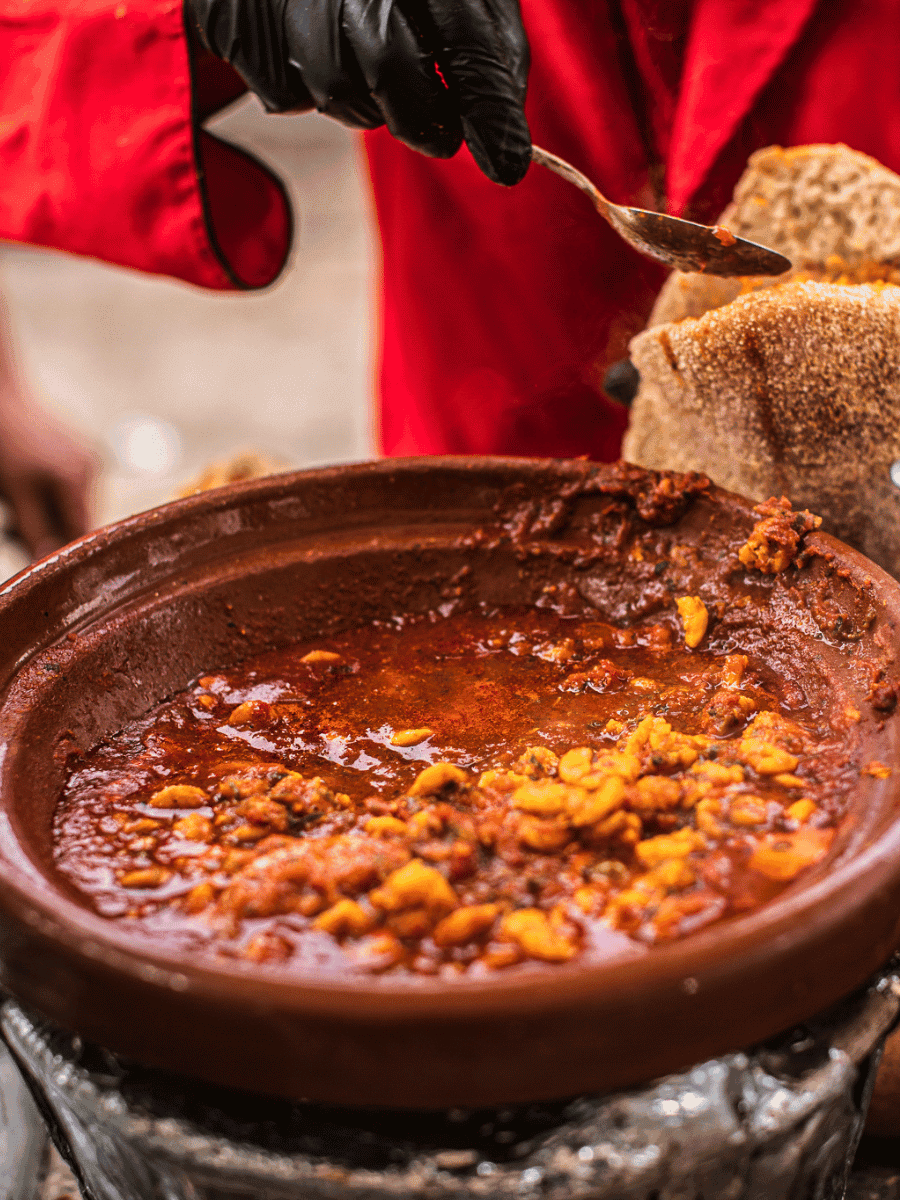
Baby octopus slow-braised in a chermoula tomato sauce with olives and preserved lemon. Essaouira and Safi's port-side tagine, eaten with lots of khobz.
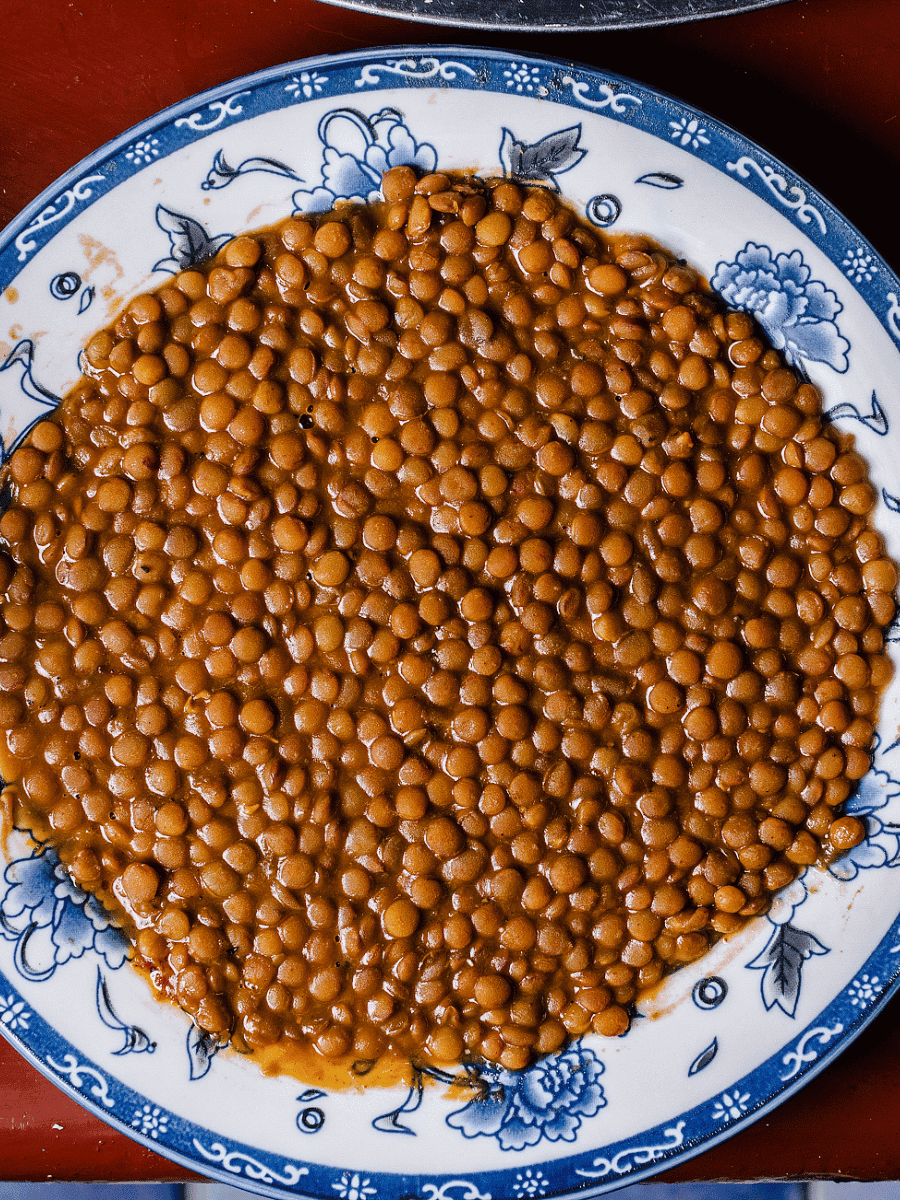
Brown lentils simmered with cumin, ginger and a spoon of tomato paste, finished with olive oil and coriander. Morocco's Monday-lunch pulse.

Cannellini or white beans simmered in tomato, garlic, cumin and paprika until soupy-tender. The Moroccan winter one-pot, eaten with khobz.

Spicy merguez lamb sausages grilled hard, tucked into a crusty baguette with sliced tomato, chili sauce and pickles. Tangier's Spanish-Moroccan street lunch.
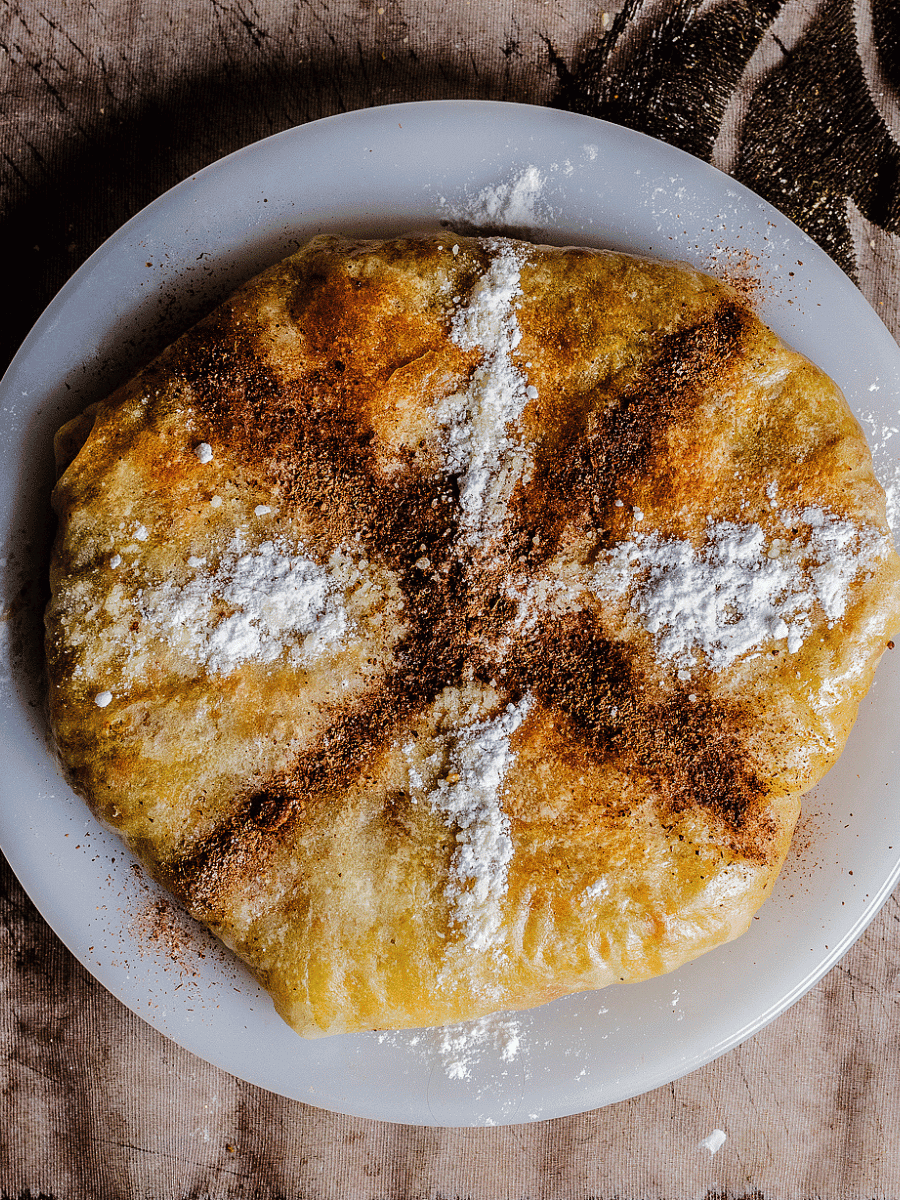
Sweet and savoury filo pie of shredded pigeon or chicken with almonds, eggs and cinnamon, dusted with icing sugar. Morocco's most theatrical dish, served at weddings.