
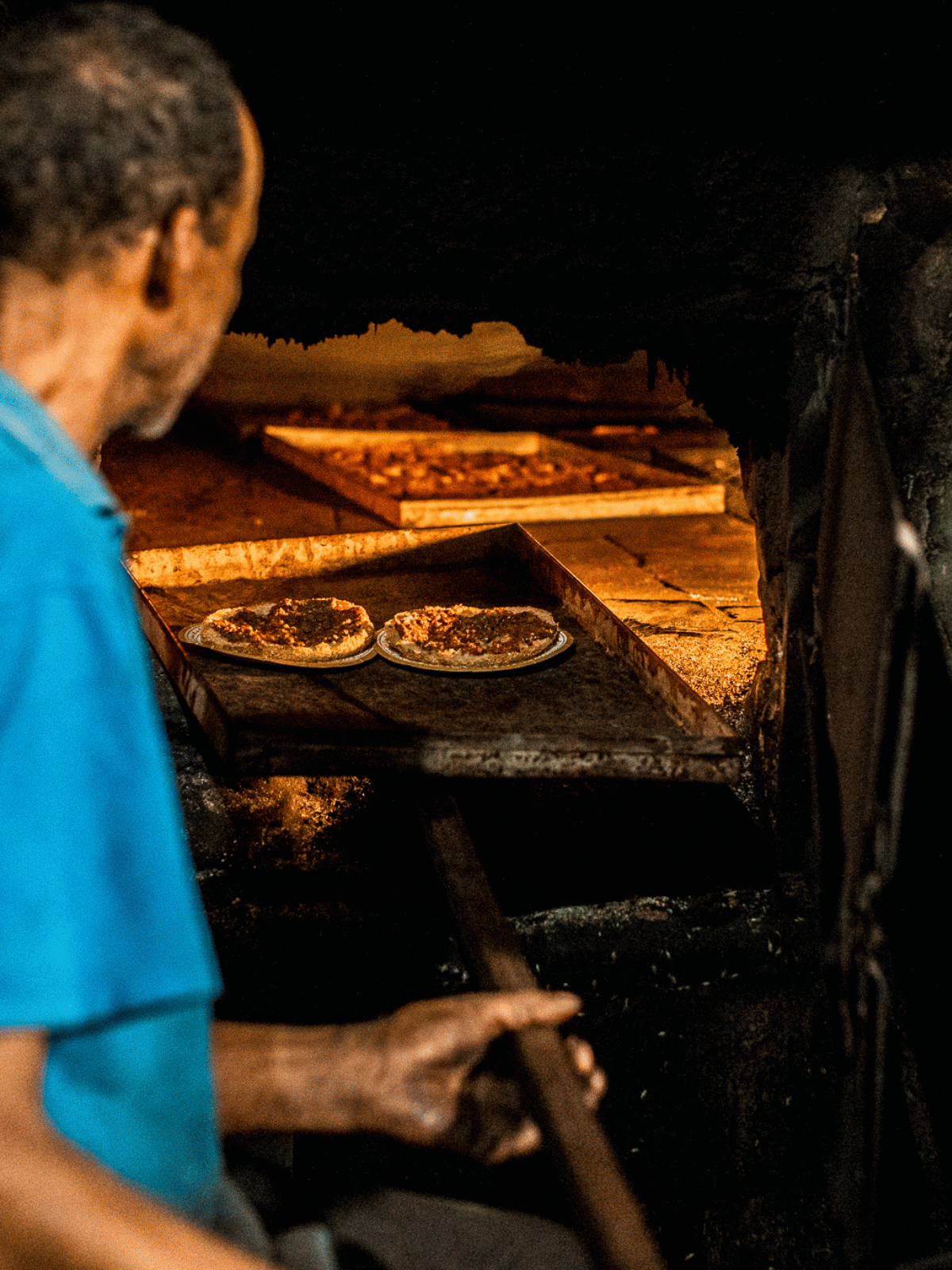
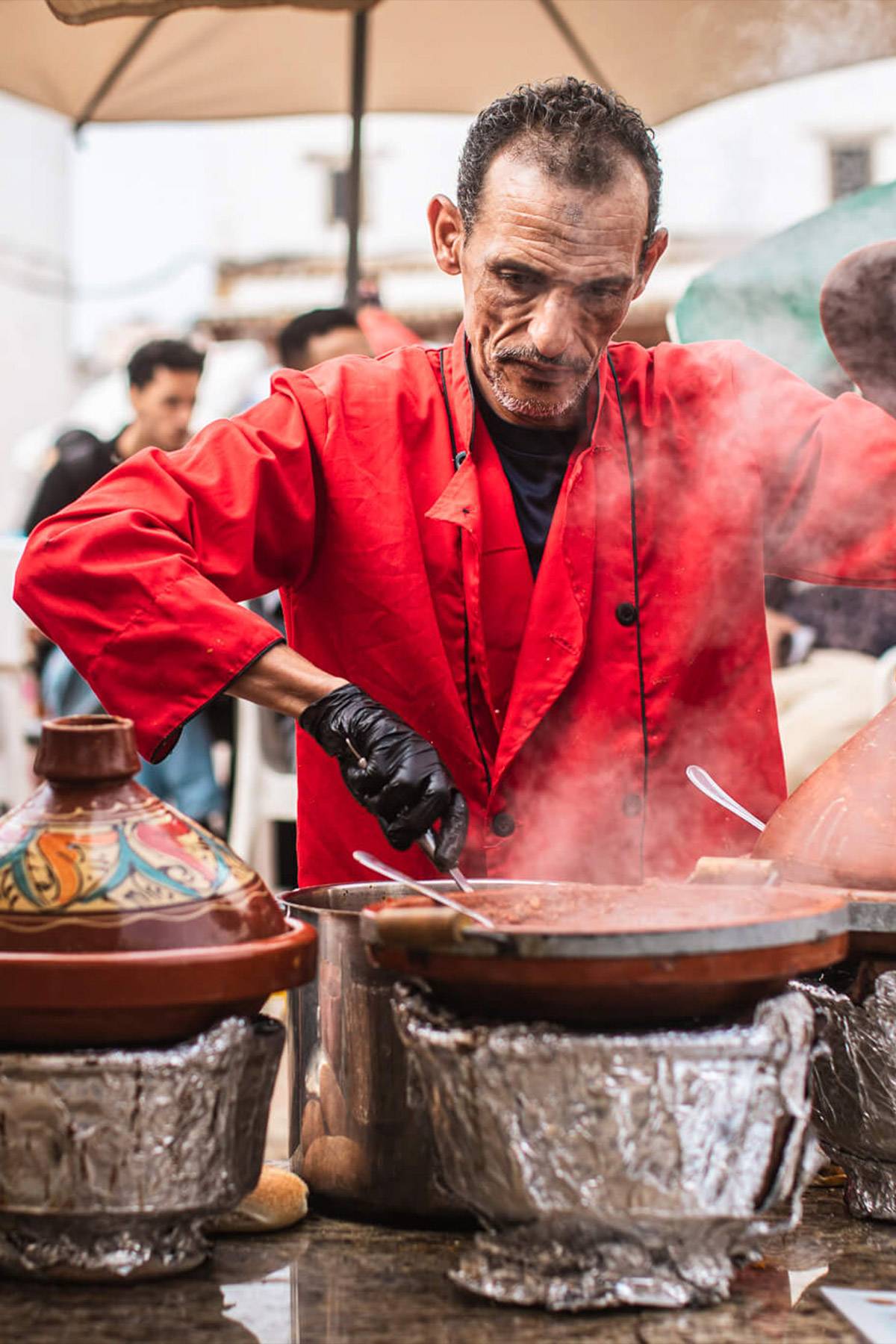
“I have been on more than one food tour in Morocco and much of this food was new to me. Honestly, the best tasting tajine in my two month stay here in Morocco.”
— Jessica, 2026
01 Food tours
Original food tours, curated with our local tastemakers to showcase the neighbourhood kitchens, markets and family-run eateries that define Rabat.
Rabat Eats
Rabat
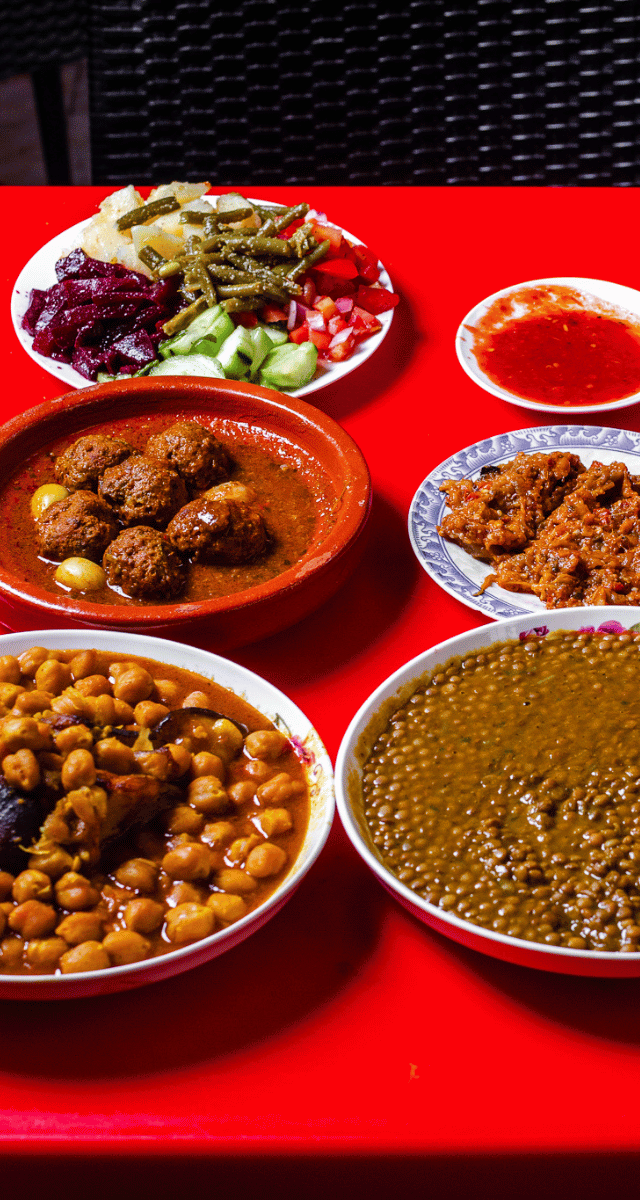
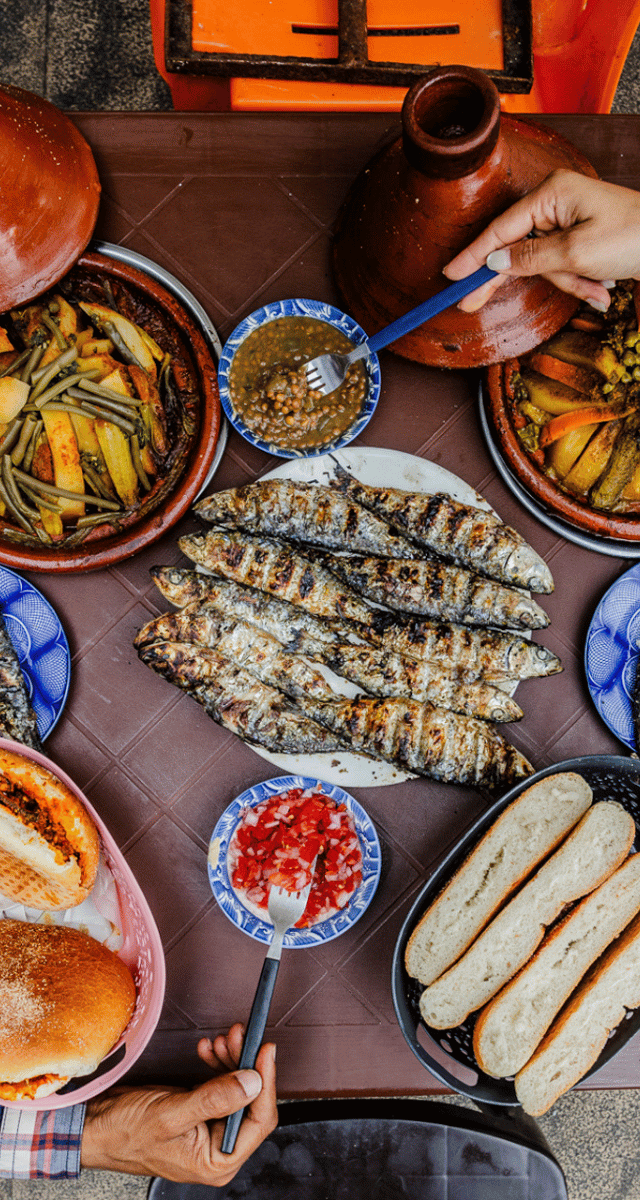
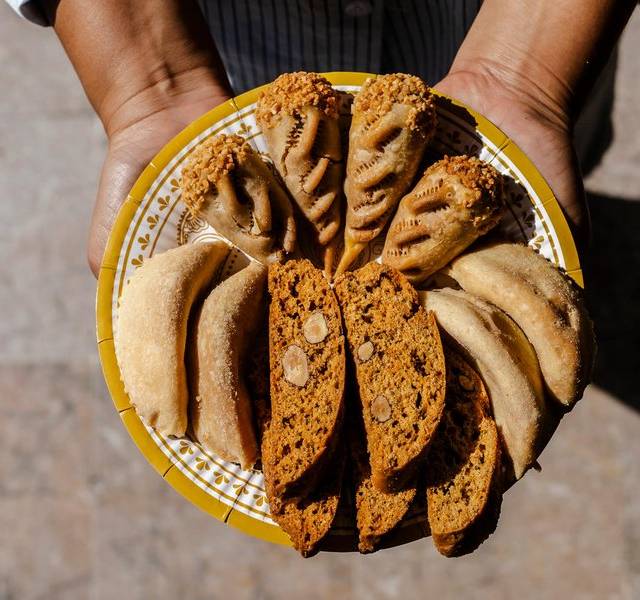
Eat Rabat at lunchtime — bissara, sardine kefta and chebakia sesame cookies from the medina.
Rabat Nights
Rabat
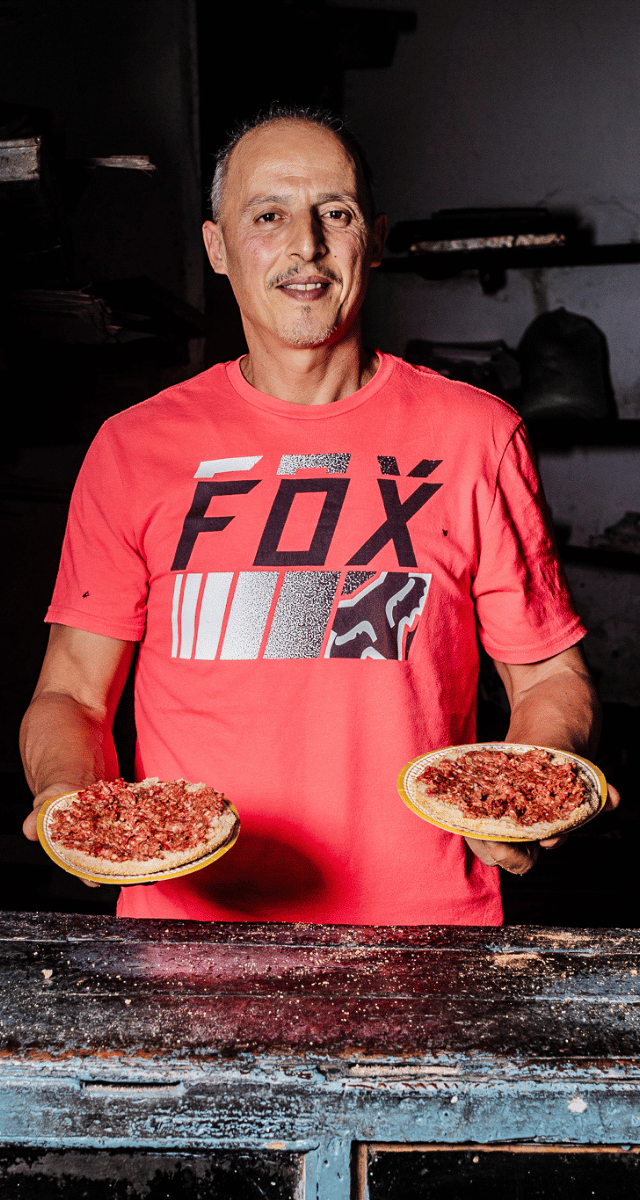
Discover Rabat, quieter than Marrakech, older than Casablanca — bissara, sardine kefta and m'hancha.
02 Meet the tastemakers
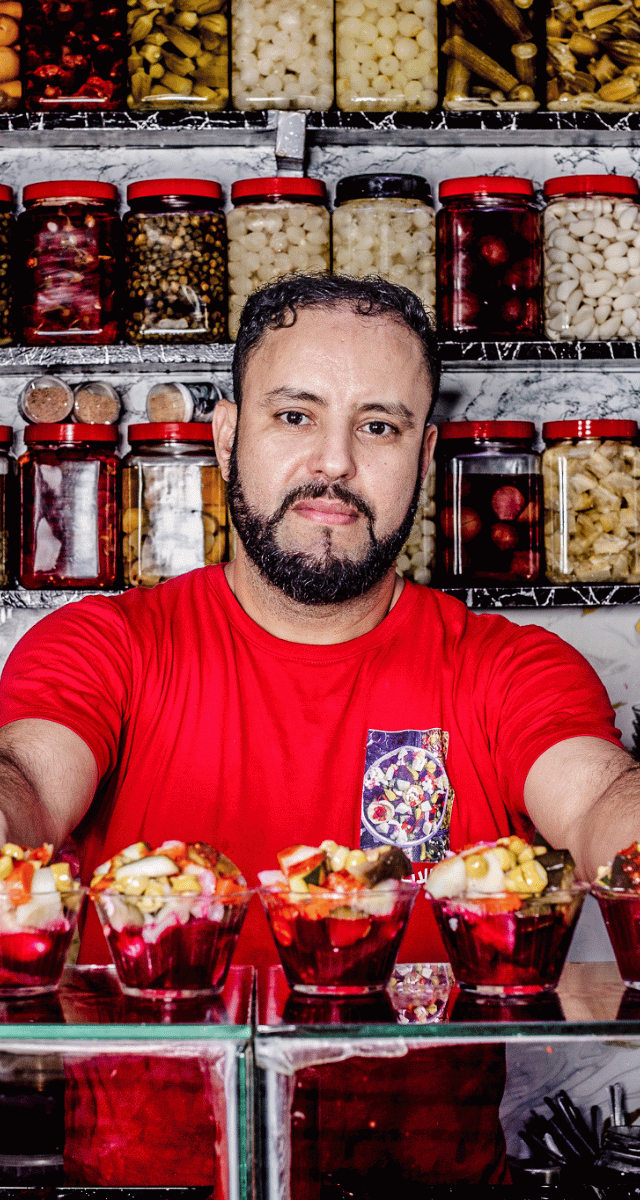
The local food experts who help us research, refine and lead every A Chef's Tour.

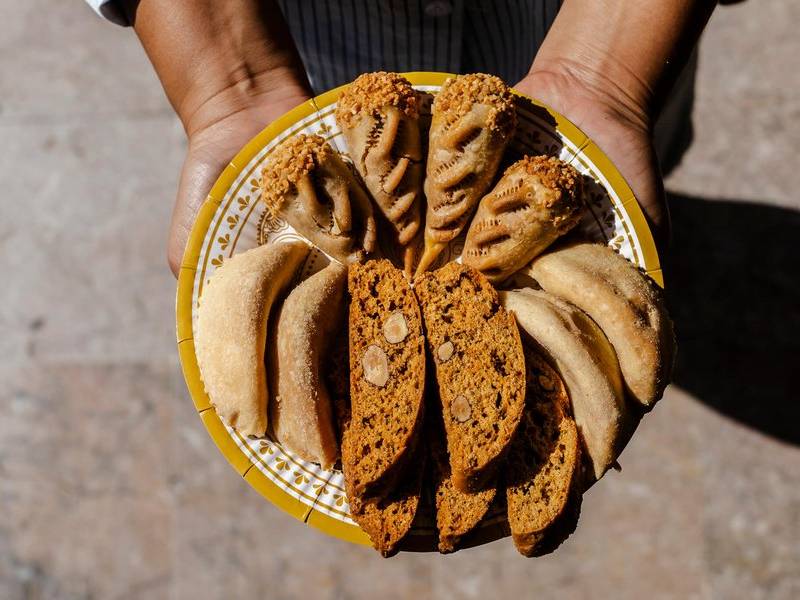
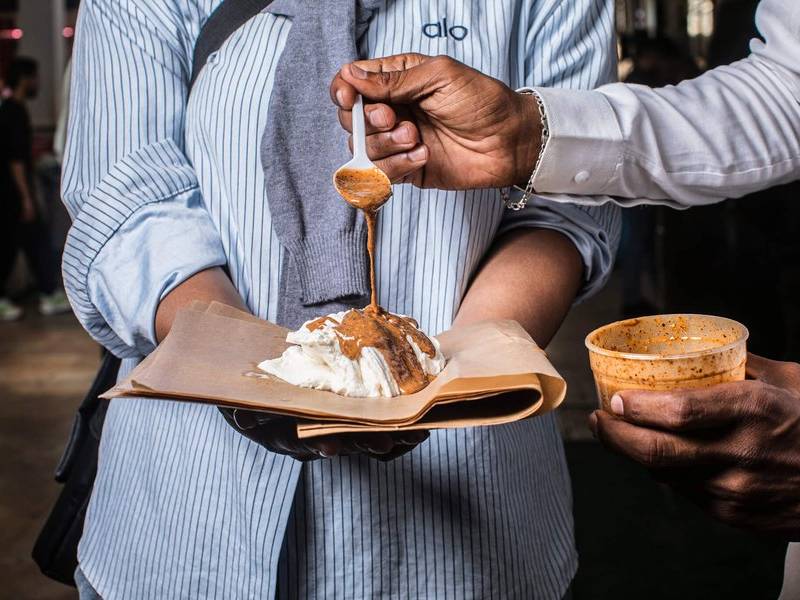
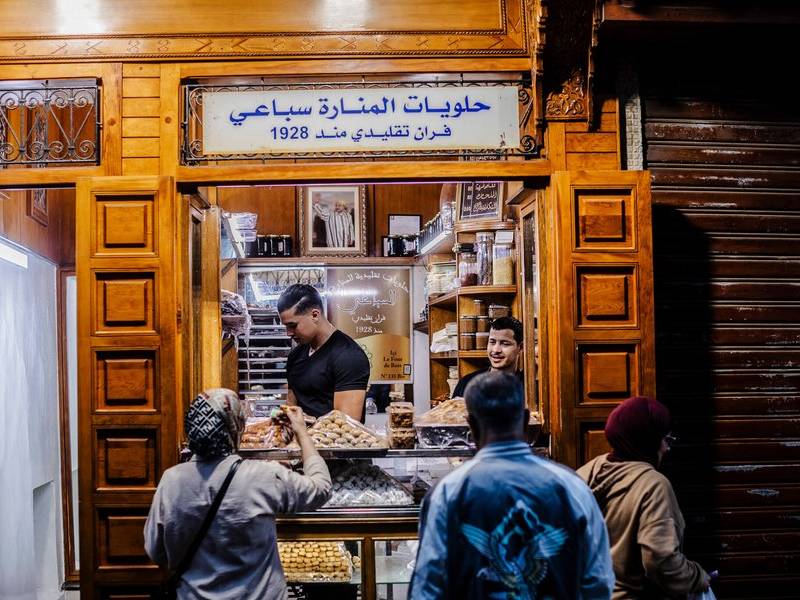
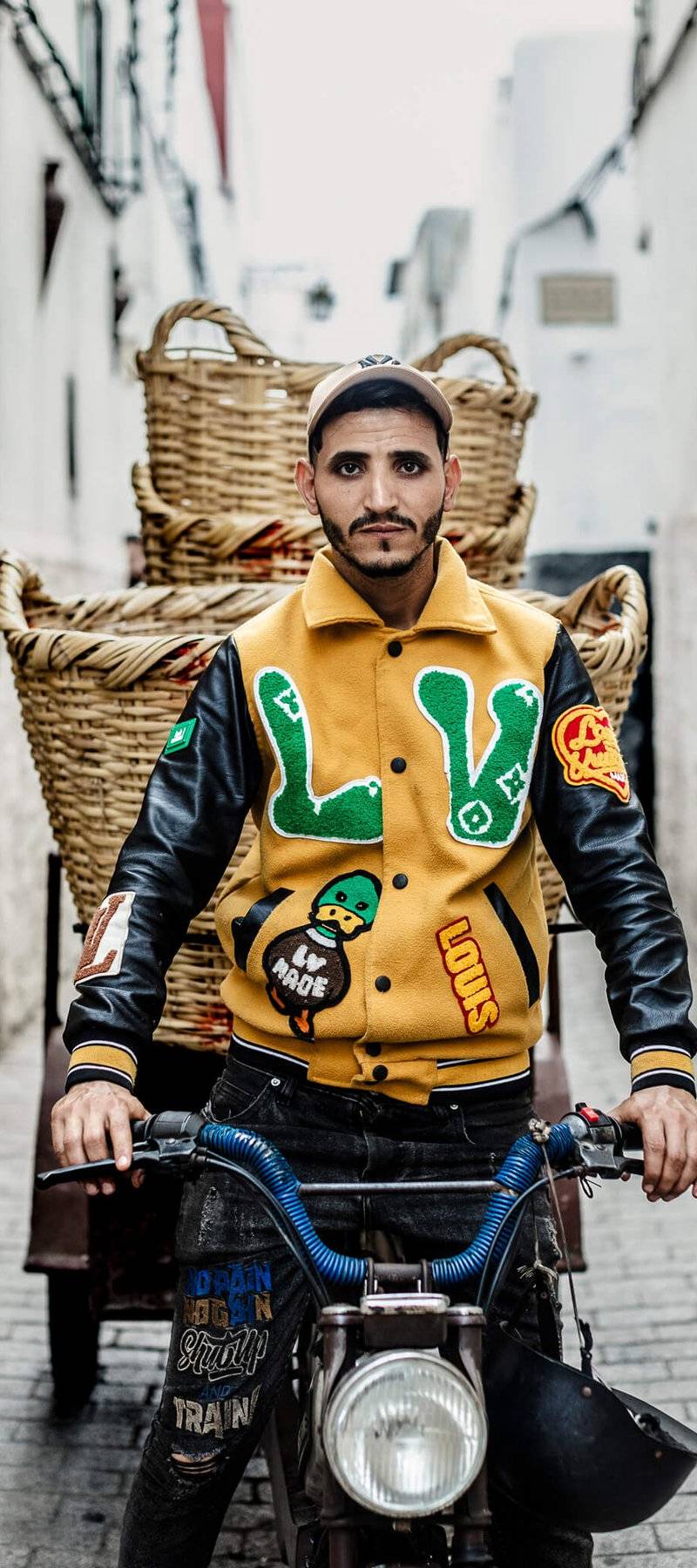
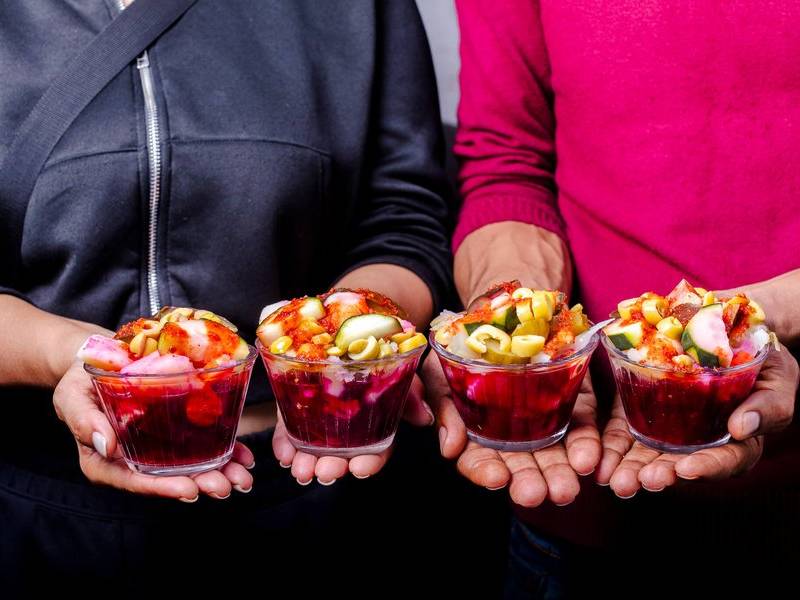
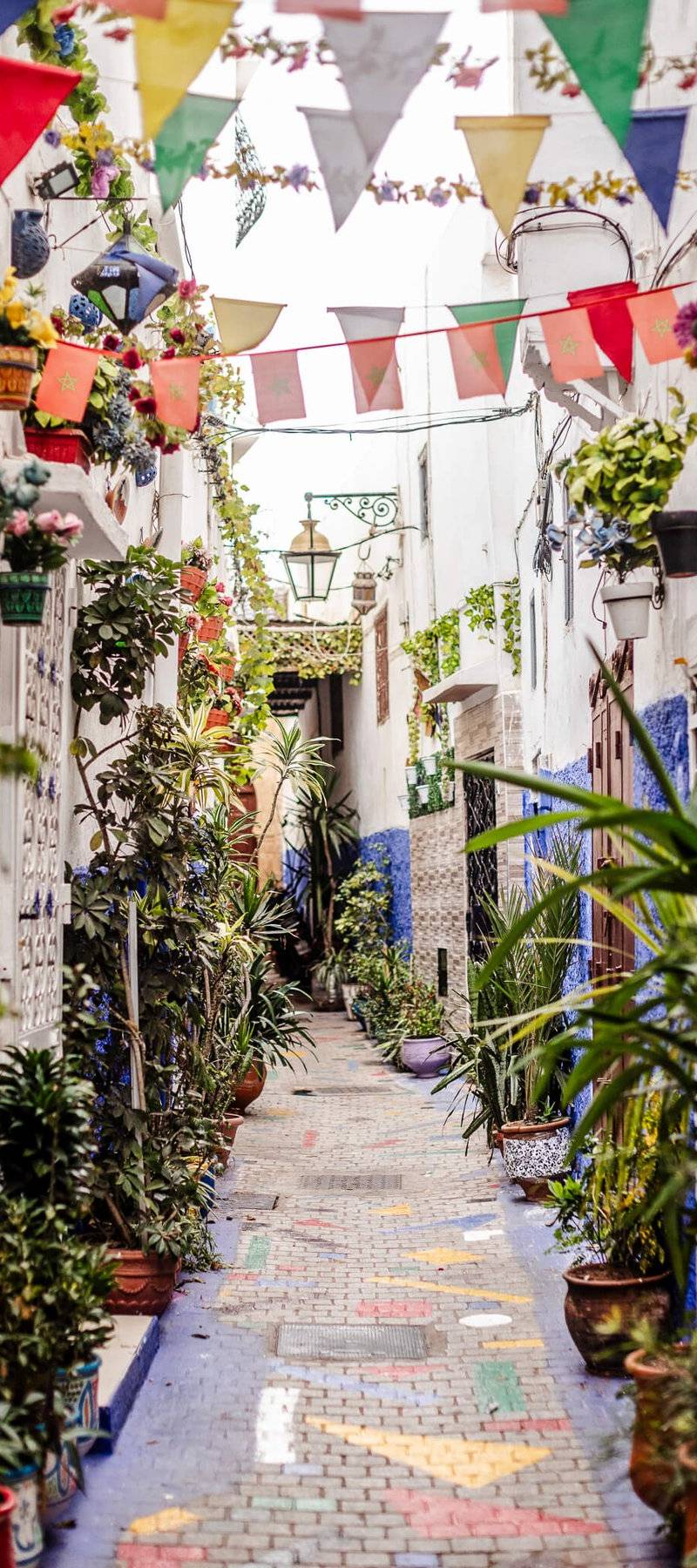
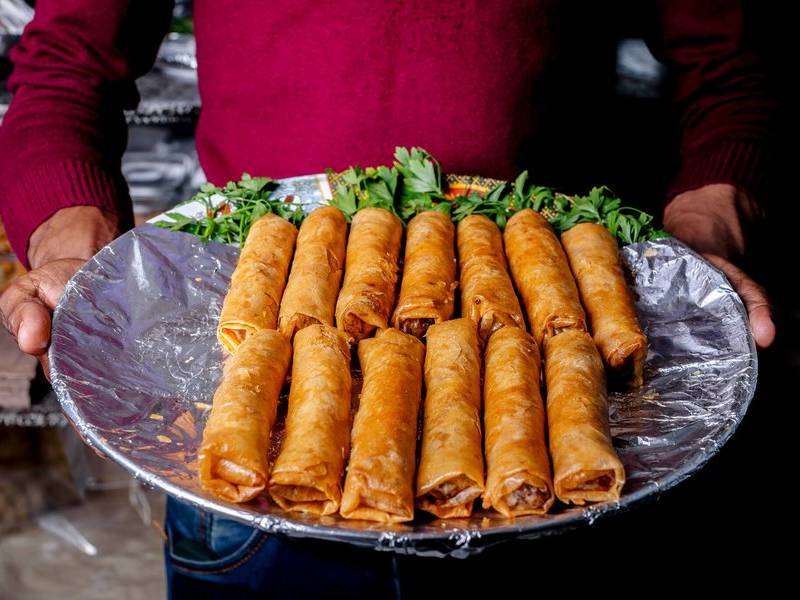
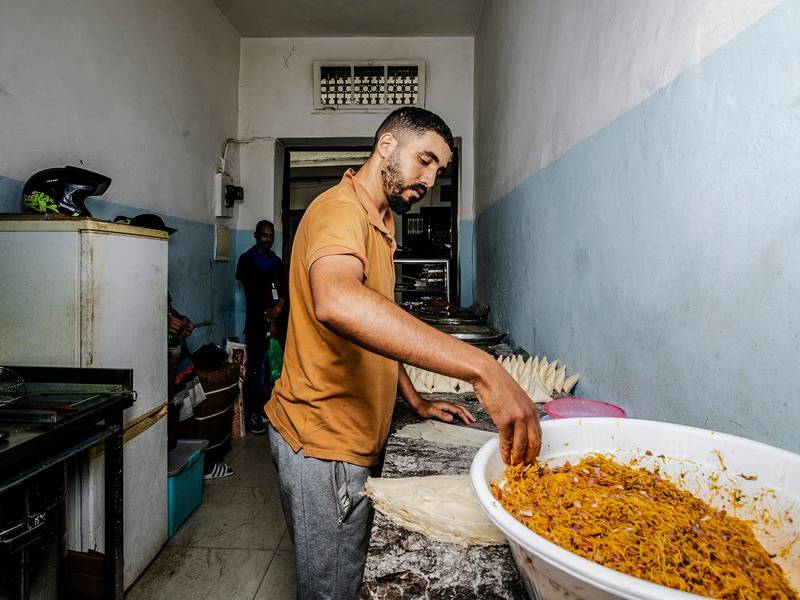
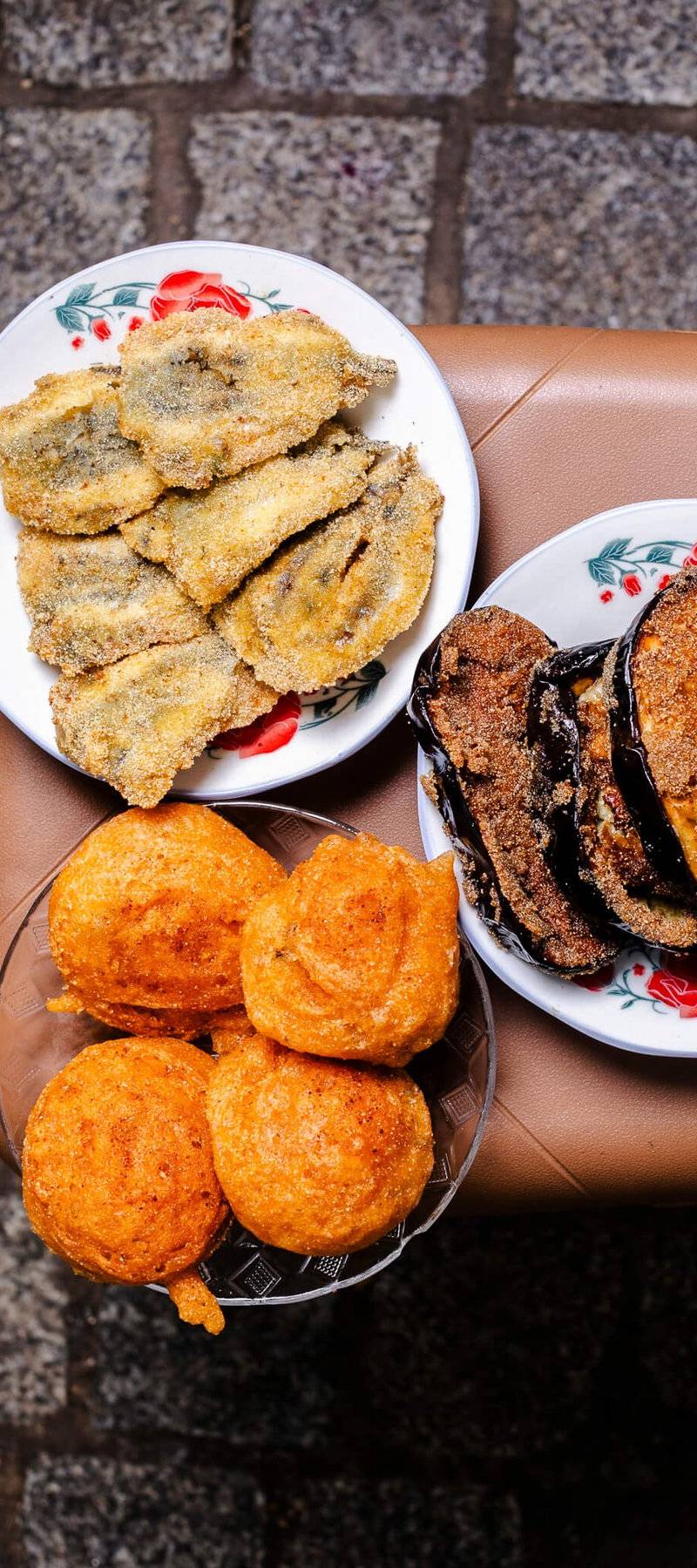
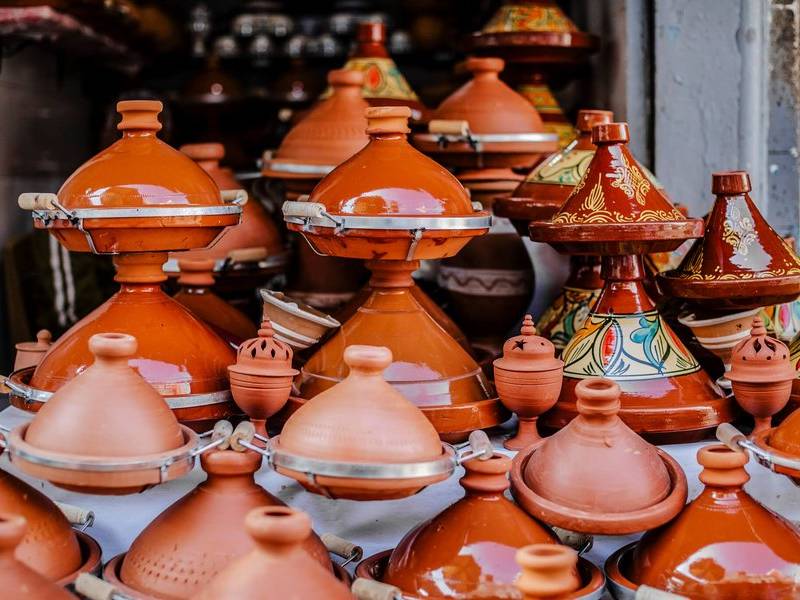
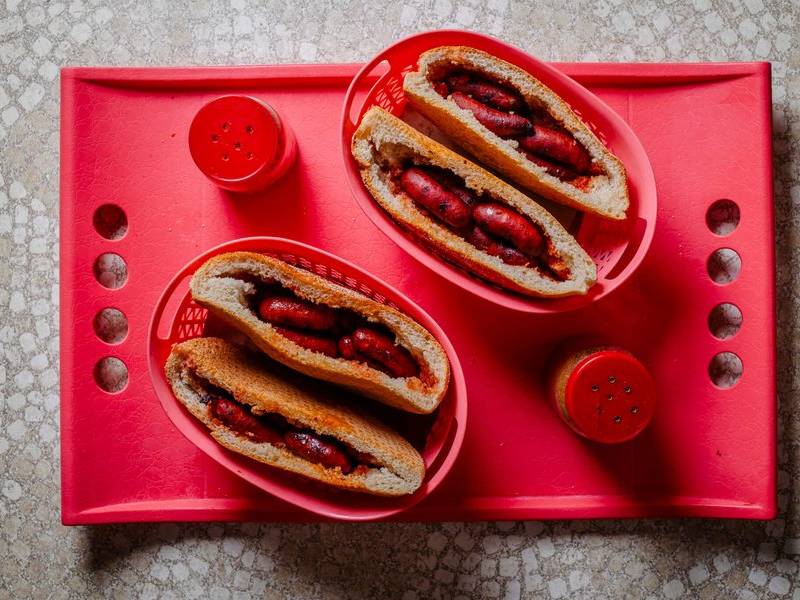
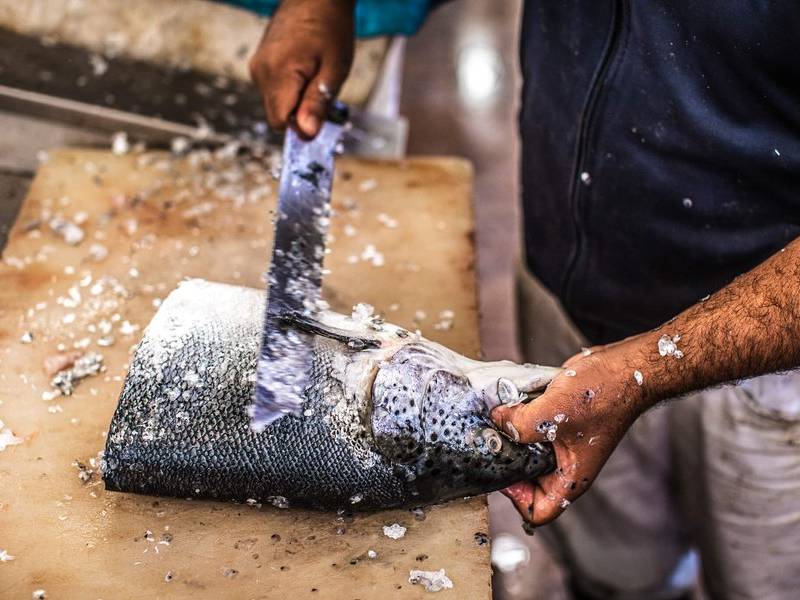
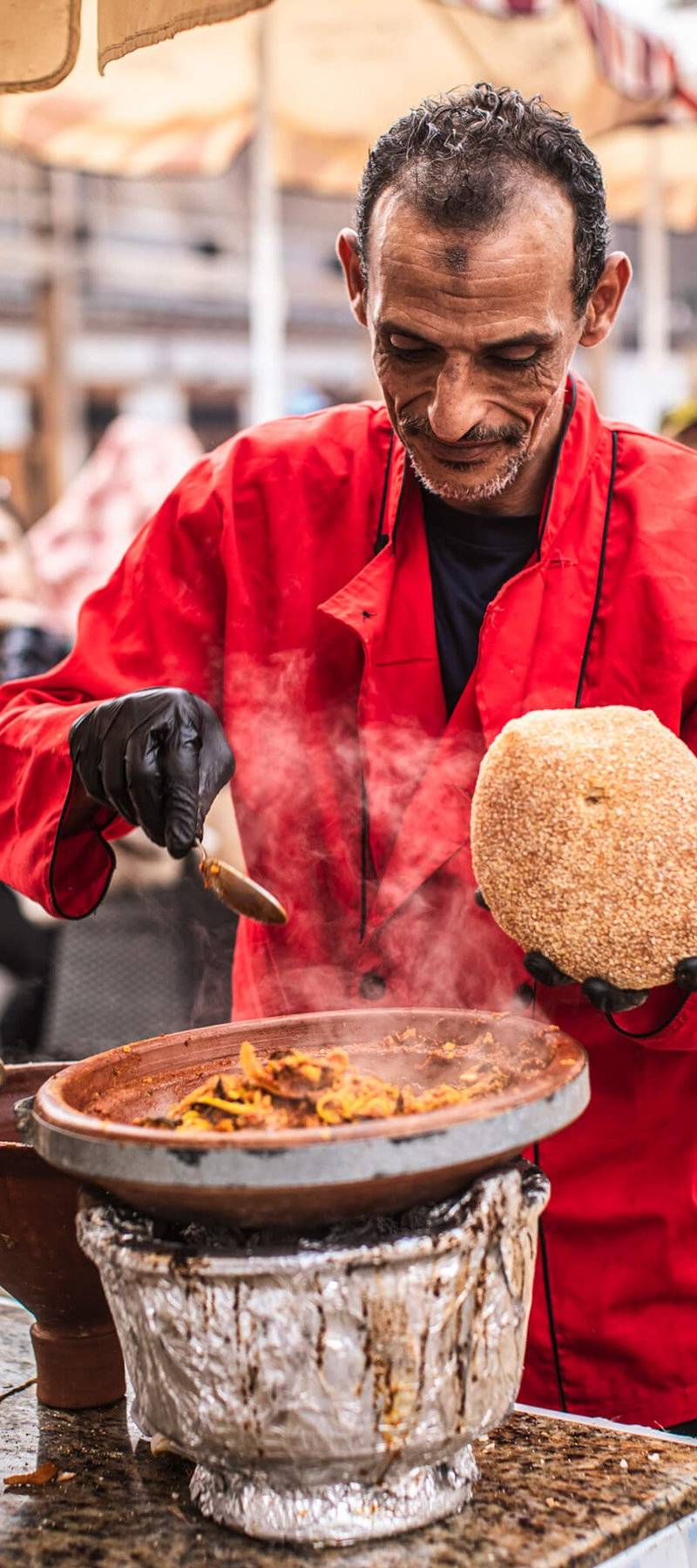
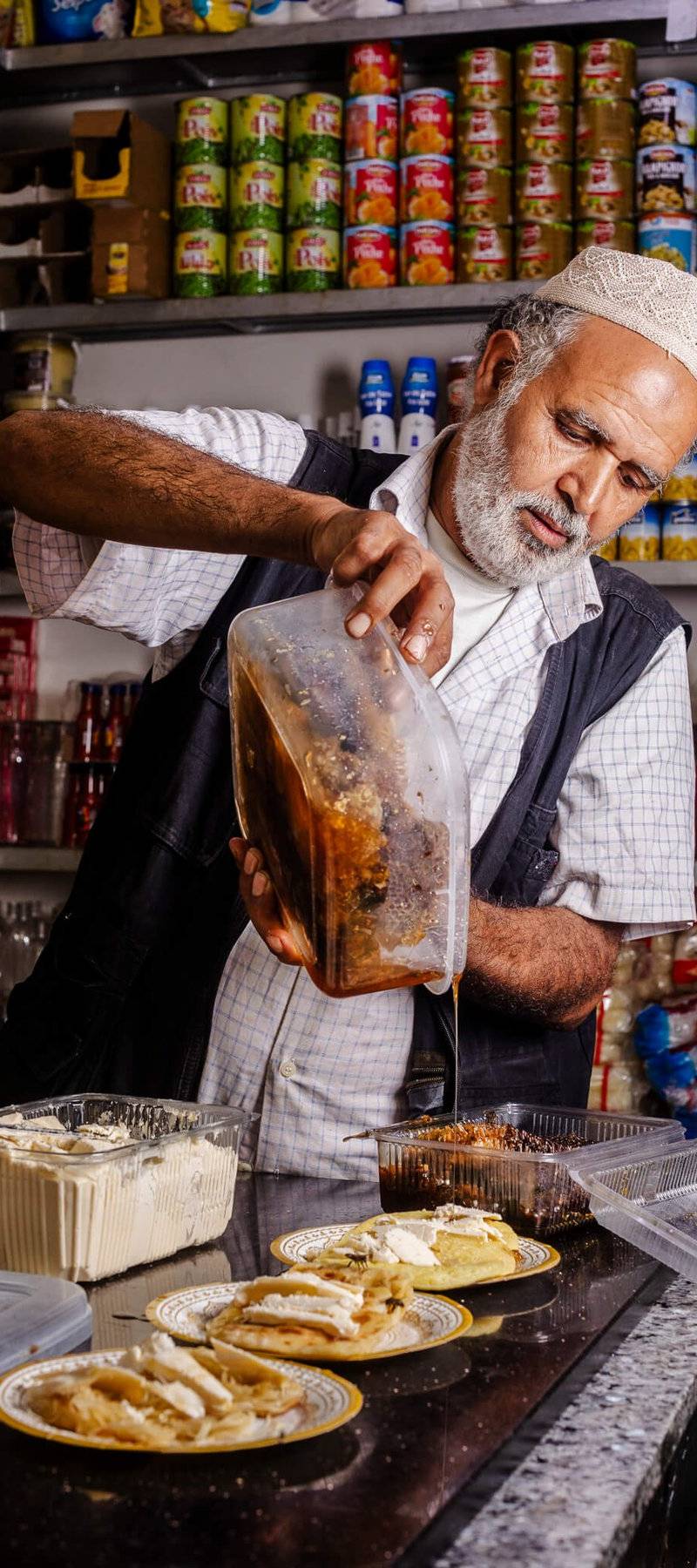
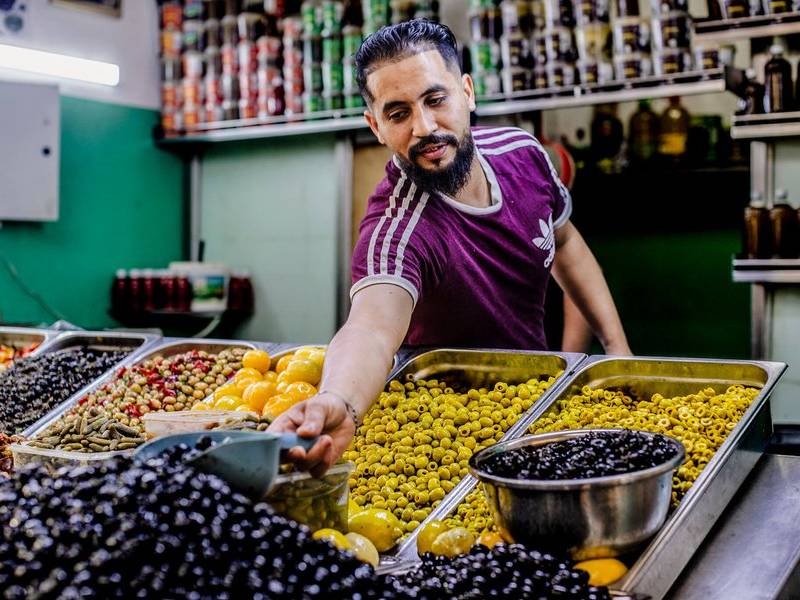
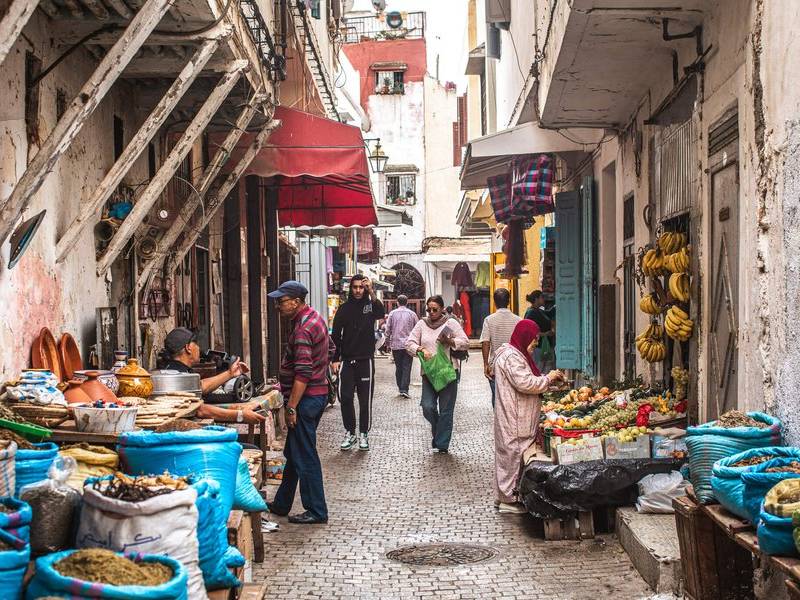
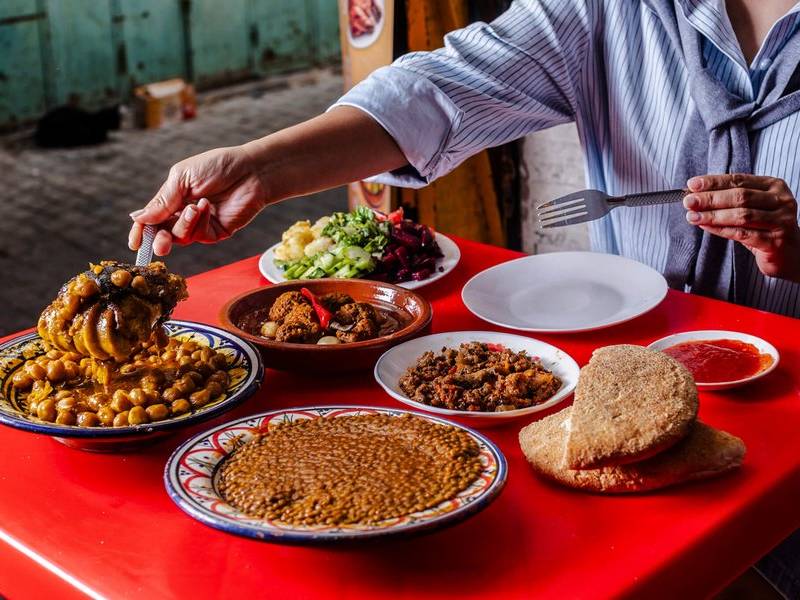
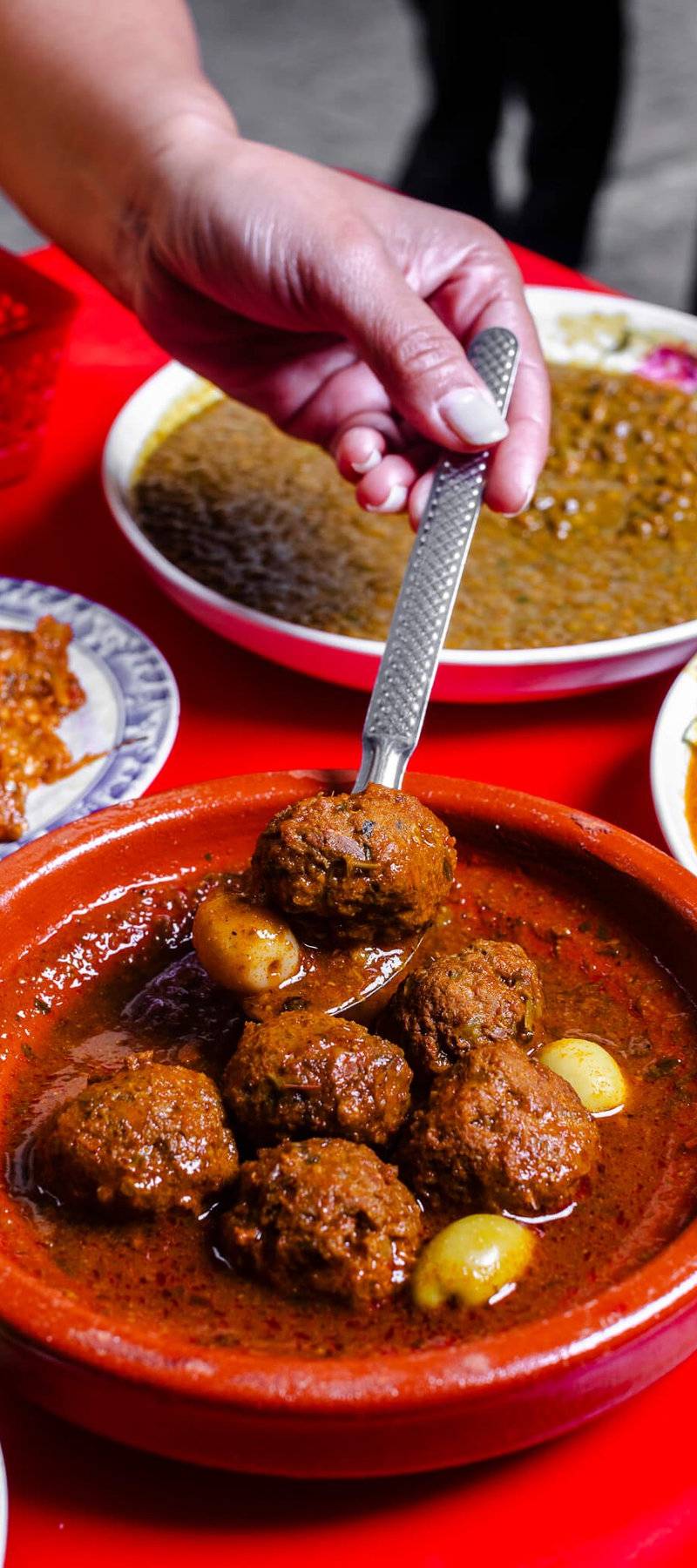
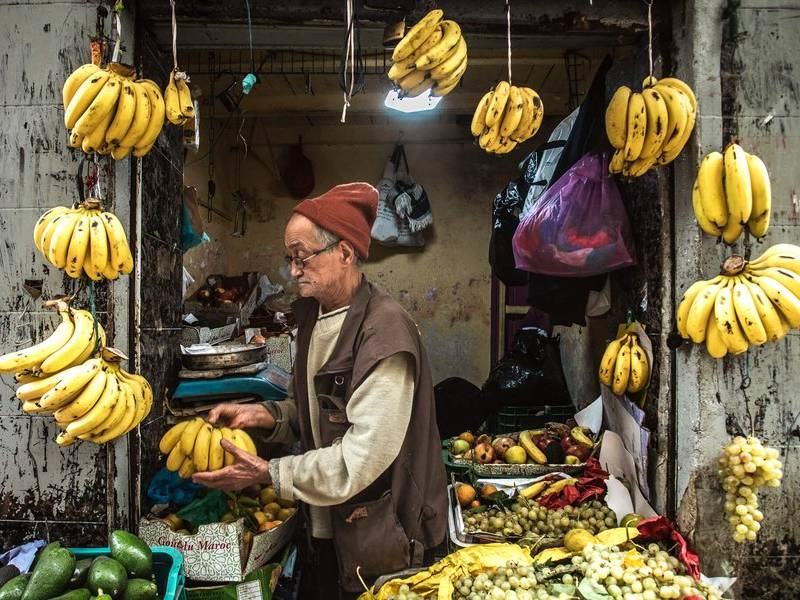
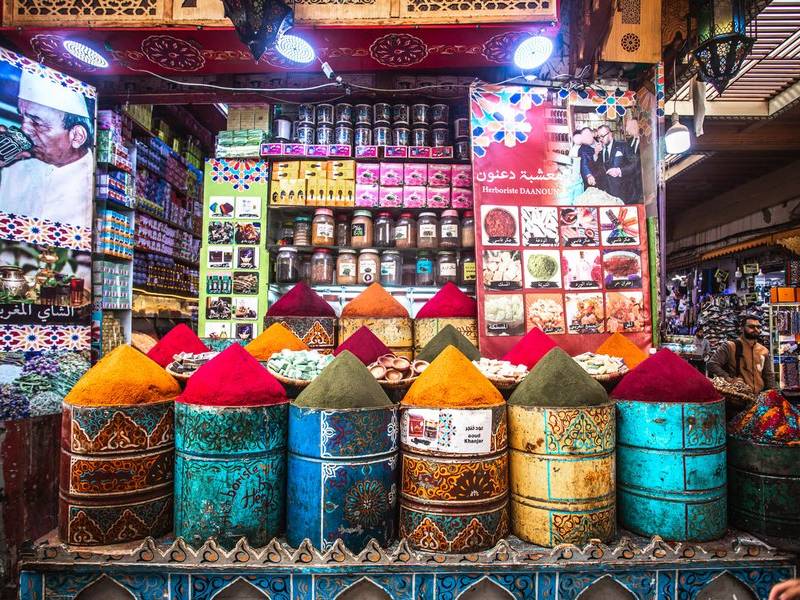
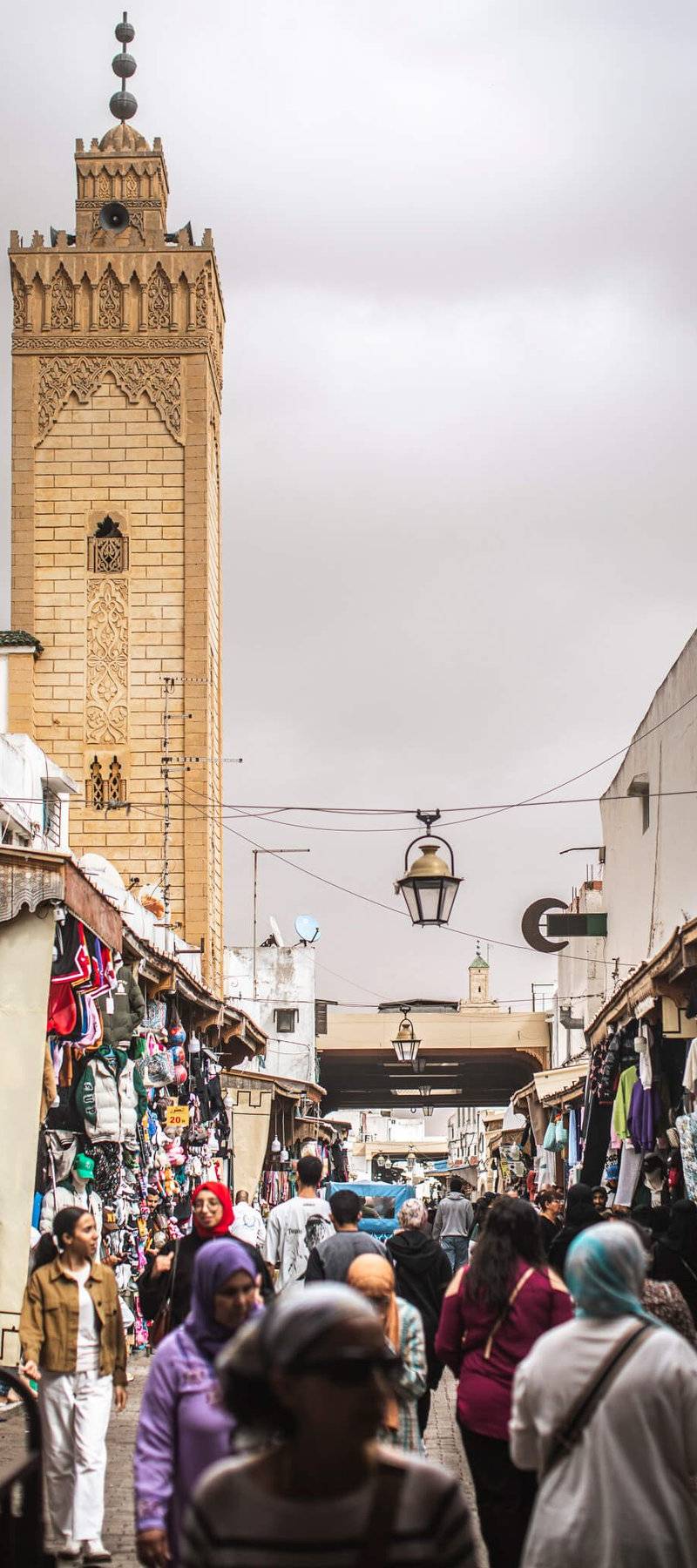
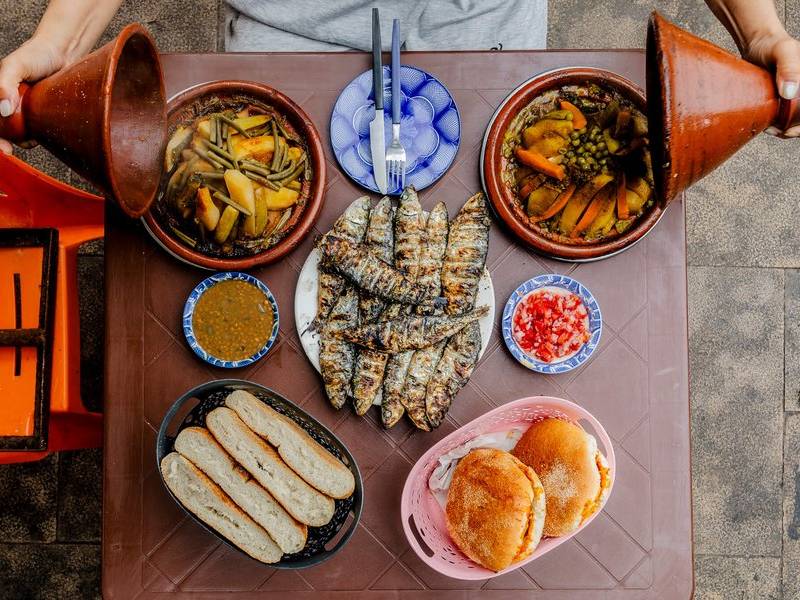
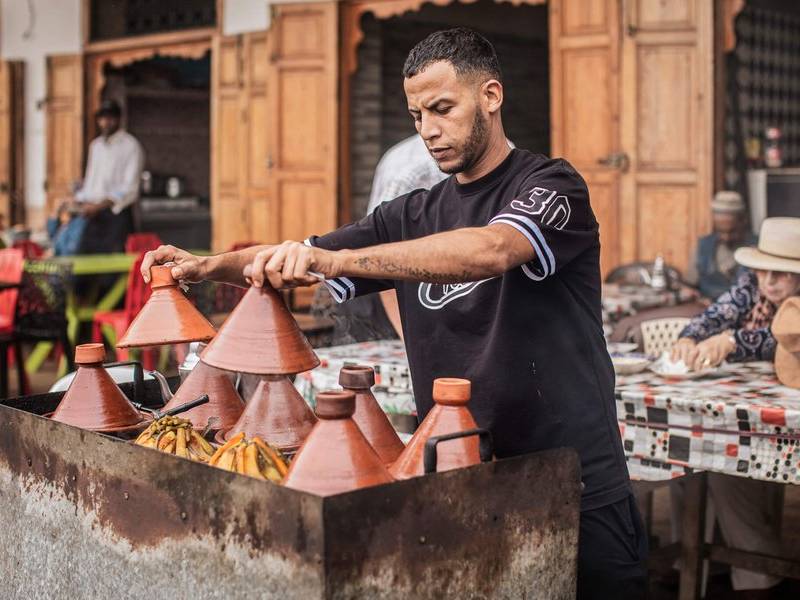
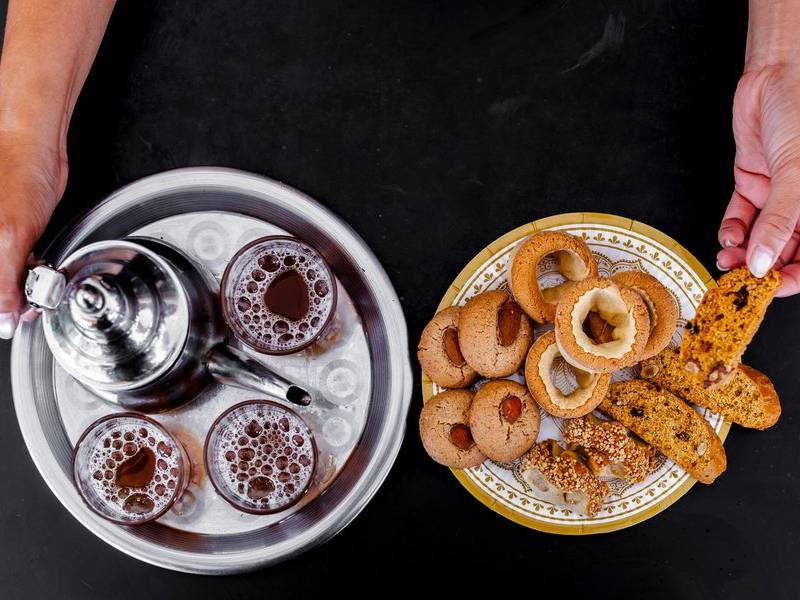
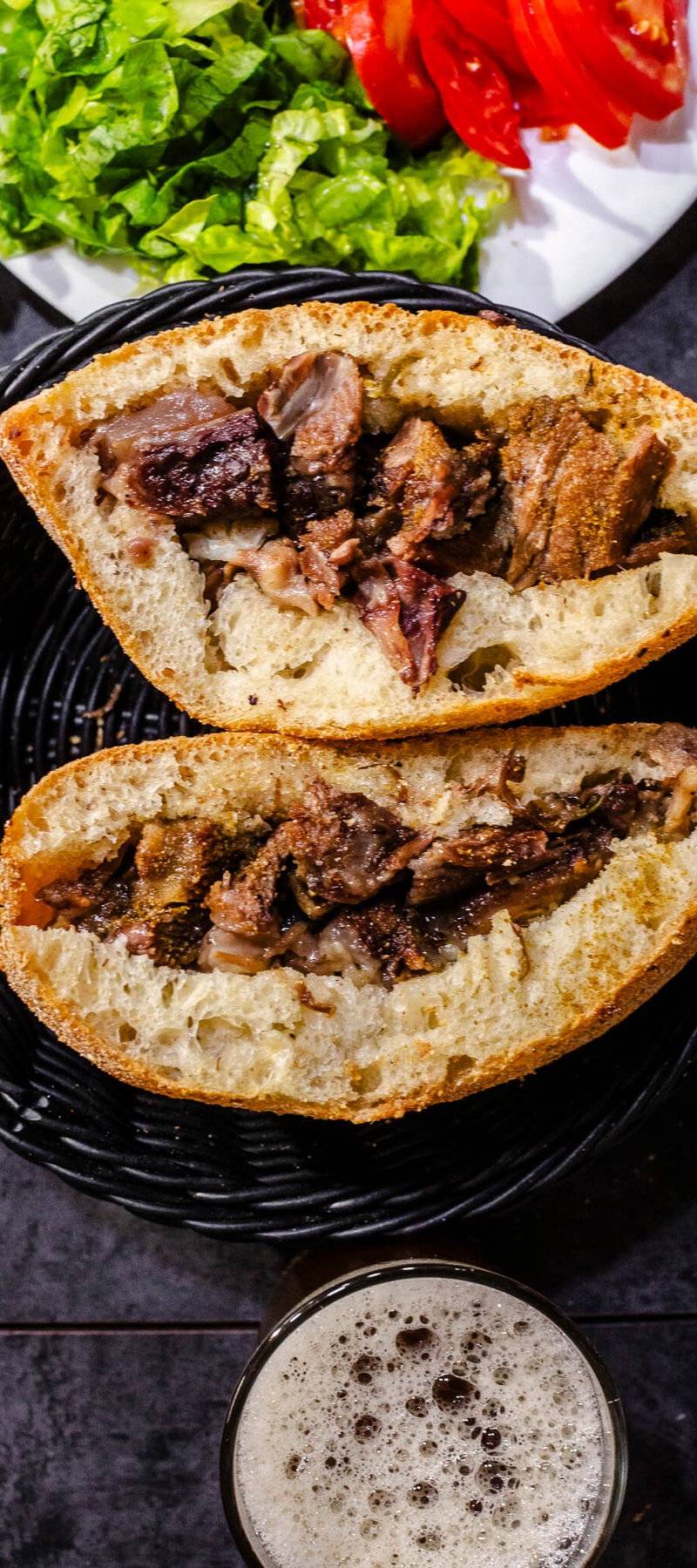
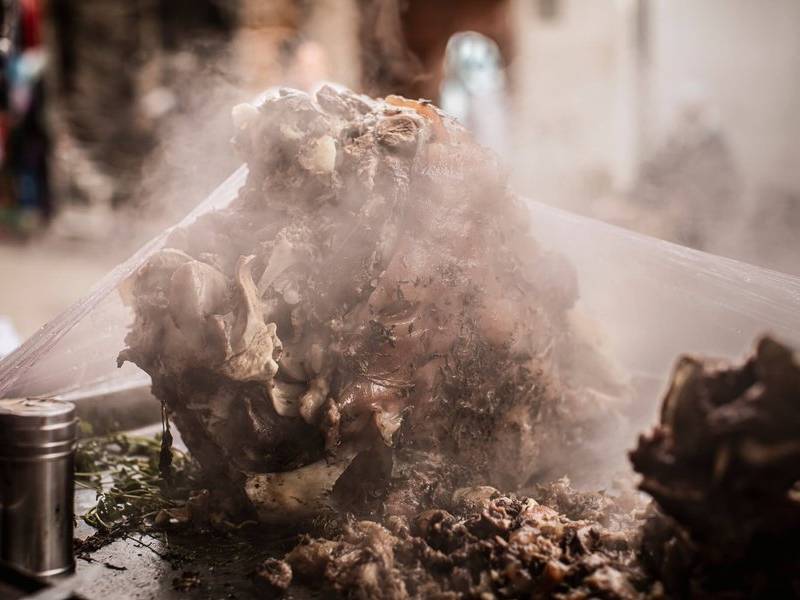
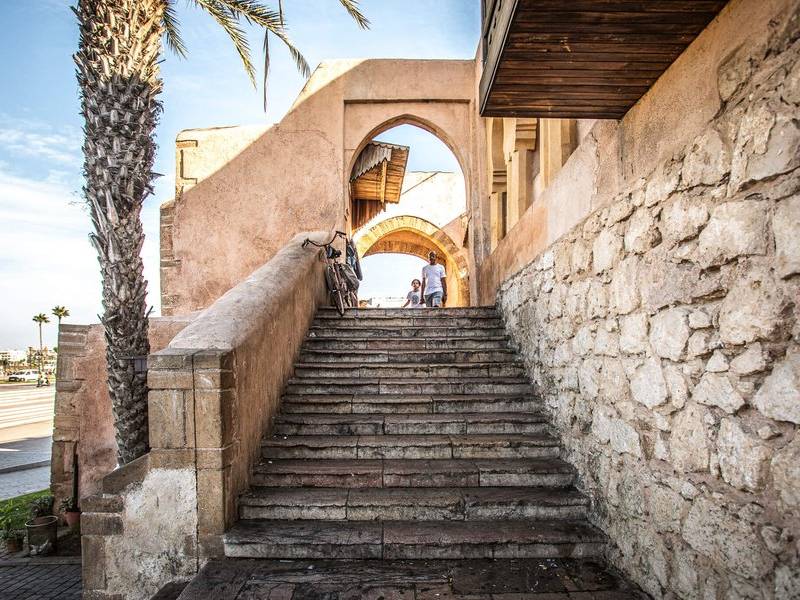
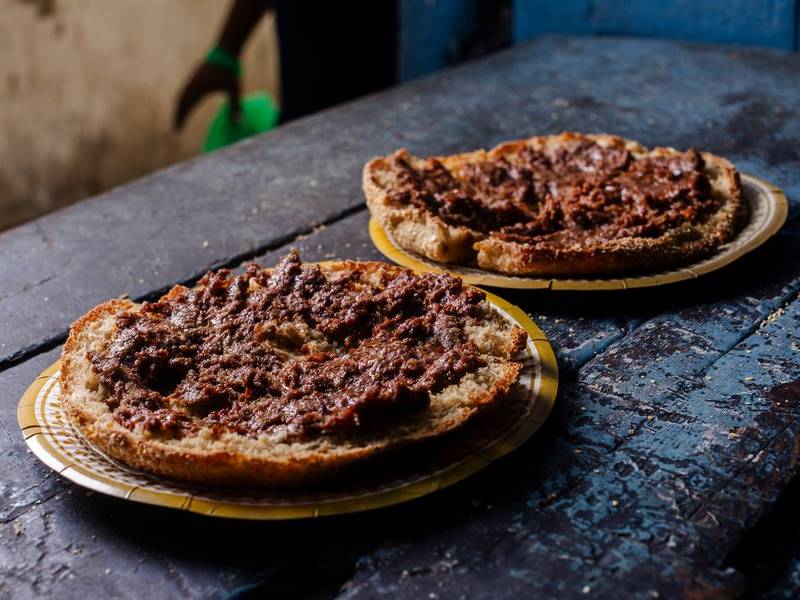
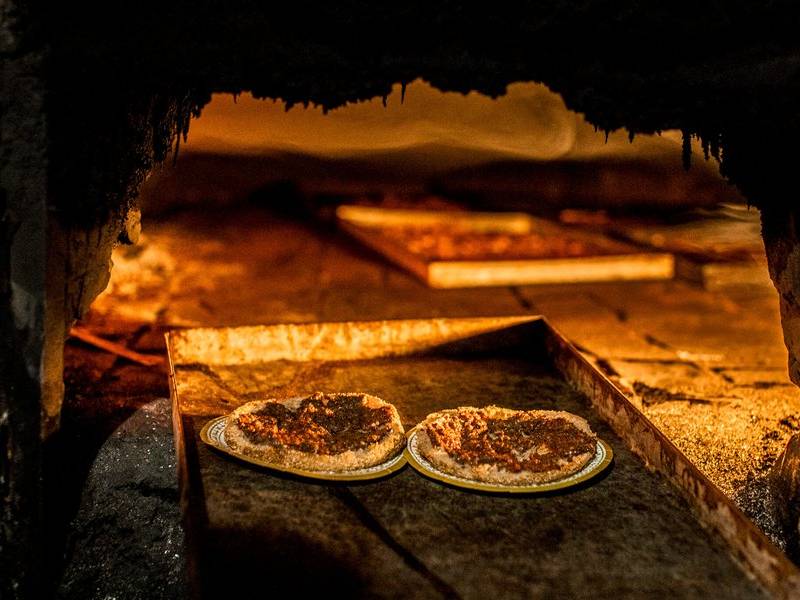
Bissara fava bean soup, sardine kefta, m'hancha almond coil, chebakia sesame cookies. Rabat cooks quieter than Marrakech and older than Casablanca.
04 The pantry
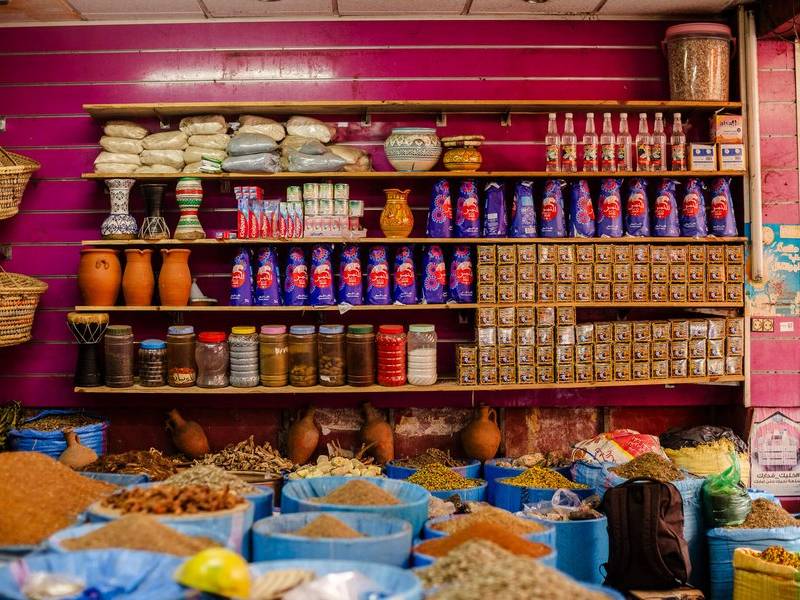
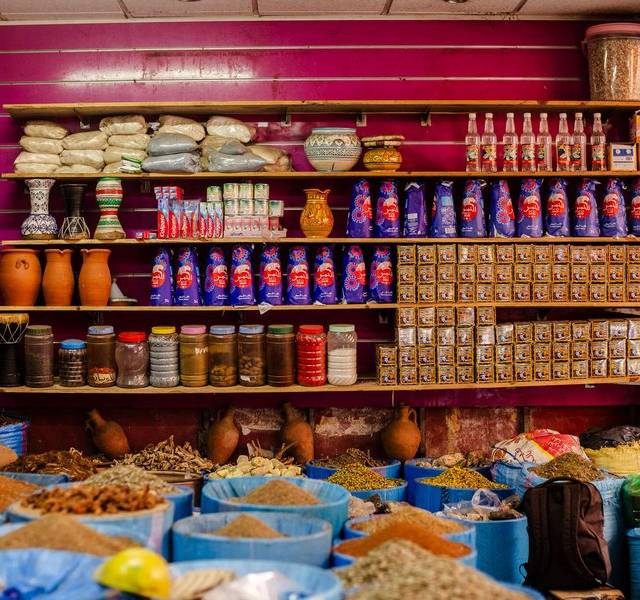
- Broad beans, dried for the classic bissara soup
- Sardines, silver Atlantic fish from the day's catch
- Preserved lemons, salt-cured for tagines
- Argan oil, drizzled onto salads and dips
- Rghaif dough, layered squares for the flaky flatbread
05 In the kitchen
- Blending bissara soup with fava beans, olive oil and cumin
- Sizzling rghaif pancakes on a hot buttered griddle
- Stuffing chebakia pastries with honey and sesame
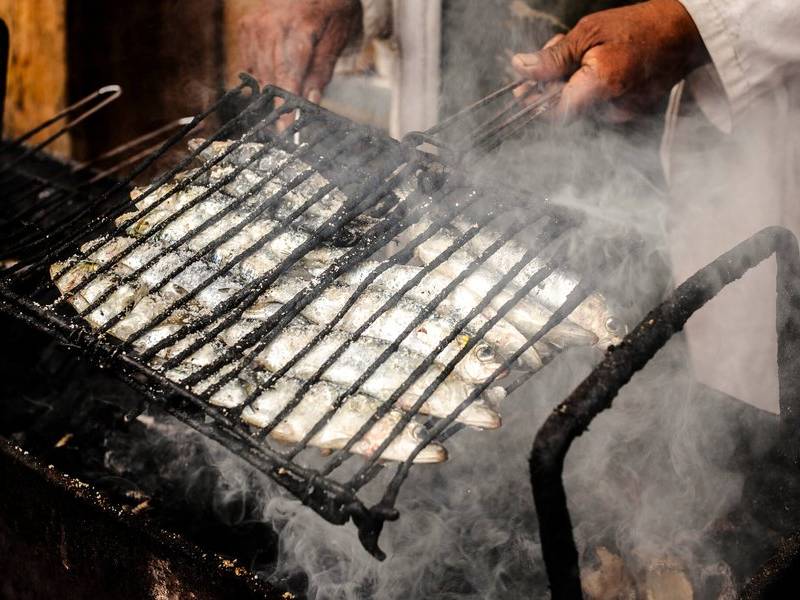
- Grilling sardines whole on hot charcoal by the beach
- Layering m'hancha almond snake pastries into a spiral
06 Eat this first
- Bissara, warming fava bean soup drizzled with olive oil and cumin
- Sardine kefta, minced sardine patties with chermoula
- M'hancha, coiled almond and orange-blossom pastry
- Rfissa, chicken, lentils and fenugreek over shredded msemen
- Chebakia, sesame and honey pastries for Ramadan and beyond


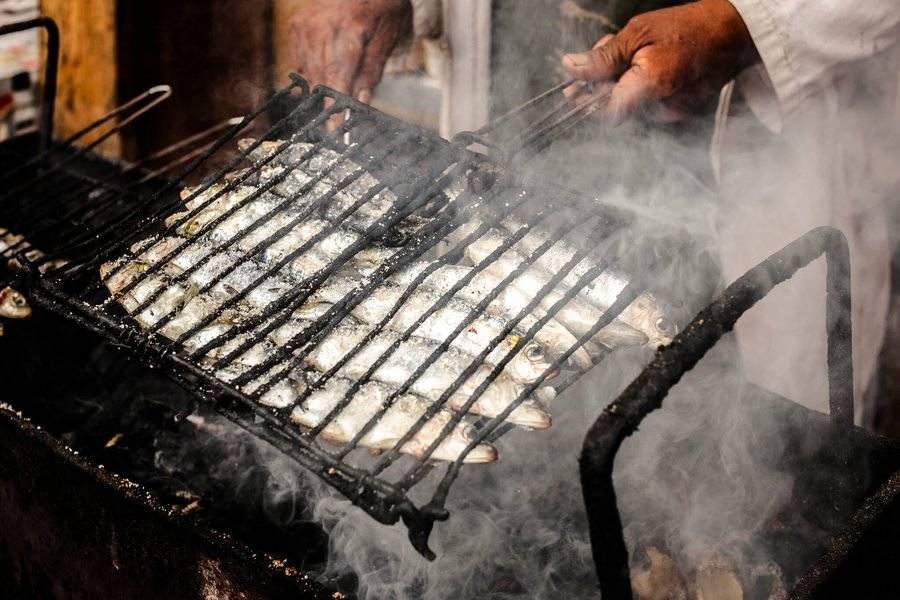
What happens inside a hammam kitchen
A morning with the cooks who feed the neighbourhood before dawn. Charcoal, dough, the smell of a bakery working its second oven.
09 Recipes
A collection of authentic recipes we couldn't leave behind.
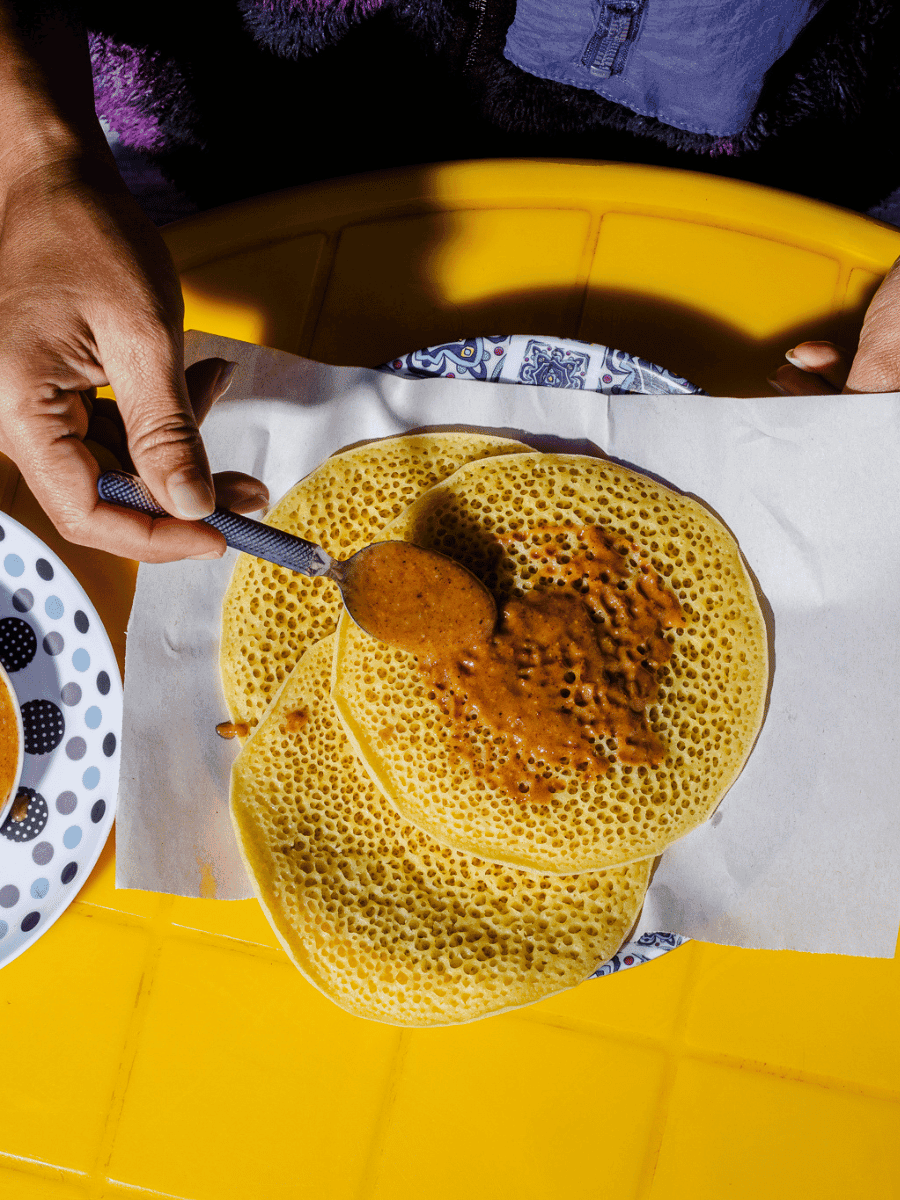
Soft yeasted semolina pancakes covered in a thousand tiny bubbles, cooked on a hot skillet on one side only. Morocco's spongy honey-soaked breakfast.

Spicy merguez lamb sausages grilled hard, tucked into a crusty baguette with sliced tomato, chili sauce and pickles. Tangier's Spanish-Moroccan street lunch.

Cannellini or white beans simmered in tomato, garlic, cumin and paprika until soupy-tender. The Moroccan winter one-pot, eaten with khobz.

Small triangular or cigar-shaped pastries stuffed with spiced meat, cheese or almond paste, fried crisp. Morocco's cocktail-party appetiser, sold at every souk stand.

Sweet, thick set yogurt made from whole milk and rennet, scented with orange blossom. Morocco's oldest dessert, spooned from small clay jars.

Slow-cooked chicken tagine with preserved lemons, cracked green olives and a saffron-onion sauce. Morocco's Friday-lunch classic, eaten with khobz.
10 Field Notes
Quick field notes to help you get accustomed to Rabat.
Weather
Mild Atlantic climate. Warm summers (25–28°C) tempered by the coast, cool wet winters. Spring and autumn are the best months for walking.
Currency
The Moroccan dirham (MAD). Cards accepted in restaurants and hotels, cash for taxis, cafés, and the medina. ATMs are common.
Language
Moroccan Arabic (Darija) is spoken everywhere; French is the language of government and business; English works in tourist areas.
Etiquette
Rabat is the capital and slightly more formal than the coastal cities. Modest dress in the kasbah and near government buildings.
Getting around
The tram links the centre to Salé across the river. Petits taxis (blue) are cheap. The medina is compact and easily walked.
Prayer
Five calls to prayer daily; the Hassan Tower and Mohammed V mausoleum are both accessible to visitors. Friday afternoons briefly slow the city.