
01 Food tours
Original food tours, curated with our local tastemakers to showcase the neighbourhood kitchens, markets and family-run eateries that define Kigali.
02 Meet the tastemakers
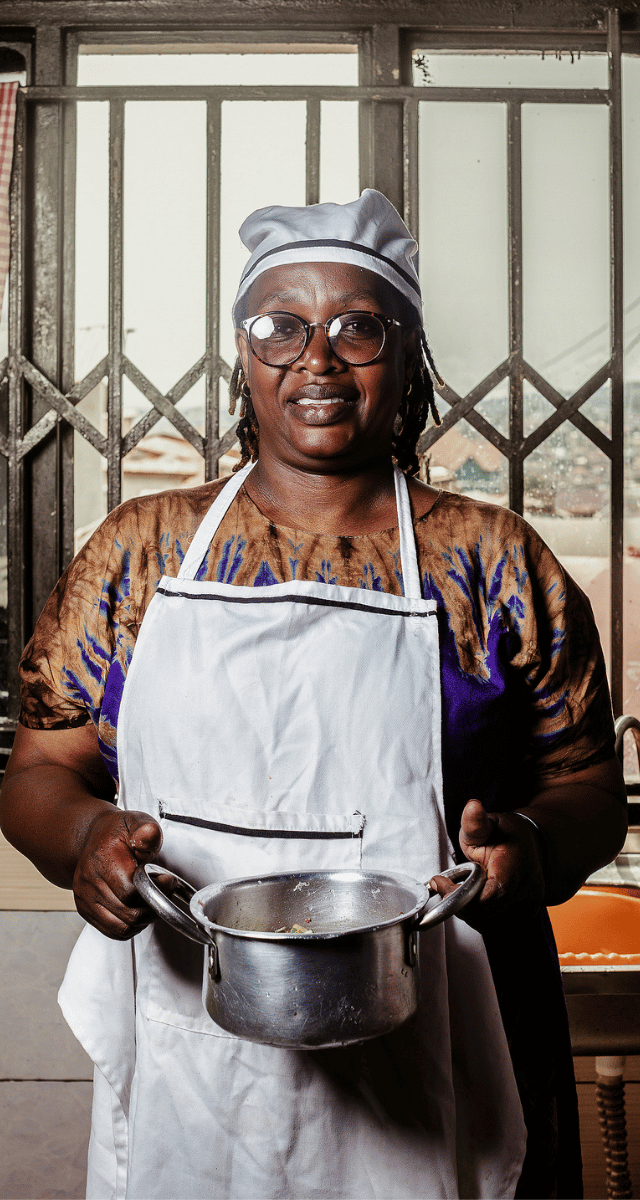
The local food experts who help us research, refine and lead every A Chef's Tour.


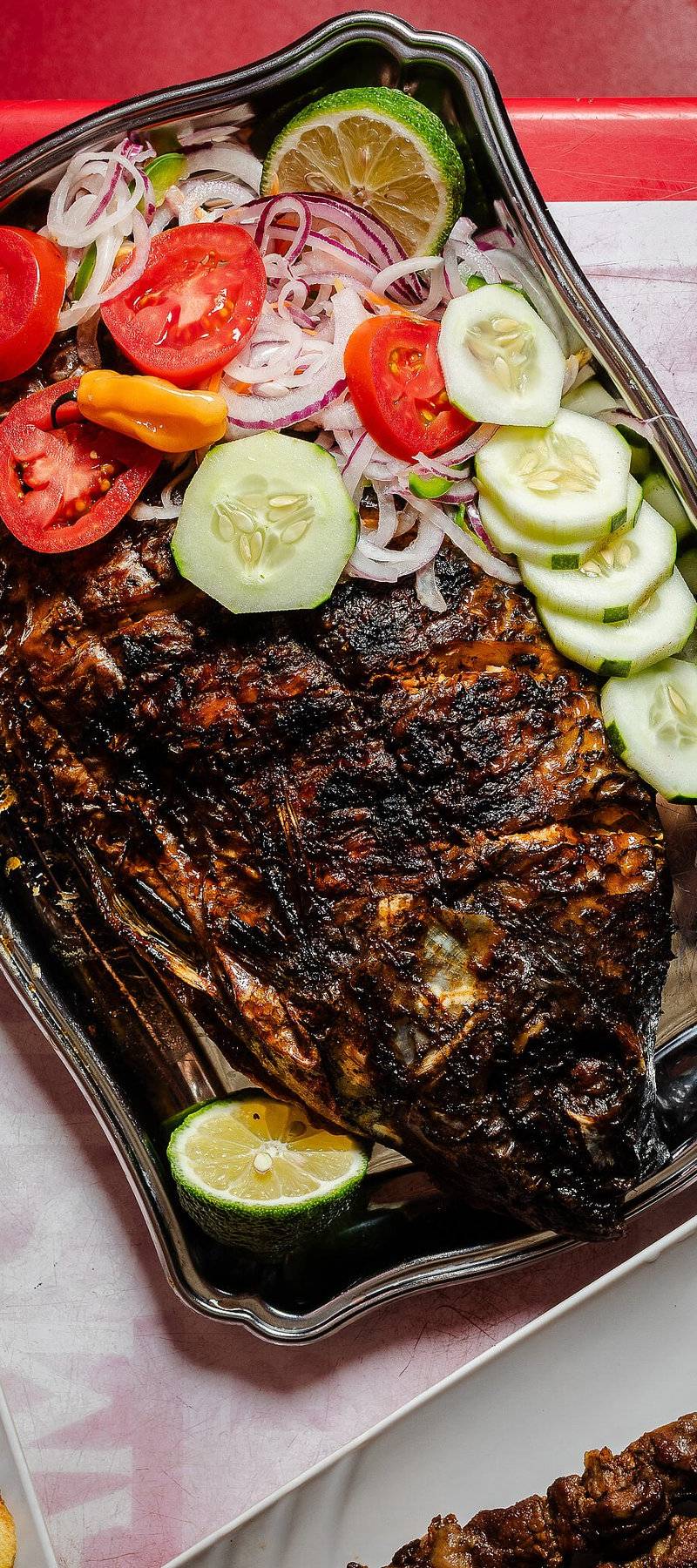
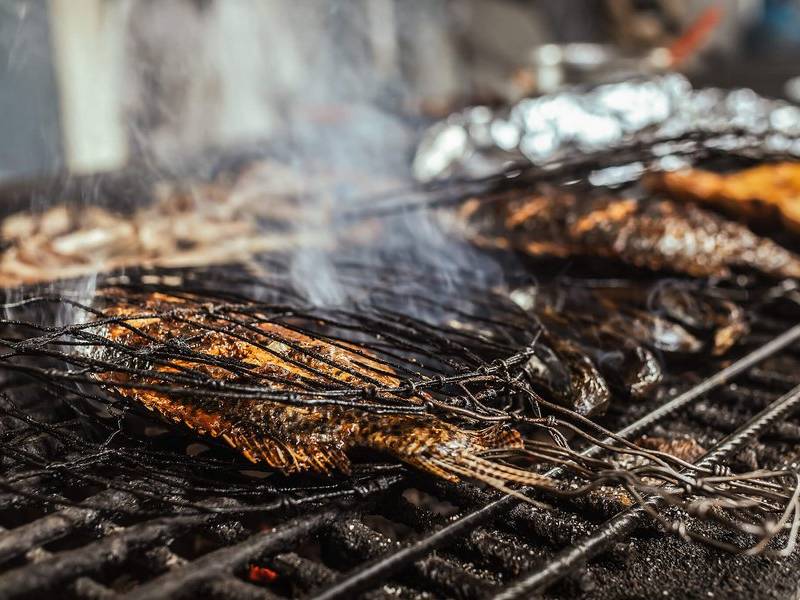
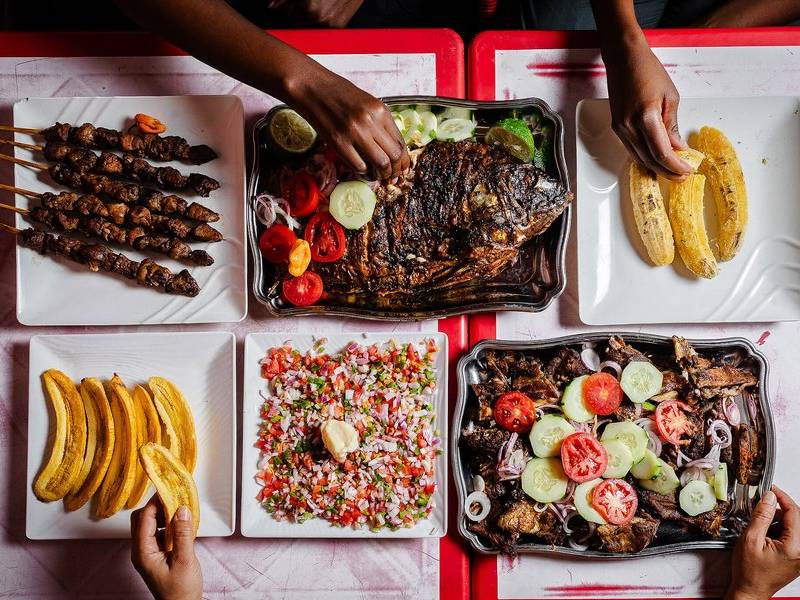
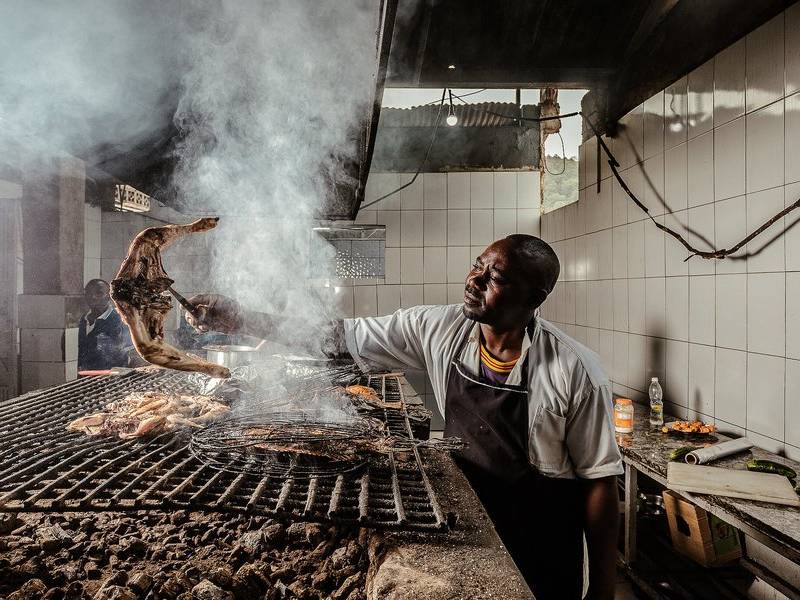
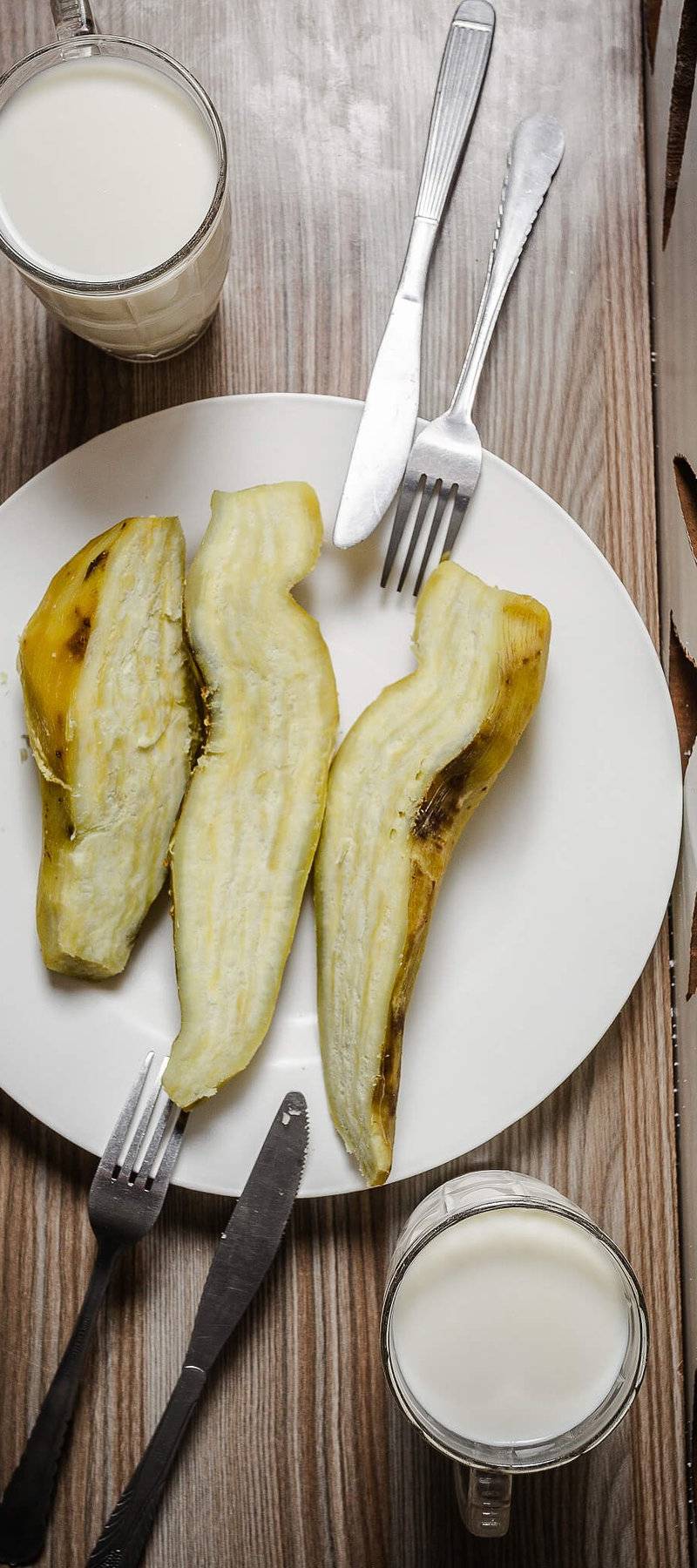
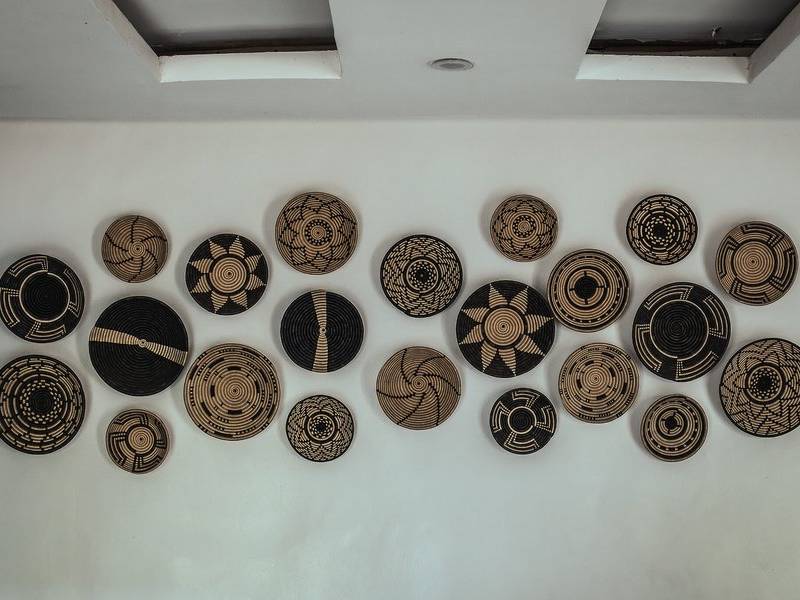
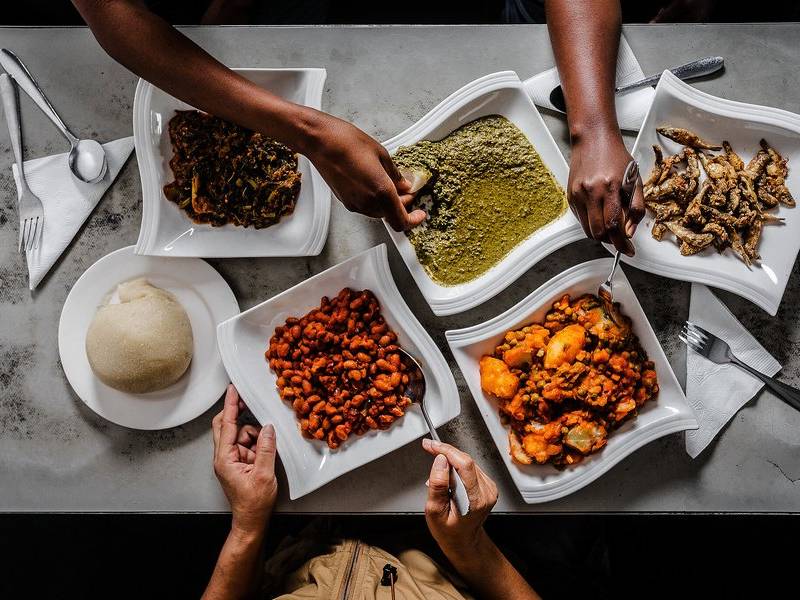
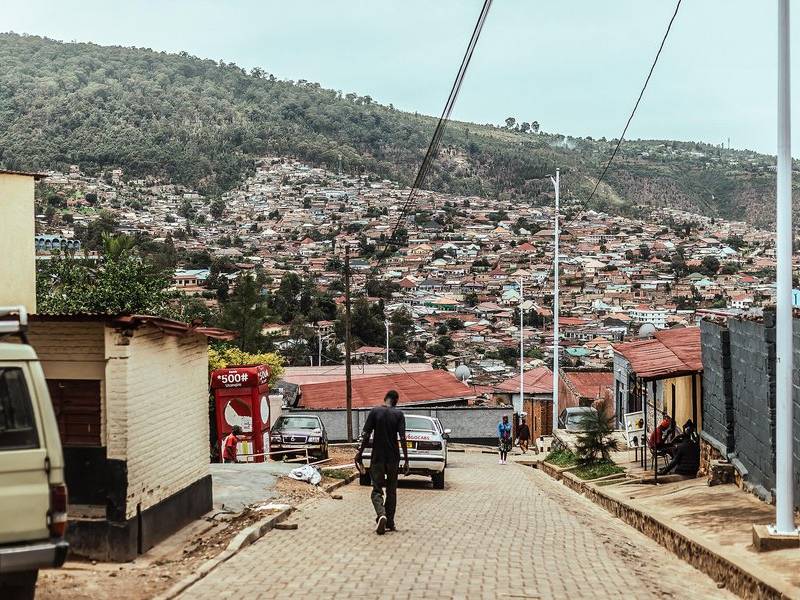
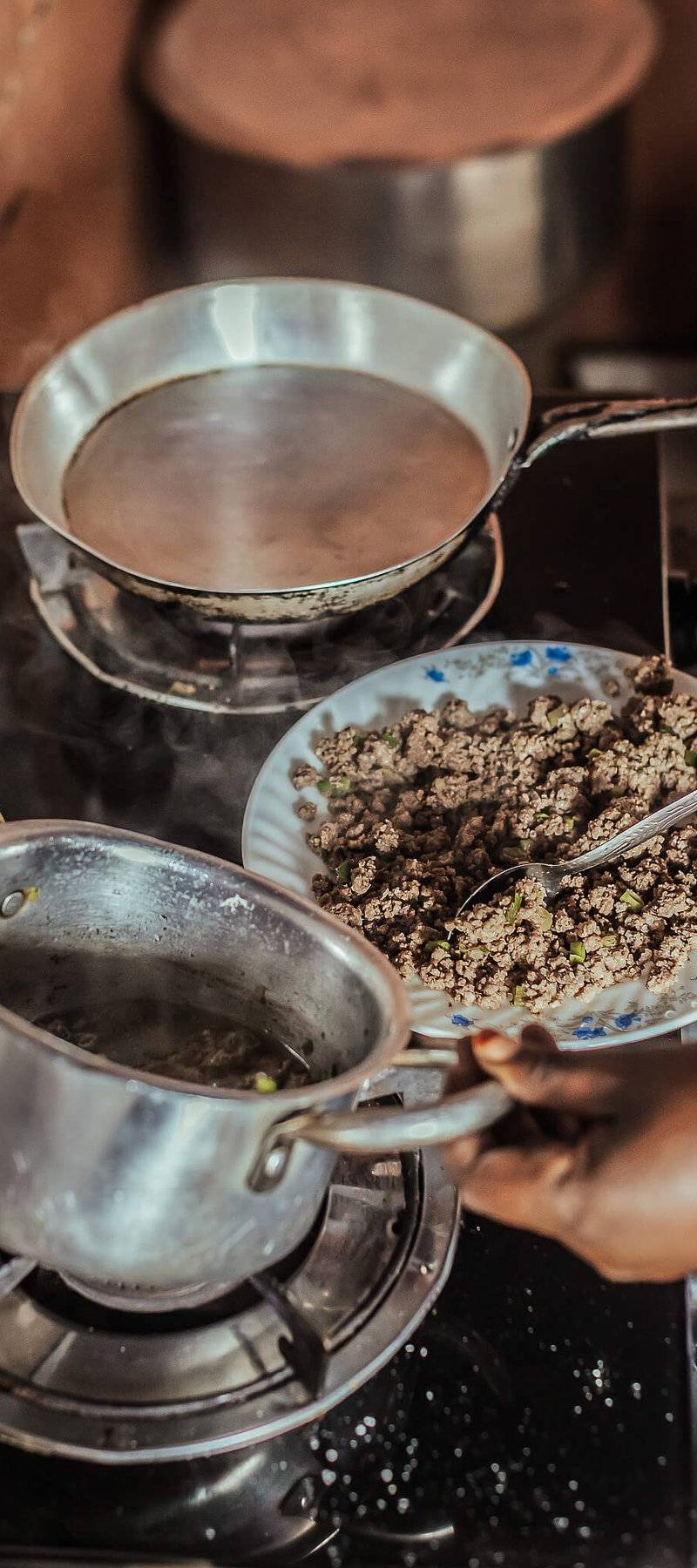
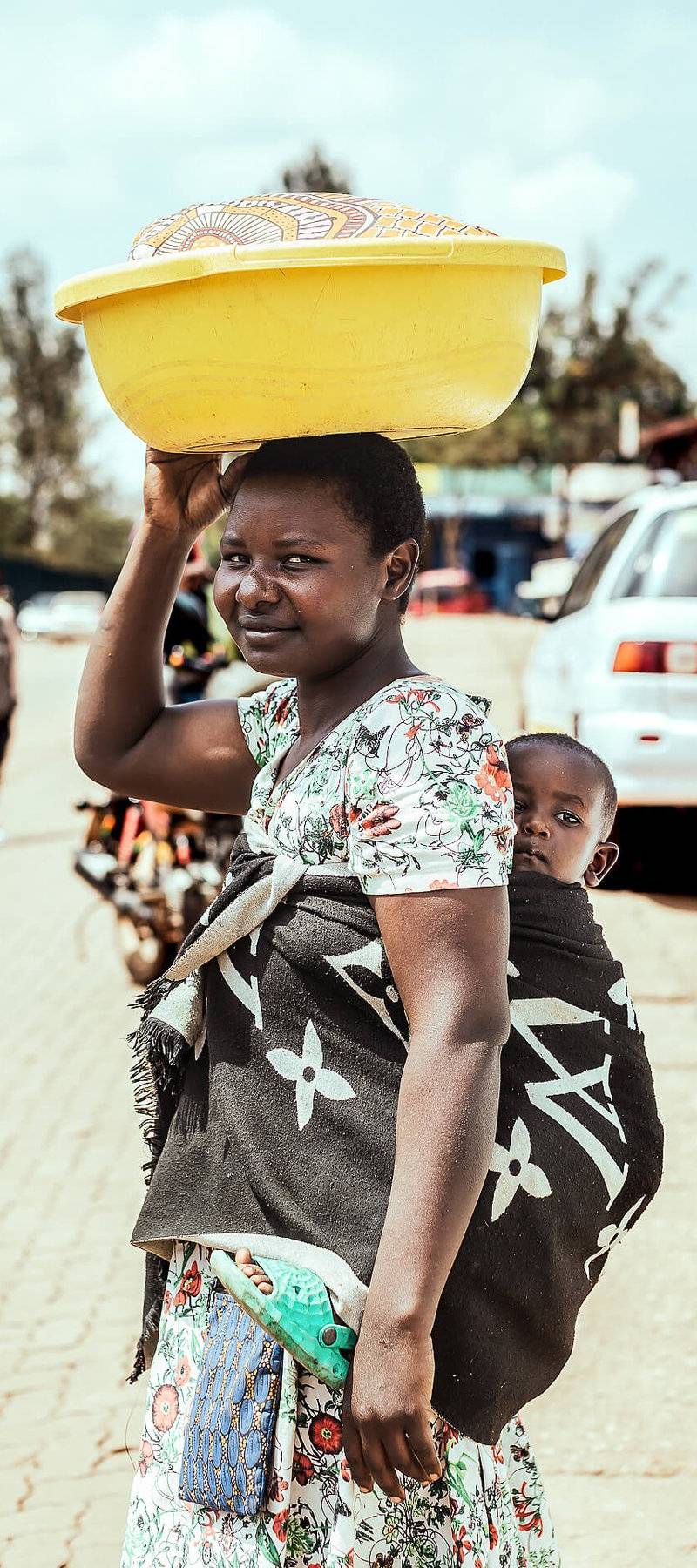
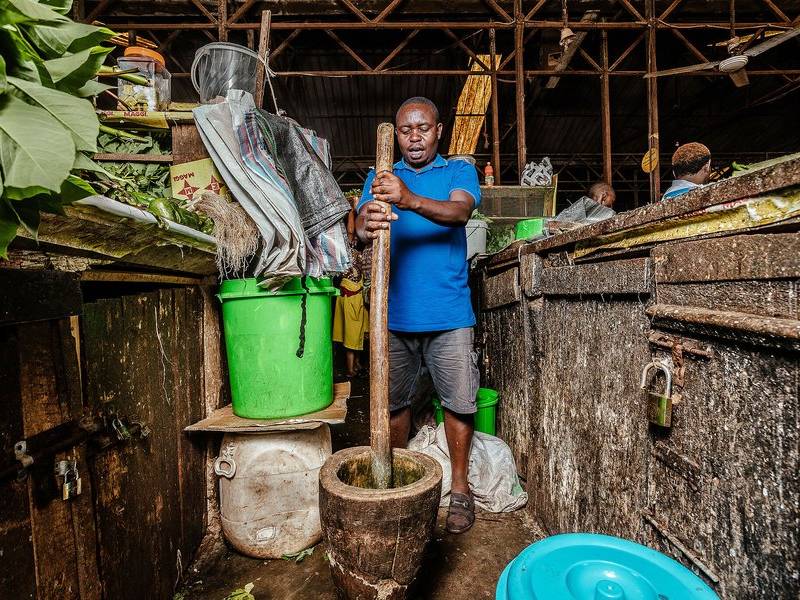
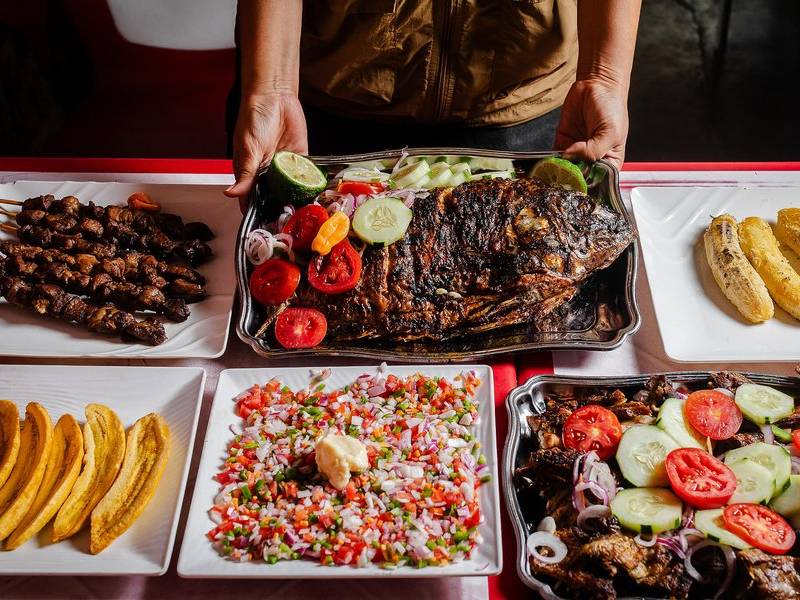
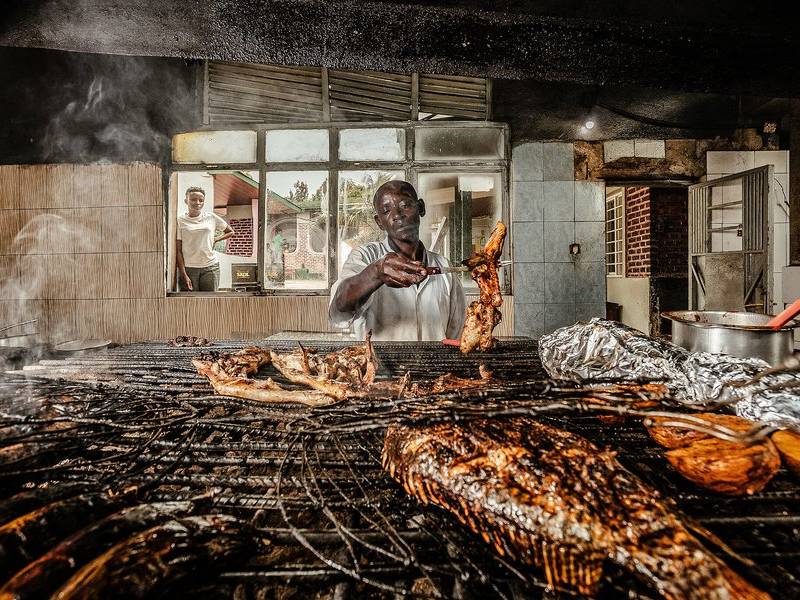
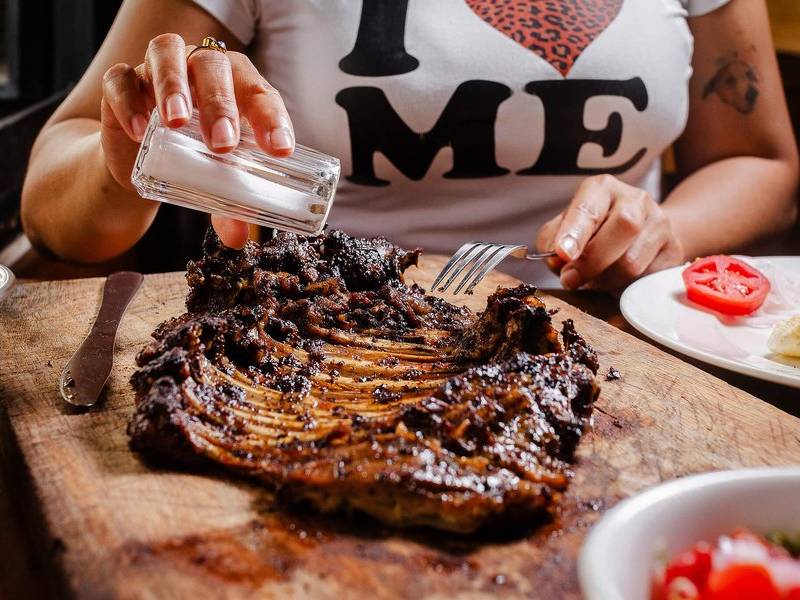
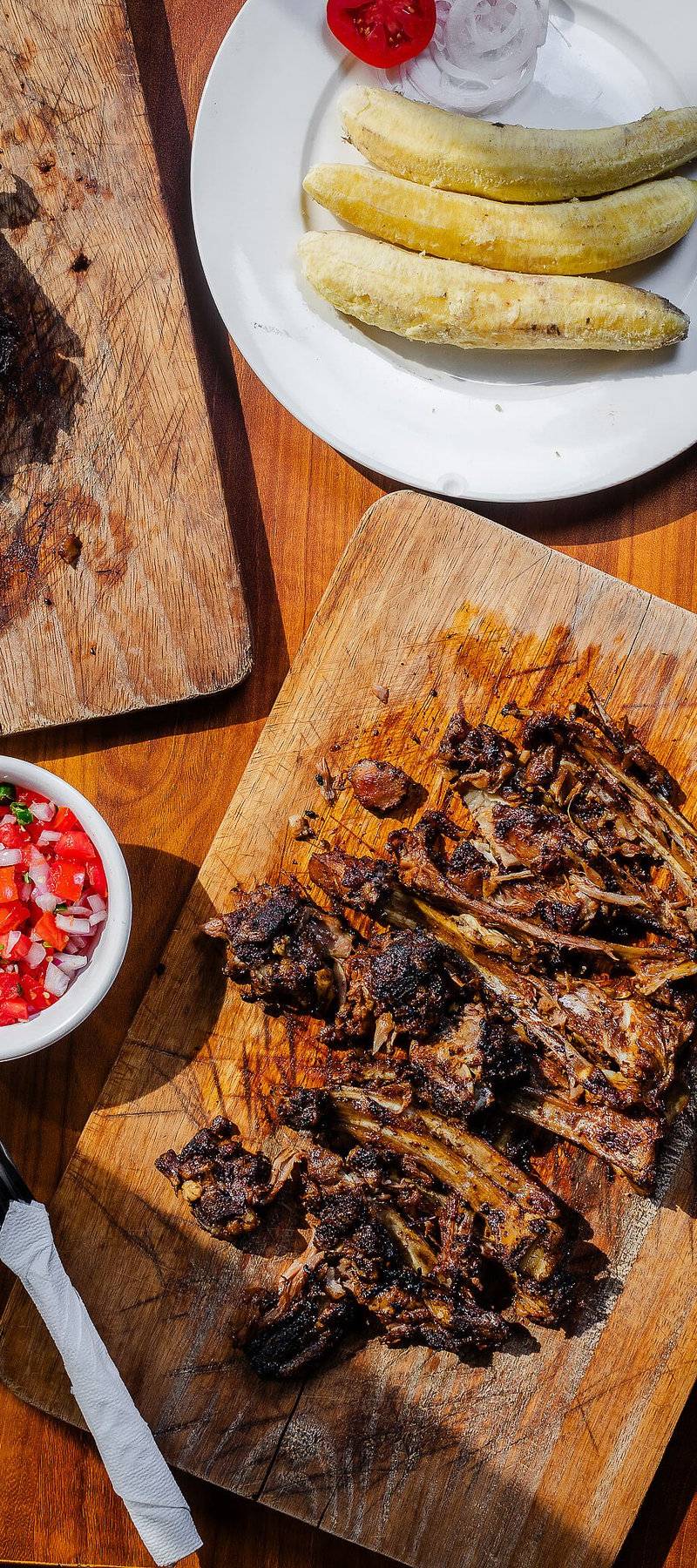
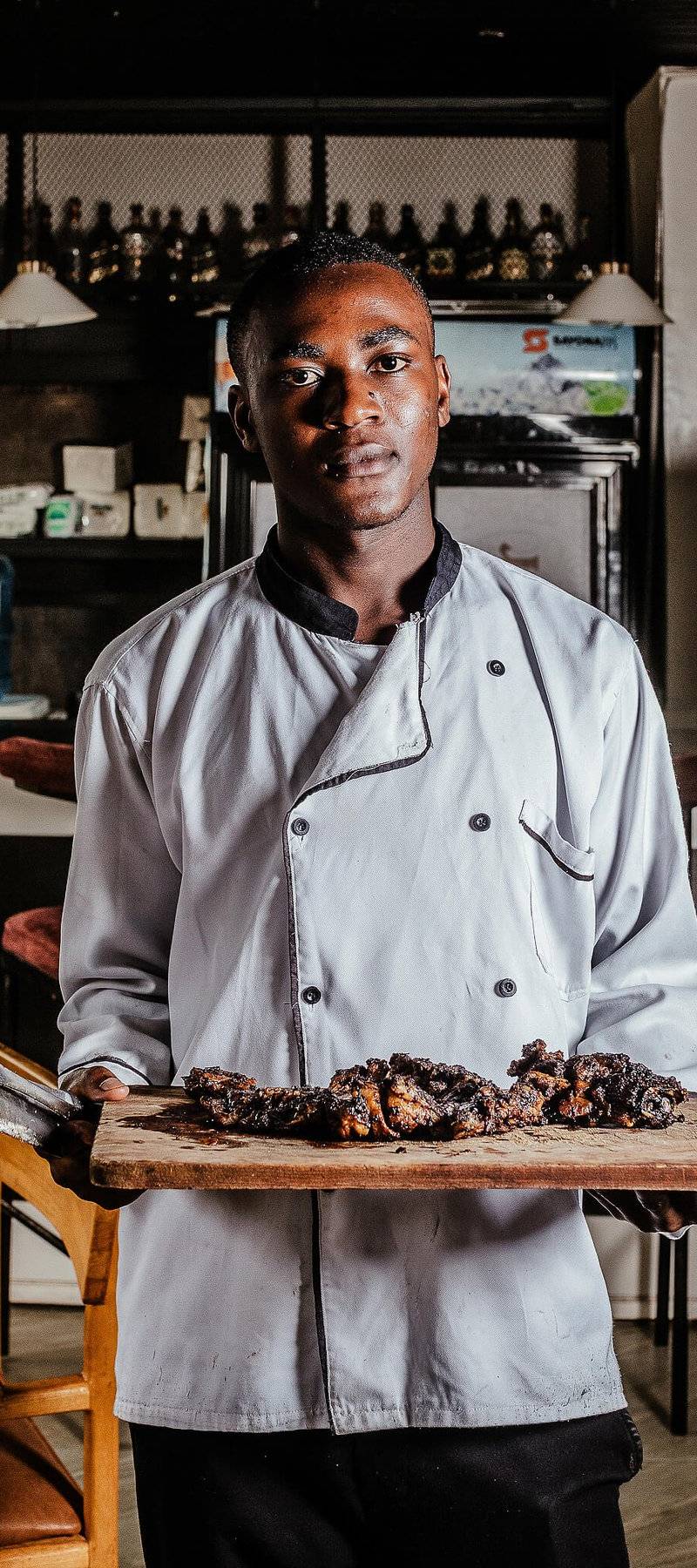
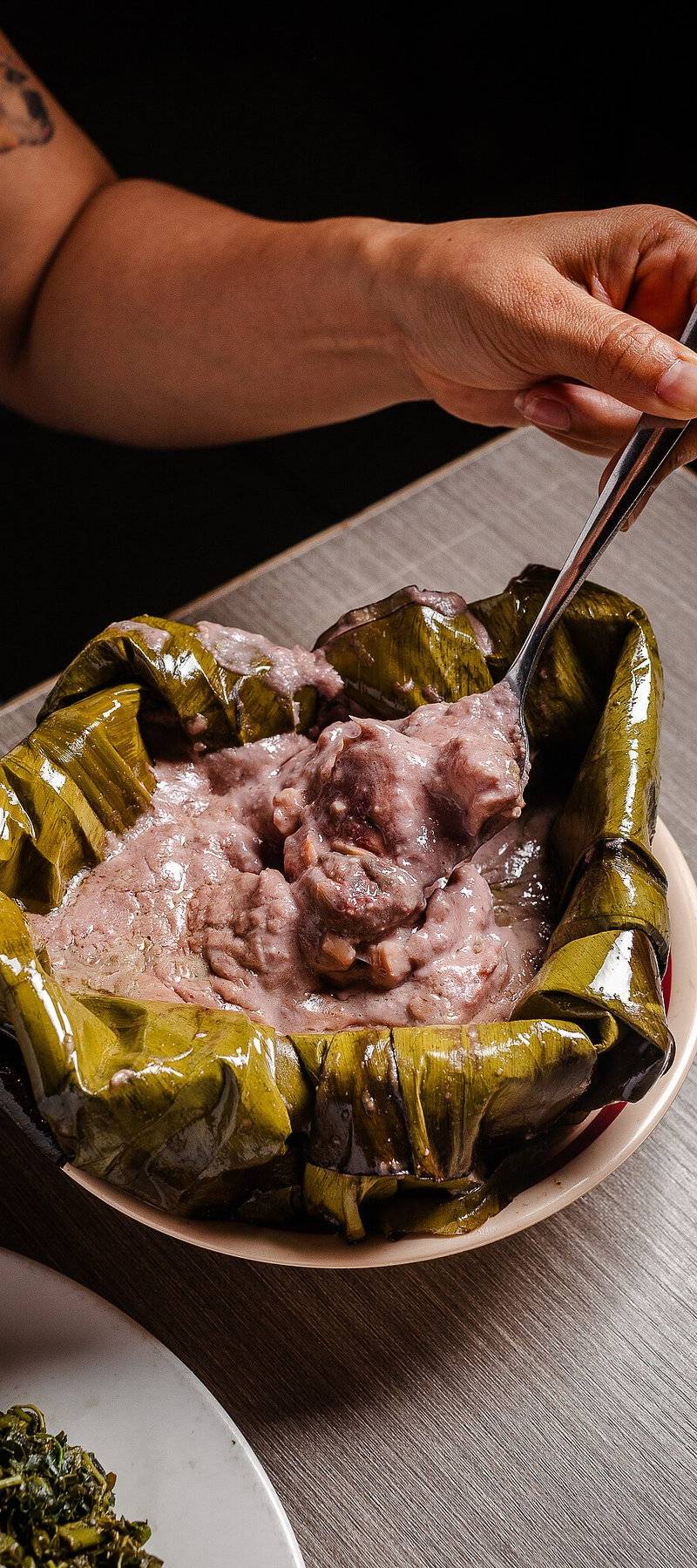
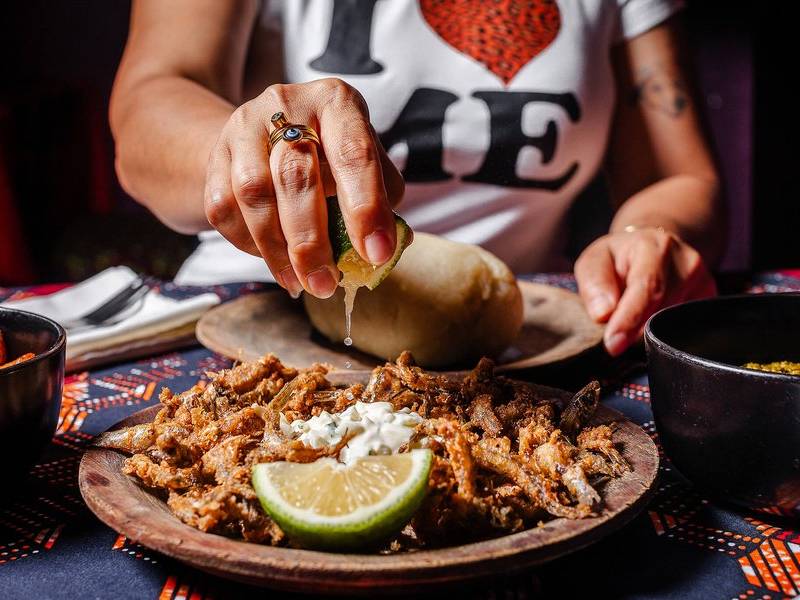
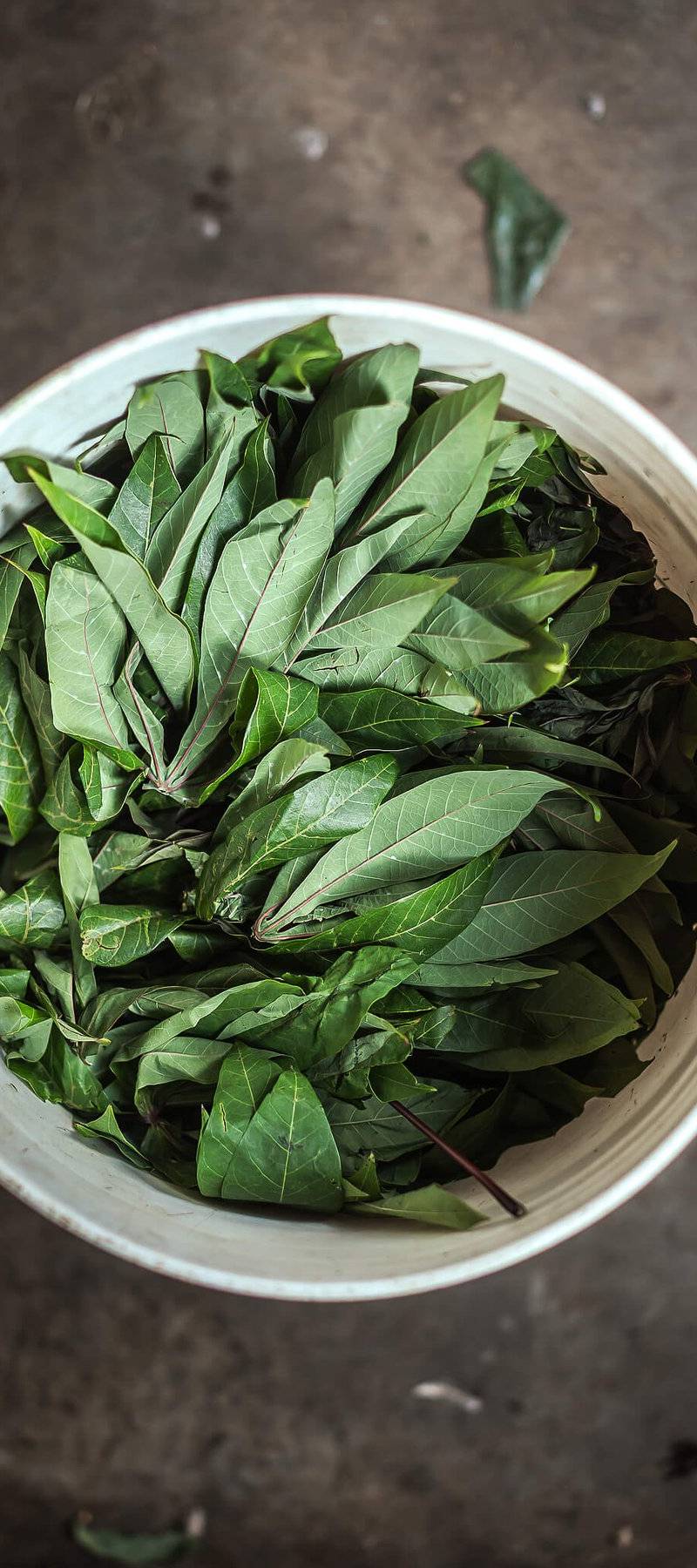
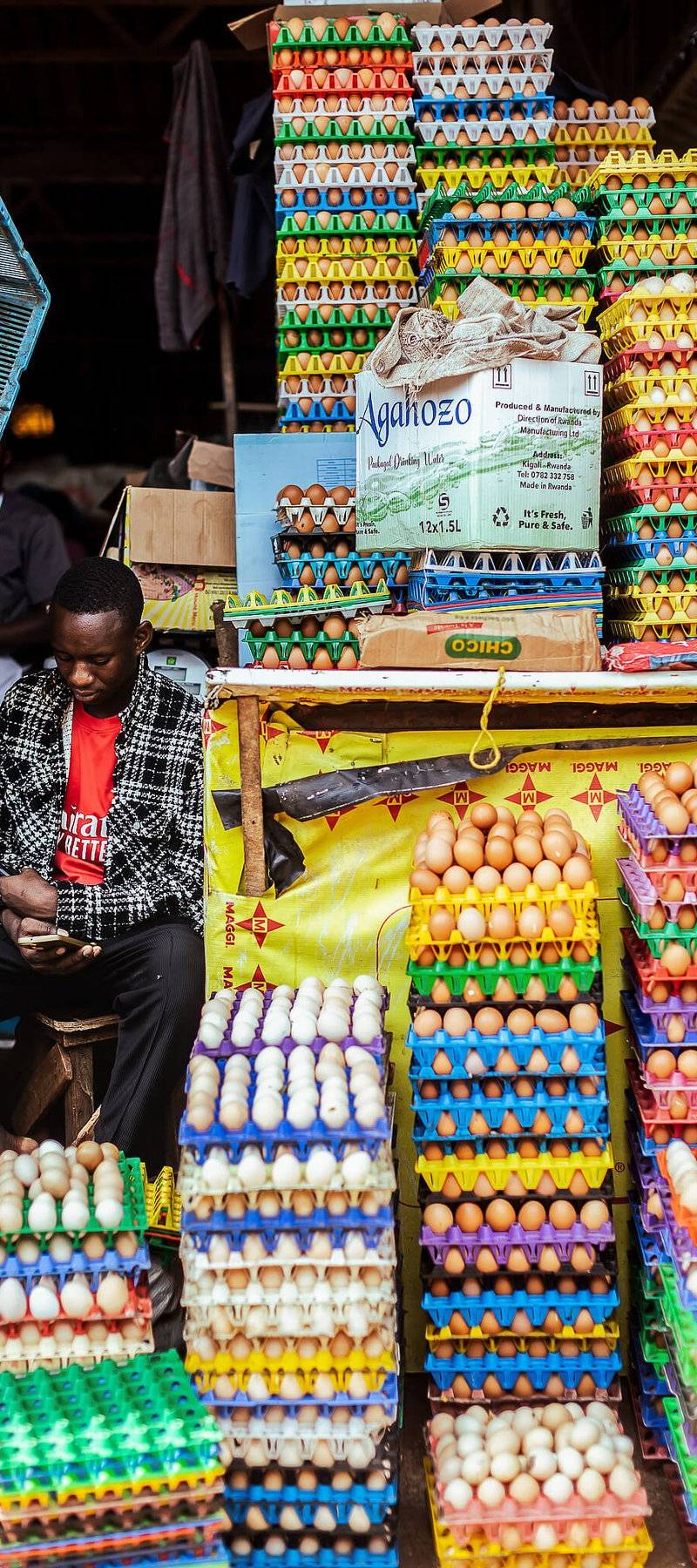
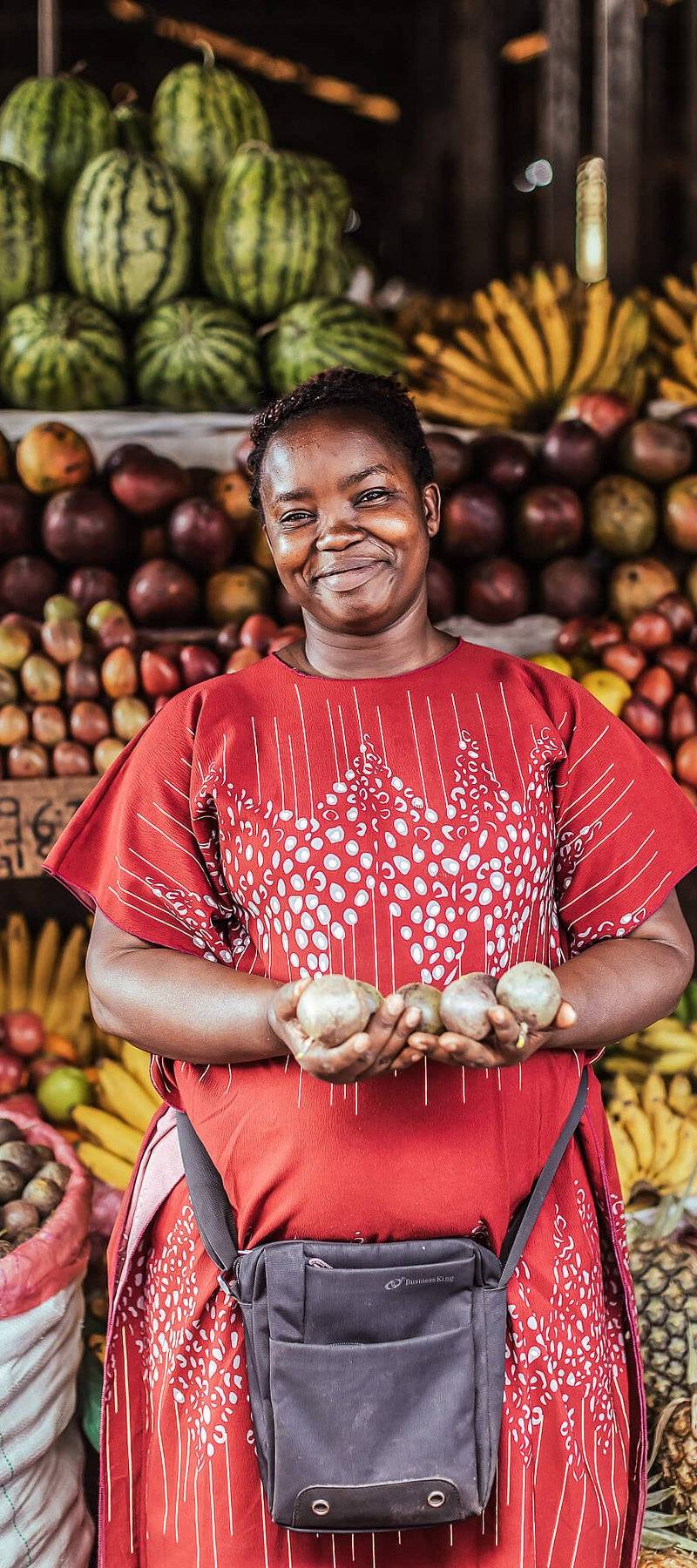
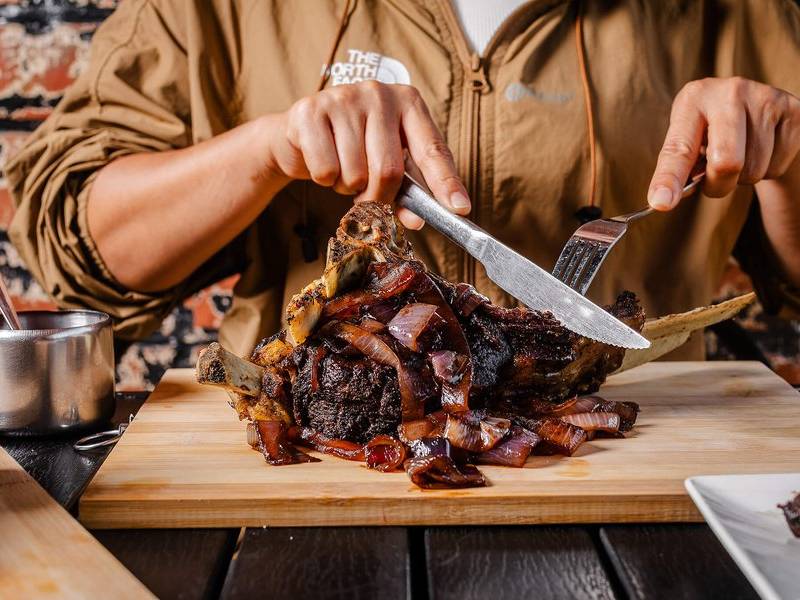
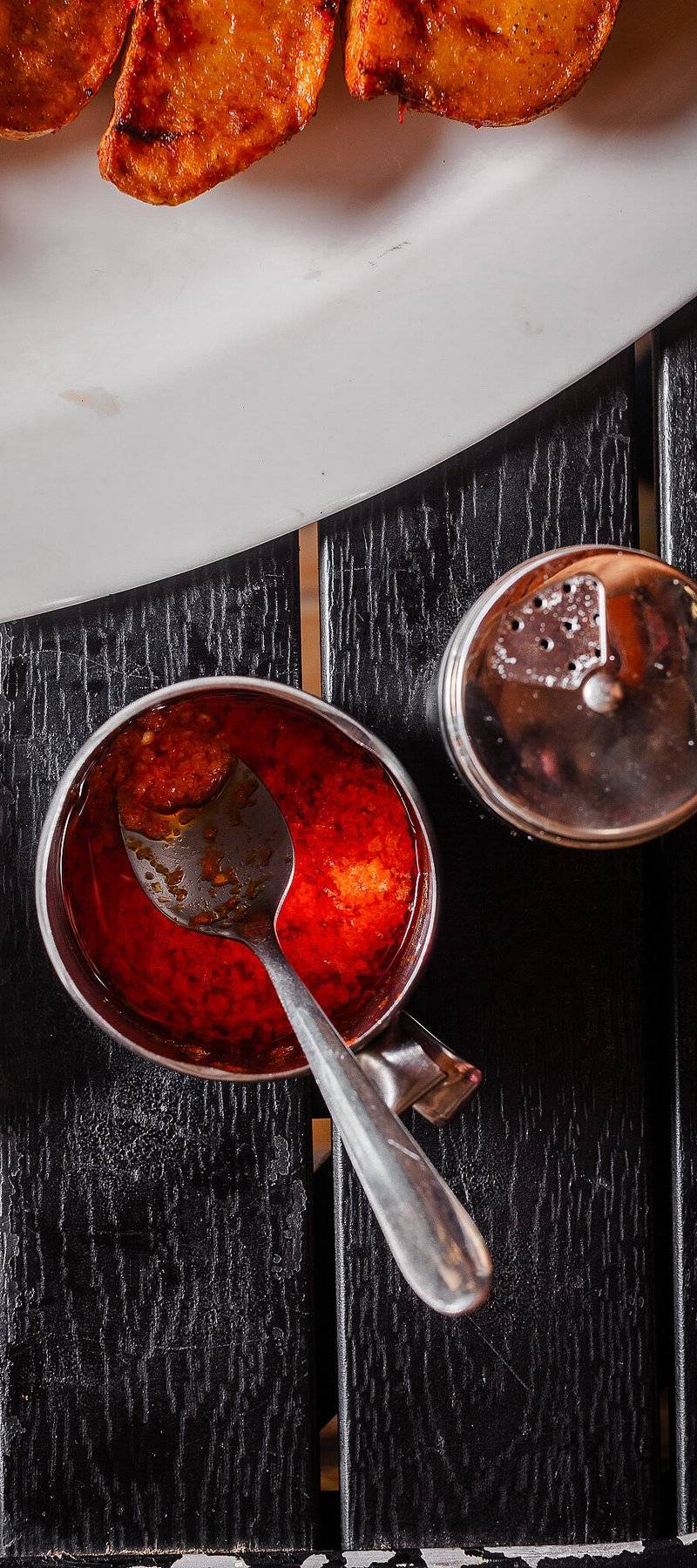
Ubugari cassava dough, isombe cassava leaves, brochettes over charcoal, akabanga chilli oil on the side. Rwandan cooking is more restrained than its neighbours.
04 The pantry
- Cassava, both root and leaf central to the daily plate
- Ibirayi, potato boiled or fried at every meal
- Isombe, pounded cassava leaves cooked with peanut and palm oil
- Akabanga, hot chilli oil served on the side
- Amasaka, sorghum grain for porridge and beer
05 In the kitchen
- Pounding cassava leaves into isombe with mortar and pestle
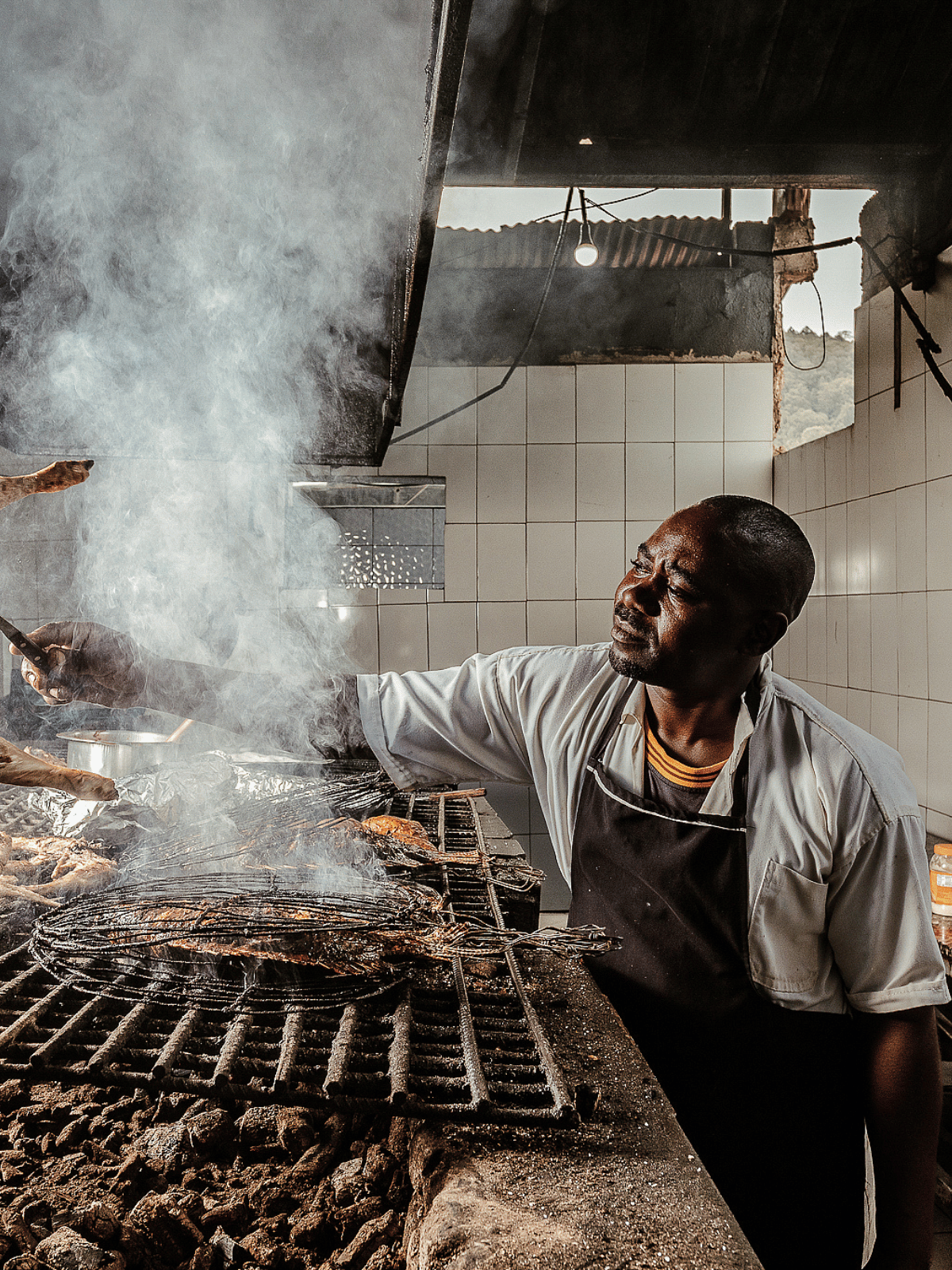
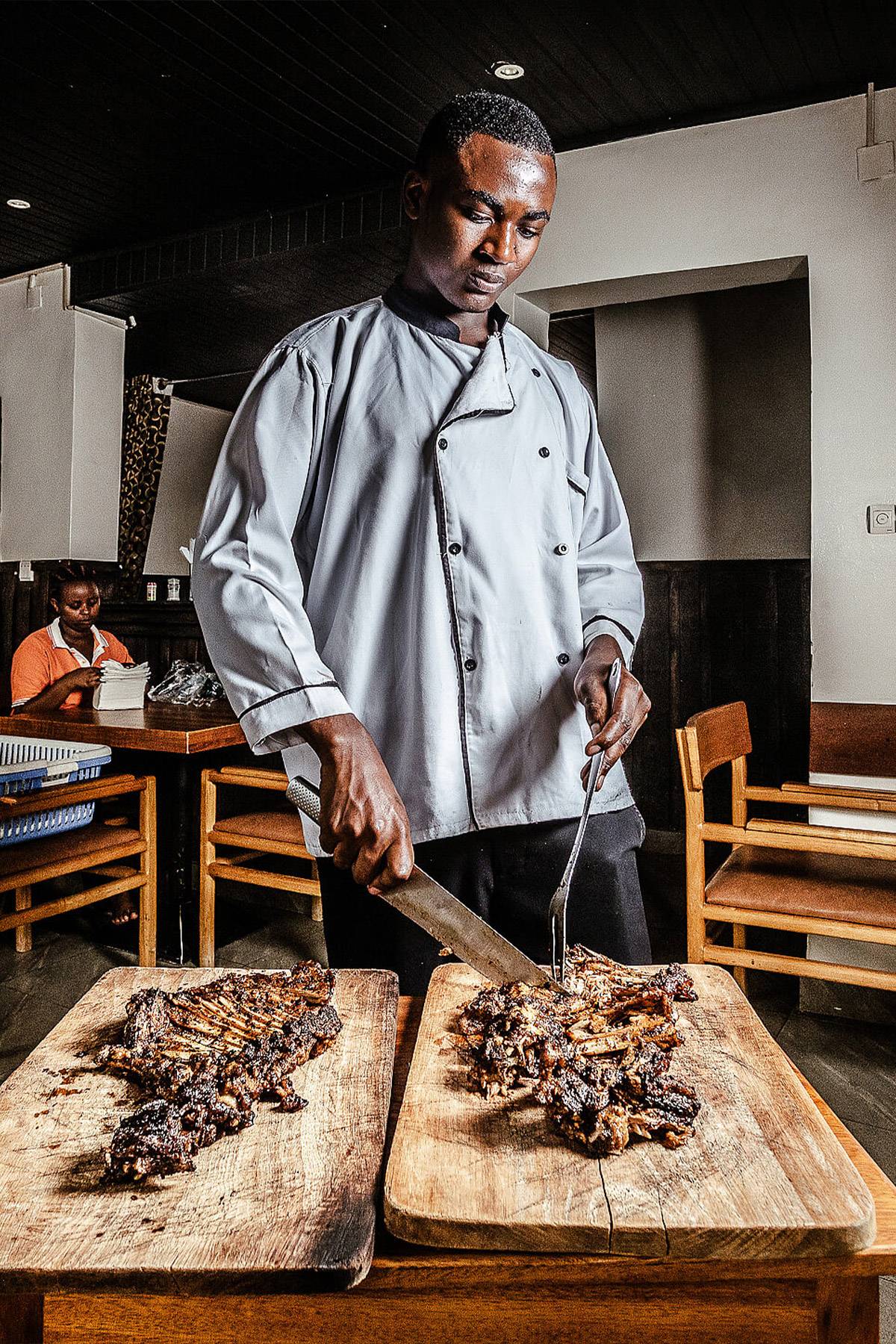
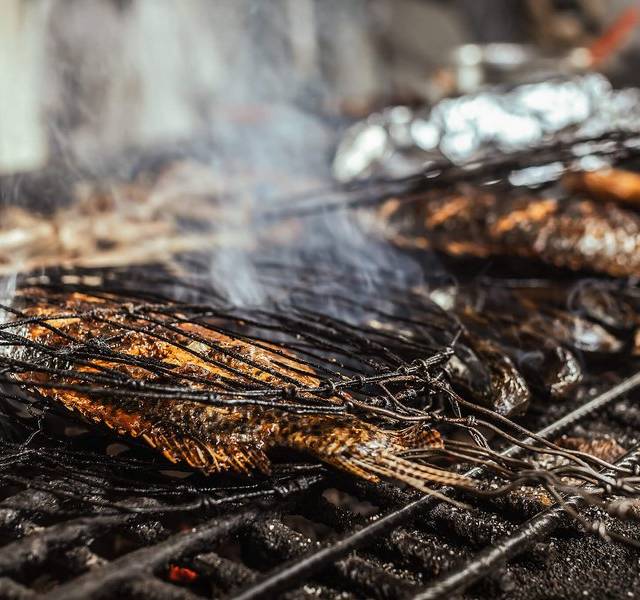
- Roasting brochettes of goat over open charcoal
- Slow-cooking igisafuria chicken and potato stew
- Fermenting urwagwa banana beer for celebrations
- Boiling ubugari cassava dough to elastic firmness
06 Eat this first
- Brochettes, charcoal-grilled goat skewers with fried plantain
- Isombe, cassava leaves stewed with peanut butter and palm oil
- Ubugari, cassava dough eaten with sauces by hand
- Igisafuria, one-pot chicken and potato stew
- Akabanga, fiery chilli oil that appears on every table


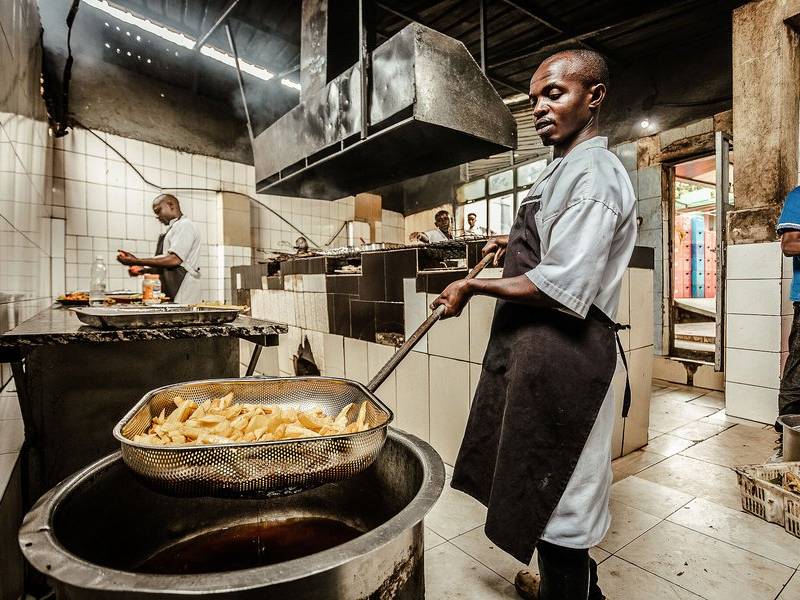
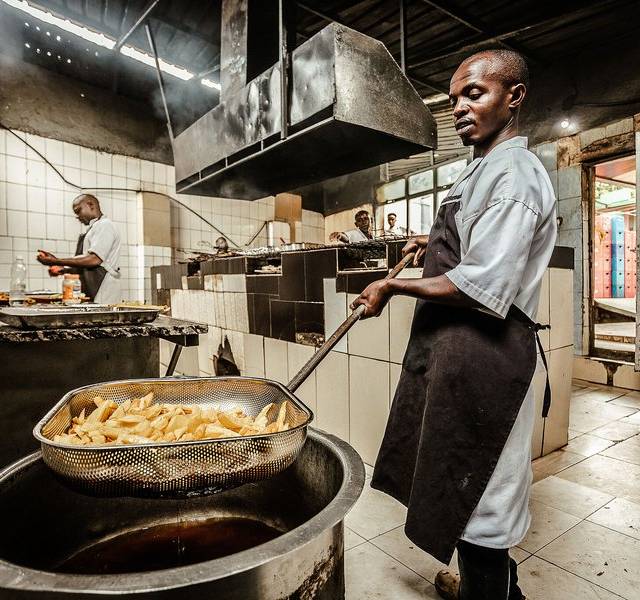
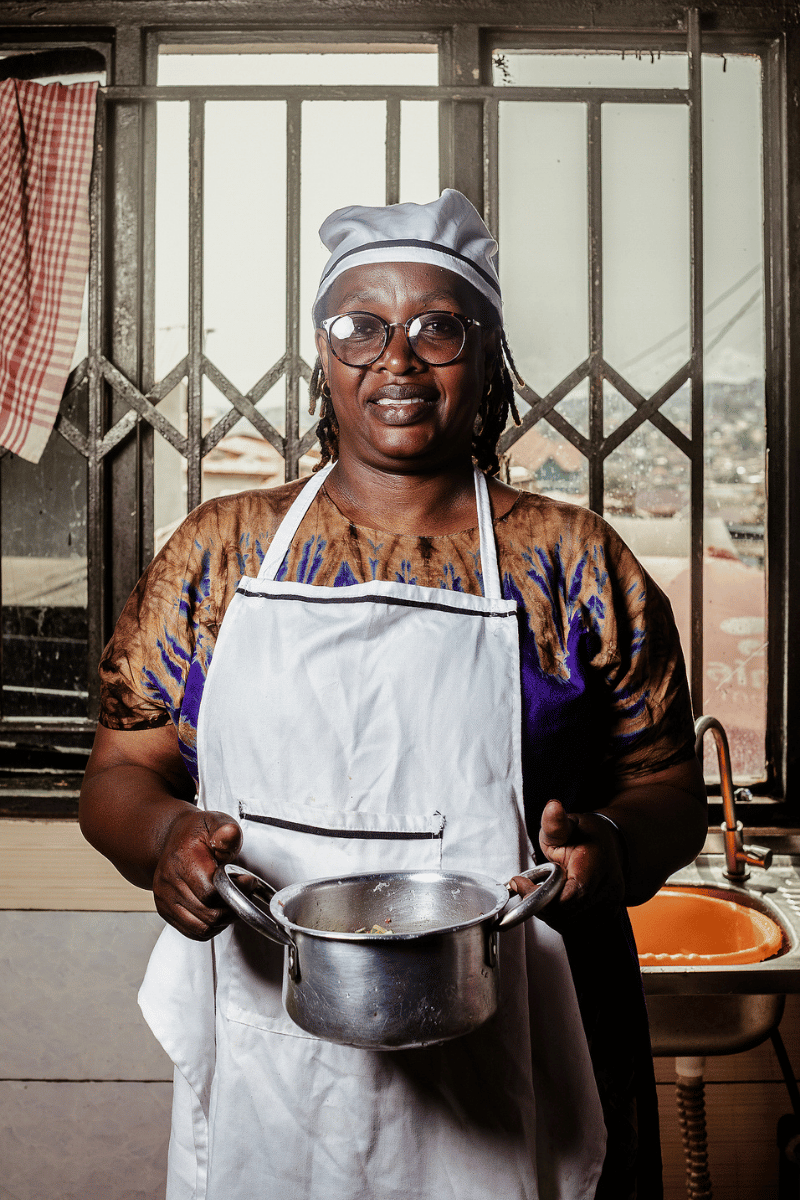
What happens inside a hammam kitchen
A morning with the cooks who feed the neighbourhood before dawn. Charcoal, dough, the smell of a bakery working its second oven.
09 Recipes
A collection of authentic recipes we couldn't leave behind.

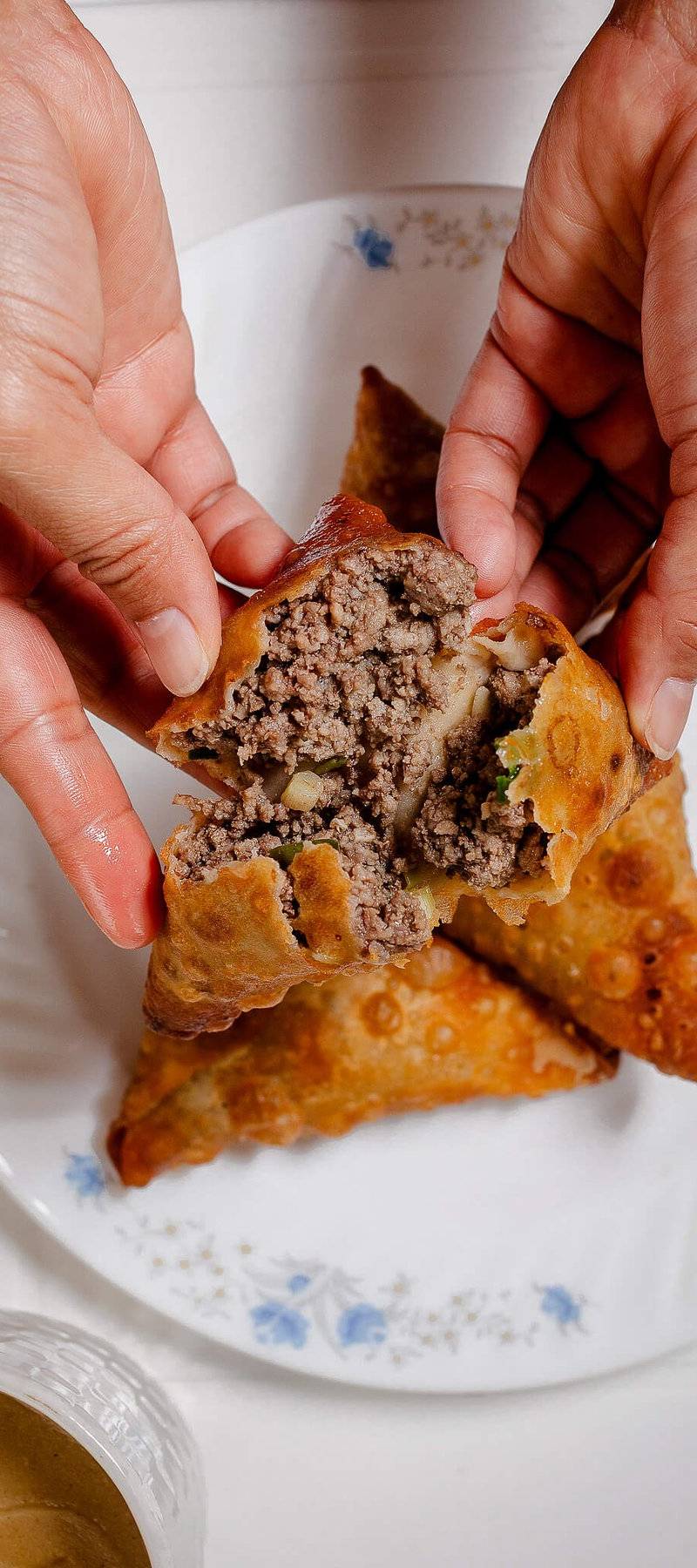
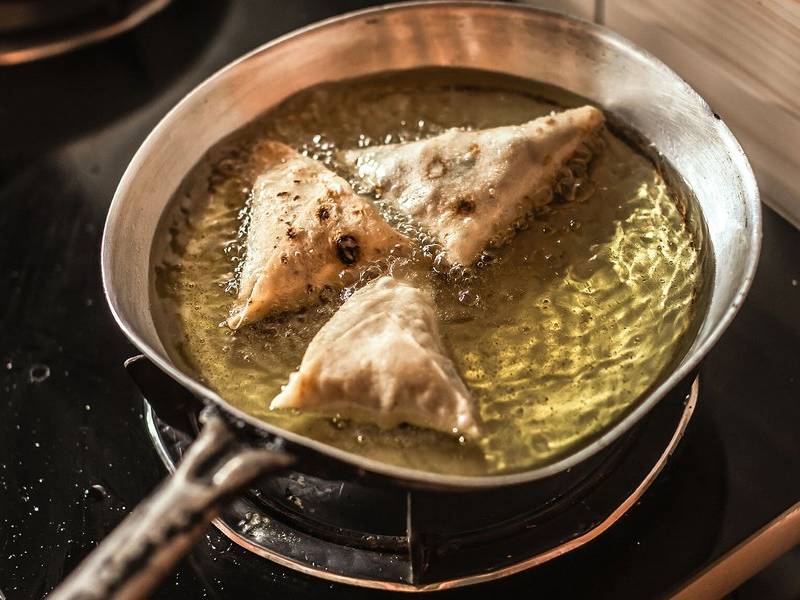
Triangular yeasted doughnuts scented with cardamom and coconut milk, fried until deep golden. Rwanda's morning tea companion, best fresh from the pan.

Pounded cassava leaves slow-simmered with onion, palm oil, ground peanuts and dried fish. Rwanda's national dish, served over ugali or rice.

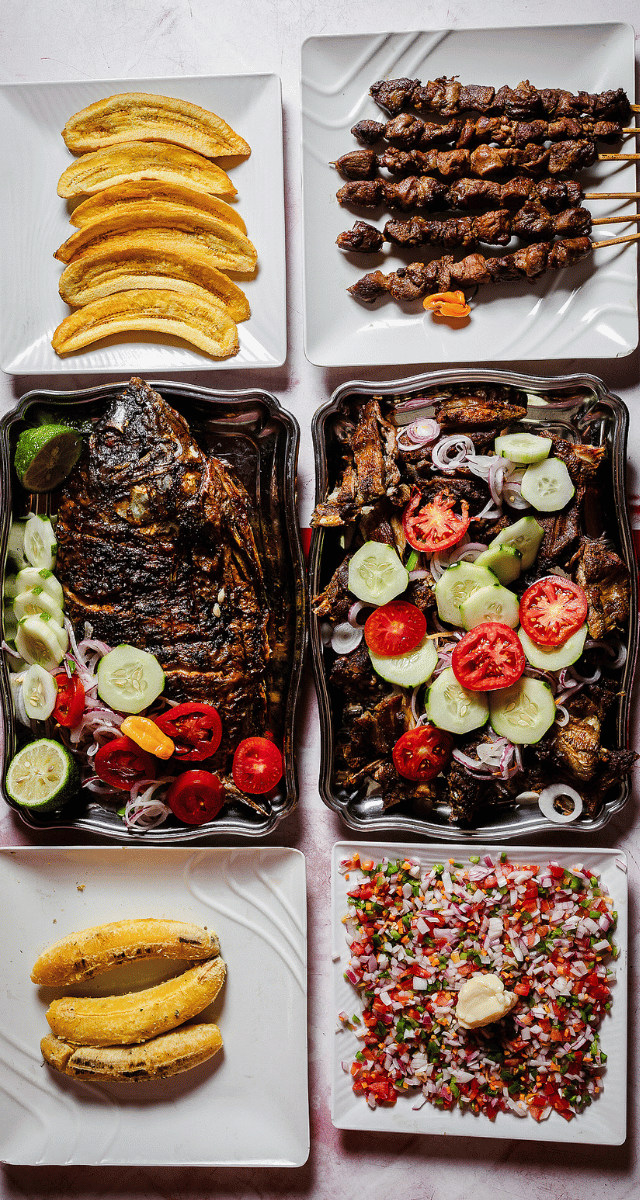
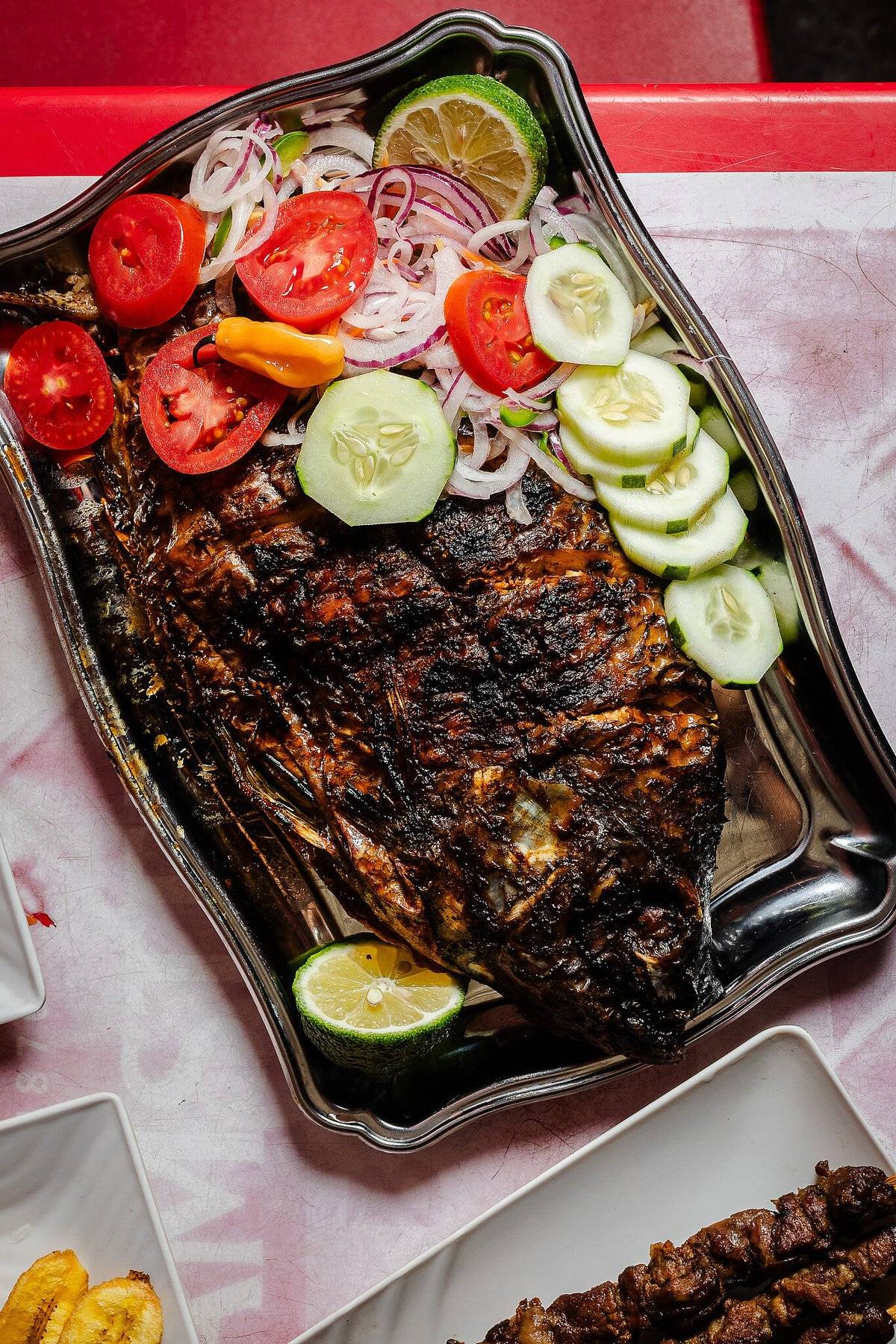
Cubes of marinated goat threaded onto skewers and grilled over hot coals until charred, served with grilled banana, chapati and kachumbari. Kigali's every-bar-in-town classic.

Ripe yellow plantains sliced thick and fried until deep gold and caramelised at the edges. Rwanda's after-school snack and side dish.

Diced tomato, thin-sliced red onion, chili and coriander tossed with lime, salt and a splash of oil. East Africa's essential fresh side salad.

Chicken, beef or fish slow-steamed in an aromatic peanut sauce inside a folded banana leaf. Ugandan royal court dish, adopted at every Rwandan special occasion.
10 Field Notes
Quick field notes to help you get accustomed to Kigali.
Weather
Sits at 1,500 m. Warm days (25°C) and cool nights year-round. Rainy seasons run March–May and October–November, mostly as short afternoon storms.
Currency
The Rwandan franc (RWF). Cards accepted in upscale hotels and restaurants but cash is standard elsewhere. Kigali is refreshingly plastic-bag-free. Bring cloth totes.
Language
Kinyarwanda is the everyday language. English and French are official, with English dominant in business. Simple greetings (muraho, murakoze) are appreciated.
Etiquette
Kigali is famously clean, safe, and orderly. Umuganda (community clean-up morning) closes shops on the last Saturday of every month.
Getting around
Moto (motorbike) taxis are the fast, cheap option. Negotiate the fare first or use the Yego Moto app. Buses and a few metered taxis also work. The city is very safe on foot.
Prayer
Predominantly Christian, with sizeable Catholic and Protestant communities. Sundays are quiet. A small Muslim community marks Friday prayers.