

Destination
Kigali
The story
Isombe is Rwanda's national dish and one of the most important preparations of the Great Lakes region: pounded fresh cassava leaves (or dried), slow-simmered for over an hour with onion, garlic, red palm oil, ground roasted peanuts and dried fish or beef, until the leaves collapse into a thick dark-green stew. Served over ugali (stiff maize porridge), rice or steamed matoke (green bananas). Every Rwandan household makes isombe — it's the Sunday-lunch dish, the wedding-feast dish, the return-from-a-long-trip dish. The Rwandan version distinguishes itself from Congolese saka-saka and Cameroonian kwem by the specific addition of ground peanuts and the use of palm oil, which turn the stew a deep bronze-green.
Method
If using fresh leaves: strip the leaves from the stems. Wash thoroughly. Pound in a mortar with 1 tsp salt (30 minutes) — or blitz briefly in a food processor to a coarse texture (30 seconds, not a purée). If using dried: soak in warm water 60 minutes, drain, then blitz briefly.
In a large pot, cover the pounded cassava leaves with fresh water. Bring to a boil and simmer 30 minutes to soften and remove any bitterness. Drain thoroughly, pressing to extract water.
Warm the palm oil in a wide heavy pot over medium heat. Cook onion 6 minutes until soft. Add garlic and ginger 60 seconds. Add tomatoes, tomato paste, green and red chilies. Cook 8 minutes until tomatoes break down and oil separates.
Add the drained dried fish (or fresh meat cubes) to the pot. Toss to coat in the base. Cook 5 minutes to sear.
Tip the boiled cassava leaves into the pot along with the salt, pepper and aubergine if using. Toss so the leaves are coated in the aromatic base.
Pour in the stock. Bring to a simmer. Cover partially and cook 45 to 60 minutes over low heat, stirring occasionally, until the leaves have collapsed into a thick dark stew.
Whisk the ground peanuts (or peanut butter) with the warm water into a smooth slurry. Pour into the isombe and stir. Simmer another 10 minutes so the peanuts thicken the sauce into a creamy, coating consistency. Taste and adjust salt.
Ladle the isombe into wide bowls. Drizzle with a spoon of extra red palm oil (optional but classical). Serve alongside a mound of ugali, rice or steamed matoke, with kachumbari on the side. Eaters take a piece of ugali in the right hand, dip in the isombe, eat.
Tips
- Boil the leaves first. Raw cassava leaves contain natural cyanogenic compounds that boiling removes. Thirty minutes of pre-boil is not optional — it makes the leaves safe and softens the texture.
- Red palm oil is the flavour marker. This is the distinctive red-orange oil of West and Central African cooking. Not the same as coconut oil or neutral oil. Any African grocer stocks it; if unavailable, use half red palm oil and half neutral oil.
- Ground peanuts, not just peanut butter. Freshly-ground roasted peanuts give you a more complex flavour and slightly-textured finish. Peanut butter is the practical shortcut.
- Small dried fish is classical. Isambaza (Lake Kivu sardines) or ndagaa (Lake Victoria sardines) give the classical Rwandan flavour. Dried tilapia or dried shrimp are close substitutes.
- Serve with ugali. This is the classical Rwandan starch. Rice works too, but ugali is the traditional pairing.
More recipes
View all
Chicken, beef or fish slow-steamed in an aromatic peanut sauce inside a folded banana leaf. Ugandan royal court dish, adopted at every Rwandan special occasion.
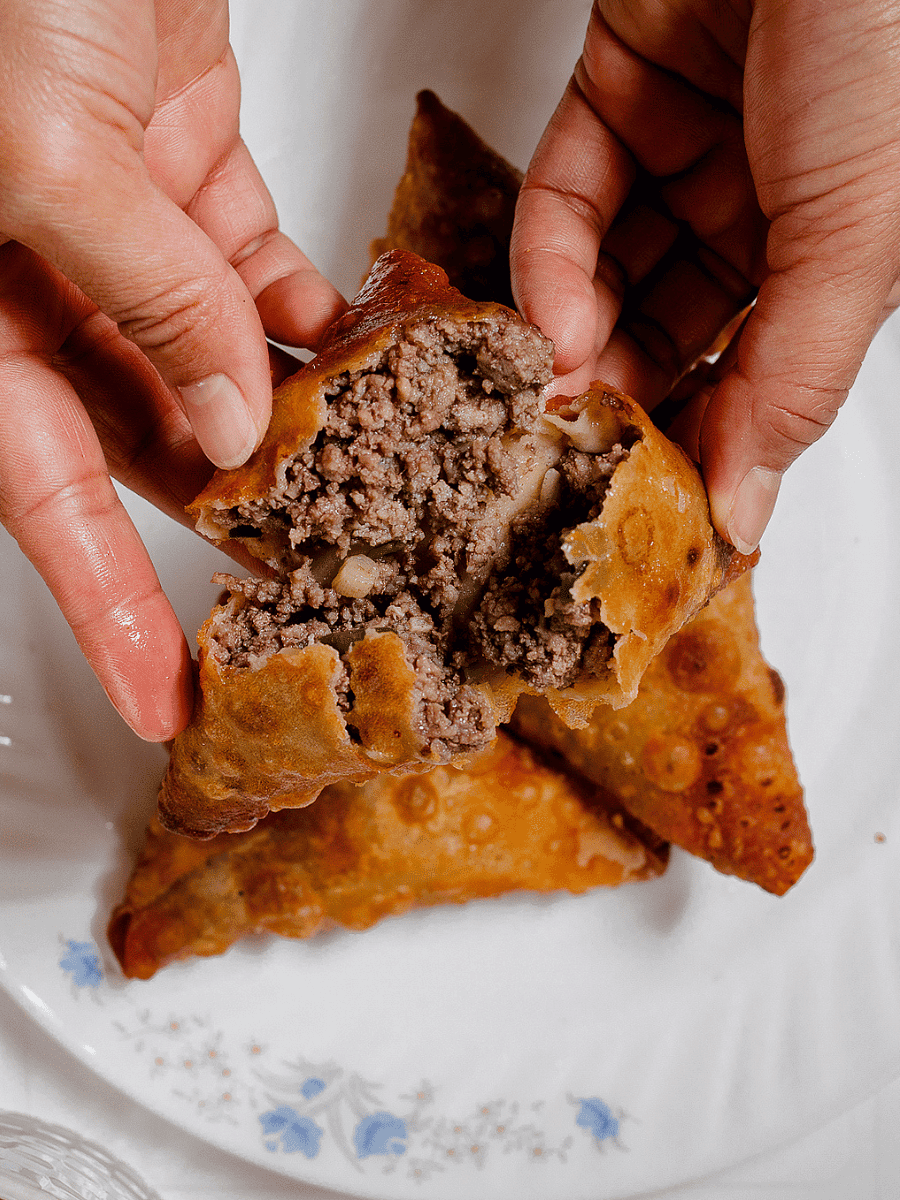
Small triangular pastries stuffed with spiced minced beef, onion and green peas, deep-fried until crisp. Rwanda's answer to Indian samosas, sold at every bar.

Chicken or beef in an aromatic peanut sauce, wrapped in a folded banana leaf and slow-steamed for hours. Buganda's royal court dish, served at every wedding.
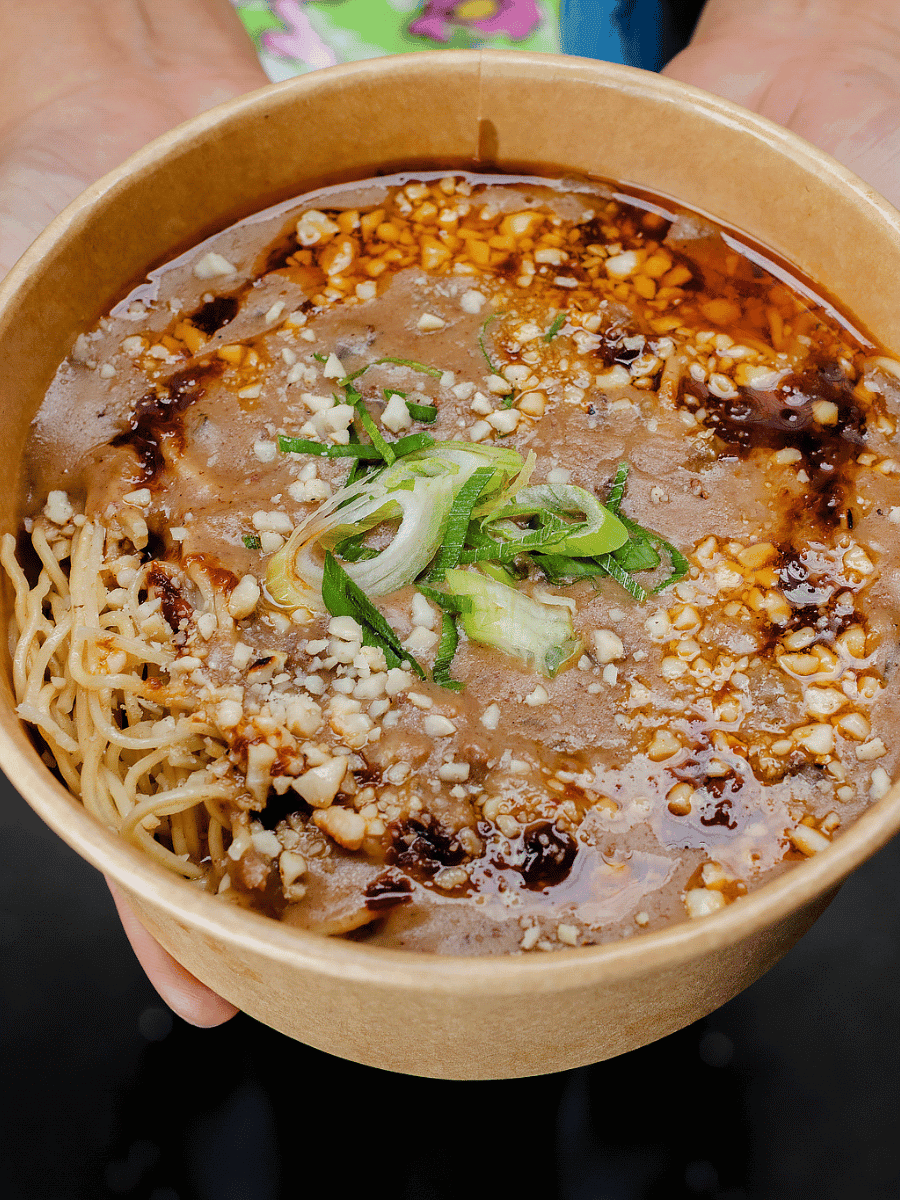
Slow-cooked oxtail and tripe in a thick peanut-annatto sauce, served with fermented shrimp paste (bagoong) and rice. The Philippines' Sunday-lunch stew.
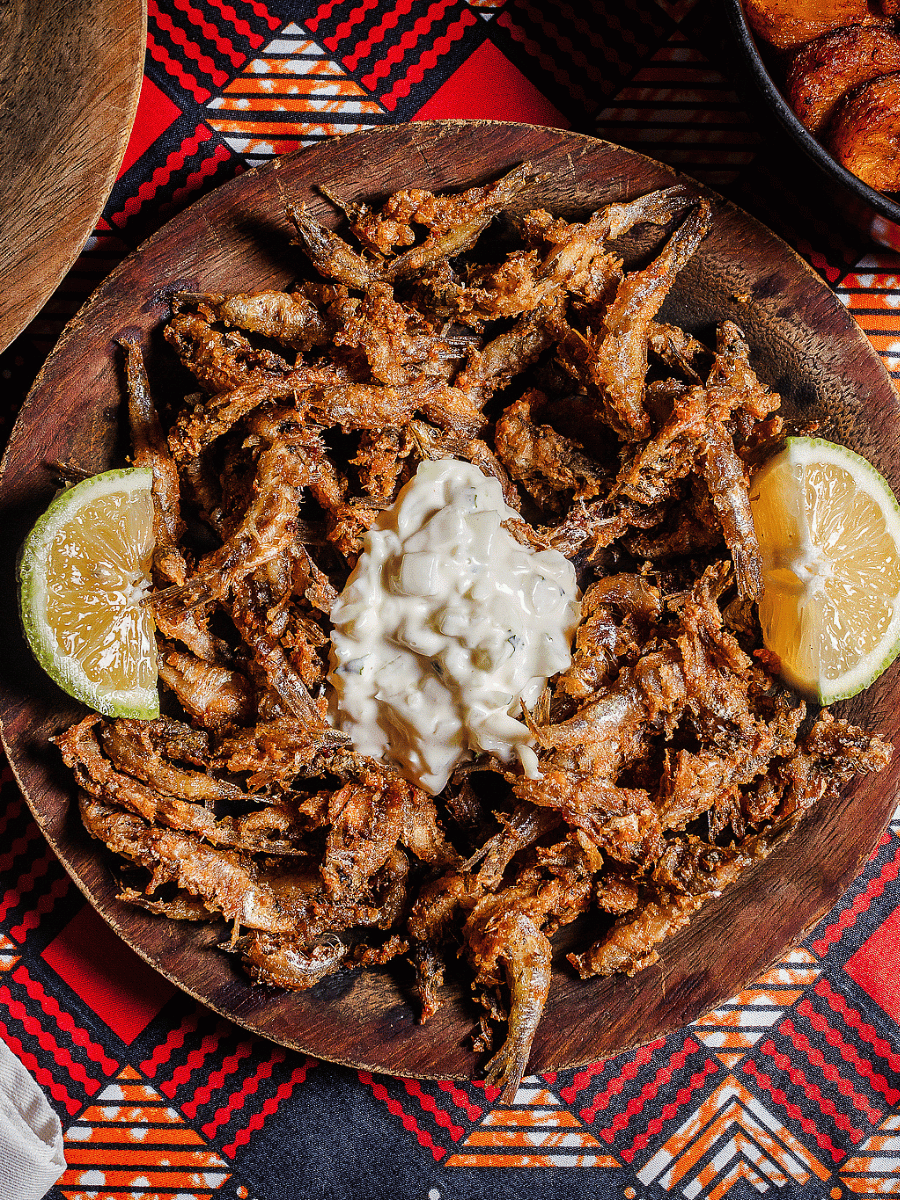
Small silver sardines from Lake Kivu, seasoned with salt and pepper, dredged in flour and deep-fried until crackly. Rwanda's beer snack, eaten by the handful.

A whole tilapia scored and rubbed with garlic, chili, ginger and lime, then grilled over hot coals until the skin blisters. Kigali's fisherman's plate.