
Destination
Kigali
The story
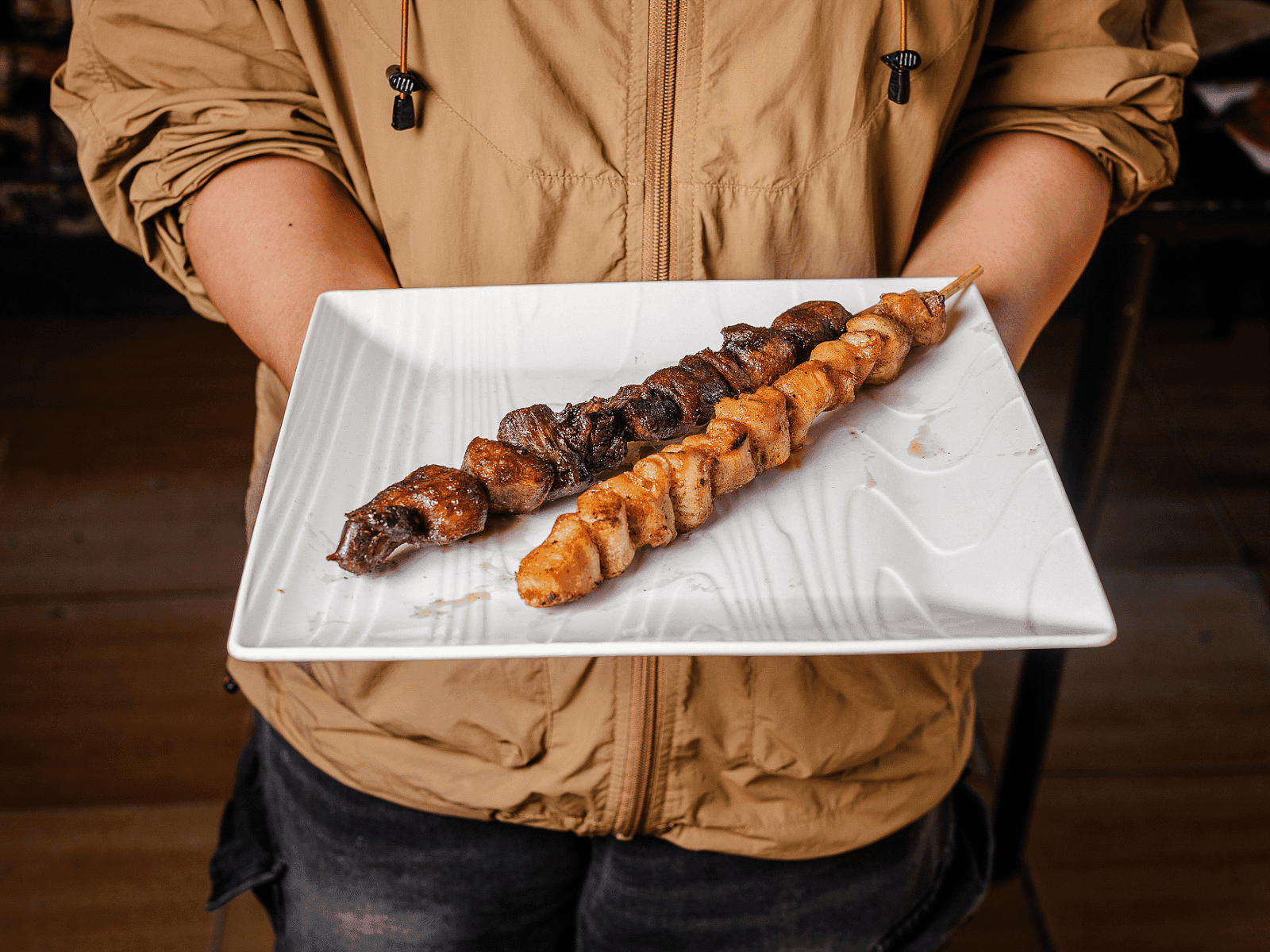
Brochettes are the meat everyone in Rwanda orders when they sit down at any bar, restaurant or roadside grill: cubes of goat meat (occasionally beef, occasionally offal), marinated briefly in oil, garlic, lemon and salt, threaded onto long metal or bamboo skewers, and grilled hard over glowing charcoal until the outside is dark-charred and the inside is still juicy. Served on a big plate with a side of grilled sweet plantain (ibitoke), a stack of soft chapati, and a scoop of kachumbari (fresh tomato-onion salsa). The word brochette is French — a legacy of Rwanda's colonial history — and every Rwandan grill counter and umupira (bar) has brochettes as the default snack you order with your beer.
Method
Combine all marinade ingredients in a large bowl. Add the goat cubes and toss so every piece is coated. Cover and refrigerate 1 to 4 hours (longer marinades toughen goat).
Heat a charcoal grill until the coals are white-ashy and screaming hot. A heavy cast-iron griddle on the highest heat is the practical indoor substitute.
Thread 4 to 5 marinated goat cubes onto each skewer, leaving a little space between each cube for even cooking. You should get 8 skewers.
Brush the grill lightly with oil. Grill the skewers 3 minutes on the first side without moving. Flip and grill 3 minutes on the second side. Turn once more if needed for a shorter final char (30 seconds per side). Goat is best medium — pink centres, dark-charred edges.
Meanwhile, cut the ripe plantains in half lengthways or on the diagonal. Brush with oil. Grill 3 minutes per side until softened and browned at the edges.
Warm the chapati briefly on the grill edge, 30 seconds a side.
Rest the goat skewers 2 minutes on a warm platter — the juices redistribute. Season with coarse sea salt.
Arrange the brochettes on a big platter with the grilled plantains, warm chapati and a big bowl of kachumbari on the side. Serve with lemon wedges and cold beer. Diners pull cubes from the skewer with fingers, dipping in kachumbari and folding into pieces of chapati.
Tips
- Goat is the classical meat. Rwandan brochettes are almost always goat — the country's pastoral tradition means goat is the everyday meat, not beef. Any halal butcher will sell goat leg or shoulder; lamb is the closest substitute.
- Short marinade. One to four hours only. Long marinades in lemon start to cure the meat and turn the texture chalky.
- Very hot grill. Charcoal white-ashy or cast-iron smoking. Anything cooler and the meat stews instead of chars.
- Medium-cooked goat. Well-done goat is chewy; medium-rare is bloody. Medium — three minutes a side over hot fire — is the sweet spot.
- Grilled plantain is the classical side. Ibitoke (sweet plantain) grilled alongside the goat is the Rwandan combo. Do not substitute French fries — that's the western version.
More recipes
View all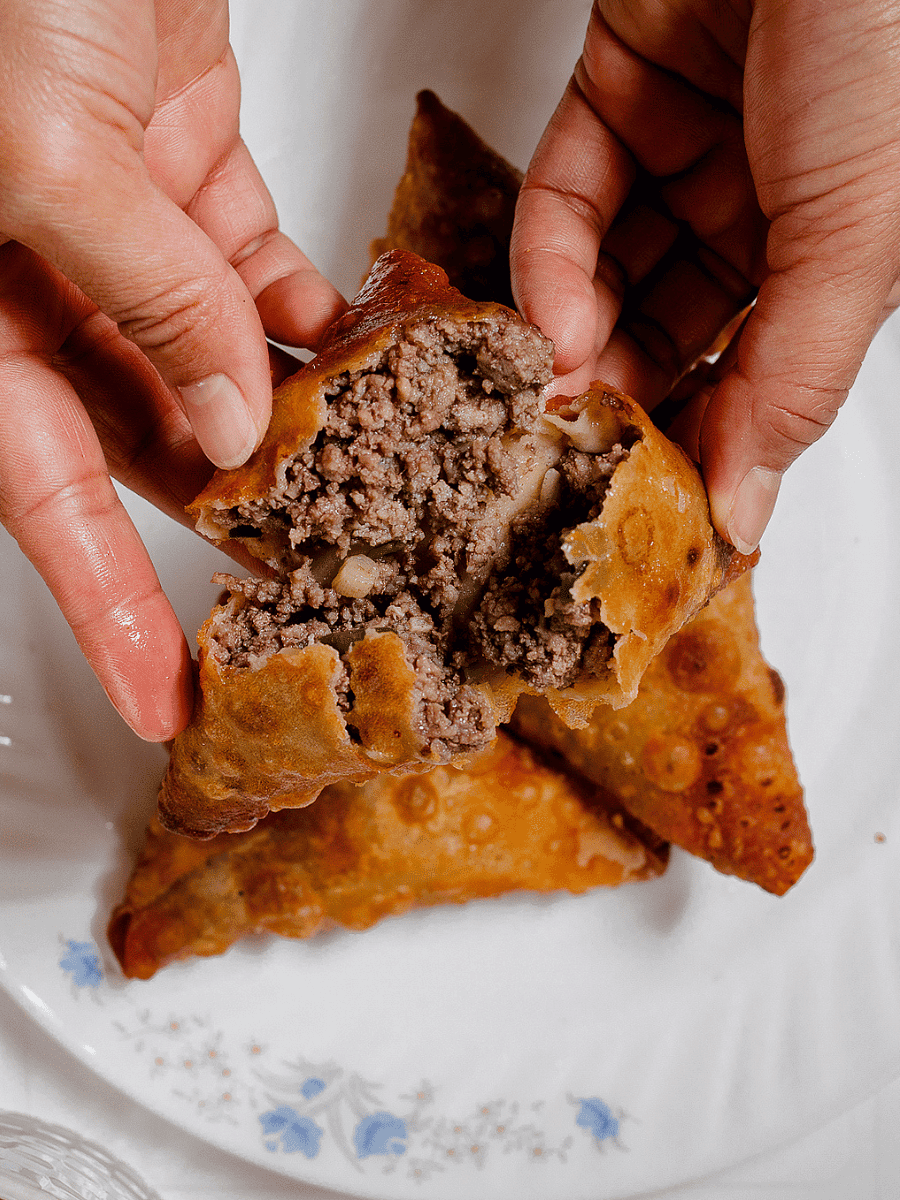
Small triangular pastries stuffed with spiced minced beef, onion and green peas, deep-fried until crisp. Rwanda's answer to Indian samosas, sold at every bar.
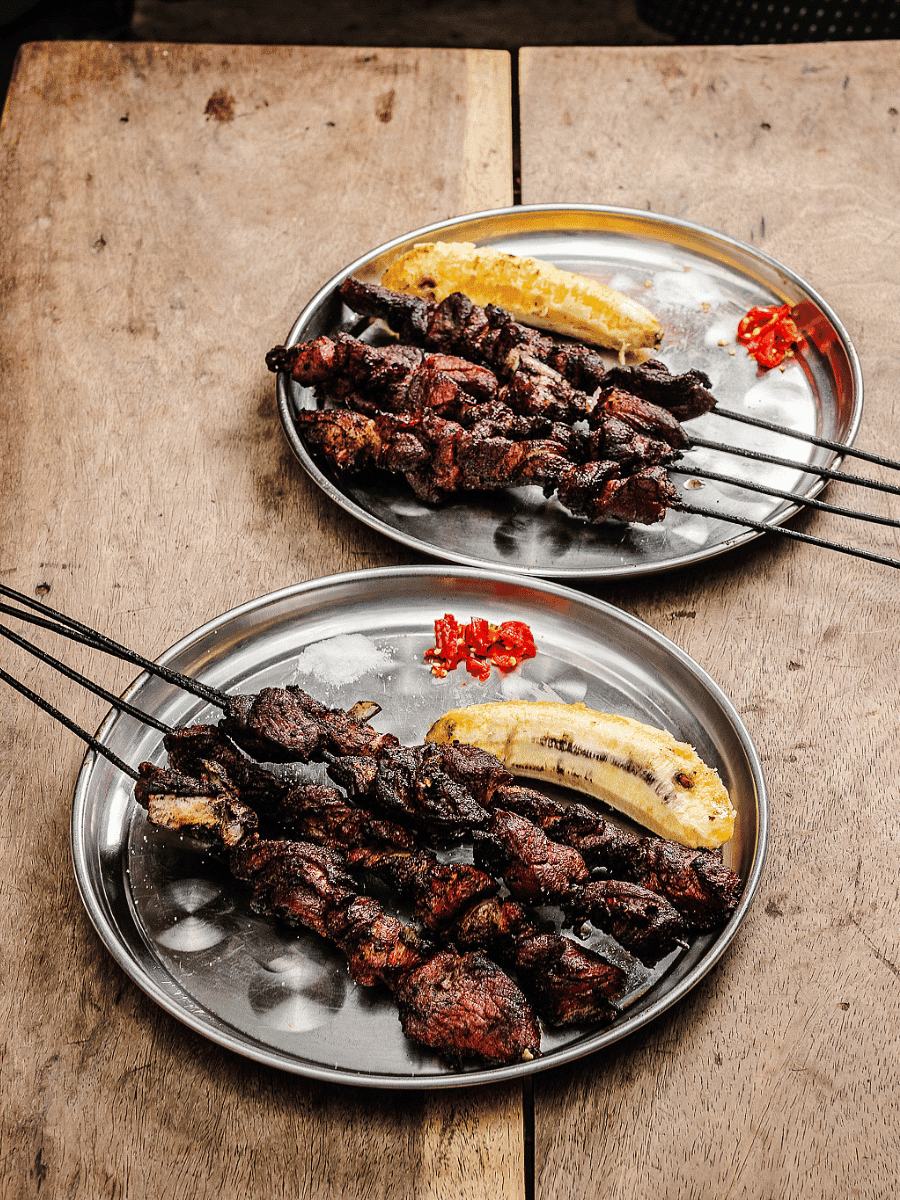
Cubes of marinated goat meat threaded onto skewers and grilled over charcoal, served with kachumbari salsa and boiled cassava. Kampala's classic evening bar food.

A whole tilapia scored and rubbed with garlic, chili, ginger and lime, then grilled over hot coals until the skin blisters. Kigali's fisherman's plate.

Chicken, beef or fish slow-steamed in an aromatic peanut sauce inside a folded banana leaf. Ugandan royal court dish, adopted at every Rwandan special occasion.
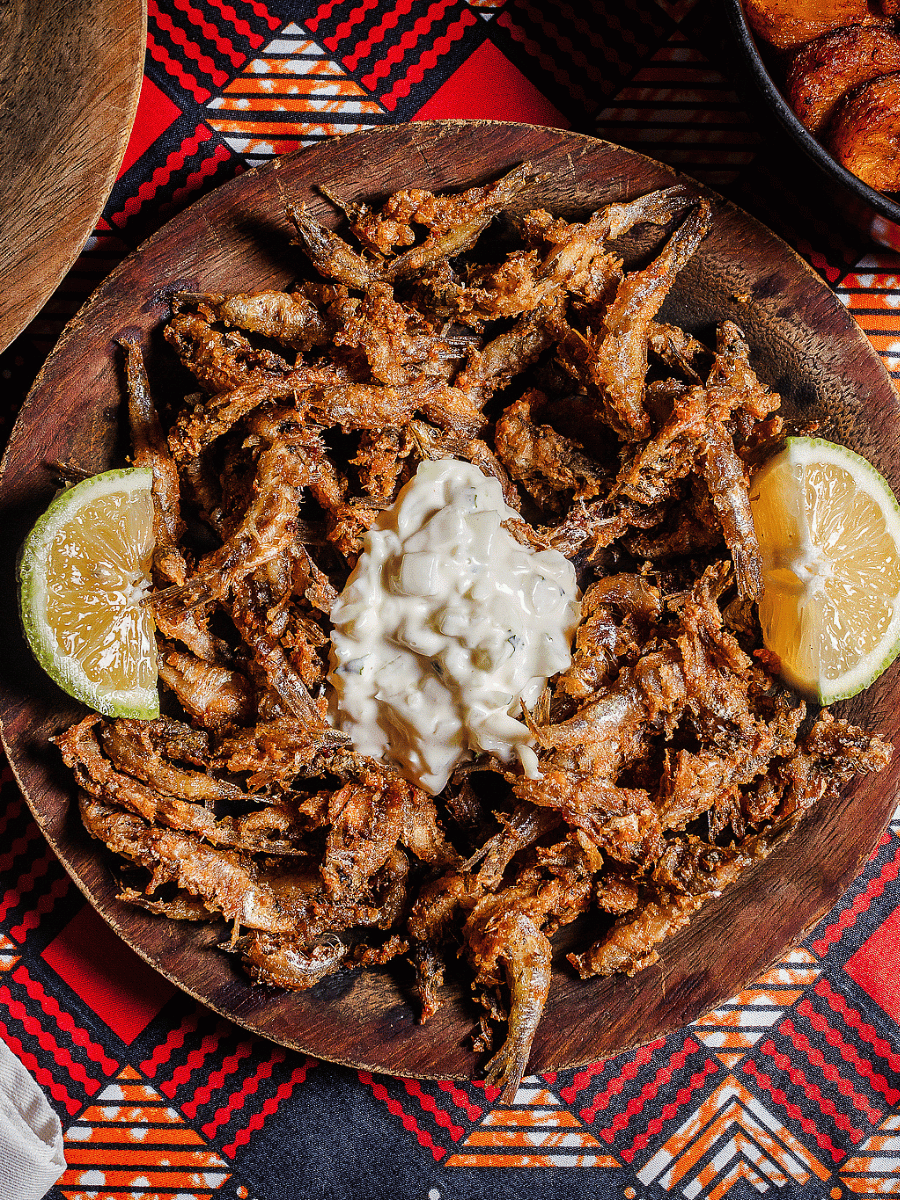
Small silver sardines from Lake Kivu, seasoned with salt and pepper, dredged in flour and deep-fried until crackly. Rwanda's beer snack, eaten by the handful.

Hand-minced lamb pounded with red pepper paste, cumin and salt, pressed onto flat metal skewers and grilled over charcoal. The signature kebab of southern Turkey.