
01 Food tours
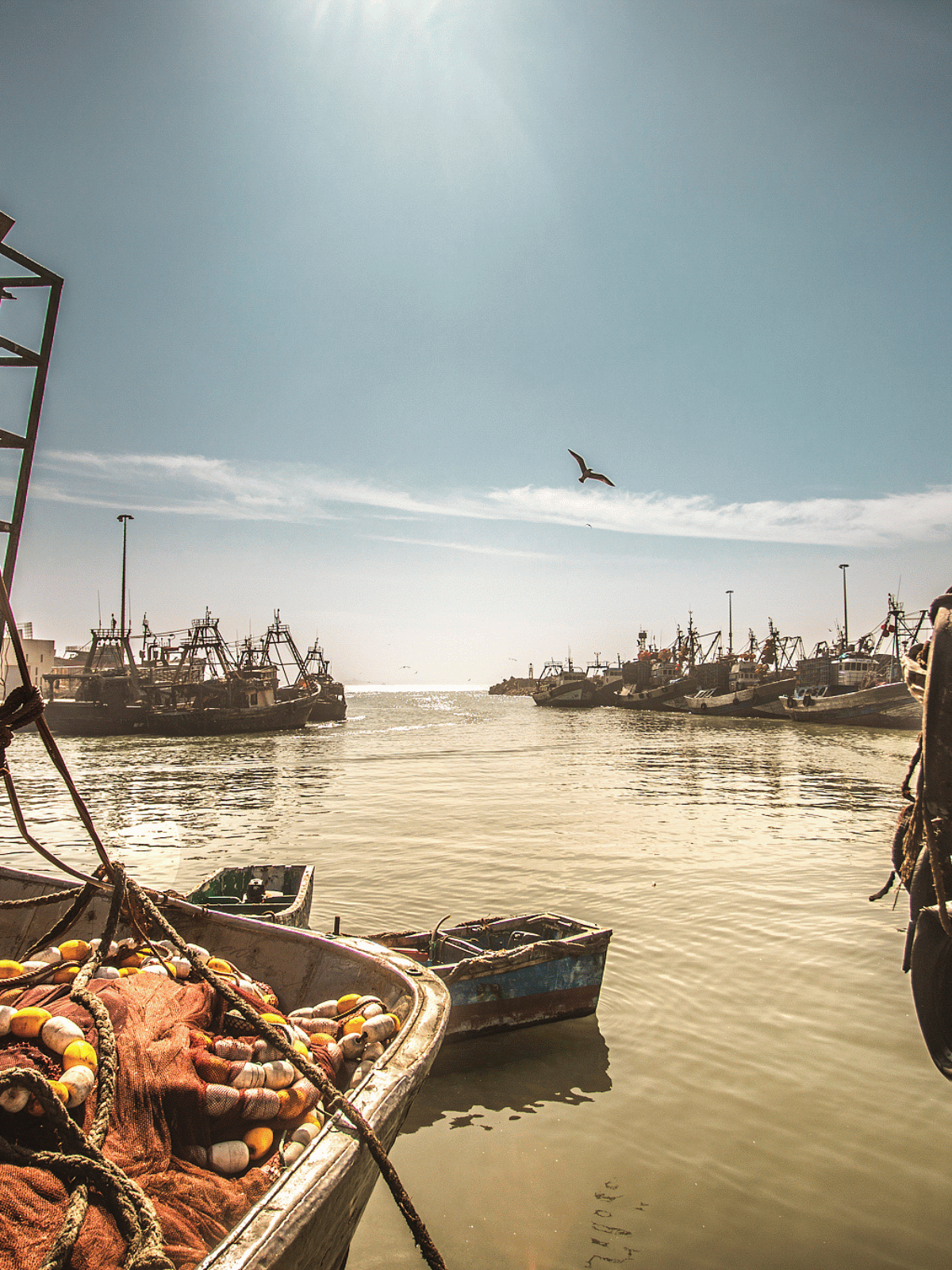
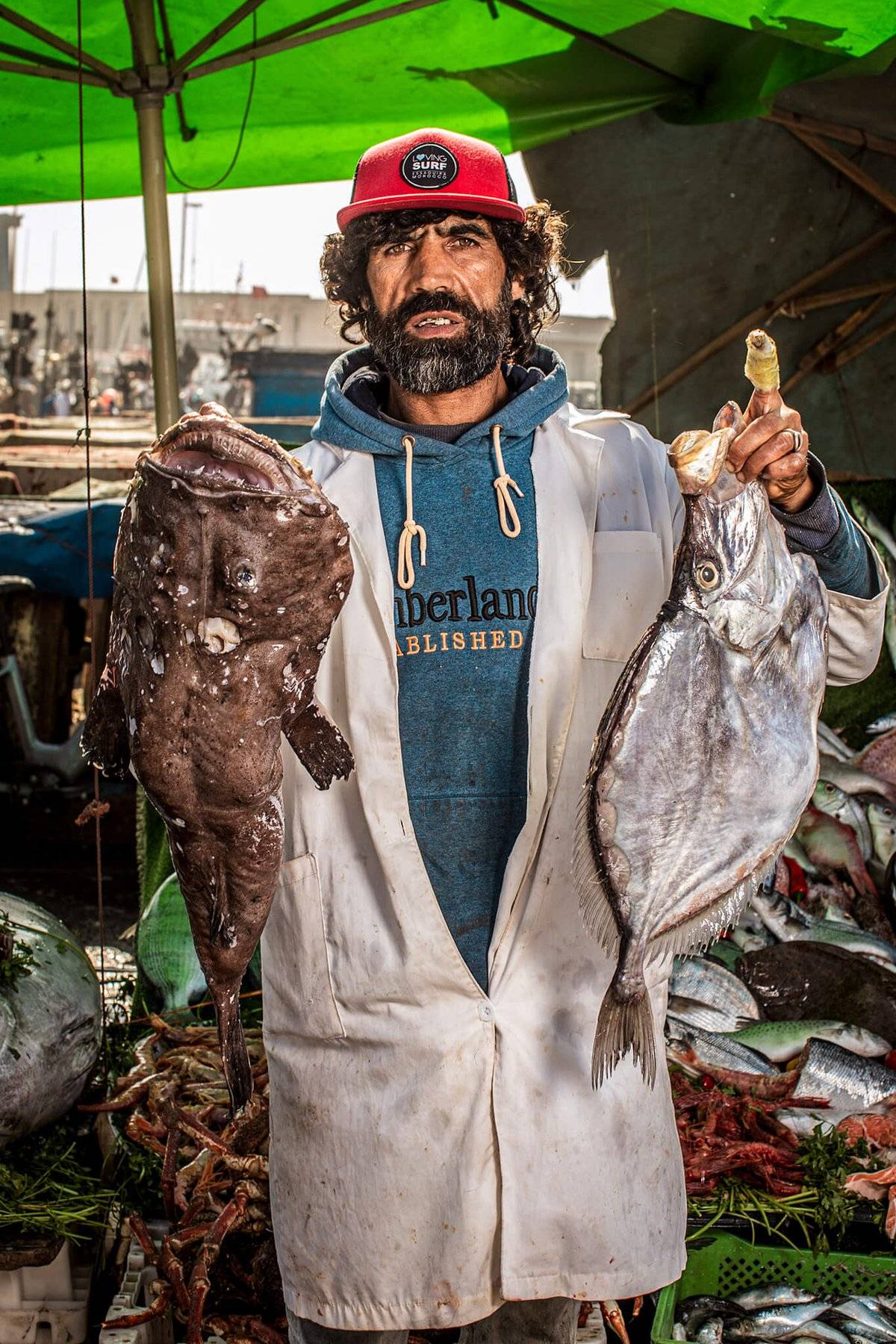
Original food tours, curated with our local tastemakers to showcase the neighbourhood kitchens, markets and family-run eateries that define Essaouira.
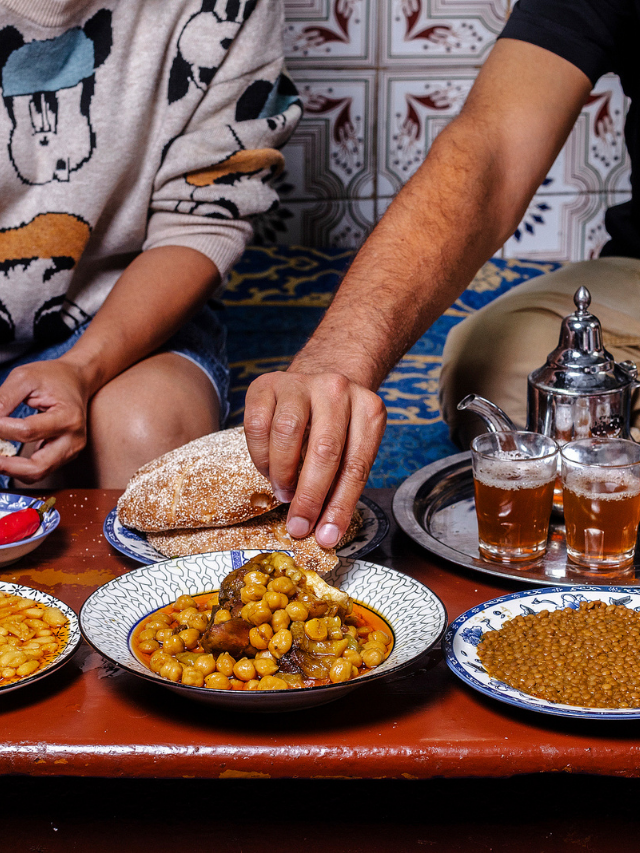
Spice Shores
Essaouira
Eat Essaouira at lunchtime — grilled sardines, blue-crab tagine and argan oil on msemen.
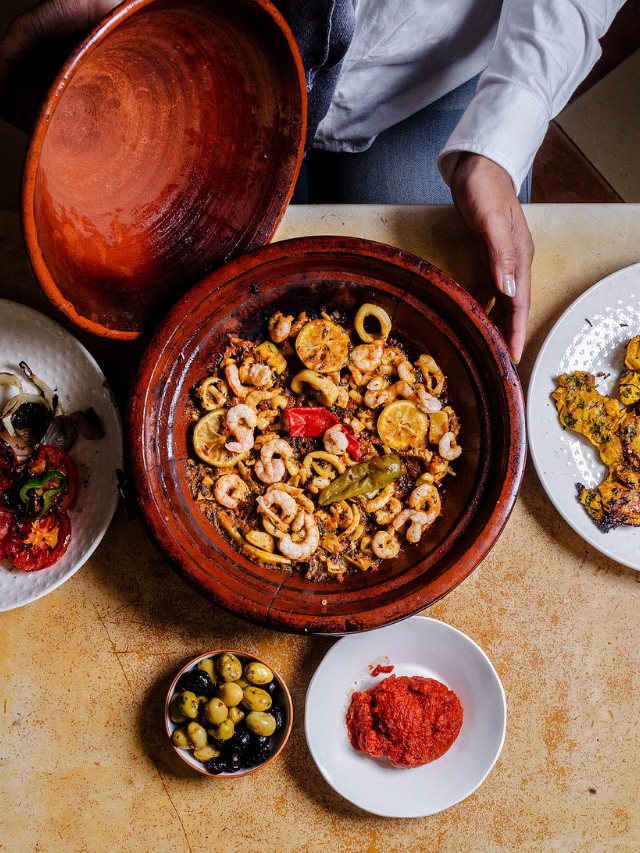
Souk Stories
Essaouira
Taste what the Atlantic delivers to Essaouira — sardines, blue-crab tagine and argan-oil msemen.
02 Meet the tastemakers
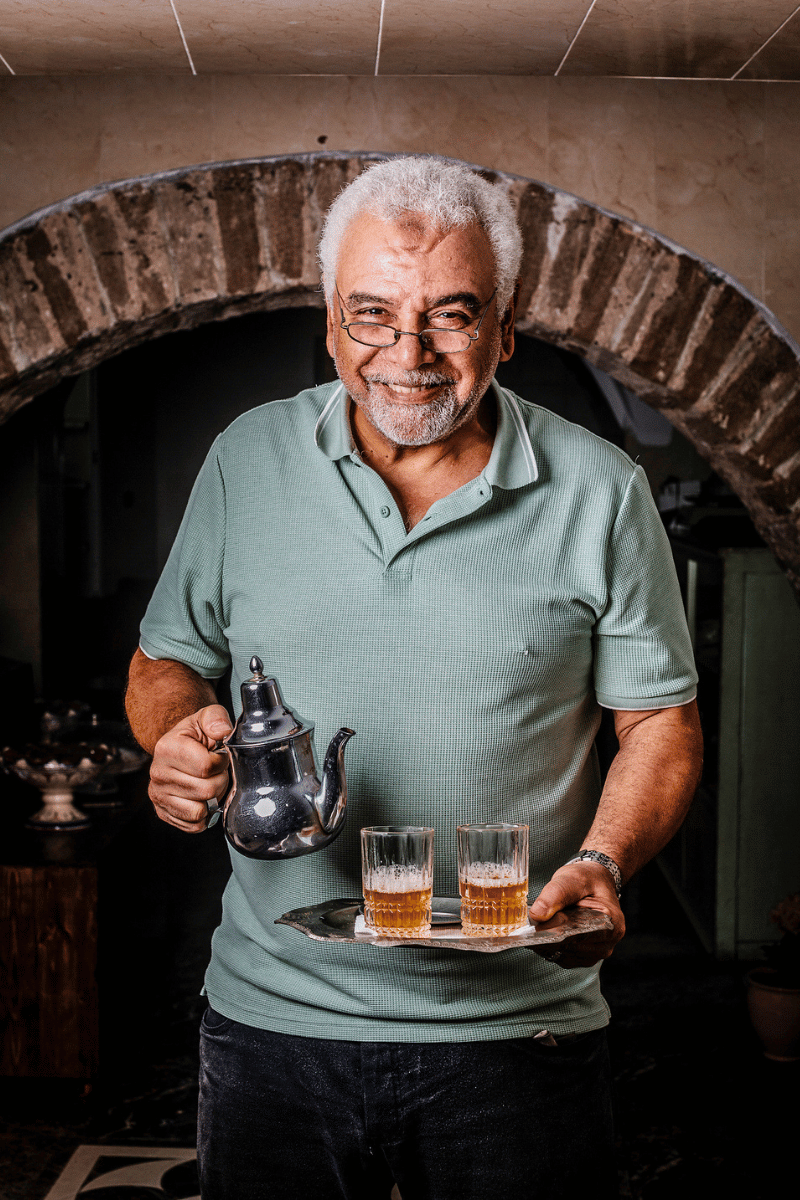
The local food experts who help us research, refine and lead every A Chef's Tour.


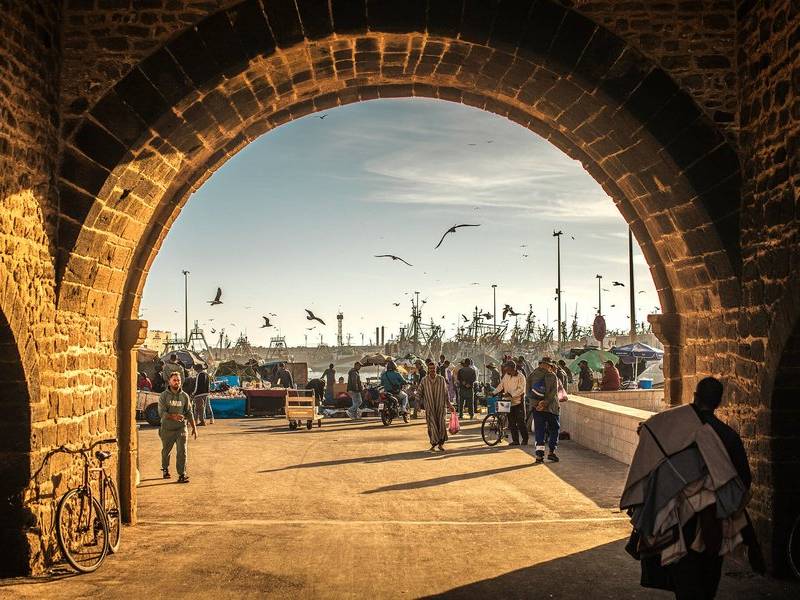
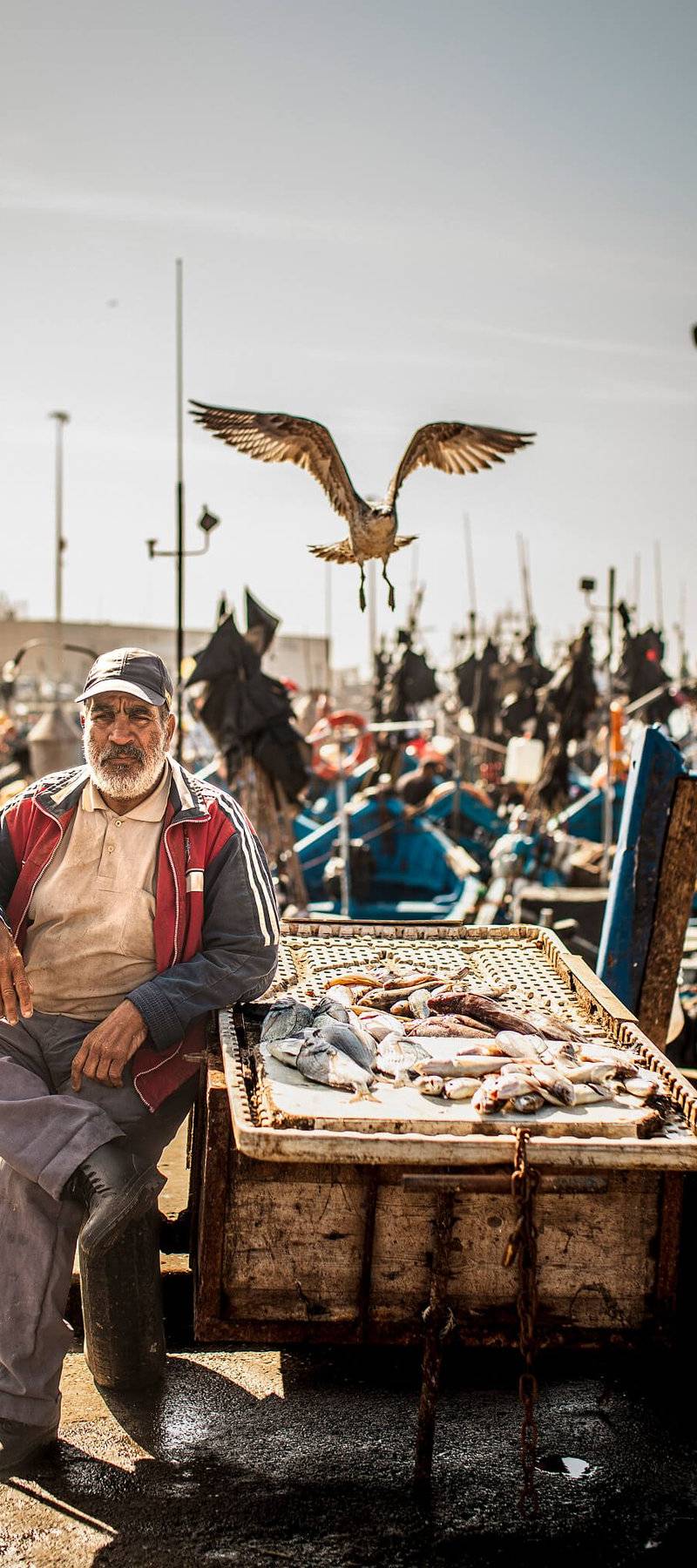
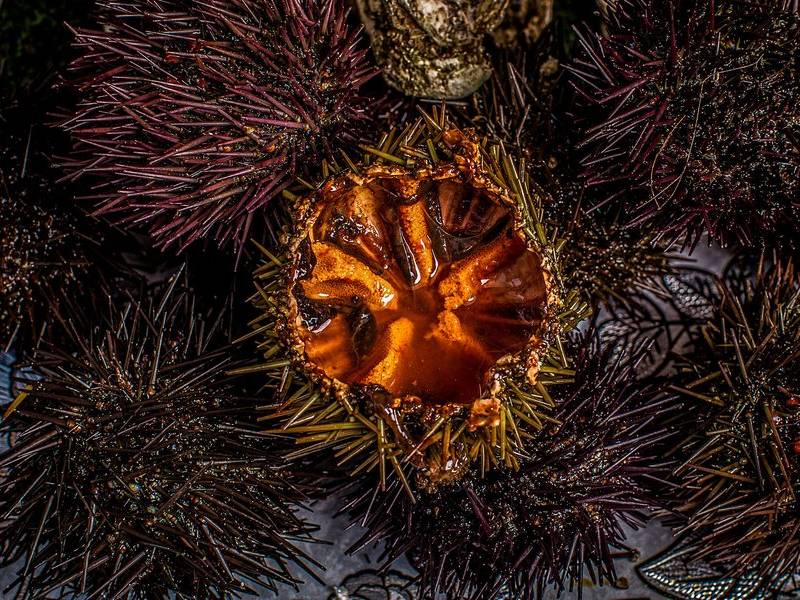
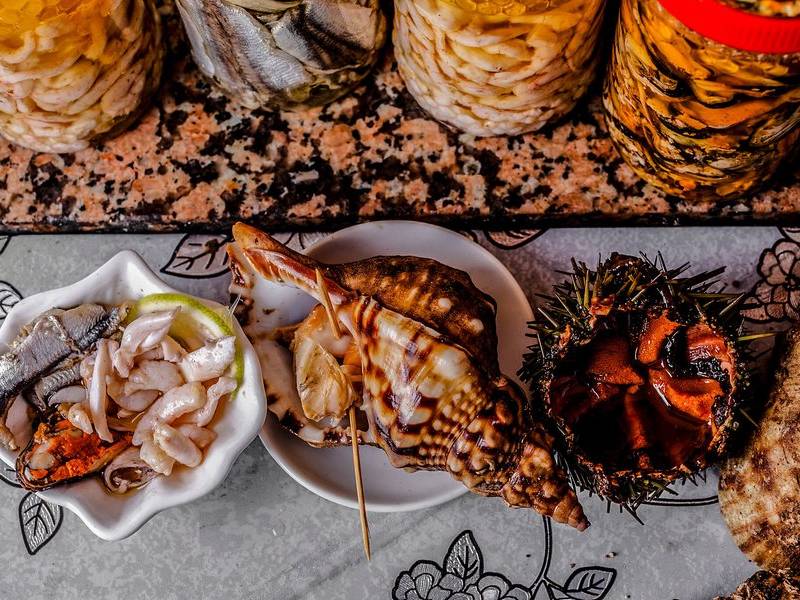
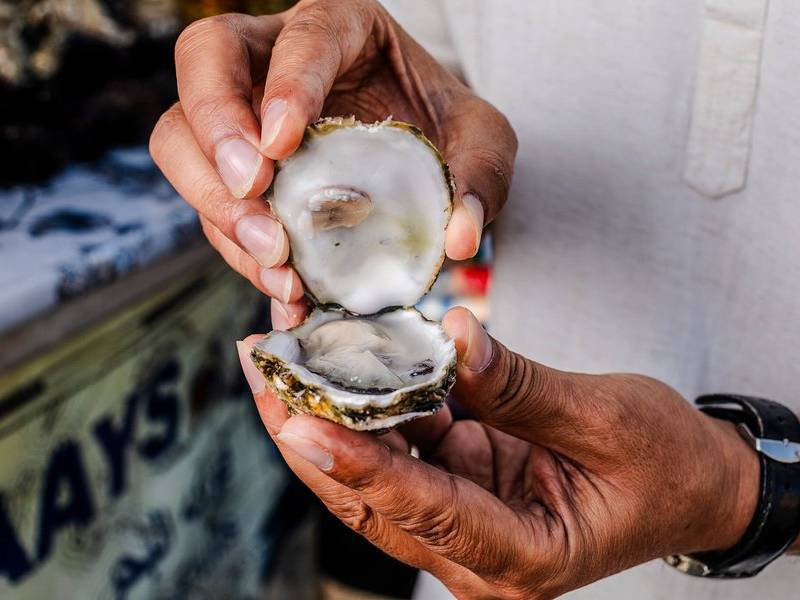
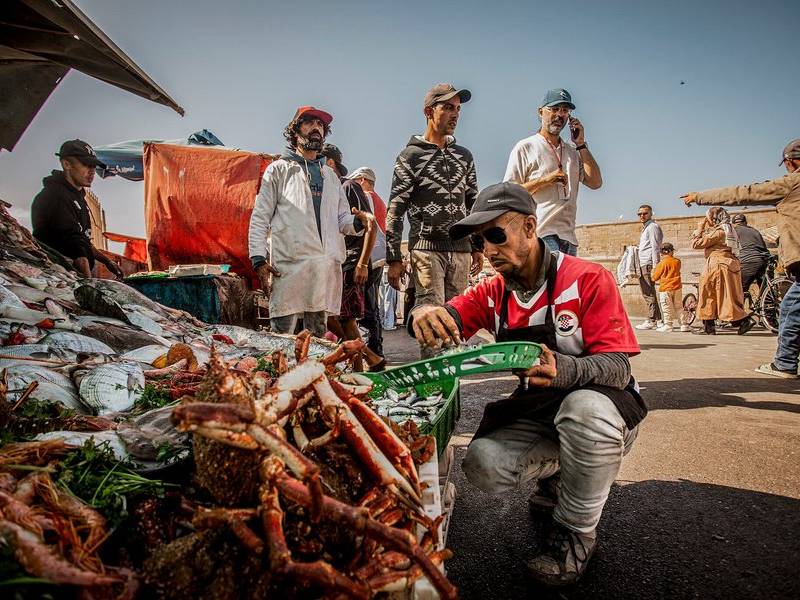
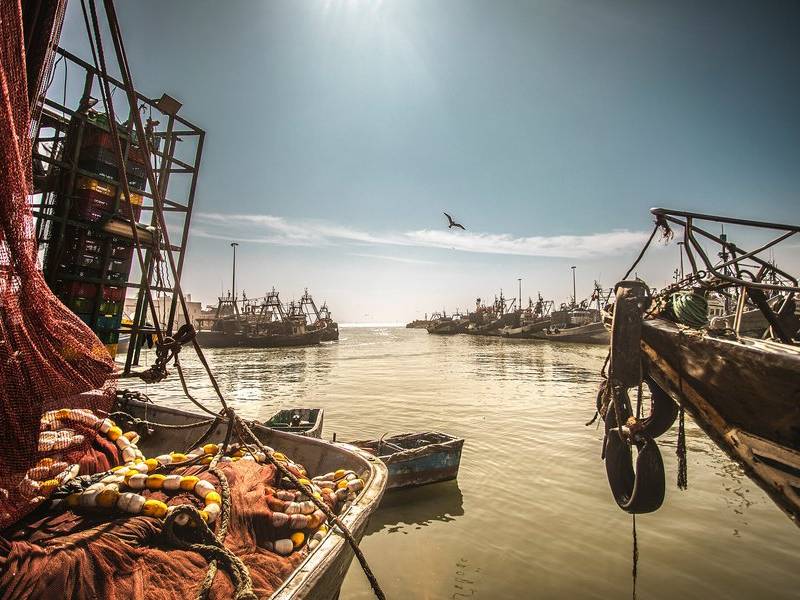
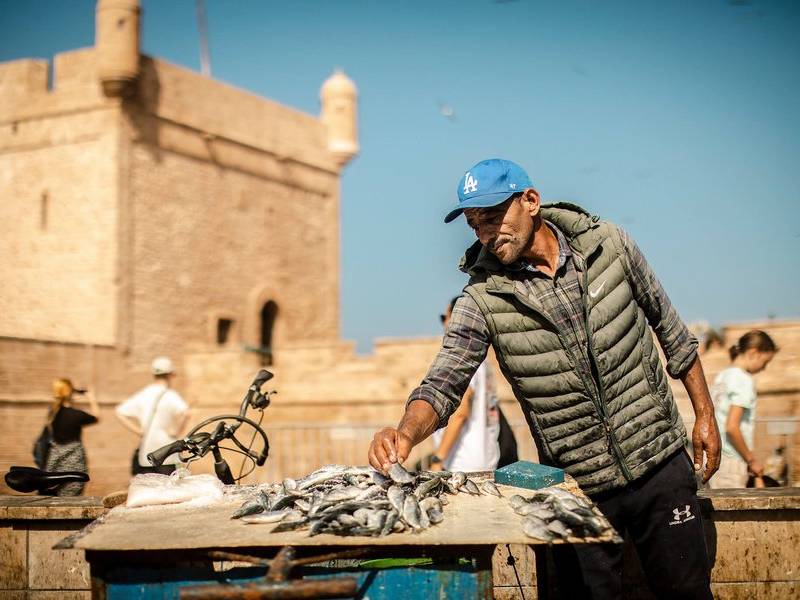
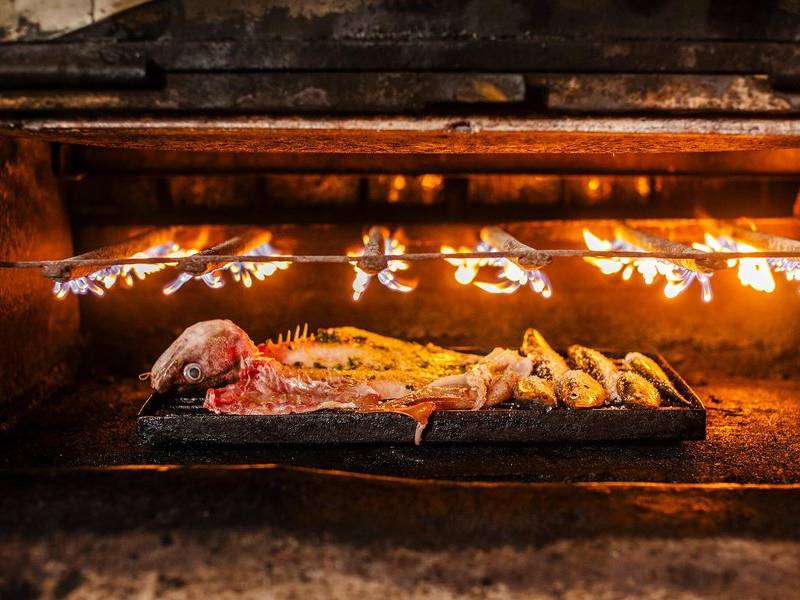
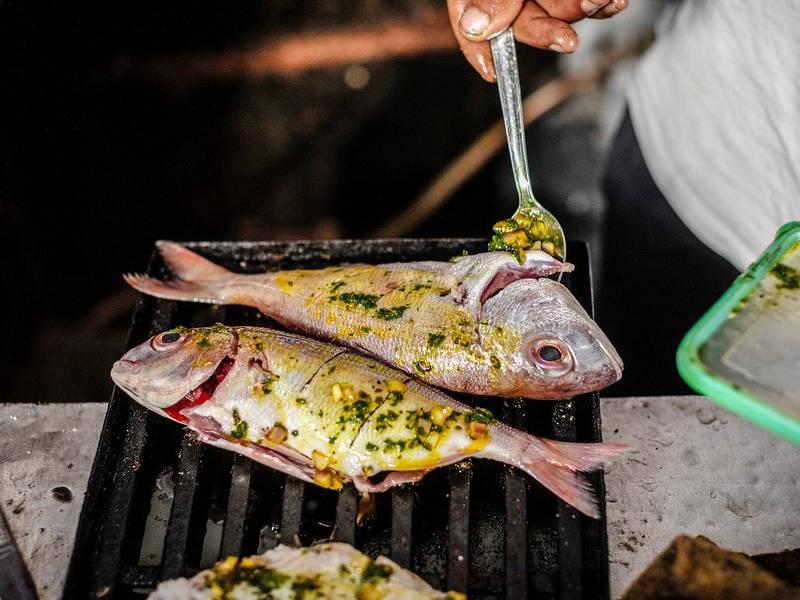
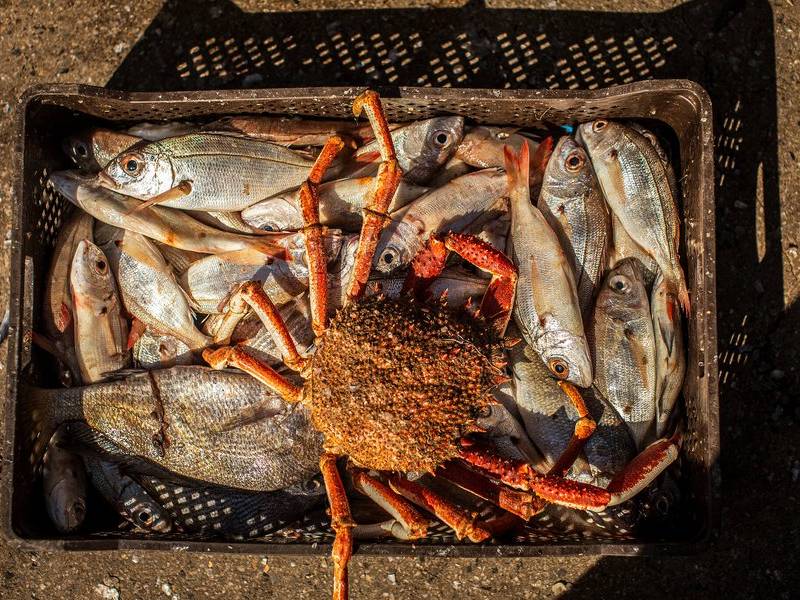
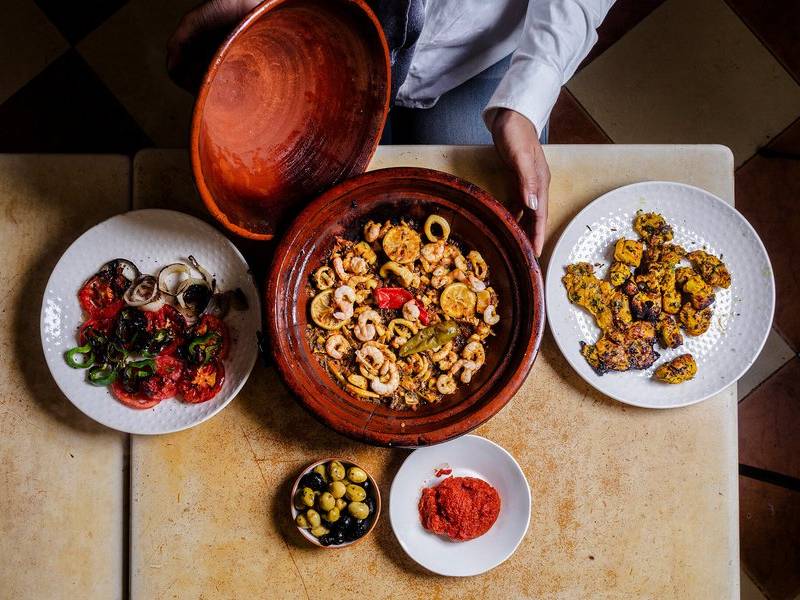
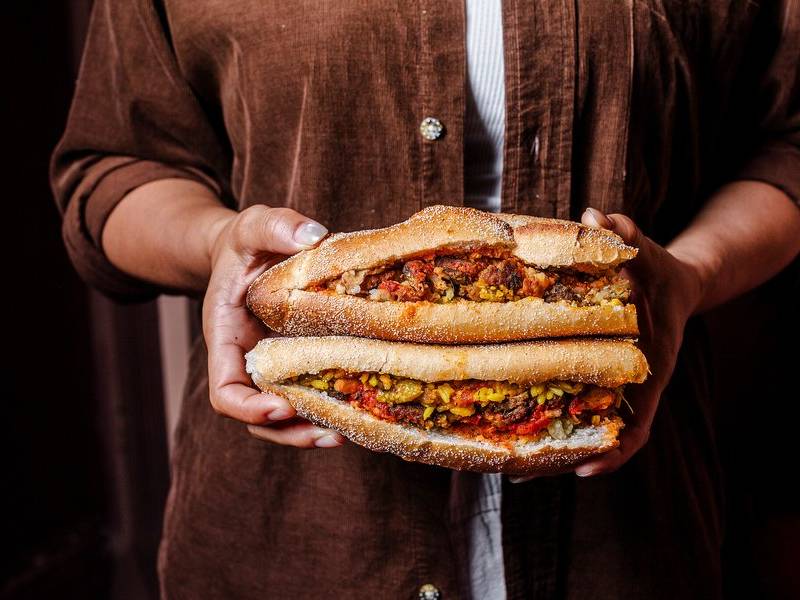
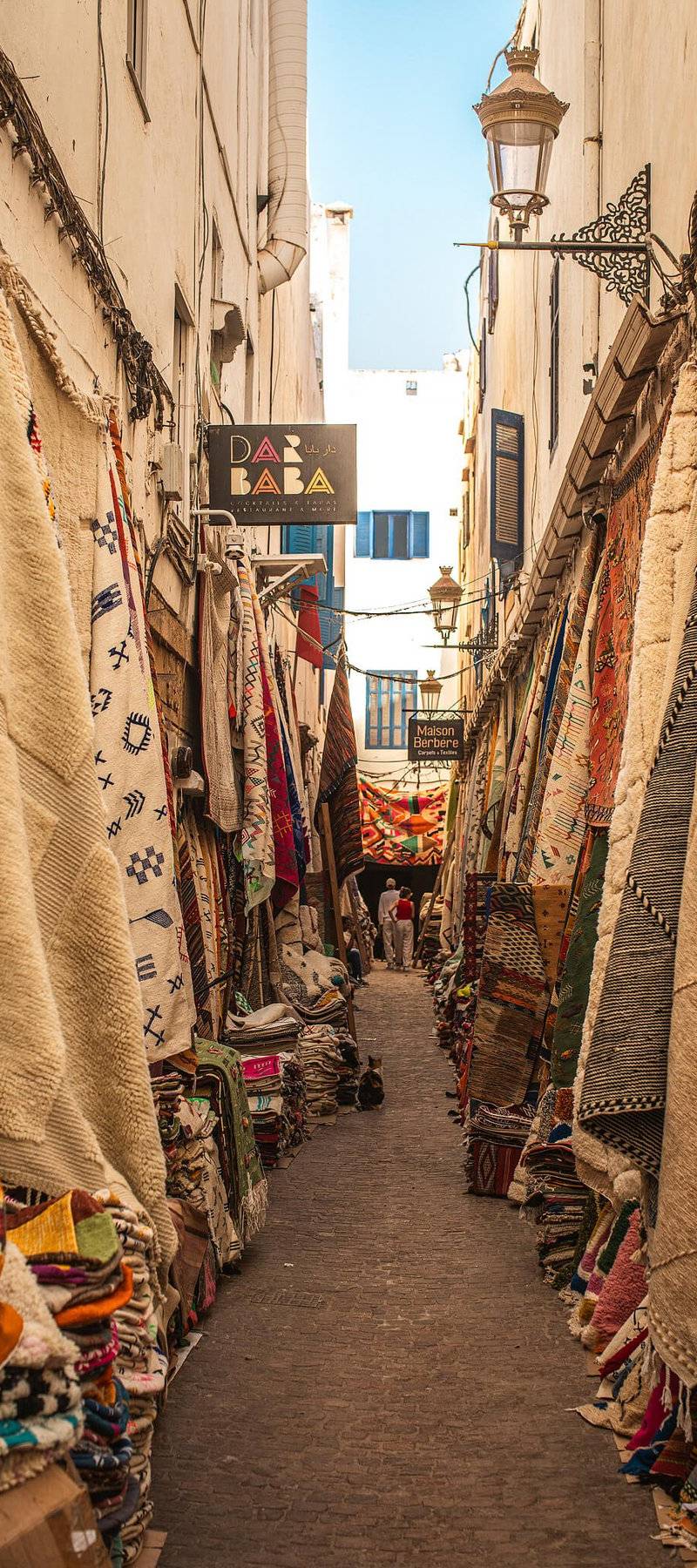
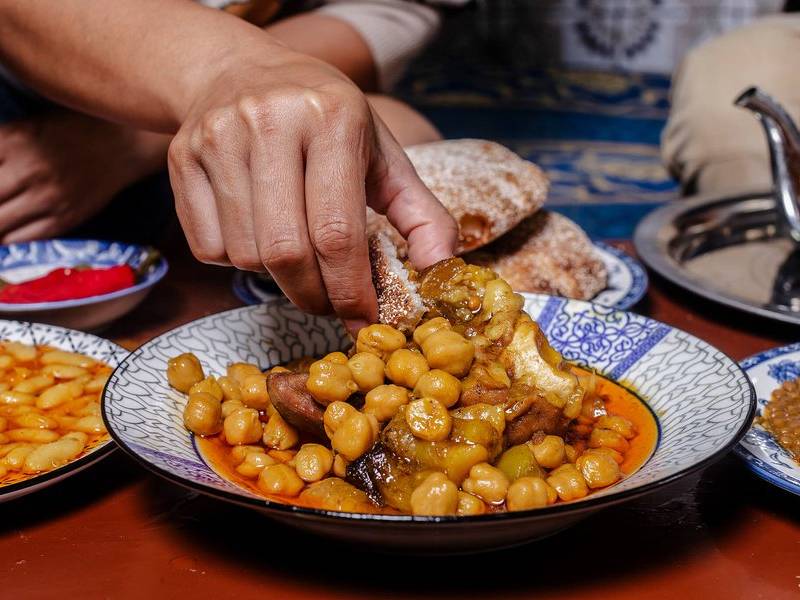
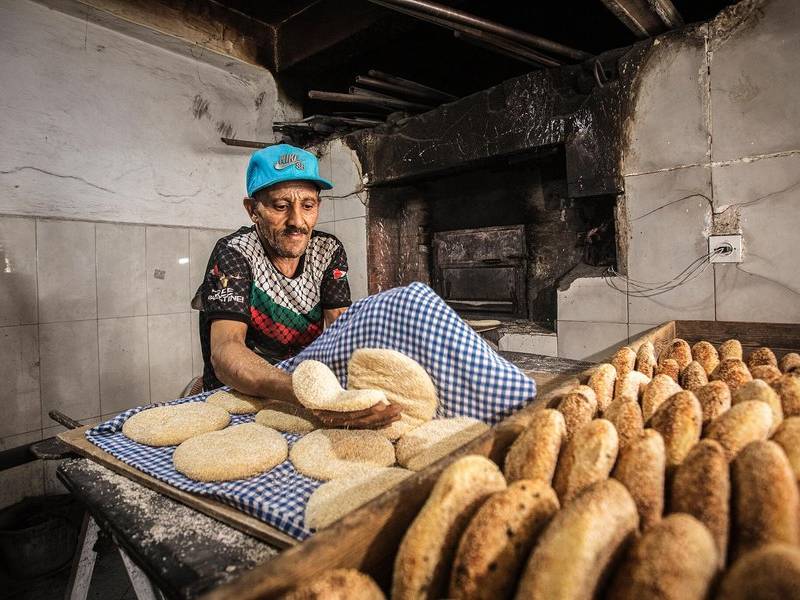
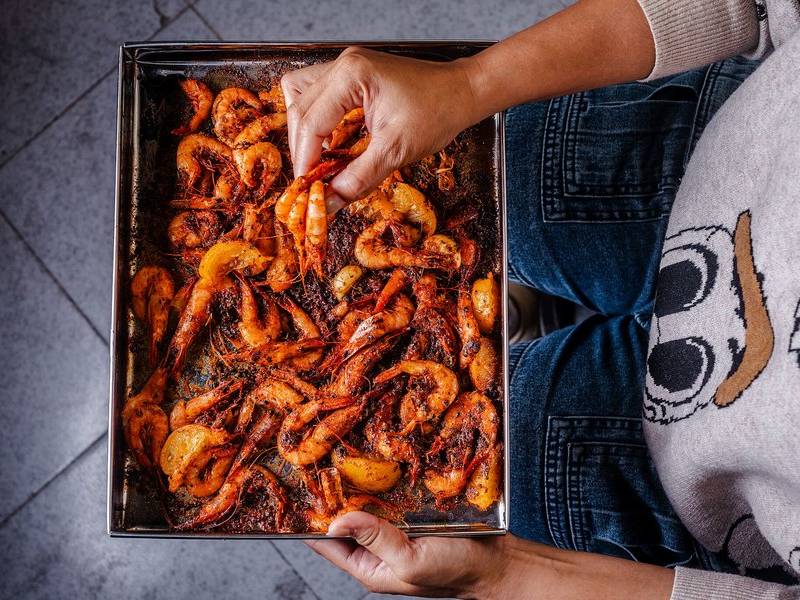
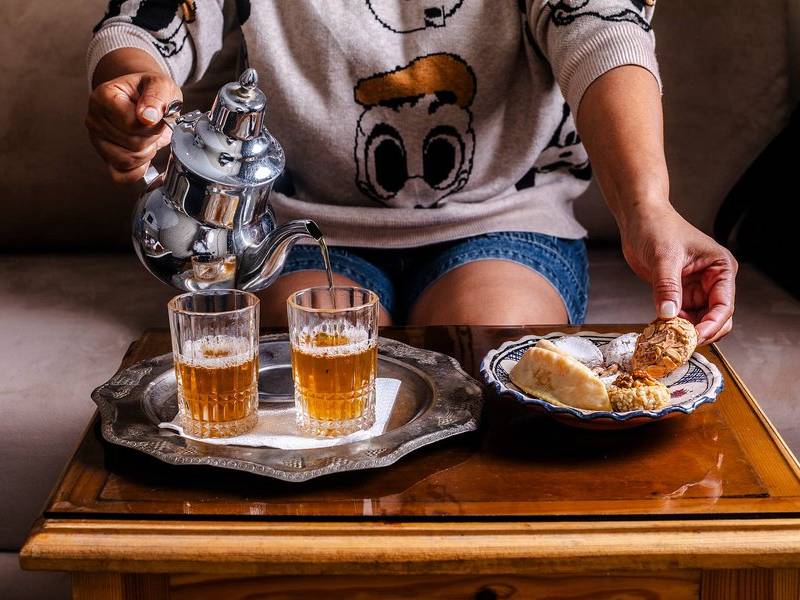
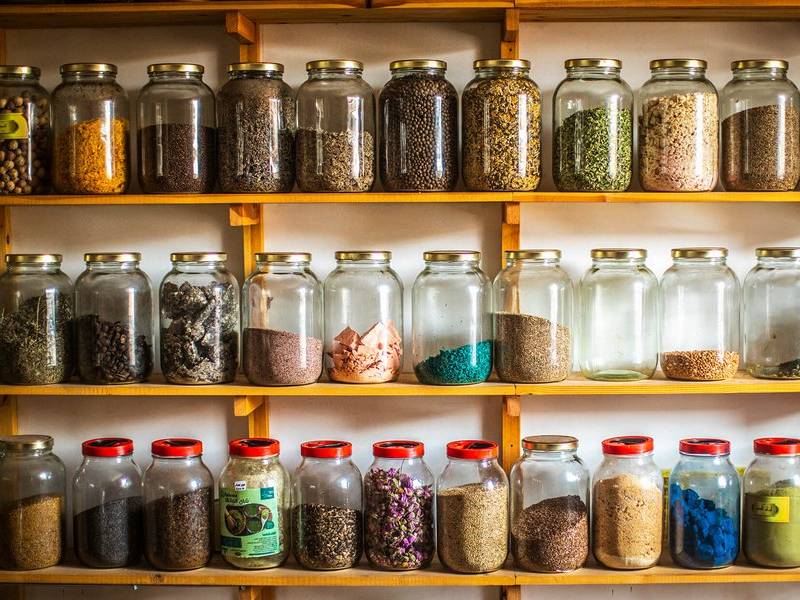
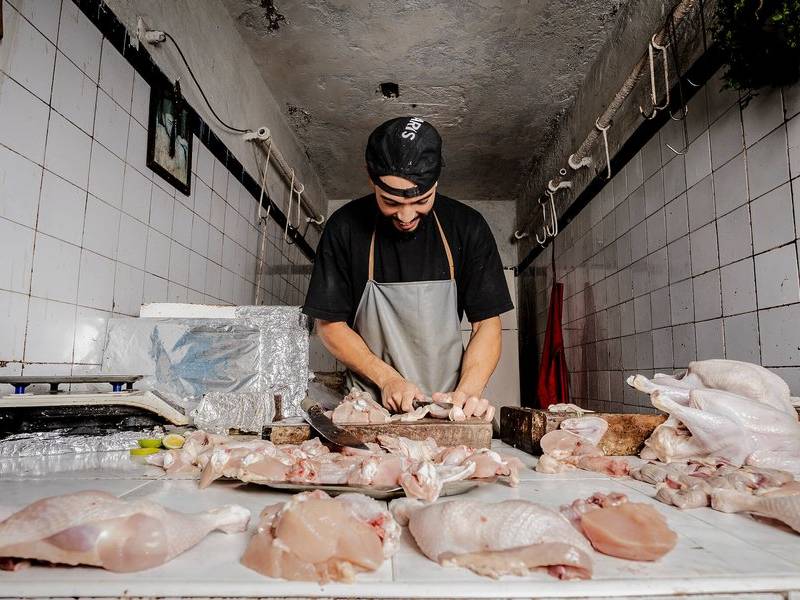
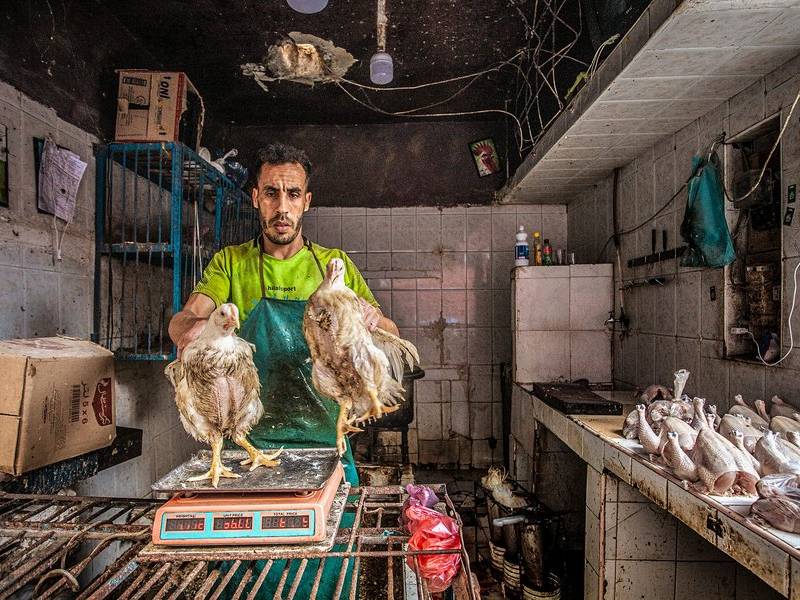
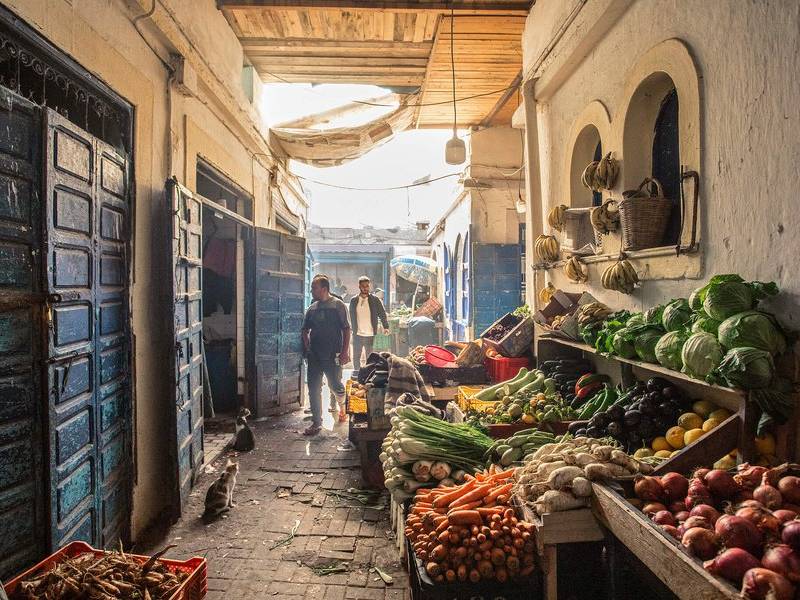
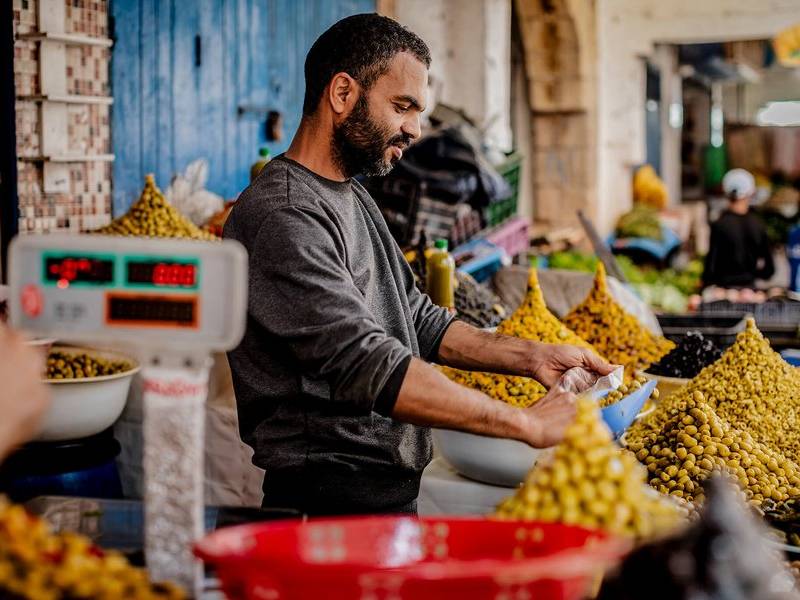
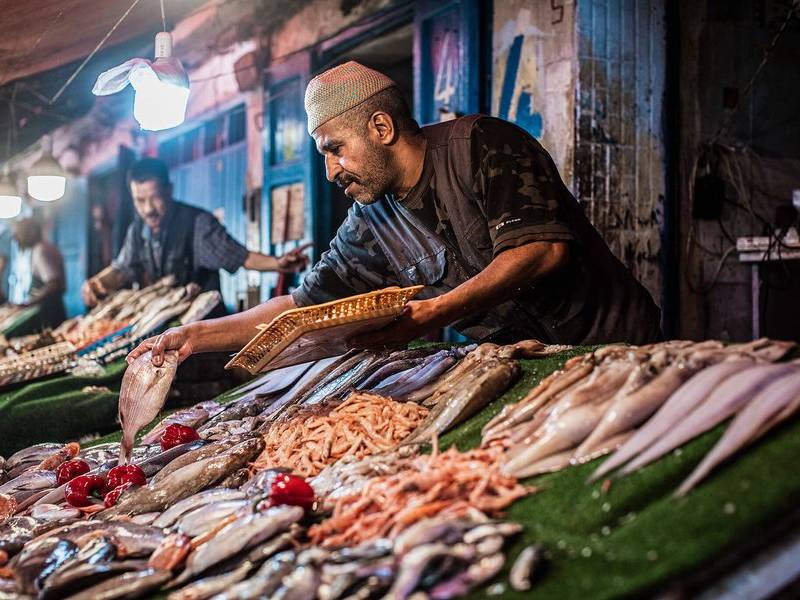
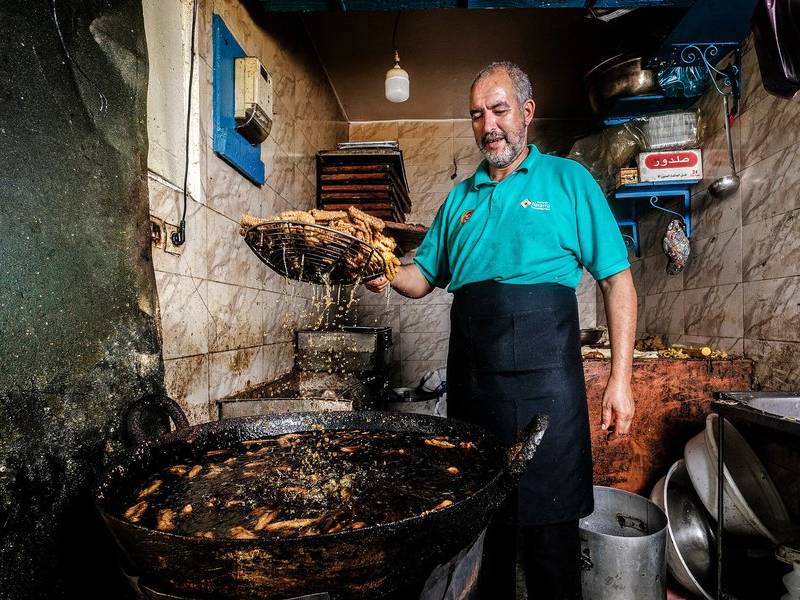
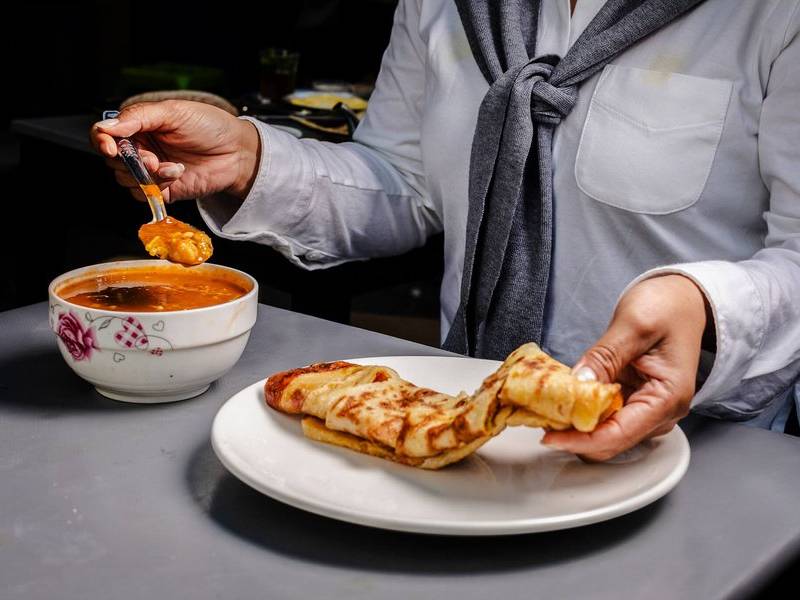
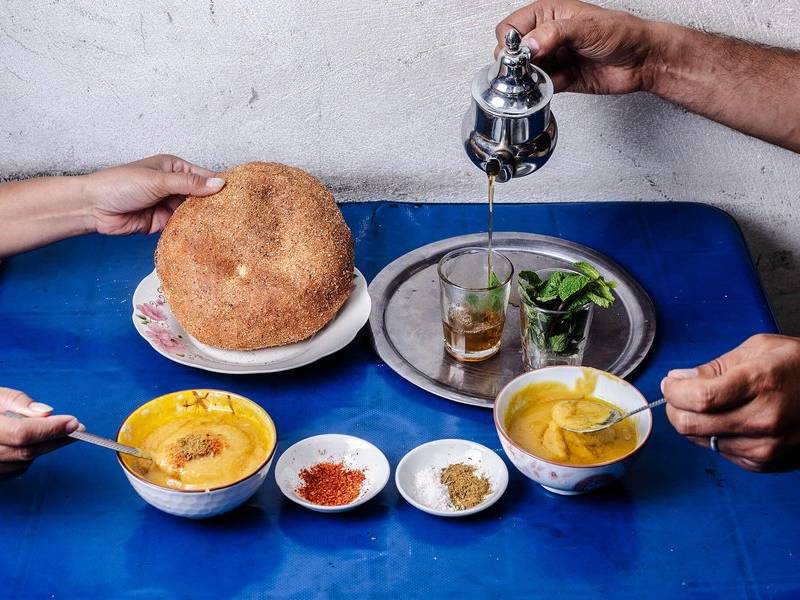
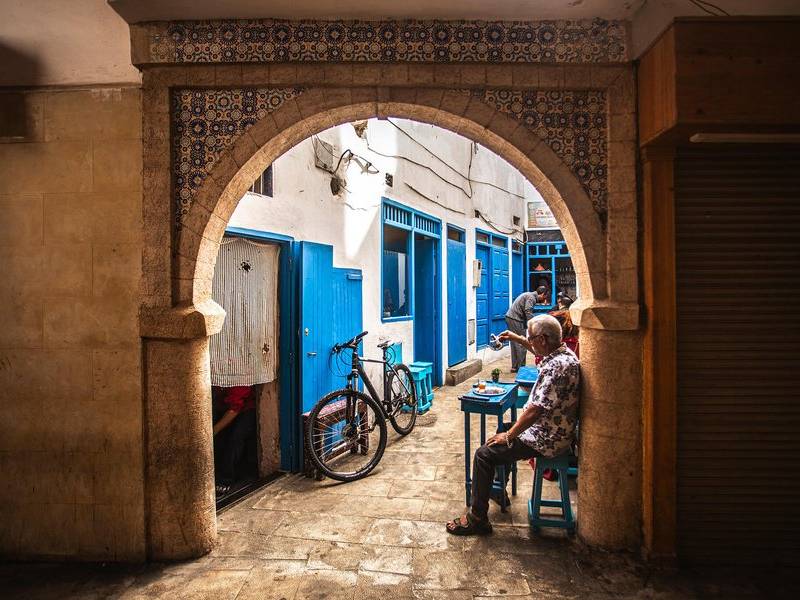
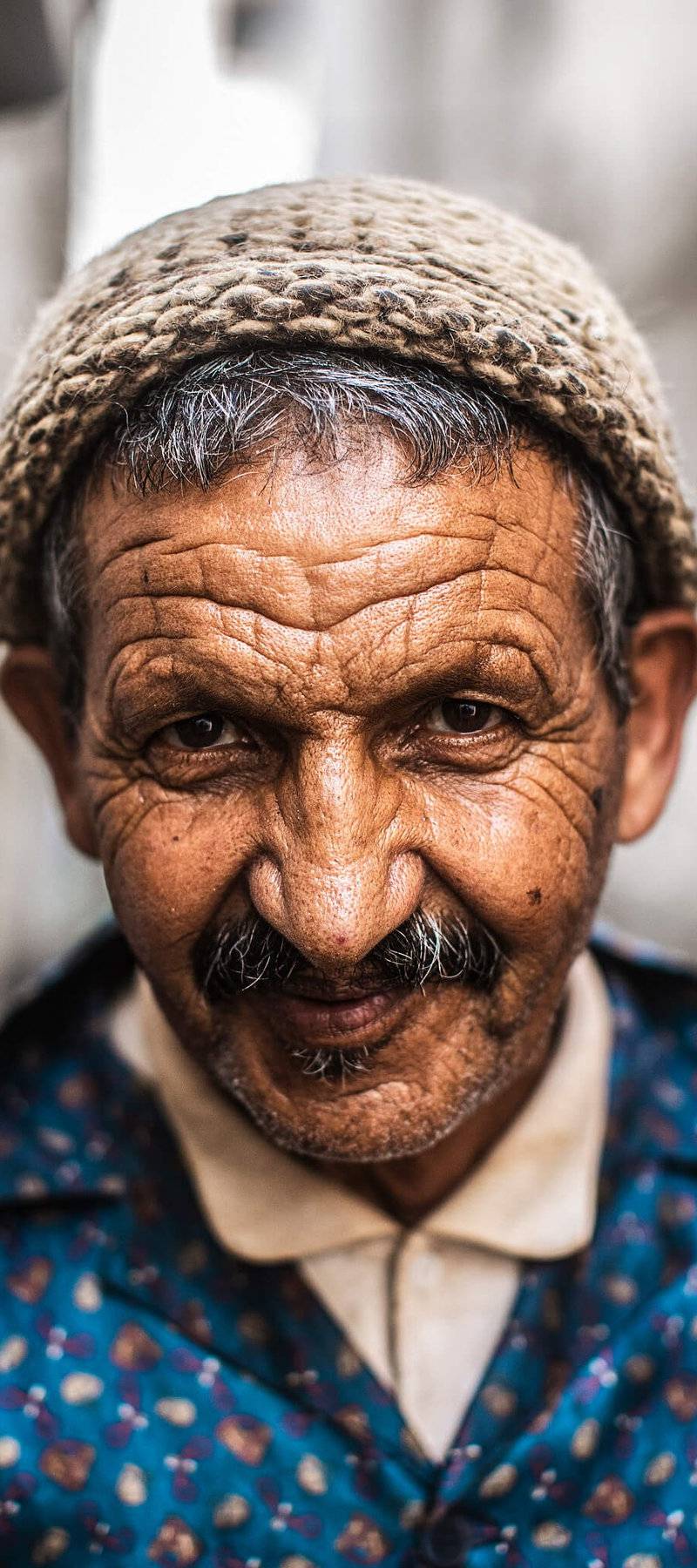
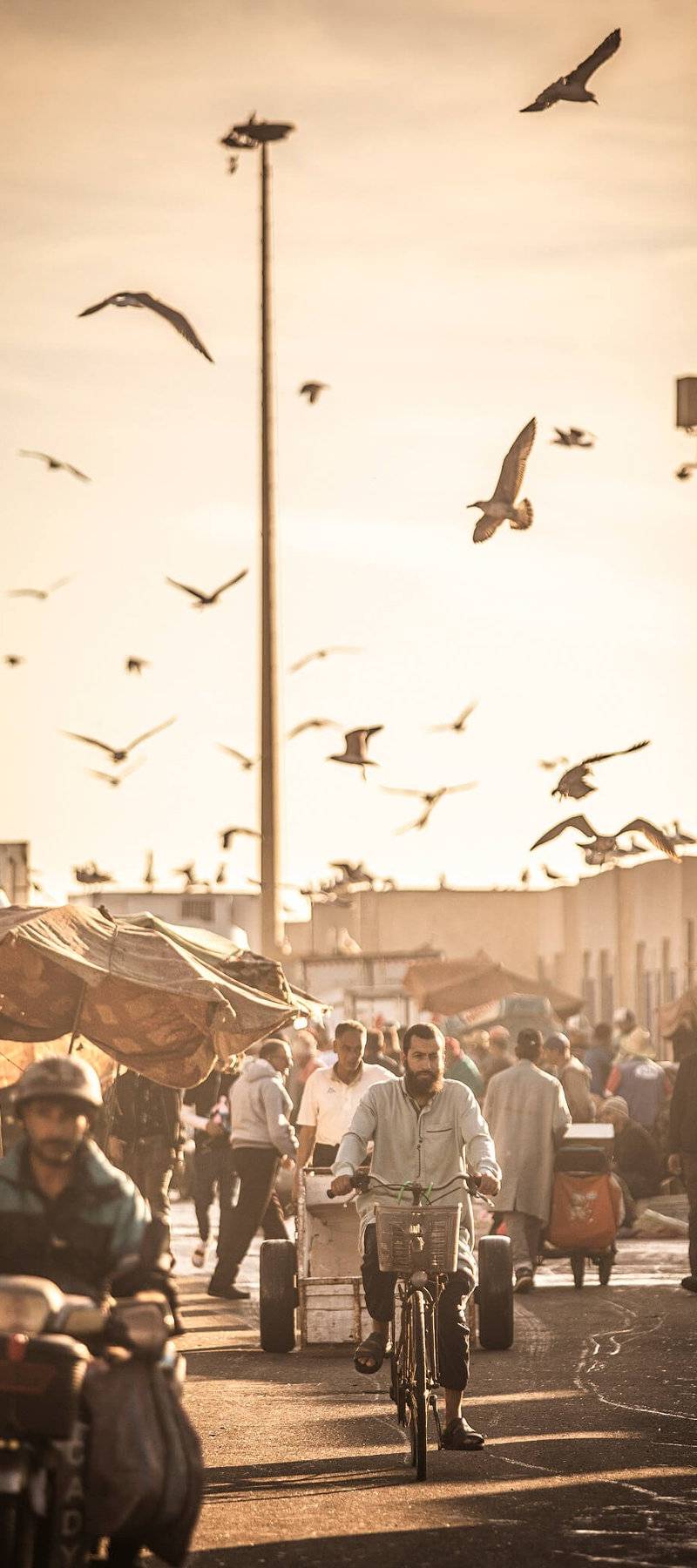
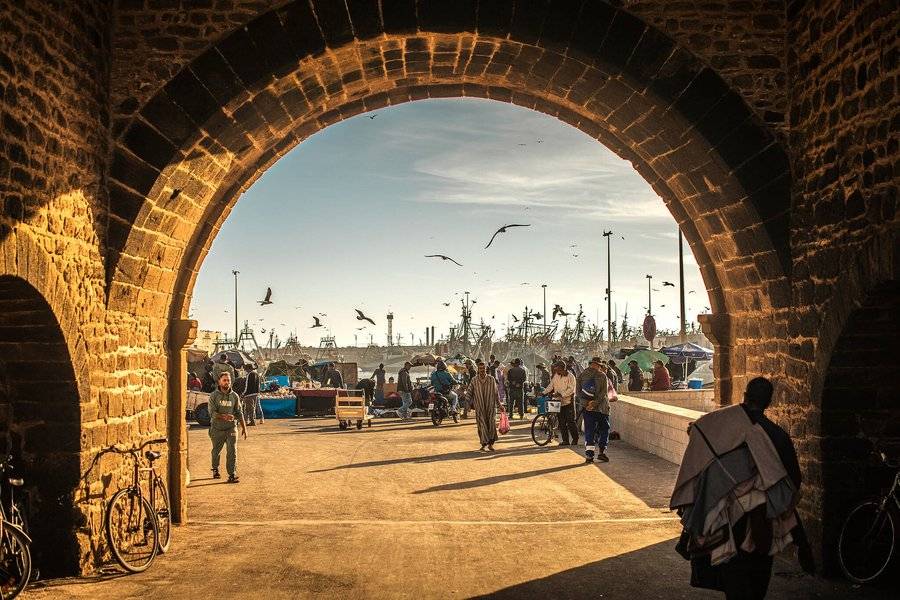
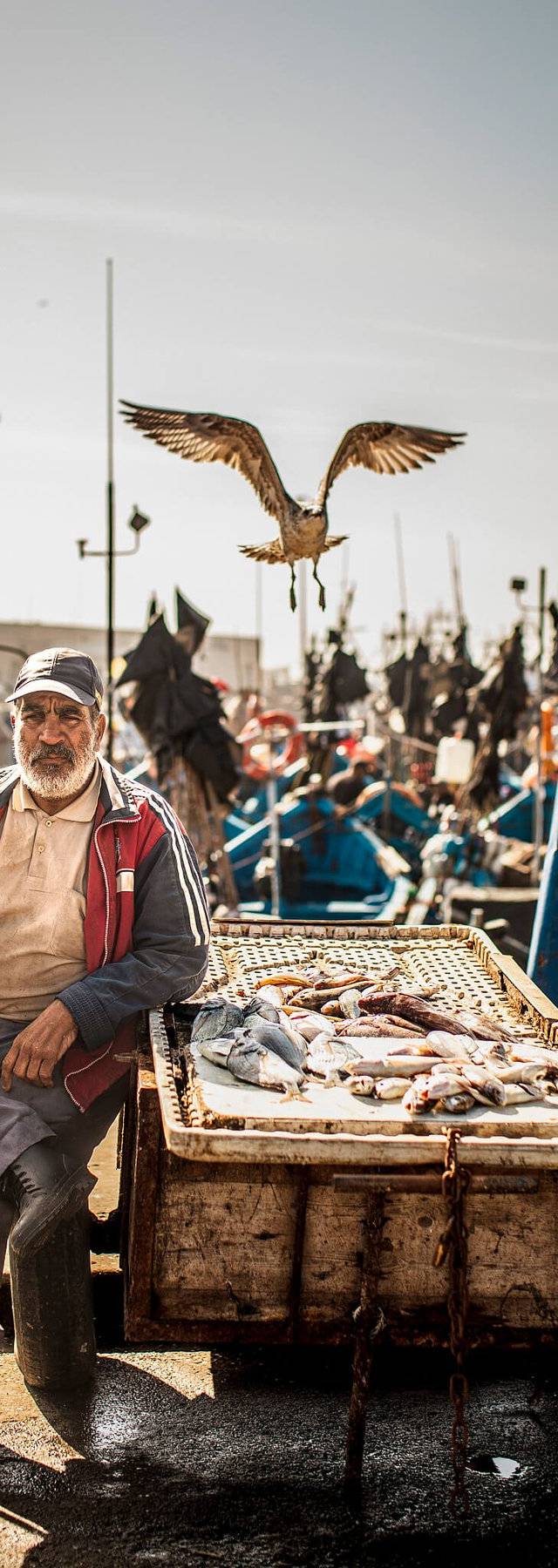
Grilled sardines at the port, tagine of blue crab, argan oil in the msemen, gnaoua sea urchin. Essaouira eats what the Atlantic delivers each morning.
04 The pantry
- Blue crab, sweet Atlantic crab from the harbour
- Argan oil, pressed in the town's argan cooperatives
- Sardines, silver Atlantic catch from the port
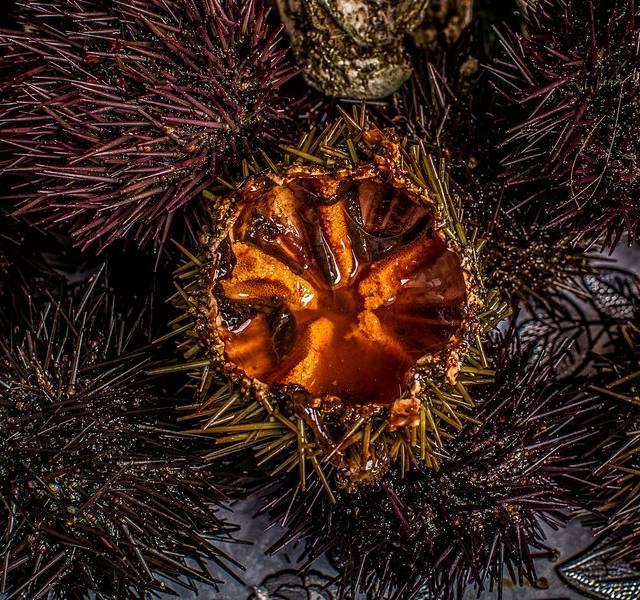
- Sea urchins, harvested from the rocks by local divers
- Chermoula, herb and spice marinade for every grilled fish
05 In the kitchen
- Grilling day's catch on the harbour braziers for lunch
- Cracking blue crab for the tagine of the same name
- Pressing argan oil the old way in the cooperatives
- Slow-cooking tagines of fish and preserved lemon
- Blending amlou with local honey and almonds
06 Eat this first
- Grilled sardines, from the harbour braziers dressed with chermoula
- Tagine of blue crab, sweet crab stewed with tomato and preserved lemon
- Amlou, argan and almond paste sweetened with honey
- Msemen, flaky square flatbread torn for the honey and butter dip
- Sea urchin, cracked open on the rocks and eaten with lemon


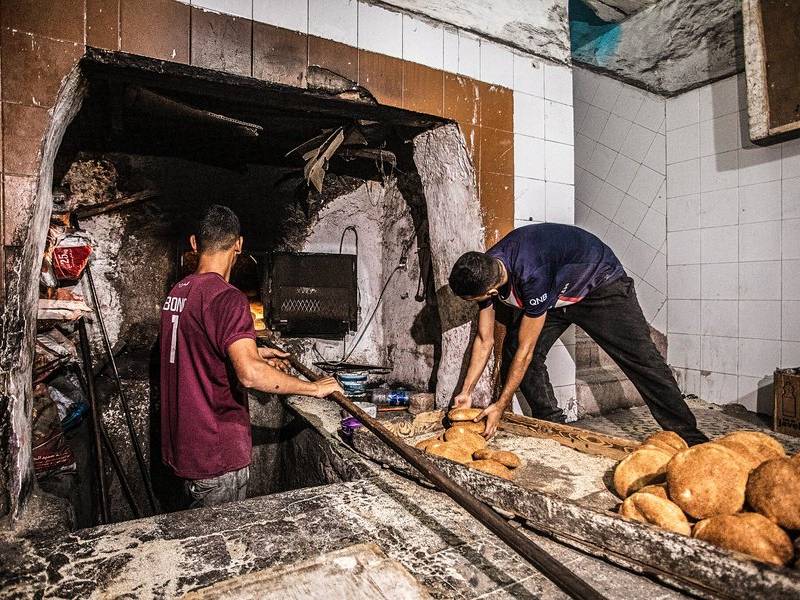
What happens inside a hammam kitchen
A morning with the cooks who feed the neighbourhood before dawn. Charcoal, dough, the smell of a bakery working its second oven.
09 Recipes
A collection of authentic recipes we couldn't leave behind.
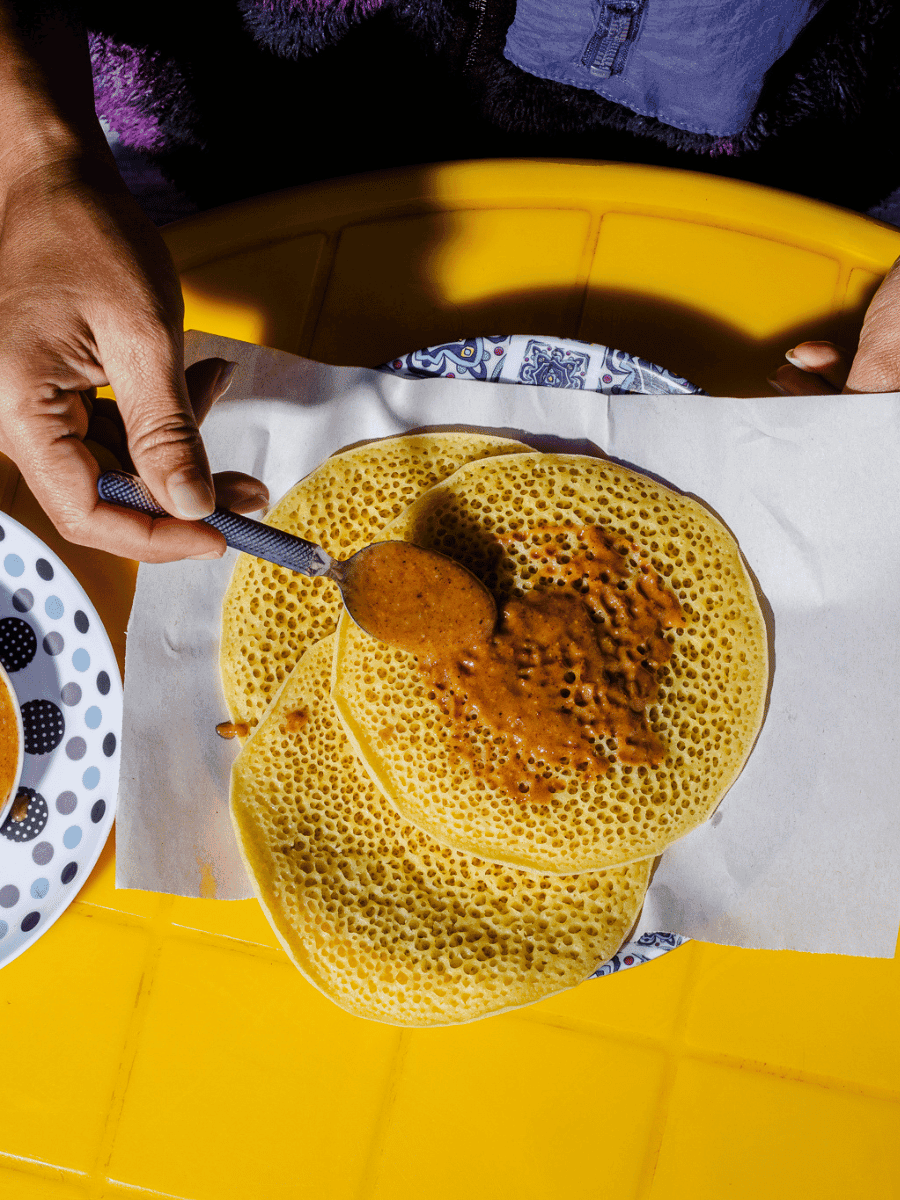
Soft yeasted semolina pancakes covered in a thousand tiny bubbles, cooked on a hot skillet on one side only. Morocco's spongy honey-soaked breakfast.

Spicy merguez lamb sausages grilled hard, tucked into a crusty baguette with sliced tomato, chili sauce and pickles. Tangier's Spanish-Moroccan street lunch.

Cannellini or white beans simmered in tomato, garlic, cumin and paprika until soupy-tender. The Moroccan winter one-pot, eaten with khobz.

Small triangular or cigar-shaped pastries stuffed with spiced meat, cheese or almond paste, fried crisp. Morocco's cocktail-party appetiser, sold at every souk stand.

Sweet, thick set yogurt made from whole milk and rennet, scented with orange blossom. Morocco's oldest dessert, spooned from small clay jars.

Slow-cooked chicken tagine with preserved lemons, cracked green olives and a saffron-onion sauce. Morocco's Friday-lunch classic, eaten with khobz.
10 Field Notes
Quick field notes to help you get accustomed to Essaouira.
Weather
Atlantic coast. Cooler and windier than inland Morocco year-round (18–24°C in summer, 12–18°C in winter). The trade winds make it a windsurfing capital; layers help even in July.
Currency
The Moroccan dirham (MAD). Cash is standard in the medina and port, cards in mid-range restaurants and riads. ATMs are near the medina walls.
Language
Moroccan Arabic (Darija) is spoken everywhere. French is common. Berber (Tashelhit) is heard in the surrounding villages. Basic English works in tourist areas.
Etiquette
Modest dress in the medina. Cover shoulders and knees. Ask before photographing people, especially fishermen at work in the port.
Getting around
The medina is walking-only inside the ramparts. Petits taxis (blue in Essaouira) cover the newer areas cheaply. Buses and grand taxis link to Marrakech in about three hours.
Prayer
Five calls to prayer daily. The wind occasionally carries the call over the ramparts and out to sea. Friday afternoons briefly slow the medina.