
Destination
Manila
The story
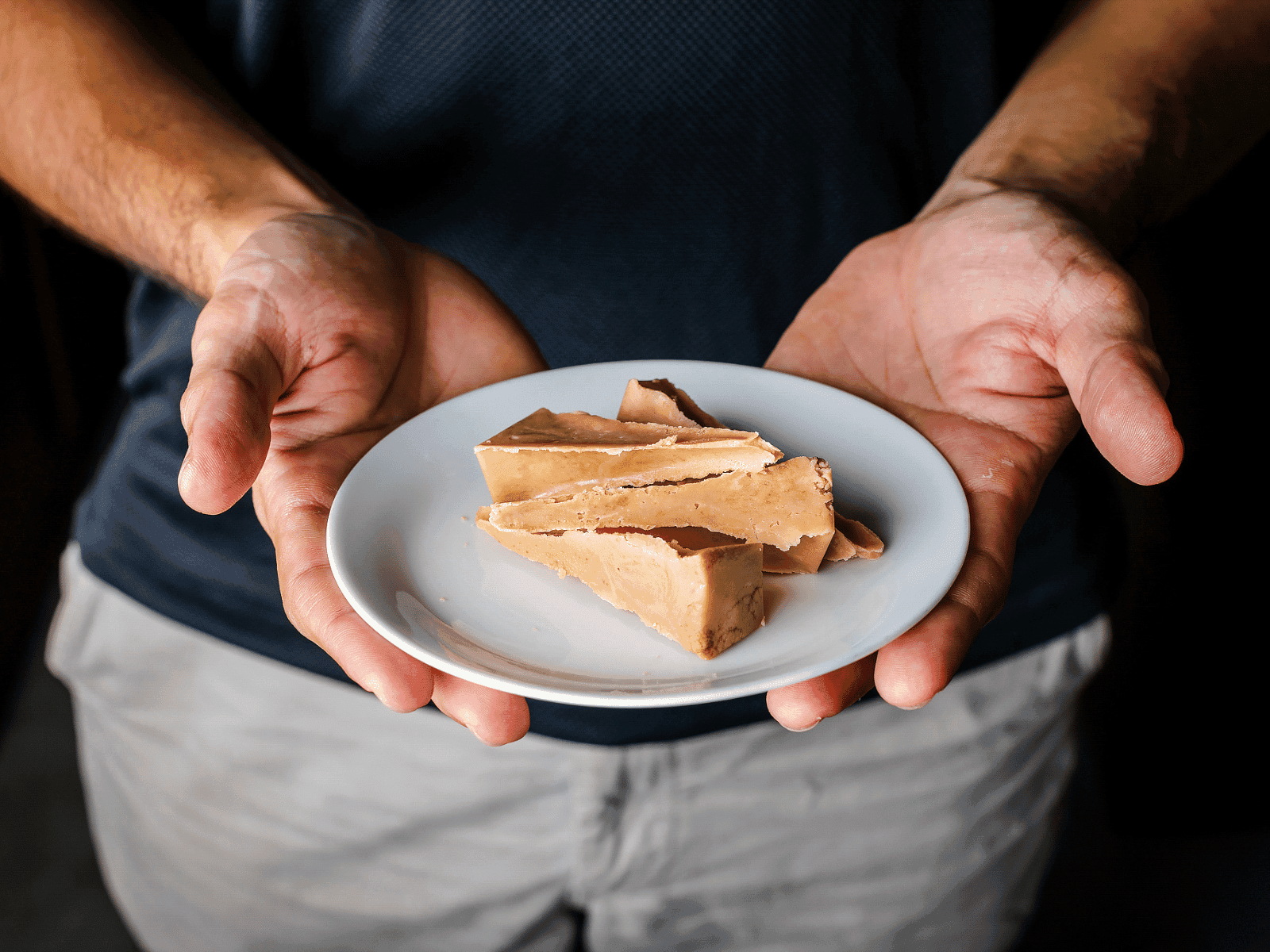
Yema is one of the Philippines' oldest and most-shared homemade sweets: a soft, faintly-chewy caramel candy made from egg yolks, sweetened condensed milk and butter, cooked on the stovetop until it thickens into a spoonable paste, cooled slightly, then shaped by hand into small balls or pyramids. Traditional yema is wrapped in cellophane; modern versions are dipped in caramelised sugar for a crackly shell, or dusted with cocoa powder. Sold at every Filipino sari-sari (corner shop), given as gifts at Christmas and school events, and made in every Filipino household for merienda (afternoon snacks). Very sweet, dangerously eatable, small enough to eat 6 in one sitting.
Method
In a heavy saucepan (not on the heat yet), whisk together the egg yolks, condensed milk and evaporated milk (if using) until fully combined and lump-free.
Set the saucepan over low heat. Stir constantly with a wooden spoon or silicone spatula — do not stop stirring, or the yolks scramble. Cook 25 to 35 minutes, until the mixture thickens progressively from a thin sauce to a heavy pudding to a thick paste that pulls from the sides of the pan.
The yema is ready when a spoonful holds its shape on a plate and does not spread. If you're worried about undercooking, cook an extra 5 minutes.
Off the heat, stir in the butter, vanilla and salt. The mixture will smooth out. If your yema seems too soft, whisk in the cornstarch slurry and cook another 3 minutes until fully thickened.
Pour the yema into a bowl and cool completely at room temperature (about 45 minutes), then refrigerate 30 minutes so it's easier to shape.
Roll pieces of the cooled yema between your palms into small balls (2cm) or pyramids (2cm base). Set on baking paper. Repeat until you have about 30 pieces.
For plain: wrap each yema in a square of cellophane, twisting the ends. For sugar-coated: roll each ball in caster sugar. For a caramel shell: caramelise sugar + water + lemon juice in a small pan to a deep amber; using a fork, dip each ball briefly to coat, then set on paper to harden.
Serve at room temperature. Yema keeps in an airtight tin at cool room temperature for 2 weeks (unwrapped) or 3 weeks (individually wrapped in cellophane). Refrigerate if humid; the yema is very sticky when warm.
Tips
- Stir constantly. Do not stop. The moment you stop stirring, the egg yolks curdle. Low heat plus constant motion is the technique.
- Low heat, not medium. High heat scrambles the eggs into lumps. Low heat gives you a smooth, silky paste.
- Cook to thick paste. Under-cooked yema is too soft to shape; over-cooked is dry and grainy. The test is a spoonful holding its shape on a cold plate.
- Cool before shaping. Hot yema is too soft to handle. Refrigerate 30 minutes for easy shaping.
- Cellophane wrap is classical. Small squares of coloured cellophane twisted at the ends give you the classical Filipino yema look. Any craft or bakery-supply shop stocks it.
More recipes
View all
Pillowy purple-tinged steamed buns stuffed with a sweet ube-and-coconut filling. Manila's modern take on the classical Chinese-Filipino siopao.

Simple, pillowy Chinese-Filipino steamed white buns eaten with sweetened condensed milk. Manila's kopitiam breakfast staple.

Open-top dumplings filled with pork, prawn and water chestnut, steamed in bamboo baskets and served with a fierce chili-garlic-calamansi soy sauce.
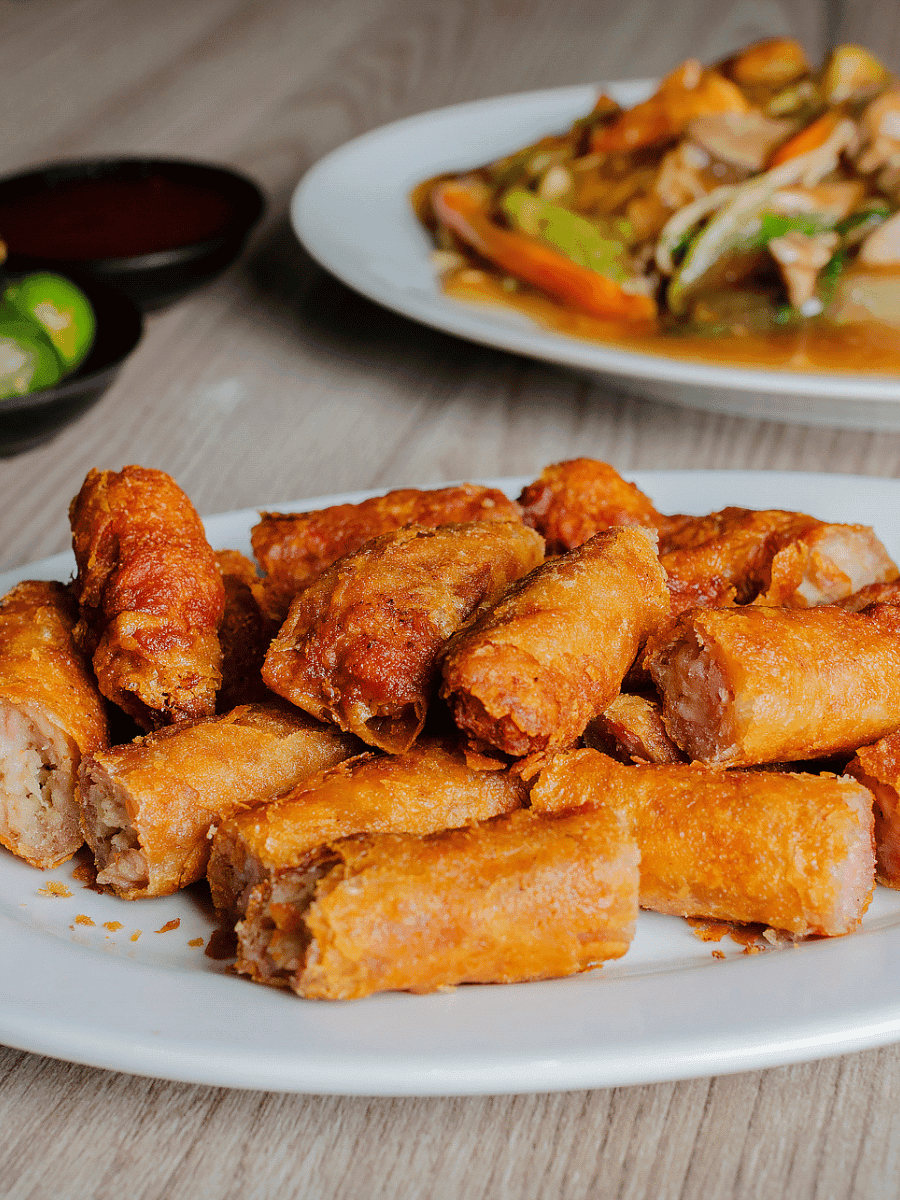
Thin, crisp pork-and-vegetable rolls fried to a shatter, dipped in banana ketchup or a sweet chili vinegar. The Philippines' party finger food.
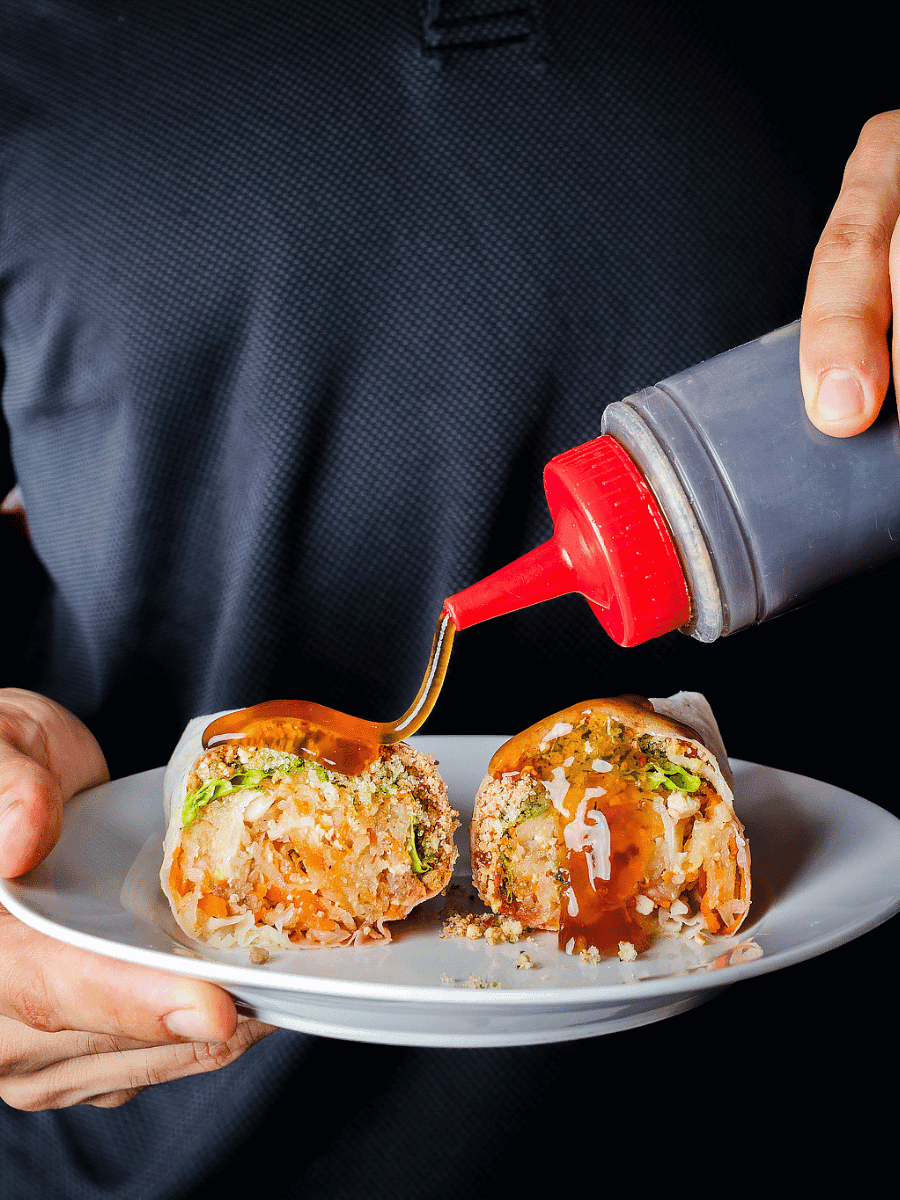
Fresh lumpia wrappers filled with sautéed pork, prawn, vegetables and peanuts, wrapped in lettuce and dressed with a sweet garlic-peanut sauce.

Chicken marinated in soy, calamansi and garlic, dredged in seasoned flour and deep-fried until deep gold. Filipino Sunday-lunch fried chicken.