

Destination
Manila
The story
Lumpiang shanghai — fried lumpia, or "Shanghai" as it's colloquially called — is the Philippines' most-requested party food and the dish every Filipino family member reaches for first at any celebration: thin cigar-shaped spring rolls stuffed with a mixture of ground pork, minced carrot, water chestnuts, spring onion and seasonings, rolled tight in a thin lumpia wrapper, deep-fried until deep golden and shatteringly crisp, cut into 3 or 4 short pieces and served with a small dish of banana ketchup (the sweet Filipino tomato-and-banana condiment) or a sweet chili vinegar dip. Sold at every Filipino turo-turo lunch counter, at every fiesta food table, and made in every Filipino home for gatherings — often 100 pieces at a time.
Method
In a large bowl, combine all filling ingredients. Mix thoroughly with your hands for 2 minutes so everything is fully incorporated and slightly sticky. Rest 15 minutes at room temperature.
Fry a small teaspoon of the filling in a pan 2 minutes until cooked through. Taste and adjust with more salt, pepper or fish sauce.
Peel the lumpia wrappers apart carefully (they're fragile). Keep the stack under a lightly damp towel so they don't dry out. Have the beaten egg in a small bowl beside you.
Lay a wrapper on a work surface with a corner pointing toward you (diamond orientation). Place a heaped tablespoon of filling in a 10cm line just above the bottom corner. Fold the bottom corner up over the filling. Fold the left and right corners in over the filling to make a rectangle. Roll tightly from bottom to top. Seal the top corner with a dab of beaten egg. Repeat until you have 30 rolls.
Set the rolled lumpia on a tray with baking paper between layers. Refrigerate 30 minutes to firm up (or freeze — freeze on tray first, then bag them up; fry from frozen adding 60 seconds).
Warm the oil in a deep heavy pan to 175C. A test piece of wrapper should sizzle and turn golden in 30 seconds.
Fry 6 to 8 lumpia at a time for 3 minutes, turning, until deep golden and crisp all over. Drain on a wire rack (not paper).
Let cool 2 minutes on the rack. Cut each roll diagonally into 3 or 4 pieces. Arrange on a serving platter with small dishes of banana ketchup and sweet vinegar for dipping. Serve immediately with calamansi wedges and cold beer. Perfect for parties — make 60 or 100 for a crowd.
Tips
- Roll very tight. Loose rolls unravel in the fryer and let the oil in. A tight roll gives you the classical crisp cigar shape.
- Mince everything fine. Chunky vegetables poke through the wrapper and tear it during frying. Minced fine is the target — no piece larger than a grain of rice.
- Fatty pork. Pork with 20% fat gives a juicy interior. Very lean pork gives you dry, crumbly filling.
- Freeze ahead. Rolled lumpia freeze beautifully. Fry directly from frozen — no need to thaw. This is how Filipino families cater parties.
- Banana ketchup is the classical dip. This sweet, tangy, orange-red Filipino condiment is what makes fried lumpia taste specifically Filipino. Any Asian grocer stocks it.
More recipes
View all
Open-top dumplings filled with pork, prawn and water chestnut, steamed in bamboo baskets and served with a fierce chili-garlic-calamansi soy sauce.
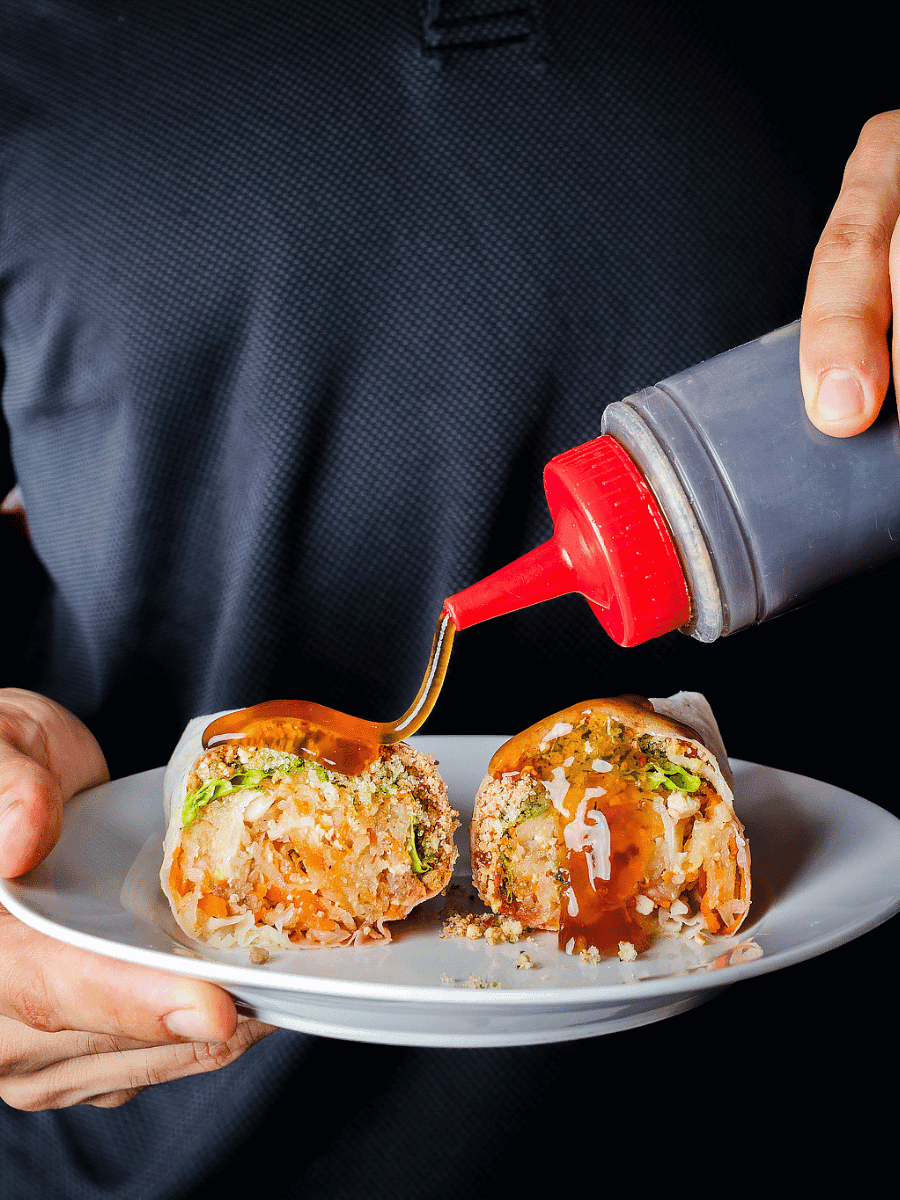
Fresh lumpia wrappers filled with sautéed pork, prawn, vegetables and peanuts, wrapped in lettuce and dressed with a sweet garlic-peanut sauce.

Wide flat rice noodles wok-fried hard with beef strips, bean sprouts and Chinese greens in a dark soy glaze. Manila's Chinoy fried noodle classic.

Egg noodles in a deeply-simmered beef broth, topped with pork wontons, slices of tender braised beef and blanched pechay greens. Manila's kopitiam comfort soup.
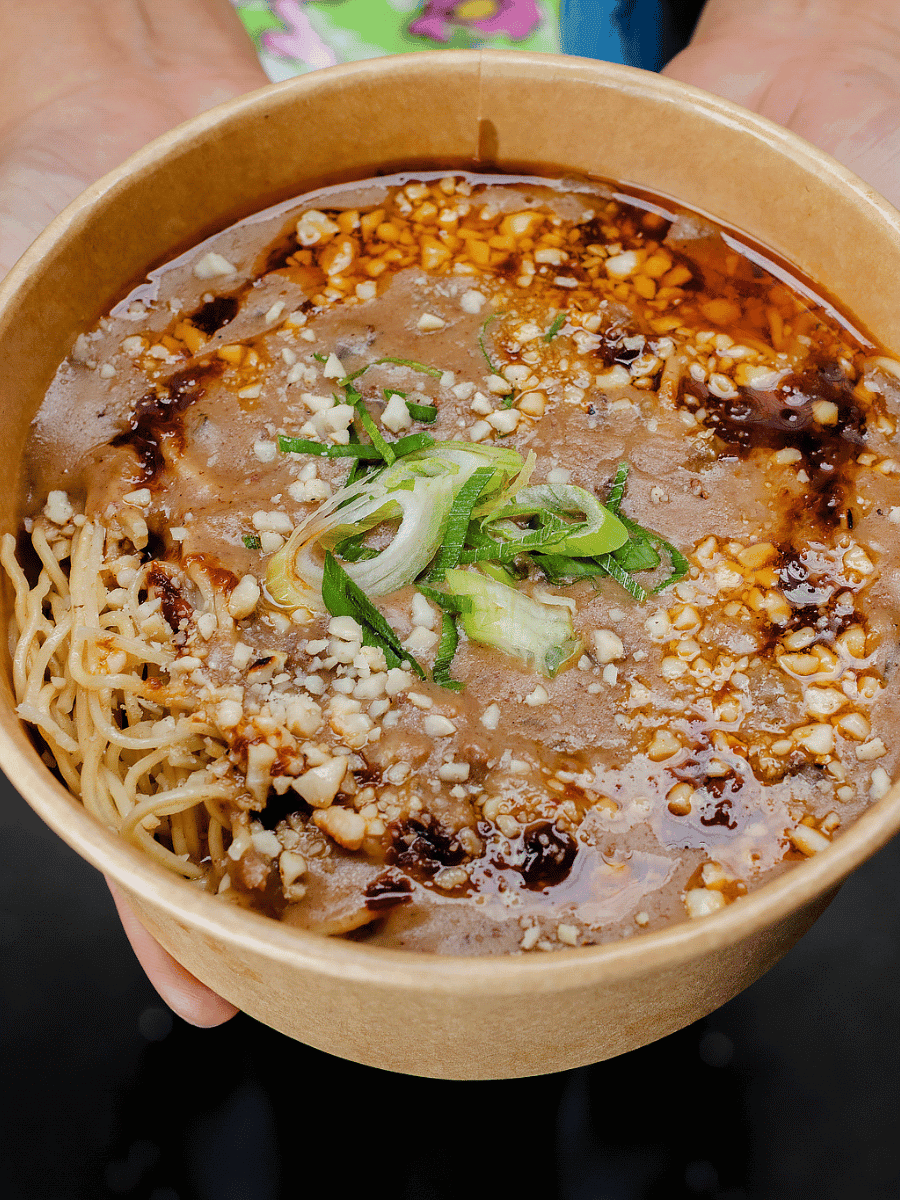
Slow-cooked oxtail and tripe in a thick peanut-annatto sauce, served with fermented shrimp paste (bagoong) and rice. The Philippines' Sunday-lunch stew.

Marinated pork loin glazed in a five-spice honey-soy sauce and slow-roasted until deep red at the edges. Manila's Chinese-Filipino roast pork.