
Destination
Ipoh
The story
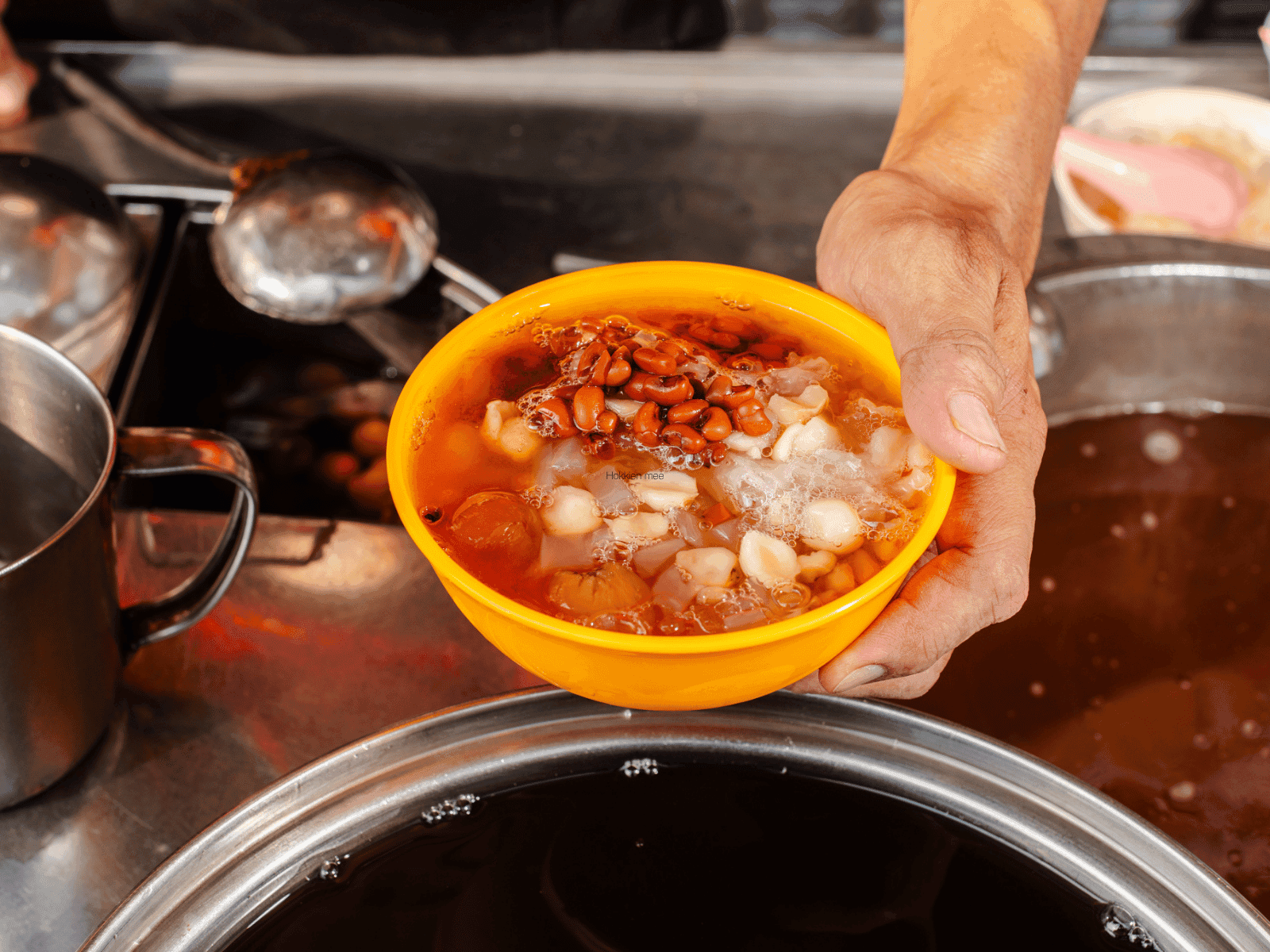
Si koh soup (also spelled si shen tang, from the Cantonese pronunciation of the Chinese "four spirits soup") is one of the most classic Chinese-Malaysian herbal tonic soups: pork ribs simmered slowly for 2 to 3 hours with four specific Chinese medicinal ingredients — fu ling (Chinese tuckahoe fungus), huai shan (Chinese yam), lian zi (lotus seeds) and qian shi (fox nut seeds) — into a clear, mildly savoury, slightly sweet broth that Chinese medicine associates with strengthening the spleen and stomach. Served in a small bowl at the start or end of a Chinese-Malaysian family meal, especially in the humid rainy season when the tonic properties are considered particularly welcome.
Method
Rinse the fu ling, huai shan, lian zi and qian shi under cold water. Soak them in a bowl of cold water for 30 minutes to soften.
Place the pork ribs in a large pot with the salt and enough cold water to cover. Bring to a boil and cook 5 minutes. Drain and rinse the ribs under cold running water (this removes any scum and gives you a cleaner-tasting final broth).
Return the blanched ribs to a clean pot. Add 2 litres of cold water, the soaked herbs (drained), the red dates and the ginger slices. Bring to a boil.
Reduce the heat to low. Cover partially with a lid and simmer 2 to 3 hours, stirring occasionally, until the pork is fork-tender and the broth is deep and slightly sweet.
In the last 10 minutes of cooking, add the goji berries. They plump up quickly in hot liquid and shouldn't be overcooked.
Season the broth with salt and white pepper. Taste; the soup should be mildly savoury and slightly sweet from the herbs. Don't over-salt; the tonic character comes from the herbs, not from strong seasoning.
Ladle into small bowls, making sure each portion has a few pieces of the herbs and a piece of pork. Serve at the start or end of a Chinese-Malaysian family meal.
Tips
- Buy a pre-mixed si shen packet if possible. Chinese medical halls sell small mixed packets labelled si shen tang ("four spirits soup") or Peking-medicated soup, containing the four herbs already portioned. It's cheaper and easier than buying each herb separately.
- Blanch the pork first. The 5-minute blanch and rinse removes scum and gives you a much clearer, cleaner-tasting final broth. Skipping this gives you a muddy, foamy soup.
- Simmer, don't boil. Long slow simmering is what extracts the specific tonic properties from the herbs. Aggressive boiling makes the broth cloudy and can turn the herbs bitter.
- Add goji berries at the very end. Adding them at the start makes them turn to mush and lose their bright red colour. Add in the last 10 minutes for the classic plump berries that make the soup look properly Chinese-medicated.
- Under-salt, not over-salt. Tonic soups are meant to be gentle. A subtle salt level lets the natural savoury-sweet character of the herbs come through. Over-salted si koh soup tastes like a regular chicken soup, not like a tonic.
More recipes
View all
Egg noodles and rice vermicelli in a deep, orange prawn-shell broth topped with poached prawns, hard-boiled egg, water spinach and fried shallots. Penang's most-loved noodle soup.

Malaysia's iconic street burger — a griddled patty wrapped in an egg-omelette blanket, mayonnaise, chilli sauce and Worcestershire, all crammed into a soft toasted bun.
Slices of crackling-skin roast pork belly served on a bed of steamed rice with dark soy and a scoop of pickled greens. Penang's coffee-shop lunchtime plate.
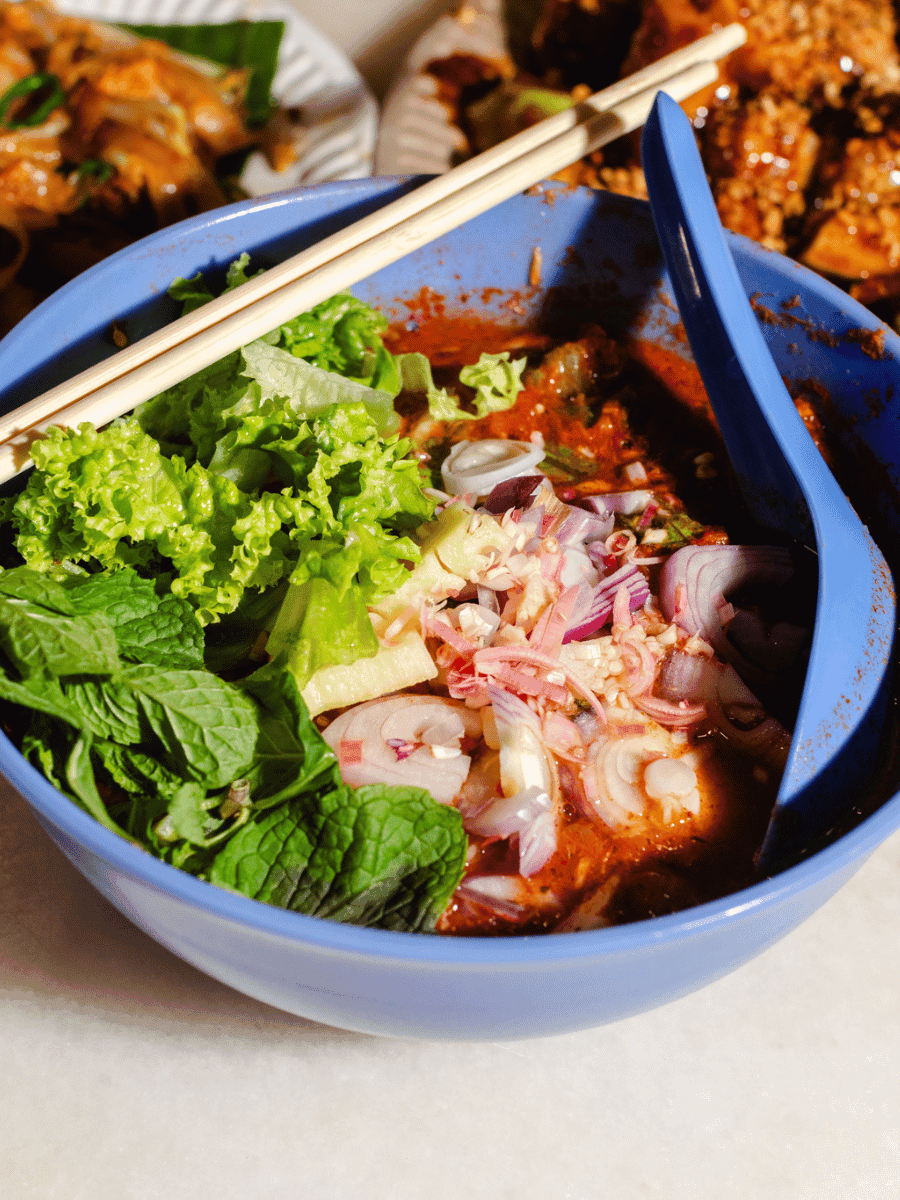
Thick rice noodles in a tart, spicy mackerel-and-tamarind broth topped with pineapple, mint, ginger flower and a spoon of black shrimp paste. Penang's most distinctive noodle soup.
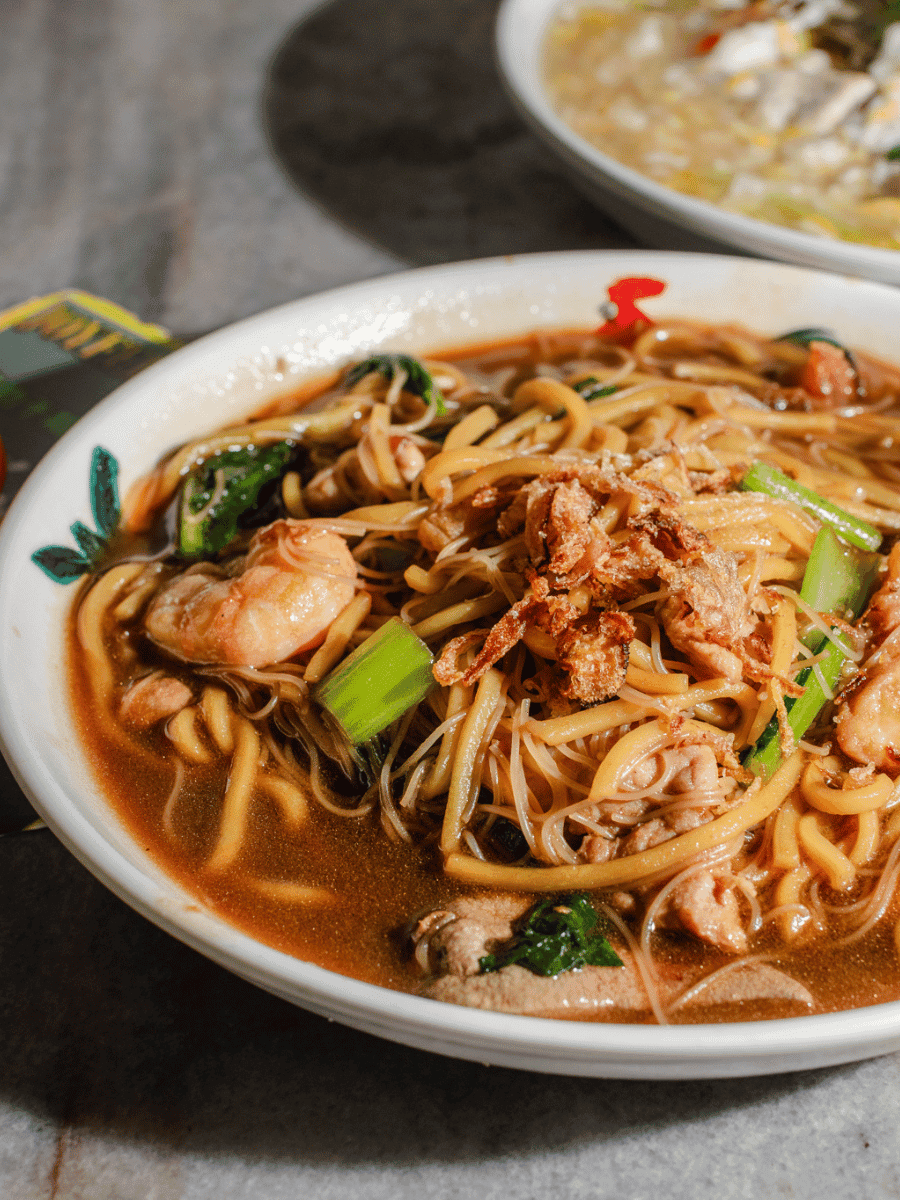
Thick yellow noodles stir-fried hard in a dark sweet soy glaze with prawns, squid, cabbage and slices of pork. KL's late-night black-noodle classic.
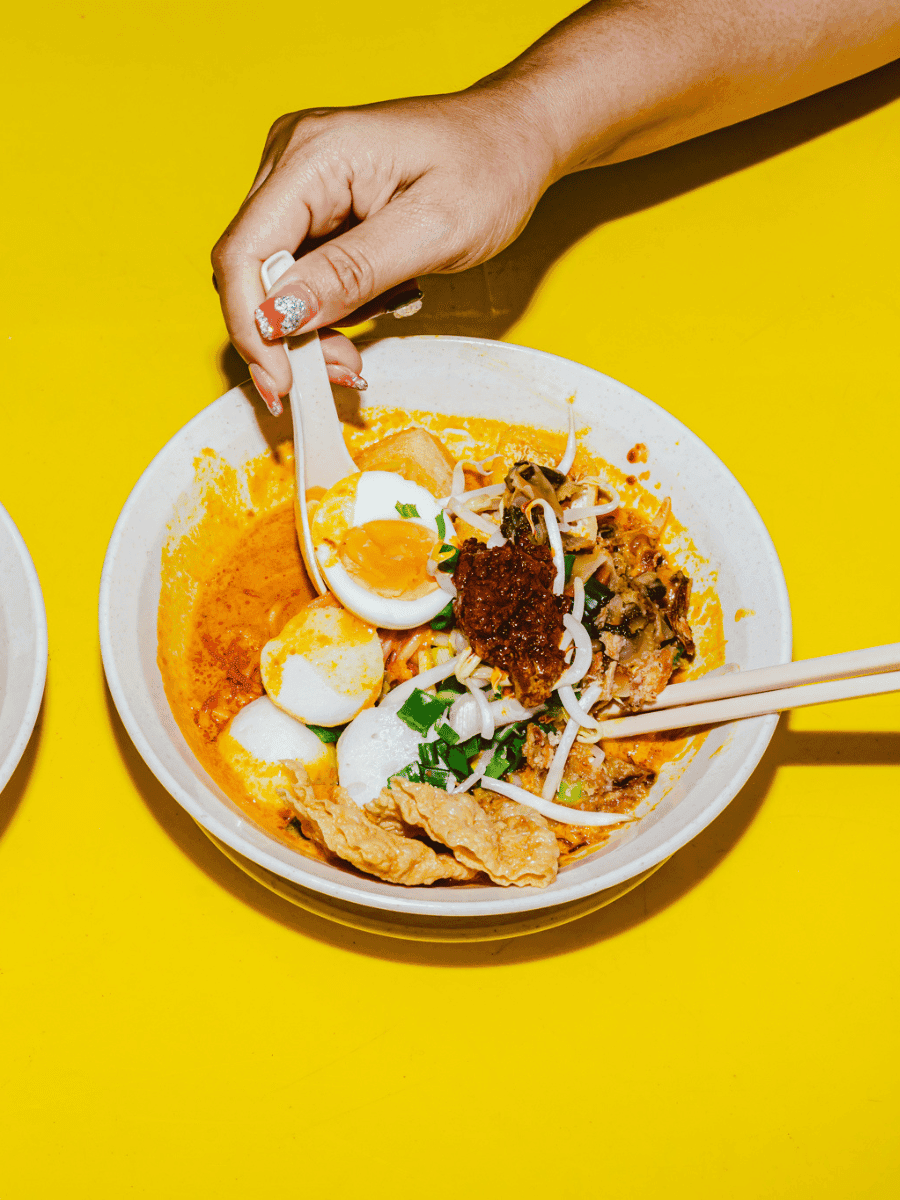
Coconut-based curry noodle soup with prawns, tofu puffs, cockles and a scarlet slick of chilli oil. Malaysia's default lunchtime laksa, richer and softer than its Penang cousin.