

Destination
Ipoh
The story
Pani puri (also called gol gappa in northern India and pucchka in Bengal) is one of India's most iconic street snacks and one of Malaysia's most successful Indian-food imports. Small hollow crispy semolina shells (puri) are cracked open with a thumb, stuffed with a spoon of spiced boiled potato and chickpeas, drizzled with sweet-sour tamarind chutney, then filled to the brim with cold spiced mint-coriander water (pani). The whole shell goes into the mouth in one bite; the shell shatters, the water floods, the flavours explode. Sold at every mamak (Indian-Muslim restaurant) and Little India stall across Malaysia; the mamak version tends to be slightly sweeter than the Delhi original.
Method
In a blender, combine the mint, coriander, chillies, ginger, lime juice, salts, sugar, chaat masala and cumin with about 300ml of the water. Blend to a smooth green paste. Strain through a fine sieve into a jug. Whisk in the remaining water. Chill at least 1 hour (or up to overnight).
In a small saucepan, combine all the tamarind chutney ingredients. Warm over medium heat, stirring, for 4 to 5 minutes until the sugar dissolves and the mixture is slightly thickened. Cool.
In a bowl, combine the cubed cooked potato, chickpeas, chaat masala, cumin, chilli powder, salt and coriander. Toss well.
Arrange everything on the table: the puri shells in a bowl, the potato-chickpea filling in a bowl, the tamarind chutney in a small jug, the chilled pani in another jug, and small deep bowls in front of each person to catch drips.
This is best done one at a time, by each person as they eat: crack a small hole in the top of a puri with your thumb. Spoon in a small amount of potato-chickpea filling (about a teaspoon). Drizzle with a tiny bit of tamarind chutney. Fill to the brim with the spicy pani.
Pop the whole thing into your mouth in one bite. The shell shatters, the flavours explode. Repeat until the shells run out. Traditional pani puri stalls serve 6 to 8 per person.
Tips
- Buy pre-made puri shells. Making them at home is technically possible but genuinely difficult (rolling the shells thin enough to hollow but strong enough to hold requires practice). Indian grocers sell packets of ready-made shells labelled gol gappa or pani puri shells.
- The pani must be chilled. Warm pani destroys the whole eating experience. At least 1 hour in the fridge; add ice cubes to the jug just before serving on hot days.
- Assemble at the last moment. Pani puri is a real-time snack. A puri filled with pani turns from crisp to soggy in about 30 seconds; assemble one at a time as you eat.
- Chaat masala is essential. This specific Indian spice blend (sold at Indian grocers) has a characteristic tangy-savoury profile that pani puri depends on. Substitute with garam masala + a pinch of black salt if unavailable.
- The whole thing goes in your mouth in one bite. Trying to eat pani puri in two bites is amateur; the whole shell needs to shatter simultaneously with the pani flooding the mouth. Commit to one big bite.
More recipes
View all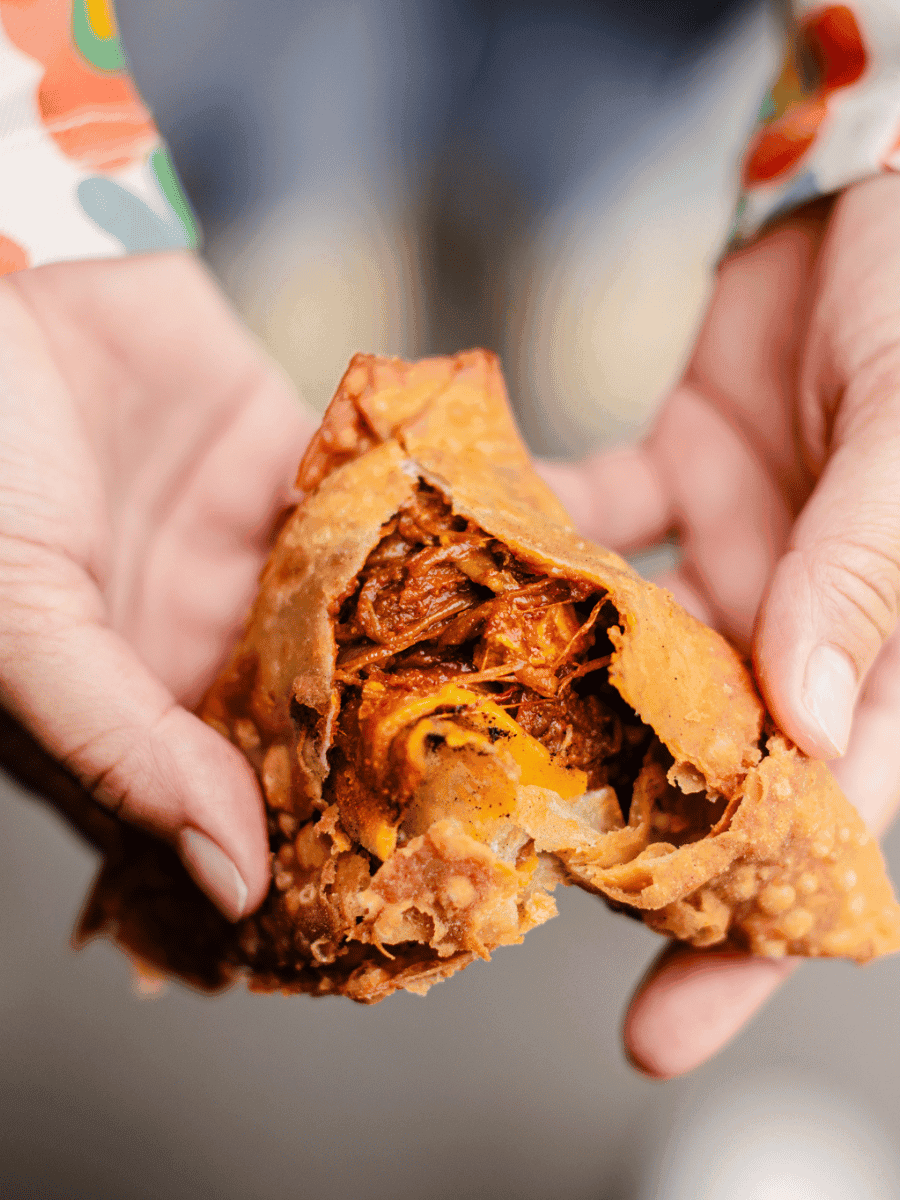
Triangular pastries filled with spiced potato and peas, deep-fried until crackling. Malaysia's mamak-stall snack, always with mint chutney.

Steamed savoury rice cakes topped with fried preserved radish, oil and sesame. Malaysia and Singapore's soft breakfast, eaten with a small spoon.

Cubes of steamed rice cake stir-fried hard in a wok with dark soy, chilli paste, egg, bean sprouts and preserved radish. Penang's late-night hawker classic.
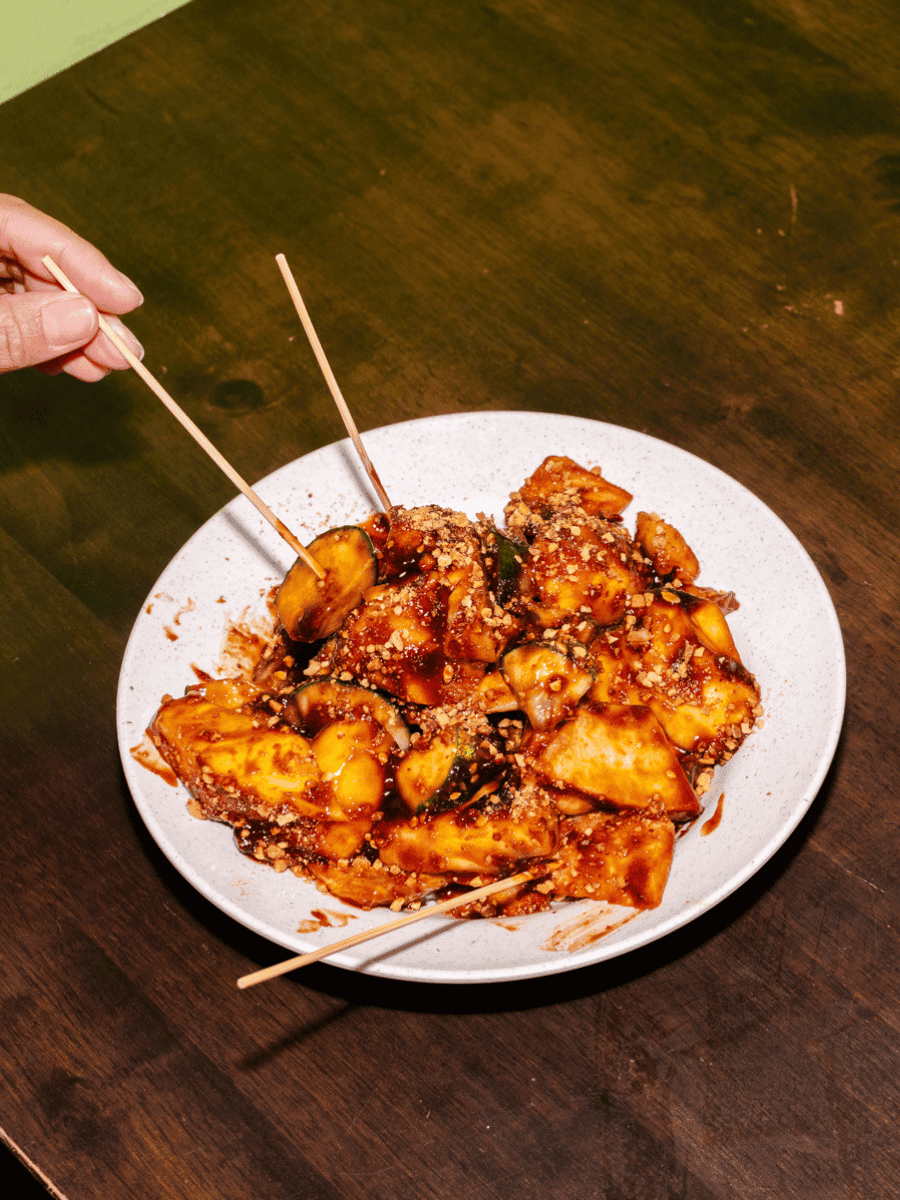
Chopped tropical fruit and vegetables tossed with a thick sweet-savoury prawn paste sauce, crushed peanuts and sesame seeds. Malaysia's national fruit salad, sold from carts.

Egg noodles and rice vermicelli in a deep, orange prawn-shell broth topped with poached prawns, hard-boiled egg, water spinach and fried shallots. Penang's most-loved noodle soup.

Iced coconut milk sweetened with palm sugar, poured over shaved ice, green rice-flour noodles and red beans. Malaysia's afternoon cooling dessert.