
Destination
Ipoh
The story
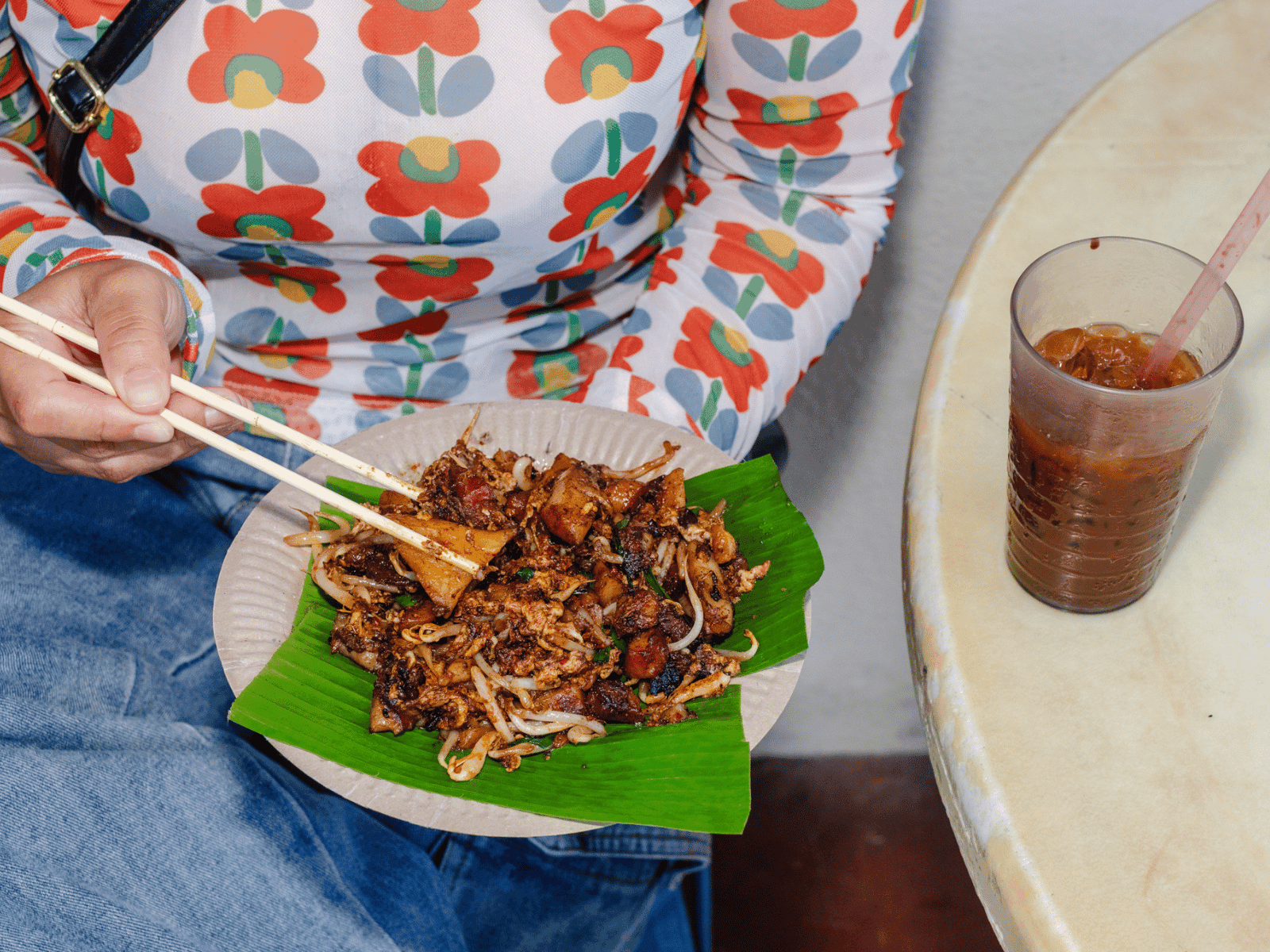
Char koay kak ("stir-fried rice cake") is one of Penang's great late-night hawker dishes: cubes of dense steamed rice cake (koay kak) stir-fried hard in a screaming wok with dark sweet soy sauce, chilli paste, garlic, preserved salted radish (choi por), bean sprouts and eggs cracked in at the end. Deeply savoury, slightly sweet, hot from the wok, with a smoky char (wok hei) that dai chow stalls do easily and home cooks struggle to replicate. Sold from stalls at Penang's night markets, especially in George Town's old town, from about 6pm until well past midnight.
Method
In a heavy saucepan, whisk together the rice flour, tapioca starch, water and salt until smooth. Warm over medium heat, whisking constantly, until the mixture thickens into a smooth paste (about 5 minutes). Pour into a lightly greased square tin (about 20cm x 20cm), smooth flat, and cool. Cover and refrigerate overnight to firm up.
Turn the set rice cake out onto a board. Cut into 2cm cubes (or slightly smaller). You should have about 500g of cubed rice cake.
Heat a large wok (or heavy pan) over the highest possible heat until smoking. Add 2 tbsp of the oil and swirl to coat.
Add the cubed rice cake in a single layer and let it cook, undisturbed, for 2 to 3 minutes until deep gold on the bottom. Toss and fry another 2 minutes to gold on other sides.
Push the rice cake to one side. Add the remaining oil, then the garlic and preserved radish. Stir-fry for 30 seconds until fragrant.
Add the chilli paste, dark sweet soy sauce, light soy sauce, fish sauce and sugar. Toss everything together vigorously so the rice cake is coated.
Push everything to one side. Pour the beaten eggs into the empty side of the wok. Let them set briefly (30 seconds), then break up and fold through the rice cake. Immediately add the bean sprouts and spring onions. Toss for 60 seconds until the bean sprouts are just wilted but still crunchy.
Tip onto a plate and serve immediately. Scatter with sliced spring onion greens and offer extra chilli paste on the side.
Tips
- Make the rice cake the day before. Freshly made rice cake is too soft to hold up in the wok; a night in the fridge firms it enough to fry without breaking apart.
- Highest heat is the whole point. Wok hei (the smoky-charred flavour of proper Chinese wok cooking) requires a screaming hot wok. Preheat until the wok itself smokes, then add oil.
- Preserved radish (choi por) is essential. Sold at Chinese grocers in small packets, labelled preserved salted radish or chai poh. Rinse briefly before using (very salty). Without it, the dish loses its specific Penang-hawker character.
- Dark sweet soy sauce (kecap manis), not regular dark soy. Kecap manis is the specific Malaysian/Indonesian syrupy sweet soy that gives char koay kak its signature colour and slightly sweet finish.
- Eggs go in near the end. Cracking eggs into the wok in the last minute of cooking gives you tender, silky egg pieces distributed through the dish. Adding them earlier turns them into rubbery scrambled clumps.
More recipes
View all
Steamed savoury rice cakes topped with fried preserved radish, oil and sesame. Malaysia and Singapore's soft breakfast, eaten with a small spoon.
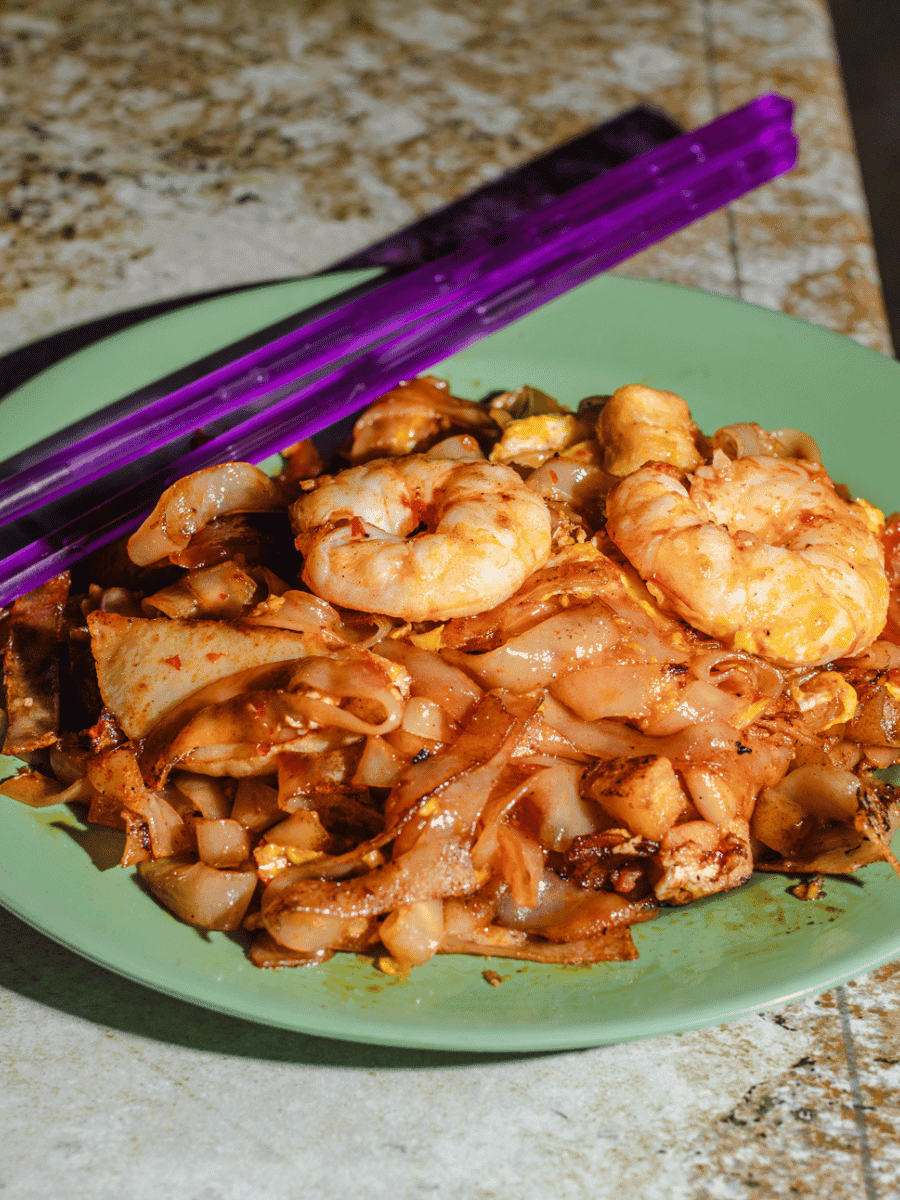
Flat rice noodles stir-fried hard in a wok with prawns, cockles, Chinese sausage, chives, bean sprouts and dark sweet soy. Penang's most famous hawker dish.

Small oysters cooked briefly in a starchy egg batter with garlic and coriander, finished with a squeeze of lime. Penang's coastal Hokkien street snack.
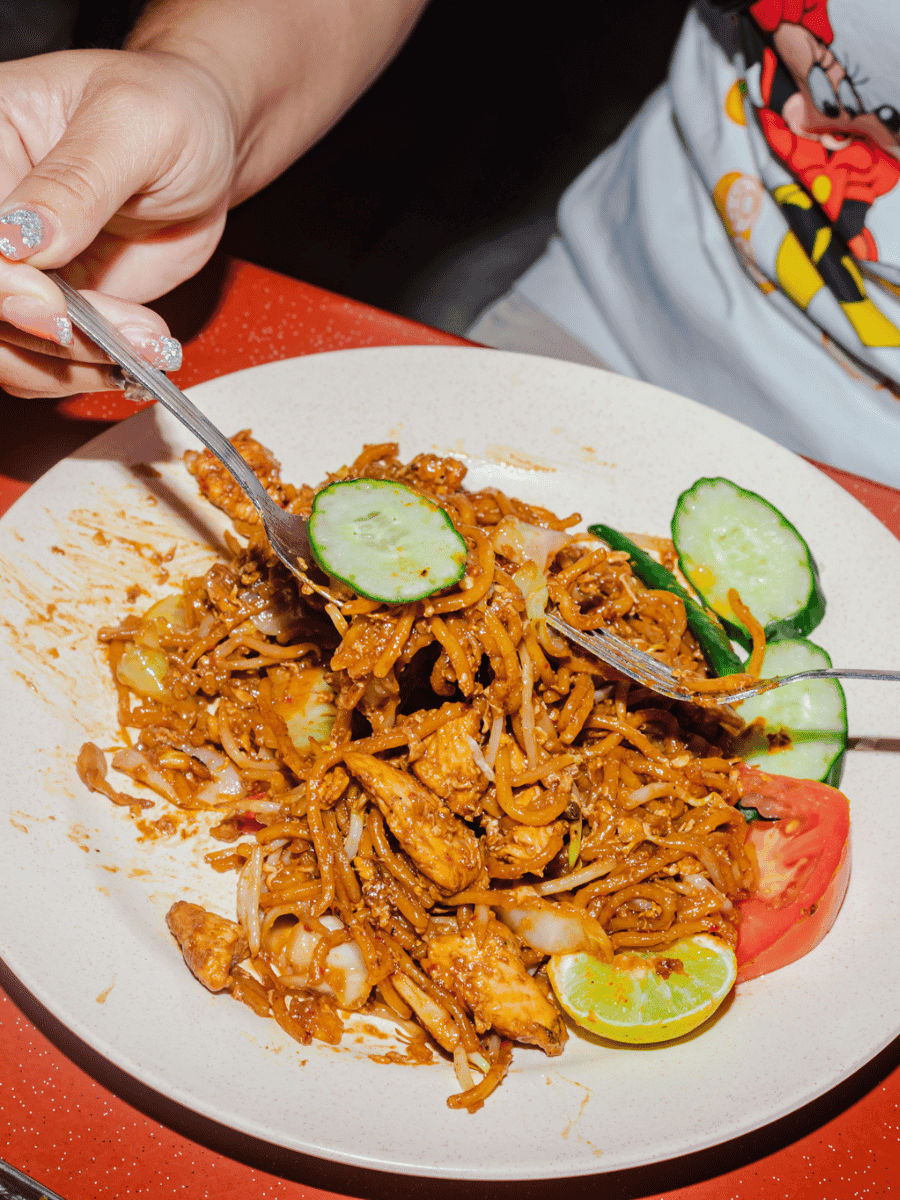
Yellow noodles fired in a screaming-hot wok with sambal, ketchup, egg, potato cubes and tofu puffs. Malaysia's signature mamak-stall plate, ready in six minutes.
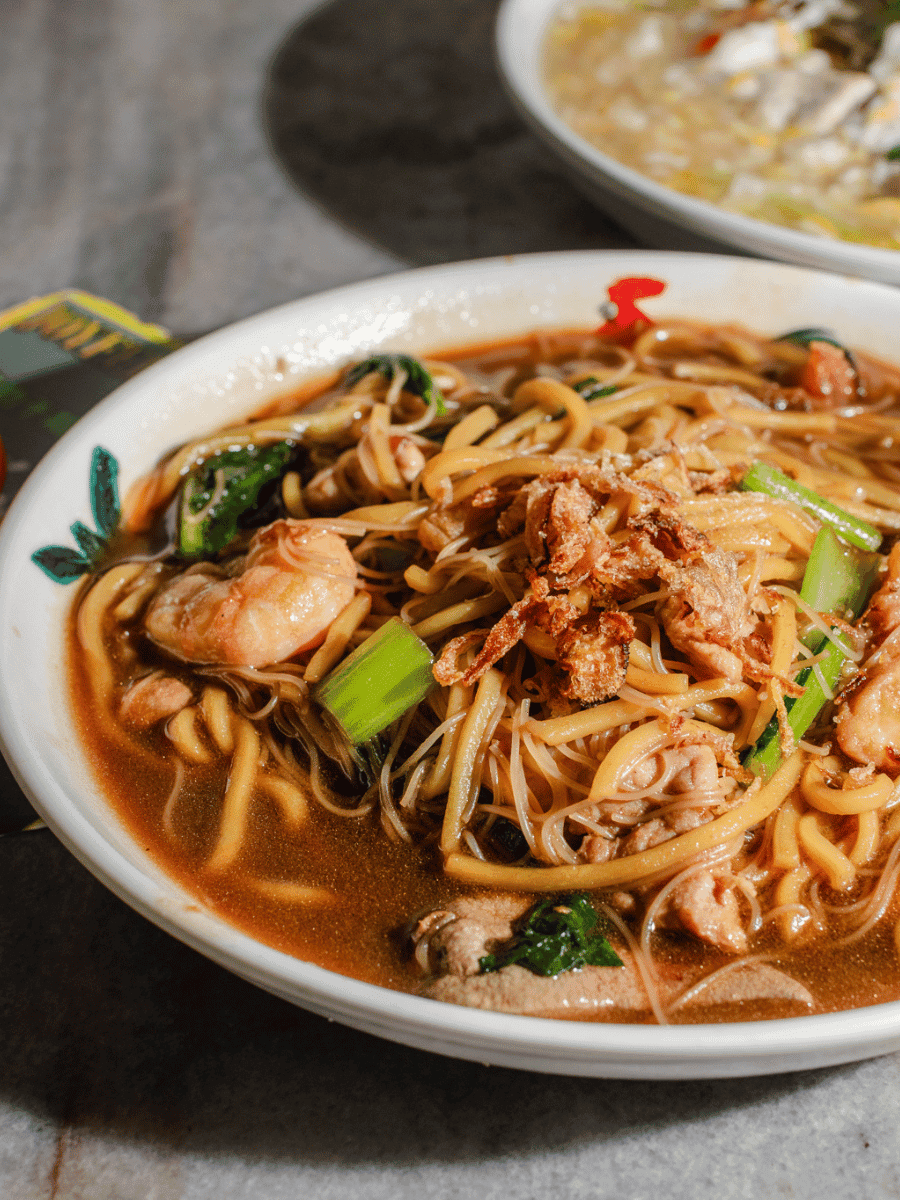
Thick yellow noodles stir-fried hard in a dark sweet soy glaze with prawns, squid, cabbage and slices of pork. KL's late-night black-noodle classic.

A pyramid of banana-leaf-wrapped coconut rice with sambal, fried anchovies, peanuts, hard-boiled egg and cucumber. Malaysia's national breakfast, sold from every roadside stall before dawn.