
Destination
Kigali
The story
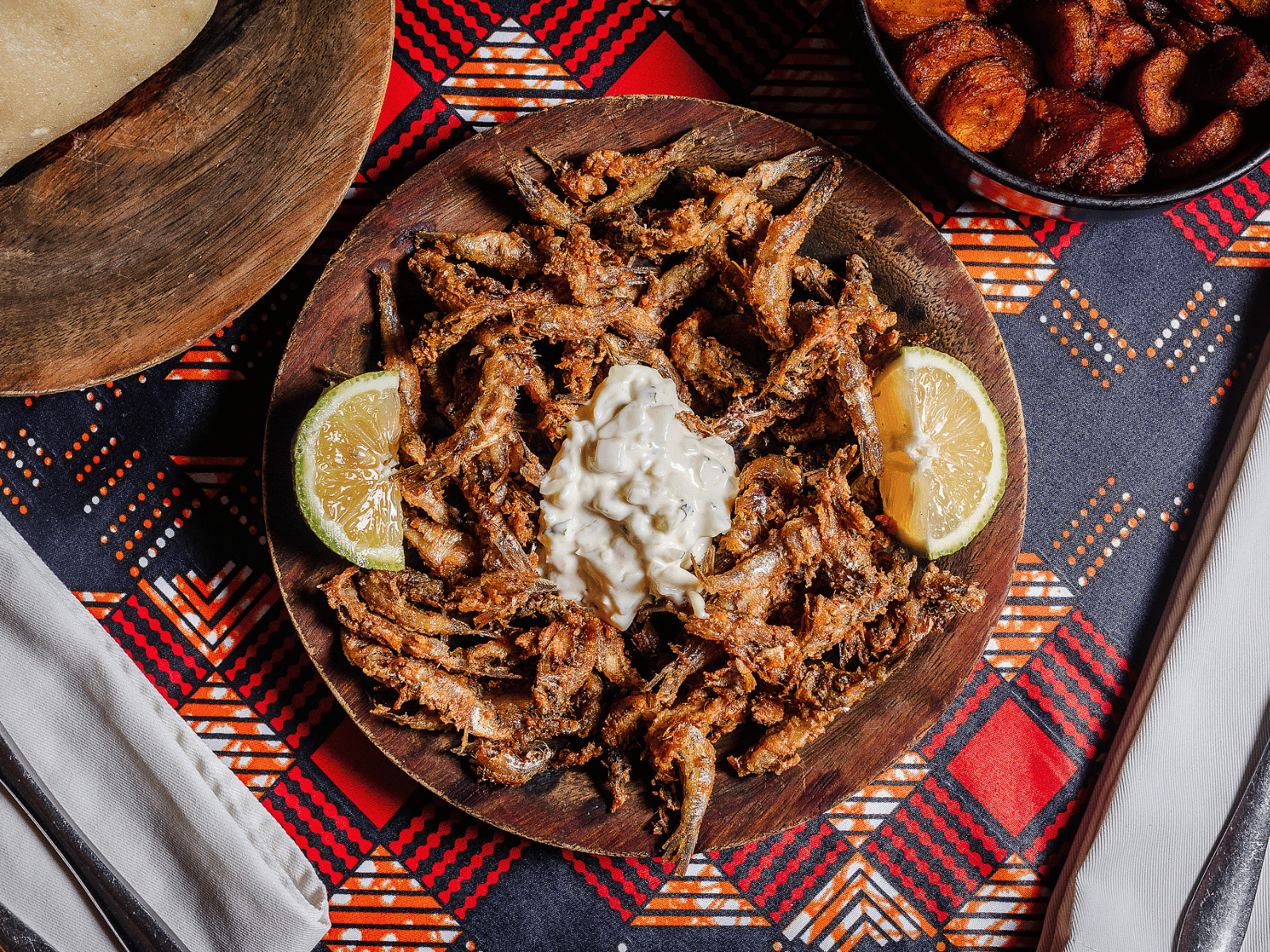
Fried isambaza is Rwanda's most-eaten fish snack: small silver freshwater sardines (Limnothrissa miodon) caught in Lake Kivu, salted lightly, dredged in seasoned flour and deep-fried until crackly-crisp all over — head, bones, tail, everything is edible after the fry. Served in paper cones or on small plates as a beer snack in Kigali bars, and as a protein-and-crunch side to rice-and-beans plates. Eaten by the handful with a squeeze of lime and a splash of hot sauce. Lake Kivu isambaza fisheries are one of Rwanda's most important protein sources, and the small fried fish shows up on the menu of every restaurant that serves regional food.
Method
If using fresh isambaza: rinse briefly under cold water. Pat dry with a clean tea towel (very important — wet fish spatters in hot oil). If using thawed frozen: drain completely and pat dry.
Toss the fish gently in a bowl with the salt, pepper, paprika, cayenne (if using) and garlic powder. Rest 5 minutes so the seasoning penetrates.
In a wide plate or shallow dish, whisk the flour, cornstarch, salt and paprika together.
Working with small handfuls at a time: toss the fish in the seasoned flour, pressing gently so the coating adheres. Shake off excess flour.
Warm the oil in a deep heavy pot to 180C. A test piece of flour should sizzle instantly and turn golden in 30 seconds.
Fry the fish in batches of 15 to 20 at a time. Slide them into the hot oil (be careful of spatter). Fry 90 seconds, stirring gently once with a slotted spoon to separate them, until deep golden and crisp.
Lift onto a wire rack (not paper — paper makes the underside soggy). Immediately season with an extra pinch of sea salt while glistening.
Pile the hot fried isambaza on a warm platter or in paper cones. Serve immediately with lime wedges, hot sauce and kachumbari on the side. Eat by the handful with cold beer.
Tips
- Very dry fish before frying. Wet fish spatters violently in hot oil and gives you soggy coating. Pat every fish dry with a clean tea towel.
- 180C oil. A thermometer is worth using. Cooler and the fish absorb oil and turn greasy; hotter and the delicate skin burns before the inside is crisp.
- Fry in batches. Overcrowding the pot drops the temperature and gives you a mushy fry. Fifteen to twenty fish per batch is the maximum.
- Rack, not paper. Draining on a wire rack keeps the underside crisp. Paper towel steams the base and gives you soggy fish.
- Salt hot. A pinch of extra sea salt on the still-glistening fish is what makes the seasoning stick. Salting cold ones doesn't work.
More recipes
View all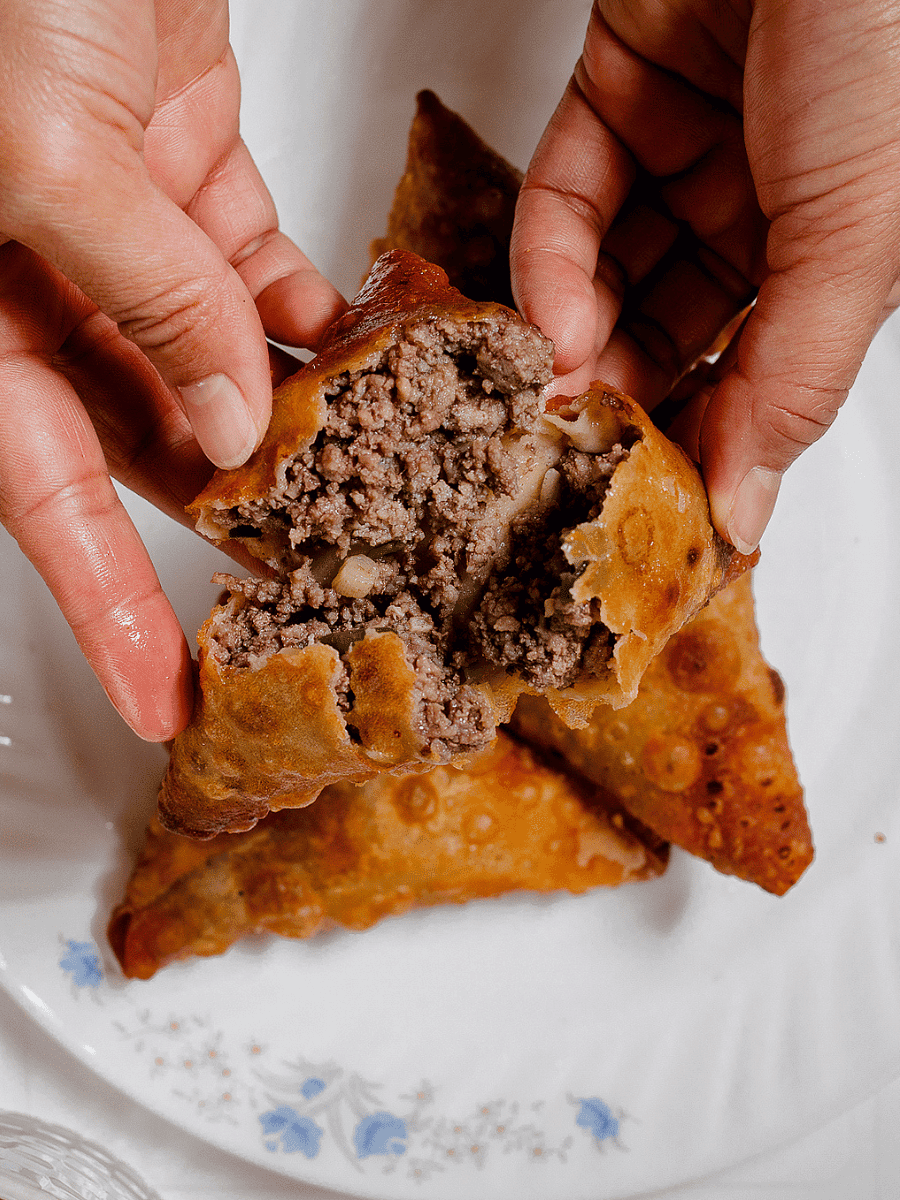
Small triangular pastries stuffed with spiced minced beef, onion and green peas, deep-fried until crisp. Rwanda's answer to Indian samosas, sold at every bar.

Chicken, beef or fish slow-steamed in an aromatic peanut sauce inside a folded banana leaf. Ugandan royal court dish, adopted at every Rwandan special occasion.

Ripe yellow plantains sliced thick and fried until deep gold and caramelised at the edges. Rwanda's after-school snack and side dish.

A whole tilapia scored and rubbed with garlic, chili, ginger and lime, then grilled over hot coals until the skin blisters. Kigali's fisherman's plate.

Cubes of marinated goat threaded onto skewers and grilled over hot coals until charred, served with grilled banana, chapati and kachumbari. Kigali's every-bar-in-town classic.

Small fish marinated in chermoula, dredged in flour, and shallow-fried until crisp. The Casablanca fish-souk lunch, eaten straight from paper.