
Destination
Hue
The story
Chè is the umbrella name for Vietnamese sweet dessert soups, a family of dishes that runs to dozens of variations across the country. The classical simple chè is a bowl of cooked sweetened mung bean (chè đậu xanh) topped with coconut cream and small tapioca pearls, served either warm on a cold day or cold over ice in the summer. Chè vendors on Vietnamese streets typically offer 6 to 15 different varieties, and diners point to which ones they want mixed into a tall glass. The classical Vietnamese eating format is a tall glass with a long spoon, sipped and spooned by turns.
Method
Drain soaked mung beans. Combine in a saucepan with 1 litre water and salt. Bring to a simmer and cook 30 to 40 minutes until the beans are completely tender and starting to break down. Add sugar; cook 5 more minutes.
Bring 500ml water to a boil in a separate saucepan. Add tapioca pearls. Simmer 12 to 15 minutes, stirring often, until the pearls are almost fully translucent (a small white dot in the middle is okay). Add sugar and cook 60 seconds. Drain and rinse under cold water.
In a small saucepan, warm coconut milk with sugar and salt. Bring to a gentle simmer. Whisk in cornstarch slurry. Cook 90 seconds until thickened to a creamy pourable sauce. Off the heat.
Toast the peanuts, sesame seeds and coconut flakes in a dry pan for 3 to 4 minutes each (separately) until fragrant and lightly gold.
For a warm dessert: divide hot mung bean between 6 glasses or bowls. Top each with a spoon of tapioca pearls and a drizzle of coconut cream. Sprinkle with toasted peanuts, sesame and coconut.
For a cold version: chill the mung bean and coconut cream fully. Assemble in tall glasses over crushed ice: mung bean on the bottom, tapioca pearls in the middle, coconut cream drizzled on top. Sprinkle with toppings.
Serve with long spoons. Eat by scooping through all layers together.
All components keep separately in the fridge for 3 days. Assemble fresh each time.
Tips
- Soak the mung beans. Two hours is minimum. Un-soaked beans take twice as long to cook and are less creamy.
- Simmer, do not boil hard. Mung beans break down and the pot boils over easily.
- Coconut cream last. Adding it earlier makes the dessert cloudy.
- Cold version on hot days. Vietnamese chè is often eaten over crushed ice as a cooling summer snack.
- Adjust the sugar. Vietnamese chè is typically sweeter than Western dessert sensibilities; adjust to your taste.
More recipes
View all
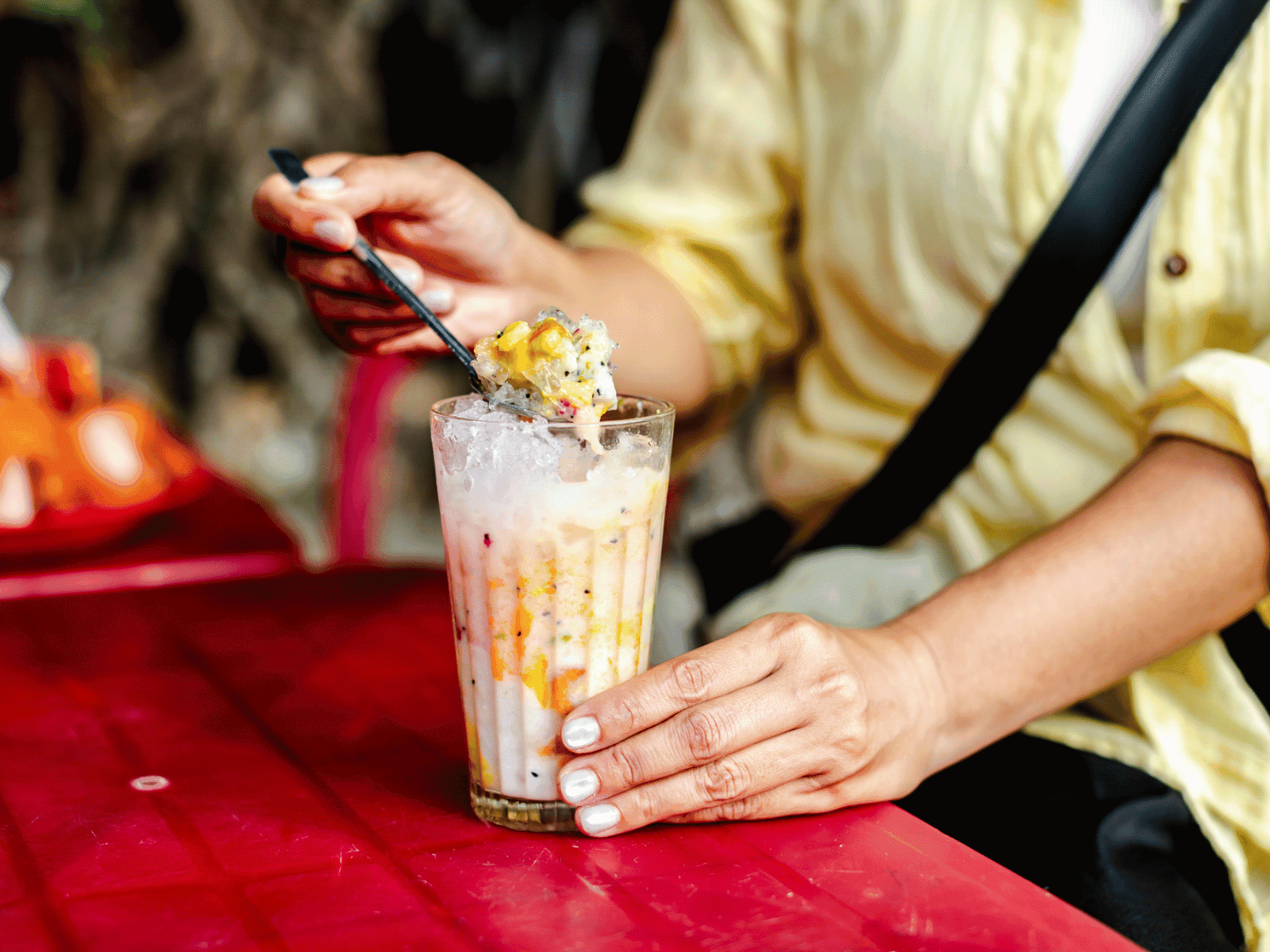
A tall glass layered with mung bean, red bean, tapioca, lotus seed, pandan jelly and coconut cream over crushed ice. The classical Vietnamese "mixed everything" dessert.

A silky egg-and-condensed-milk custard set over a pool of dark caramel, served cold with crushed ice and a splash of Vietnamese coffee. The colonial-era French dessert made unmistakably Vietnamese.
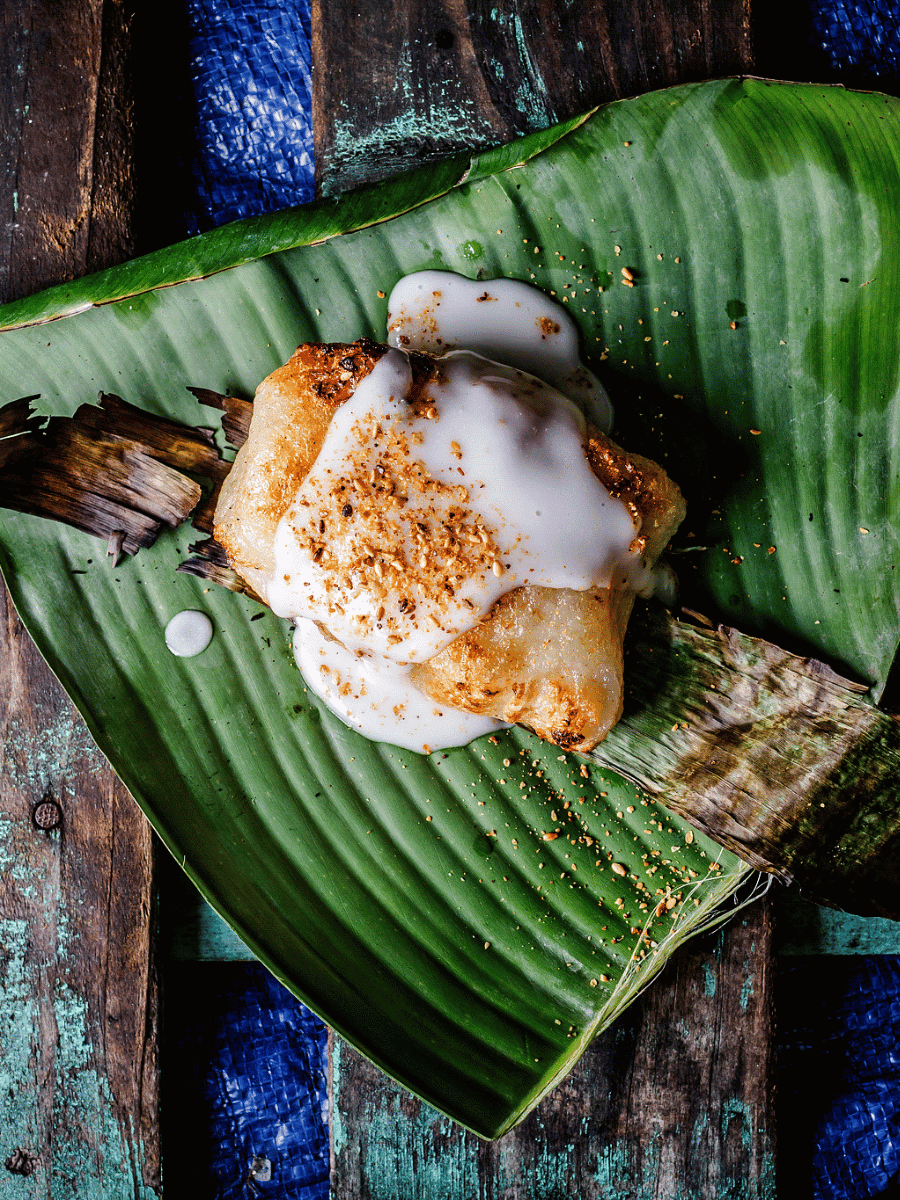
Whole bananas wrapped in coconut sticky rice and banana leaves, then grilled over charcoal until dark caramelised. Ho Chi Minh City's late-night street dessert, drenched in sweet coconut cream.

A tall glass of strong black coffee topped with a fluffy hot custard of egg yolk, condensed milk and vanilla. Hanoi's most-photographed coffee, invented in 1946 when milk was scarce.
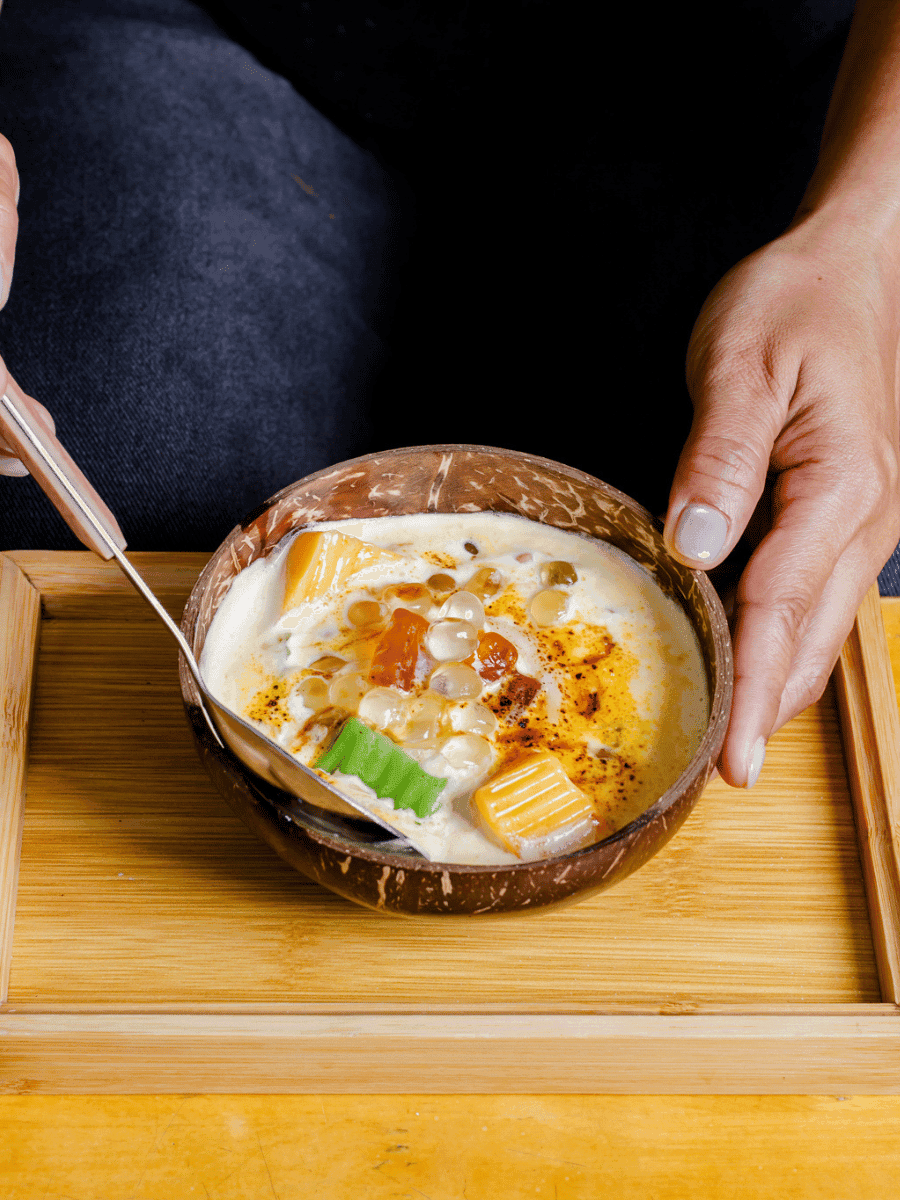
Cubes of soft white milk pudding, cool almond-scented syrup, poached longan and crushed almonds. Ho Chi Minh City's modern minimalist chè.

Thin flat rice-flour cakes topped with a small mound of pork and shrimp, wrapped in banana leaves and steamed. Hue's flat cousin to bánh bột lọc.