

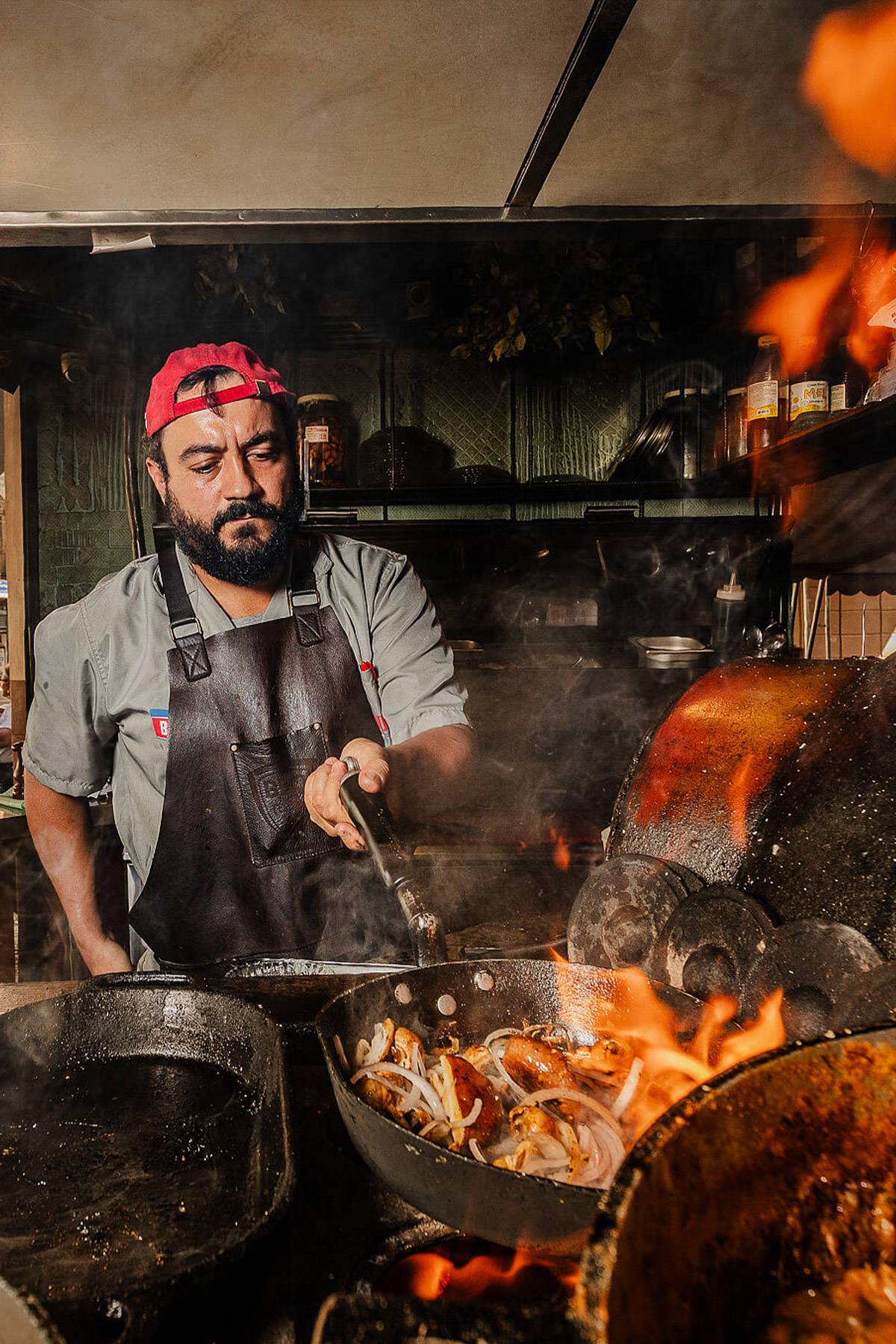
“We tried so many fantastic Brazilian dishes and snacks from such interesting places that I’m sure we wouldn’t have tried”
— Anna, 2026
01 Food tours
Original food tours, curated with our local tastemakers to showcase the neighbourhood kitchens, markets and family-run eateries that define Rio de Janeiro.
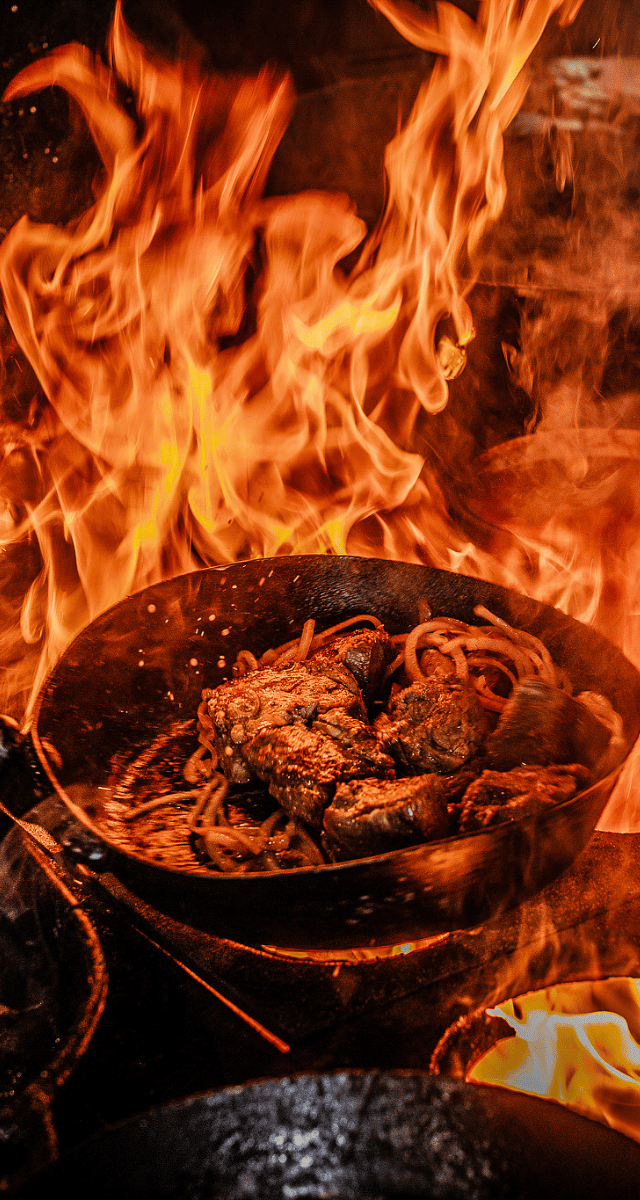
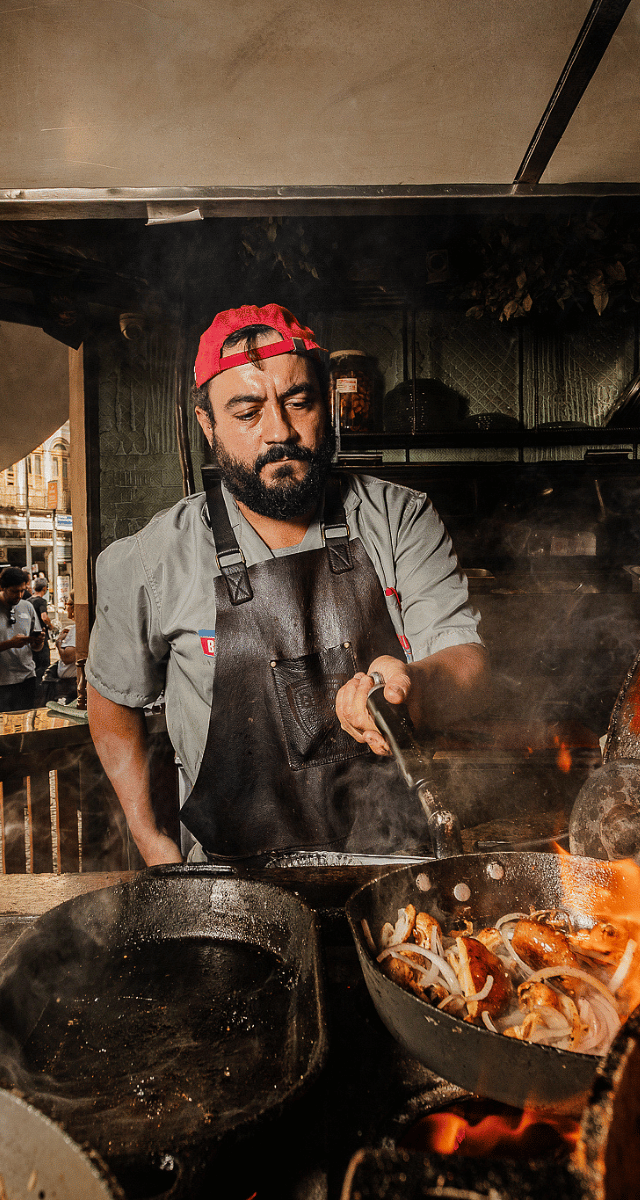
Rio Roots
Rio de Janeiro
Eat Rio at lunchtime — feijoada, pão de queijo, botequim staples and a cold caipirinha.
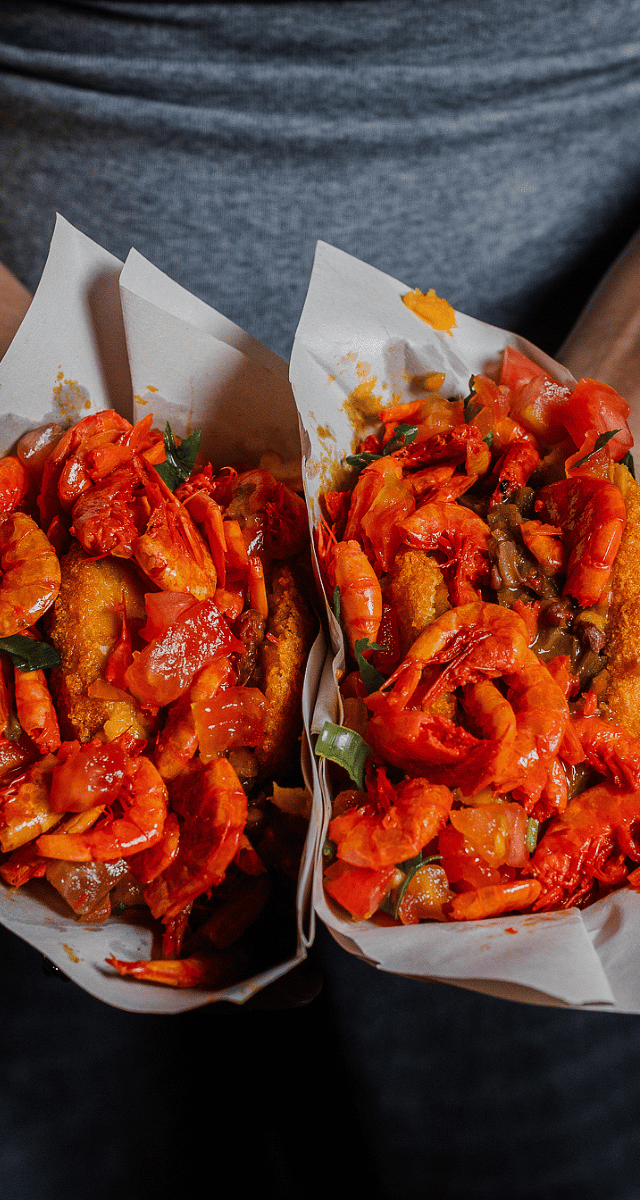
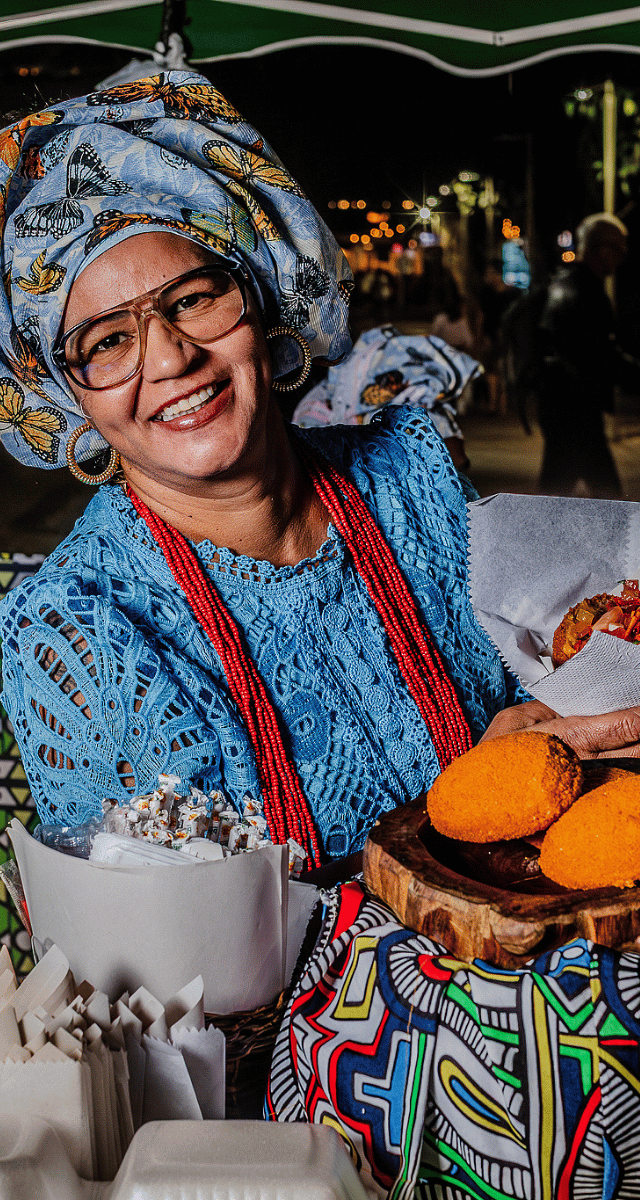
Carioca Kitchens
Rio de Janeiro
Chase feijoada, char and cachaça through Rio's corner boteco kitchens.
02 Meet the tastemakers
The local food experts who help us research, refine and lead every A Chef's Tour.

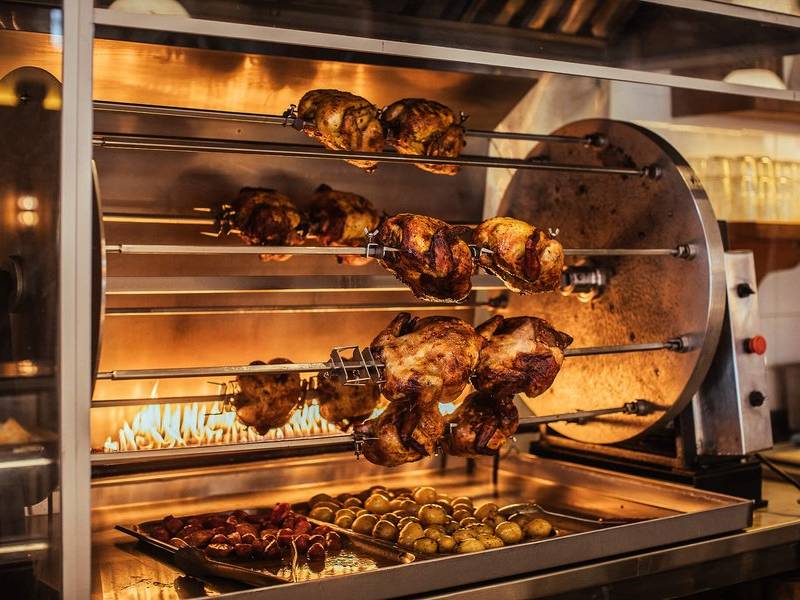
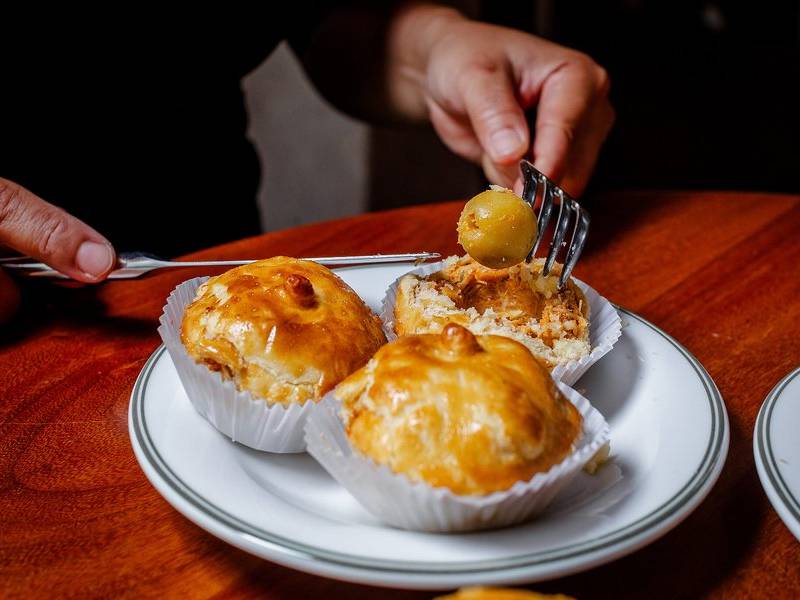
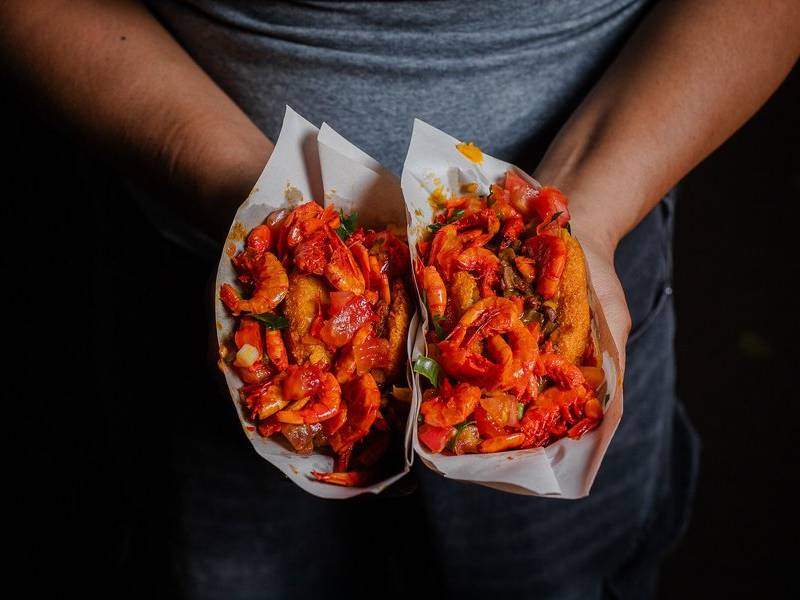
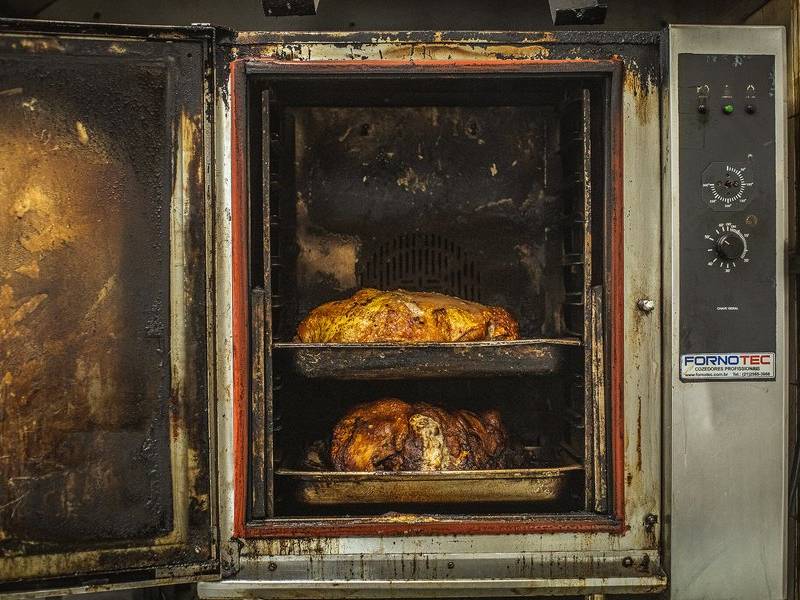
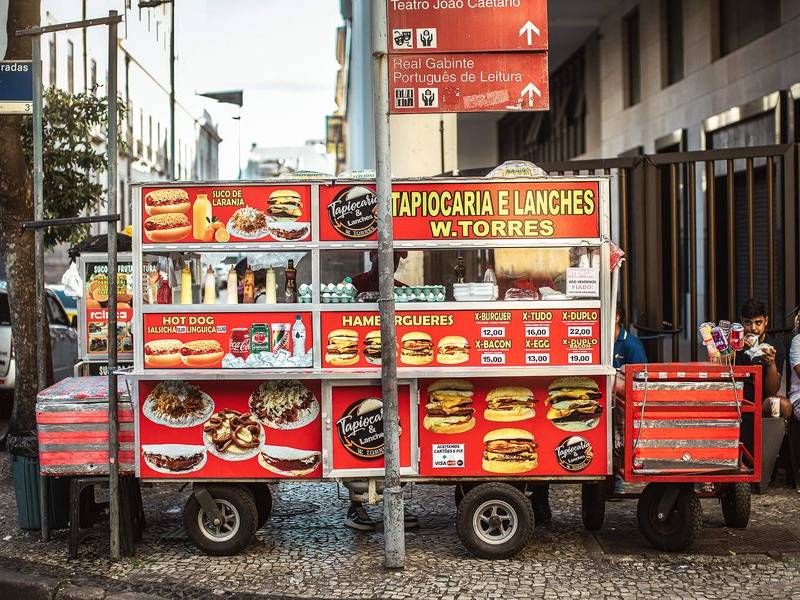
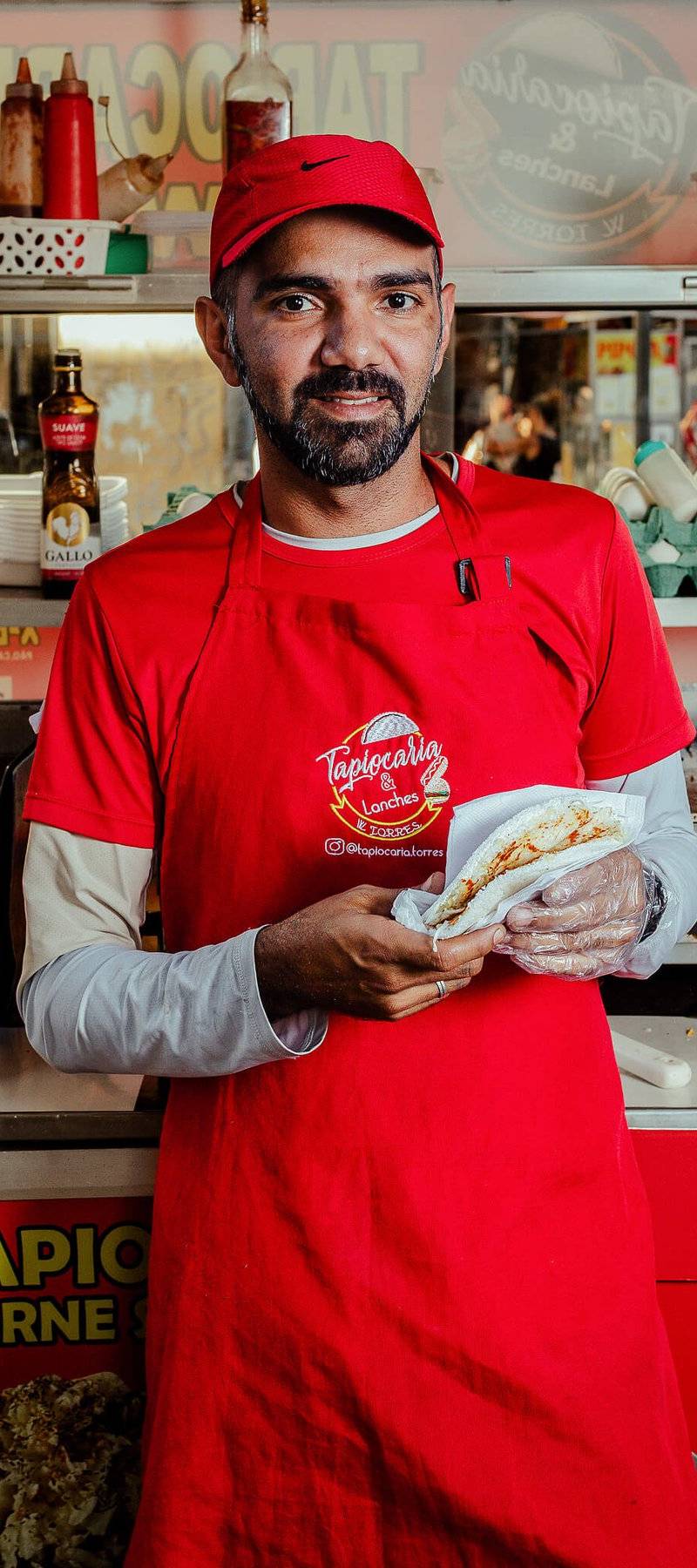
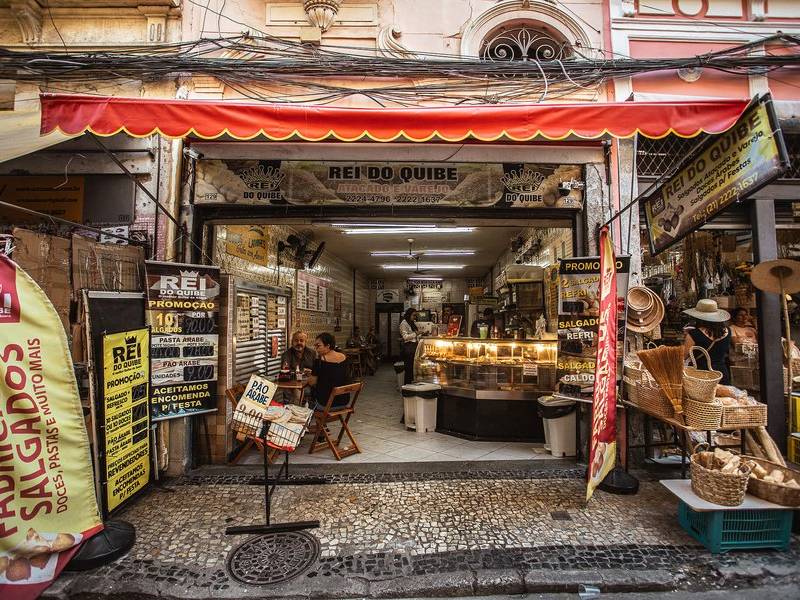
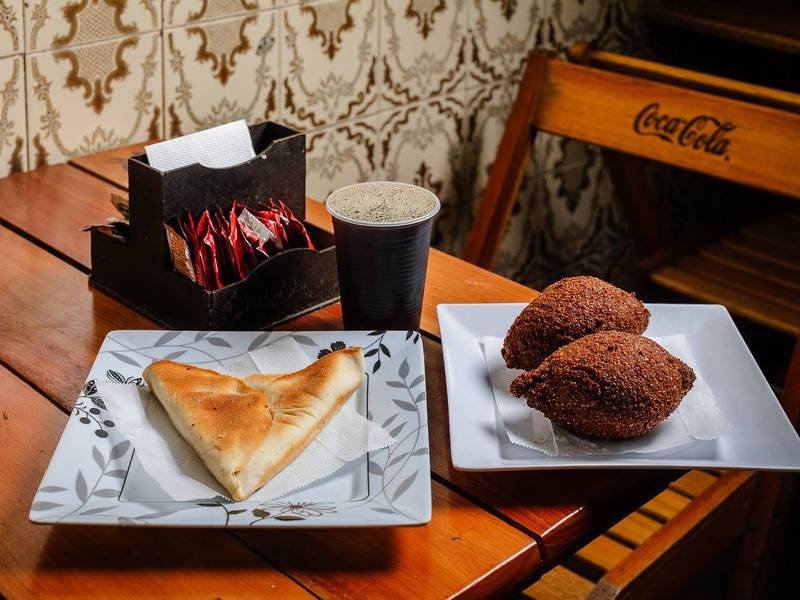


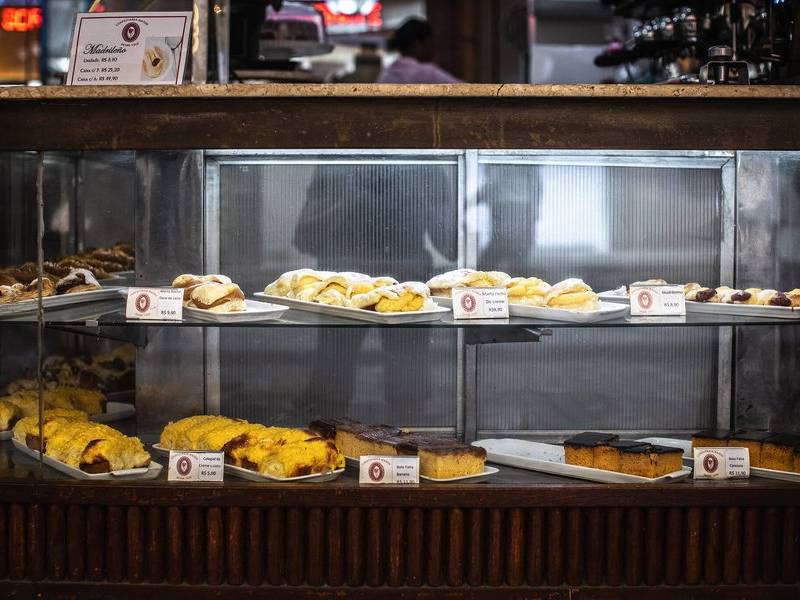
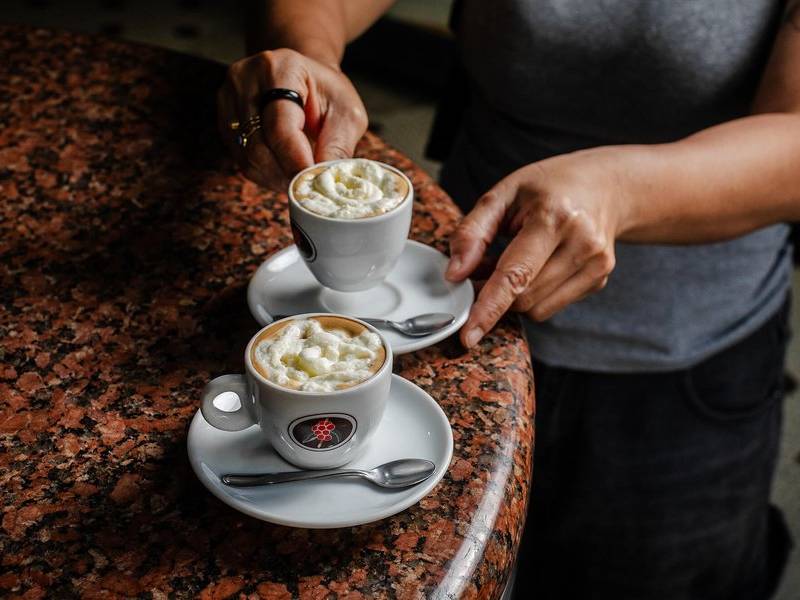
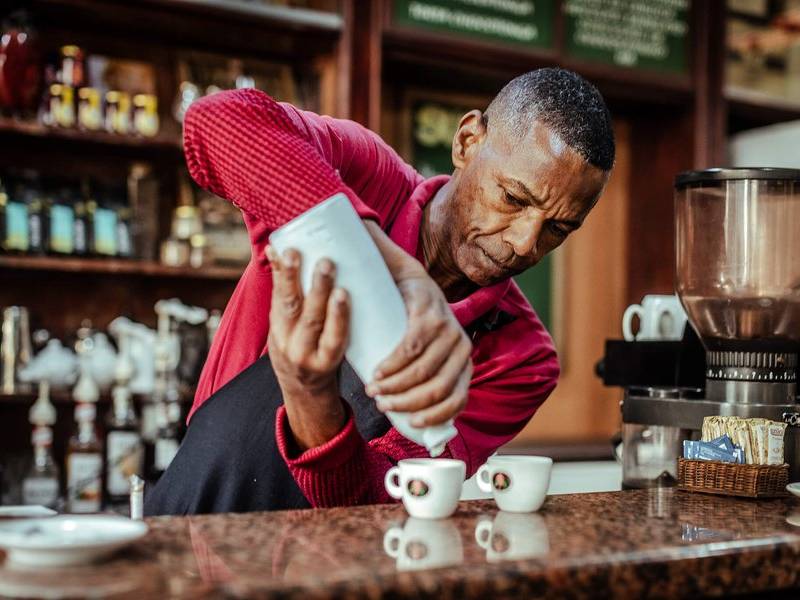
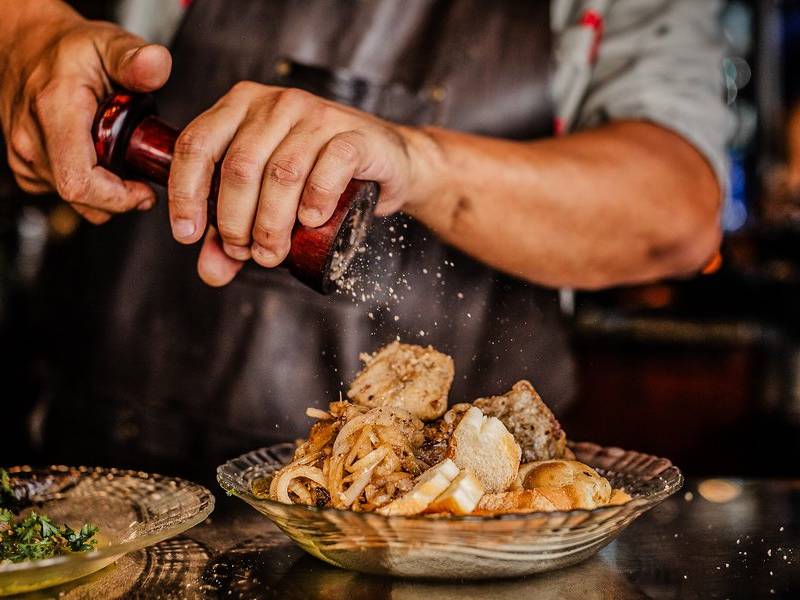
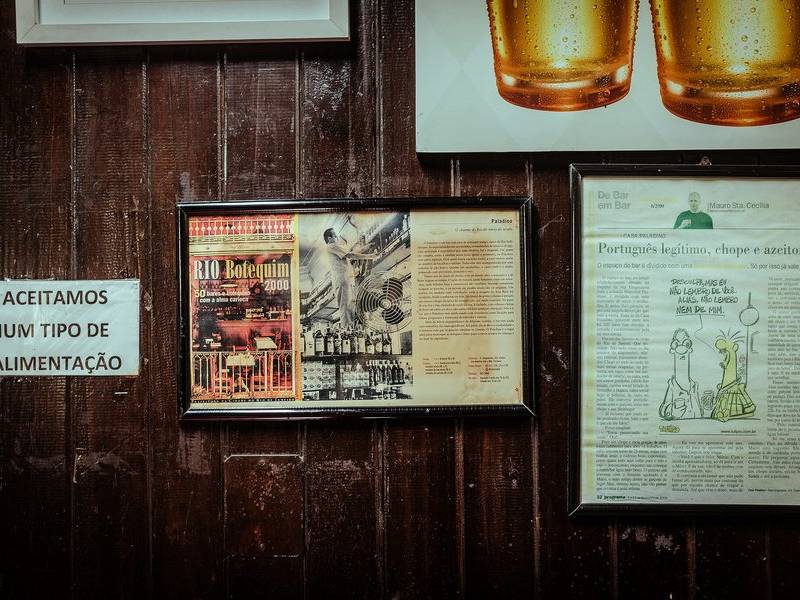
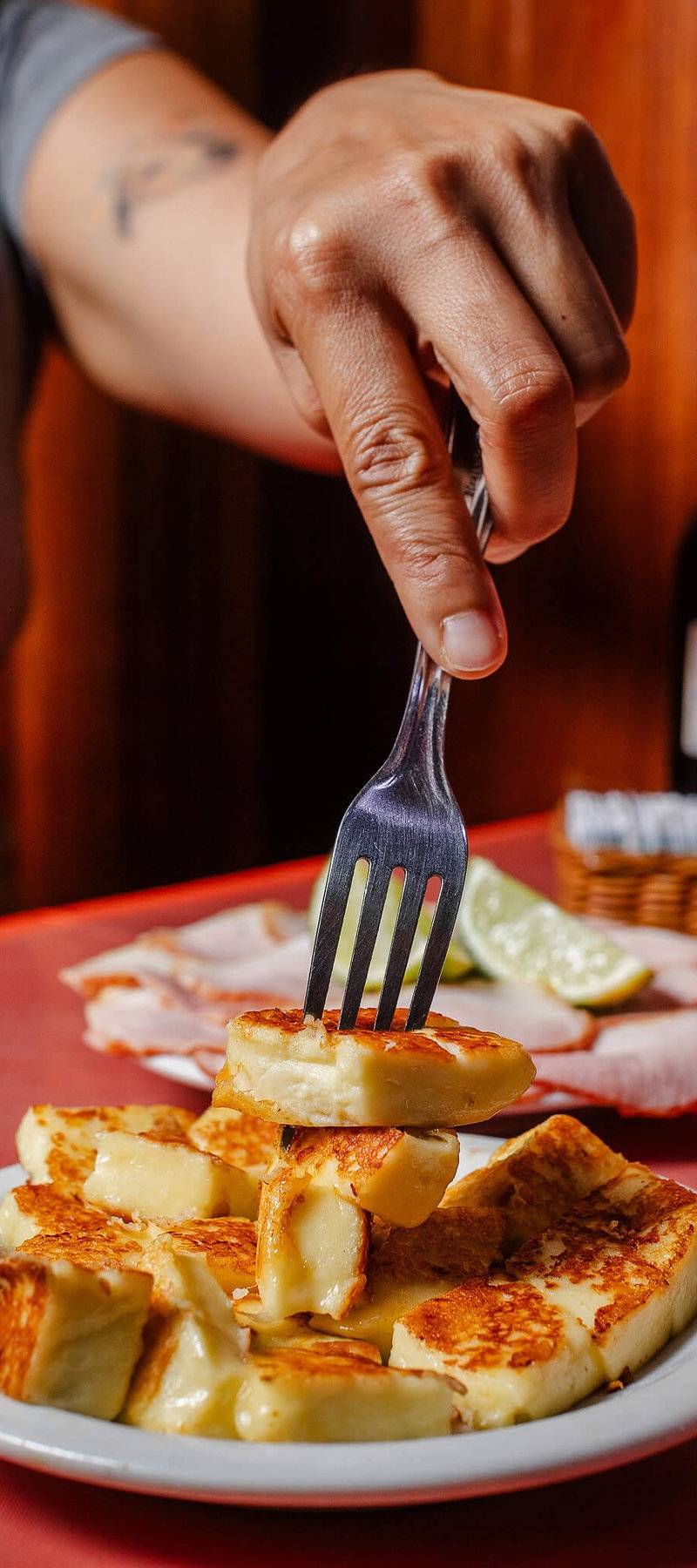
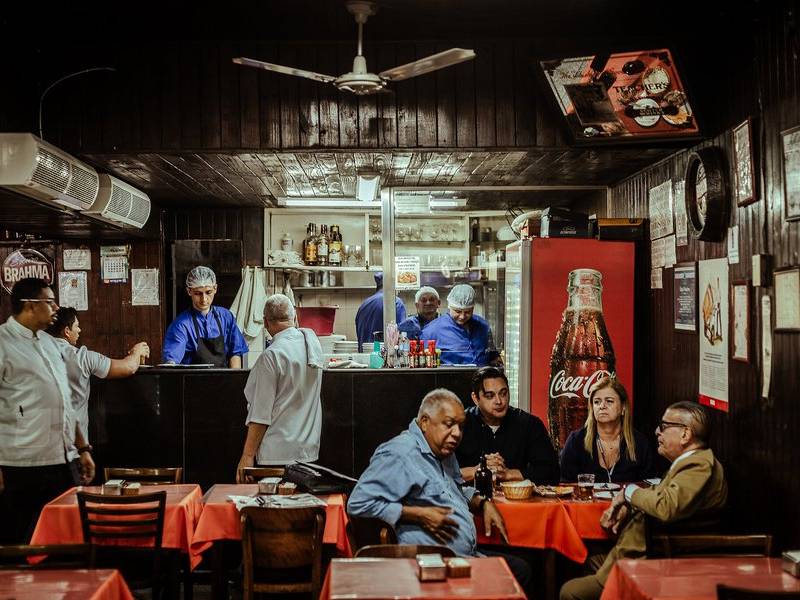
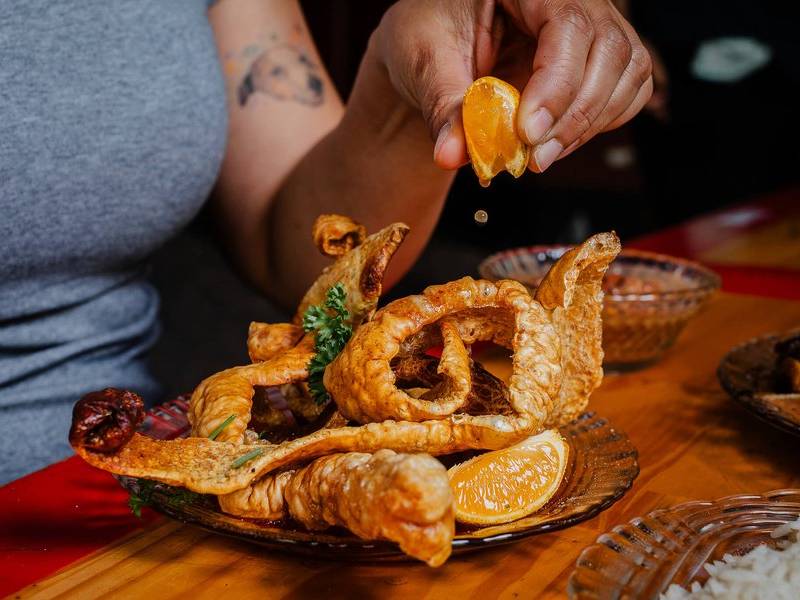

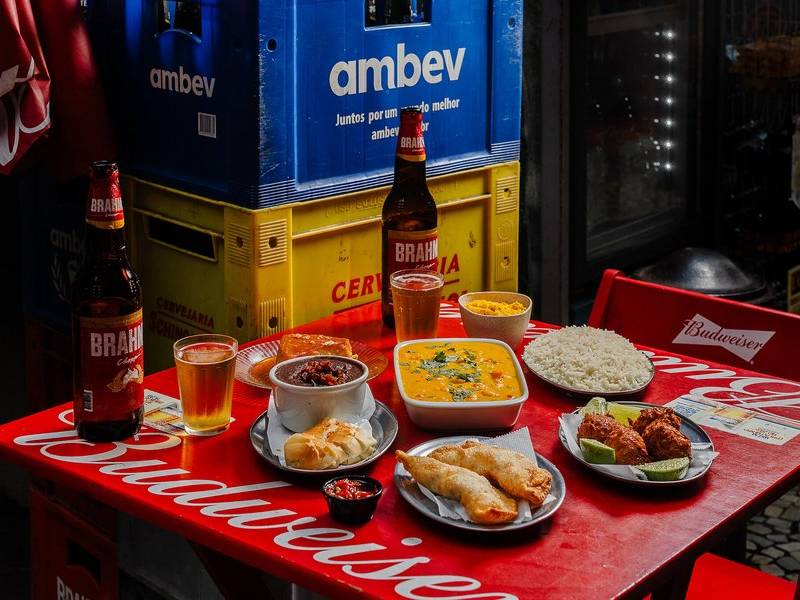
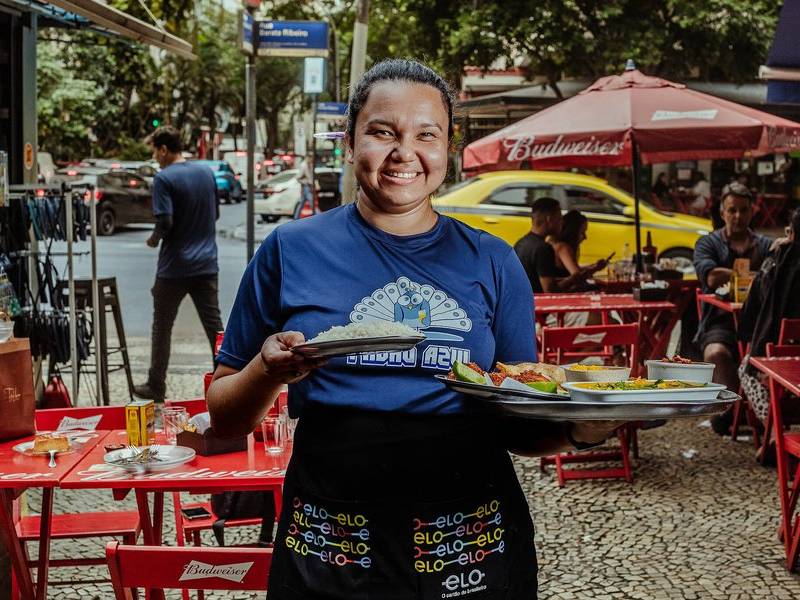
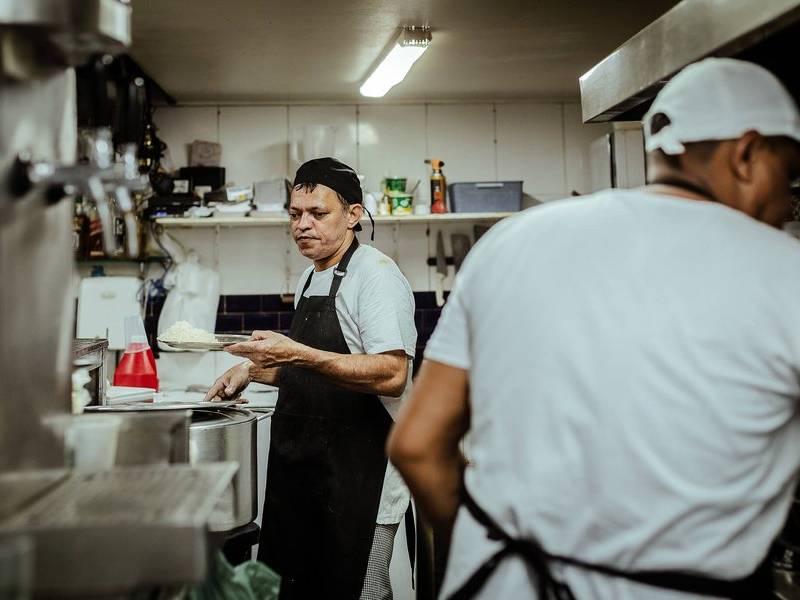
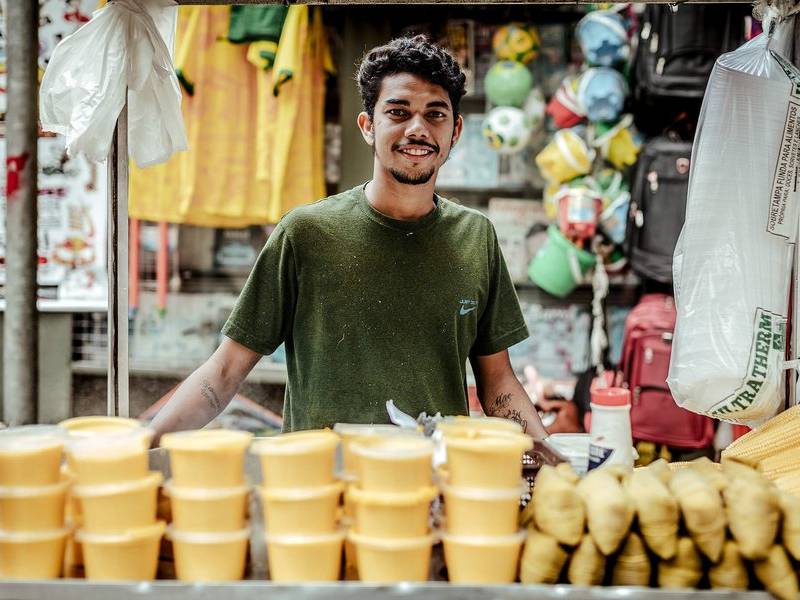
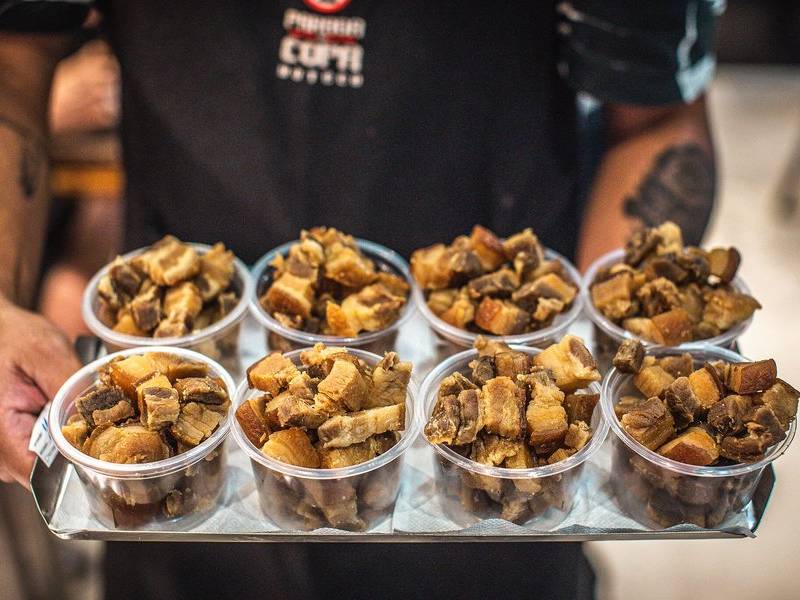
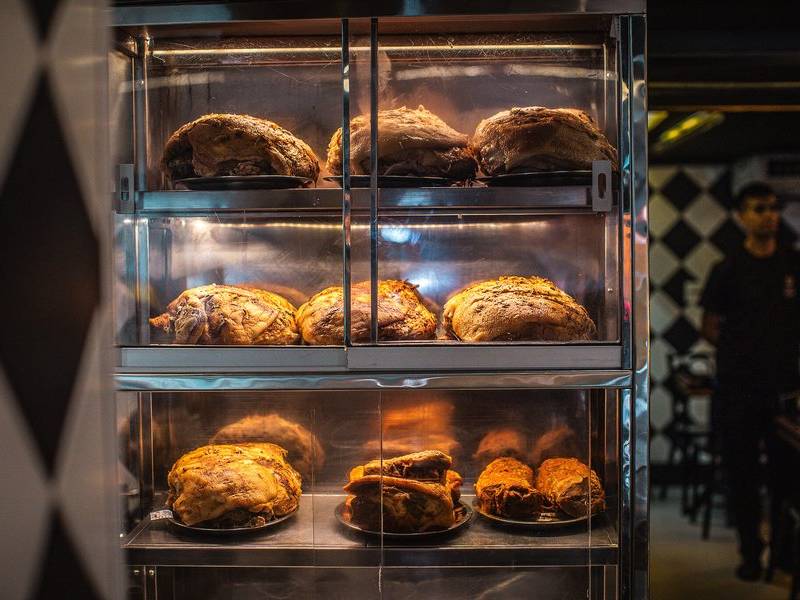
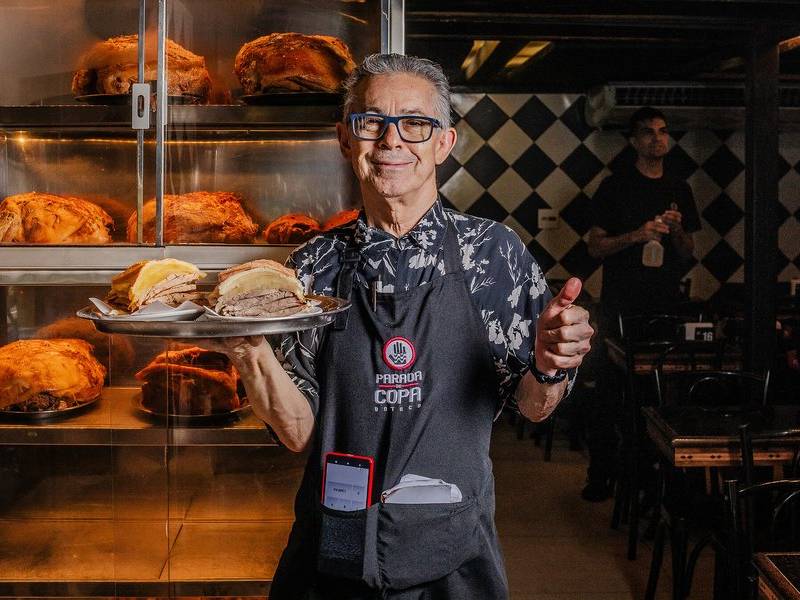
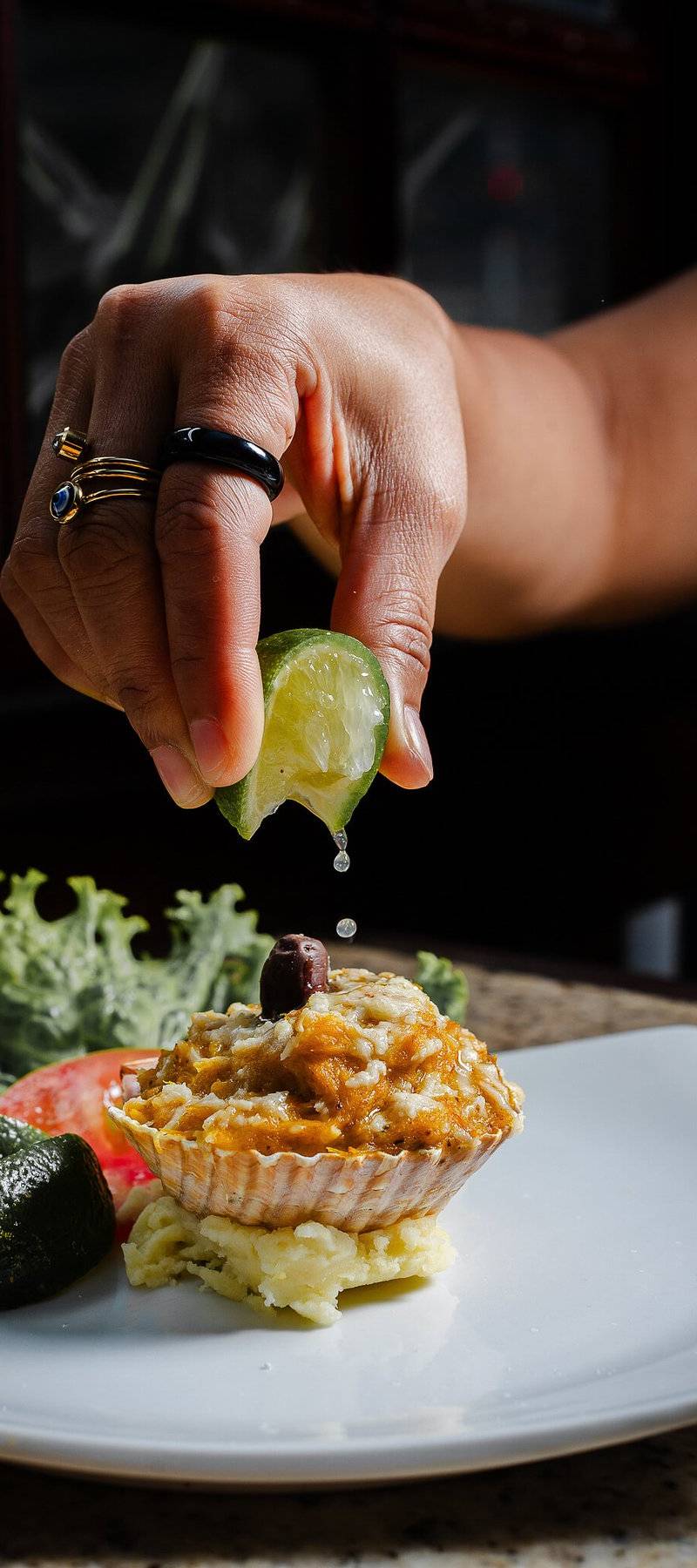
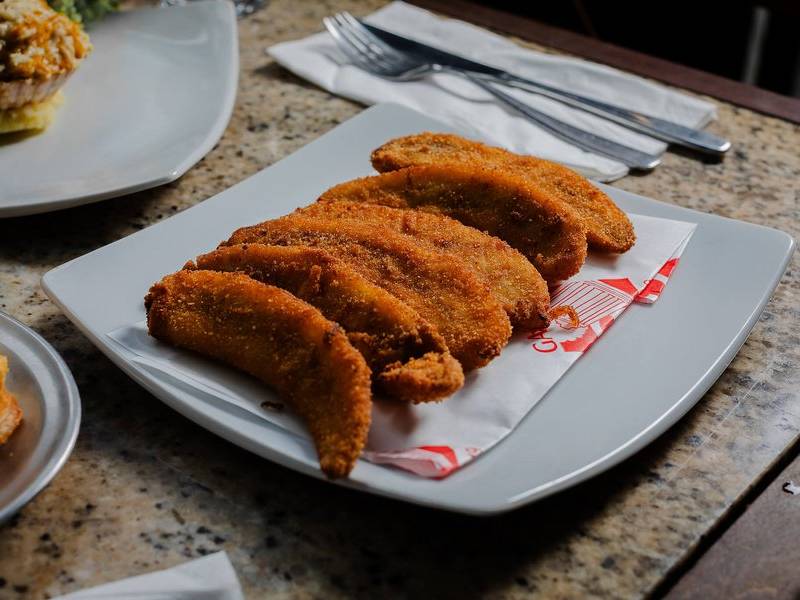
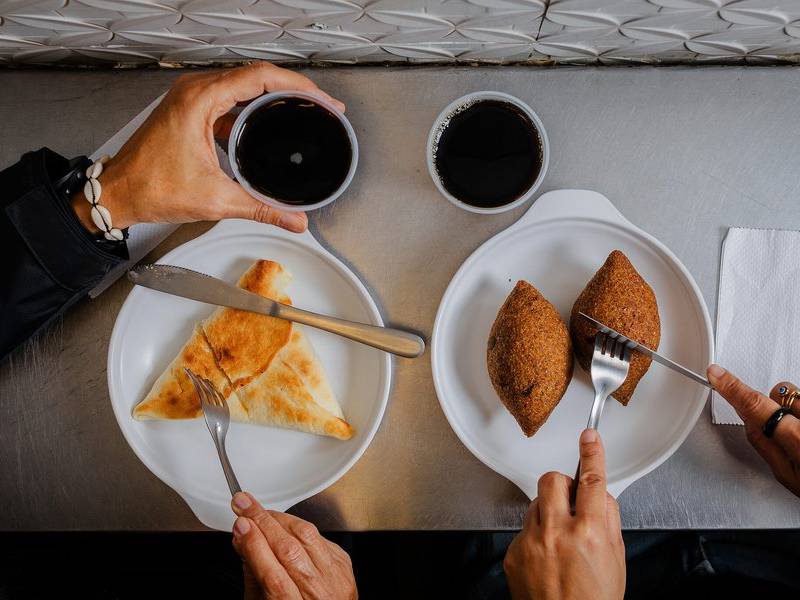
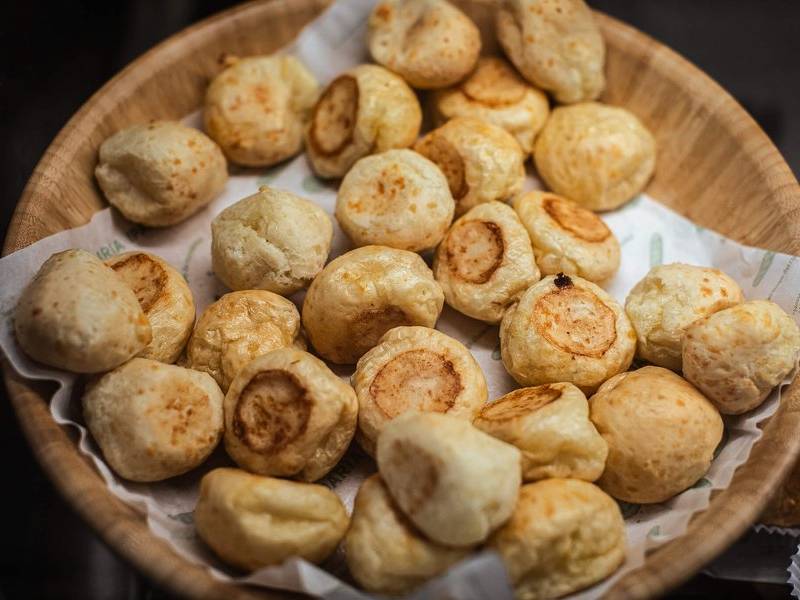
Feijoada on Saturday, churrasco charred hard, pao de queijo at the padaria, caipirinha with lime and cachaca. Smoke and salt anchor everything in Rio.
04 The pantry
- Feijao preto, black beans for the Saturday feijoada
- Cachaca, cane spirit for the caipirinha
- Lime, muddled into caipirinhas and squeezed over everything
- Farofa, toasted cassava flour scattered over meat and stew
- Pao de queijo, cheese bread rolls from the padaria
05 In the kitchen
- Slow-cooking feijoada for hours with salted pork parts
- Muddling caipirinha lime, sugar and cachaca to order
- Grilling picanha over churrascaria charcoal spits
- Rolling pao de queijo cheese-tapioca dough into small buns
- Baking bolinhos de bacalhau salt-cod fritters at every boteco
06 Eat this first
- Feijoada, the Saturday black-bean stew with pork, rice, kale and orange
- Pao de queijo, chewy tapioca-and-cheese buns for breakfast
- Bolinho de bacalhau, salt-cod fritters at the corner boteco
- Caipirinha, cachaca cocktail with lime and sugar muddled to order
- Acai na tigela, frozen acai bowl topped with banana and granola


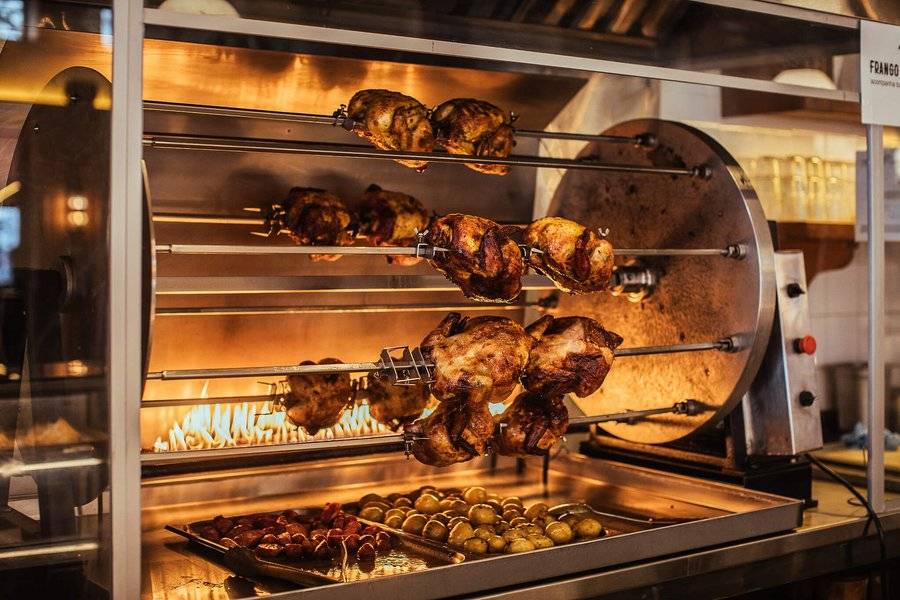
What happens inside a hammam kitchen
A morning with the cooks who feed the neighbourhood before dawn. Charcoal, dough, the smell of a bakery working its second oven.
09 Recipes
A collection of authentic recipes we couldn't leave behind.

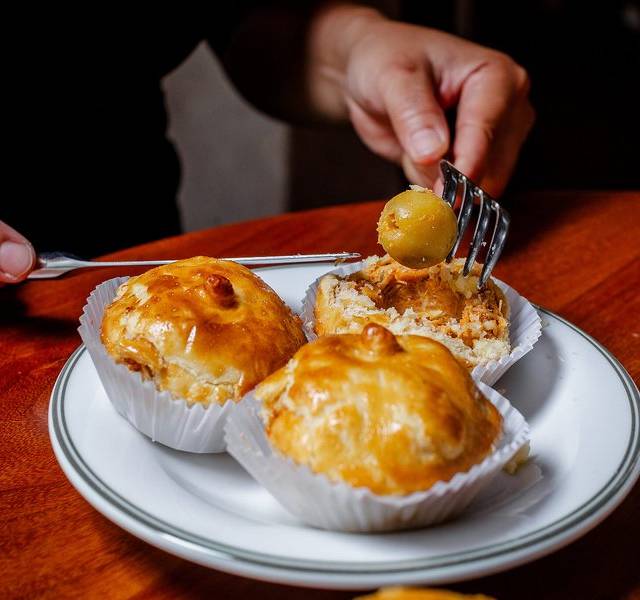
Little baked coconut-and-cheese cups with a caramelised top. A Portuguese convent sweet that landed in Brazil and never left.

Shredded roast chicken, melted mozzarella, potato palha and a slick of creamy sauce piled inside a hot roll. The São Paulo boteco chicken sandwich generations of Rua Piauí counters made famous.

Thin, crackling pastry deep-fried around a ground-beef filling. The classic feirinha snack, sold with sugarcane juice on Saturday mornings.

Chocolate condensed milk cooked down to fudge, rolled into balls, coated in sprinkles. The birthday-party sweet every Brazilian grew up on.
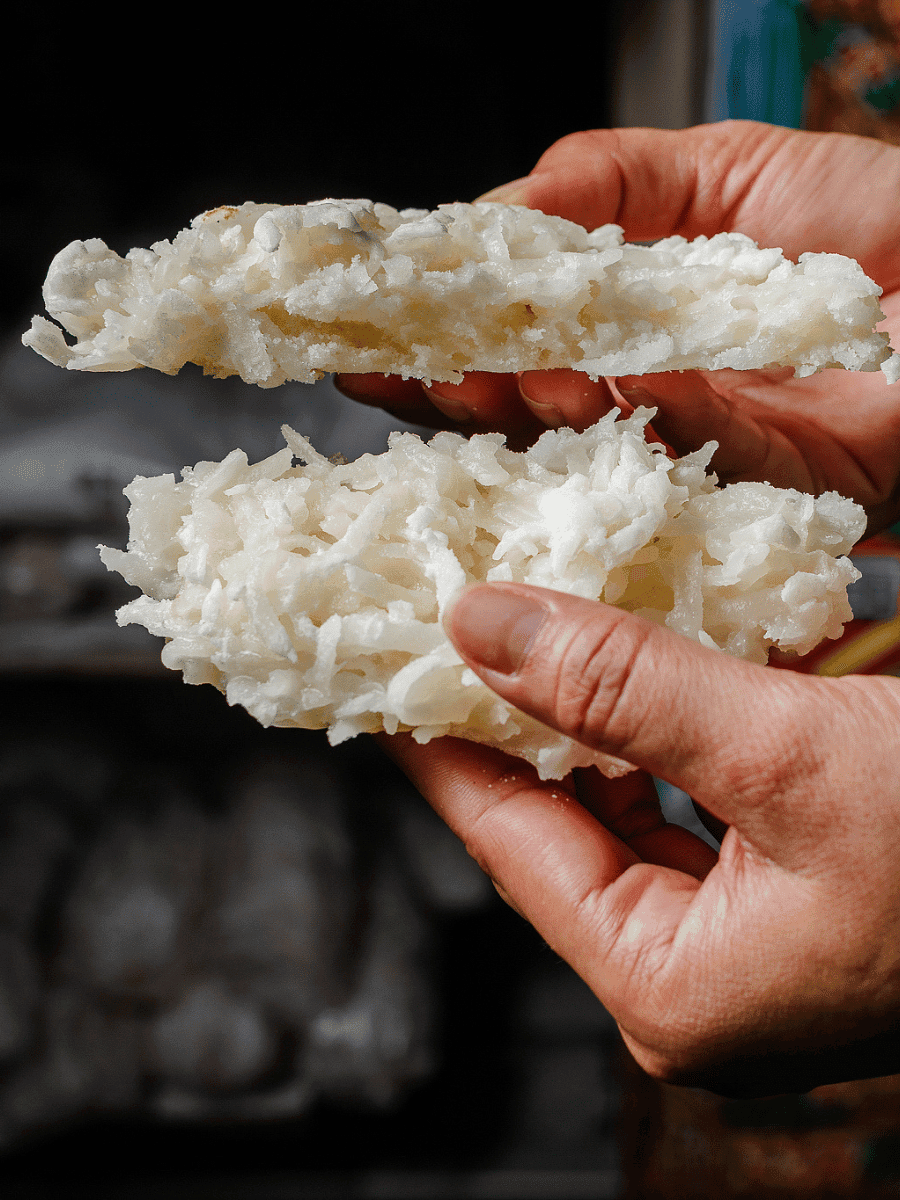
Fresh coconut cooked slowly with sugar until chewy and caramelised. The beach sweet sold by Salvador's Baianas straight from the pan.

Half a kilo of thin-sliced mortadella and melted provolone piled inside a small French roll. The Mercadão Municipal's single most famous order.
10 Field Notes
Quick field notes to help you get accustomed to Rio de Janeiro.
Weather
Tropical. Hot humid summers (December–March, 35°C+) and mild winters (18–25°C). October to April is peak beach; June to August is drier and cooler.
Currency
The Brazilian real (BRL). Cards accepted almost everywhere. PIX (instant transfer) dominates for locals. Travellers can use cards.
Language
Portuguese (Brazilian). English coverage is decent in Copacabana, Ipanema, and Leblon, thinner elsewhere. Spanish speakers are understood but respond in Portuguese.
Etiquette
Warm and physical. Kisses on both cheeks are standard greetings. Be street-smart, don't display valuables, especially on the beach. Use Uber after dark.
Getting around
The metro is fast, cheap, and covers Copacabana / Ipanema / Centro. Uber is reliable. Buses are cheap but confusing. Walk the beach, don't walk between neighbourhoods at night.
Prayer
Predominantly Catholic, with strong Candomblé, Umbanda, and Evangelical traditions. The Christ the Redeemer statue is the city's spiritual landmark. The New Year Yemanjá offerings on Copacabana are a Candomblé highlight.