
Destination
Rio de Janeiro
The story
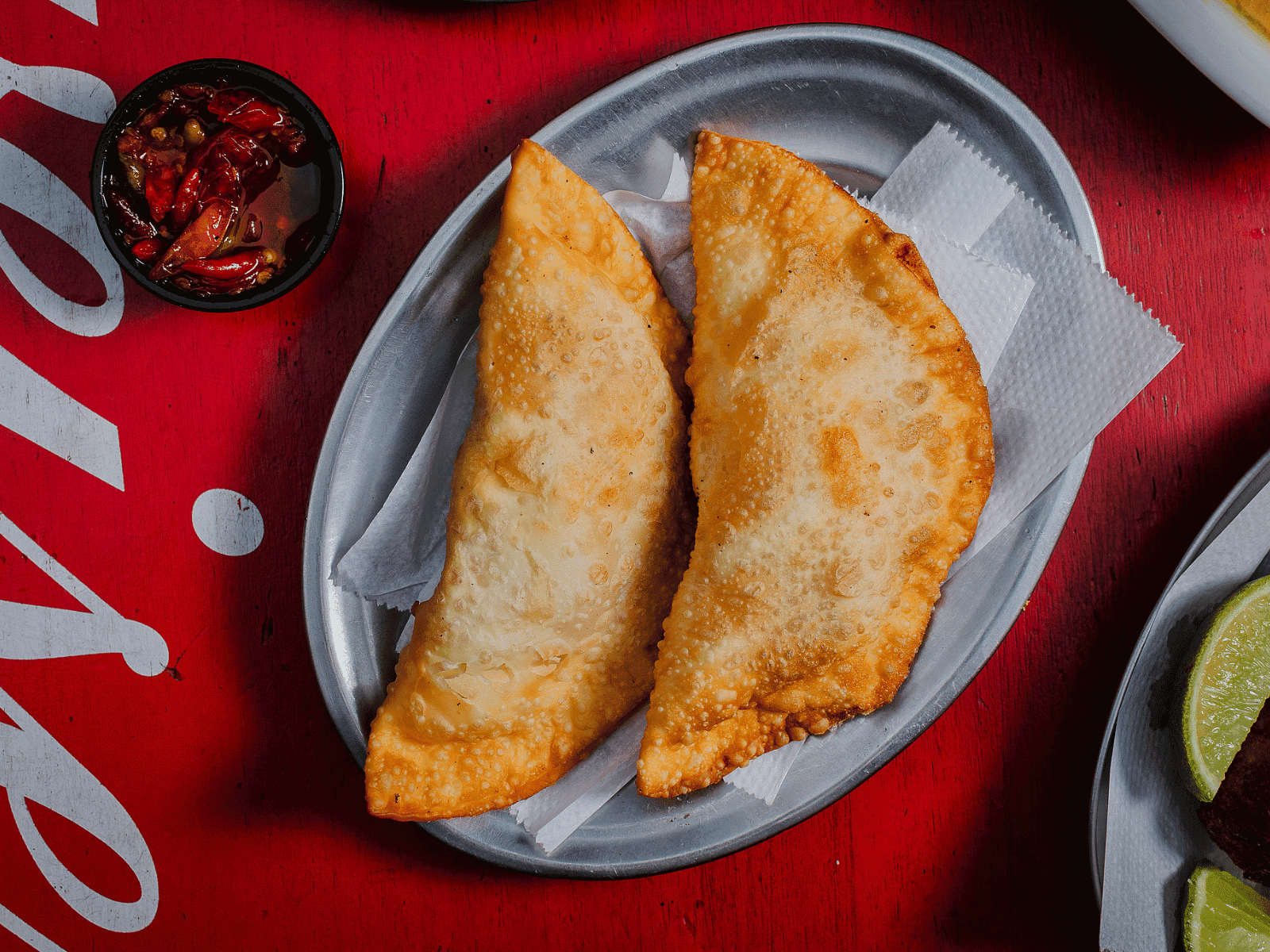
Pastel is Brazil's morning-market snack: a thin envelope of pastry sealed around a filling (ground beef is the classic, but cheese, chicken, palm heart, pizza and dozens of others crowd every menu), deep-fried until it puffs and blisters into a golden pillow. Sold at every feira livre (open-air street market) on Saturday and Sunday mornings from a specific kind of vendor (the pastel man / pastelaria stall) alongside plastic cups of caldo de cana, freshly pressed sugarcane juice. That combination, hot pastel and cold sugarcane, is the Brazilian Saturday-morning ritual.
Method
In a large bowl, combine the flour and salt. Add the cachaça and oil, then the warm water in stages, mixing to a smooth dough. Turn out and knead 8 minutes until soft and elastic. Wrap in cling film and rest 30 minutes at room temperature.
Warm the olive oil in a wide pan over medium heat. Sweat the onion 4 minutes, then add the garlic and cook another minute. Add the beef and cook 6 to 8 minutes, breaking it up, until no pink remains. Stir in the tomato paste, salt, pepper and cumin. Cook 2 more minutes. Off the heat, fold in the parsley, hard-boiled egg and olives. Cool completely.
Divide the rested dough into 4 pieces. Roll each on a lightly floured surface into a sheet as thin as you can manage without tearing (aim for 1 to 2mm; you should almost see the bench through it). A pasta machine on setting 5 or 6 works well if you have one.
Cut the sheet into 15cm squares (or use a large cutter for rounds). Place a heaped tablespoon of filling on one half of each square, leaving a 1.5cm border.
Brush the border with water. Fold the pastry over to form a rectangle. Press firmly around the edges to seal, pressing out any air pockets. Crimp with a fork for security.
Heat the oil in a deep pot to 180°C (355°F). A small piece of dough should rise and blister immediately.
Fry the pastéis in batches of 2 or 3 for 90 seconds per side, spooning oil over the top so they puff evenly. They should turn deep gold and balloon dramatically as they fry.
Lift onto kitchen paper. Serve immediately with lime wedges and hot sauce. Cold sugarcane juice on the side if you want the full feira experience.
Tips
- The cachaça in the dough is not for flavour, it's for texture. The alcohol evaporates rapidly in the hot oil and helps the pastry puff and blister. Vodka works just as well.
- Roll the dough thin. Thick pastel dough gives you a doughy, oily snack. Thin dough (1 to 2mm) gives you the classic blistered, hollow finish. A pasta machine helps if you have one.
- Cool the filling before assembly. Warm filling steams the pastry from inside and gives you a soggy seal. Fridge-cold is even better.
- Fry hot and don't crowd. 180°C is the sweet spot. Below that they soak up oil and go greasy. Only 2 or 3 at a time in a home fryer.
- Best eaten within 5 minutes of frying. Pastel gets sad and rubbery as it cools. Fry to order if you're serving a crowd.
More recipes
View all
Fried bulgur-and-beef torpedoes stuffed with more spiced beef and pine nuts. The Lebanese diaspora's greatest gift to the Brazilian boteco.

Fried tapioca-and-coconut dumplings rolled in cinnamon sugar. The cheap Northeastern sweet named for the student's budget it fits.

A teardrop of shredded chicken (and catupiry cream cheese, if you're doing it right) wrapped in dough, breaded and deep-fried. The corner-shop snack every Brazilian grew up on.
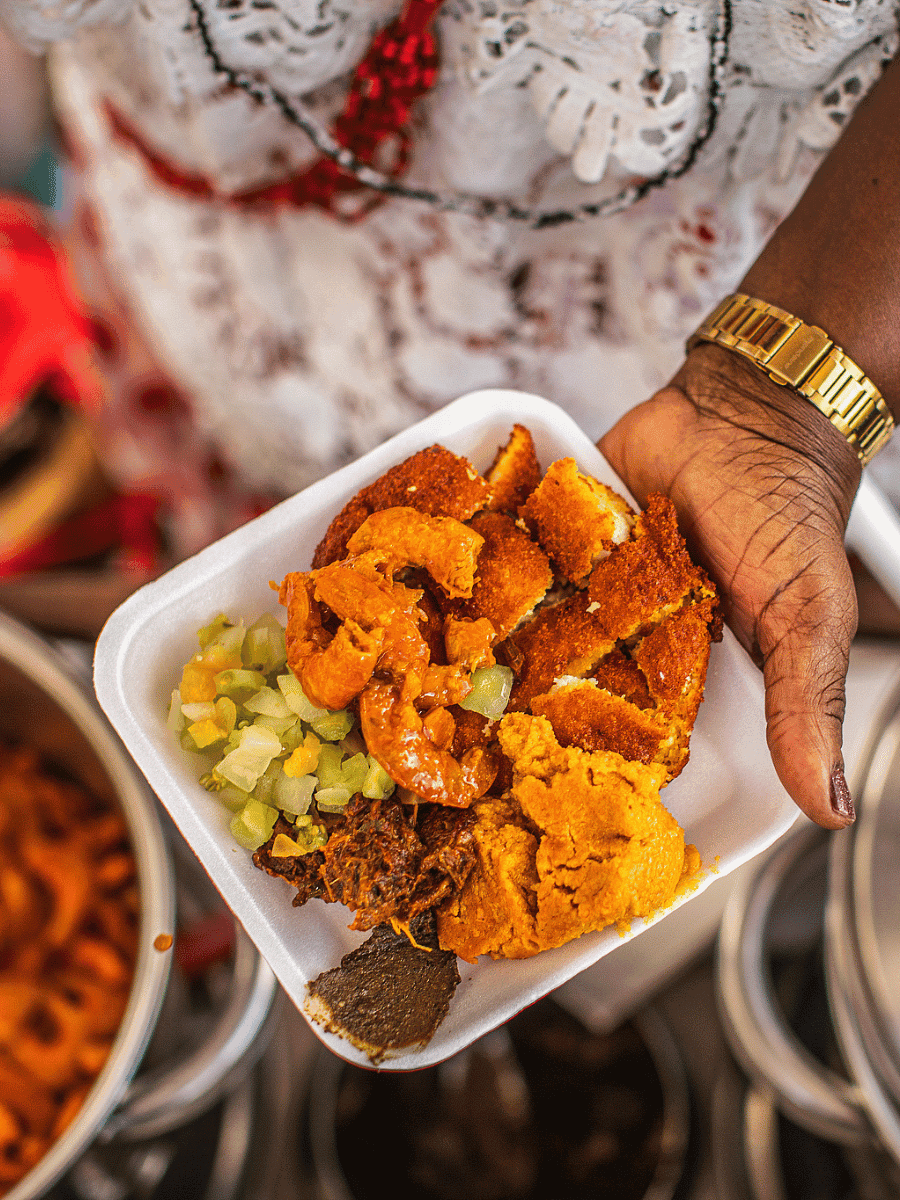
Black-eyed pea fritters deep-fried in palm oil, split open and stuffed with vatapá, caruru and dried shrimp. Salvador's most sacred street food.

Salt cod, potato, onion and parsley shaped between two spoons and deep-fried until golden. The Portuguese fritter that colonised every Brazilian boteco.

Crab meat cooked with coconut, dendê and coriander, baked back into the shell it came from. Salvador's most elegant petisco.