
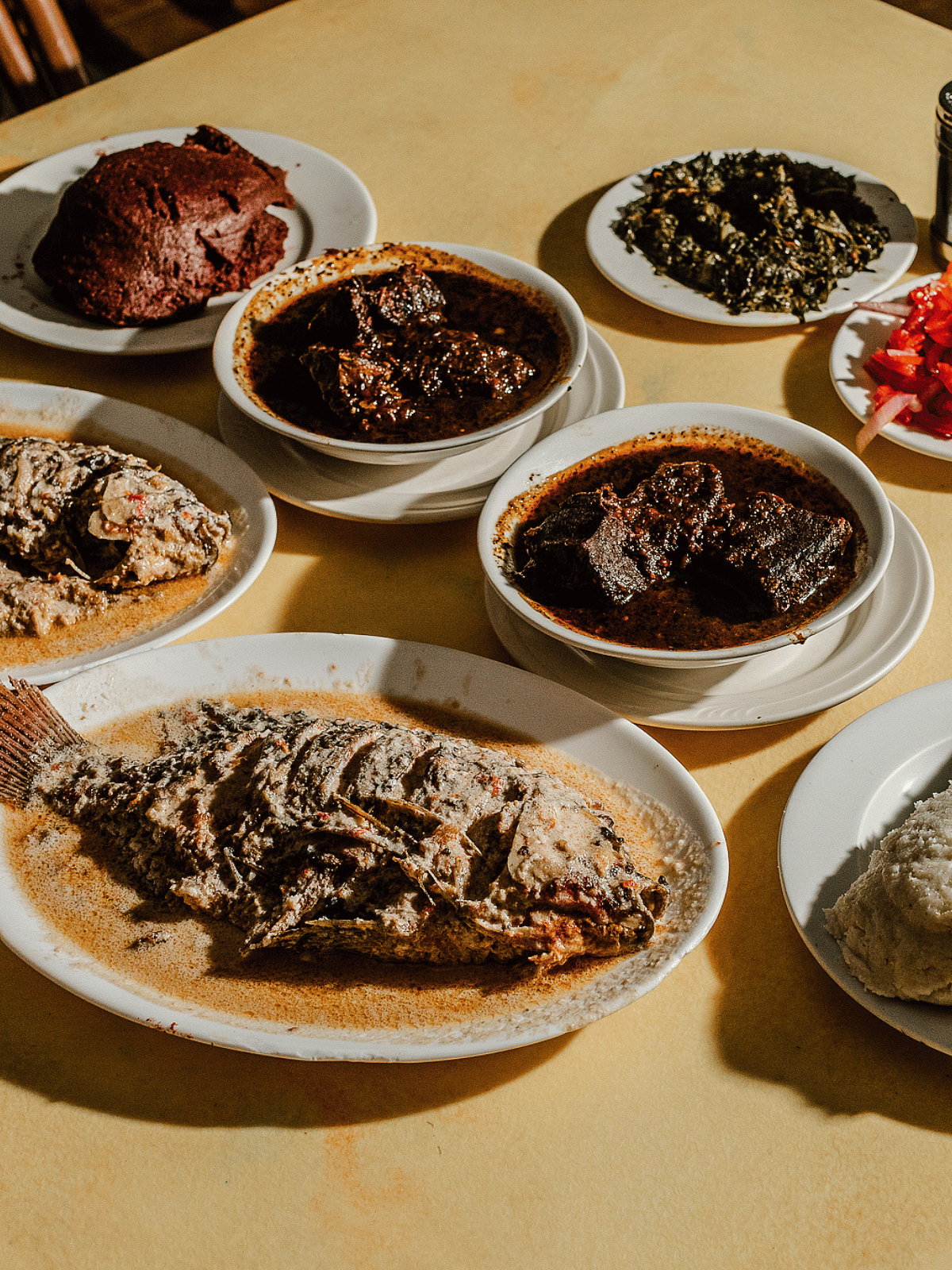
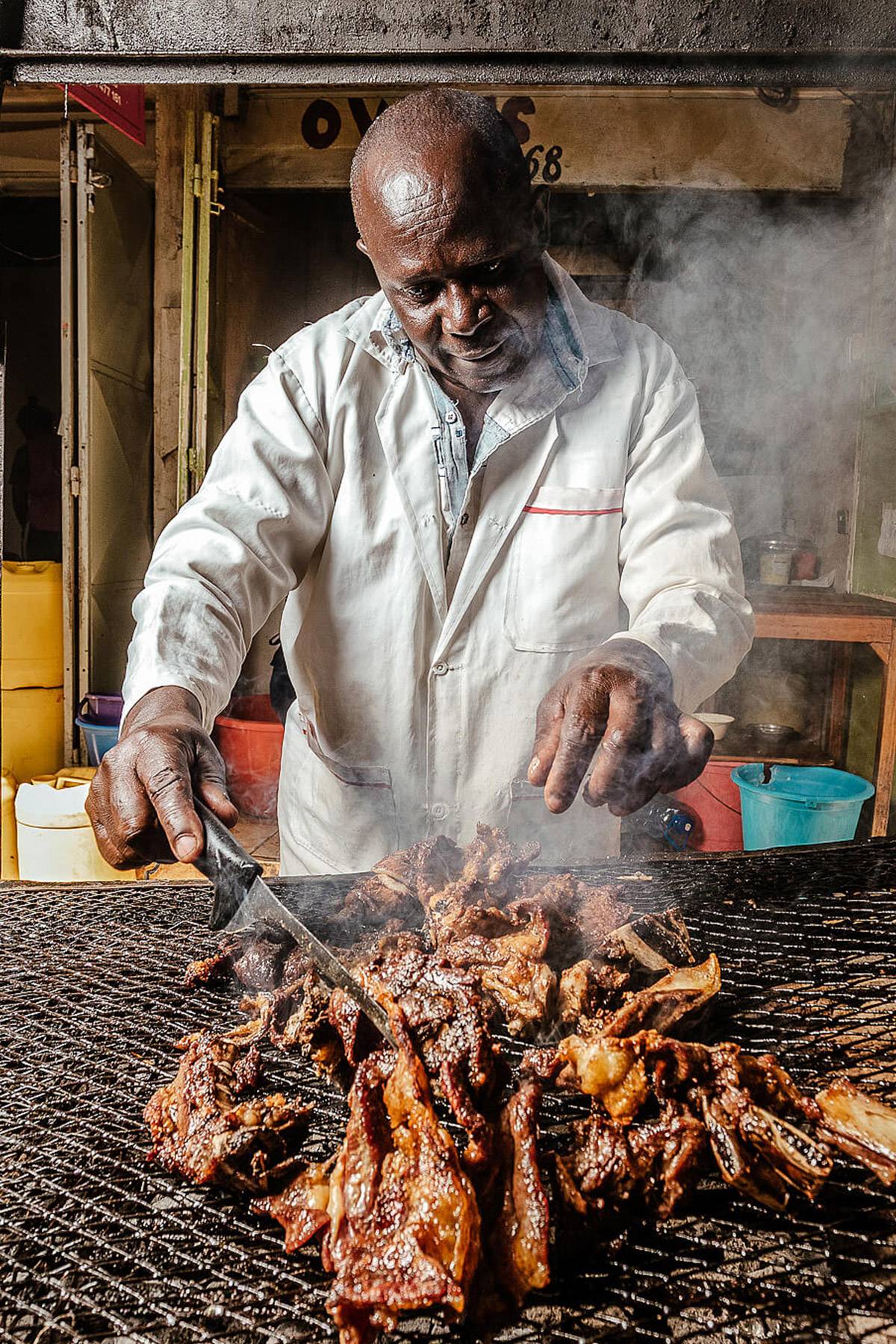
“The food tour was amazing, I got to try a lot different types of local foods. Everything I tried was delicious my two favourites were Nyama Choma and Uji.”
— Anton, 2026
01 Food tours
Original food tours, curated with our local tastemakers to showcase the neighbourhood kitchens, markets and family-run eateries that define Nairobi.
02 Meet the tastemakers
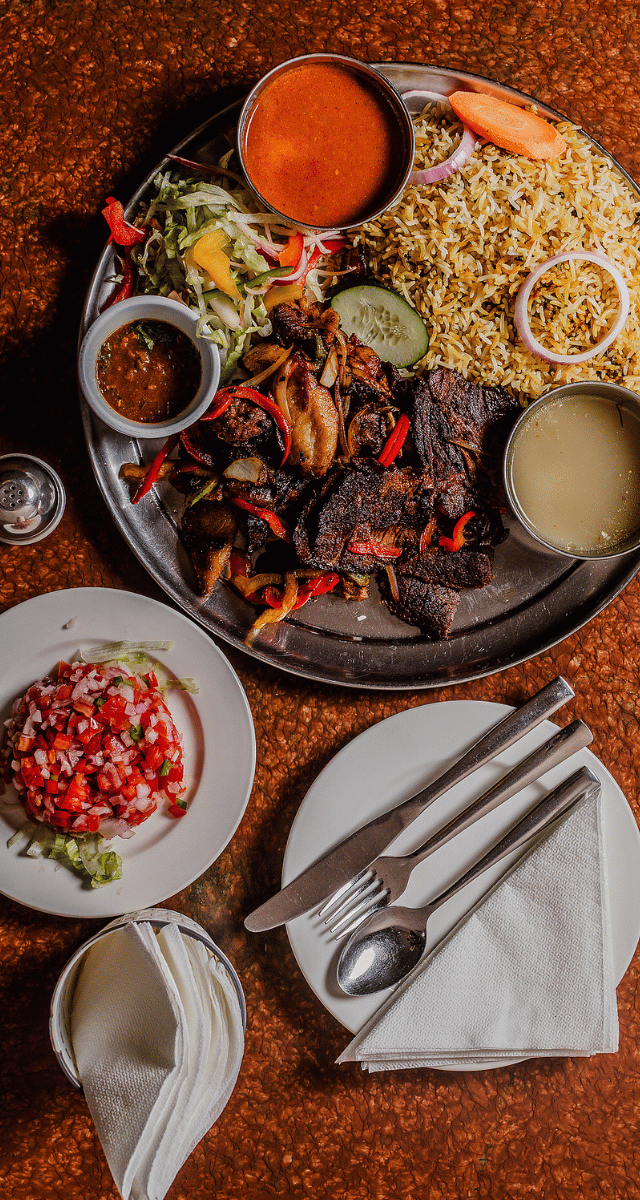
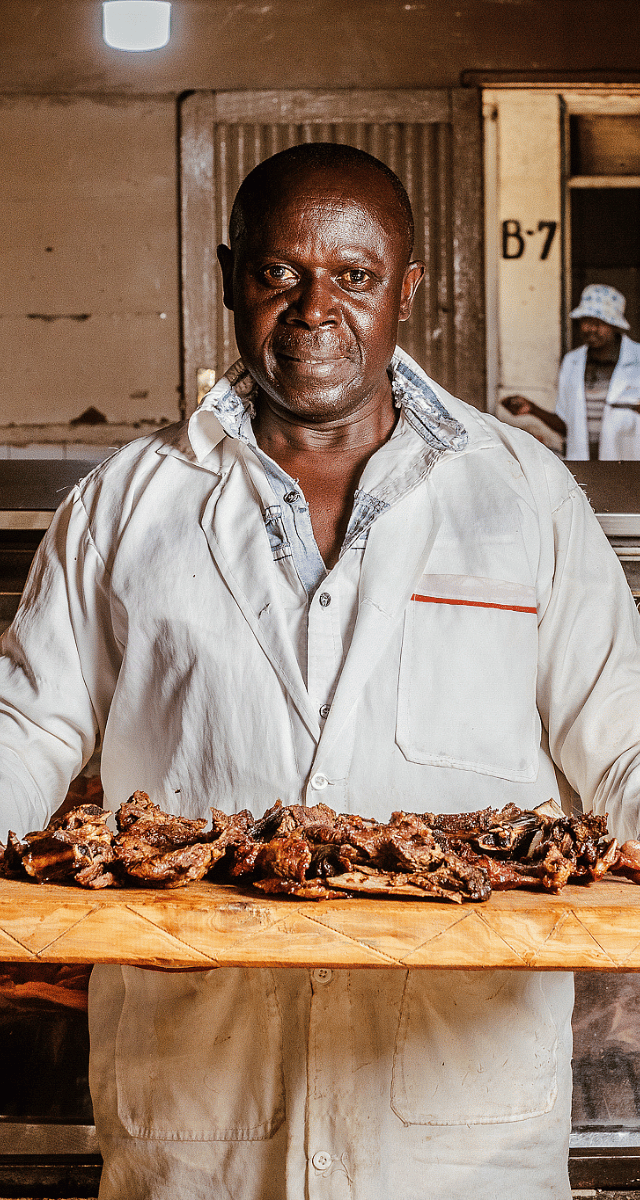
The local food experts who help us research, refine and lead every A Chef's Tour.


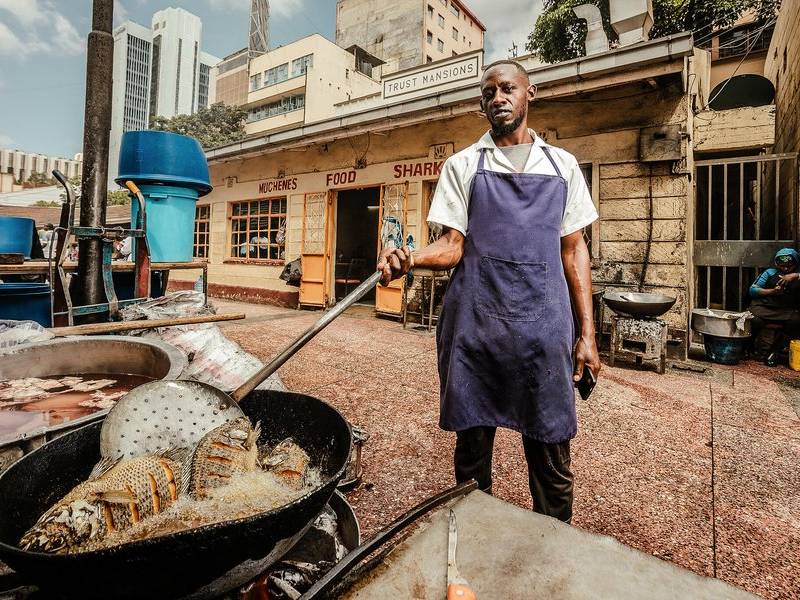
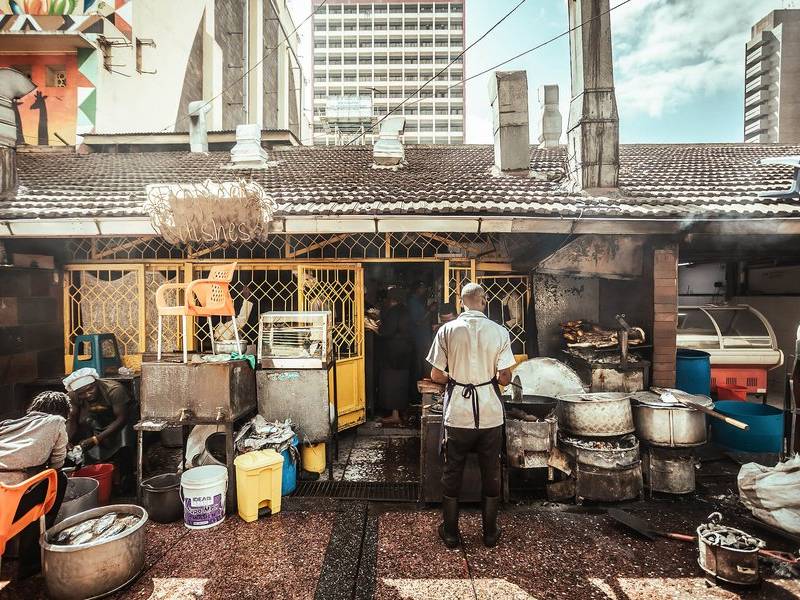
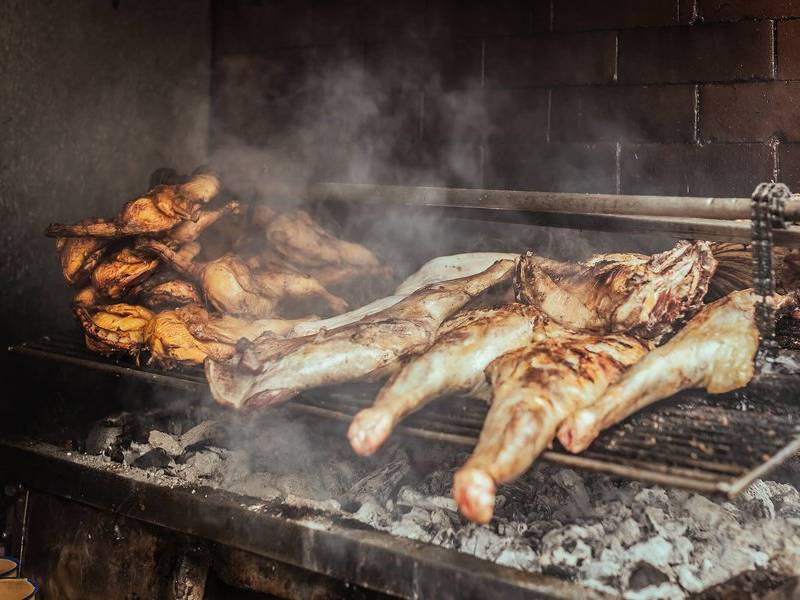

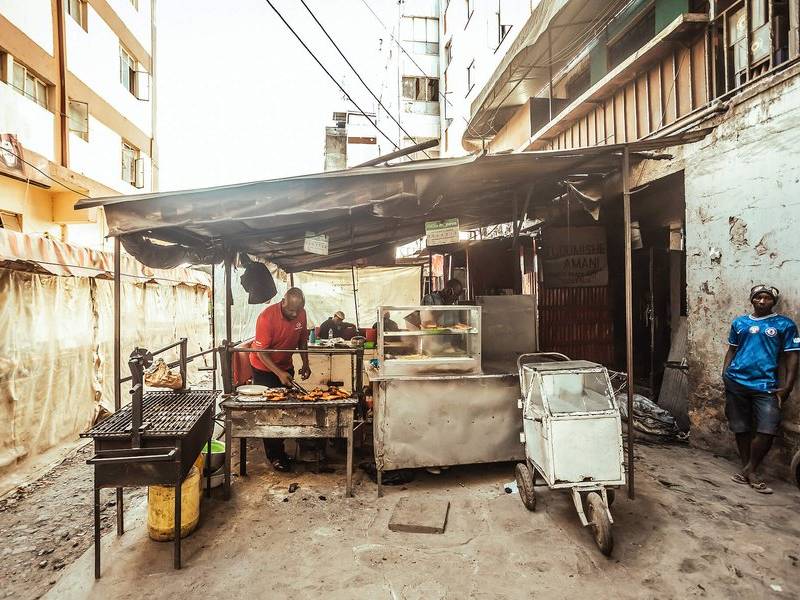
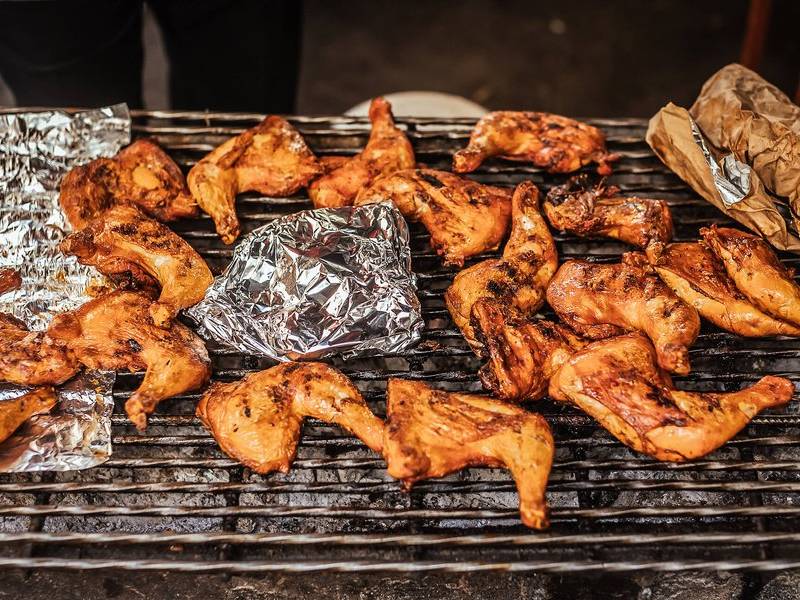
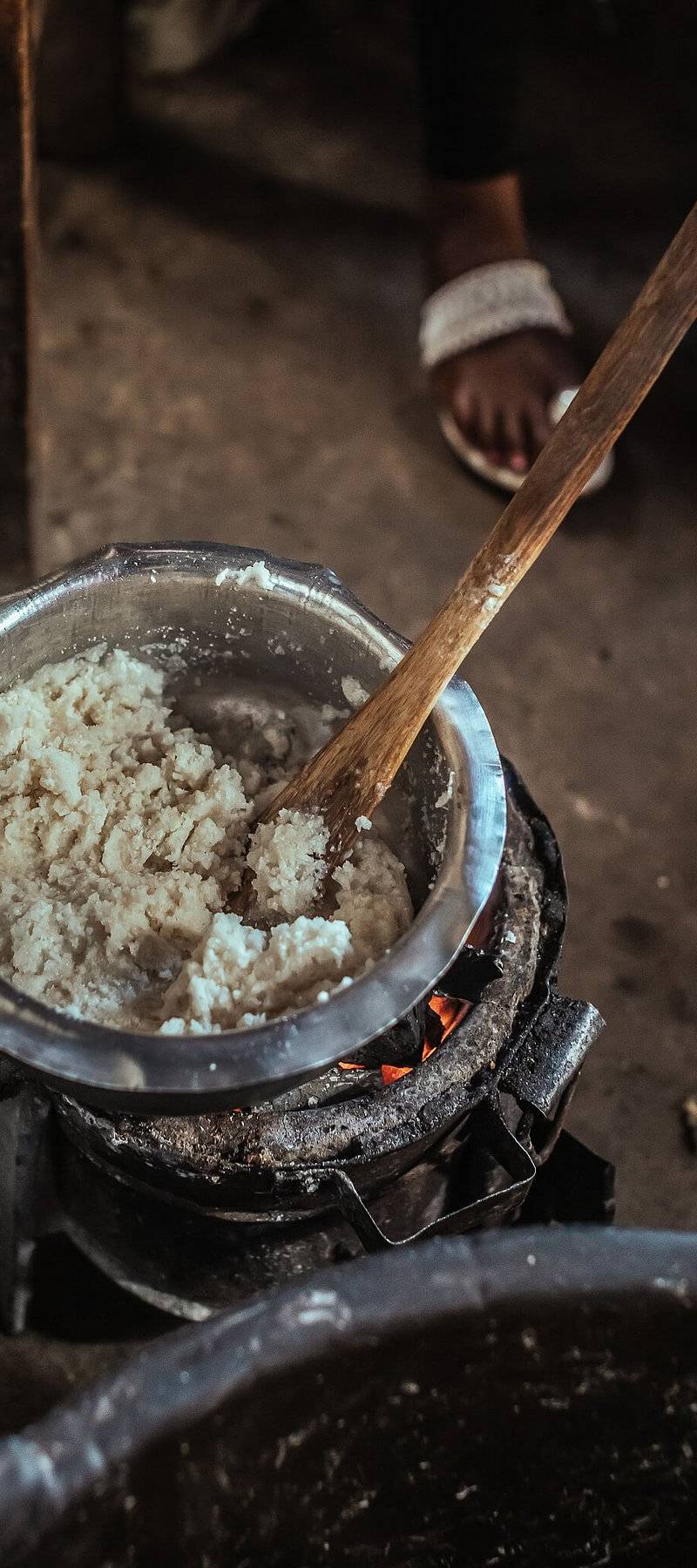
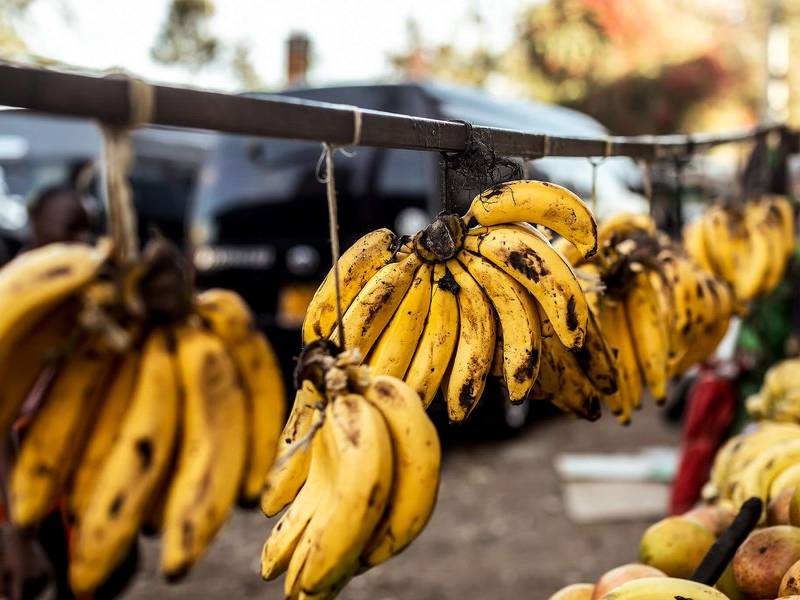
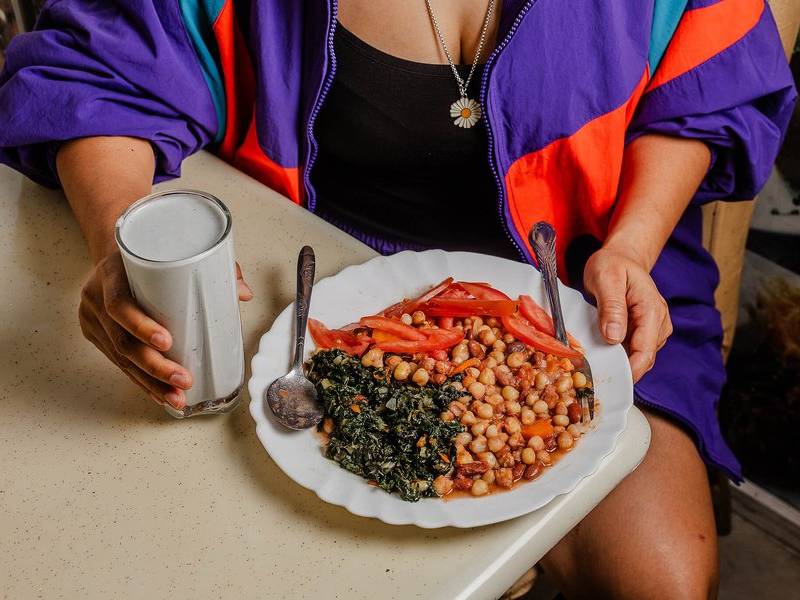
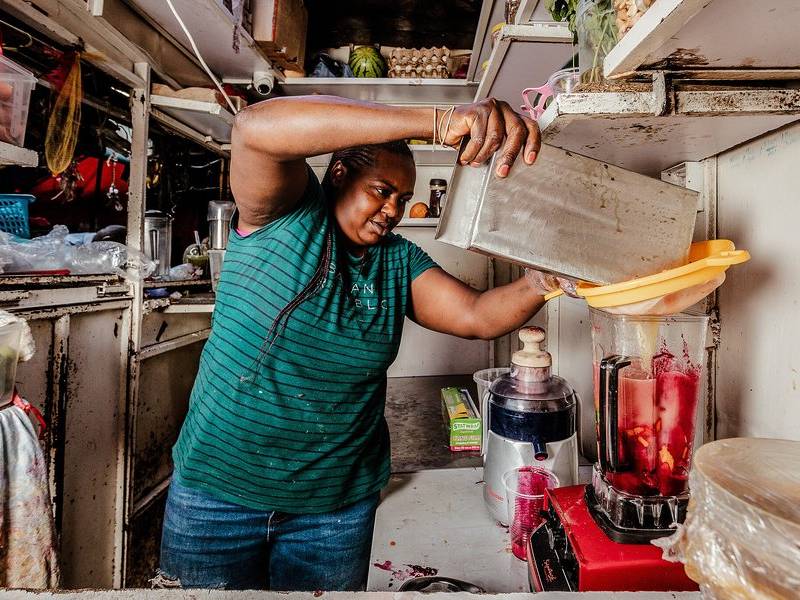
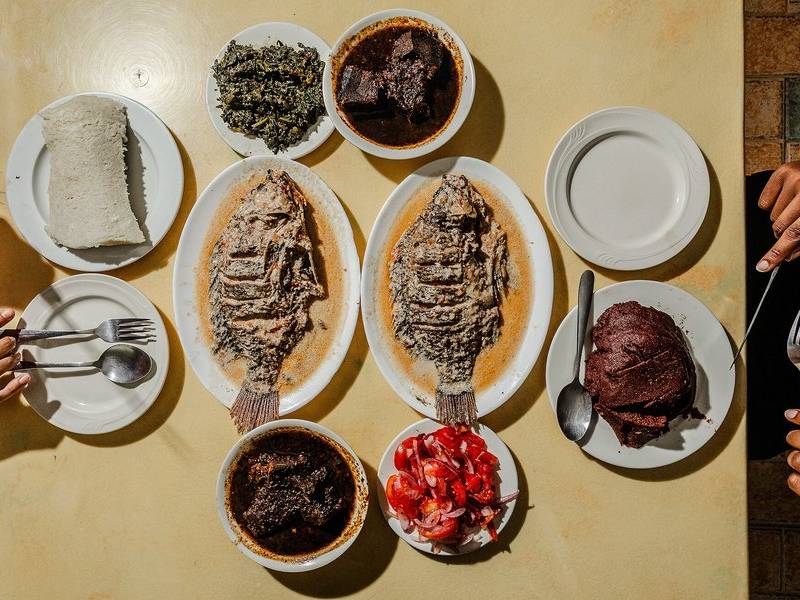
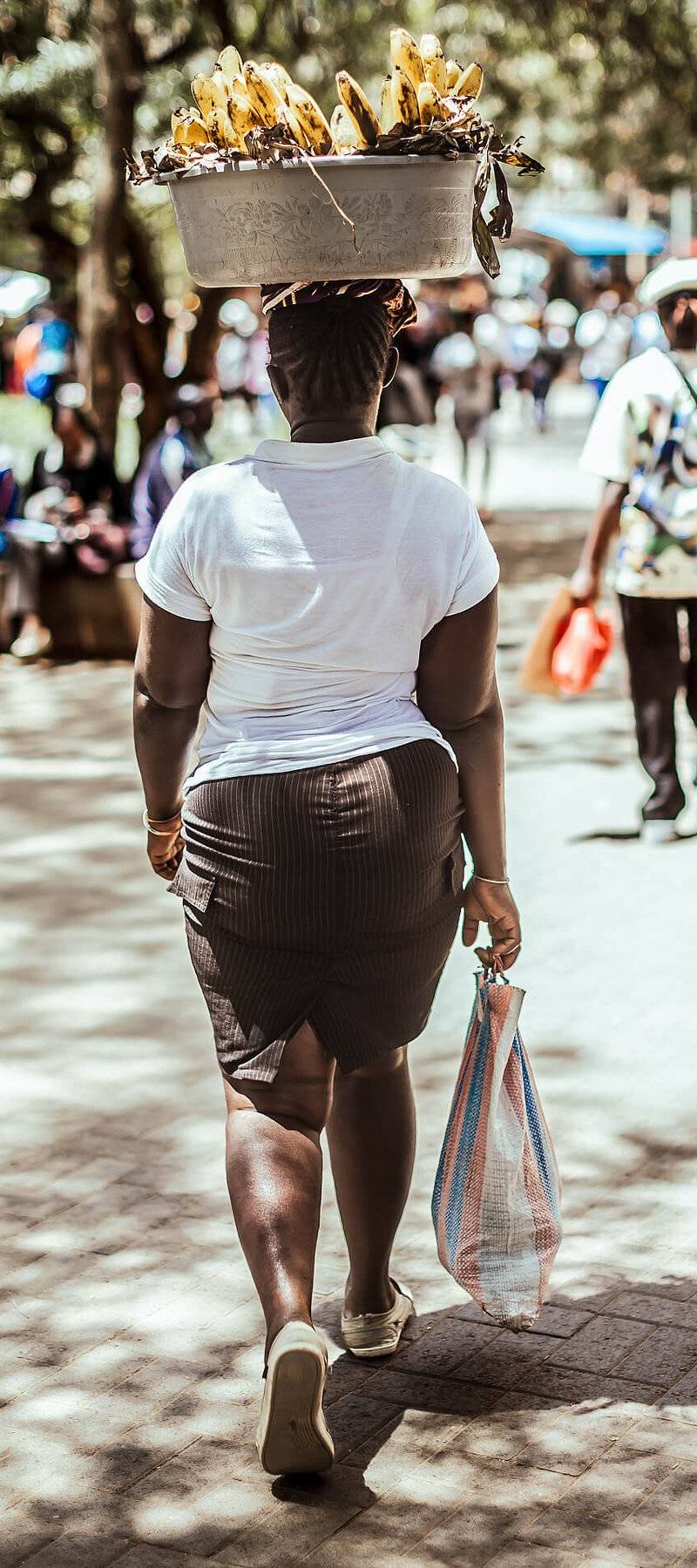
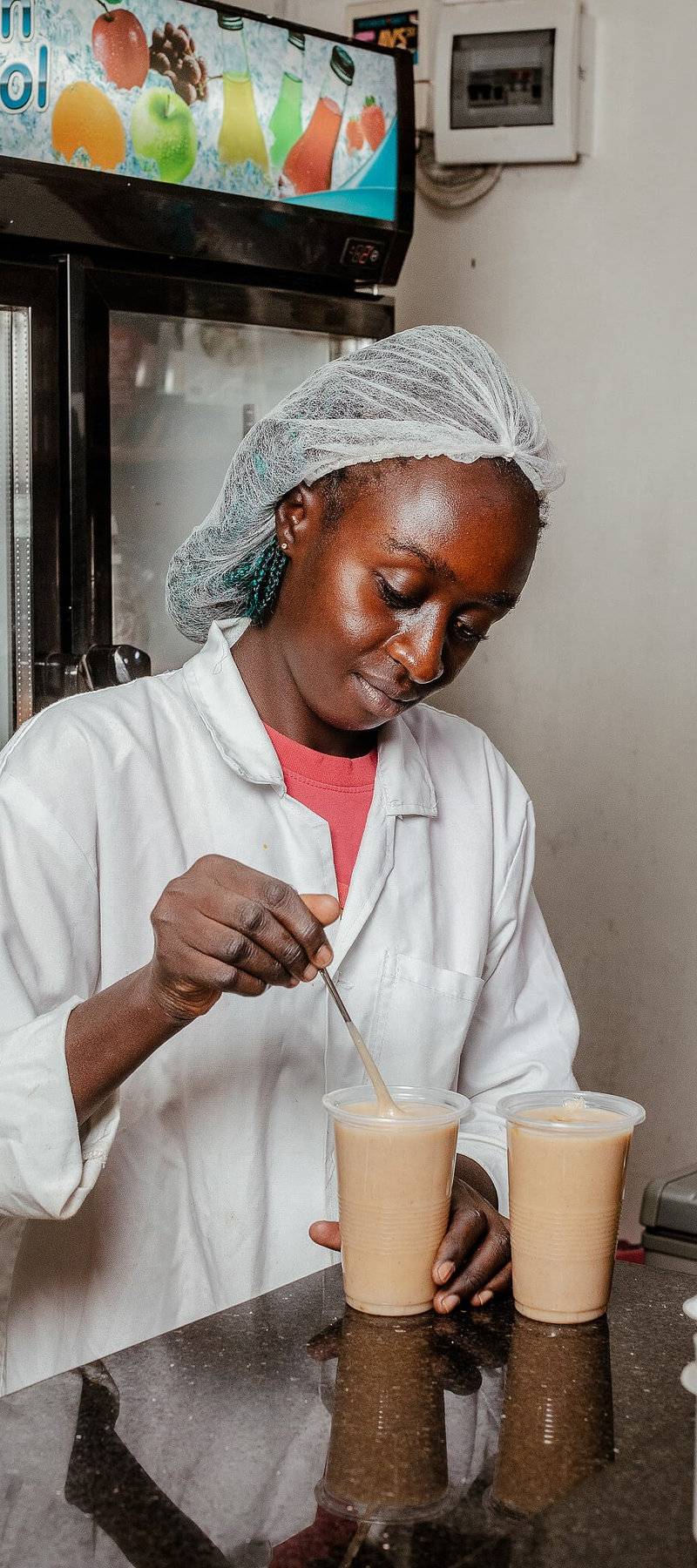
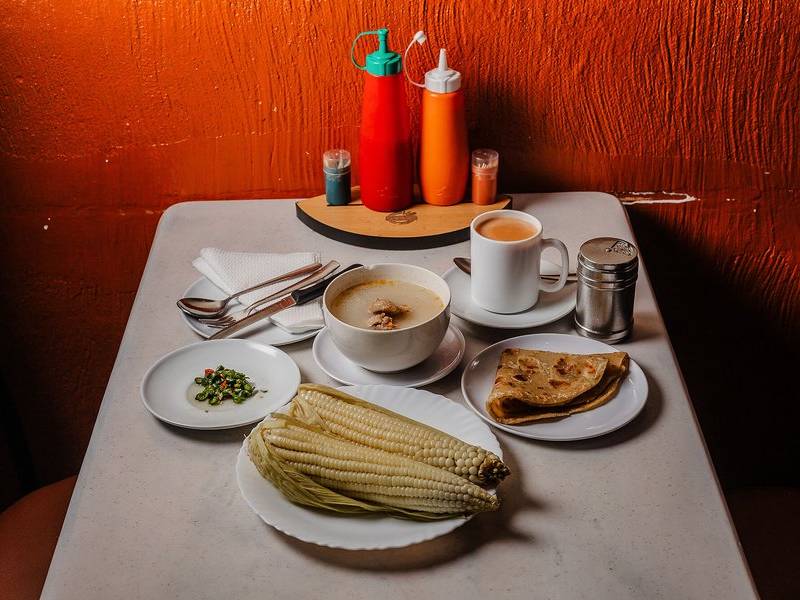
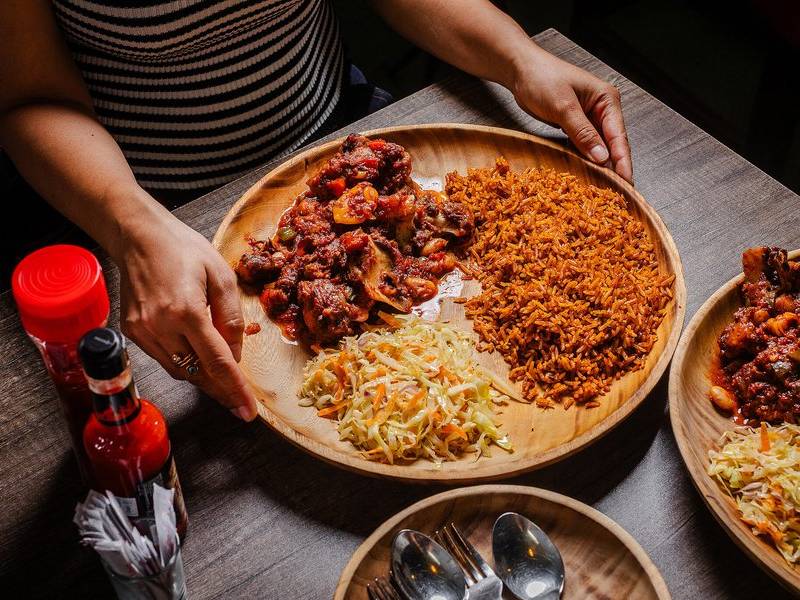
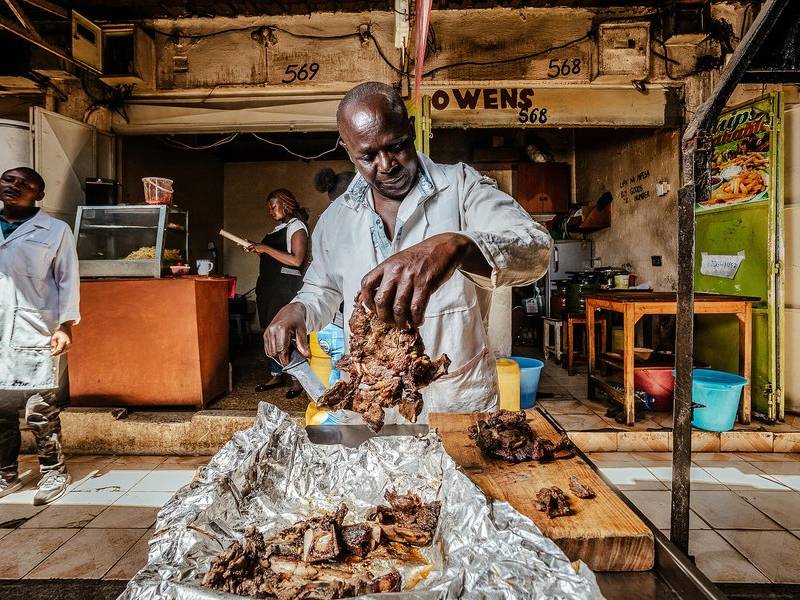
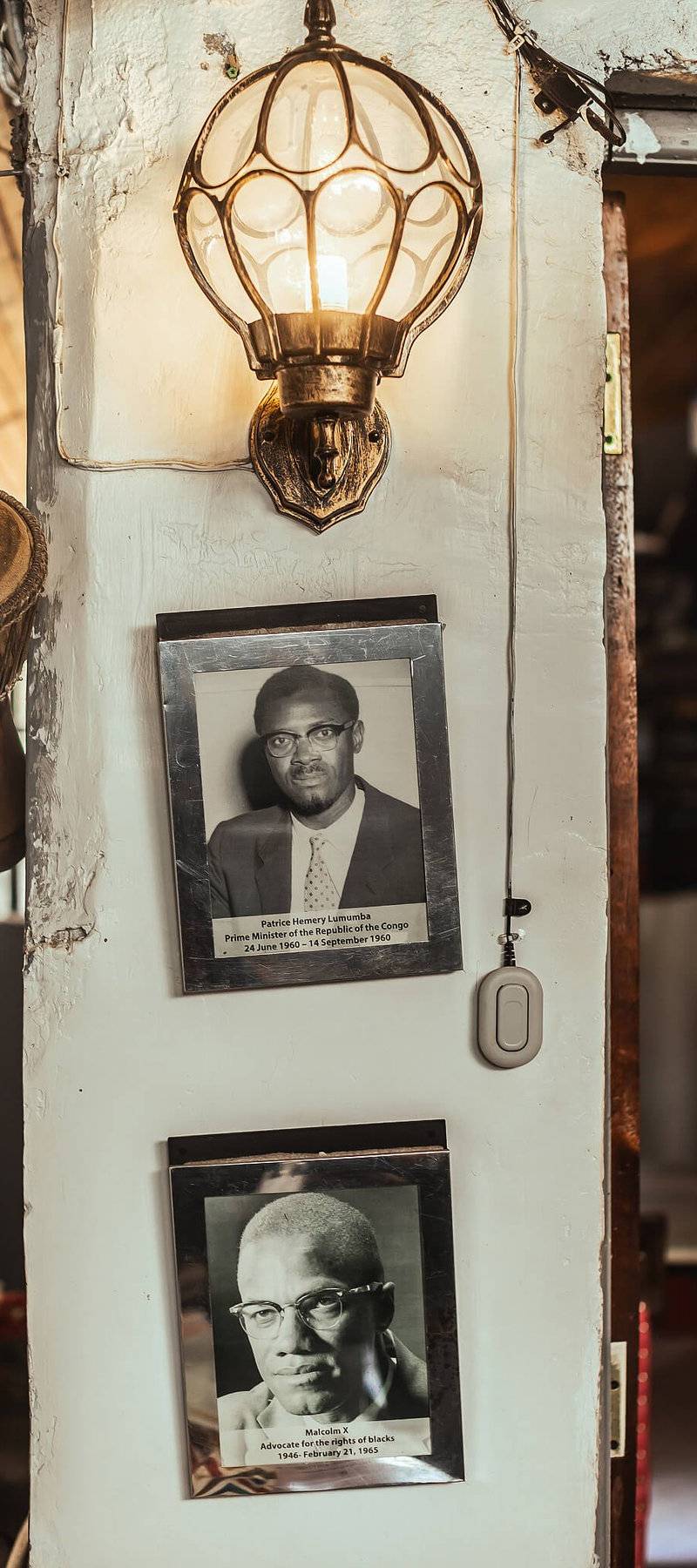
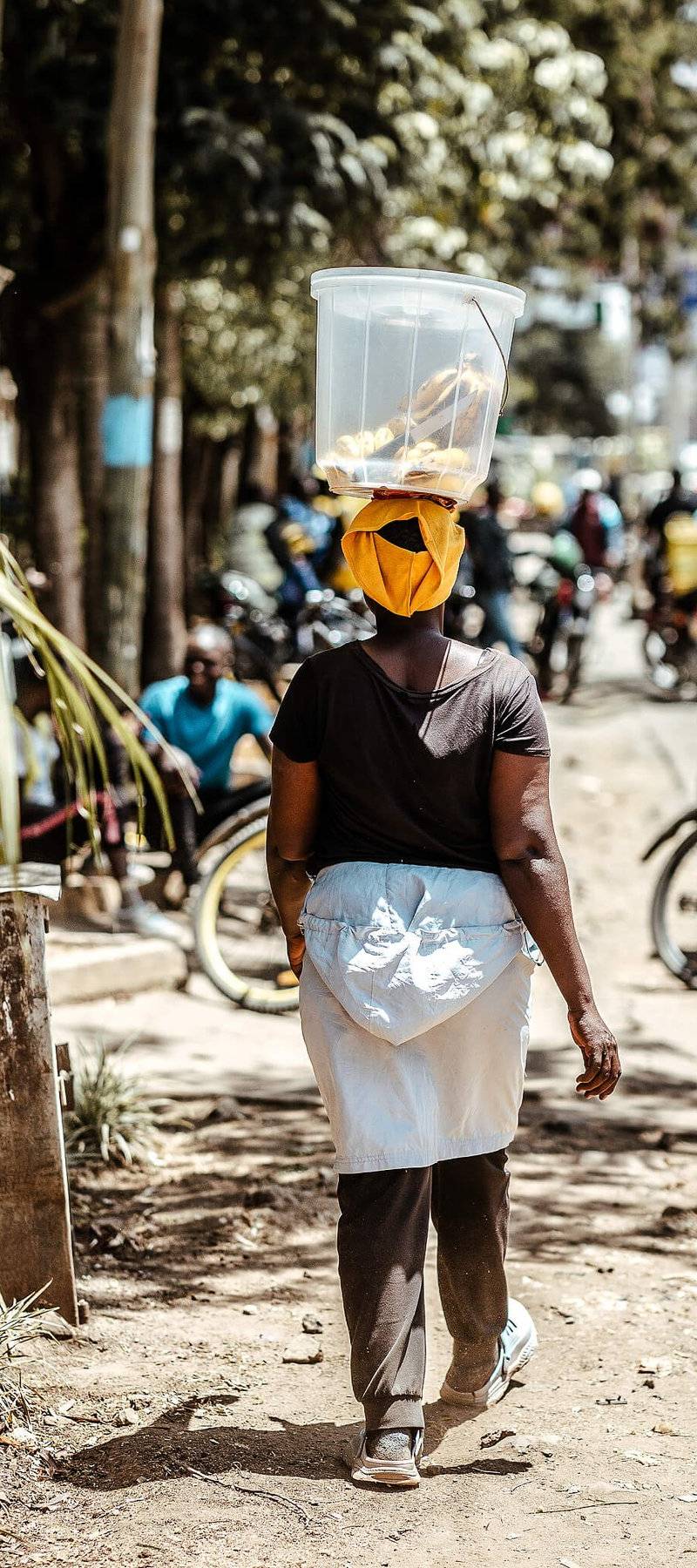
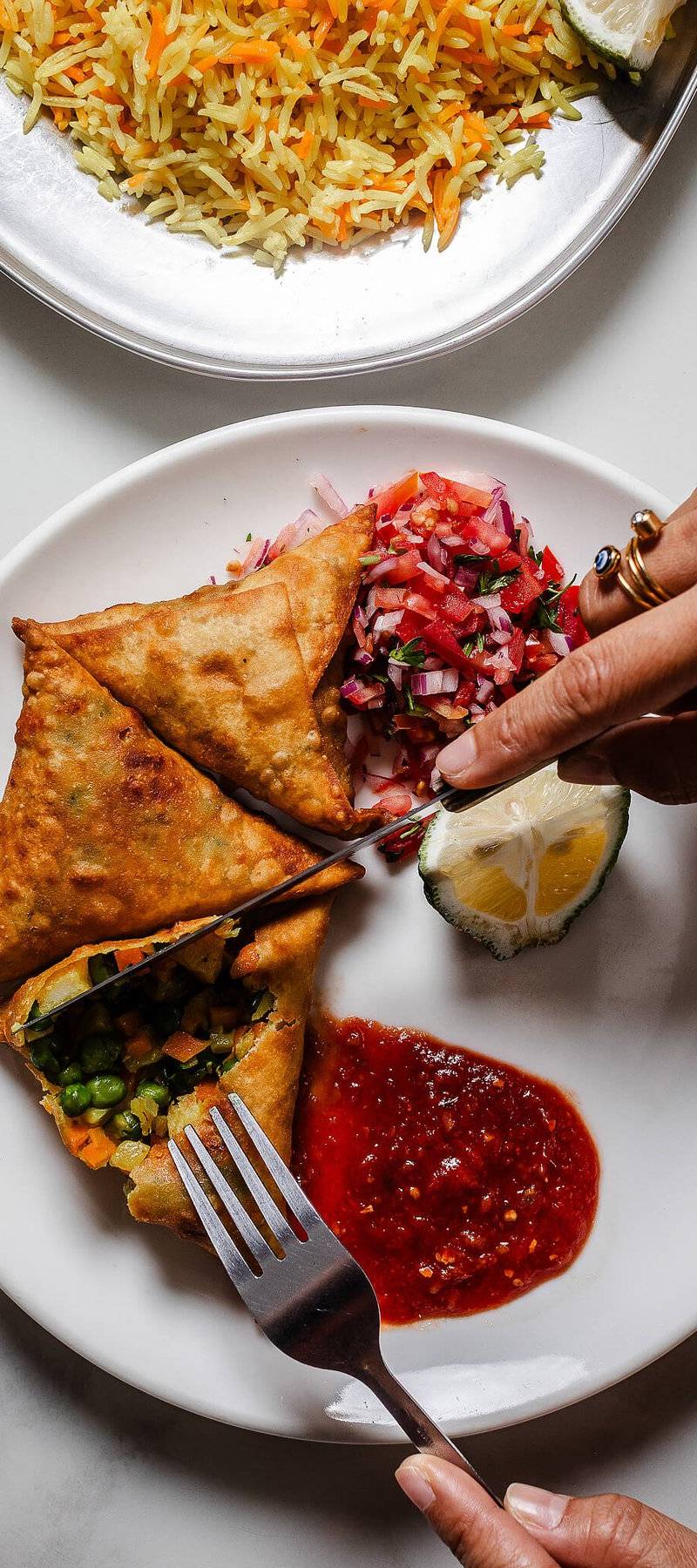
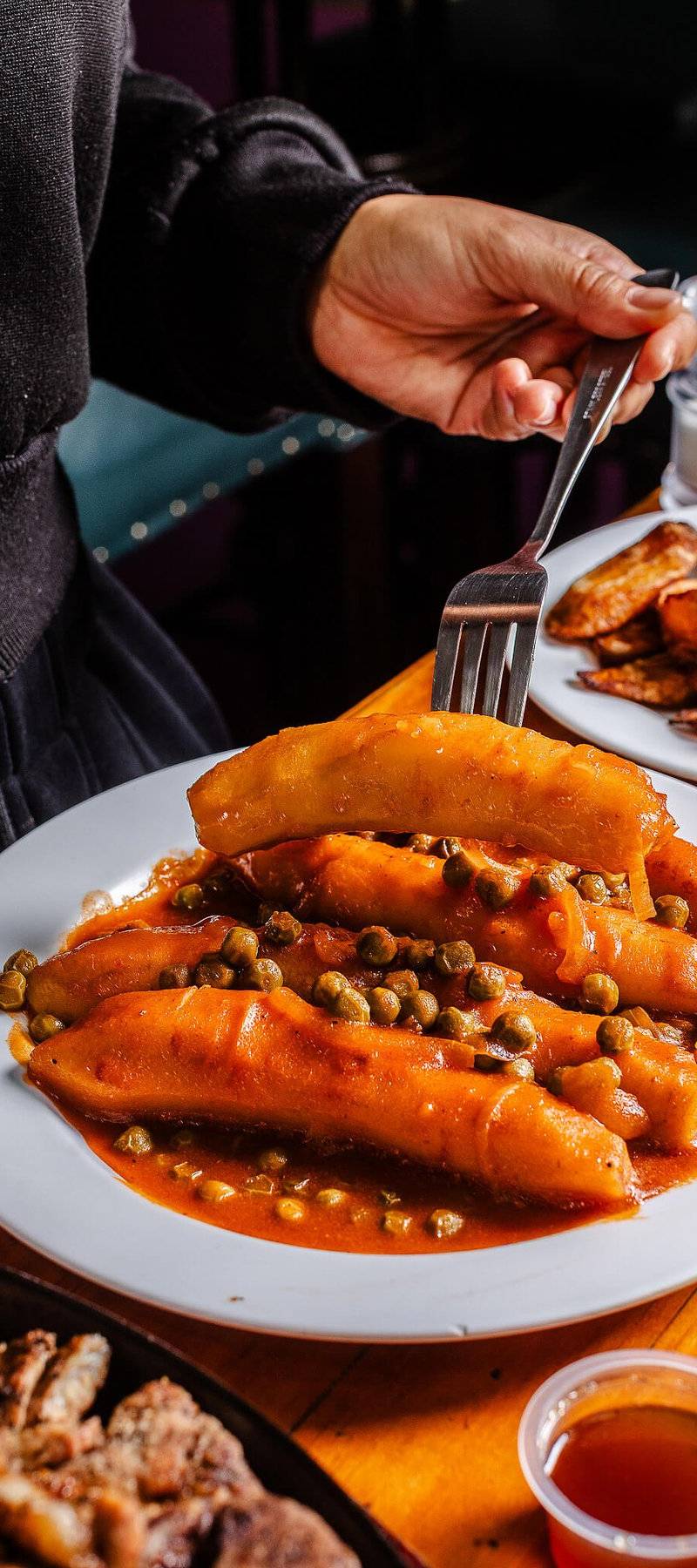
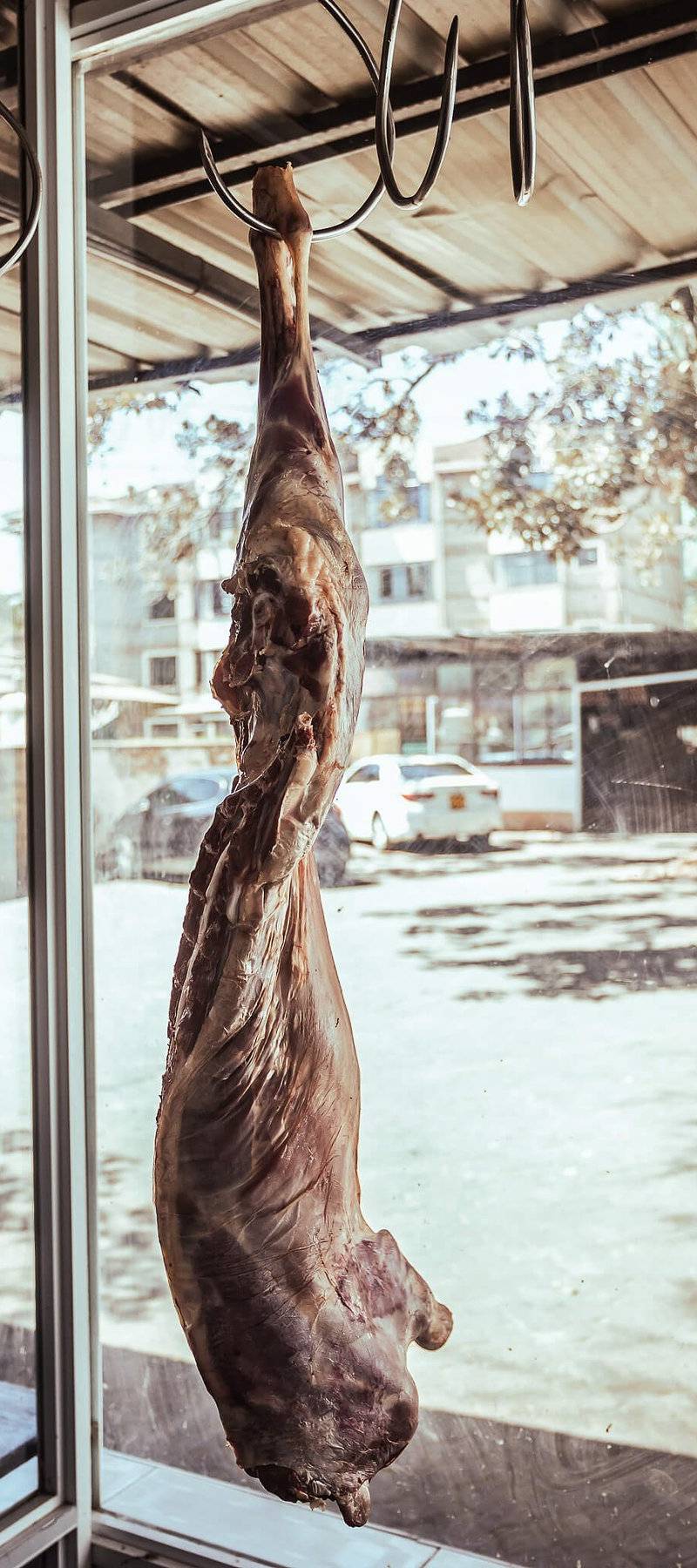
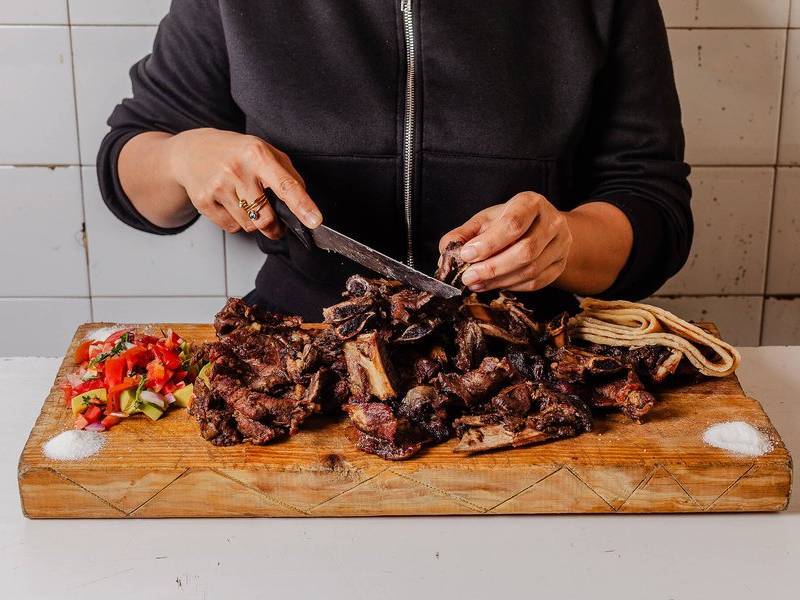
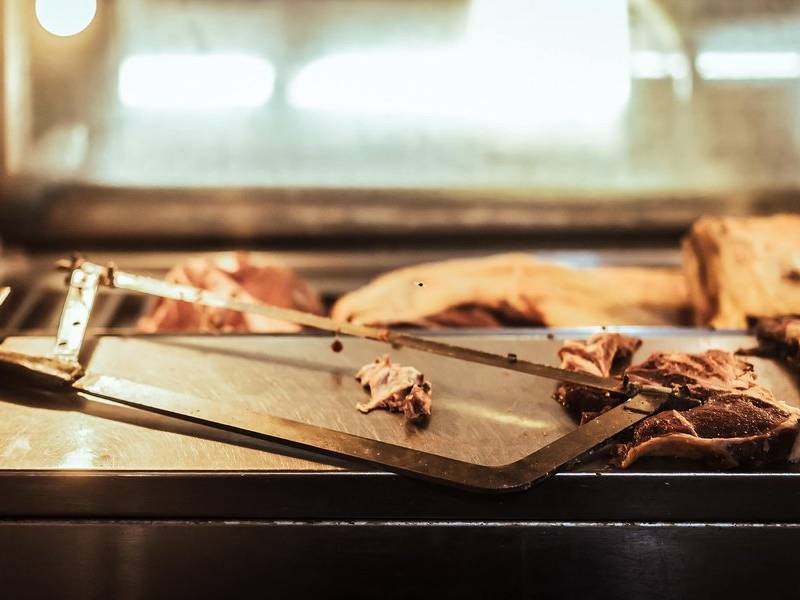
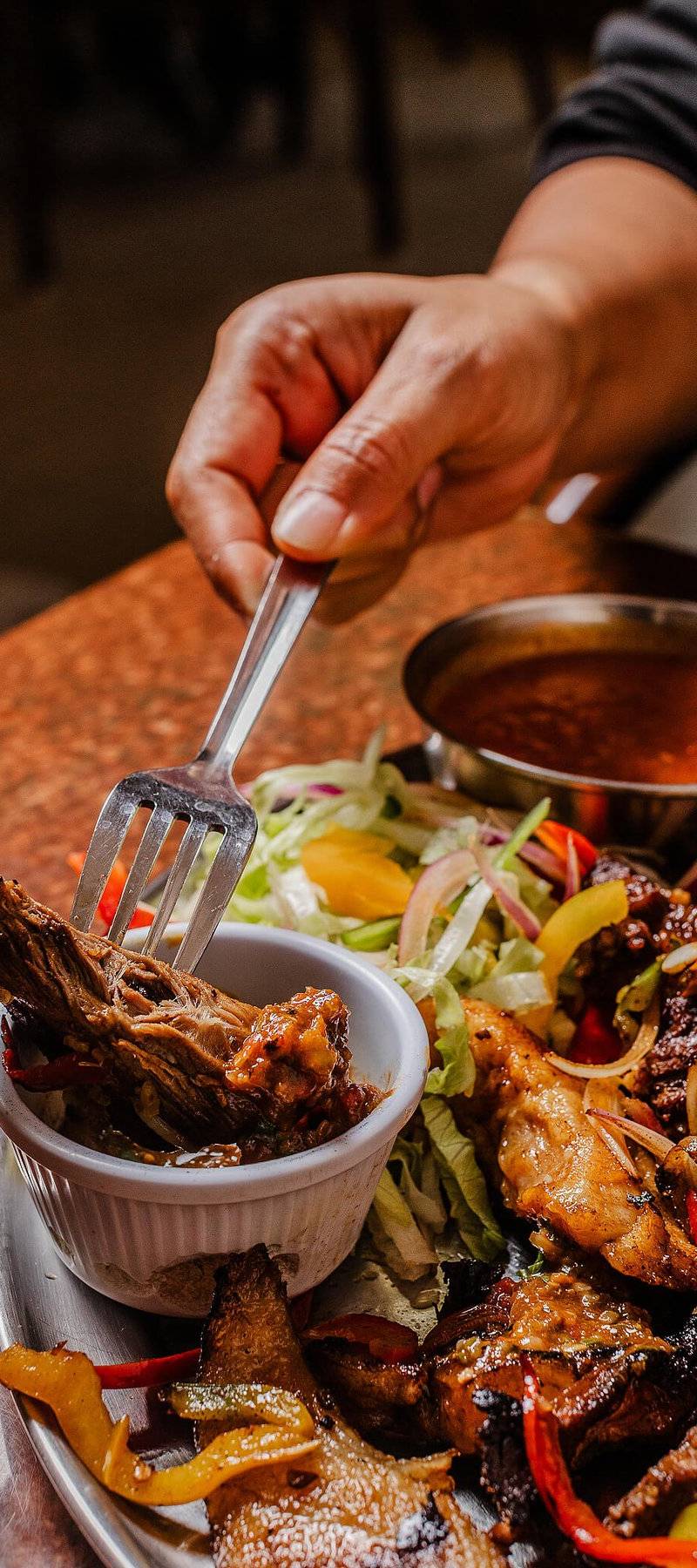
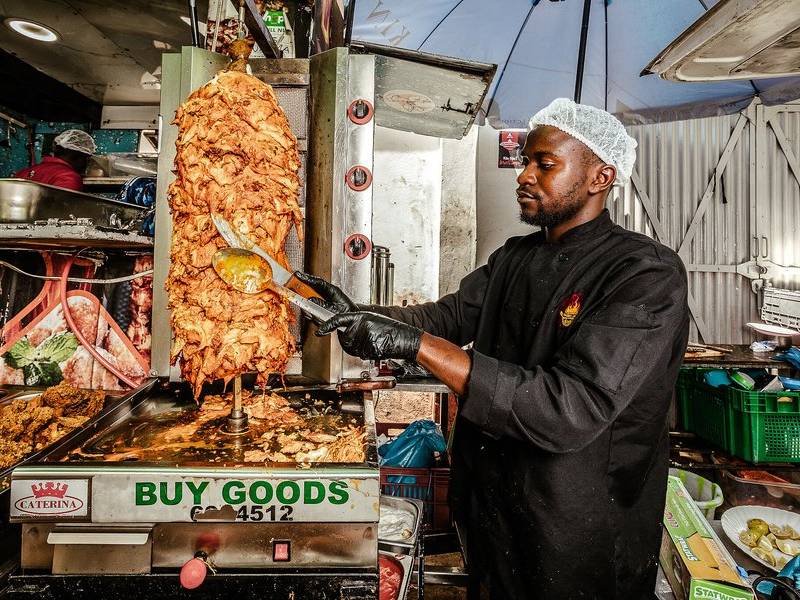
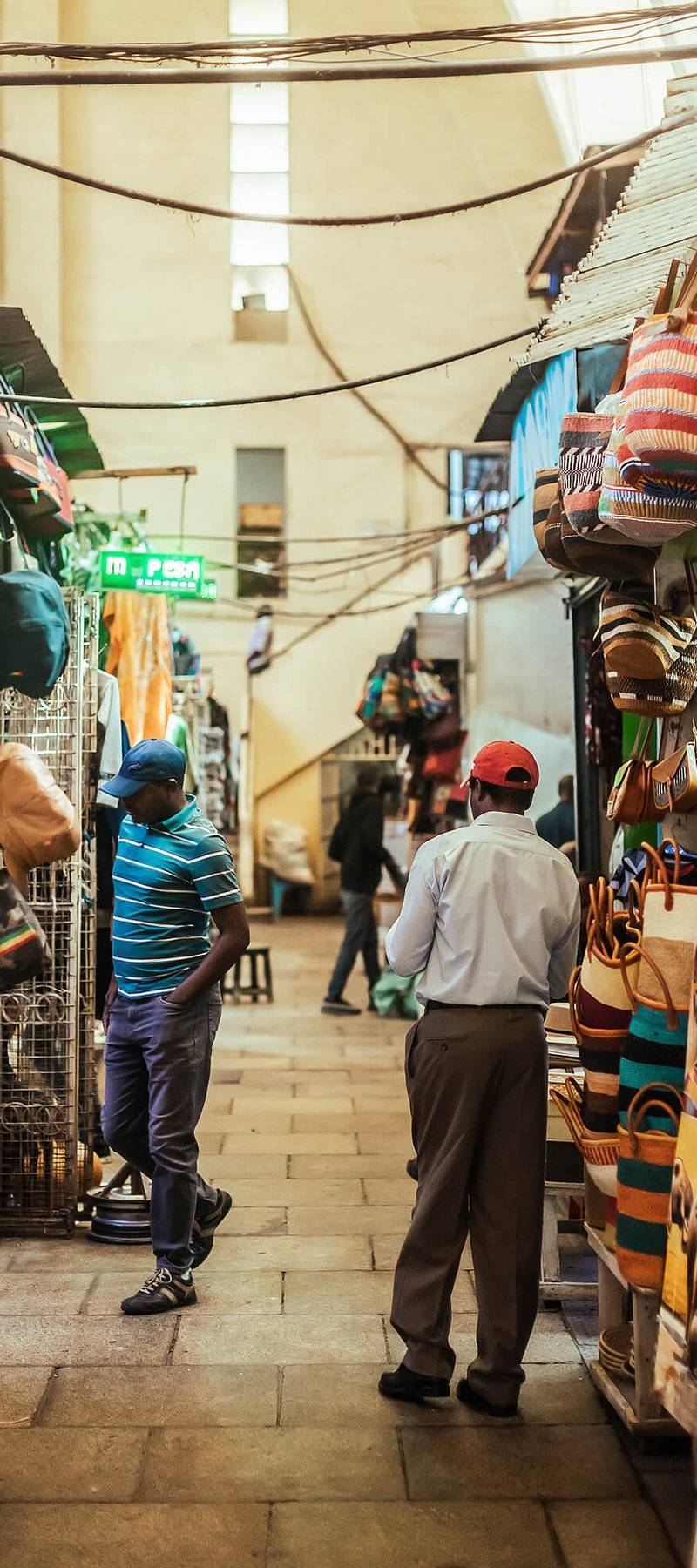
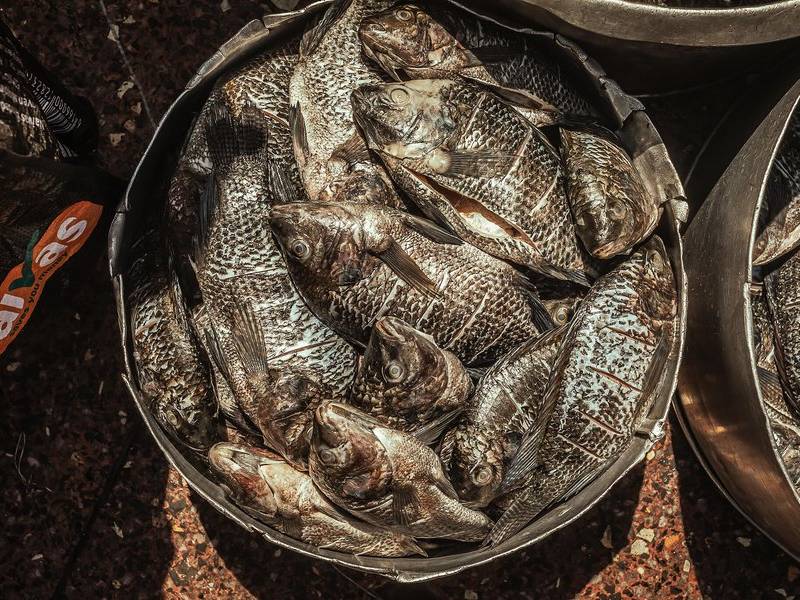
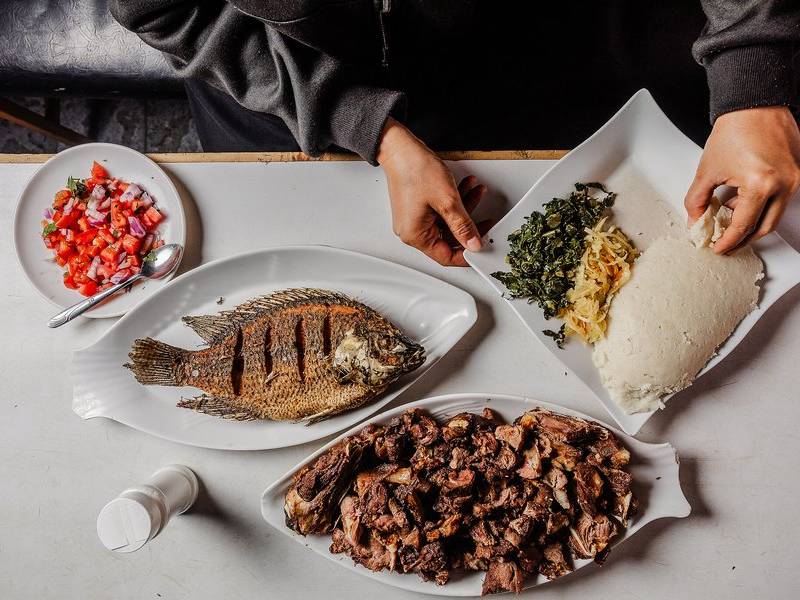
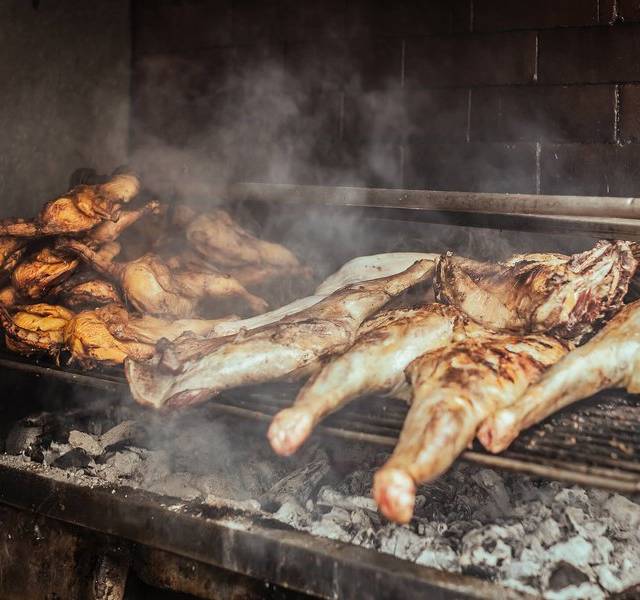
Nyama choma grilled over acacia charcoal, ugali stiff maize porridge, sukuma wiki greens, mursik fermented milk. Nairobi's kitchen is meat, maize and open fire.
04 The pantry
- Acacia charcoal, hardwood coals for the nyama choma grill
- Ugali, stiff maize porridge that anchors every plate
- Sukuma wiki, collard greens sauteed with onion and tomato
- Kachumbari, tomato and onion salsa dressed with lime
- Pilau masala, coastal spice blend for the Nairobi rice
05 In the kitchen
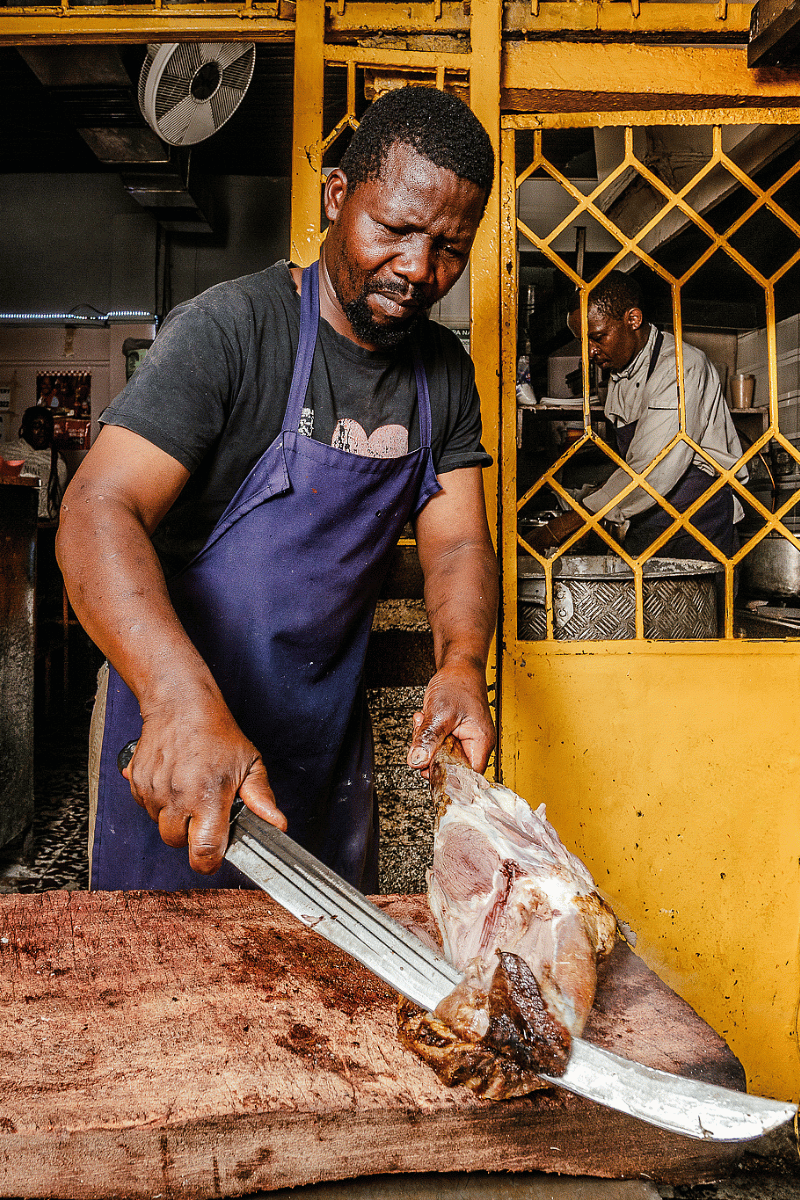
- Grilling nyama choma goat over acacia coals until crackling
- Cooking ugali until it pulls cleanly from the pot
- Braising mutura blood sausage on the roadside brazier
- Frying mandazi triangles of sweet fried dough
- Simmering githeri maize and beans slow for the household lunch
06 Eat this first
- Nyama choma, charcoal-grilled goat eaten by hand with ugali
- Ugali sukuma, maize porridge with sauteed collard greens
- Chapati, Kenyan-style layered flatbread eaten with beef stew
- Mandazi, cardamom-scented fried dough triangles for breakfast
- Mutura, Kikuyu blood sausage roasted on the roadside brazier


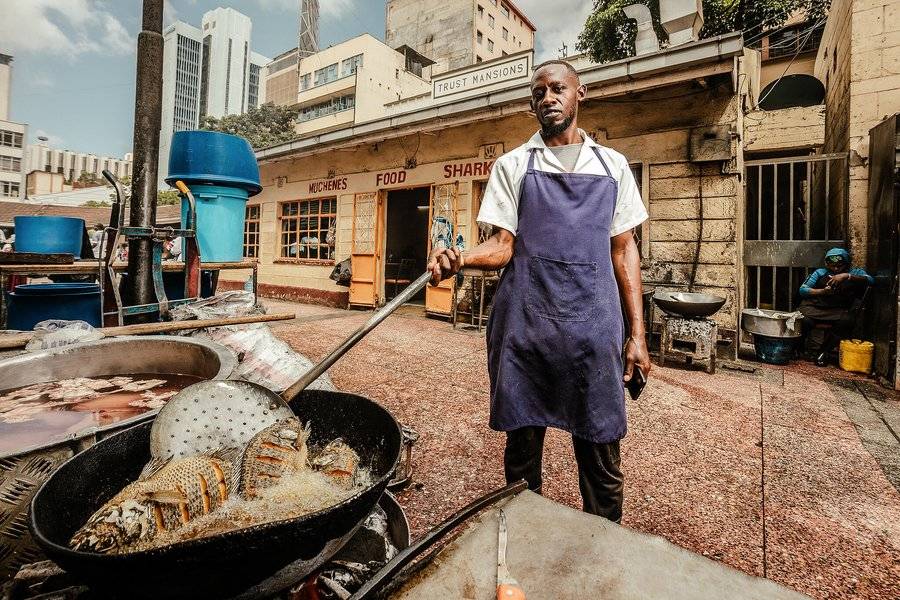
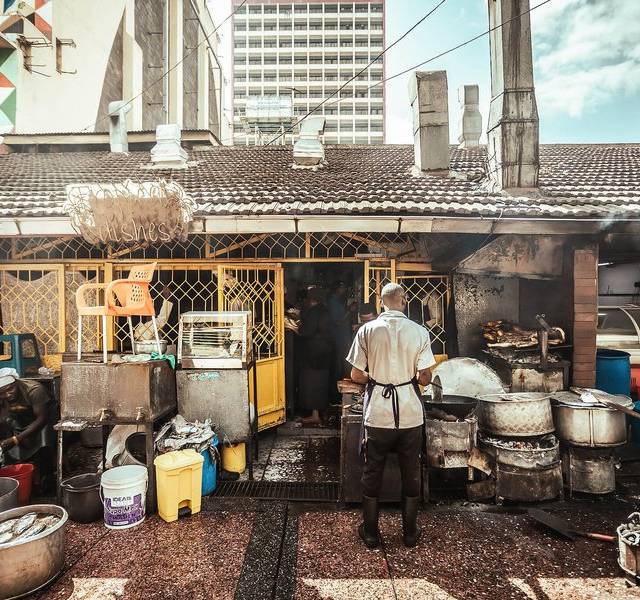
What happens inside a hammam kitchen
A morning with the cooks who feed the neighbourhood before dawn. Charcoal, dough, the smell of a bakery working its second oven.
09 Recipes
A collection of authentic recipes we couldn't leave behind.
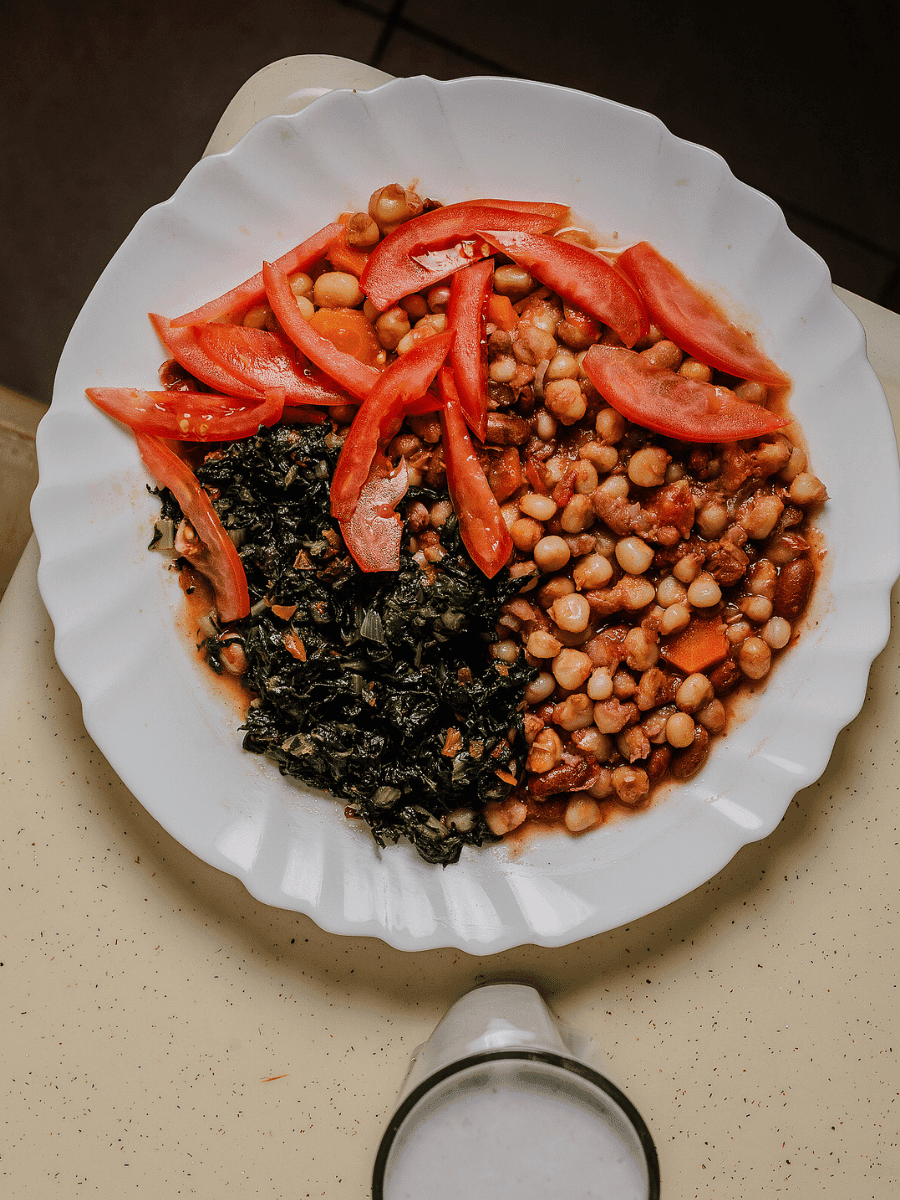
Boiled maize and mixed beans simmered slowly with onions, tomatoes and a spoon of oil. Central Kenya's simplest, most-eaten meal.

Whole fish grilled hot, then bathed in a thick coconut-and-tamarind sauce spiked with garlic, ginger and chilli. Swahili coast's Sunday-lunch dish.
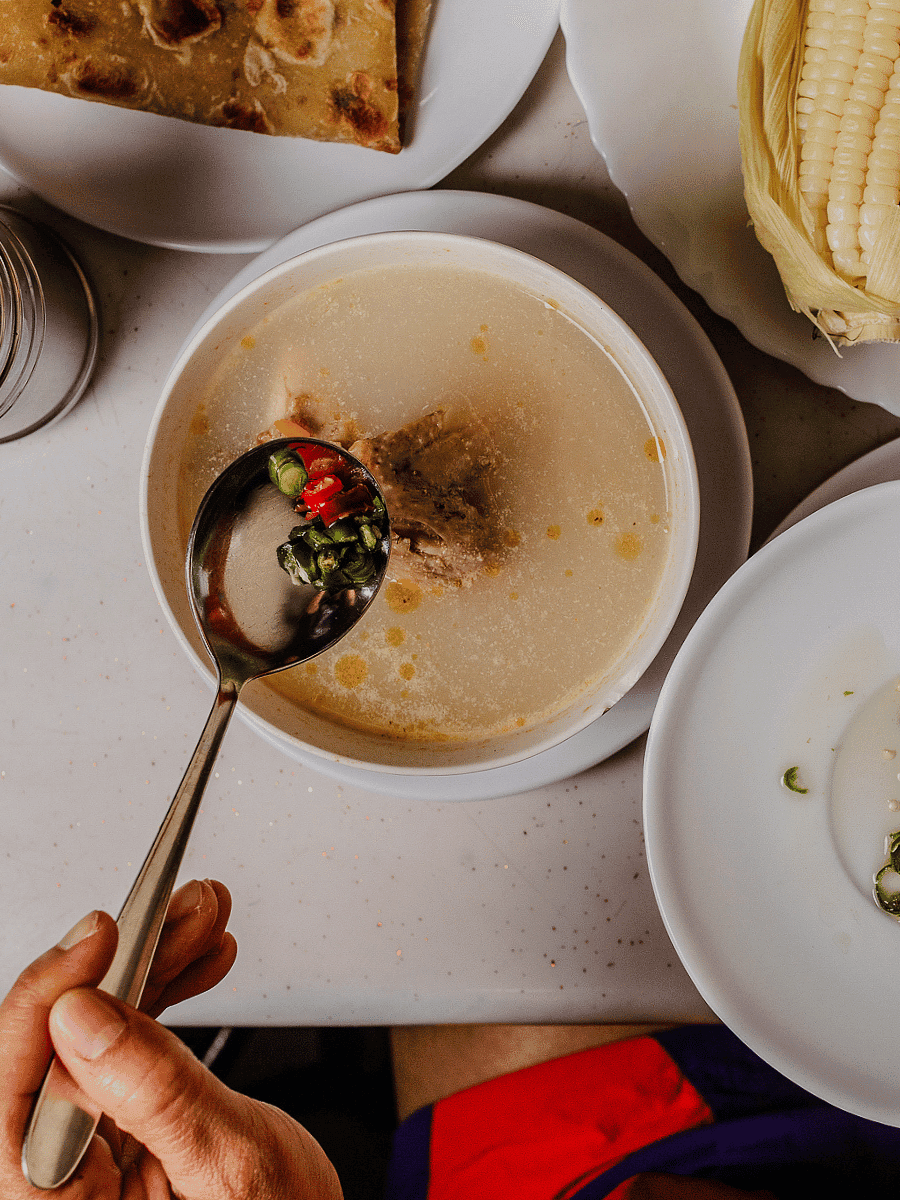
Chicken simmered slowly with onion, ginger, garlic, lime and coriander into a fragrant broth. Kenya's Sunday chicken soup, served with mashed potato.

Boiled potato coated in a turmeric-yellow gram flour batter and deep-fried until crackling. Mombasa's street snack, always with tamarind chutney.

White fish poached gently in coconut milk with tomato, onion, tamarind and coriander. The everyday Swahili coast supper.
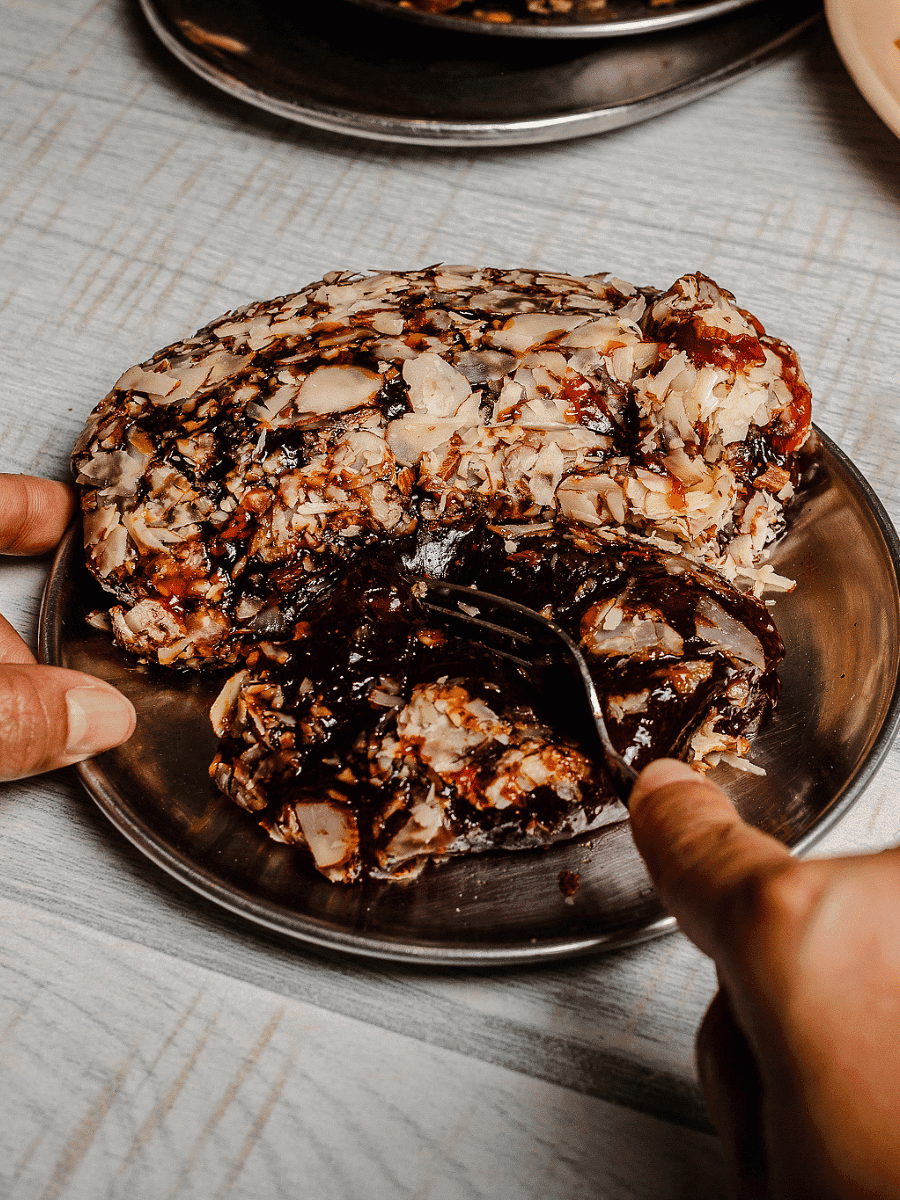
A dense, translucent sweet of cornstarch, sugar and ghee, scented with cardamom and saffron and studded with pistachios. Zanzibar's celebration sweet, now equally at home in Mombasa.
10 Field Notes
Quick field notes to help you get accustomed to Nairobi.
Weather
Cool highland climate at 1,800 m. Days are warm (22–26°C) and nights can drop to 10°C. Long rains April–May, short rains October–November. The rest of the year is dry and sunny.
Currency
The Kenyan shilling (KES). Cards accepted in most restaurants and hotels. M-Pesa is everywhere. Pay for taxis, coffee, and bills from your phone.
Language
Swahili and English are both official. English dominates business, Swahili the streets. Simple Swahili greetings go a long way.
Etiquette
Friendly and direct, but be safety-conscious. Don't walk after dark, keep phones tucked away in busy areas, and use Uber or Bolt.
Getting around
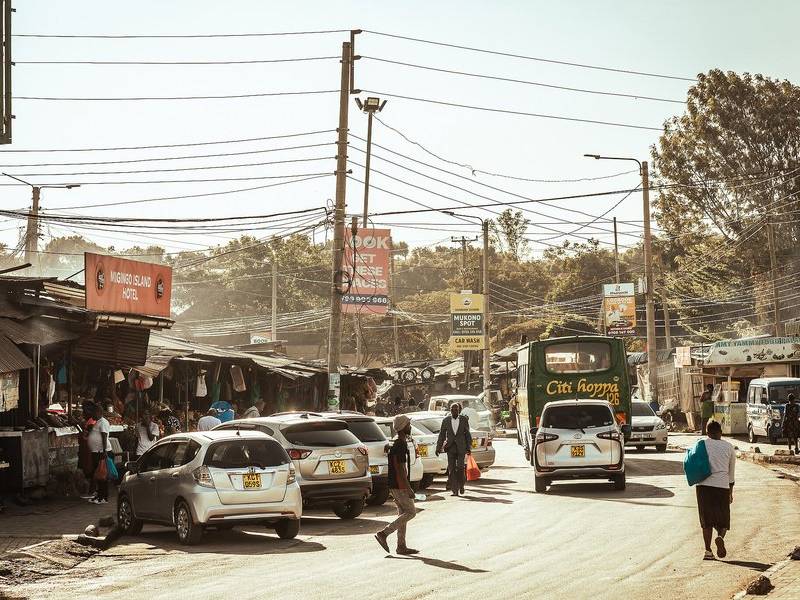
Uber, Bolt, and Little Cab all work. Matatus (colourful minibuses) are the local backbone but confusing for visitors. Traffic (the infamous 'jam') can double journey times, build in a buffer.
Prayer
Predominantly Christian. Sundays fill the churches and quiet the streets. Muslim and Hindu communities are sizeable; Friday prayers are heard around Eastleigh.