

Destination
Mombasa
The story
Samaki wa kupaka ("fish that is smeared") is one of the great Swahili coast dishes: a whole fresh fish (usually snapper, kingfish or a similar firm-flesh sea fish) is grilled hard over charcoal until the outside is smoky and slightly charred, then bathed in a thick sauce built from coconut milk, tamarind, garlic, ginger, tomato, coriander and enough chilli to make it interesting. Served whole on a platter with rice and kachumbari, always at Sunday lunch or family gatherings in Mombasa, Lamu and Kilifi.
Method
Make 3 deep diagonal cuts on each side of the fish, cutting through to the bone. Combine the marinade ingredients in a bowl and rub all over the fish, working the mixture into the cuts and the cavity. Set aside for at least 20 minutes.
Warm the oil in a wide heavy pan over medium heat. Sweat the onion 6 minutes until soft. Add the garlic, ginger and chilli. Cook 1 minute. Add the tomato, cumin, coriander, turmeric and salt. Cook 5 to 6 minutes until jammy.
Add the tamarind paste and coconut milk. Simmer 8 to 10 minutes until thickened. Stir in most of the coriander. Set aside.
Preheat a charcoal grill or a hot oven grill (broiler) to high. Grill the fish for 6 to 7 minutes per side, until the flesh is opaque at the bone but the fish is still moist.
Transfer the grilled fish to a large ovenproof platter. Spoon the warm coconut sauce generously over the top and into the score marks. Return to the grill (or a hot oven) for 5 to 8 minutes, until the sauce is bubbling and lightly caramelised at the edges.
Bring the platter straight to the table. Scatter with remaining coriander. Serve with white rice, kachumbari and lime wedges. Guests spoon fish and sauce onto their plates.
Tips
- Whole fish is the traditional presentation. A whole scaled and gutted fish stays moister than fillets and looks appropriately celebratory. Ask your fishmonger to scale, gut and clean the fish for you.
- Score the fish deeply. Three or four diagonal cuts on each side (cutting to the bone) help the marinade penetrate and speed cooking. Skip the scoring and the marinade never gets past the skin.
- Grill first, then sauce. The whole point of kupaka is that the fish is grilled nearly to done before the sauce goes on. Cooking the fish in the sauce from the start gives you a poached fish in coconut broth, which is samaki wa nazi (a different dish).
- Tamarind is essential. The specific sour-sweet note of tamarind is what balances the rich coconut. Sold at Indian and African grocers as tamarind paste or concentrate; don't substitute lime juice, which doesn't have the same depth.
- Kachumbari on the side. The raw tomato-onion-chilli-lime salad is what cuts the richness of the coconut sauce. Skip it and the meal feels one-note.
More recipes
View all
White fish poached gently in coconut milk with tomato, onion, tamarind and coriander. The everyday Swahili coast supper.

Boiled potato coated in a turmeric-yellow gram flour batter and deep-fried until crackling. Mombasa's street snack, always with tamarind chutney.
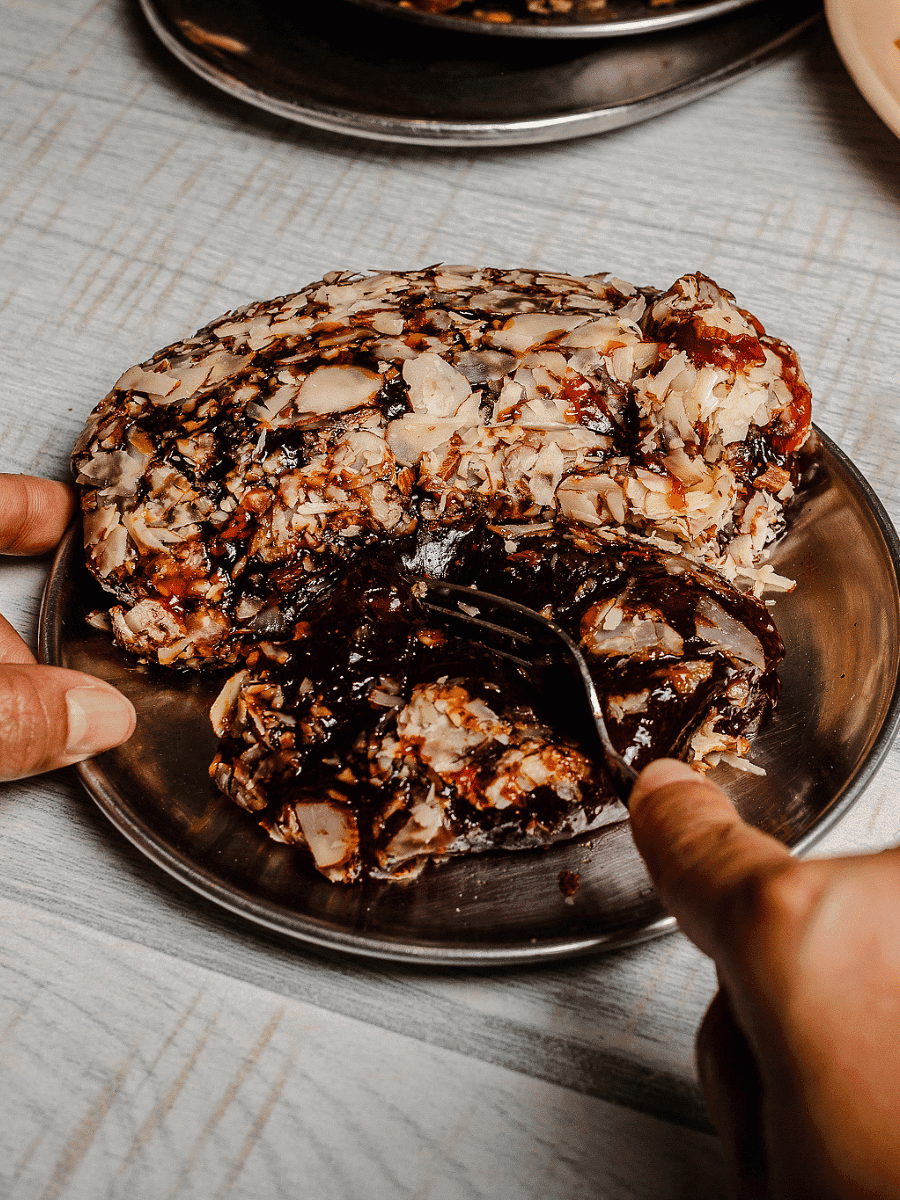
A dense, translucent sweet of cornstarch, sugar and ghee, scented with cardamom and saffron and studded with pistachios. Zanzibar's celebration sweet, now equally at home in Mombasa.
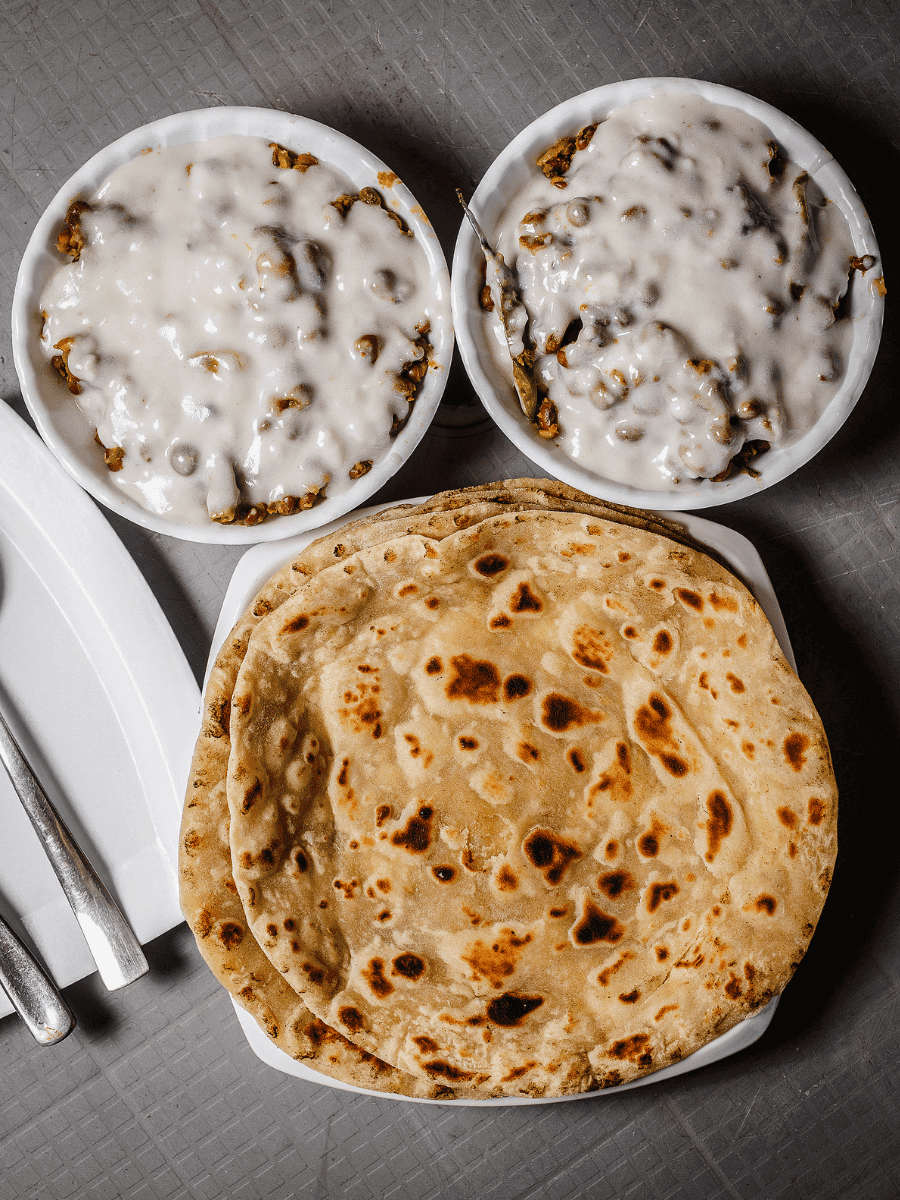
Pigeon peas simmered slowly in coconut milk with onion, tomato and coriander. Swahili coast breakfast, served with mahamri (cardamom doughnuts) for dunking.

Small twists of sweet dough deep-fried until golden and drenched in a cardamom-and-panela syrup. Coastal Kenya's tea-time snack, sold in small paper bags.
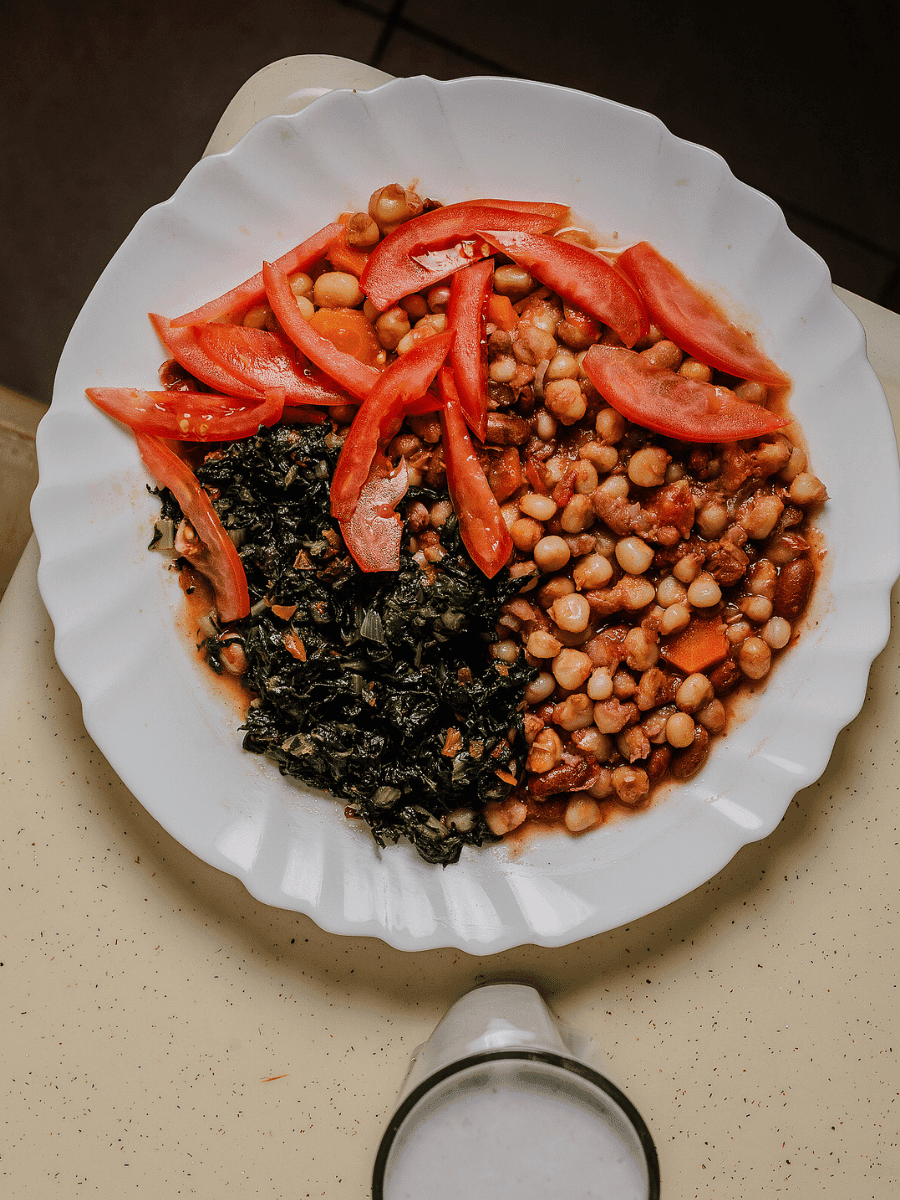
Boiled maize and mixed beans simmered slowly with onions, tomatoes and a spoon of oil. Central Kenya's simplest, most-eaten meal.