

Destination
Mombasa
The story
Githeri ("gi-theh-ri") is the daily meal of the Kikuyu, Embu and Meru peoples of Central Kenya, and by extension one of the most-cooked dishes in the country. Dried maize kernels and dried beans (kidney beans, black beans, pigeon peas or a mix) boiled slowly for hours until tender, then finished with a quick sauté of onion, tomato, garlic, coriander and a spoonful of oil, plus salt and a shake of chilli. Served in a wide bowl on its own, or alongside a stew, or as a lunch in a plastic container carried to a construction site. Cheap, filling, honest food.
Method
Drain the soaked beans. If using dried maize, rinse well. Combine the maize and beans in a large heavy pot with the salt and enough cold water to cover by 5cm. Bring to a boil, then reduce to a simmer. Cook 90 minutes to 2 hours (or 60 min if using fresh corn), until both the maize and beans are tender. Top up water as needed.
Drain the mixture, reserving about 300ml of the cooking liquid. Set the maize and beans aside.
Warm the oil in a wide heavy pan over medium heat. Sweat the onion 8 to 10 minutes until deep golden. Add the garlic and ginger and cook 1 minute more.
Add the diced tomato, cumin, chilli powder, salt and pepper. Cook 6 to 8 minutes until the tomato breaks down and the mixture is jammy.
Add the drained maize and beans to the pan. Toss to coat. Add about 200ml of the reserved cooking liquid to loosen. If using the urban version, add cooked meat + carrots + potatoes now. Simmer 10 to 15 minutes so the flavours meld.
Off the heat, stir in most of the chopped coriander. Taste for salt.
Ladle into wide bowls. Top with remaining coriander, slices of ripe avocado and a hit of chilli sauce. Serve warm.
Tips
- Dried maize is traditional; fresh sweetcorn is the modern shortcut. Dried maize kernels (sold at African grocers as "dried maize" or "nyayo" style) give the classic chewy texture. Fresh or frozen sweetcorn kernels are the fast home substitute; add them in the last 20 minutes of cooking rather than at the start.
- Soak the beans overnight. Skipping the overnight soak means the beans take twice as long to cook and often stay hard in the middle. Overnight soak, then simmer with the maize.
- Don't over-season the sauté. Githeri is meant to taste of the maize and beans, not of the sauce. A light sauté of onion, tomato, cumin and salt is the right level; anything more heavy-handed makes it a different dish.
- Reserve some cooking liquid. The starchy bean-and-corn cooking water gives the finished githeri body when tossed with the sauté. Save 300ml before draining.
- Avocado on the side is the Kenyan touch. A ripe Hass avocado sliced onto the top of a bowl of githeri is the small addition that turns everyday food into a proper Kenyan plate.
More recipes
View all
White fish poached gently in coconut milk with tomato, onion, tamarind and coriander. The everyday Swahili coast supper.

Fragrant basmati rice layered with slow-braised beef in a fresh spice mix of cardamom, cinnamon, cumin and cloves. Mombasa's Sunday plate, Indian in DNA and Swahili in every detail.
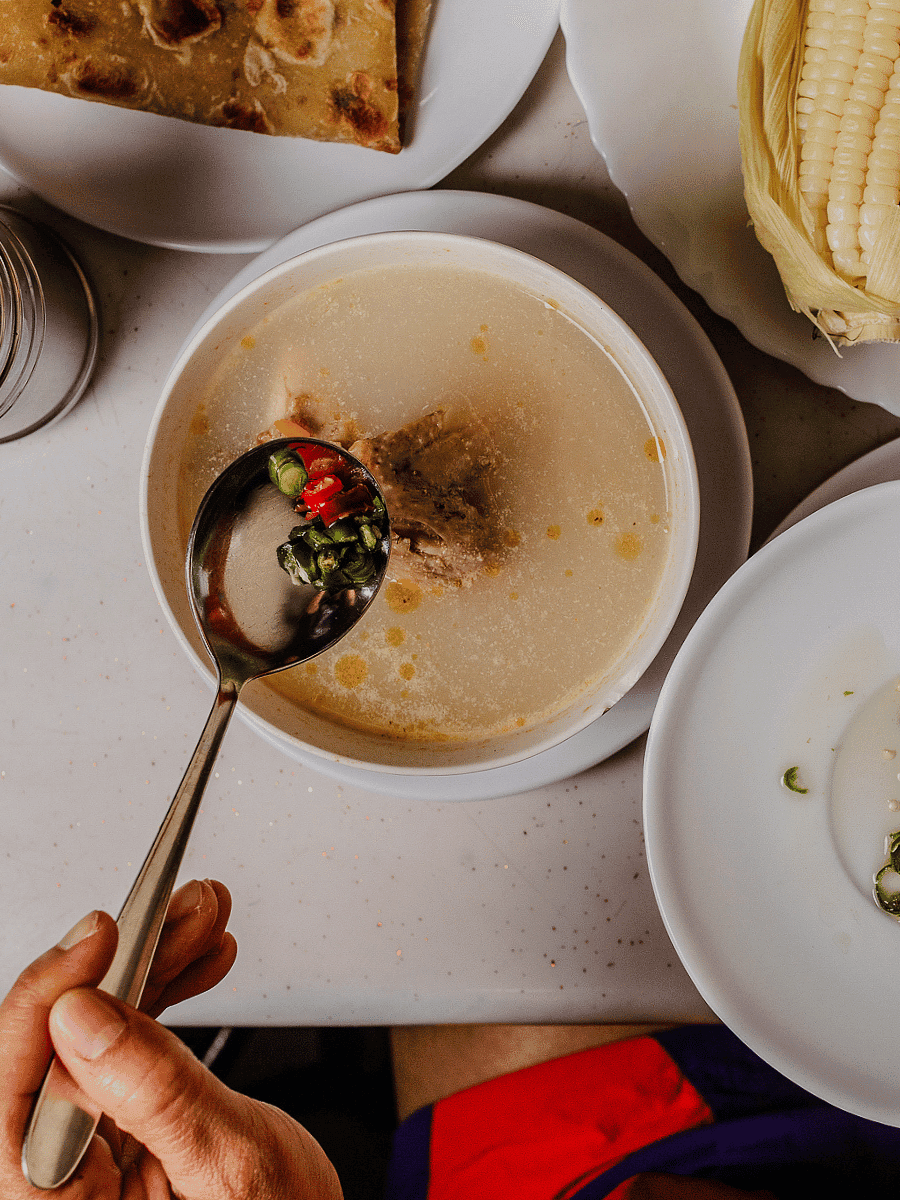
Chicken simmered slowly with onion, ginger, garlic, lime and coriander into a fragrant broth. Kenya's Sunday chicken soup, served with mashed potato.

Small twists of sweet dough deep-fried until golden and drenched in a cardamom-and-panela syrup. Coastal Kenya's tea-time snack, sold in small paper bags.

Boiled potato coated in a turmeric-yellow gram flour batter and deep-fried until crackling. Mombasa's street snack, always with tamarind chutney.
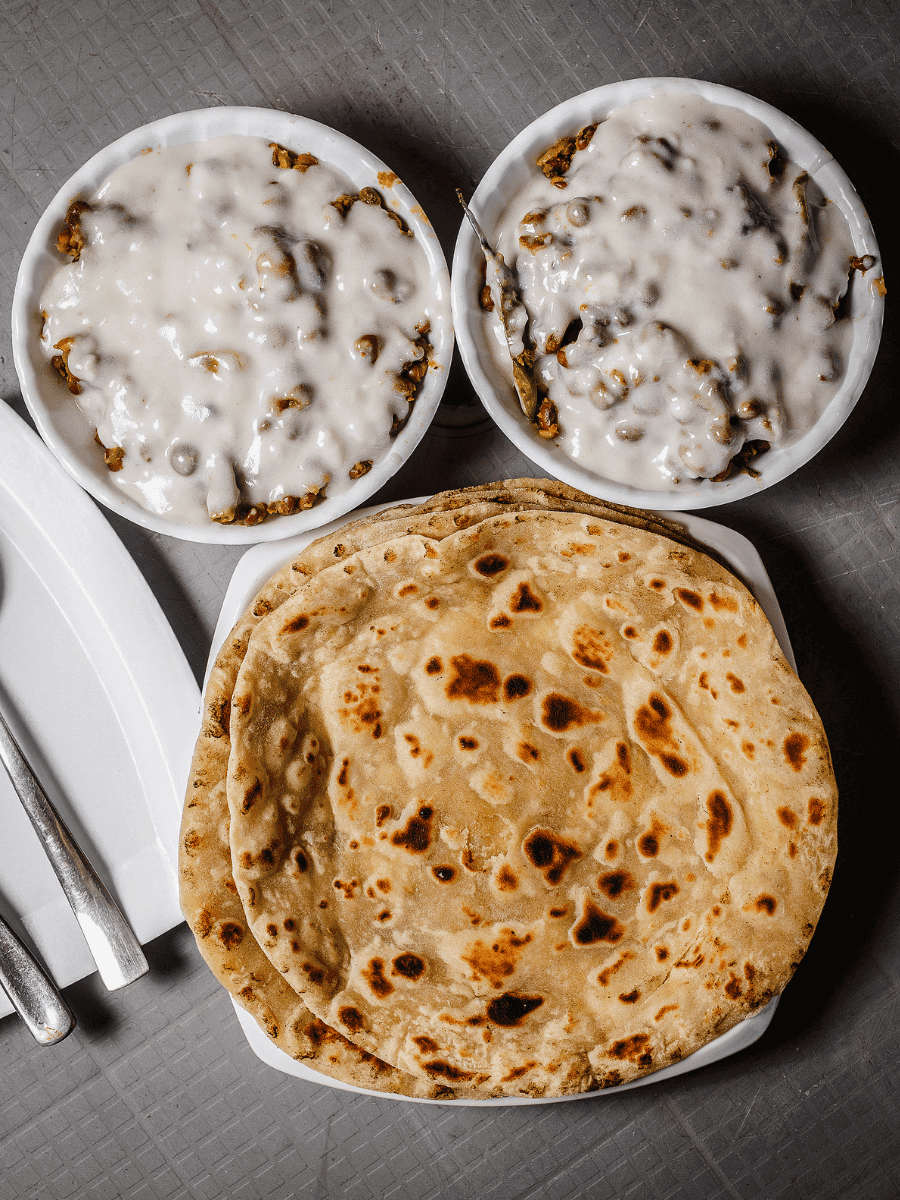
Pigeon peas simmered slowly in coconut milk with onion, tomato and coriander. Swahili coast breakfast, served with mahamri (cardamom doughnuts) for dunking.