

Destination
Mombasa
The story
Swahili halwa (specifically halwa mochi from Zanzibar, which is what Kenyans call "halwa" without further qualification) is unlike any other halwa tradition in the world. Not the Middle Eastern tahini halva (which is crumbly and dense), not the Indian carrot halwa (which is buttery and grainy). Swahili halwa is a dense, translucent, chewy sweet made from cornstarch or wheat starch, sugar, ghee, cardamom and saffron, cooked into a thick paste over a low fire, poured into a shallow tray to set, and cut into diamond pieces studded with green pistachios or roasted cashews. Deeply orange, subtly perfumed, sold at every Swahili festival and Eid celebration.
Method
Warm 2 tablespoons of water in a small bowl. Add the saffron threads and steep 10 minutes until the water turns deep orange.
In a large heavy-bottomed saucepan, whisk the cornstarch into 500ml of the cold water until fully dissolved and lump-free.
Whisk in the sugar and the remaining 500ml water. The mixture should be milky white and thin.
Place over medium-low heat. Stir constantly with a silicone spatula, scraping the base and sides of the pan, for 10 minutes as the mixture warms and starts to thicken.
As the mixture thickens noticeably (like a loose custard), add the ghee 1 tablespoon at a time, stirring constantly, until fully incorporated.
Continue cooking over low heat, stirring continuously, for another 25 to 30 minutes. The halwa will darken from cream to deep gold, then to a translucent amber, and thicken to a glossy paste that pulls away from the sides of the pan.
Stir in the saffron water, ground cardamom, lemon juice and rose water (if using). Cook 2 more minutes.
Off the heat, fold in half the chopped nuts. Pour the halwa into the well-greased tray, spreading flat with the back of the spatula. Scatter the remaining nuts on top, pressing gently to embed.
Cool at room temperature for at least 2 hours (or overnight) until fully set. Cut into diamond shapes with a sharp knife. Store in an airtight container at room temperature; keeps 2 weeks.
Tips
- Constant stirring is not negotiable. The starch catches on the base of the pan almost immediately and burns within a minute if left. A silicone spatula that scrapes the corners, low heat and continuous attention are essential. This is a 30-minute recipe of near-constant work.
- Non-stick heavy-bottomed pan. A thin pan or stainless steel gives you scorched halwa. A heavy-bottomed non-stick saucepan is the right tool.
- Add the ghee slowly. Pouring all the ghee in at once splits the mixture. Add a tablespoon at a time, incorporating each before adding the next.
- Lemon juice is essential. A splash of acid at the end brightens the halwa and stops it from tasting flat. Don't skip.
- Rose water is traditional but strong. If you're new to it, start with less than the full tablespoon; too much rose water can taste soapy. A restrained hand is the mark of a good Swahili halwa cook.
More recipes
View all
Small twists of sweet dough deep-fried until golden and drenched in a cardamom-and-panela syrup. Coastal Kenya's tea-time snack, sold in small paper bags.

Boiled potato coated in a turmeric-yellow gram flour batter and deep-fried until crackling. Mombasa's street snack, always with tamarind chutney.
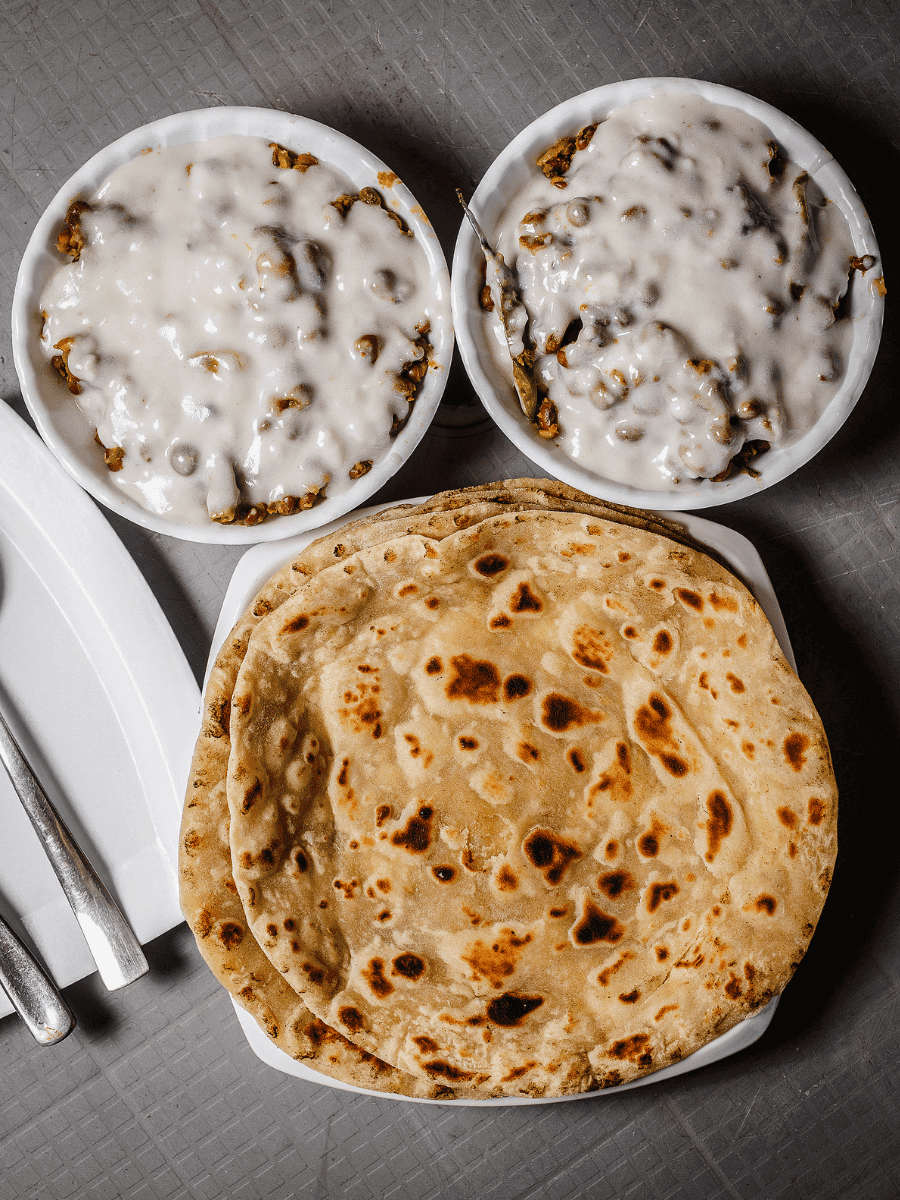
Pigeon peas simmered slowly in coconut milk with onion, tomato and coriander. Swahili coast breakfast, served with mahamri (cardamom doughnuts) for dunking.

White fish poached gently in coconut milk with tomato, onion, tamarind and coriander. The everyday Swahili coast supper.
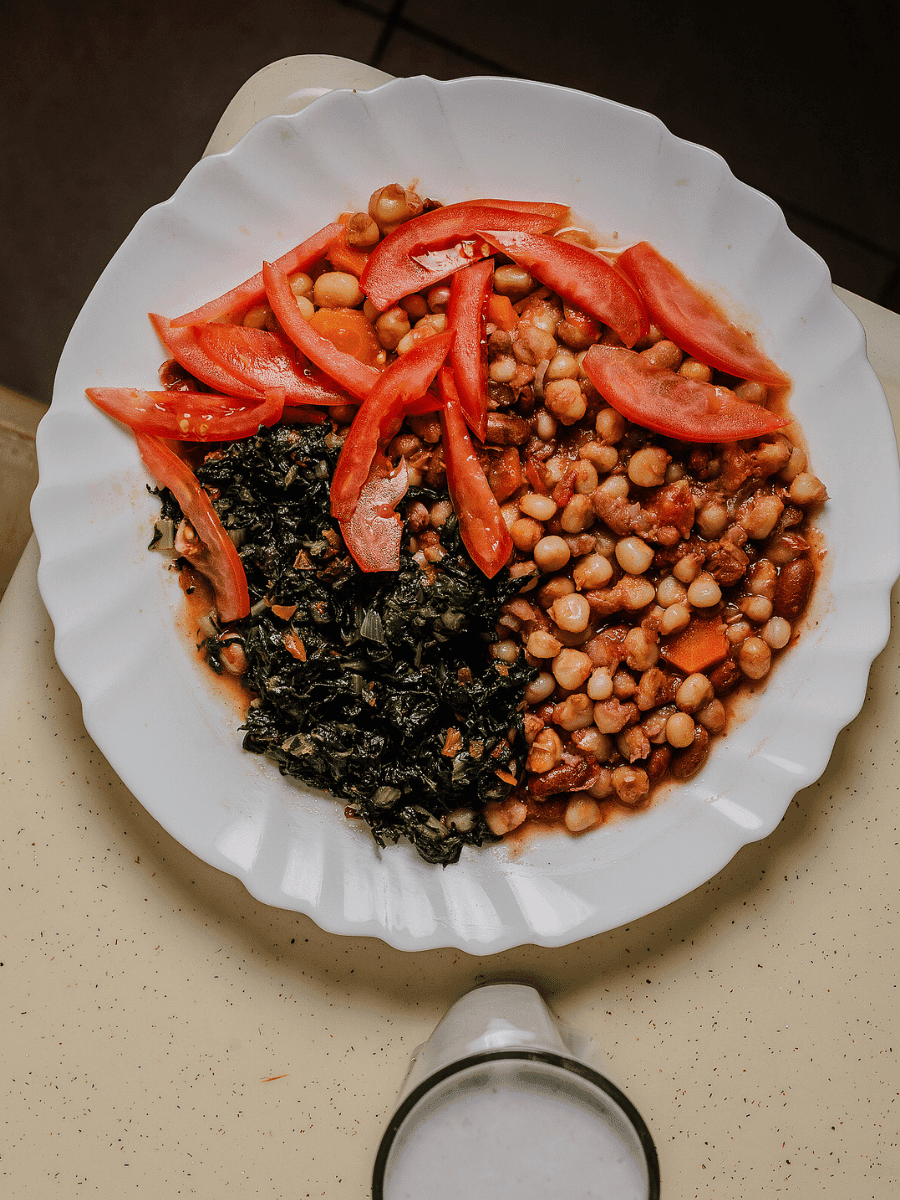
Boiled maize and mixed beans simmered slowly with onions, tomatoes and a spoon of oil. Central Kenya's simplest, most-eaten meal.
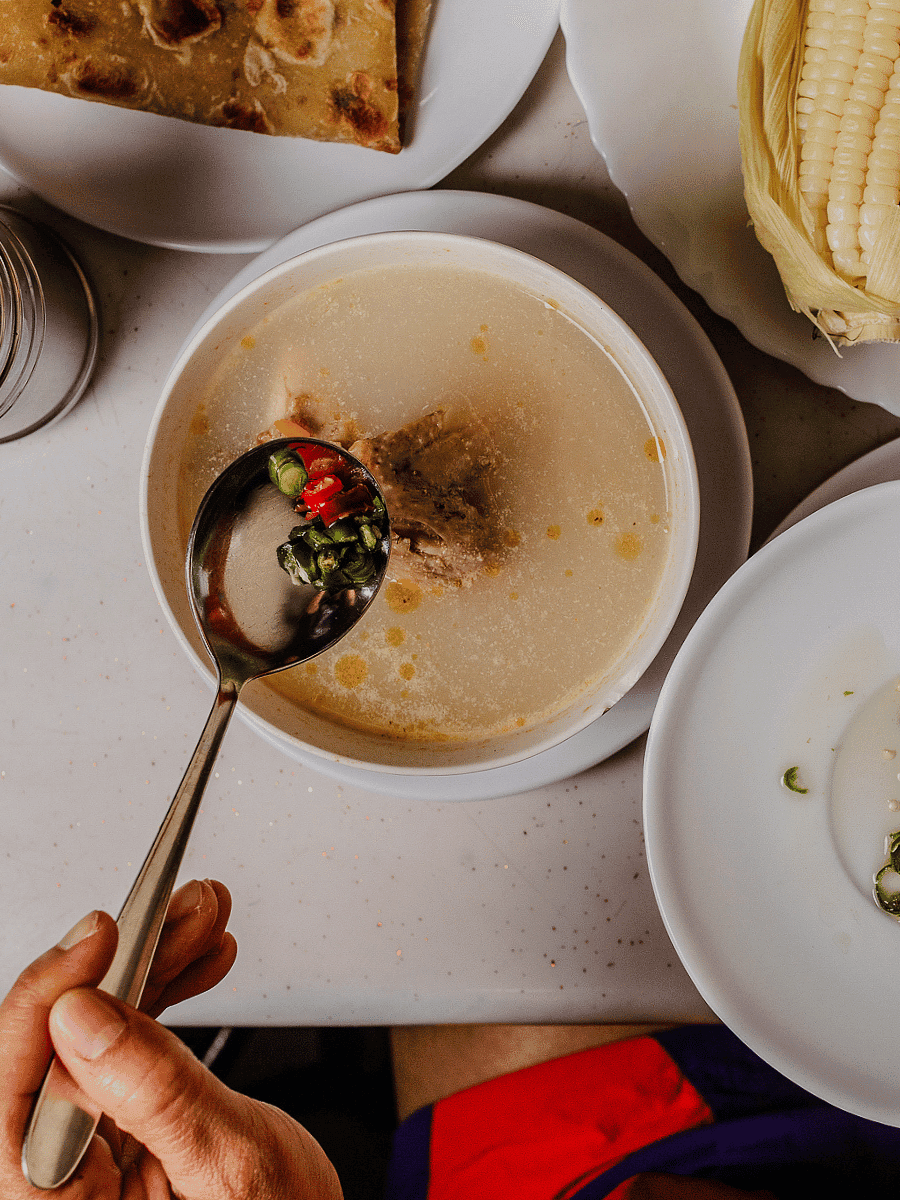
Chicken simmered slowly with onion, ginger, garlic, lime and coriander into a fragrant broth. Kenya's Sunday chicken soup, served with mashed potato.