
“An excellent food tour that covers the breadth of culture in Mombasa!”
— Geena, 2025
01 Food tours
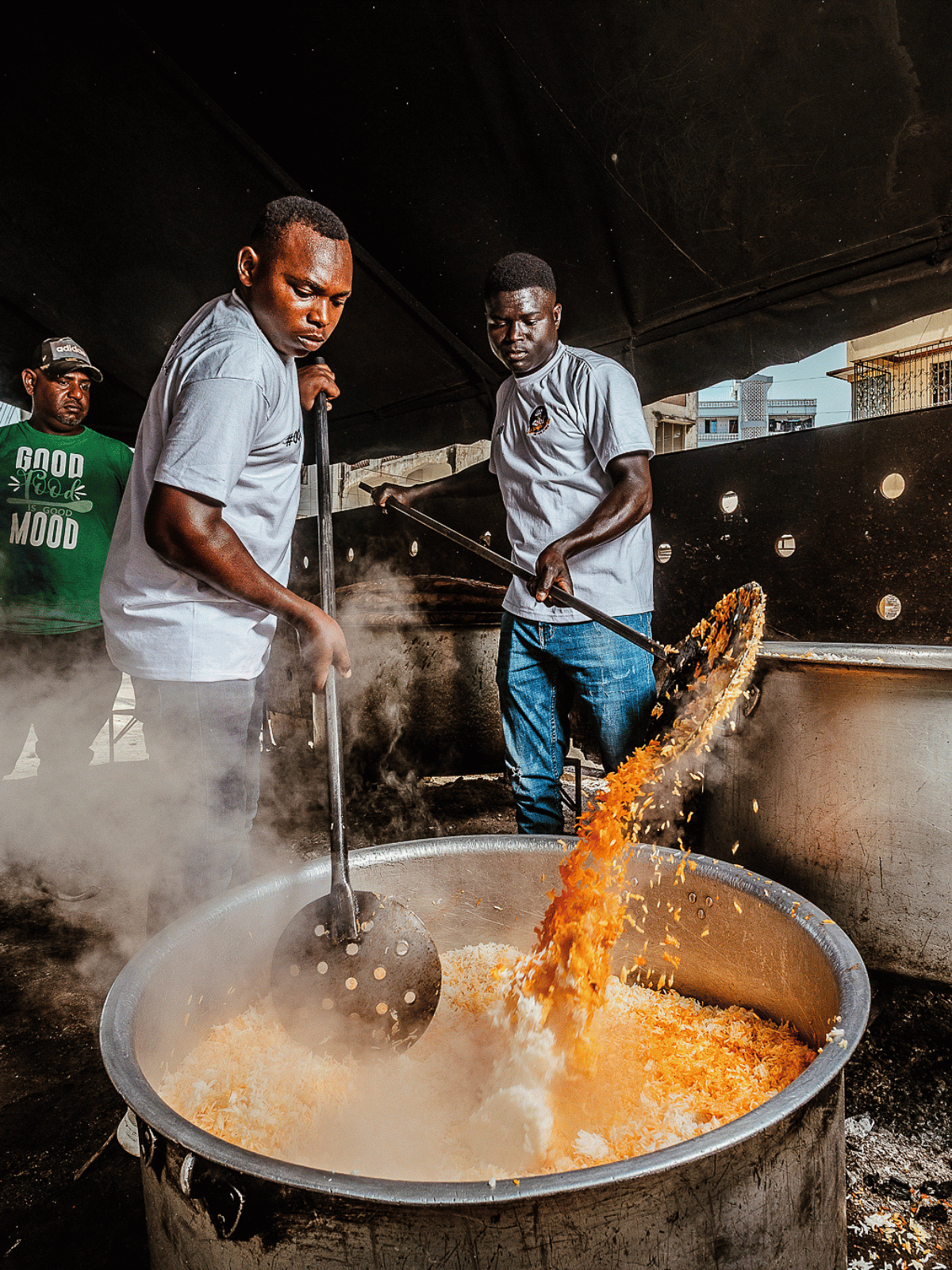
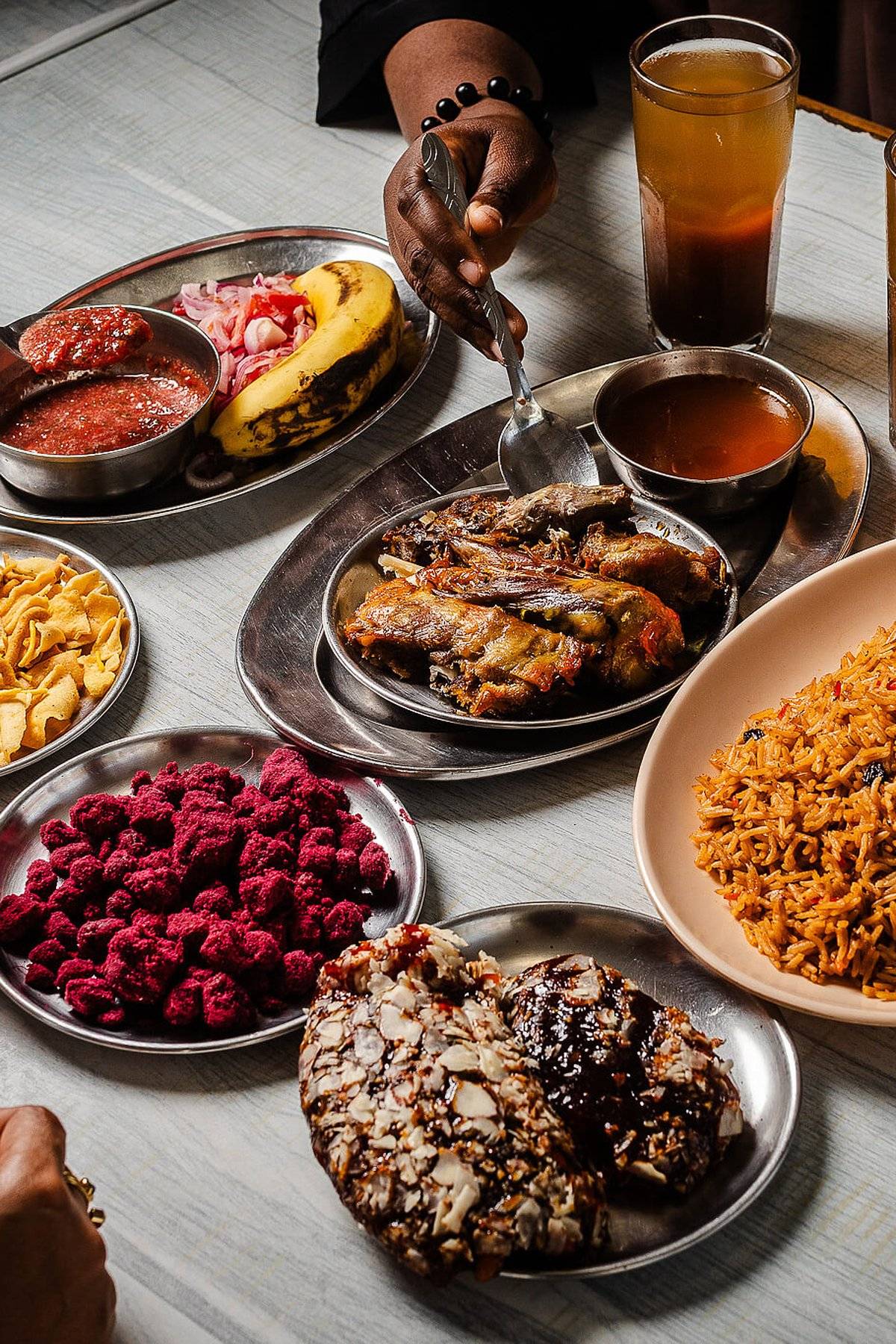
Original food tours, curated with our local tastemakers to showcase the neighbourhood kitchens, markets and family-run eateries that define Mombasa.
Sultan’s Spoon
Mombasa
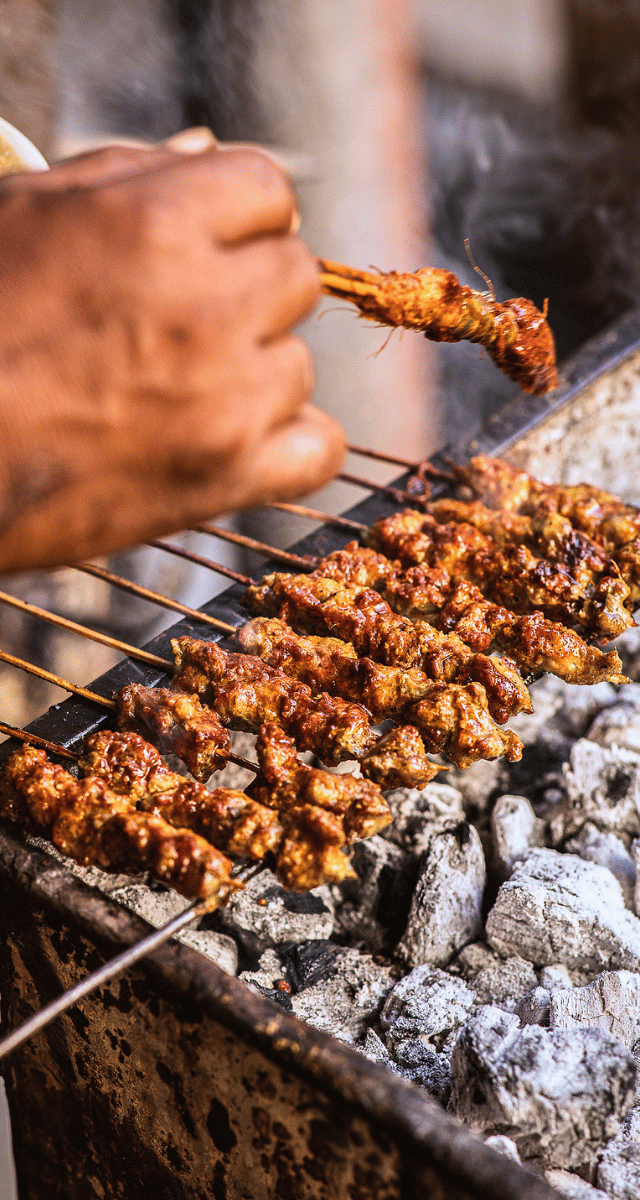
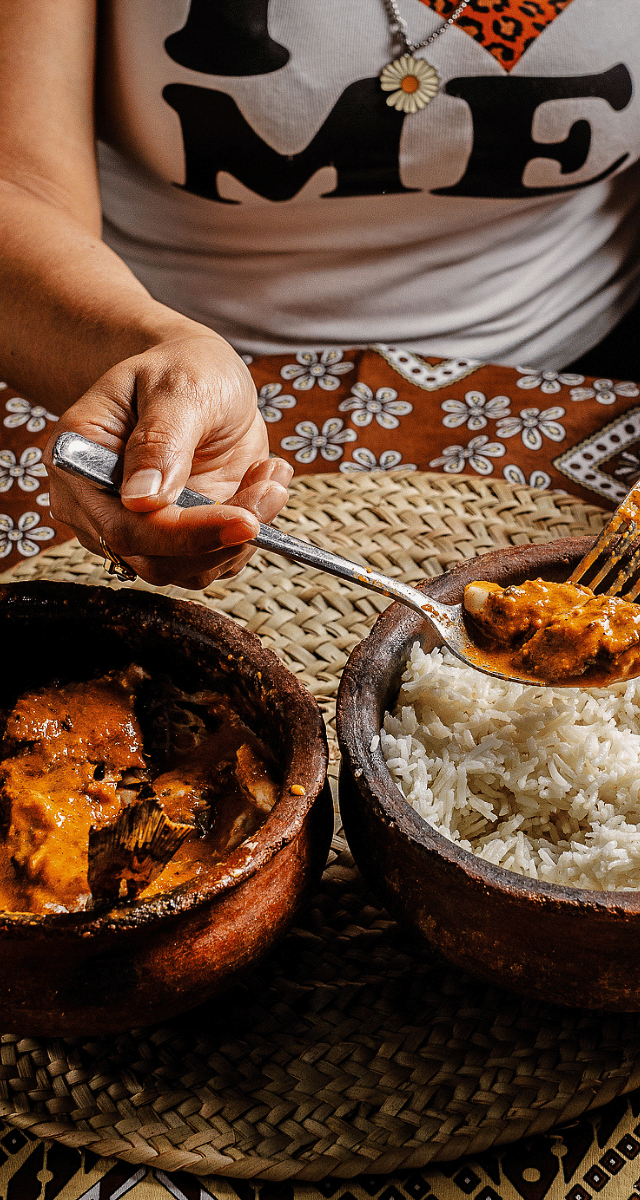
Eat Mombasa at lunchtime — Swahili biryani, mahamri and viazi karai from the seafront.
Mombasa Meals
Mombasa
Taste Mombasa's Swahili coast — biryani, mahamri, viazi karai and tamarind juice.
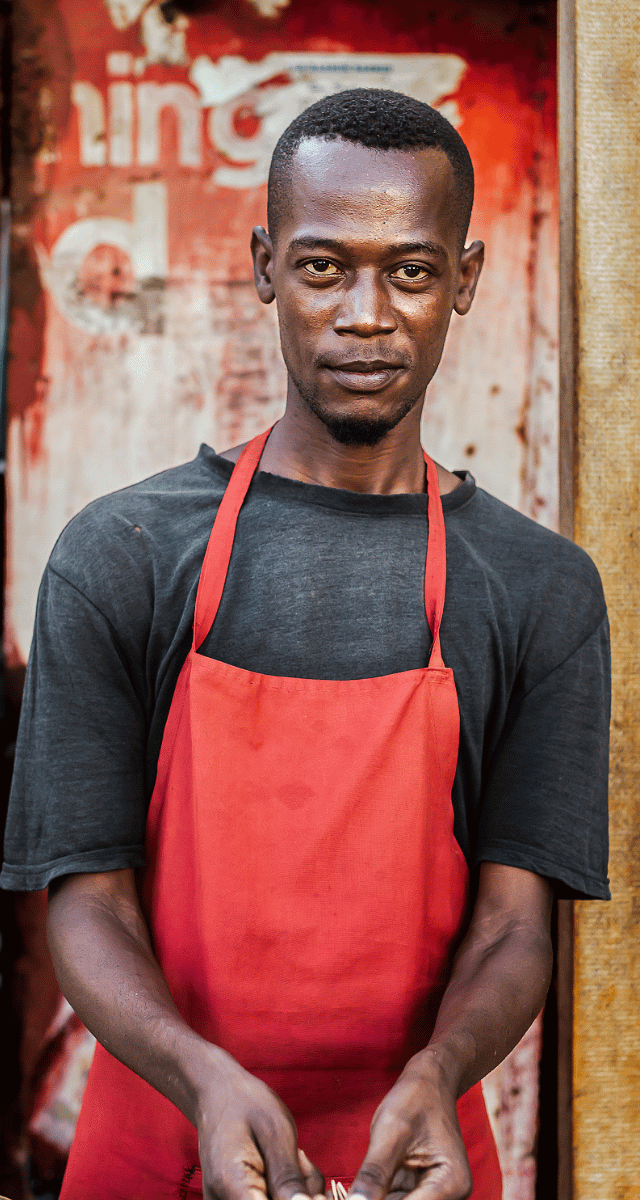
02 Meet the tastemakers
The local food experts who help us research, refine and lead every A Chef's Tour.


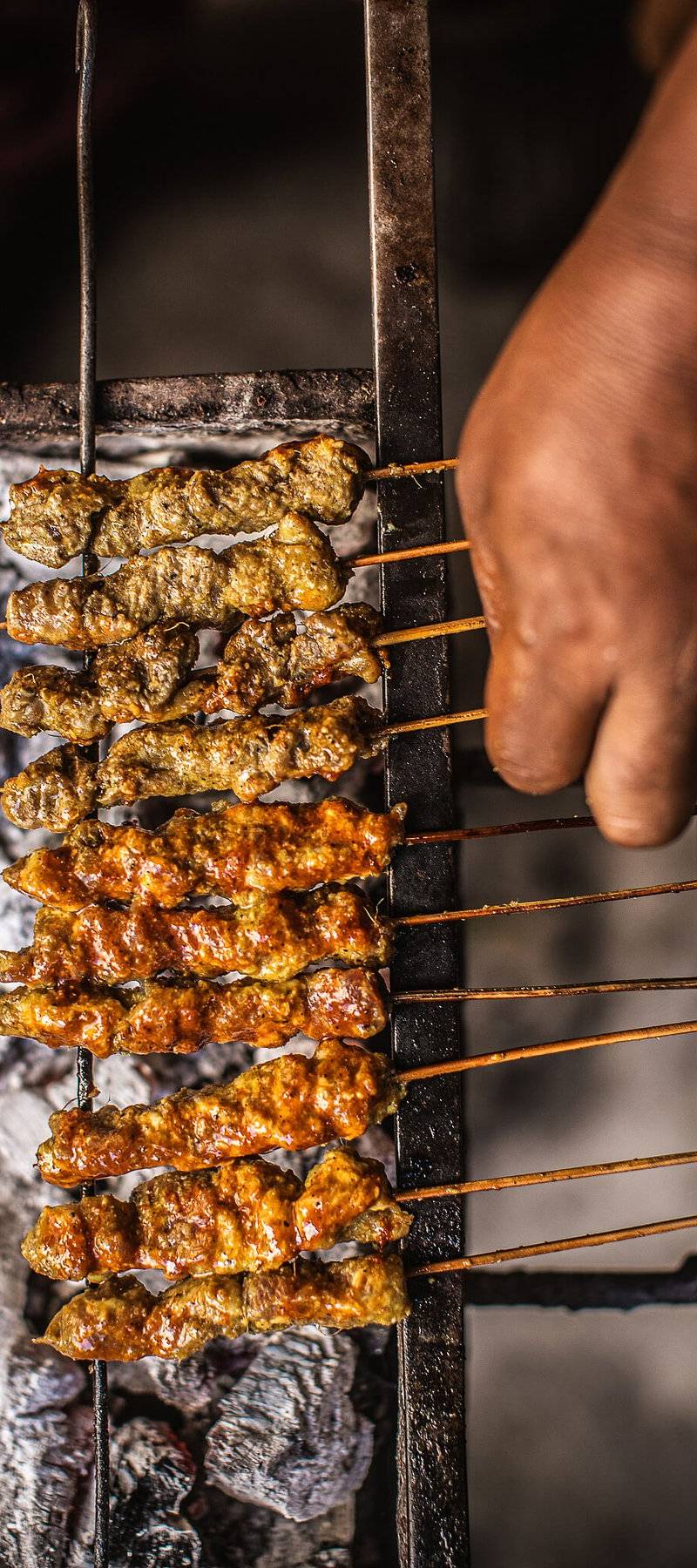
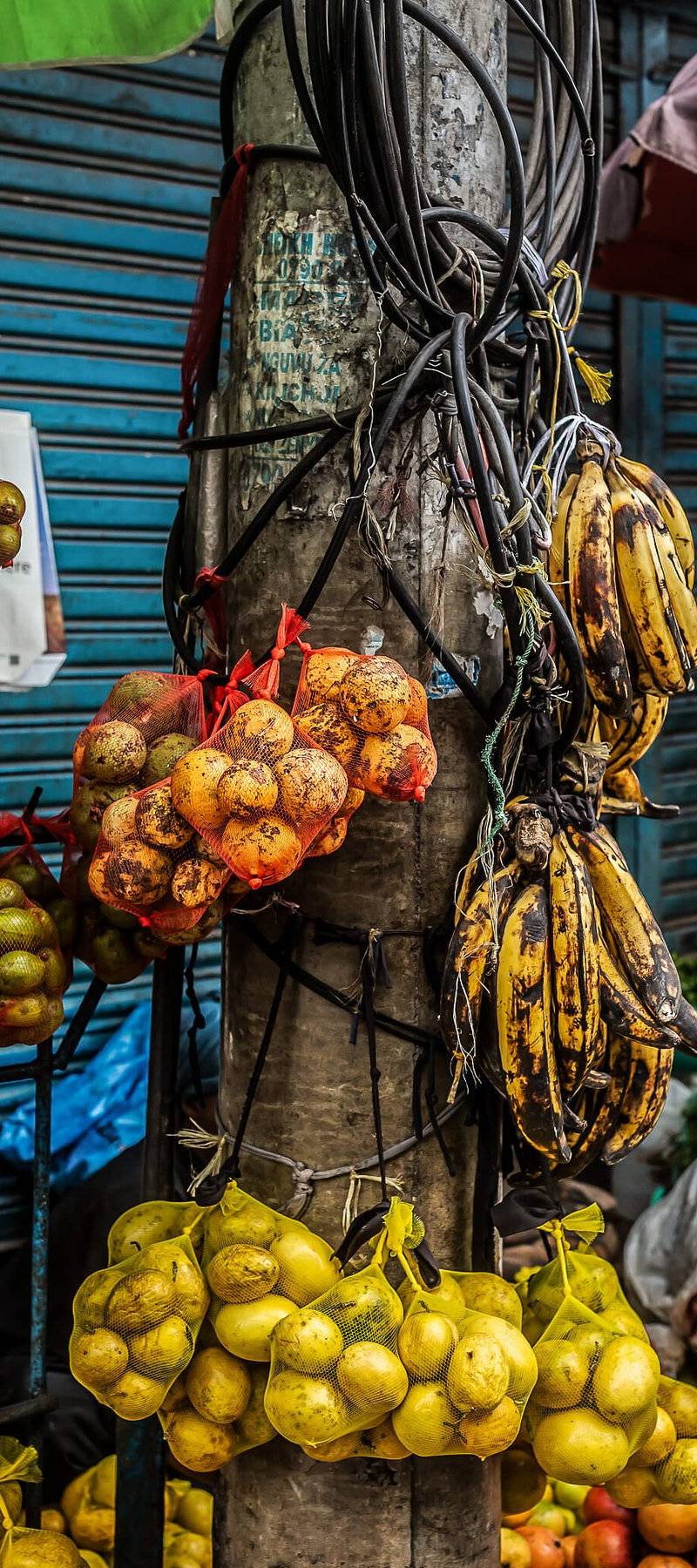
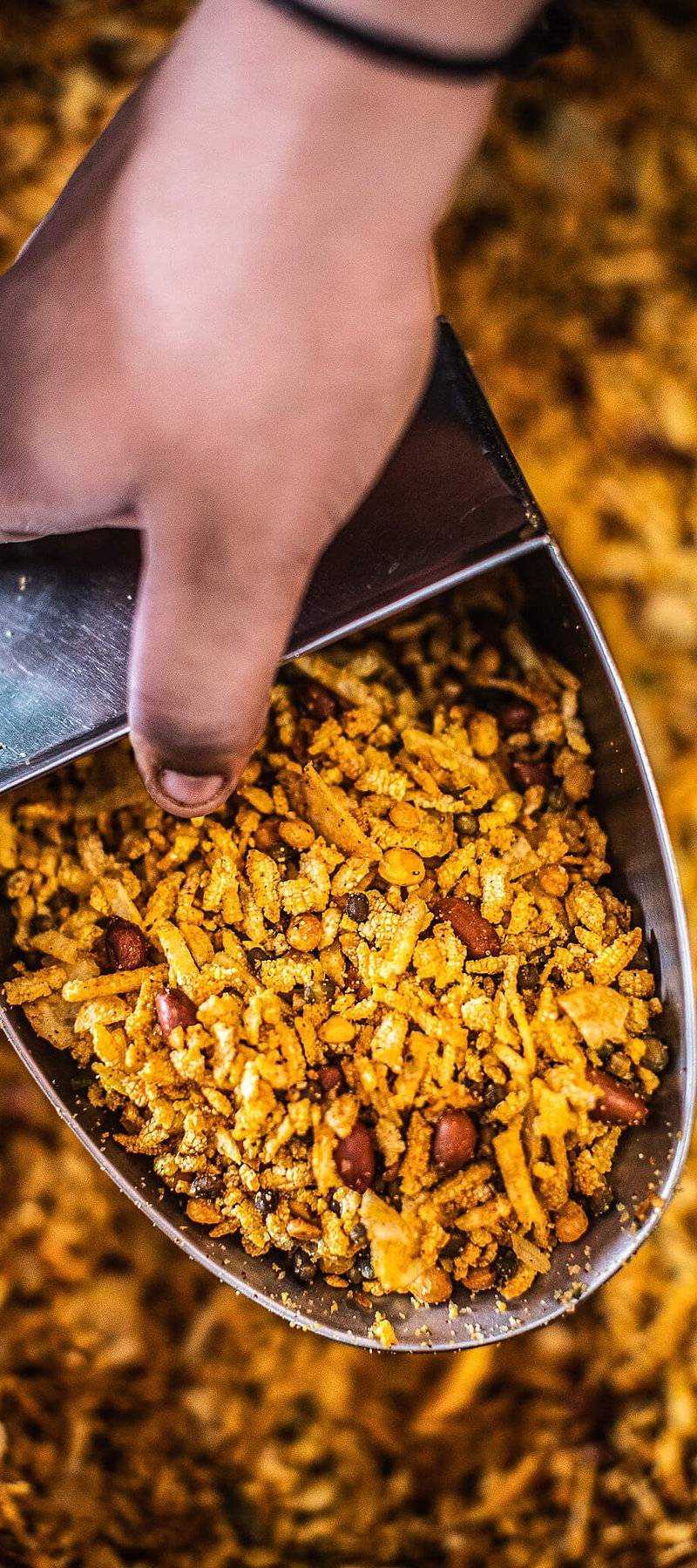
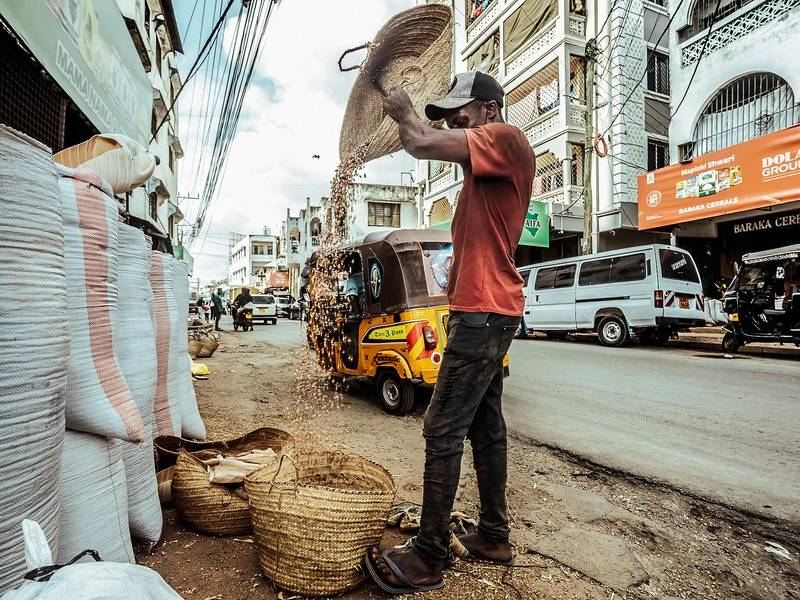
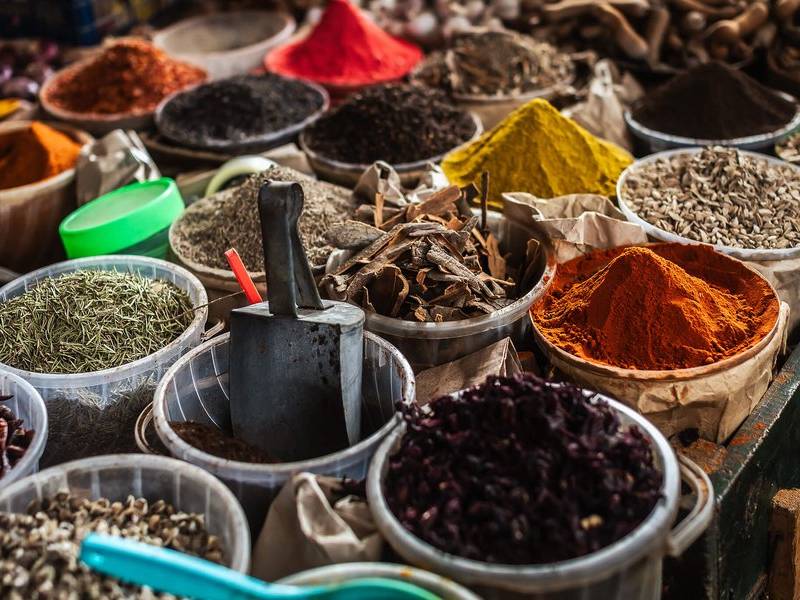
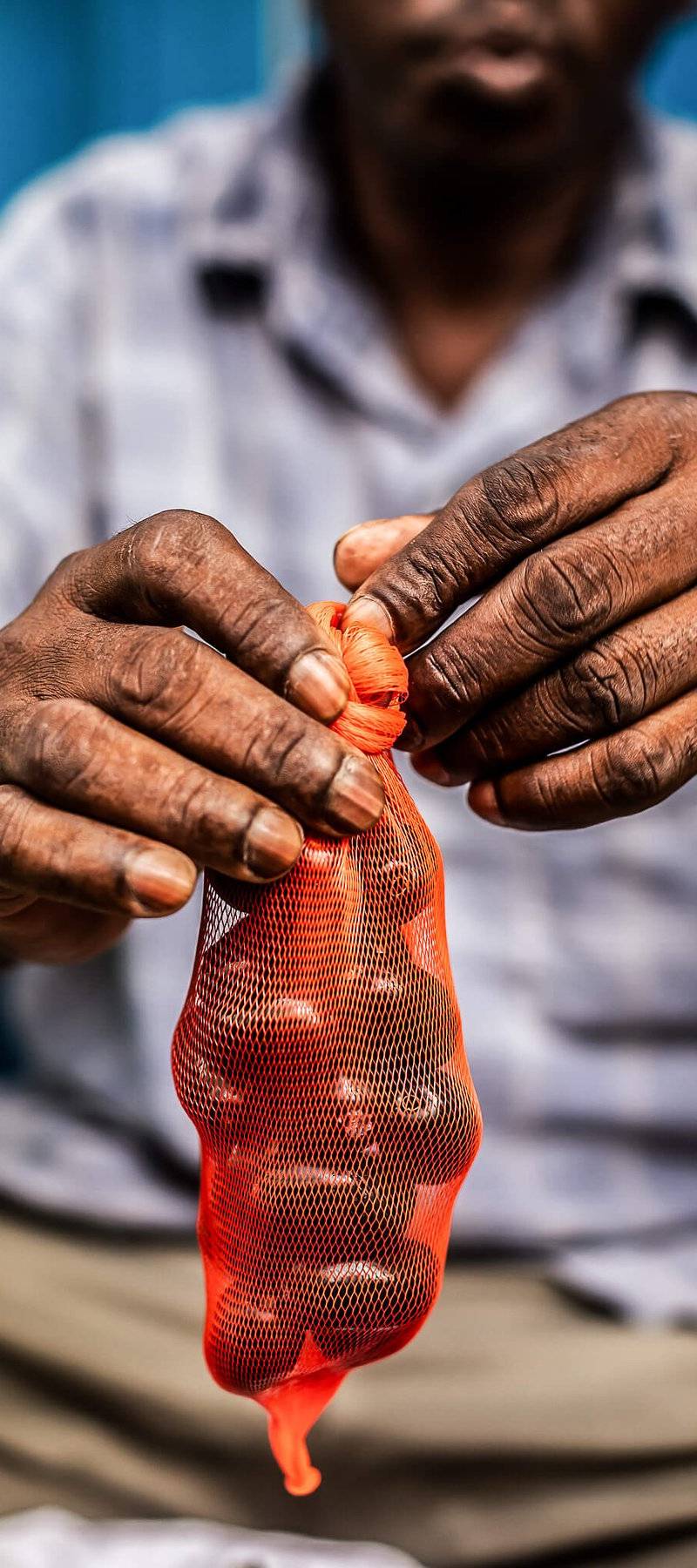
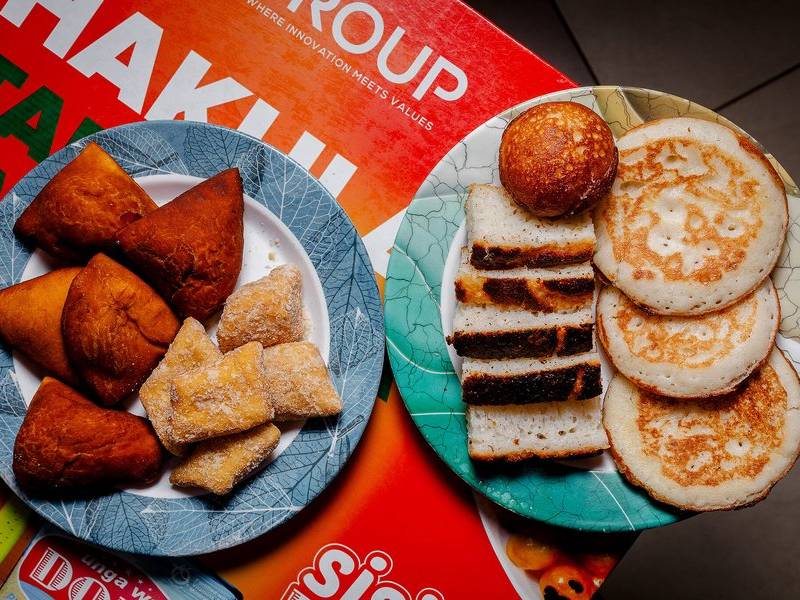
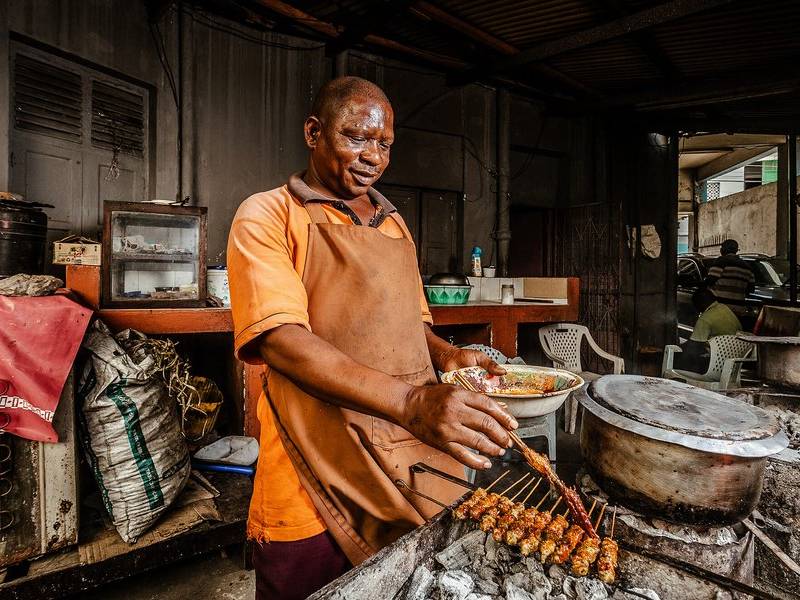
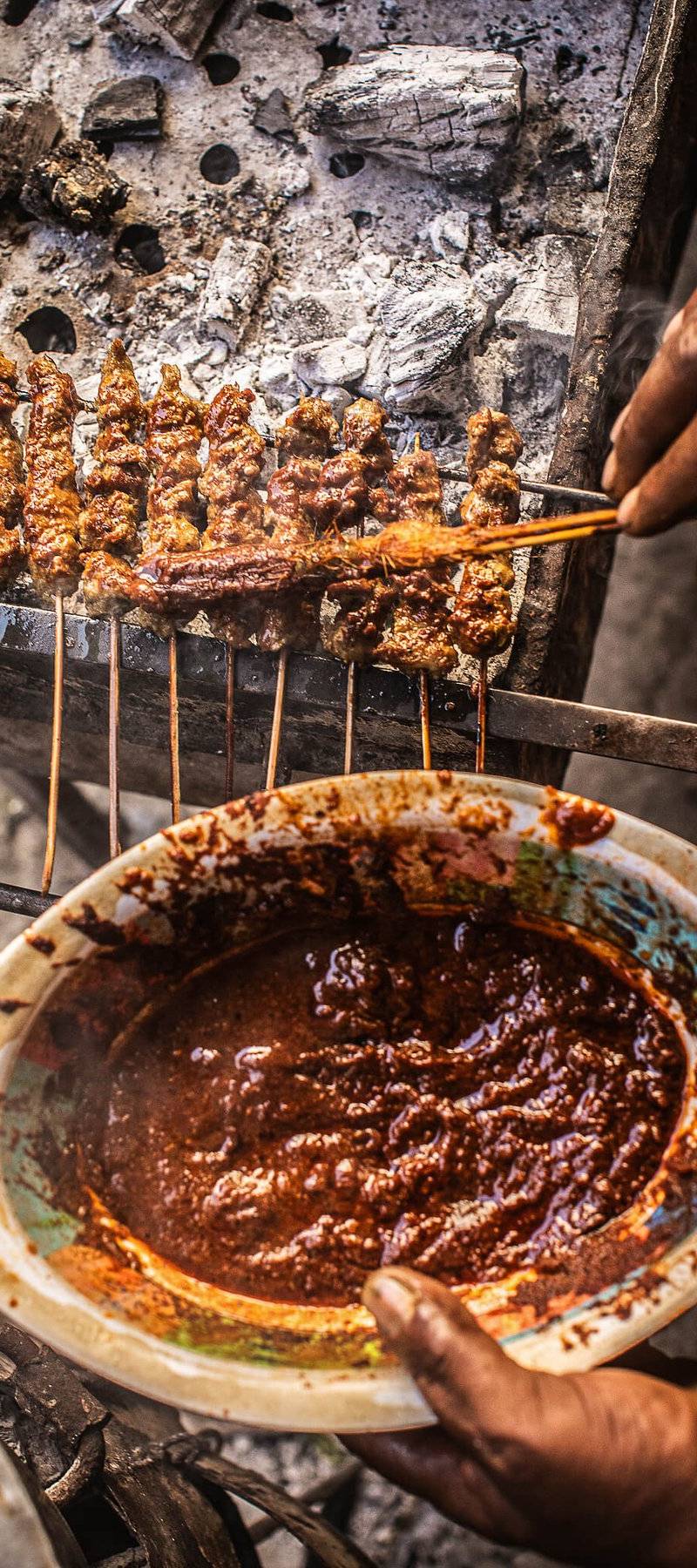
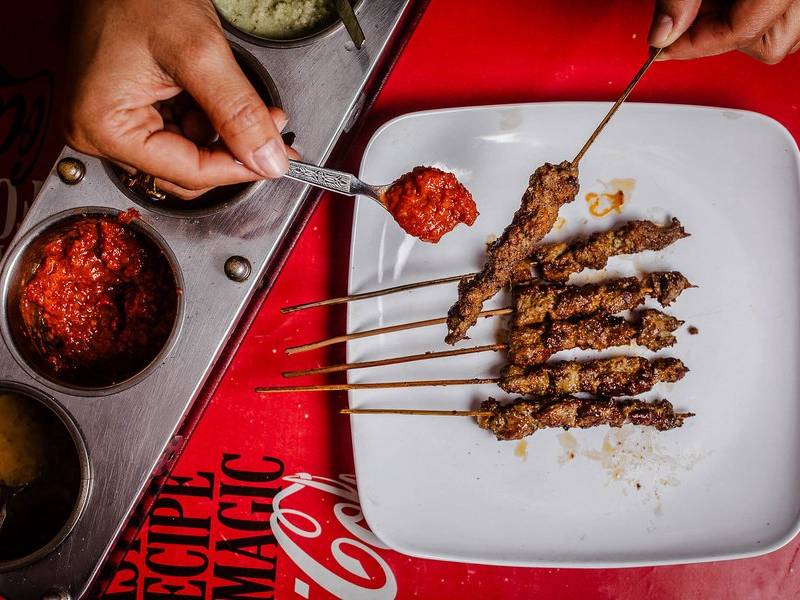
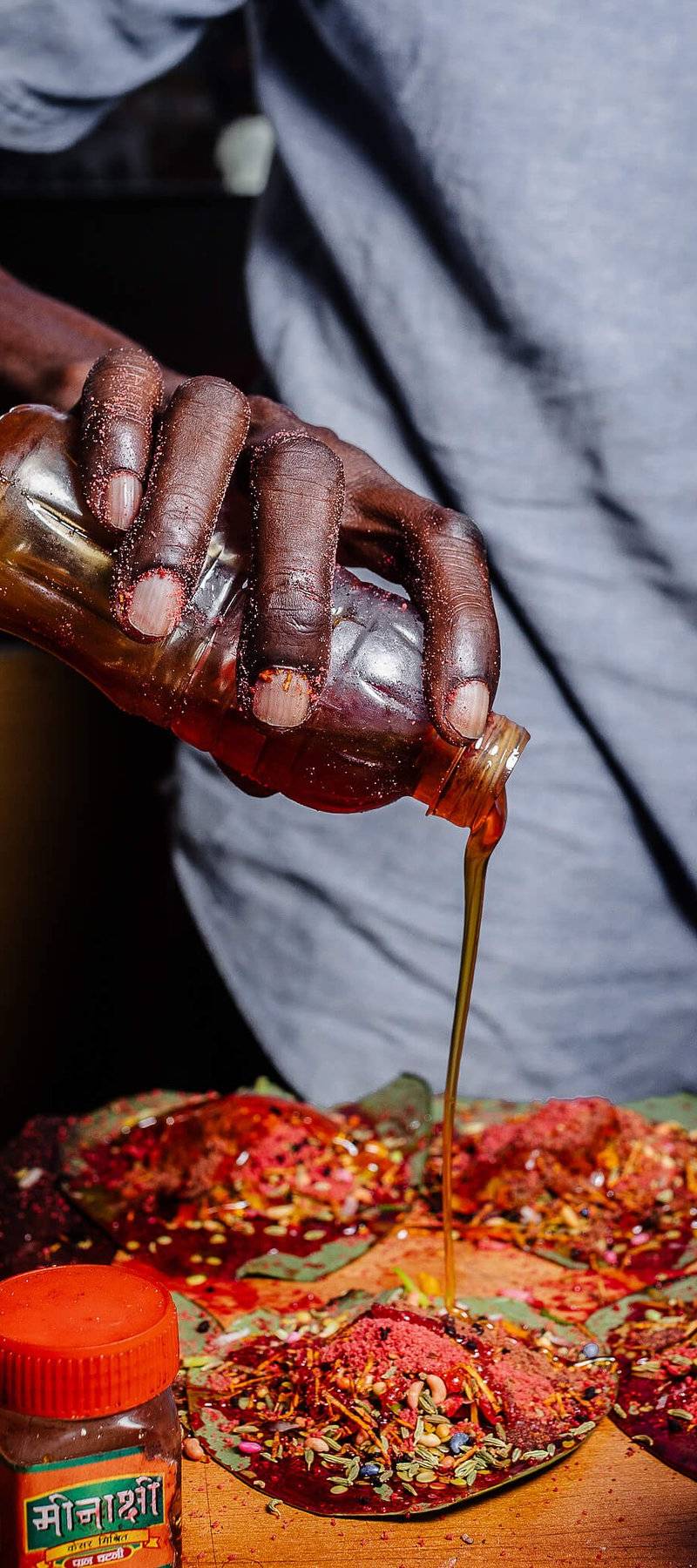
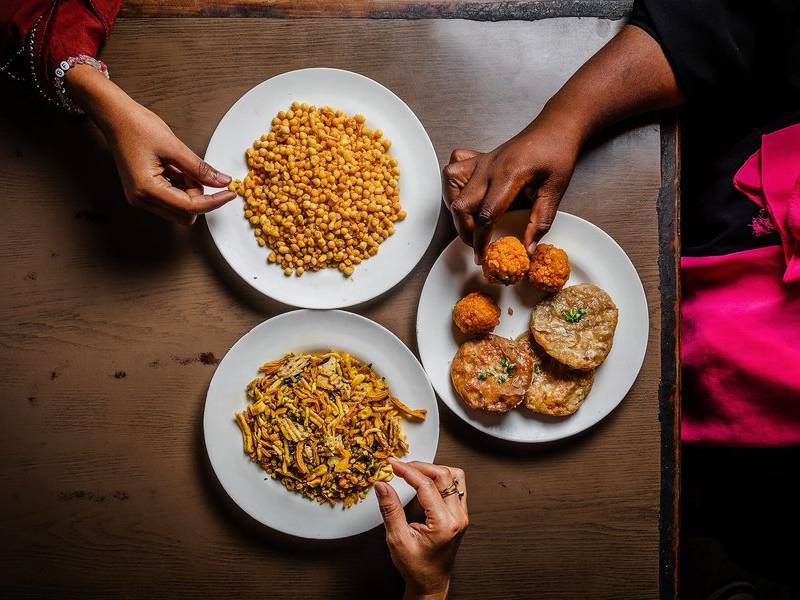
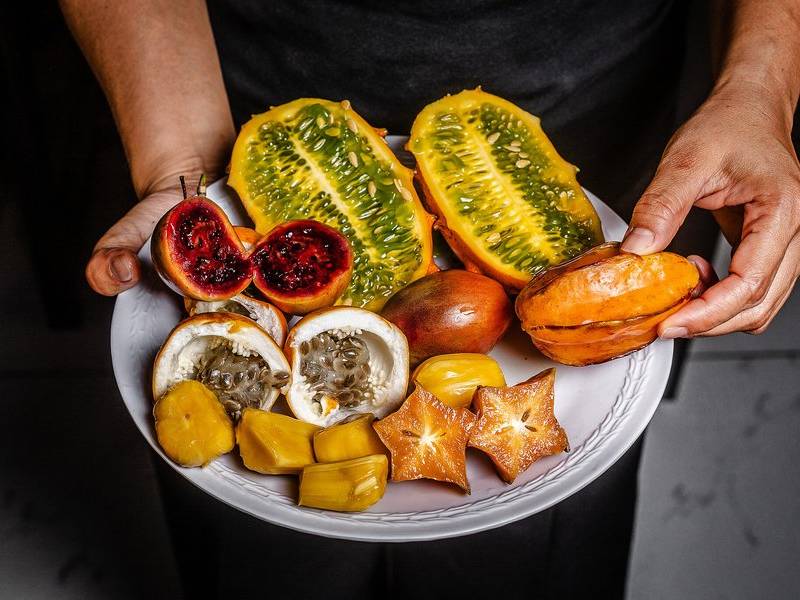
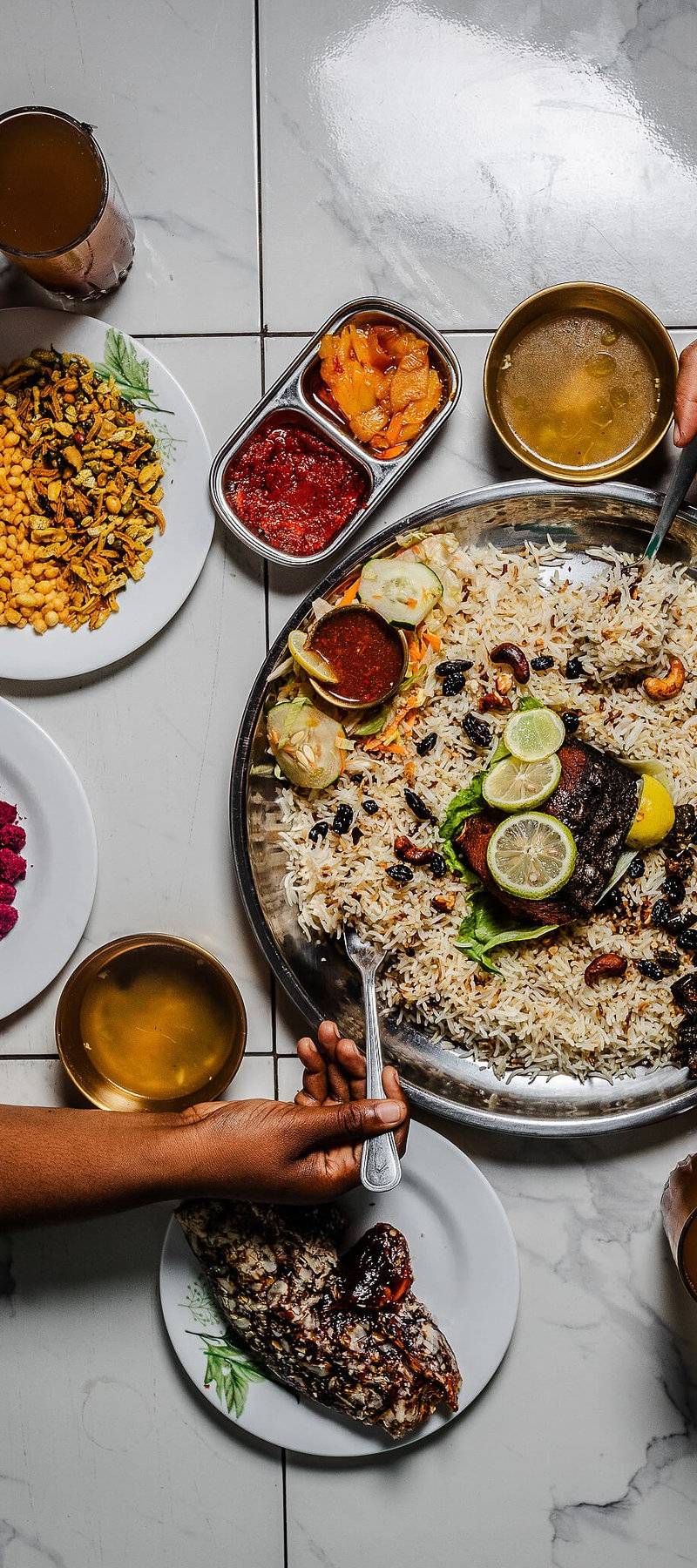
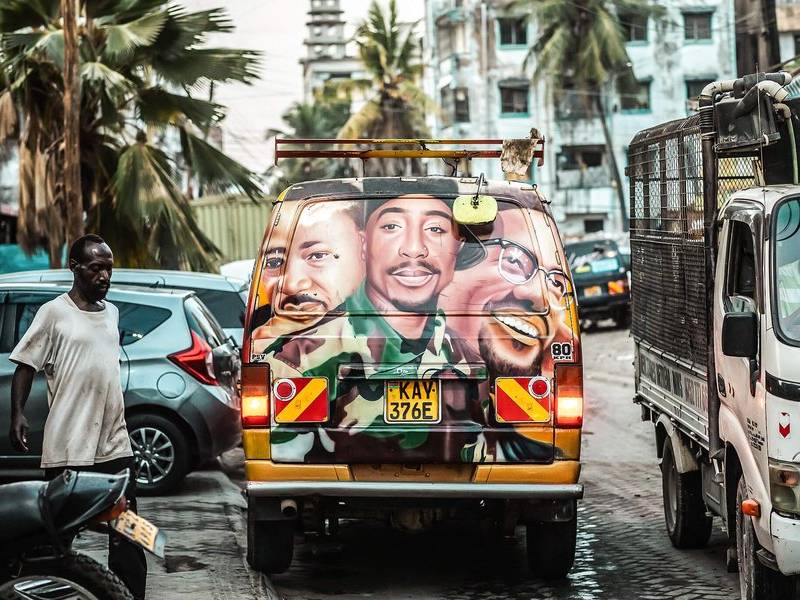
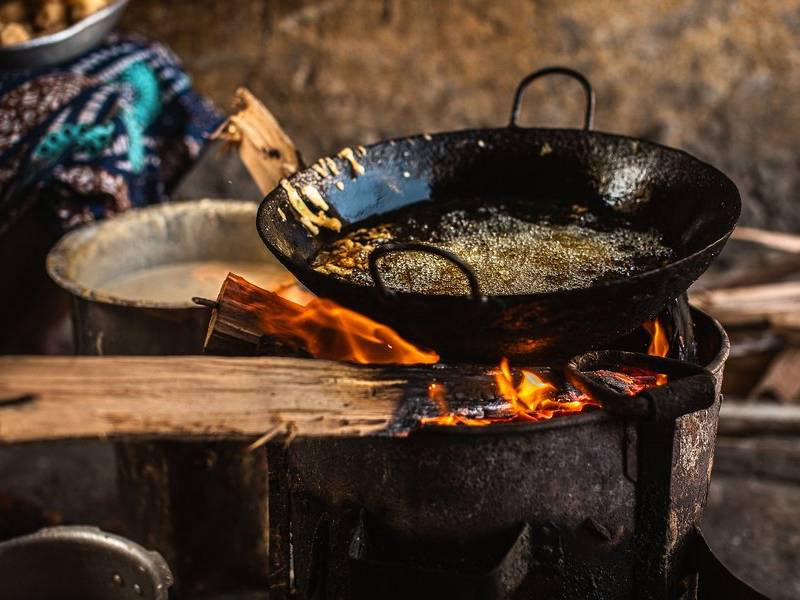
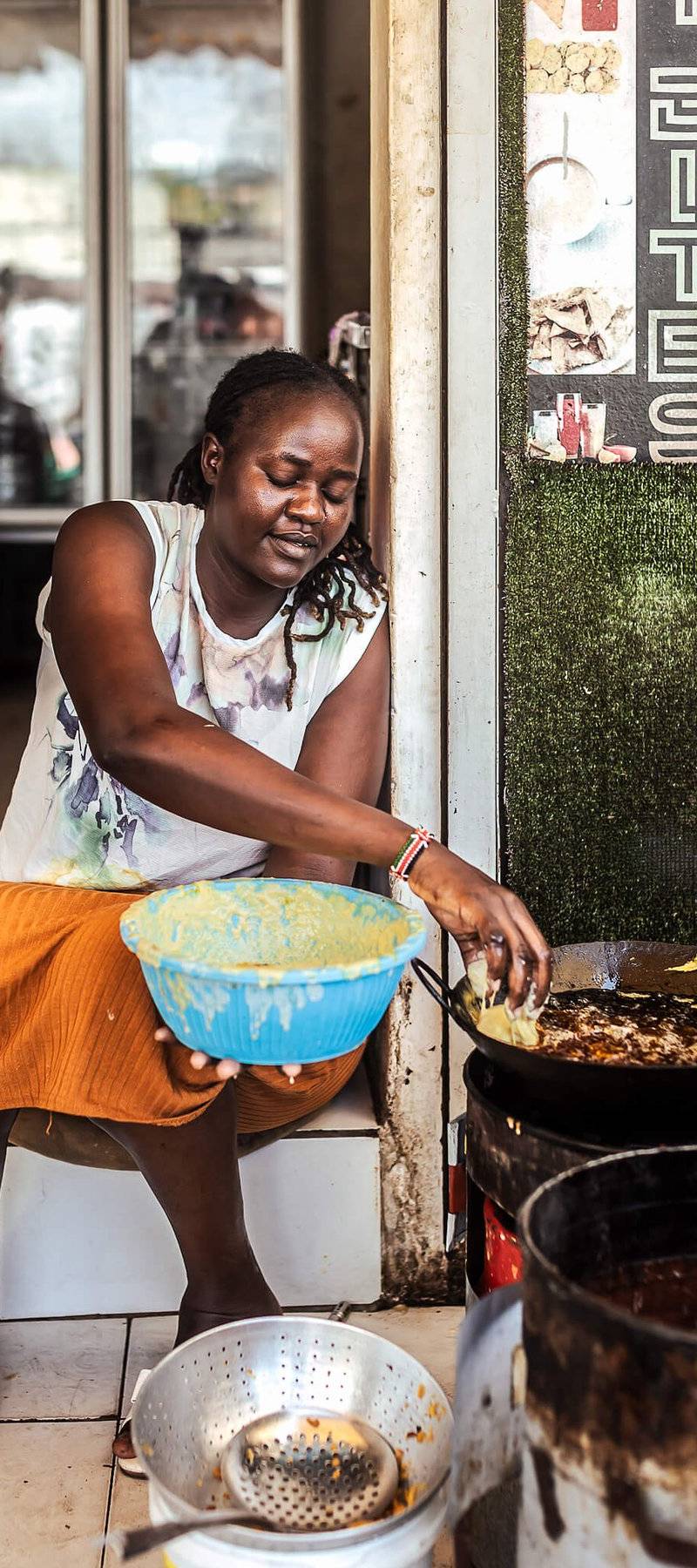
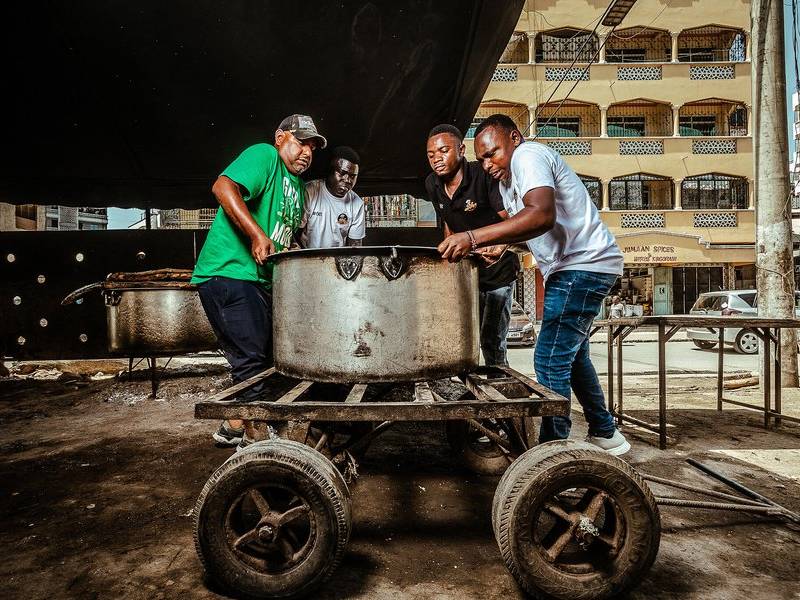
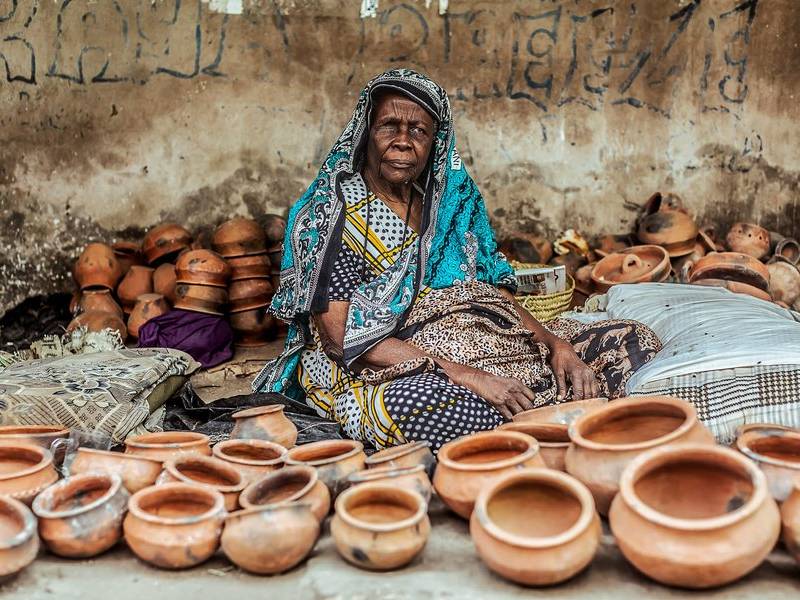
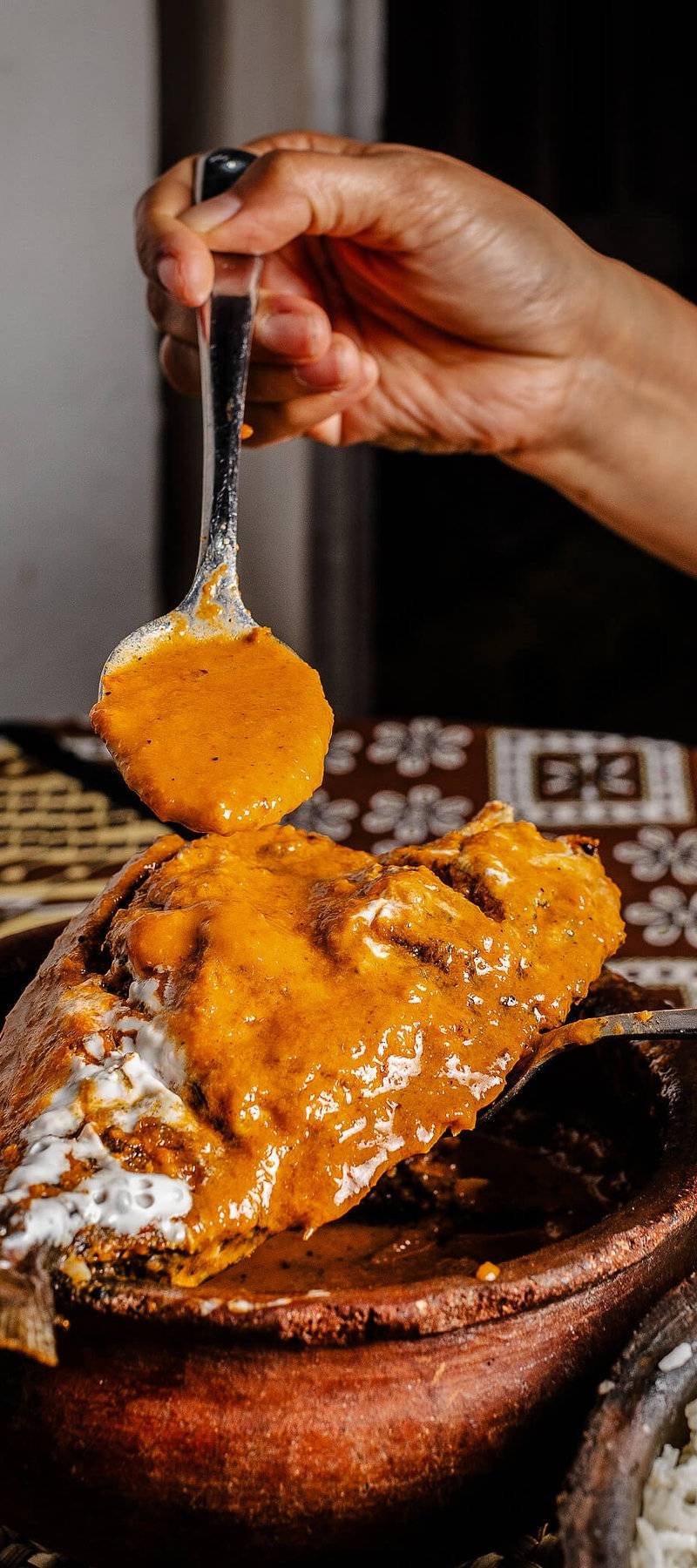
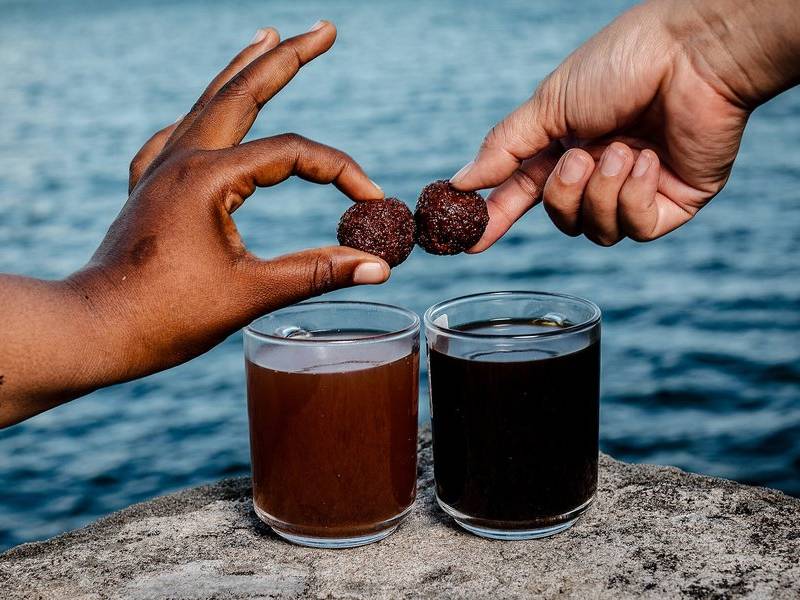
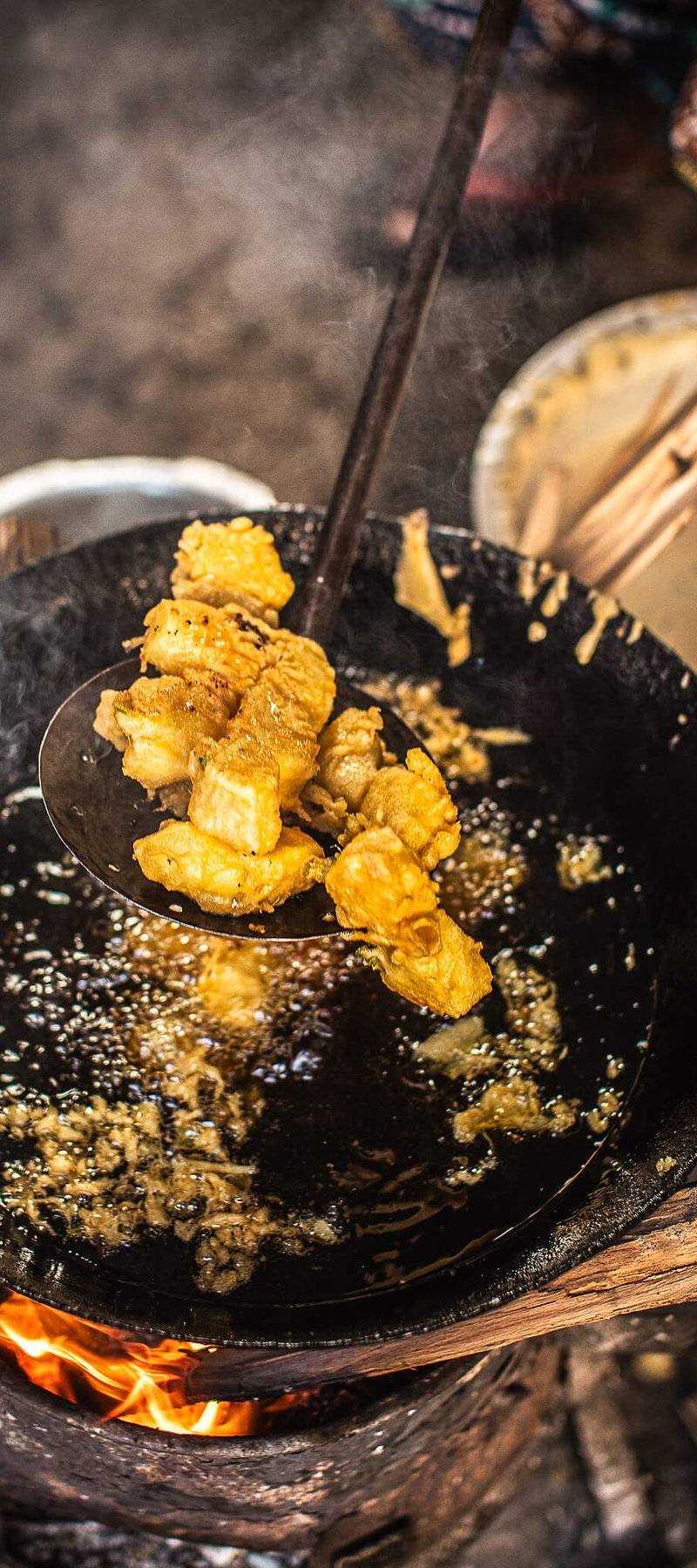
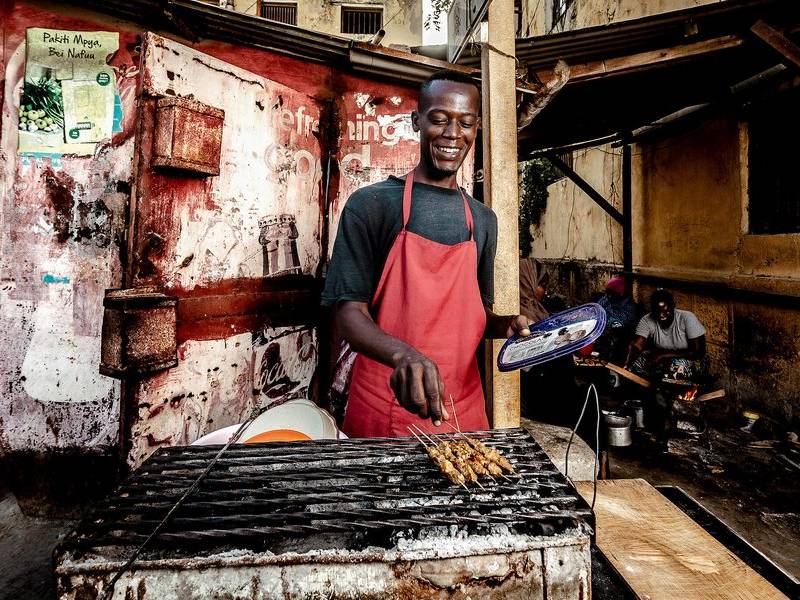
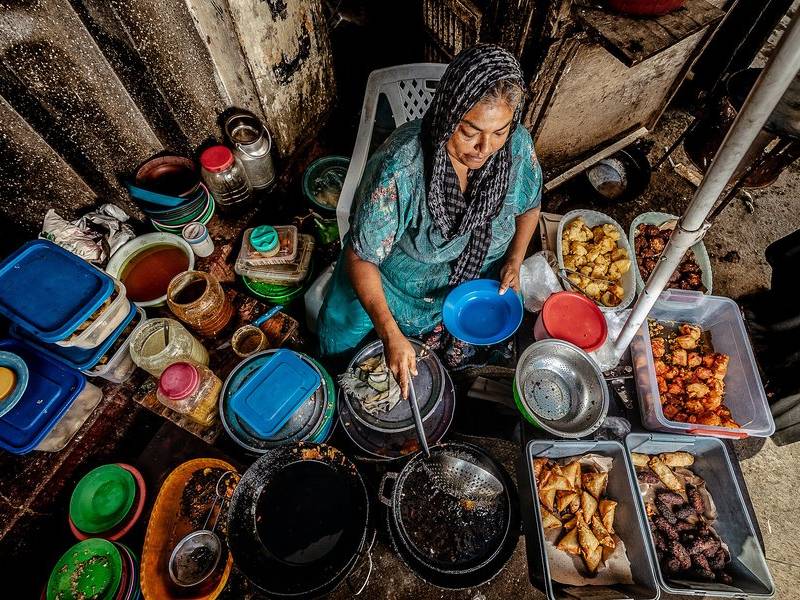
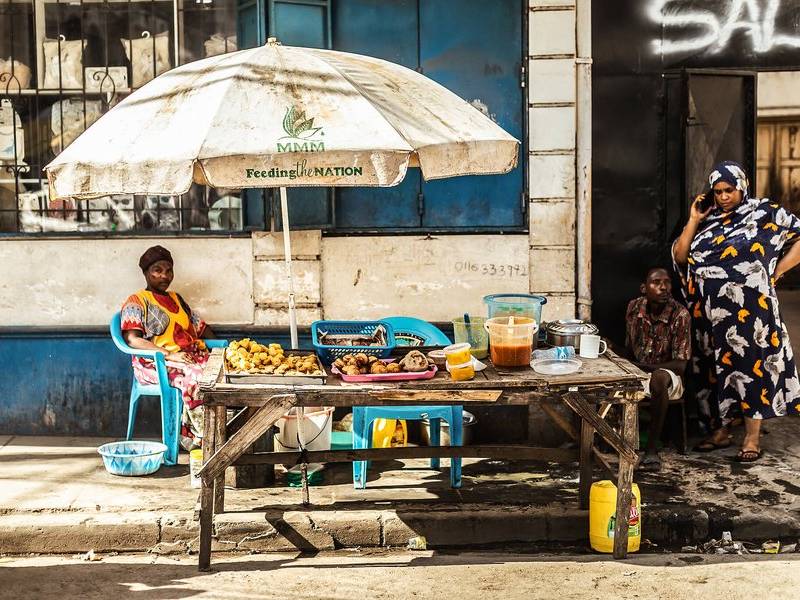
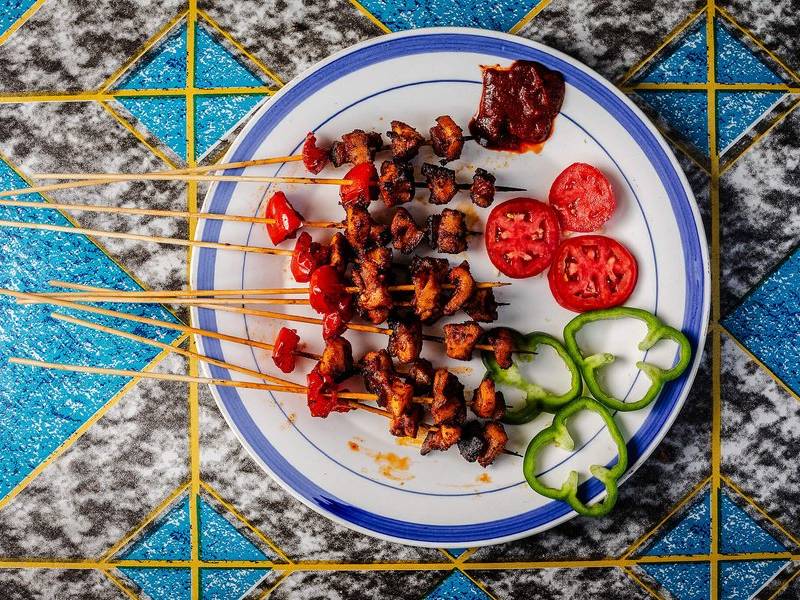
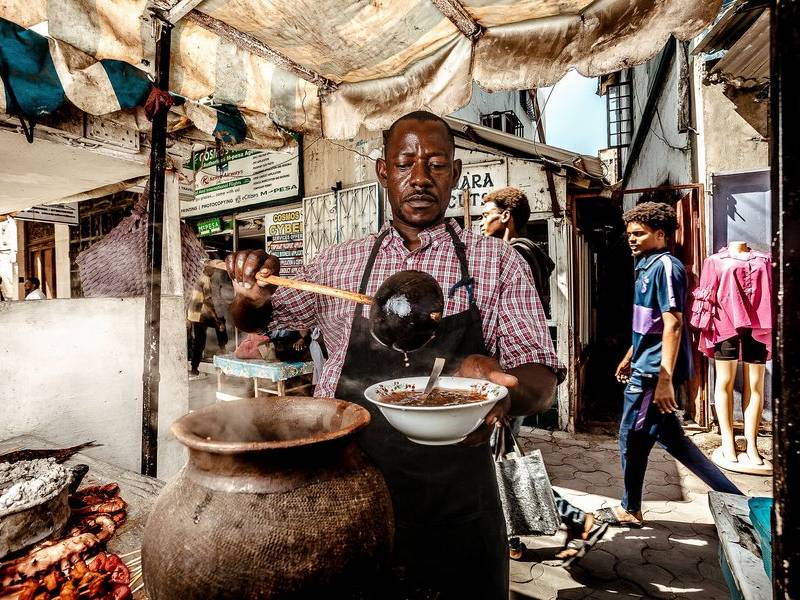
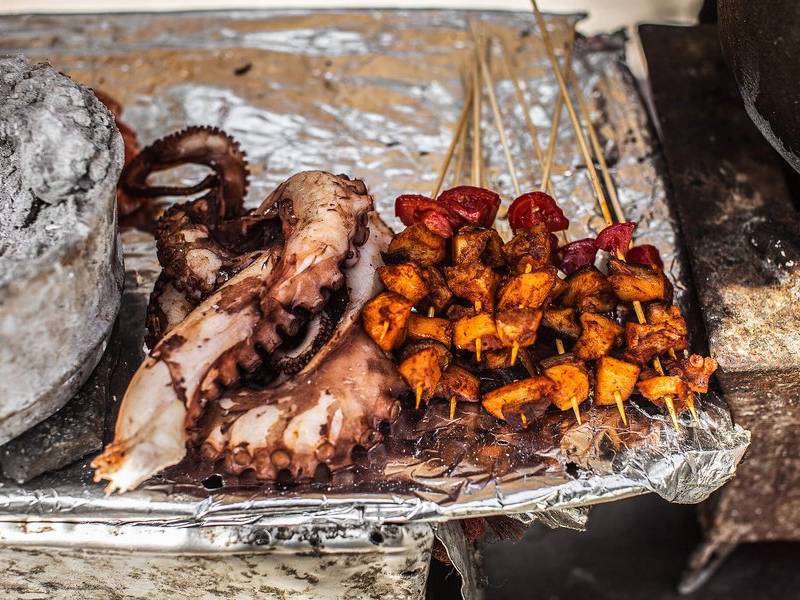
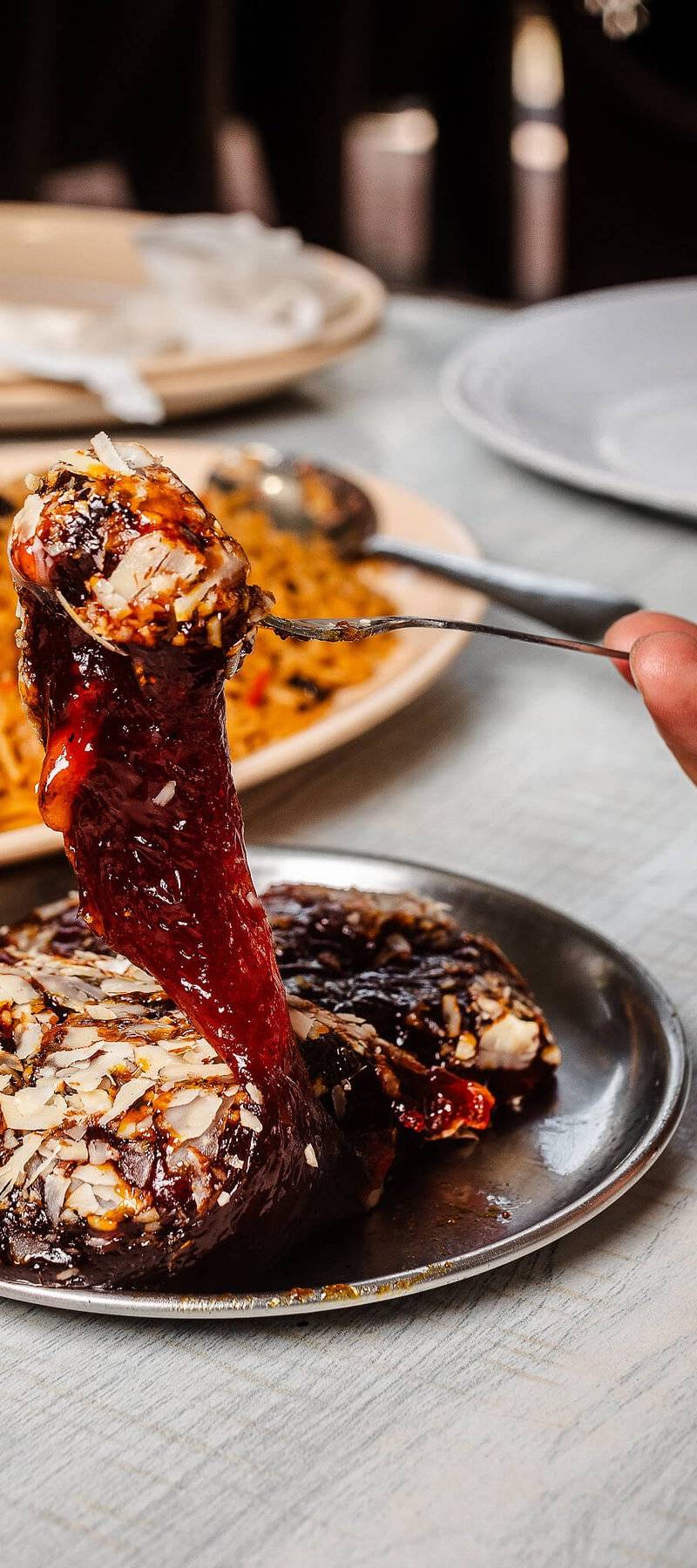
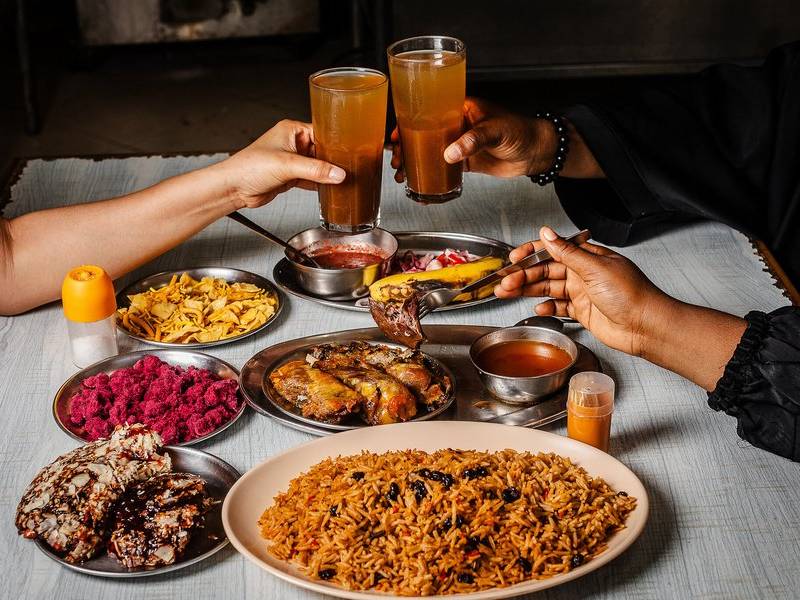
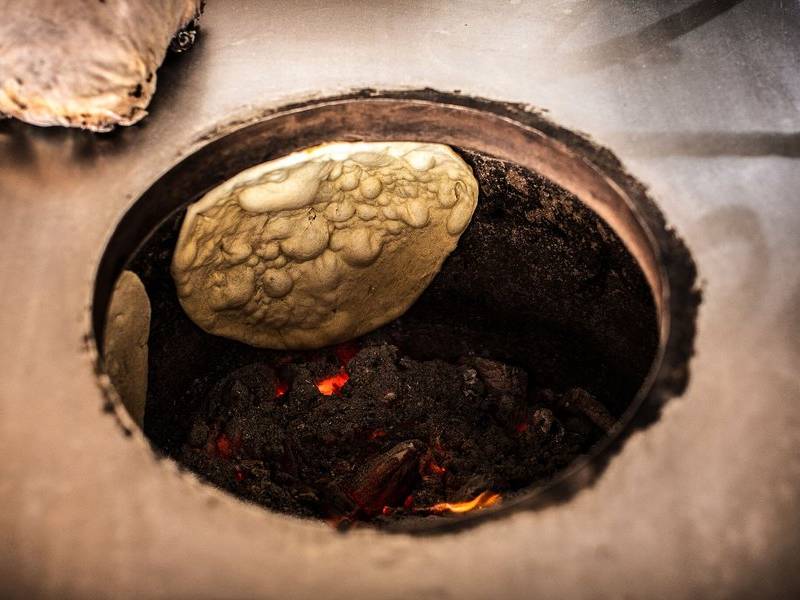
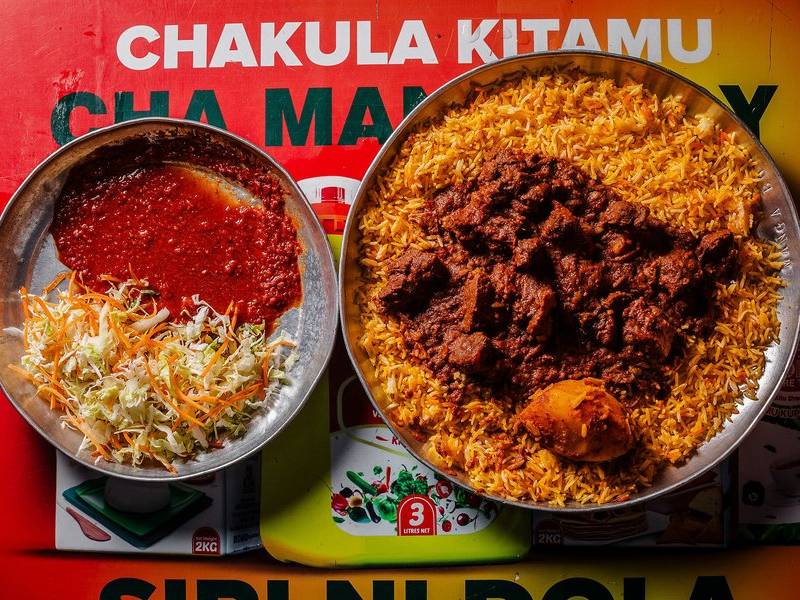
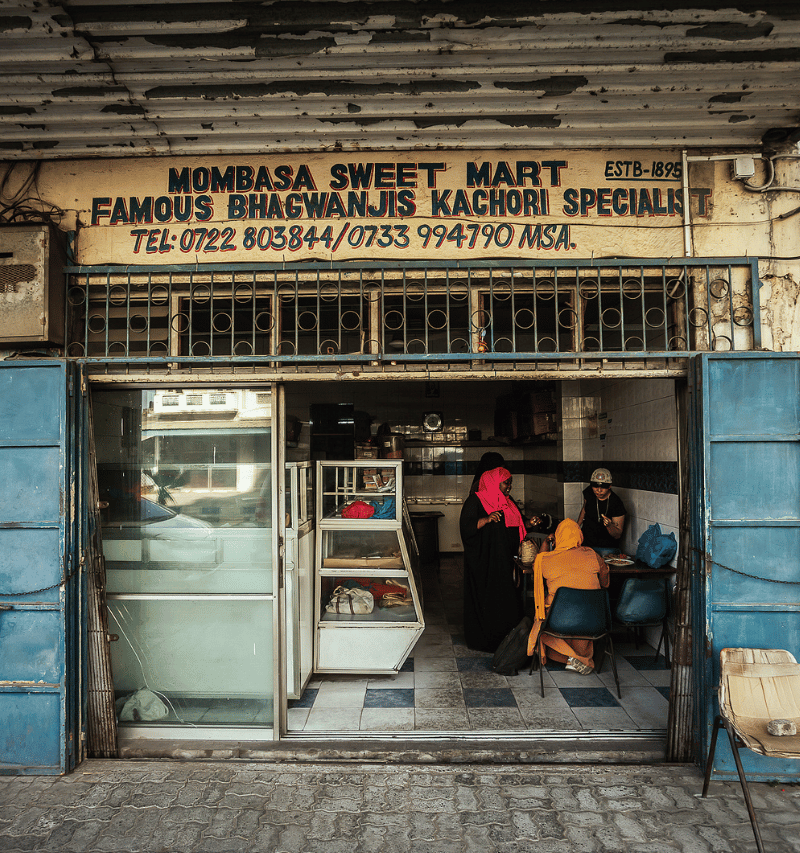
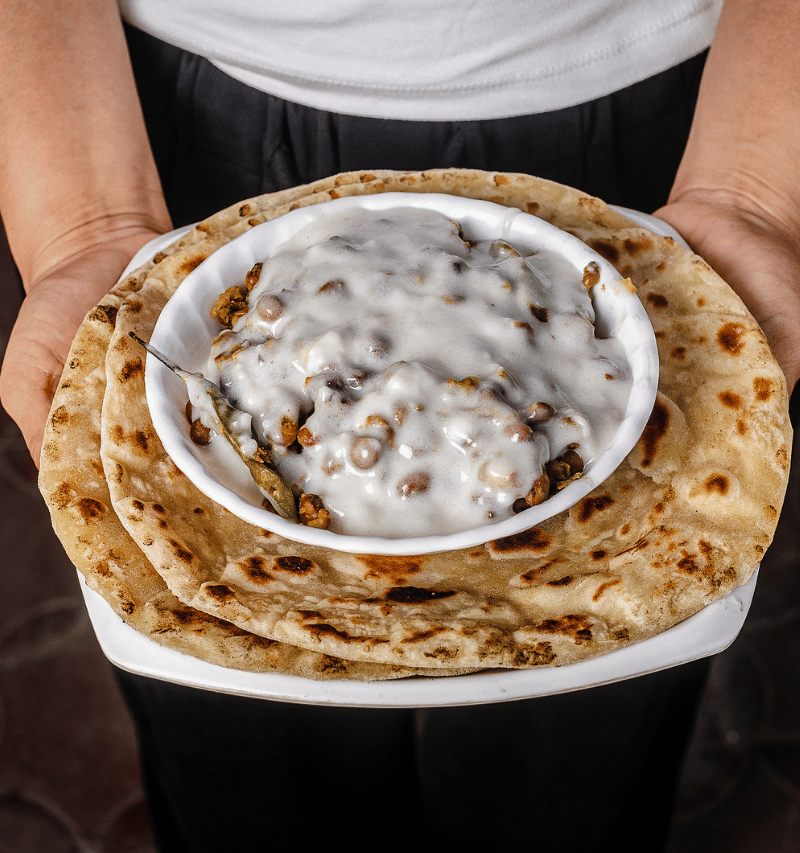
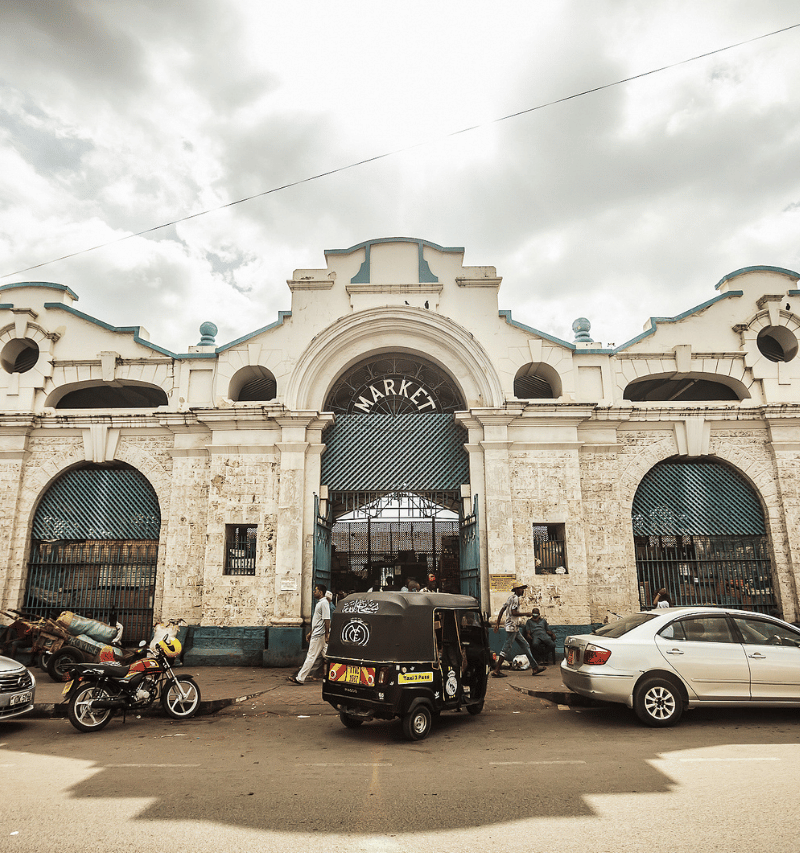
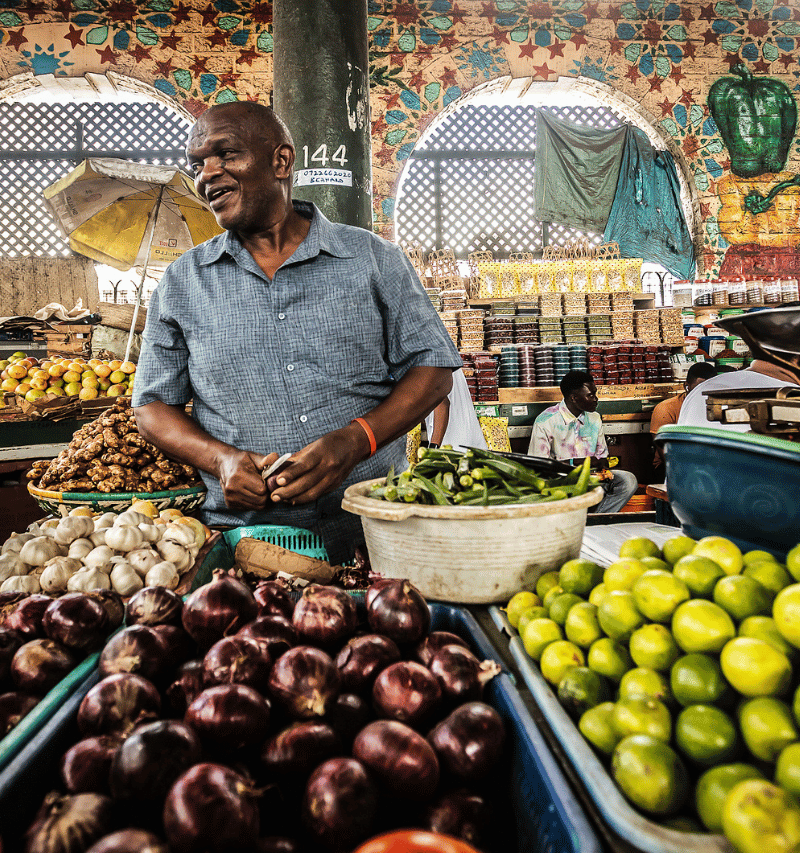
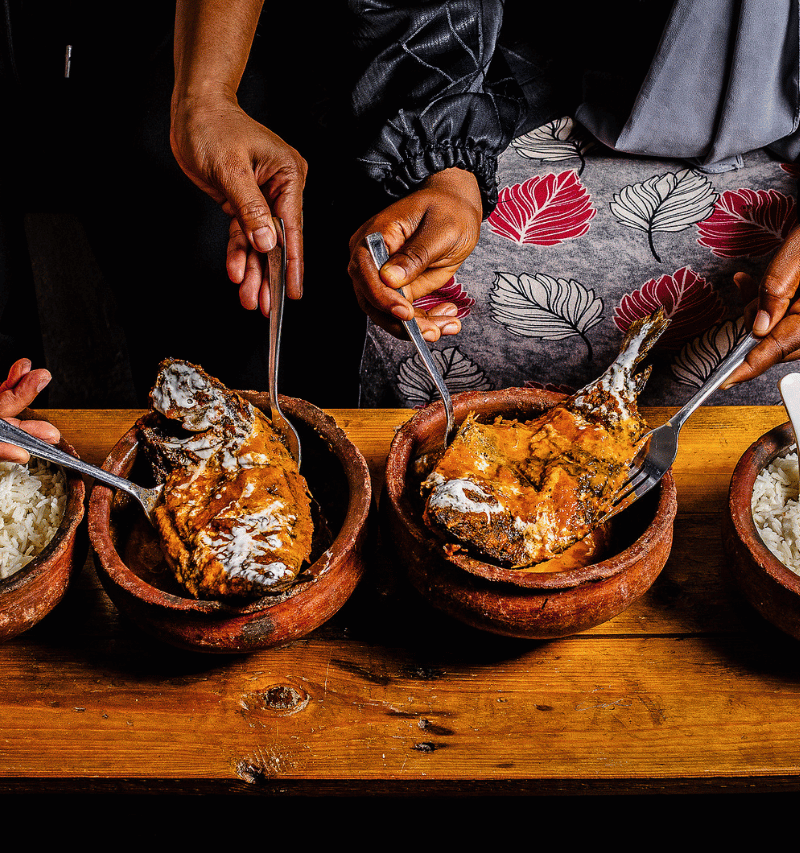
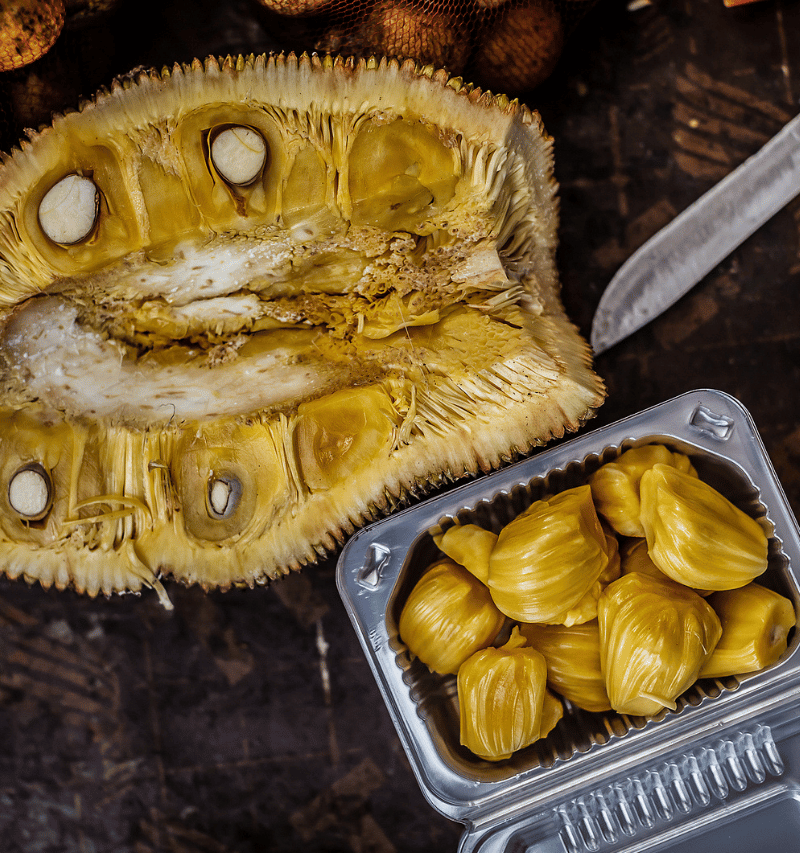
Biryani made with the coast's Swahili spice, mahamri cardamom doughnuts, viazi karai fried potato in gram flour, tamarind juice at the seafront. Mombasa cooks with Arabian, Indian and African inheritance side by side.
04 The pantry
- Coconut milk, pressed daily for Swahili curries
- Tamarind, sour pulp folded into fish and prawn curries
- Pilau masala, coastal spice mix of cumin, cardamom and cloves
- Fresh curry leaves, snapped fresh into every tarka
- Cardamom, whole pods steeped into mahamri and chai
05 In the kitchen
- Simmering samaki wa kupaka fish in coconut milk and tamarind
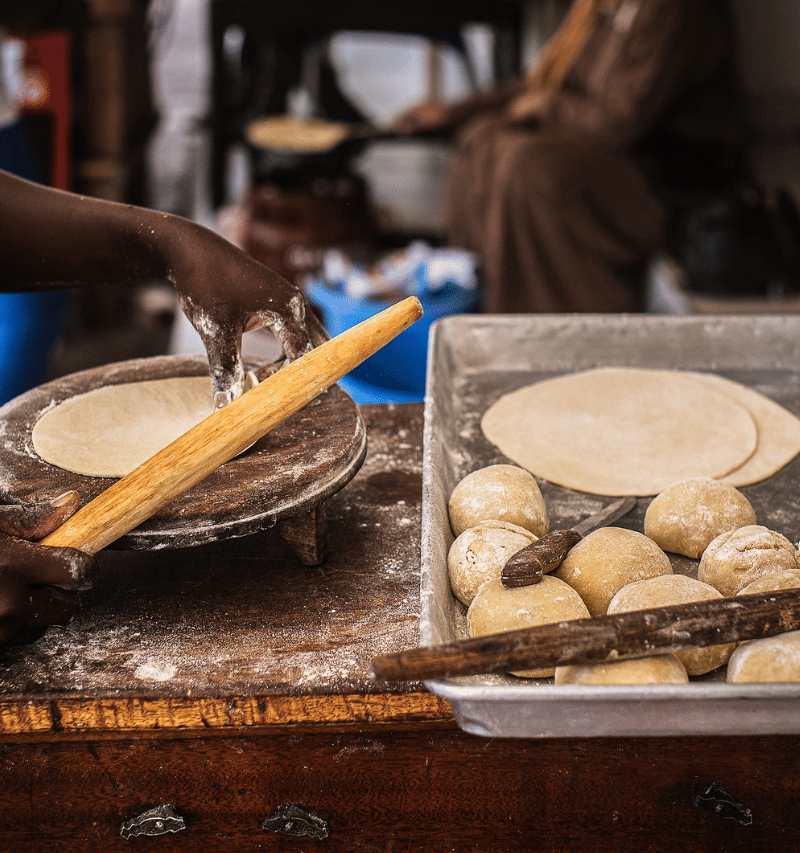
- Frying mahamri cardamom doughnuts in triangles
- Slow-cooking pilau rice with meat and coastal spice
- Steaming vitumbua rice-flour cakes in tiny cast-iron cups
- Grinding viazi karai potato batter with turmeric for the deep fry
06 Eat this first
- Biryani, Swahili biryani heavy with cardamom and clove
- Samaki wa kupaka, whole fish grilled and finished in coconut sauce
- Mahamri, cardamom coconut doughnuts eaten with bean stew
- Viazi karai, batter-fried potatoes dipped in tamarind chutney
- Kaimati, syrup-drenched fried dough balls scented with cardamom


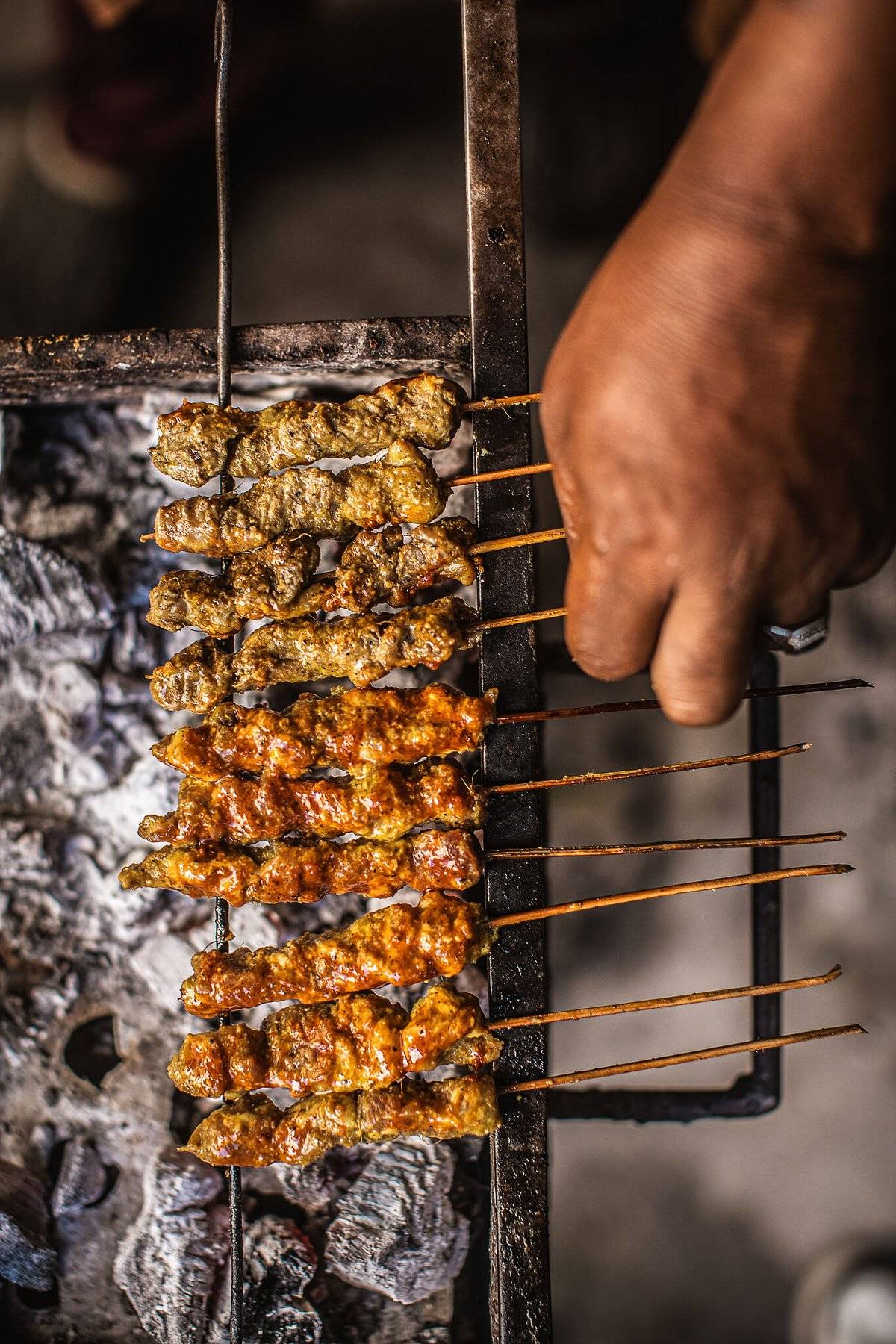
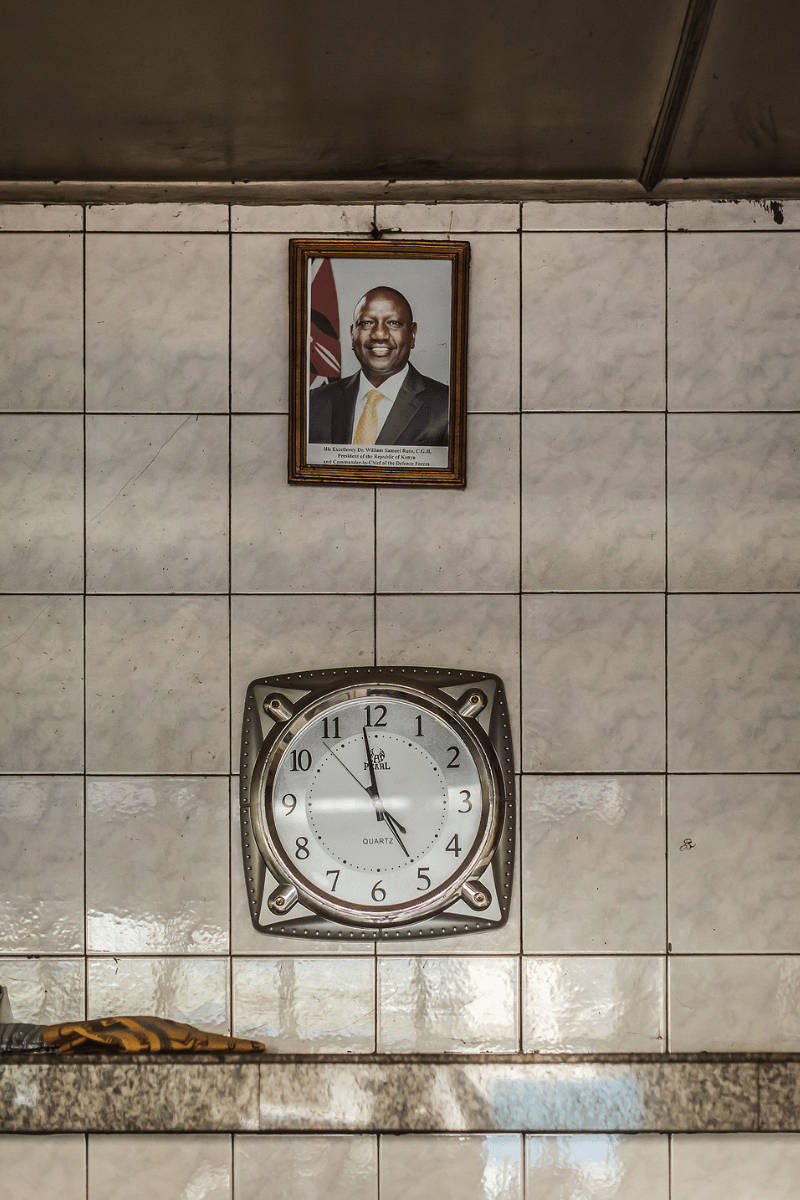
What happens inside a hammam kitchen
A morning with the cooks who feed the neighbourhood before dawn. Charcoal, dough, the smell of a bakery working its second oven.
09 Recipes
A collection of authentic recipes we couldn't leave behind.
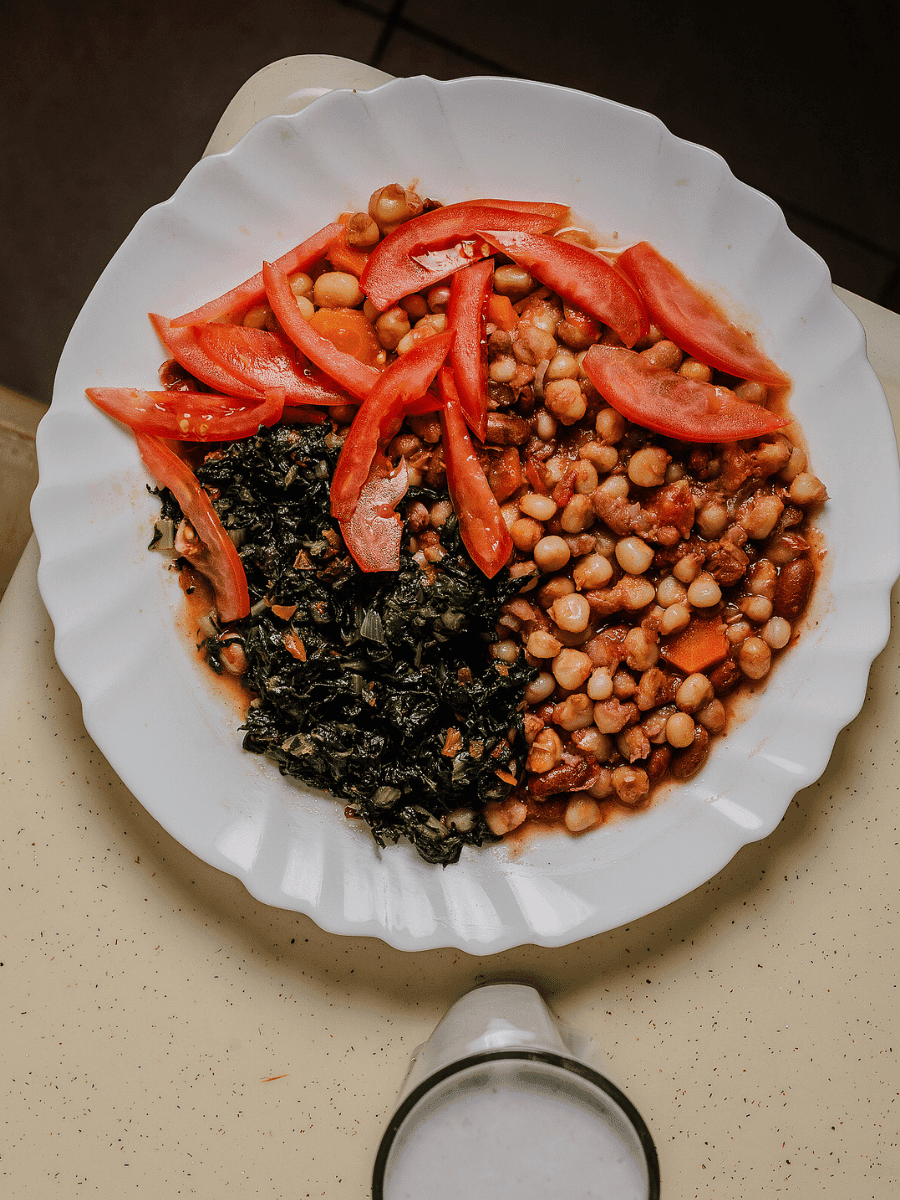
Boiled maize and mixed beans simmered slowly with onions, tomatoes and a spoon of oil. Central Kenya's simplest, most-eaten meal.

Whole fish grilled hot, then bathed in a thick coconut-and-tamarind sauce spiked with garlic, ginger and chilli. Swahili coast's Sunday-lunch dish.
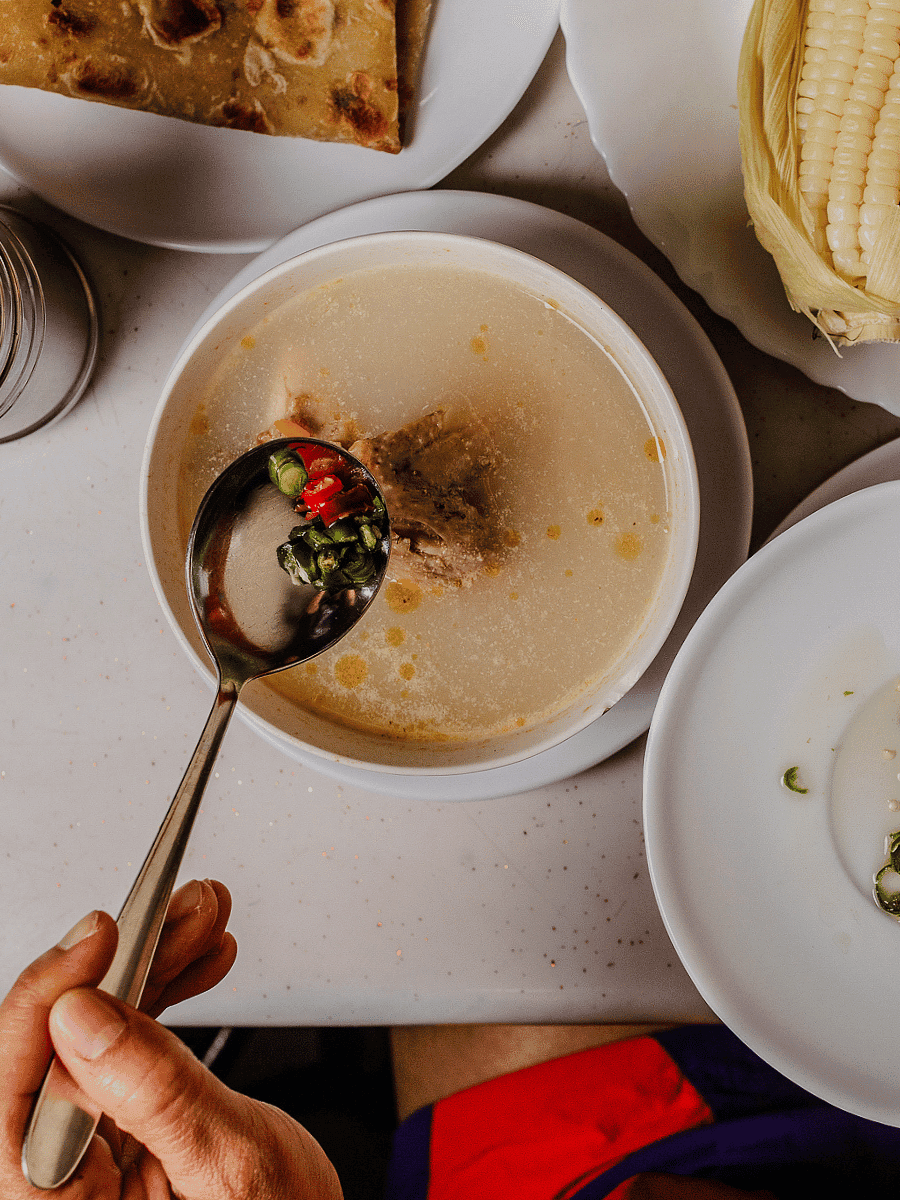
Chicken simmered slowly with onion, ginger, garlic, lime and coriander into a fragrant broth. Kenya's Sunday chicken soup, served with mashed potato.

Boiled potato coated in a turmeric-yellow gram flour batter and deep-fried until crackling. Mombasa's street snack, always with tamarind chutney.

White fish poached gently in coconut milk with tomato, onion, tamarind and coriander. The everyday Swahili coast supper.
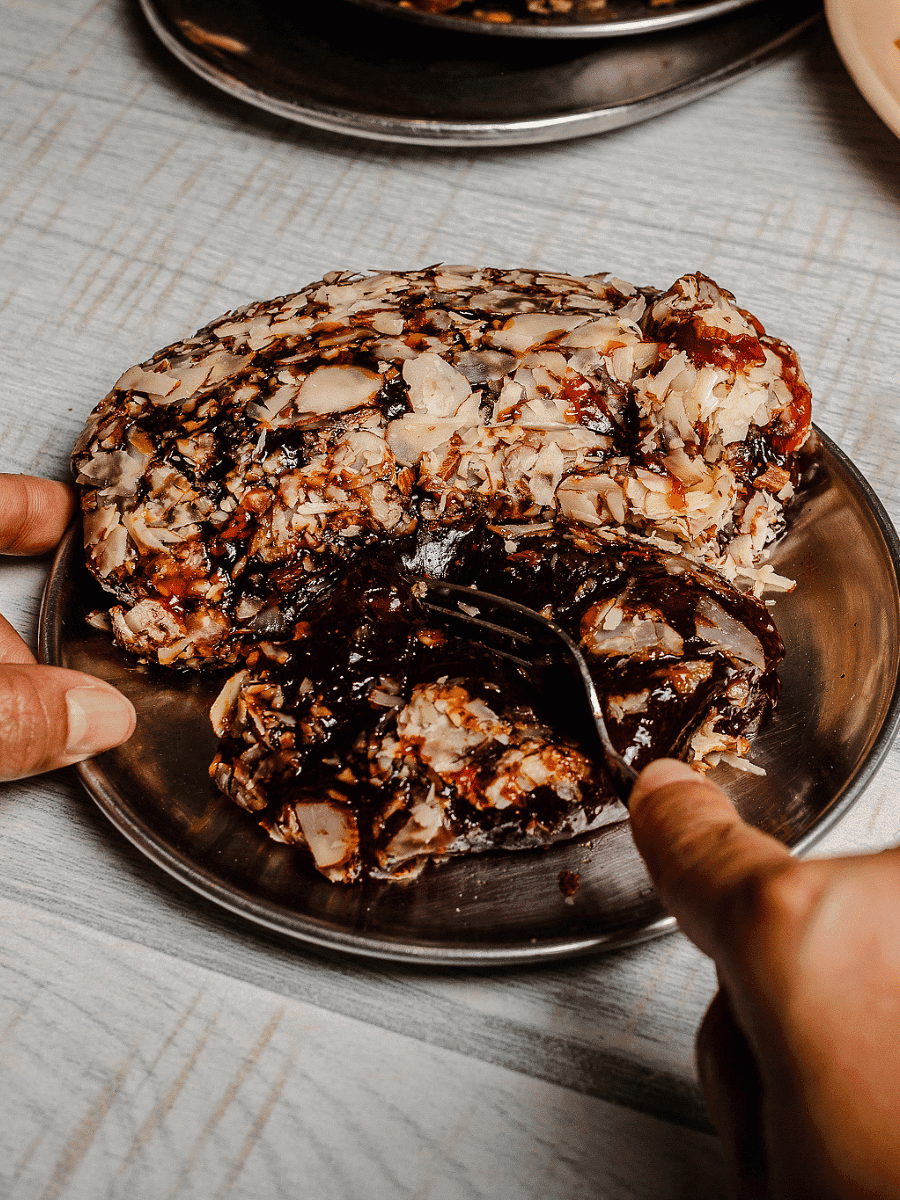
A dense, translucent sweet of cornstarch, sugar and ghee, scented with cardamom and saffron and studded with pistachios. Zanzibar's celebration sweet, now equally at home in Mombasa.
10 Field Notes
Quick field notes to help you get accustomed to Mombasa.
Weather
Coastal humid tropical. Warm year-round (28–32°C) with long, sunny days. Long rains fall April–June, short rains October–November. December to March is peak season.
Currency
The Kenyan shilling (KES). Cards work in upscale hotels but cash is standard elsewhere. M-Pesa (mobile money) is used everywhere. Set it up if you're staying a while.
Language
Swahili is the everyday language on the coast; English is widely spoken in tourism. Learning 'jambo' and 'asante' opens conversations.
Etiquette
Mombasa is Muslim-majority. Dress modestly in the Old Town and Swahili villages (cover shoulders and knees). Beach resorts are more relaxed.
Getting around
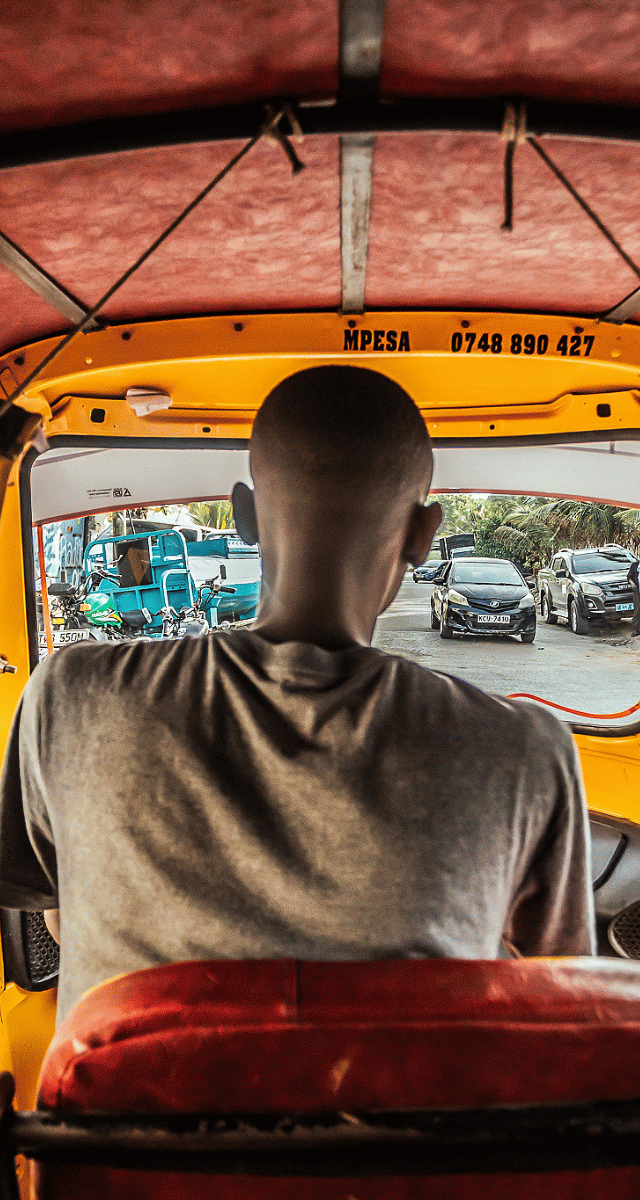
Tuk-tuks are the everyday city ride and cheap, matatus (minibuses) are chaotic but authentic. Uber and Bolt work in the centre; the SGR train links Mombasa to Nairobi in under five hours.
Prayer
Predominantly Muslim on the coast. Five calls to prayer daily, and Friday afternoon quiets the Old Town. Christian churches mark Sunday.