
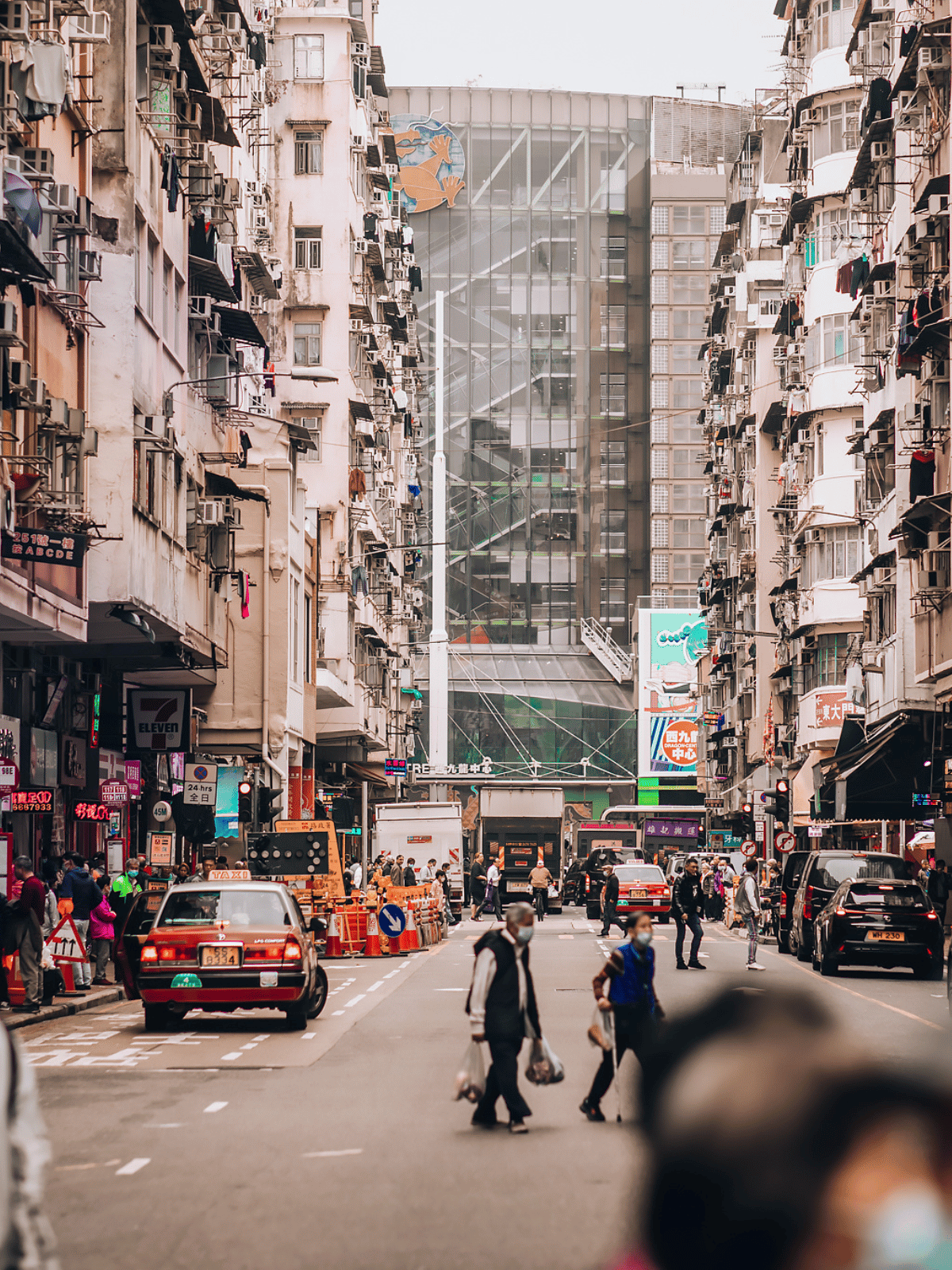
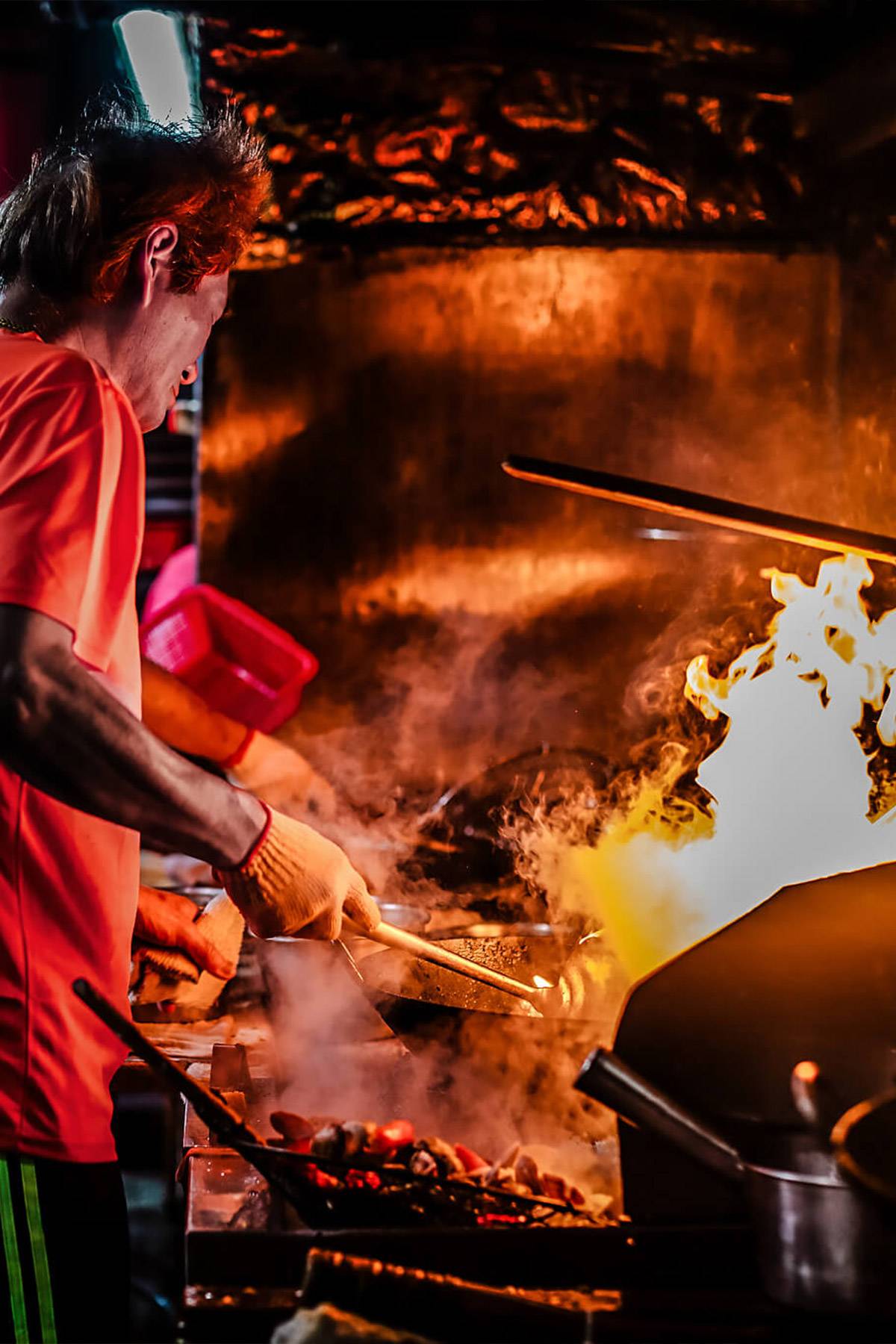
“So worth it. we ate our way through the best local spots (some michelin-recognized!), tried everything from dimsum to stinky tofu to the fluffiest egg tarts ever.”
— Project Gora, 2025
01 Food tours
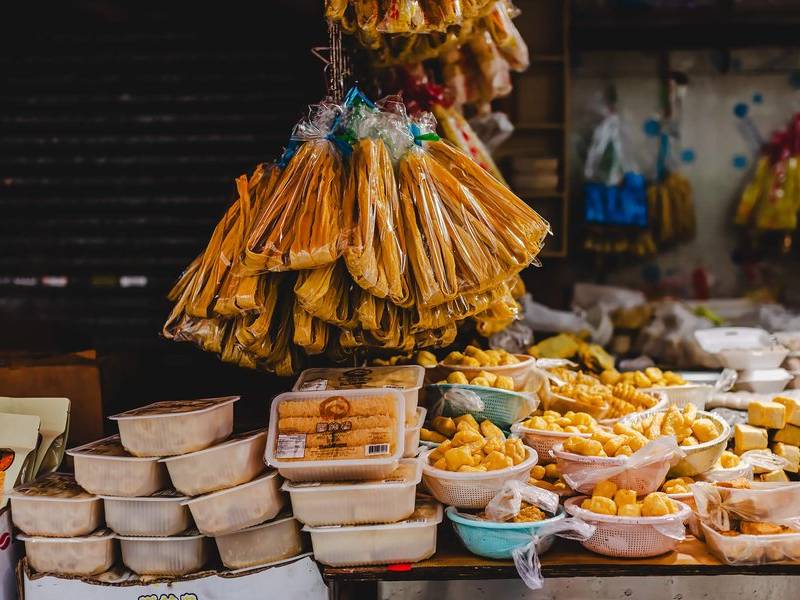
Original food tours, curated with our local tastemakers to showcase the neighbourhood kitchens, markets and family-run eateries that define Hong Kong.
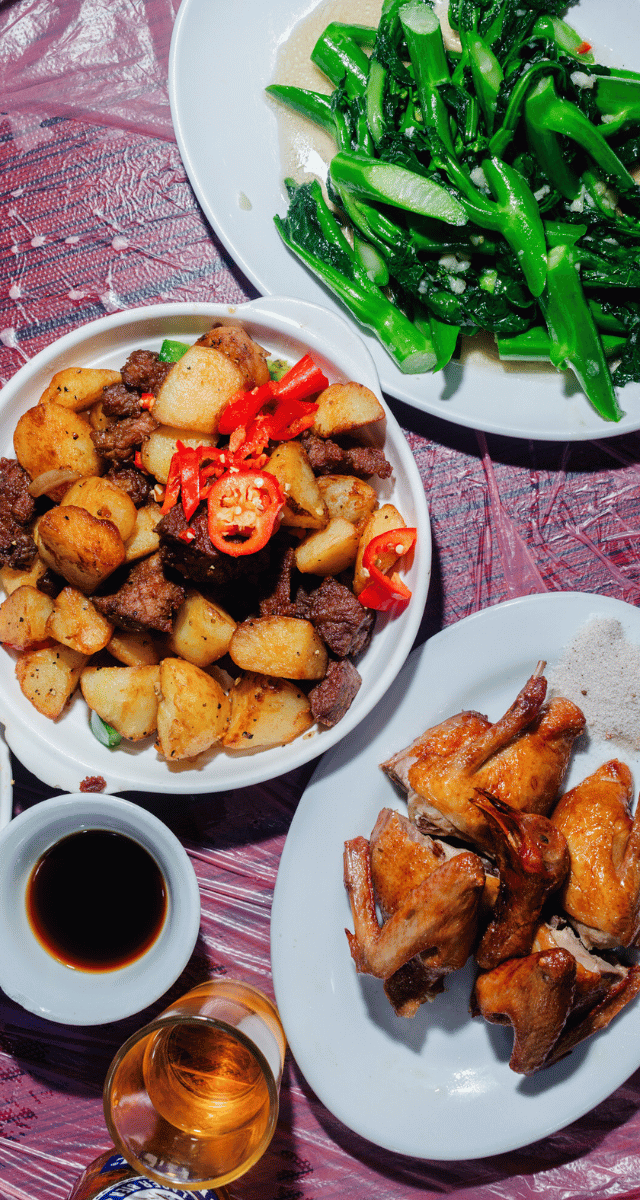
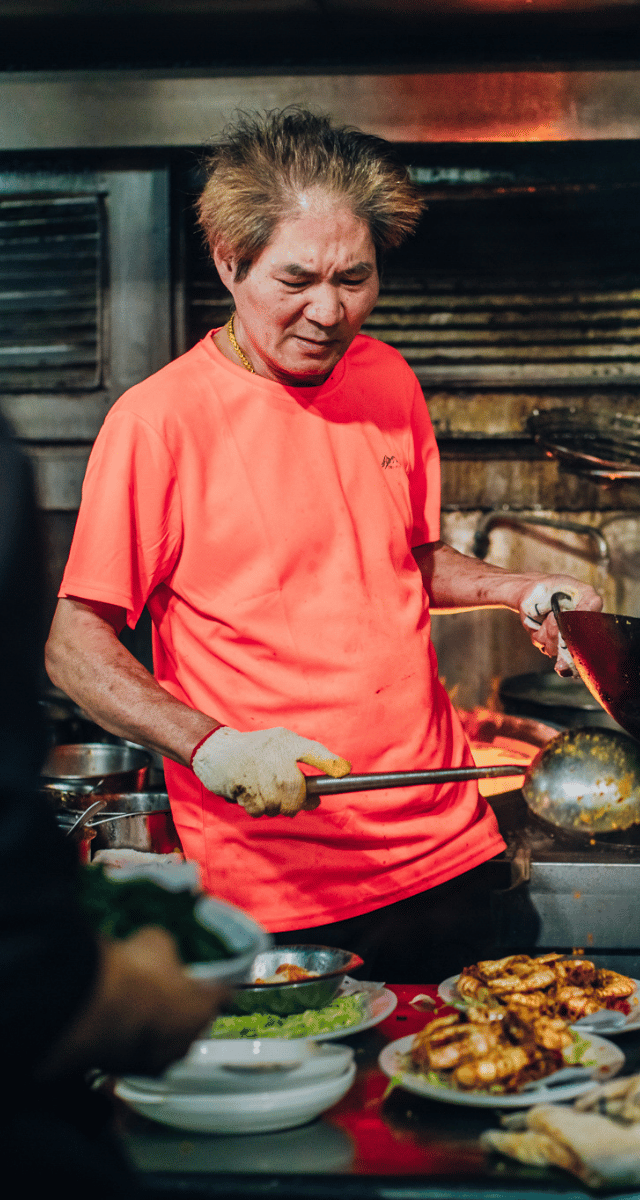
02 Meet the tastemakers
The local food experts who help us research, refine and lead every A Chef's Tour.

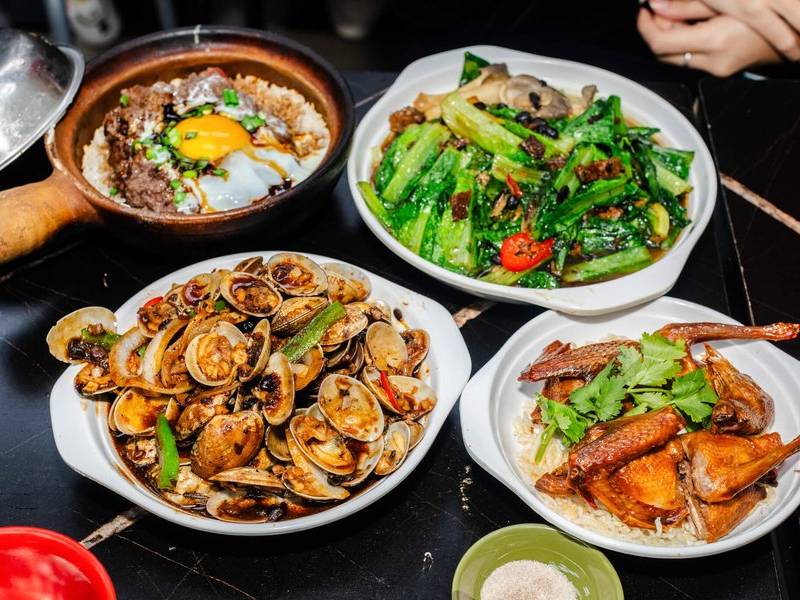
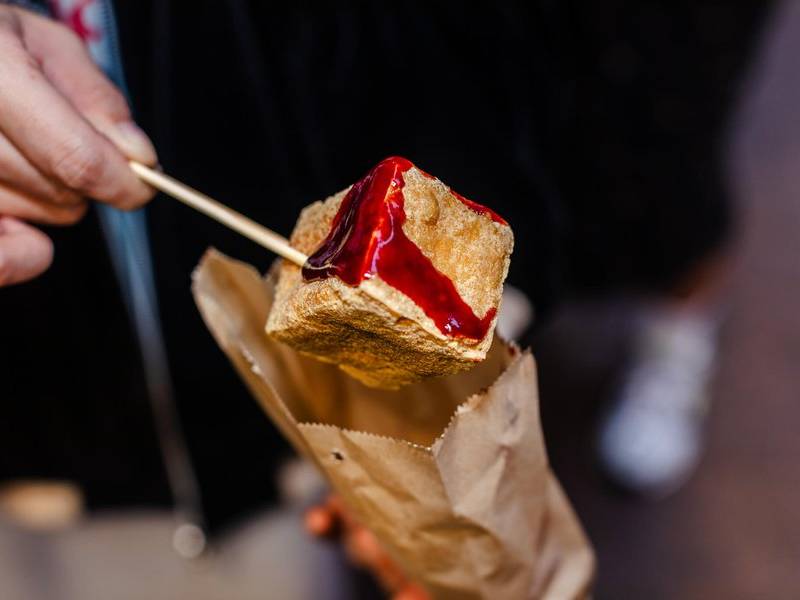
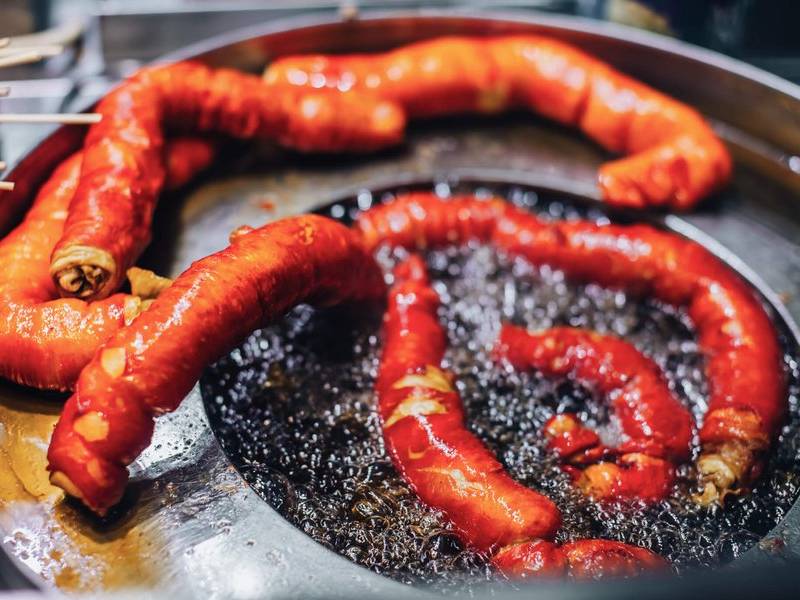
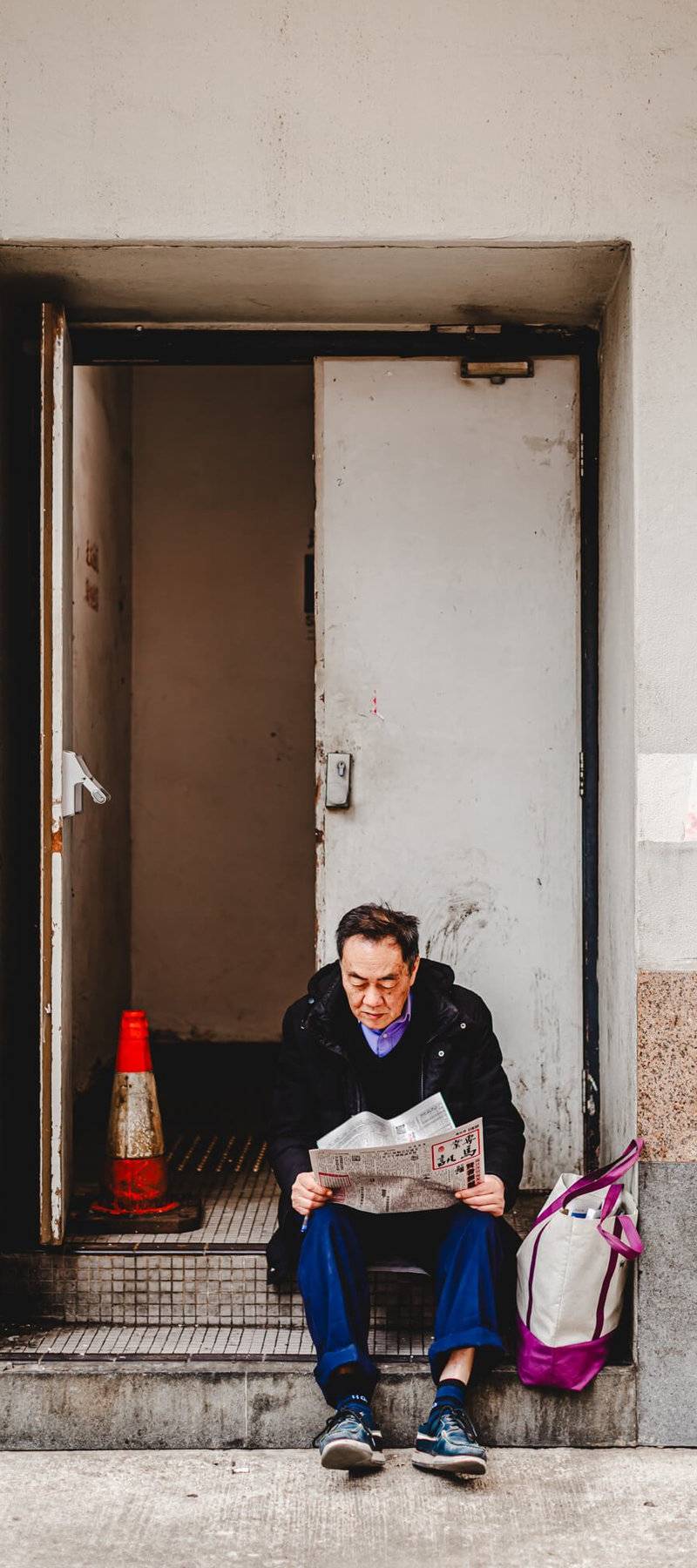
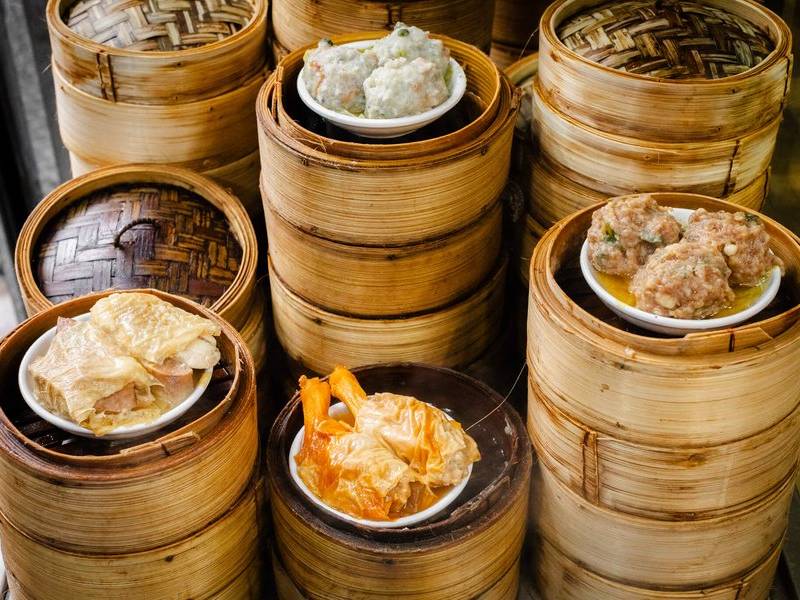
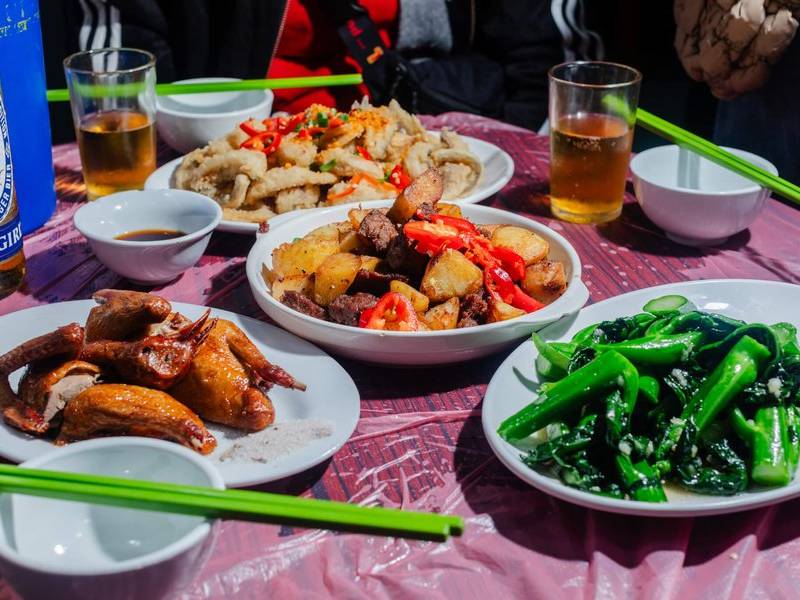
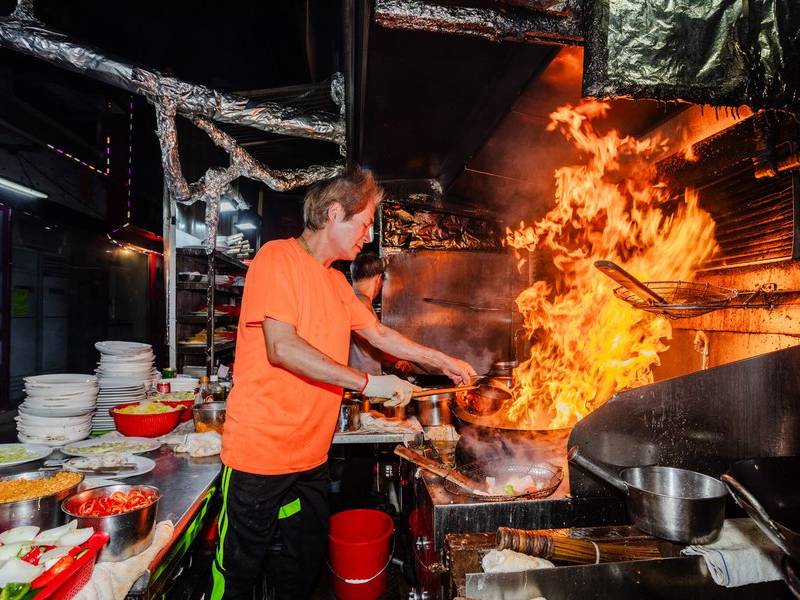
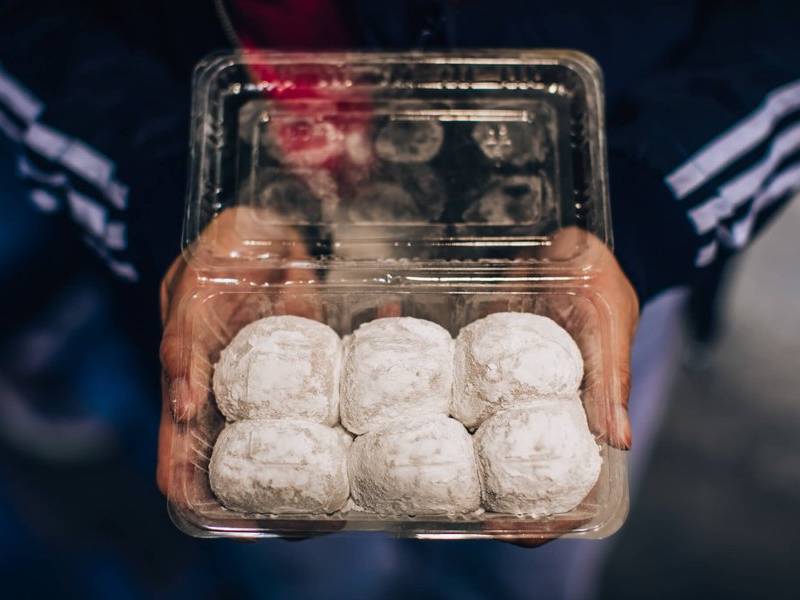
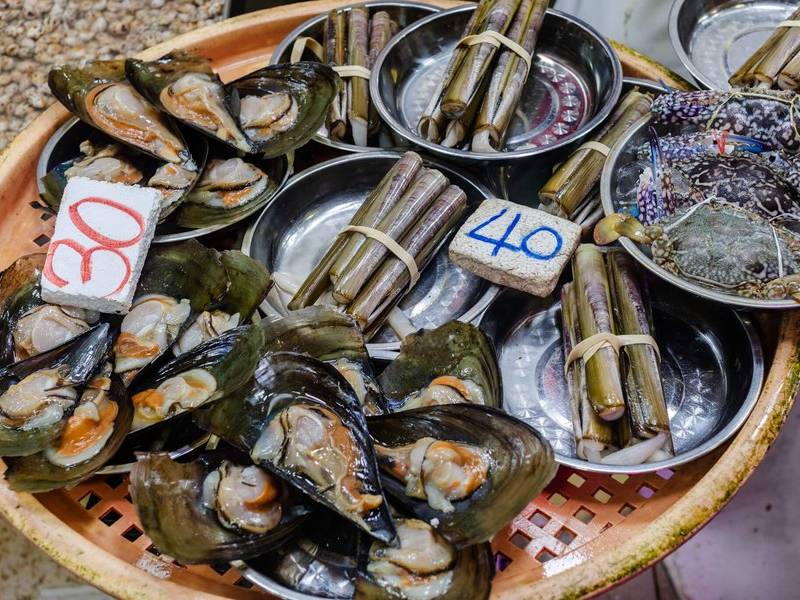
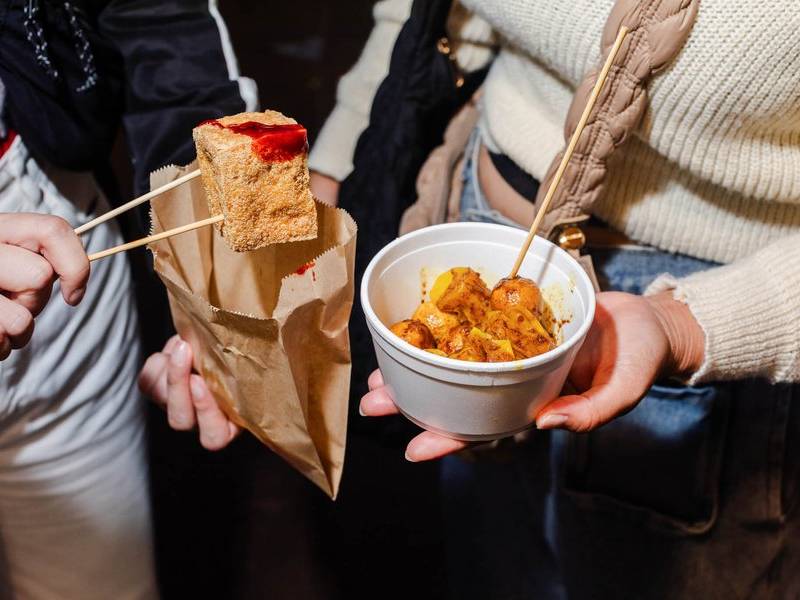
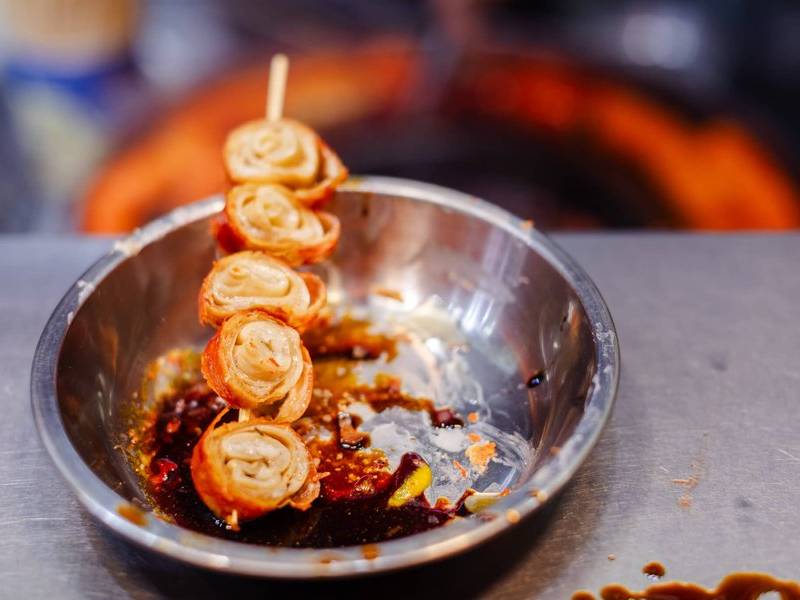
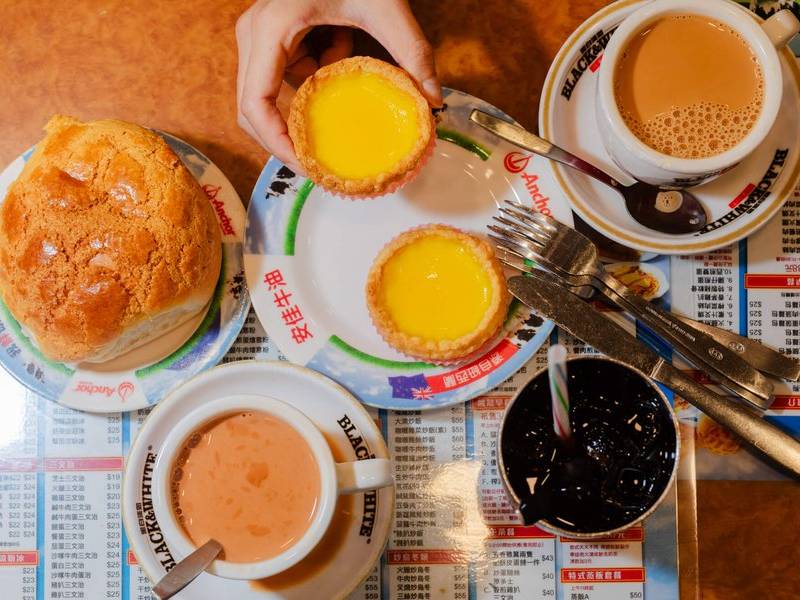
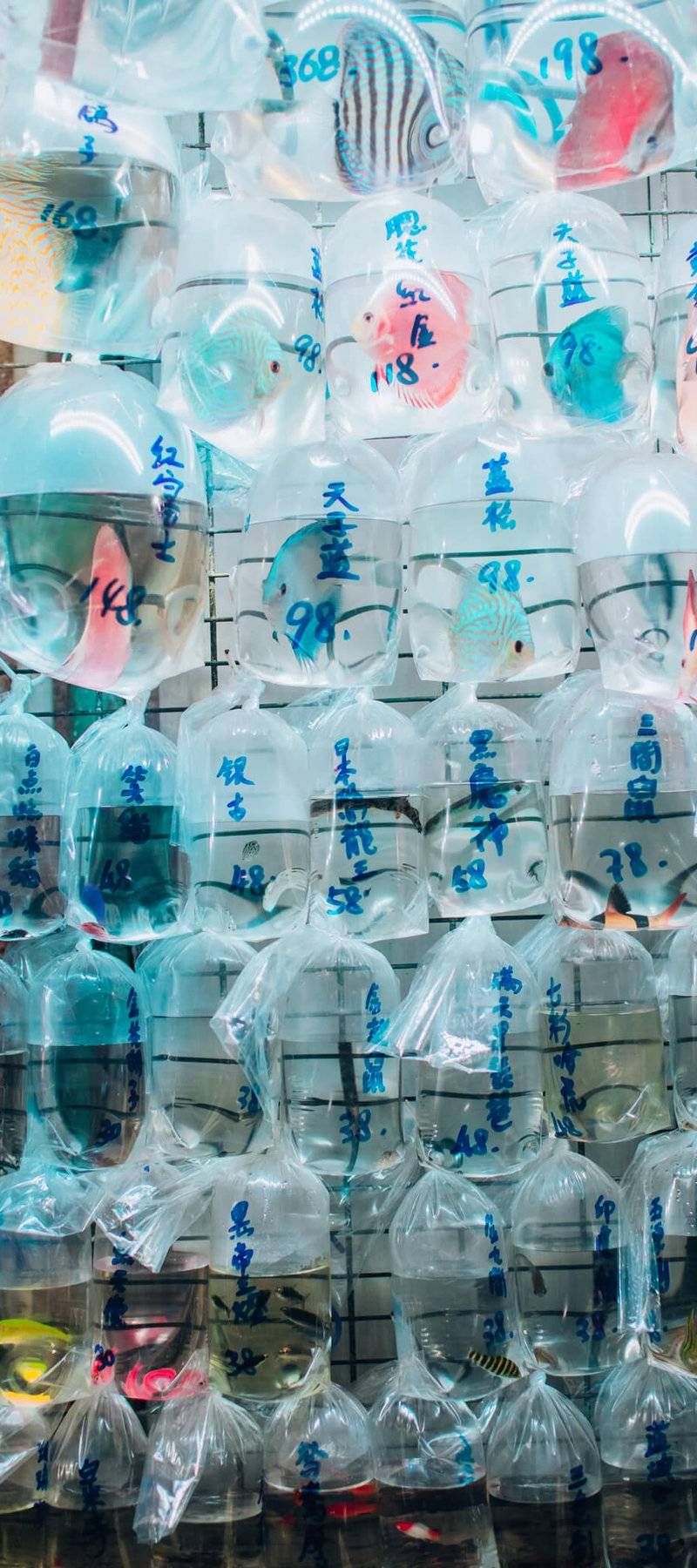
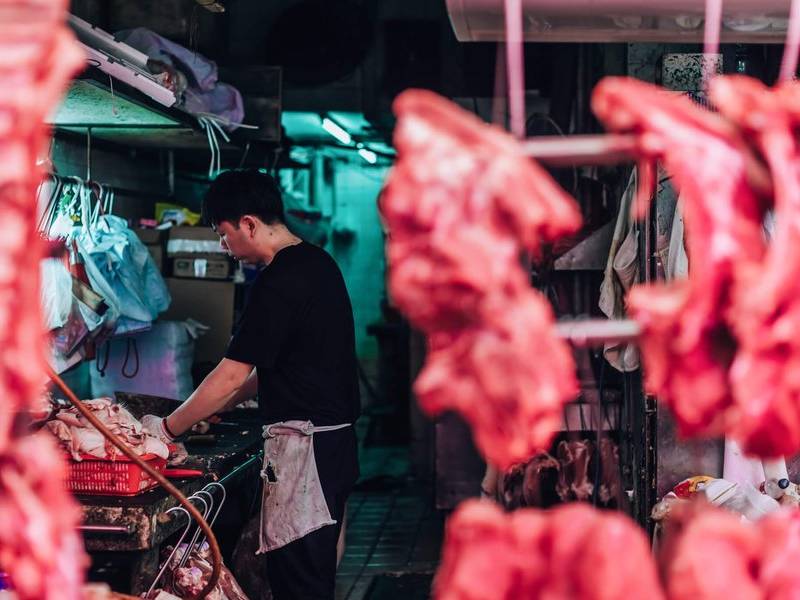
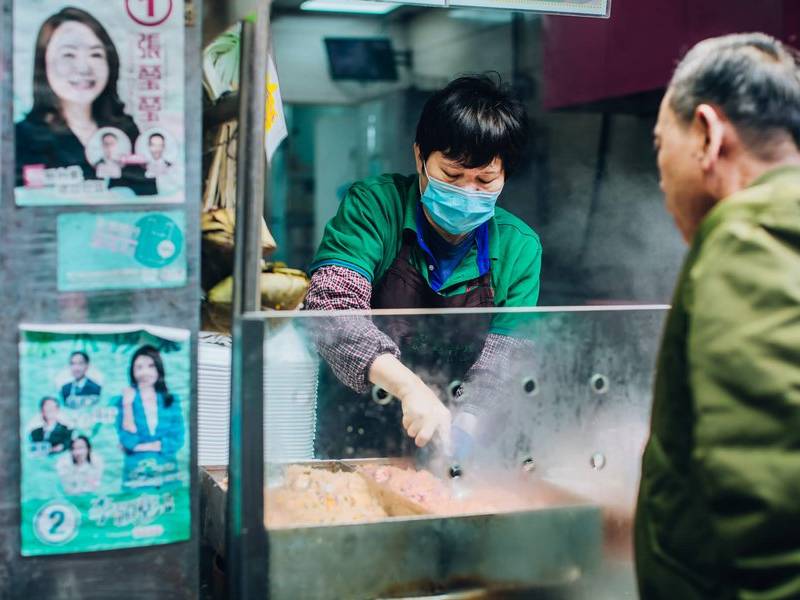
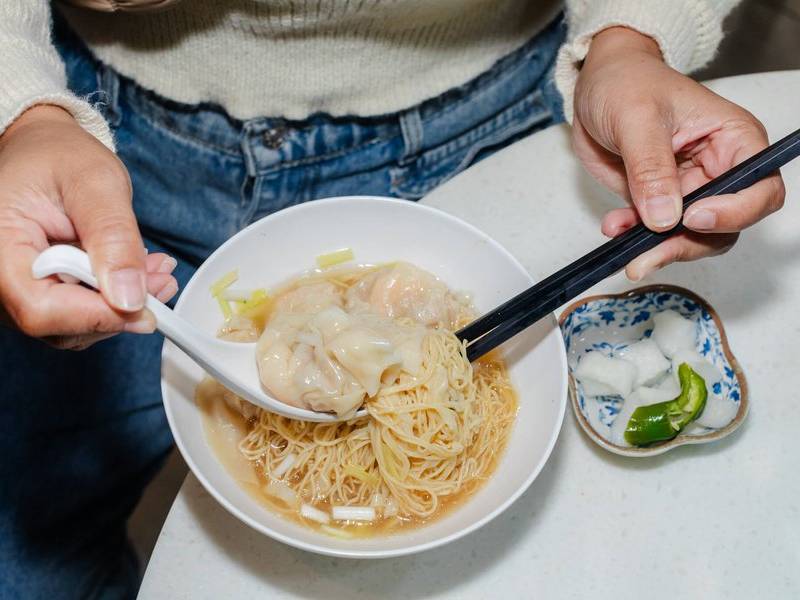
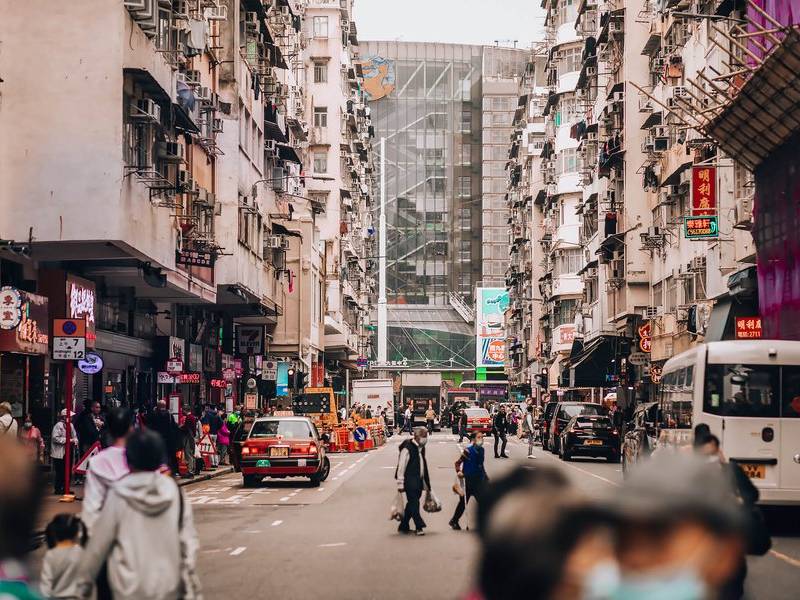
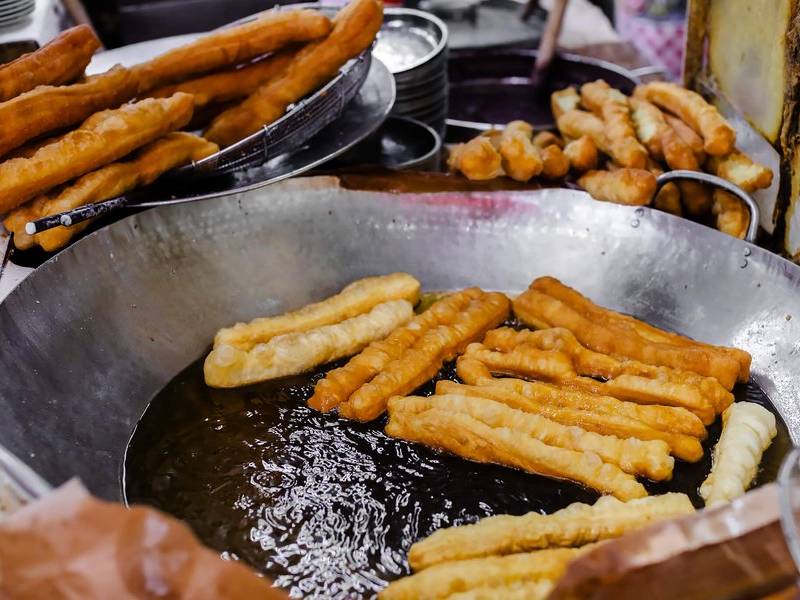
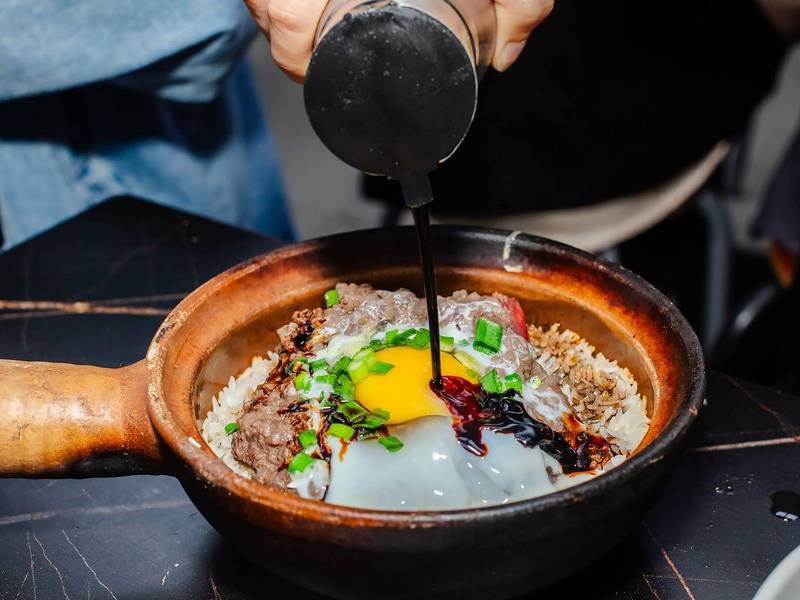
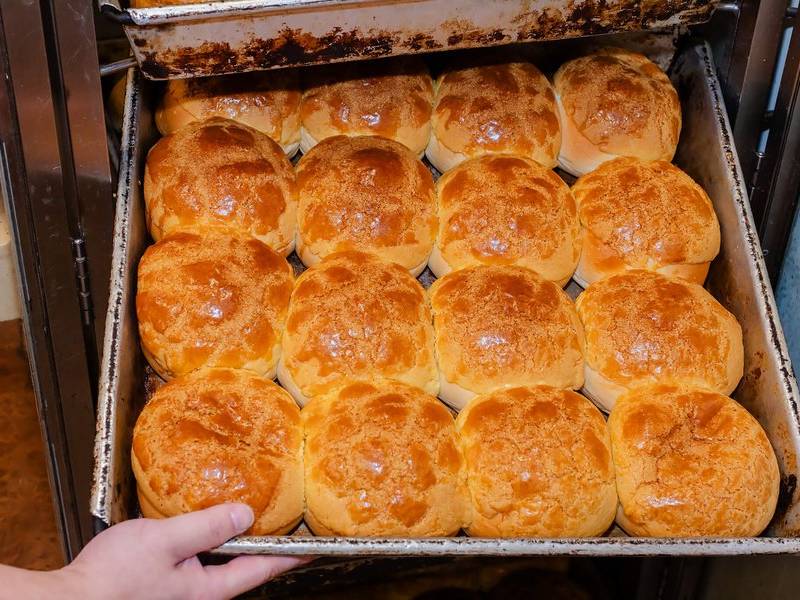
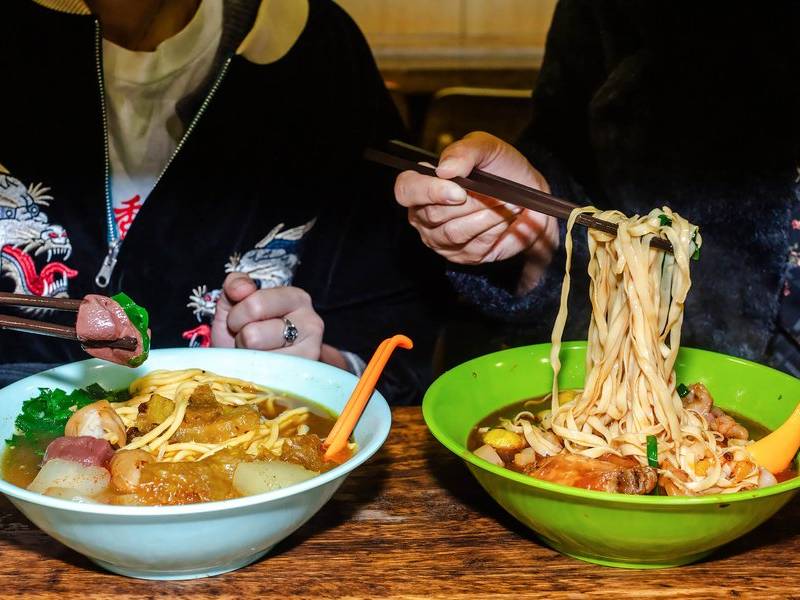
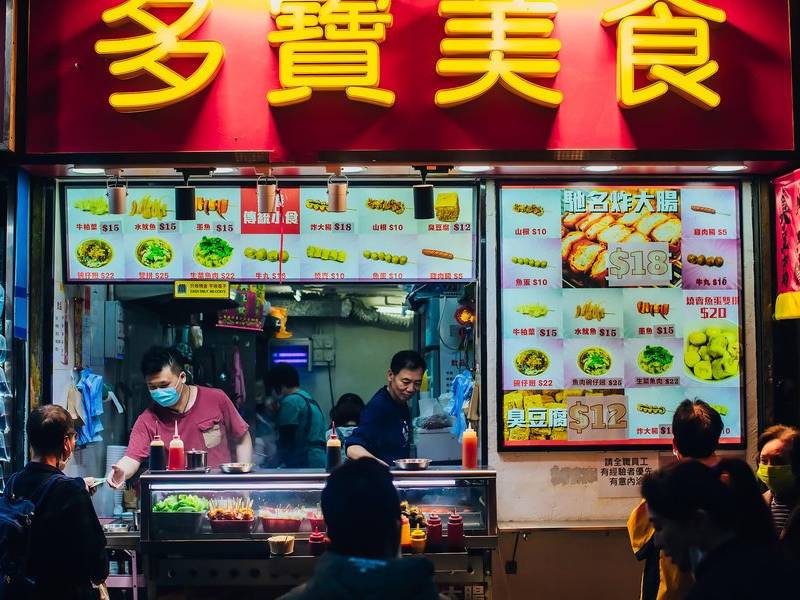
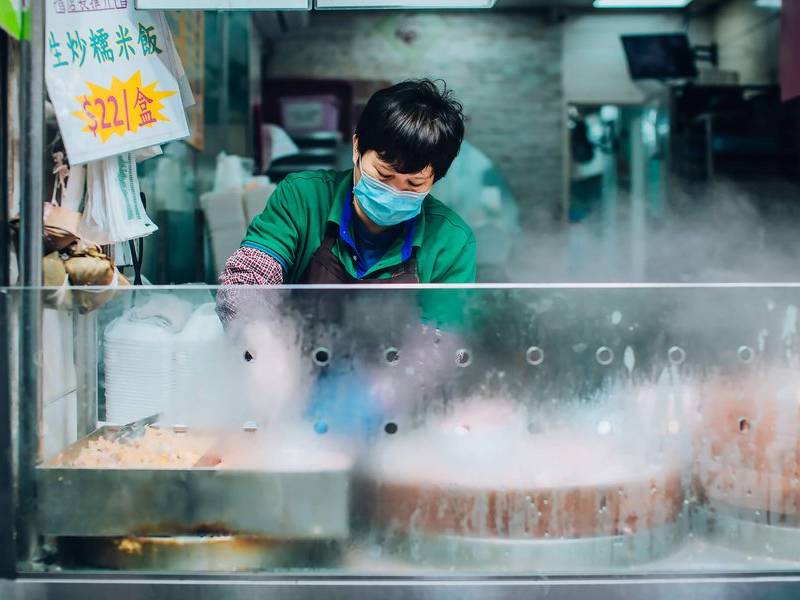
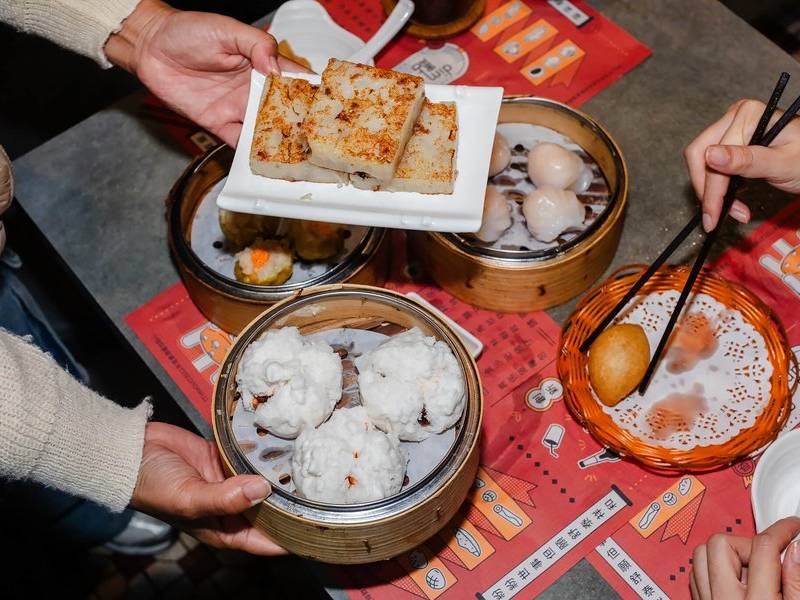
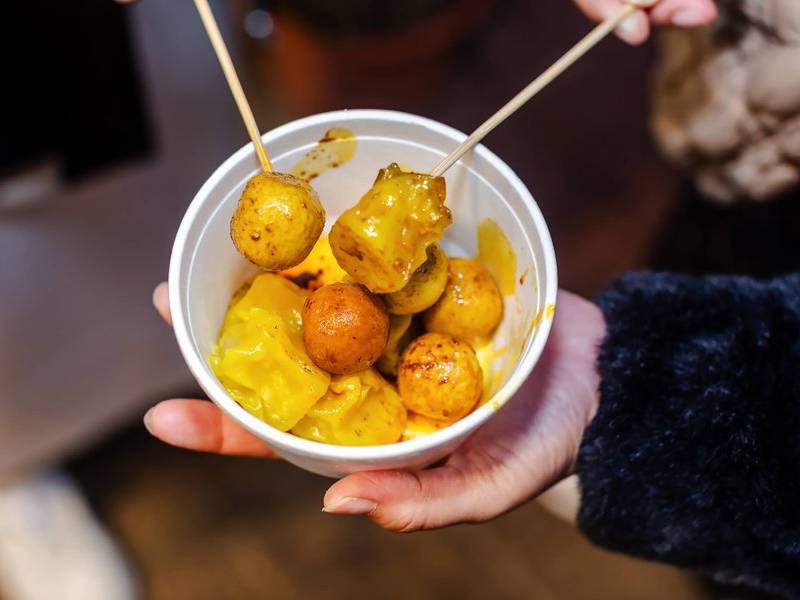
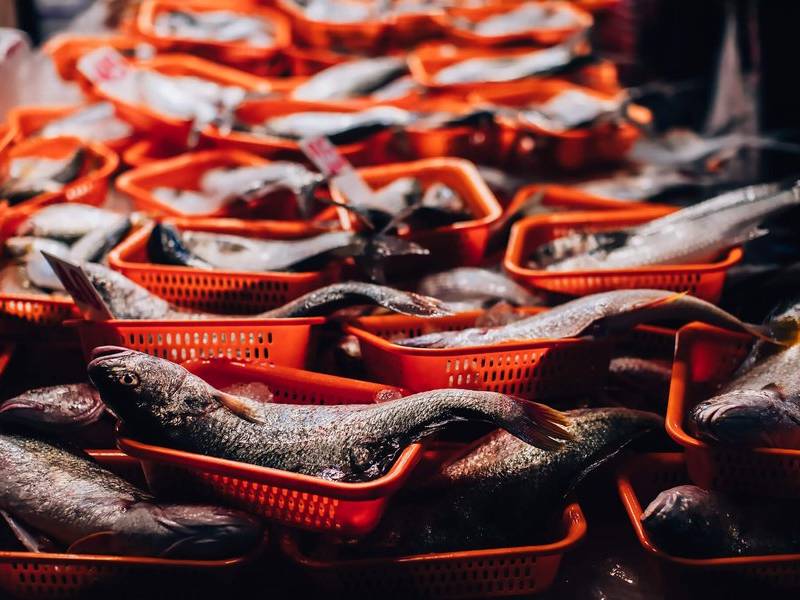
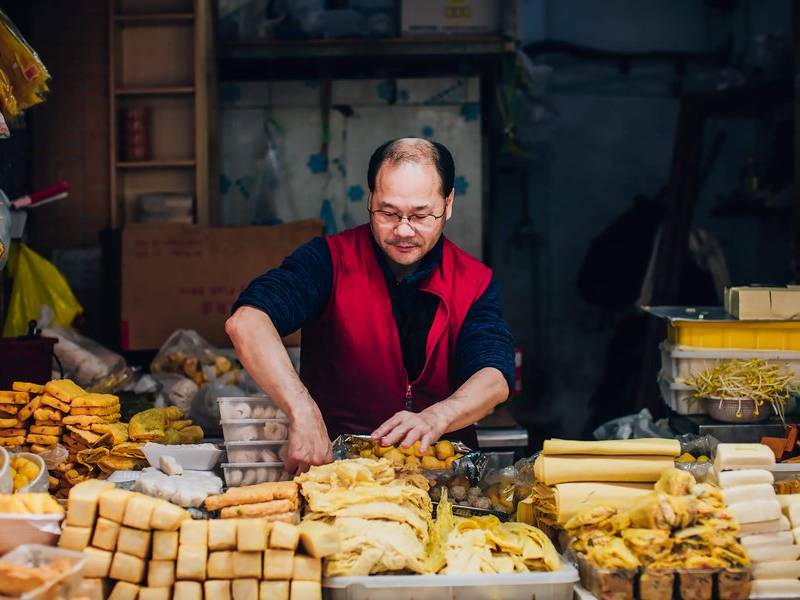
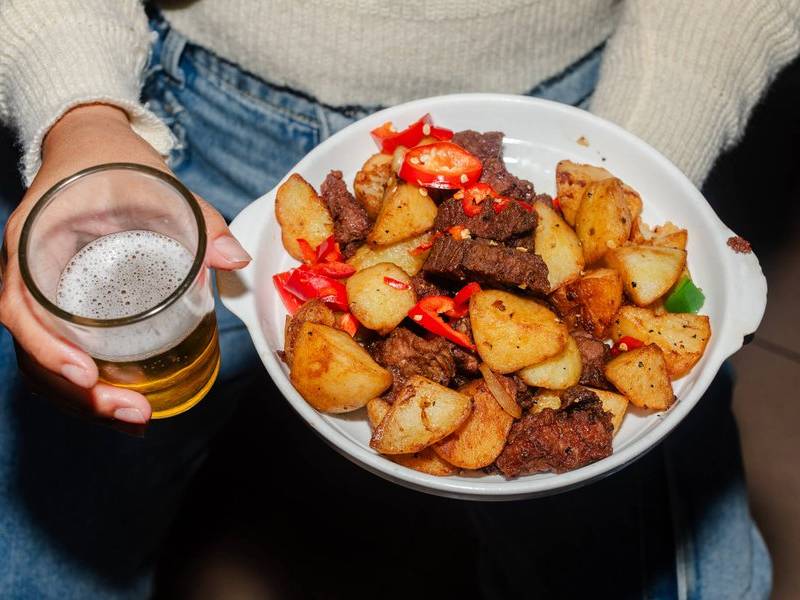
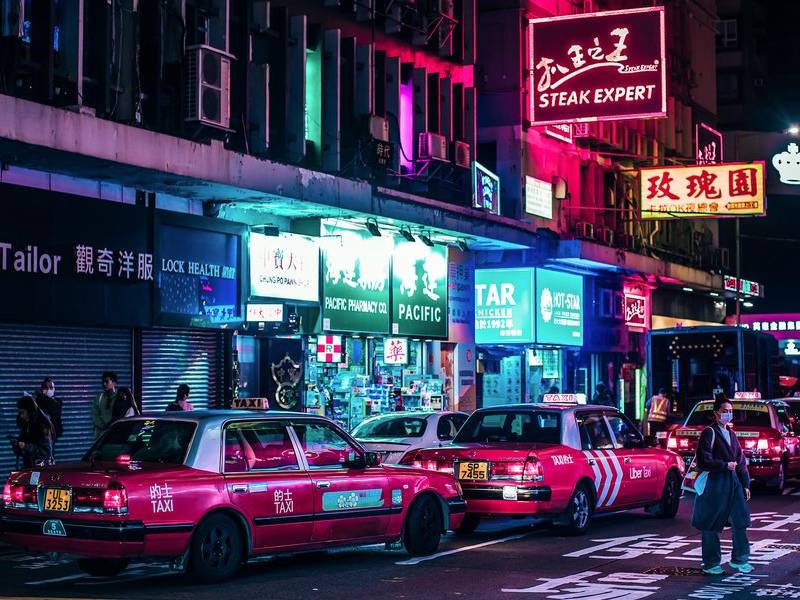
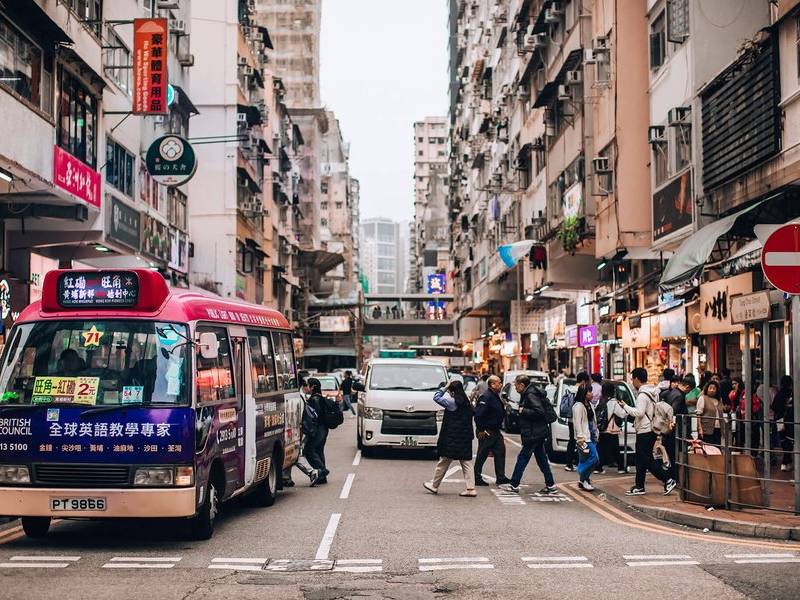
Char siu glossed with maltose, wonton in shrimp broth, roast goose crackling, dim sum by the trolley. Cantonese cooking prizes freshness above all else.
04 The pantry
- Char siu glaze, maltose and honey syrup for lacquered roast pork
- Wonton wrappers, silk-thin egg-noodle skins for shrimp dumplings
- Fermented black beans, salted soybeans for steamed spare ribs
- Fresh ginger, sliced into the poaching liquid for white-cut chicken
- XO sauce, seafood-heavy chilli sauce born in the city's hotels
05 In the kitchen
- Roasting char siu and siu yuk pork in vertical charcoal ovens
- Steaming dim sum dumplings in bamboo baskets stacked to the ceiling
- Poaching chicken gently for the silken skin of bai qie ji
- Stir-frying at extreme heat for the coveted wok hei aroma
- Layering bo lo bao pineapple buns with a crackling sugar top
06 Eat this first
- Char siu, honey-glazed barbecue pork sliced over steamed rice
- Dim sum, the marathon breakfast of dumplings and small plates
- Wonton noodle soup, springy noodles and shrimp-pork wontons in prawn broth
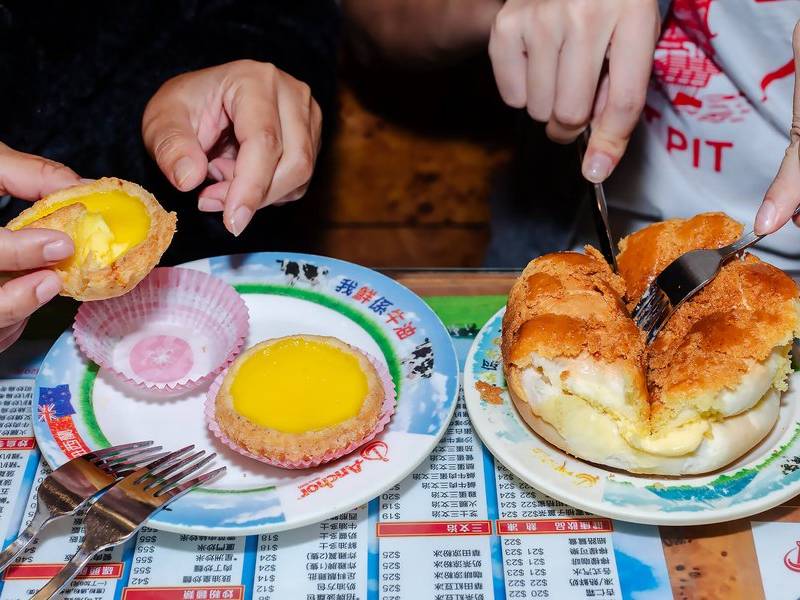
- Bo lo bao, pineapple bun with a crackling sugar crust and cold butter slab
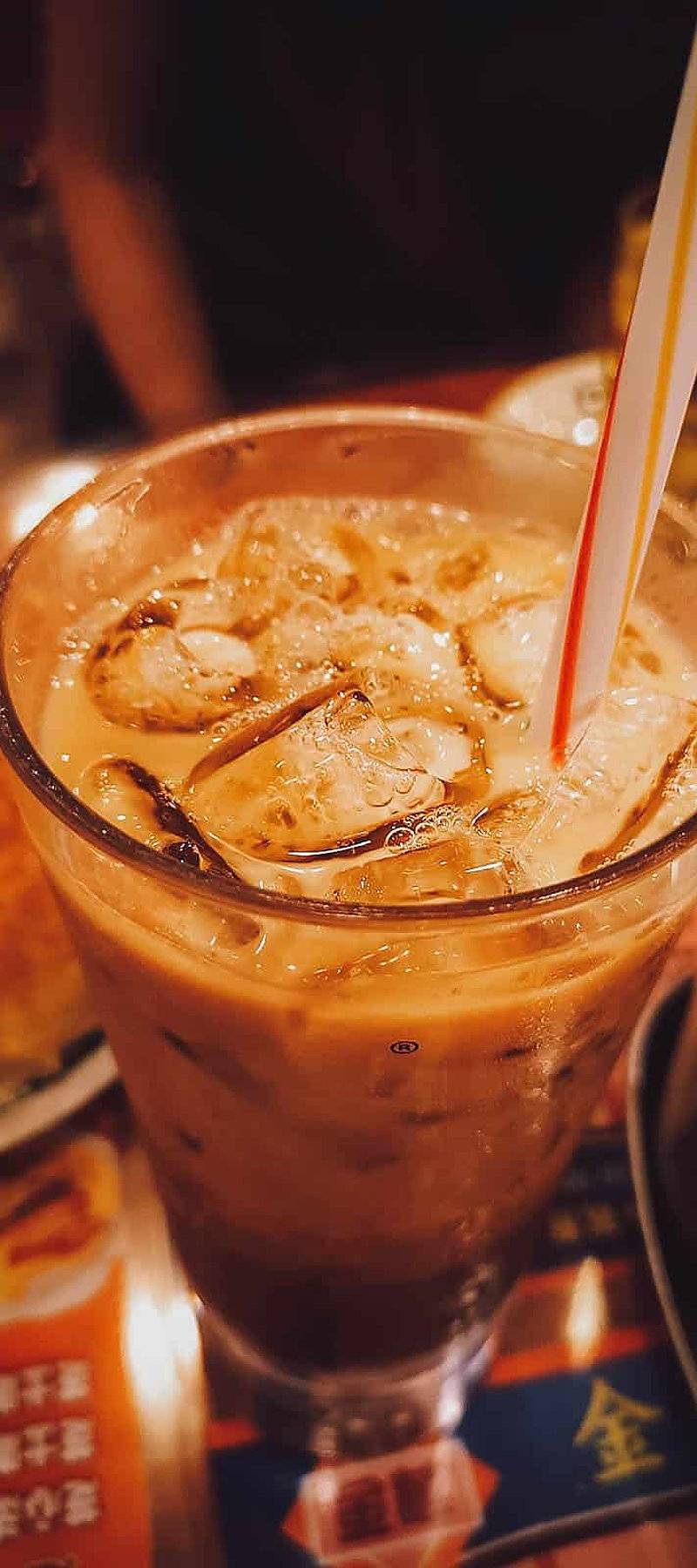
- Milk tea, silk-stocking-strained brew of Ceylon tea and evaporated milk



How to navigate the cha chaan teng in Hong Kong
The last bastion of old-school cooking in a quickly evolving city.
09 Recipes
A collection of authentic recipes we couldn't leave behind.

Rice cooked slowly with stock into a silky porridge, topped with your choice of century egg and pork, fish or chicken. The comfort food of Cantonese kitchens.
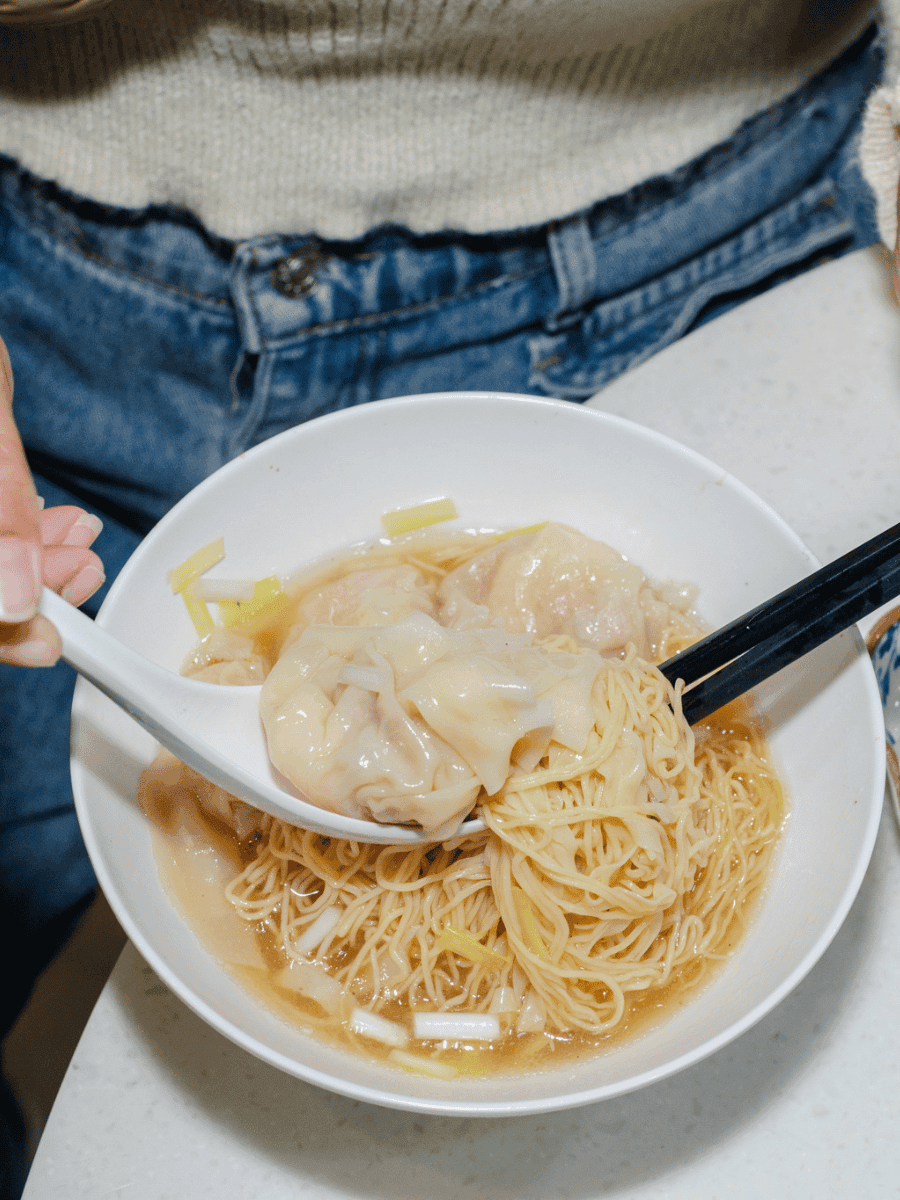
Handful of springy egg noodles under a small mound of prawn wontons, ladled with clear broth. Hong Kong noodle-house lunchtime perfected.

Rice cooked in a small clay pot with slabs of Chinese sausage, cured pork and greens, until a crackly golden rice crust forms at the bottom. Hong Kong's cold-weather bowl.

Silky sheets of steamed rice noodle rolled loose and drenched in sweet soy, sesame paste and hoisin. Dim sum trolleys' most-loved dish, and Hong Kong's cheapest breakfast.

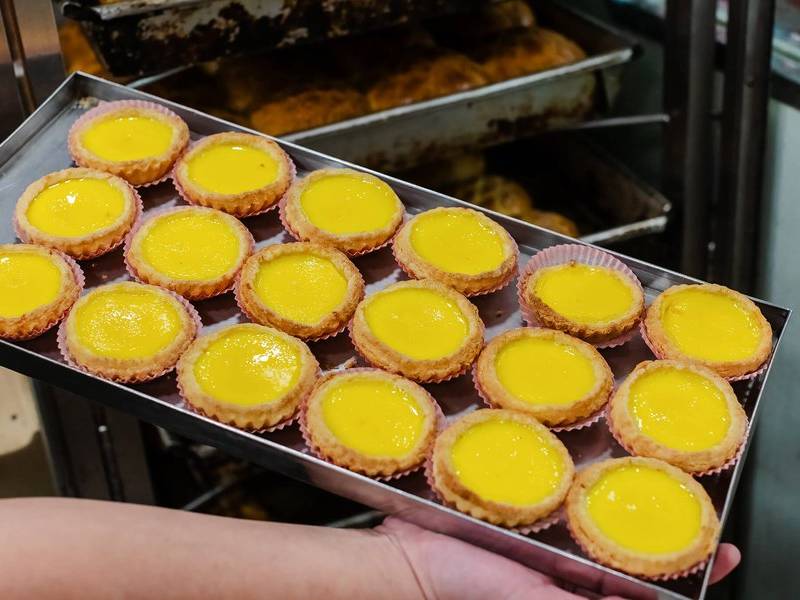
Buttery flaky pastry cup filled with silky egg custard, baked until the top is just set. Hong Kong's bakery classic, always eaten warm.

Translucent wheat-starch wrappers pleated 12 times around a whole-shrimp filling, steamed until the wrappers turn see-through. The dim sum benchmark.
10 Field Notes
Quick field notes to help you get accustomed to Hong Kong.
Weather
Subtropical. Hot, humid summers (30°C-plus) with typhoons June to October, and mild, dry winters (15–20°C). November to February is ideal for walking.
Currency
The Hong Kong dollar (HKD). Cards and Octopus card work almost everywhere including street stalls. Cash is useful in wet markets and dai pai dong (open-air food stalls).
Language
Cantonese is the everyday language. Mandarin is common. English is widely spoken and signage is bilingual.
Etiquette
Fast-paced and formal in business, more relaxed socially. Queue for the MTR, don't eat on public transport, and always accept business cards with two hands.
Getting around
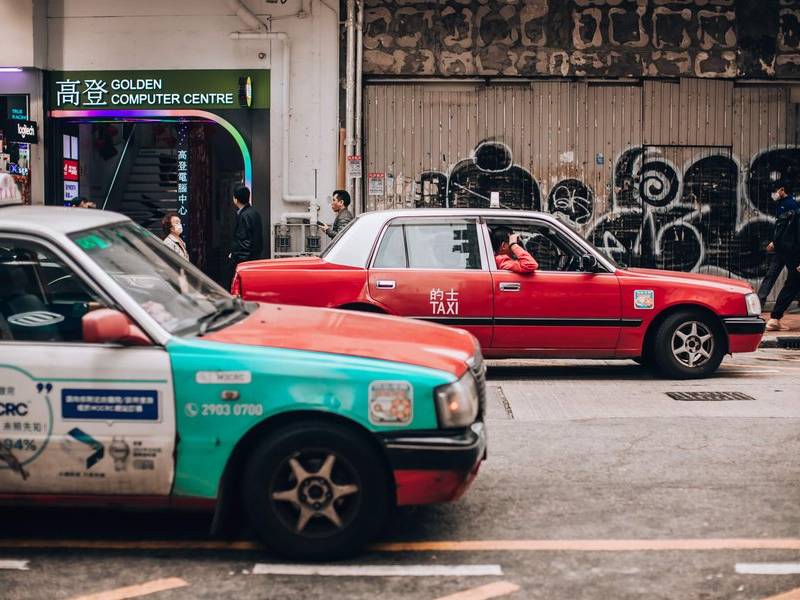
The MTR (metro) is one of the world's best. Fast, clean, and reaches everywhere. Buses, trams (Hong Kong Island only), and the Star Ferry cover the gaps; Uber works but taxis are cheaper.
Prayer
Officially secular, with Buddhist, Daoist, Christian, and Muslim communities all visible. Man Mo Temple, Wong Tai Sin, and the small mosques of TST are all easy to visit.