

Destination
Hong Kong
The story
Bo zai fan is Hong Kong in winter: a small clay pot on a low gas flame, rice steaming inside with slices of lap cheong (Chinese sweet sausage), lap yuk (cured pork belly), a few slices of chicken or spare rib, and a scatter of Chinese greens, all cooked together until the fat renders through the rice and a crackly golden crust (called faan ziu, "rice scorch") forms against the base of the pot. Brought sizzling to the table with a small jug of dark sweet soy sauce; the sauce goes on top just before eating, the crust gets scraped up first with a spoon.
Method
Toss the sliced chicken with the soy sauce, Shaoxing wine, sesame oil, cornstarch, sugar and grated ginger. Set aside for 15 minutes.
Rinse the rice in cold water 3 times, until the water runs clear. Soak in 400ml water for 15 minutes.
Tip the rice and soaking water into a small heavy clay pot (or a heavy small saucepan). Add the oil. Bring to a boil over medium-high heat, uncovered.
As soon as the water reaches the level of the rice (about 5 minutes), reduce the heat to low. Cover with a lid.
After 2 minutes on low, quickly lift the lid and arrange the sausages, cured pork and marinated chicken on top of the rice in a fan pattern. Replace the lid and continue cooking on low for 10 to 12 minutes.
If using, crack the egg on top of the rice about 5 minutes before the end. Cover and let it set to your preference.
In the last 3 to 4 minutes, drizzle a little extra oil around the edge of the pot (between the rice and the pot wall). Increase the heat slightly to build the golden crust at the base. Listen for the sound to change from bubbling to crackling; that's when it's ready.
In a small bowl, whisk together the dark and light soy sauces, sugar, sesame oil and water. Warm briefly if you have time.
Add the blanched greens to the top of the pot. Bring the whole pot to the table sizzling. Drizzle over the sweet soy sauce, then toss everything together with a spoon, making sure to scrape up the crust from the bottom.
Tips
- Medium-grain, not jasmine. Jasmine rice is too aromatic and delicate for bo zai fan; medium-grain Chinese rice has the correct texture and stands up to the cured meats.
- The crust is the whole point. The last 3 to 4 minutes of cooking on slightly higher heat, with a little oil around the edge, builds the crackly golden faan ziu that defines the dish. Listen for the sound change from bubbling to crackling.
- Lap cheong and lap yuk are widely available. Chinese sweet sausages and cured pork belly are sold at any Asian grocer. Use both if you can; use just lap cheong if you can only find one.
- A small clay pot is ideal, but a small heavy saucepan works. If you don't have a clay pot, use a small cast iron or heavy saucepan; the crust still forms.
- Serve immediately. The pot cools fast, and the crust softens as it sits. Straight from the stove to the table, sauce on, mix and eat.
More recipes
View all
Rice cooked slowly with stock into a silky porridge, topped with your choice of century egg and pork, fish or chicken. The comfort food of Cantonese kitchens.

Diced beef fillet and potato cubes stir-fried hard in a black-pepper-heavy sauce, served on rice. Hong Kong cha chaan teng lunchtime standard.

Open-topped dumplings of pork and shrimp wrapped in yellow wonton skins, steamed to order at every dim sum trolley. The most-ordered dim sum in Hong Kong.
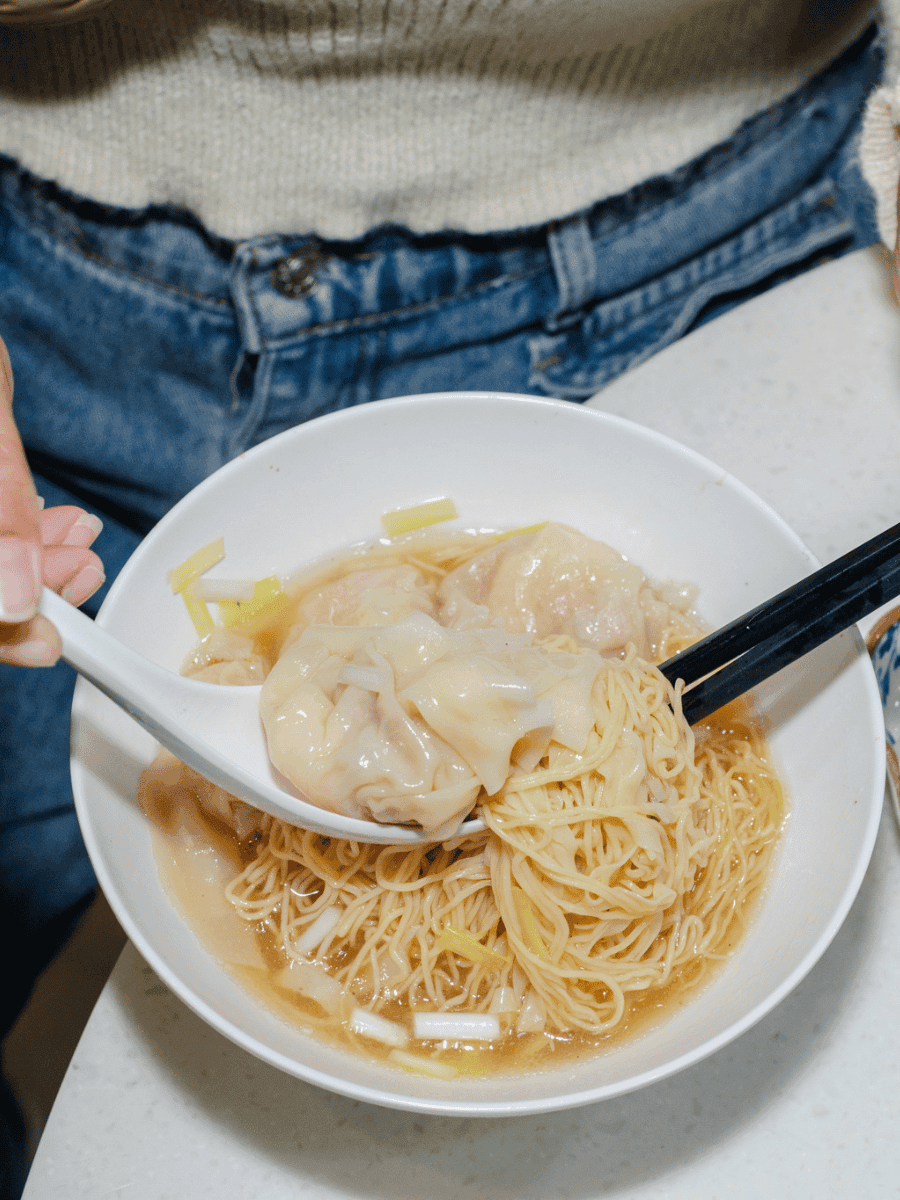
Handful of springy egg noodles under a small mound of prawn wontons, ladled with clear broth. Hong Kong noodle-house lunchtime perfected.
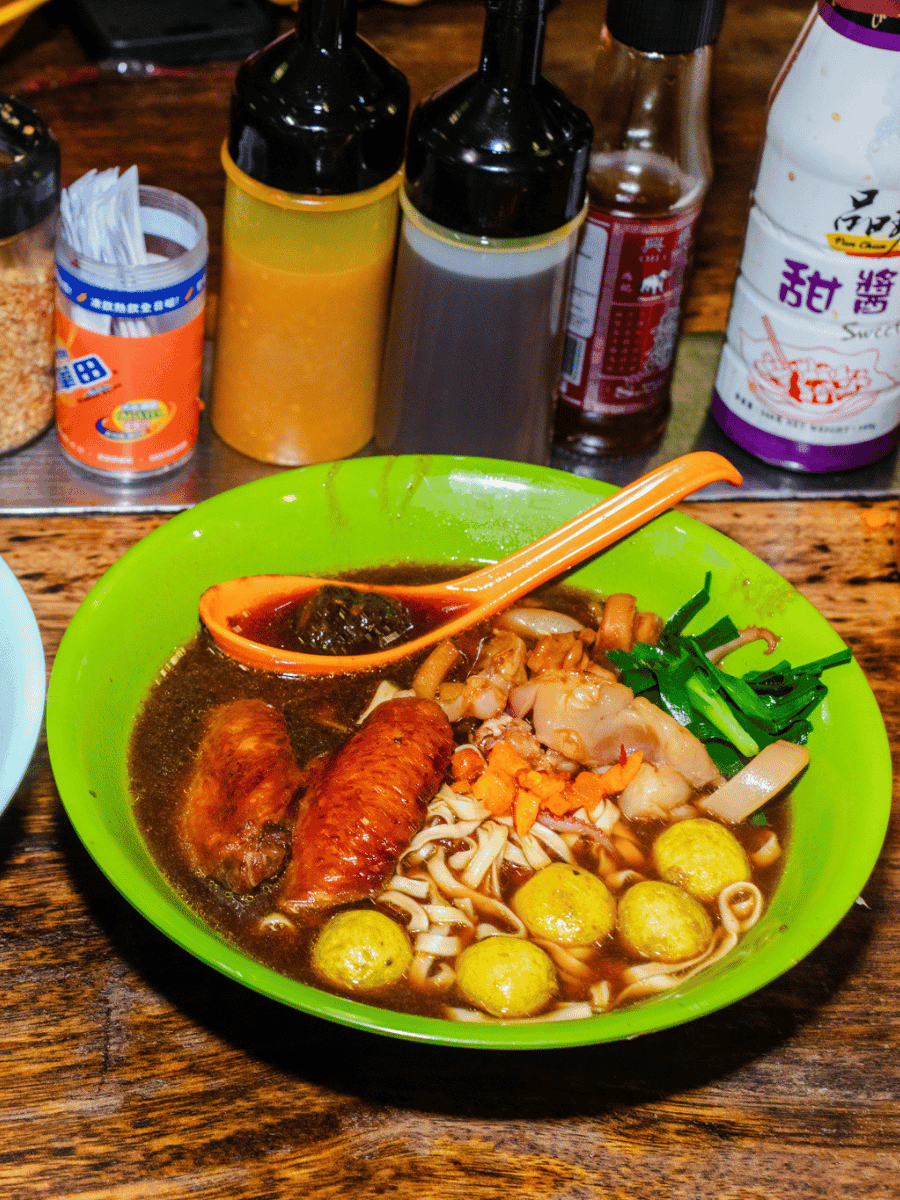
Choose-your-own noodle bowl: springy noodles in a light broth topped with fish balls, radish, beef brisket or whatever else the cart is running today. Hong Kong's original street food.

Translucent wheat-starch wrappers pleated 12 times around a whole-shrimp filling, steamed until the wrappers turn see-through. The dim sum benchmark.