
Destination
Kathmandu
The story
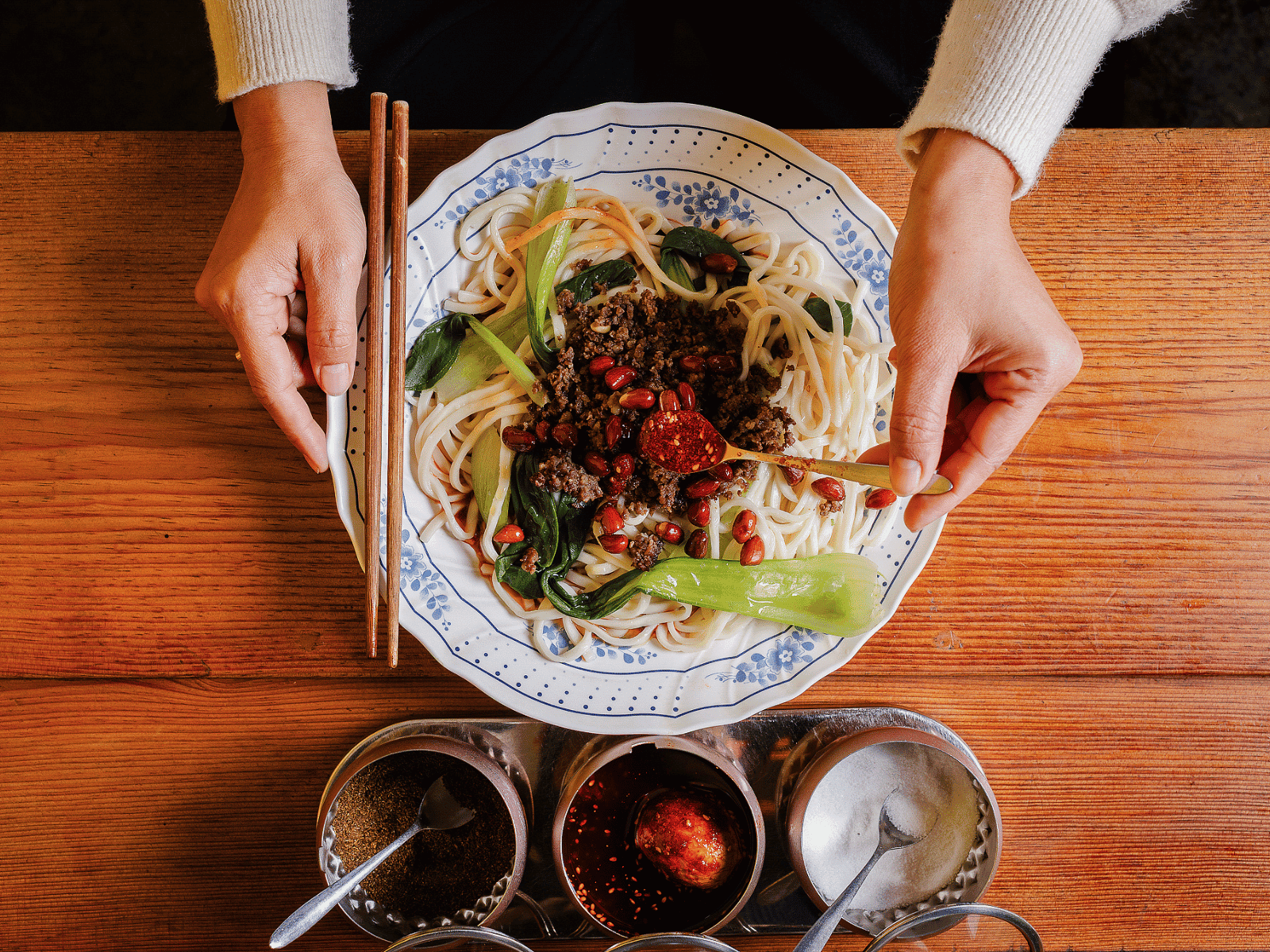
Keema noodles are Kathmandu's most-eaten street food after momos: soft egg noodles wok-fried hard with a topping of spiced buffalo mince (keema), sliced onion, capsicum, cabbage and a punchy sauce of soy, vinegar and a dust of Timur pepper. Sold from every roadside cart, every after-school snack stall, every small restaurant from Thamel to Bhaktapur, keema noodles are the working lunch, the school-run snack, the late-night wobble food. Served on a metal plate with a small side dish of achar and a wedge of lime, eaten with a fork and spoon.
Method
If using dried noodles: boil in salted water 3 minutes until just tender, drain and rinse briefly. Toss with 1 tbsp oil so they don't stick. If using fresh: blanch 60 seconds, drain, toss with oil.
Warm 2 tbsp mustard oil in a wok or heavy pan over medium-high heat. Add chopped onion, cook 3 minutes. Add garlic, ginger, cook 60 seconds. Add mince, break up, and brown 6 to 8 minutes until deeply coloured. Add cumin, coriander, garam masala, Timur and salt. Toss 2 more minutes. Set aside in a bowl.
Whisk the sauce ingredients in a small bowl.
Wipe the wok clean. Warm 3 tbsp oil over the highest heat until smoking.
Add sliced onion, red capsicum and green chilies. Toss 90 seconds. Add cabbage and toss 60 more seconds until the vegetables are just wilted but still crisp.
Add the drained noodles. Pour in the sauce mix. Toss vigorously with the vegetables 2 minutes until everything is coated and the sauce is absorbed.
Return the cooked keema to the wok. Add the spring onions. Toss 60 seconds so the keema warms through and mixes into the noodles.
Tip onto individual plates. Scatter with fresh coriander and sliced red onion. Serve with a small dish of achar or chili sauce on the side and a lime wedge. Eat immediately while the noodles are still glossy.
Tips
- Buffalo, beef or chicken — all work. The classical Kathmandu version uses buff; the practical global version uses beef or chicken. The spice mix is what makes it Nepali; the meat is flexible.
- Mustard oil for the keema. This is the flavour signature. Regular oil doesn't produce the specific pungency that marks Nepali cooking. If unavailable, use a mix of neutral oil and 1 tsp black mustard seeds, toasted briefly.
- Cook keema and noodles separately. Trying to do everything in one wok gives you steamed rather than seared noodles. Cook the keema first, set aside, then wok the noodles, then combine.
- Very high heat for the noodles. The noodles should catch and char slightly on the pan — that's wok hei. Anything cooler is soggy.
- Serve immediately. Once plated, keema noodles have a 10-minute window before they clump into a mass. Fast in, fast out, fast to the table.
More recipes
View all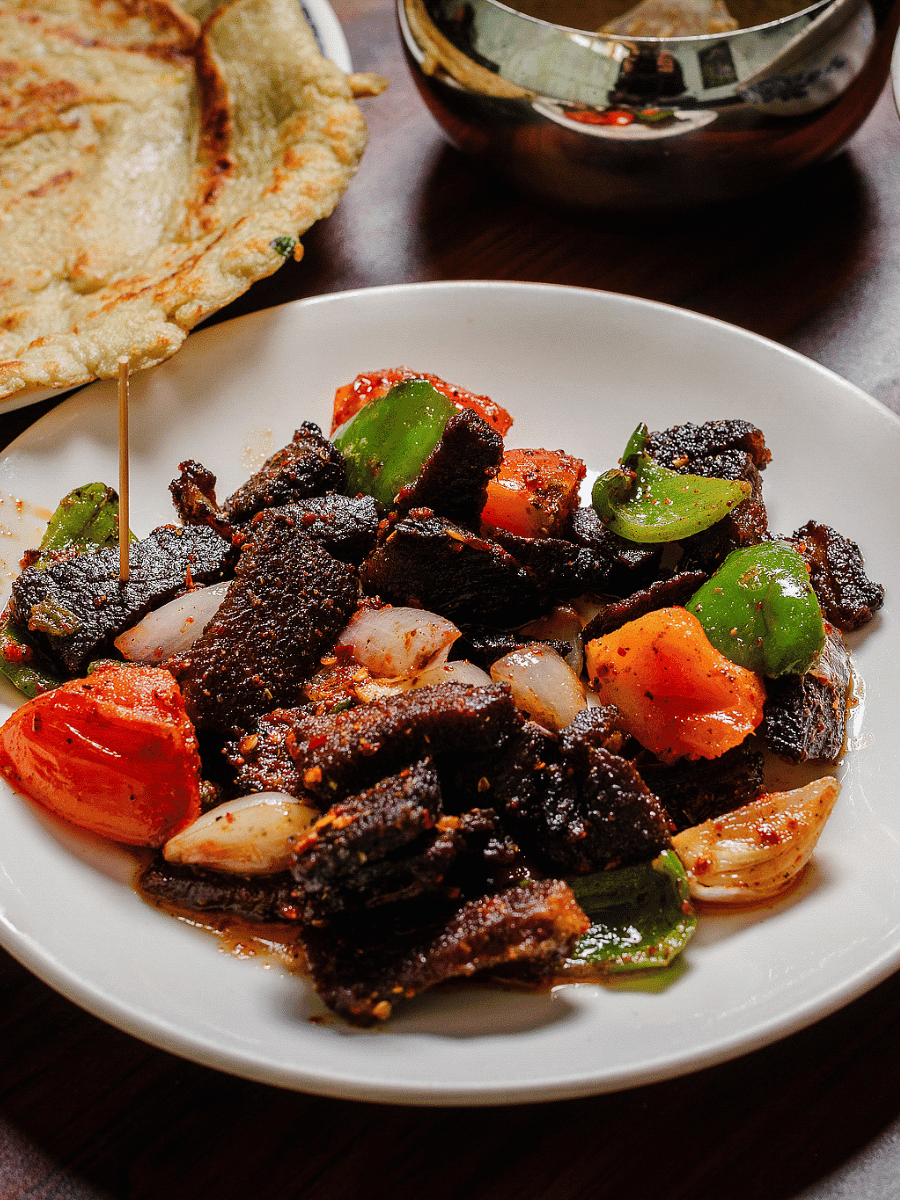
Buffalo strips wok-fried hard with onion, capsicum and green chilies in a soy-vinegar sauce. Kathmandu's Newari-Chinese Sunday-lunch centrepiece.

Half-moon fried pastries stuffed with pork, wood ear mushroom, glass noodles and quail egg. Hanoi's most-loved cold-weather street snack, dipped in sweet fish sauce.
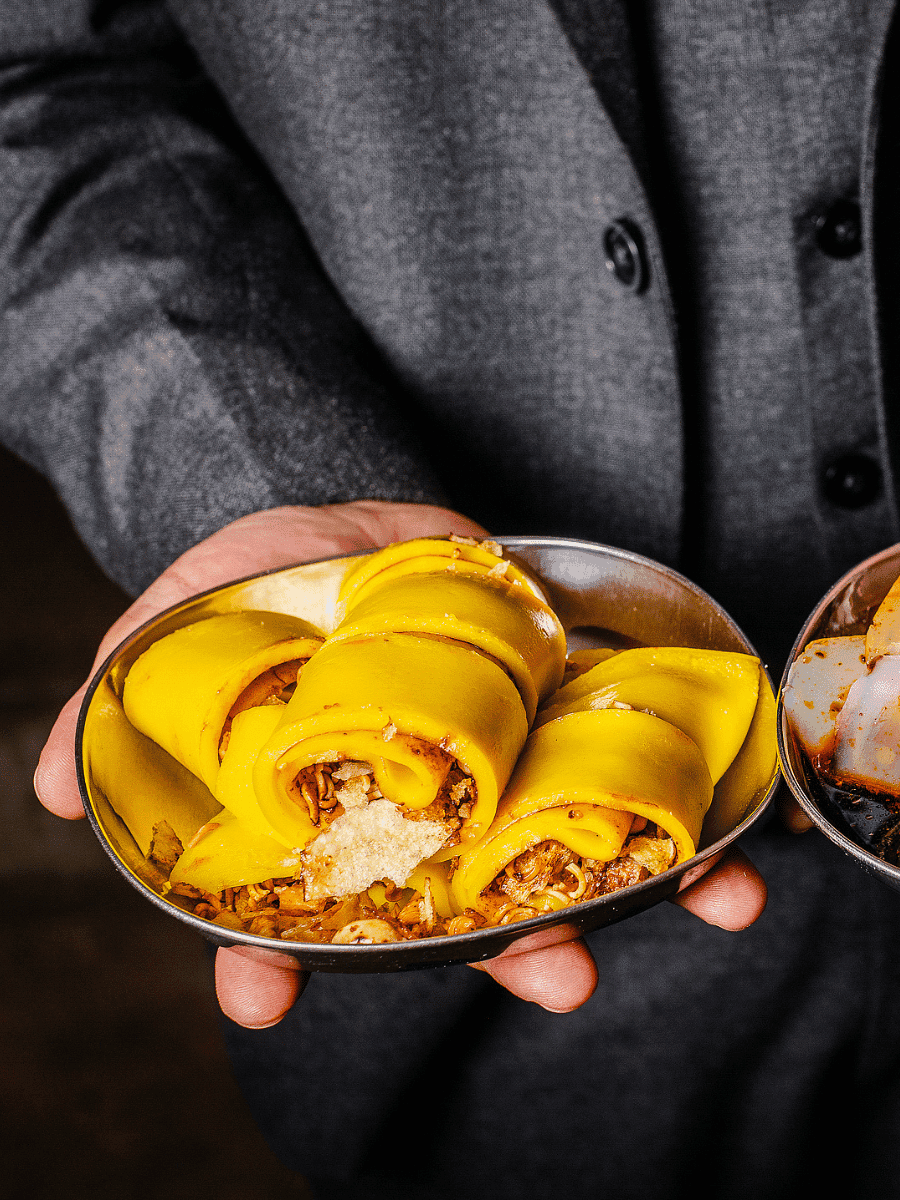
Cold, jelly-textured mung-starch noodles topped with soy, chili oil, cucumber, coriander and crushed peanuts. Kathmandu's Tibetan street snack.
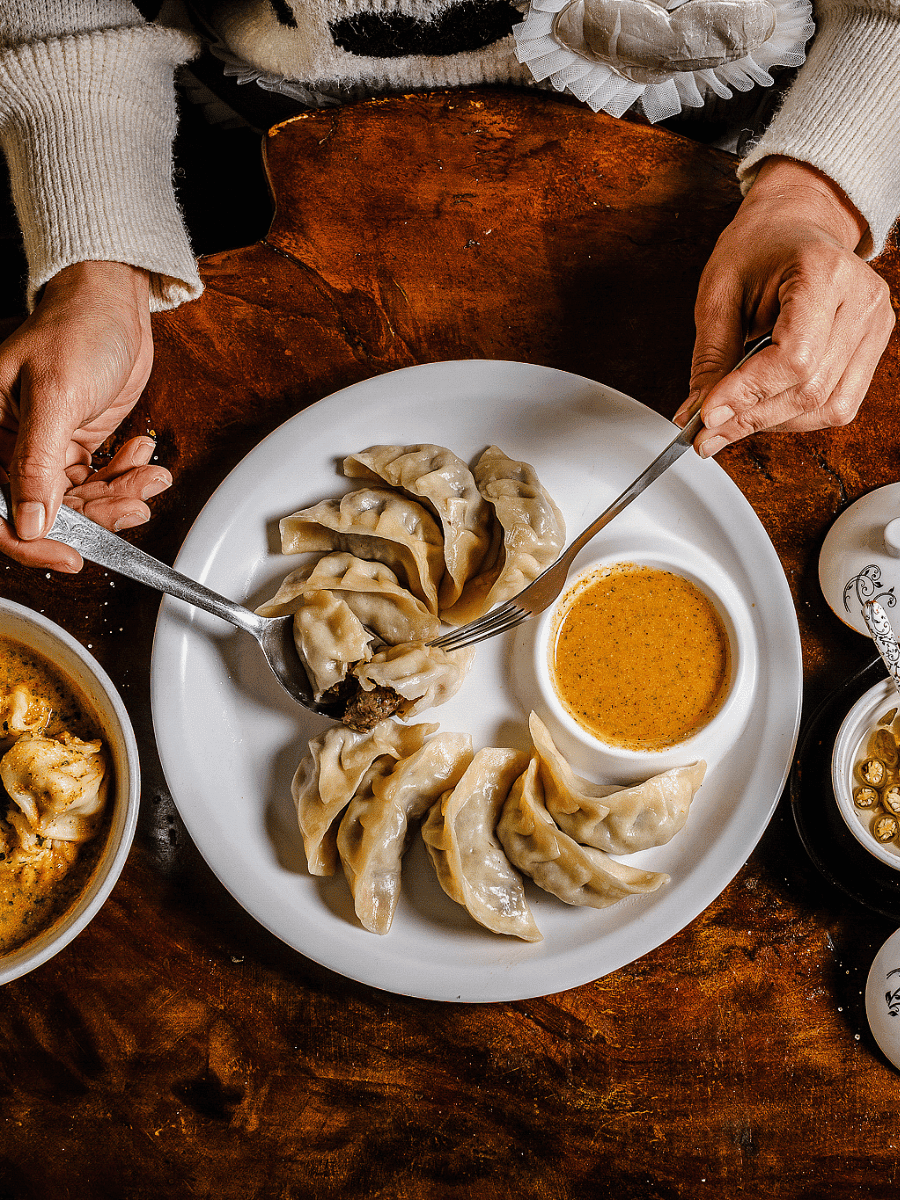
Pleated dumplings filled with spiced buffalo, chicken or vegetable mince, steamed in bamboo baskets and served with a fiery sesame-tomato dipping sauce.

A soft rice-flour crepe topped with spiced buff mince, a cracked egg, sliced onion and coriander, cooked on a comal until the egg sets. Newari street pizza.
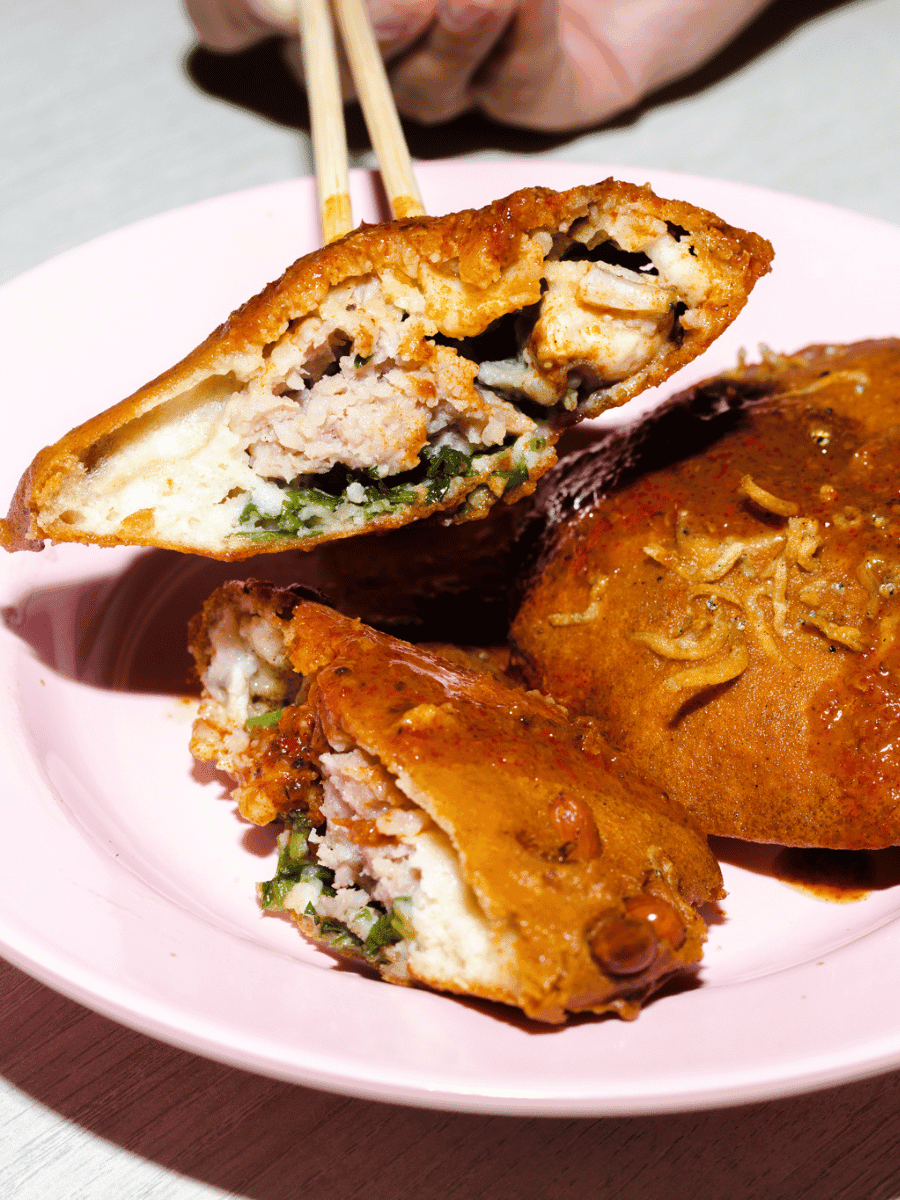
Deep-fried disc of rice-flour batter studded with whole oysters, minced pork and dried shrimp, served with a squeeze of chili sauce. Old Chinatown Singapore's snack.