
Destination
Hue
The story
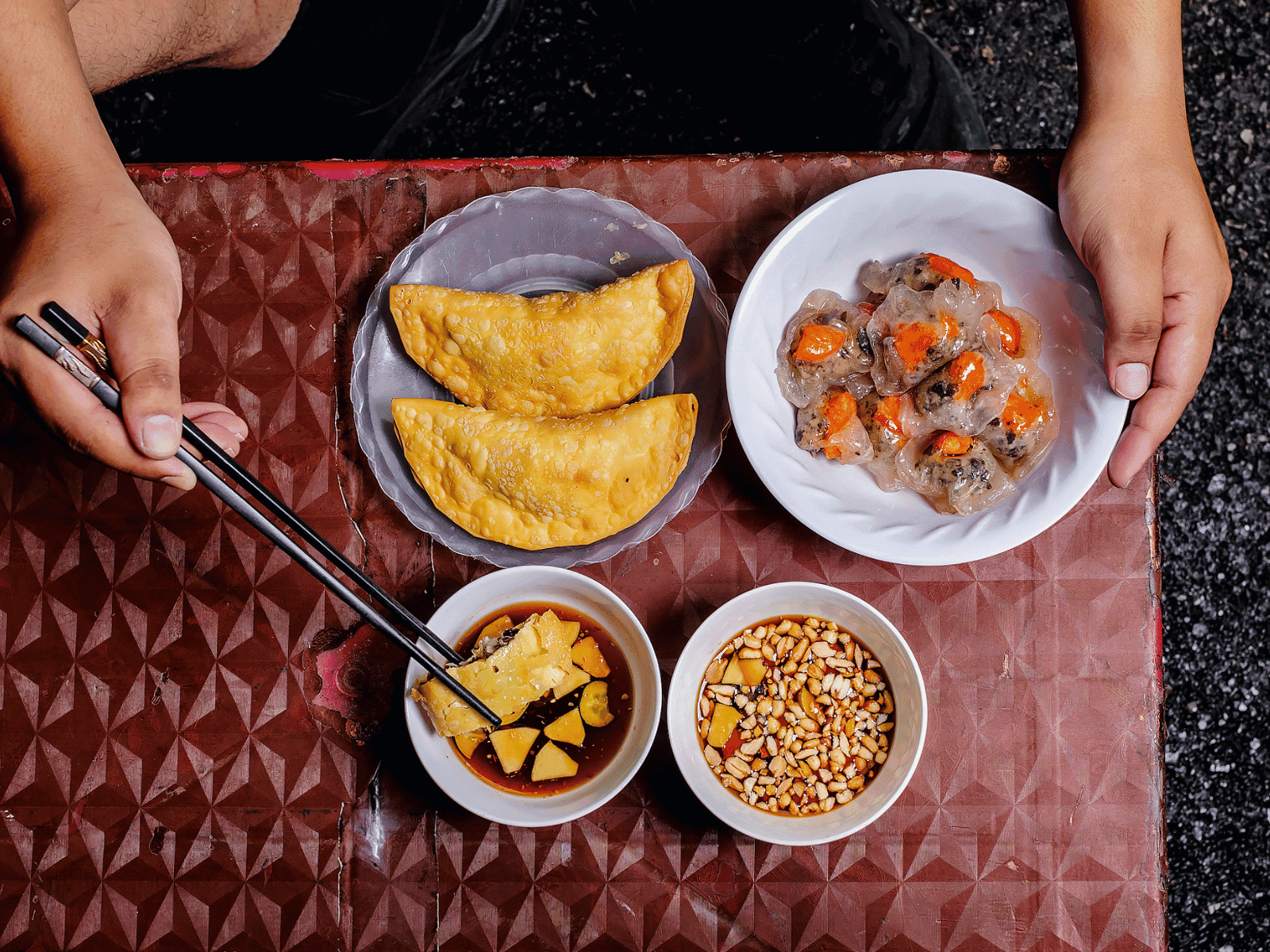
Bánh gối (literally pillow cake, named for its plump half-moon shape) is one of Hanoi's most-loved winter street snacks. A wheat-flour pastry is rolled thin, filled with a mixture of minced pork, wood ear mushrooms, dried glass noodles, chopped shallots and a whole peeled quail egg, folded into a half-moon parcel with a distinctive crimped edge, and deep-fried until deep golden and blistered on the outside. Sold at Hanoi street stalls from about 3pm until midnight, especially popular on cold rainy evenings. Served with a small plate of fresh Vietnamese herbs, shredded green papaya and a dish of warm sweet-sour fish sauce for dipping.
Method
Whisk flour and salt. Add oil, egg and water; mix into a soft dough. Knead 6 minutes until smooth. Cover with a damp towel; rest 30 minutes.
In a bowl, mix minced pork, chopped wood ear, chopped glass noodles, grated carrot, shallots, garlic, fish sauce, sugar, pepper, salt and raw egg. Knead by hand 2 minutes. Refrigerate 20 minutes.
Whisk fish sauce, lime, sugar and warm water until sugar dissolves. Stir in garlic and chili. Taste; should be salty-sweet-sour. Reserve.
Combine julienned papaya and carrot in a bowl. Splash with 2 tbsp of the dipping sauce. Rest 10 minutes.
Divide dough into 24 balls. Roll each into a 12cm circle about 2mm thick.
Place a heaped tbsp of filling on one half of each circle. Press a peeled quail egg gently into the filling (use half a quail egg if you prefer). Brush the edges with water. Fold the pastry over into a half-moon; press to seal. Crimp the edge with your fingers or a fork.
Heat oil to 170C. Fry dumplings in batches of 4 to 5 for 4 to 5 minutes per side until deep golden and blistered. Drain on a wire rack.
Arrange fried bánh gối on a platter with the papaya salad, herbs and lettuce. Diners tear off pieces of pastry, wrap in a lettuce leaf with herbs and papaya, and dip into the sauce.
Tips
- Rest the dough. Thirty minutes minimum. Un-rested dough is springy and hard to roll thin.
- Roll thin. About 2mm is the target. Thick pastry gives you stodgy dumplings.
- Quail egg is the classical touch. Halved eggs work too if whole is impractical.
- 170C oil, not hotter. Hotter and the outside burns before the pork is cooked.
- Crimp the edge for style. Not just aesthetics; a crimped edge also seals better.
More recipes
View all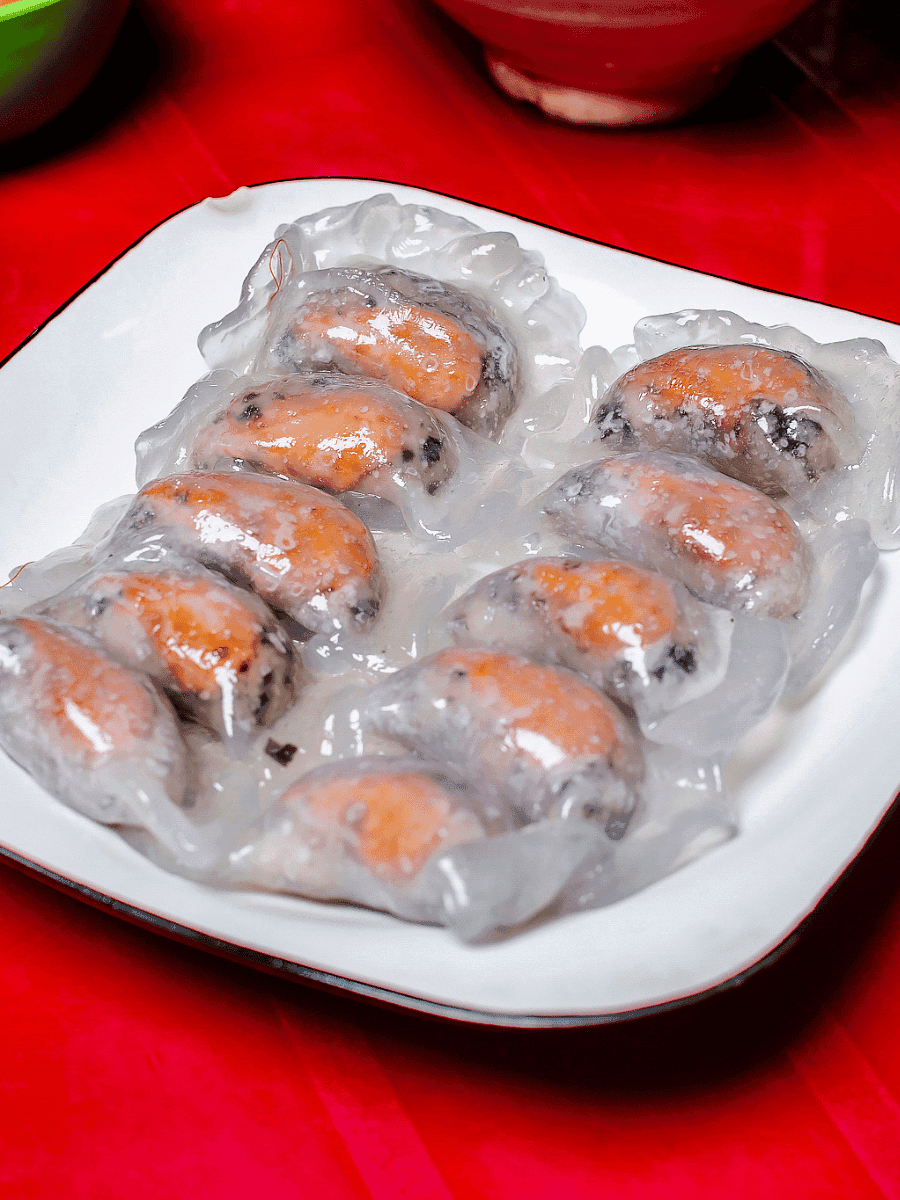
Small translucent tapioca-flour dumplings stuffed with pork and shrimp, wrapped in banana leaves and steamed. Hue's most-loved snack, served with fish sauce and fried shallots.

Delicate translucent shrimp-filled dumplings shaped like small white roses, topped with fried shallots and served with a light dipping sauce. Hoi An's most photogenic small plate.
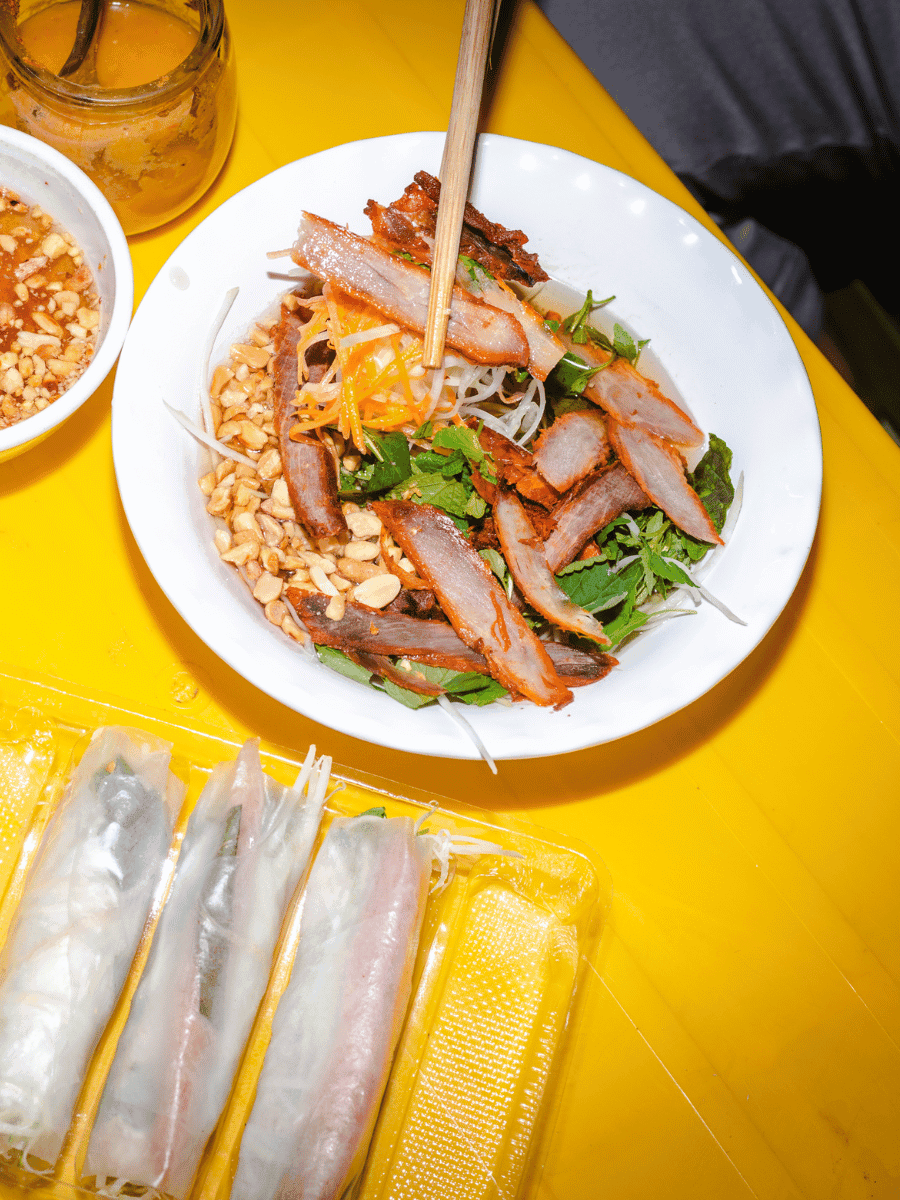
Shredded green papaya tossed with beef jerky strips, roasted peanuts, mint and a sharp fish sauce dressing. Hanoi's most-loved late-afternoon street snack.

Thin flat rice-flour cakes topped with a small mound of pork and shrimp, wrapped in banana leaves and steamed. Hue's flat cousin to bánh bột lọc.

Thin tapioca-and-rice sheets pressed hot on a griddle with pork, egg and herbs, then folded over. Hue's fast late-afternoon snack sold at every pavement stall.
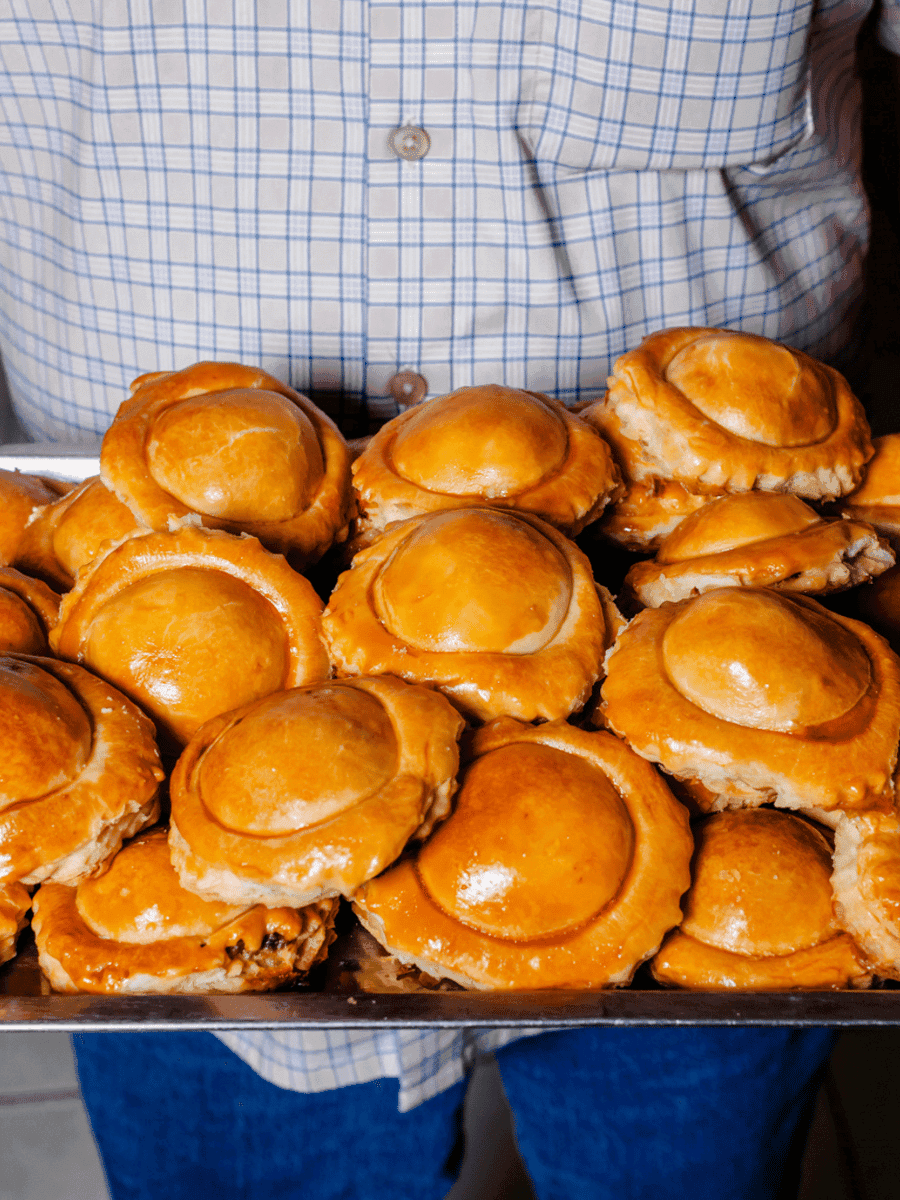
Flaky puff pastry pockets filled with spiced pork and mushroom, brushed with egg wash and baked golden. Hanoi's colonial French-Vietnamese bakery snack.