
Destination
Manila
The story
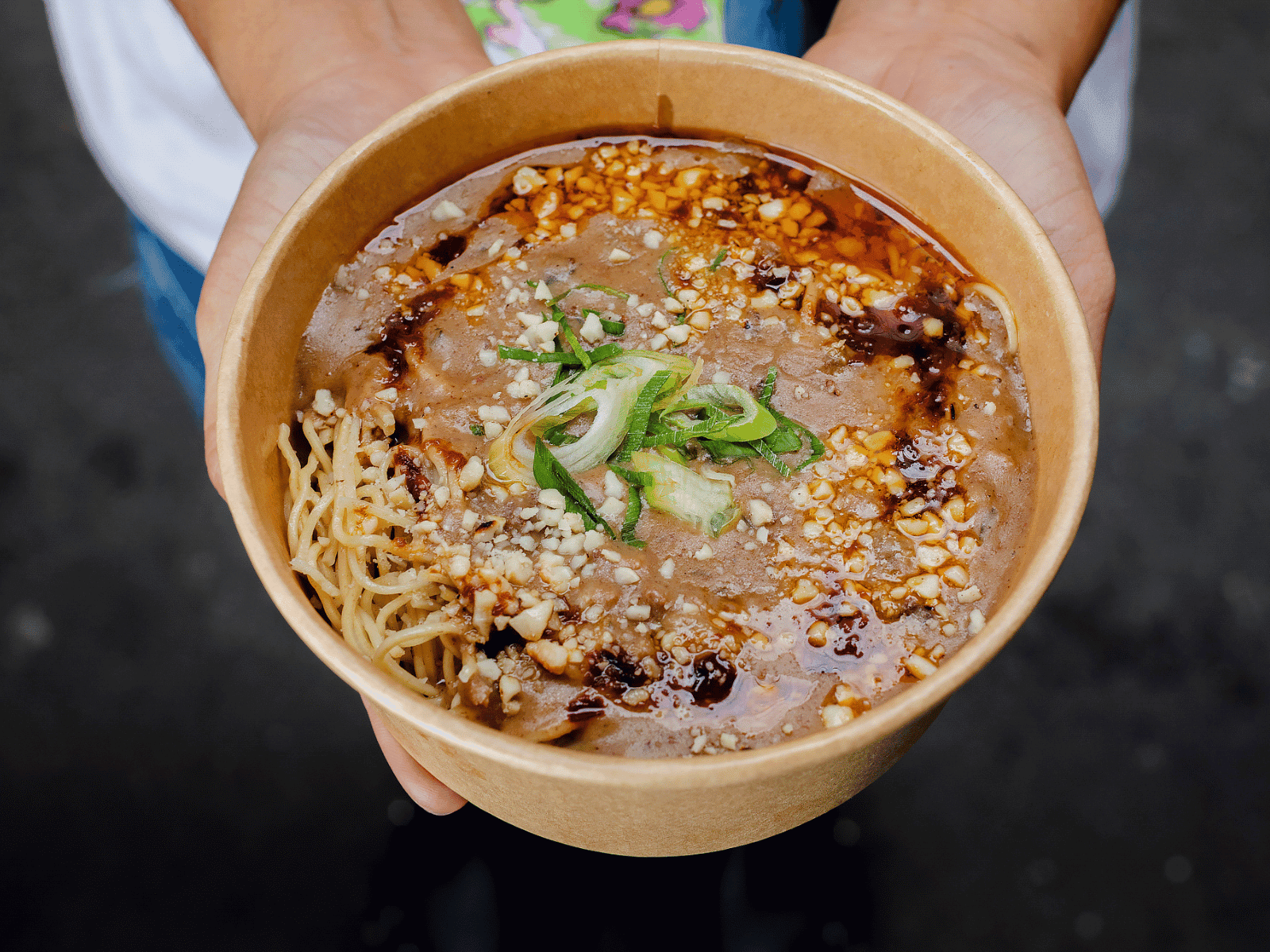
Kare-kare is one of the Philippines' most beloved slow-cooked dishes and one of the most distinctive stews in Southeast Asia: chunks of oxtail, ox tripe and (sometimes) beef shin, slow-braised for 3 hours until the meat falls off the bone, then bathed in a thick, peanut-thickened sauce coloured deep orange by annatto seed oil and studded with green beans, aubergine, banana blossom and pechay (Filipino bok choy). Served with a small bowl of bagoong alamang (Filipino fermented shrimp paste) on the side, which each diner spoons into their portion to balance the rich peanut sauce with a salty-funky counterpoint. Central to every Sunday family lunch, every fiesta table, and every Filipino restaurant menu abroad.
Method
In a large pot, combine oxtail, tripe, shin (if using), onion, garlic, peppercorns, bay leaves, salt and water. Bring to a boil, skim the foam, then reduce to a gentle simmer. Cover partially and cook 2 hours 30 minutes to 3 hours until the meat is completely tender and the tripe is soft.
Lift the meat out with a slotted spoon and reserve. Strain the broth into a clean pot; discard the aromatics. Skim the surface fat and reserve 3 tbsp of the fat for the peanut sauce. Reserve 1.2 litres of the broth.
In a small pan, warm the oil with the annatto seeds over medium-low heat 3 minutes until the oil turns deep orange-red. Strain and discard the seeds. Reserve the coloured oil.
Toast 3 tbsp raw rice in a dry pan over medium heat 4 minutes until pale gold. Grind to a fine powder in a spice grinder or with a mortar. This is galapong and thickens the sauce.
In a large heavy pot, warm the reserved beef fat and 3 tbsp of the annatto oil over medium heat. Sweat the chopped onion 6 minutes. Add garlic 60 seconds. Pour in the reserved broth. Whisk in the peanut butter until dissolved. Stir in the ground toasted rice.
Cook the sauce 10 minutes, stirring often, until it thickens to a heavy, spoonable consistency that coats the back of a spoon. Add fish sauce, salt and pepper. Adjust with more broth if too thick.
Bring a separate pot of salted water to a boil. Blanch the long beans 3 minutes, aubergine 2 minutes, banana blossom 4 minutes (if using), and pechay 1 minute. Drain and set aside.
Warm 1 tbsp oil in a small pan. Cook onion 3 minutes; add garlic 30 seconds. Add bagoong, sugar and chili; cook 5 minutes stirring until the shrimp paste darkens slightly and the oil separates. Off the heat, stir in calamansi juice. Return the meat to the peanut sauce, warm through 3 minutes. Serve in a big shallow bowl or platter with the vegetables arranged around the meat, remaining annatto oil drizzled on top, rice on the side, and a small bowl of hot bagoong for each guest to add to taste.
Tips
- Long braise for the oxtail. Three hours is not too much. Under-cooked oxtail is chewy; properly braised it falls off the bone.
- Save the fat. The 3 tbsp of beef fat skimmed off the broth is what gives the peanut sauce its rich depth. Do not throw it out.
- Ground toasted rice (galapong) is the classical thickener. Peanut butter alone gives you a thin, muddy sauce. The ground rice thickens and adds a subtle nutty note. Toasted breadcrumbs are the practical shortcut.
- Bagoong on the side, not stirred in. This is the classical Filipino serving format. Each eater adds bagoong to their own bowl to their preferred strength. Stirring bagoong into the whole pot ruins the balance.
- Better on day two. Kare-kare reheats beautifully. Make Saturday for Sunday lunch; the flavours deepen overnight.
More recipes
View all
Open-top dumplings filled with pork, prawn and water chestnut, steamed in bamboo baskets and served with a fierce chili-garlic-calamansi soy sauce.
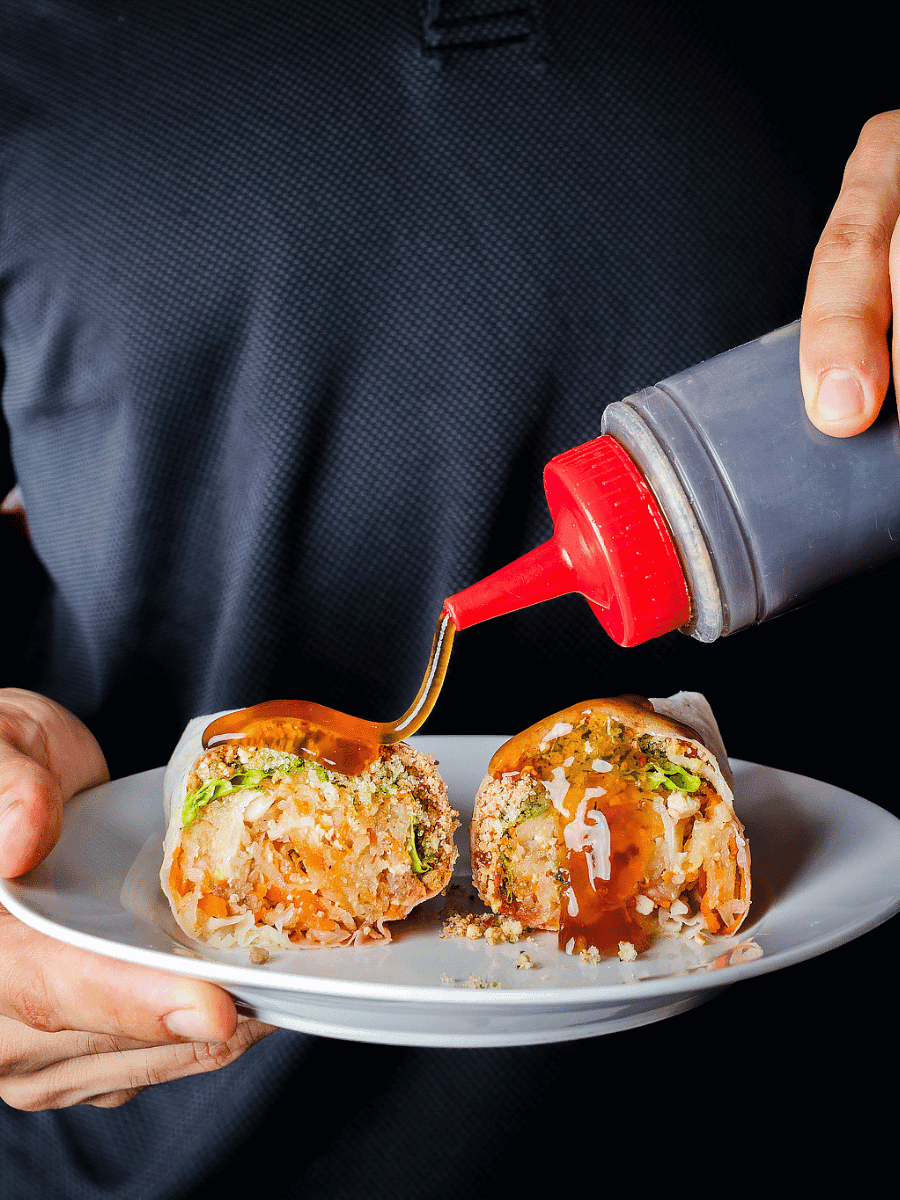
Fresh lumpia wrappers filled with sautéed pork, prawn, vegetables and peanuts, wrapped in lettuce and dressed with a sweet garlic-peanut sauce.

Marinated pork loin glazed in a five-spice honey-soy sauce and slow-roasted until deep red at the edges. Manila's Chinese-Filipino roast pork.

Egg noodles in a deeply-simmered beef broth, topped with pork wontons, slices of tender braised beef and blanched pechay greens. Manila's kopitiam comfort soup.
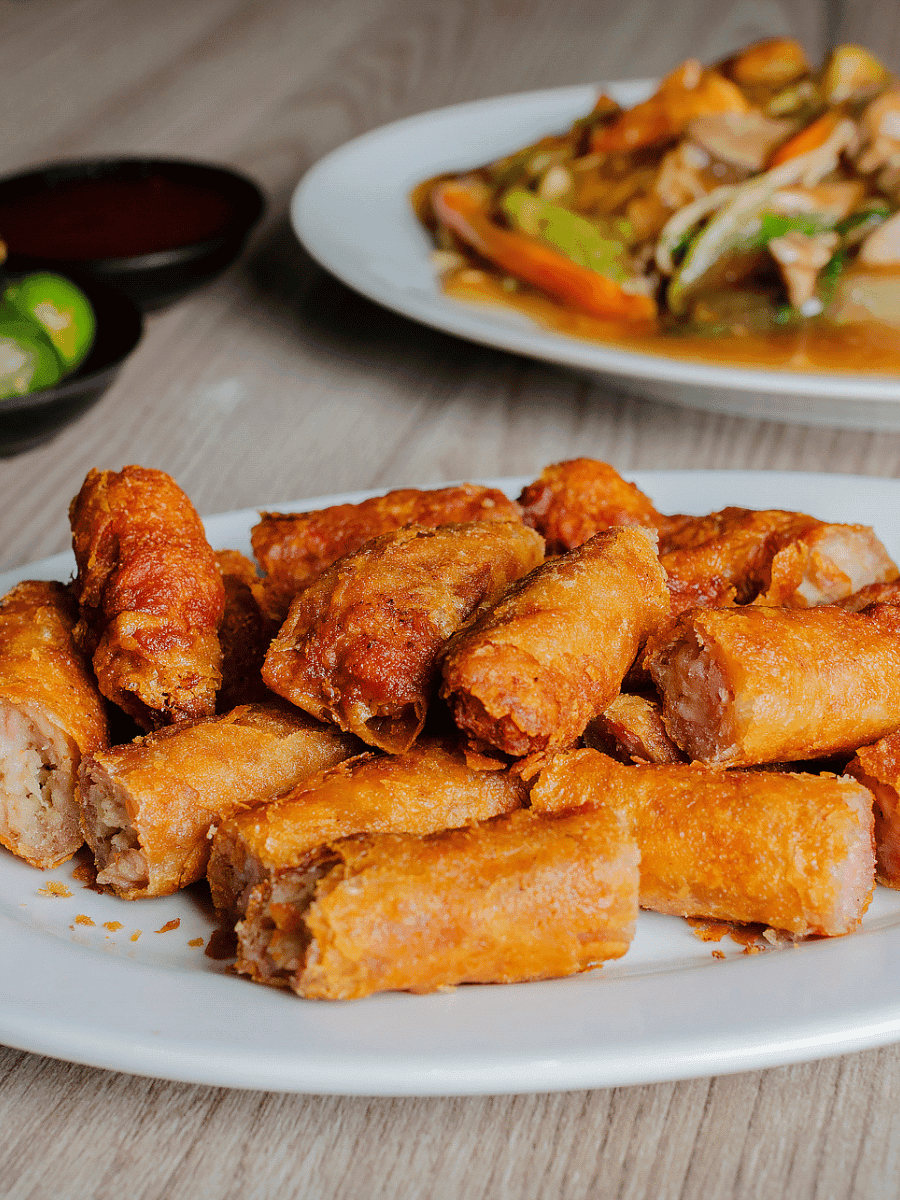
Thin, crisp pork-and-vegetable rolls fried to a shatter, dipped in banana ketchup or a sweet chili vinegar. The Philippines' party finger food.
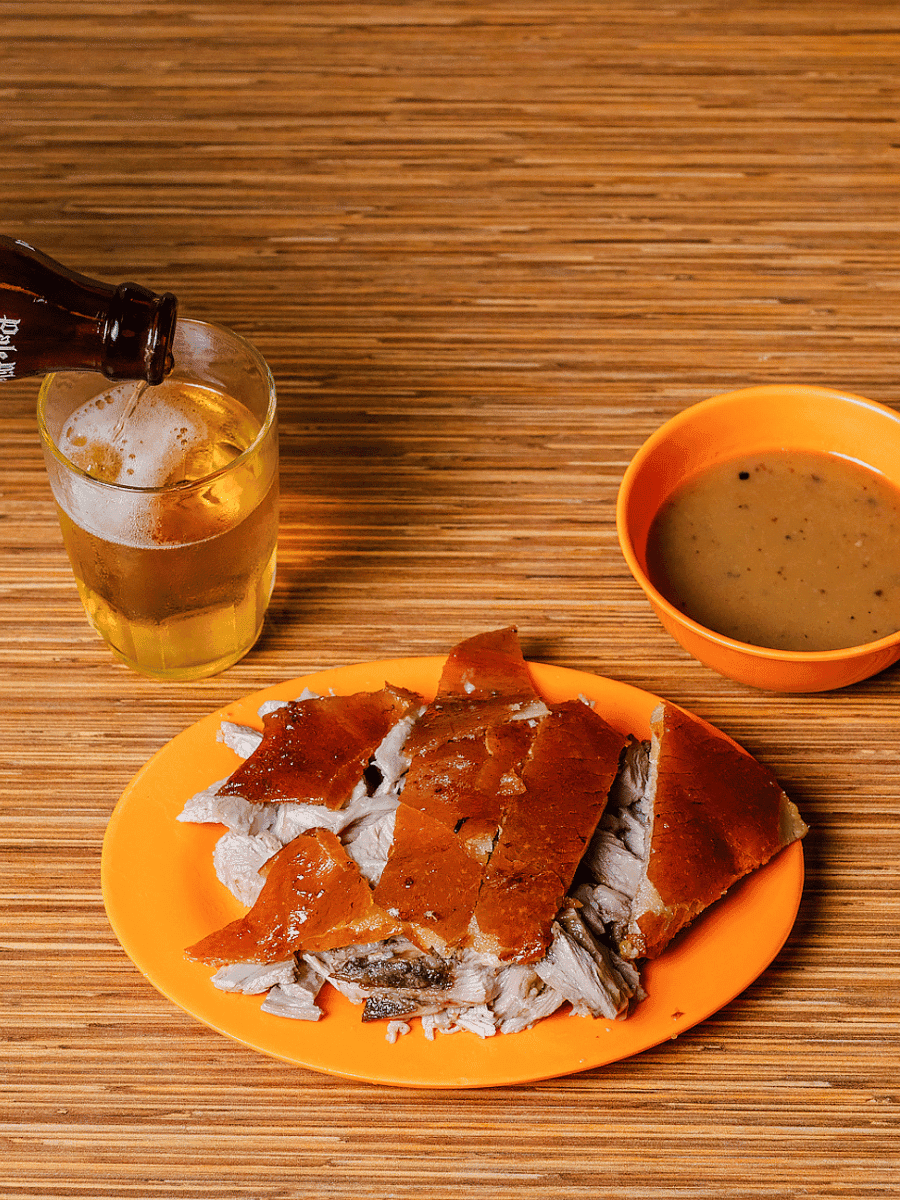
A whole suckling pig slow-roasted for hours over charcoal, stuffed with lemongrass and pandan, served with sarsa liver sauce. The Philippines' fiesta centrepiece.