
Destination
Puerto Vallarta
The story
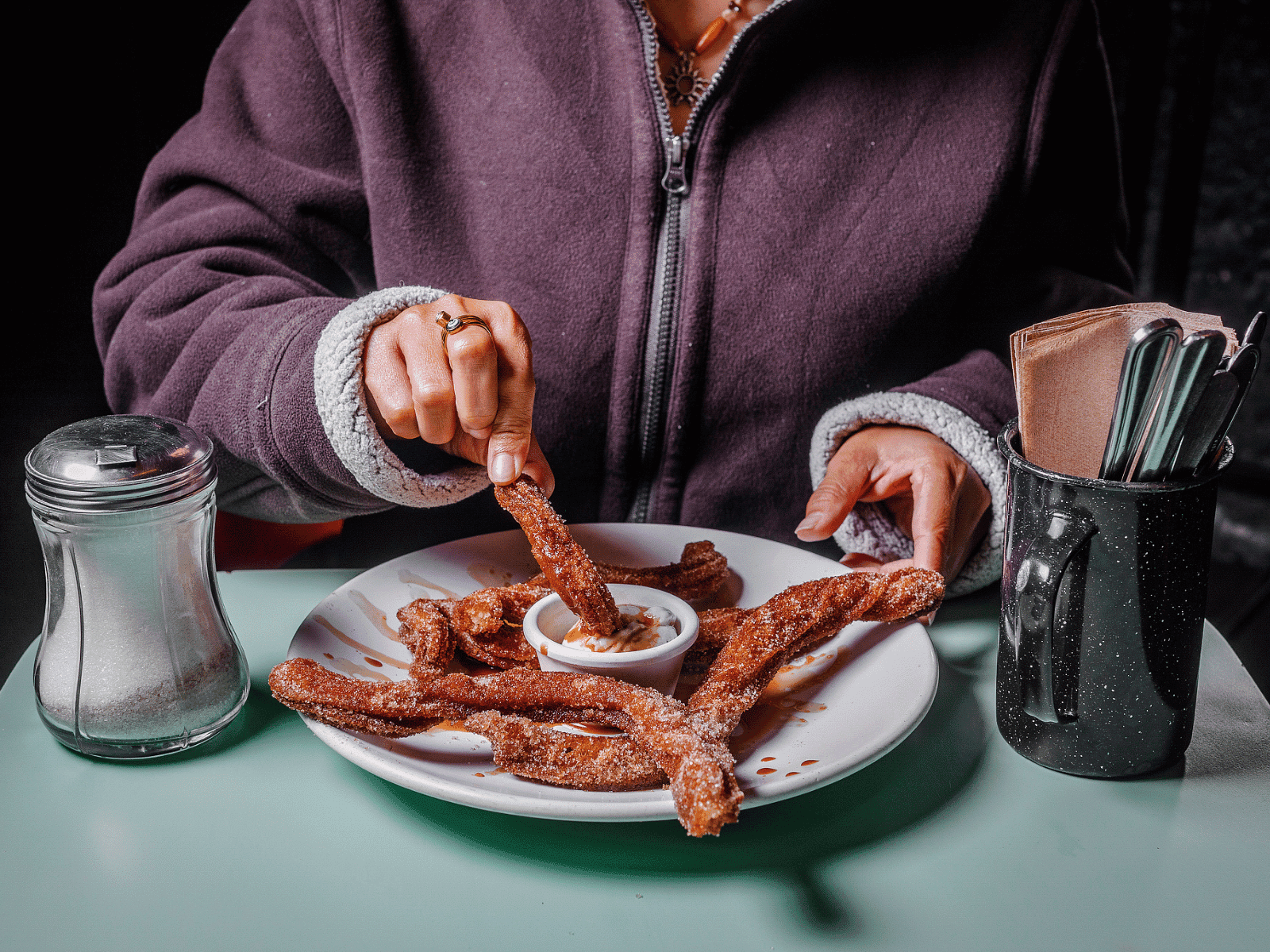
Mexican churros are the country's most-shared street sweet: long ridged ropes of fried choux-adjacent pastry, tossed hot in cinnamon sugar, sold from carts and tiny shops with big vats of hot oil bubbling on the counter. The distinctively Mexican move is the accompaniment — a small mug of thick, deeply spiced Mexican hot chocolate (cinnamon, sometimes chile) for dunking. The most famous churrería in Mexico City is El Moro, a 1930s counter on Calle Eje Central that serves churros and chocolate 24 hours a day, but every Mexican town from Tijuana to Mérida has its own churros cart. Eaten as a late-night snack after the cinema, as a breakfast on a cold day, as merienda (afternoon tea) with hot chocolate, and as a fair-ground sweet at every carnival.
Method
Combine water, butter, sugar, salt and vanilla in a saucepan over medium heat. Bring to a full boil. Off the heat, dump in the flour all at once. Stir vigorously with a wooden spoon until a smooth dough forms and pulls away from the sides of the pan. Cool 5 minutes.
Crack the egg into the slightly cooled dough and beat in with the wooden spoon until fully incorporated. The dough should be smooth and glossy, thick enough to pipe but not stiff. Transfer to a piping bag fitted with a large star tip (about 1cm across the star opening).
Whisk together the sugar and cinnamon on a wide plate. Combine the milk, chocolate, cinnamon stick and salt in a saucepan. Warm gently over low heat, whisking until the chocolate melts and the mixture is smooth. Do not boil. Add vanilla. Keep warm.
Heat the oil in a deep heavy pot to 180C. Test with a small scrap of dough — it should sizzle immediately and turn golden in 45 seconds.
Working over the hot oil: pipe 15cm lengths of dough directly into the oil, cutting each length free with kitchen scissors. Fry 4 to 5 churros at a time, 2 minutes per side, turning once, until deeply golden and crisp. Do not crowd the pot — the oil temperature drops and the churros go greasy.
Lift churros out with tongs onto kitchen paper. Blot briefly. While still hot, roll each churro in the cinnamon sugar, coating both sides thoroughly.
Pile the churros on a warm platter. Pour the hot chocolate into small mugs. Serve immediately, alongside each other. Eaters dunk each churro in the chocolate before biting.
For filled churros: after the churros are fried and rolled in sugar, use a small piping tip to inject cajeta or dulce de leche into one end. For chocolate churros: replace 30g of the flour with cocoa powder in the base recipe.
Tips
- Fry at 180C exactly. A thermometer is essential. Cooler and the churros absorb oil and turn greasy; hotter and the outside browns before the inside cooks.
- Don't overcrowd the oil. Four or five per batch is the maximum for most home fryers. More and the oil temperature drops, and everything cooks wrong.
- Toss in sugar hot. The sugar sticks best while the churros are still glistening. Cooling first means the coating doesn't adhere and slides off.
- Serve immediately. Churros are a 5-minutes-and-eat food. Held for 20 minutes they turn stale and lose their crackle.
- The hot chocolate is thick. Mexican hot chocolate is not the same as cocoa powder in milk — it's made from tablets of Mexican-brand chocolate with cinnamon and often nuts pressed in. Ibarra and Abuelita are the two supermarket brands.
More recipes
View all
A pastry tube fried crisp then filled with sweet meringue or dulce de leche. Mexico's most photogenic feria (fair) dessert, sold from wire baskets at every parade.

Corn-thickened Mexican hot chocolate spiced with cinnamon and star anise. Winter-morning breakfast drink, halfway between hot chocolate and porridge.

Buttery Mexican pastry pockets filled with guava paste and cream cheese, or with dulce de leche and pecans. Mercado sweets sold from glass cabinets.

Guadalajara's answer to crème brûlée: a cinnamon-vanilla custard baked until the top blisters and turns almost black. No blowtorch needed.
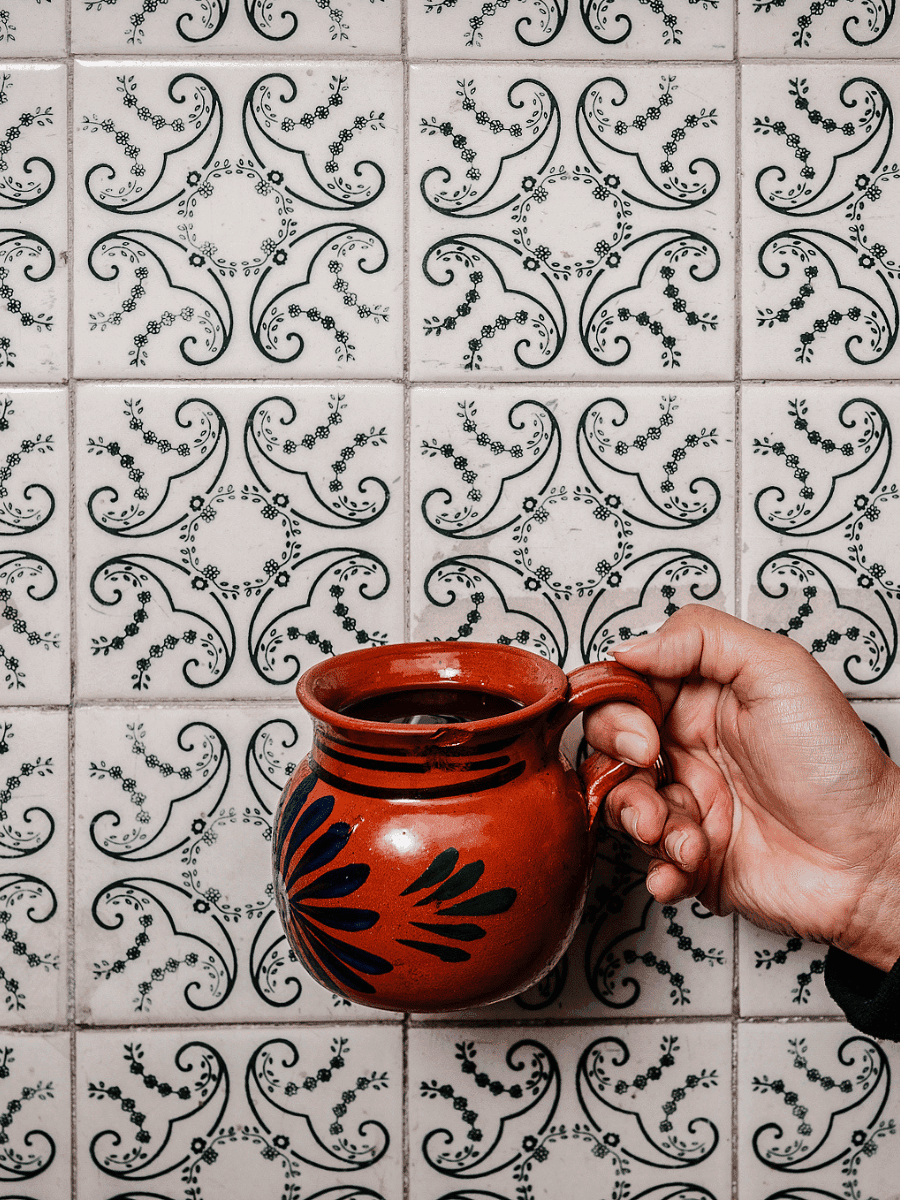
Coffee brewed in a clay pot with piloncillo, cinnamon and orange peel. Ranchero breakfast coffee, sweet and spiced and smelling of the countryside.

Fresh fruit blended with water and a splash of lime — the mercado thirst-quencher. Jamaica, horchata, tamarindo, sandía or piña, poured from big glass tanks.