
Destination
Puerto Vallarta
The story
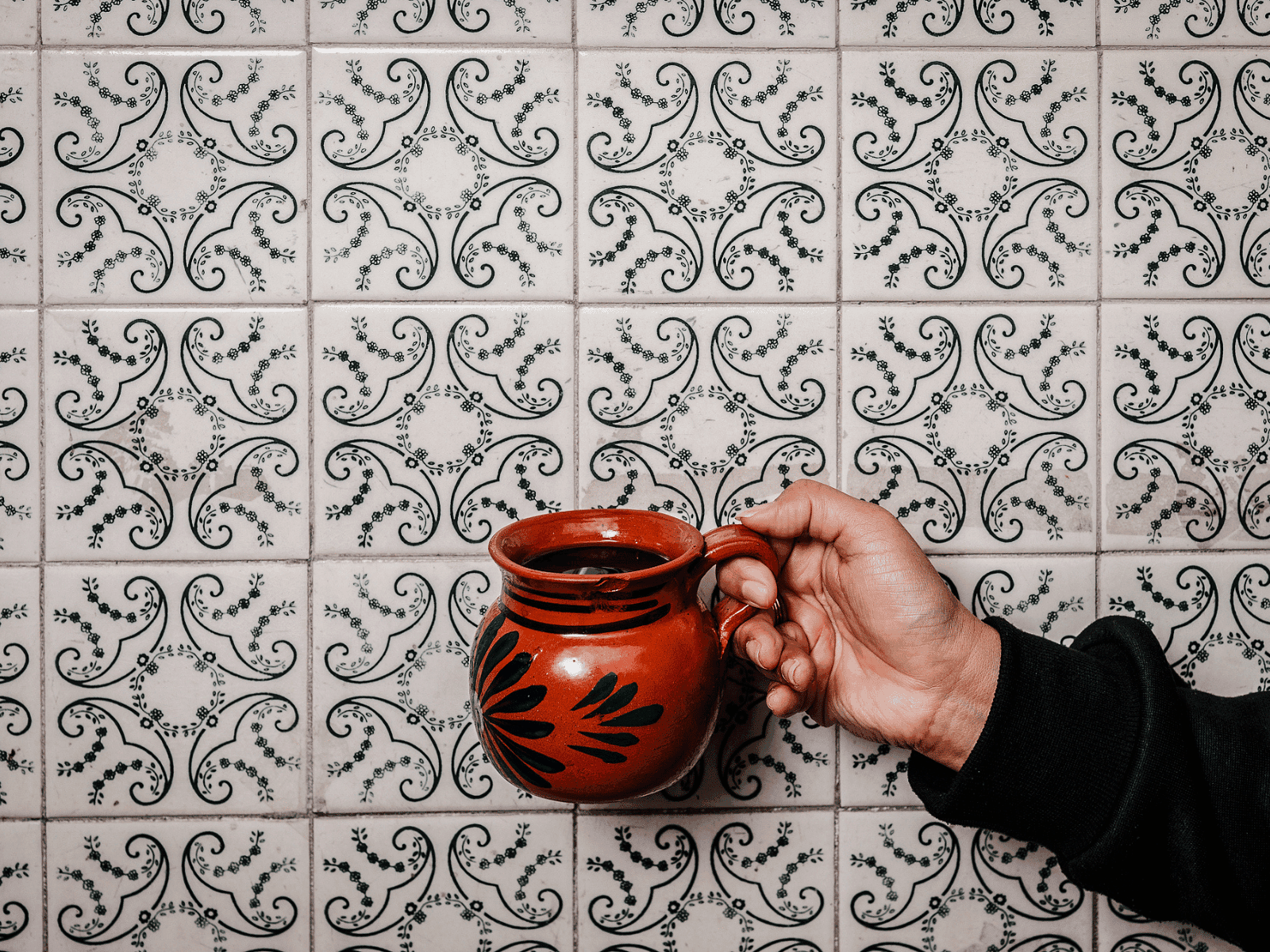
Café de olla is the Mexican country coffee: coarsely ground coffee brewed in a clay pot (an olla de barro) with piloncillo (unrefined cane sugar), a stick of cinnamon and a strip of orange peel, poured hot into small clay cups called jarritos and drunk sweet, spiced and gently sweet-bitter. It's the traditional coffee of Mexican ranchos (farms), of Sunday breakfasts, of the highland states — Chiapas, Oaxaca, Veracruz, Puebla — where coffee has been grown since the 18th century. Every rancho kitchen still has its clay pot, and every rancho breakfast starts with a jarrito of café de olla and a stack of pan dulce.
Method
Pour the water into a heavy pot (clay olla if you have one, otherwise stainless steel). Add the piloncillo, cinnamon stick and orange peel. Add any of the optional aromatics you're using.
Bring to a full boil over medium-high heat. Reduce to a simmer and cook 5 minutes, stirring occasionally, until the piloncillo has fully dissolved and the water has taken on a caramel colour and a spicy-orange perfume.
Turn off the heat. Add the coarsely ground coffee. Stir once. Cover the pot with a lid.
Let the pot sit off the heat, covered, for 5 minutes. The grounds will sink and the coffee will extract.
Set a fine sieve (or a sieve lined with cheesecloth) over a clean pitcher. Pour the coffee through the sieve. Discard the grounds, cinnamon stick and orange peel.
Pour into small warm clay jarritos or ceramic mugs. Optionally dust with a pinch of ground cinnamon. Serve immediately, hot, with a plate of pan dulce (conchas, cuernitos, orejas) on the side.
For café de olla con chocolate: add a small piece of Mexican chocolate (10g) with the piloncillo and let it melt into the water. This gives a rich, mocha-adjacent version.
Café de olla holds in a thermos or covered pot 2 hours. Reheating on a stove is fine; microwaving is not (it dulls the aromatics). Do not refrigerate — reheated fridge coffee tastes stale.
Tips
- Piloncillo, not brown sugar. Piloncillo (also called panela) is Mexican unrefined cane sugar sold as small brown cones at any Latino grocer. It has a specific molasses depth that white or brown sugar cannot replicate.
- Coarse grind, medium-dark roast. Fine coffee grinds sink to the bottom of the pot and give you gritty coffee. Medium-dark roasts (French, Vienna) hold up to boiling water and the piloncillo sweetness.
- Orange peel, not orange zest. A strip of peel (avoiding the bitter white pith) infuses more slowly and gives a warmer note. Zest goes bitter and grassy when boiled.
- Do not boil the coffee. Bring the water and aromatics to a boil first. Turn off the heat before adding the coffee. Boiling the coffee itself makes it bitter.
- Serve in clay. If you have clay jarritos, use them — they hold heat differently and add a small earthy note. Ceramic mugs work fine as a substitute.
More recipes
View all
Corn-thickened Mexican hot chocolate spiced with cinnamon and star anise. Winter-morning breakfast drink, halfway between hot chocolate and porridge.

Ridged pastry ropes piped into hot oil, tossed in cinnamon sugar and served with a mug of thick Mexican hot chocolate for dunking.

Fresh fruit blended with water and a splash of lime — the mercado thirst-quencher. Jamaica, horchata, tamarindo, sandía or piña, poured from big glass tanks.
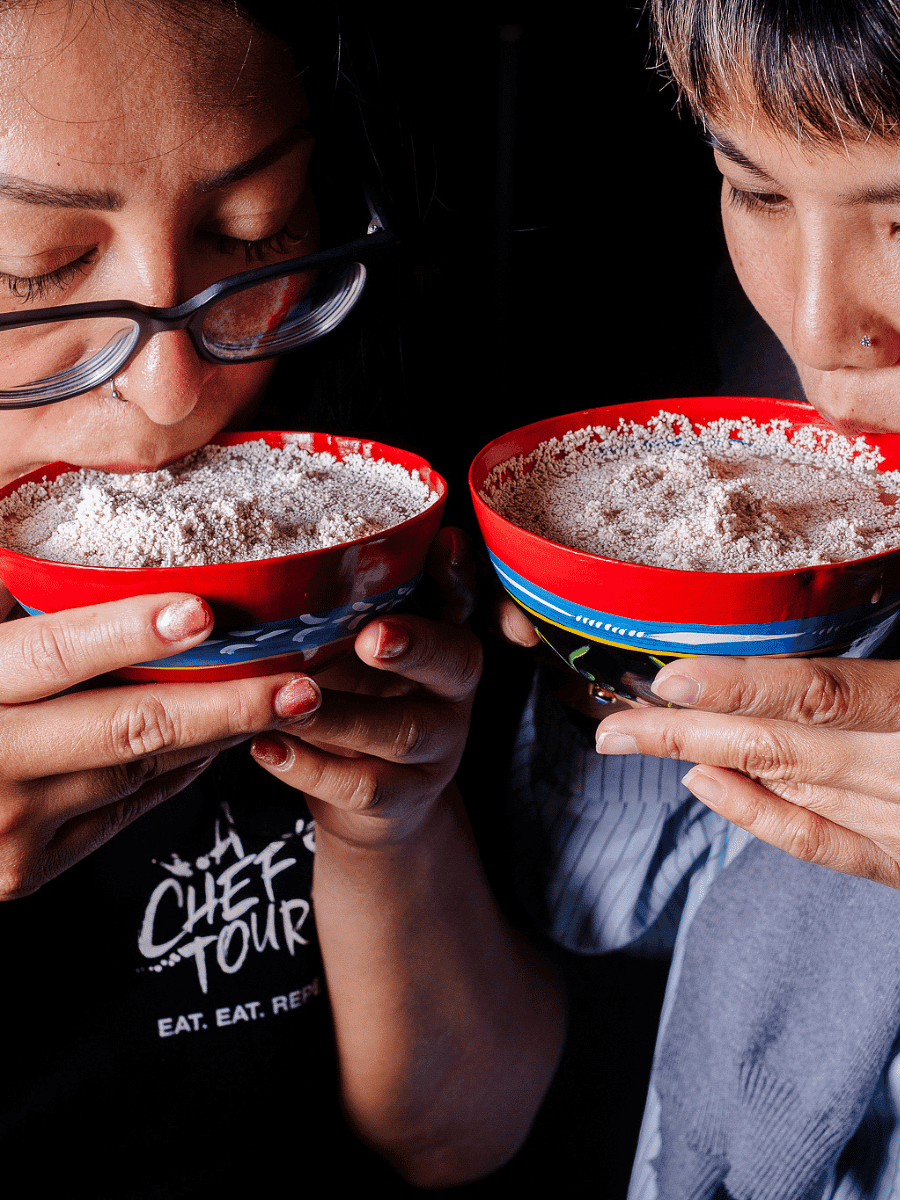
Oaxaca's "drink of the gods": a foam-topped, unsweetened corn-and-cacao beverage with mamey seed and the perfumed rosita de cacao flower.

Fresh corn kernels roughly mashed and slow-cooked with butter, chile and cream until the natural sugars caramelise into a golden savoury porridge. A Guerrero-style comfort dish.

Stale dry tortillas soaked in a fierce vinegar-chile brine with radishes, cabbage, cucumber and pig's-foot. Puebla's cheekiest and most controversial street snack.