
Destination
Santiago
The story
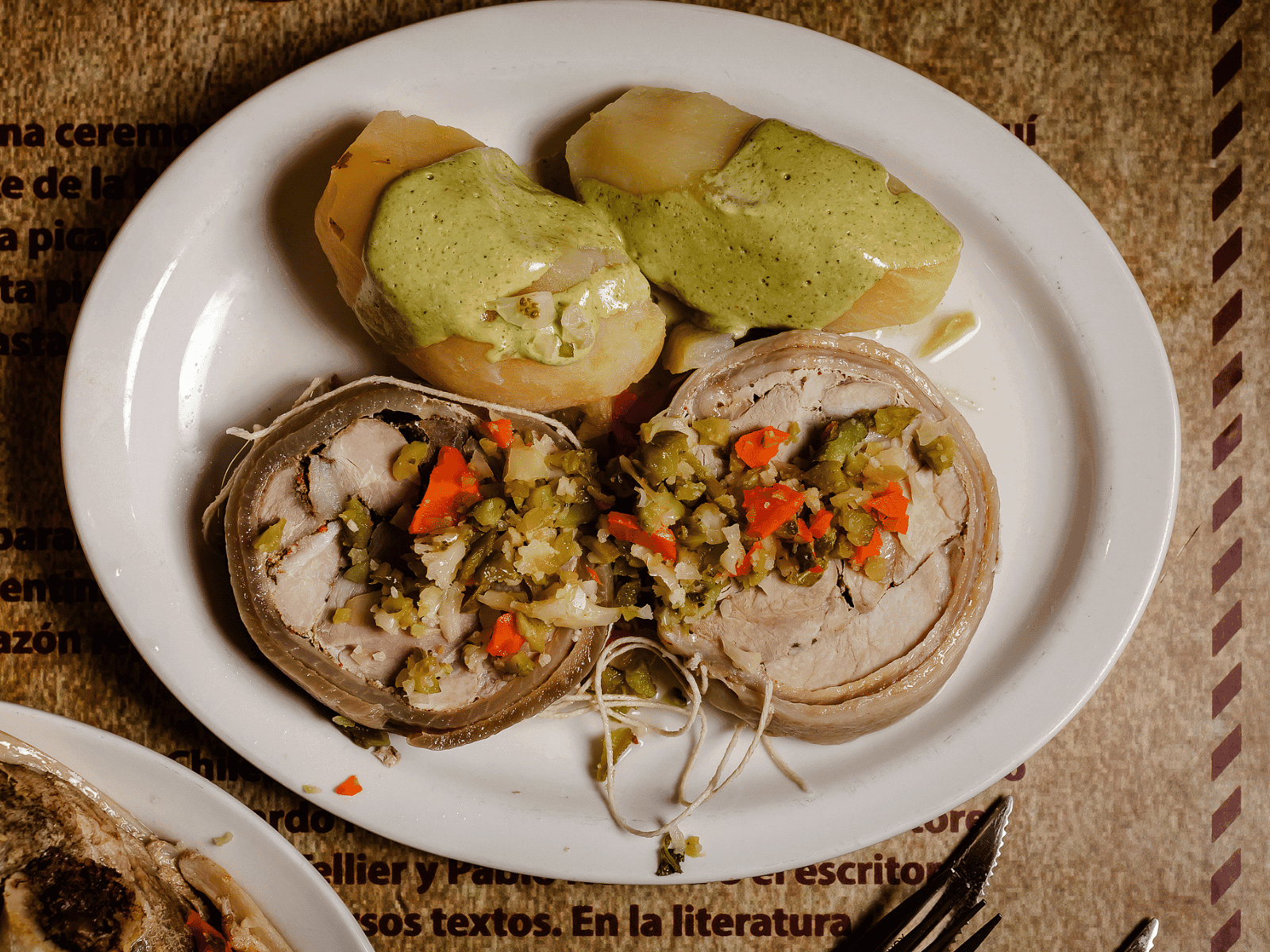
Arrollado de huaso is Chile's country-cousin equivalent of a French terrine: strips of pork shoulder rubbed hard with garlic, chilli, cumin and vinegar, rolled tight inside a large sheet of pork skin (or belly), tied with twine like a small ham, and poached in aromatic stock until fork-tender. Sliced cold with pebre (a raw tomato-onion-coriander salsa) or hot with mashed potatoes. Every rural Chilean party has one.
Method
Combine the garlic, paprika, cumin, merkén, oregano, vinegar, oil, salt and pepper in a bowl. Rub the marinade all over the pork strips. Cover and refrigerate at least 4 hours, ideally overnight.
Spread the pork skin (or unrolled pork belly) flat on a clean bench, skin-side down. Trim to a rough rectangle about 30cm by 40cm.
Arrange the marinated pork strips lengthways along one long edge of the skin, overlapping slightly to form a solid layer 20cm wide. Roll the skin tightly around the pork, keeping it tight as you go, into a firm log.
Tie the log tightly with kitchen twine at 3cm intervals all along its length, so it holds shape when boiled. Loop twice around each tie for security.
Place the arrollado in a large deep pot with the bay leaves, onion, carrot, salt and peppercorns. Cover with cold water. Bring gently to a simmer (not boil) and poach 2 hours, keeping the water at a lazy bubble. Skim any foam.
Lift the arrollado out of the liquid. To serve hot, rest 15 minutes then slice. To serve cold (the classic), press between two plates with a weight on top and refrigerate overnight, then slice into thin discs.
Slice into discs about 1cm thick. Serve with a heaped spoonful of pebre and crusty bread if cold, or with mashed potato if hot.
Tips
- Merkén is the Chilean pantry secret. Made from smoked cacho de cabra chillies (a Mapuche tradition), it gives the marinade a specific smoky-earthy note. Sold at specialty Latin grocers; a mix of smoked paprika + chilli flakes is a passable substitute.
- Tie it tight. Loose twine gives you a loose roll that falls apart when sliced. Ties every 3cm, doubled, will hold everything together through 2 hours in the pot.
- Simmer, don't boil. Aggressive boiling seizes the pork and makes it tough. A lazy bubble on the surface (barely moving) is the temperature you want.
- Overnight rest is worth it. Cold-pressed arrollado slices into clean discs; hot arrollado tends to shred. Both taste great, but the classic presentation is chilled and sliced thin.
- Pebre is not optional. The raw tomato-onion-coriander salsa is what cuts through the rich pork. Every Chilean family has a slightly different pebre recipe; ours is chopped tomato, red onion, coriander, garlic, olive oil, lime juice and salt, mixed 15 minutes before serving.
More recipes
View all
A layer of blitzed sweet corn with basil baked over a filling of beef, chicken, olive, raisin and boiled egg. Chile's summer national dish, served in a clay paila with sugar caramelised on top.

Baked (not fried) empanada de pino: hand-cut beef, sweet onion, hard-boiled egg, one raisin and one black olive inside a rich wheat pastry. Chile's national dish, especially for Fiestas Patrias.

Beef slow-braised with onion, garlic and red wine until the gravy turns dark and glossy. The Chilean home-cooking classic, always served with mashed potato.
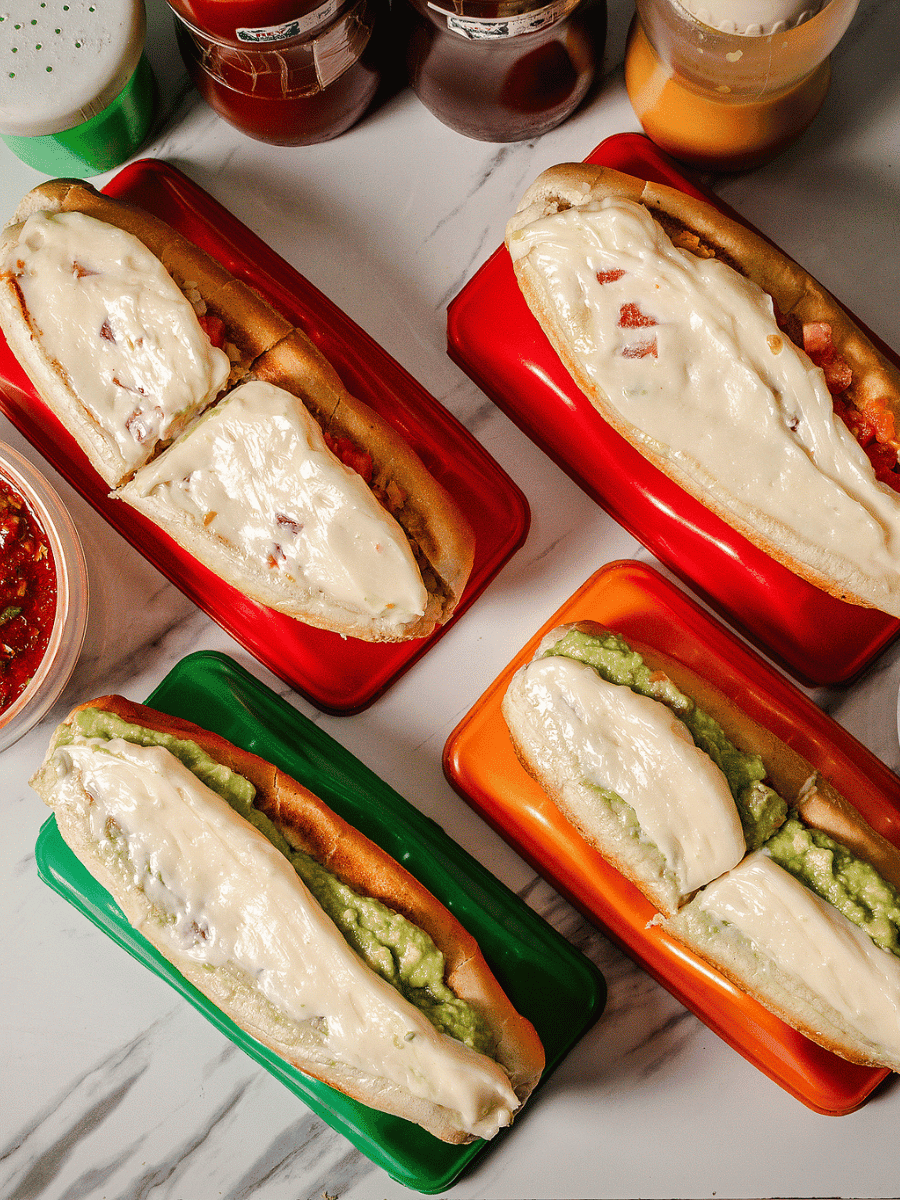
The Chilean hot dog: sausage on a soft bun, buried under mashed avocado, chopped tomato and a mountain of mayo. Green, red and white, the colours of the completo Italiano.
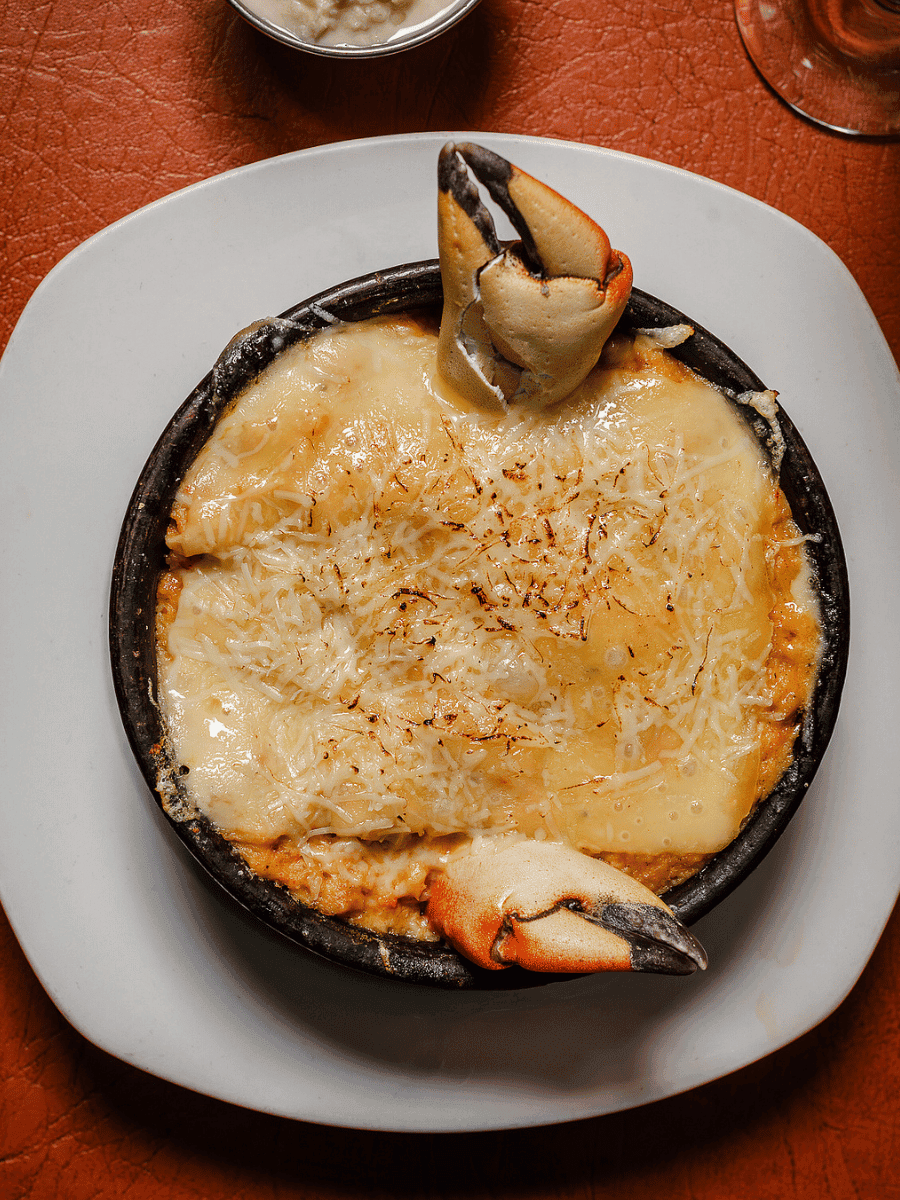
Crab meat baked with milk-soaked bread, white wine, cream and a lot of cheese in individual clay bowls. Chile's Pacific coast comfort food.
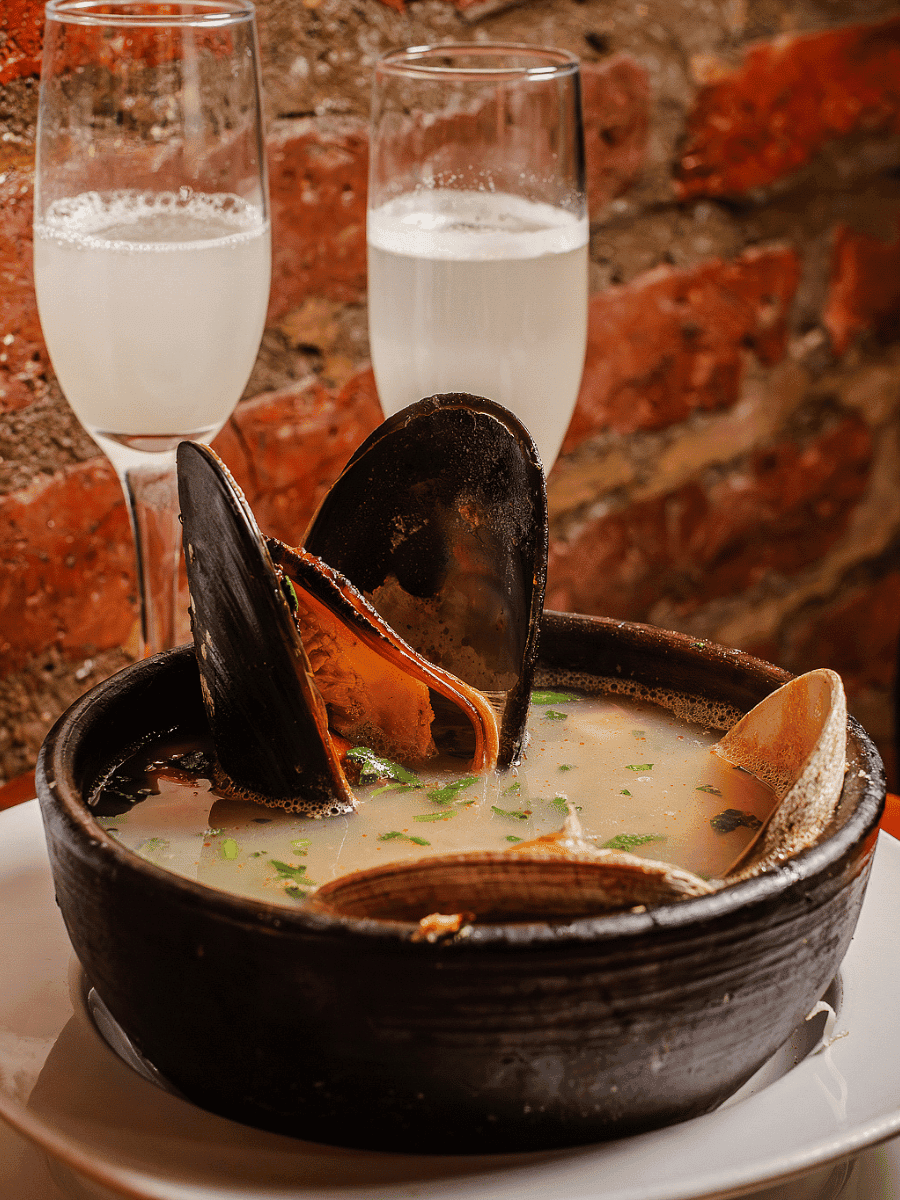
A clay bowl of Pacific shellfish and fish poached in a tomato-and-wine broth, thick with coriander. Chile's classic seafood stew, also the country's most-prescribed hangover cure.