
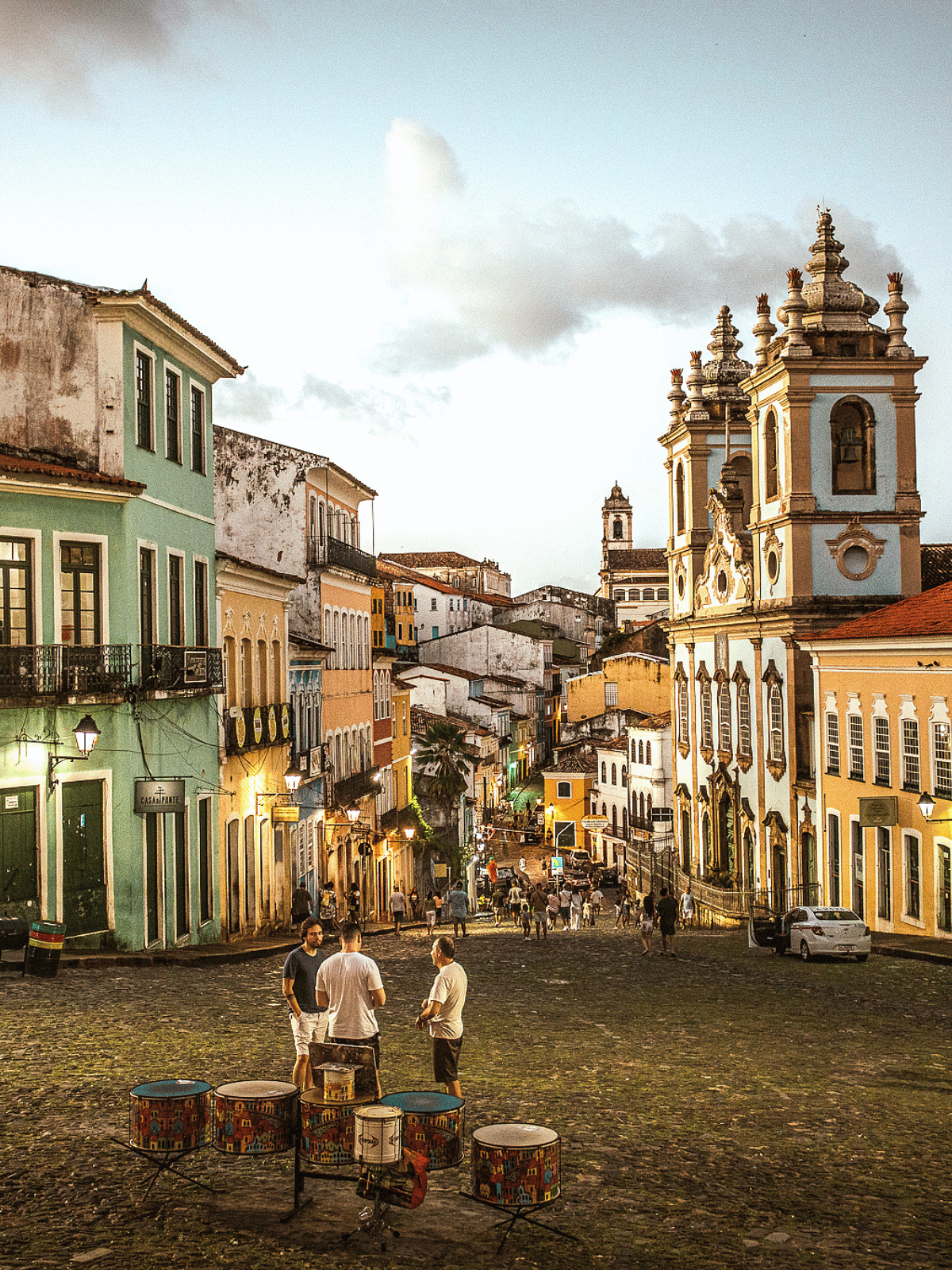
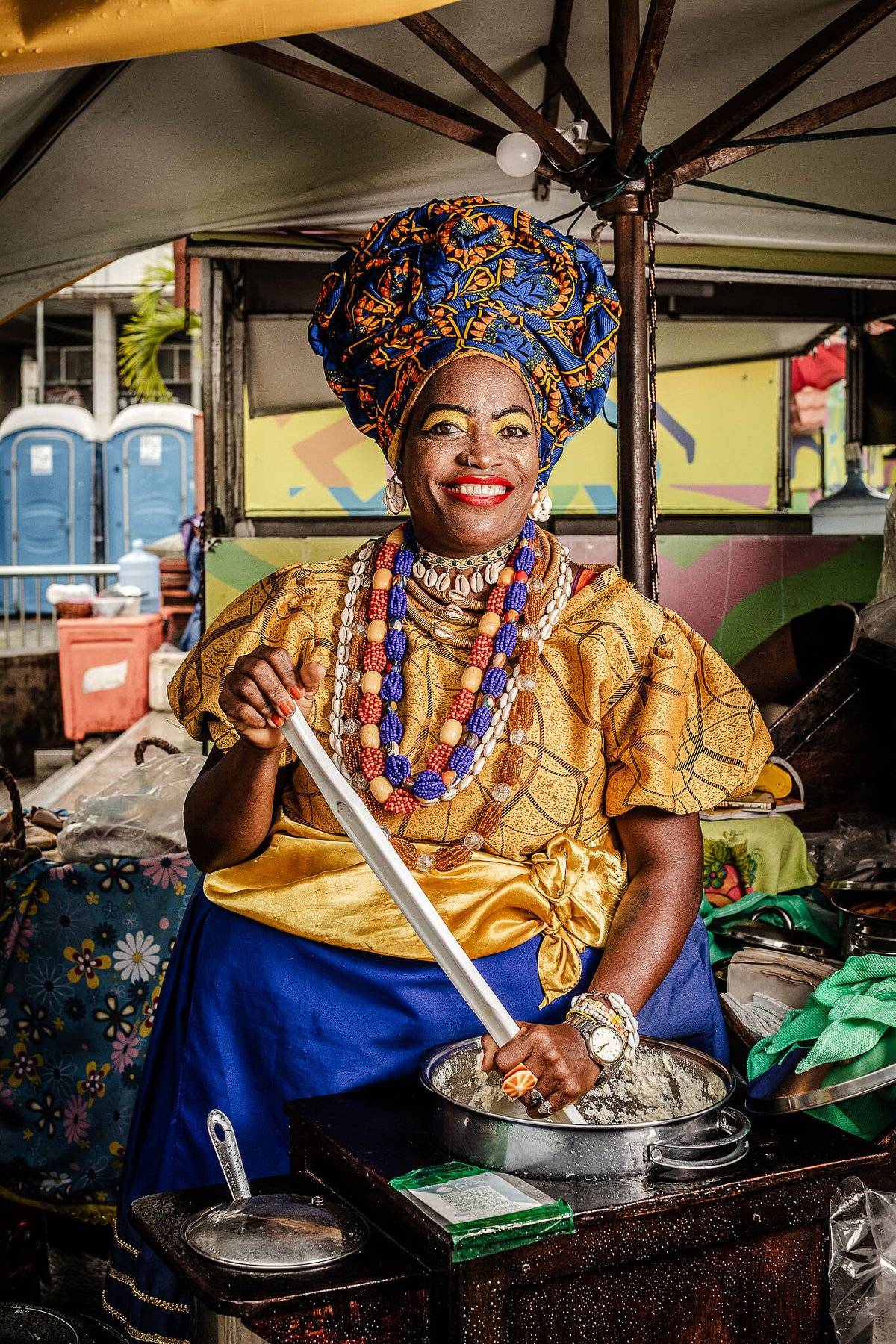
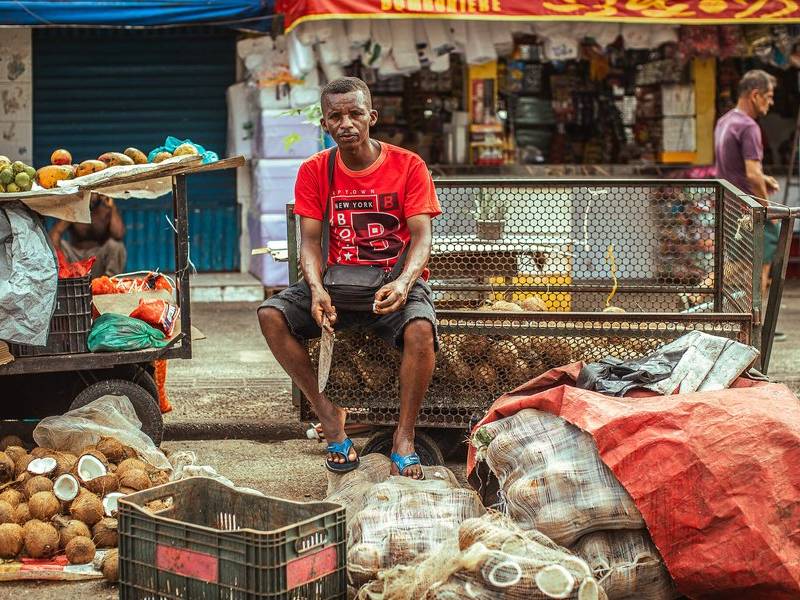
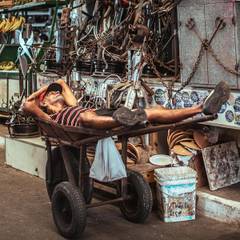
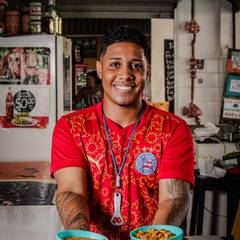
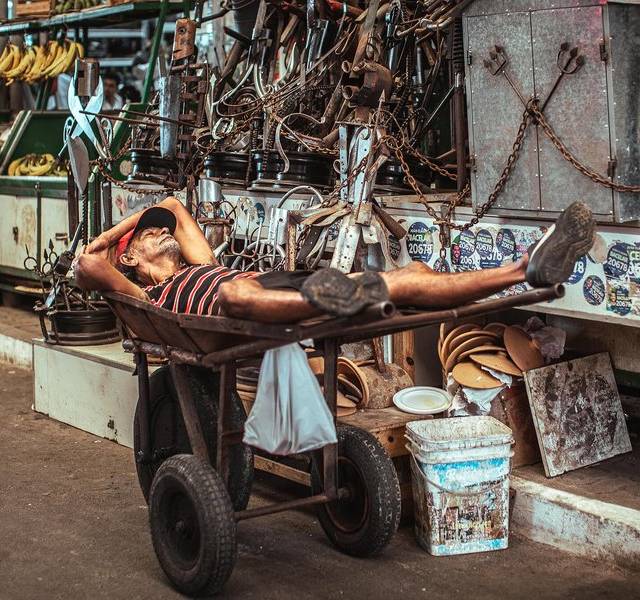
“The highlight was a trip to the food market, where I experienced one of the key sources of food in Salvador, had the best moqueca and enjoyed the chaos of daily life”
— Paula, 2026
01 Food tours
Original food tours, curated with our local tastemakers to showcase the neighbourhood kitchens, markets and family-run eateries that define Salvador.
Savour Salvador
Salvador
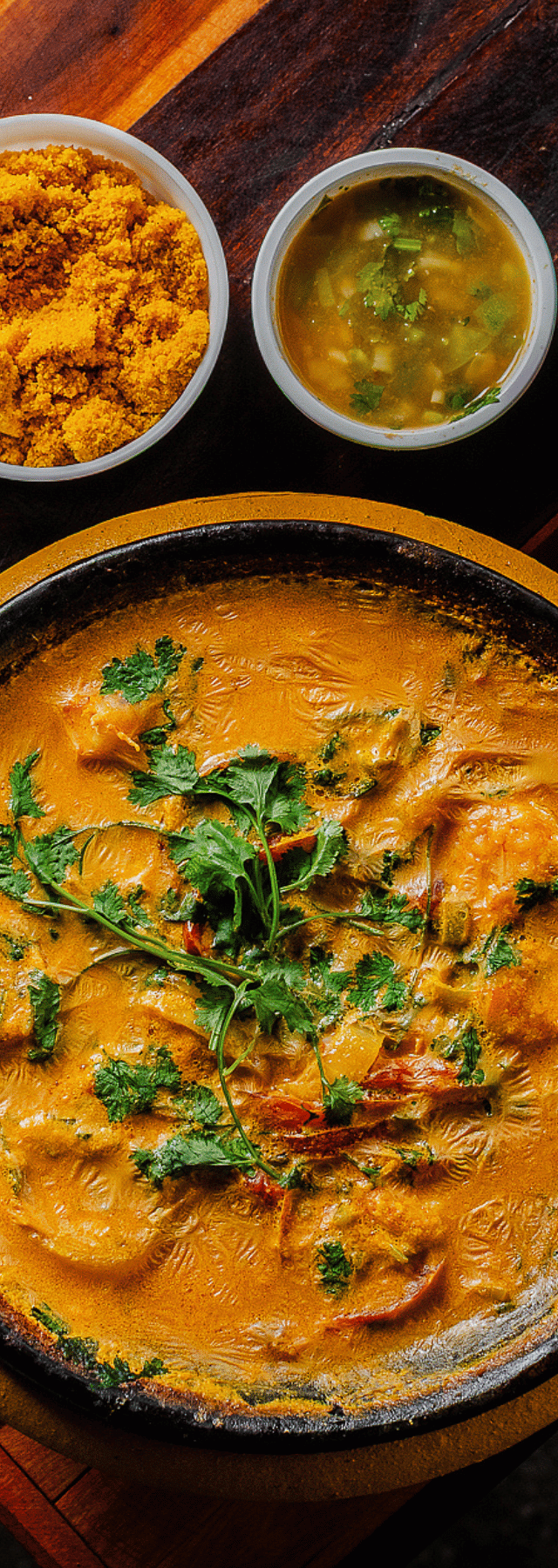
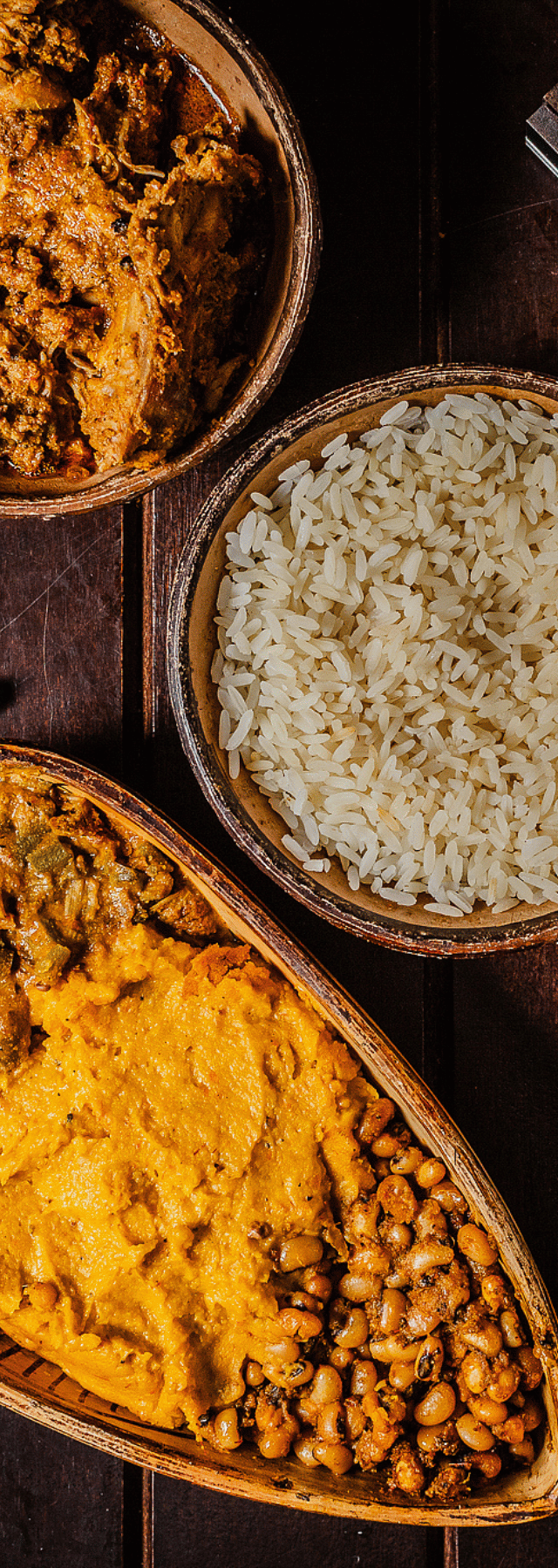
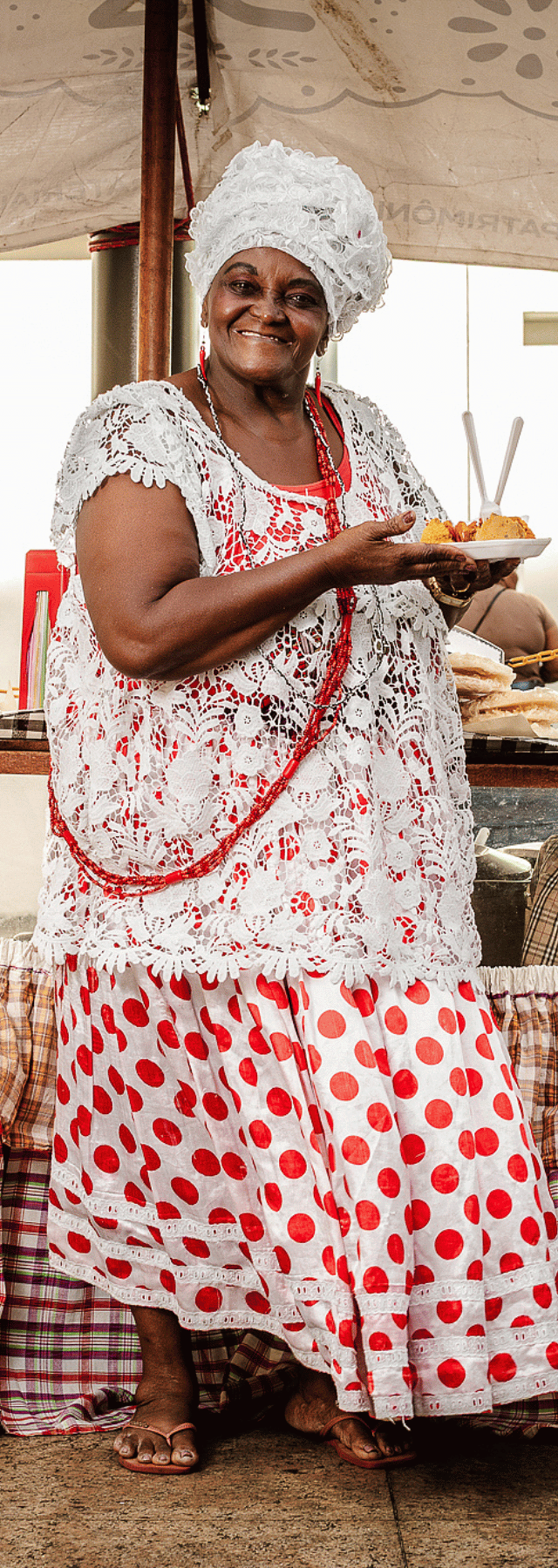
Eat Salvador at lunchtime — moqueca, acarajé and caruru straight from the Bahian kitchen.
Bahia Bites
Salvador
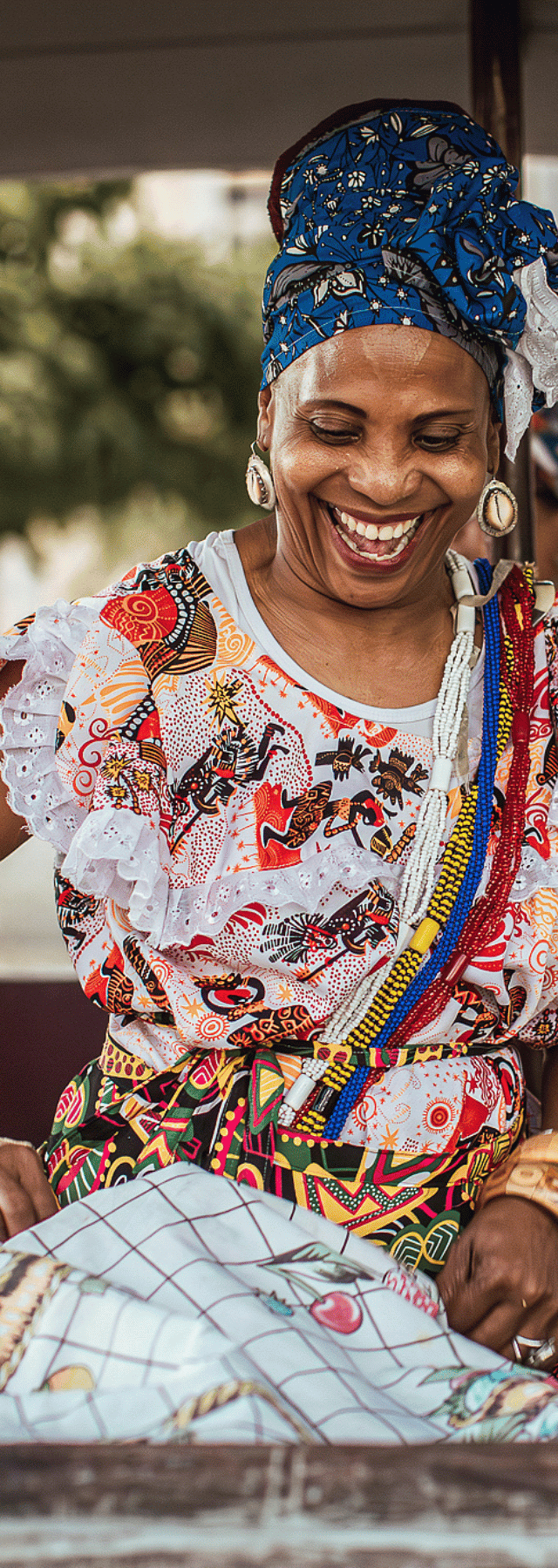
Dig into the most African table in the Americas — moqueca, acarajé and caruru.
02 Meet the tastemakers
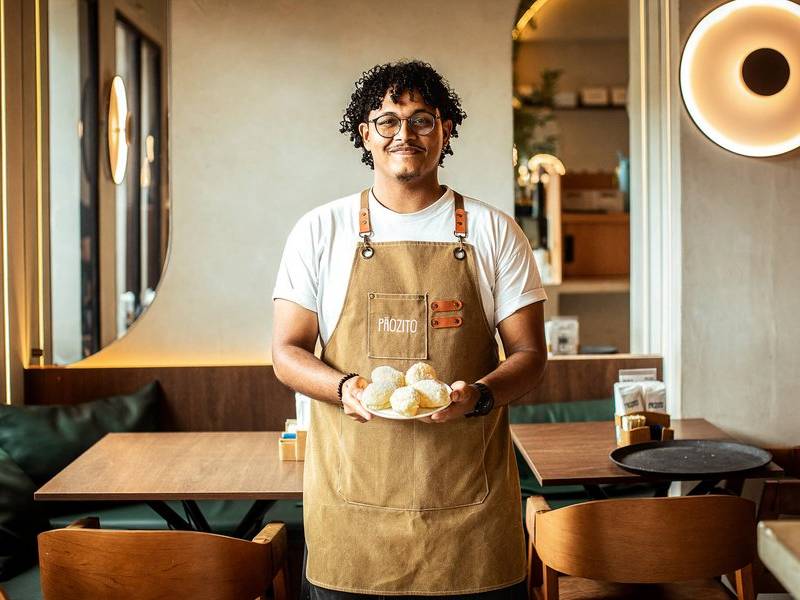
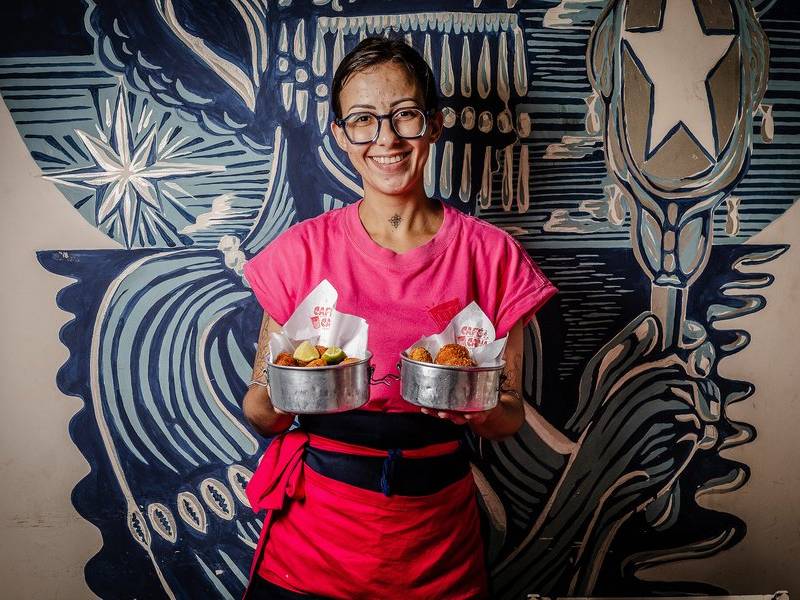
The local food experts who help us research, refine and lead every A Chef's Tour.


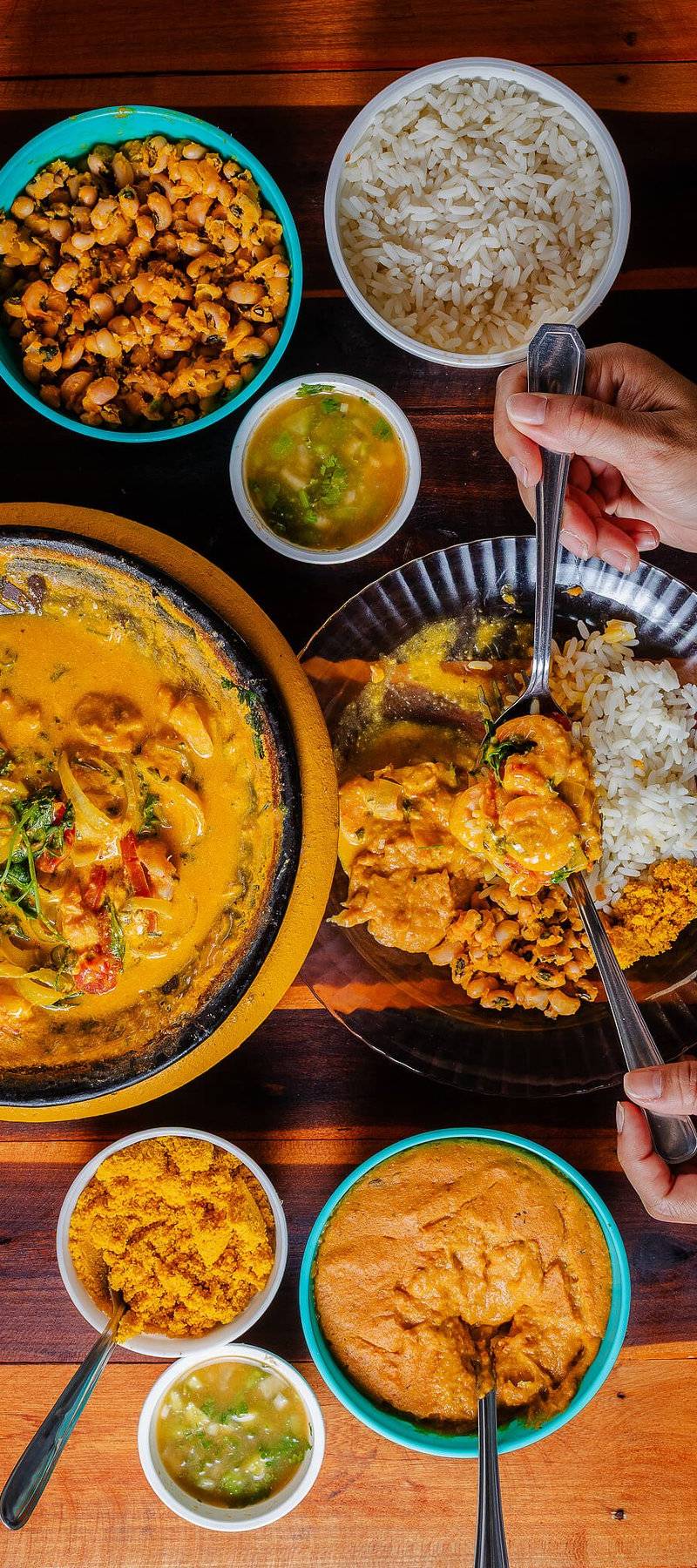
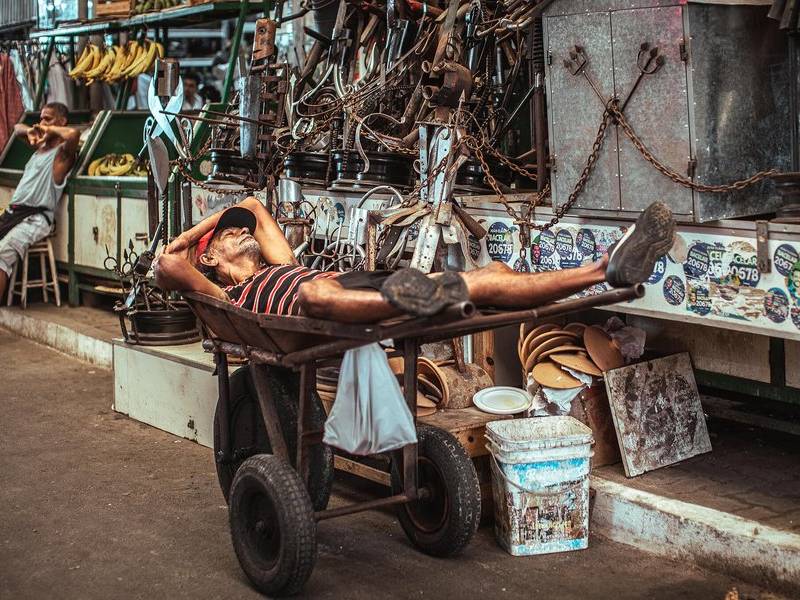
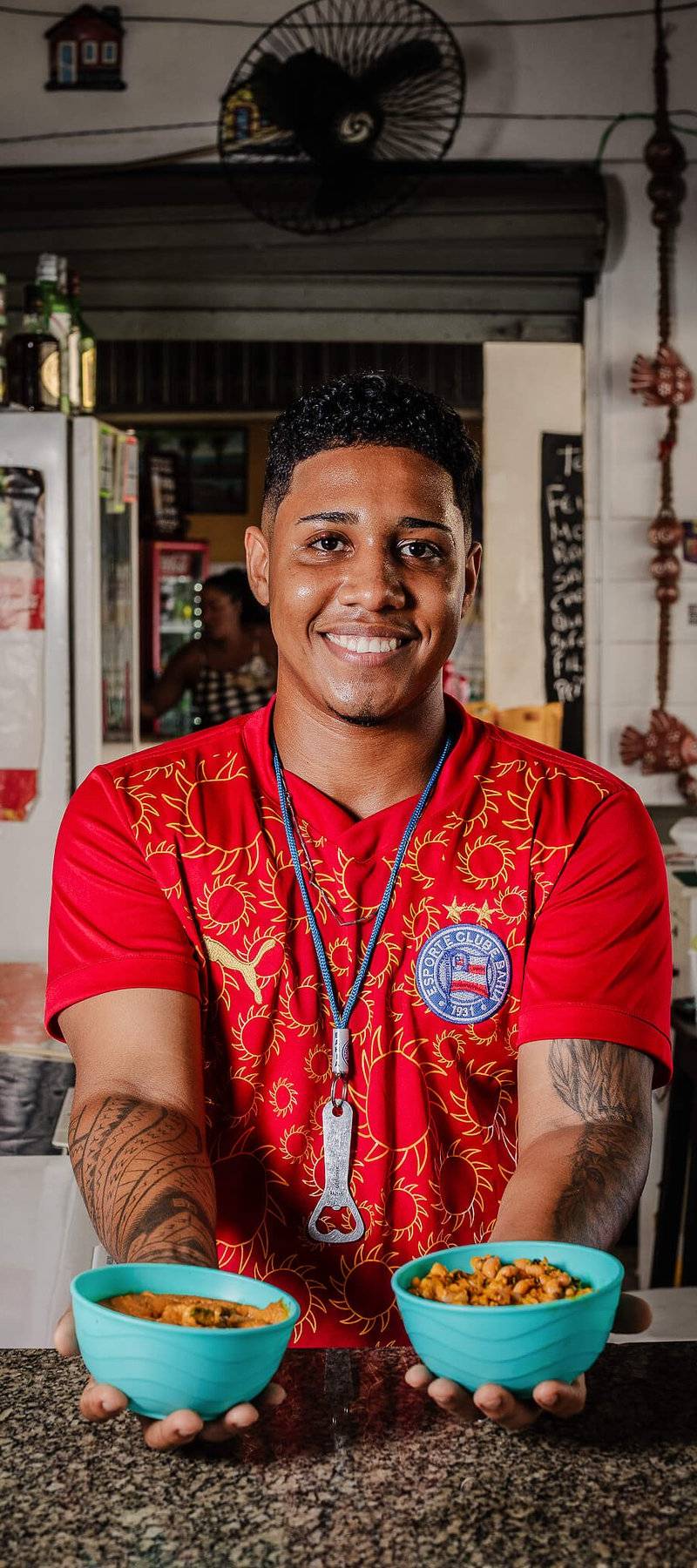
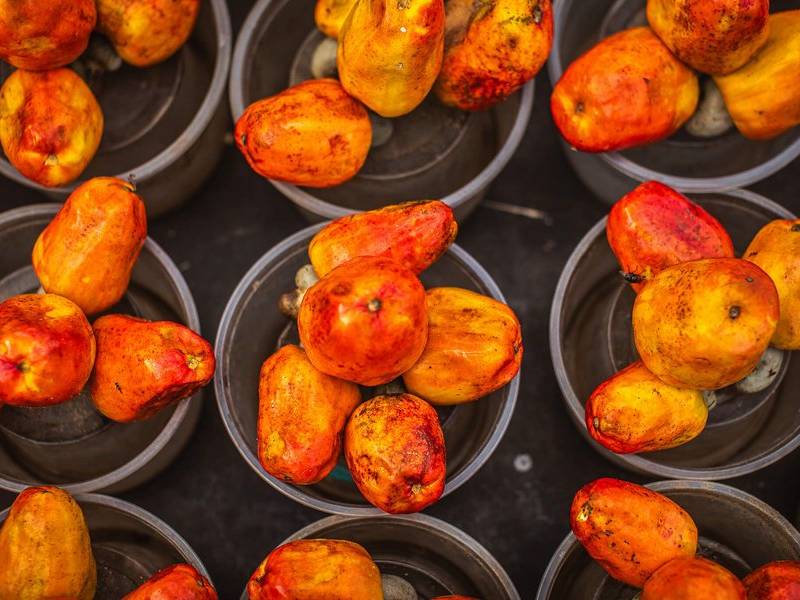
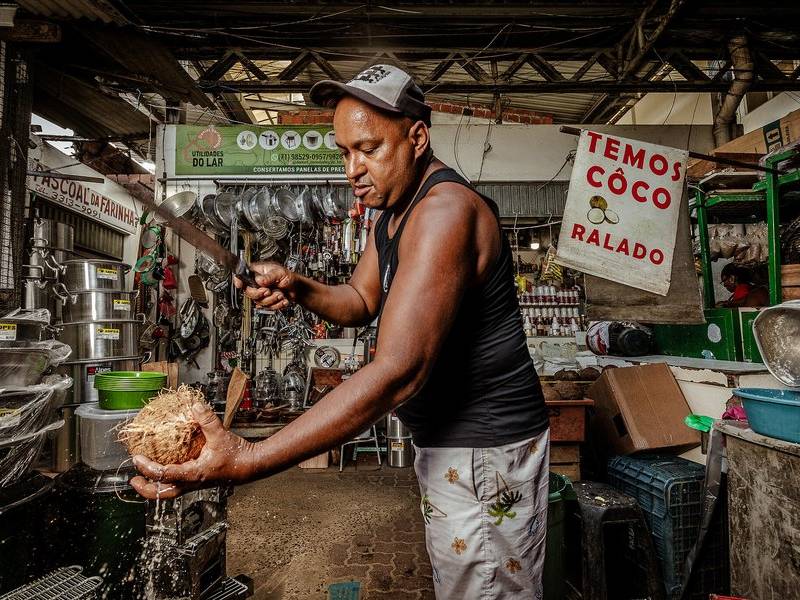
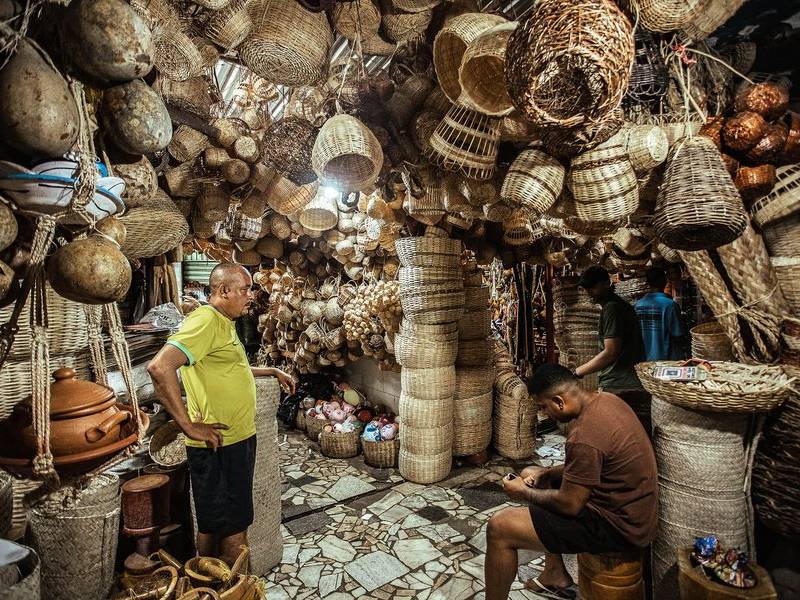
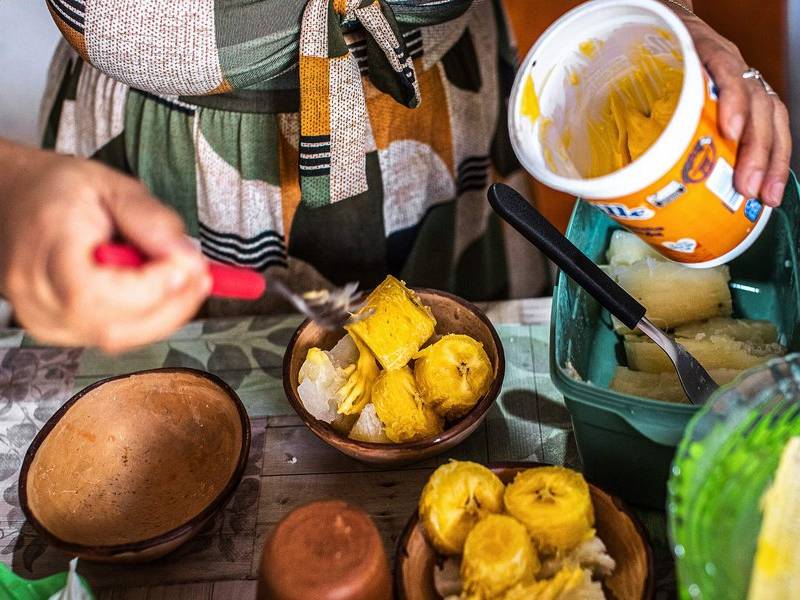
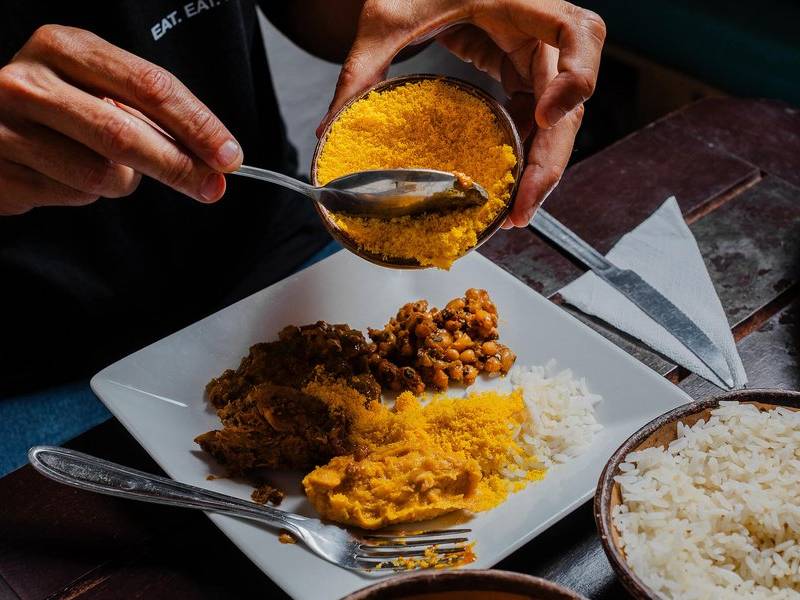
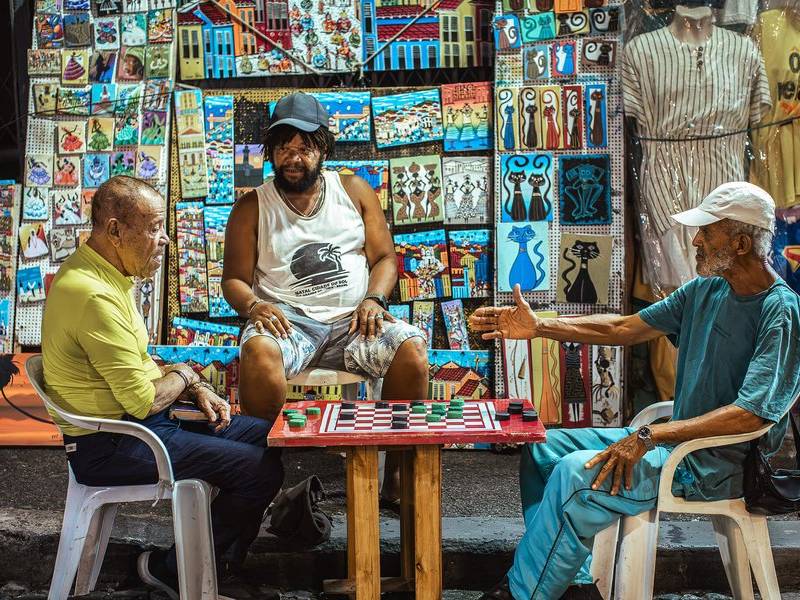
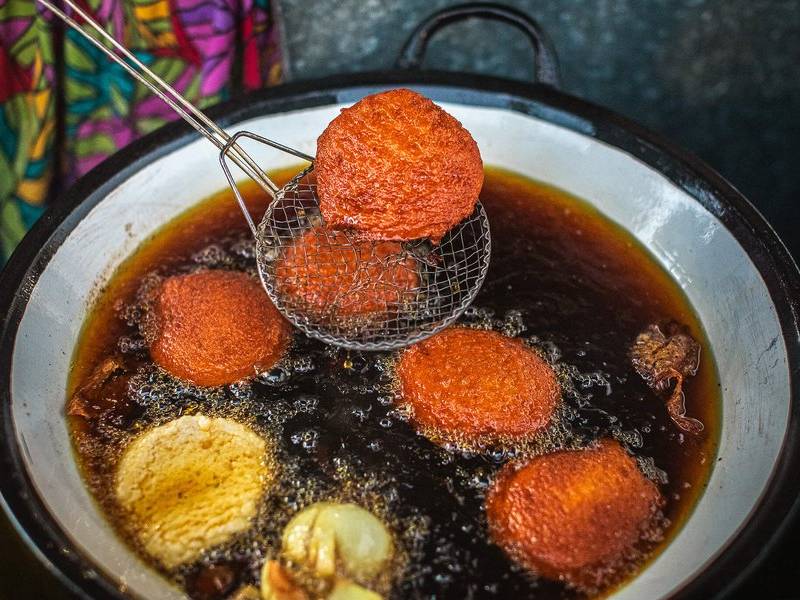
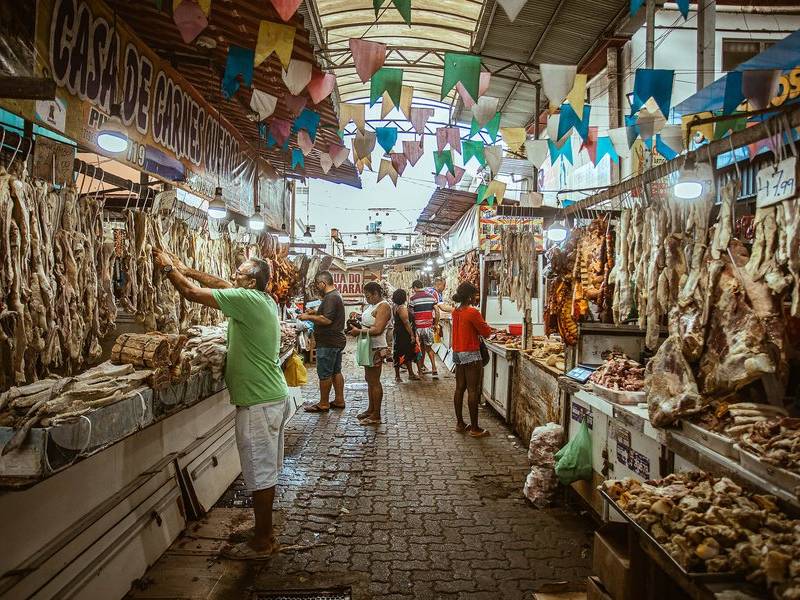
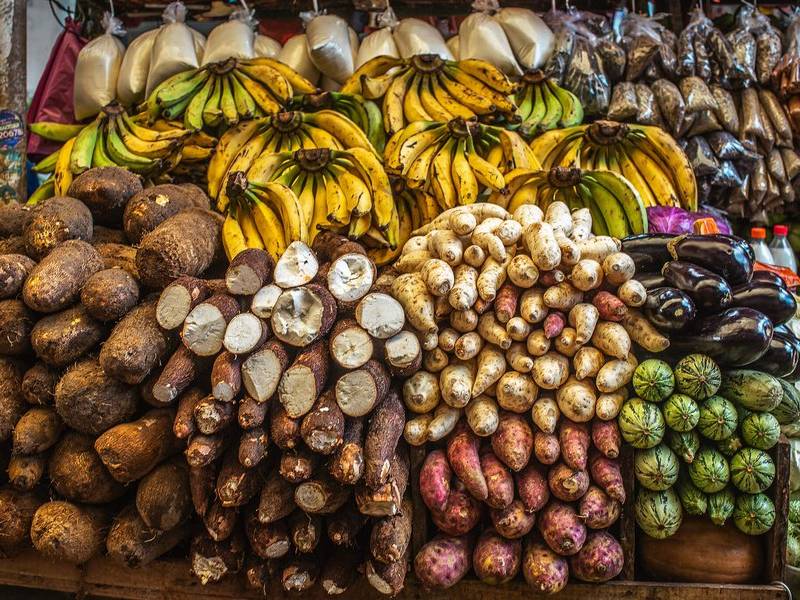
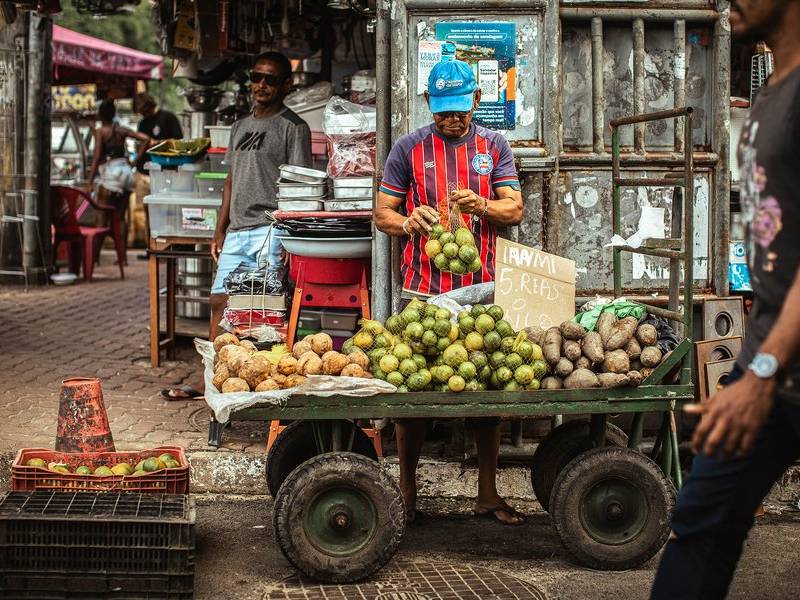
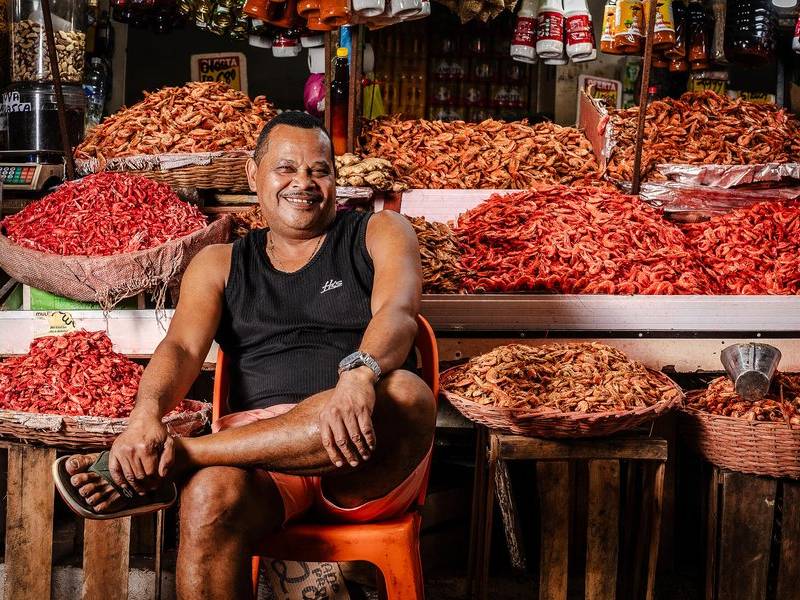
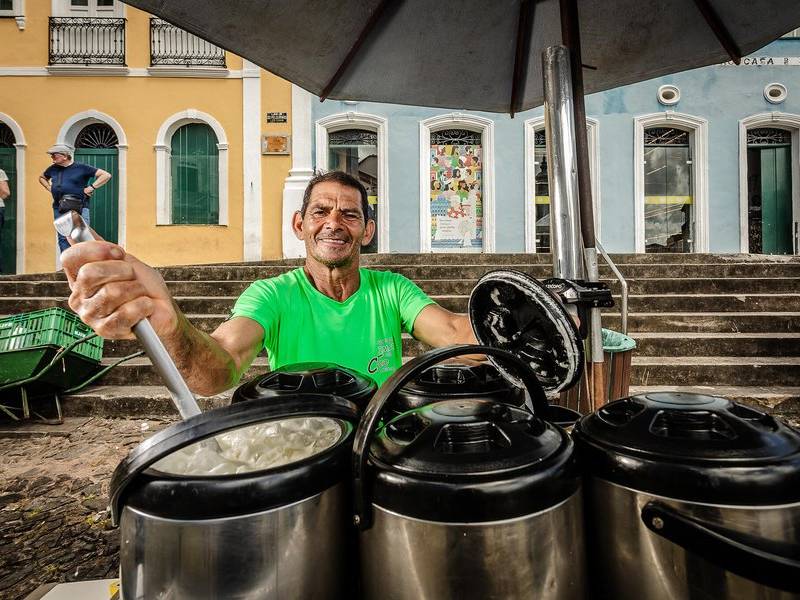
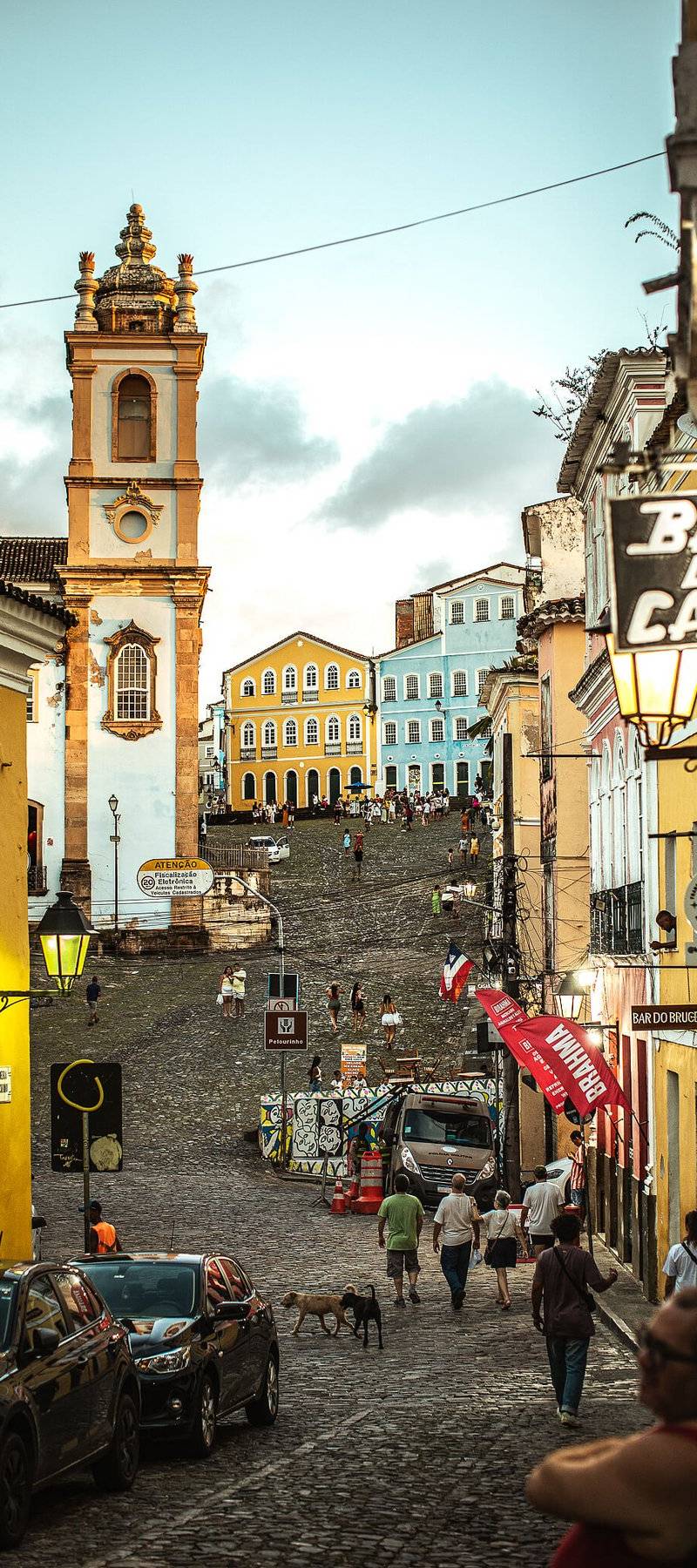
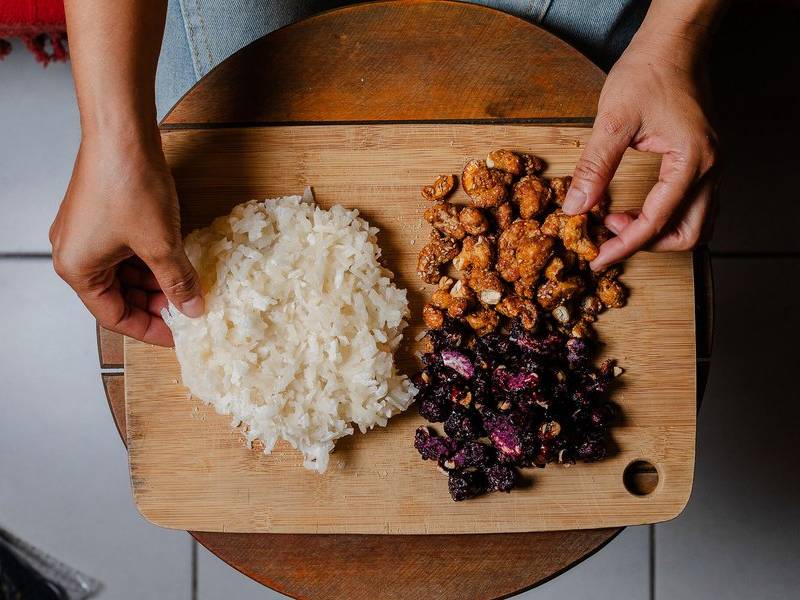
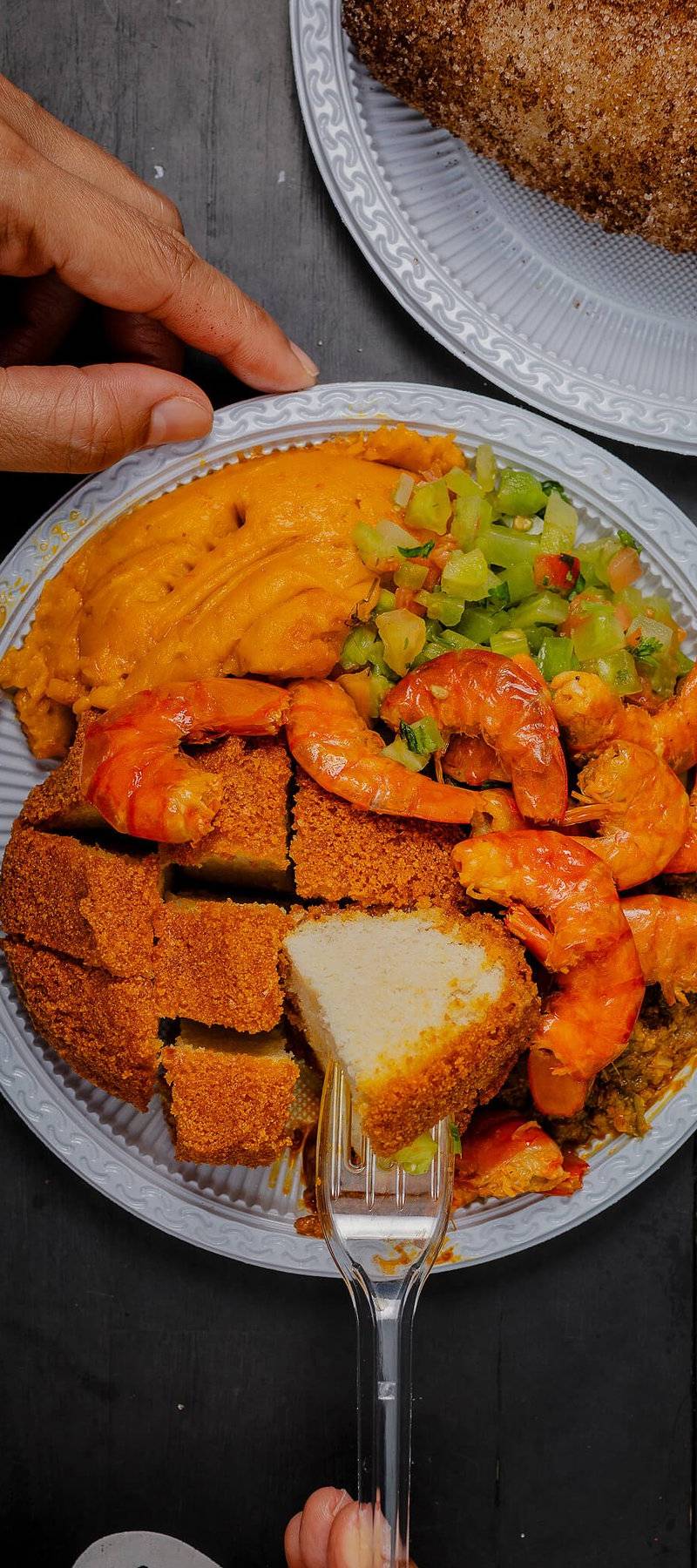
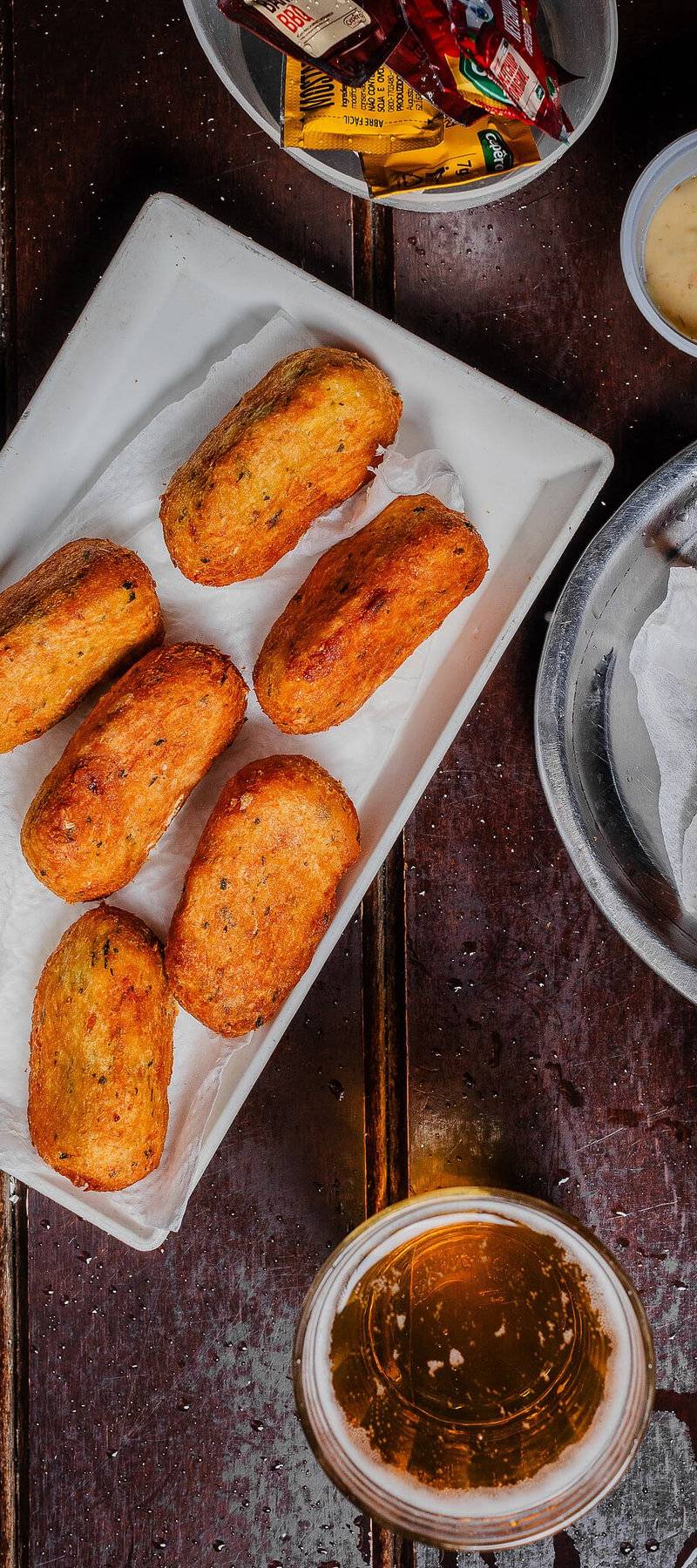
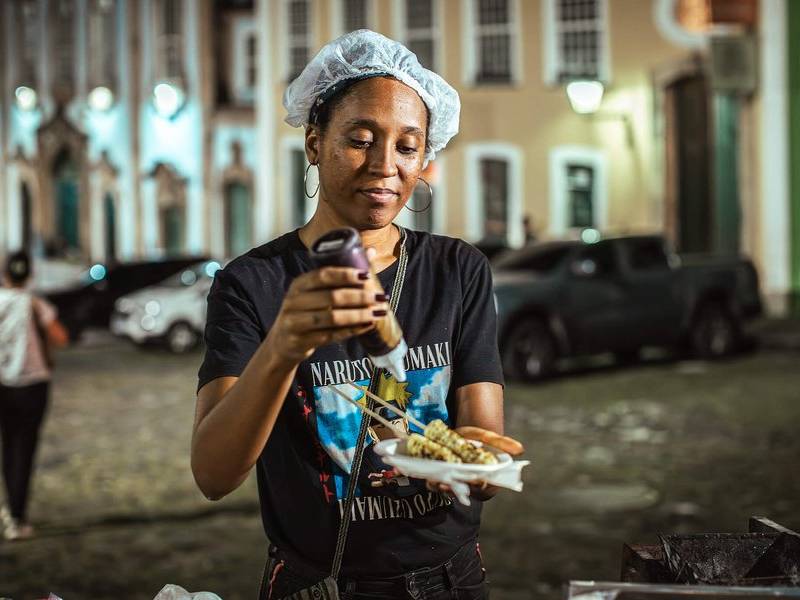
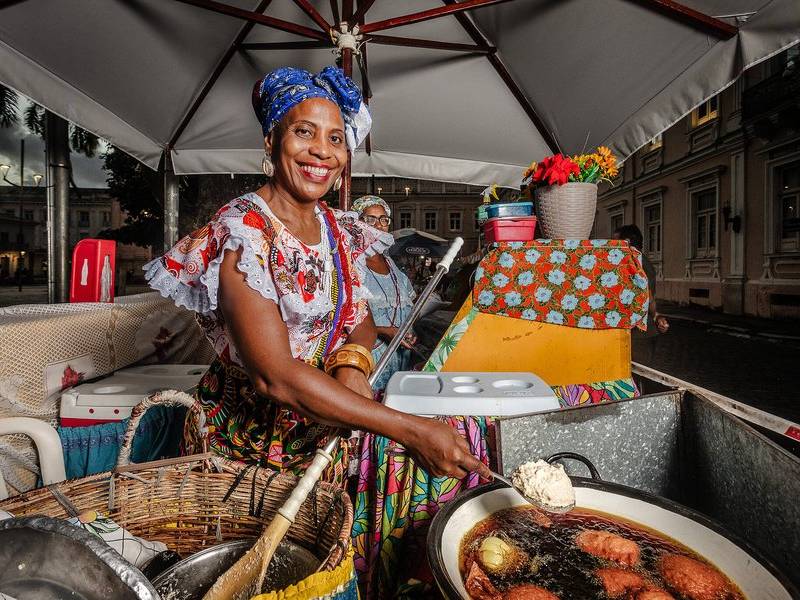
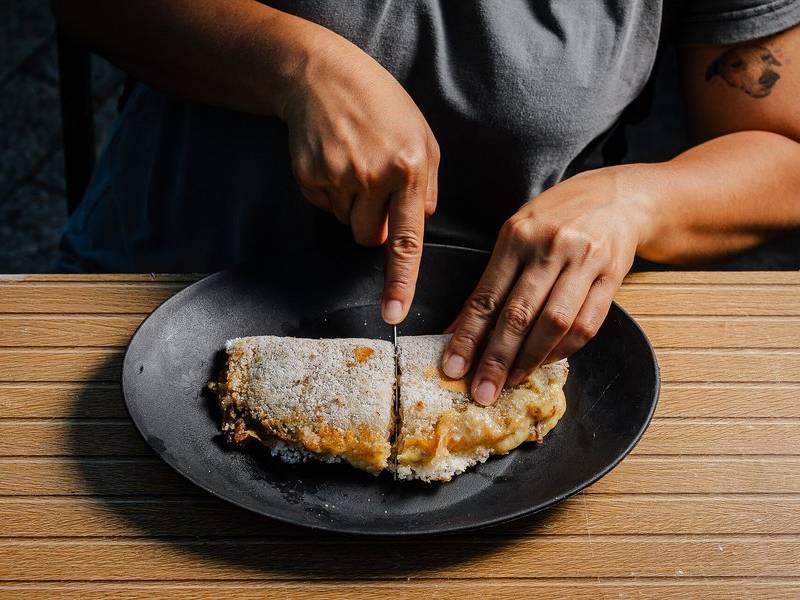
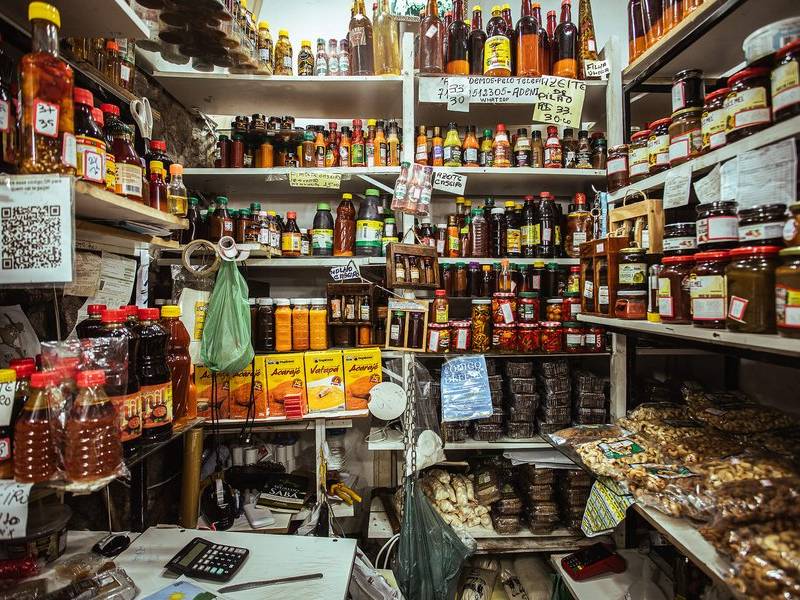
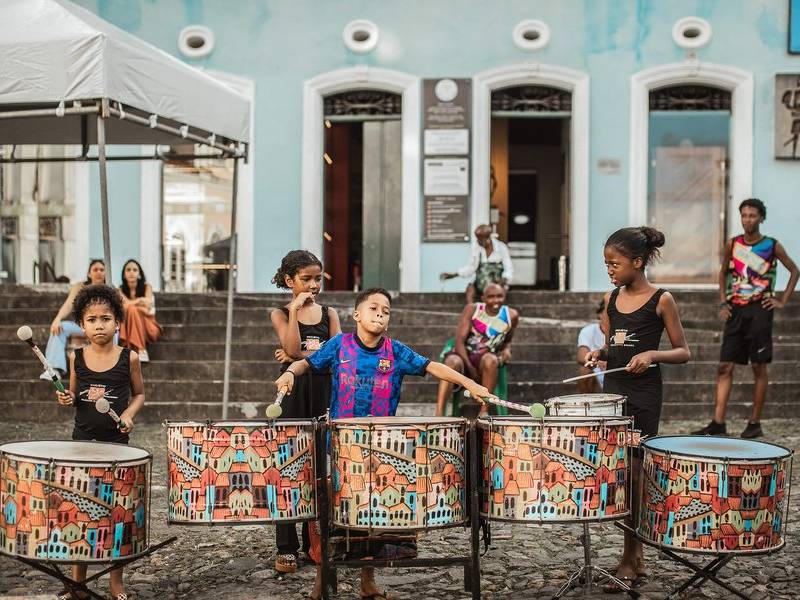
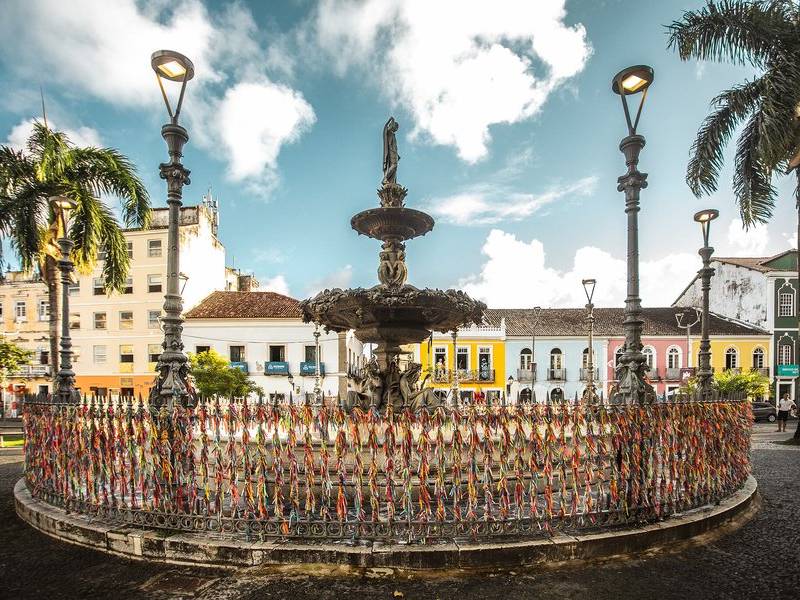
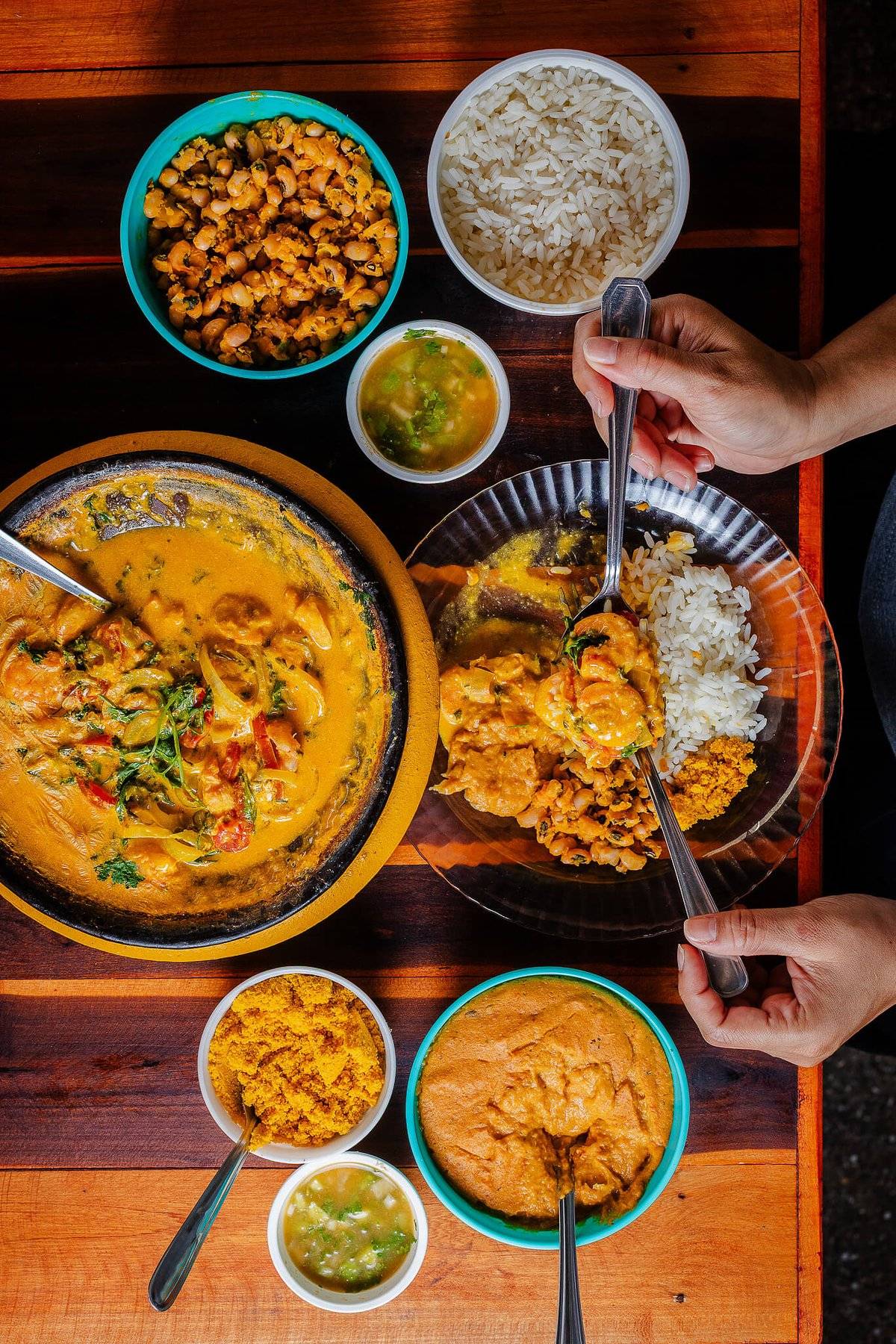
Moqueca coconut and palm oil stew, acaraje fritters stuffed with vatapa, caruru okra with shrimp, dende oil bright on the tongue. Salvador cooks the most African table in the Americas.
04 The pantry
- Dende oil, red palm oil at the base of Bahian cooking
- Coconut milk, thick fresh milk in every moqueca
- Dried shrimp, ground into vatapa and caruru
- Malagueta chillies, tiny fiery chillies pickled in oil
- Cachaca, cane spirit for caipirinha and cocktails
05 In the kitchen
- Slow-simmering moqueca in dende oil, coconut and coriander
- Frying acaraje black-eyed pea fritters in dende oil
- Grinding vatapa shrimp and cashew paste for the acaraje filling
- Blending caruru okra and dried shrimp for the Bahian plate
- Pounding tempero baiano spice blend for every fish stew
06 Eat this first
- Moqueca de peixe, coconut and dende-oil fish stew with coriander
- Acaraje, black-eyed pea fritters stuffed with vatapa and shrimp
- Bobo de camarao, cassava-and-shrimp stew rich with dende
- Caruru, okra, dried shrimp and cashew stew served for religious feasts
- Cocada, coconut sweets sold hot on the streets of Pelourinho

What happens inside a hammam kitchen
A morning with the cooks who feed the neighbourhood before dawn. Charcoal, dough, the smell of a bakery working its second oven.
09 Recipes
A collection of authentic recipes we couldn't leave behind.

Little baked coconut-and-cheese cups with a caramelised top. A Portuguese convent sweet that landed in Brazil and never left.

Shredded roast chicken, melted mozzarella, potato palha and a slick of creamy sauce piled inside a hot roll. The São Paulo boteco chicken sandwich generations of Rua Piauí counters made famous.

Thin, crackling pastry deep-fried around a ground-beef filling. The classic feirinha snack, sold with sugarcane juice on Saturday mornings.

Chocolate condensed milk cooked down to fudge, rolled into balls, coated in sprinkles. The birthday-party sweet every Brazilian grew up on.
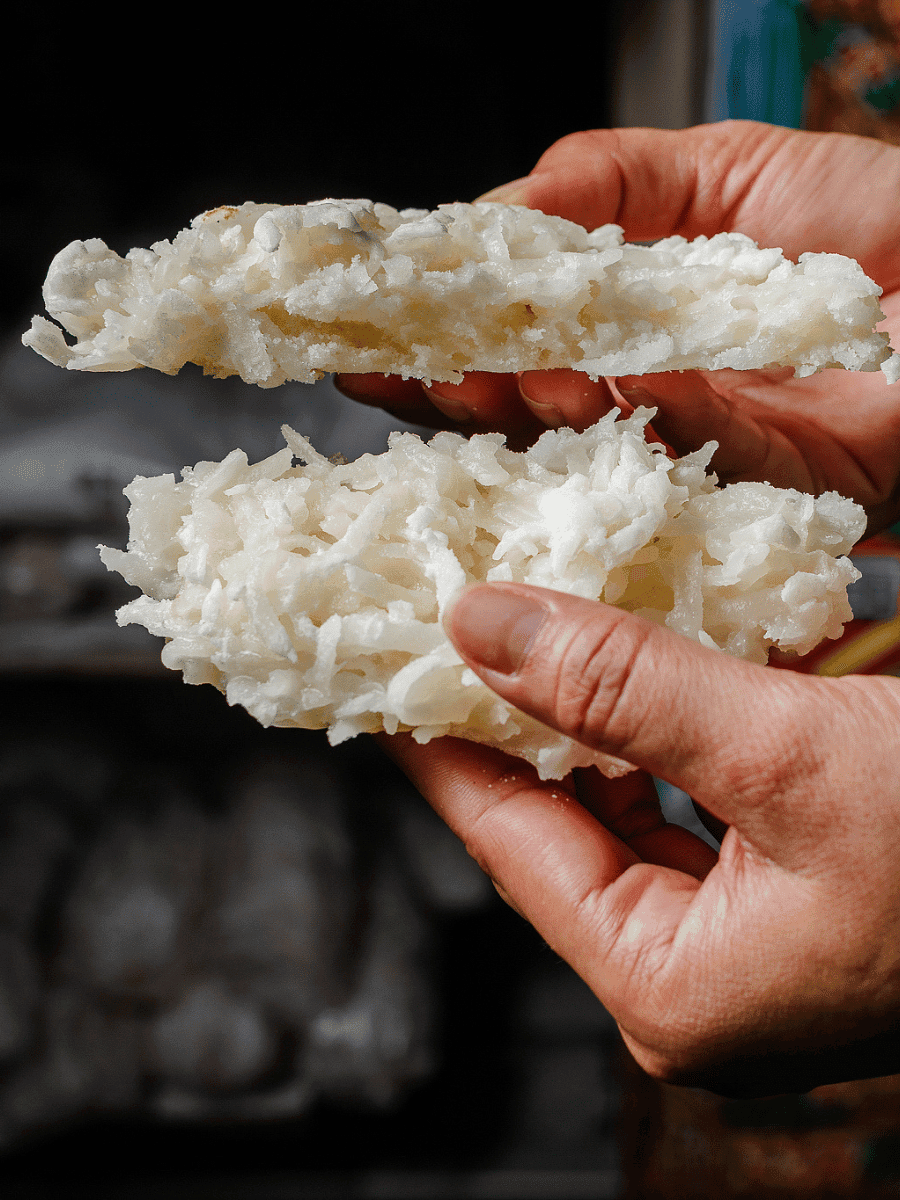
Fresh coconut cooked slowly with sugar until chewy and caramelised. The beach sweet sold by Salvador's Baianas straight from the pan.

Half a kilo of thin-sliced mortadella and melted provolone piled inside a small French roll. The Mercadão Municipal's single most famous order.
10 Field Notes
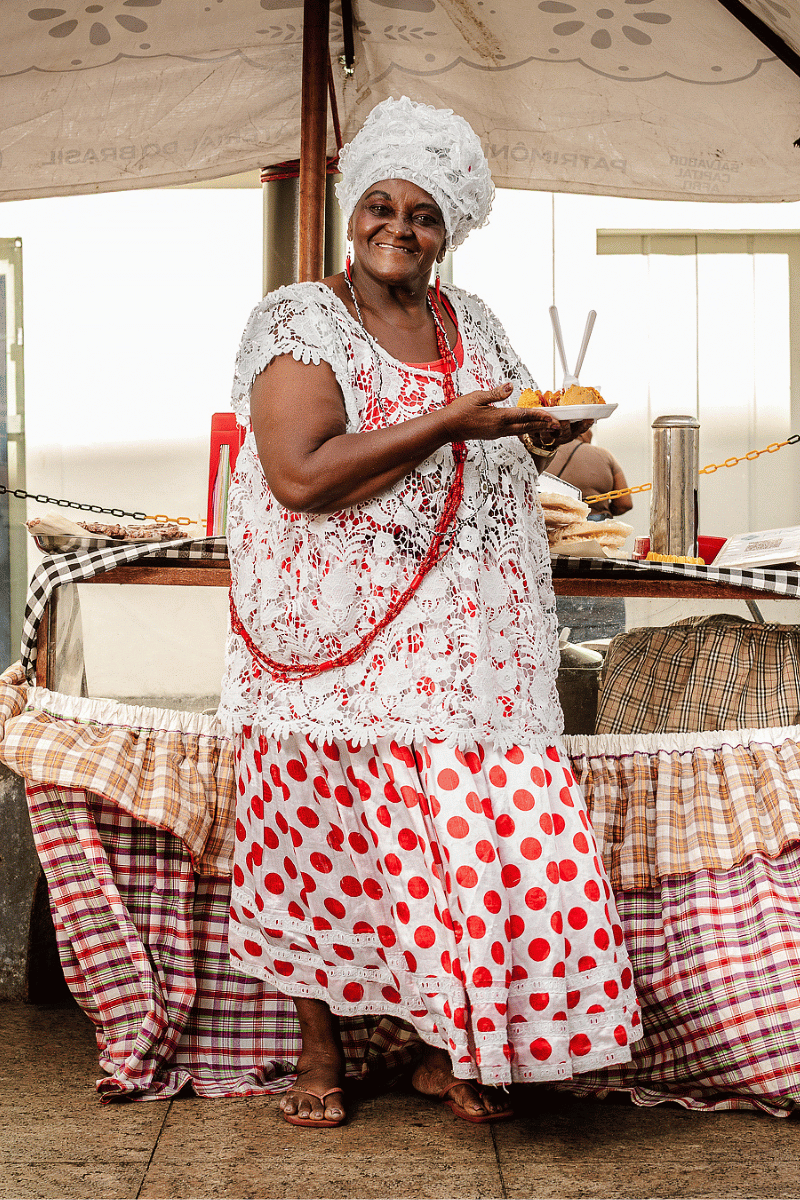
Quick field notes to help you get accustomed to Salvador.
Weather
Tropical Atlantic. Warm year-round (24–30°C). Rainiest April to July. December to March is drier and hotter.
Currency
The Brazilian real (BRL). cards accepted almost everywhere. PIX dominates for locals.
Language
Portuguese (Brazilian, with a distinct Bahian rhythm). English coverage is thin outside Pelourinho tourism.
Etiquette
Warm and rhythmic. Be street-smart in Pelourinho at night, beautiful but bring only what you need. Ask before photographing Candomblé practitioners.
Getting around
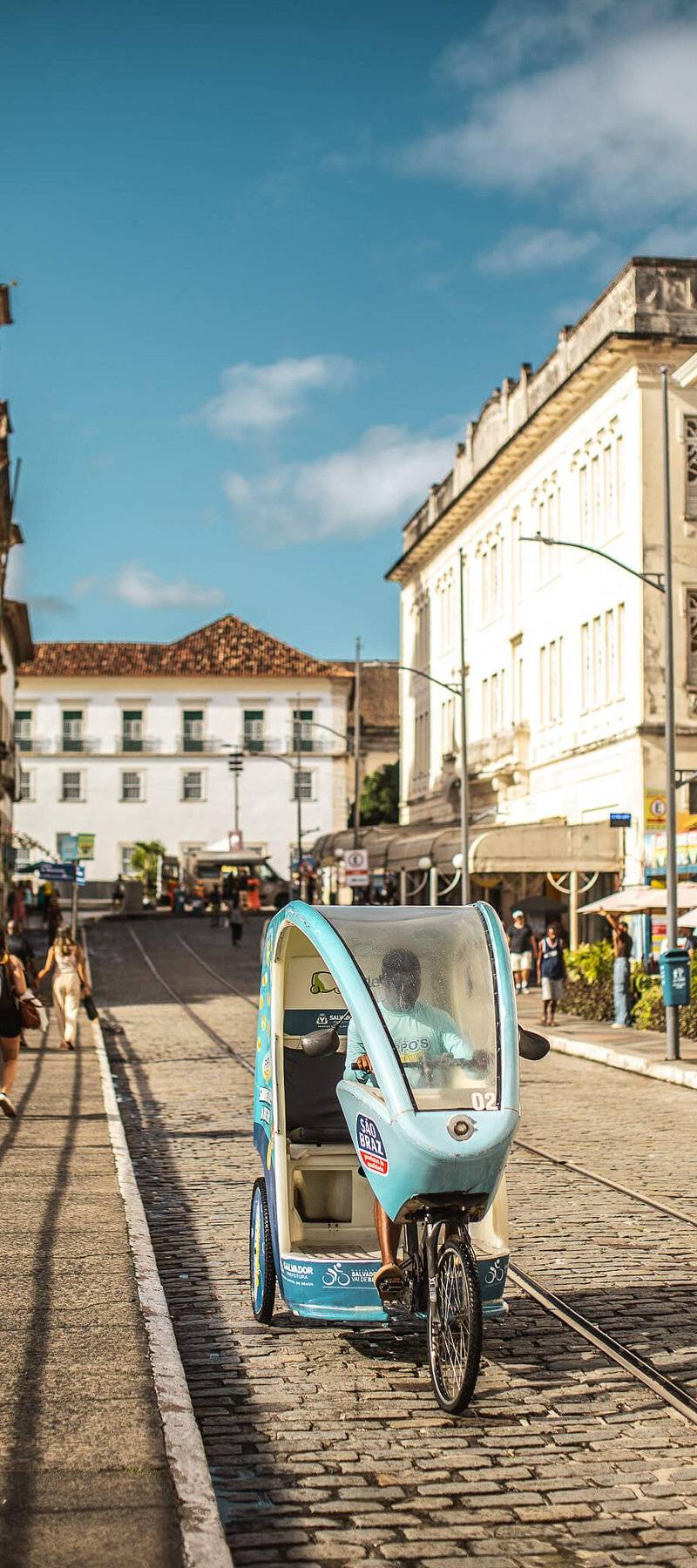
The Elevador Lacerda links the upper and lower city cheaply. Uber is the safe ride options. Buses are cheap but confusing. Pelourinho is walkable.
Prayer
The spiritual capital of Afro-Brazil. Candomblé, Catholicism, and syncretic blends all thrive. Yemanjá festival in February and Lavagem do Bonfim in January are major citywide observances.