
“This tour is special because it's authentic, not a typical tourist experience. ”
— Douglas, 2026
01 Food tours
Original food tours, curated with our local tastemakers to showcase the neighbourhood kitchens, markets and family-run eateries that define Oaxaca.
Taste Oaxaca
Oaxaca
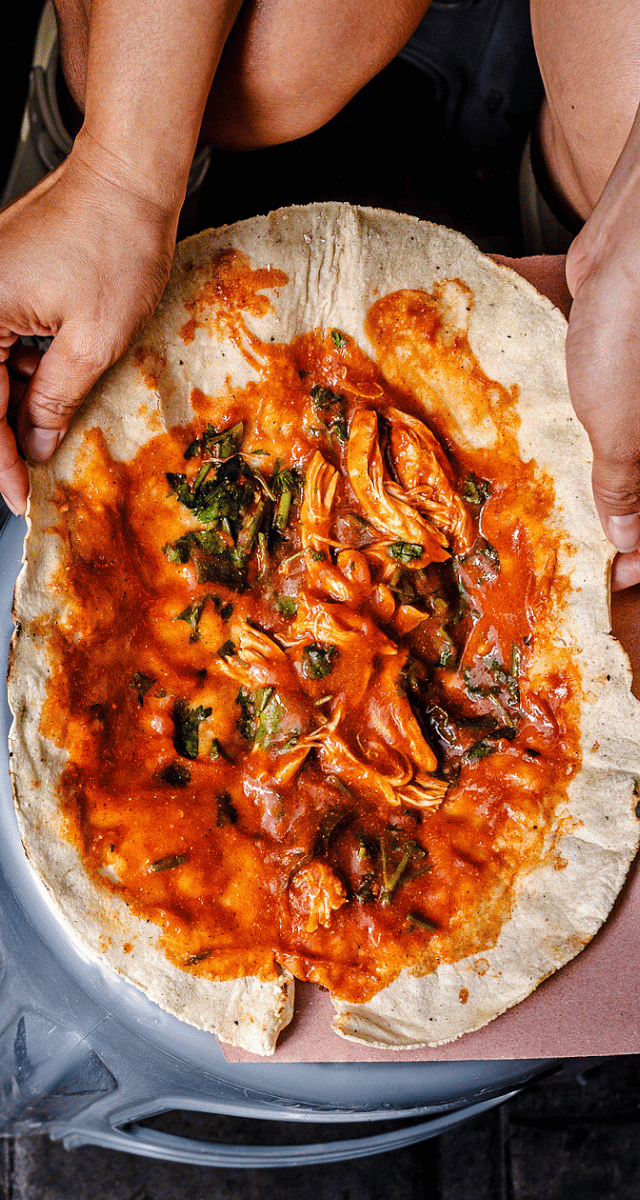
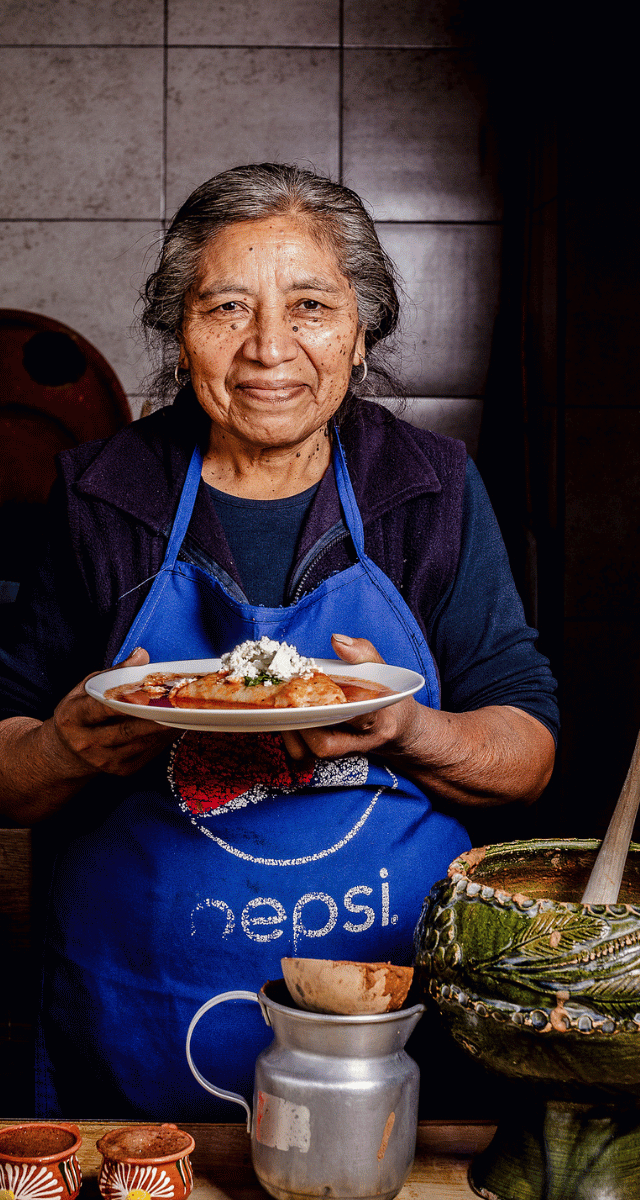
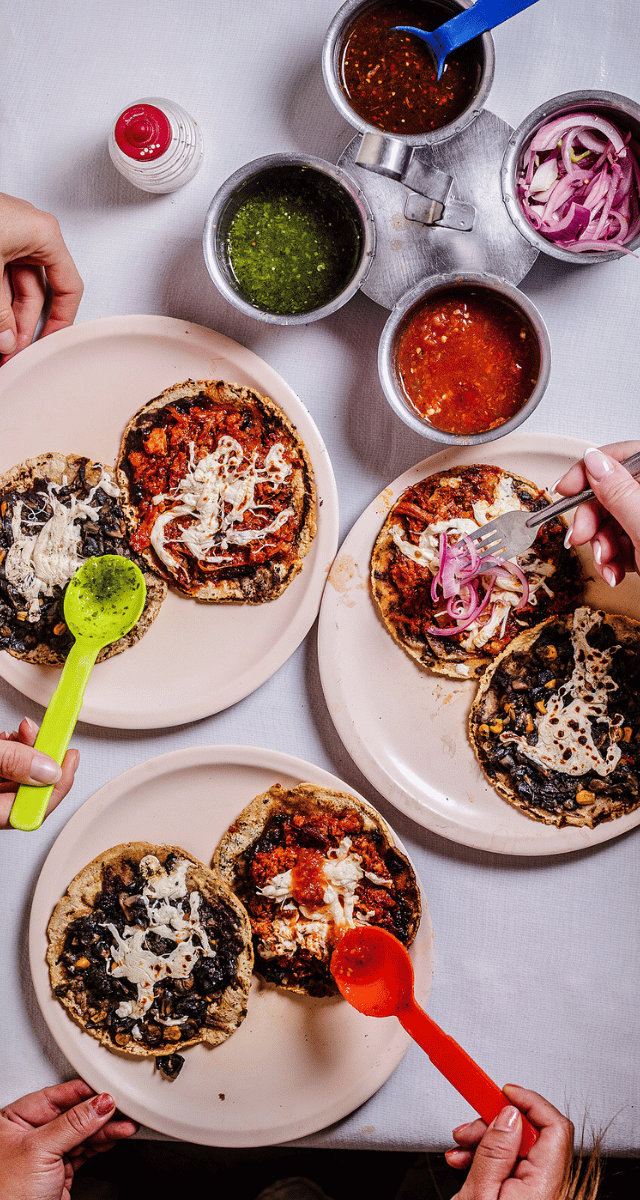
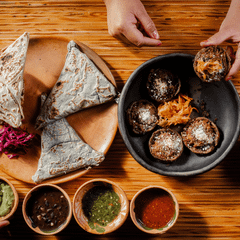
Eat Oaxaca at lunchtime — fresh masa, seven moles and comal-charred chillies.
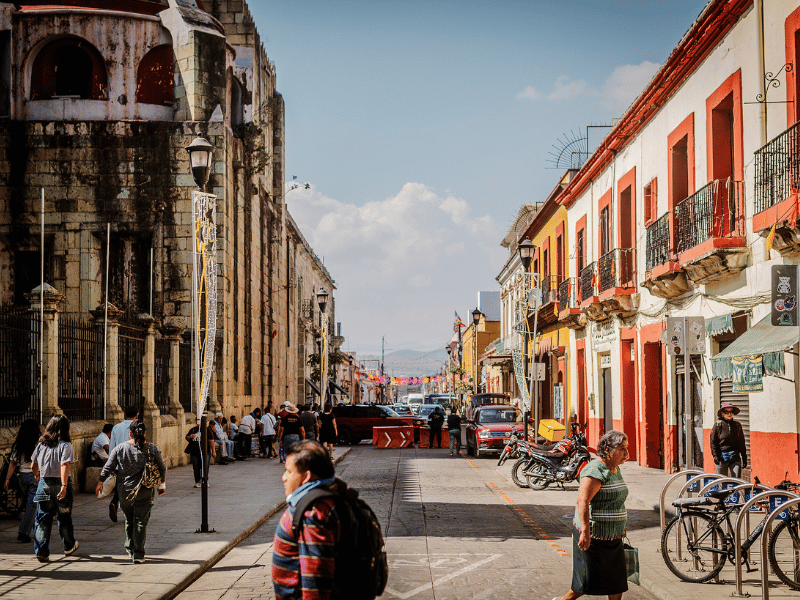
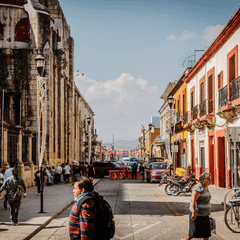
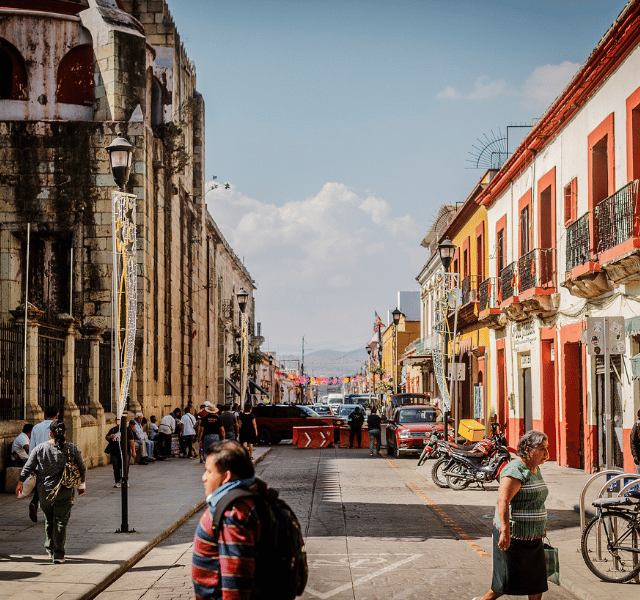
Oaxaca Streets
Oaxaca
Discover Oaxaca's reverence for corn — fresh masa, smoky chillies and hoja santa herbs.
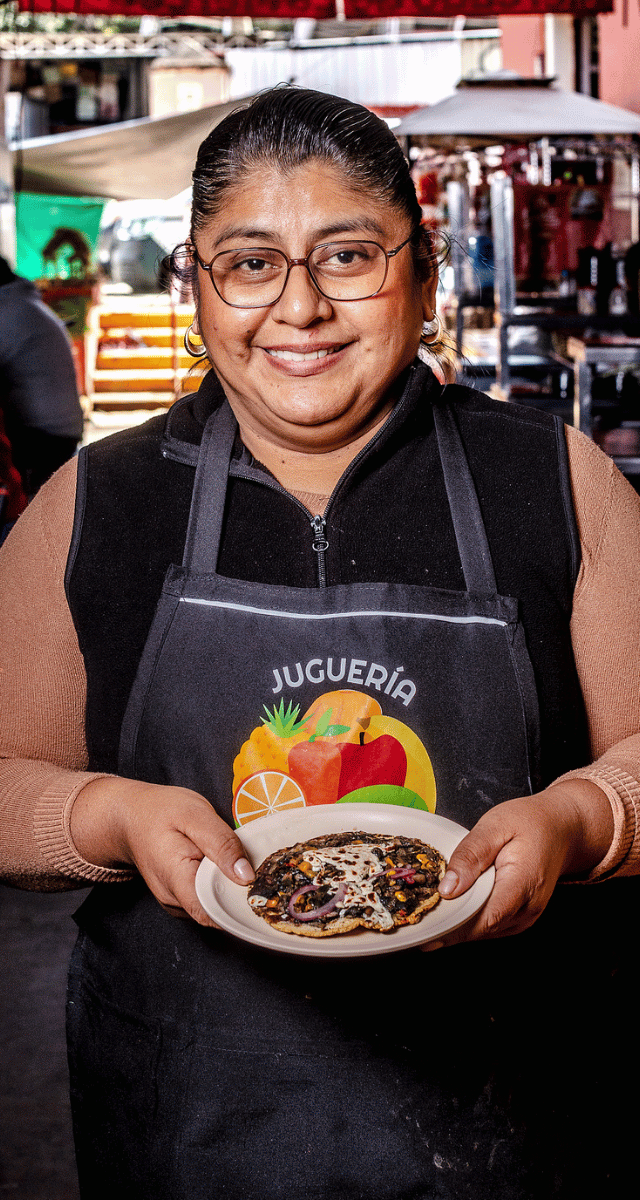
02 Meet the tastemakers
The local food experts who help us research, refine and lead every A Chef's Tour.


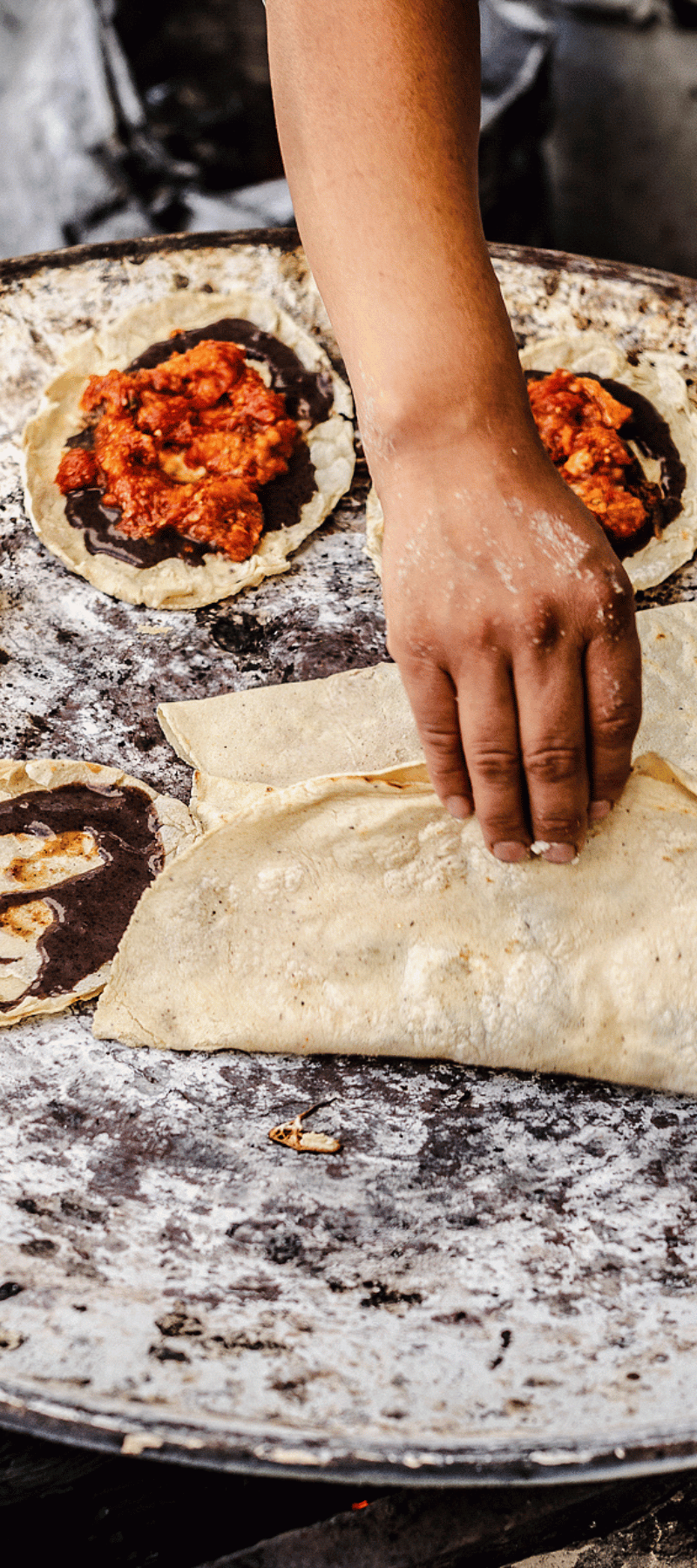
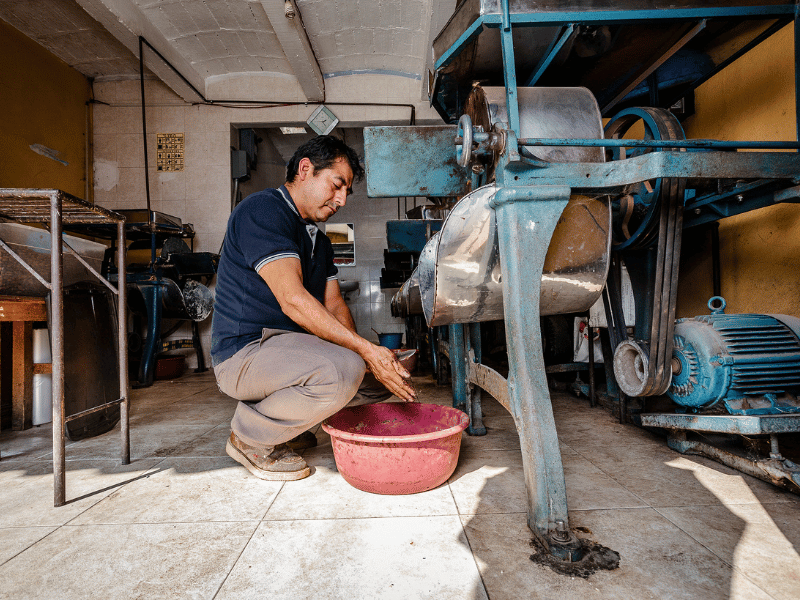
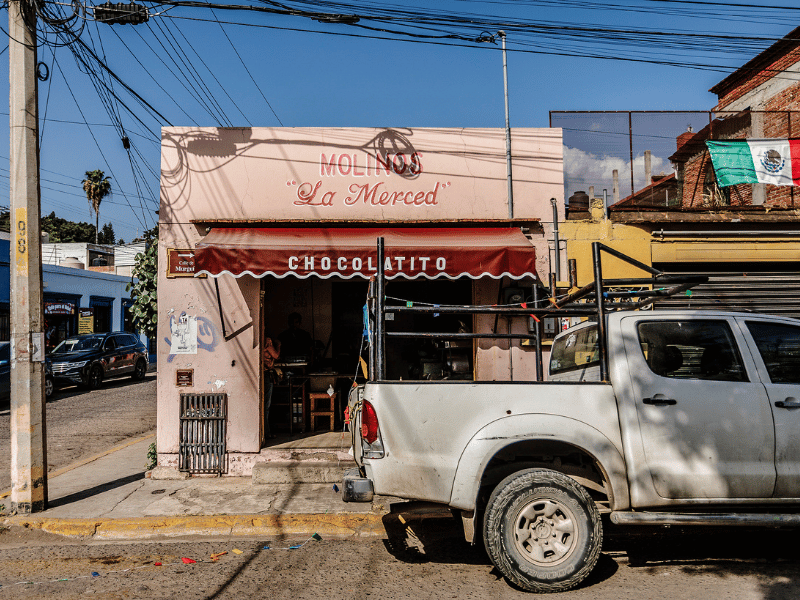
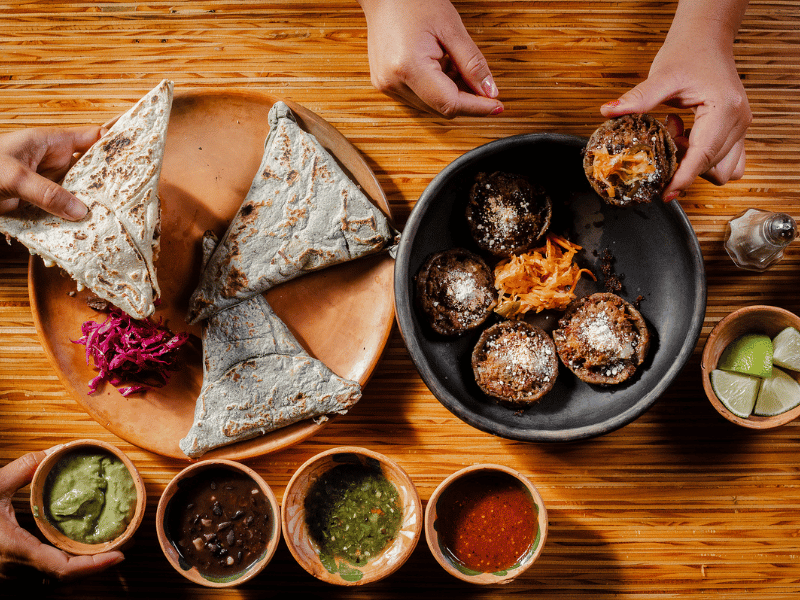
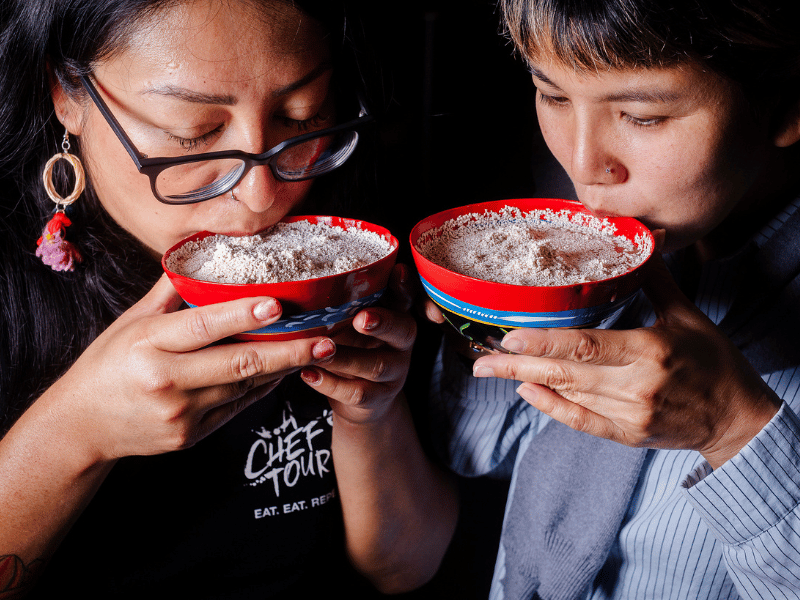
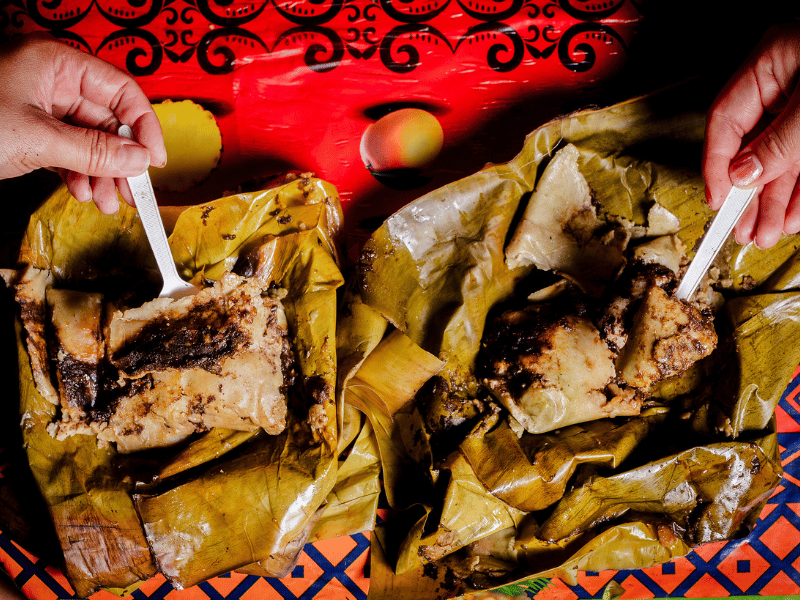
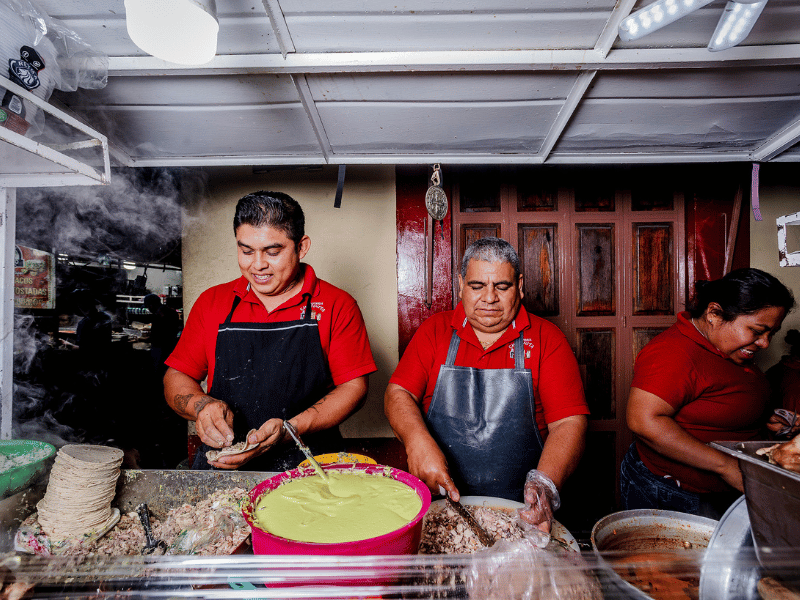
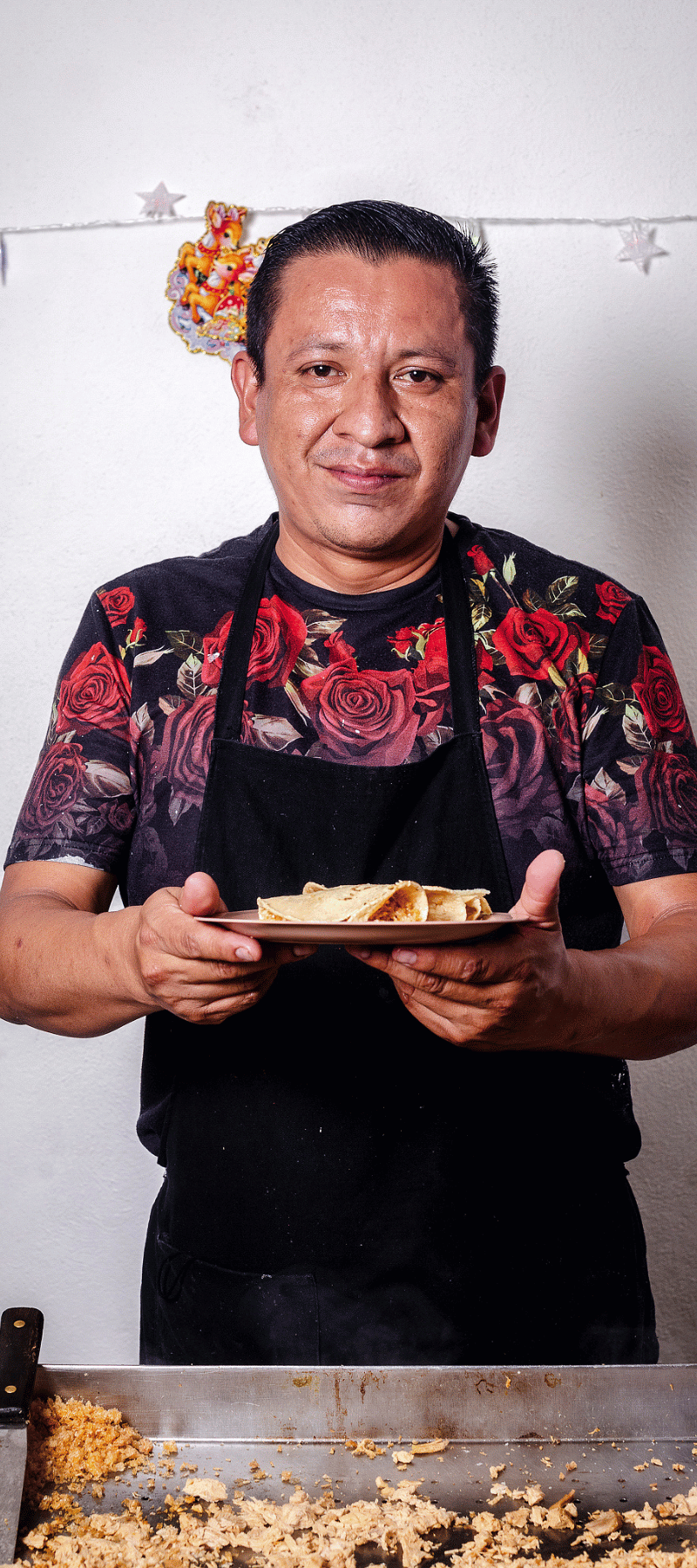
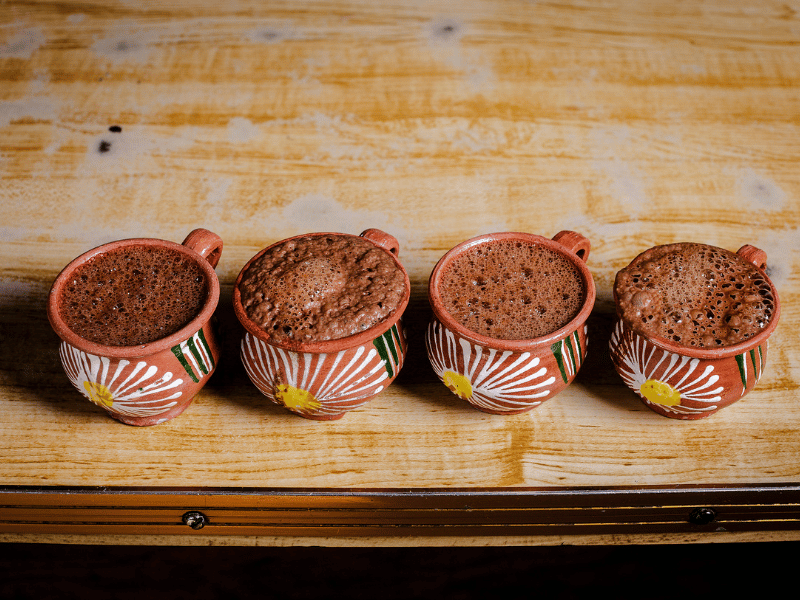
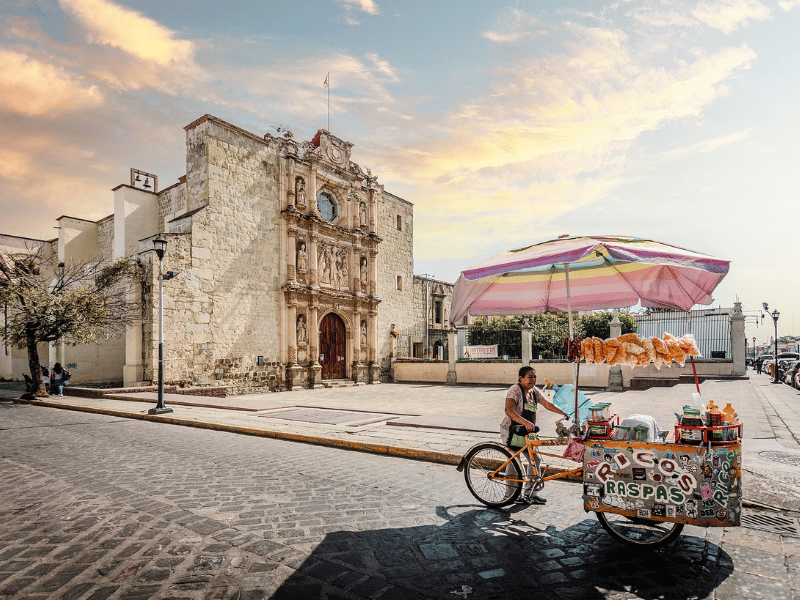
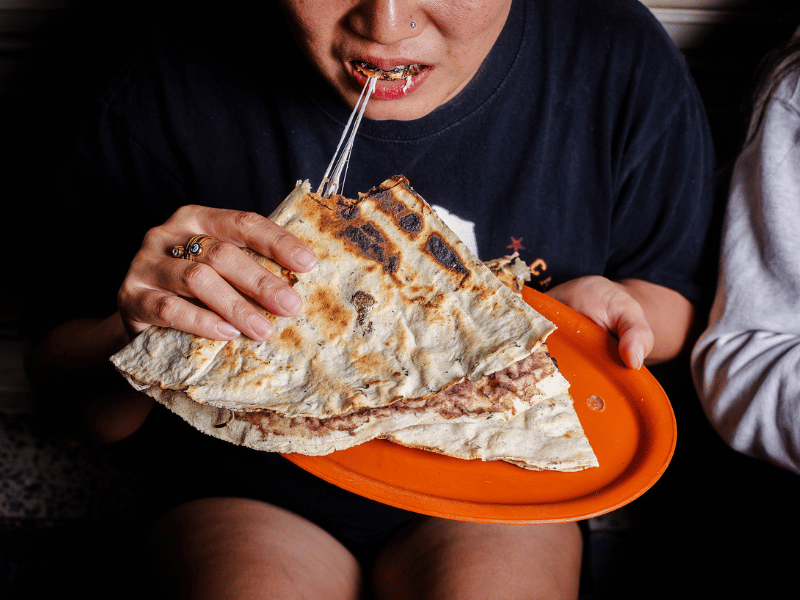
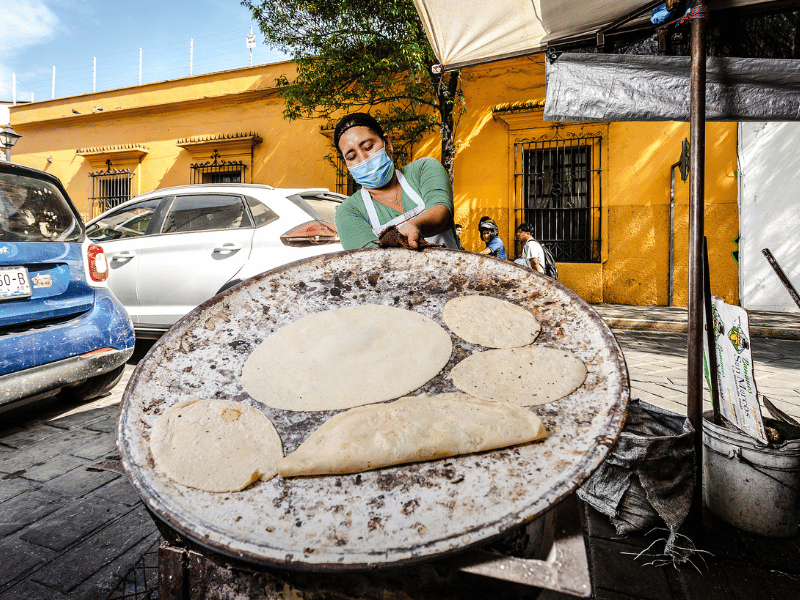
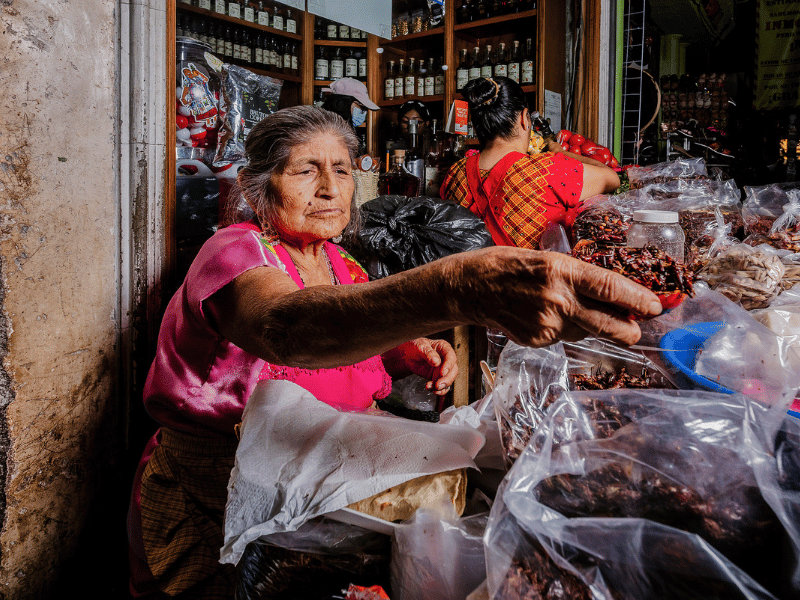
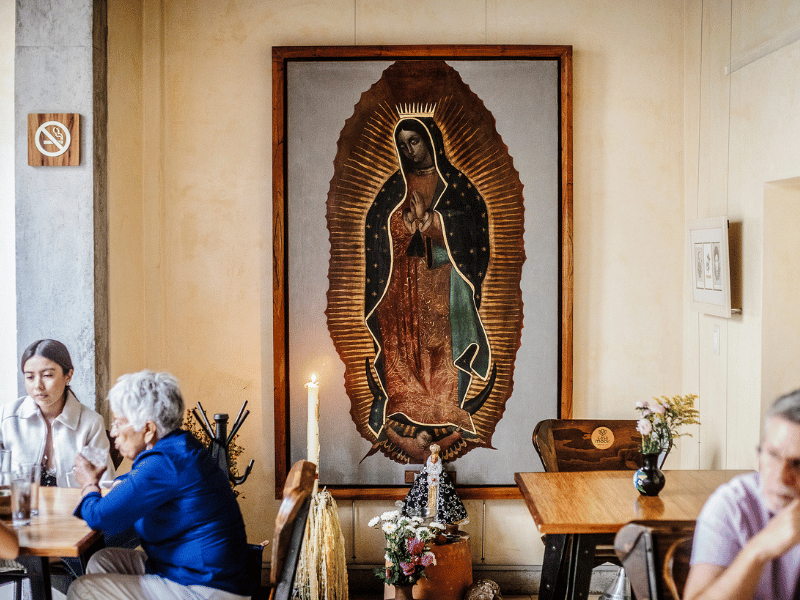
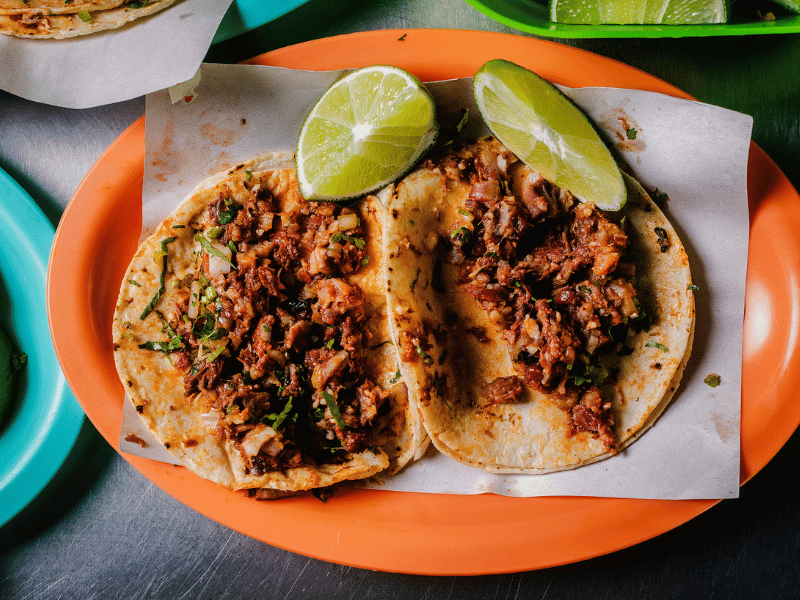

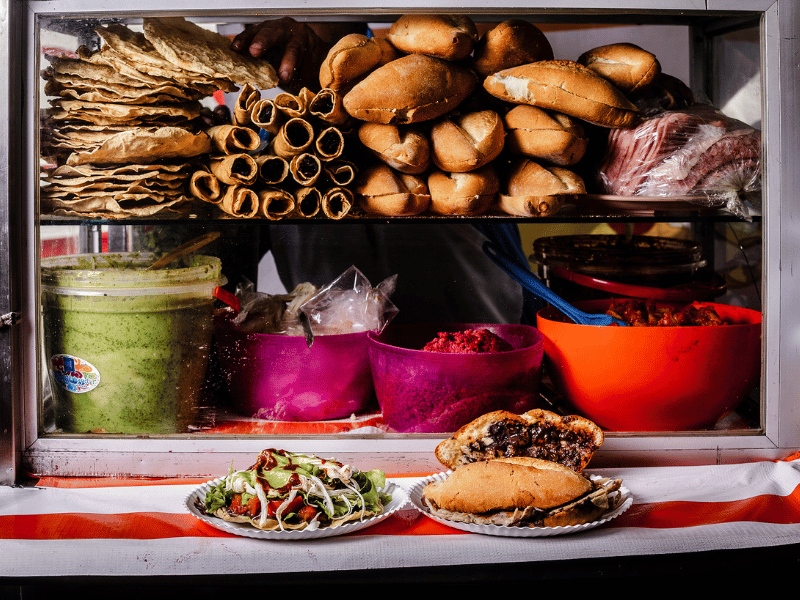
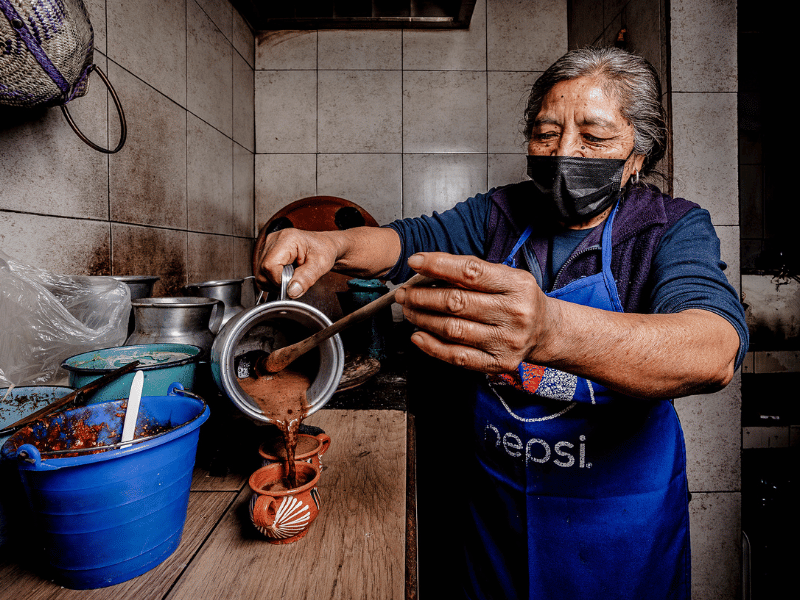
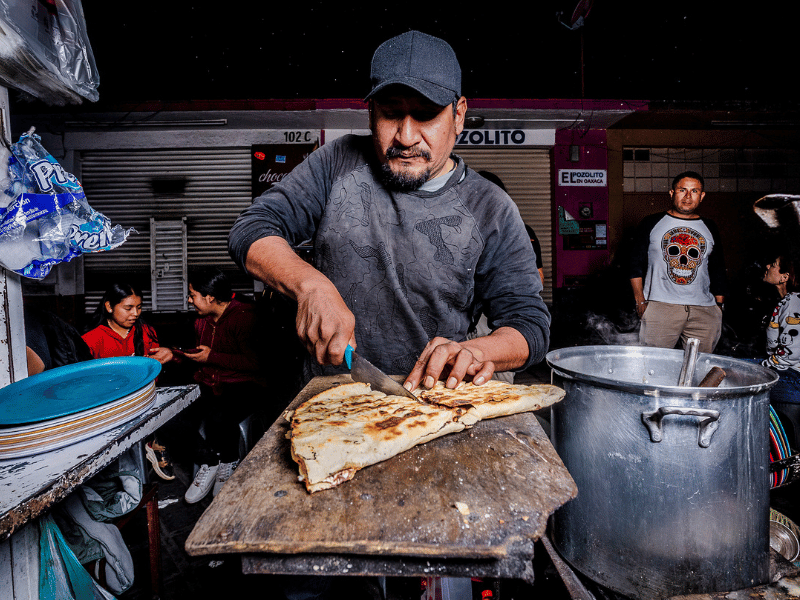
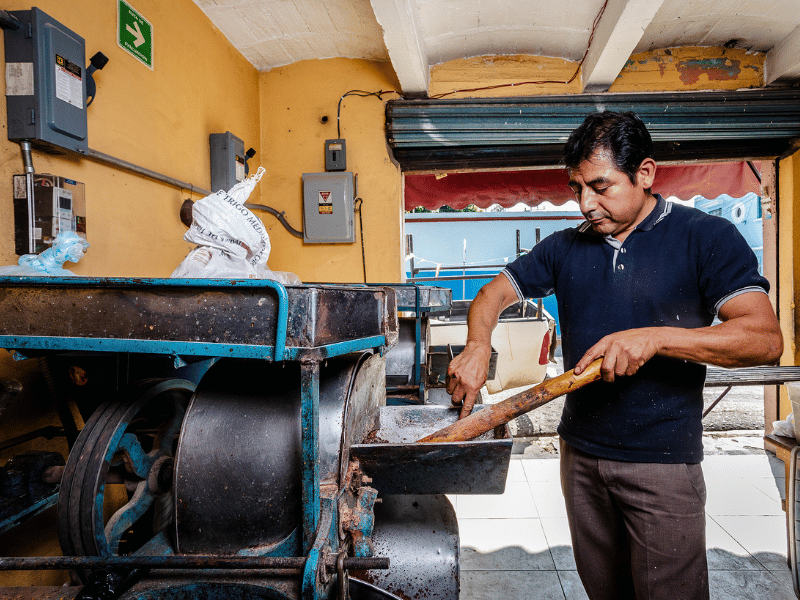
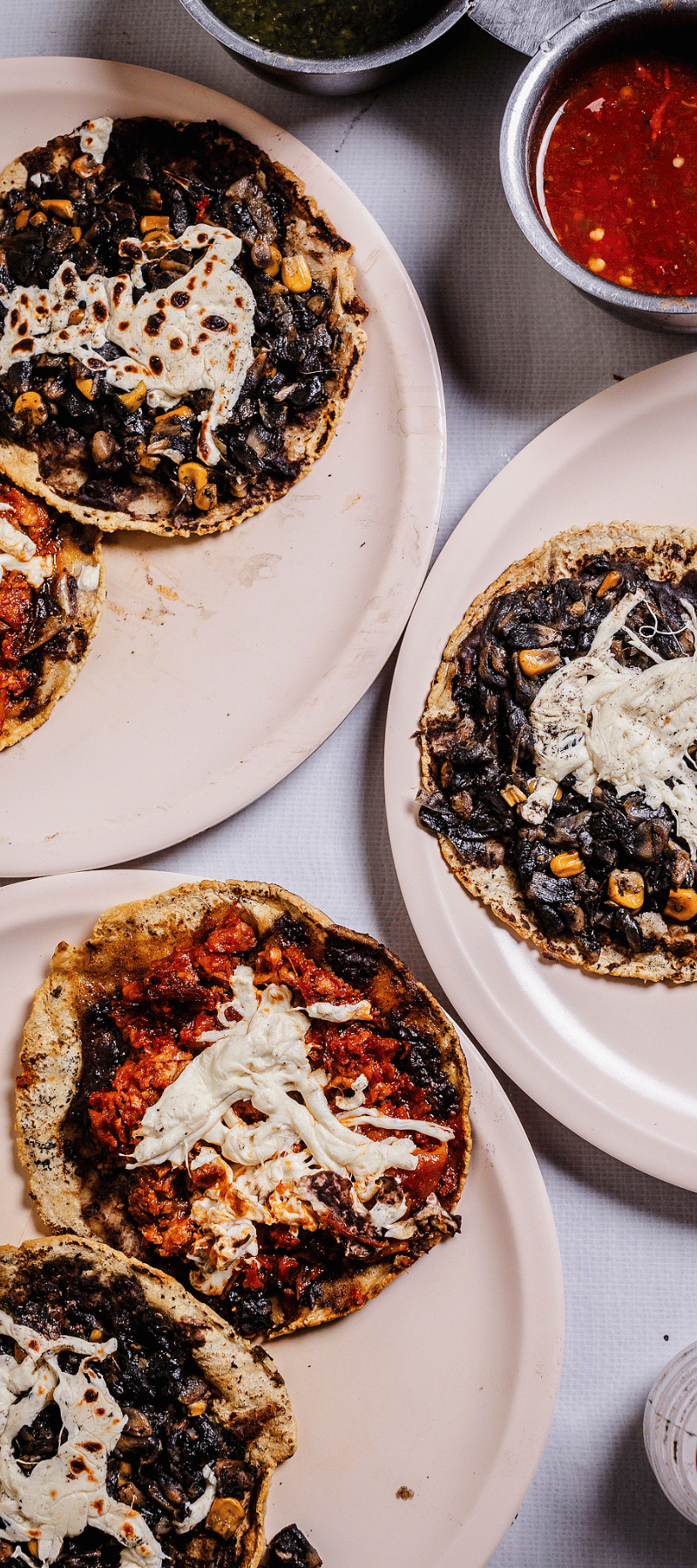
Fresh masa, smoky chillies, wood-fired comales, herbs like hoja santa. Nowhere else on earth treats corn with the reverence of Oaxaca.
04 The pantry
- Masa, fresh nixtamalised corn dough
- Pasilla Oaxaqueña chillies, smoky and deeply aromatic
- Quesillo, Oaxaca's famous string cheese
- Hoja santa, fragrant leaves with anise notes
- Black beans, slow-cooked and spread onto everything
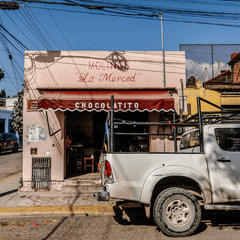
- Oaxacan chocolate, stone-ground with cinnamon and almonds
05 In the kitchen
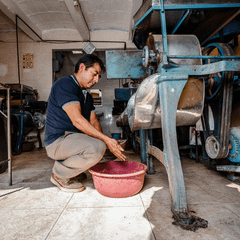
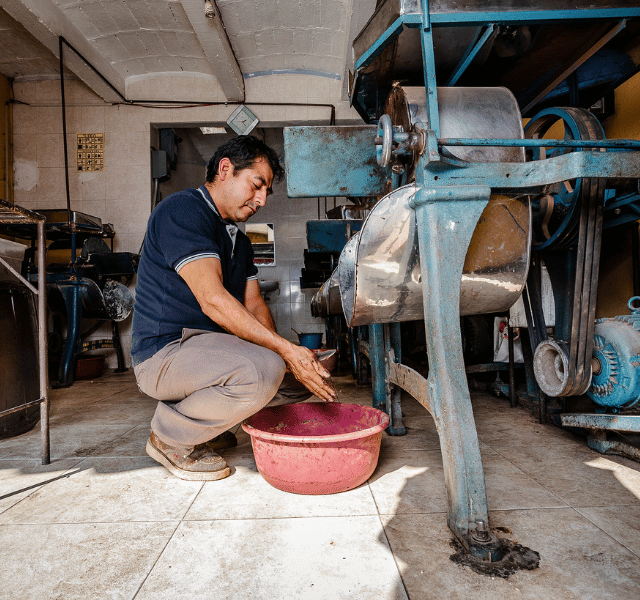
- Nixtamalising corn before stone-grinding it into fresh masa
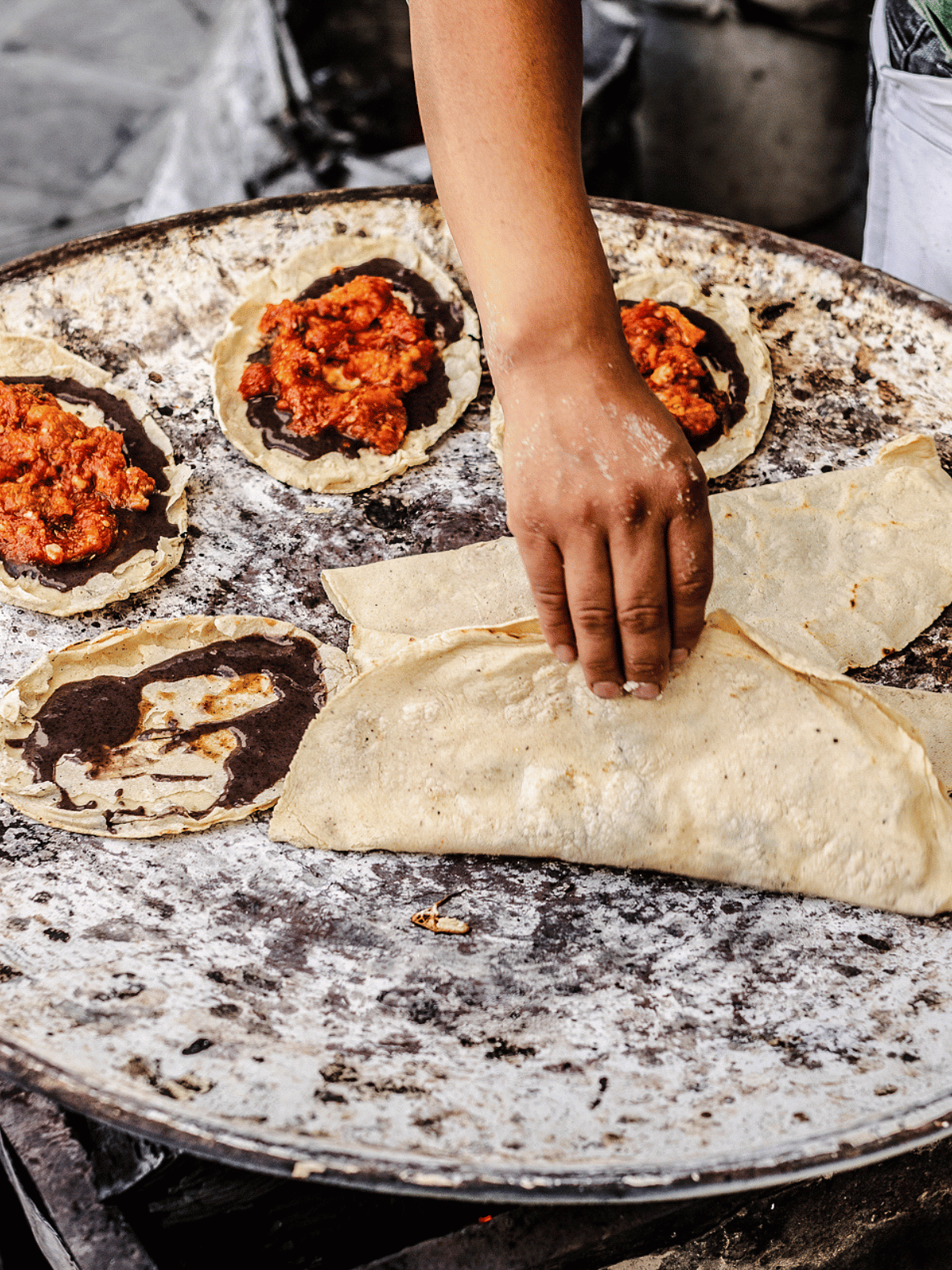
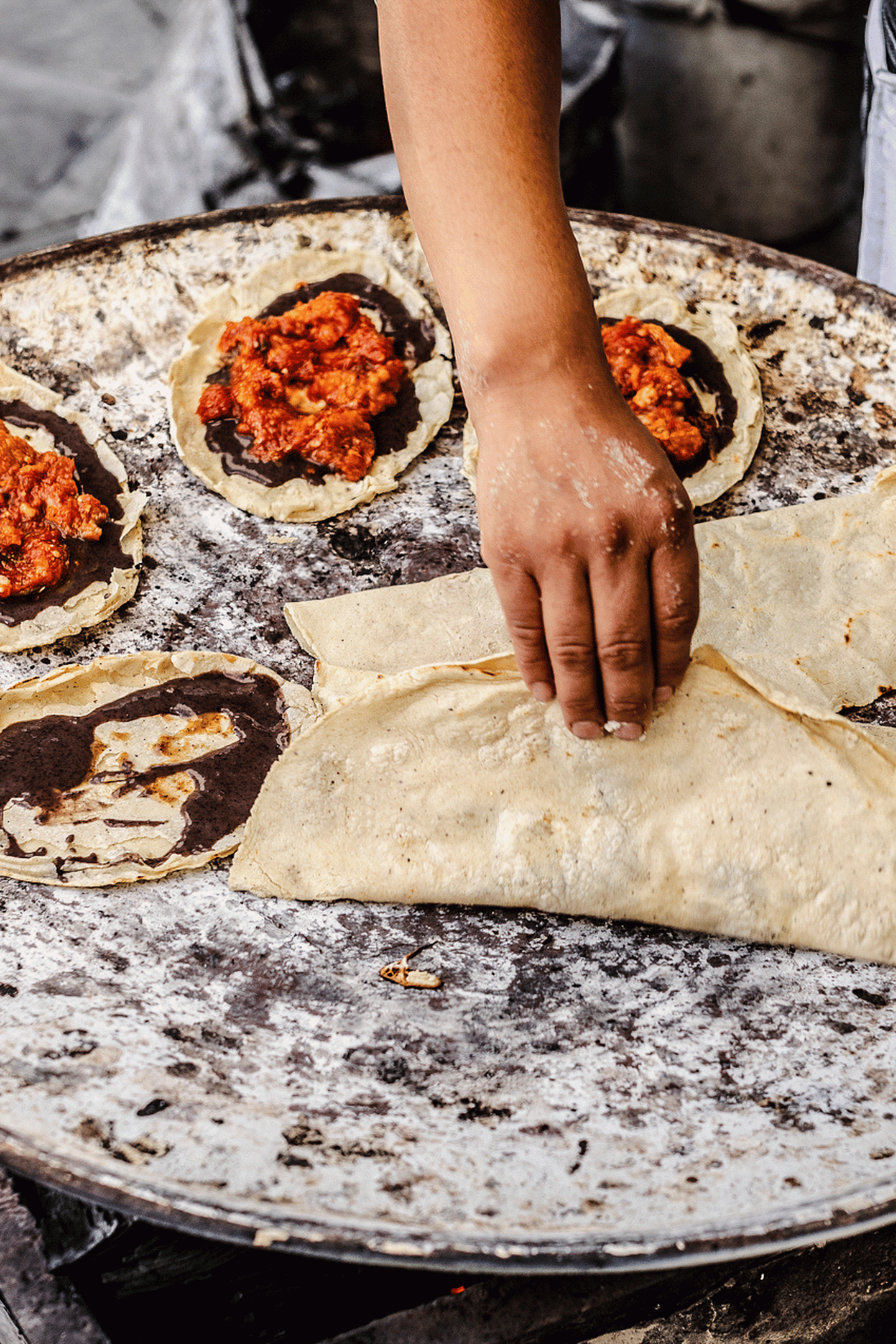
- Toasting tortillas and memelas over charcoal-fired comales
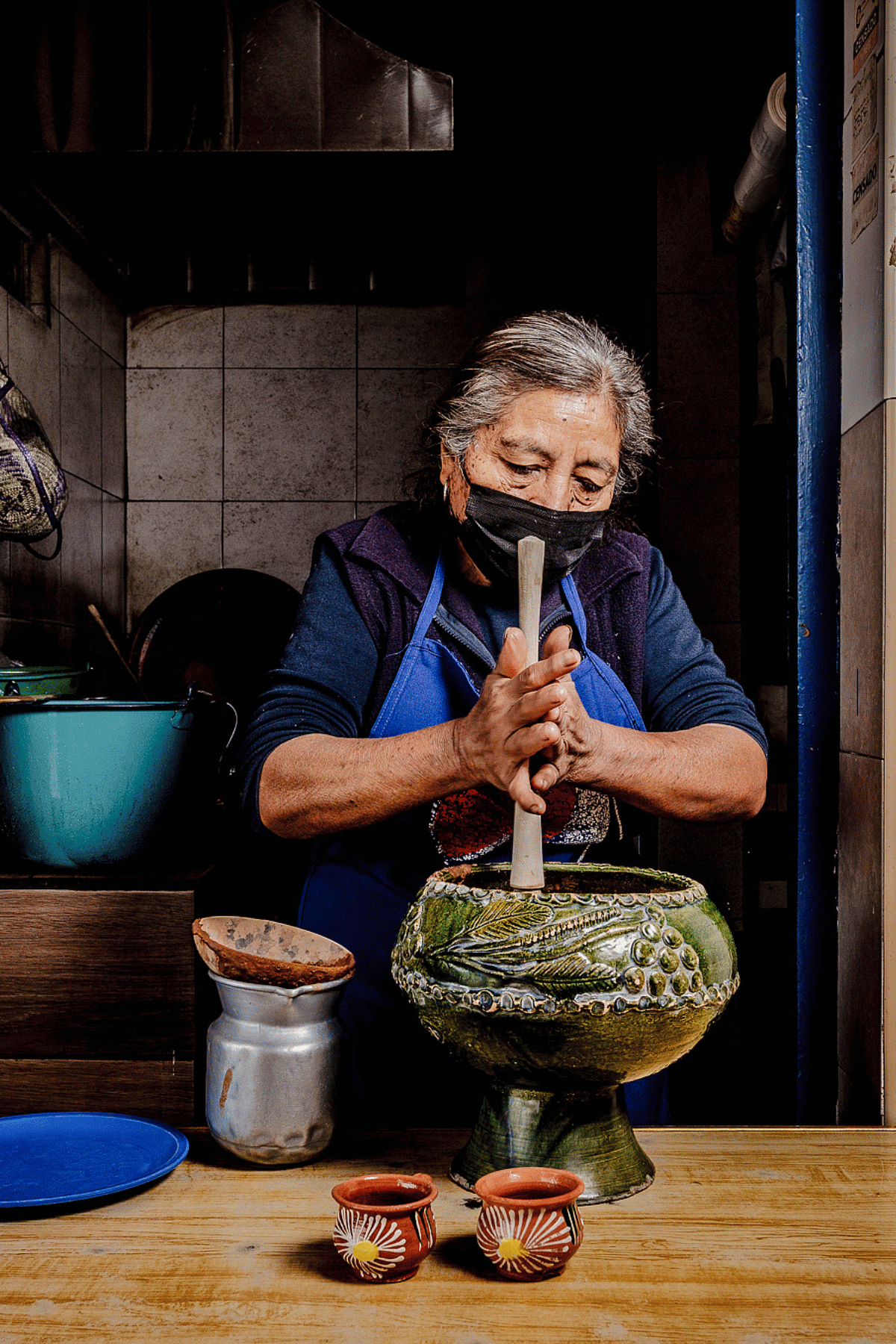
- Grinding cacao, cinnamon and almonds into frothy chocolate-atole
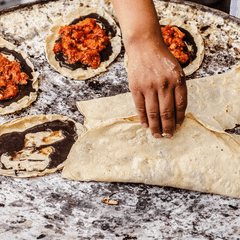
- Wrapping tetelas and tamales before cooking them on the griddle or steaming in leaves
06 Eat this first
- Tlayudas, charcoal-toasted and generously topped
- Memelas, hand-shaped corn rounds with beans, salsa and quesillo
- Tetelas, folded blue-corn pockets stuffed with beans and cheese
- Mole negro, Oaxaca's most celebrated and complex sauce
- Chocolate-atole, a warm blend of stone-ground cacao and maize
What happens inside a hammam kitchen
A morning with the cooks who feed the neighbourhood before dawn. Charcoal, dough, the smell of a bakery working its second oven.
09 Recipes
A collection of authentic recipes we couldn't leave behind.

Fluffy corn masa filled with pork shredded in red guajillo-ancho salsa, wrapped in corn husks and steamed. The classical Mexican tamal, red edition.

Oaxaca's street mash-up: a crunchy tostada base piled with hot esquite corn, mayo, cheese, lime and chile. The prehispanic dish gets a modern platform.
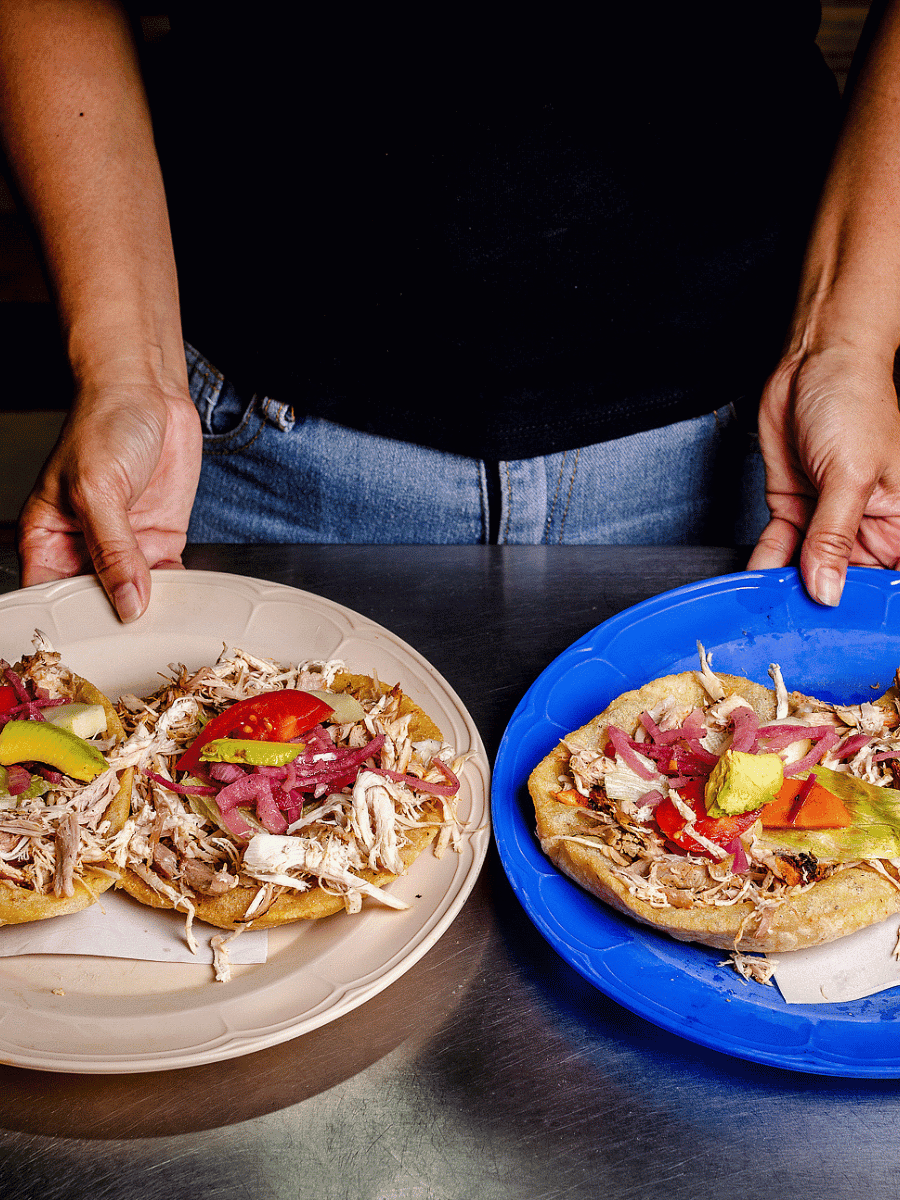
Fried tortillas stuffed with black beans and topped with shredded turkey, pickled red onion and avocado — the Yucatán's crunchy answer to the tostada.

Fresh fruit blended with water and a splash of lime — the mercado thirst-quencher. Jamaica, horchata, tamarindo, sandía or piña, poured from big glass tanks.

A silky caramel-topped custard, richer and denser than the European original. Mexico's most-eaten dessert, born in nuns' kitchens 300 years ago.
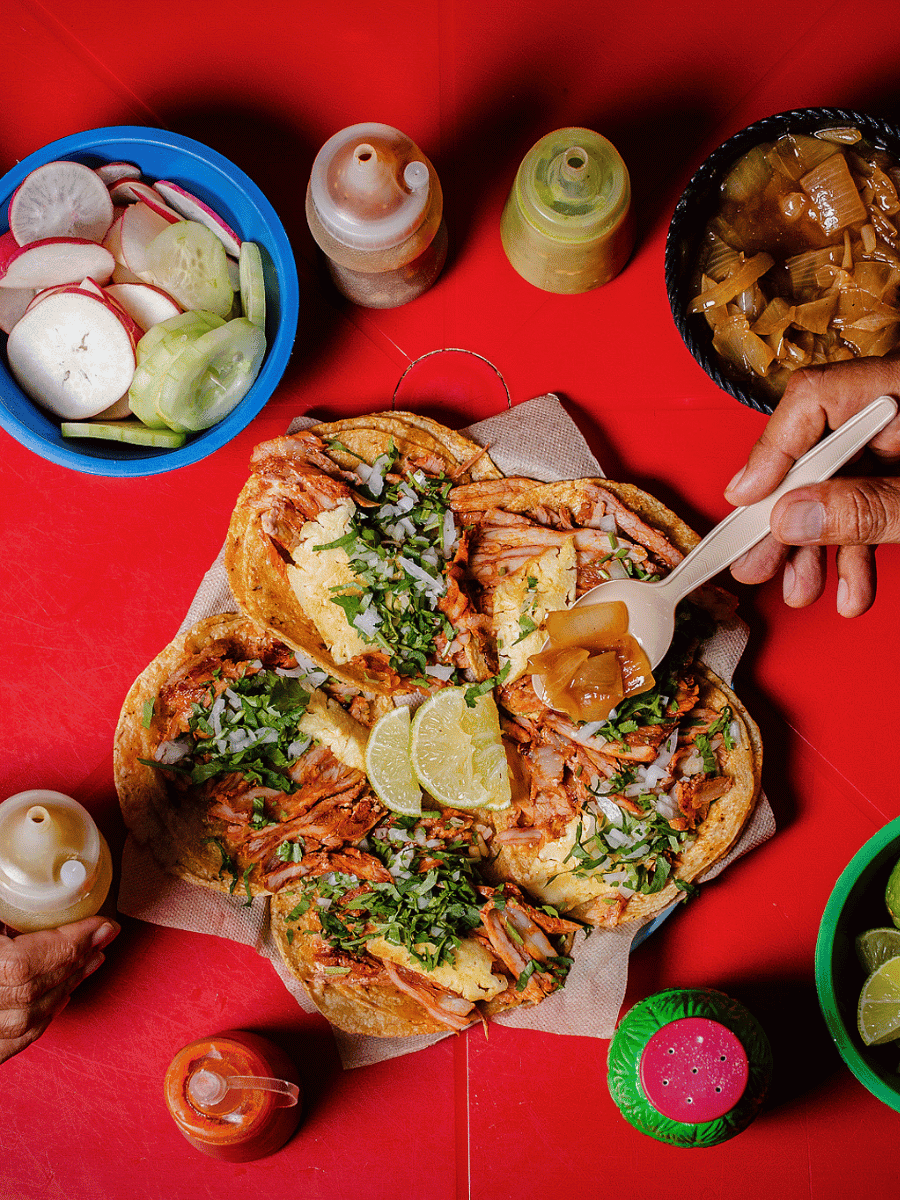
Pineapple-marinated pork carved off a spinning vertical trompo, caught on a small tortilla with a flick of chopped pineapple, onion and coriander. Mexico City's most famous taco.
10 Field Notes
Quick field notes to help you get accustomed to Oaxaca.
Weather
Highland climate at 1,550 m. Mild year-round (20–28°C by day). Rainy season June to September brings afternoon storms; dry season is October to May.
Currency
The Mexican peso (MXN). Cash for markets, street food, and mezcalerías. Cards for restaurants and hotels.
Language
Spanish. Sixteen indigenous languages spoken in the state (Zapotec and Mixtec the largest). English coverage is decent in tourism.
Etiquette
Warm and traditional. Ask before photographing indigenous women. Bargain gently in markets. Be respectful of the mezcal-making process (it's spiritual, not just industrial).
Getting around
The historic centre is compact and walkable. Colectivos and taxis cover the wider valley cheaply. DiDi app works. The Sierra Norte requires 4WD or an organised tour.
Prayer
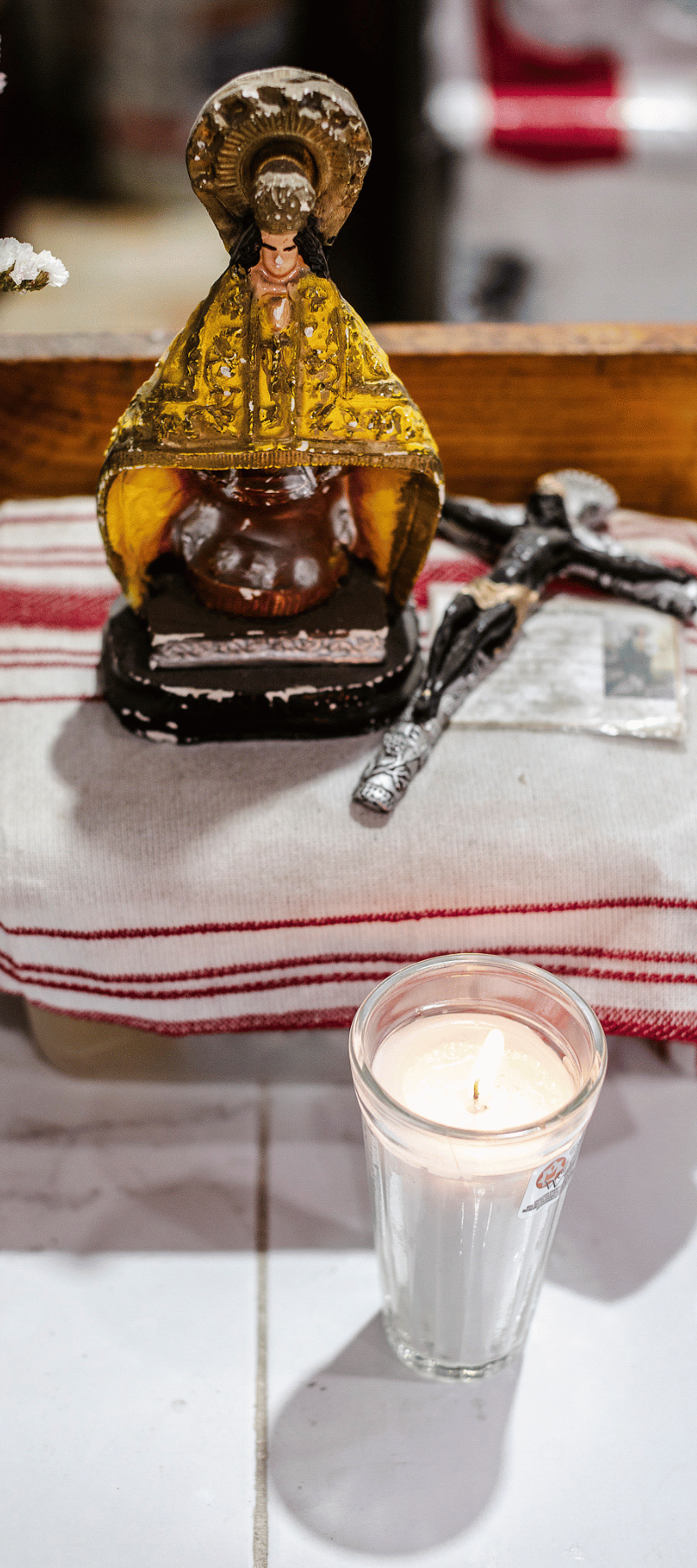
Catholic layered over deep indigenous traditions. Day of the Dead (Día de Muertos) here is the country's most authentic and moving observance. Guelaguetza in July is a spiritual-cultural festival.