
“My food tour with Cuenca Kitchens was one of my best ever experiences.”
— Luzanne, 2025
01 Food tours
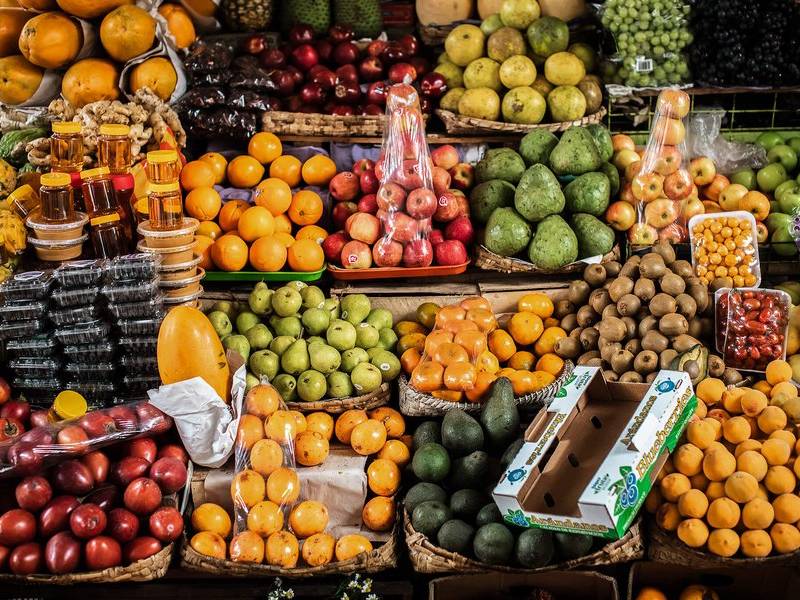
Original food tours, curated with our local tastemakers to showcase the neighbourhood kitchens, markets and family-run eateries that define Cuenca.
02 Meet the tastemakers
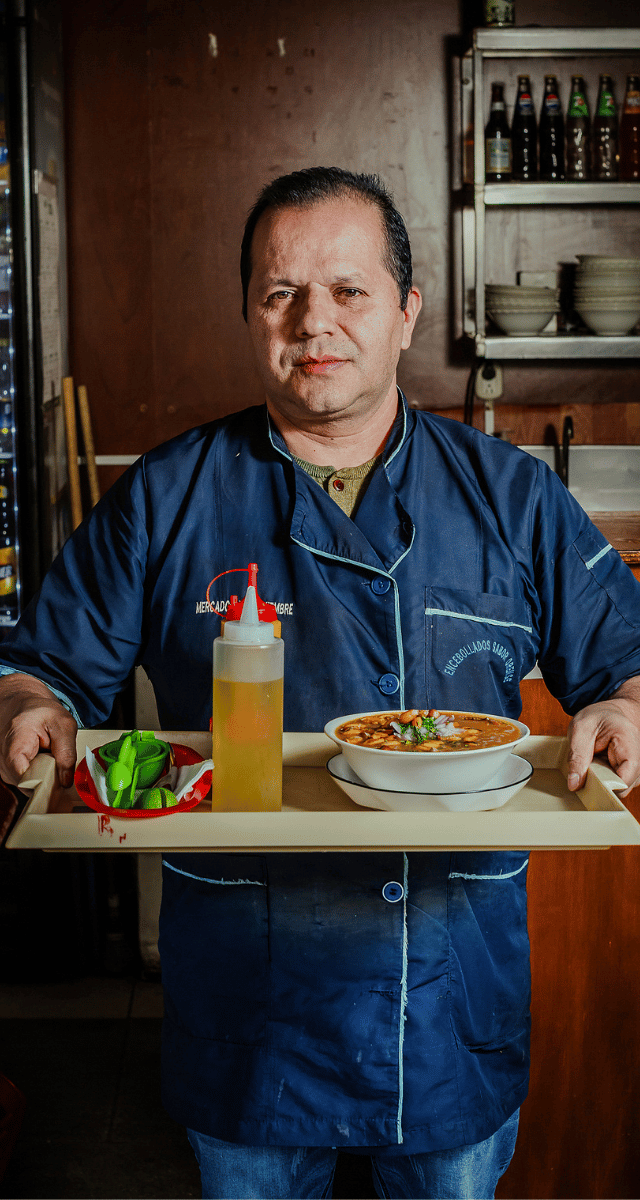
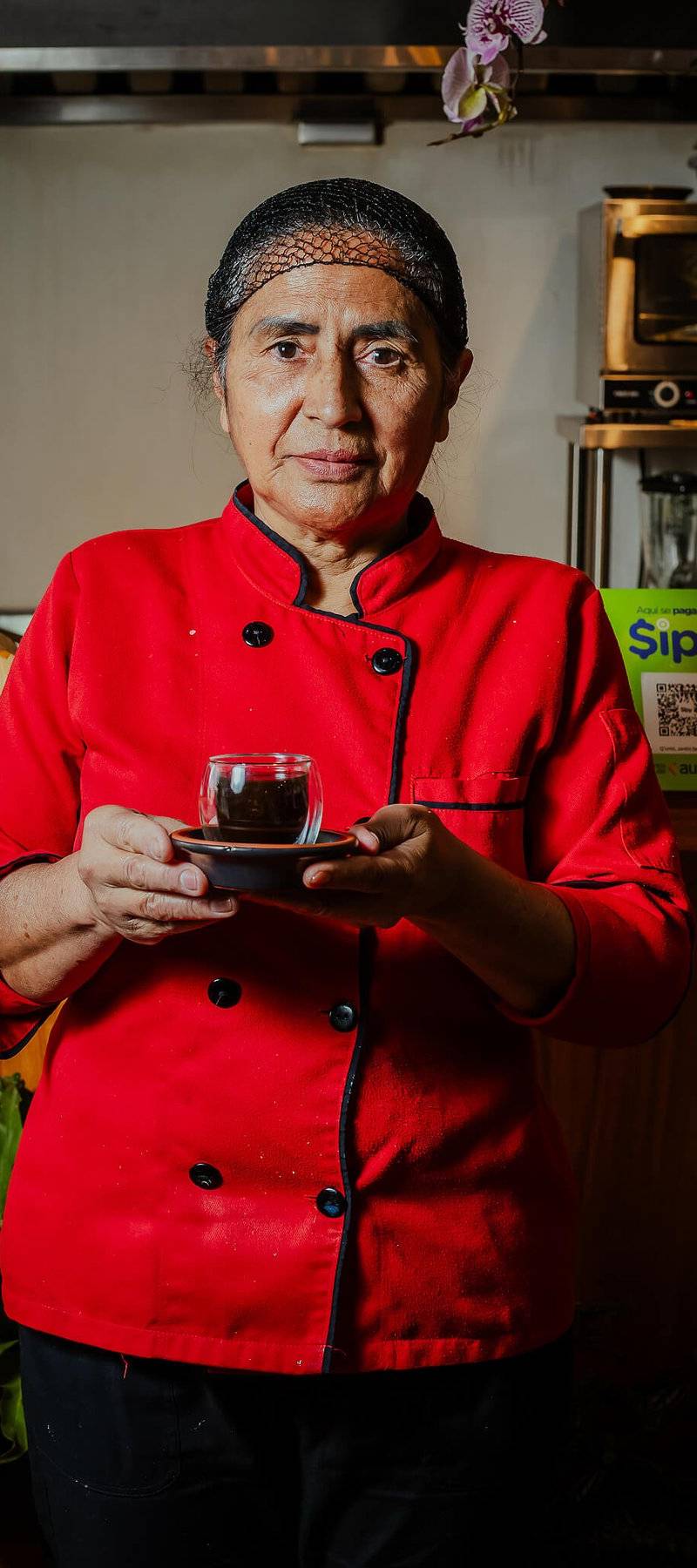
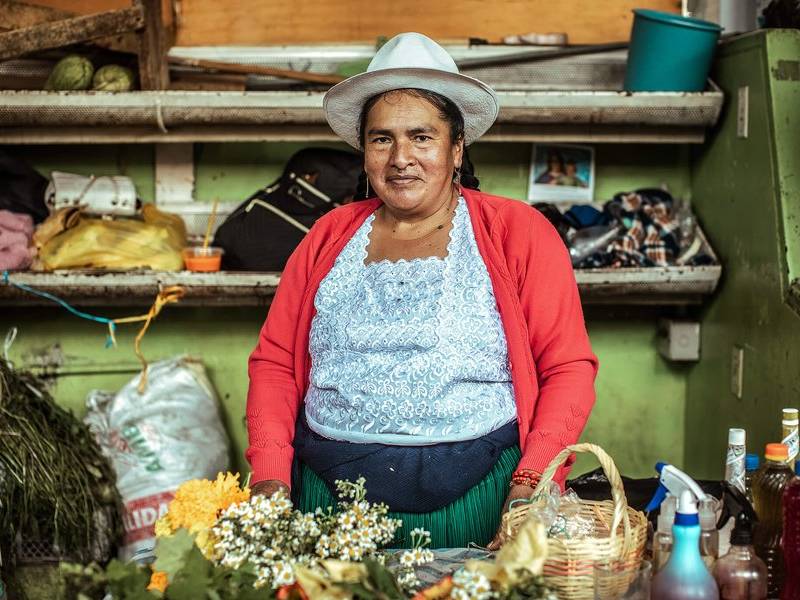
The local food experts who help us research, refine and lead every A Chef's Tour.


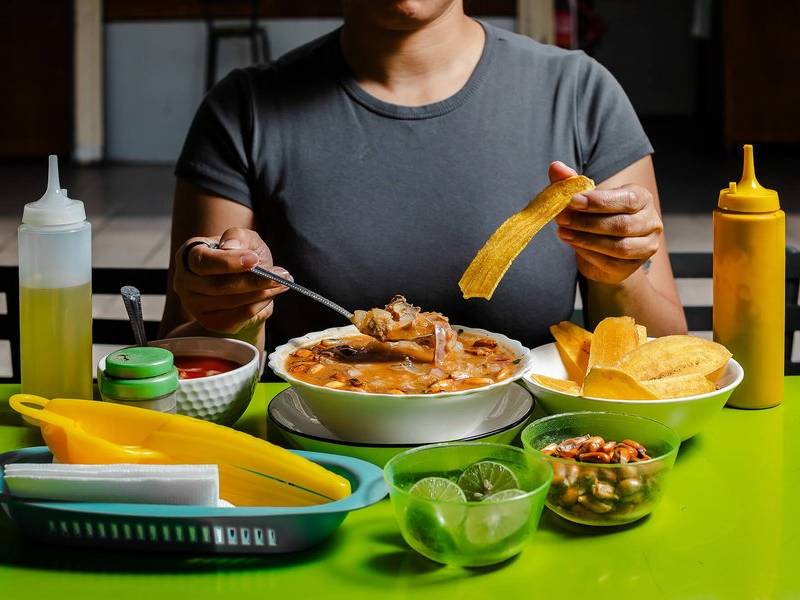
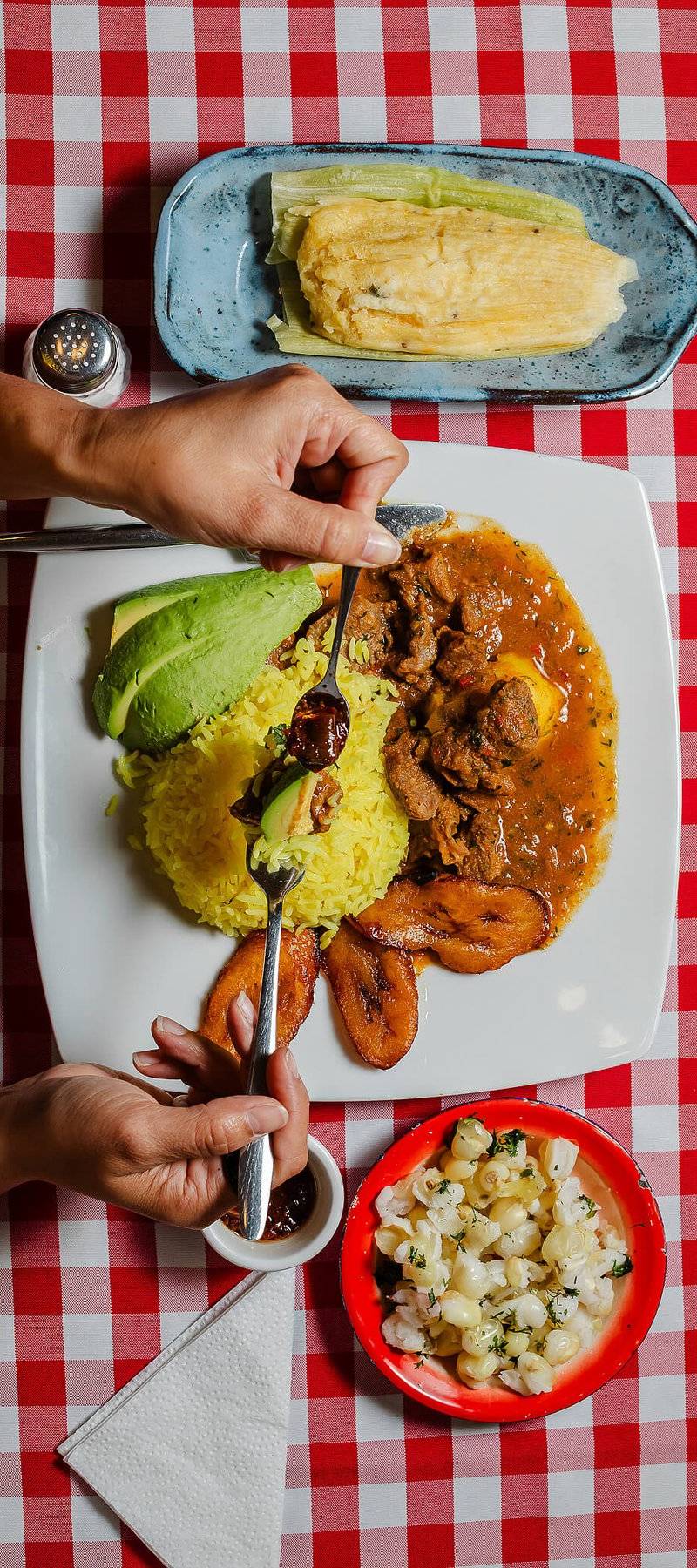
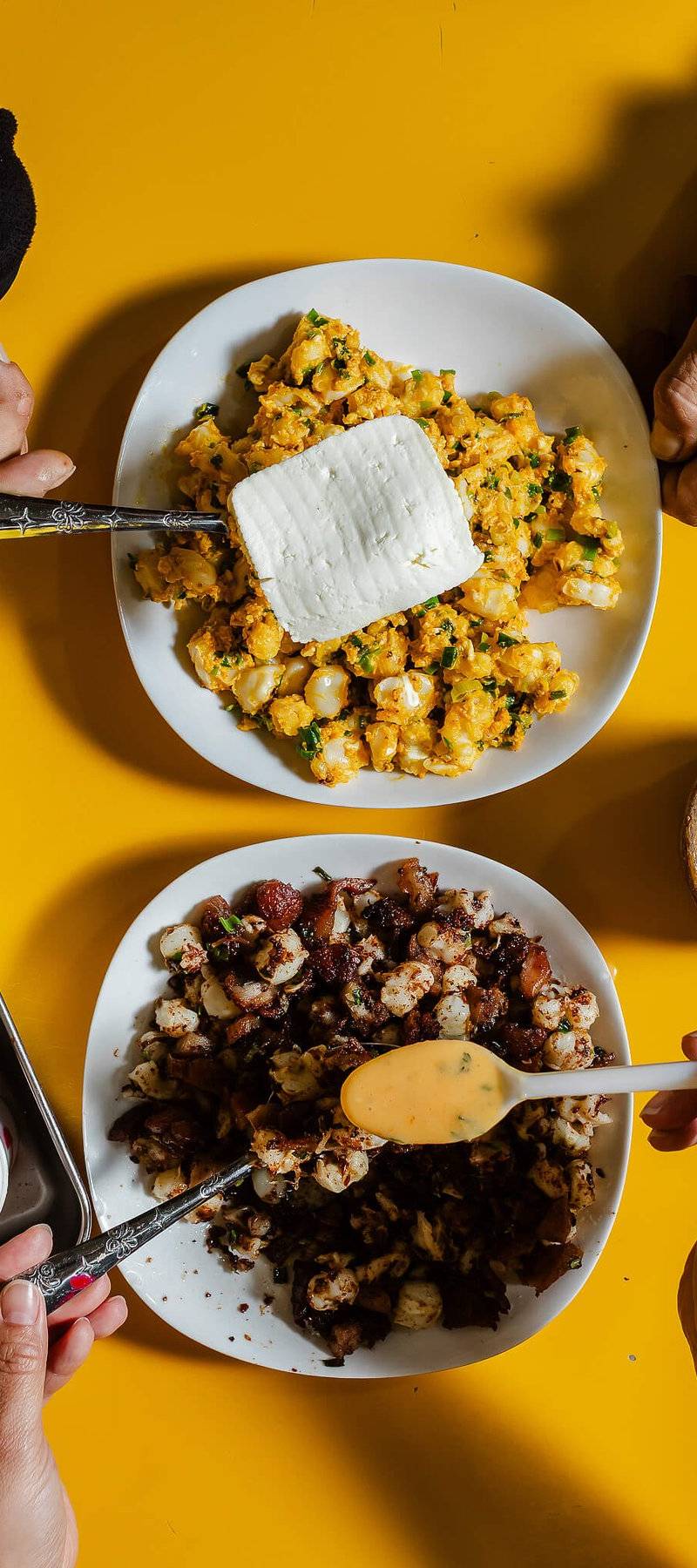
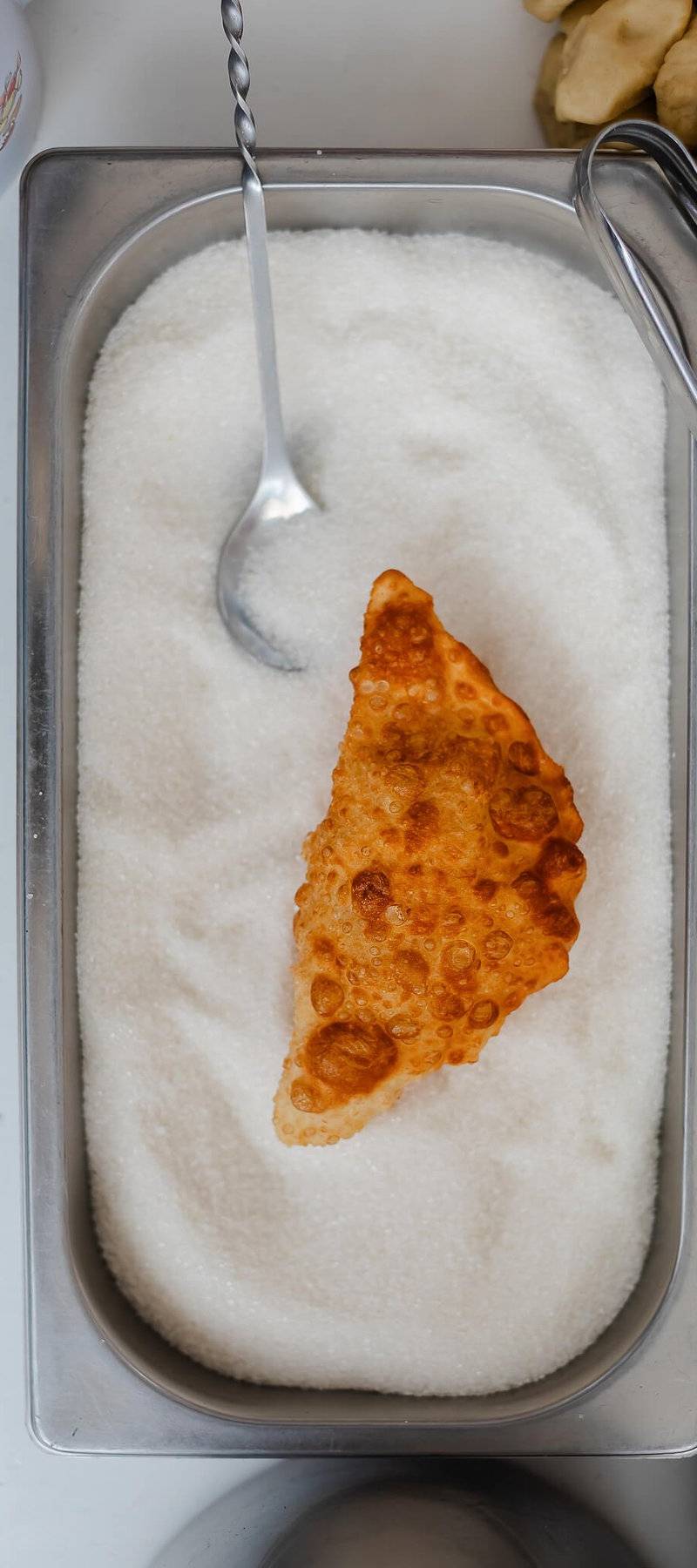
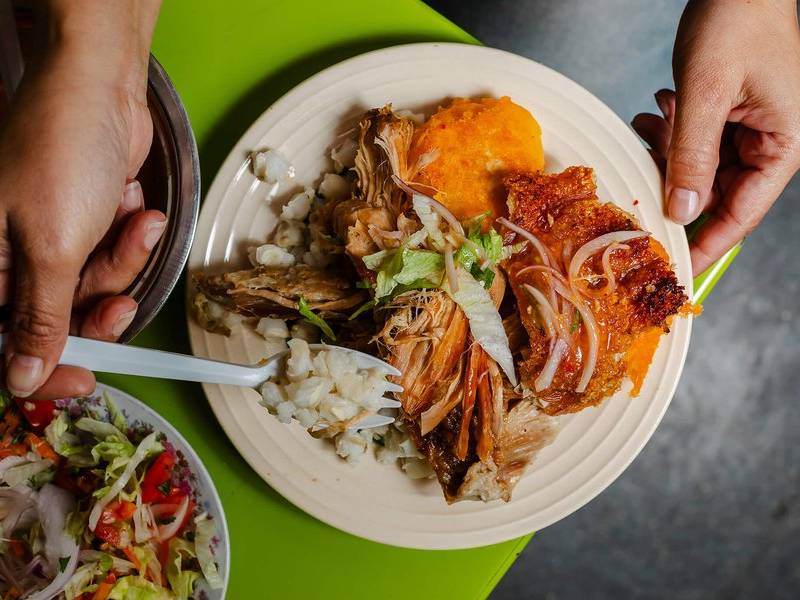
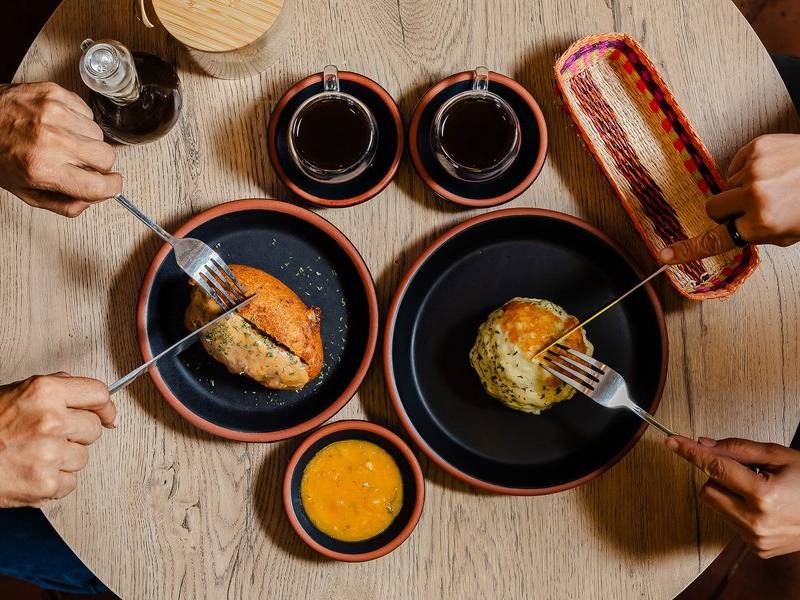
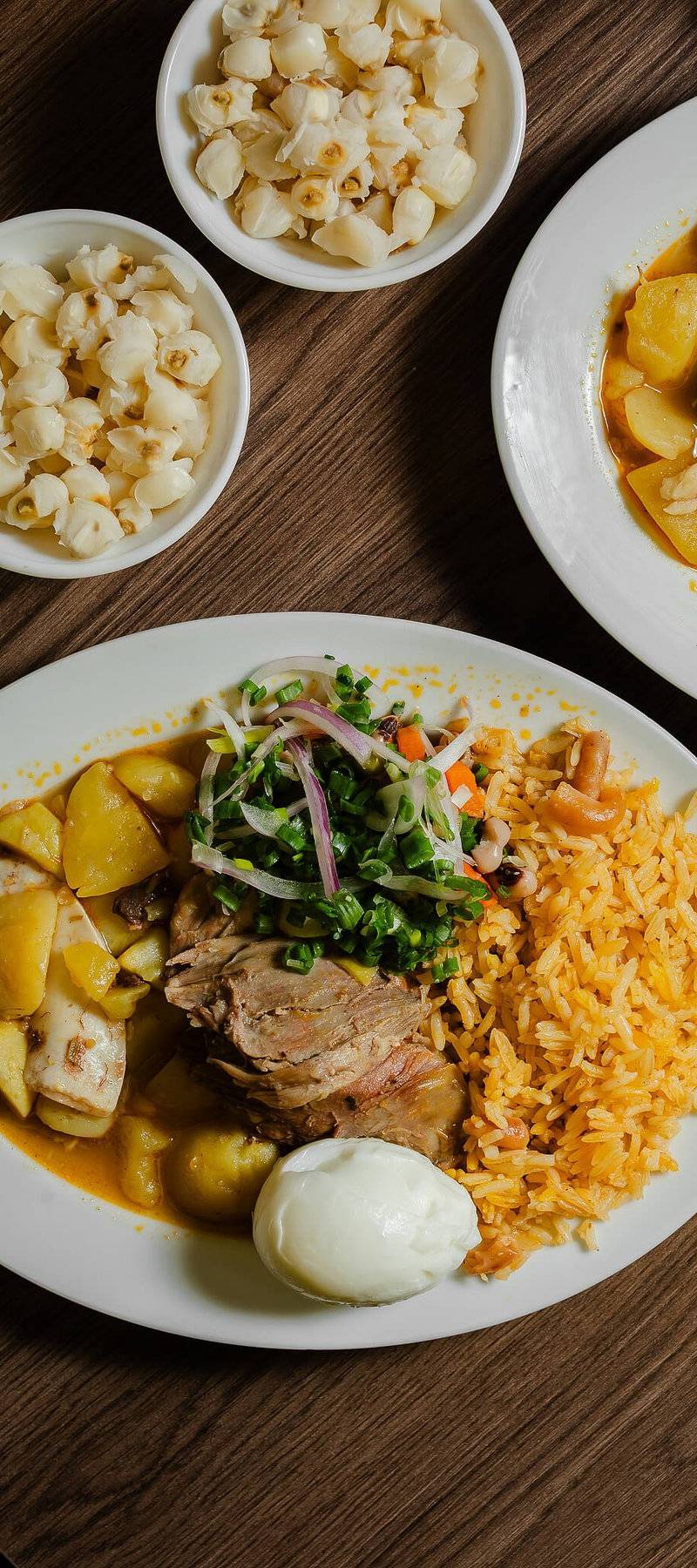
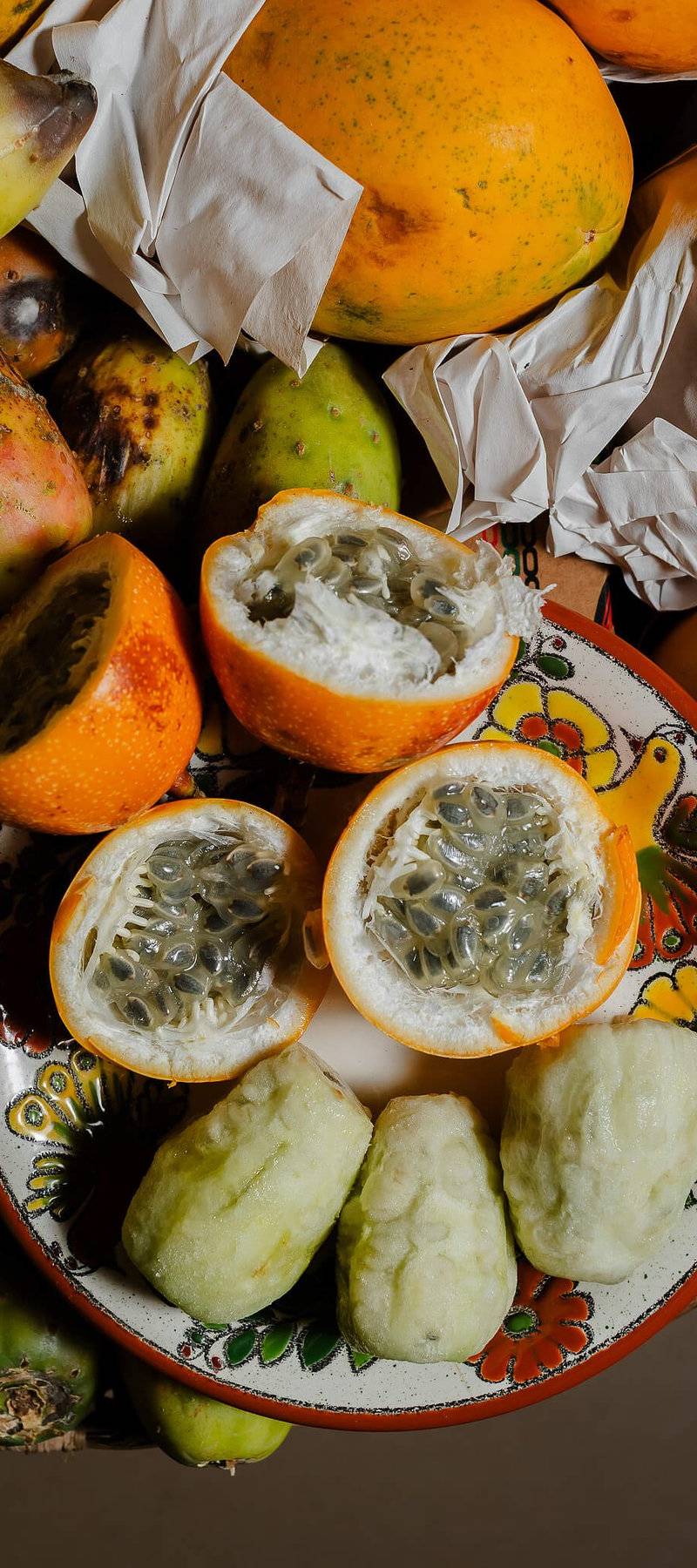
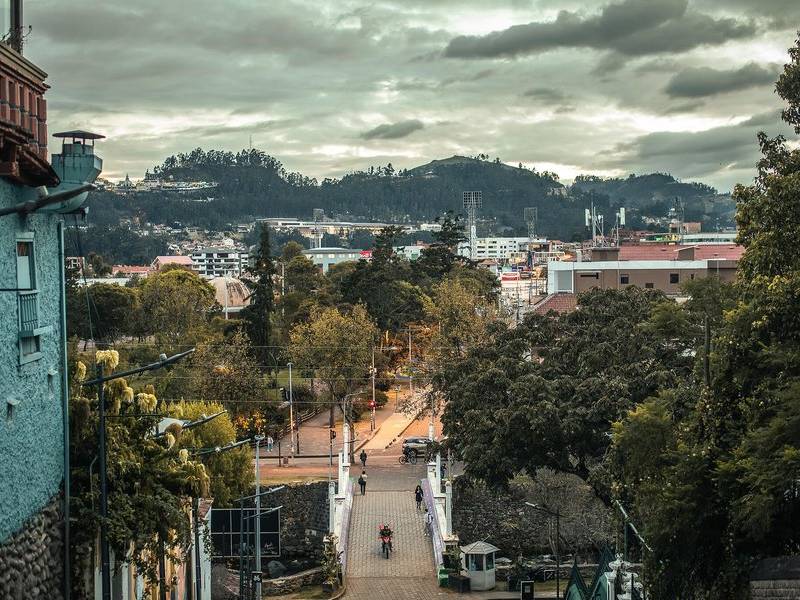
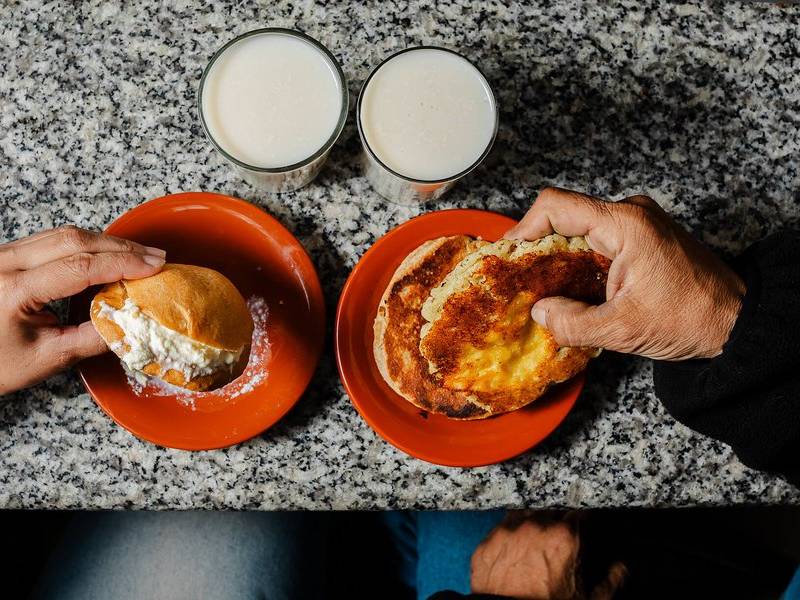
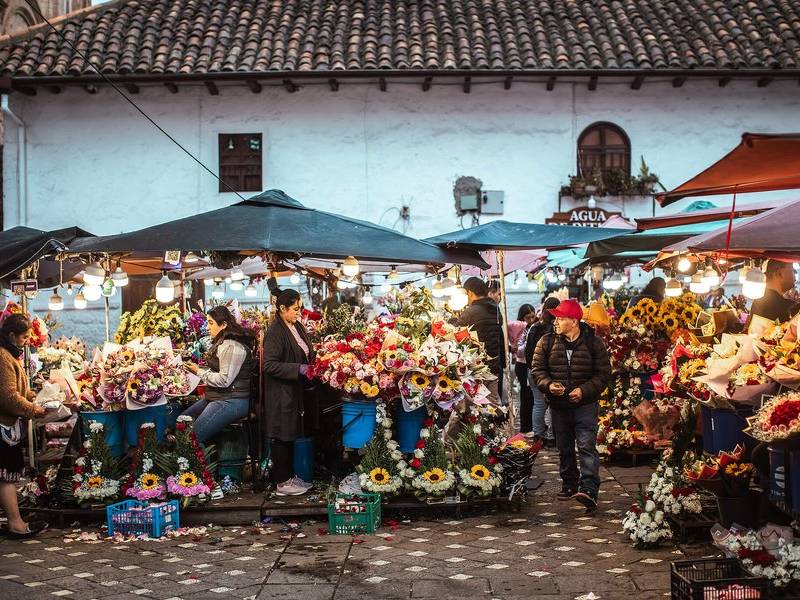
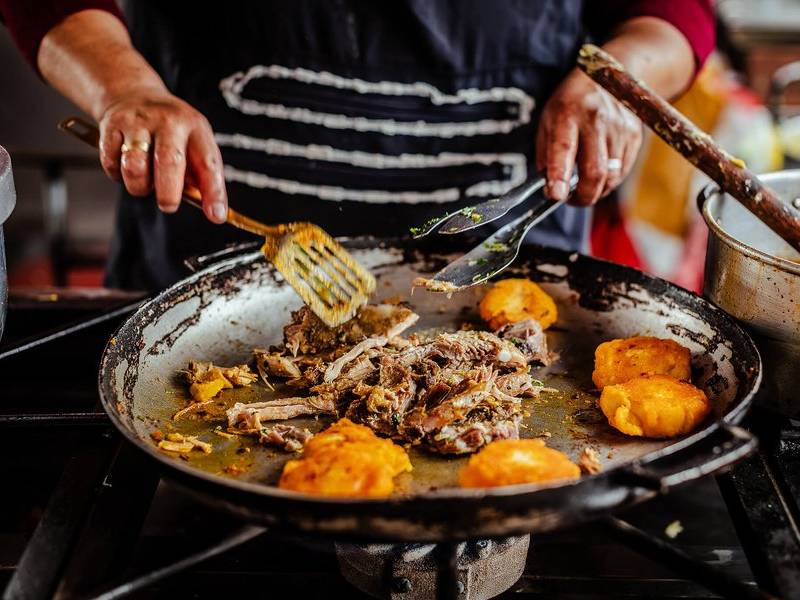
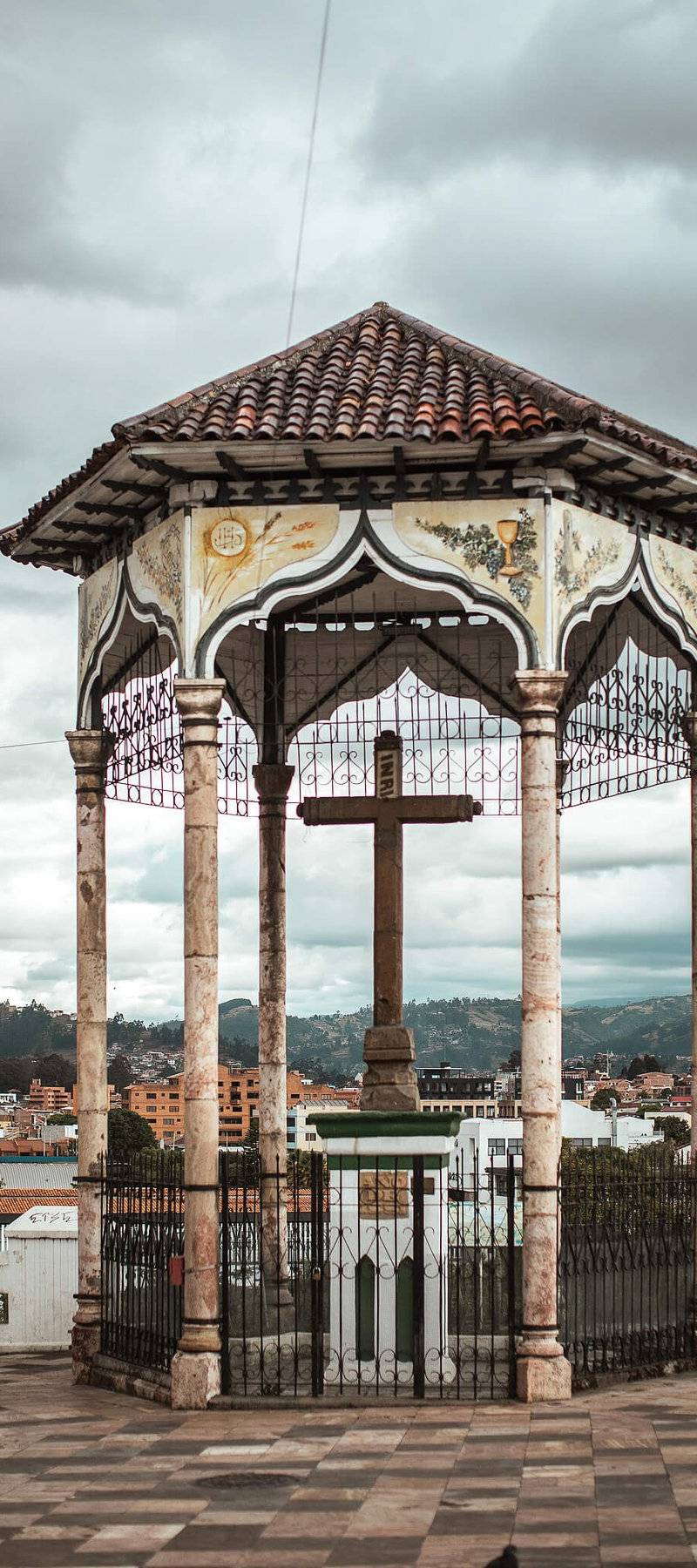
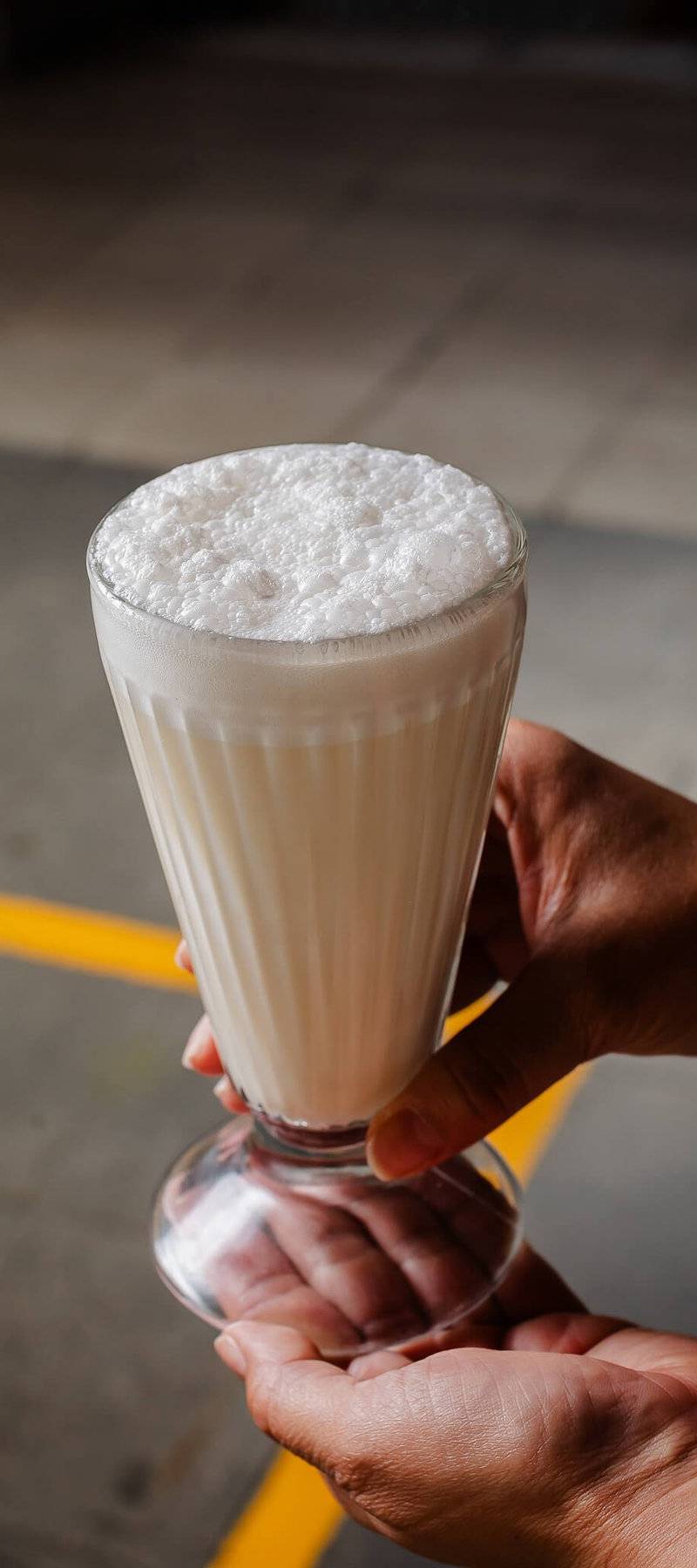
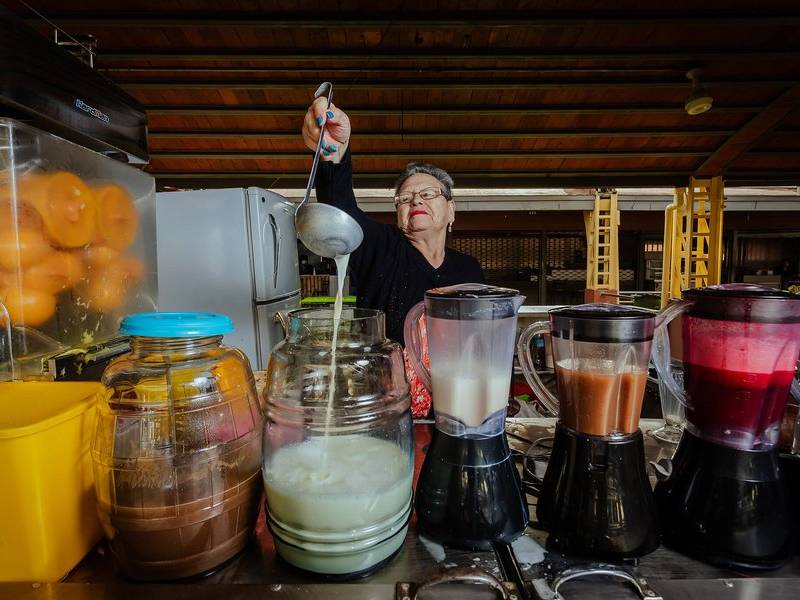
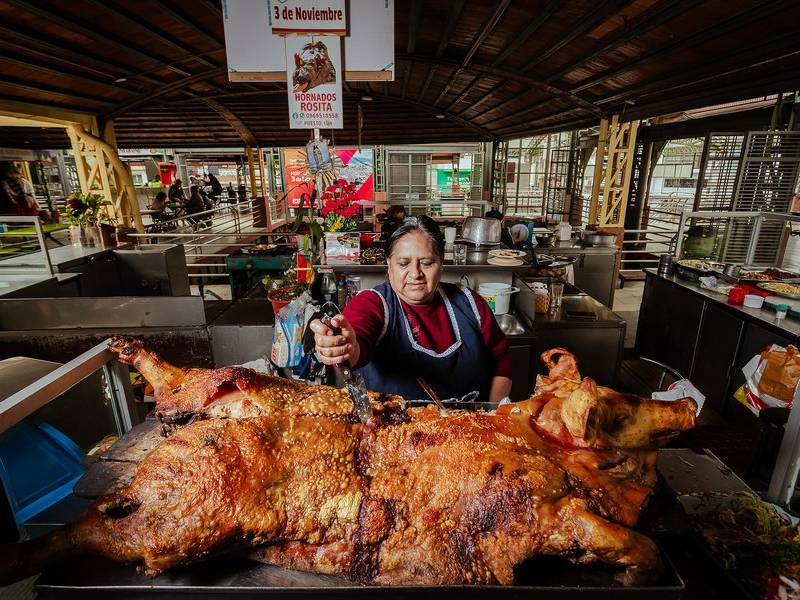
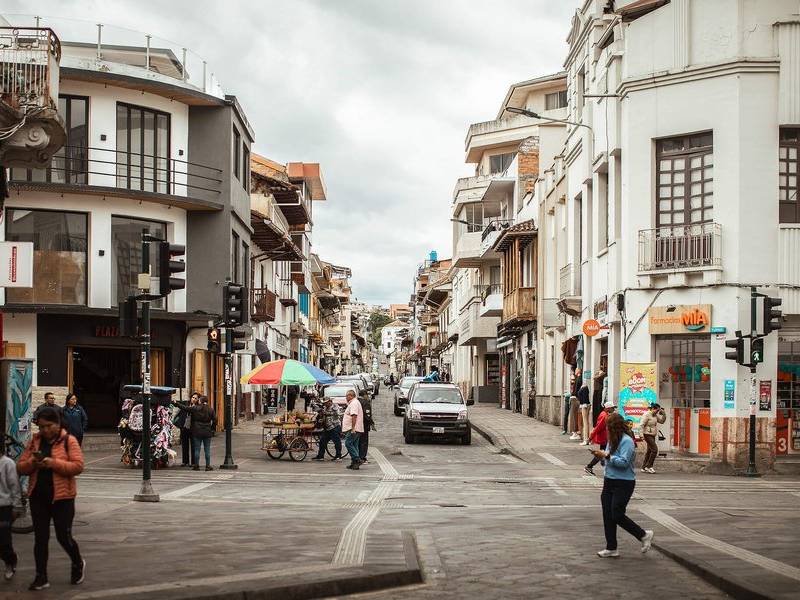
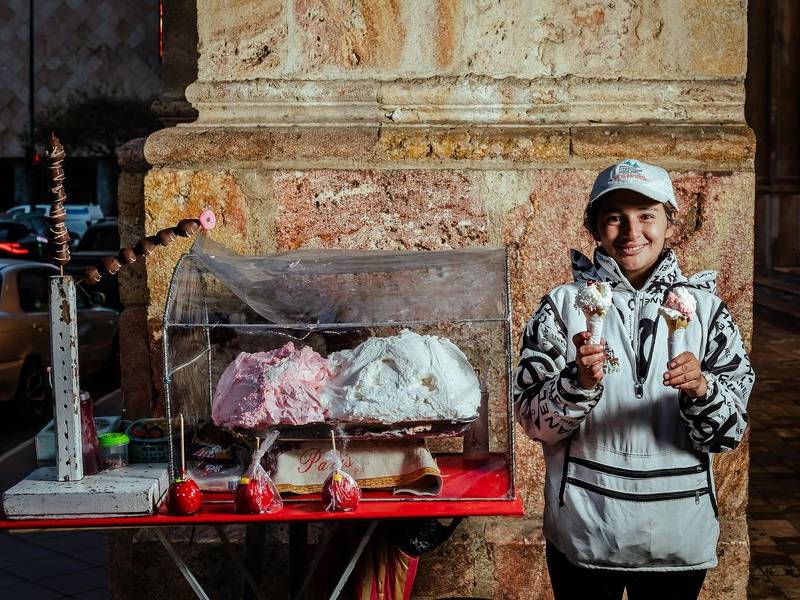
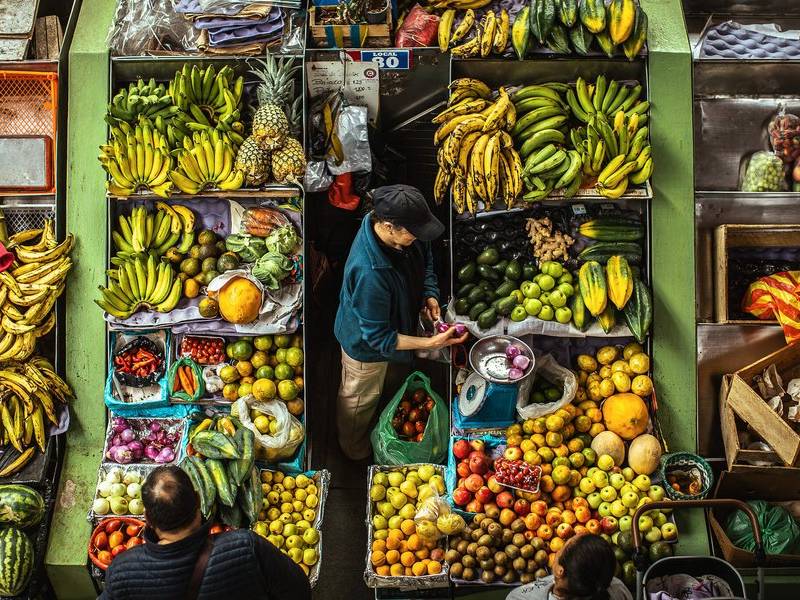
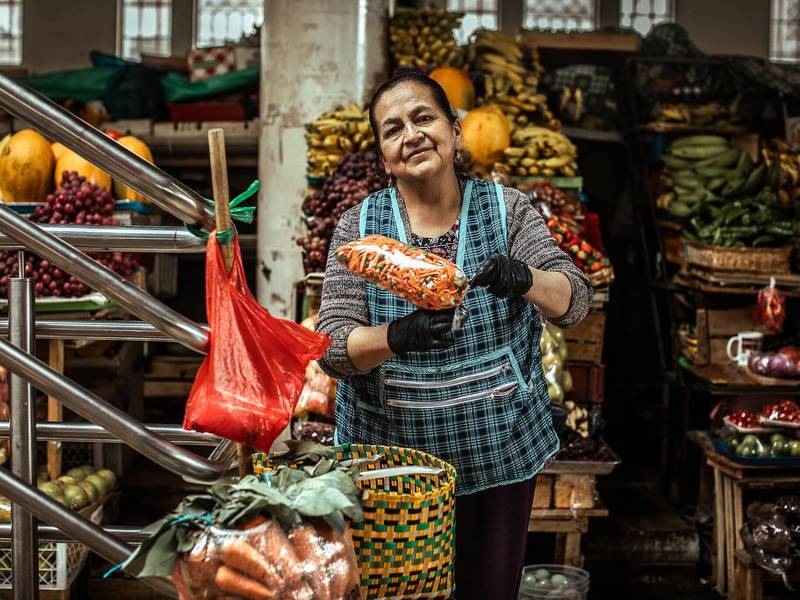
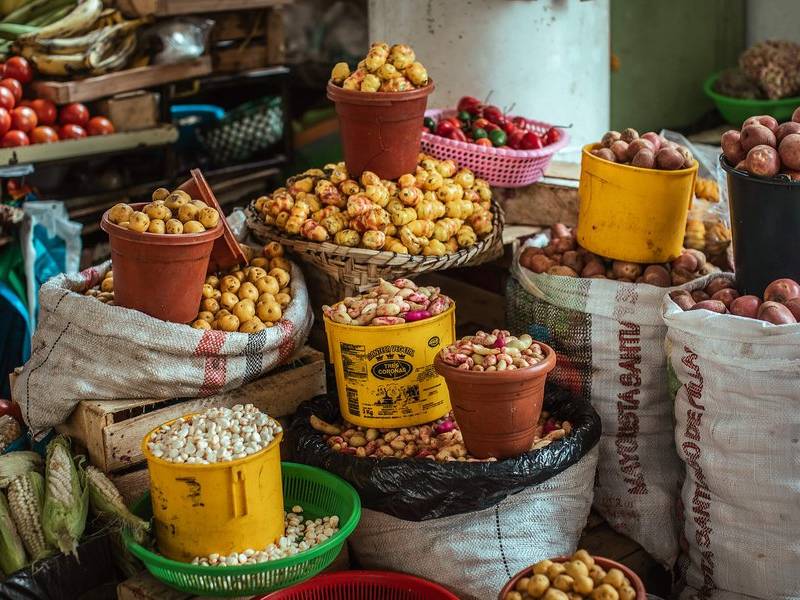
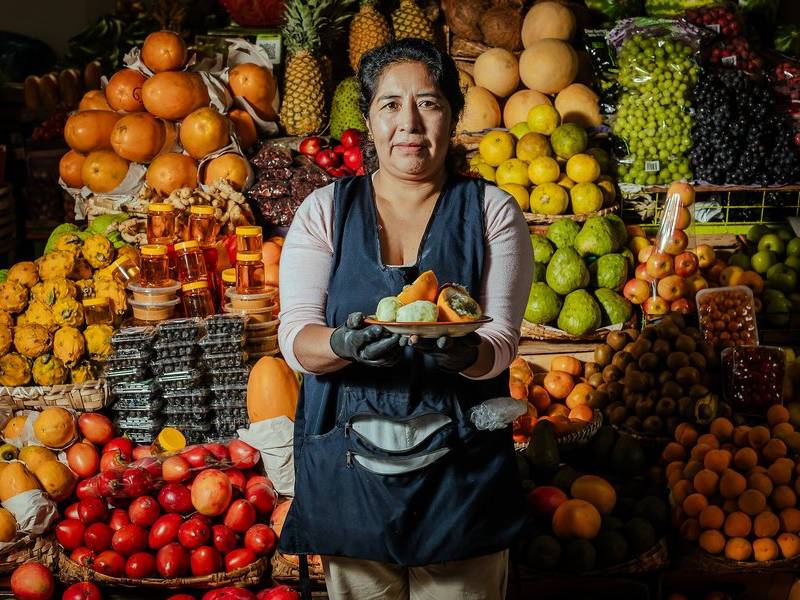
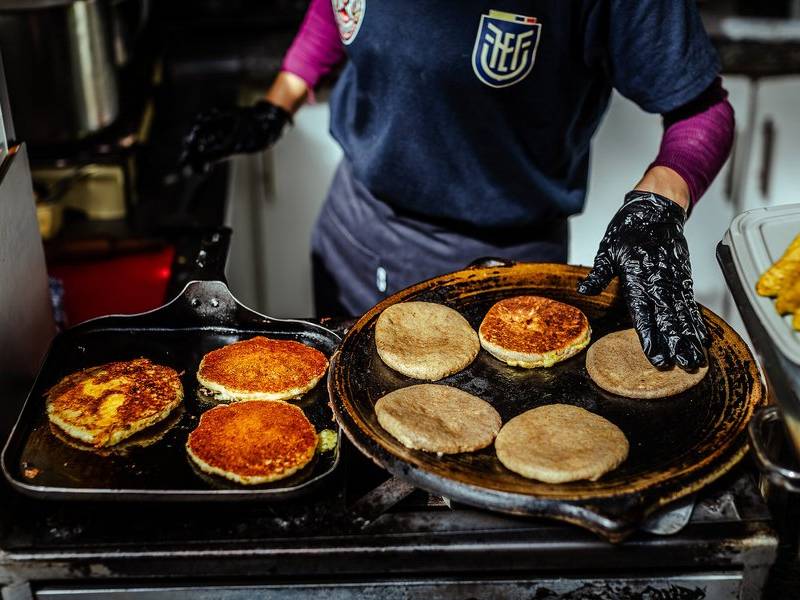
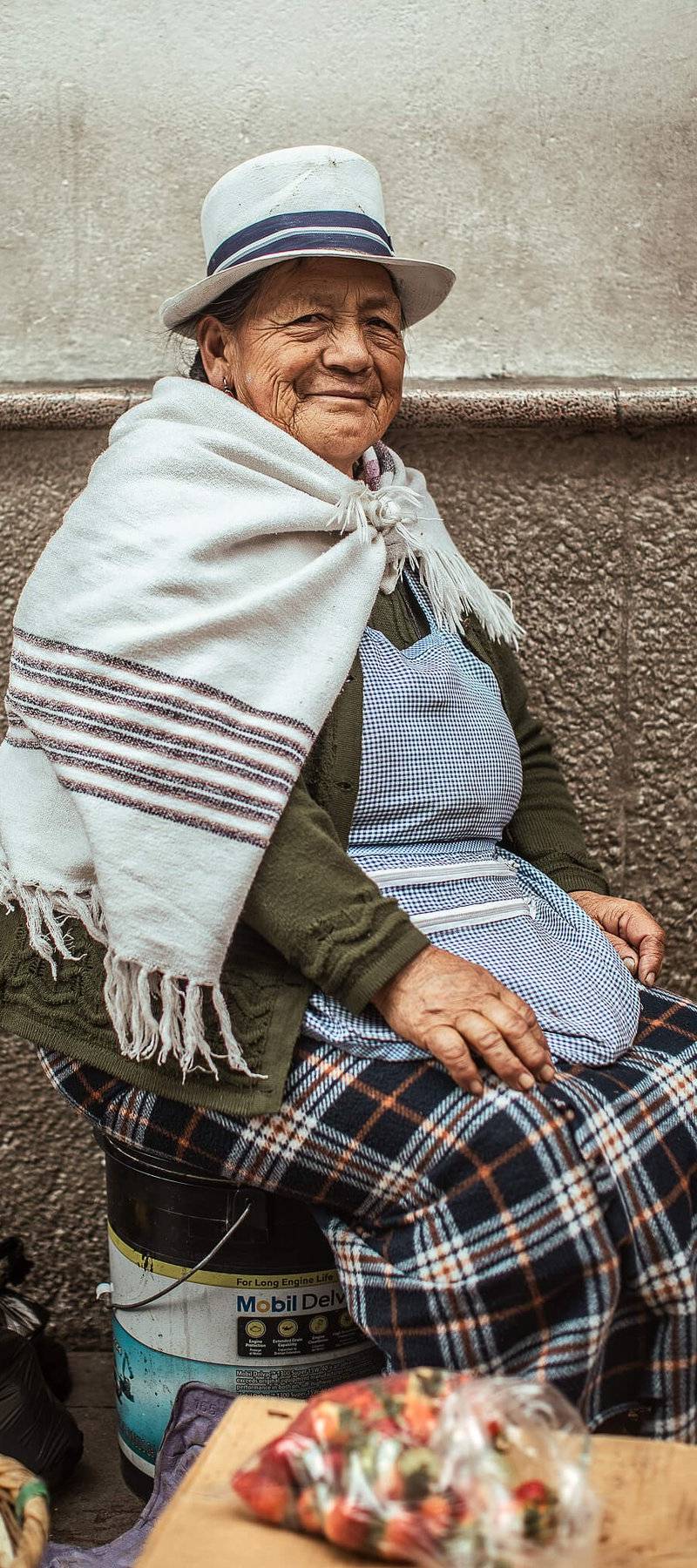
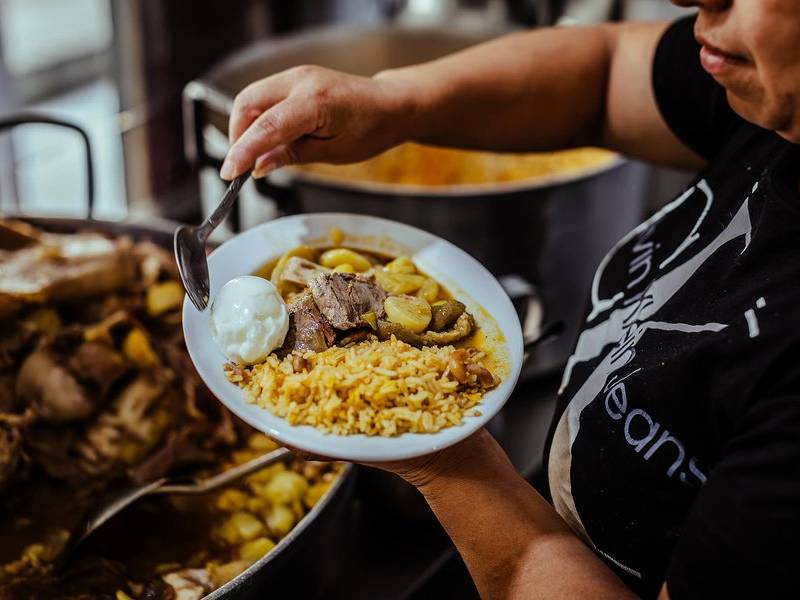
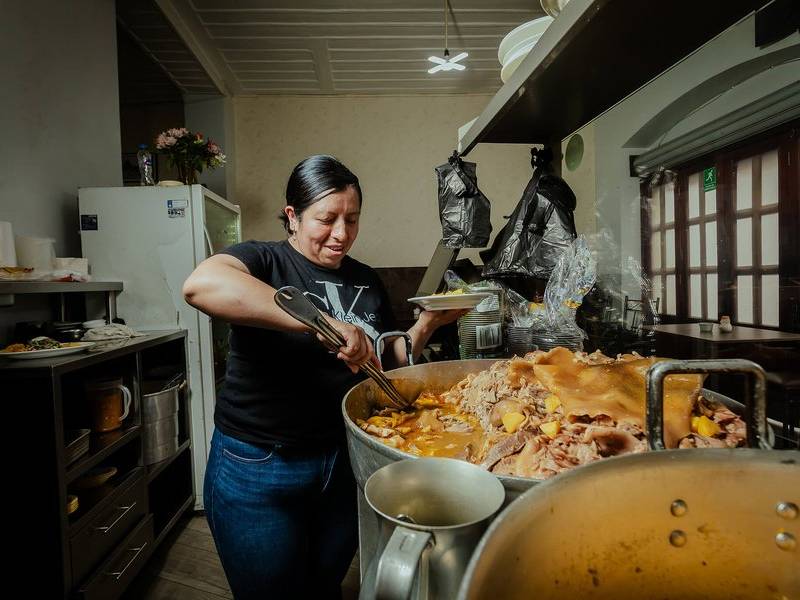
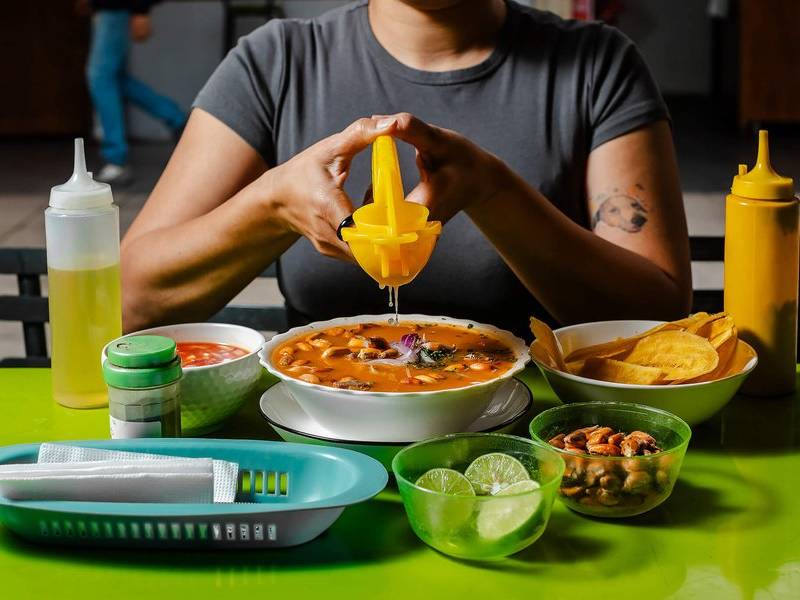
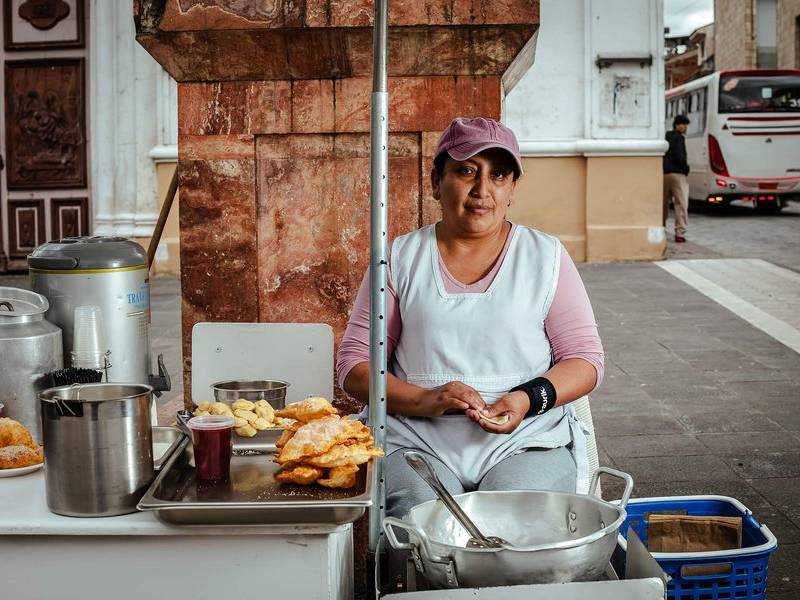
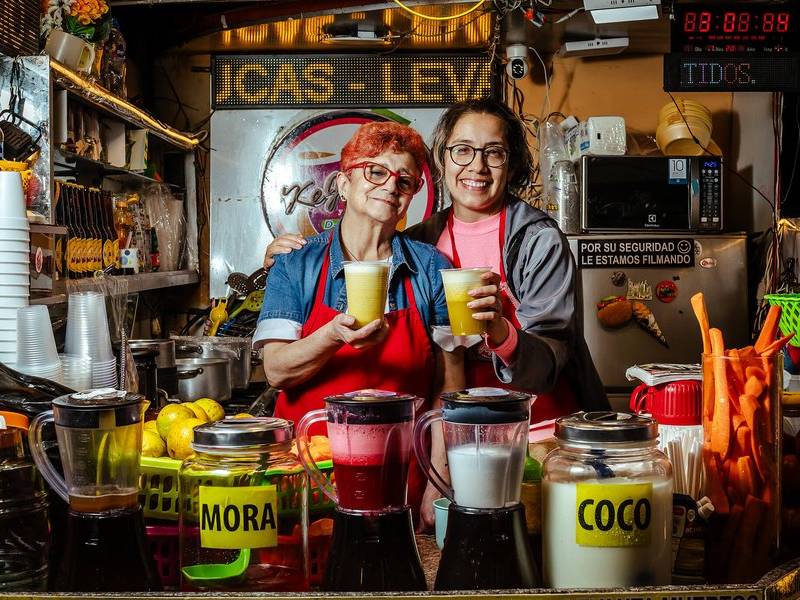
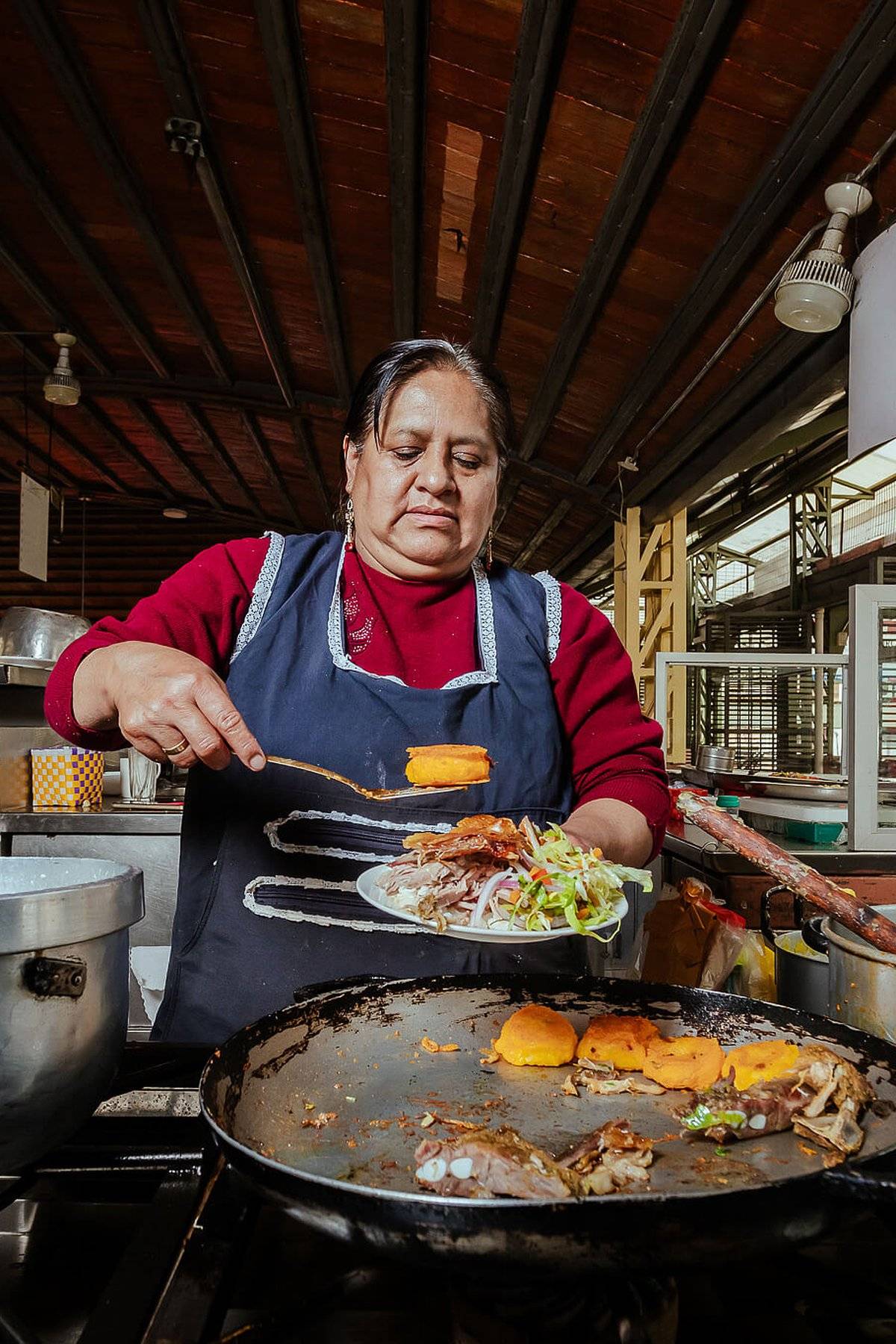
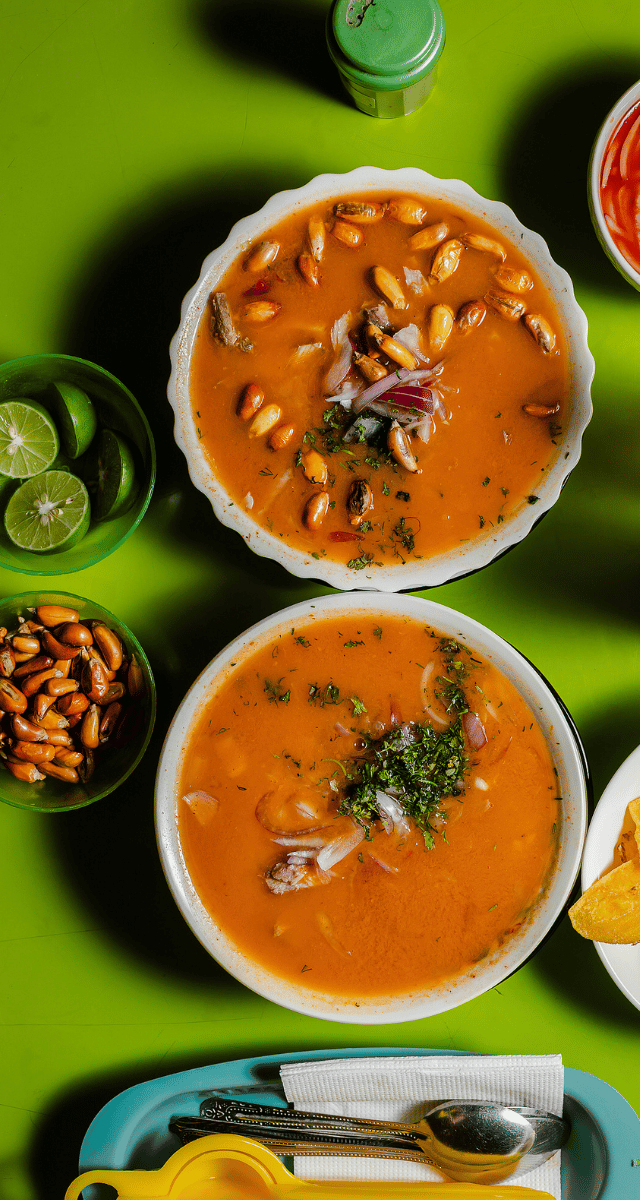
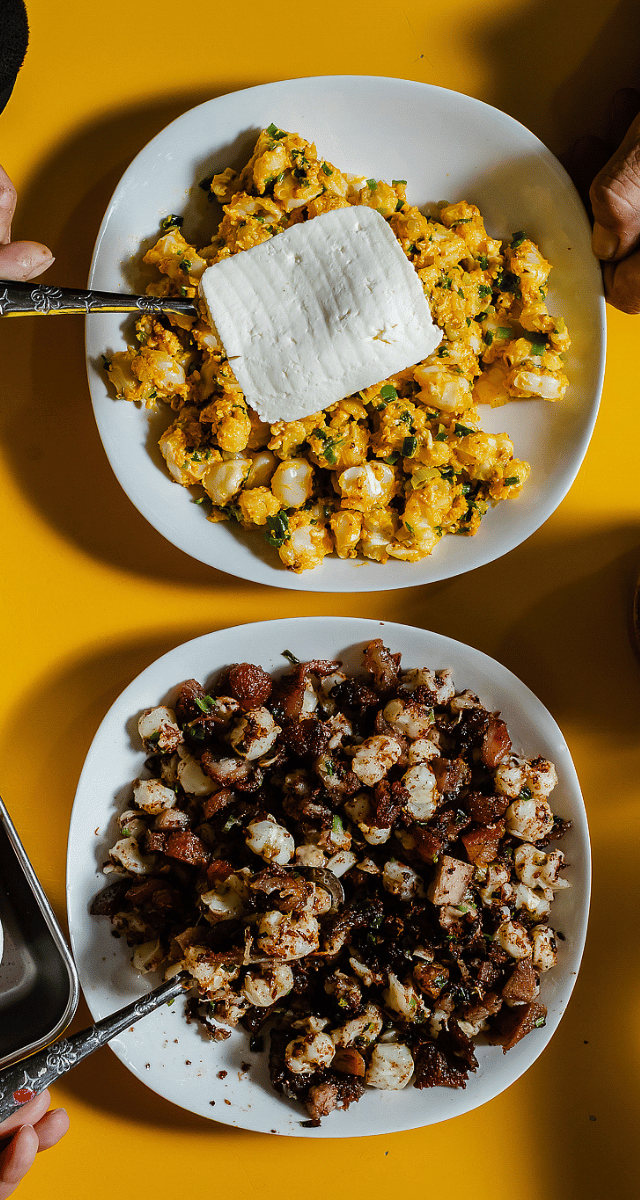
Cuy roasted whole, mote pillo hominy with egg, humitas fresh corn cakes, morocho hot corn drink. Cuenca's mountain kitchen leans on corn and root vegetables.
04 The pantry
- Mote, hominy corn boiled soft for the daily plate
- Cuy, guinea pig roasted whole over charcoal
- Chorizo cuencano, spiced pork sausage grilled at markets
- Aji criollo, coriander-lime chilli on every table
- Morocho, dried white corn for the warming winter drink
05 In the kitchen
- Roasting cuy asado whole over glowing charcoal on a spit
- Simmering mote pillo hominy with egg and scallion for breakfast
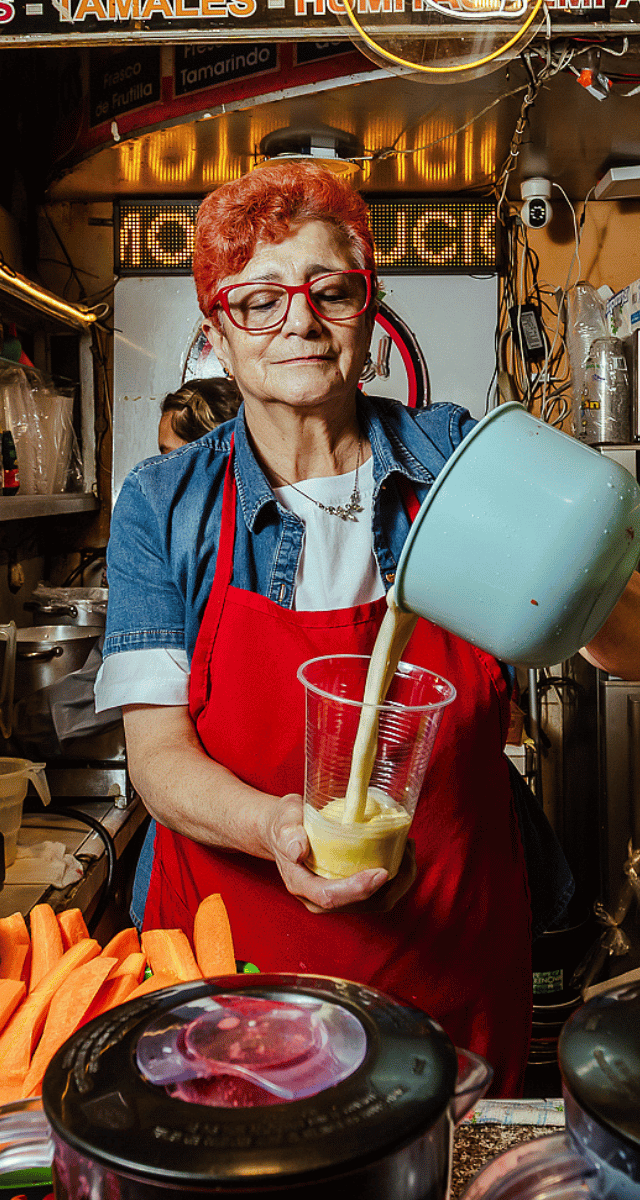
- Cooking morocho hot corn drink with milk and cinnamon
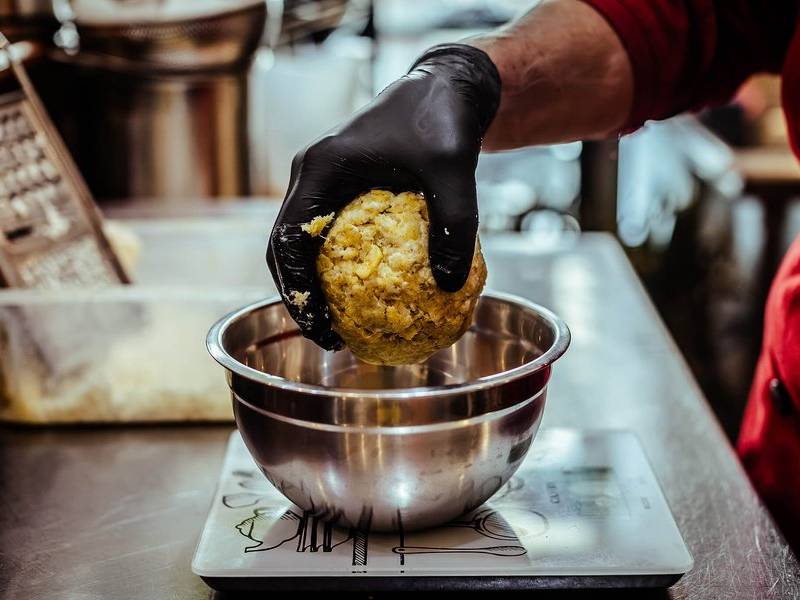
- Steaming humitas fresh corn tamales in the leaves
- Grilling chorizo cuencano and papas over the market braziers
06 Eat this first
- Cuy asado, whole roasted guinea pig with potato and mote
- Mote pillo, hominy scramble with egg and scallion
- Humitas, fresh-corn tamales steamed in their own husks
- Chorizo con mote, spiced sausage over hominy at the market
- Morocho, hot corn drink with milk and cinnamon for cold nights


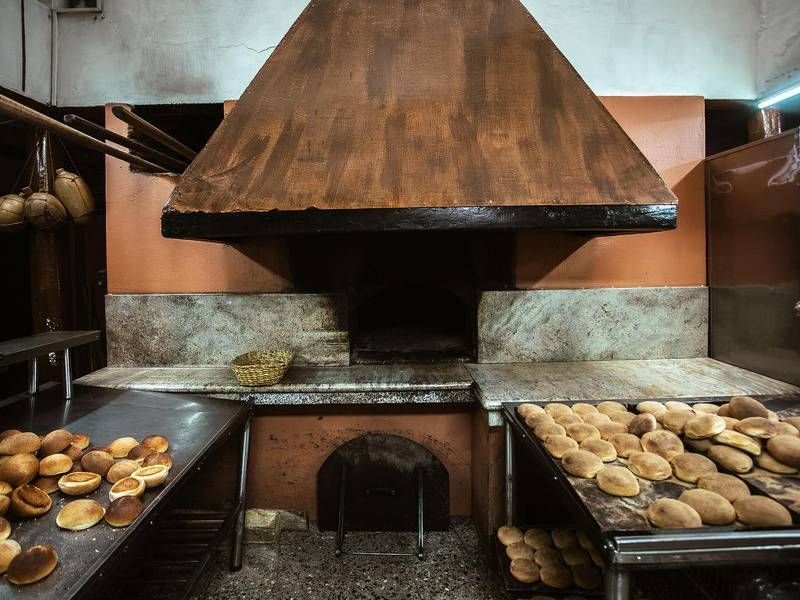
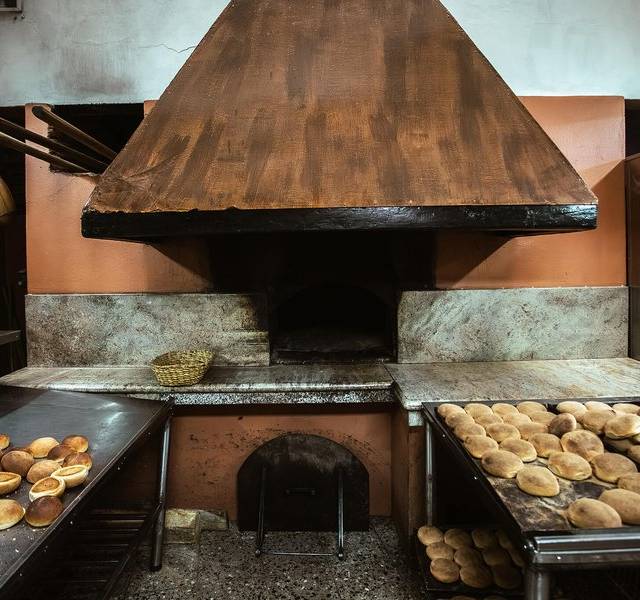
What happens inside a hammam kitchen
A morning with the cooks who feed the neighbourhood before dawn. Charcoal, dough, the smell of a bakery working its second oven.
09 Recipes
A collection of authentic recipes we couldn't leave behind.

Egg yolks whipped with sugar into a foam, mounted with hot milk, cinnamon and a shot of aguardiente. Quito's Christmas Eve nightcap.
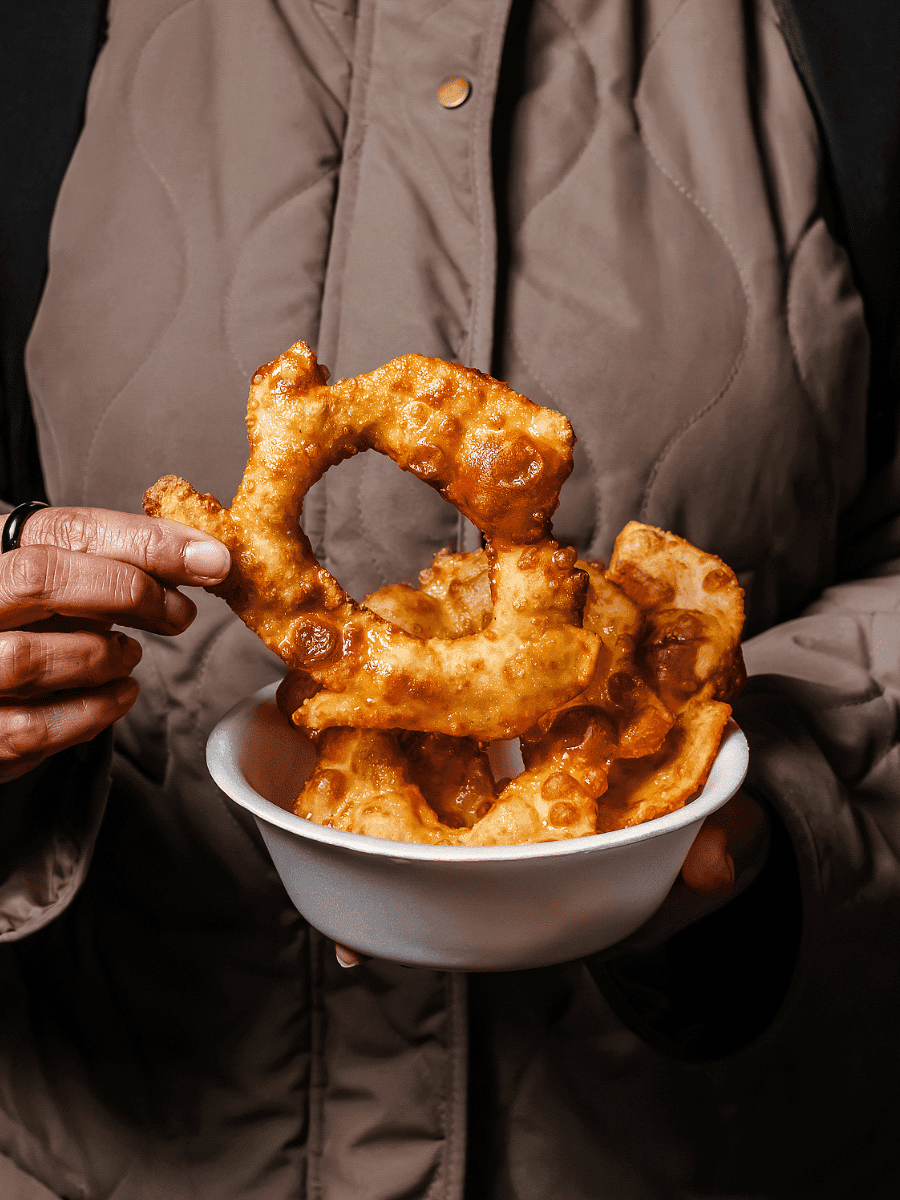
Fluted rings of fried dough drenched in a panela-and-cinnamon syrup. Ecuador's Christmas Eve dessert, served alongside hot cinnamon chocolate.

Fresh corn ground with butter, milk and cheese, wrapped in corn husks and steamed into a soft sweet-savoury cake. Andean afternoon-tea food.

Green plantain and peanut dough shaped around a spiced fish filling, deep-fried until crackling. Manabí's most iconic street food.
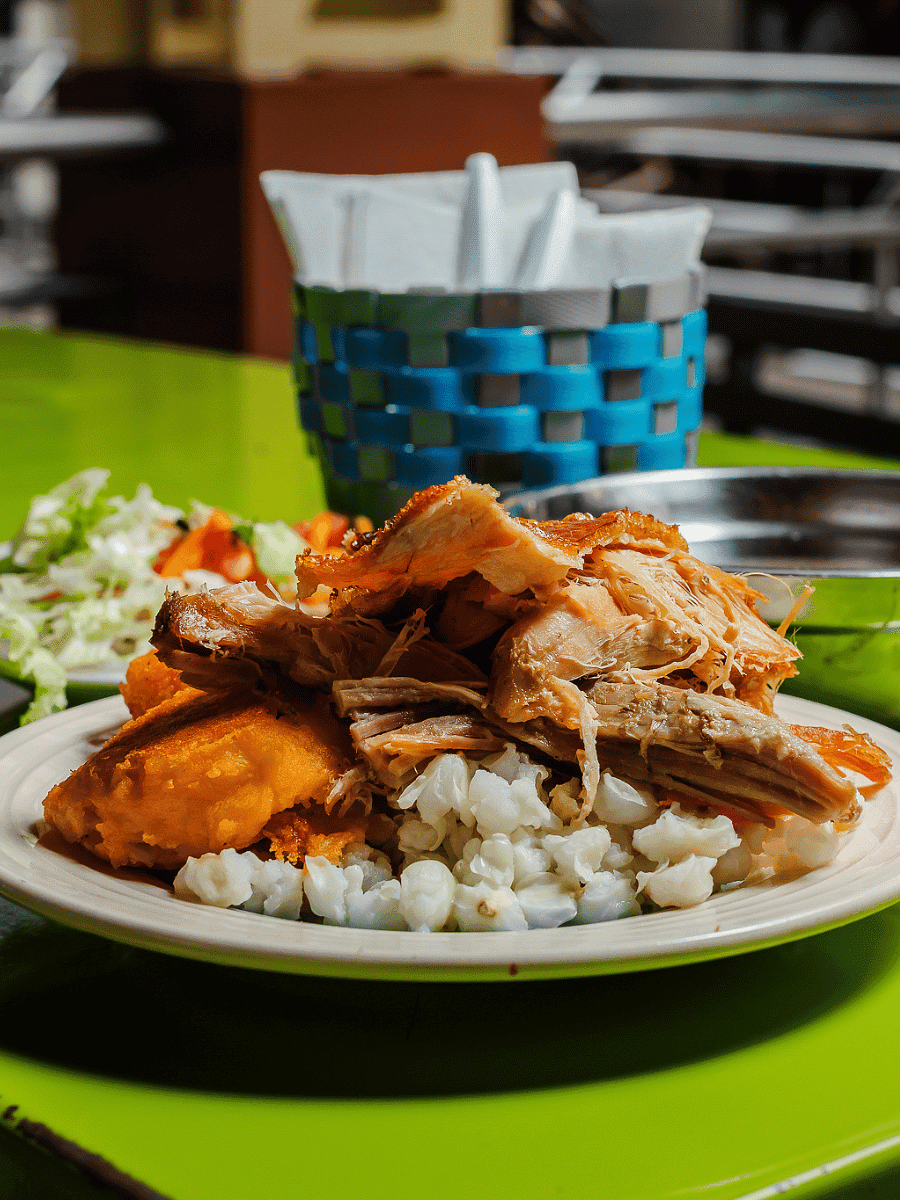
Whole pig roasted for hours over wood coals, marinated overnight in beer, garlic and achiote. Ecuador's Sunday feast, served with mote, potato patties and a spoon of tangy agrio.

Cooked hominy corn scrambled with eggs, onions and achiote until the kernels turn golden and glossy. Cuenca's breakfast staple, eaten with fresh coffee.
10 Field Notes
Quick field notes to help you get accustomed to Cuenca.
Weather
Cool highland climate at 2,500 m. Spring-like year-round (10–20°C). Rainiest February to April. Drier June to September.
Currency
The US dollar (USD). Ecuador uses it. Cash is standard. Cards work in mid-range restaurants and hotels. ATMs are common.
Language
Spanish. Quechua is heard in the surrounding countryside. English coverage is thin outside tourism.
Etiquette
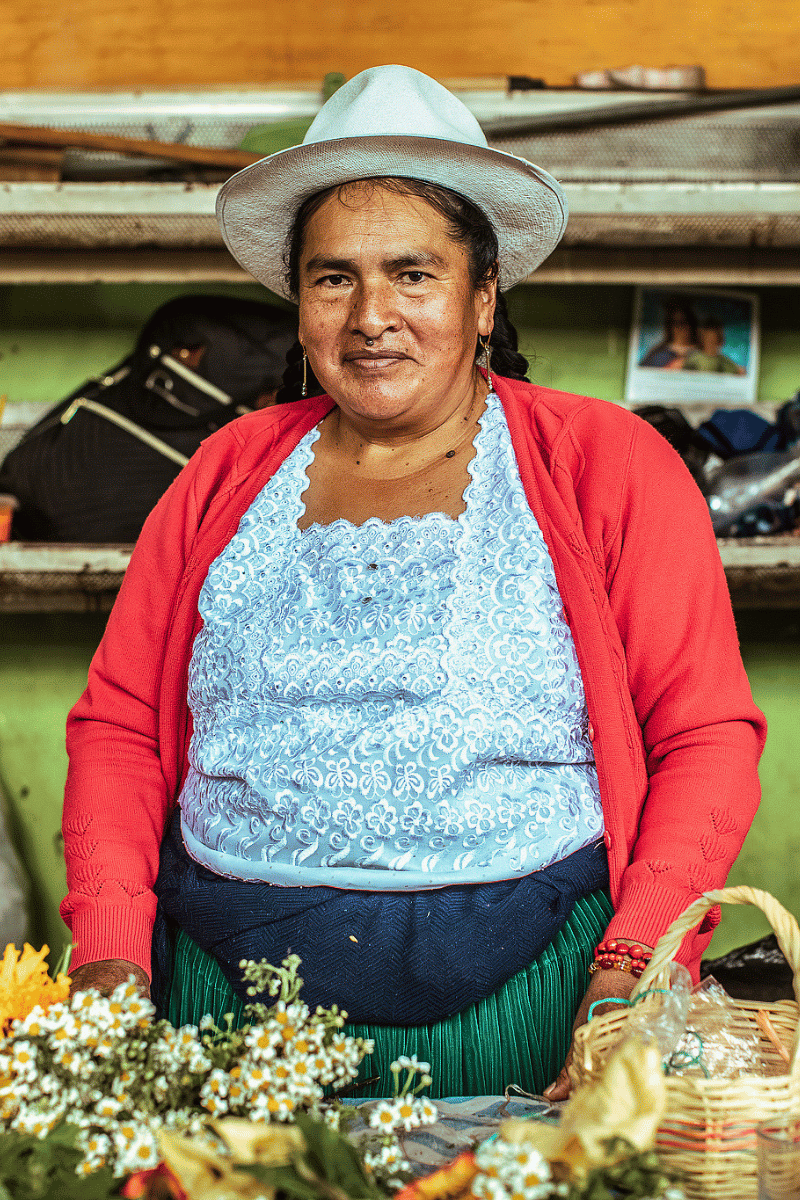
Modest dress at churches. Cuenca is a UNESCO-listed colonial city and takes its heritage seriously. Ask before photographing indigenous women, many prefer not to be photographed.
Getting around
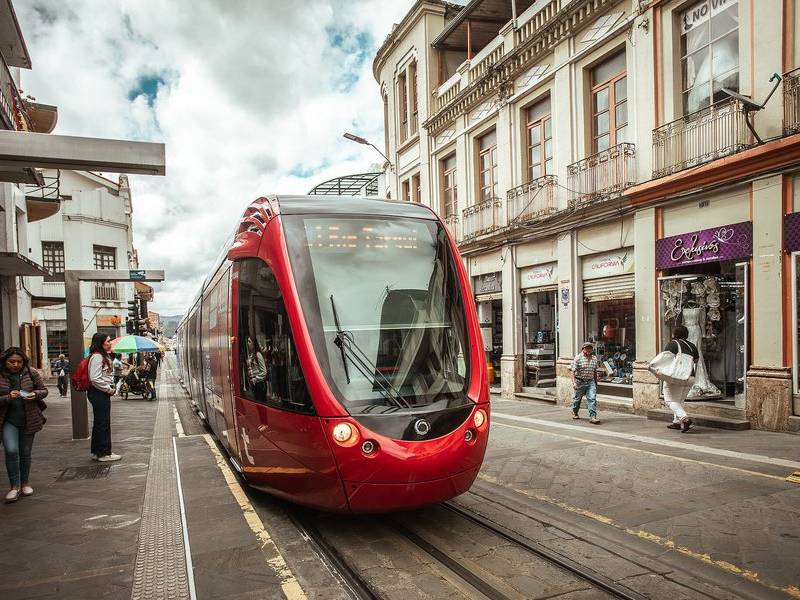
The historic centre is walkable and beautiful. The new tram covers the axis of the old town. Taxis are cheap (agree the fare). Cabify works.
Prayer
Predominantly Catholic. The New Cathedral's blue domes dominate the skyline. Corpus Christi and Holy Week processions are major citywide observances.