
01 Food tours
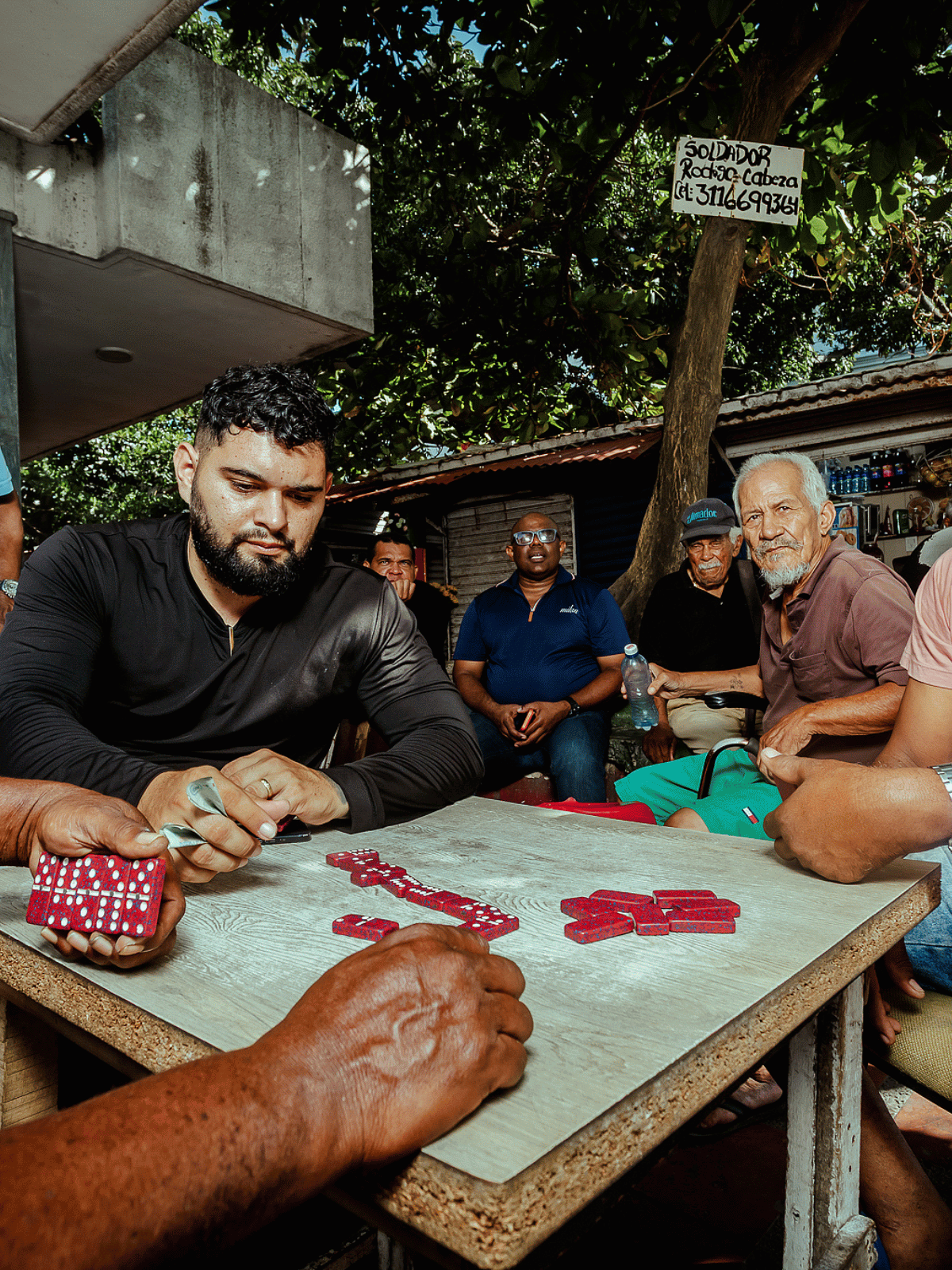
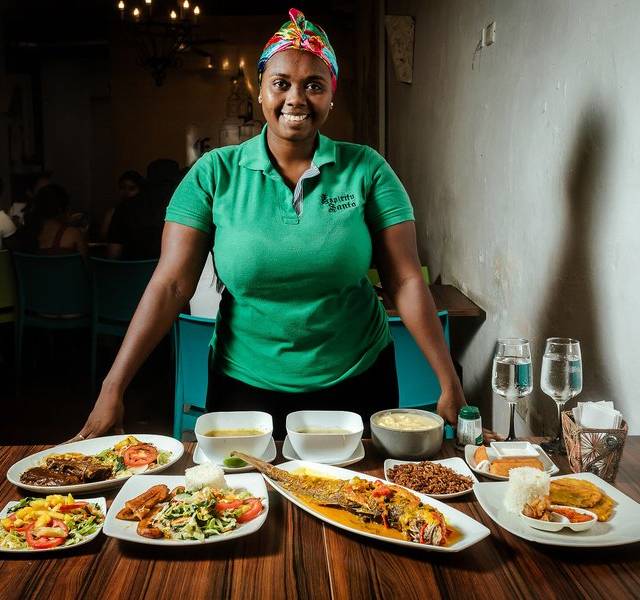
Original food tours, curated with our local tastemakers to showcase the neighbourhood kitchens, markets and family-run eateries that define Cartagena.
Costeño Kitchens
Cartagena
A curated food tour through the streets, markets and family kitchens of the destination — flavour by flavour.
Cartagena Nights
Cartagena
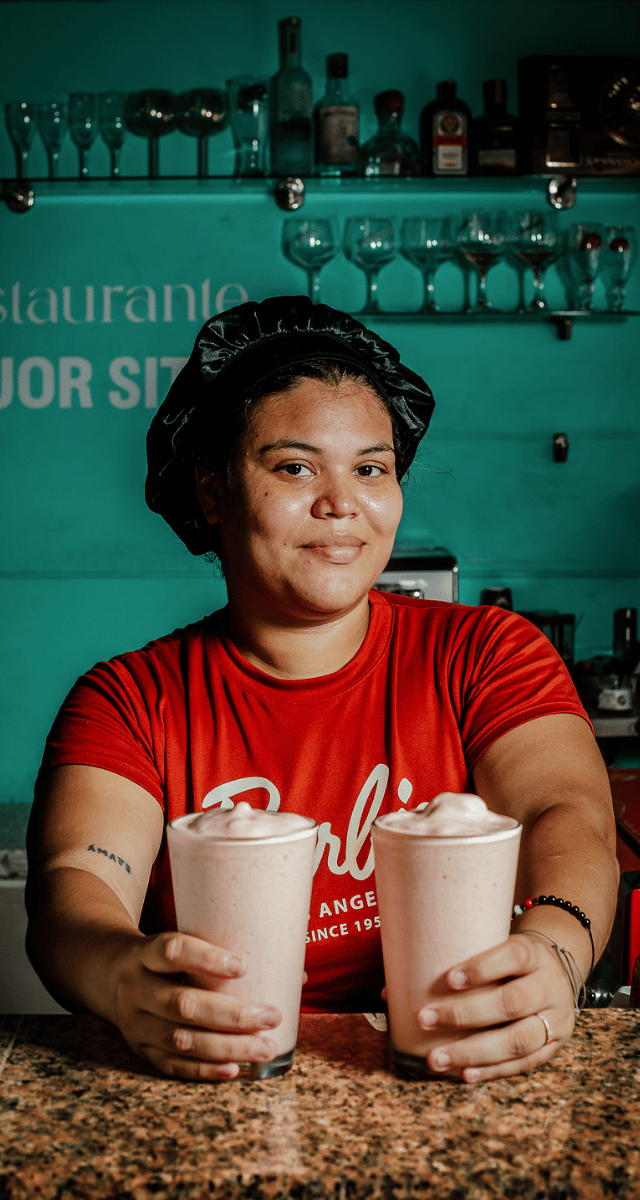
A curated food tour through the streets, markets and family kitchens of the destination — flavour by flavour.
02 Meet the tastemakers
The local food experts who help us research, refine and lead every A Chef's Tour.

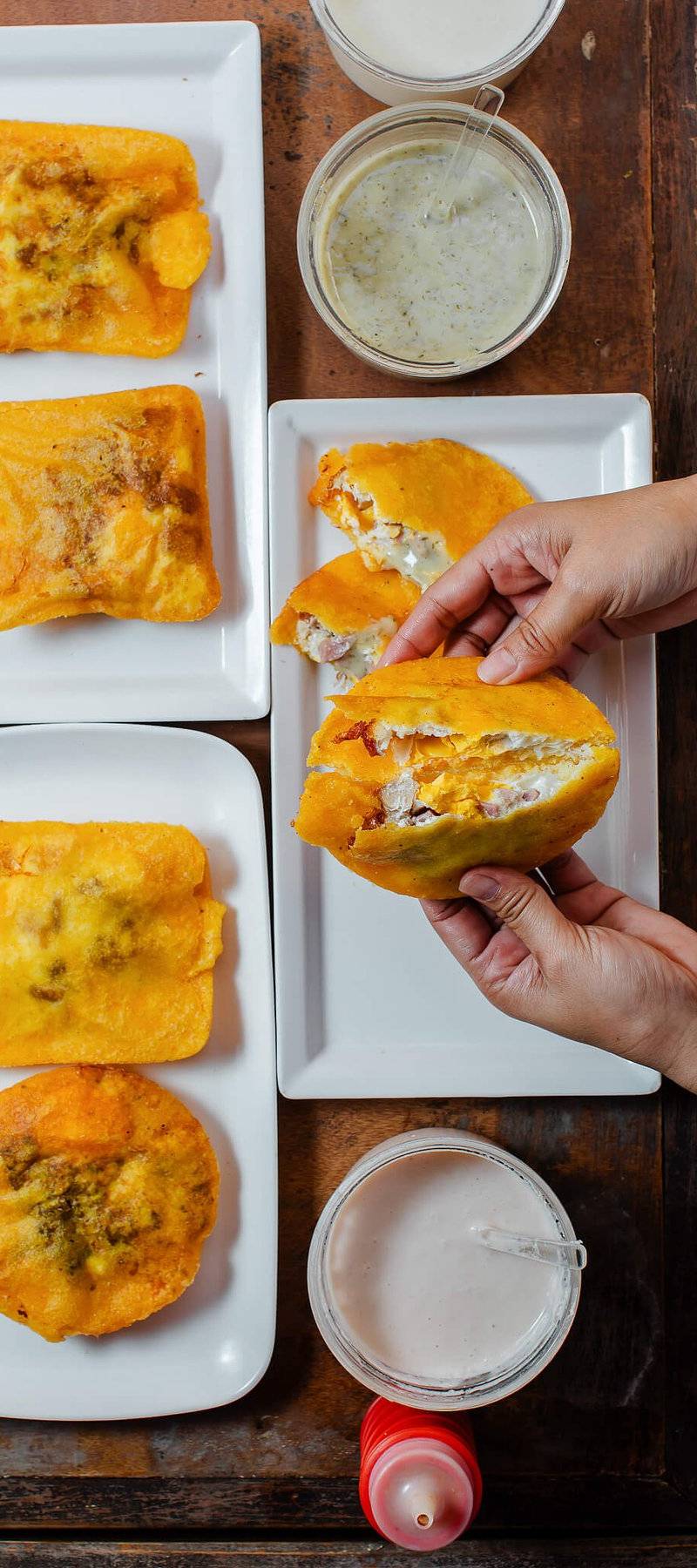
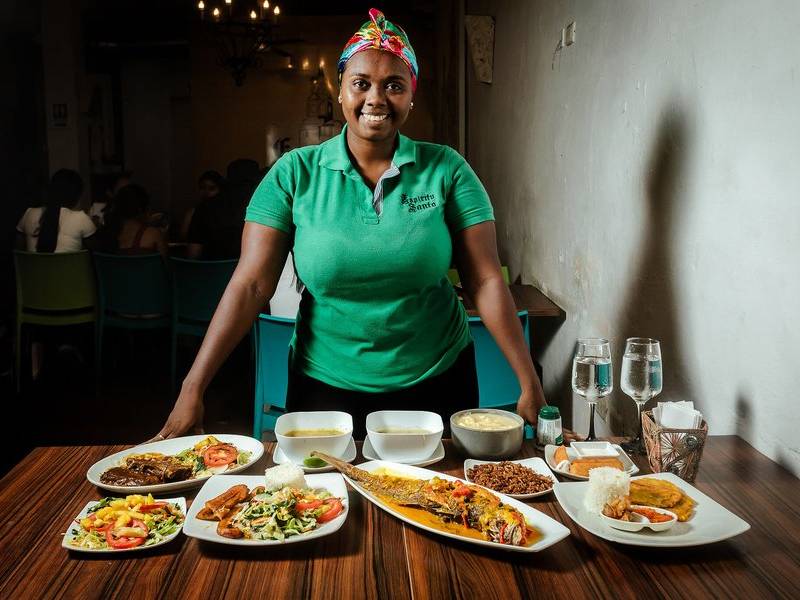
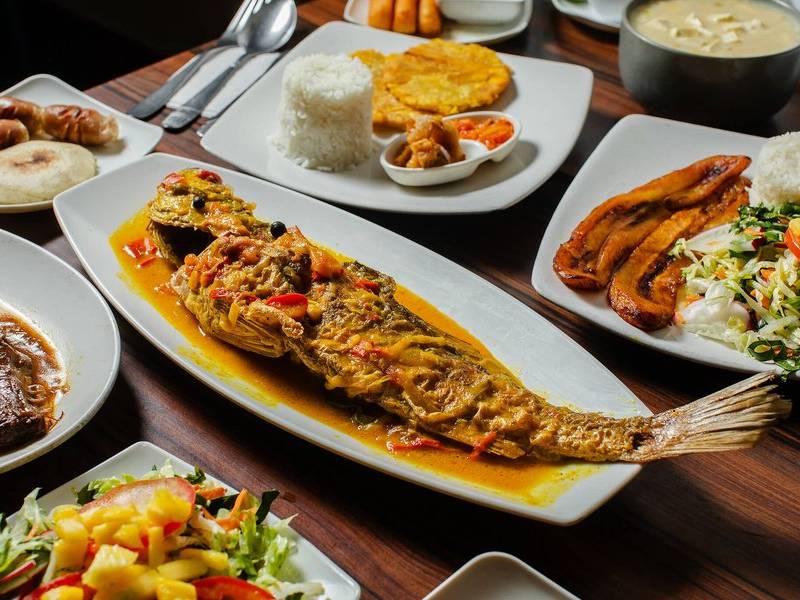
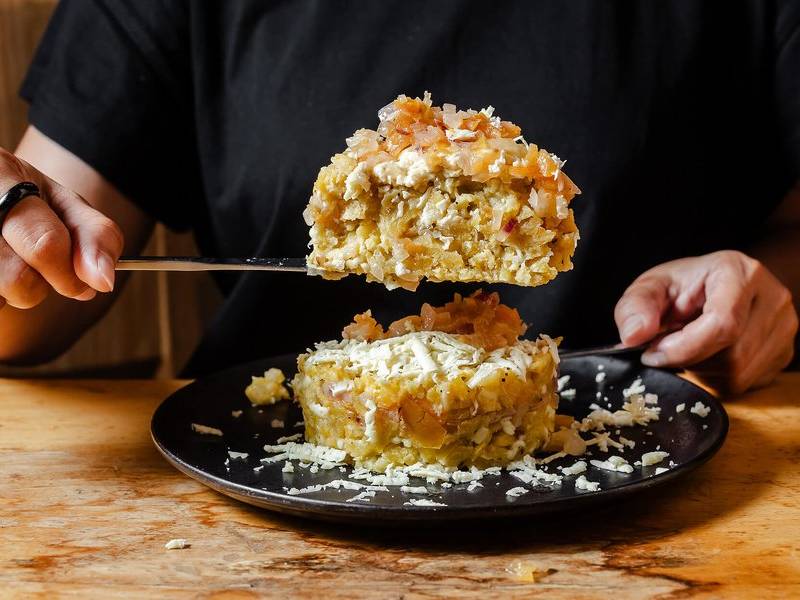
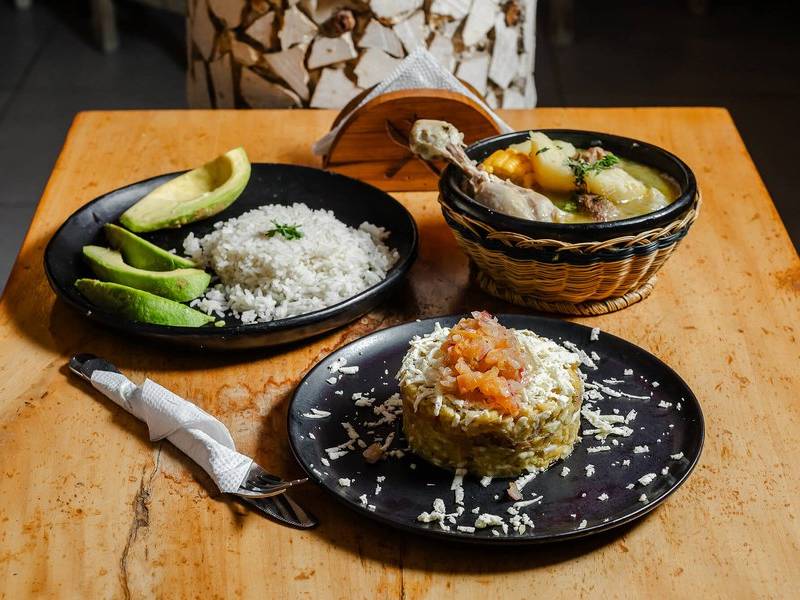
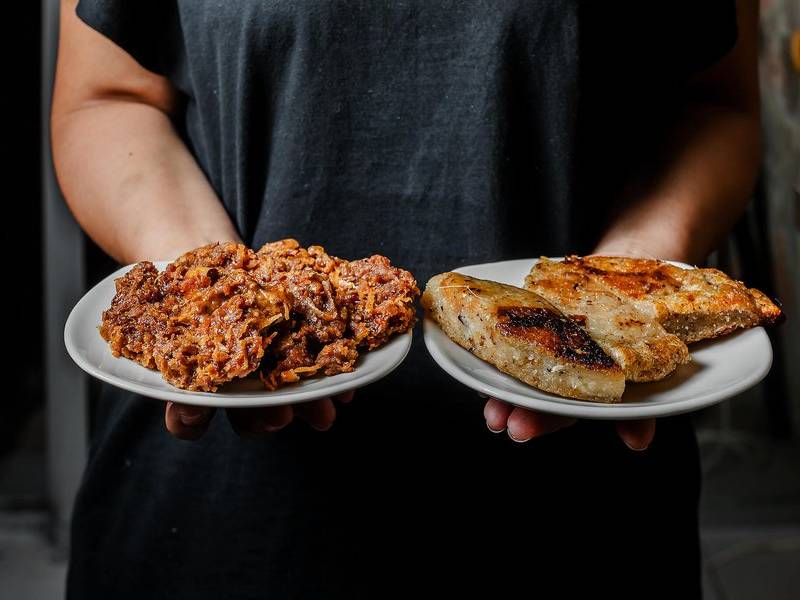
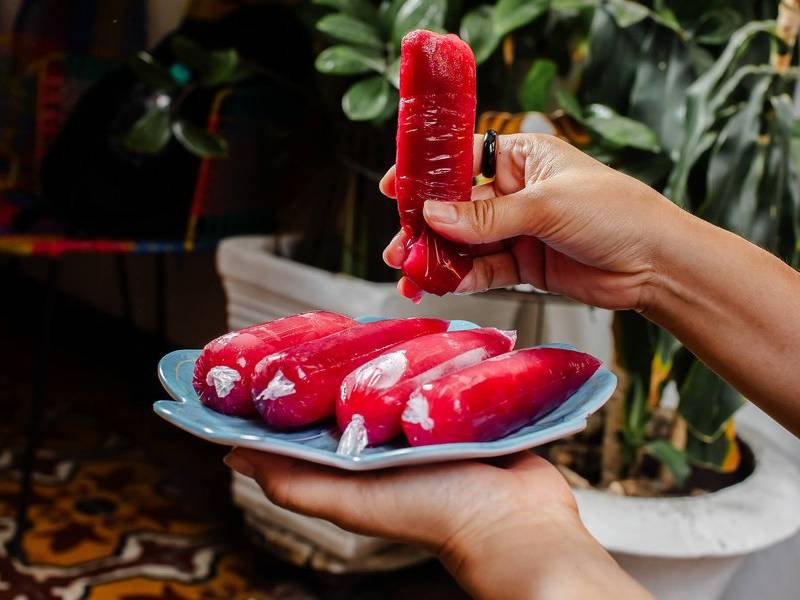
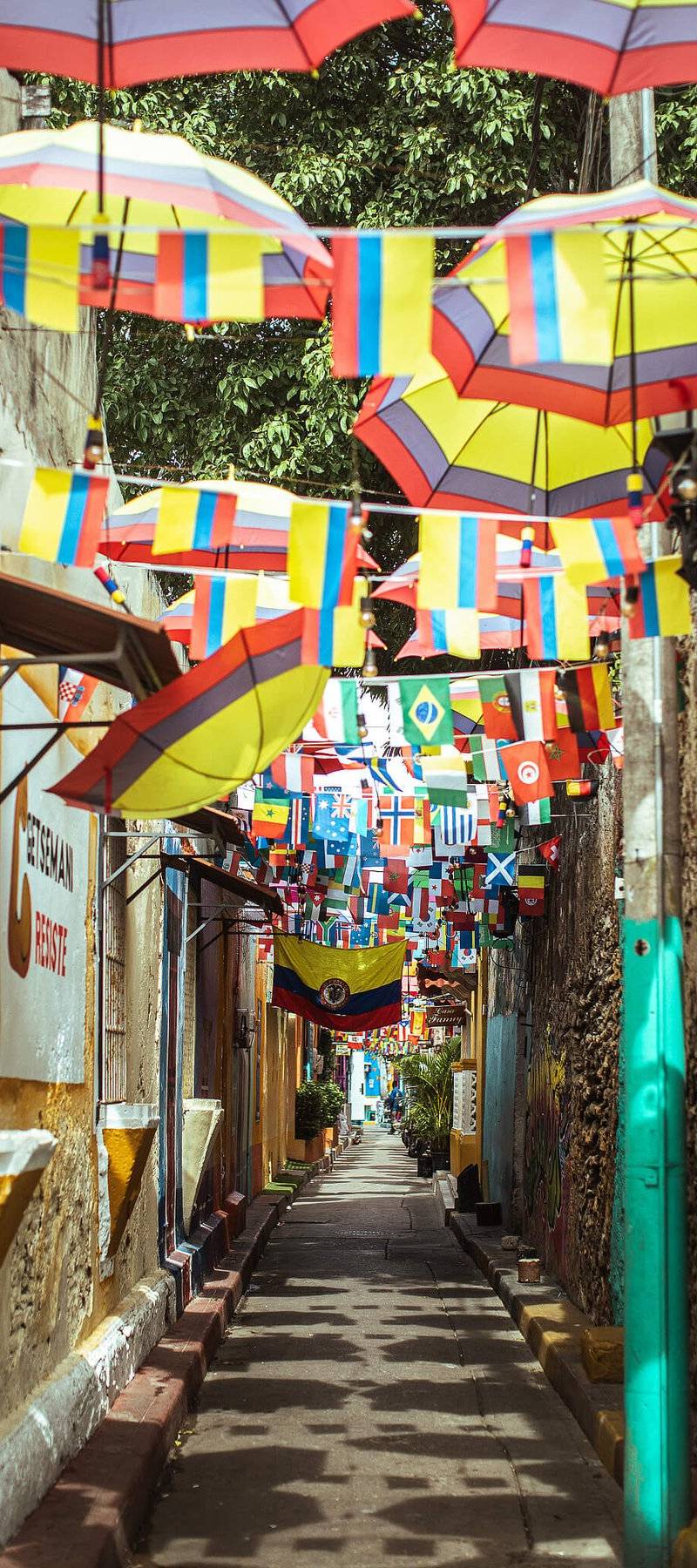
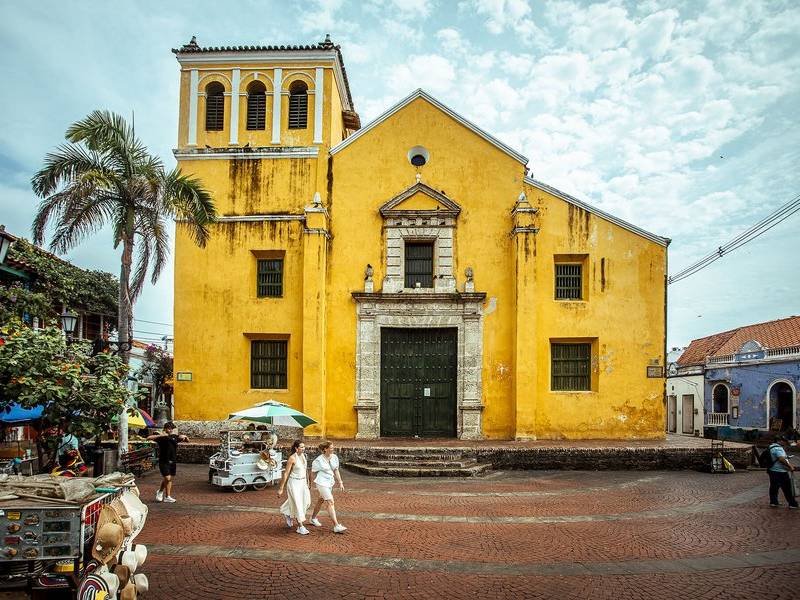
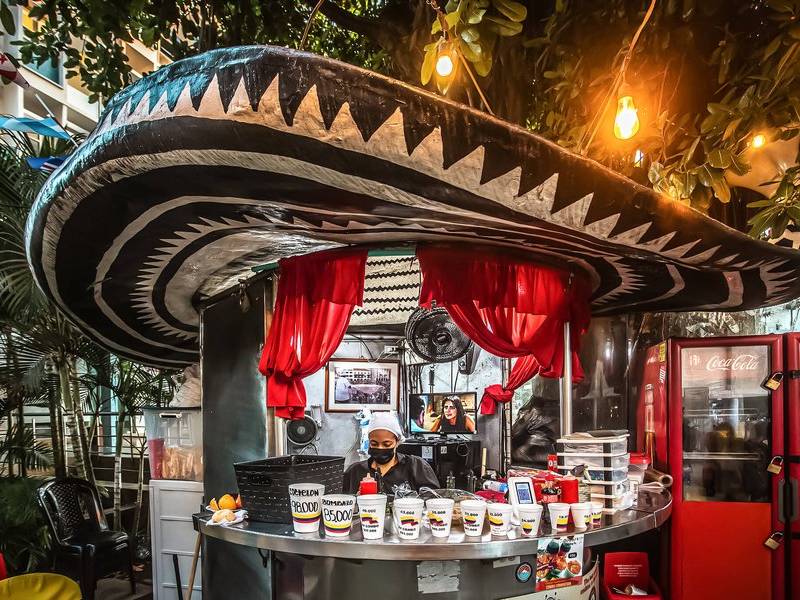
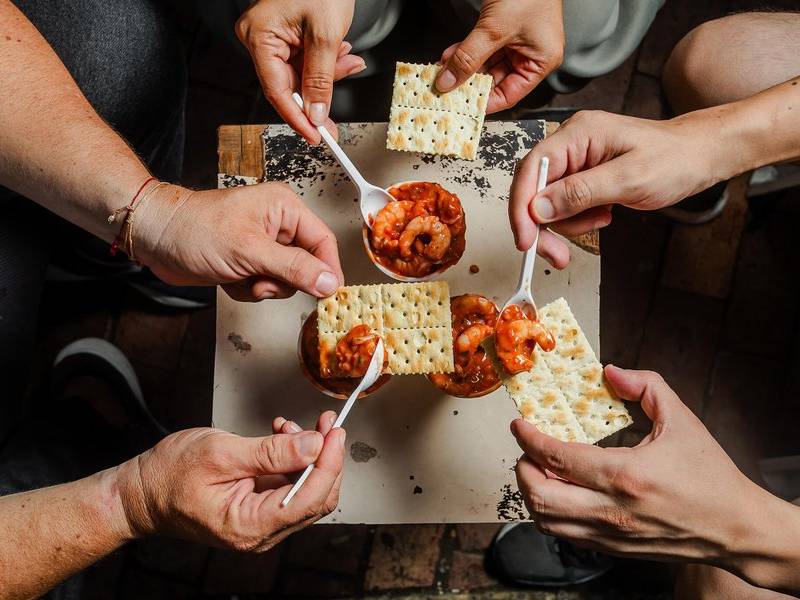
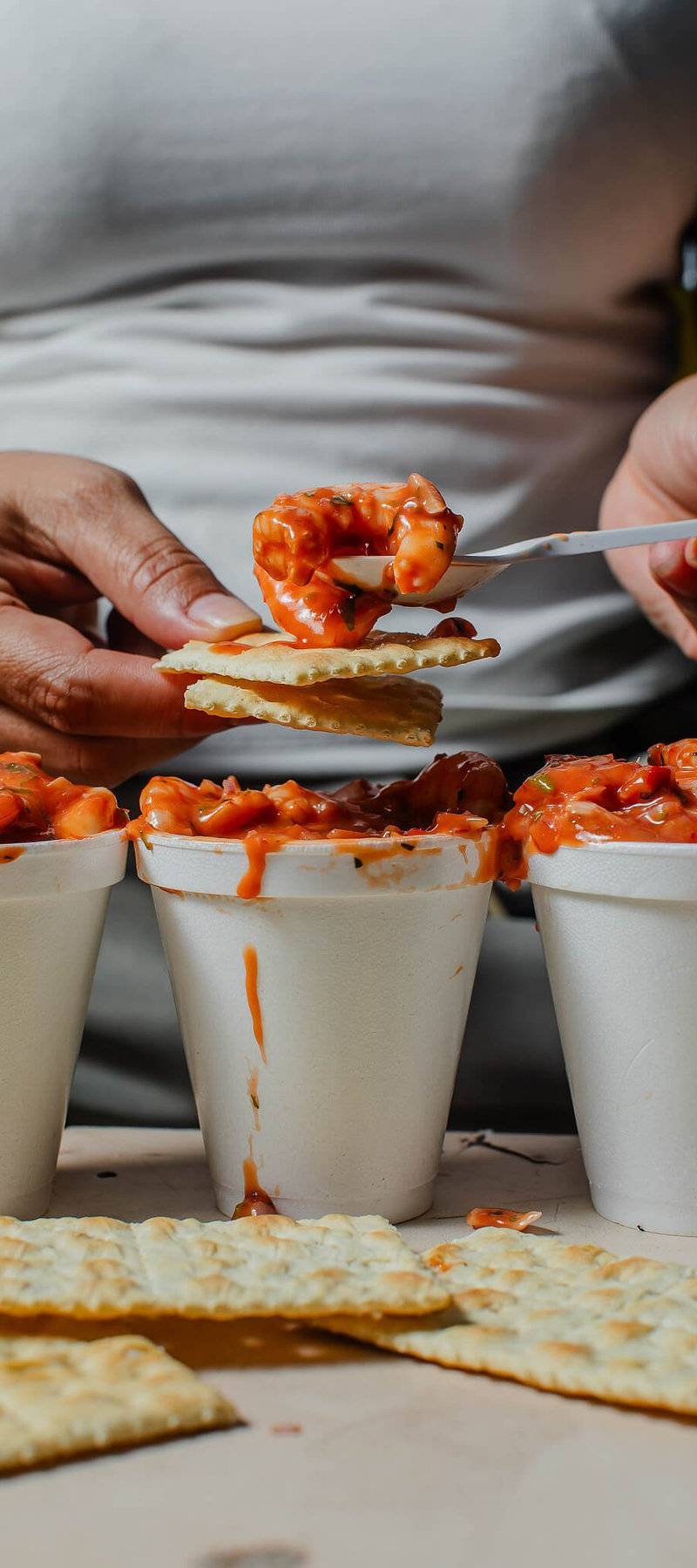
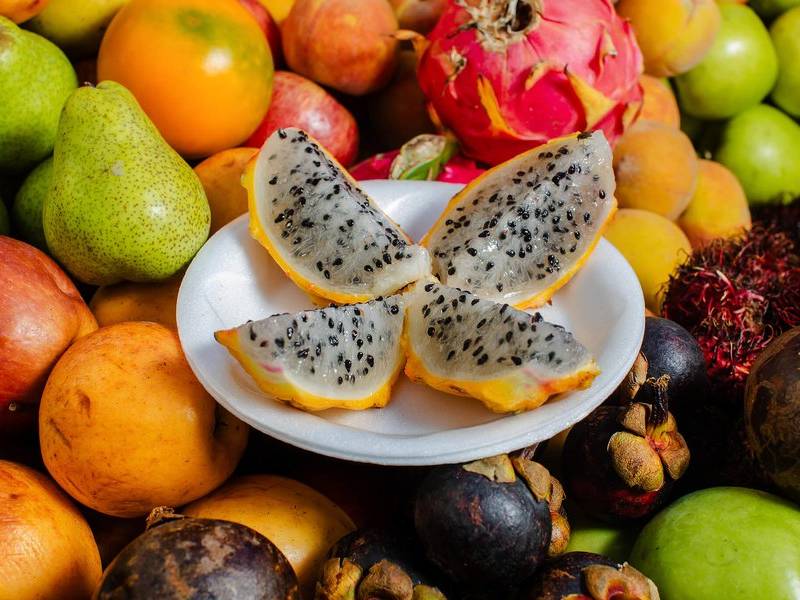
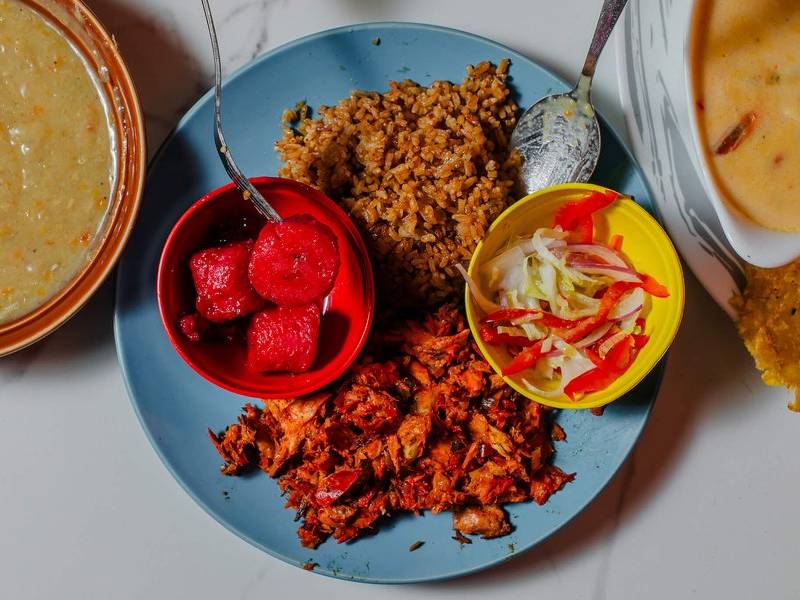
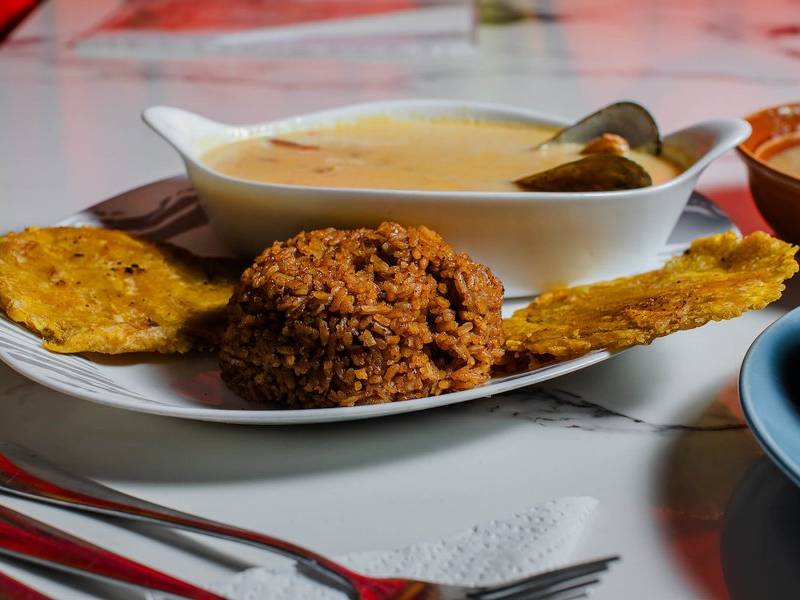
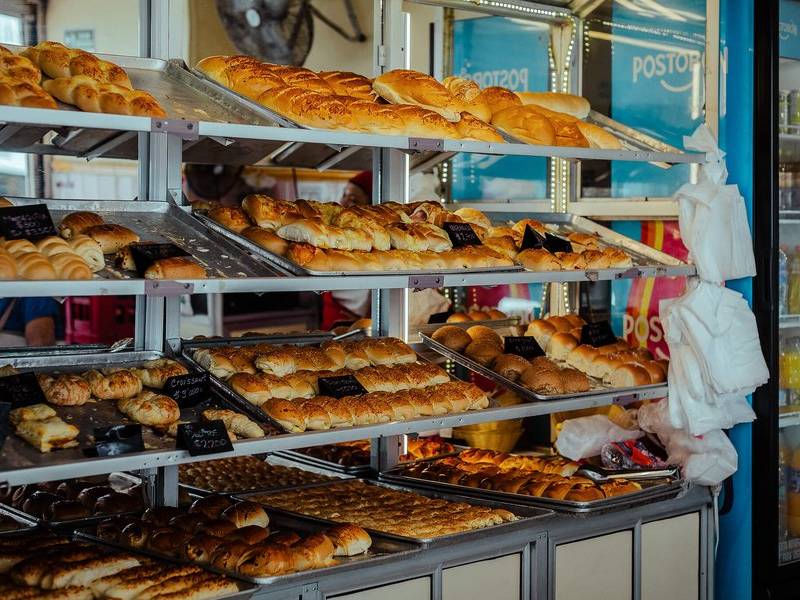
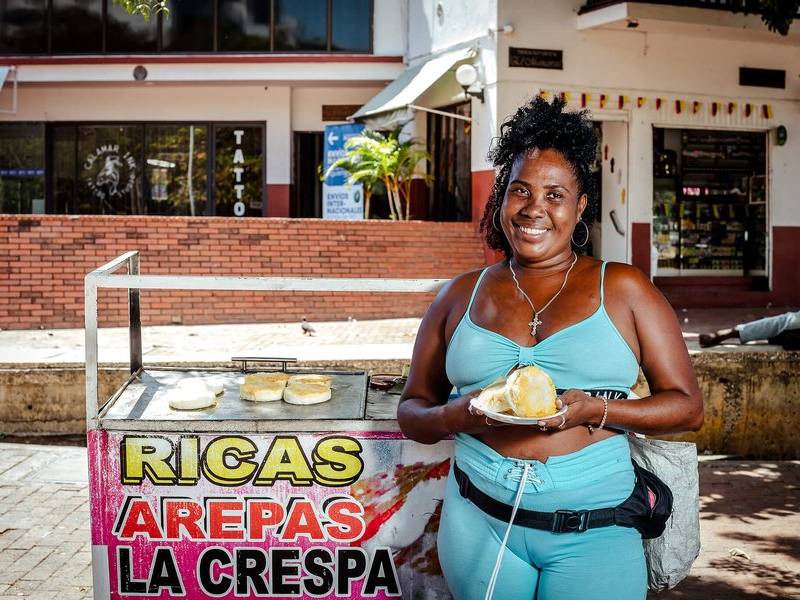
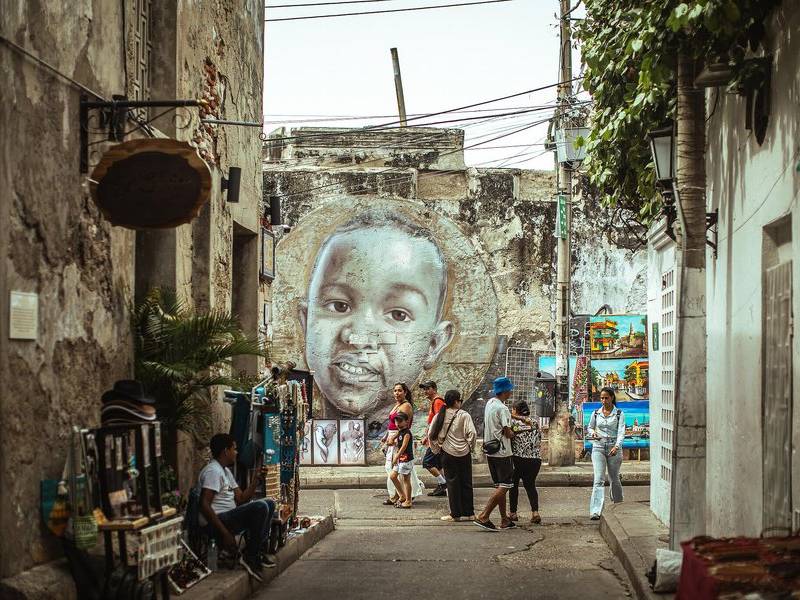
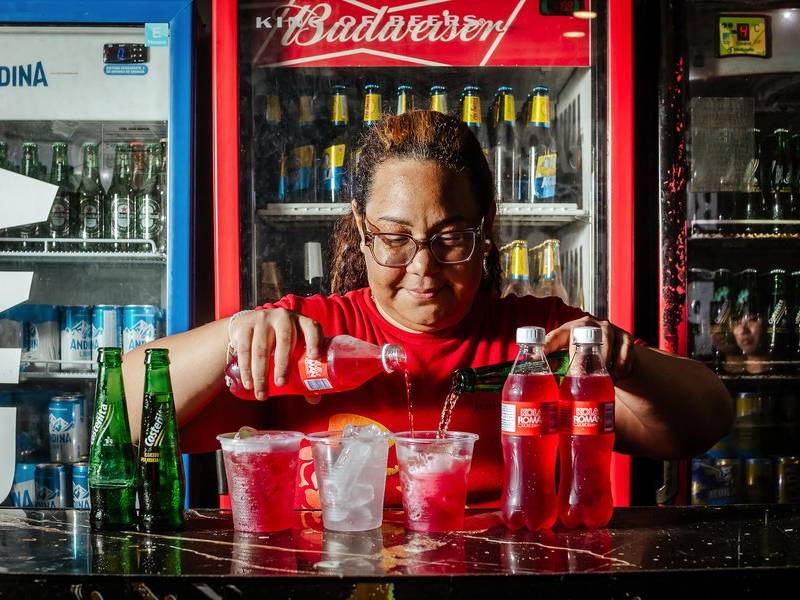
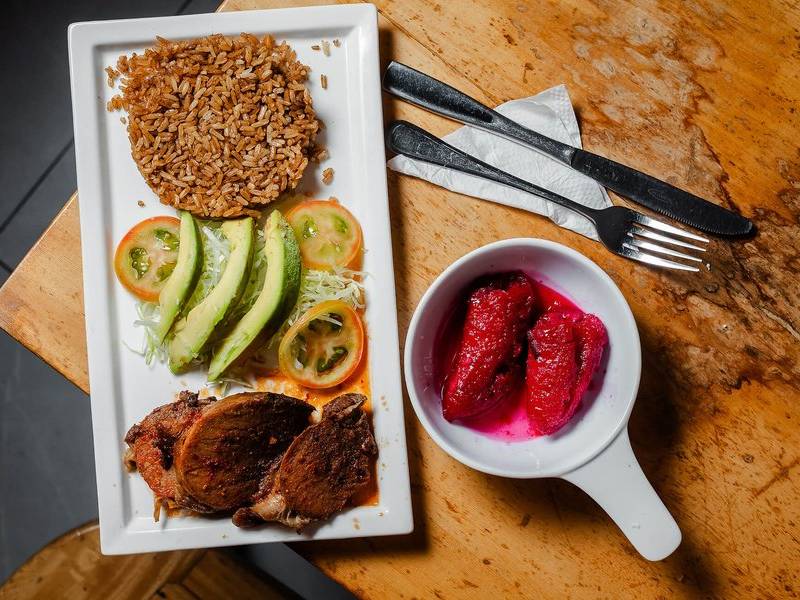
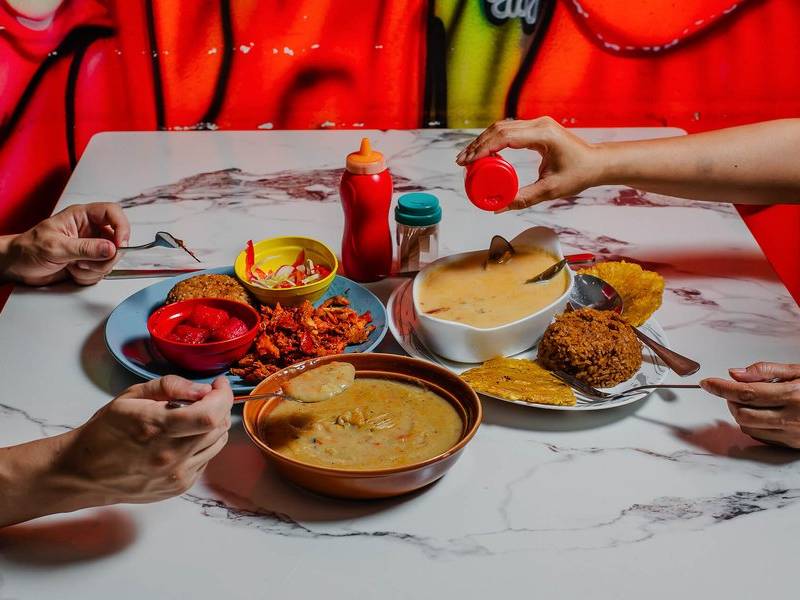
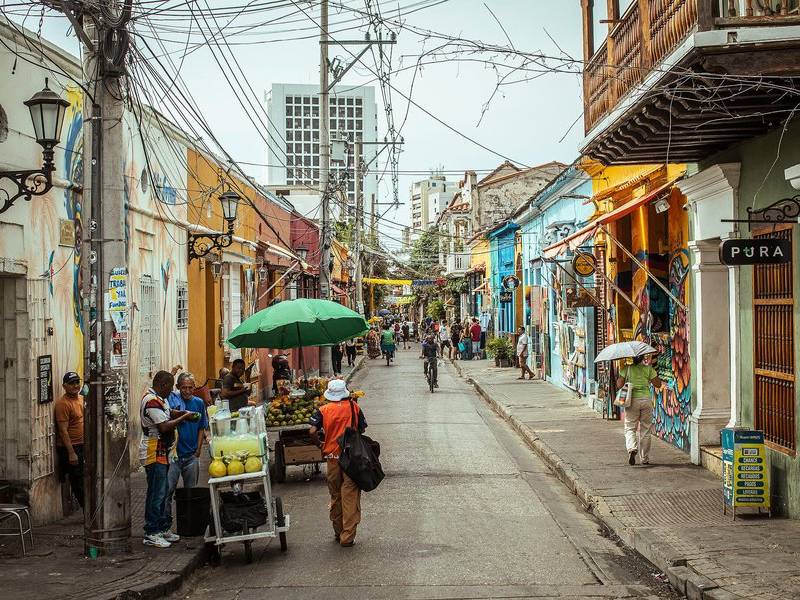
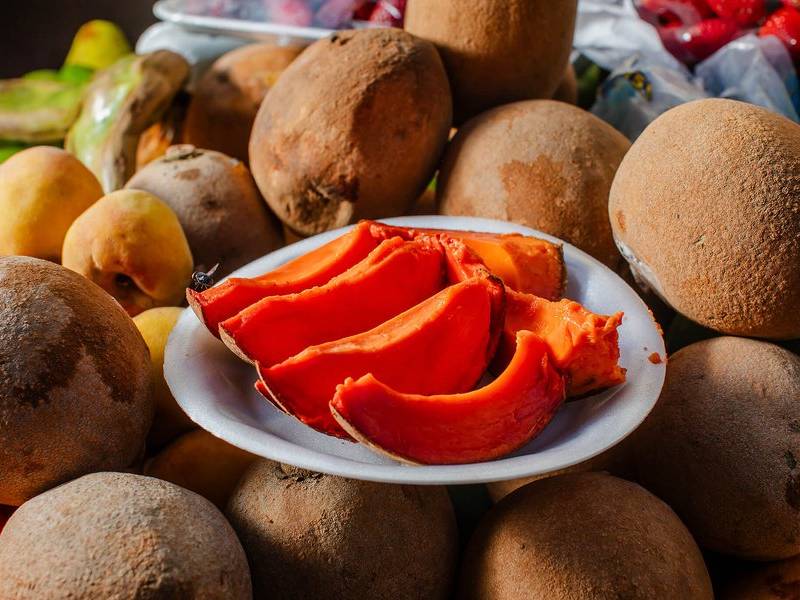
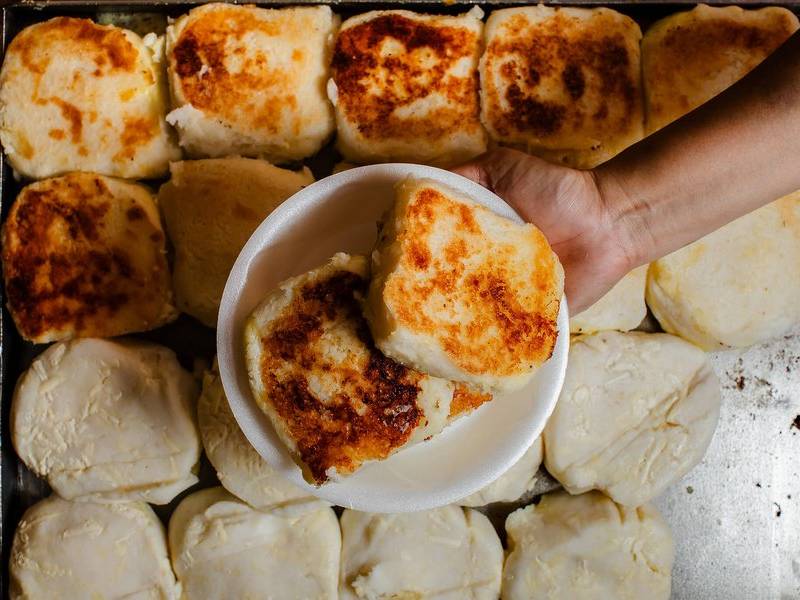
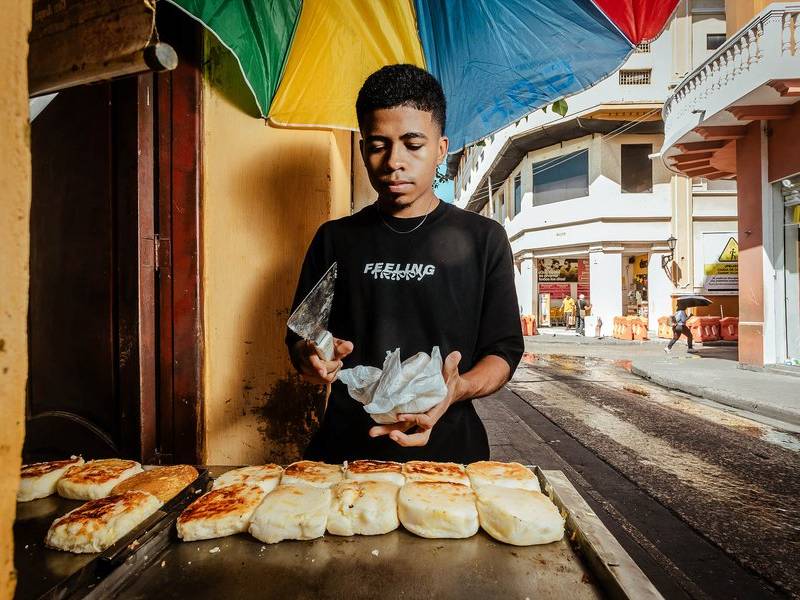
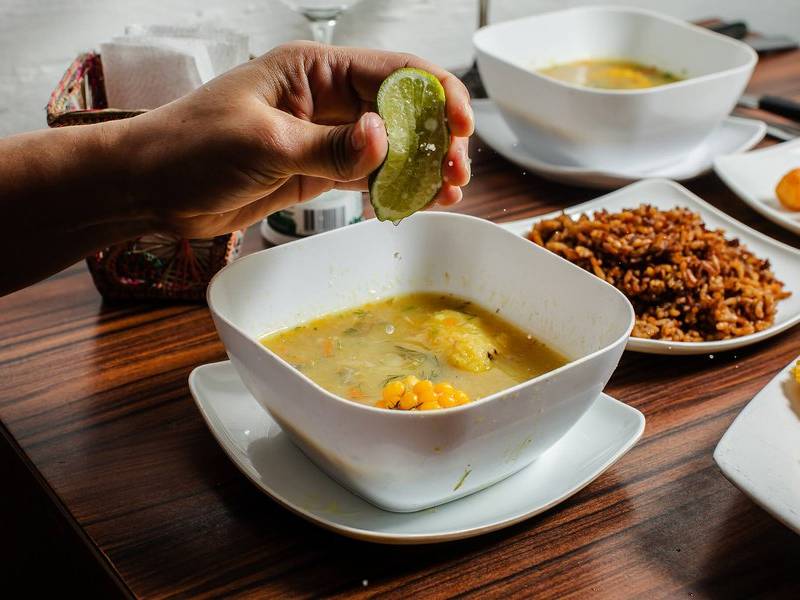
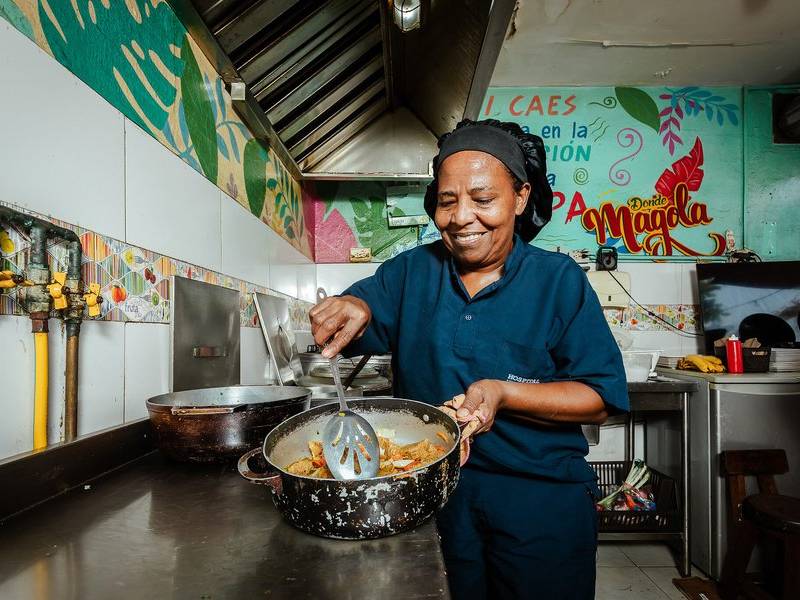
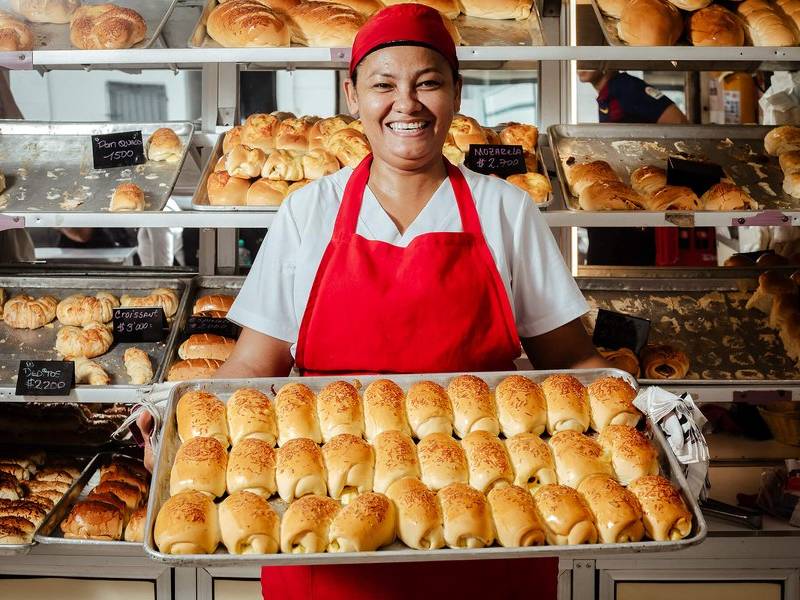
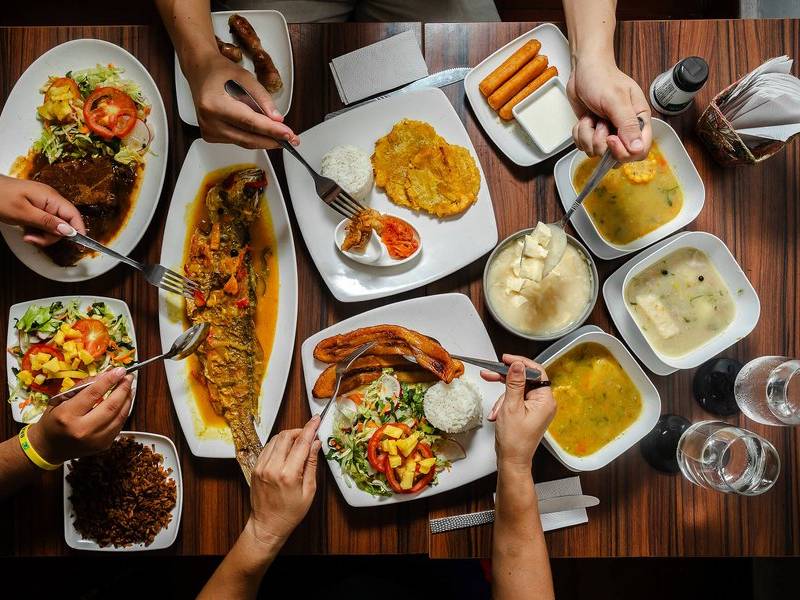
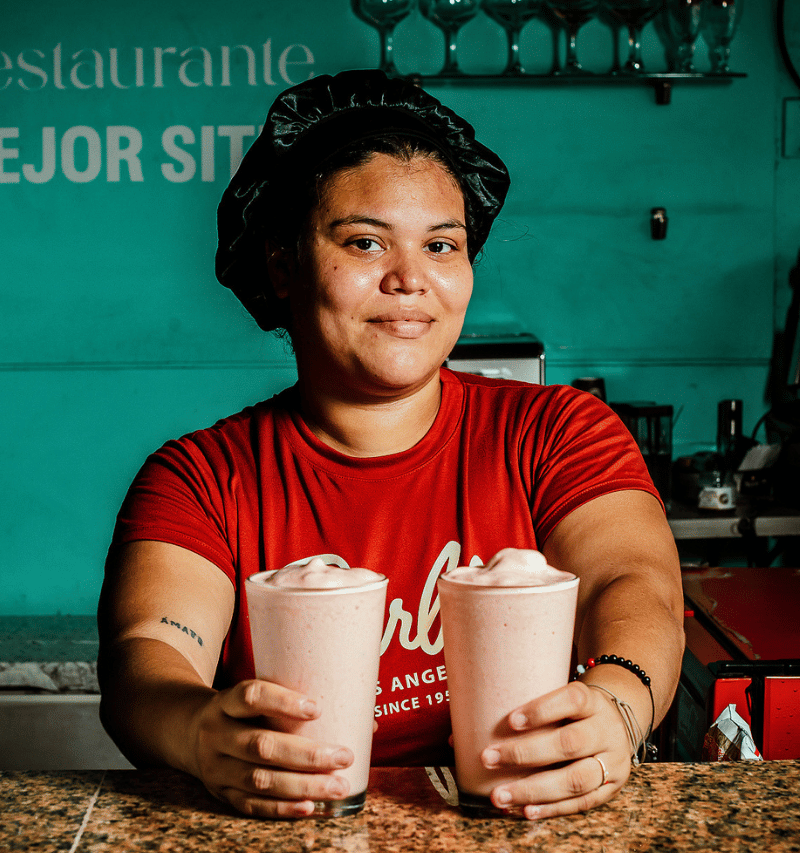
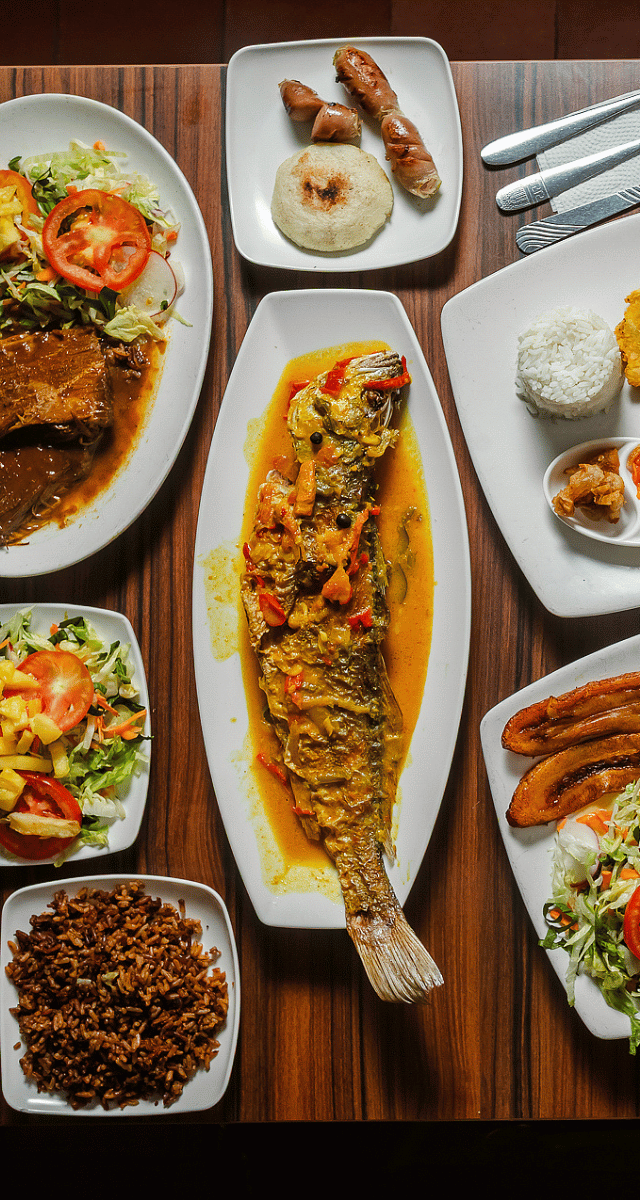
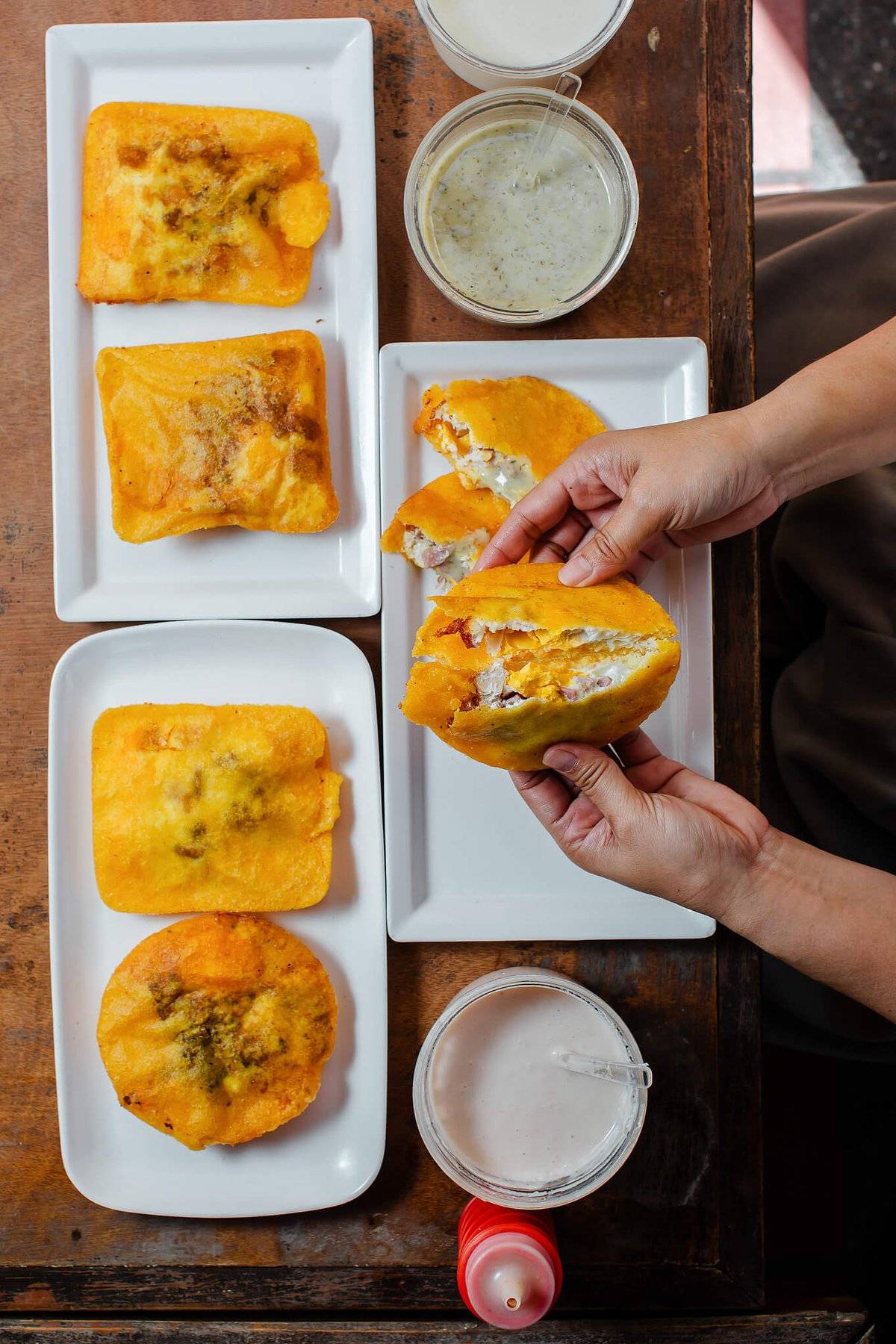
Coconut rice, fresh Caribbean fish, hogao sofrito of tomato and onion, arepa de huevo cracked open. The Colombian coast cooks with lime, coconut and open sky.
04 The pantry
- Coconut milk, at the heart of arroz con coco
- Sofrito, hogao base of tomato, onion and garlic
- Fresh Caribbean fish, red snapper and mojarra from the coast
- Yuca, cassava for boiling and frying
- Suero costeño, tangy cultured cream for arepas
05 In the kitchen
- Cooking arroz con coco titote until the coconut caramelises at the bottom
- Frying arepa de huevo with a whole egg inside
- Grilling whole snapper on the beach with lime and hogao
- Simmering cazuela de mariscos in coconut milk and sofrito
- Making bollo limpio corn dough steamed in leaves
06 Eat this first
- Arroz con coco titote, coconut rice with the caramelised bottom of the pot
- Arepa de huevo, corn cake fried with a whole egg tucked inside
- Cazuela de mariscos, coconut seafood stew rich with shrimp and fish
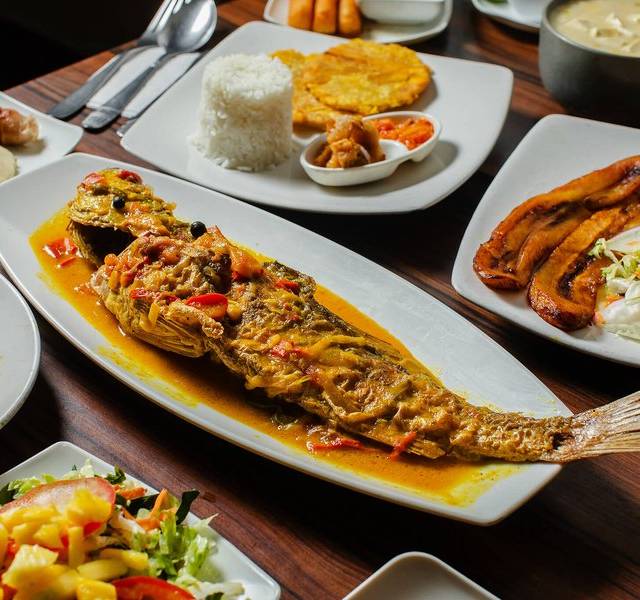
- Pescado frito, whole fried red snapper with coconut rice and patacones
- Posta cartagenera, sweet-savoury braised beef in panela and cola


What happens inside a hammam kitchen
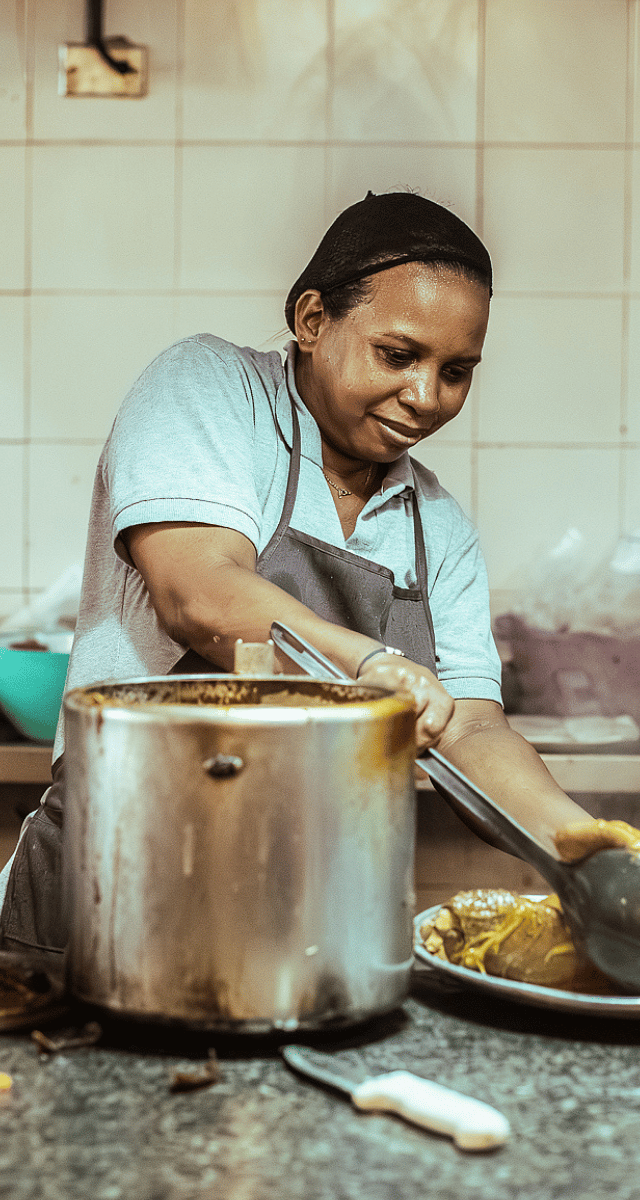
A morning with the cooks who feed the neighbourhood before dawn. Charcoal, dough, the smell of a bakery working its second oven.
09 Recipes
A collection of authentic recipes we couldn't leave behind.

Yellow corn dough wrapped around a filling of shredded chicken, potato and hogao, deep-fried until deep gold and crackly. Colombia's small crunchy street empanada.

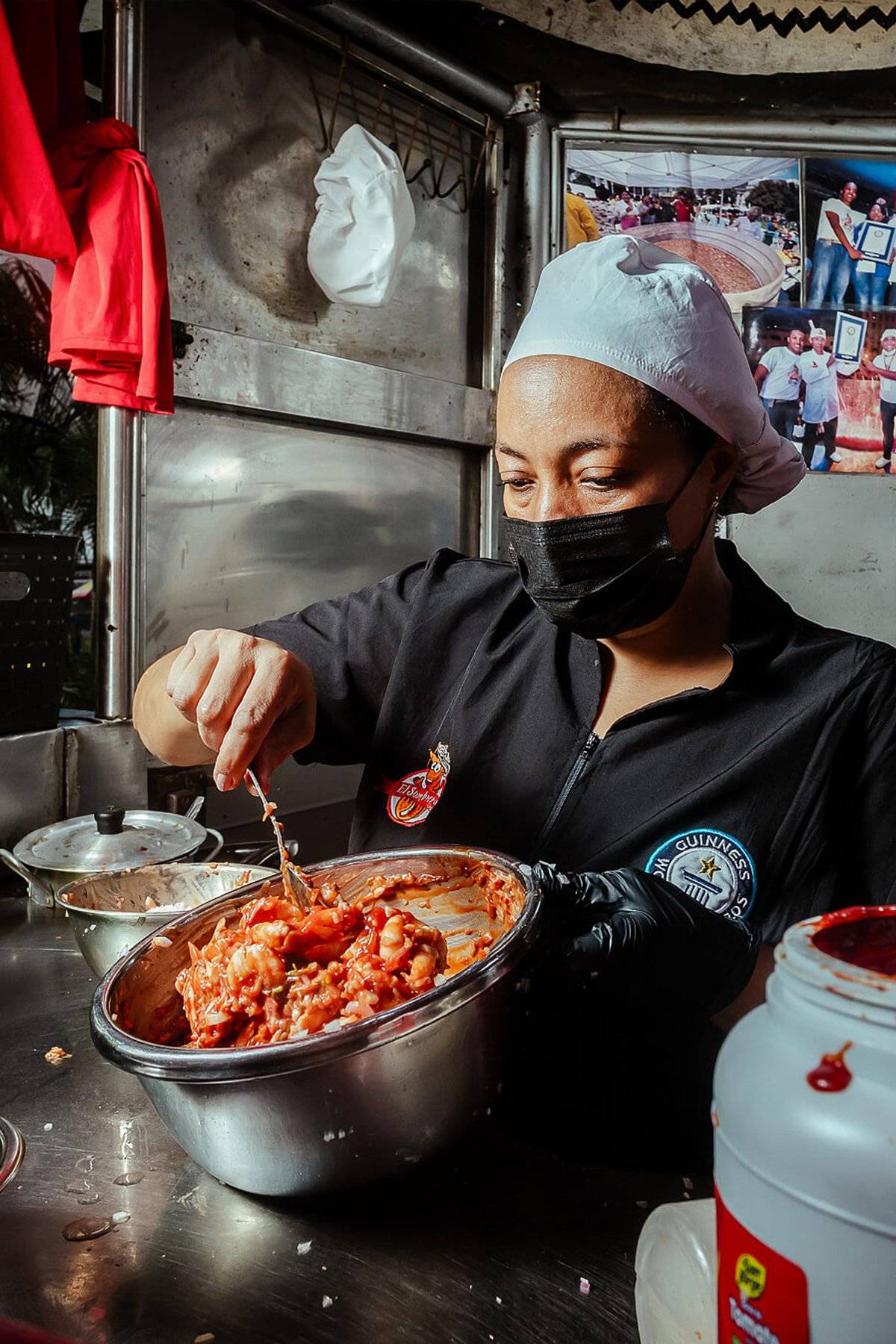
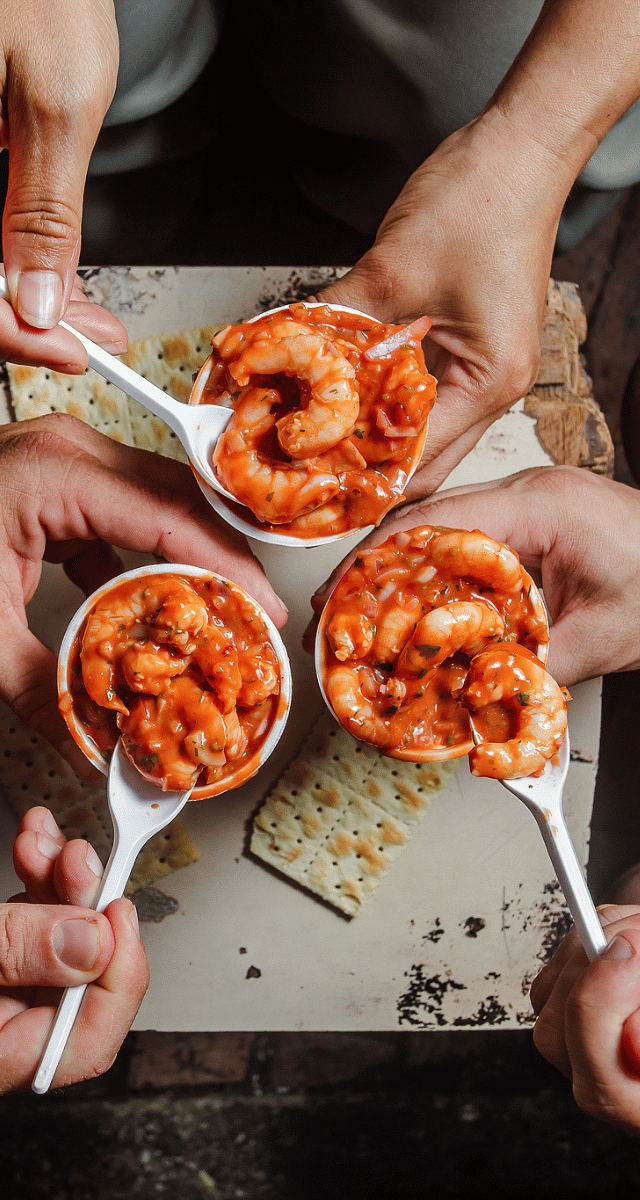
Poached shrimp tossed in ketchup, mayo, lime and finely diced onion, chilled and served in a cup with soda crackers. Cartagena's beachside cocktail, distinctly Colombian.
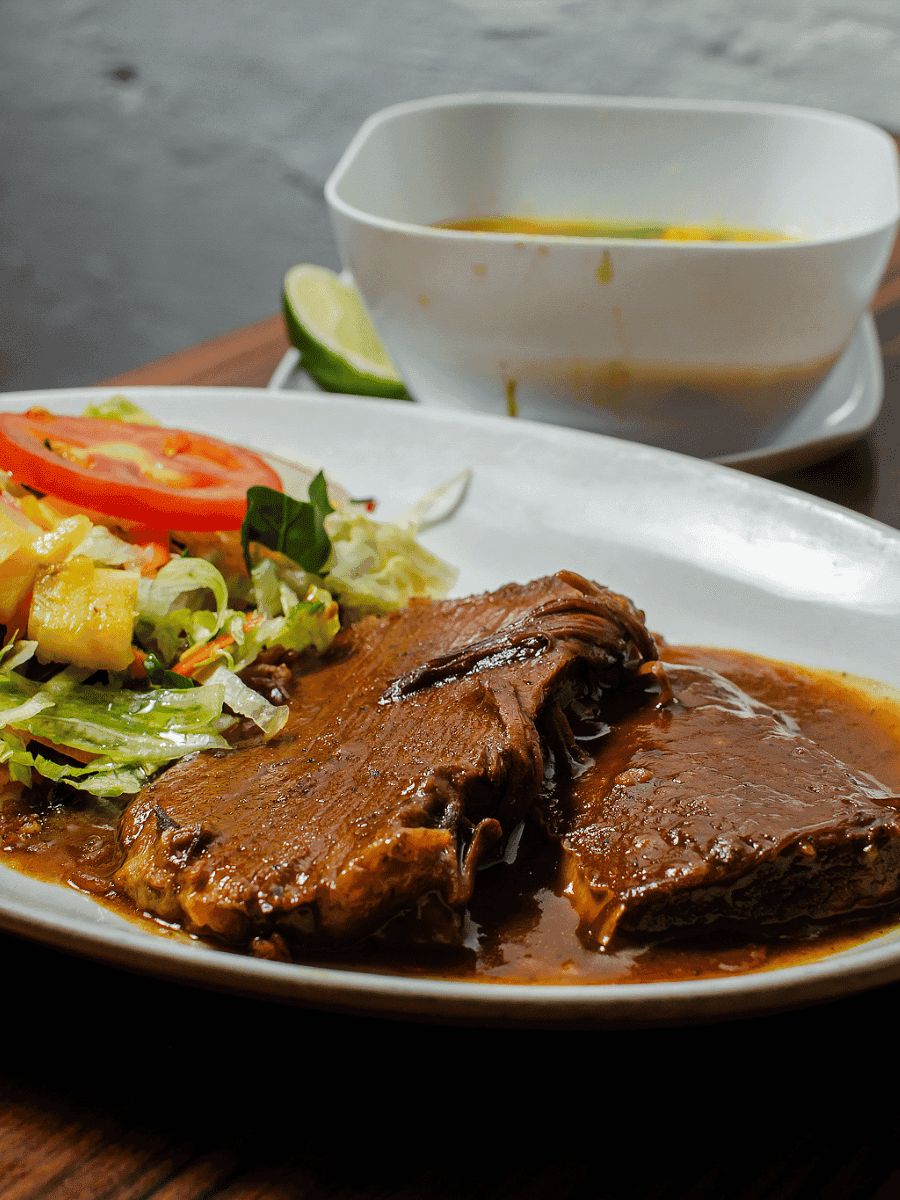
Beef slow-braised in a dark sauce of panela, tomato, ketchup and rum until the outside turns almost black. Cartagena's signature roast, always served with coconut rice.

Pork belly slow-cooked in its own fat until the meat is tender and the skin has puffed to a crackling. The centrepiece of the Paisa bandeja and Medellín's proudest export.

Green plantain boiled and mashed with butter, hogao and crumbled cheese, topped with a fried egg. Santa Marta's Caribbean breakfast, cheap, filling and ancient.

Beef tripe slow-cooked with pork ribs, chorizo, potato, plantain and corn in a spiced broth. The Paisa Sunday soup, always eaten with rice and a slice of avocado.
10 Field Notes
Quick field notes to help you get accustomed to Cartagena.
Weather
Tropical Caribbean. Hot and humid year-round (28–32°C). Rainiest August to October. December to April is the peak dry season.
Currency
The Colombian peso (COP). Cash for markets and taxis, cards for restaurants and hotels. Change comes in large numerical amounts (1,000 COP is small change).
Language
Spanish. English coverage is decent in the walled Old City, thinner in the outer neighbourhoods.
Etiquette
Modest dress at churches. More relaxed at the beach. Bargain gently with the mango-hat and jewellery vendors in the Old City. A friendly 'no gracias' works.
Getting around
The walled city and Getsemaní are best on foot. Taxis are cheap (agree the fare, no metres). Uber and inDrive both work. Ferries to Isla Barú and the Rosarios leave from the harbour.
Prayer
Deeply Catholic. t=The churches of the walled city fill on Sundays. Palenque culture nearby preserves Afro-Colombian religious traditions.