
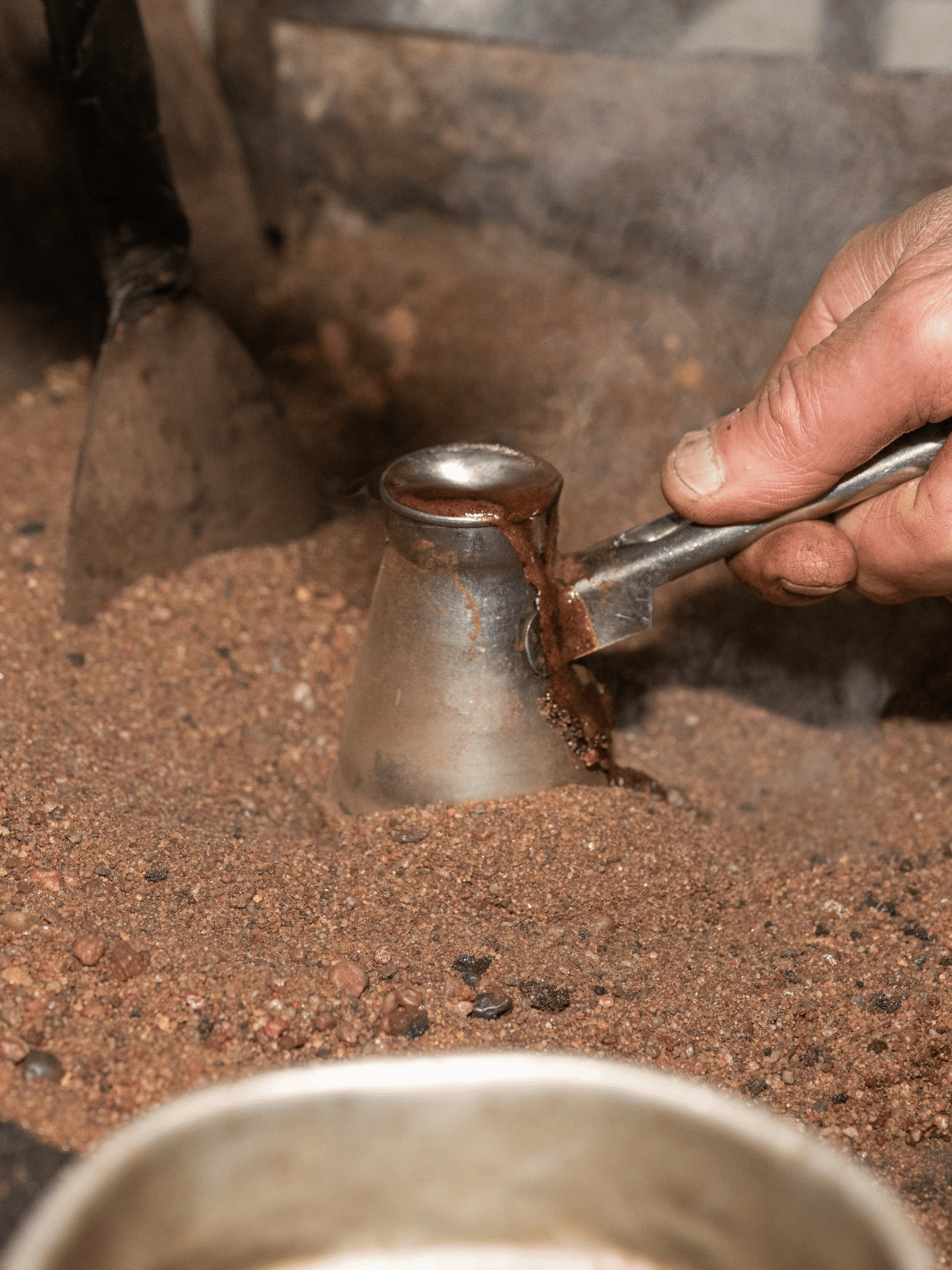
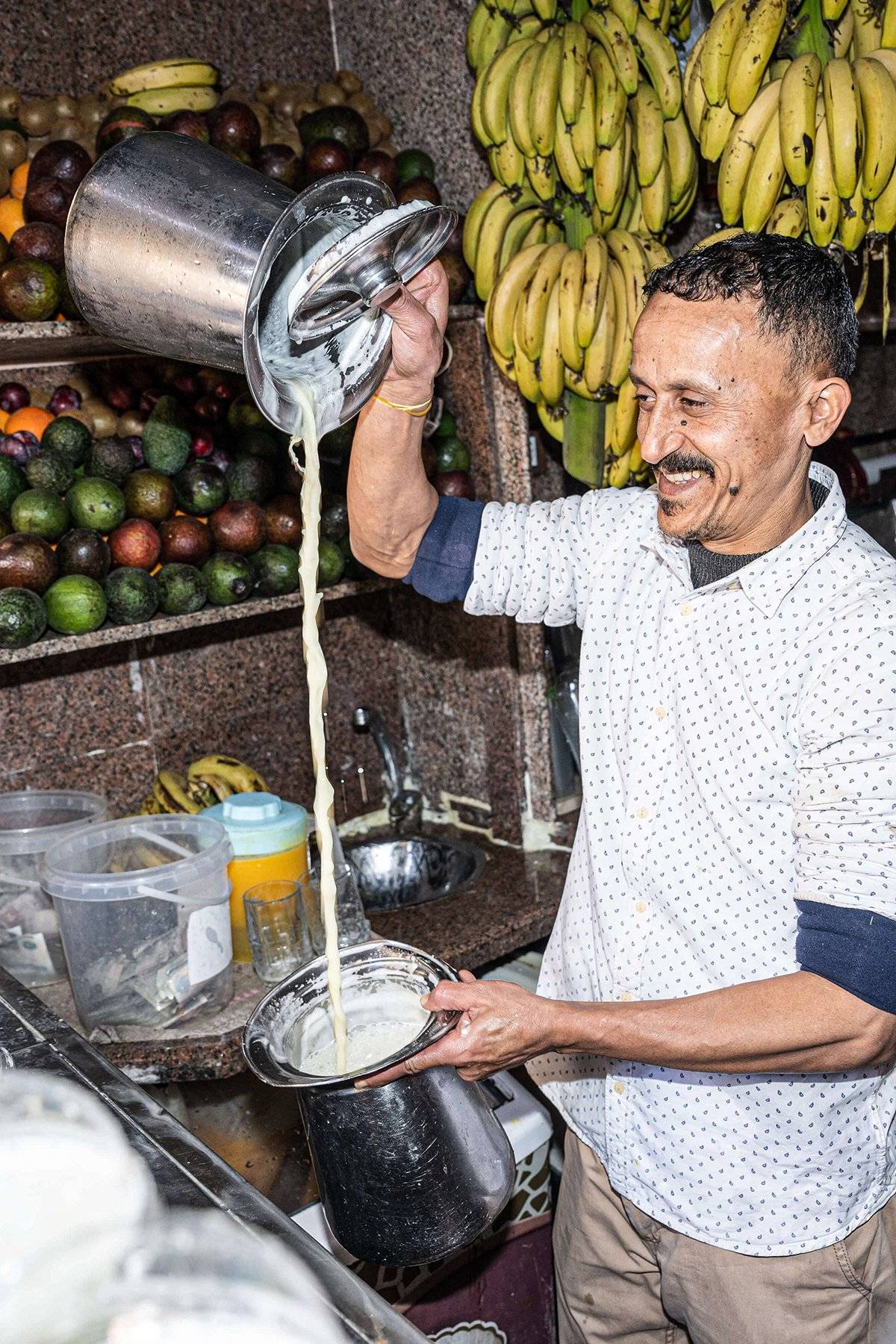
“Overwhelming experience, full of discoveries in a more then lively and authentic setting: the narrow streets of old Cairo.”
— Patrick, 2025
01 Food tours
Original food tours, curated with our local tastemakers to showcase the neighbourhood kitchens, markets and family-run eateries that define Cairo.
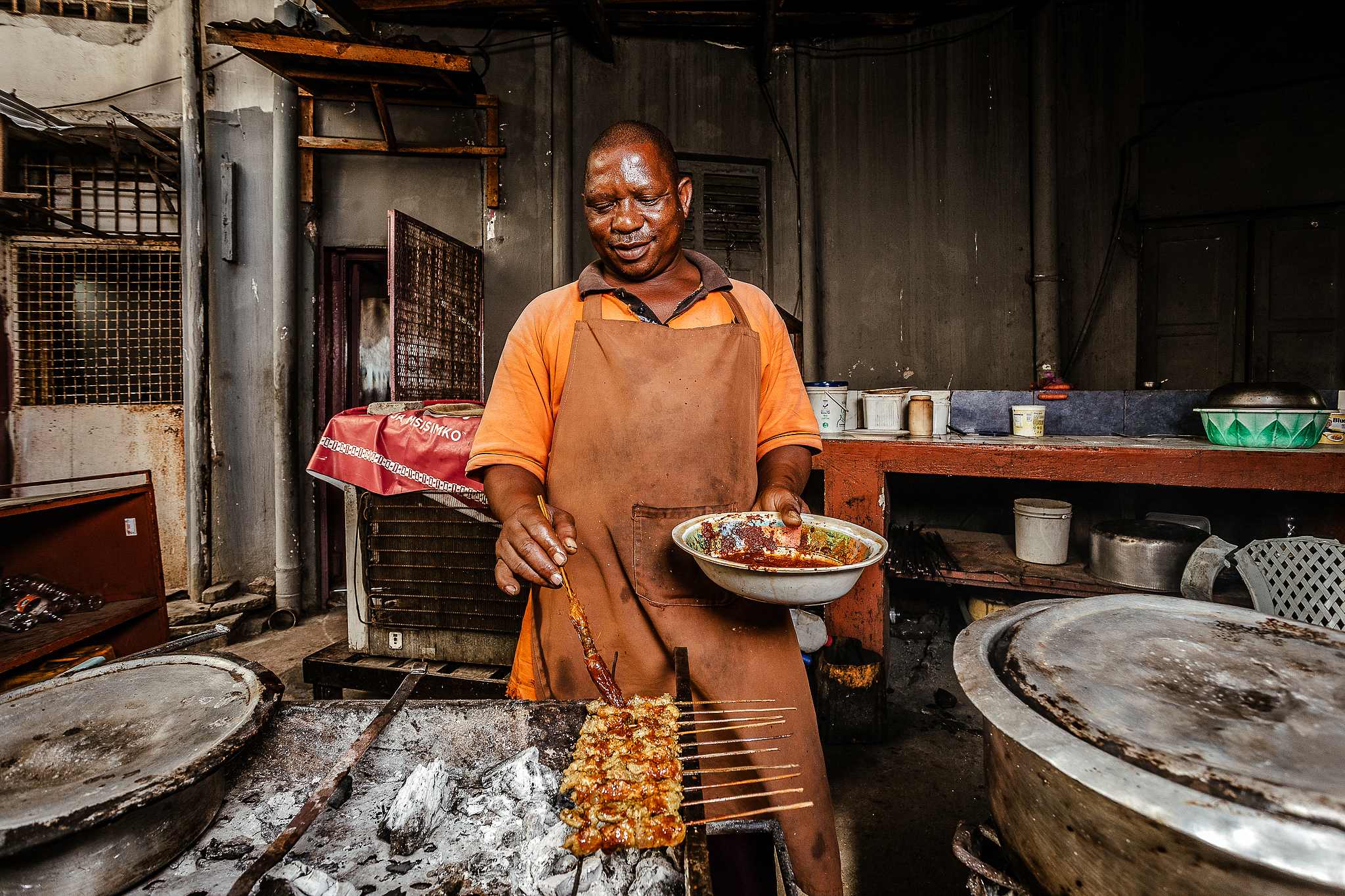
Pharaoh Plates
Cairo
A curated food tour through the streets, markets and family kitchens of the destination — flavour by flavour.
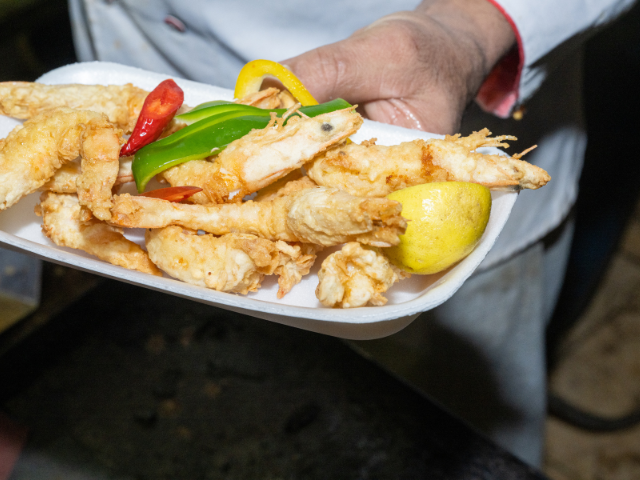
Cairo Nights
Cairo
Venture into Cairo's pharaonic table — koshari, ful medames and ta'ameya fried streetside.
02 Meet the tastemakers
The local food experts who help us research, refine and lead every A Chef's Tour.


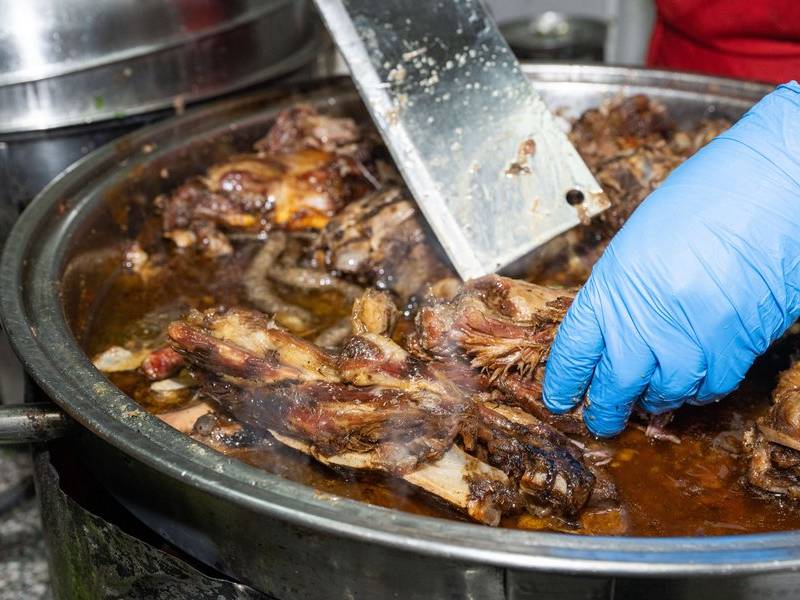
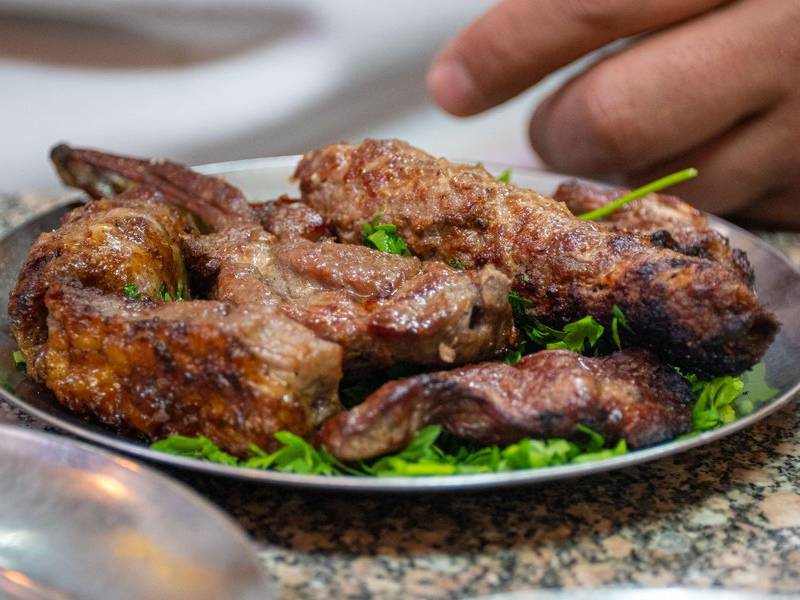
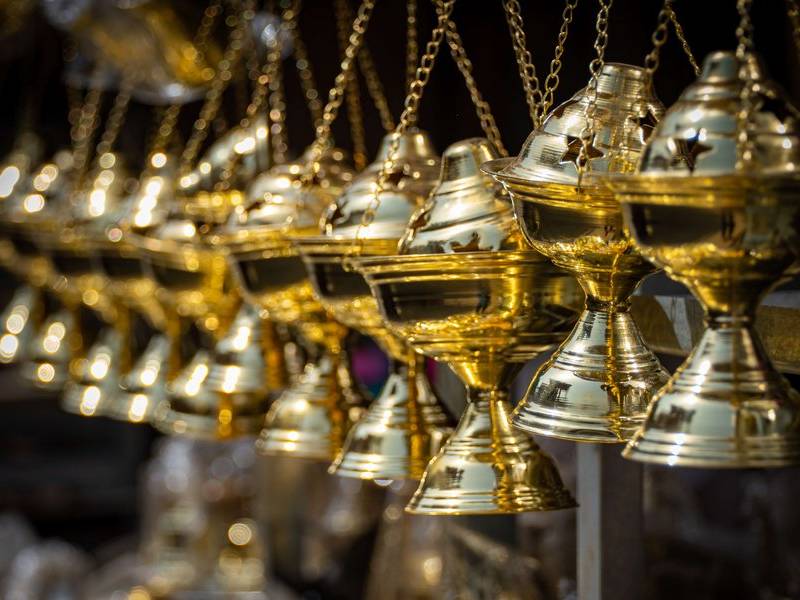
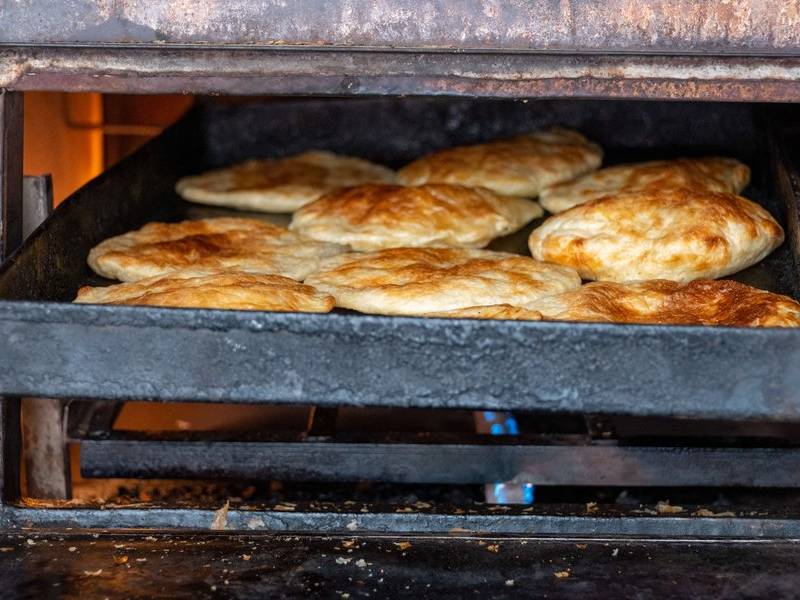
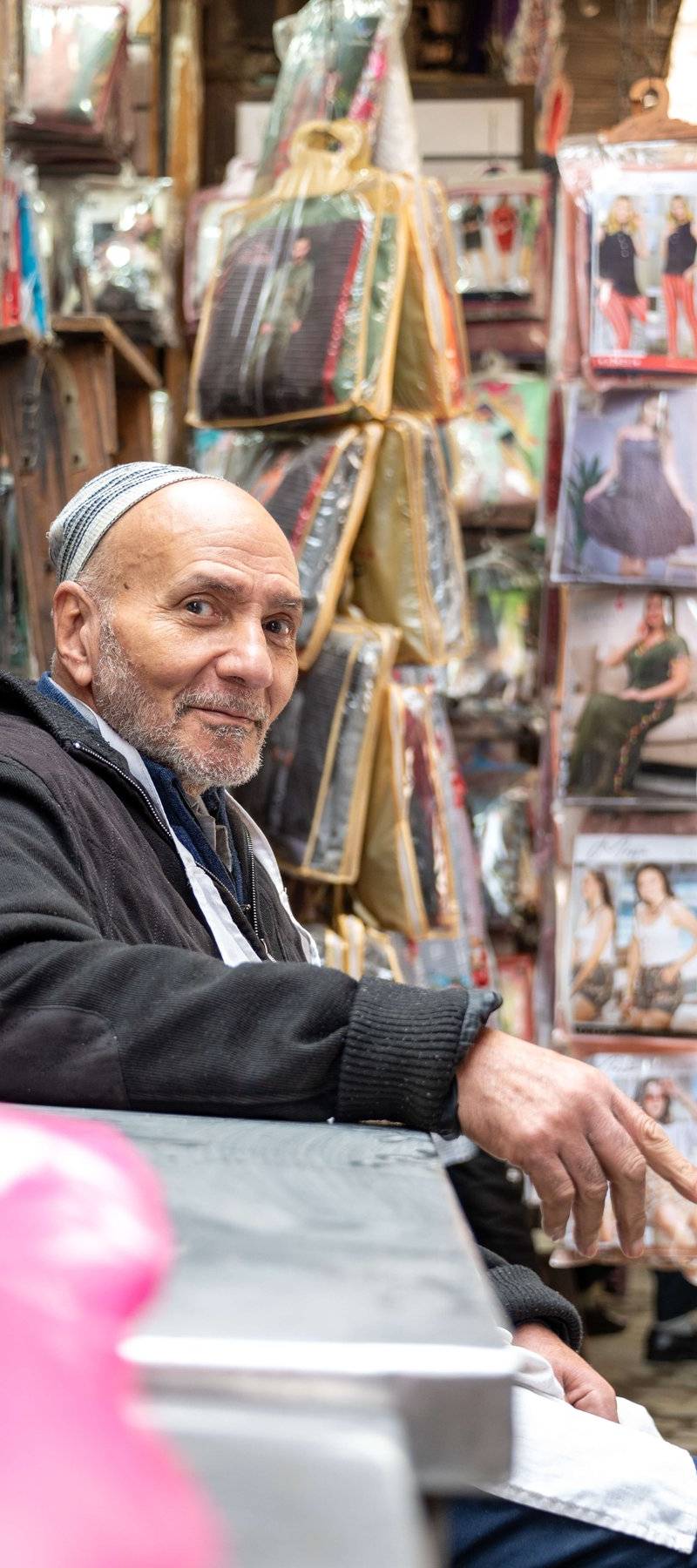
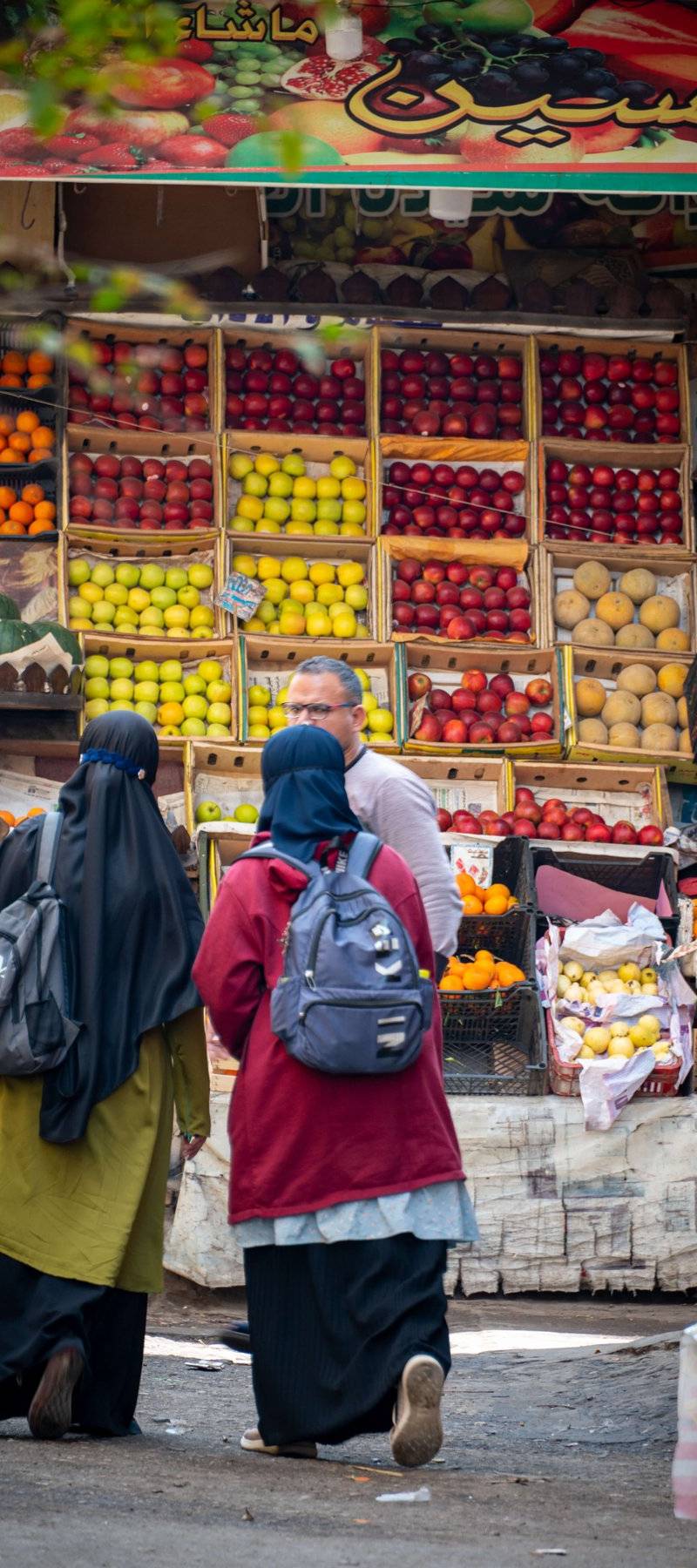
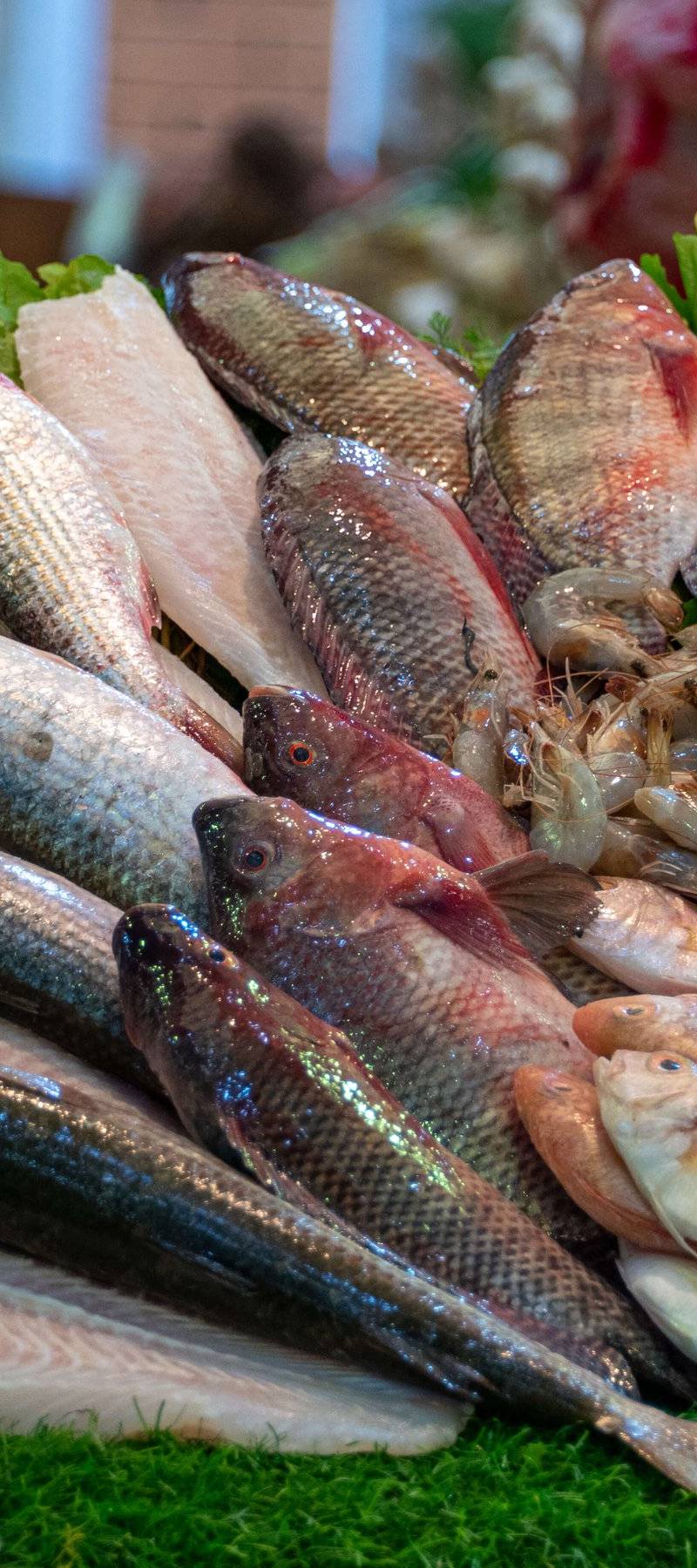
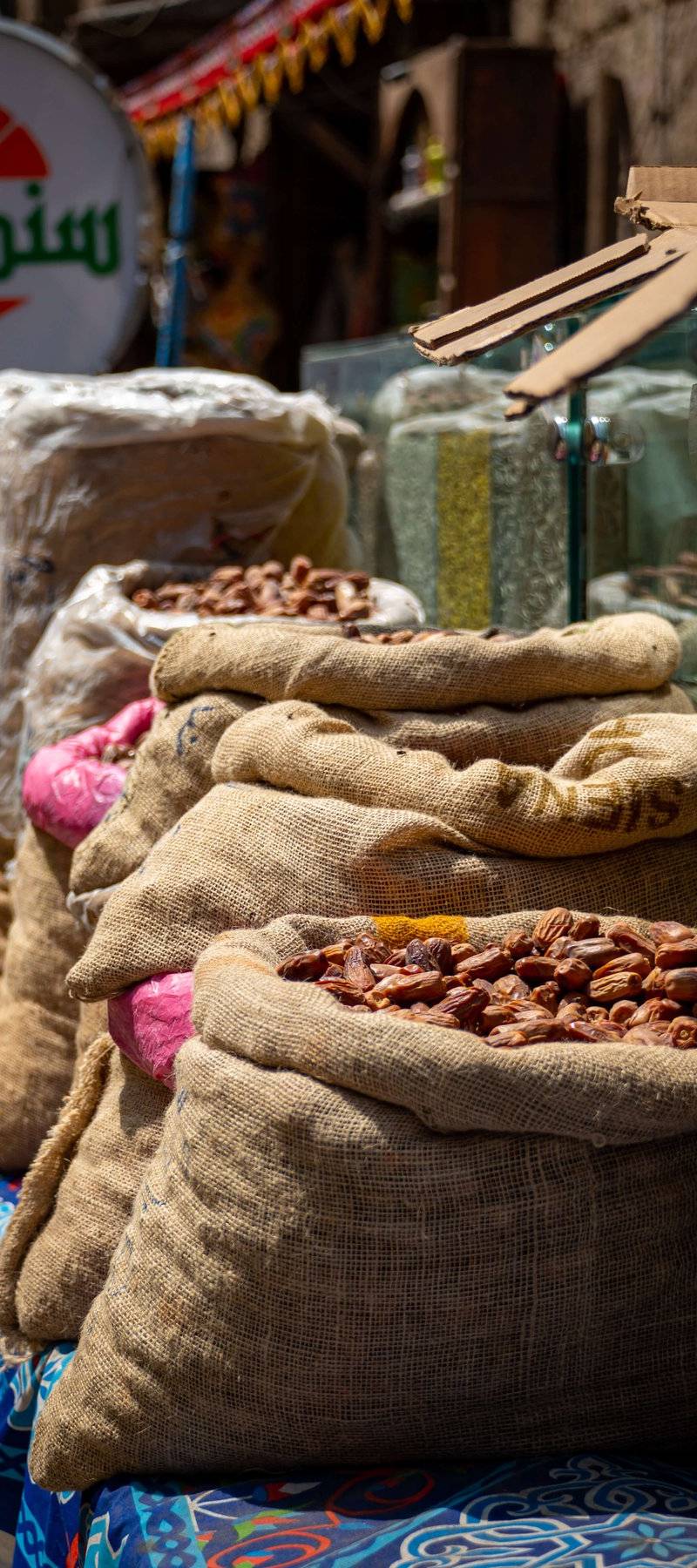
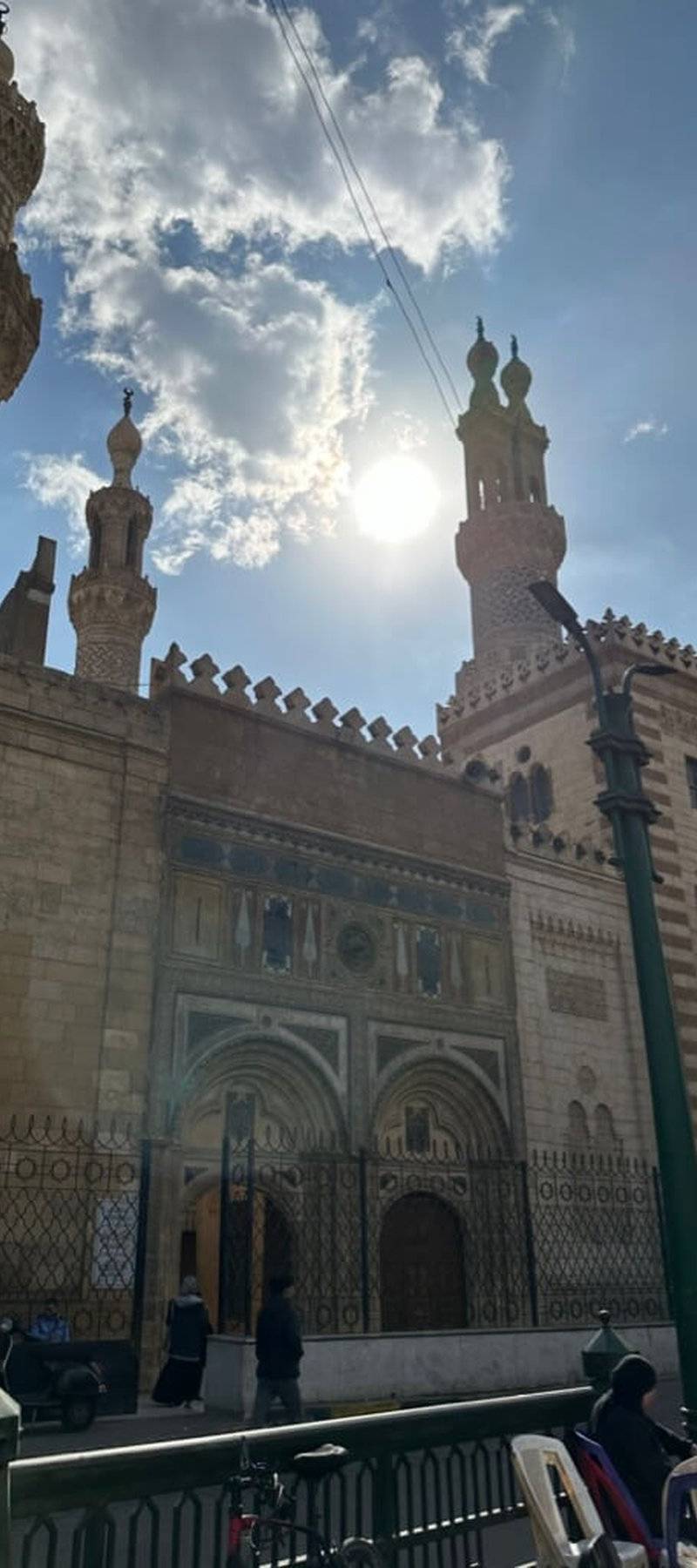
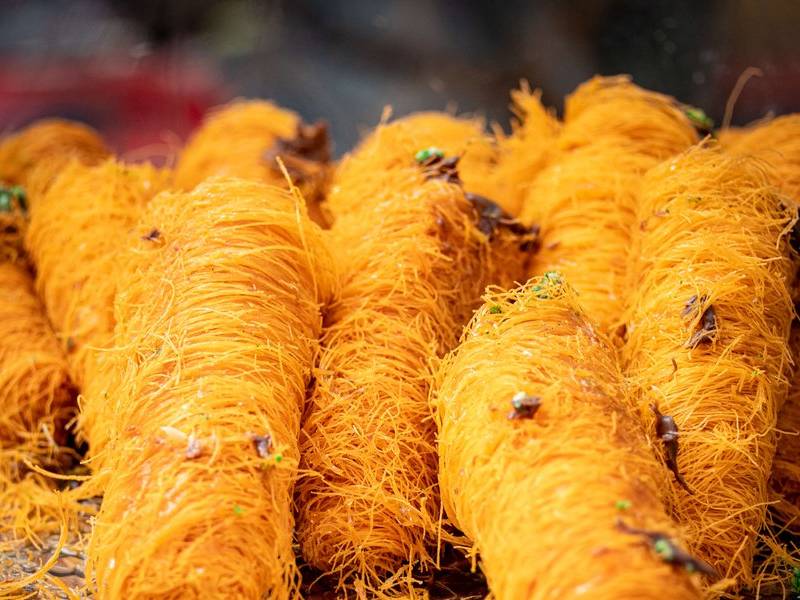
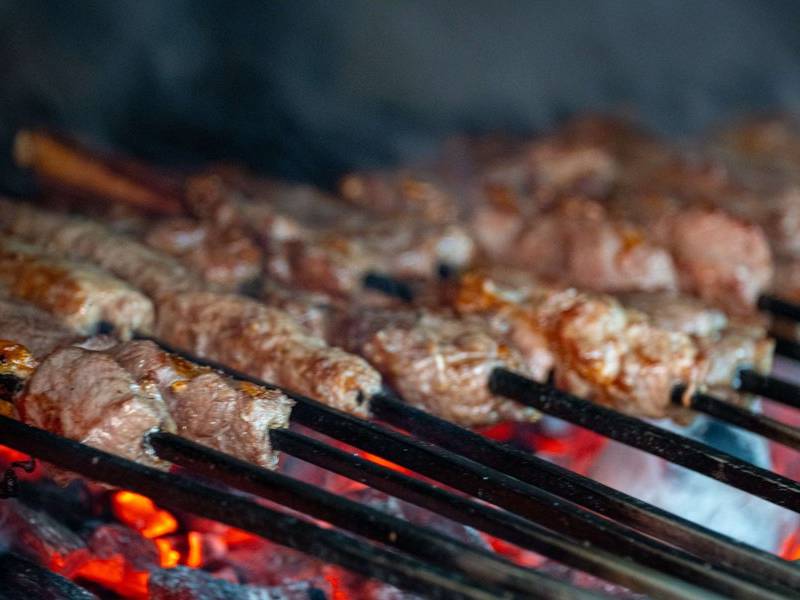
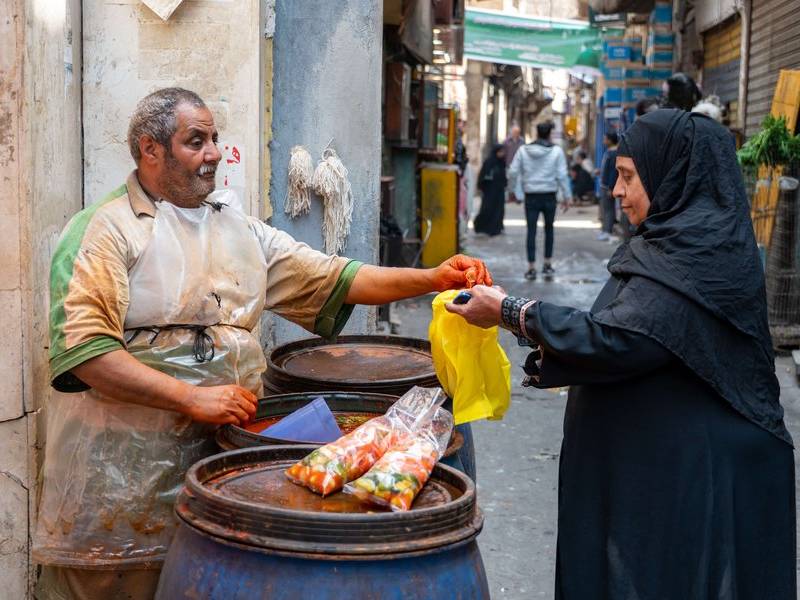
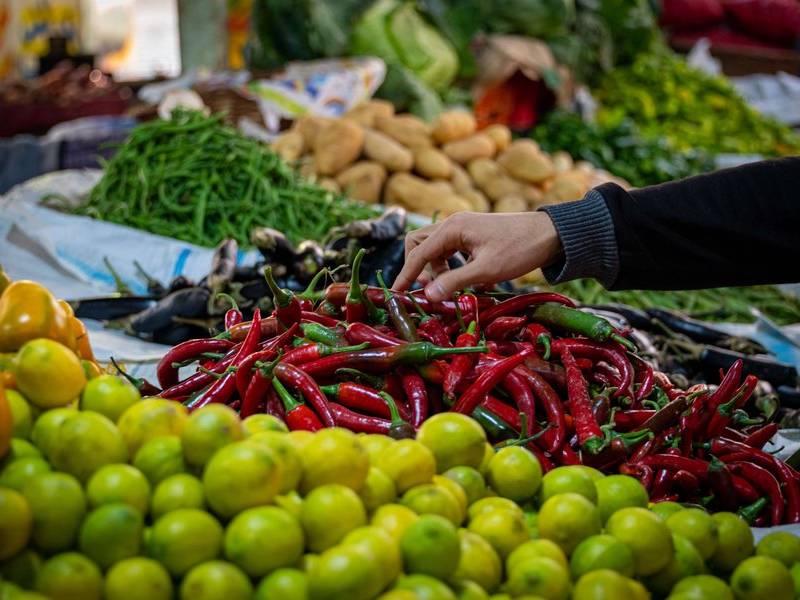
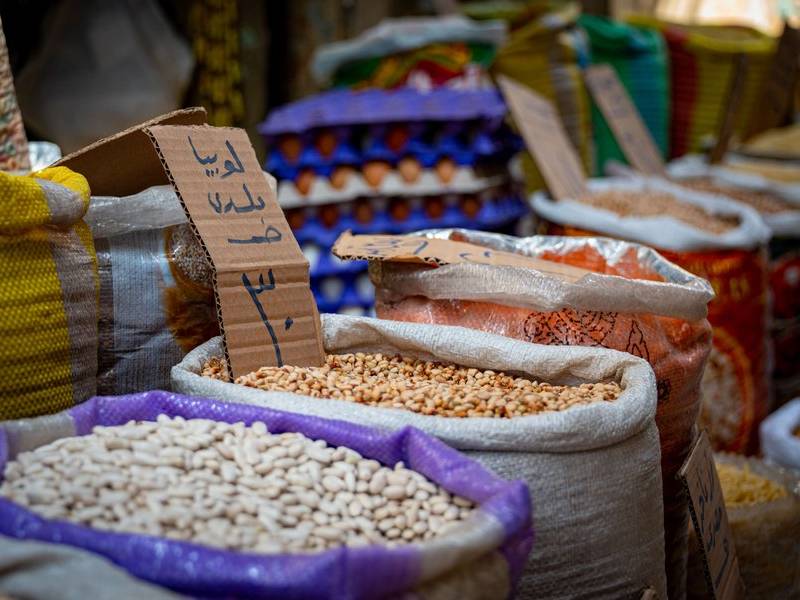
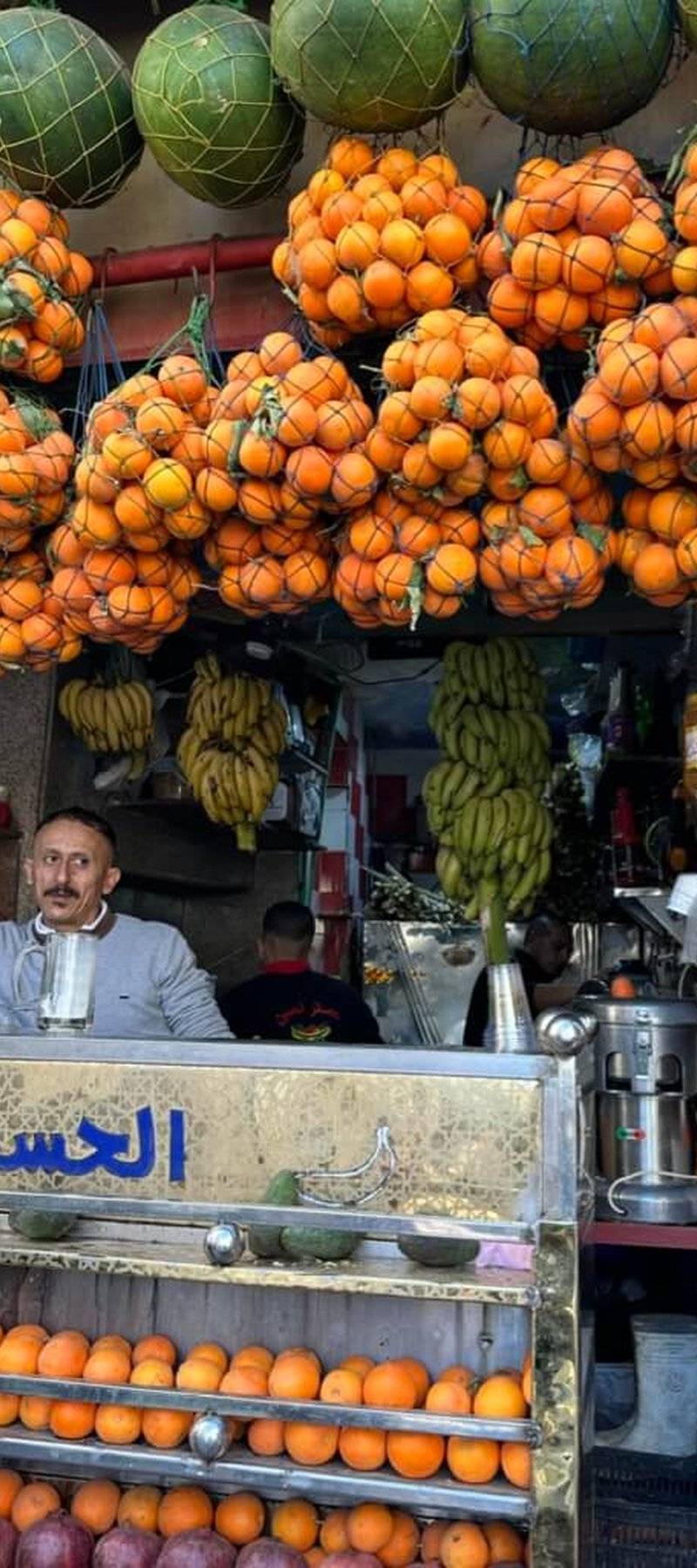
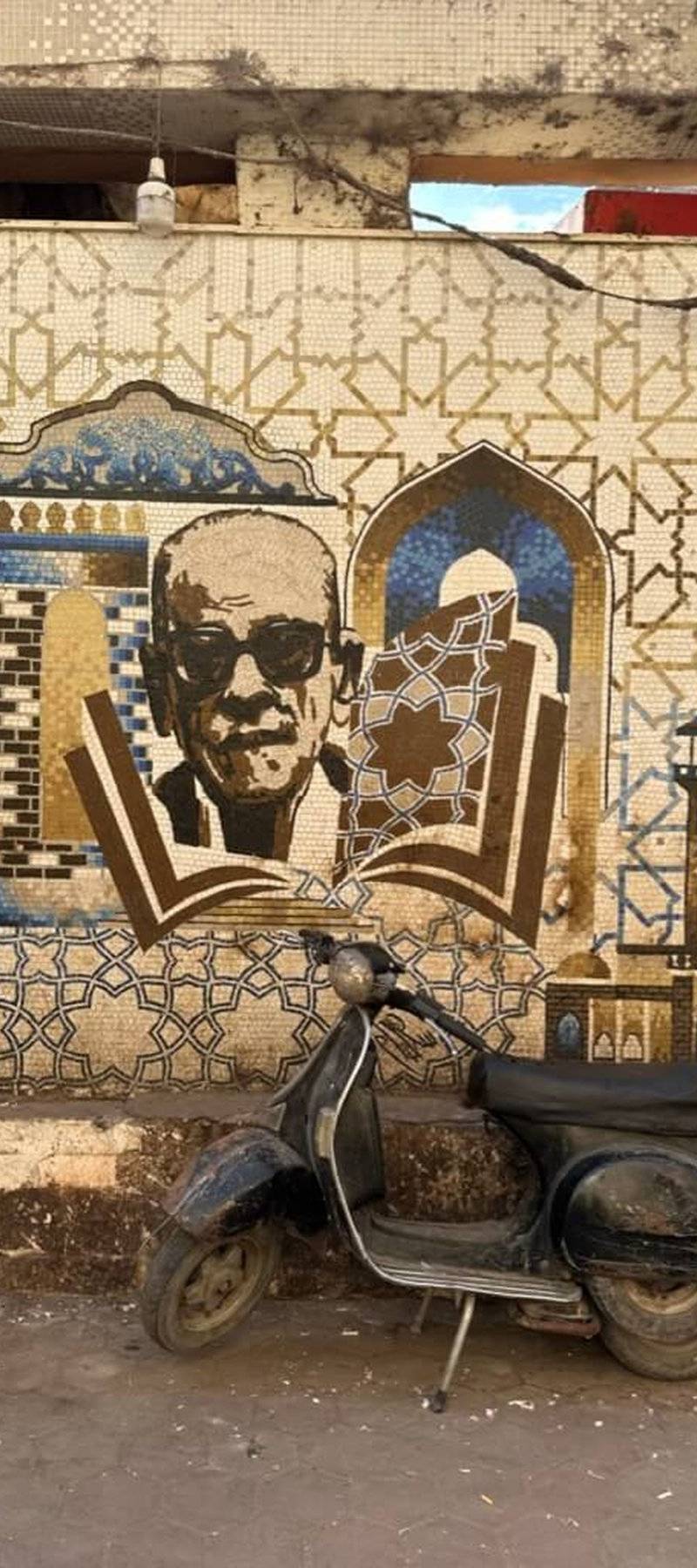
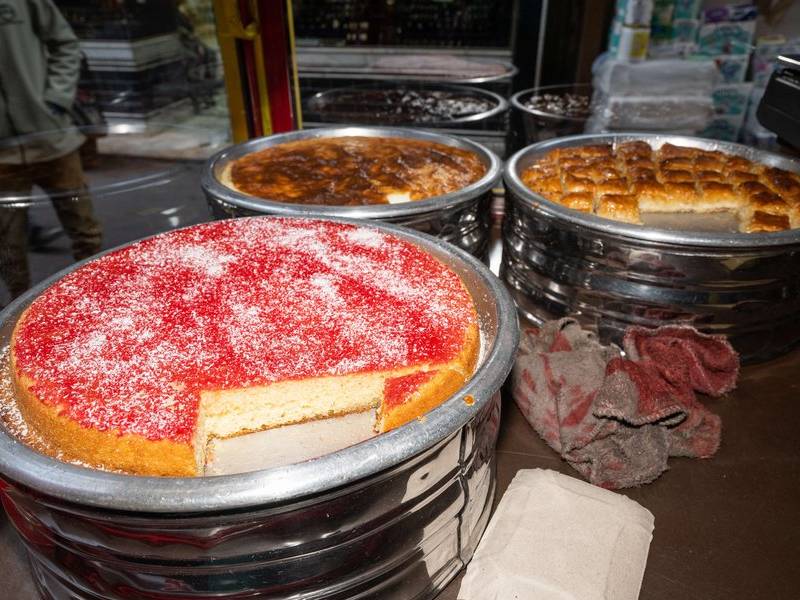
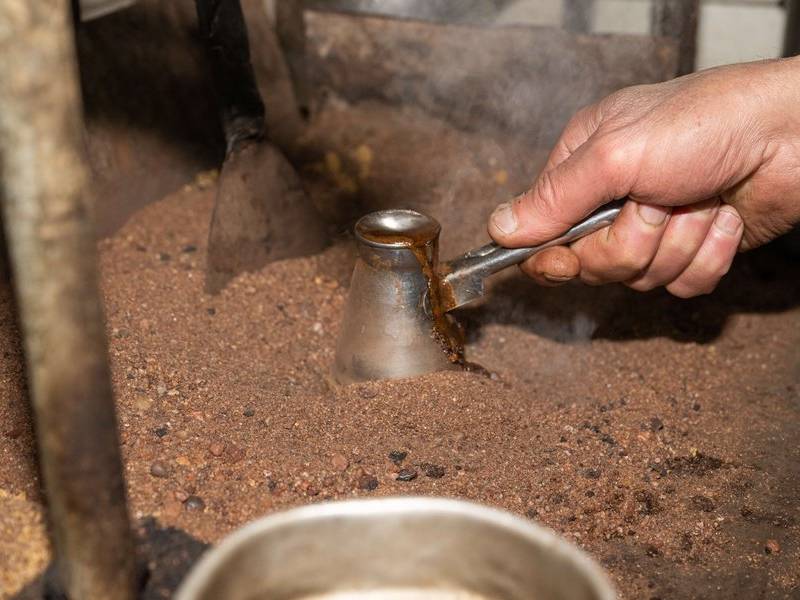
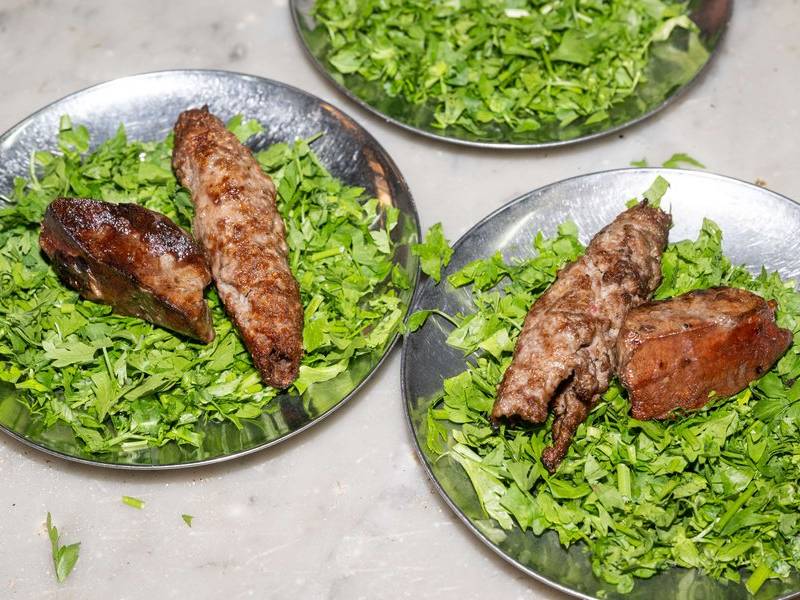
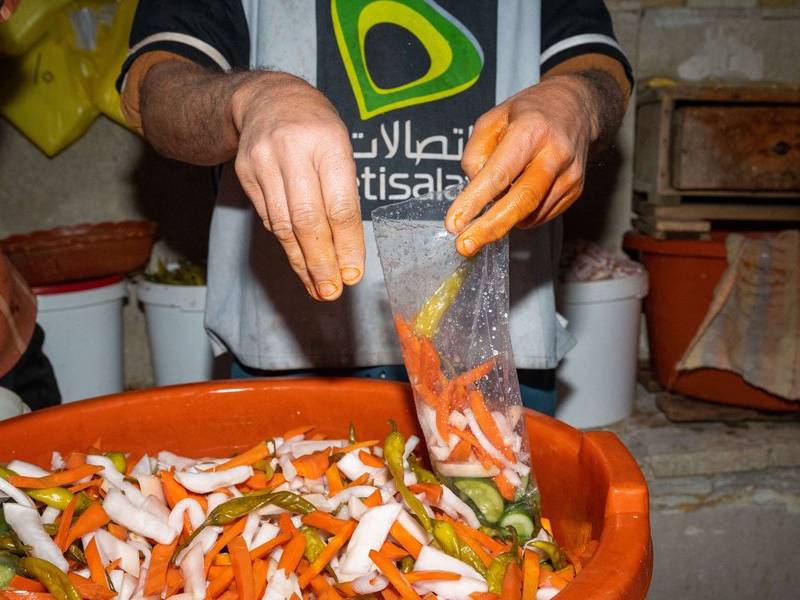
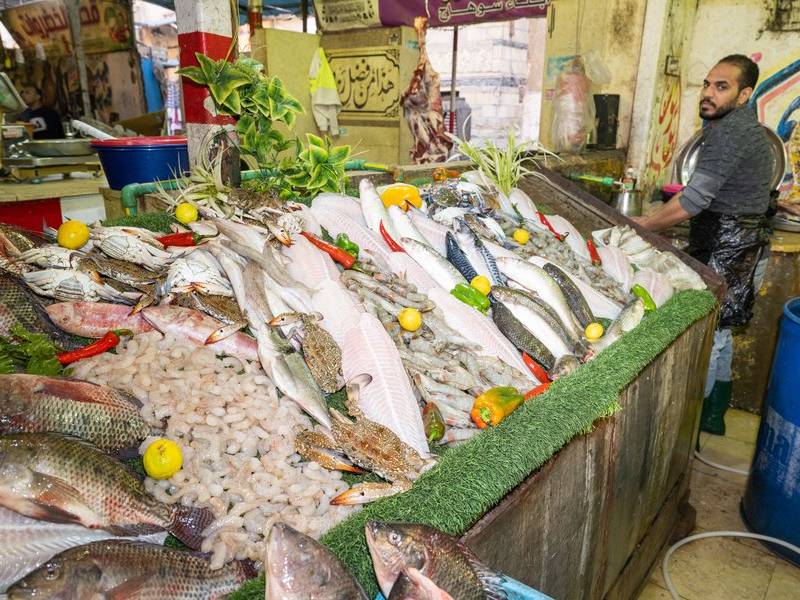
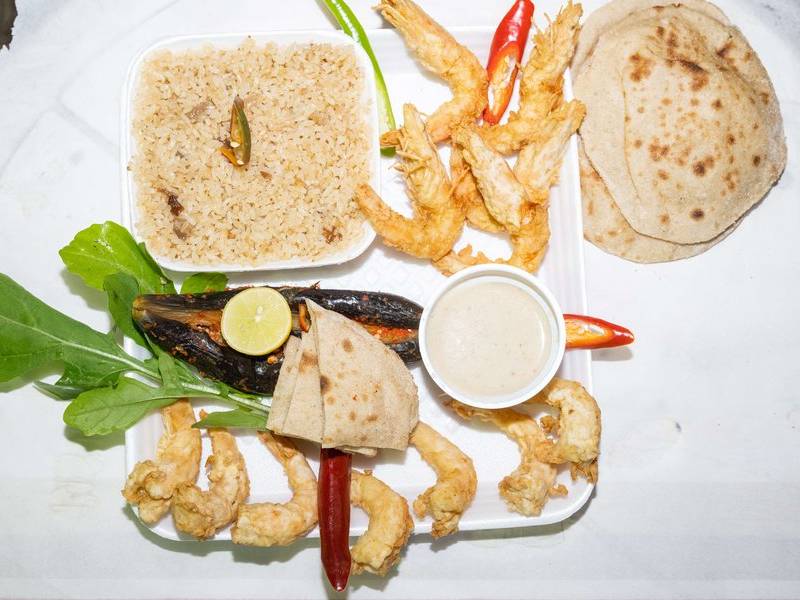
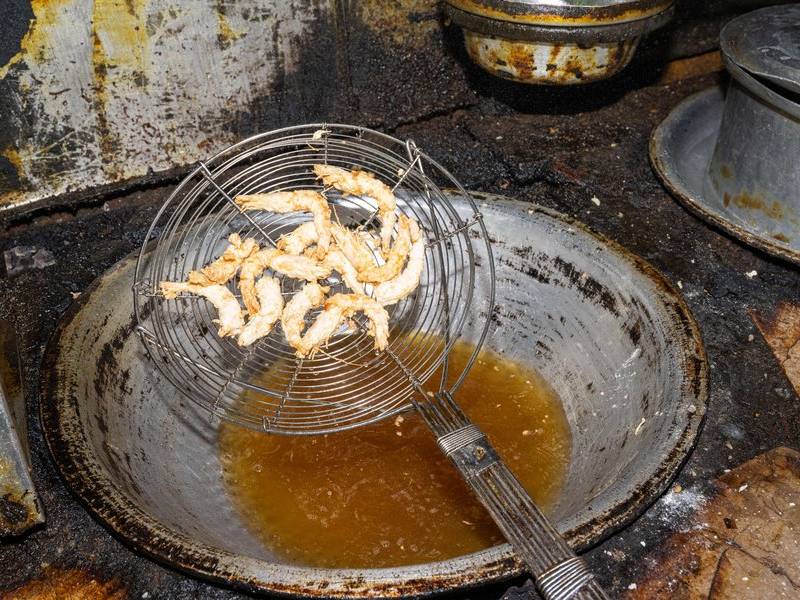
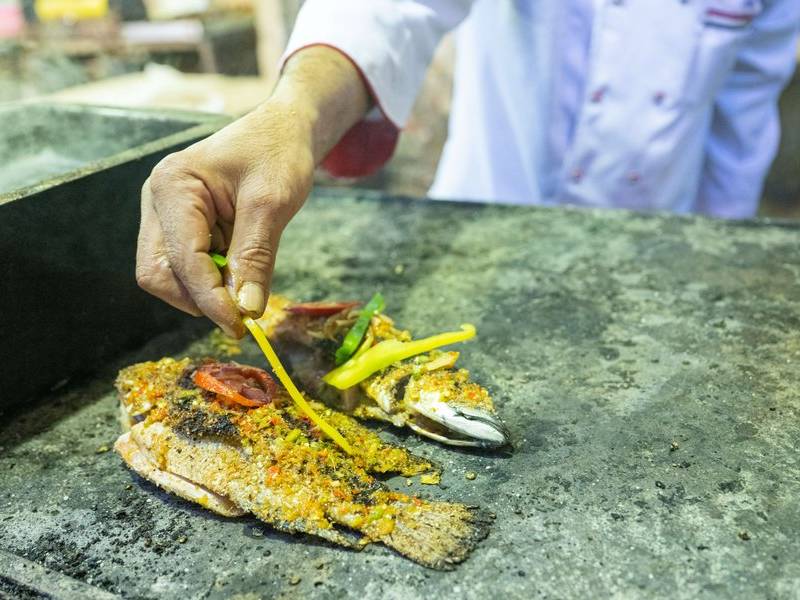
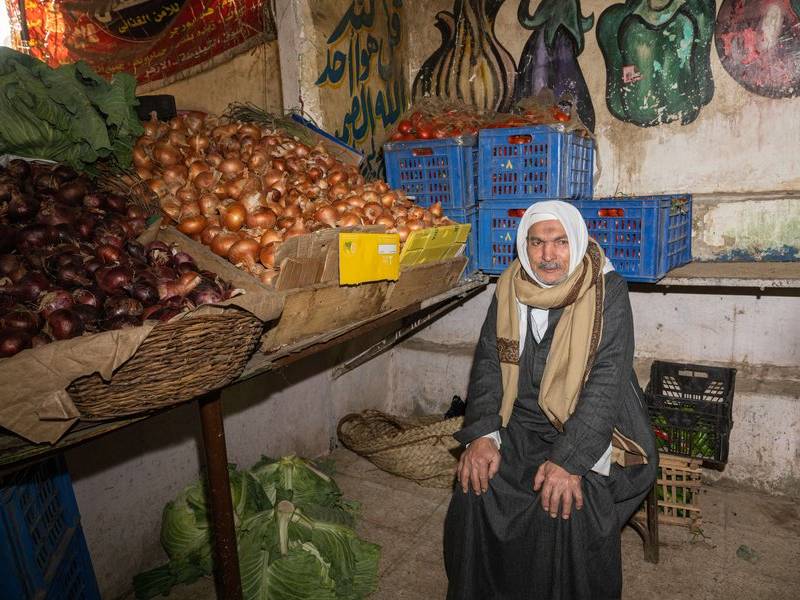
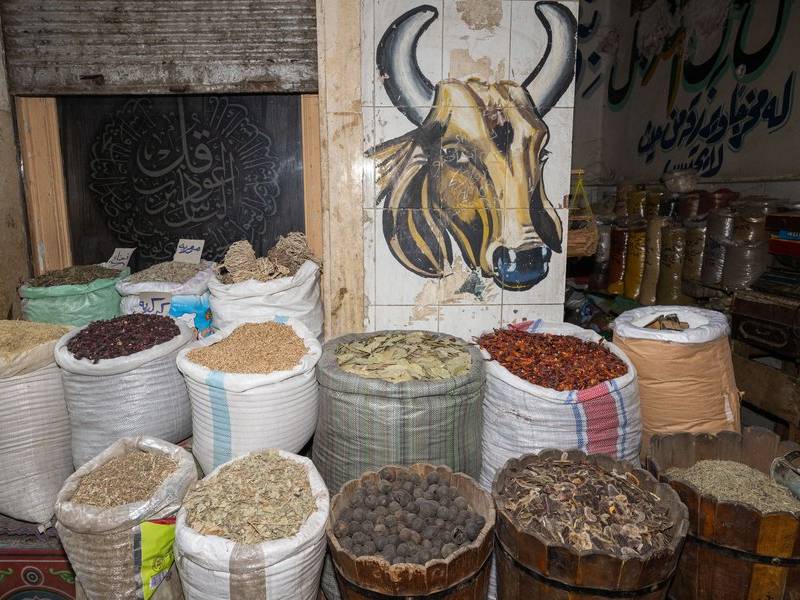
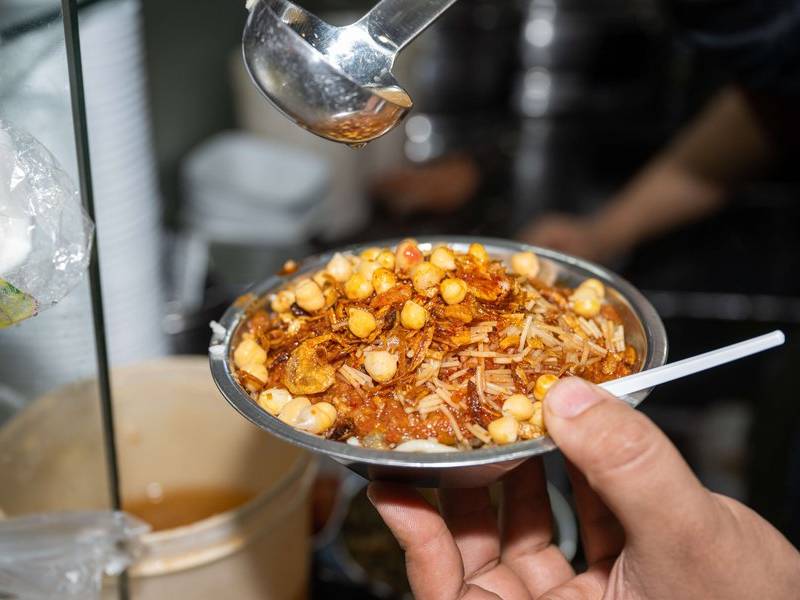
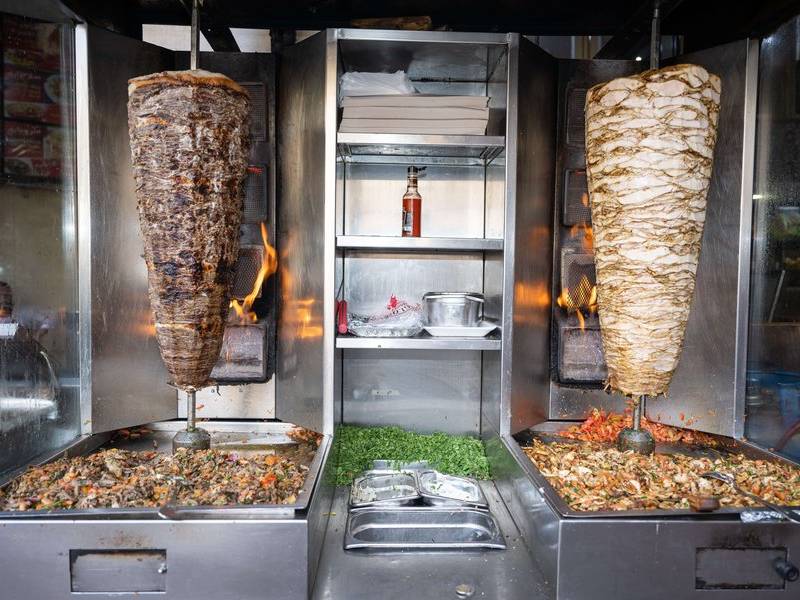
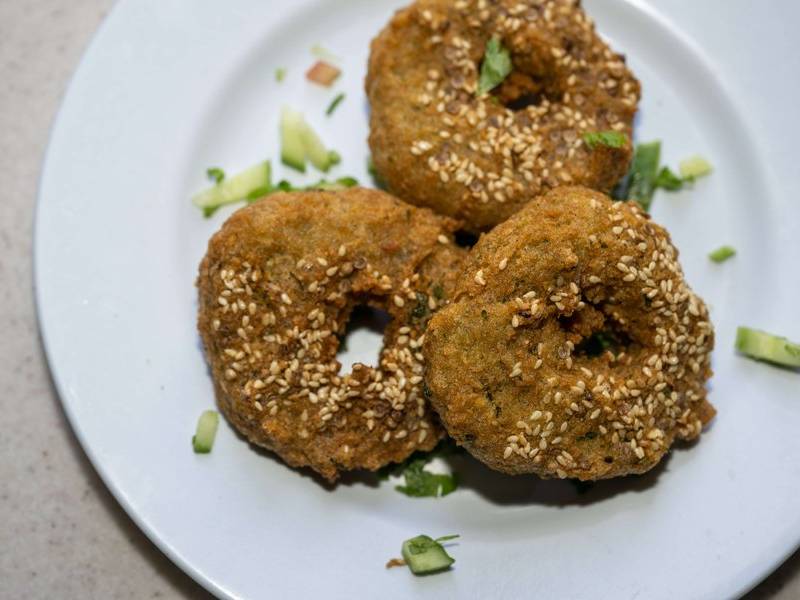
Koshari layered with lentils and pasta, molokhia greens simmered with garlic, ful medames, ta'ameya fava fritters. Cairo still cooks the pharaonic staples.
04 The pantry
- Molokhia leaves, jute leaves chopped fine for the classic green soup
- Fava beans, slow-cooked overnight for ful medames
- Baladi bread, whole-wheat pita from the city's bakeries
- Cumin, ground fresh for every Egyptian dish
- Tehina, sesame paste for dips and salad dressings
05 In the kitchen
- Cooking ful medames overnight in a copper qidra pot
- Frying ta'ameya fava fritters green with parsley and coriander
- Layering koshari with rice, macaroni, lentils and crispy onion
- Blending molokhia soup with garlic and coriander tarka
- Baking fiteer meshaltet Egyptian pastry in wood-fired ovens
06 Eat this first
- Koshari, layered rice, macaroni and lentils under tomato and crispy onions
- Ful medames, slow-cooked fava beans with olive oil, cumin and lemon
- Ta'ameya, Egyptian fava-bean falafel green with herbs
- Molokhia, jute-leaf green soup with rabbit or chicken
- Fiteer meshaltet, flaky layered pastry sweet or savoury


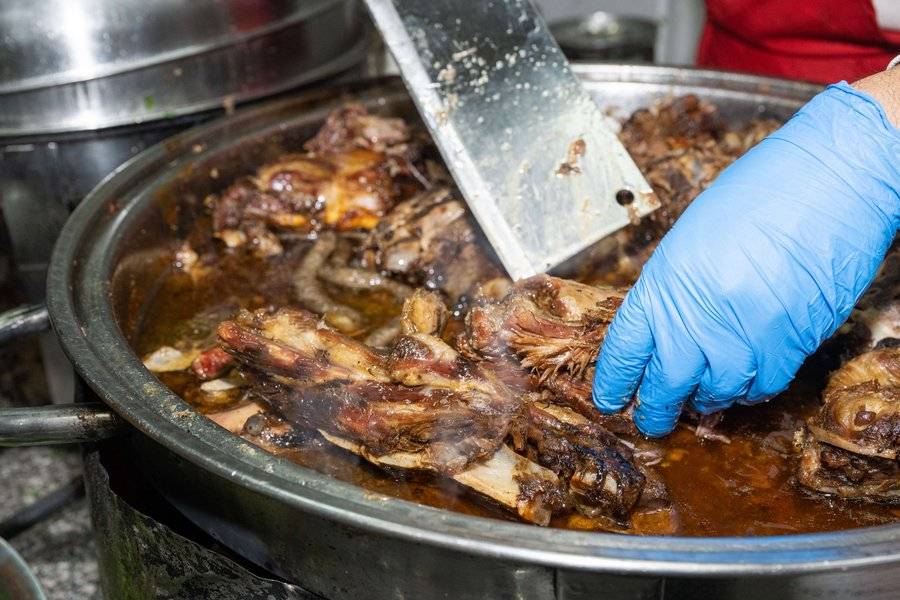
What happens inside a hammam kitchen
A morning with the cooks who feed the neighbourhood before dawn. Charcoal, dough, the smell of a bakery working its second oven.
10 Field Notes
Quick field notes to help you get accustomed to Cairo.
Weather
Hot desert climate. Summers (May–September) regularly exceed 35°C and get dusty. Winters (December–February) are pleasantly mild, often in the 20s. Spring can bring the khamsin sandstorms.
Currency
The Egyptian pound (EGP). Cash is essential for taxis, street food, tips, and the bazaar. Cards work in restaurants and hotels. Small notes are always useful.
Language
Arabic (Egyptian dialect) is the everyday language. English is widely spoken in tourism and the city centre. A few Arabic greetings go a long way.
Etiquette
Dress modestly in the older quarters and religious sites. Cover shoulders and knees. Bargaining is expected in the bazaar, and tips (baksheesh) are part of everyday life.
Getting around
The metro is cheap, air-conditioned, and by far the fastest way across town. Women-only carriages are marked. Uber and Careem are reliable. Hailed taxis often require haggling.
Prayer
Five calls to prayer daily. Friday midday briefly quiets the city as shops close. Coptic Christian communities mark Sundays.