

Destination
Santiago
The story
Machas parmesana is the classic Chilean coastal petisco: the pink-orange foot of a macha (a Pacific razor clam native to Chile and Peru) laid back into its half shell, topped with a knob of butter, a splash of white wine, a generous grate of parmesan, and blistered under a hot grill for 3 minutes. Served on a plate of coarse salt to keep the shells steady, with a wedge of lemon and a glass of cold white. Ordered by the dozen at every beach restaurant from Concón to Puerto Montt.
Method
If your machas are alive in their shells, open them carefully with a shucking knife. Loosen the foot (the pink-orange muscle) from the shell but leave it sitting in the deeper half of the shell. Discard the flat top halves. If using scallops, place each scallop back on one half-shell.
Heat the grill (broiler) to its highest setting. If using a salamander, get it fully hot; you want the ceiling of the grill glowing.
Spread a thick layer of coarse salt (or crumpled foil) on a heavy oven tray. Nestle the shells into the salt so they sit level and don't tip.
Divide the butter into small pieces and place one piece on top of each macha. If using garlic, sprinkle a tiny pinch on each. Splash a few drops of white wine on each shell. Scatter parmesan generously across all of them. Grind over black pepper.
Slide the tray directly under the hot grill. Grill 3 to 4 minutes, watching closely, until the parmesan is deep golden and blistered and the butter is bubbling. Don't leave it: the moment the cheese browns, pull the tray out.
Scatter with parsley. Serve immediately with lemon wedges and bread to mop up the juices. Cold white wine in the glass.
Tips
- Live machas are the ideal, frozen is fine, tinned is not. Frozen Chilean machas (sold at specialty Latin fishmongers) are the second-best option. Tinned razor clams turn to rubber under the grill.
- Scallops are the best substitute. If you can't find machas at all, small scallops on the half shell work almost identically. The dish becomes ostiones parmesana, but the flavour and texture are close.
- High heat, short cook. 3 to 4 minutes under a screaming hot grill is the target. Longer and the machas turn rubbery. If your grill isn't hot enough, the parmesan won't blister in that time and you'll be tempted to keep it in; better to preheat properly.
- Coarse salt keeps the shells steady. A bed of salt under the shells stops them from tipping and spilling the butter as they cook. Crumpled foil works if you don't have salt to spare.
- Bread is essential for the juices. Half the pleasure of machas parmesana is the pool of garlicky, cheesy butter left in the shell after the clam is eaten. Bread to mop, or forbidden to be served.
More recipes
View all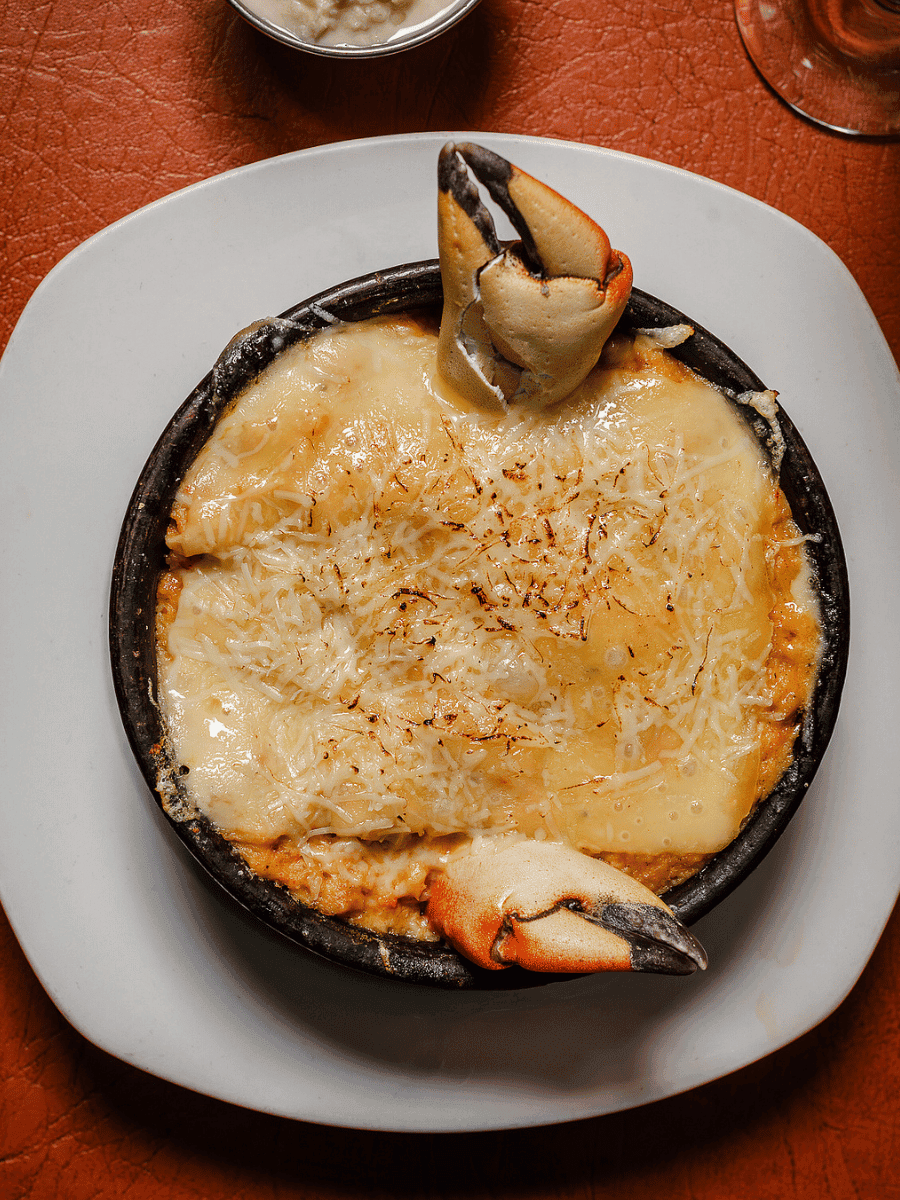
Crab meat baked with milk-soaked bread, white wine, cream and a lot of cheese in individual clay bowls. Chile's Pacific coast comfort food.

Baked (not fried) empanada de pino: hand-cut beef, sweet onion, hard-boiled egg, one raisin and one black olive inside a rich wheat pastry. Chile's national dish, especially for Fiestas Patrias.

A layer of blitzed sweet corn with basil baked over a filling of beef, chicken, olive, raisin and boiled egg. Chile's summer national dish, served in a clay paila with sugar caramelised on top.
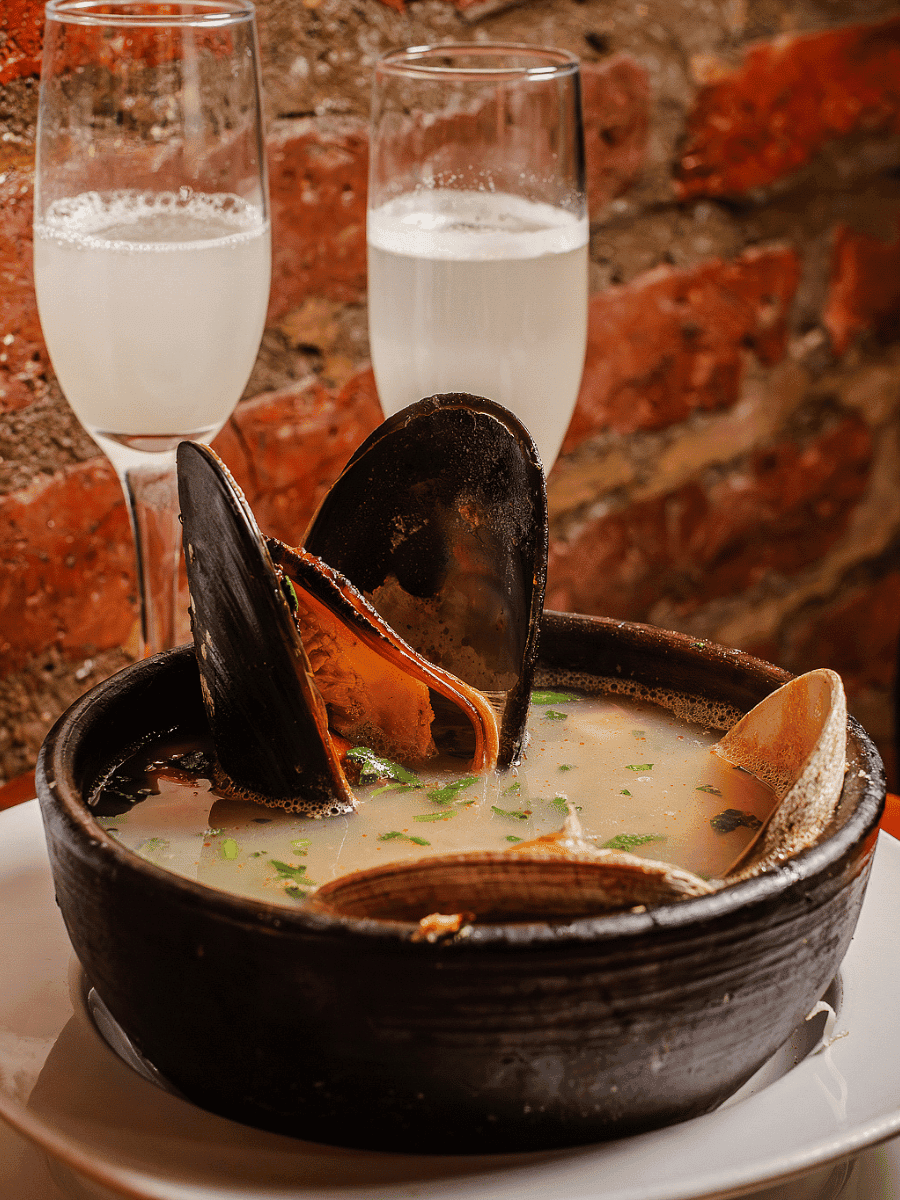
A clay bowl of Pacific shellfish and fish poached in a tomato-and-wine broth, thick with coriander. Chile's classic seafood stew, also the country's most-prescribed hangover cure.
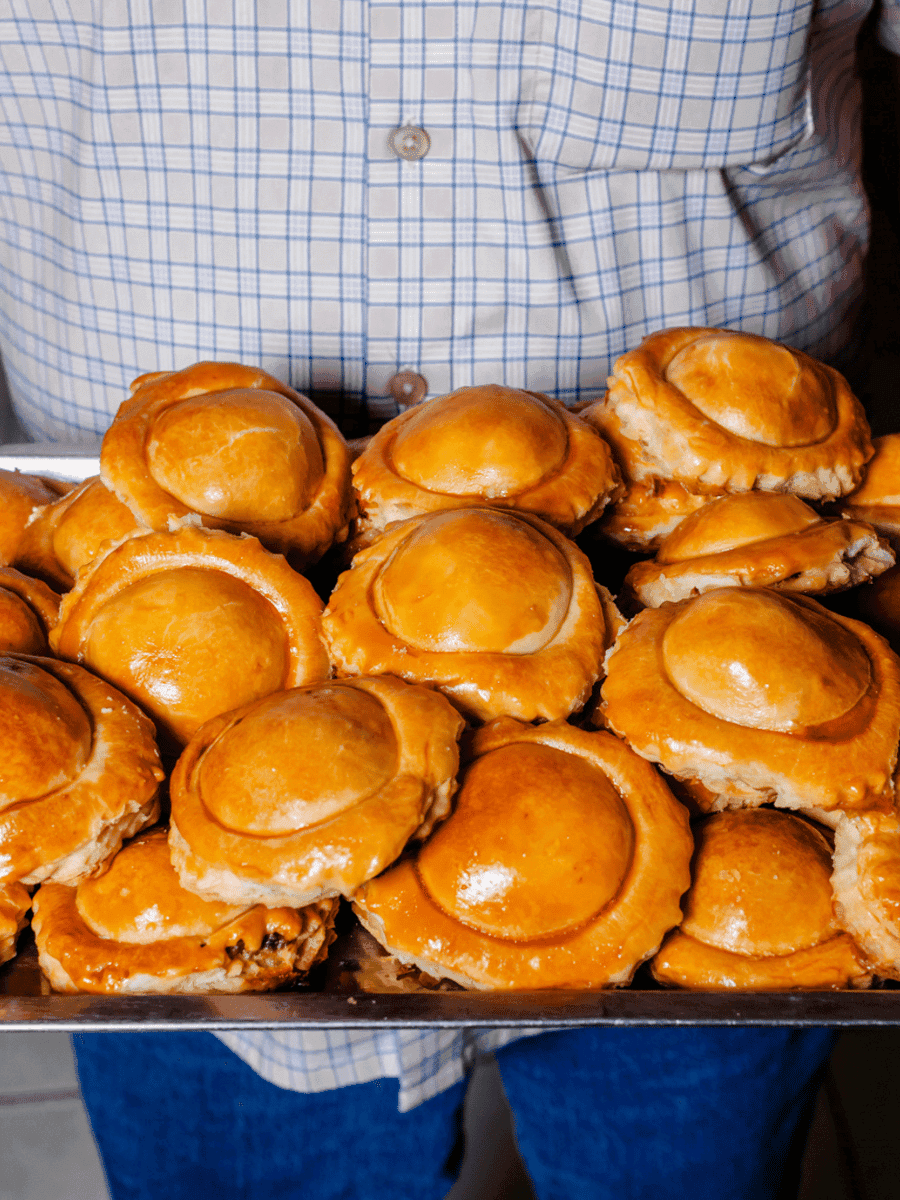
Flaky puff pastry pockets filled with spiced pork and mushroom, brushed with egg wash and baked golden. Hanoi's colonial French-Vietnamese bakery snack.
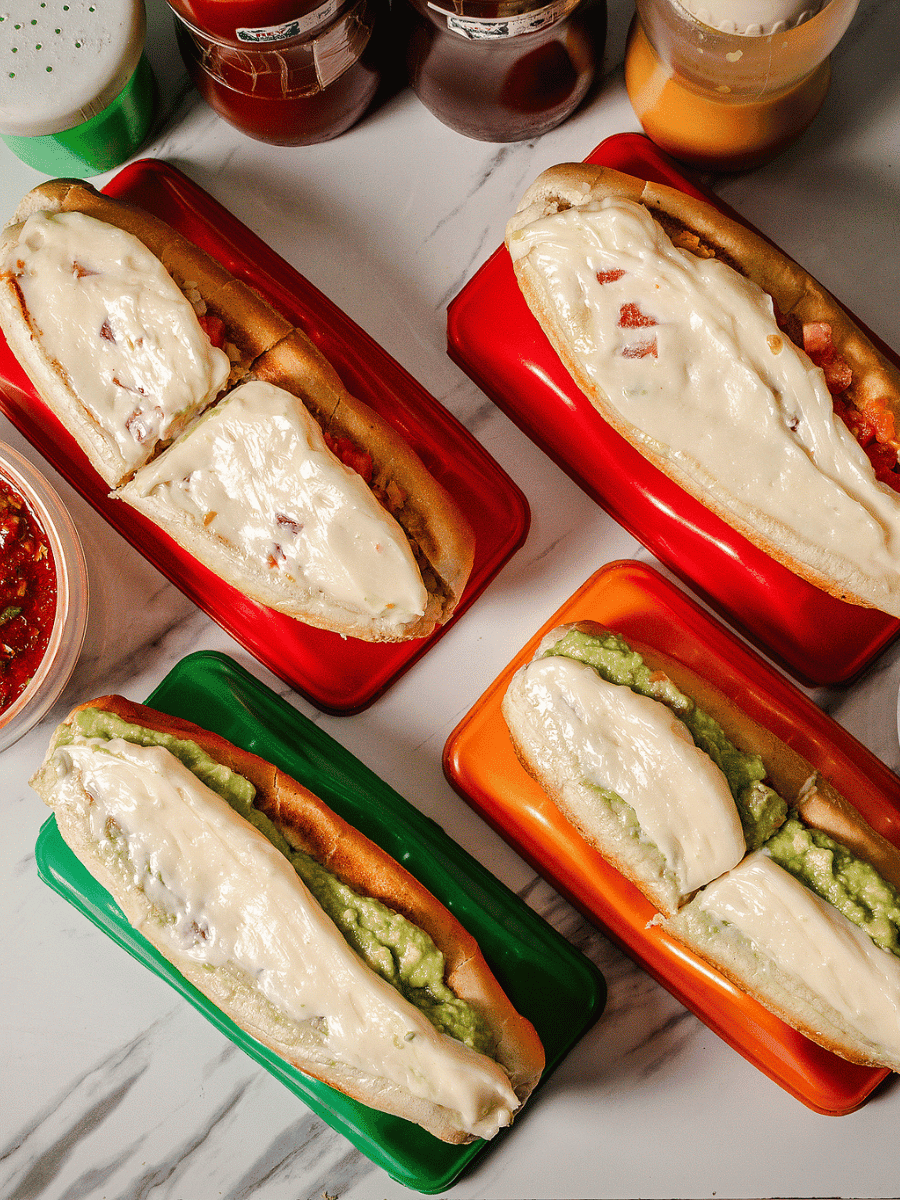
The Chilean hot dog: sausage on a soft bun, buried under mashed avocado, chopped tomato and a mountain of mayo. Green, red and white, the colours of the completo Italiano.