

Destination
Arequipa
The story
Lomo saltado is the definitive Chifa dish — the cuisine of Chinese immigrants who arrived in Peru in the 1850s and gave the country a whole hybrid food culture. Cubes of beef sirloin are seared hard in a screaming wok with sliced red onion, tomato wedges, ají amarillo and a splash of soy sauce and vinegar, then plated over steamed rice with a heap of hot French fries poured on top (or on the side). The plate looks like a Chinese stir-fry sat on a South American carb pile, and that's exactly what it is: Chinese wok technique + Peruvian flavours + a nod to French colonial fried potatoes. Sold at every Peruvian menú lunch counter, every Chifa restaurant and every home in the country.
Method
Toss the beef strips with both soy sauces, pepper, vinegar, garlic and cornstarch. Rest 15 minutes.
Heat the 600ml oil to 180C in a deep pot. Fry the potatoes 6 to 8 minutes until deep golden and crisp. Drain on kitchen paper. Season with sea salt. Keep warm.
Whisk all sauce mix ingredients in a small bowl.
Warm a wok or heavy skillet over the highest heat until smoking. Add 2 tbsp oil.
Add the marinated beef in a single layer. Do not stir for 60 seconds — let it sear. Toss and cook 60 more seconds until deeply browned but still just cooked. Tip out onto a plate.
Add the remaining 1 tbsp oil to the wok. Add the onion wedges, tomato wedges, ají amarillo and garlic. Stir-fry over highest heat 90 seconds — vegetables should stay crisp but pick up colour.
Return the beef to the wok. Pour in the sauce mix. Toss vigorously for 60 seconds until everything is coated in glossy sauce.
Spoon a mound of hot rice onto each plate. Pile the stir-fry beside it. Top the stir-fry with a mountain of hot fries. Scatter with coriander, sliced spring onion. Serve immediately with lime wedges and ají salsa on the side.
Tips
- Very hot wok. Smoking hot. The whole dish depends on wok hei — the smoky char that only develops at extreme heat. A lukewarm wok gives you stewed beef.
- Sear the beef first, remove, then cook vegetables. Cooking everything in one go gives you steamed veg and grey meat. Two-stage is the correct technique.
- Fresh tomato wedges, not sauce. The tomato should soften but hold its wedge shape. Never use tinned tomato — the whole texture changes.
- Ají amarillo is the flavour marker. Fresh yellow chili or jarred paste — either works. Substitutes (fresno chili, jalapeño) give you a fine dish but not a Peruvian one.
- Fries on top, not on the side, at the last moment. This is a plating detail every Peruvian home cook argues about. The fries should be hot enough to soften slightly on top of the sauce, catching some of the flavour without going soggy.
More recipes
View all
Peruvian-Chinese fried rice adapted for the Amazon: pork, chorizo, palm heart and river fish stir-fried into aromatic rice with a spoon of ají charapita. Iquitos on a plate.

Mashed potato shaped around a spiced beef, olive and egg filling, then fried until crisp. Lima's afternoon-snack answer to Colombian arepa de huevo.

Long-grain rice cooked with prawns, squid, mussels and clams in an ají amarillo, tomato and coriander sofrito. Peru's answer to paella.

Flaky baked pastries stuffed with spiced beef, olives, egg and raisins, brushed with icing sugar. Peru's Sunday-morning bakery classic.
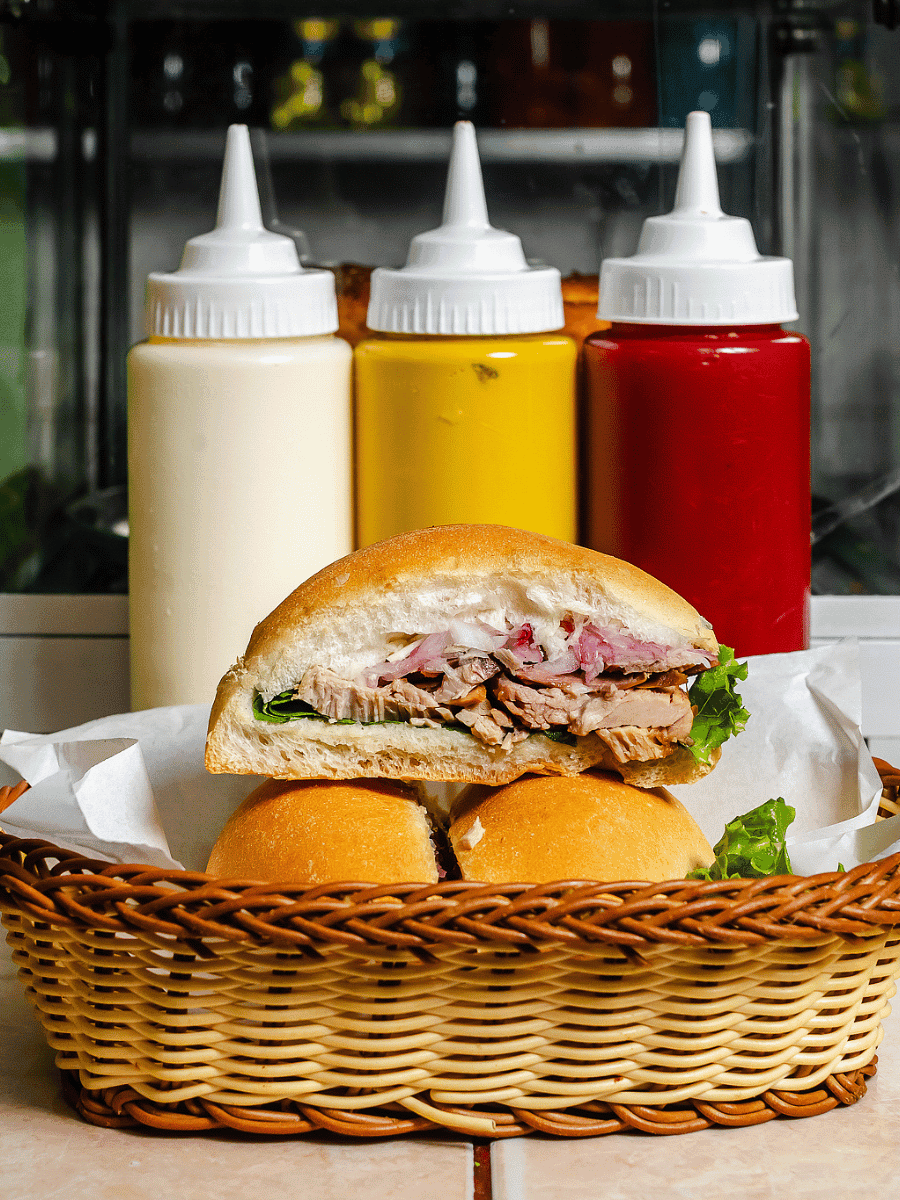
Home-cured ham (jamón del país) sliced thin, piled onto a fresh French roll with a mountain of salsa criolla. Lima's classic sandwich lunch.
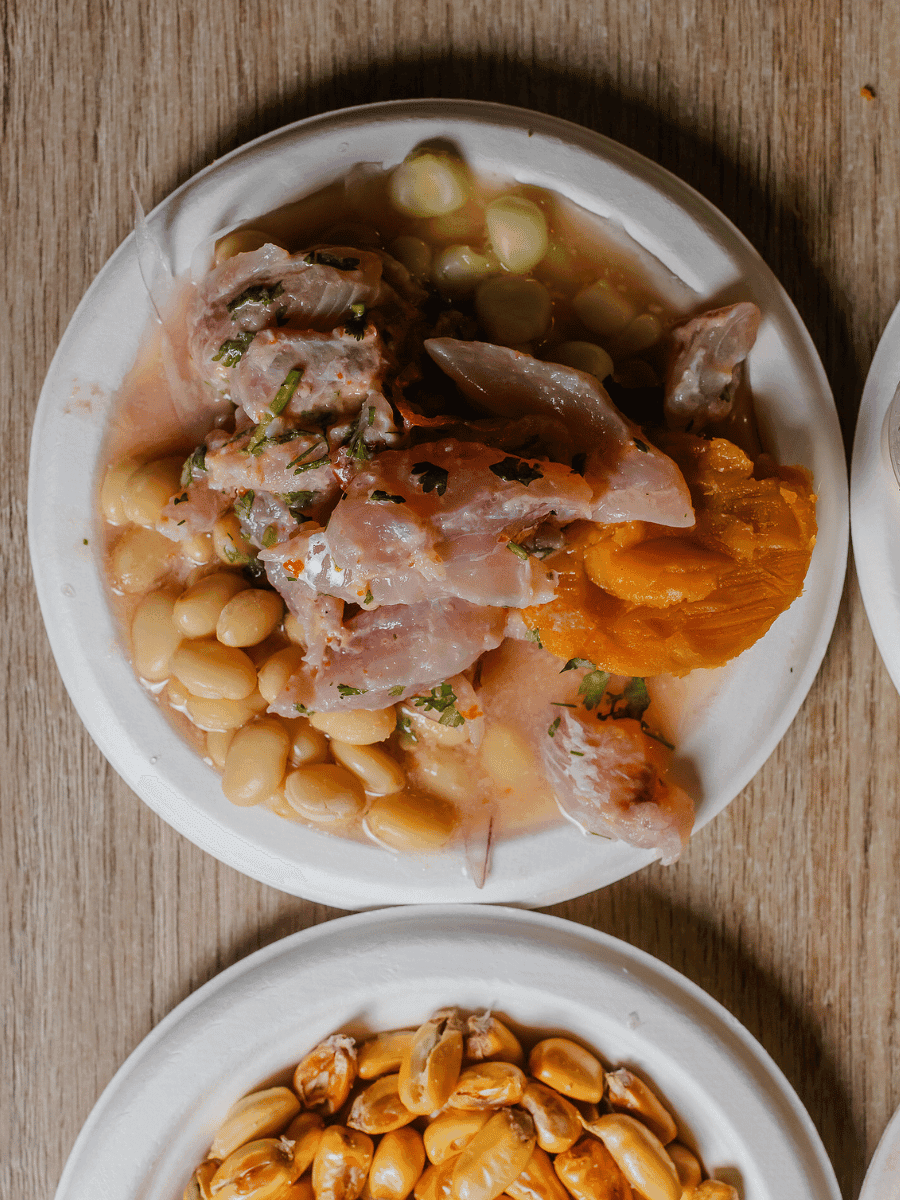
Raw white fish "cooked" in fresh lime juice with red onion, ají amarillo and coriander, served with sweet potato and choclo corn. Peru's national dish.