
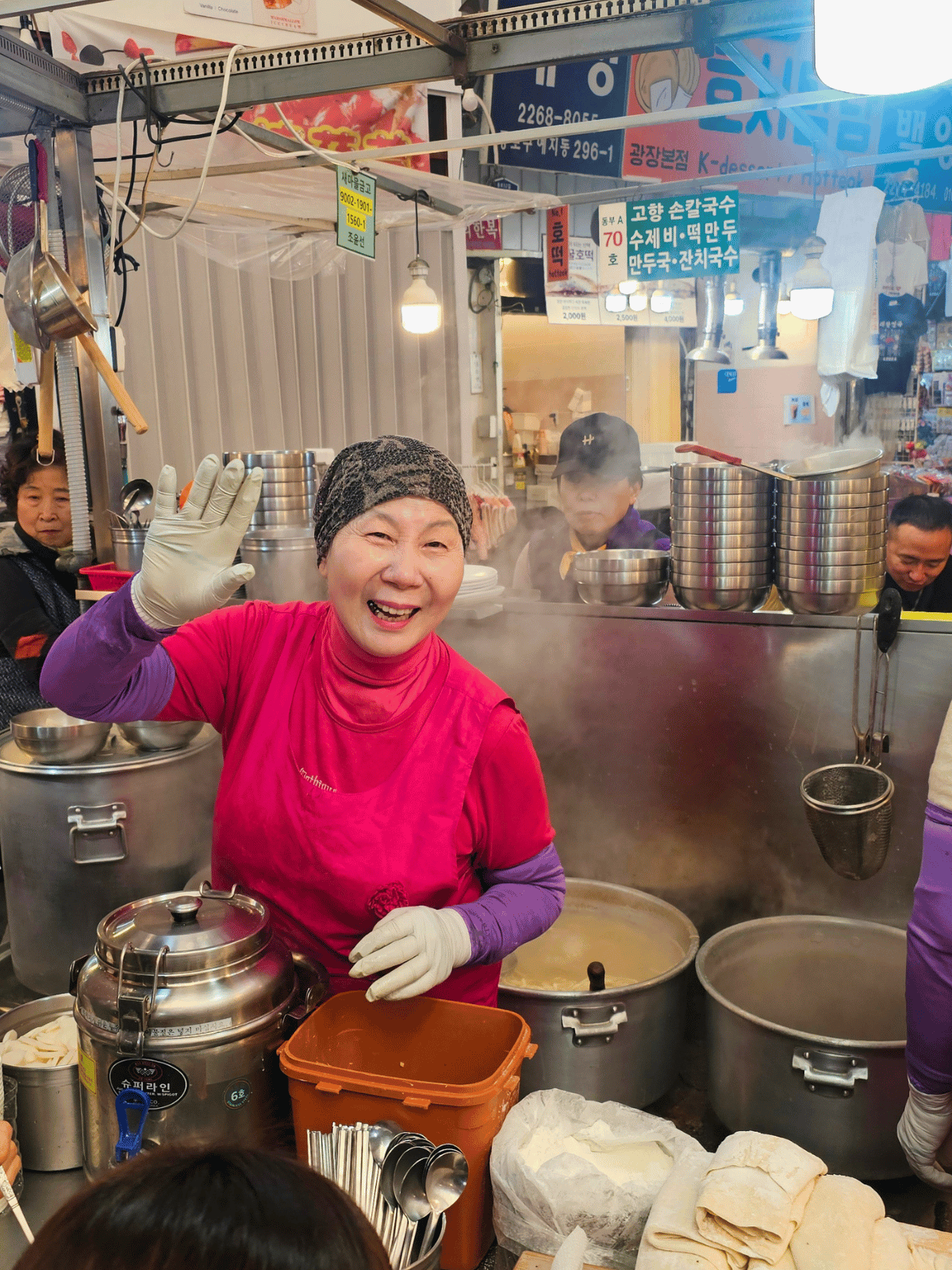
“Everything was wonderful. The food was delicious, traditional, and beautifully presented. ”
— Busarin, 2026
01 Food tours
Original food tours, curated with our local tastemakers to showcase the neighbourhood kitchens, markets and family-run eateries that define Seoul.
Korean Kitchens
Seoul
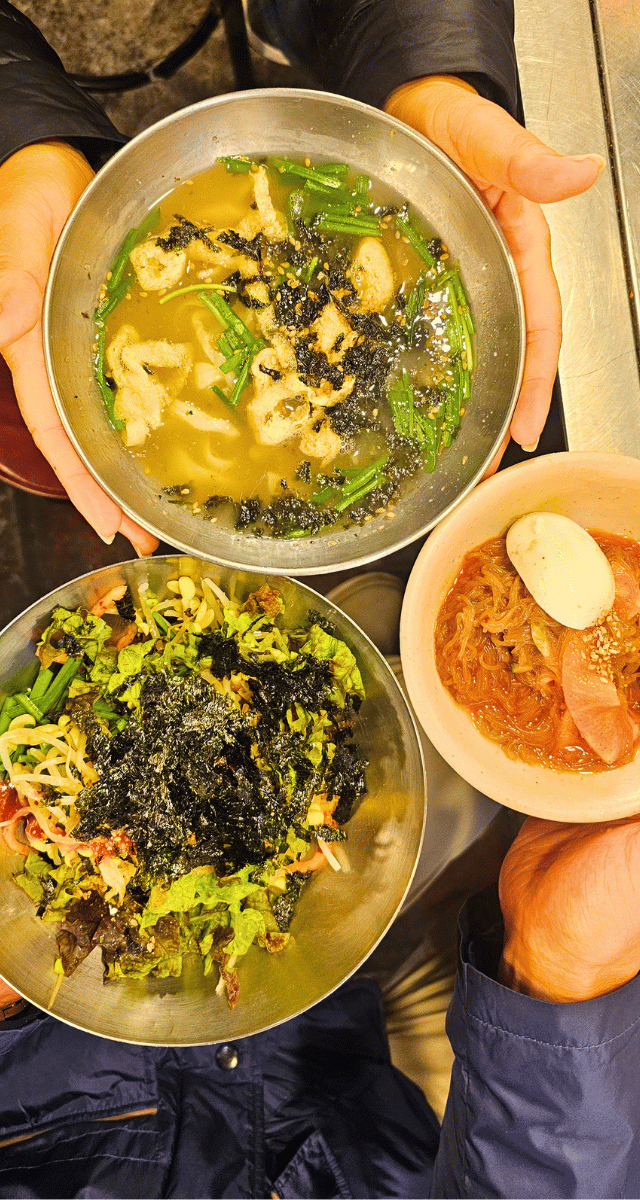
Eat Seoul at lunchtime — kimchi, doenjang, gochujang glazes and charcoal at the table.
Seoul Suppers
Seoul
Discover Seoul, where ferment is the whole point — kimchi, doenjang and gochujang over charcoal.
02 Meet the tastemakers
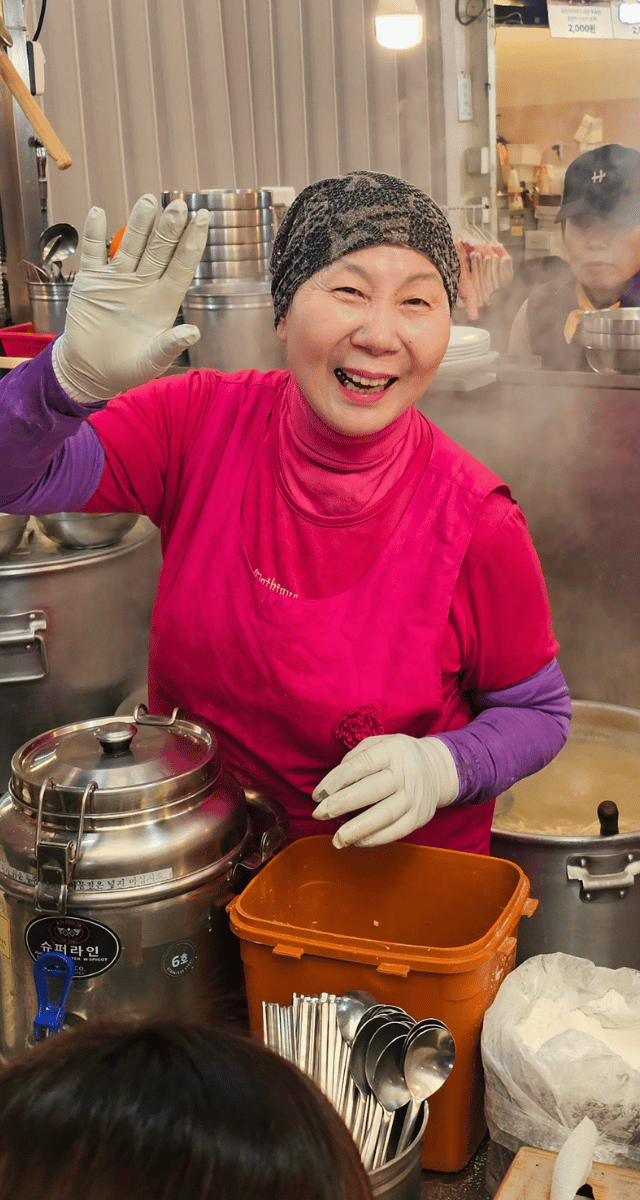
The local food experts who help us research, refine and lead every A Chef's Tour.

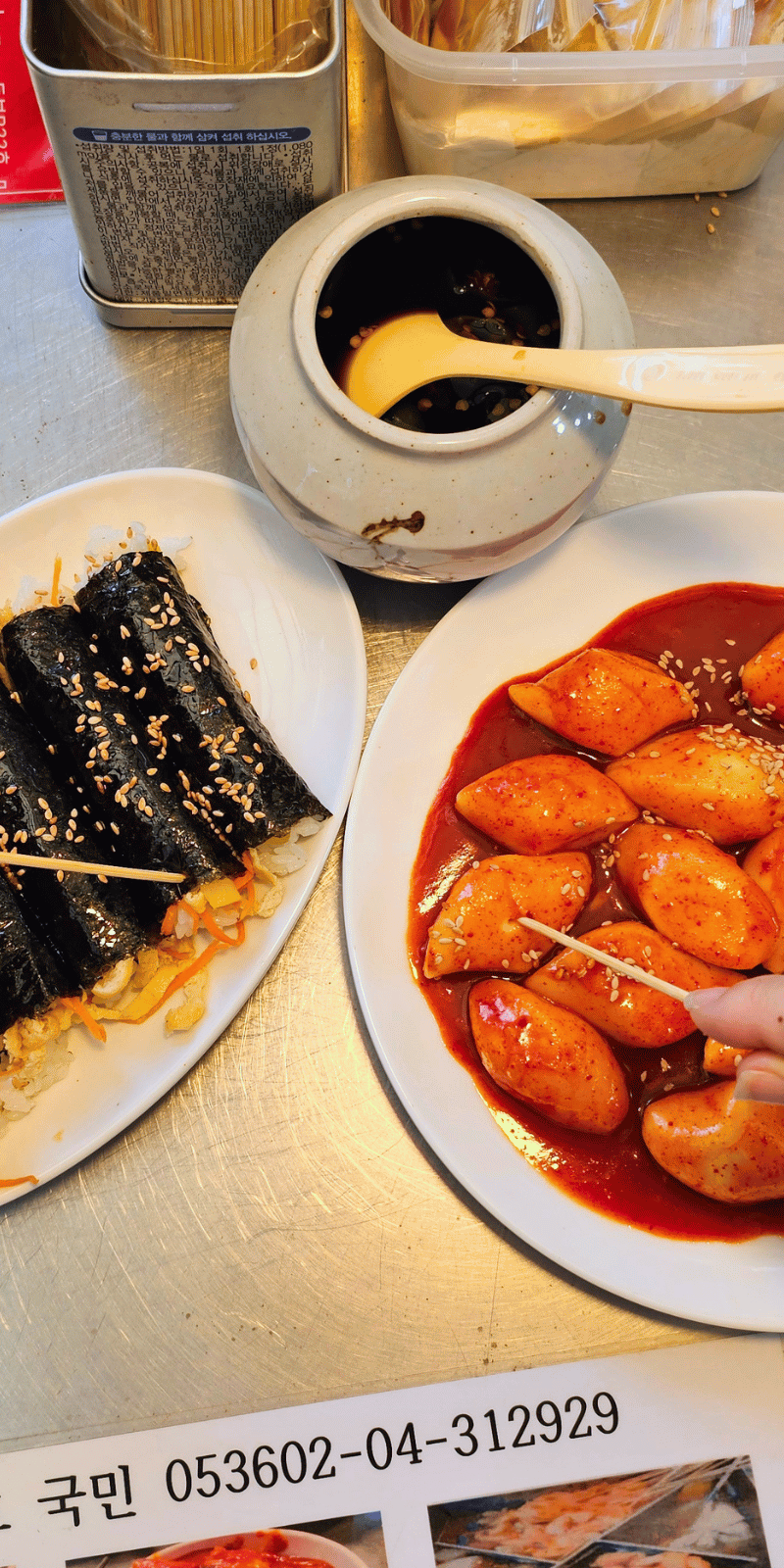
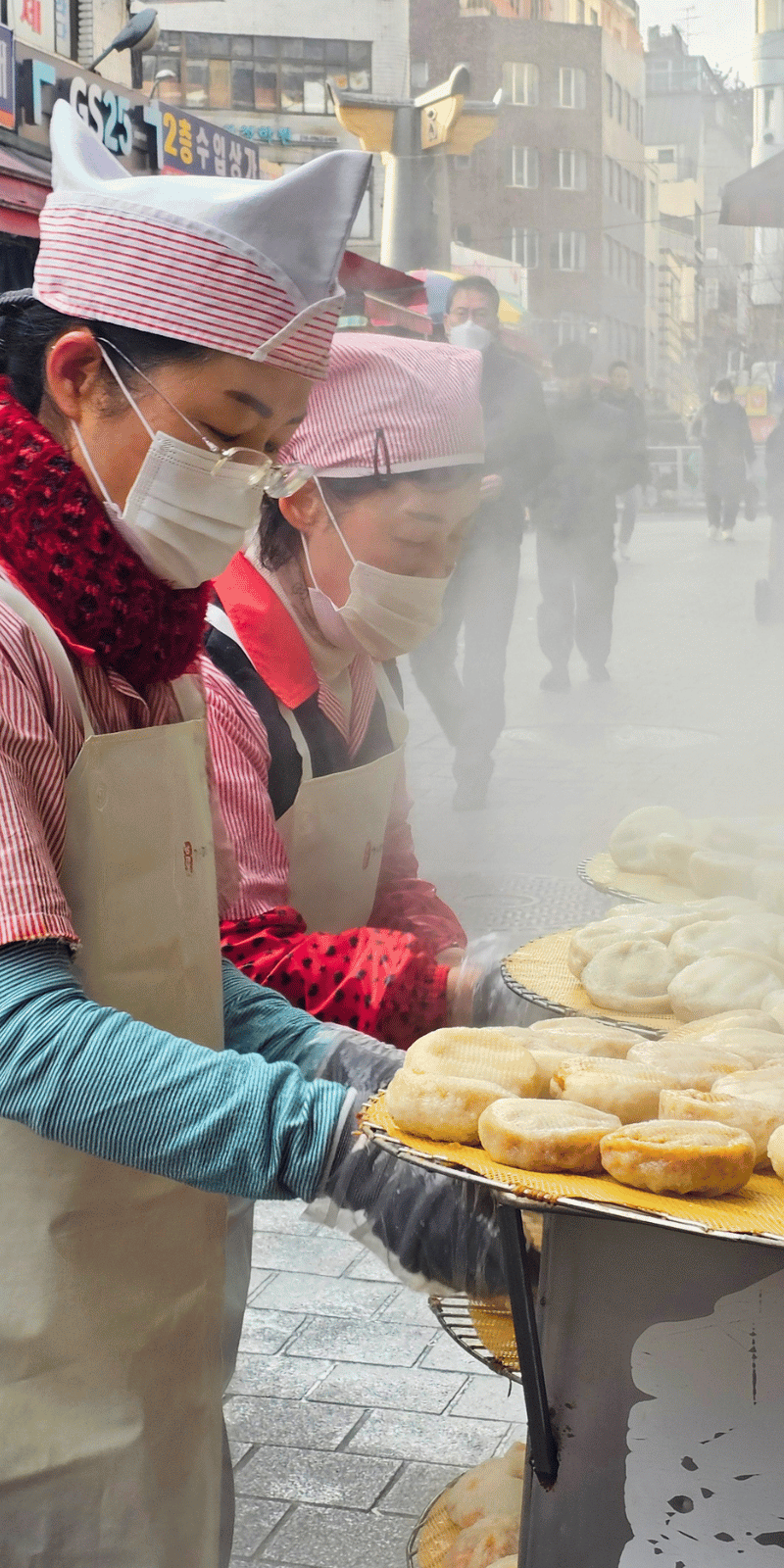
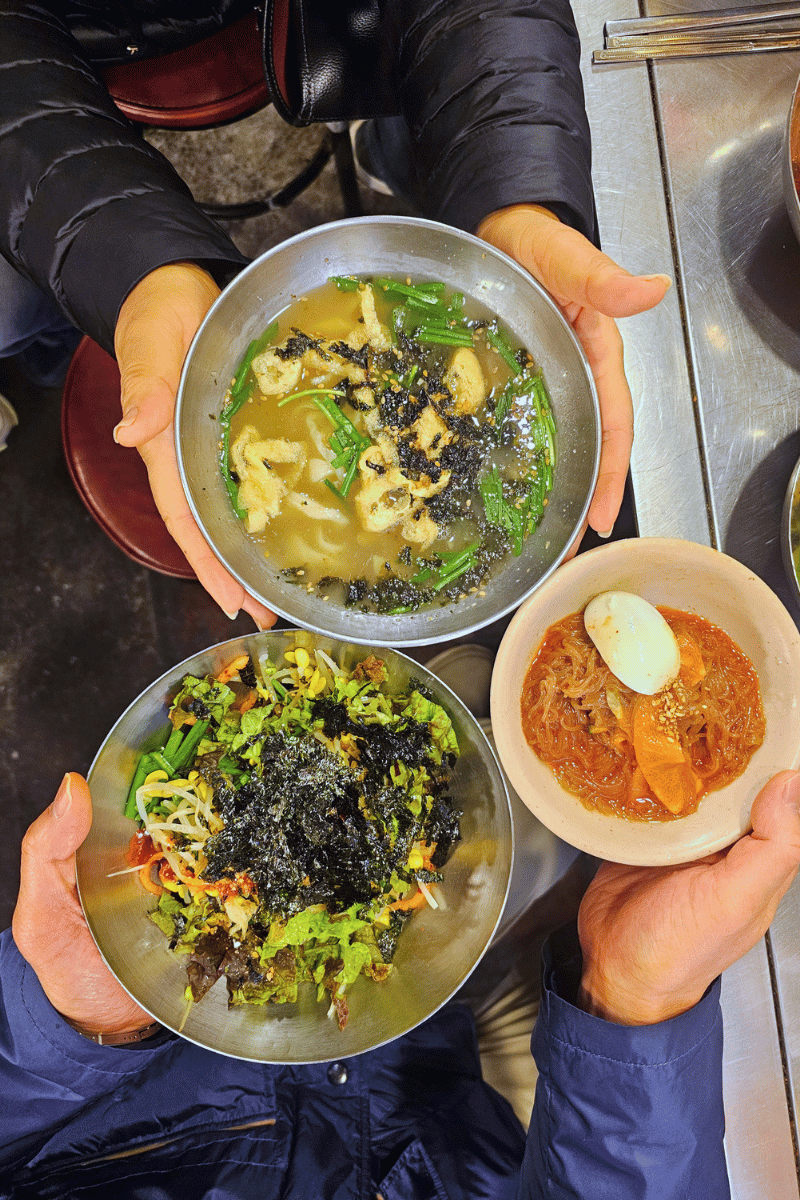
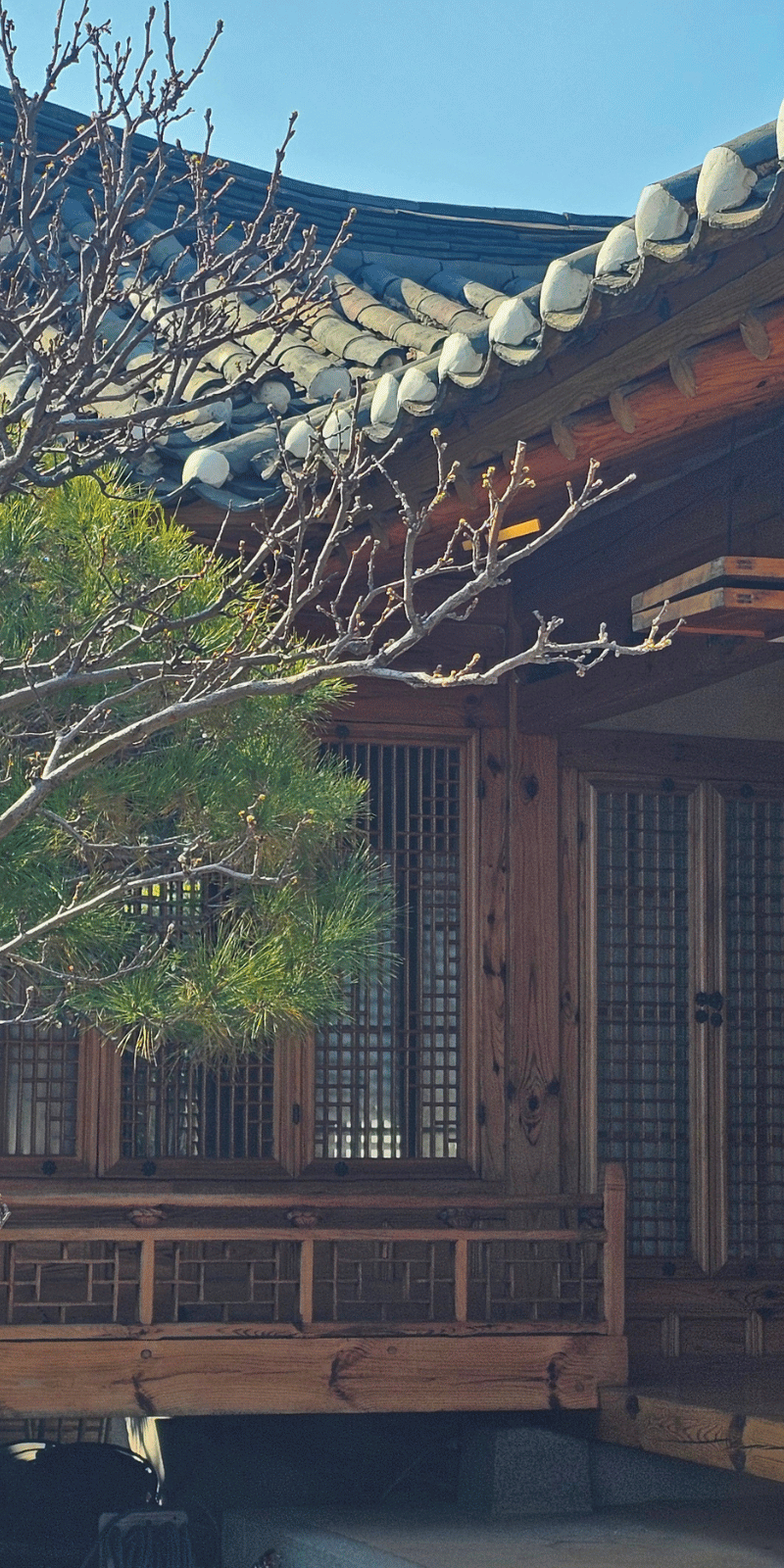
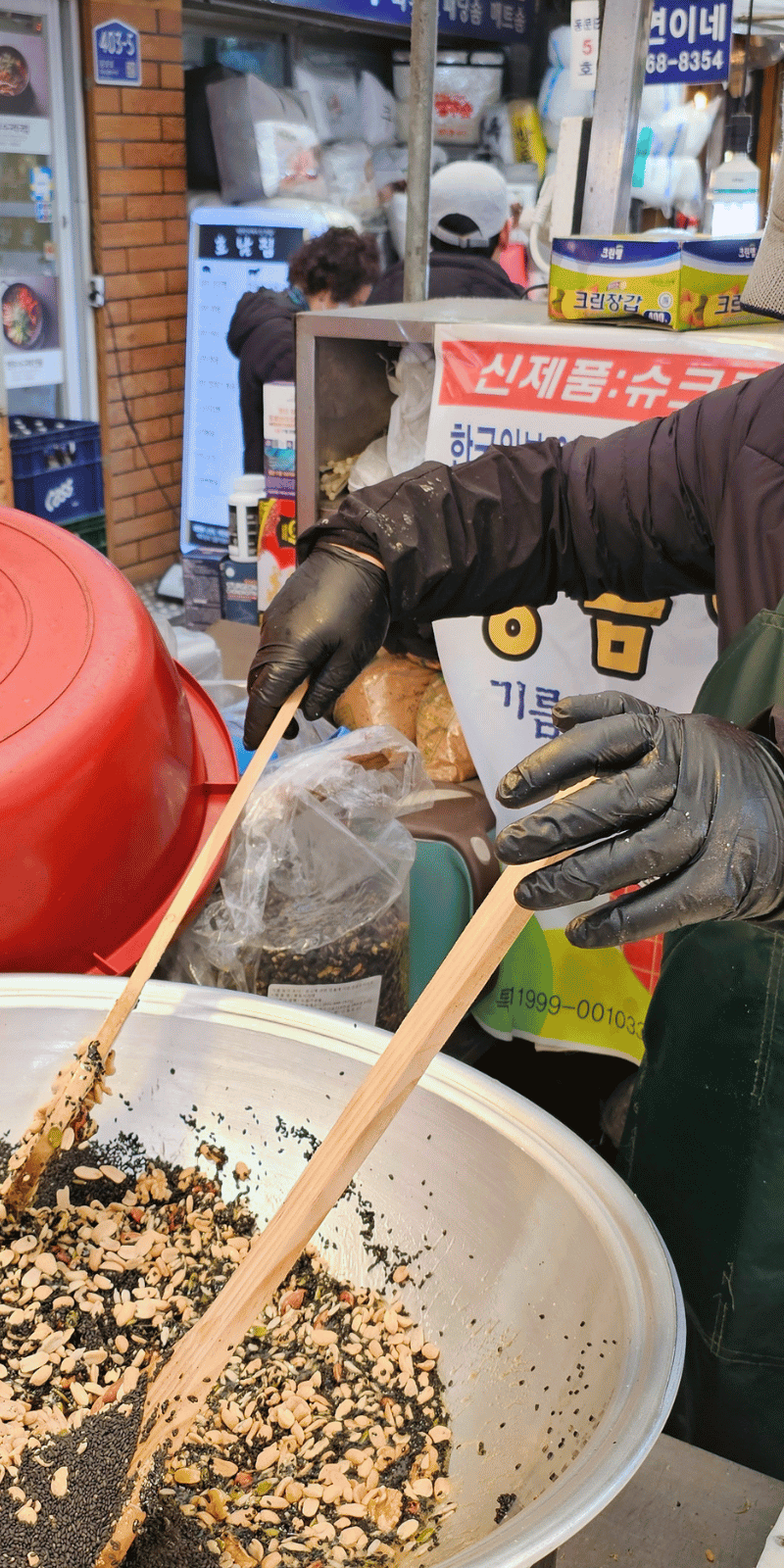
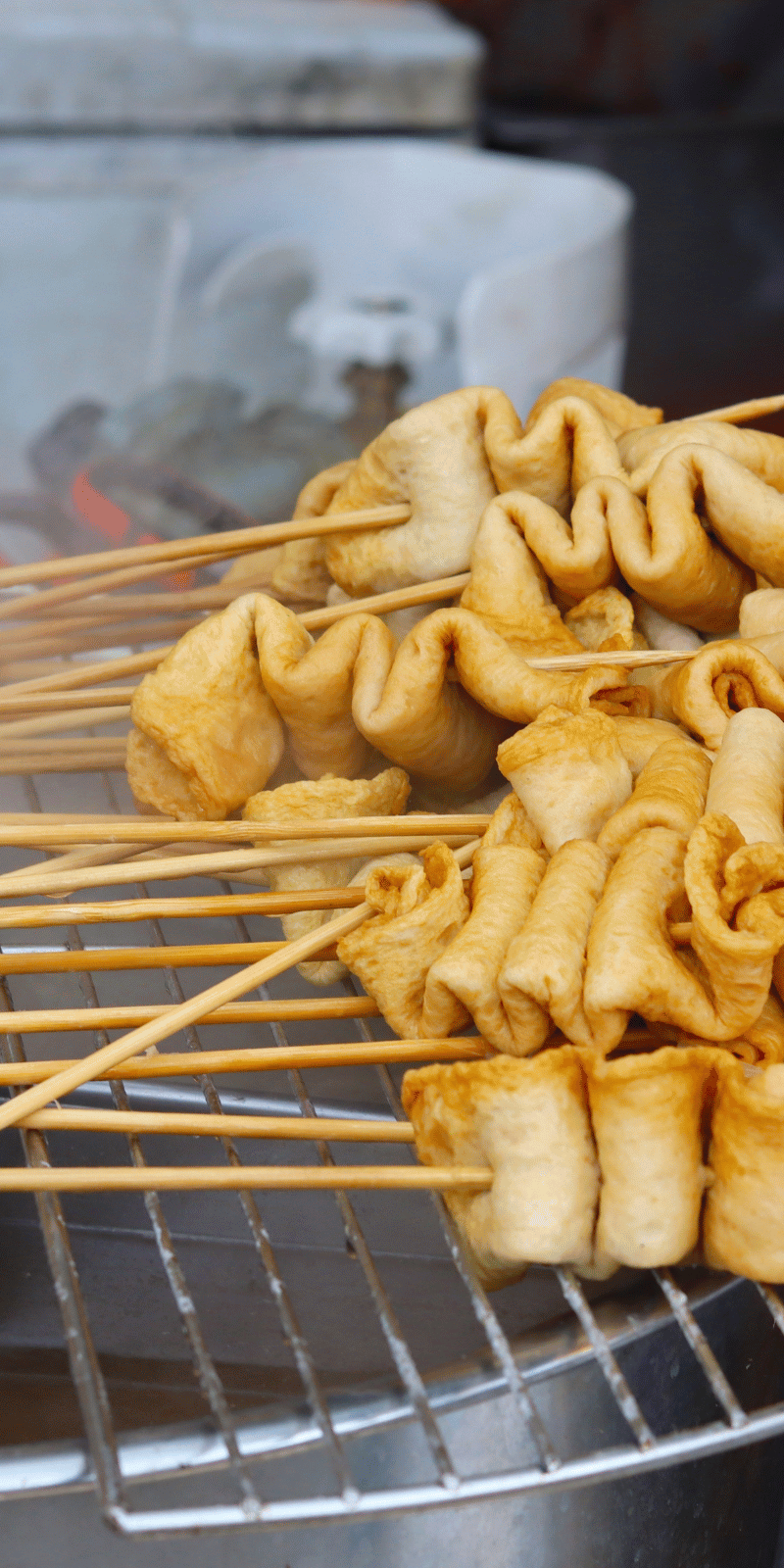
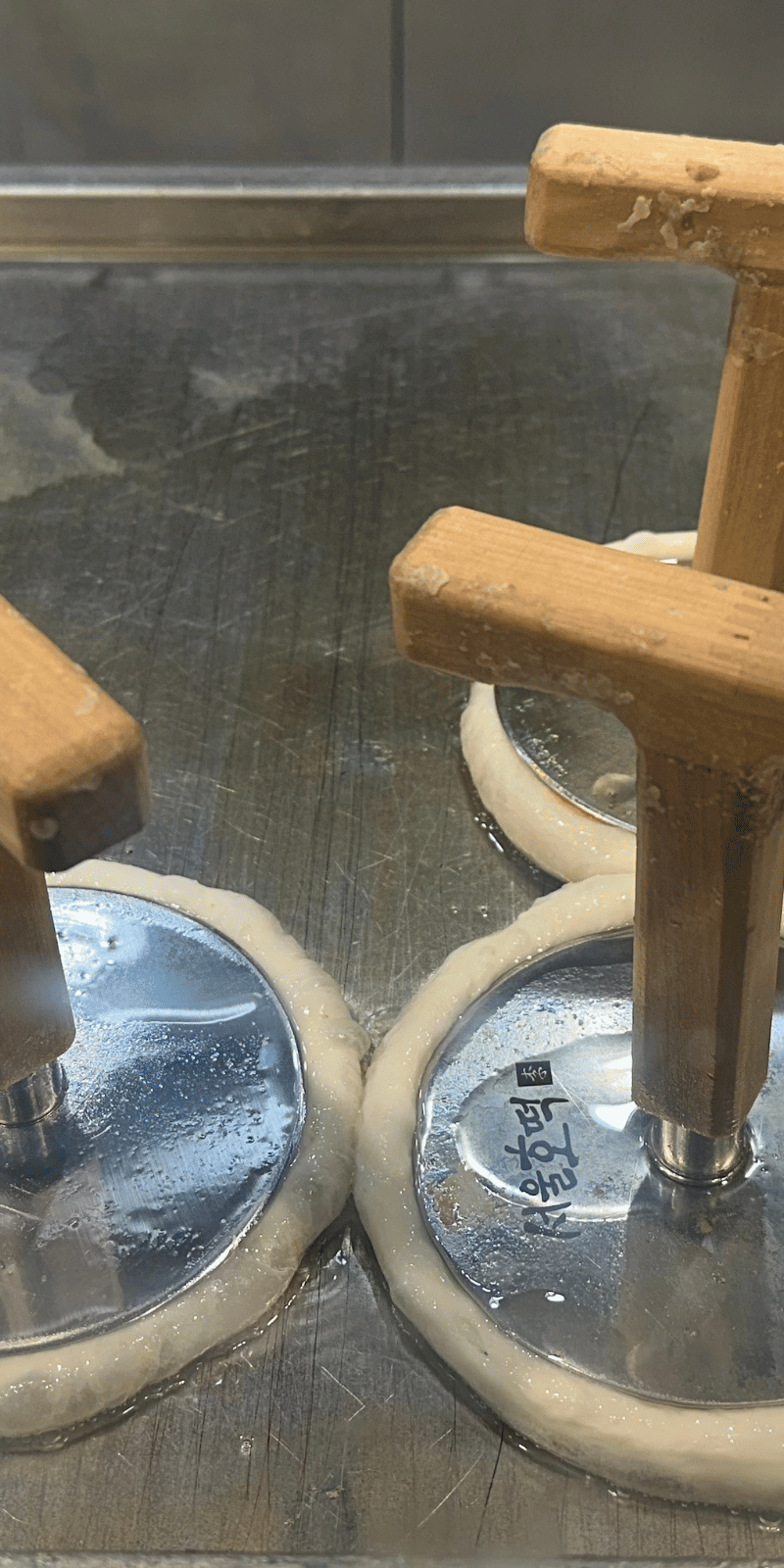
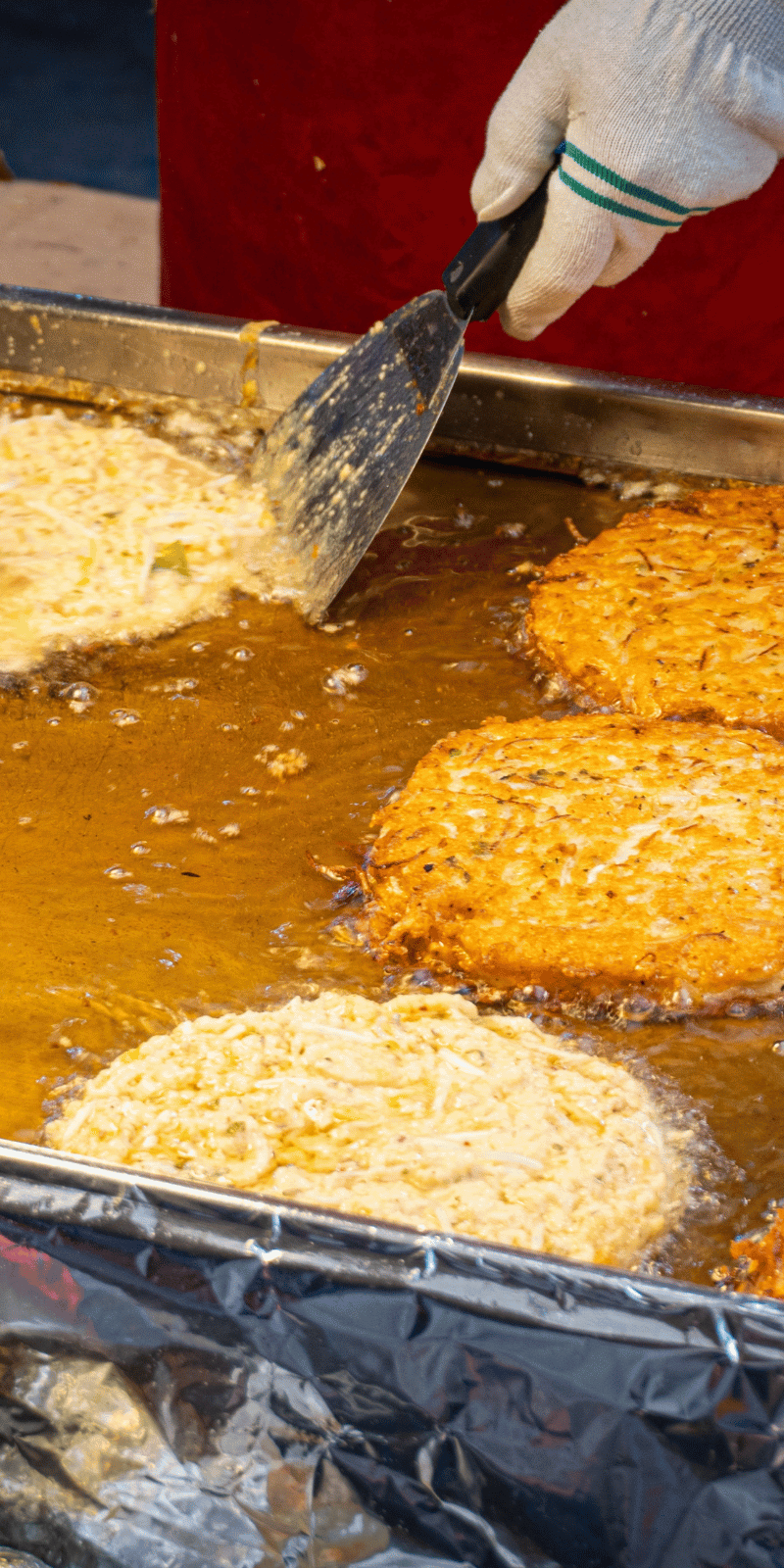
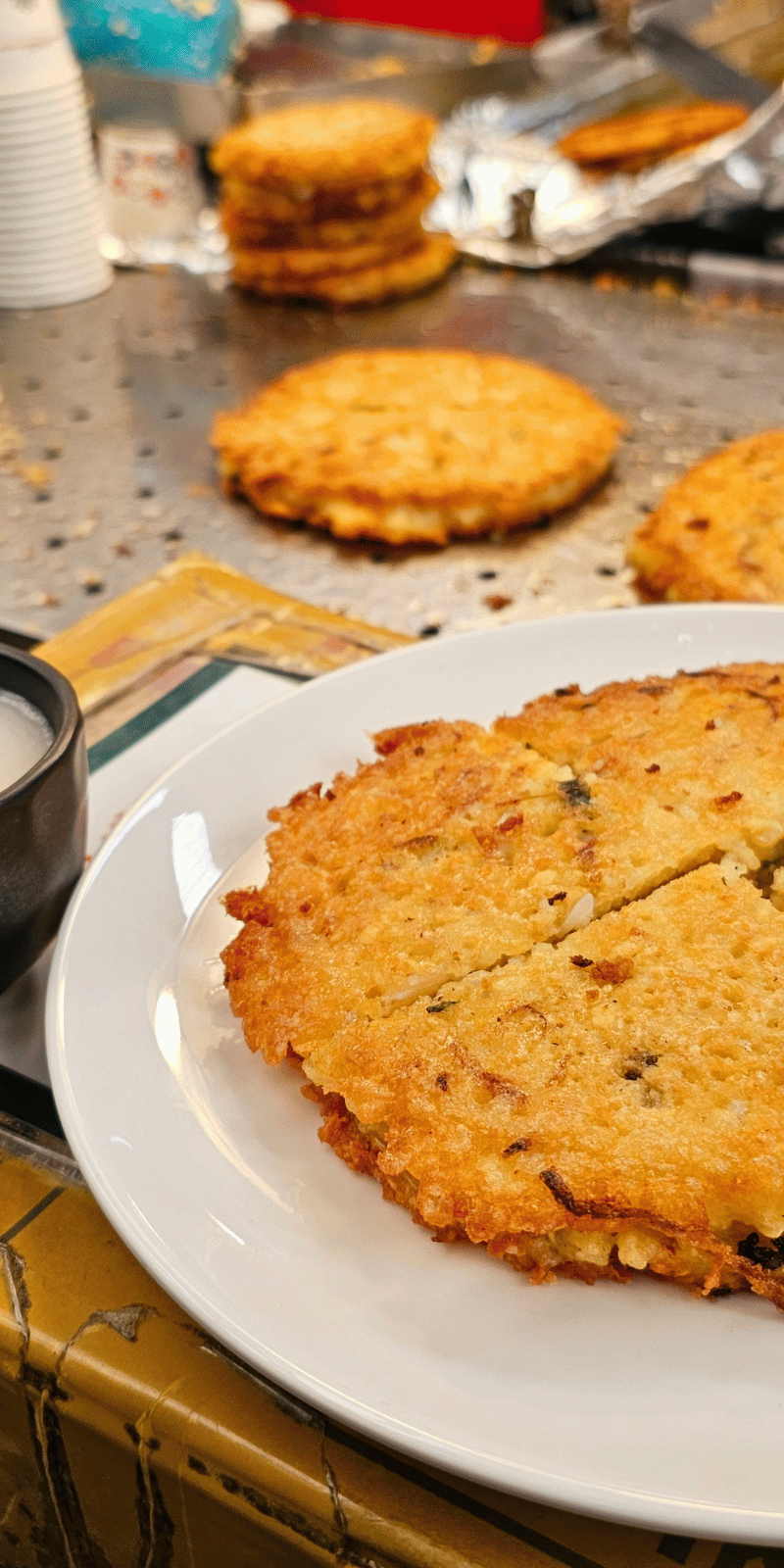
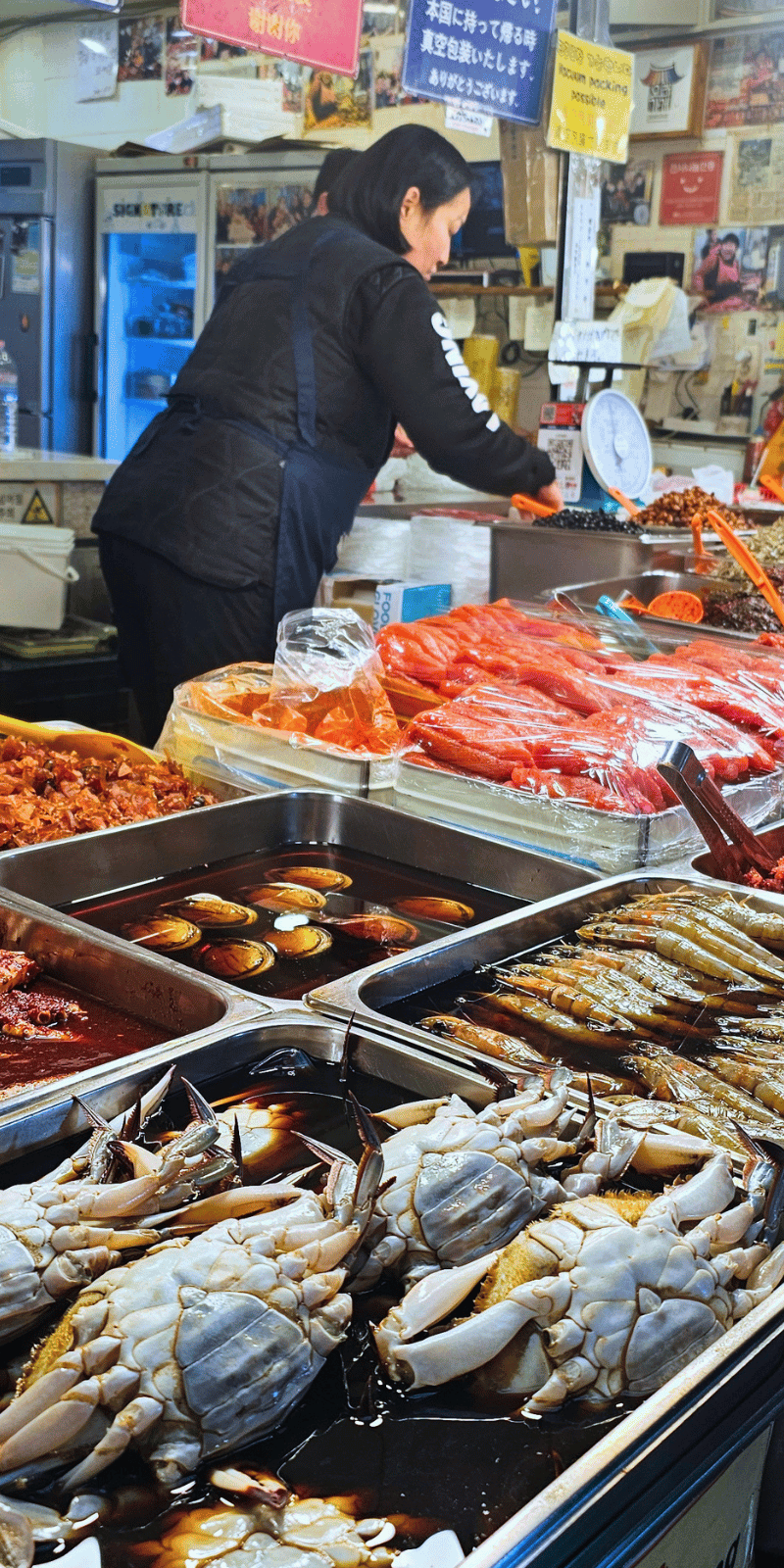
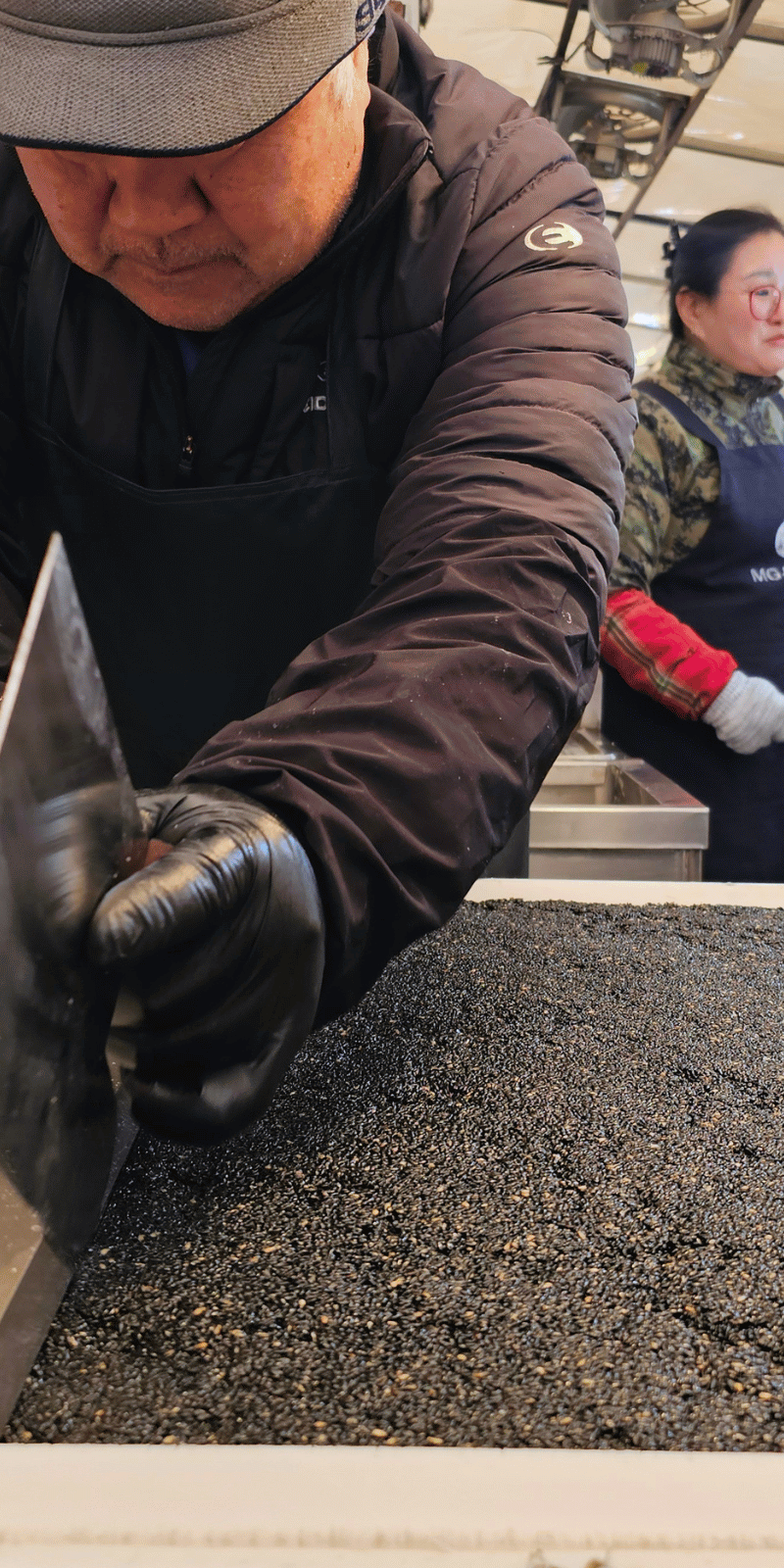
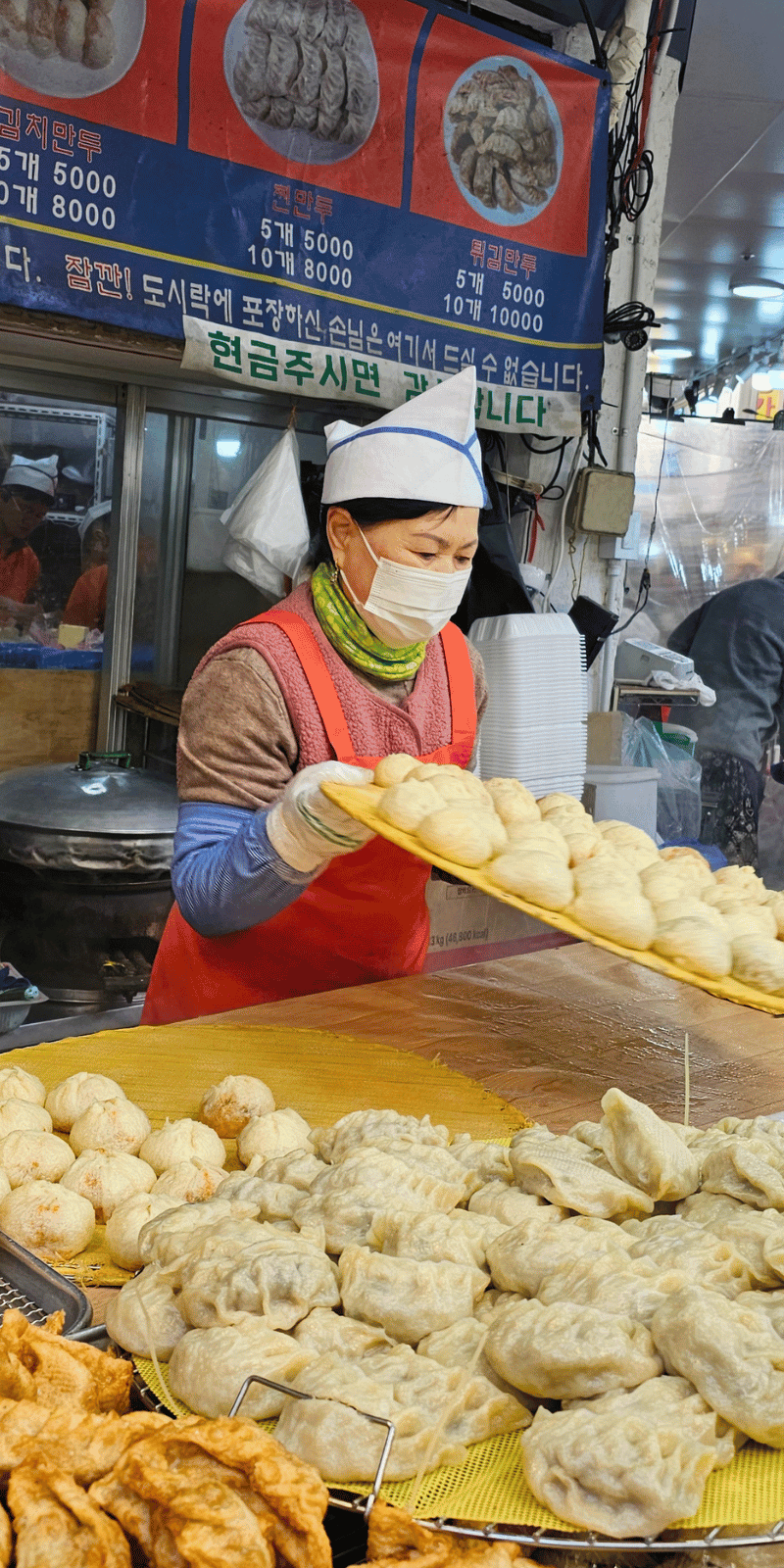
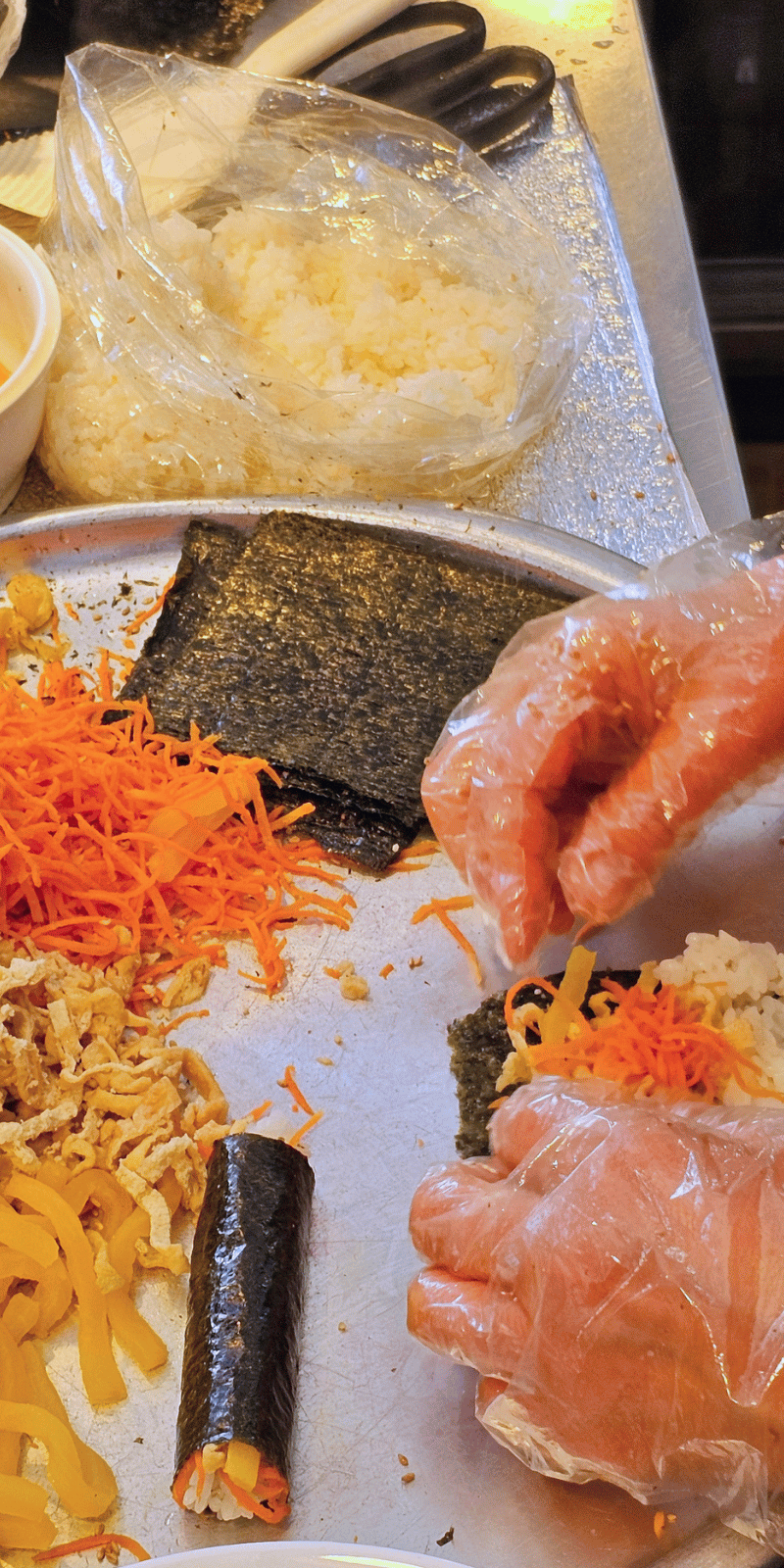
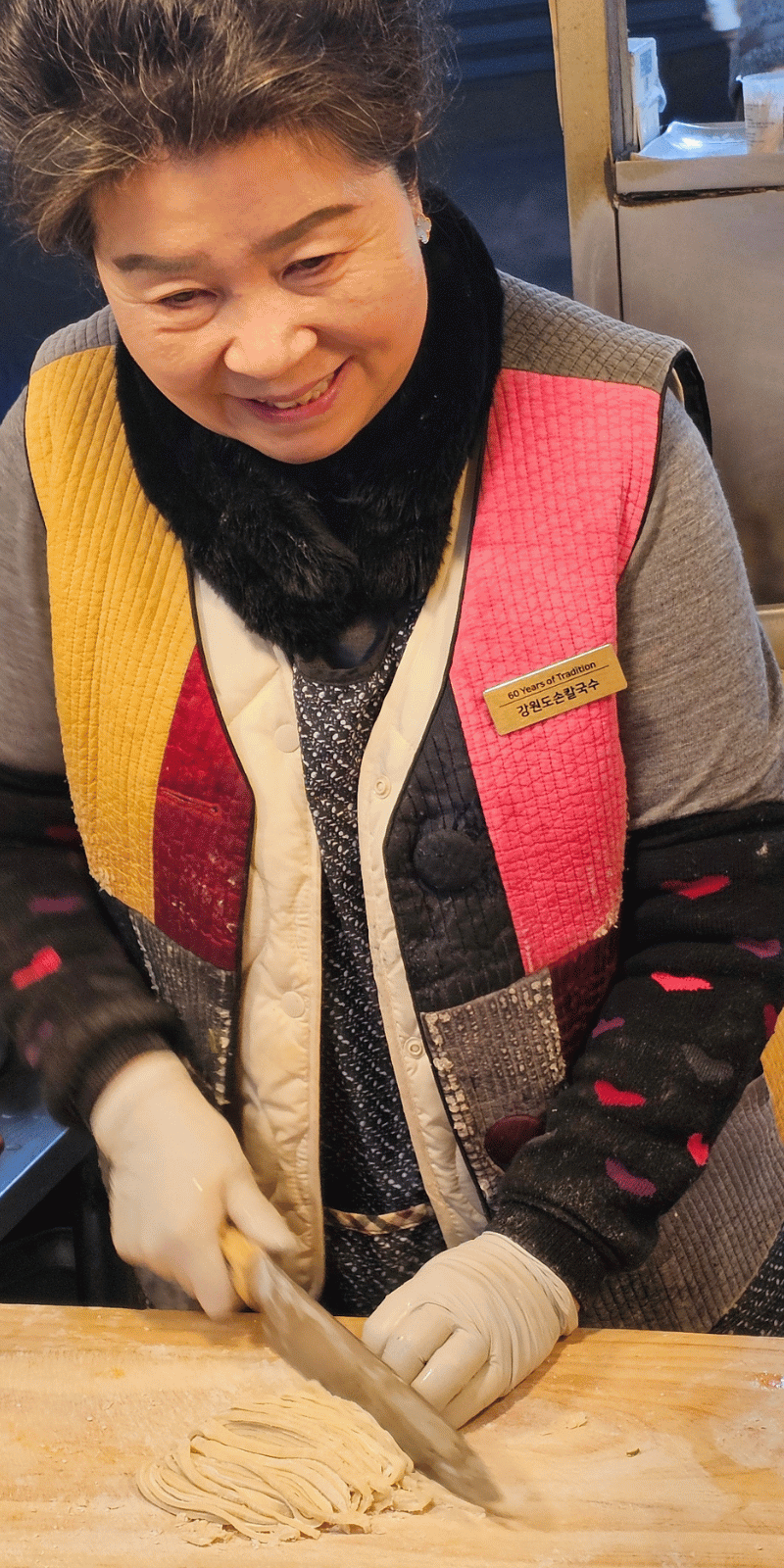
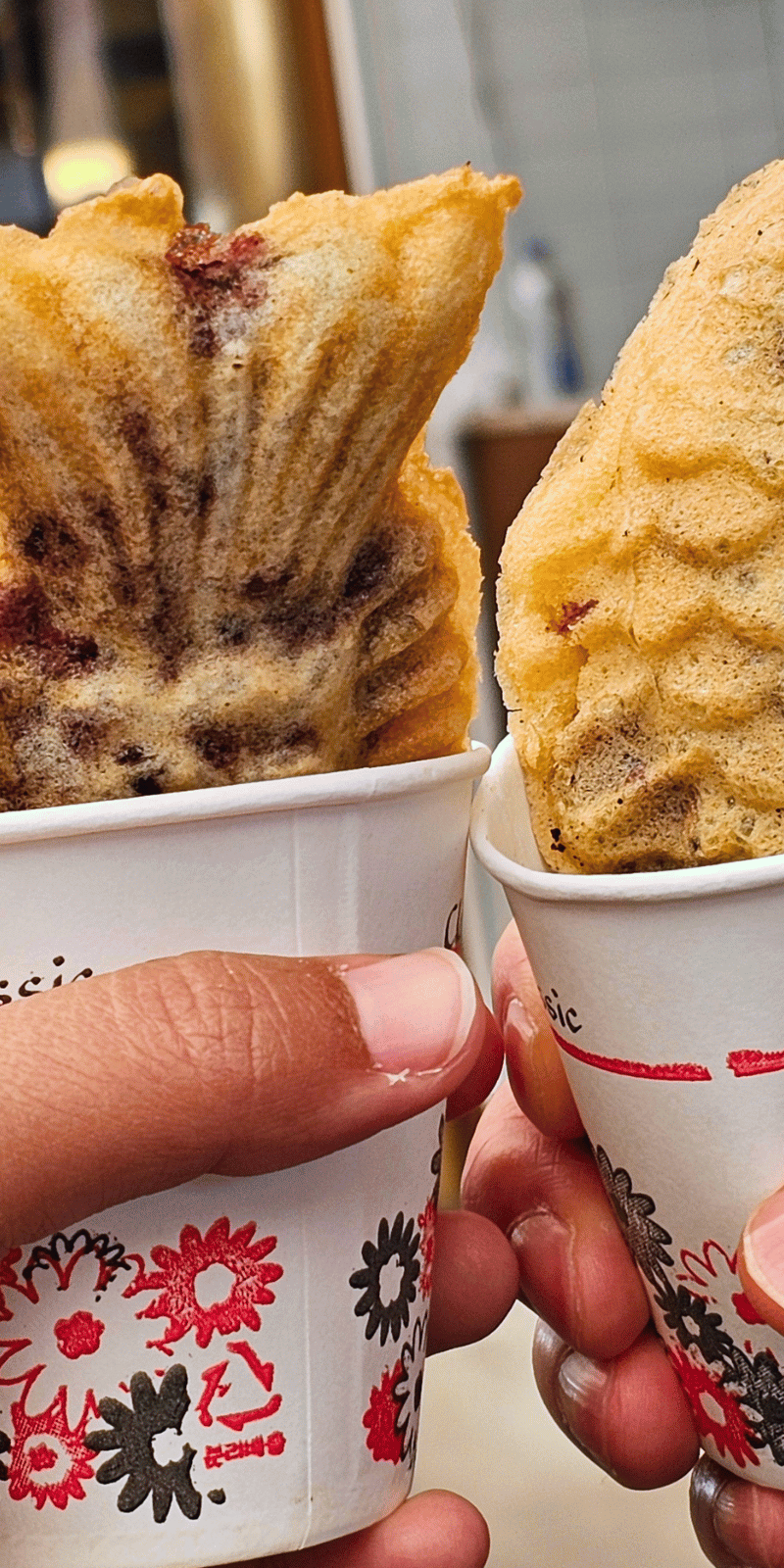
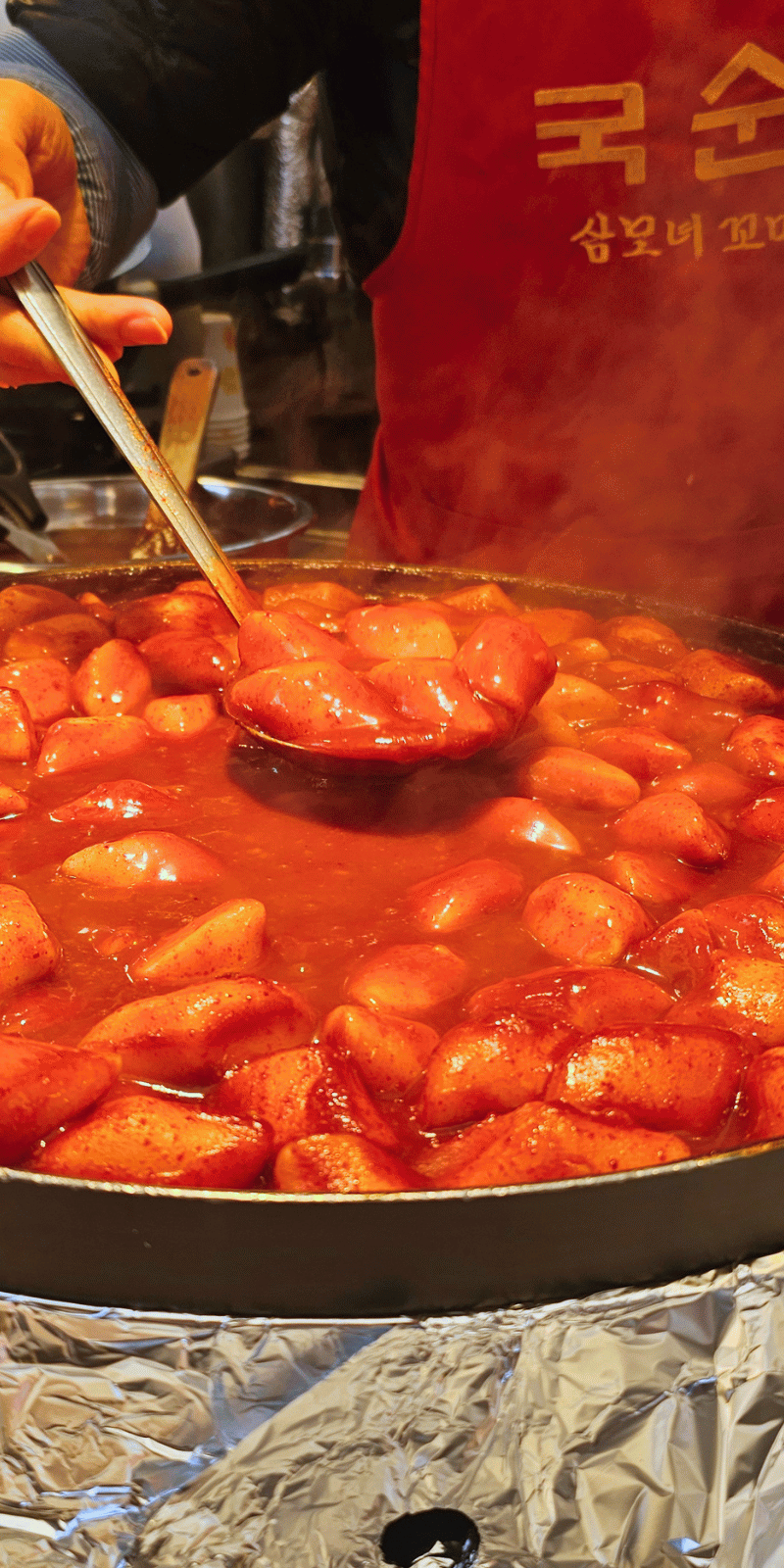
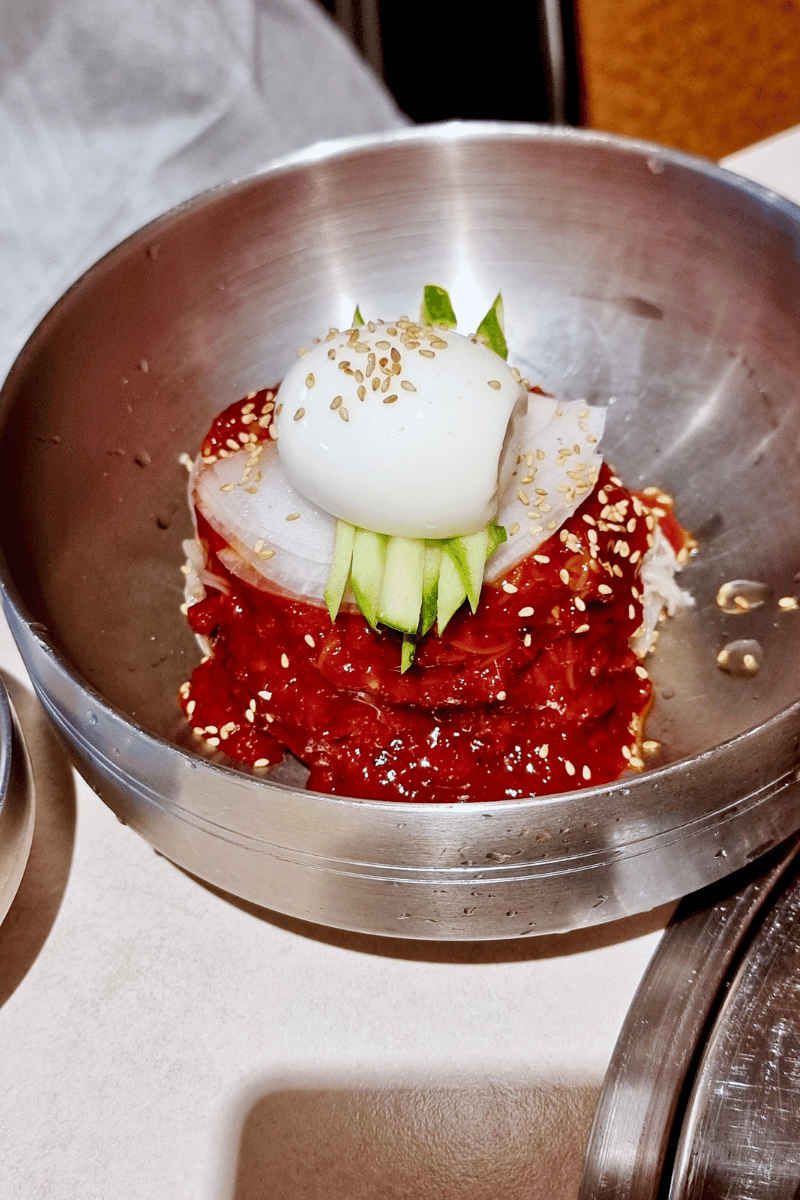
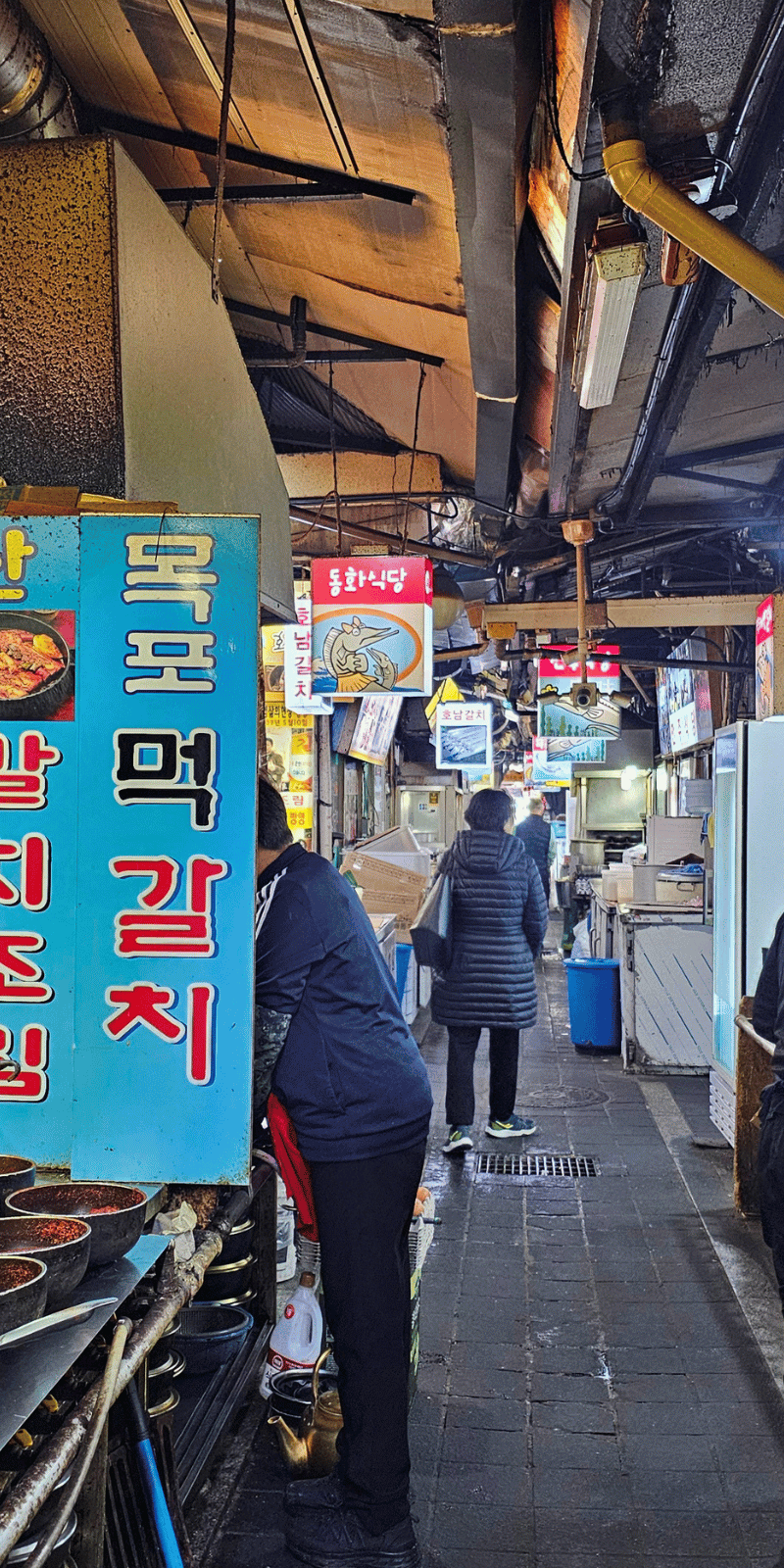
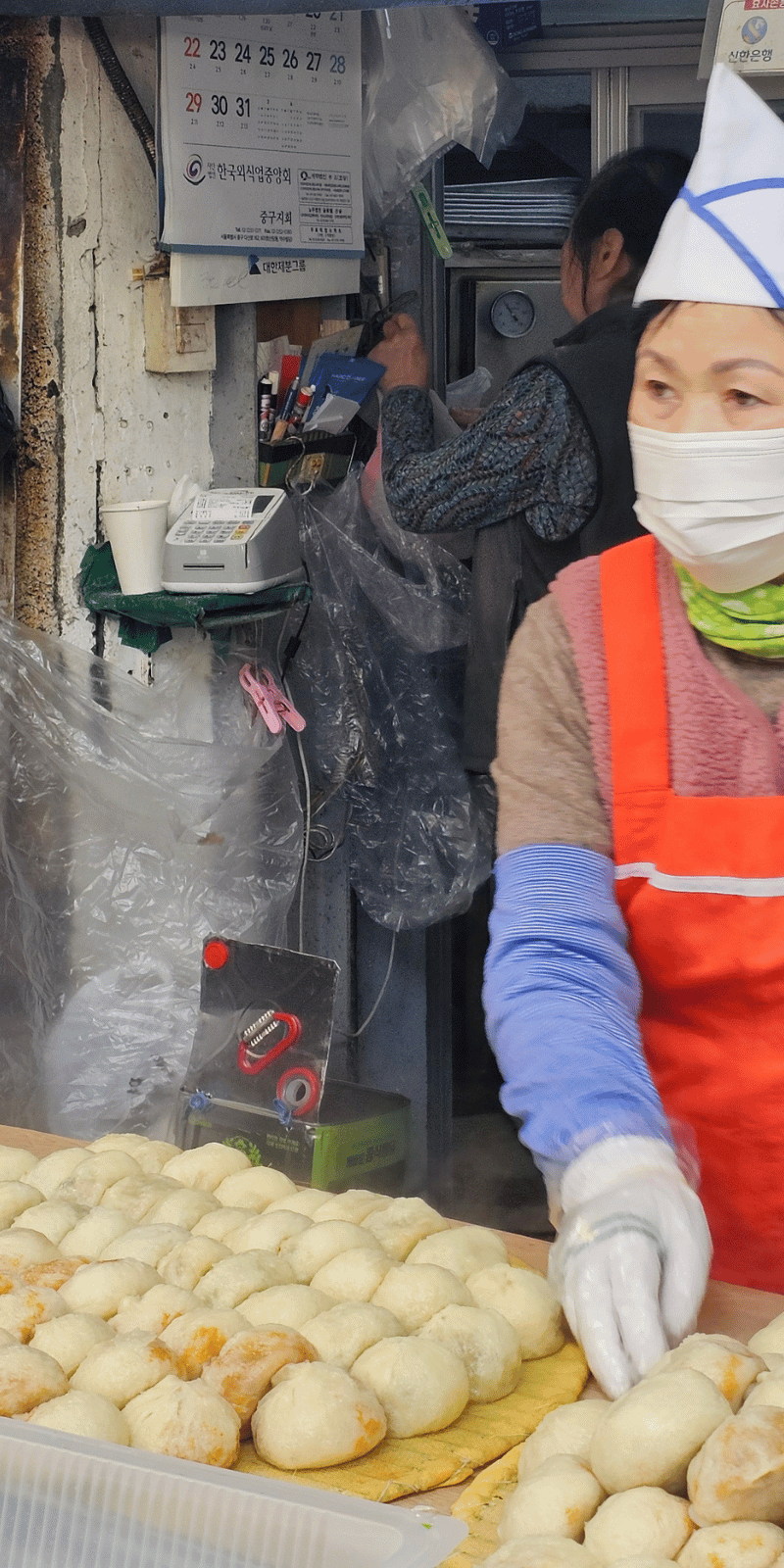
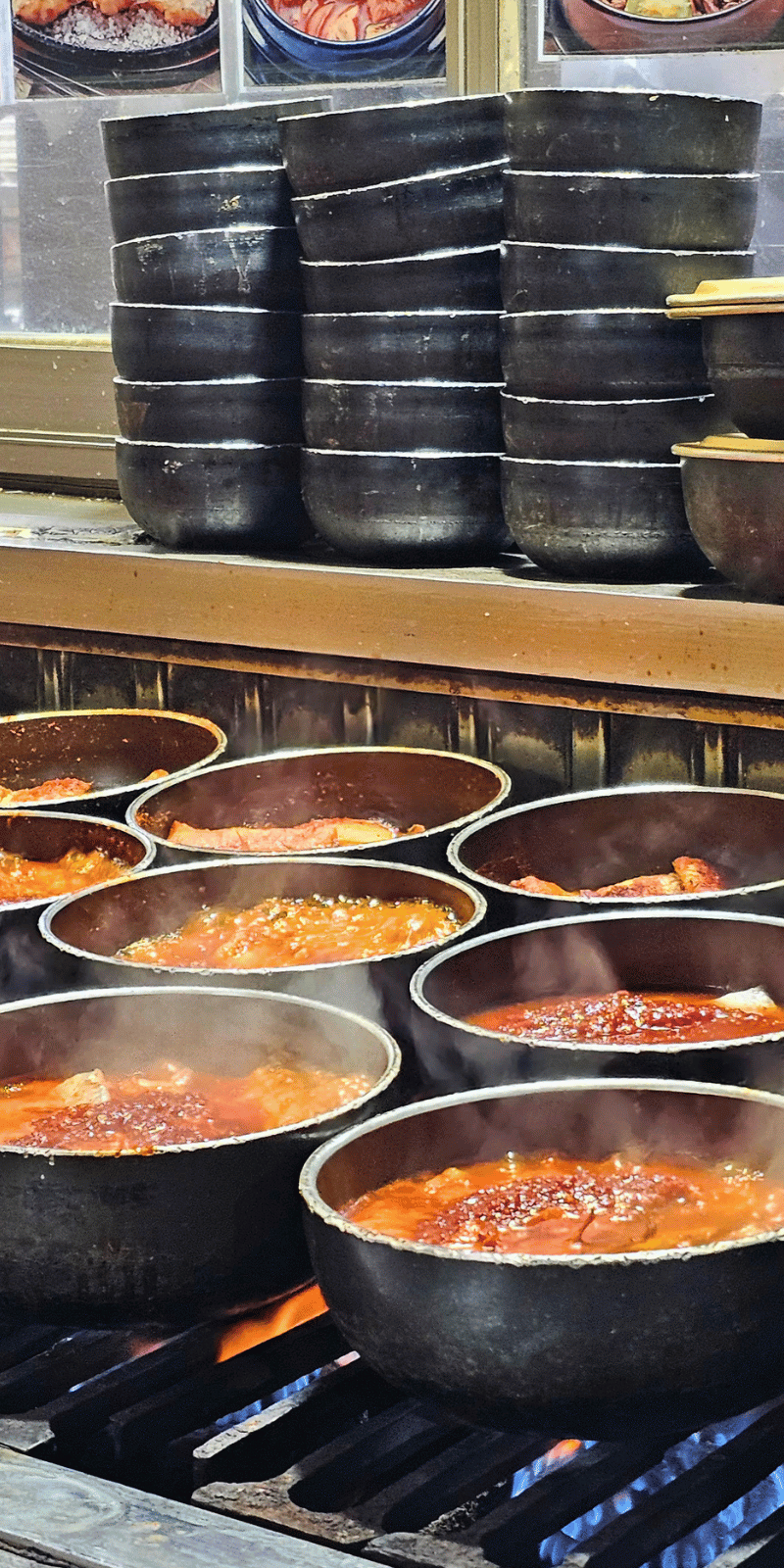
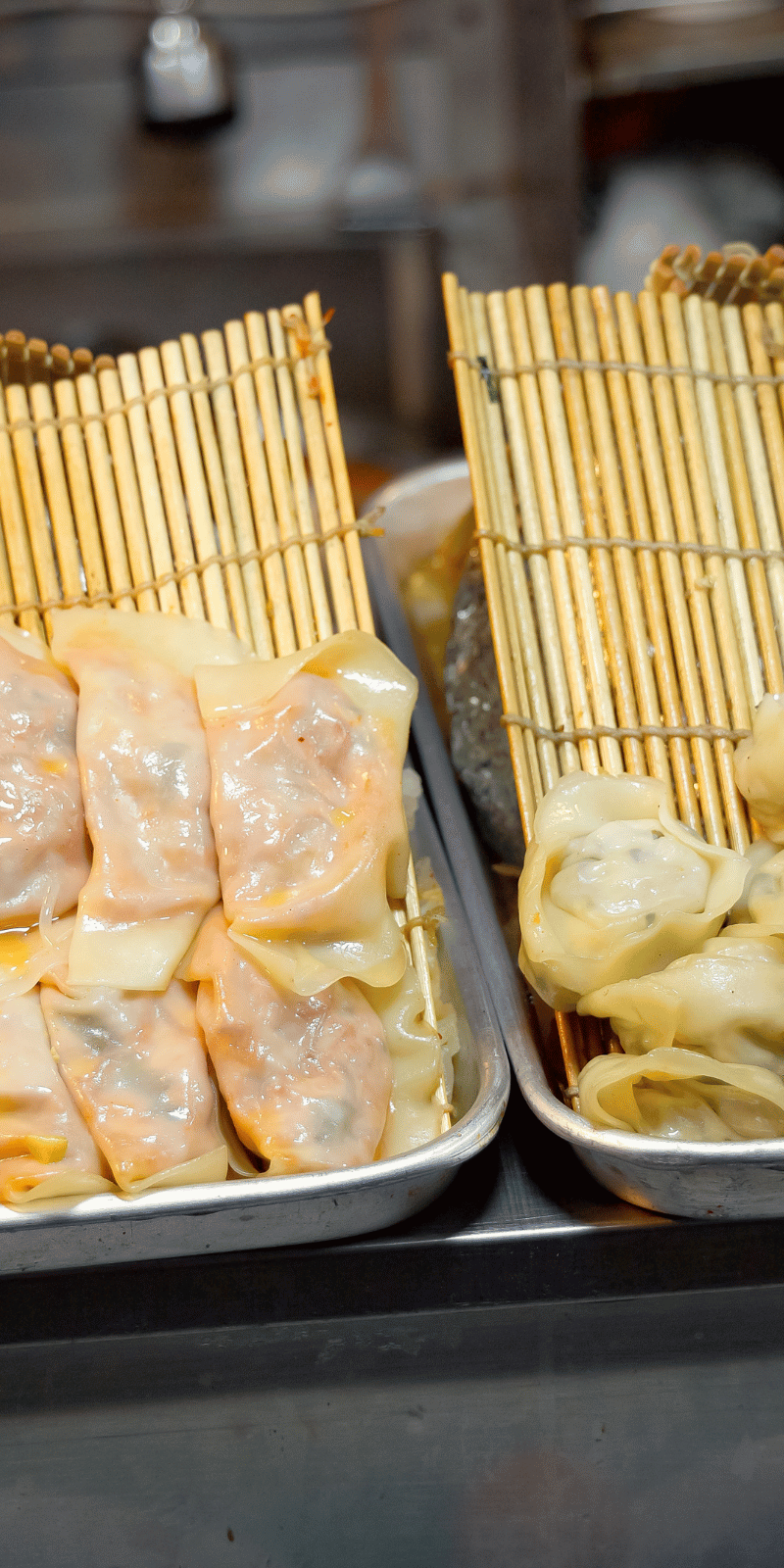
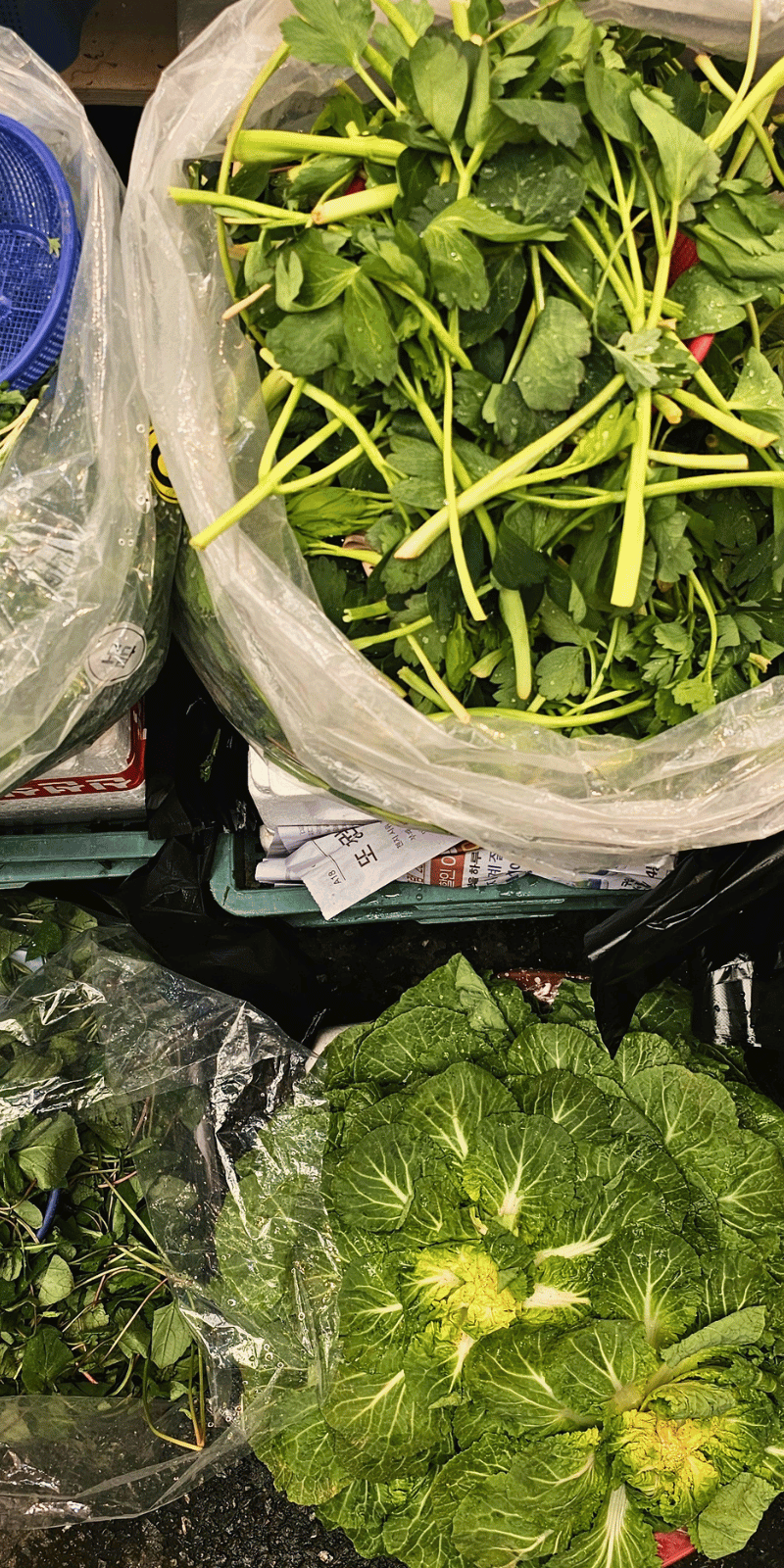
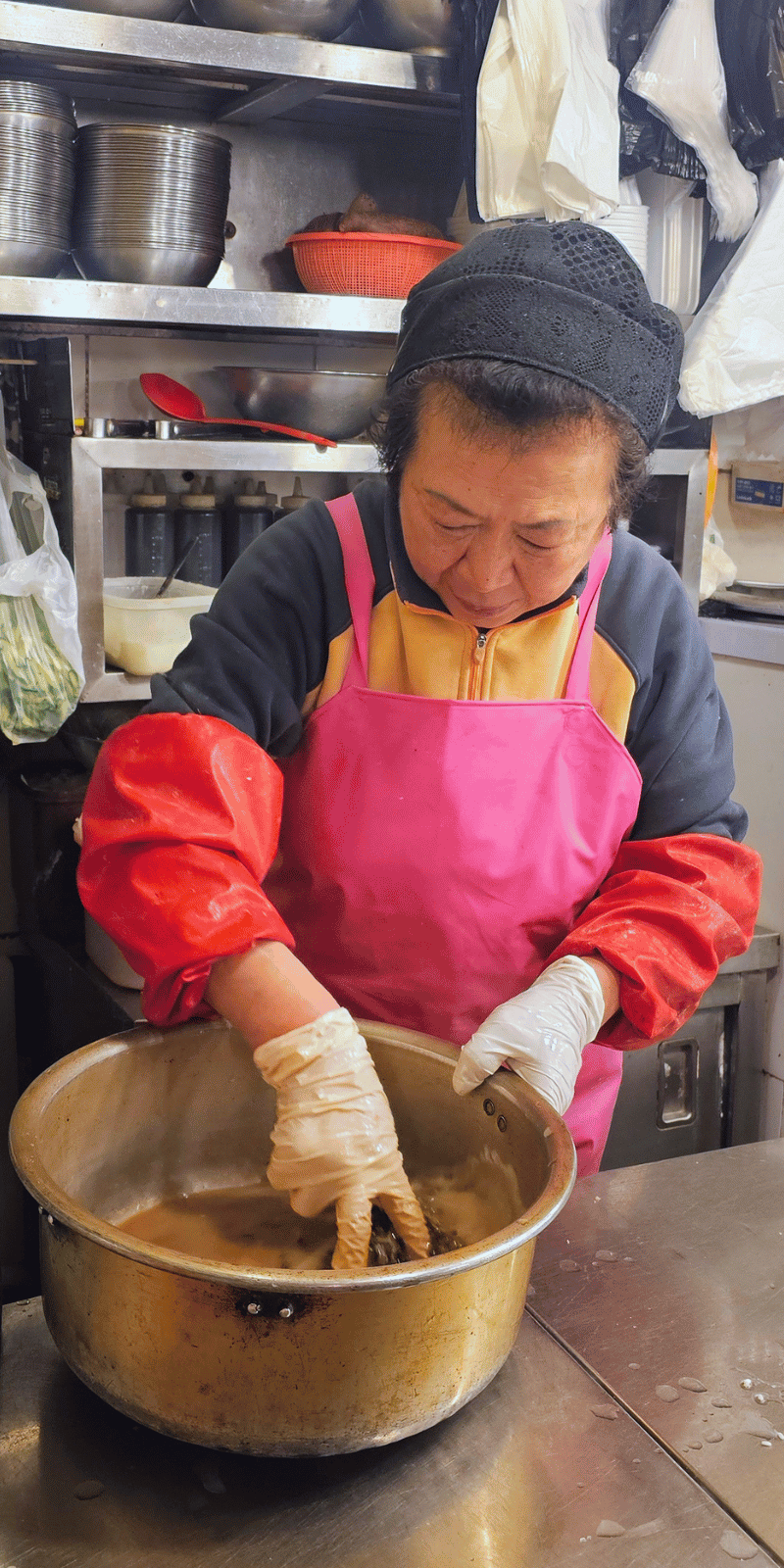
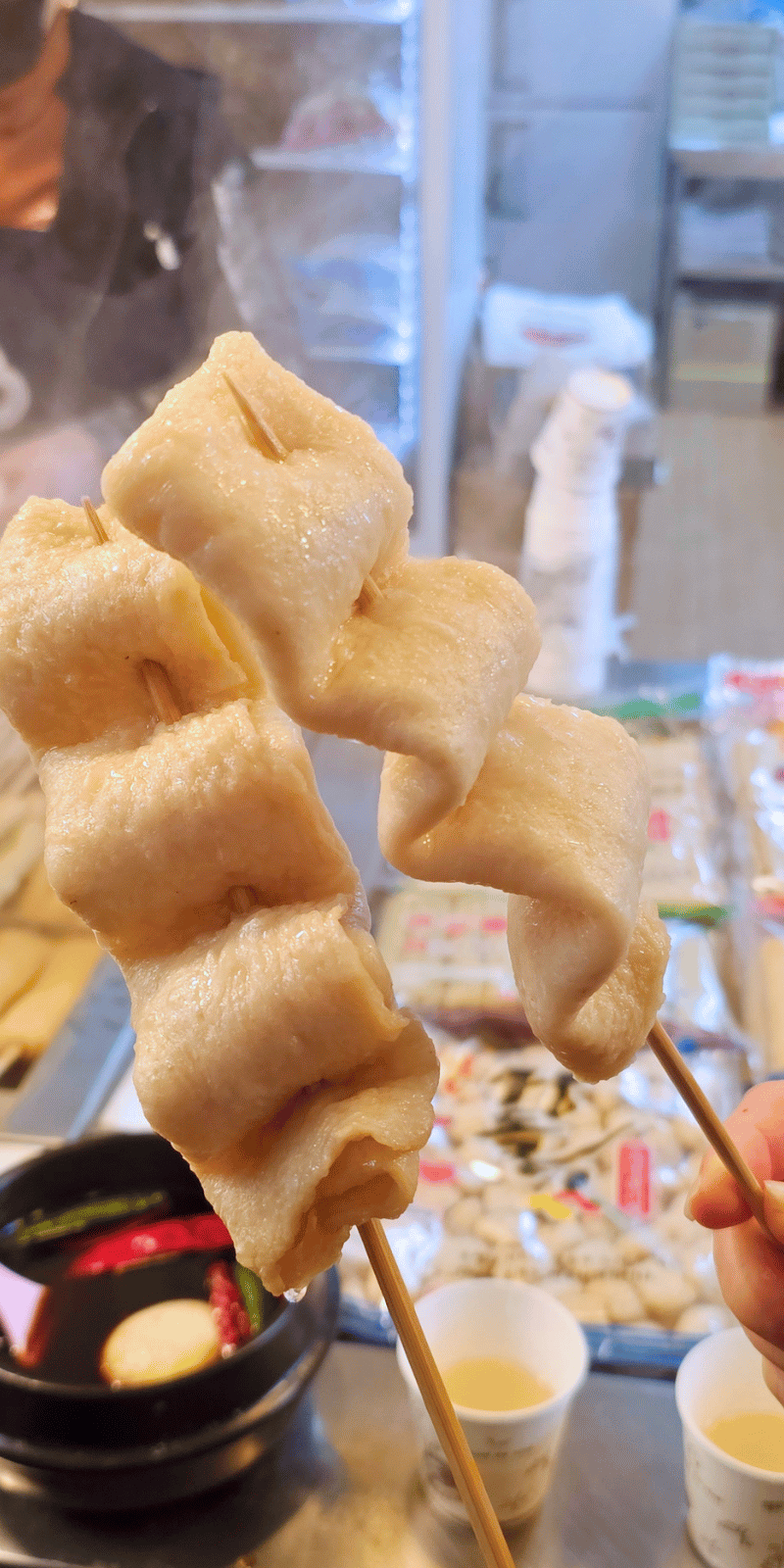
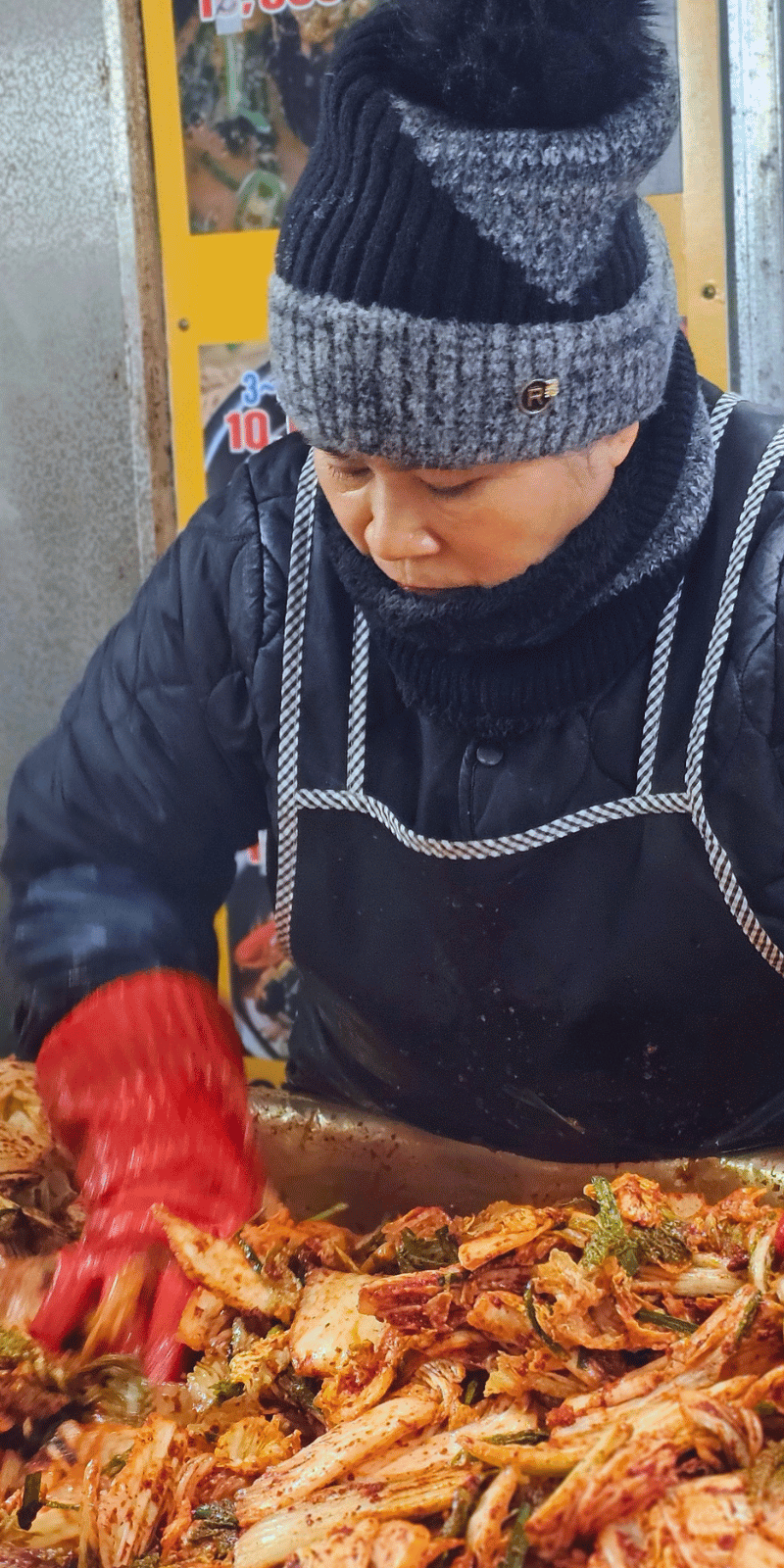
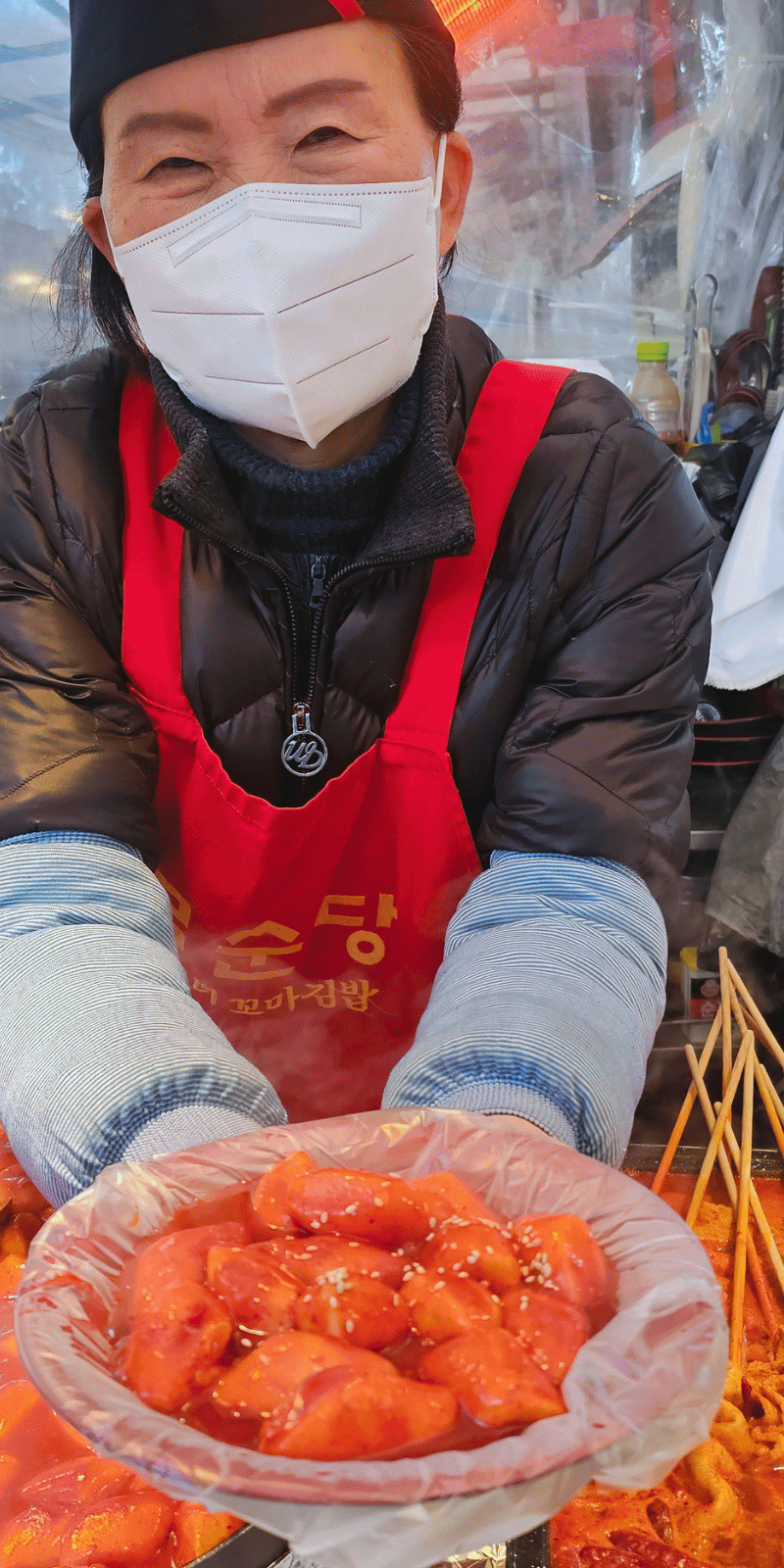
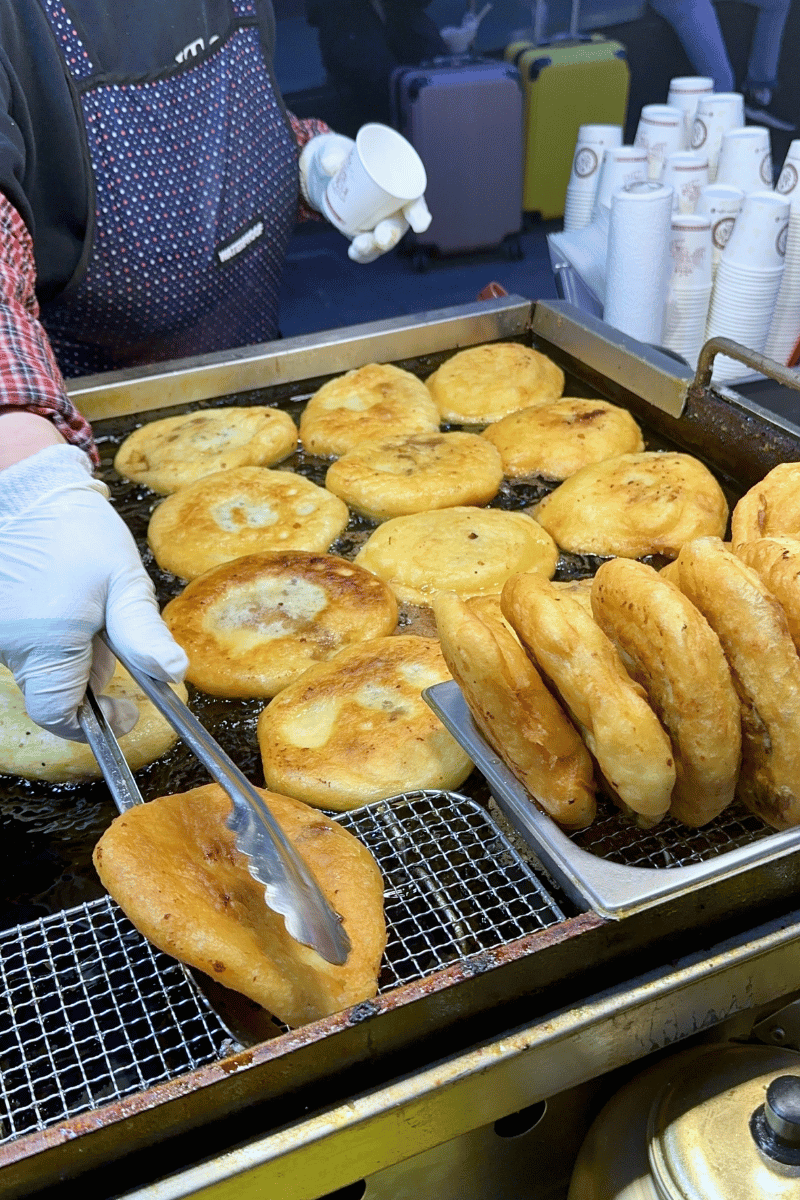
Kimchi in a hundred forms, doenjang stew, gochujang glaze, charcoal at every table. Ferment is not a technique in Korea, it is the whole point.
04 The pantry
- Gochujang, fermented chilli paste made from red pepper and rice malt
- Doenjang, aged soybean paste at the heart of every stew
- Napa cabbage, brined and salted for the winter kimchi
- Sesame oil, toasted and drizzled at the end of nearly everything
- Perilla leaves, sesame-scented greens wrapped around grilled meat
05 In the kitchen
- Fermenting kimchi in earthen onggi jars through the winter
- Grilling samgyeopsal pork belly on tabletop charcoal grills
- Simmering doenjang jjigae in stone pots until the broth boils fierce
- Wrapping each grilled piece in perilla and lettuce with rice and paste
- Ageing ganjang soy sauce in ceramic jars for years
06 Eat this first
- Samgyeopsal, thick pork belly grilled at the table with garlic and perilla
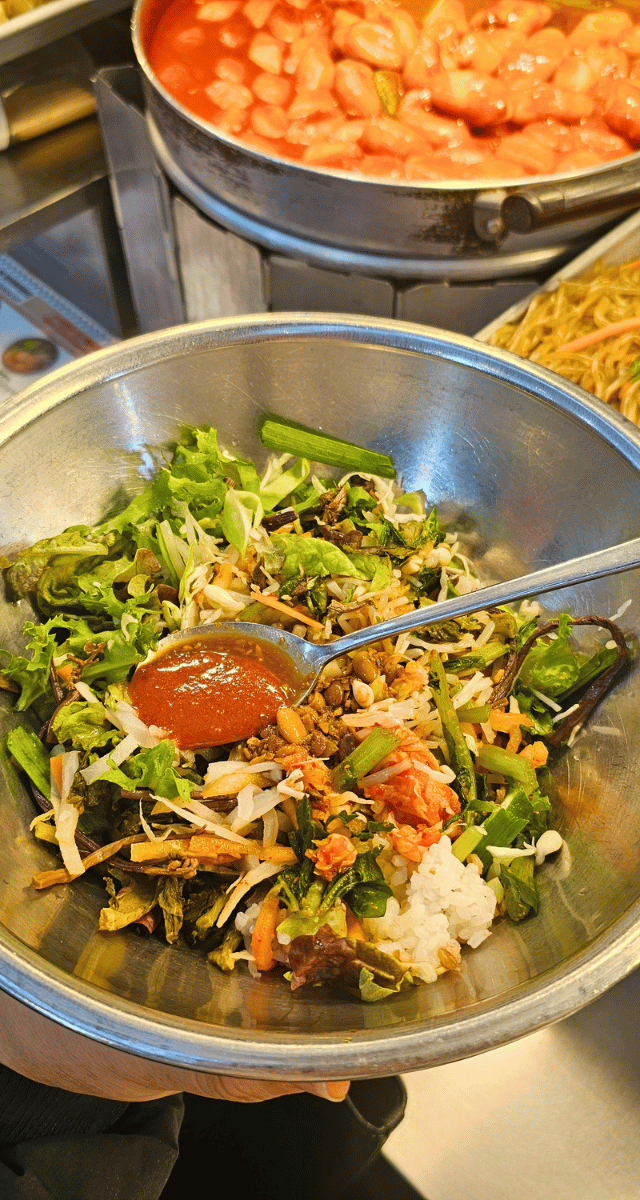
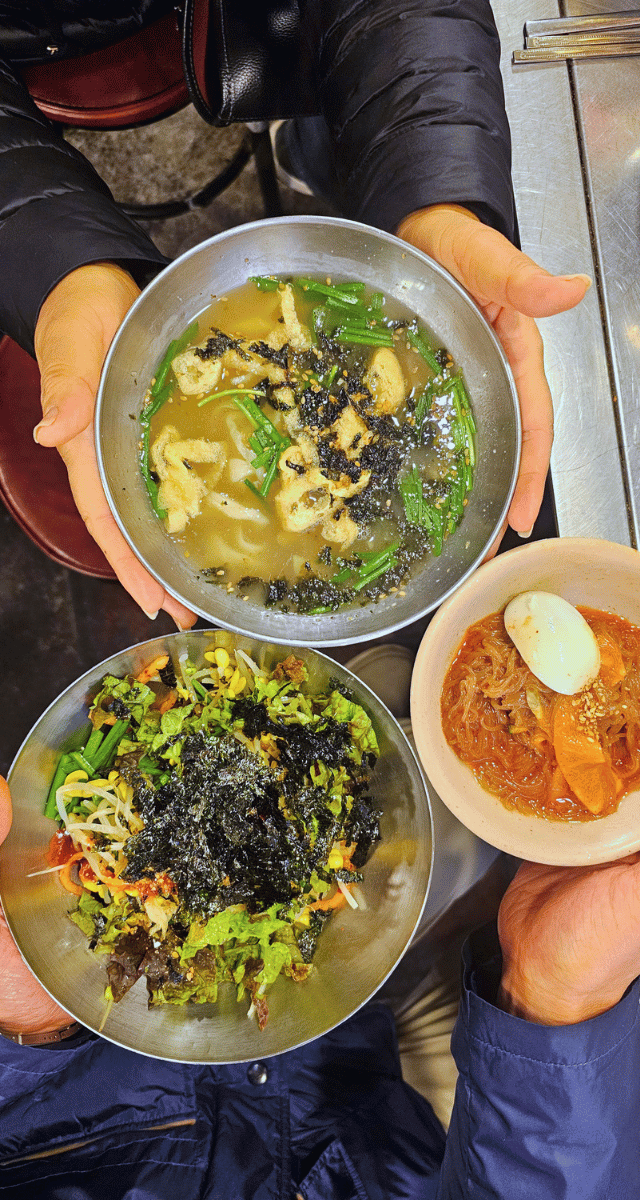
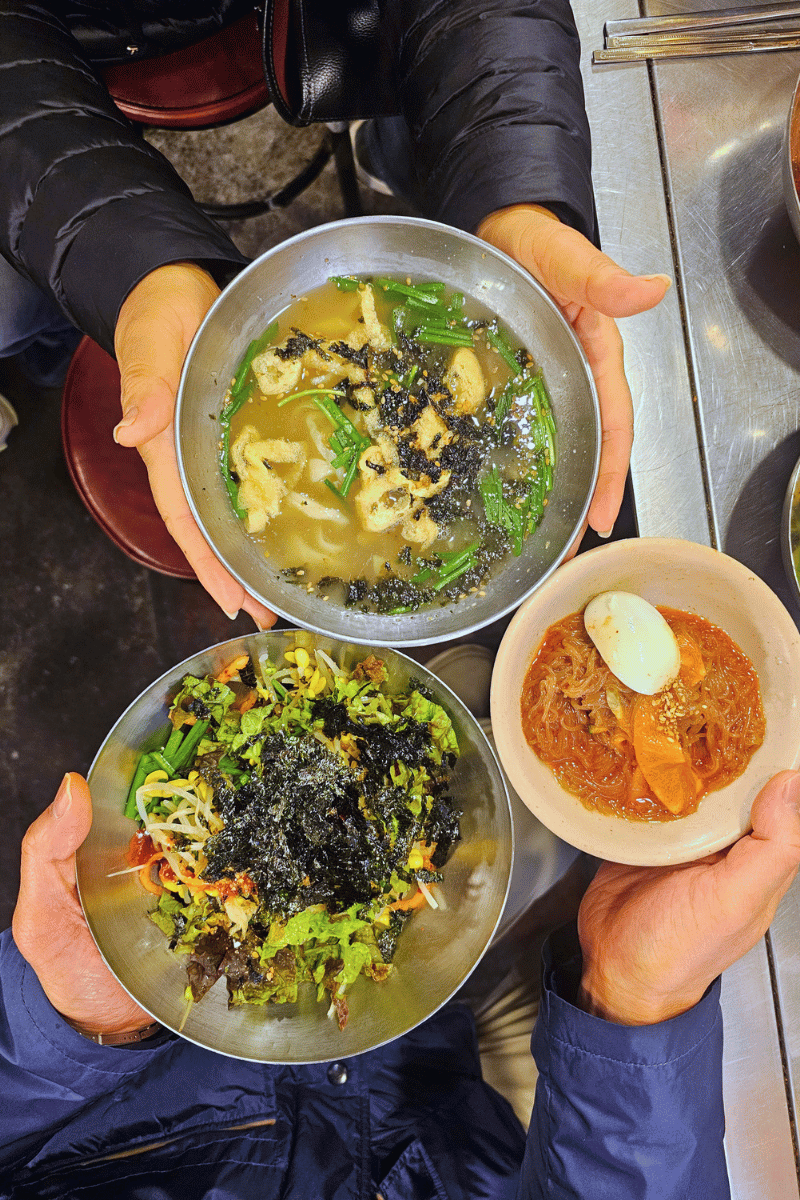
- Bibimbap, rice bowl of vegetables, egg and gochujang mixed at the table
- Sundubu jjigae, silken tofu stew fired with chilli and clams
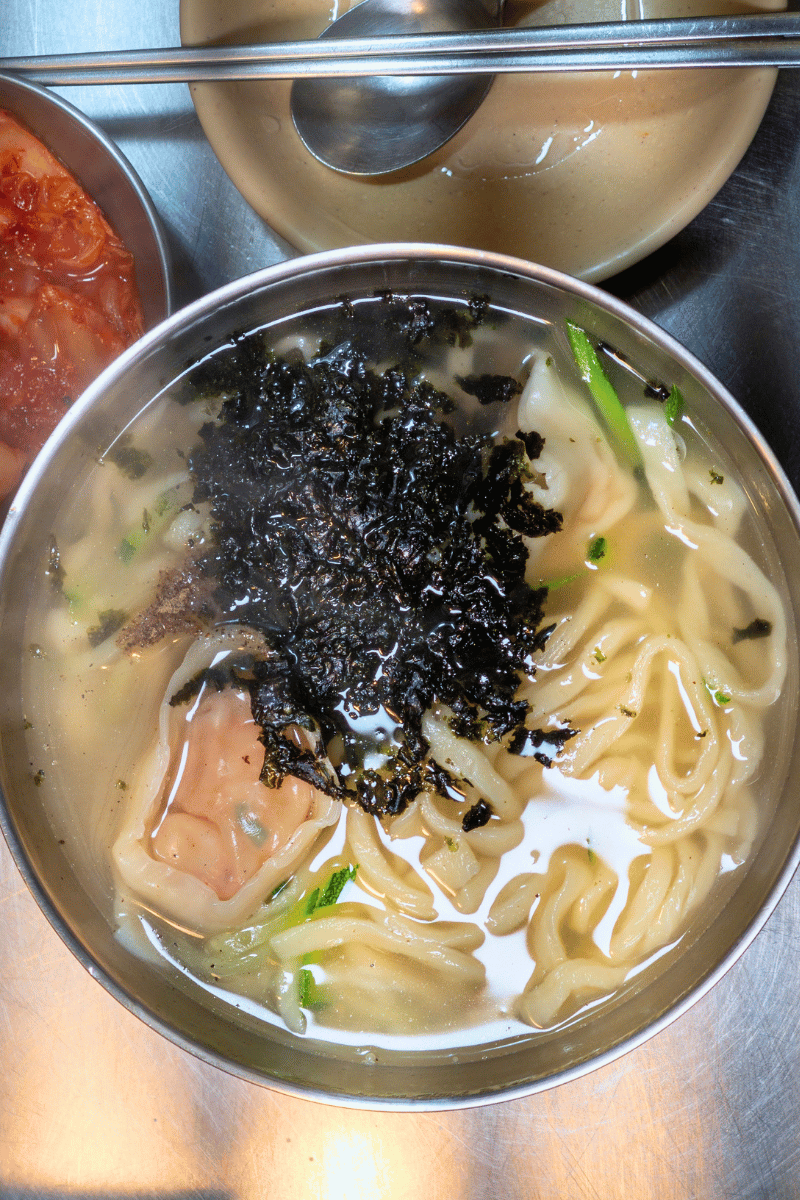
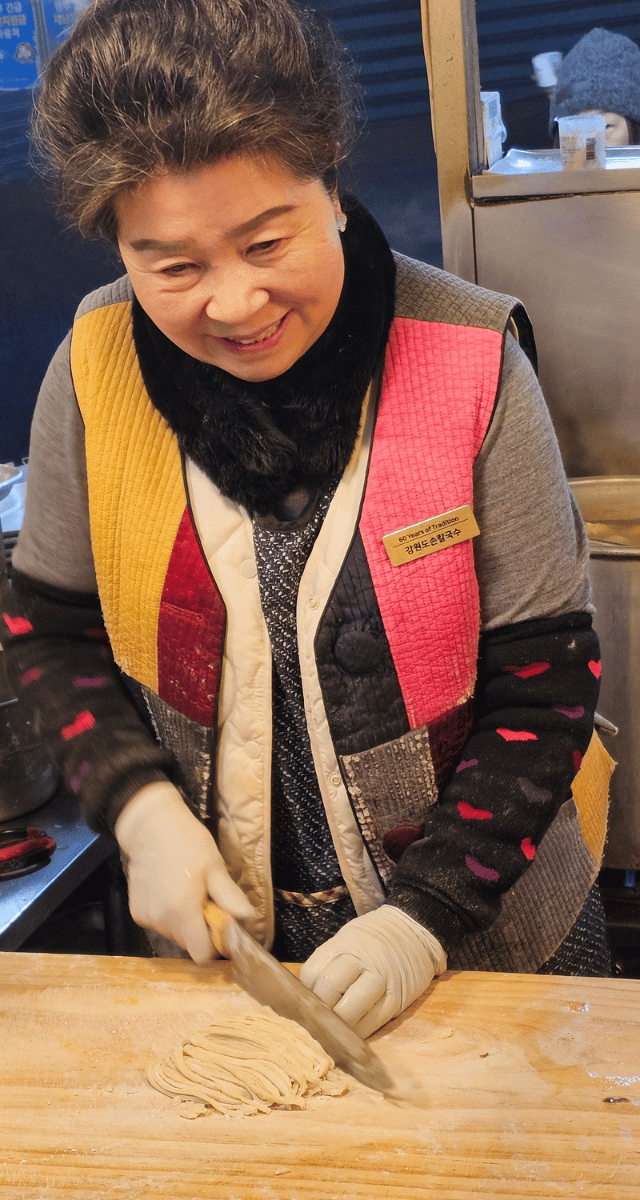
- Kalguksu, hand-cut wheat noodles in anchovy or clam broth
- Bingsu, mountain of shaved ice with sweet toppings and condensed milk


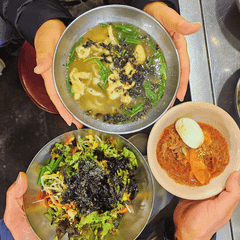


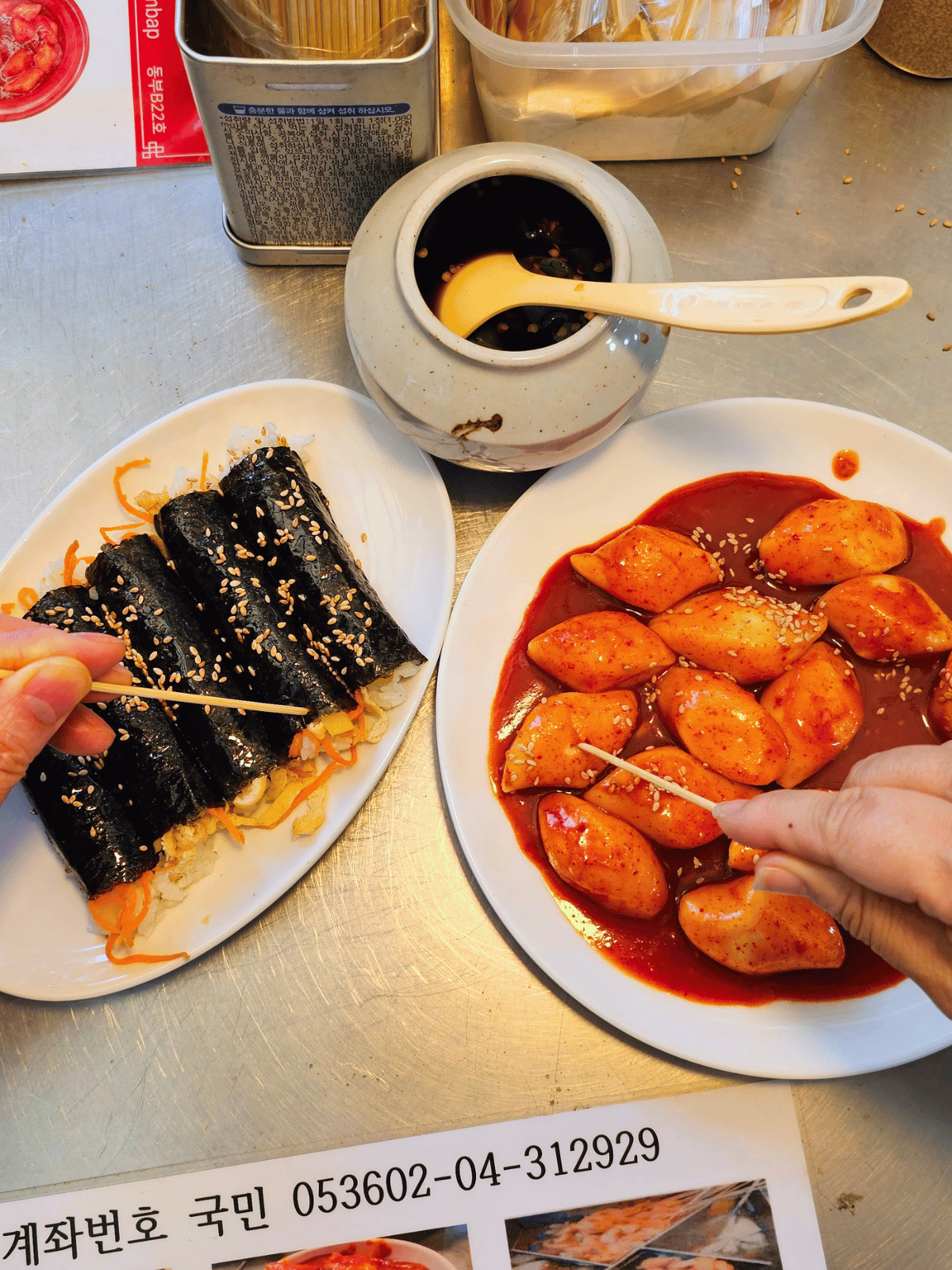
What happens inside a hammam kitchen
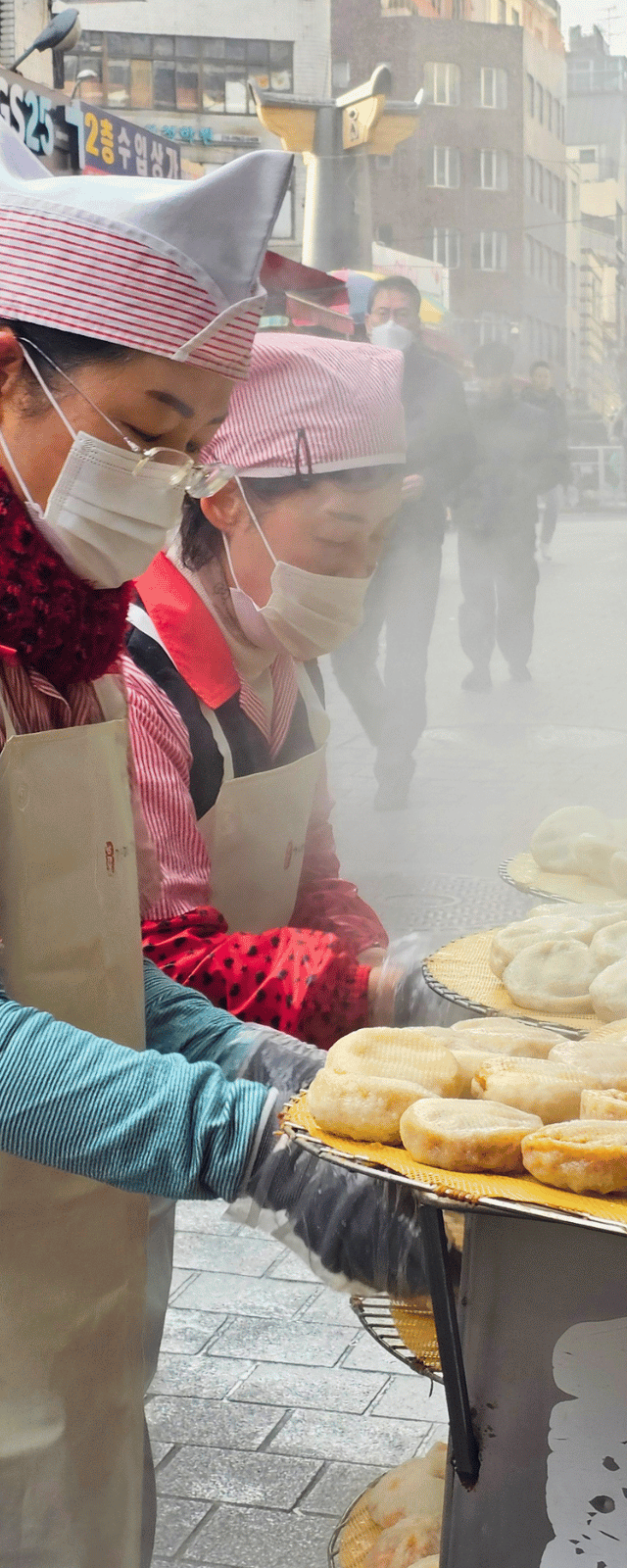
A morning with the cooks who feed the neighbourhood before dawn. Charcoal, dough, the smell of a bakery working its second oven.
10 Field Notes
Quick field notes to help you get accustomed to Seoul.
Weather
Four sharp seasons. Humid summers (30°C-plus) with heavy monsoon rains in July, cold winters (freezing, sometimes with snow), and short but glorious spring and autumn windows.
Currency
The South Korean won (KRW). Cards work almost everywhere. T-money card covers all transport, most convenience stores, and even some vending machines.
Language
Korean. English is common in the centre and metro signage but thin at markets and outside tourist zones. Translation apps are essential.
Etiquette
Respect for elders shapes daily life. Use two hands to give and receive, and defer in seating on transport. Remove shoes at homes and traditional restaurants.
Getting around
The metro is one of the world's best, fast, cheap, clean, and bilingual. KakaoTaxi and Uber both work. Buses cover the gaps between metro lines.
Prayer
A mix of Buddhist, Christian, and Confucian traditions. Sundays fill the churches; temple stays at places like Jogyesa give a window into Buddhist practice.