
01 Food tours
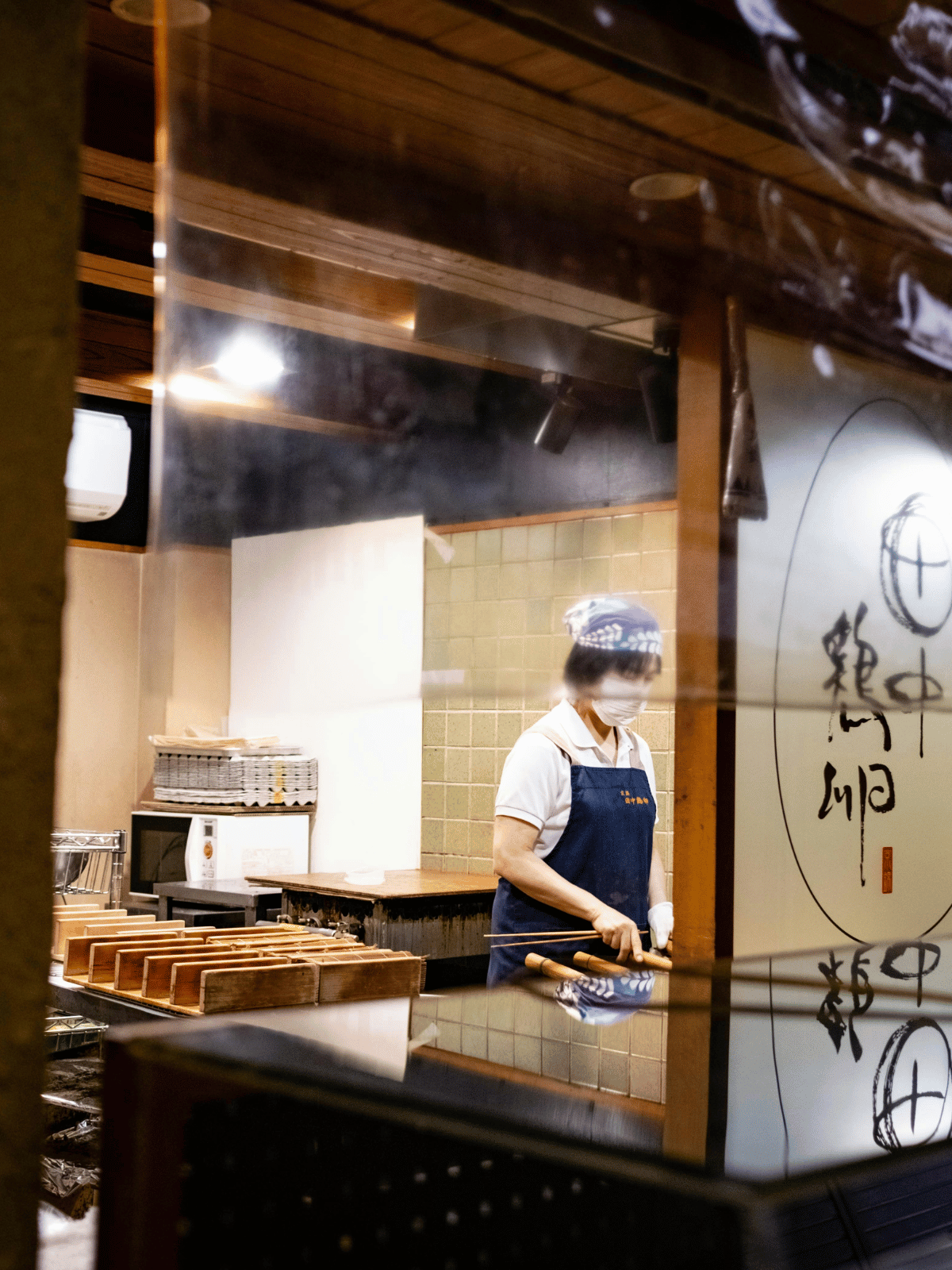
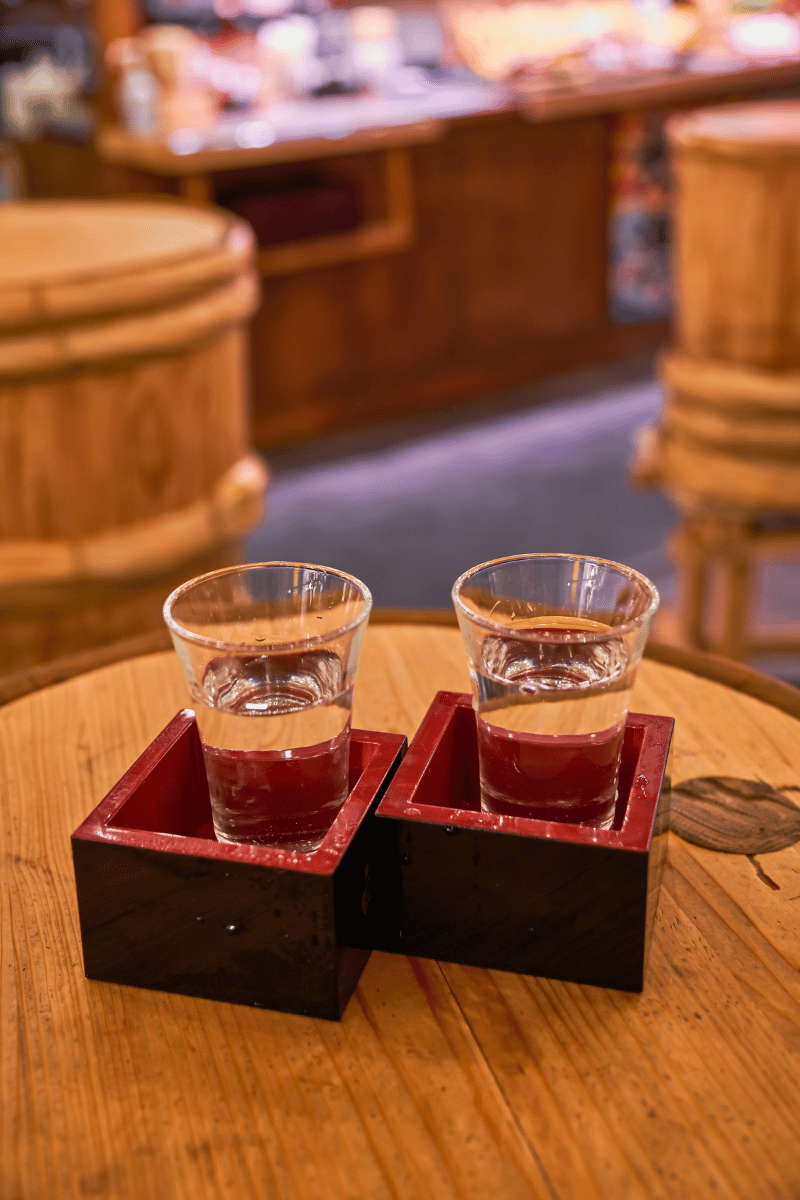
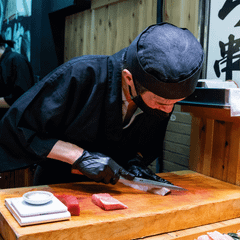
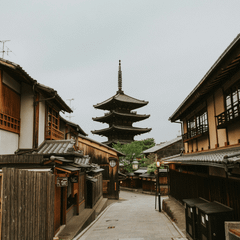
Original food tours, curated with our local tastemakers to showcase the neighbourhood kitchens, markets and family-run eateries that define Kyoto.
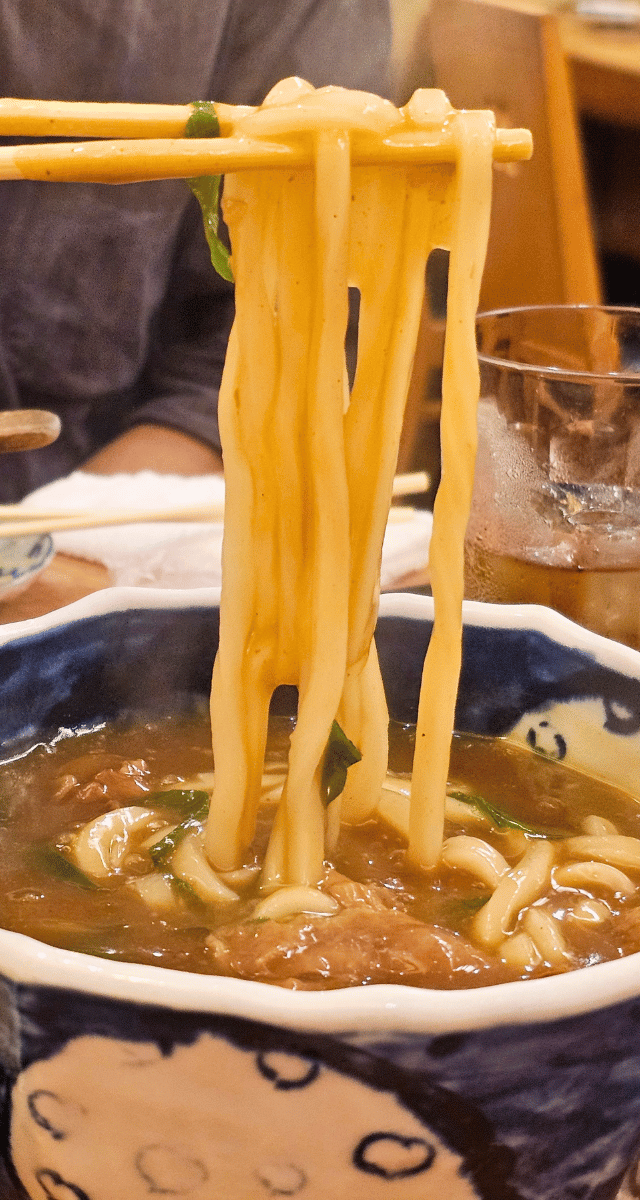
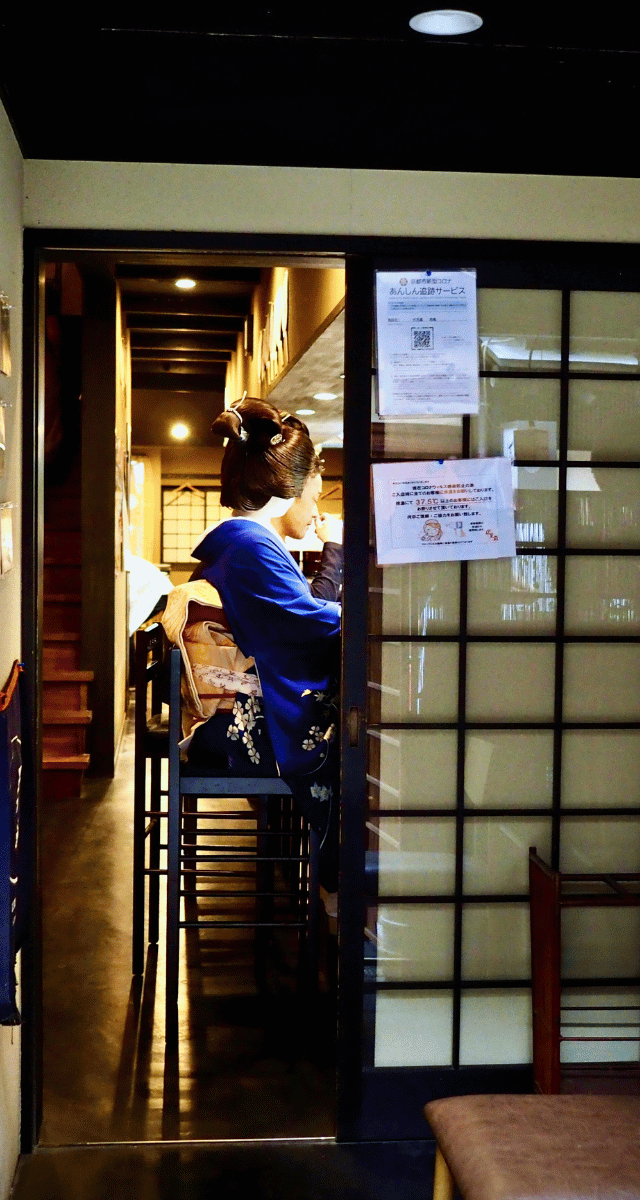
Kyoto Kitchens
Kyoto
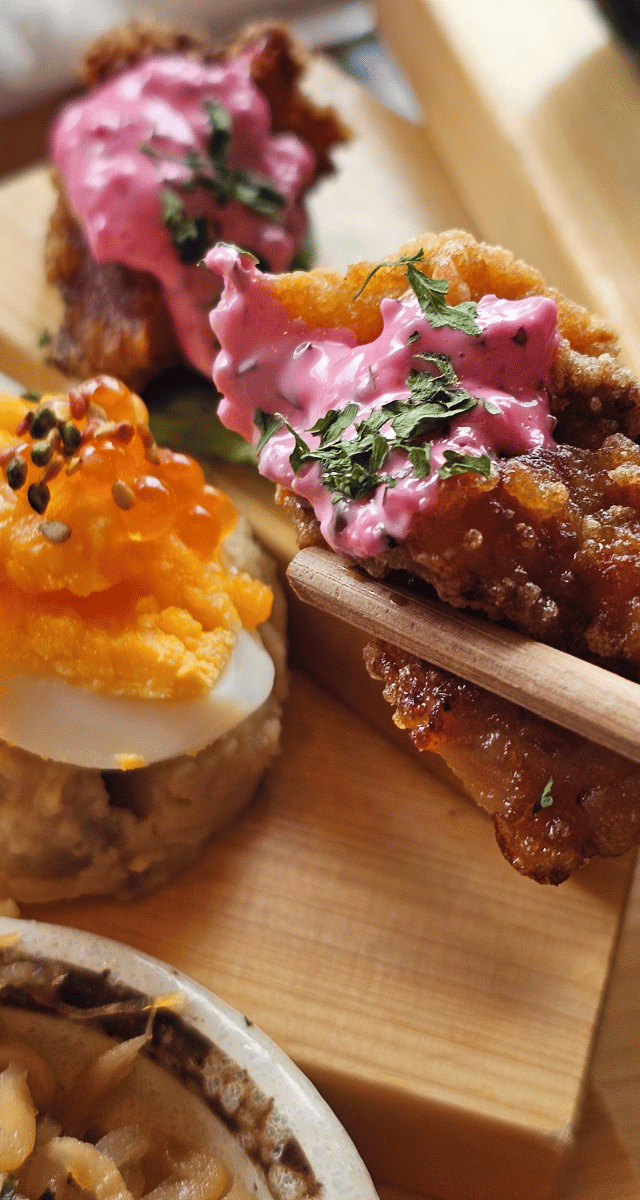
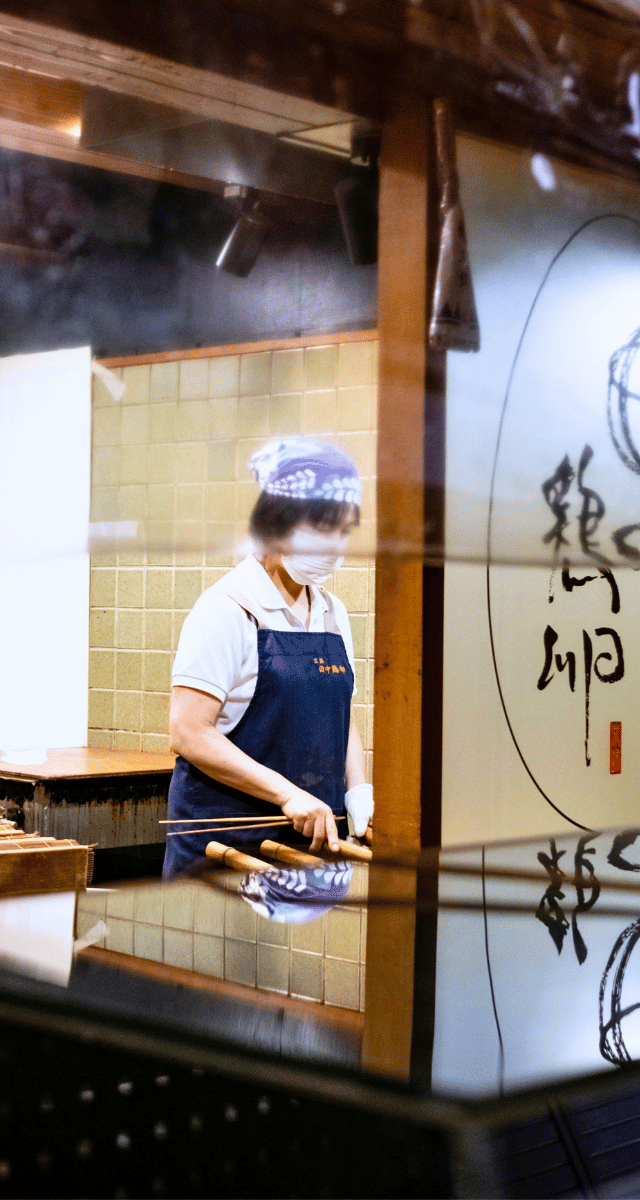
A curated food tour through the streets, markets and family kitchens of the destination — flavour by flavour.
Samurai Suppers
Kyoto
A curated food tour through the streets, markets and family kitchens of the destination — flavour by flavour.
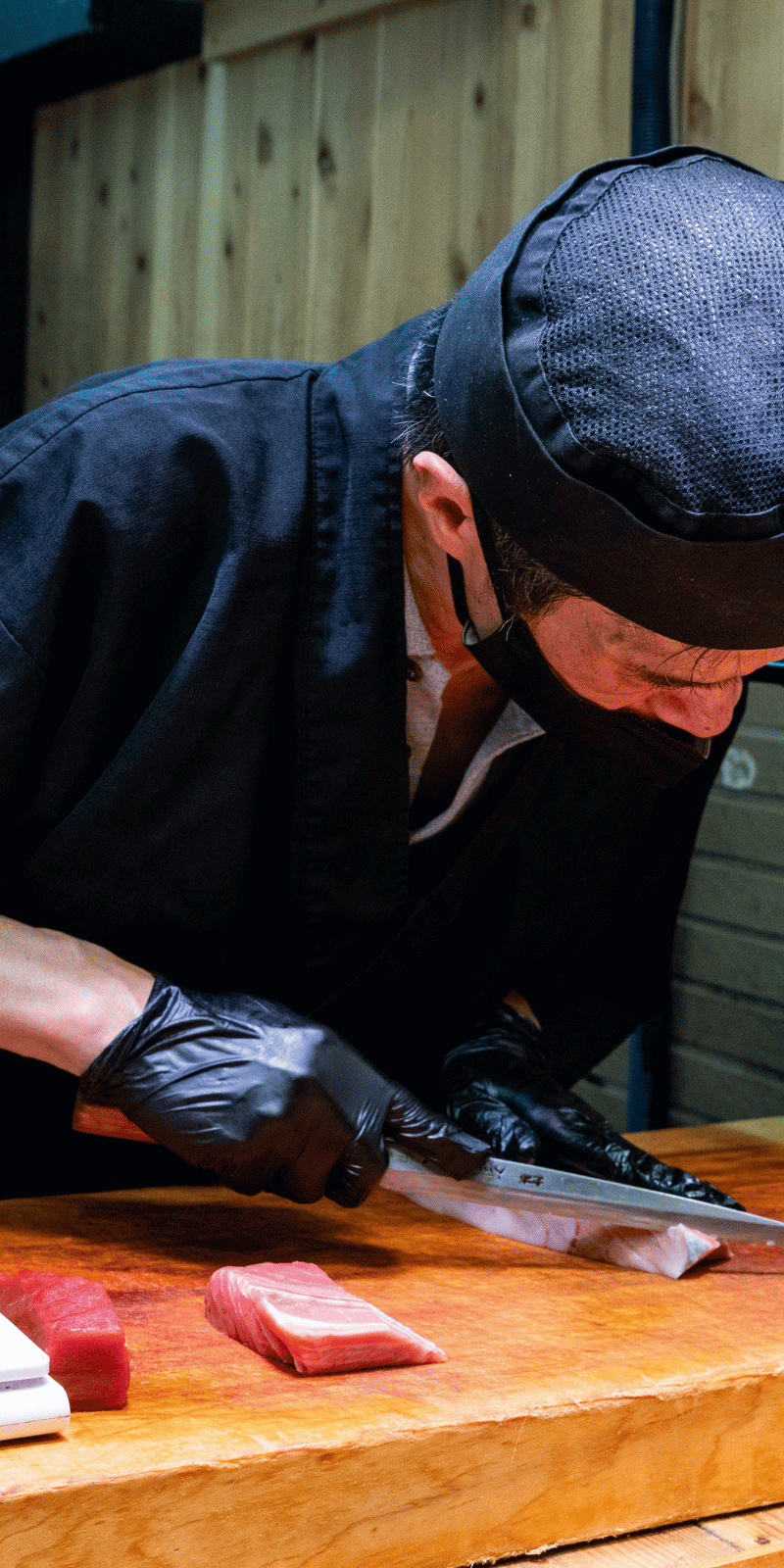
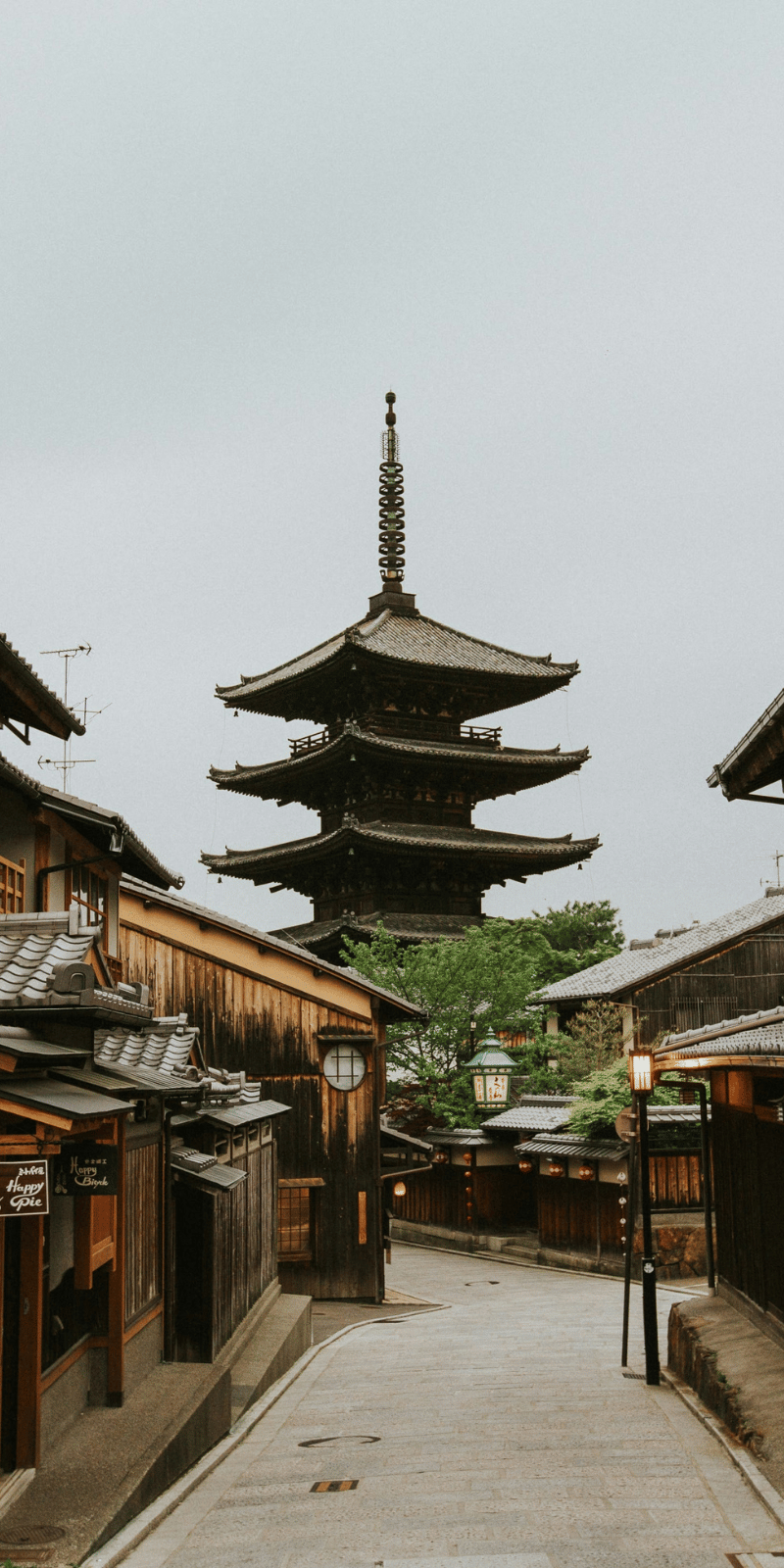
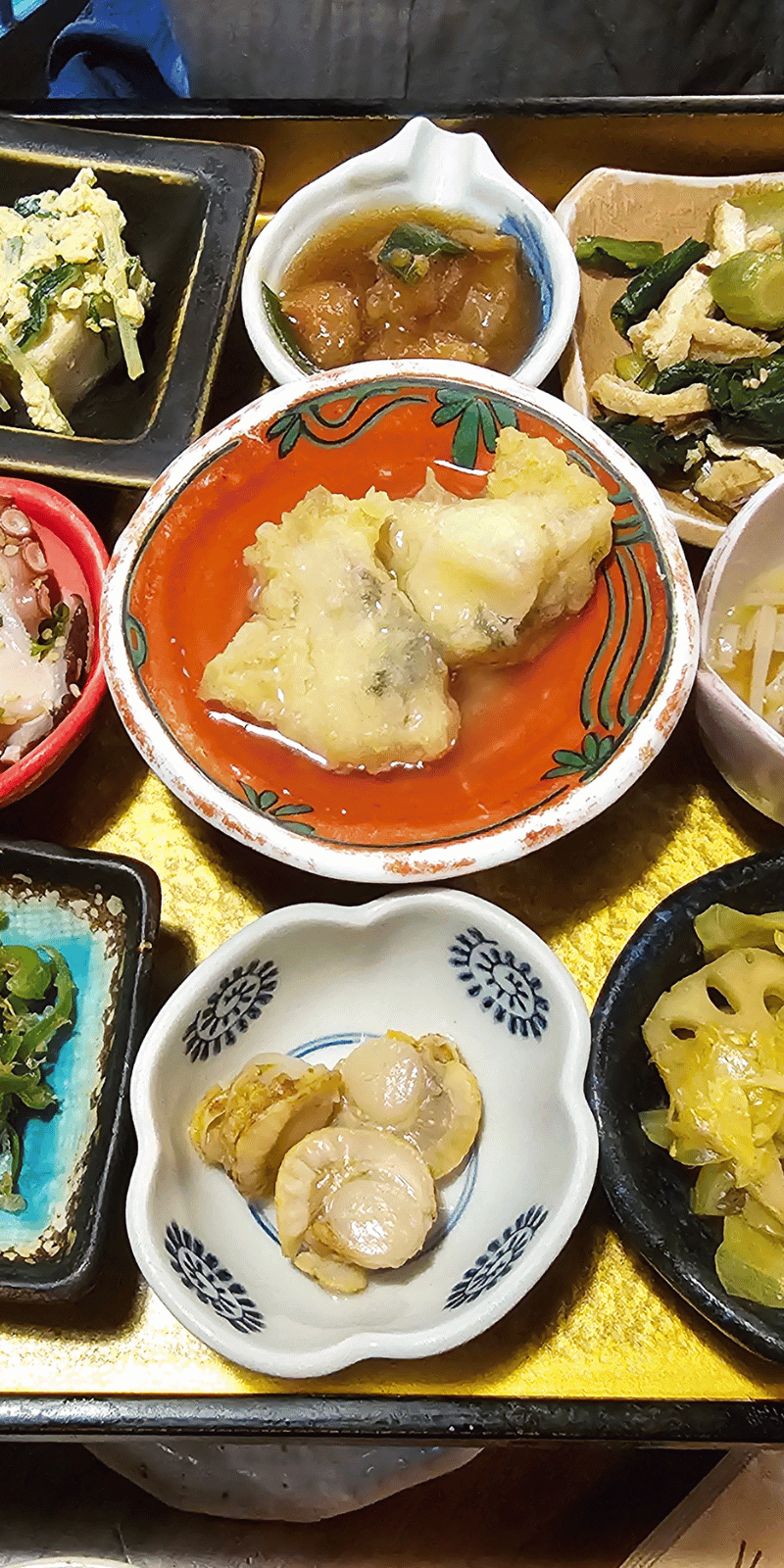
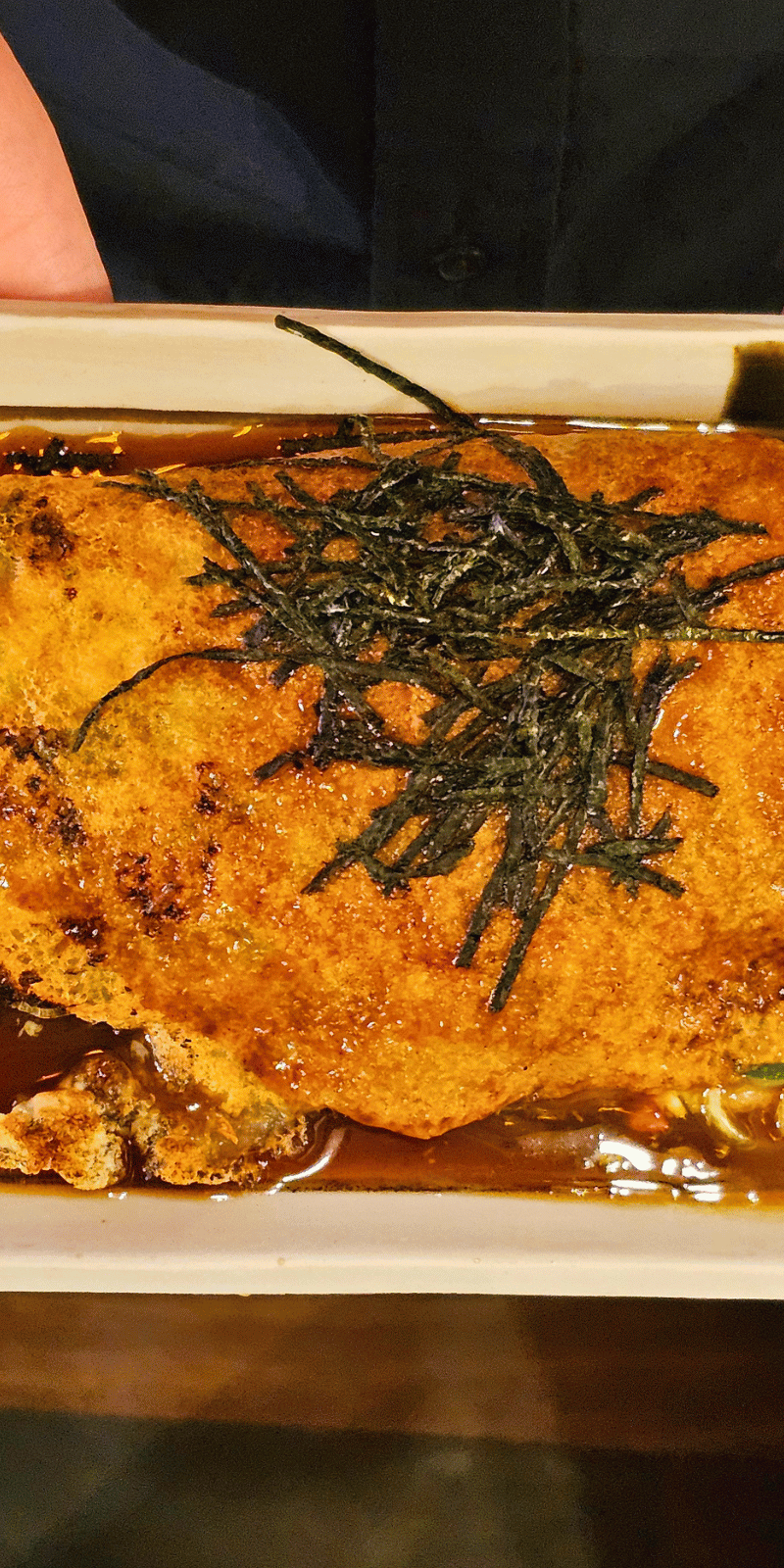
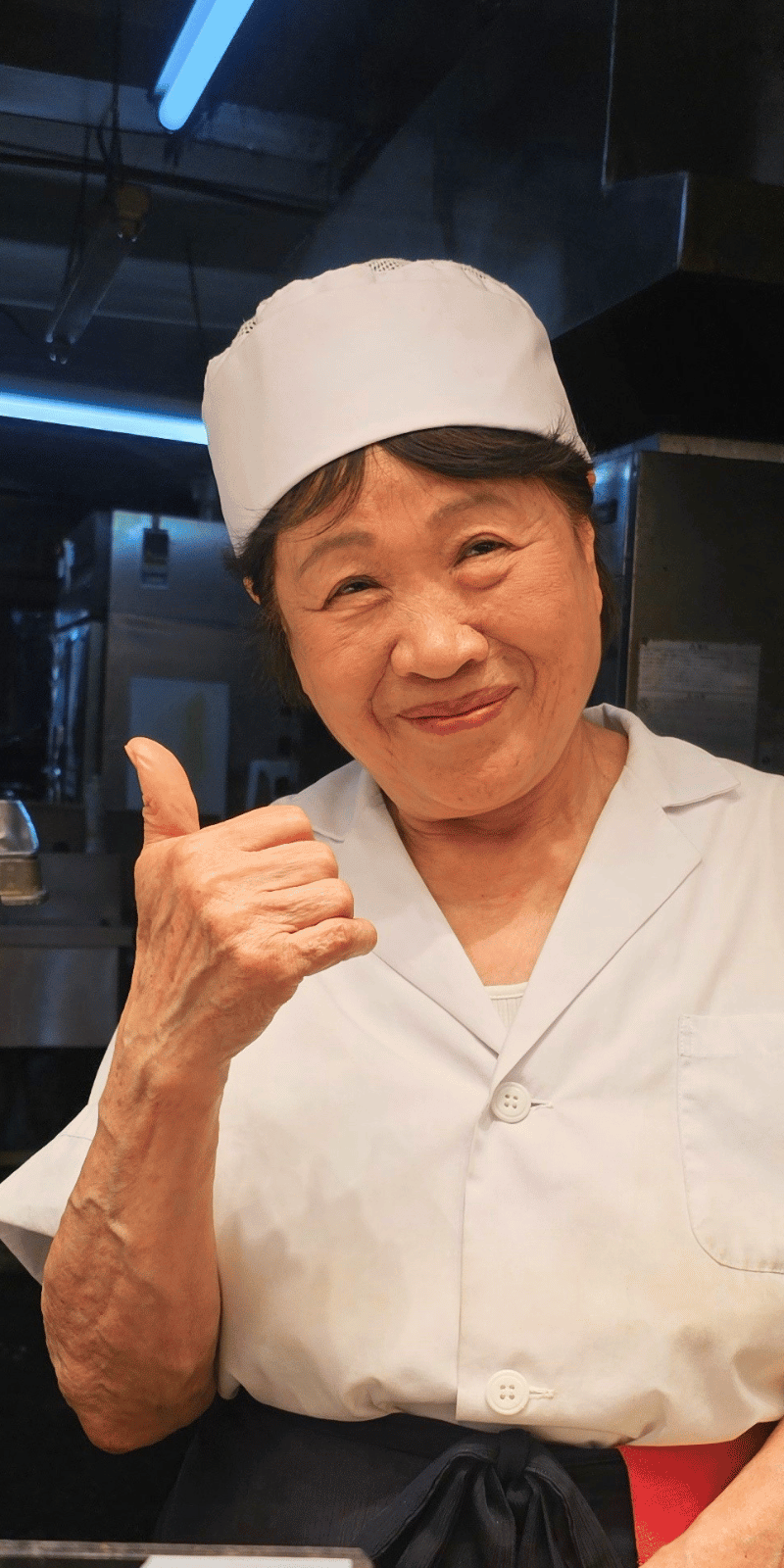
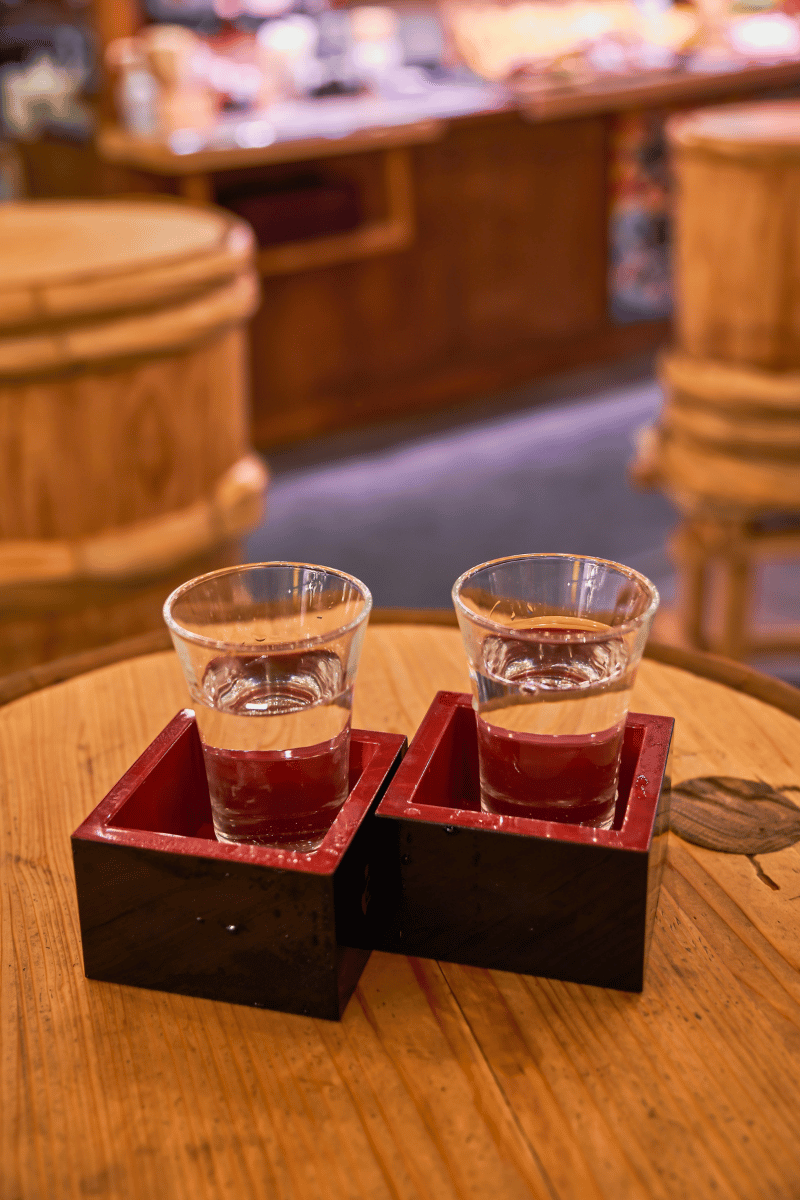
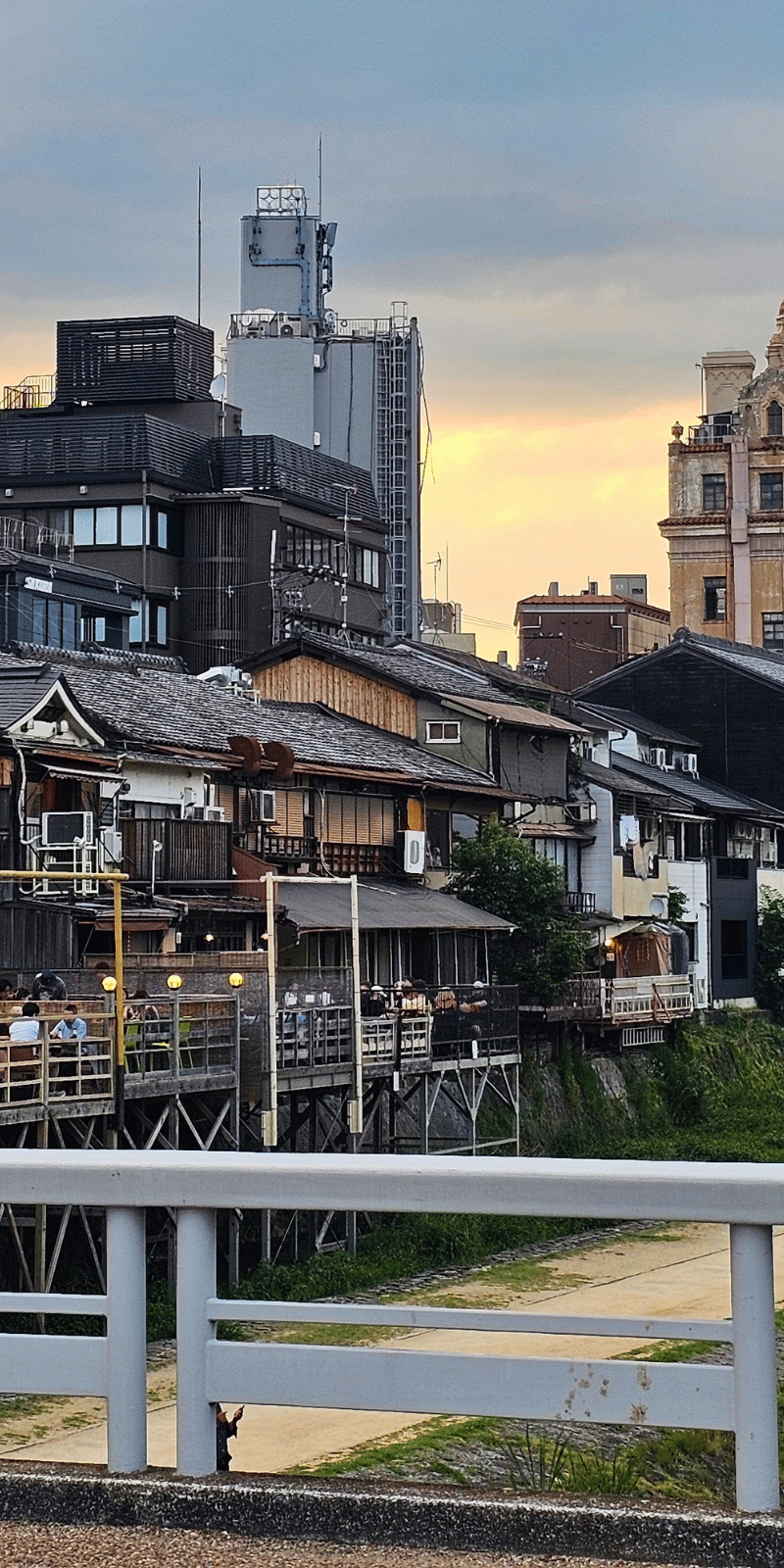
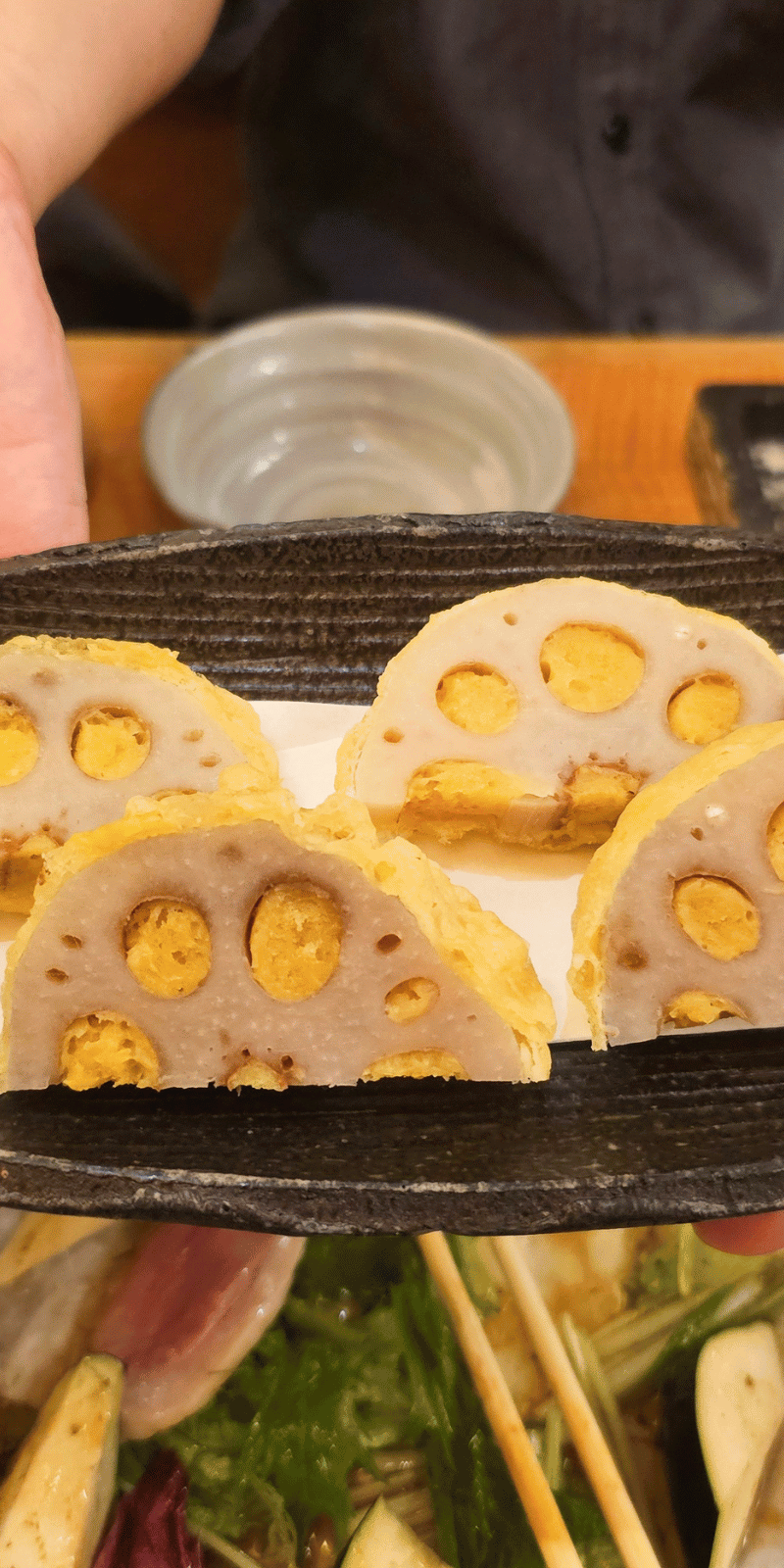
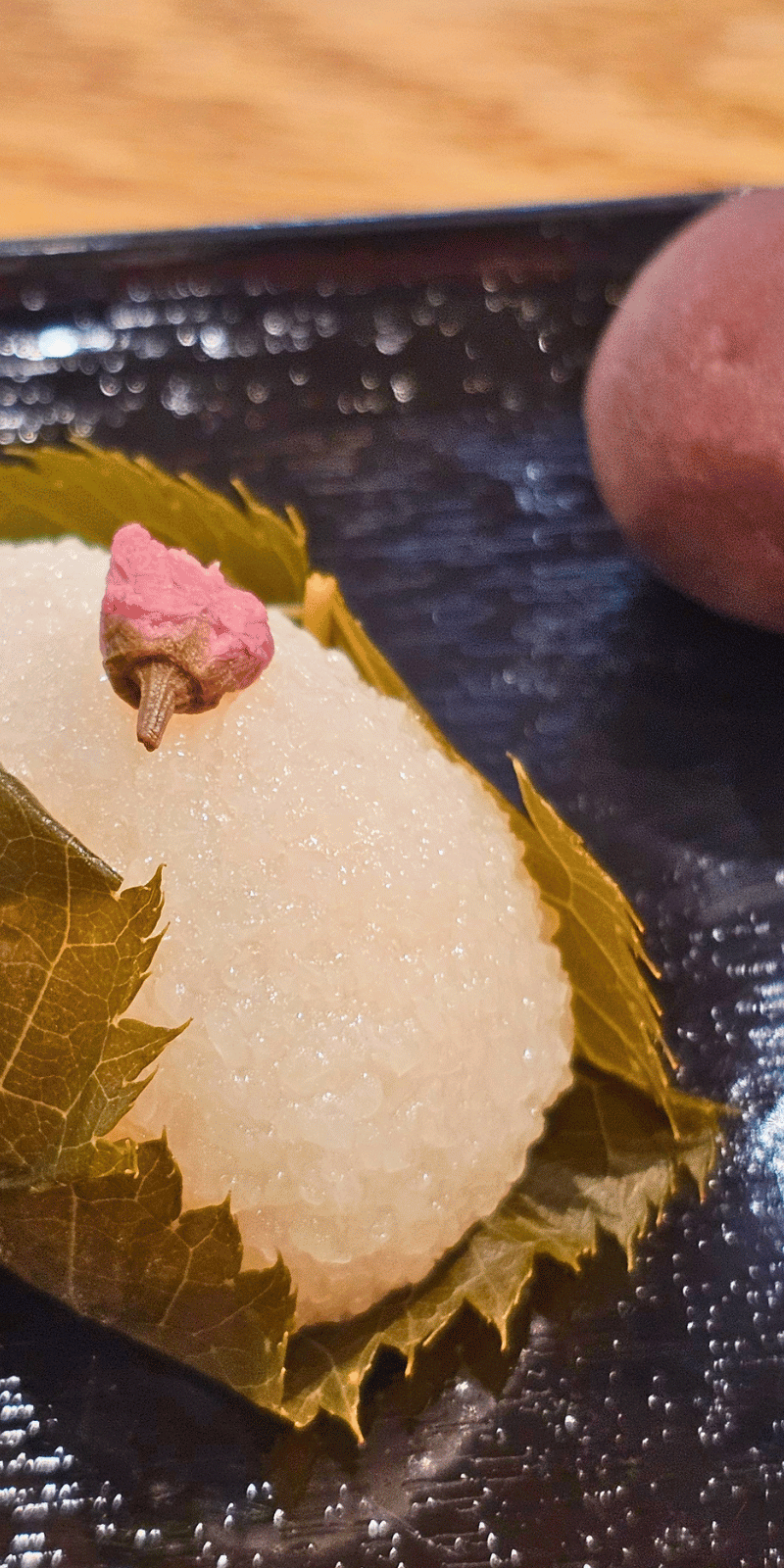
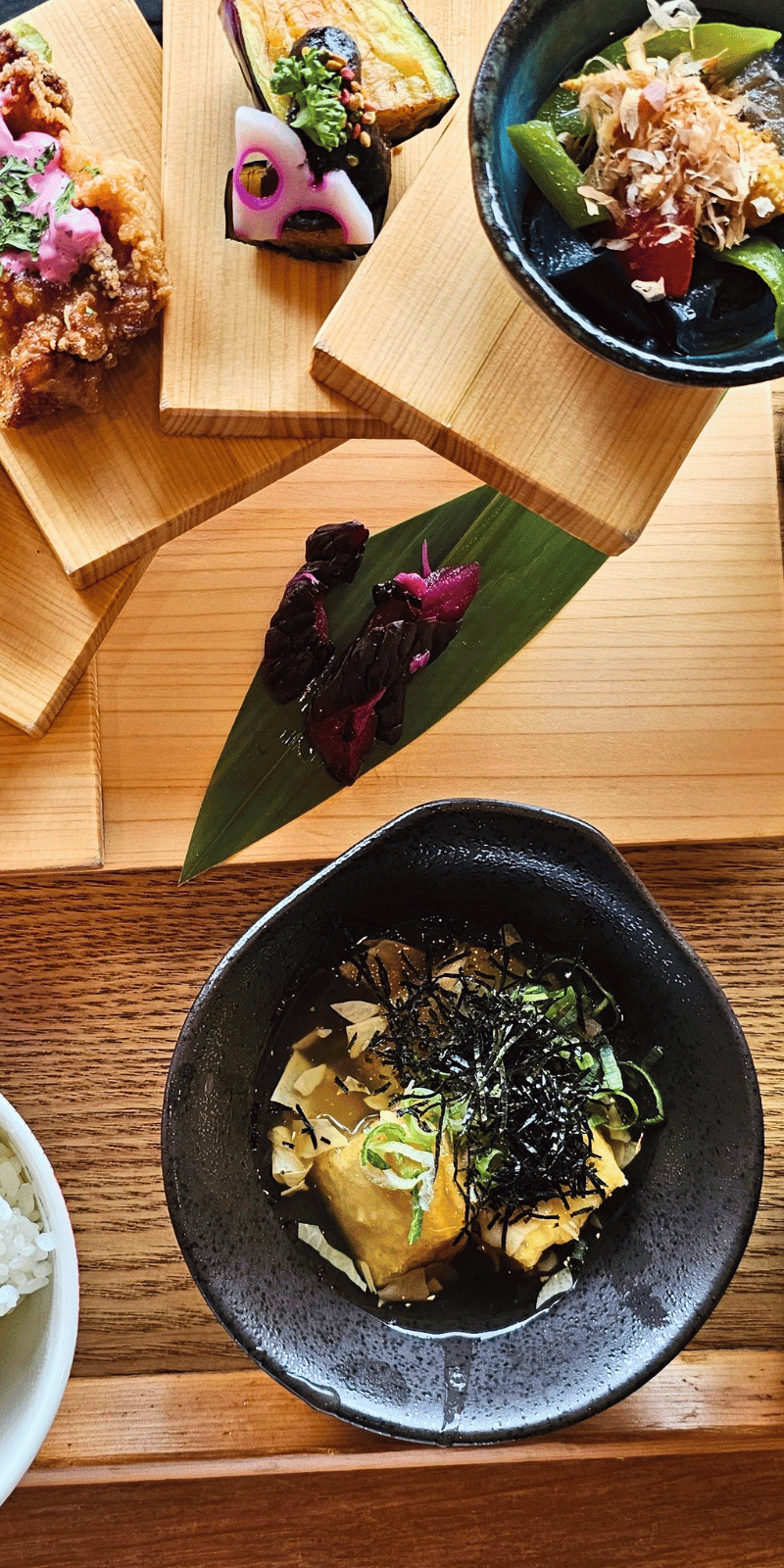
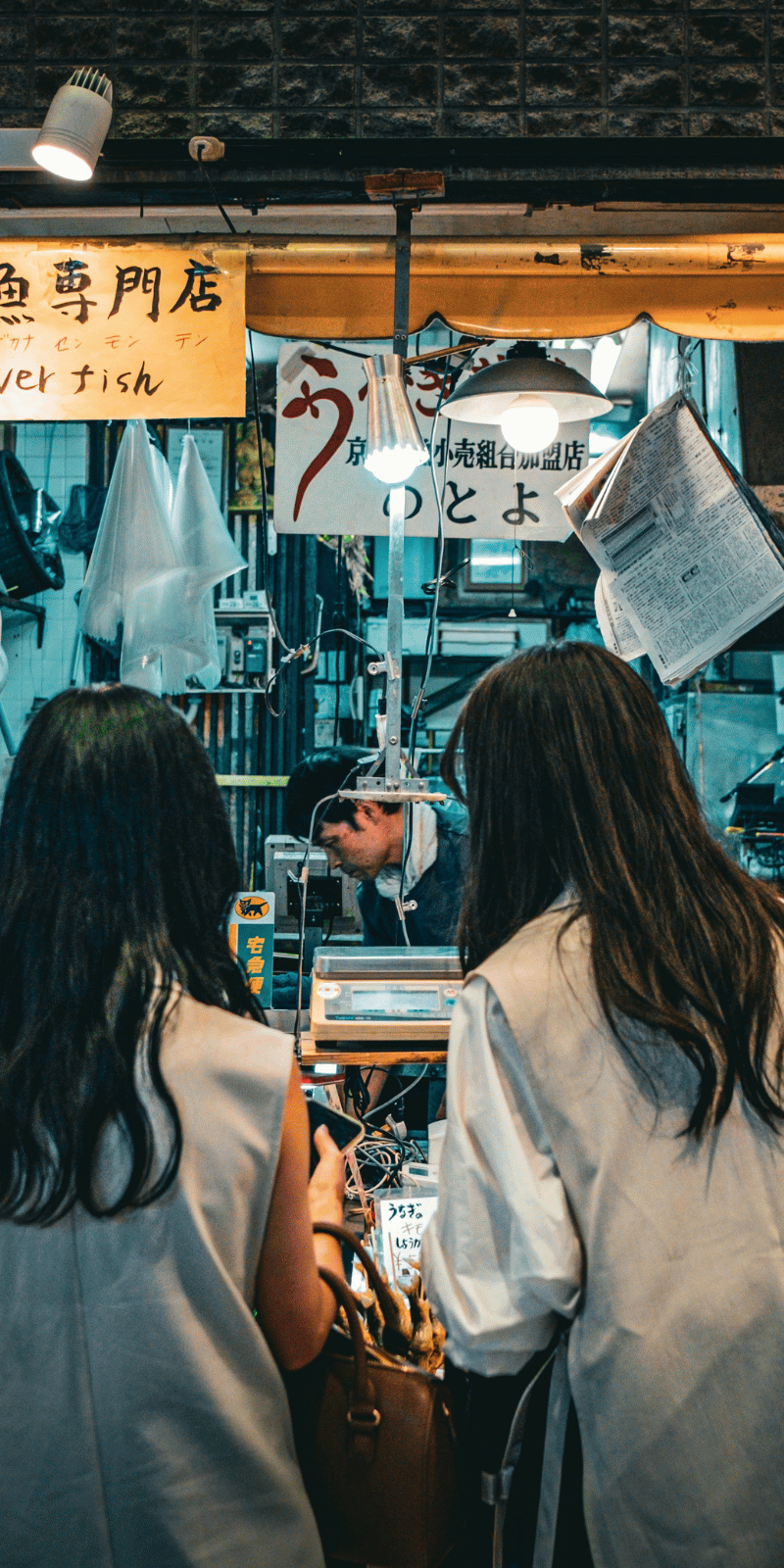
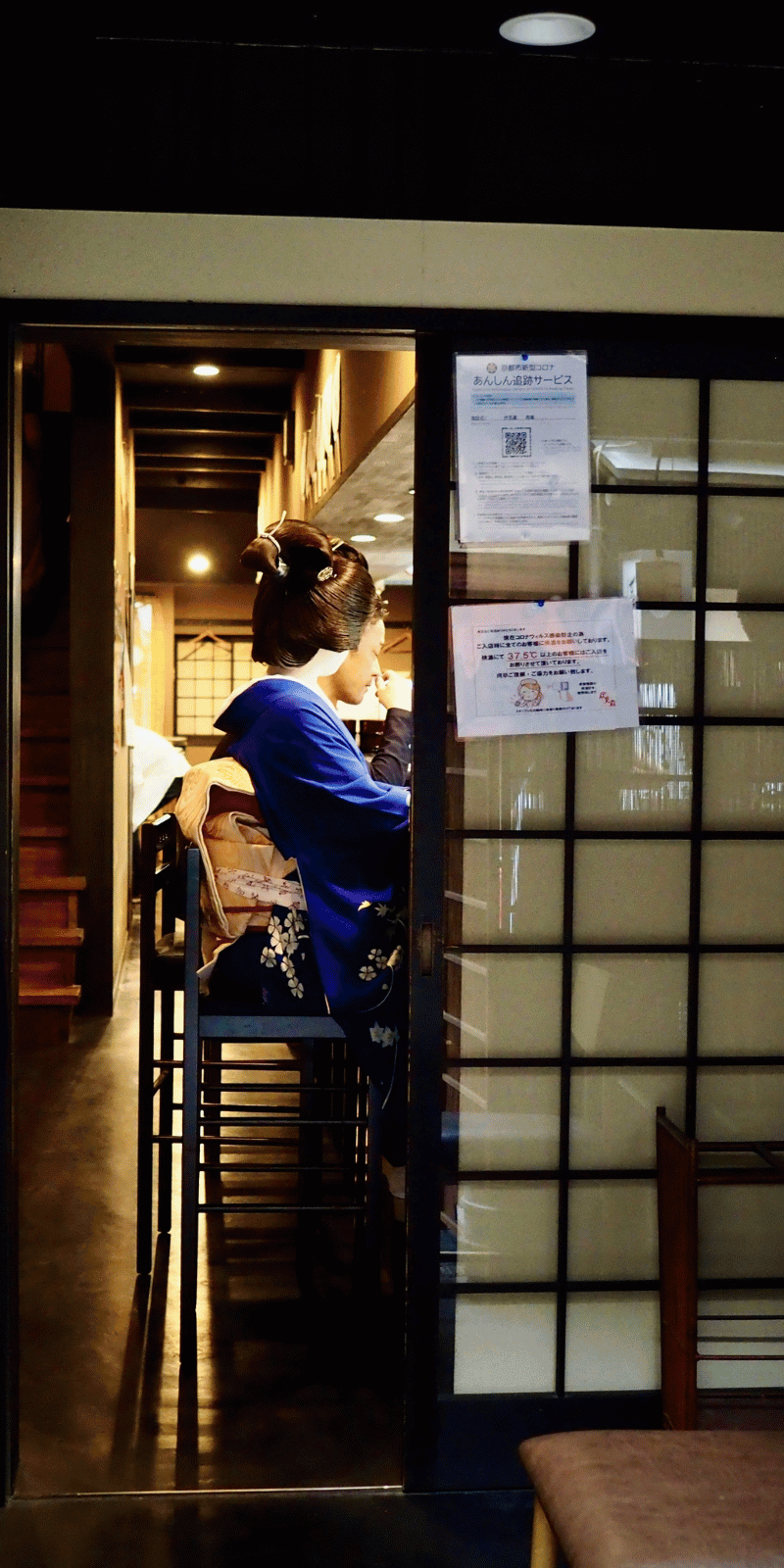
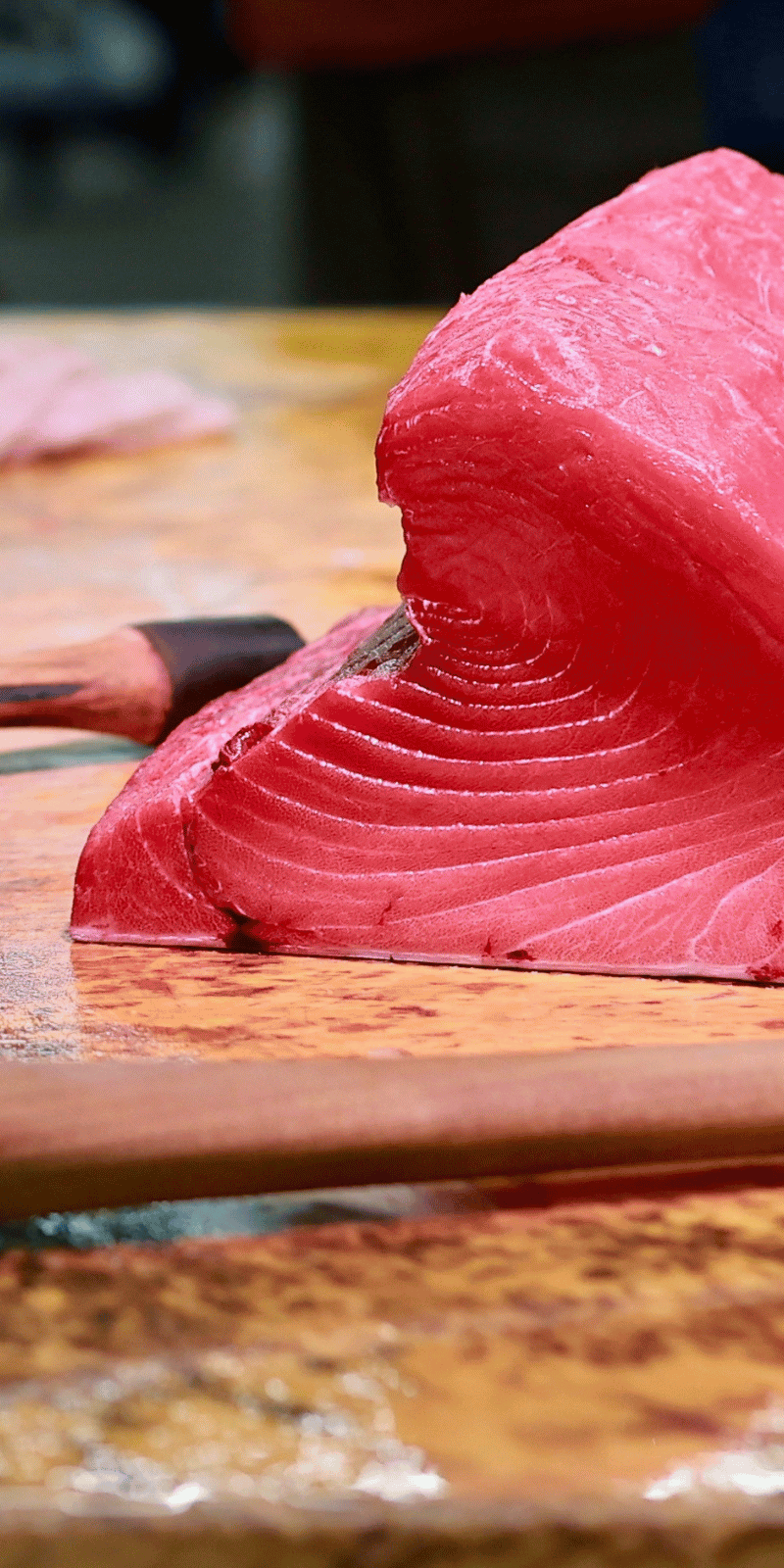
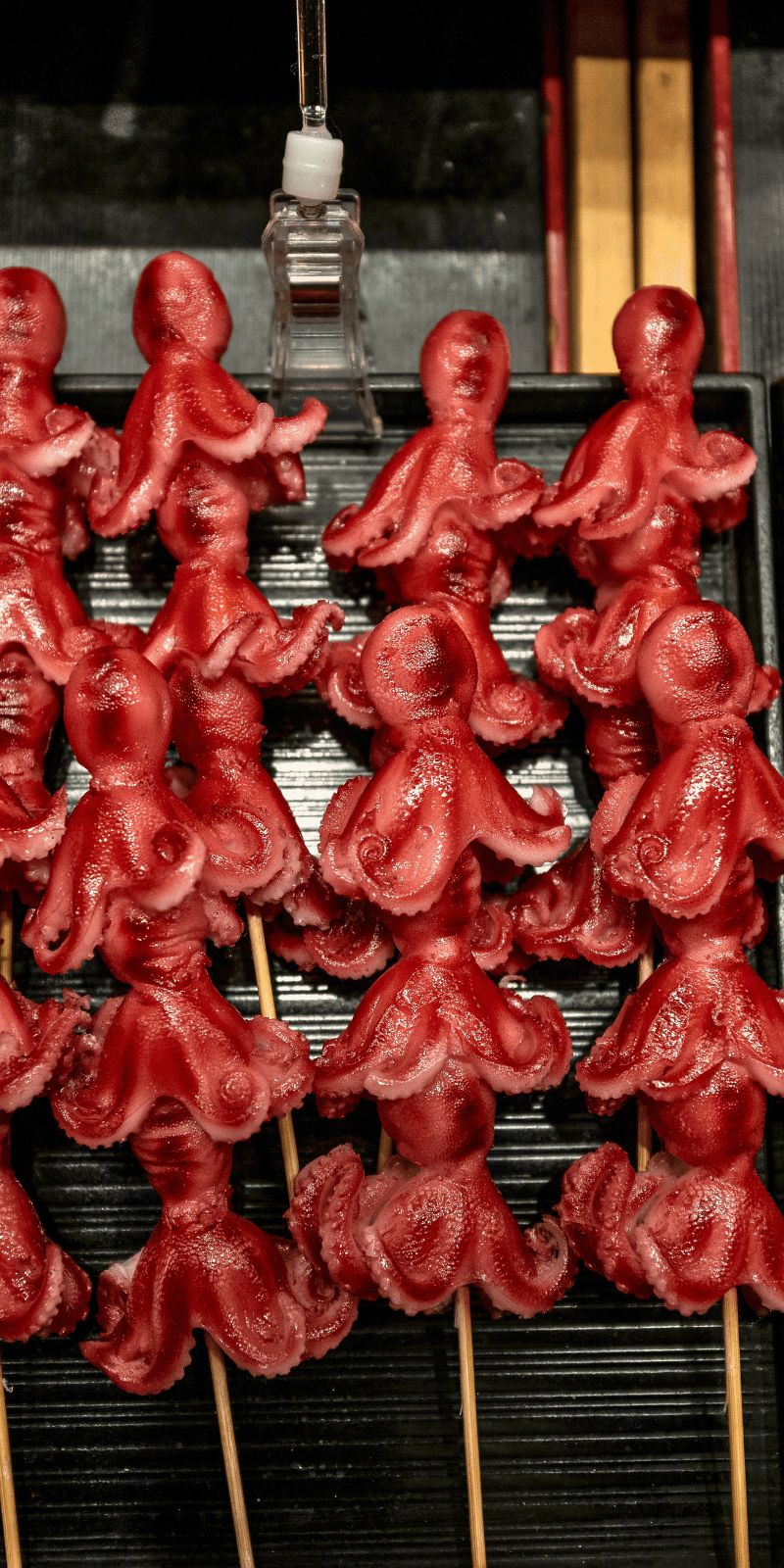
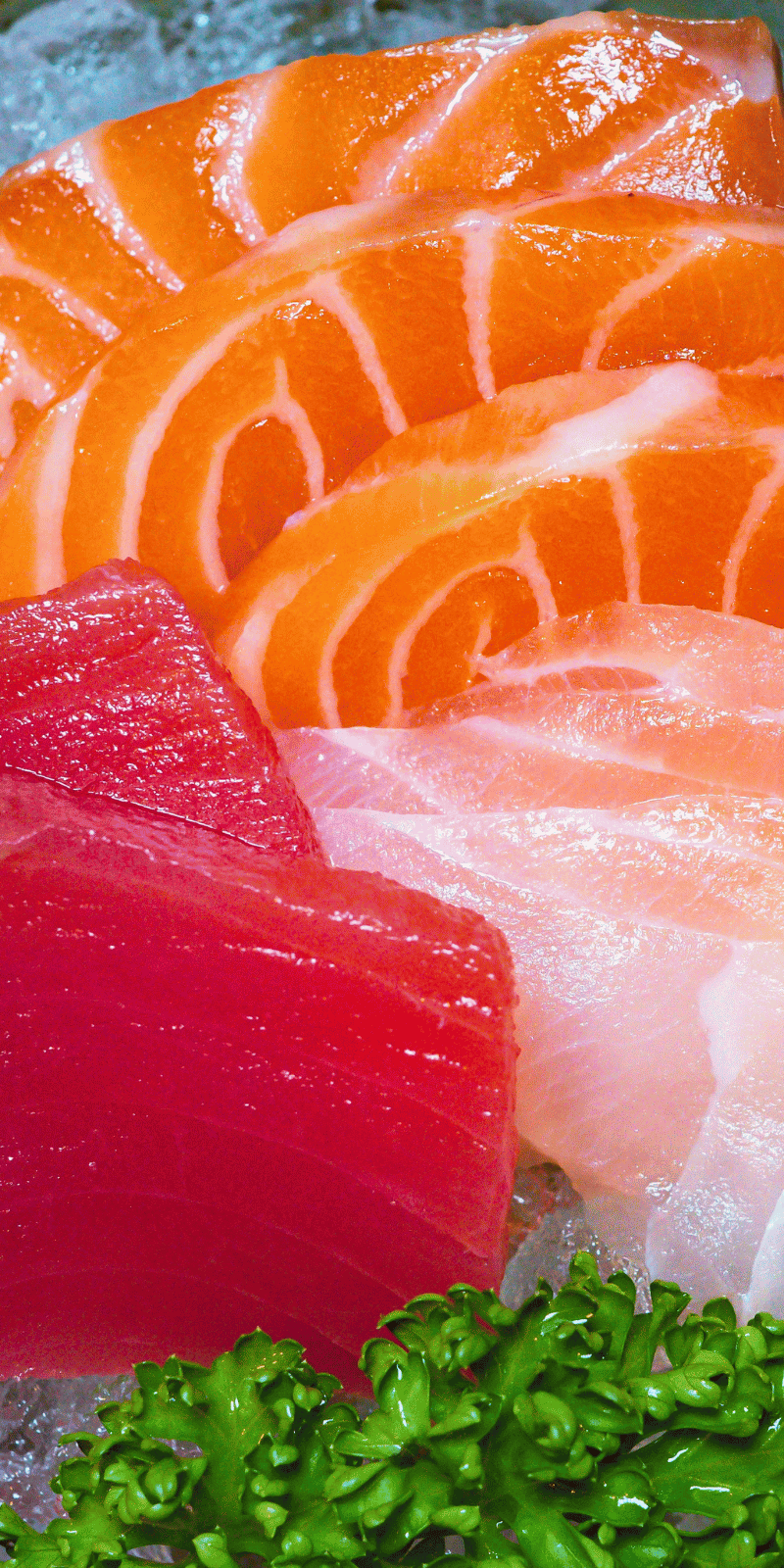
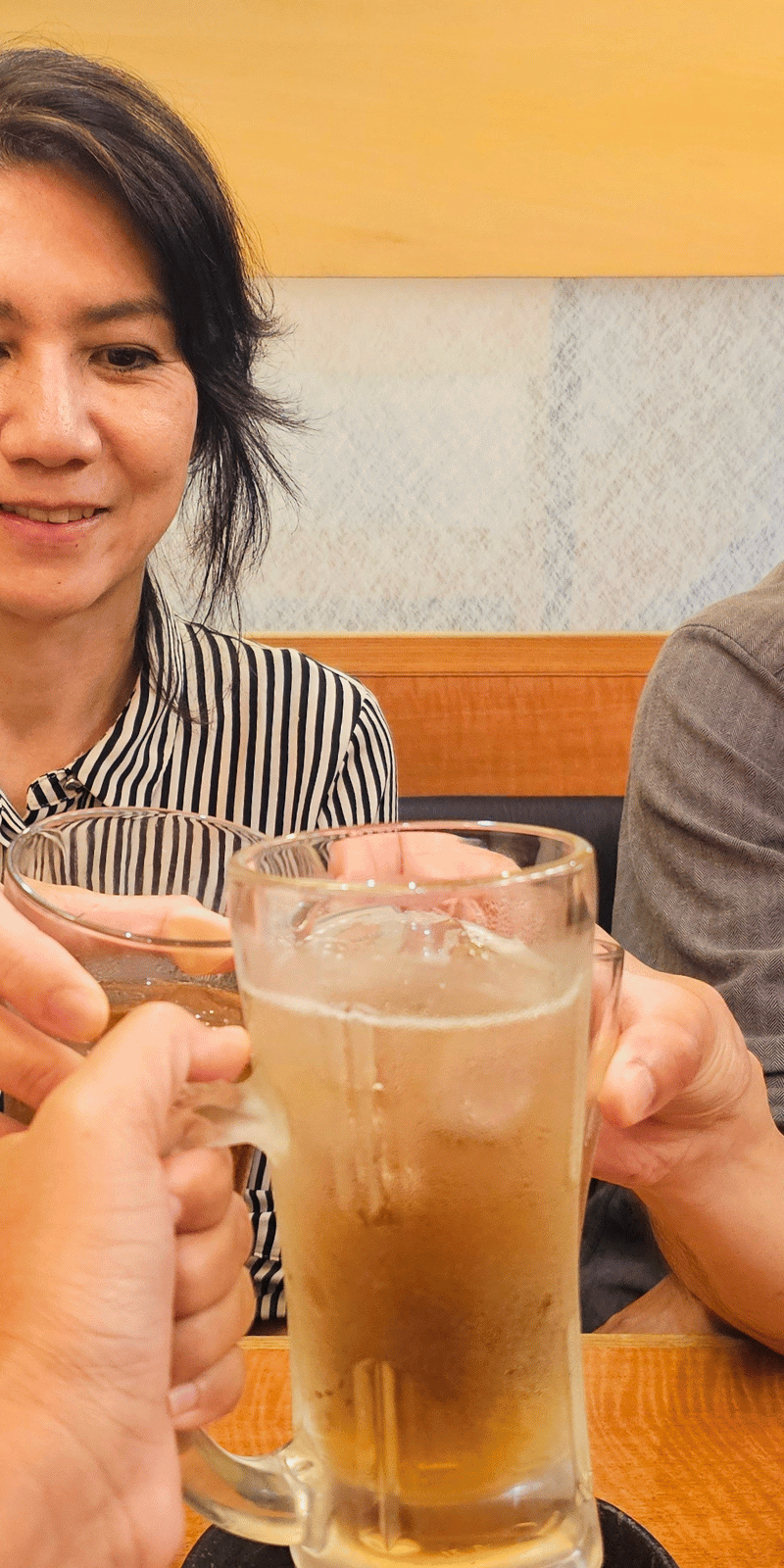
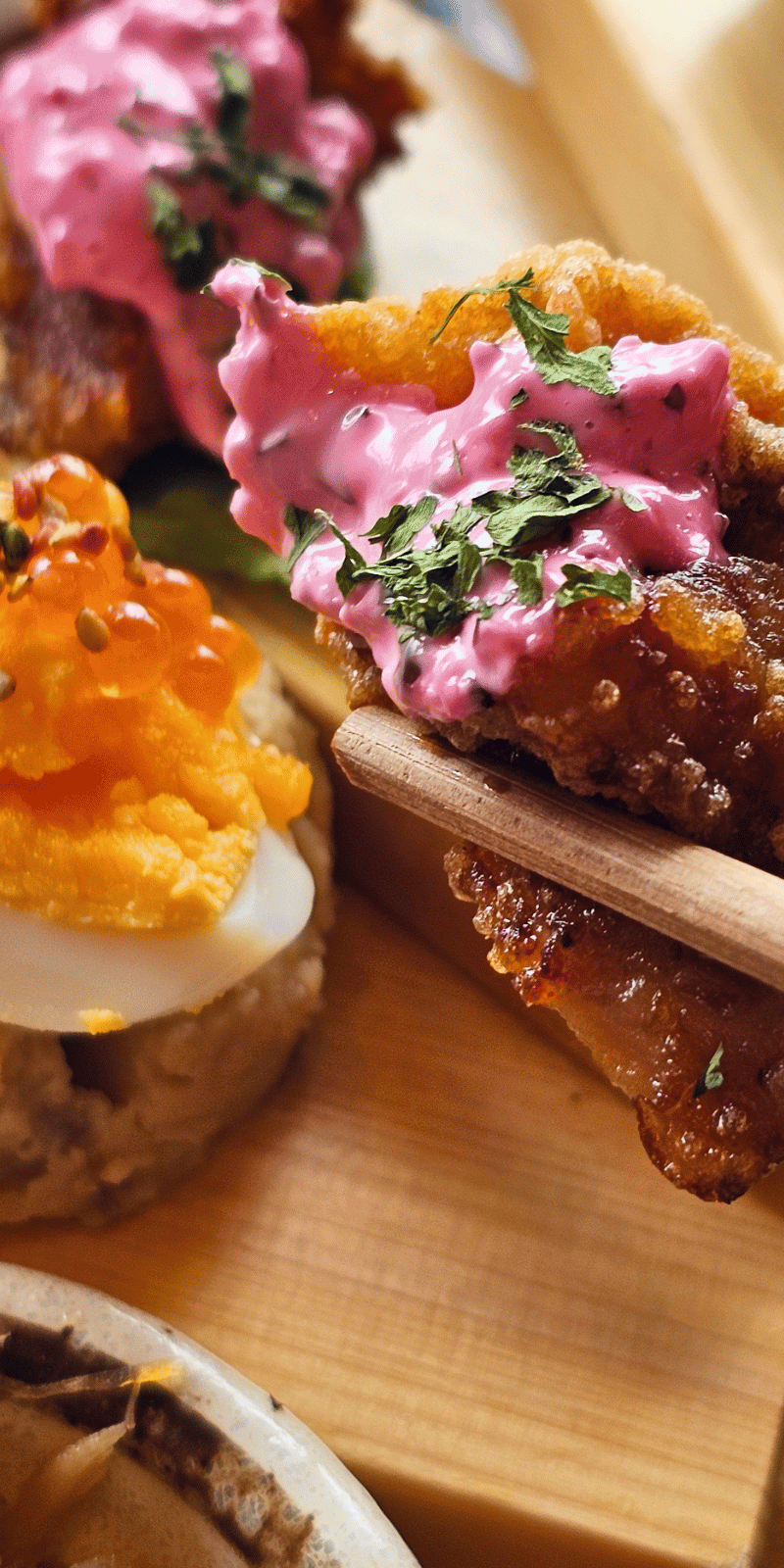
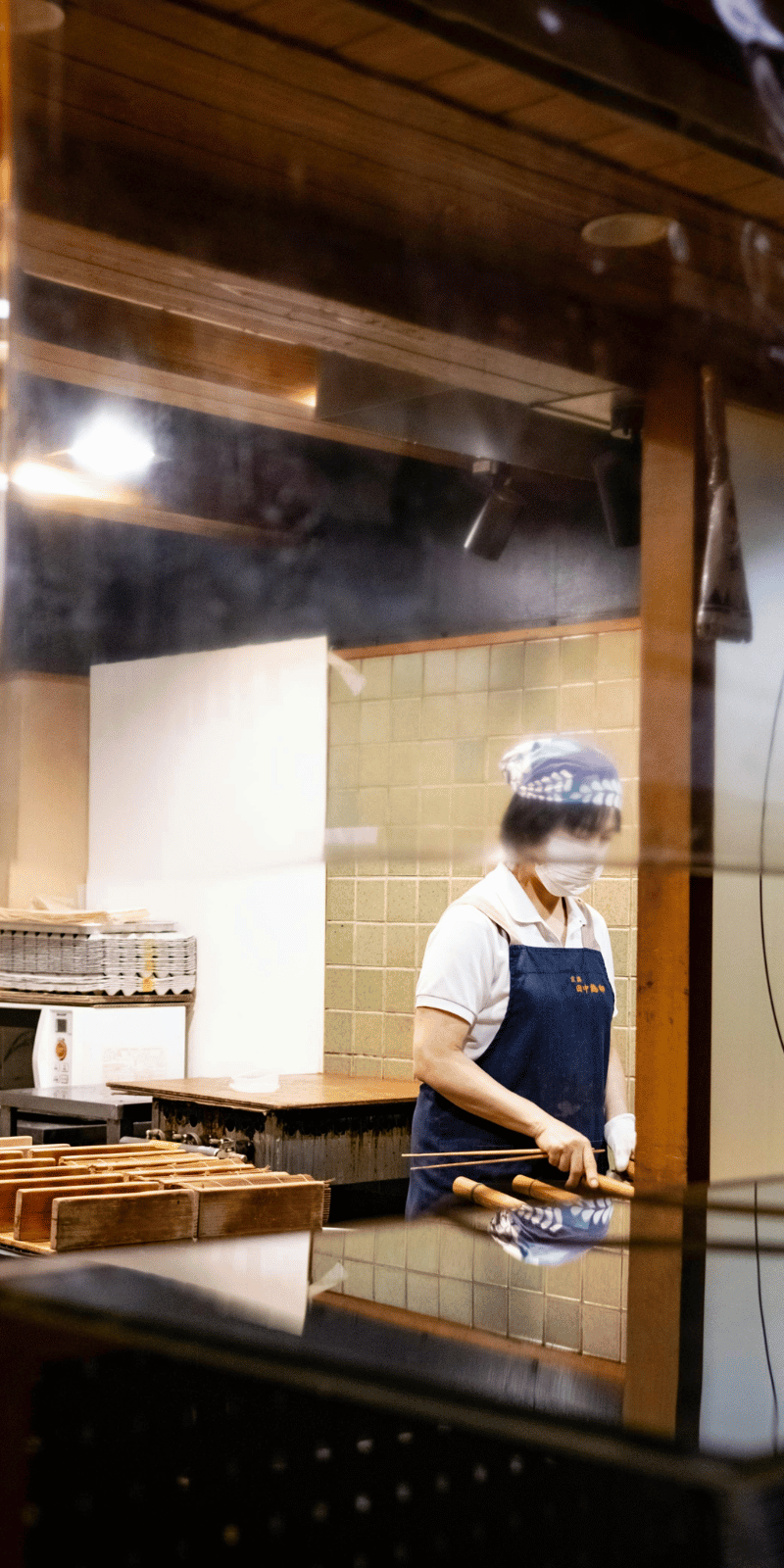
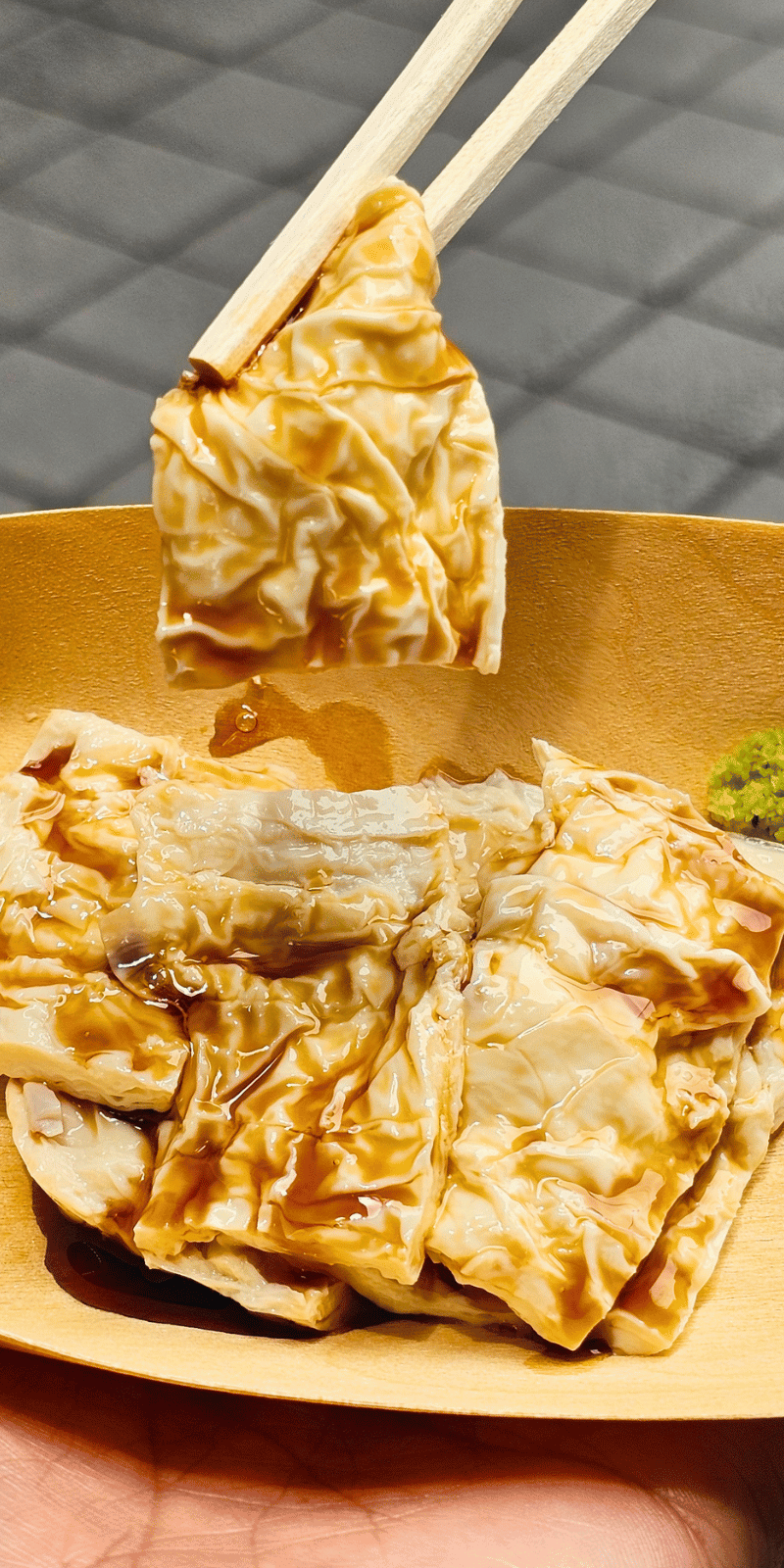
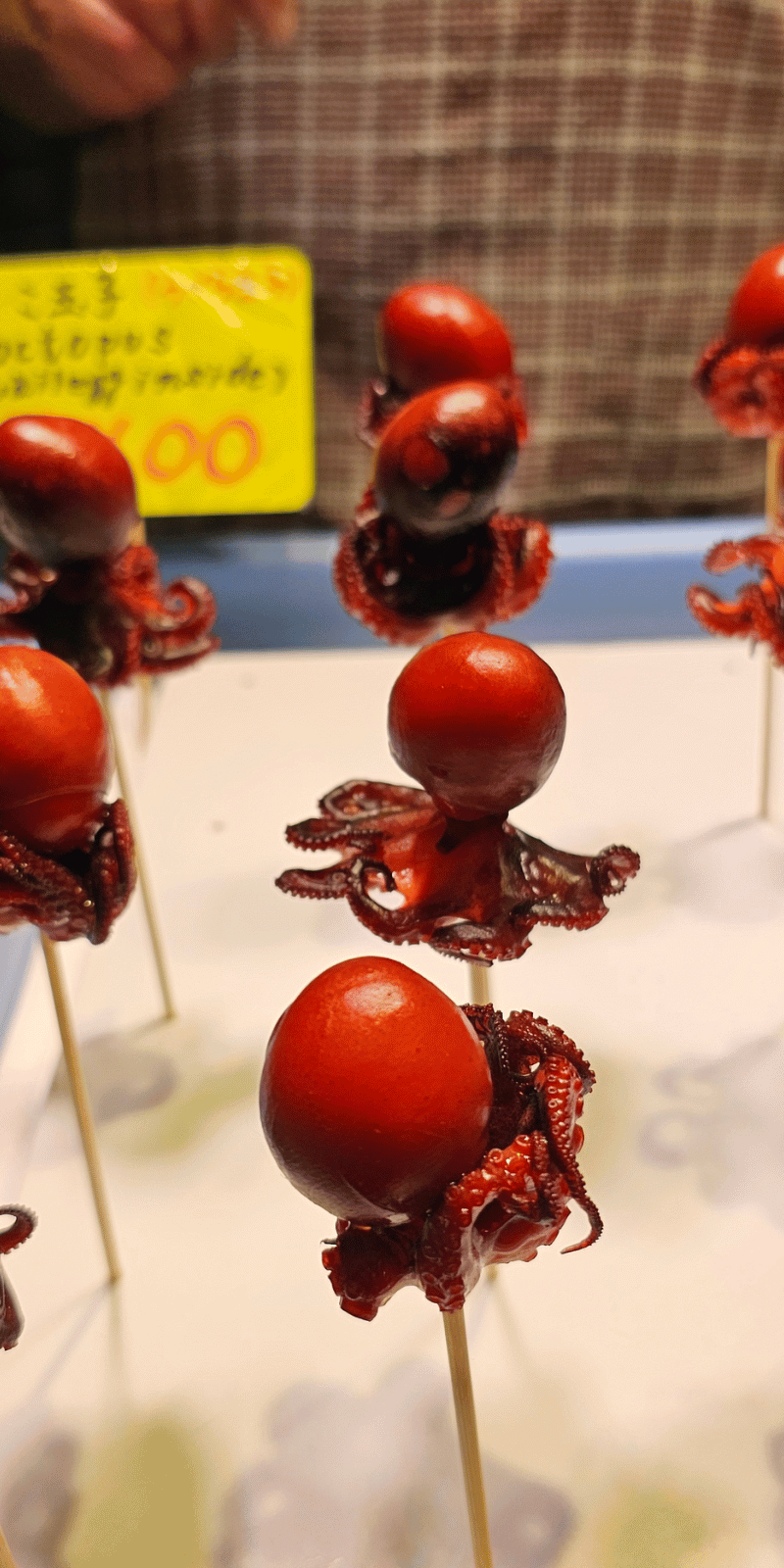
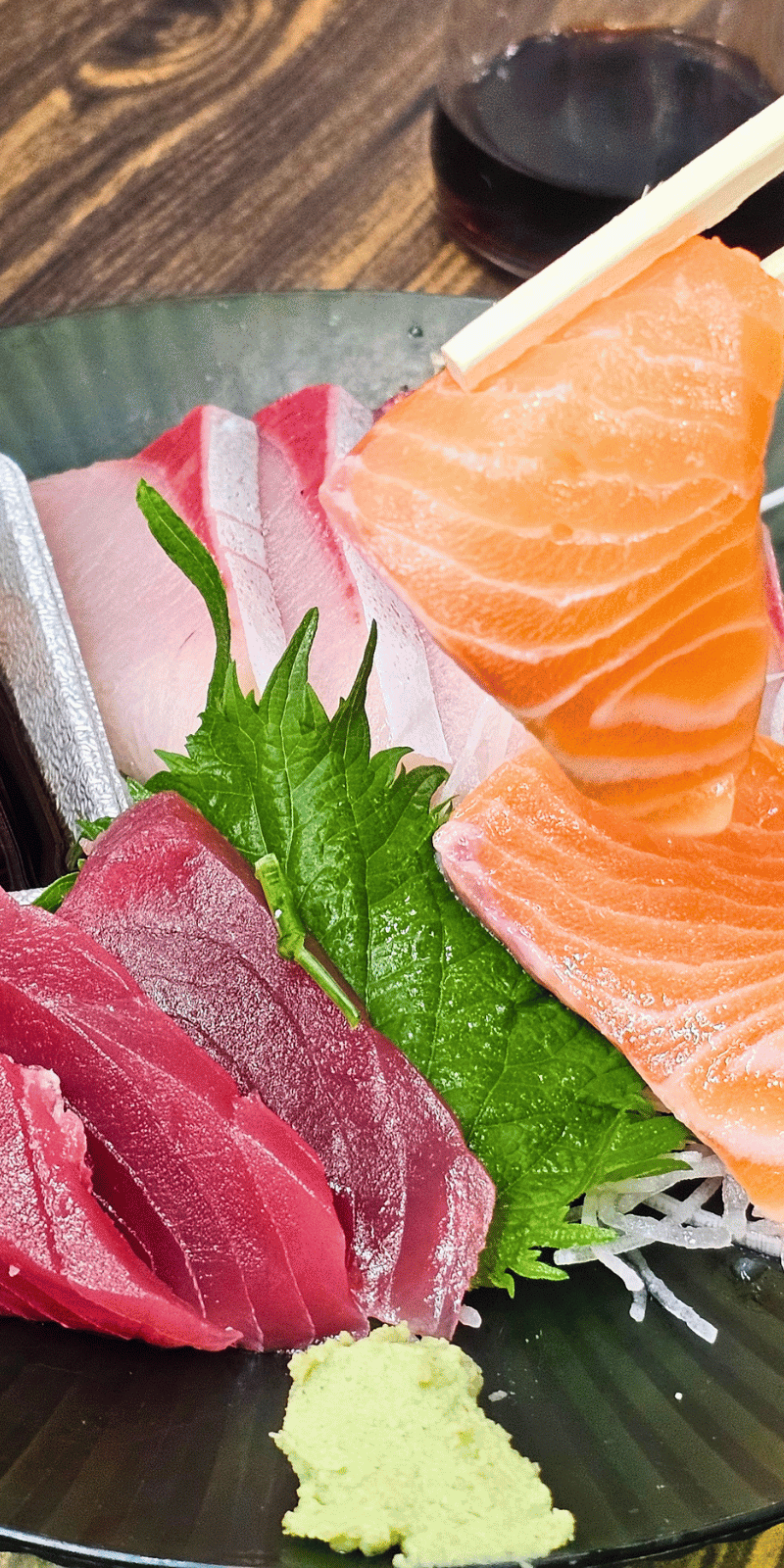
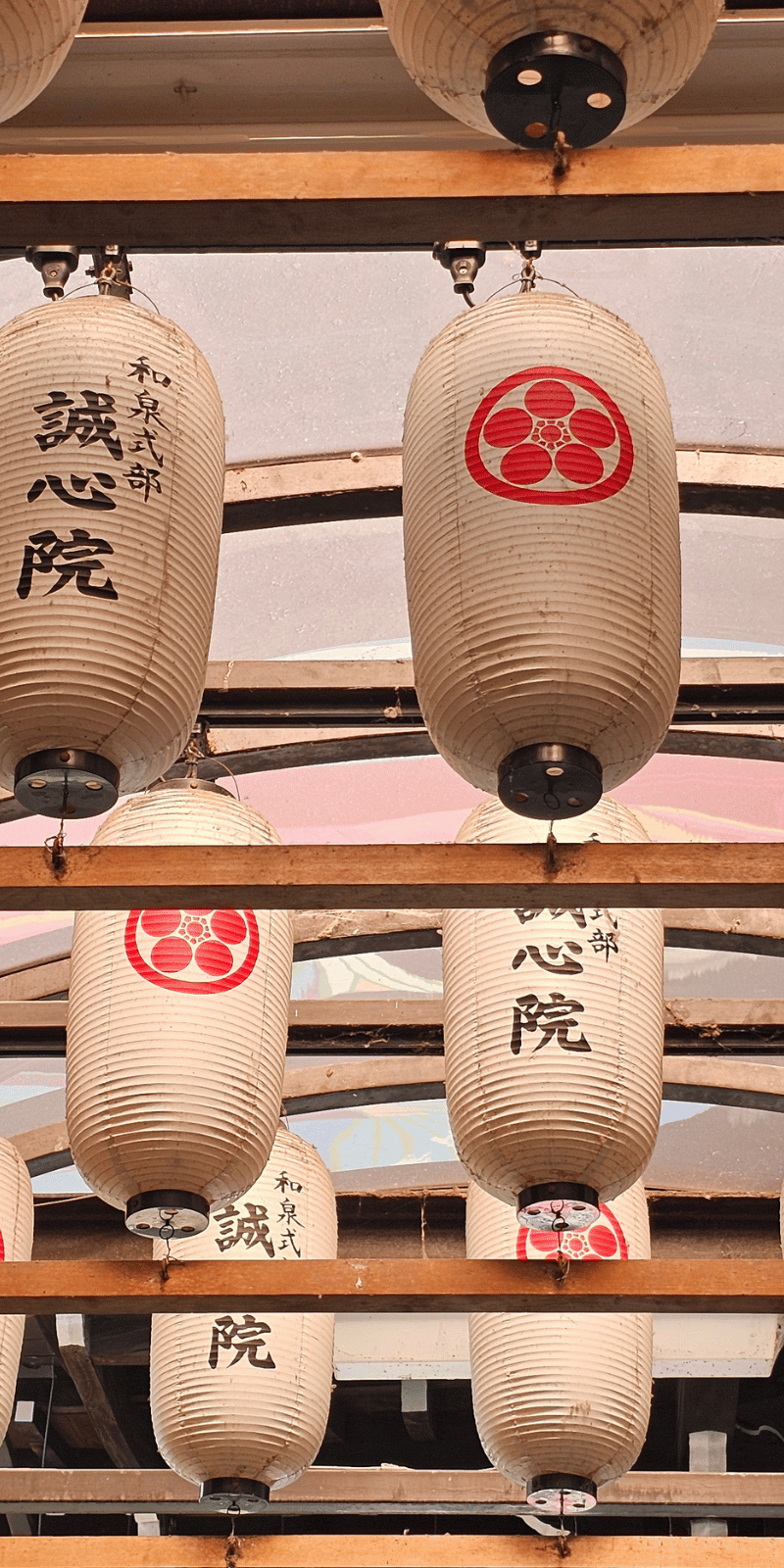
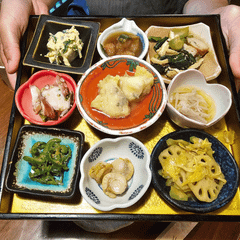
Kaiseki restraint, dashi so pure it barely colours the bowl, pickles by the dozen, matcha bitterness. Kyoto cooks with a monk's patience.
04 The pantry
- Kyoto vegetables, heirloom varieties grown only in the surrounding hills
- Tofu, silken curds made with pure Kyoto spring water
- Yuba, delicate soy-milk skin lifted straight from the pan
- Matcha, stone-ground ceremonial green tea from Uji
- Sansho, mountain peppercorn with a citrus tingle
05 In the kitchen
- Composing kaiseki menus around the seasonal calendar
- Making silken tofu in wooden buckets over cold water
- Whisking matcha in a bamboo chasen to a fine froth
- Pickling kyo-yasai vegetables in salt, rice bran and miso
- Plating each course to reflect the moment of the year
06 Eat this first
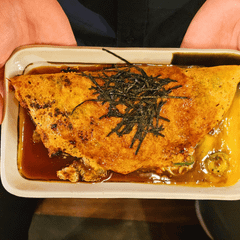
- Kaiseki, the seasonal tasting menu that defined Japanese haute cuisine
- Yudofu, hot tofu simmered in kombu broth by the old temples
- Nishin soba, buckwheat noodles topped with sweet-simmered herring
- Matcha, ceremonial tea whisked to a fine jade foam
- Yatsuhashi, cinnamon-scented rice-flour sweets folded around bean paste
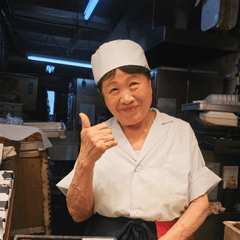
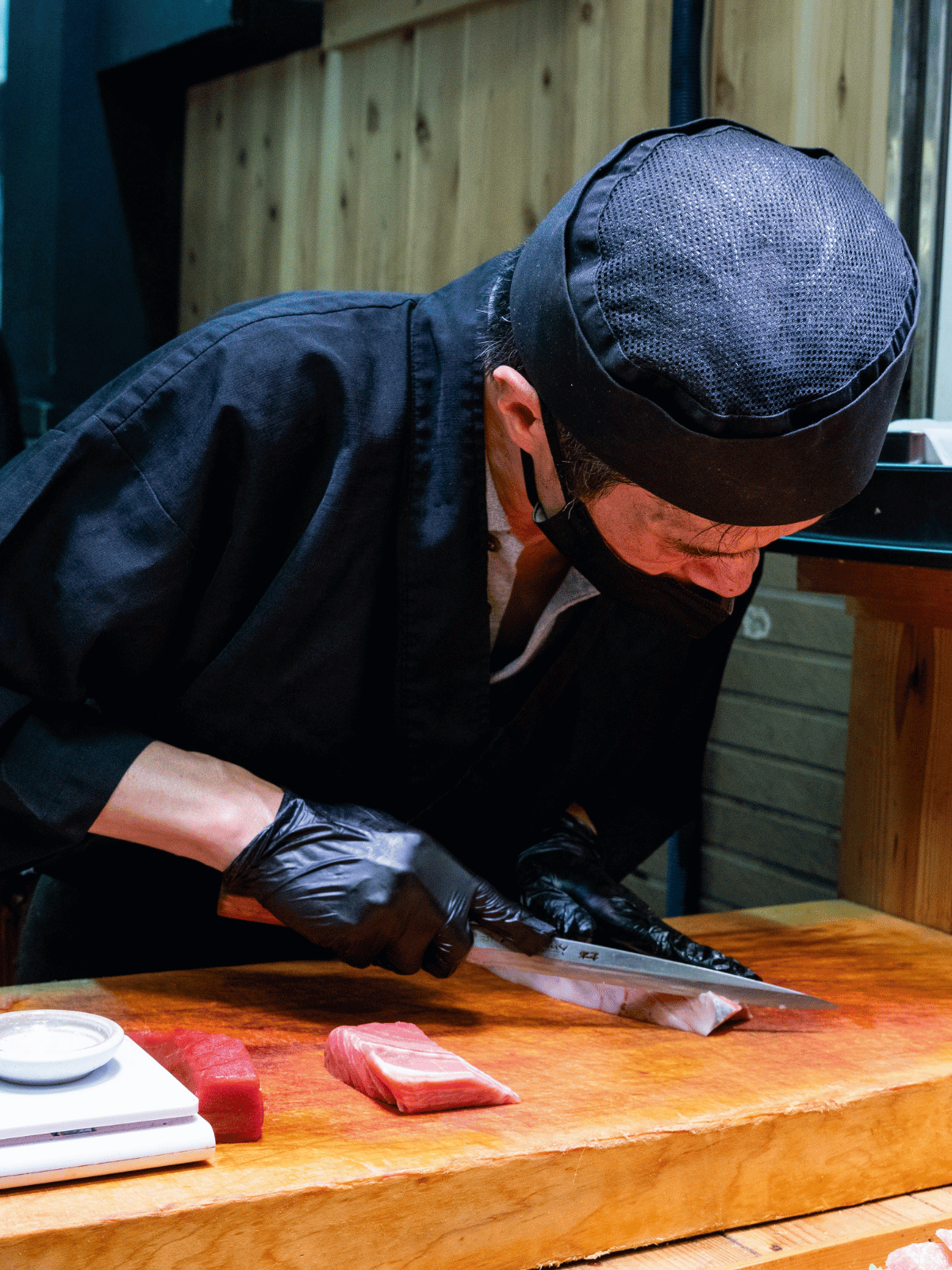
What happens inside a hammam kitchen
A morning with the cooks who feed the neighbourhood before dawn. Charcoal, dough, the smell of a bakery working its second oven.
10 Field Notes
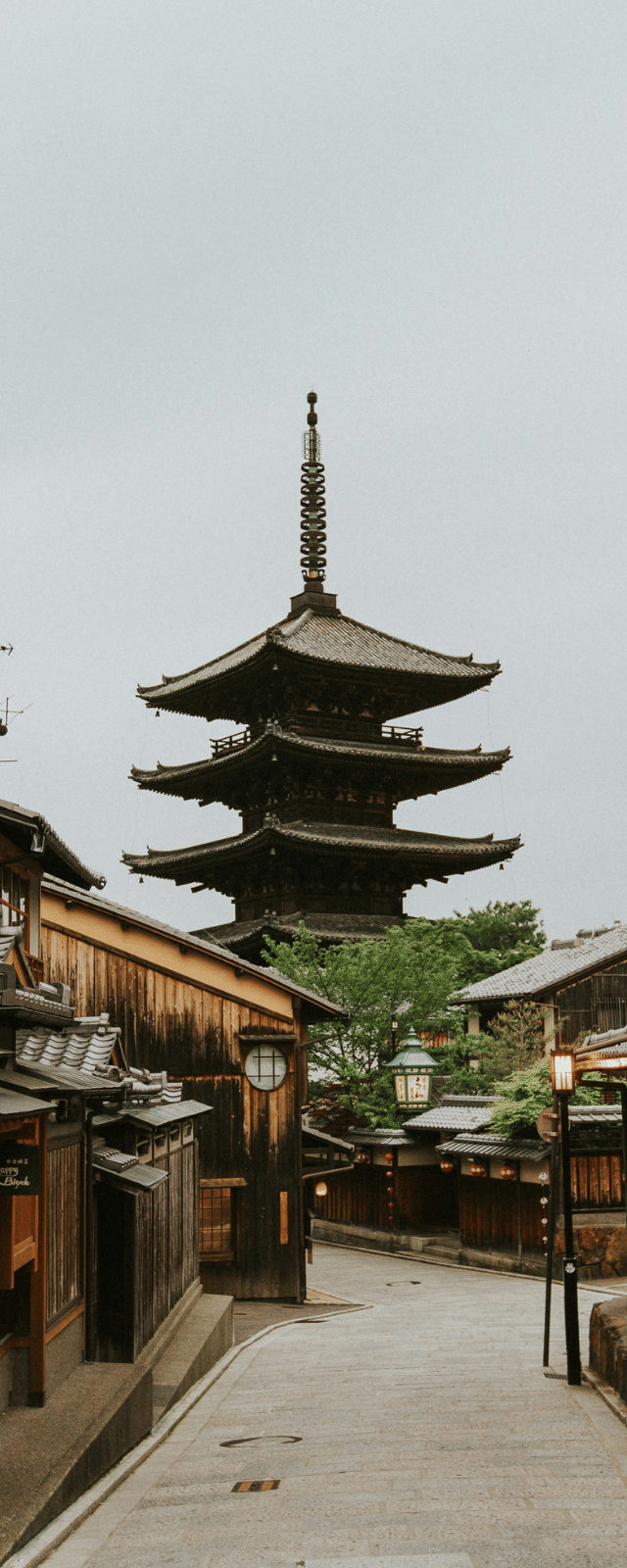
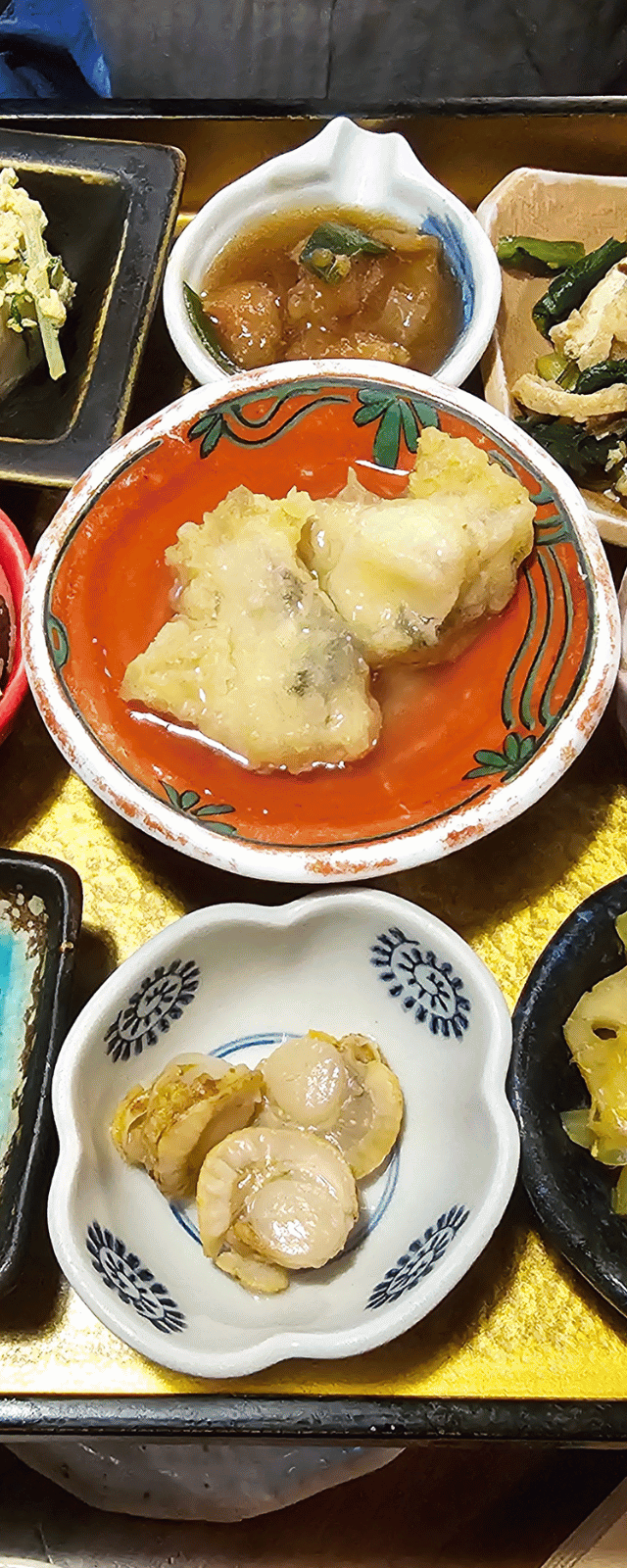
Quick field notes to help you get accustomed to Kyoto.
Weather
Four distinct seasons. Hot, humid summers (33°C-plus), crisp autumns (October–November) with the famous foliage, cold winters, and cherry-blossom springs. Book early for peak weeks.
Currency
The Japanese yen (JPY). Cash still preferred at small shops, shrines, and traditional restaurants. Cards work in hotels and larger restaurants; IC cards (Suica, Icoca) cover transport and convenience stores.
Language
Japanese. English coverage is limited outside major sights and hotels. A few polite phrases (arigatou, sumimasen) are appreciated. Signage is bilingual on transport.
Etiquette
Bowing is standard, tipping is unusual (and can offend). Remove shoes when entering homes, temples, and traditional restaurants; be quiet on trains and in temples.
Getting around
Buses cover the sights better than the subway. The bus day-pass is worth it. Trains link the wider region; a bicycle is a joy in flat central Kyoto. Taxis are pricey but immaculate.
Prayer
Buddhist and Shinto rhythms shape the year. Countless festivals (matsuri) mark the seasons. Temples and shrines are open to respectful visitors. A small monetary offering is customary.