
01 Food tours
Original food tours, curated with our local tastemakers to showcase the neighbourhood kitchens, markets and family-run eateries that define Kathmandu.
Kathmandu Kitchens
Kathmandu
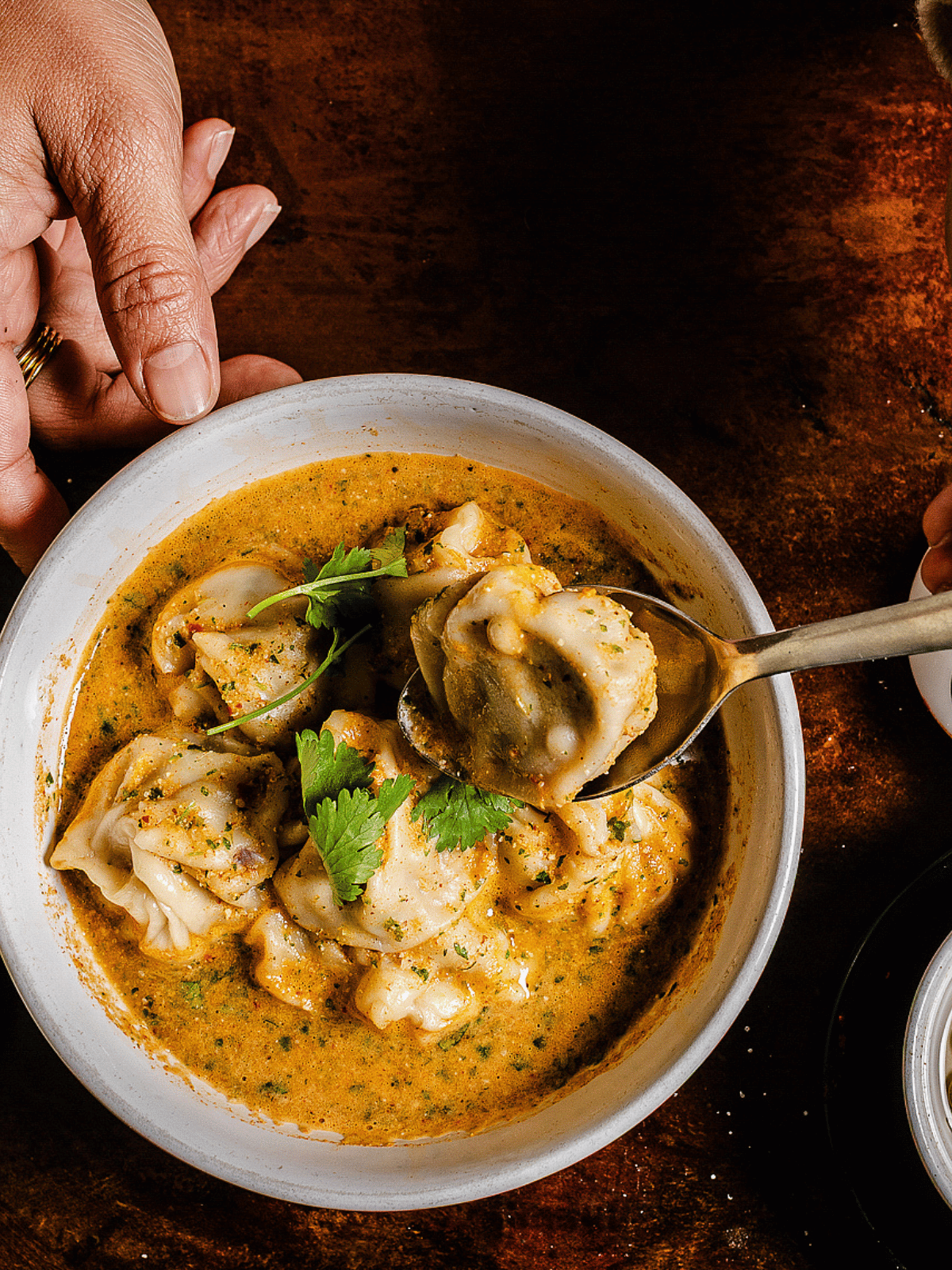
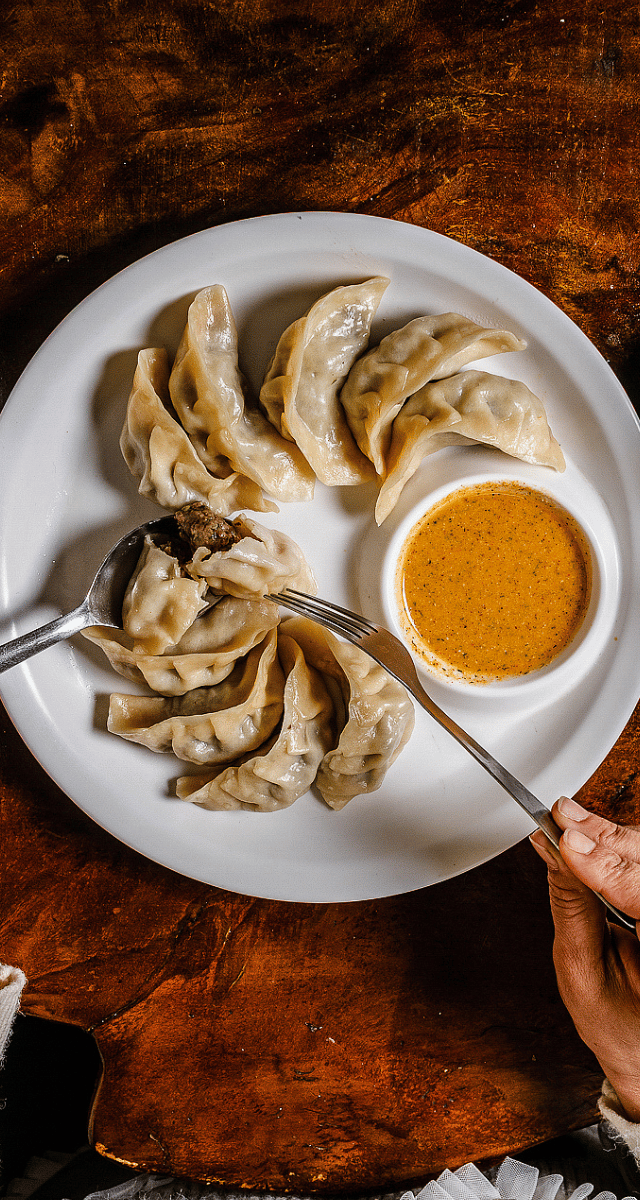
Eat Kathmandu at lunchtime — momos, dal bhat and sekuwa with timur pepper.
Everest Eats
Kathmandu
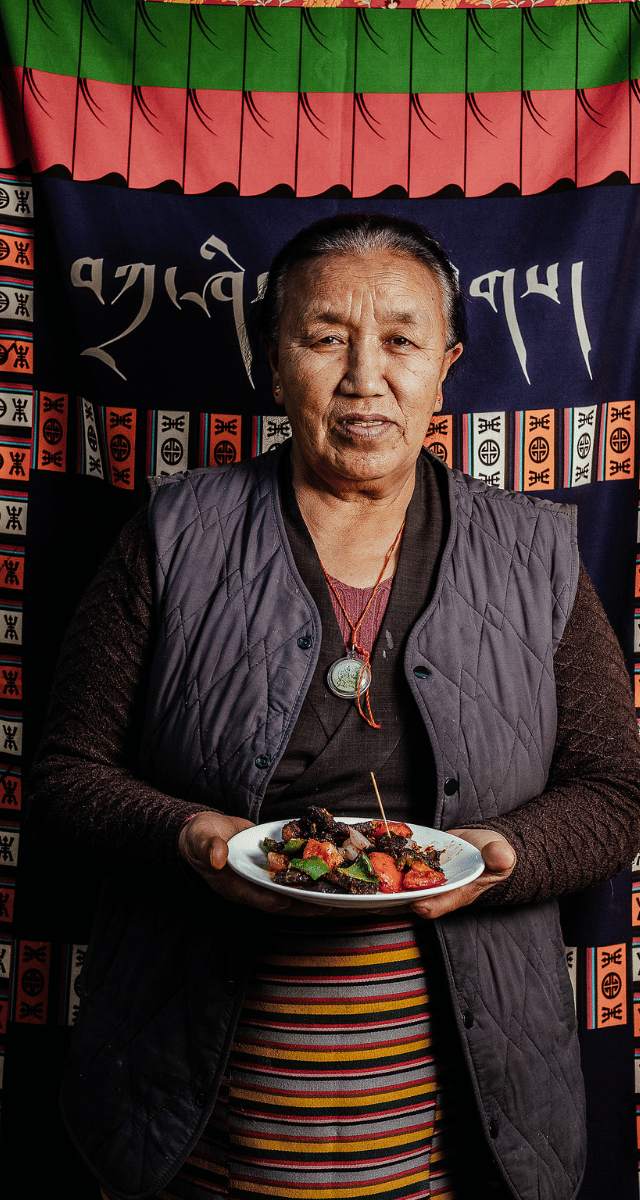
Explore Nepali food between Tibet and North India — momos, dal bhat and sekuwa.
02 Meet the tastemakers
The local food experts who help us research, refine and lead every A Chef's Tour.


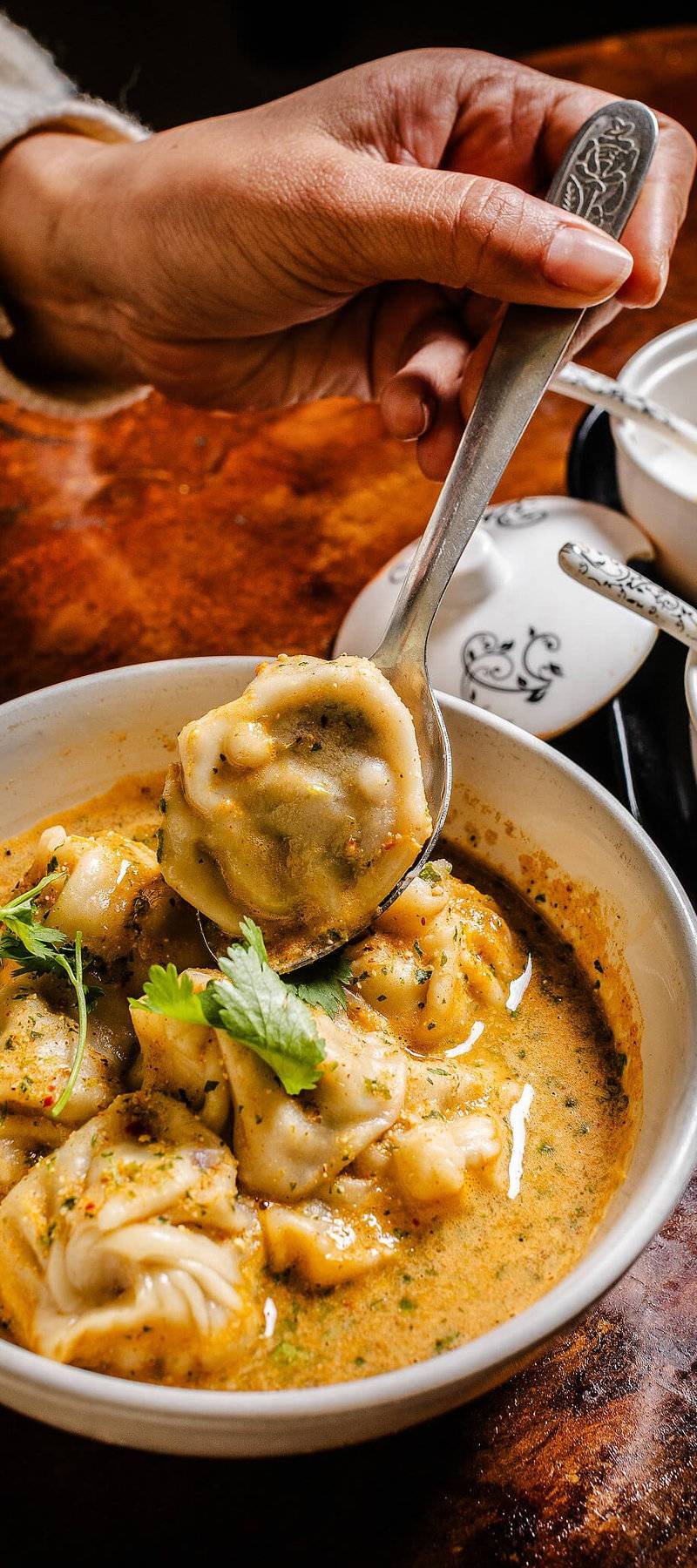
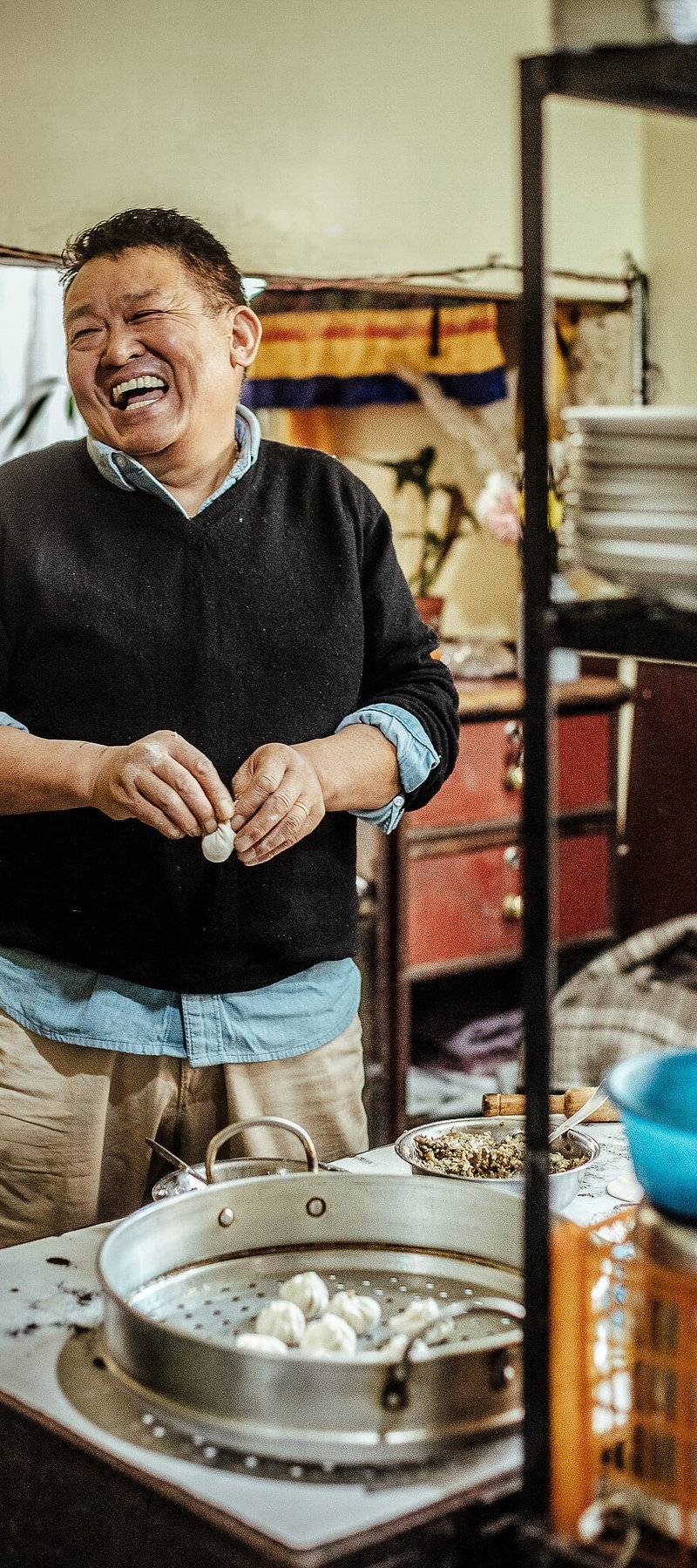
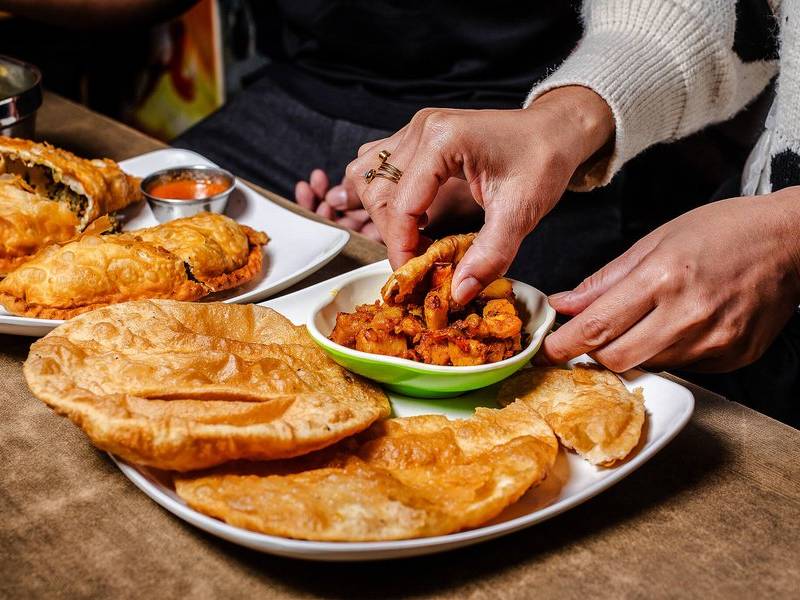
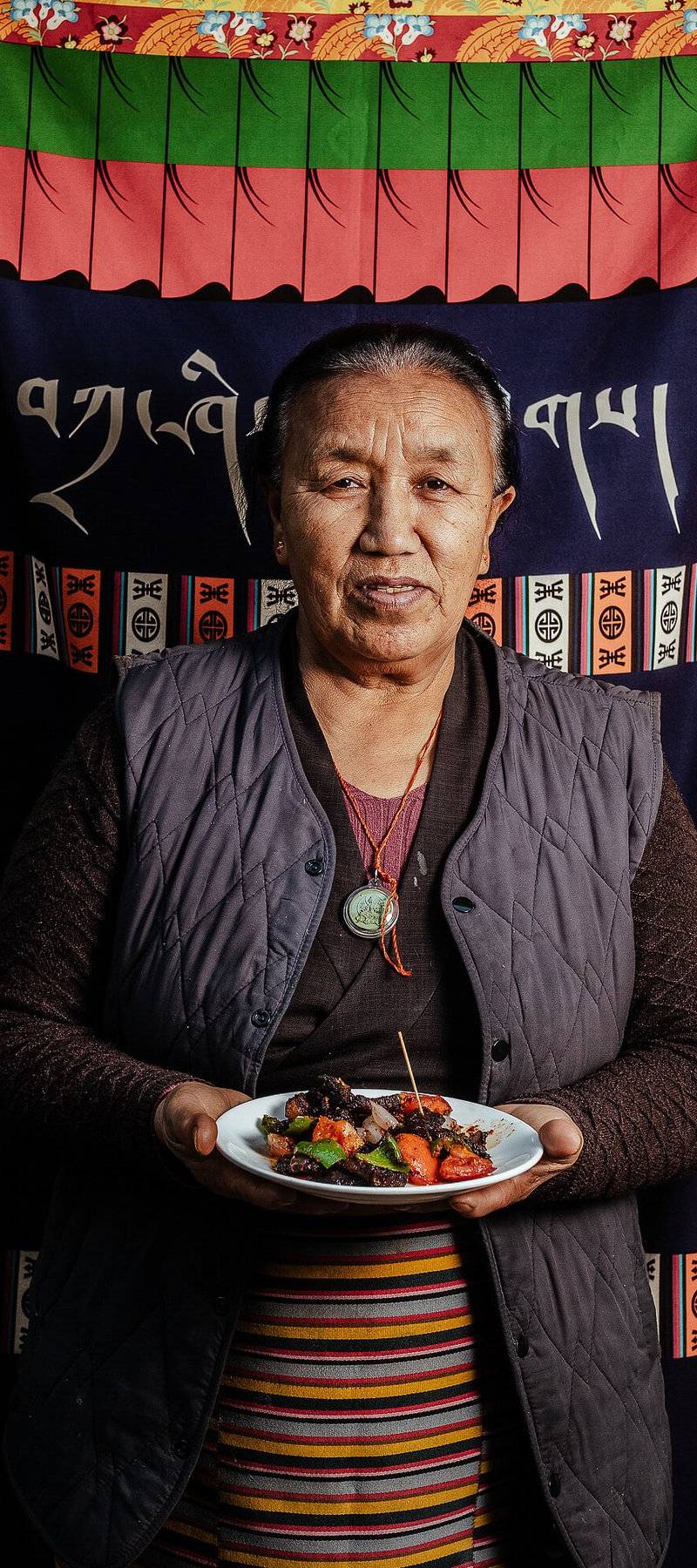
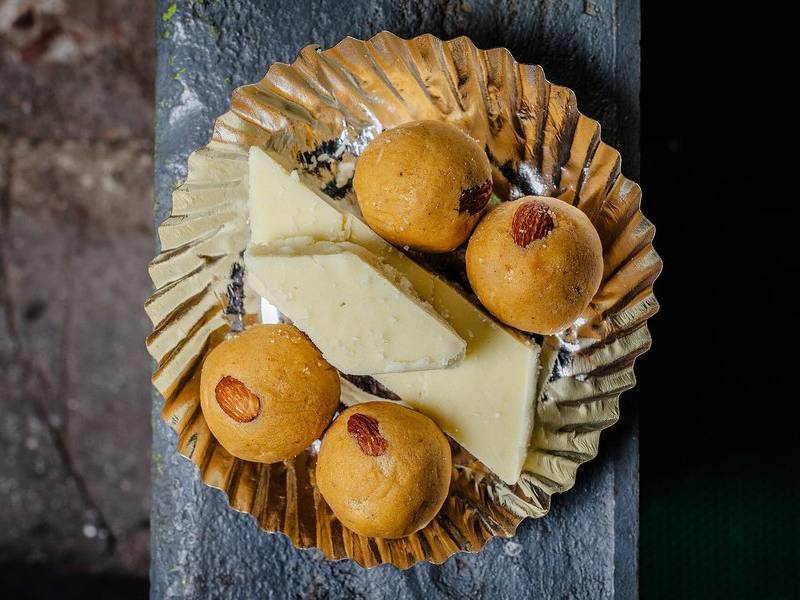
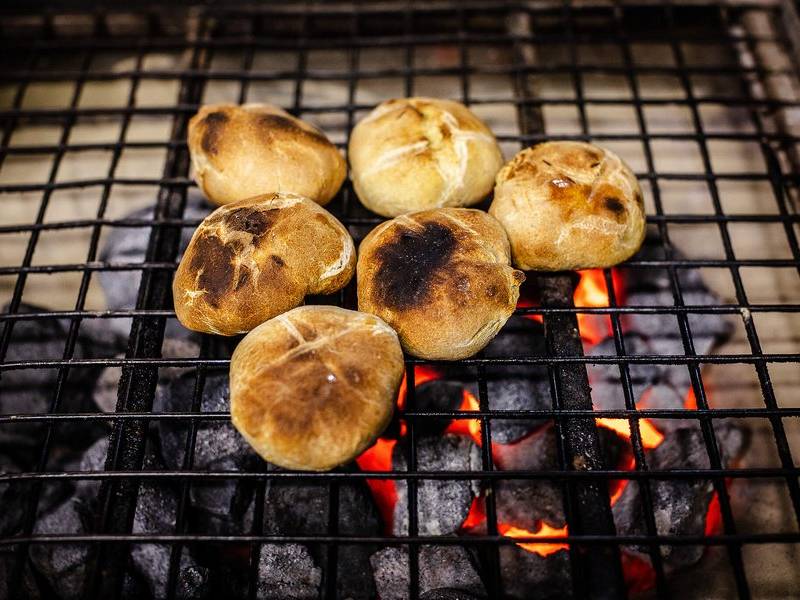
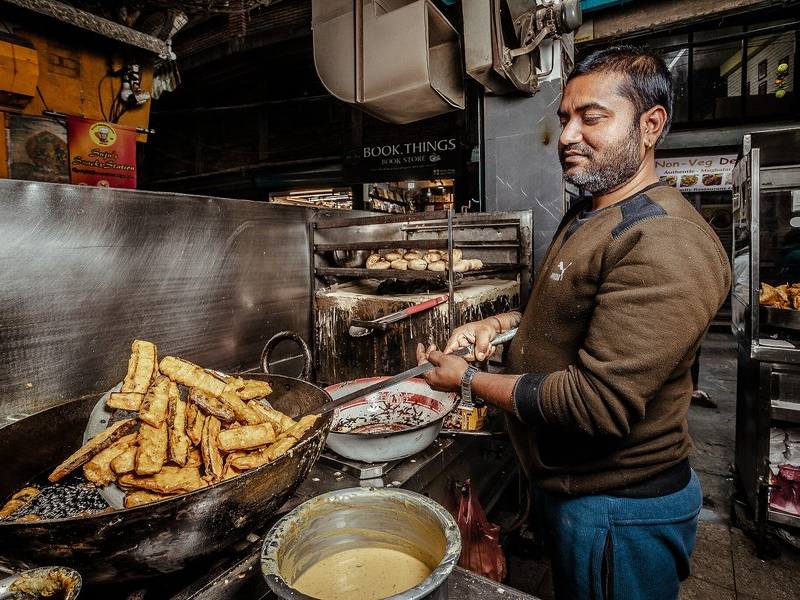
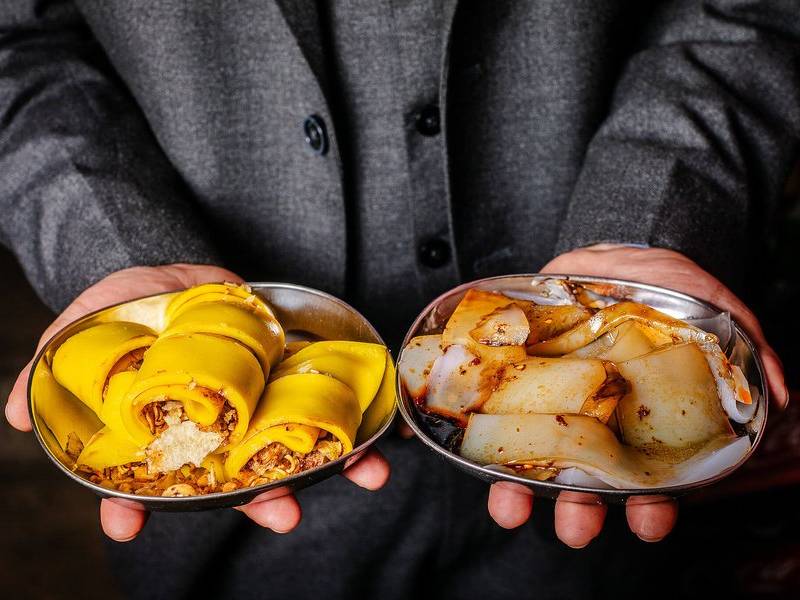
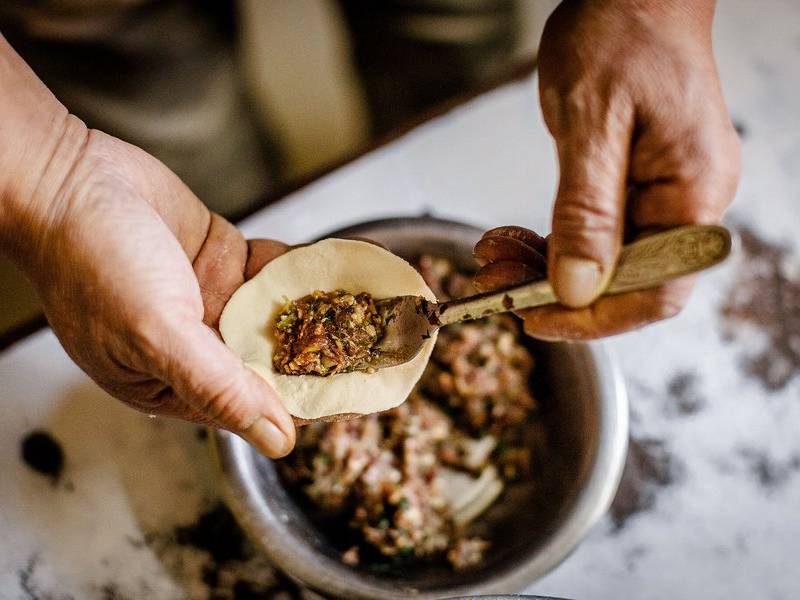
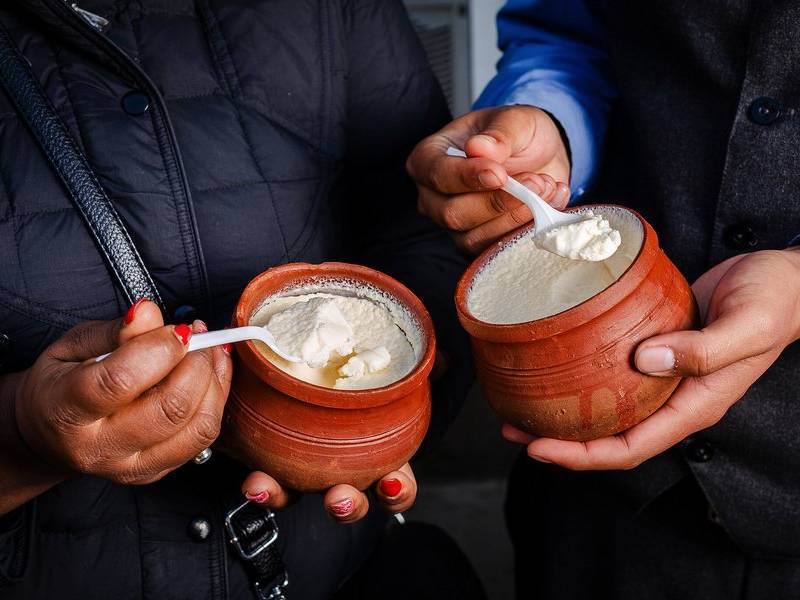
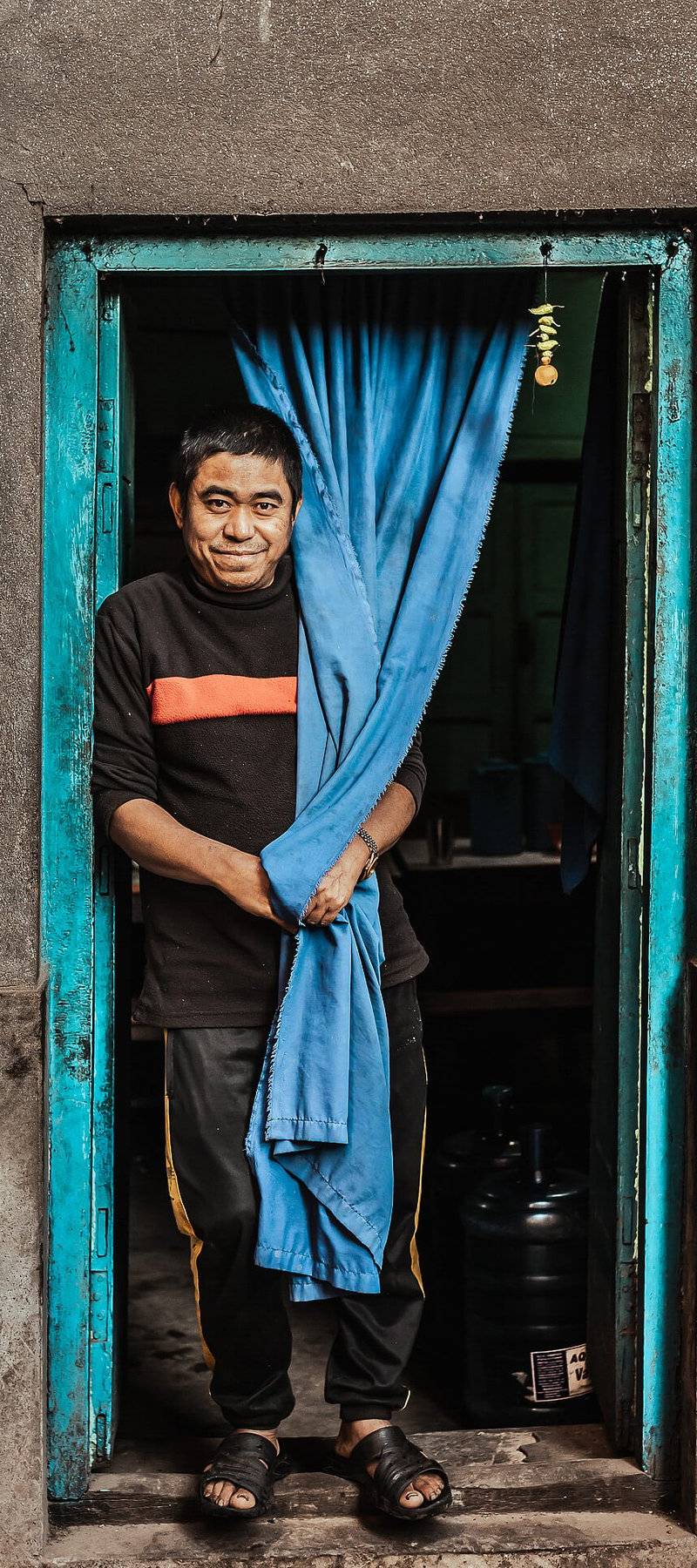
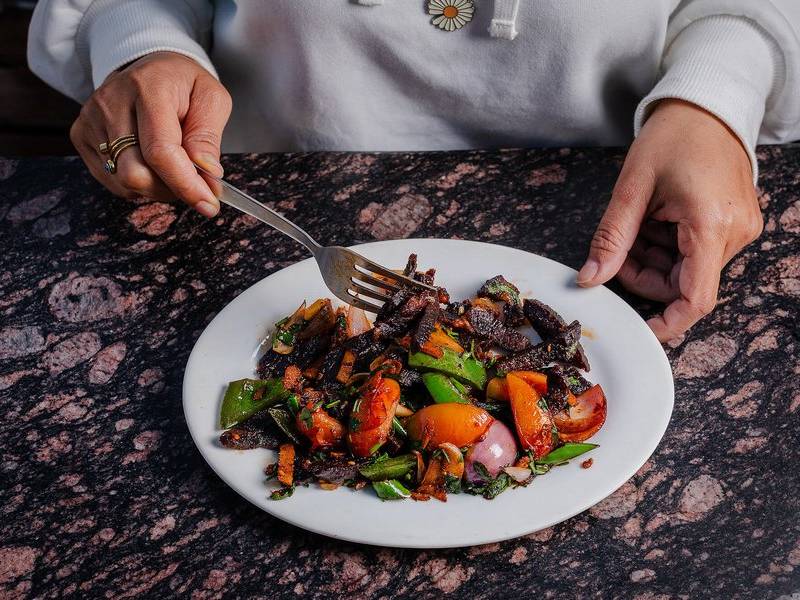
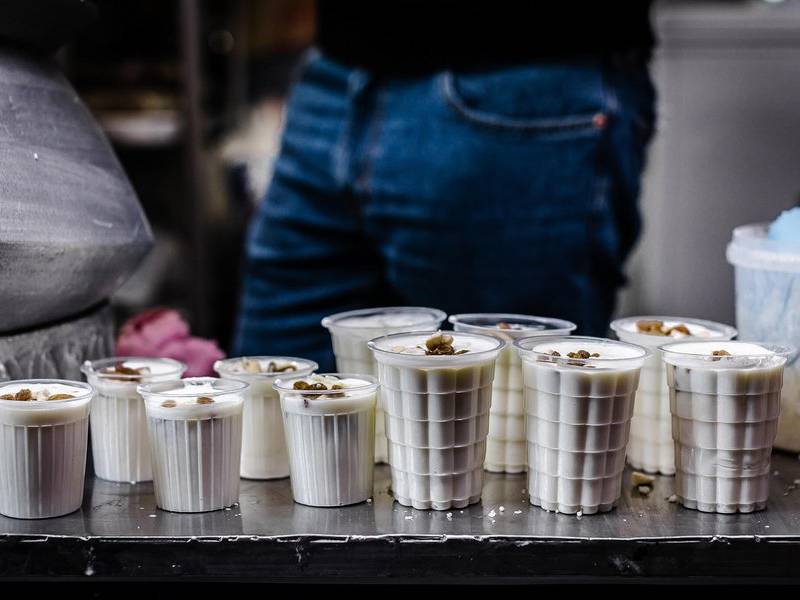
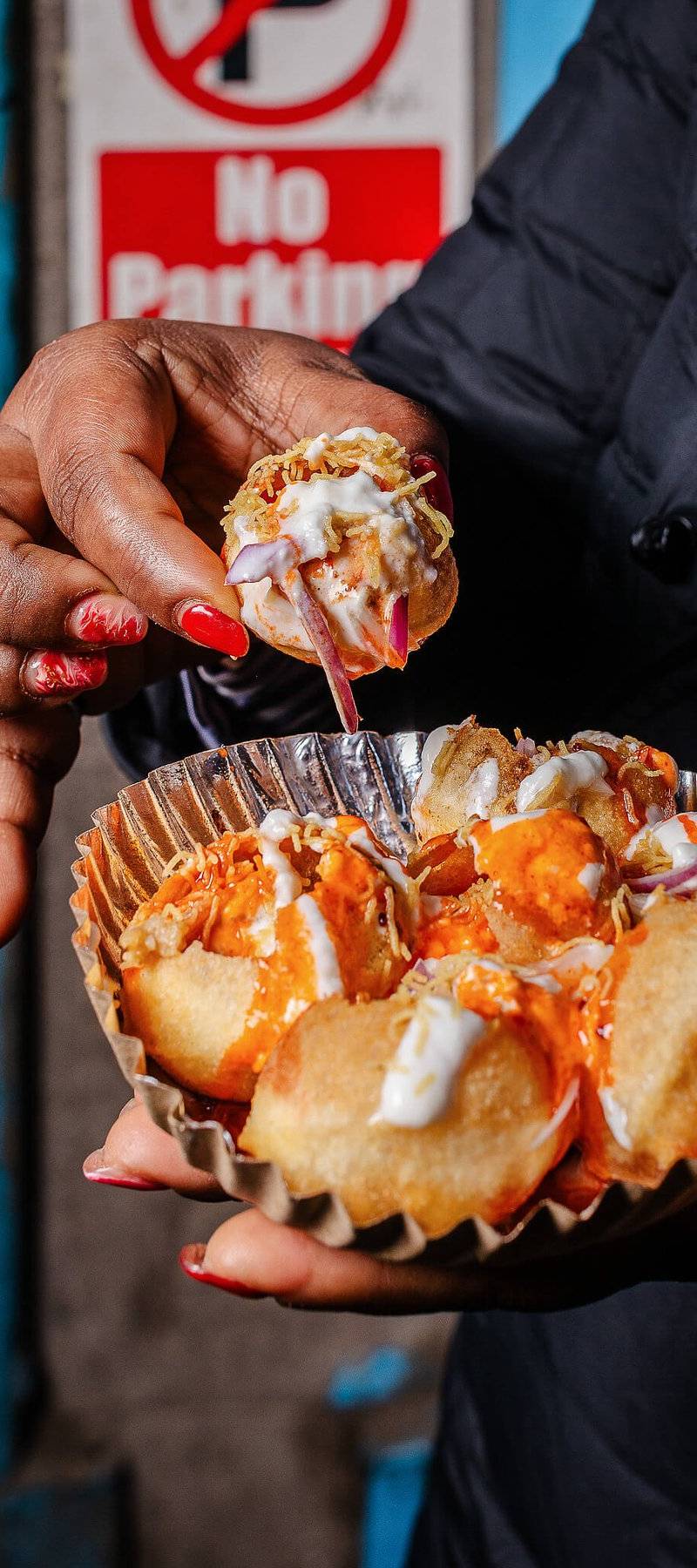
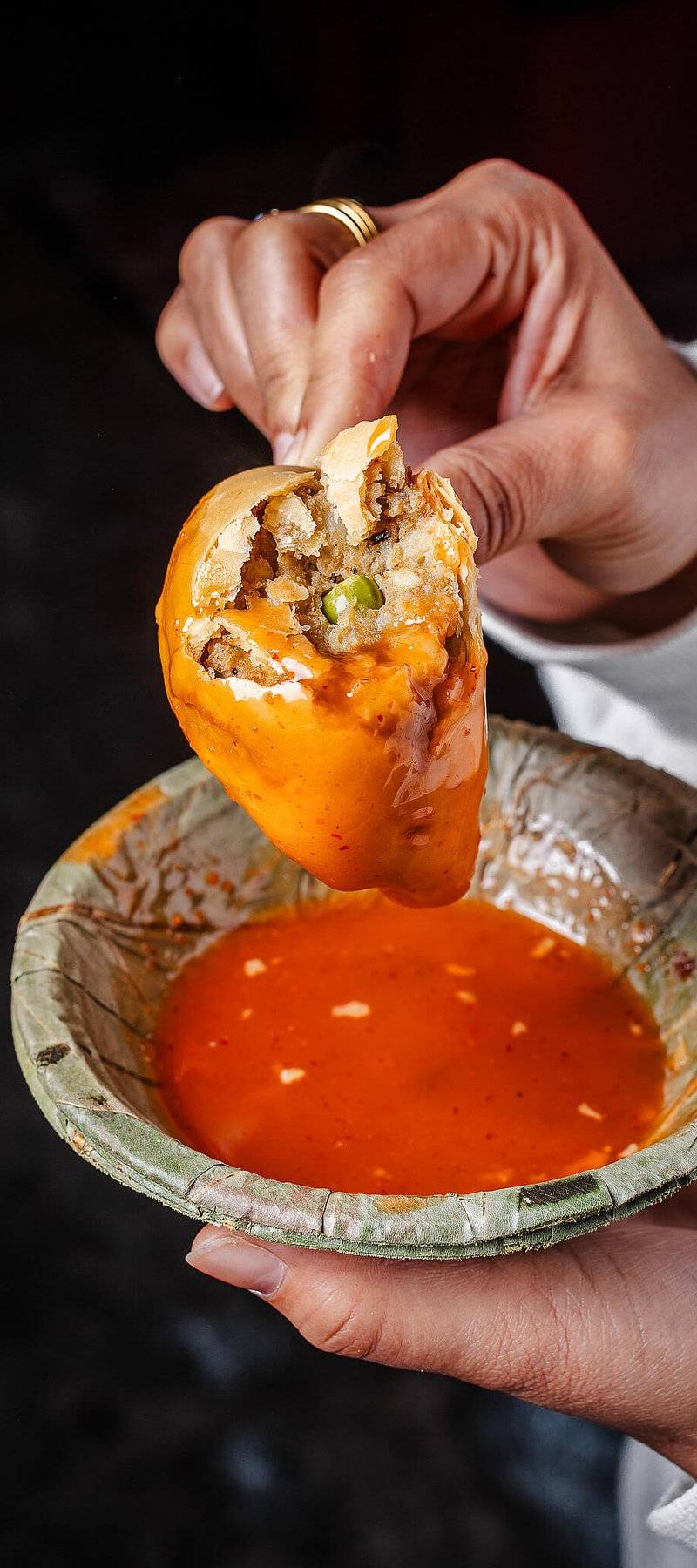
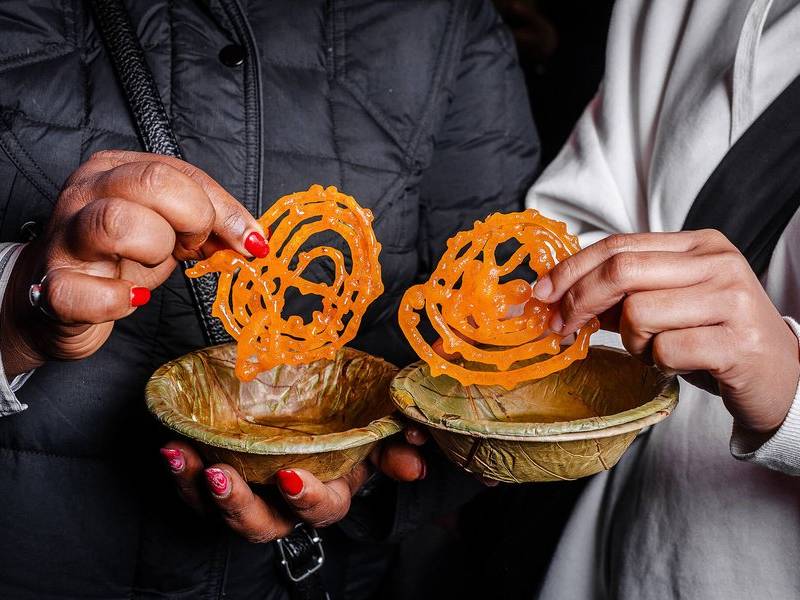
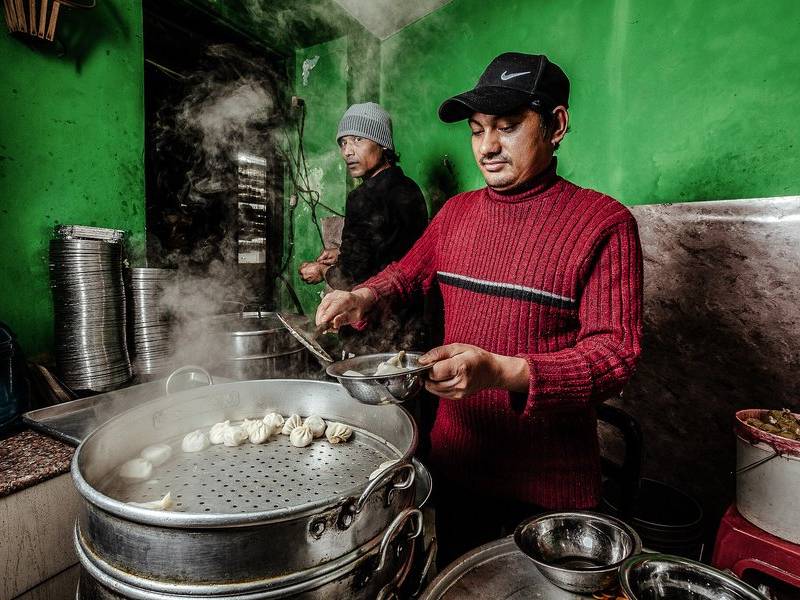
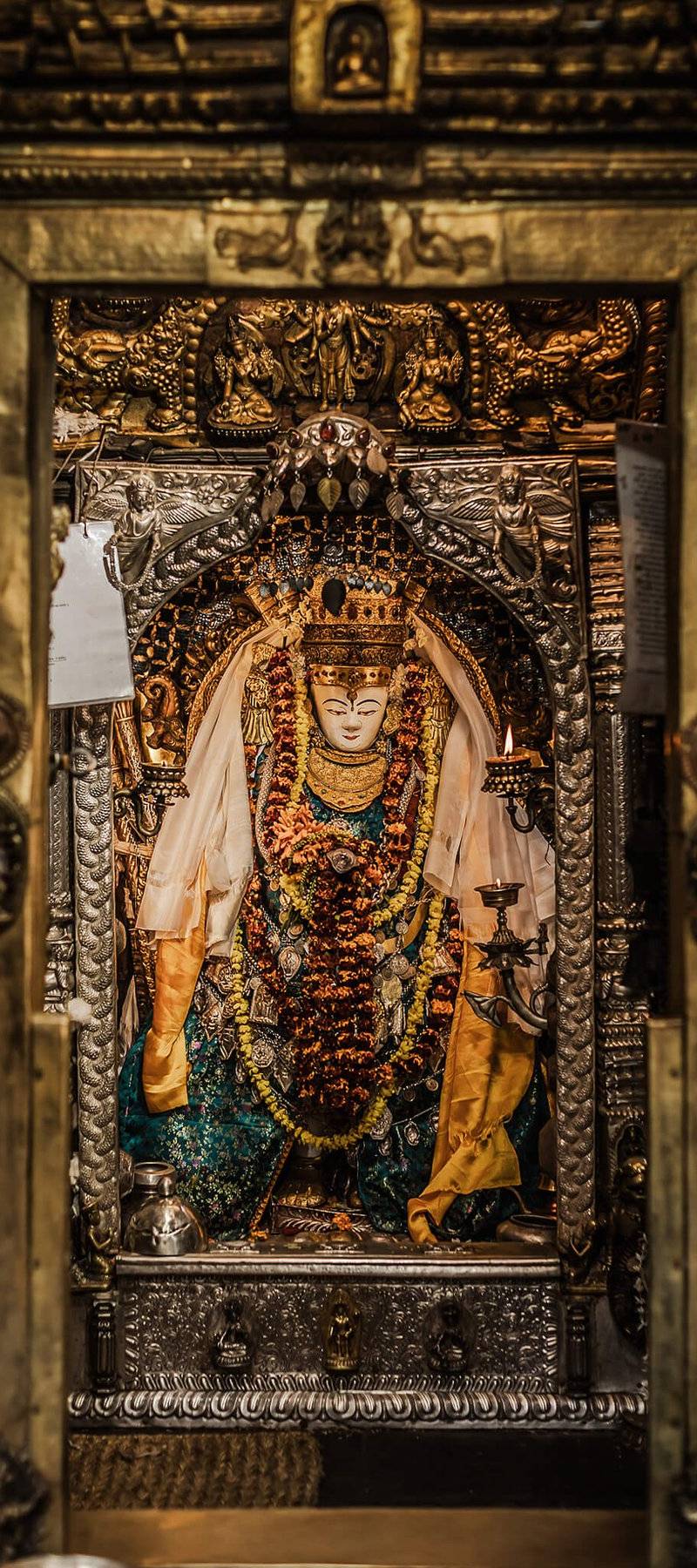
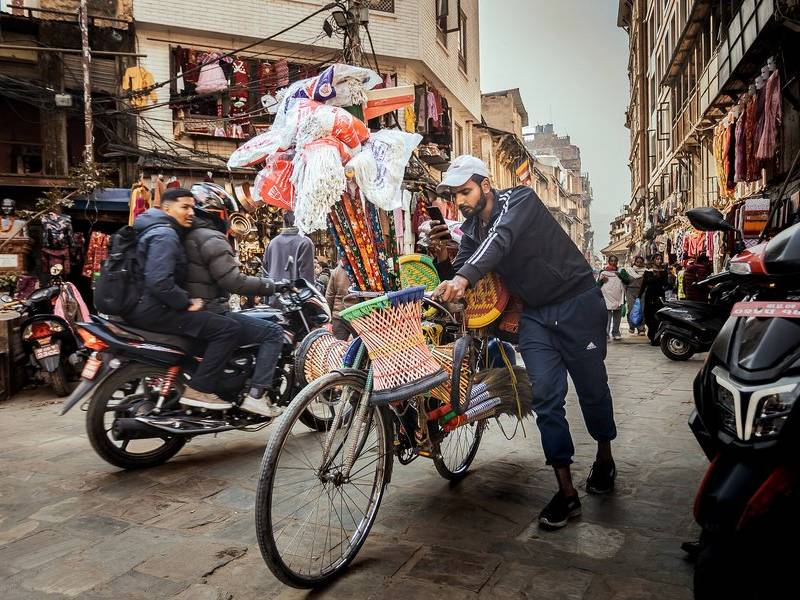
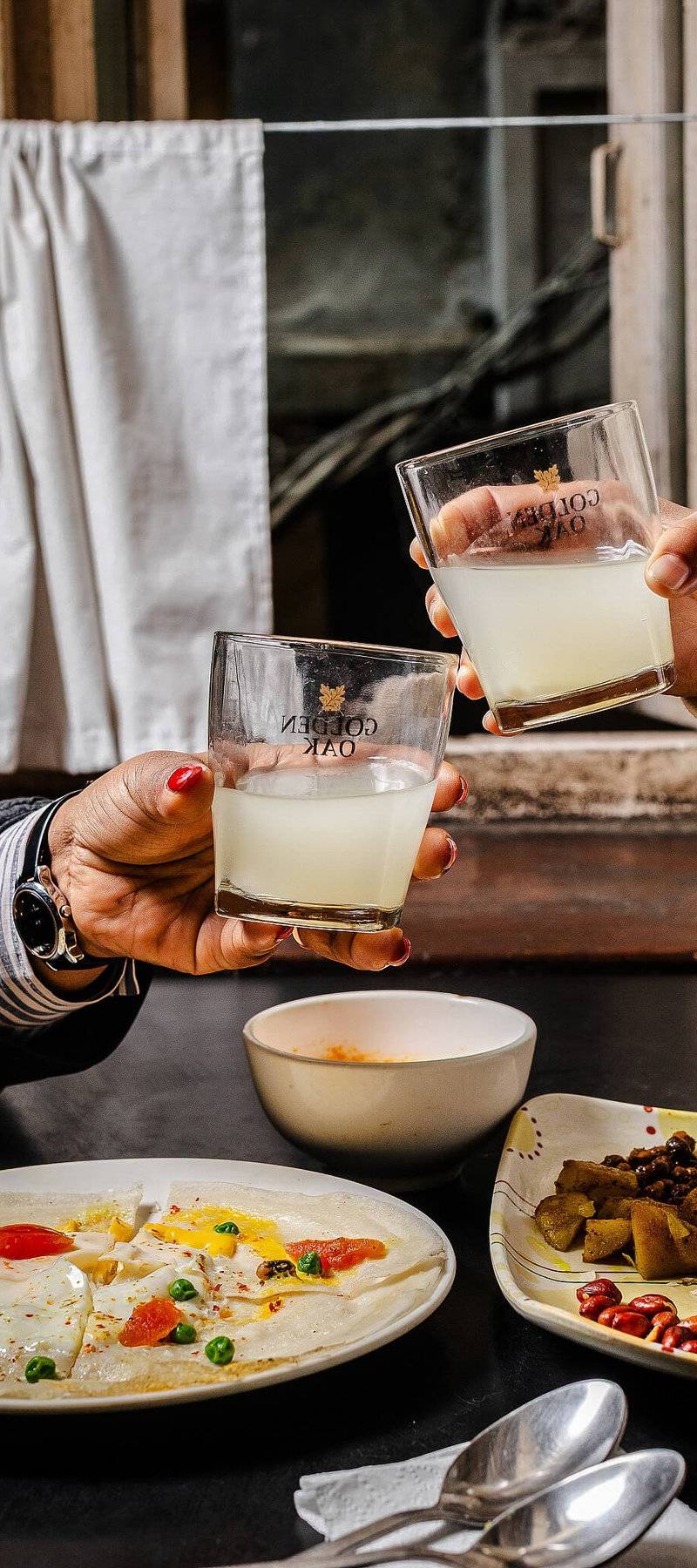
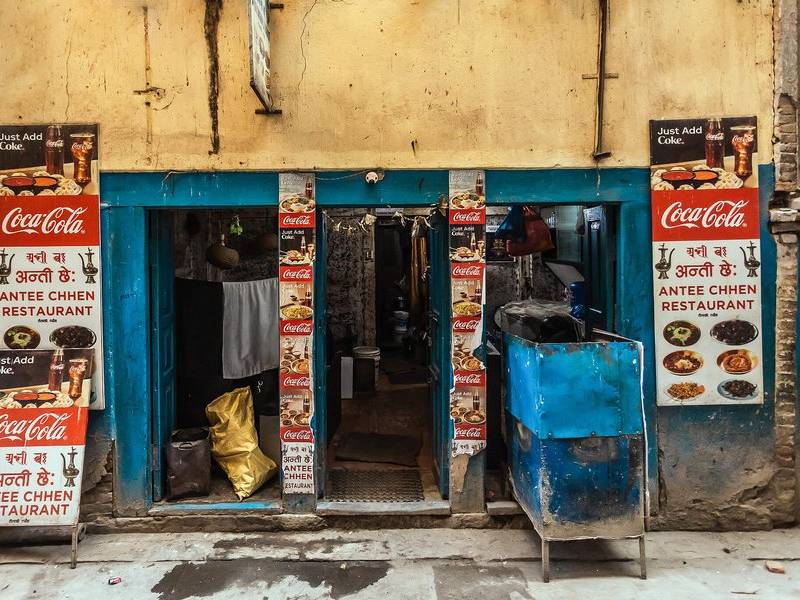
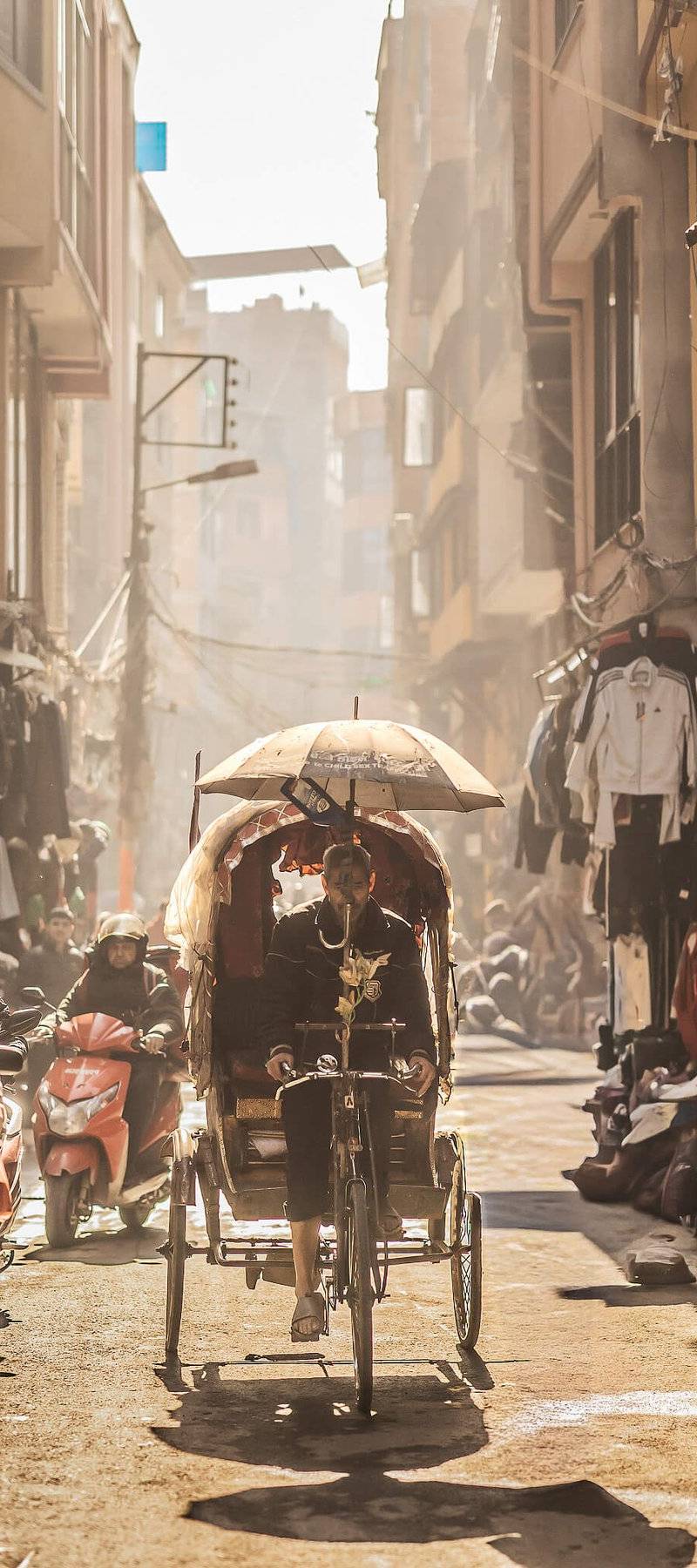
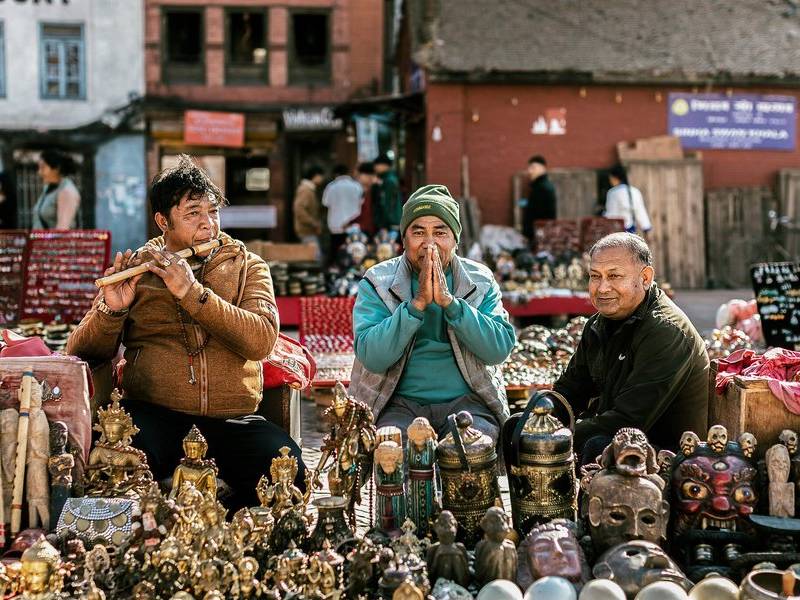
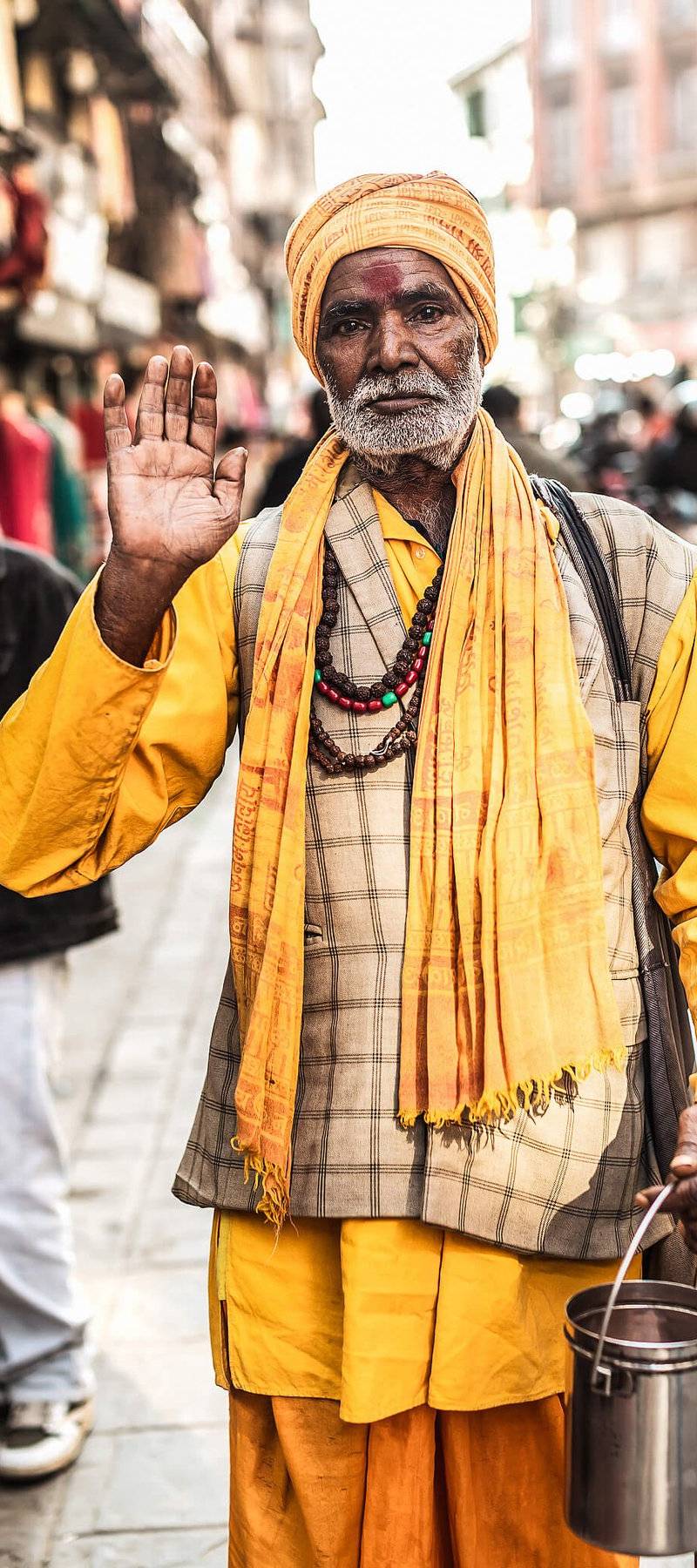
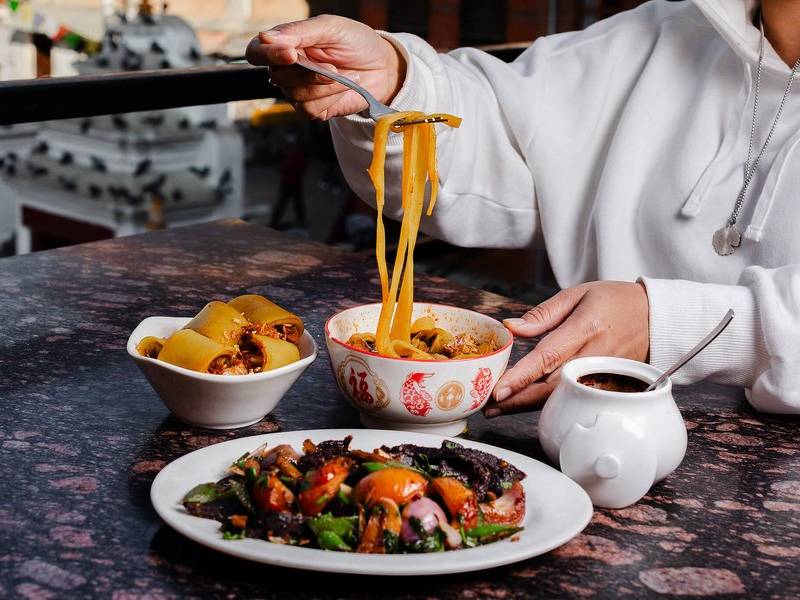
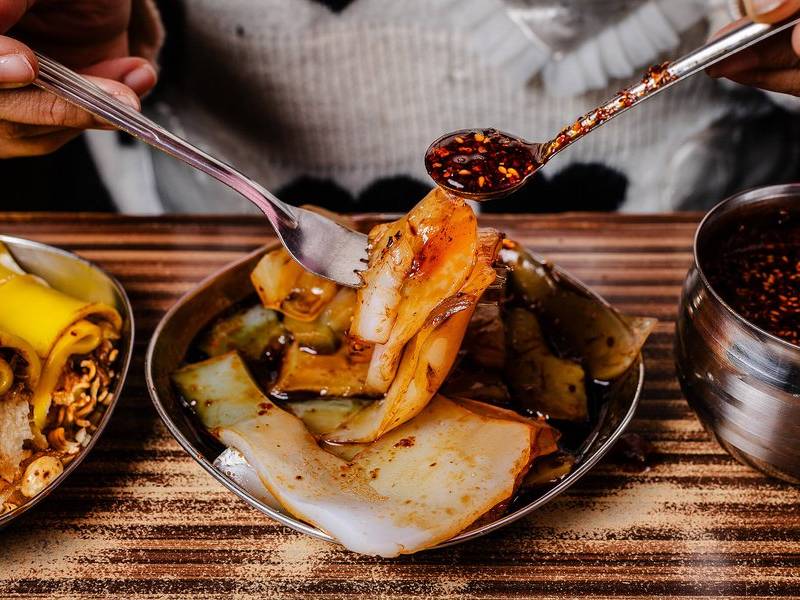
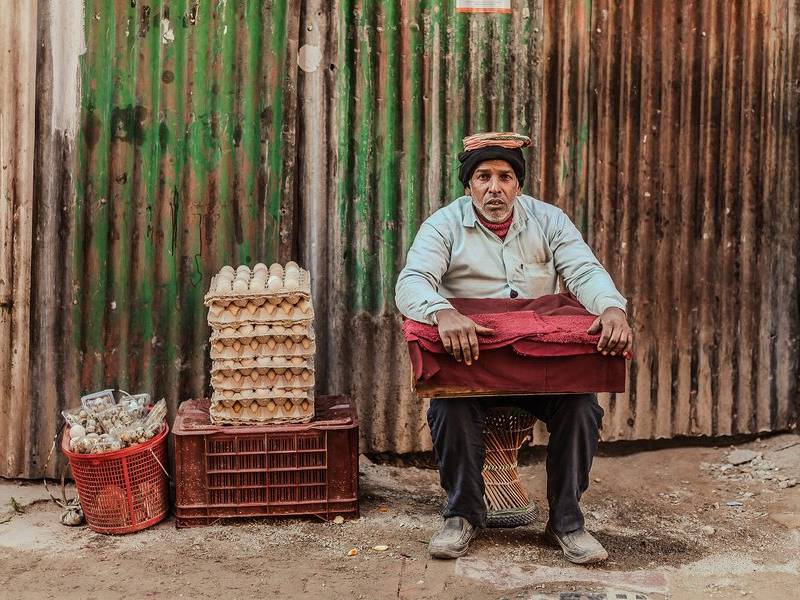
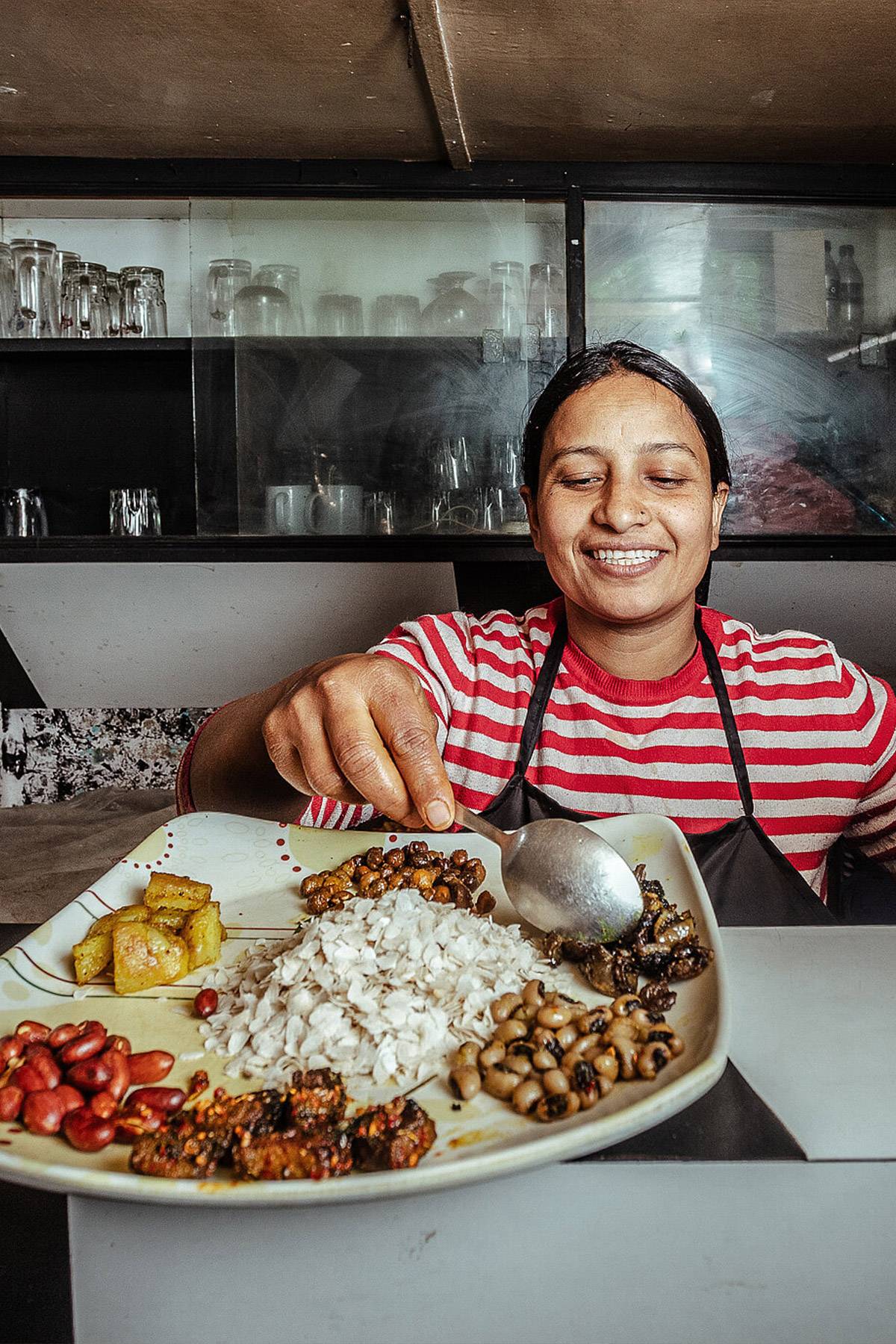
Momo dumplings steamed to order, dal bhat tarkari as the daily plate, sekuwa charcoal grilled meat, chatamari rice crepes. Nepali food sits between Tibetan and North Indian.
04 The pantry
- Timmur, Himalayan Szechuan pepper for the numbing edge
- Fermented greens, gundruk dried and sun-cured
- Sel roti batter, sweet rice-flour dough for ring-shaped bread
- Yak cheese, hard mountain cheese chhurpi for chewing
- Buff, buffalo meat used in most momos and stews
05 In the kitchen
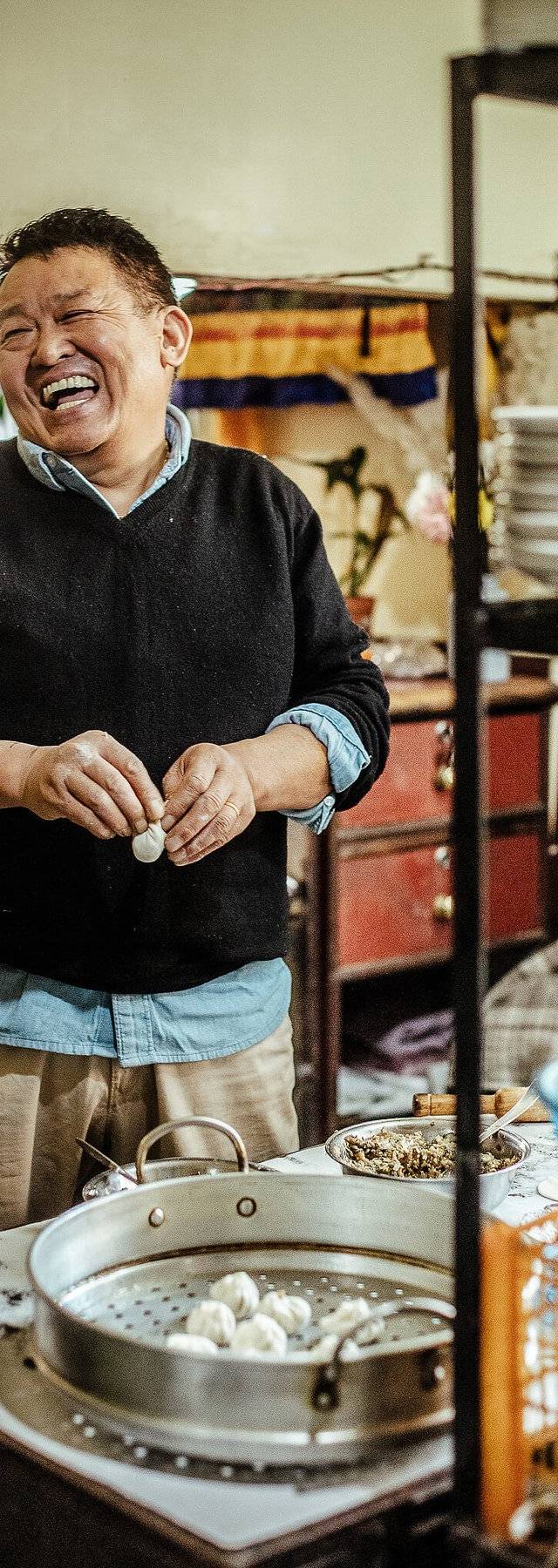
- Pleating momo dumplings into flowers before steaming
- Dry-frying gundruk fermented greens for the winter soup
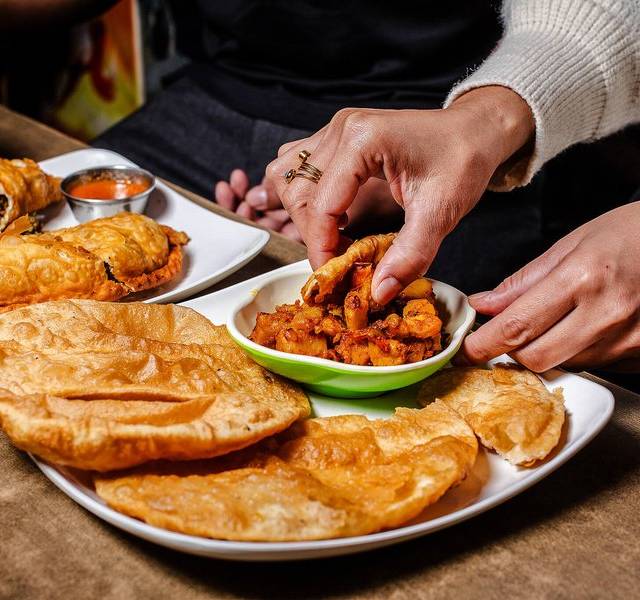
- Frying sel roti rings of sweet rice batter in hot oil
- Grilling sekuwa marinated meat over open charcoal
- Layering dal bhat tarkari with pickle, greens and curd for the daily plate
06 Eat this first
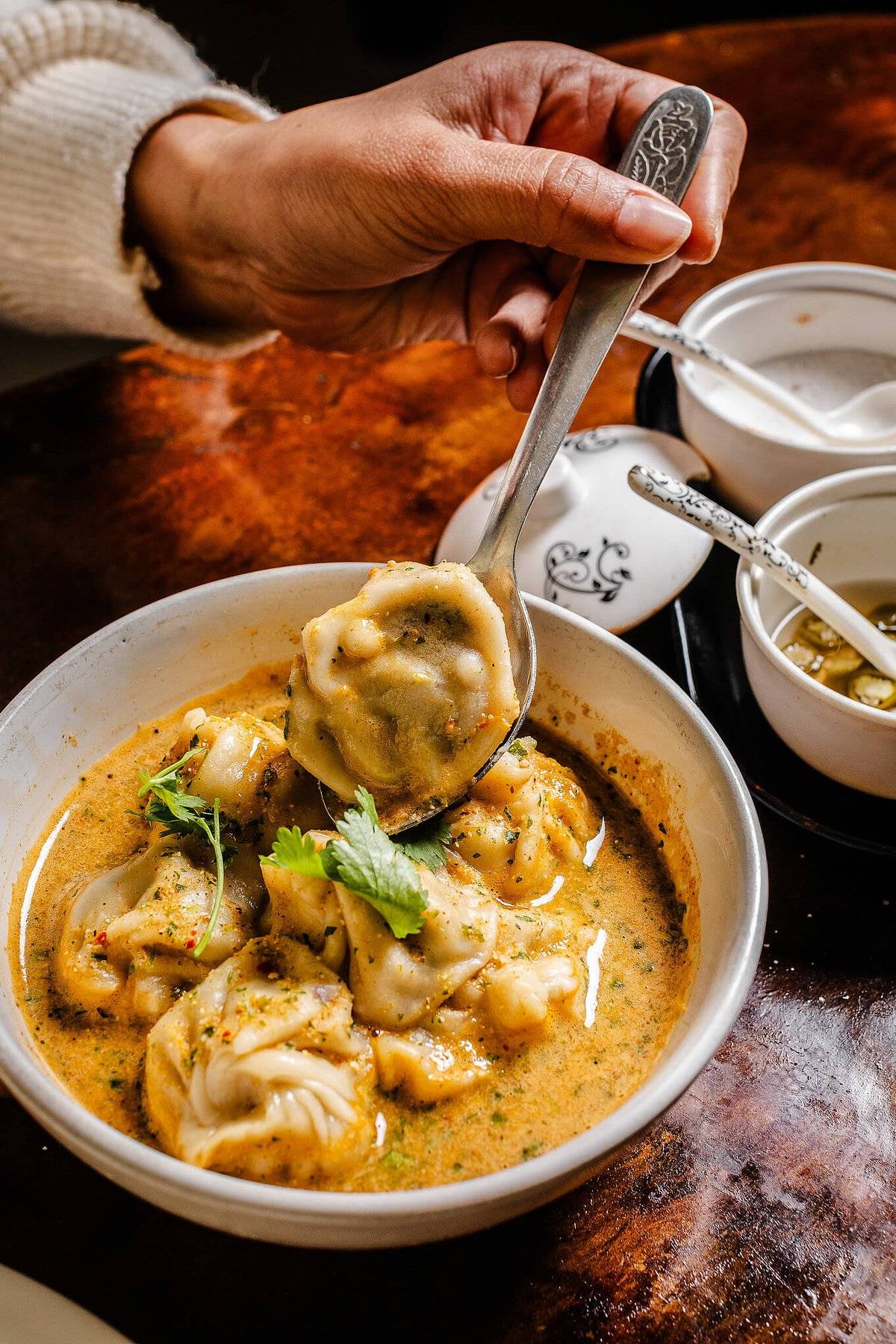
- Momo, steamed buff dumplings dipped in tomato and sesame chutney
- Dal bhat tarkari, lentils, rice and vegetables on the daily plate
- Sekuwa, charcoal-grilled marinated meat with beaten rice
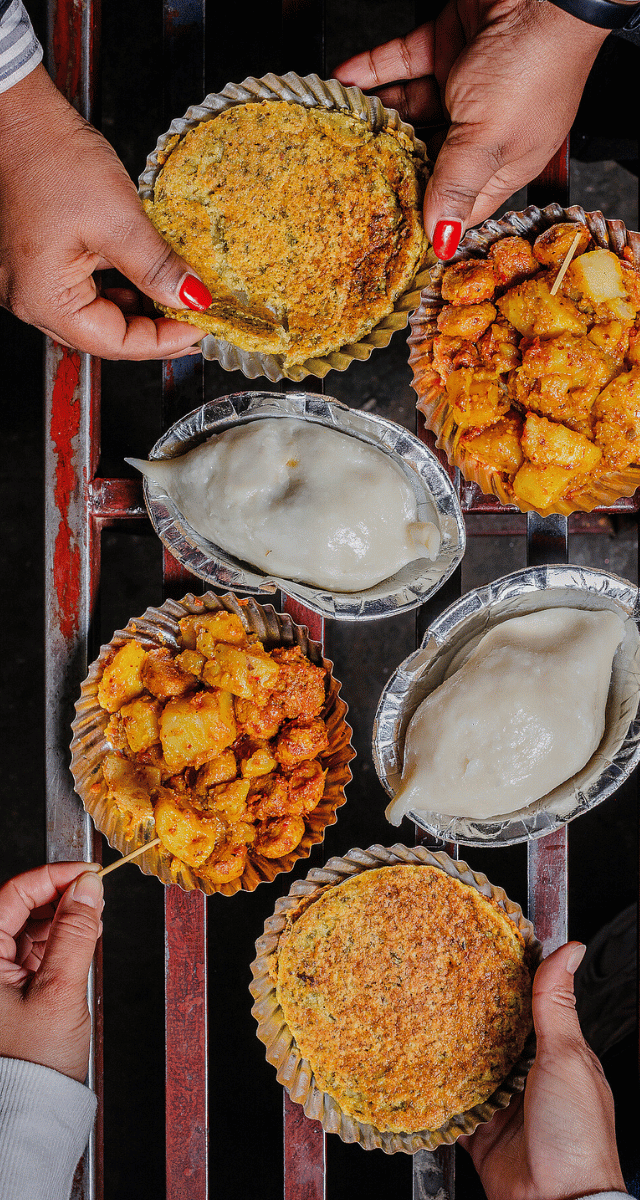
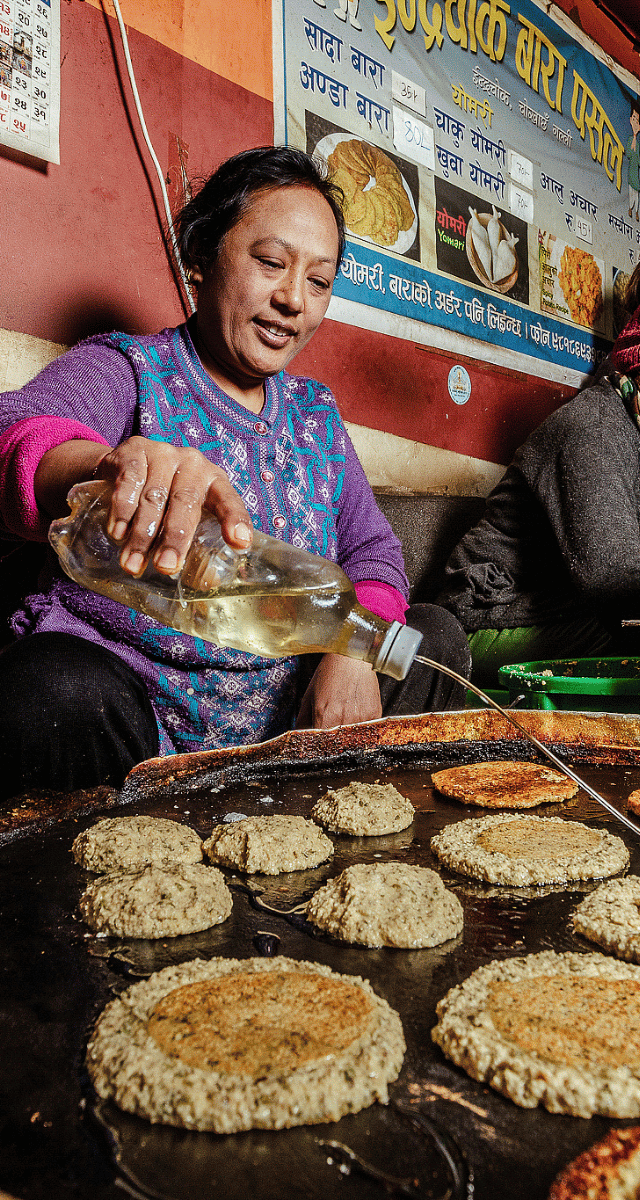
- Chatamari, Newari rice crepe topped with minced meat and egg
- Yomari, steamed rice-flour dumpling with molasses and sesame


What happens inside a hammam kitchen
A morning with the cooks who feed the neighbourhood before dawn. Charcoal, dough, the smell of a bakery working its second oven.
09 Recipes
A collection of authentic recipes we couldn't leave behind.
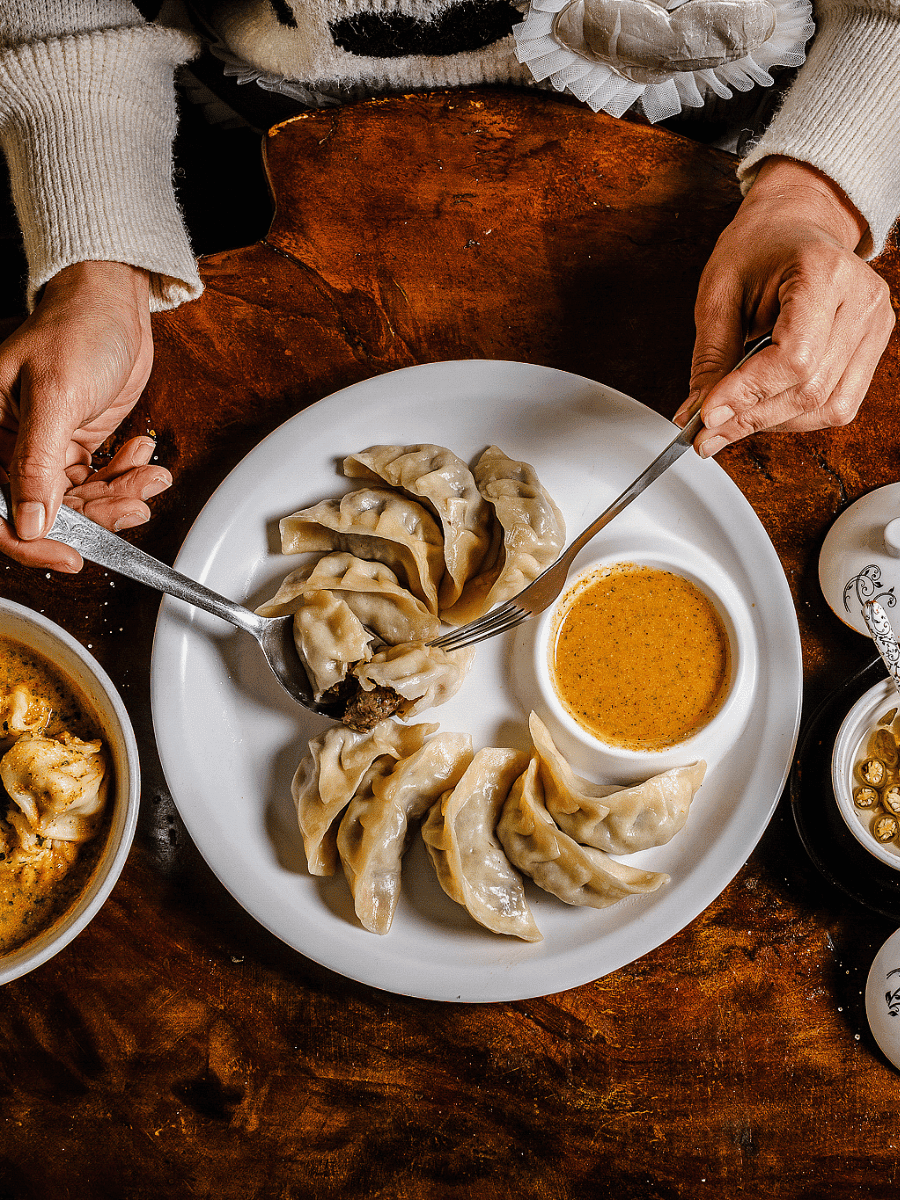
Pleated dumplings filled with spiced buffalo, chicken or vegetable mince, steamed in bamboo baskets and served with a fiery sesame-tomato dipping sauce.

Bright orange fried batter spirals soaked in cardamom-scented sugar syrup. Kathmandu's Newari sweet, sold hot from bubbling oil at every sweet shop.
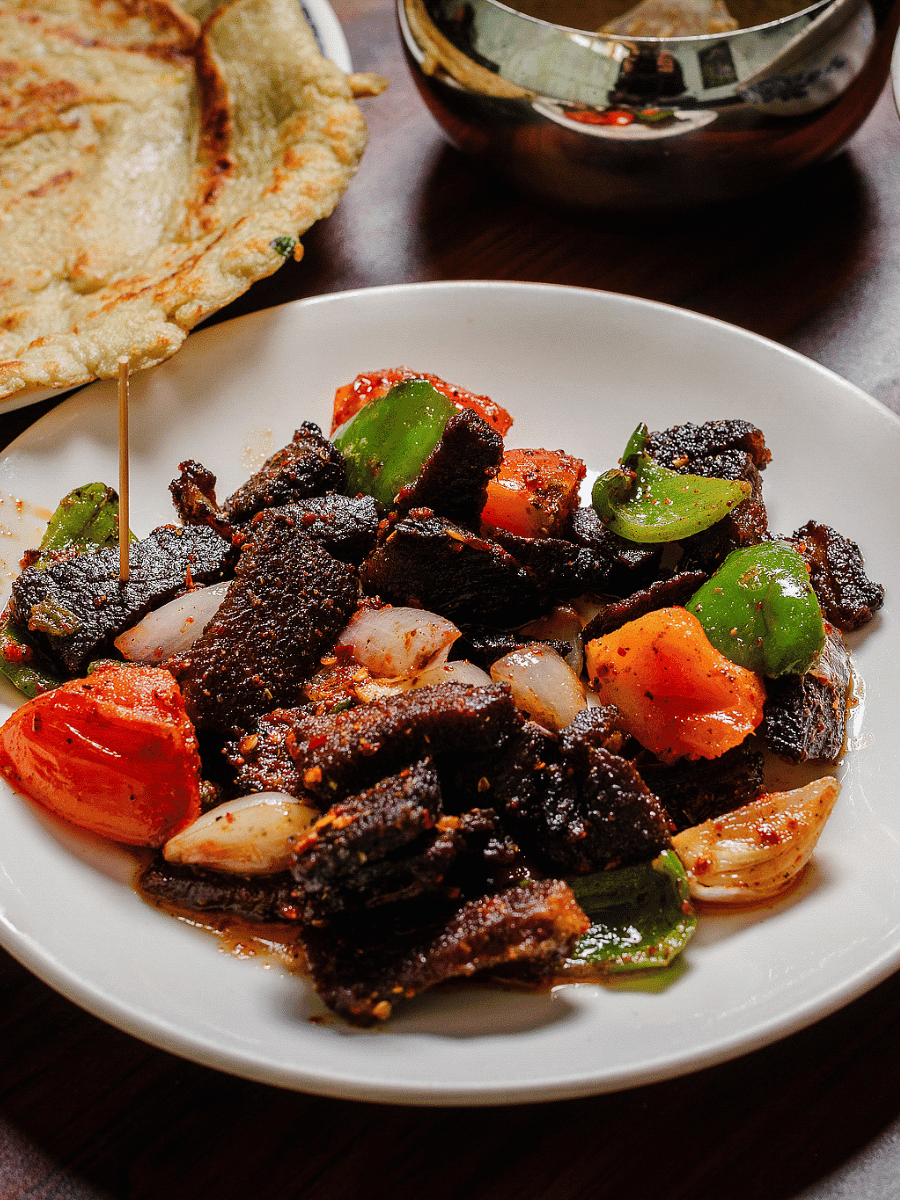
Buffalo strips wok-fried hard with onion, capsicum and green chilies in a soy-vinegar sauce. Kathmandu's Newari-Chinese Sunday-lunch centrepiece.

Roasted black soybeans dressed with mustard oil, garlic, ginger, chilies and Timur pepper. Newari beer snack, best with a cold Gorkha lager.

Thick sweetened yogurt whisked with rose water and cardamom, poured over ice into tall glasses. Kathmandu's Newari-Indian summer refresher.

"King of yogurts" — thick, sweet, saffron-tinged buffalo-milk yogurt set in small clay pots. Bhaktapur's most famous dessert, sold since Malla times.
10 Field Notes
Quick field notes to help you get accustomed to Kathmandu.
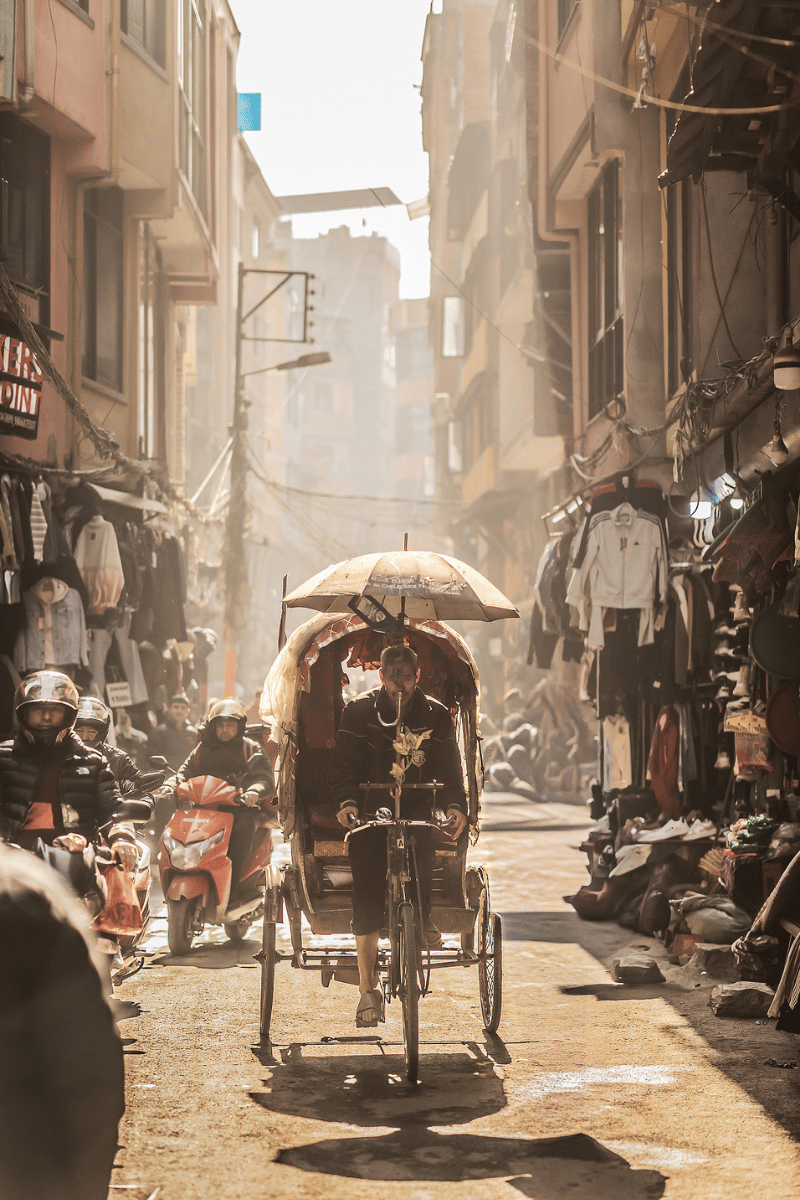
Weather
Cool highland climate at 1,400 m. Mild springs and autumns, cool damp winters (near freezing at night), and monsoon June to September. October and April are ideal.
Currency
The Nepalese rupee (NPR). Cash almost everywhere in Thamel and outside upscale hotels. ATMs are common. Indian rupees (100 and below) also accepted.
Language
Nepali is the everyday language. English is widely spoken in tourism thanks to trekking. Newari heard among the older Kathmandu families.
Etiquette
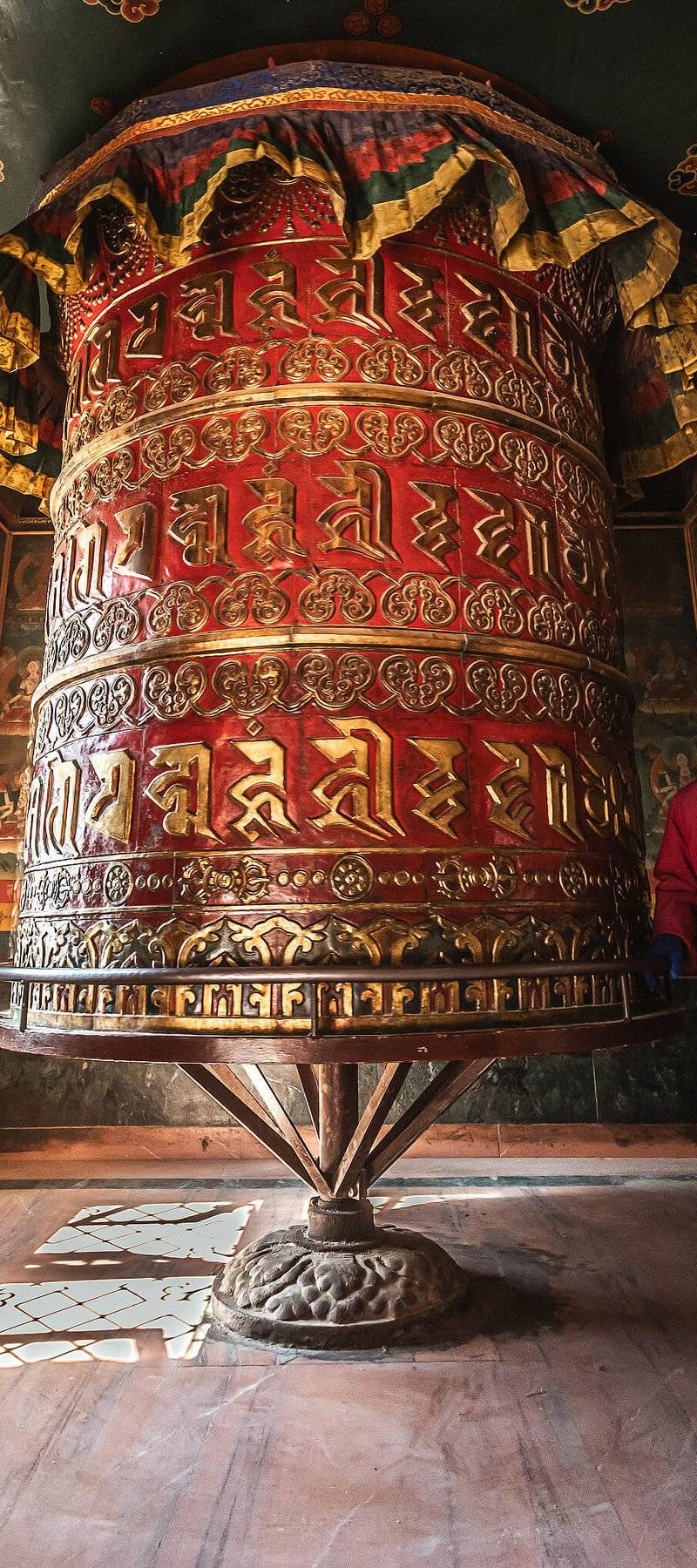
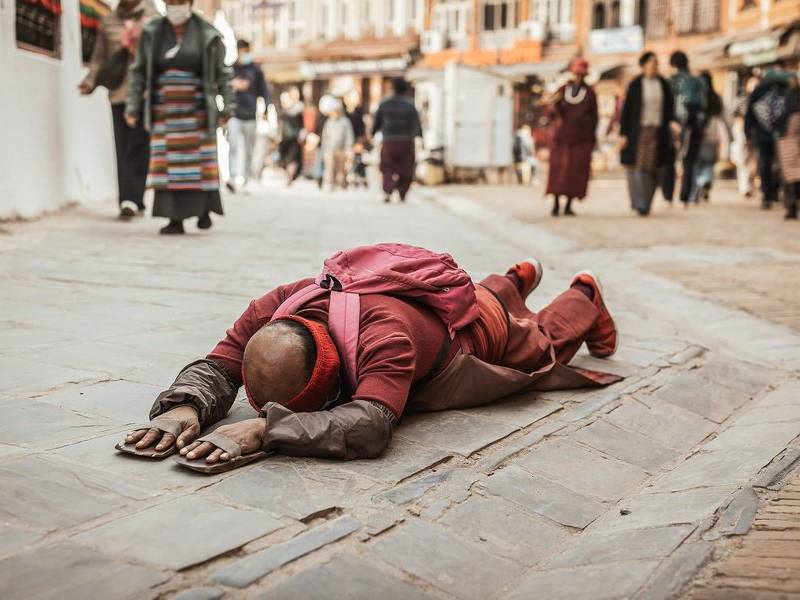
Modest dress at temples and stupas. Cover shoulders and knees. Walk clockwise around stupas and prayer wheels. Do not touch heads (sacred in Hindu / Buddhist culture).
Getting around
Thamel is walkable. The rest of the city is best by taxi (agree the fare, no metres). Apps Pathao and inDrive both work. Traffic and dust are legendary.
Prayer
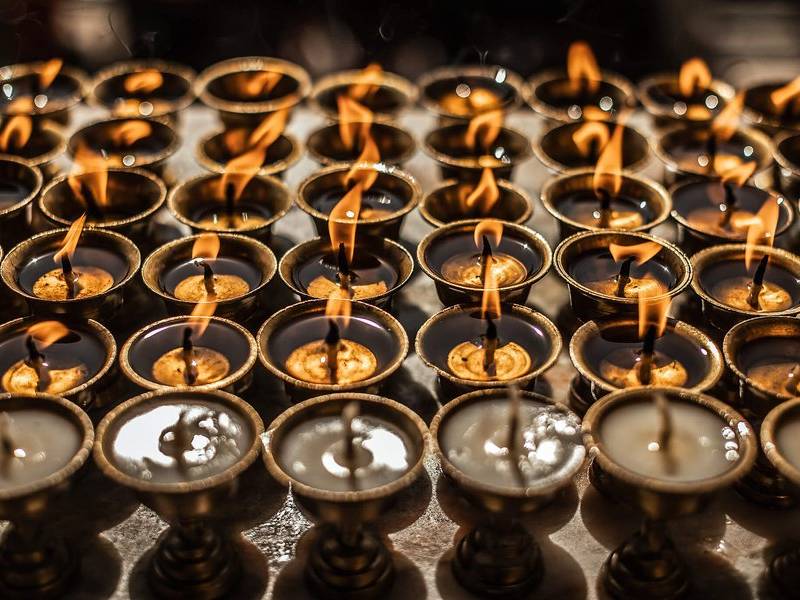
Hindu and Buddhist traditions share sites. Pashupatinath (Hindu) and Boudhanath (Buddhist) are both spiritual landmarks. The rhythm of pujas, prayer flags, and butter lamps runs constantly.