
01 Food tours
Original food tours, curated with our local tastemakers to showcase the neighbourhood kitchens, markets and family-run eateries that define Kampala.
Matoke Moments
Kampala
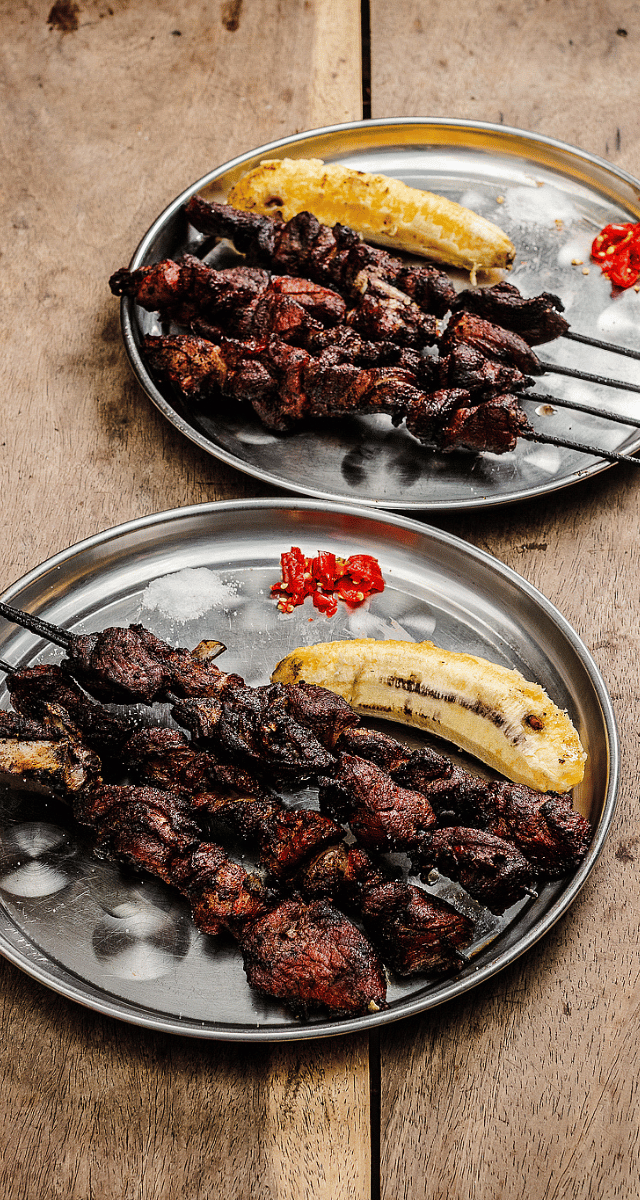
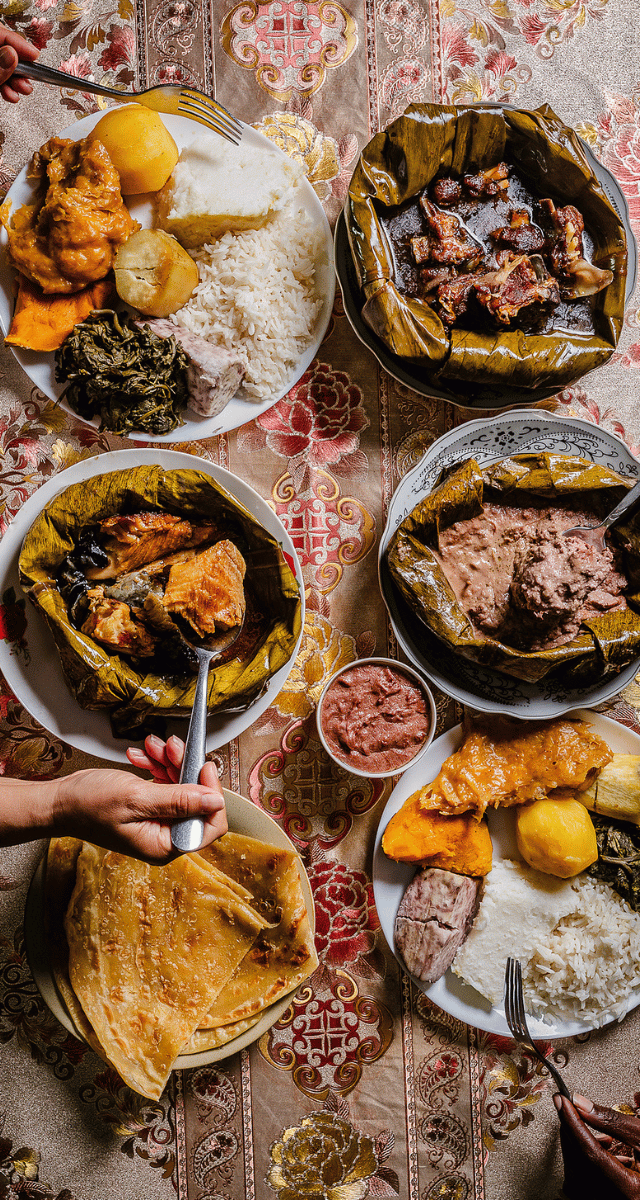
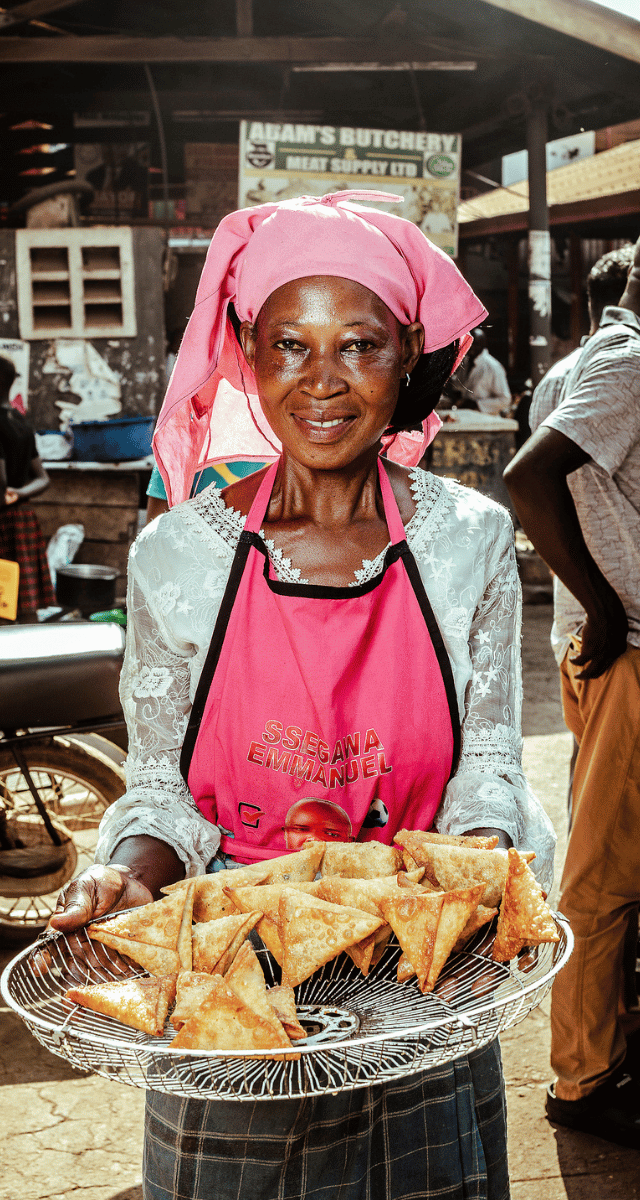
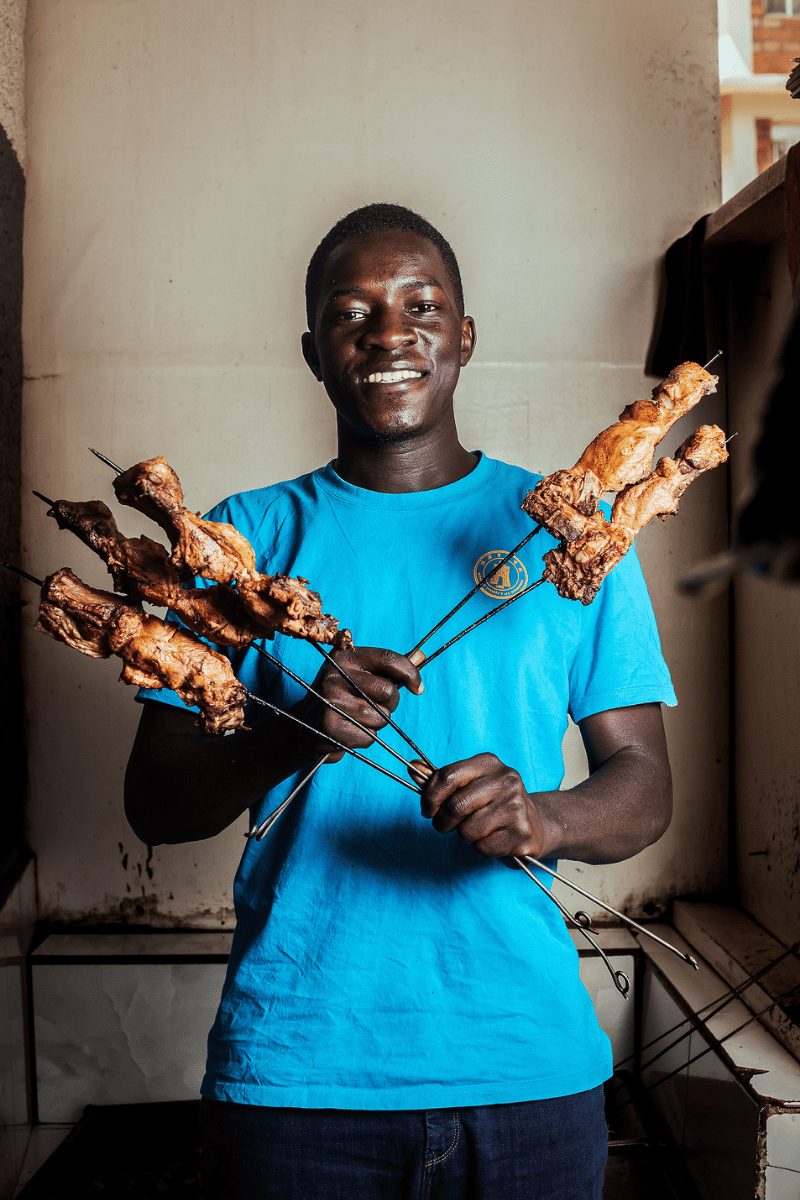
Eat Kampala at lunchtime — matoke, rolex chapati and muchomo grilled goat.
Kampala Kitchens
Kampala
Discover Kampala's soft, starchy table — matoke, luwombo, rolex and muchomo grilled goat.
02 Meet the tastemakers
The local food experts who help us research, refine and lead every A Chef's Tour.


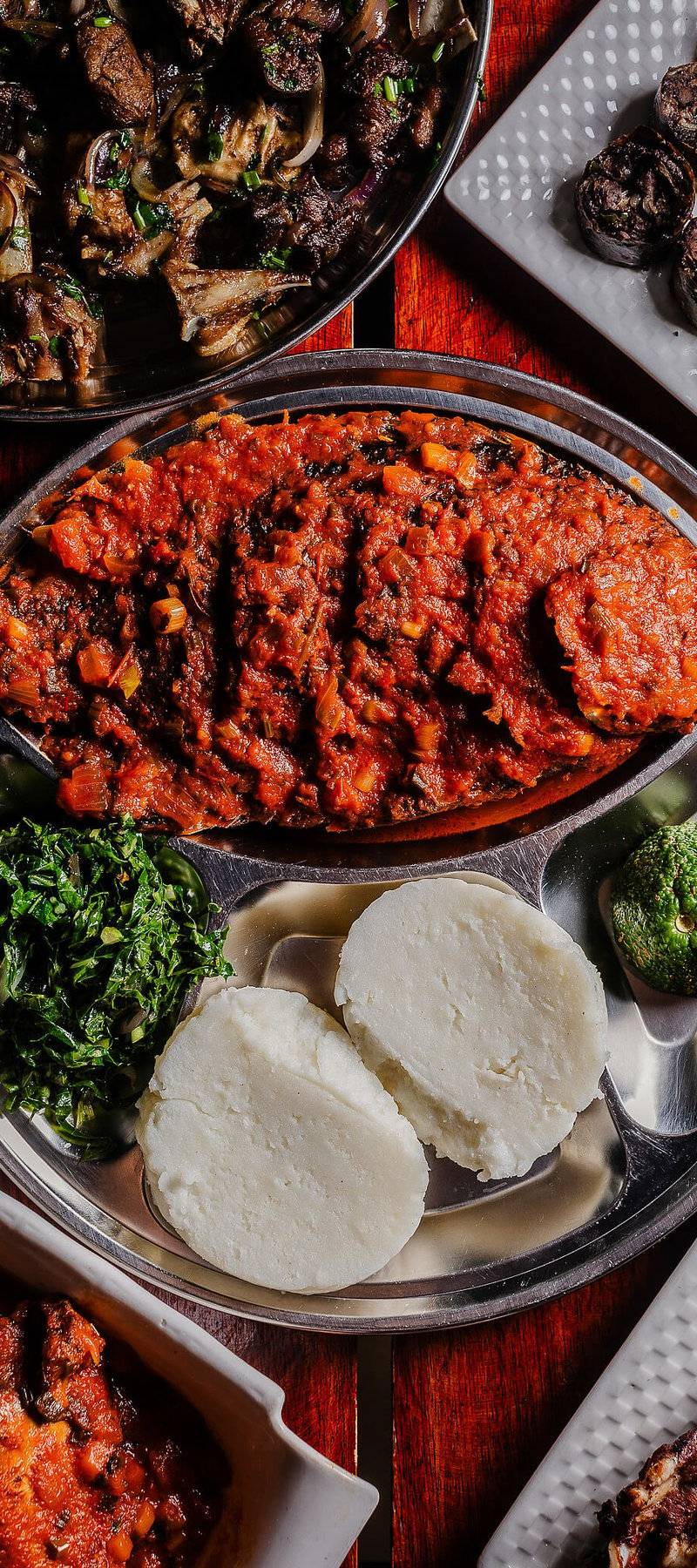
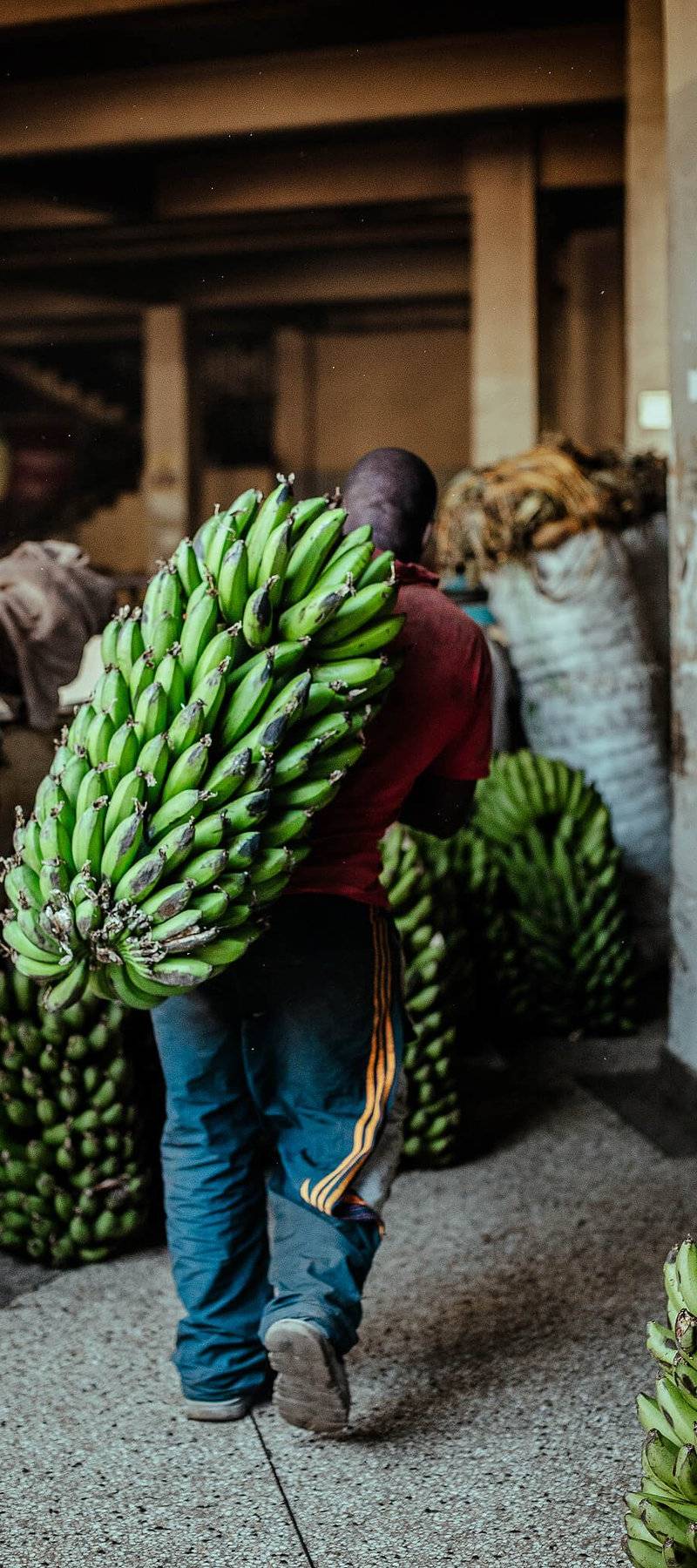
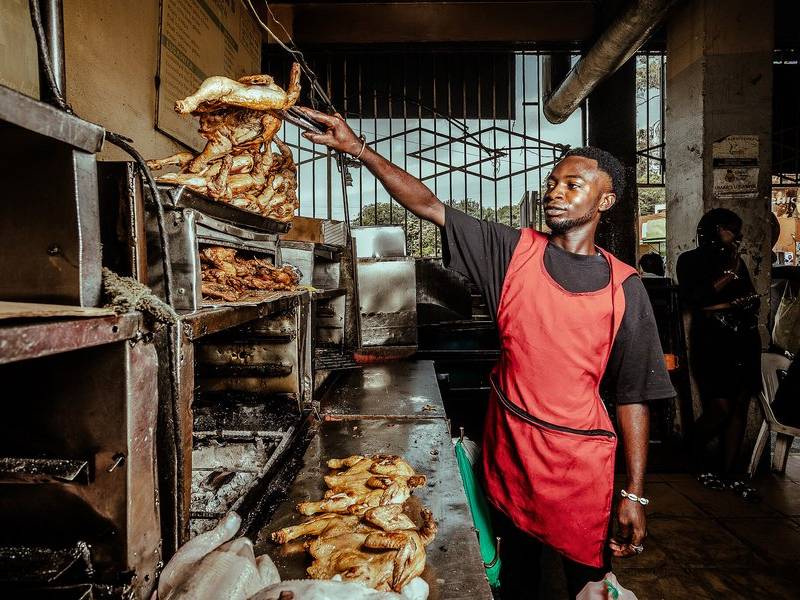
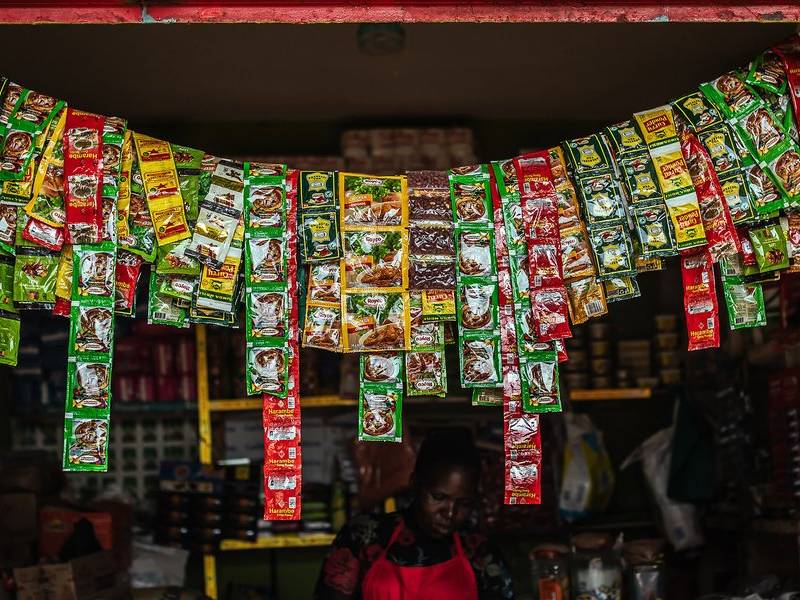
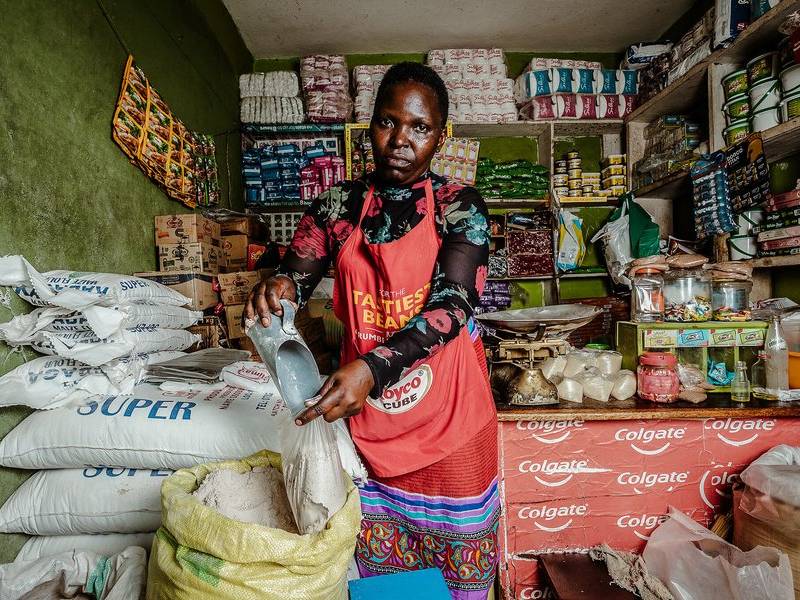
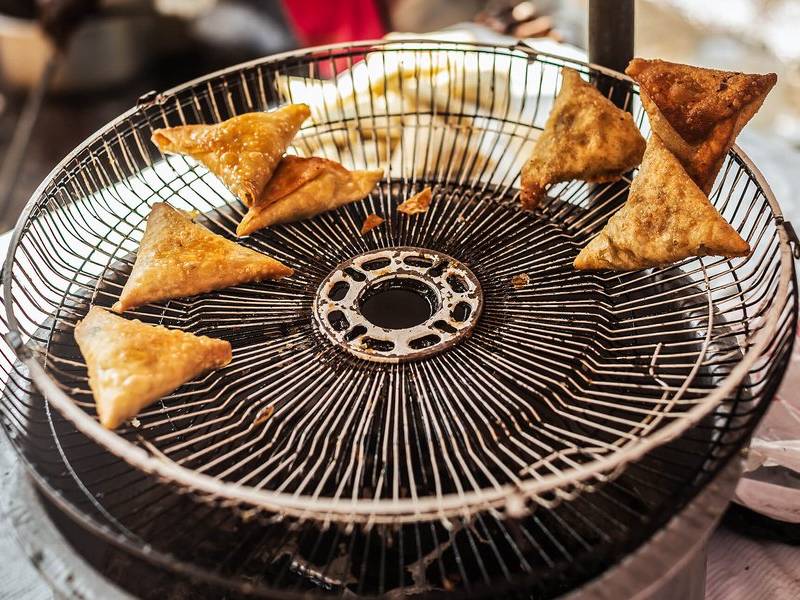
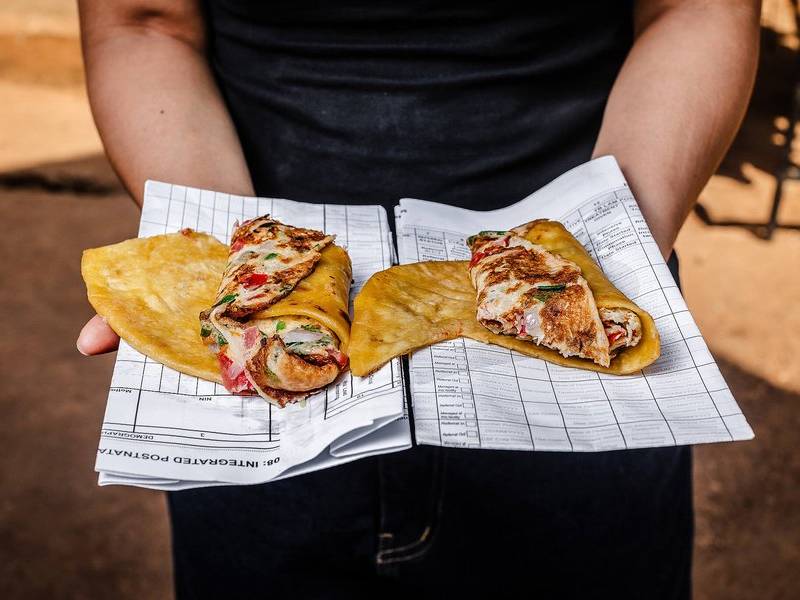
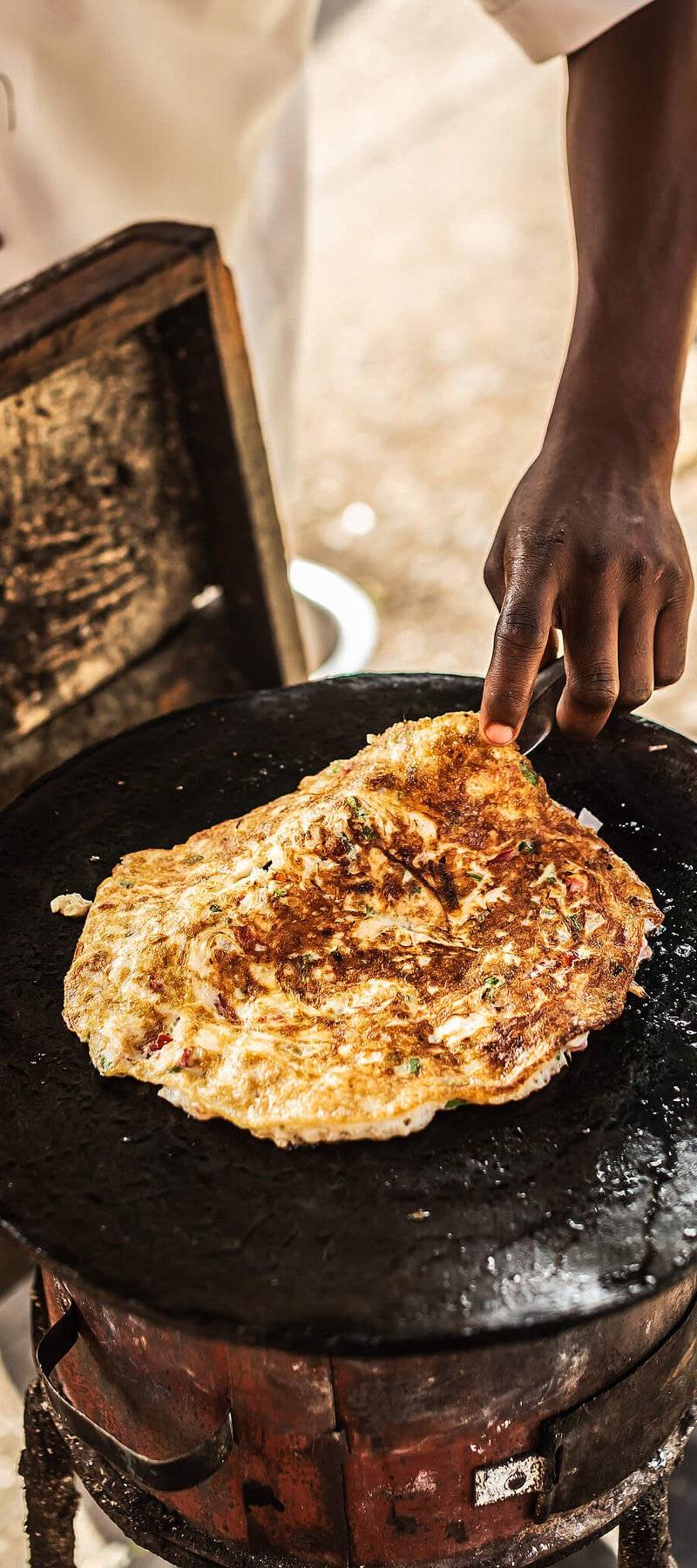
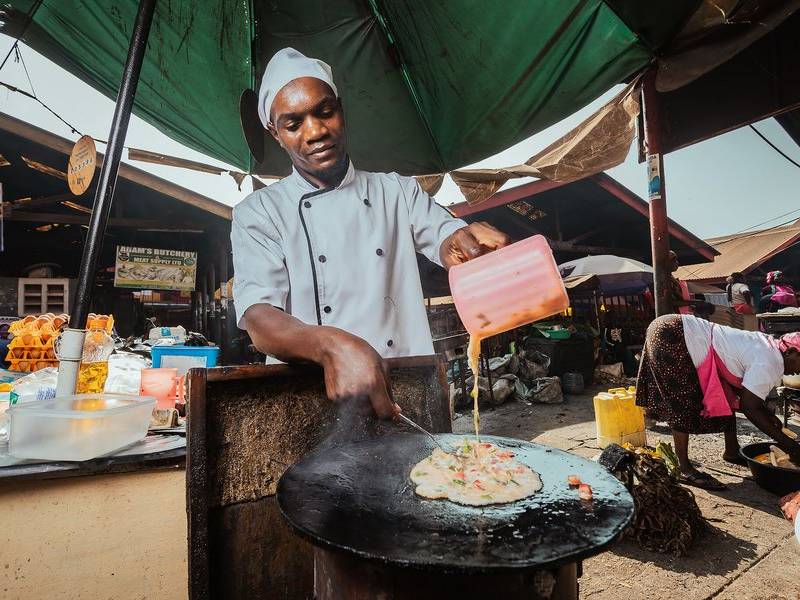
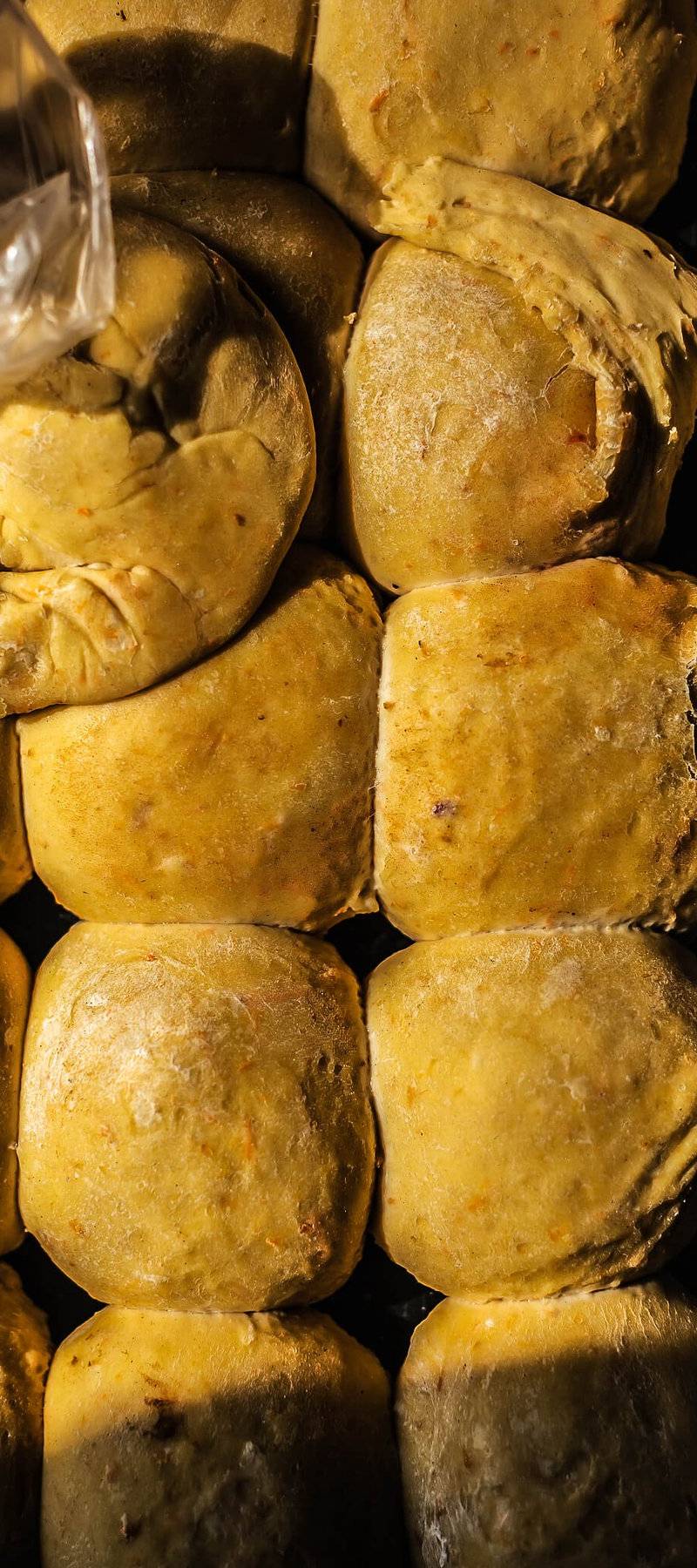
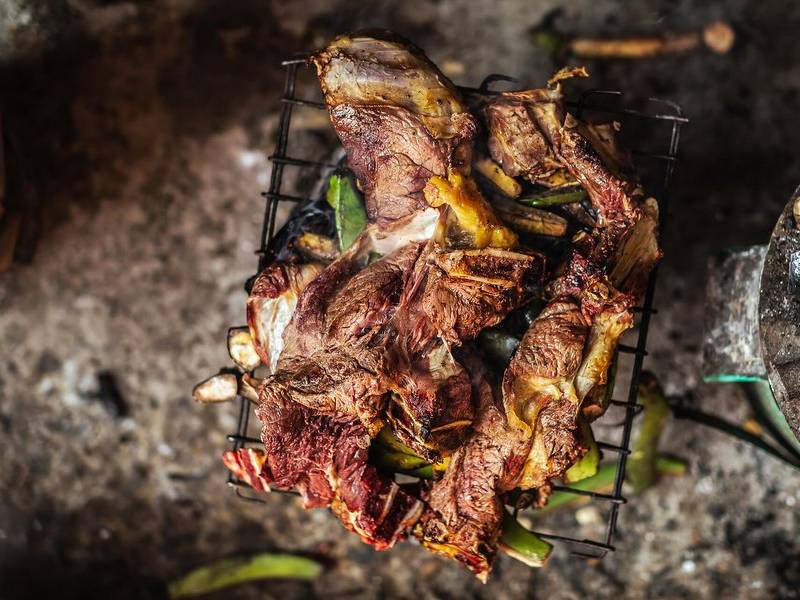
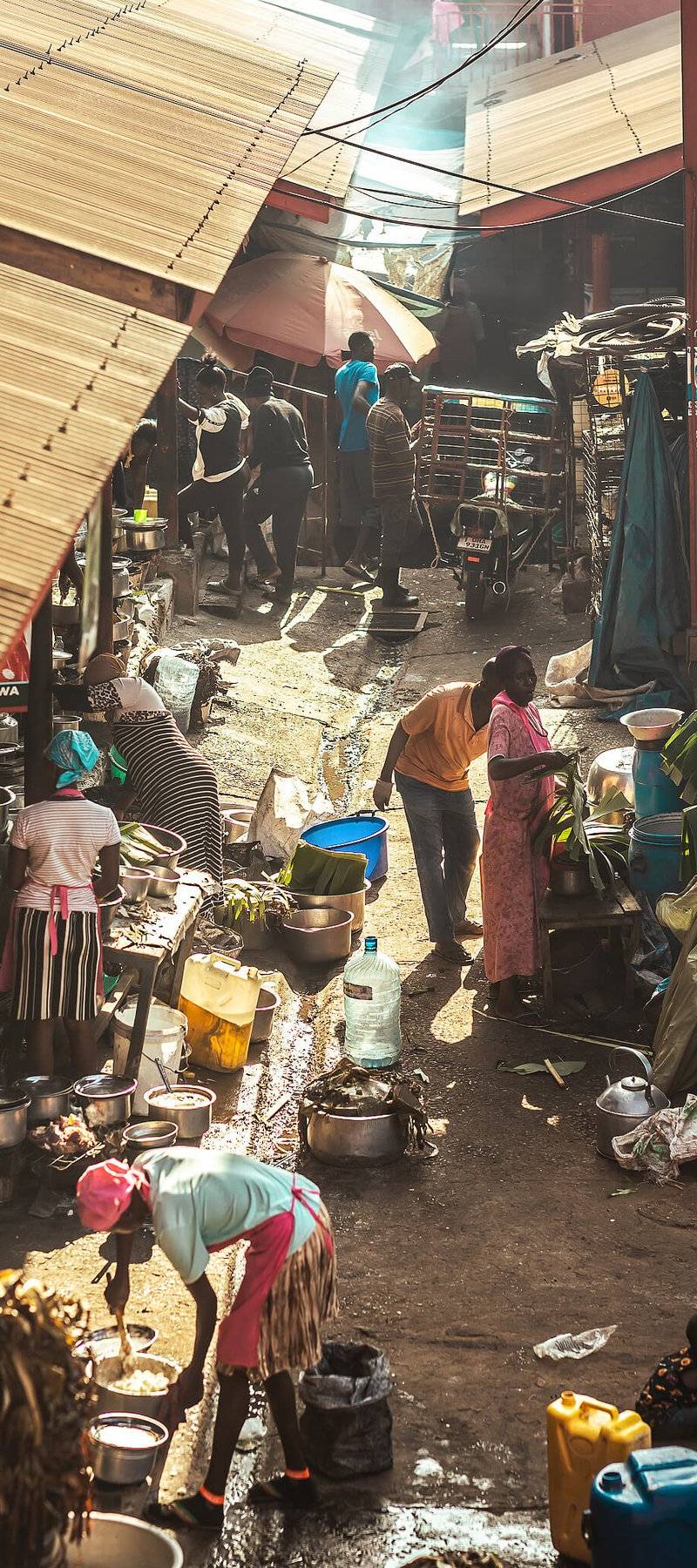
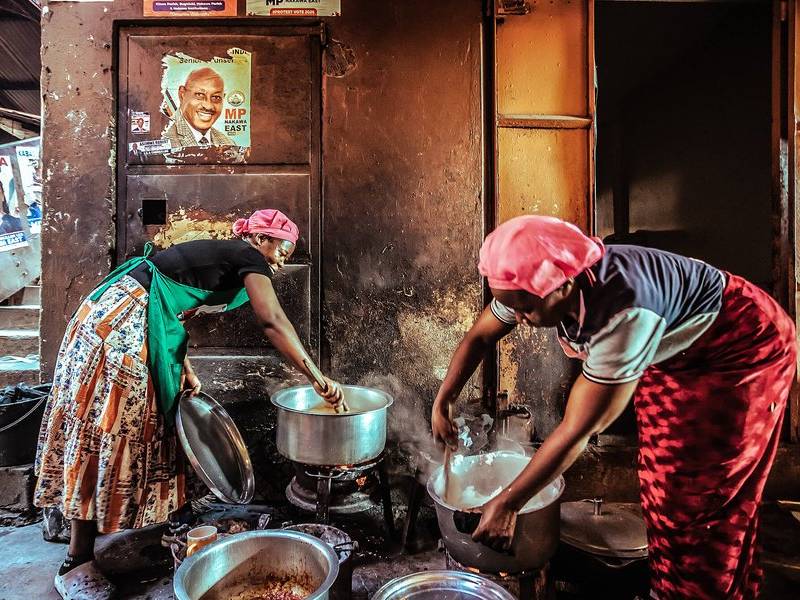
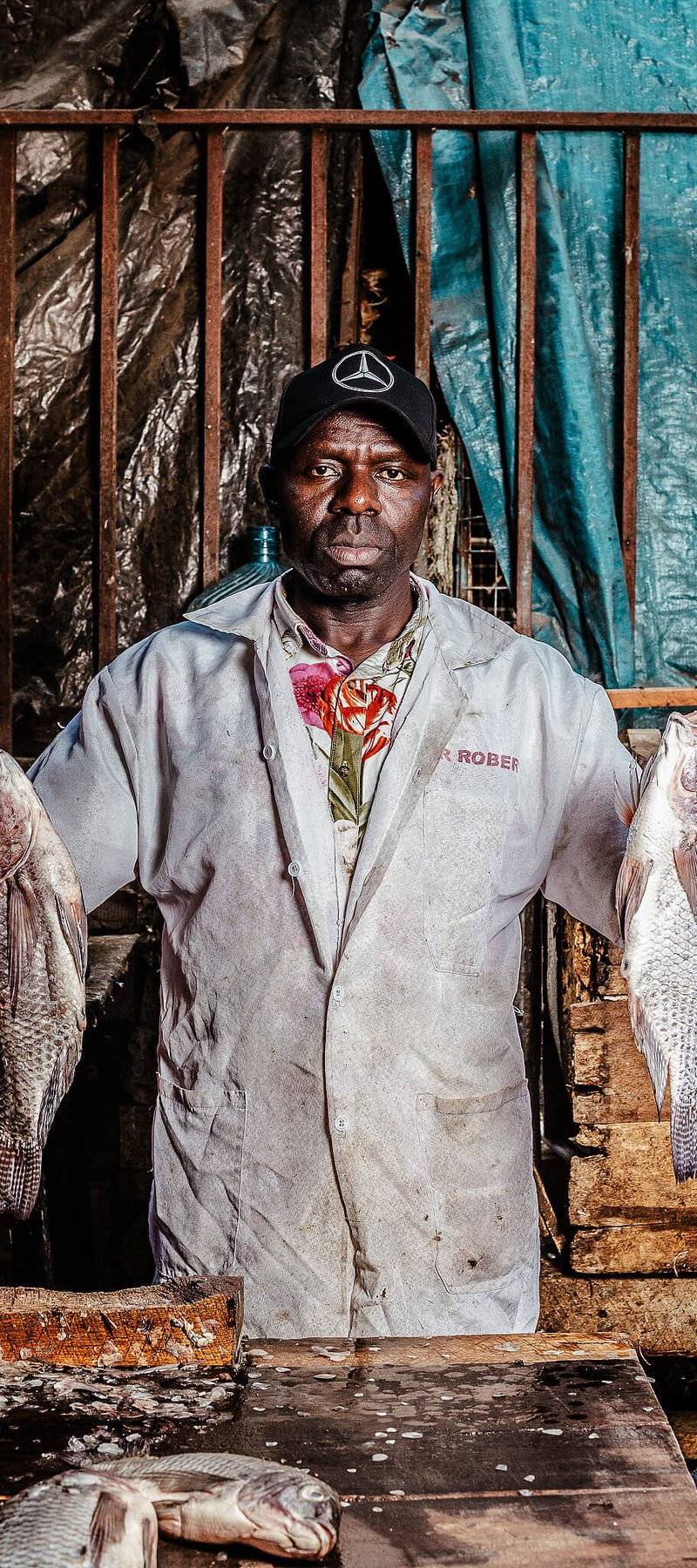
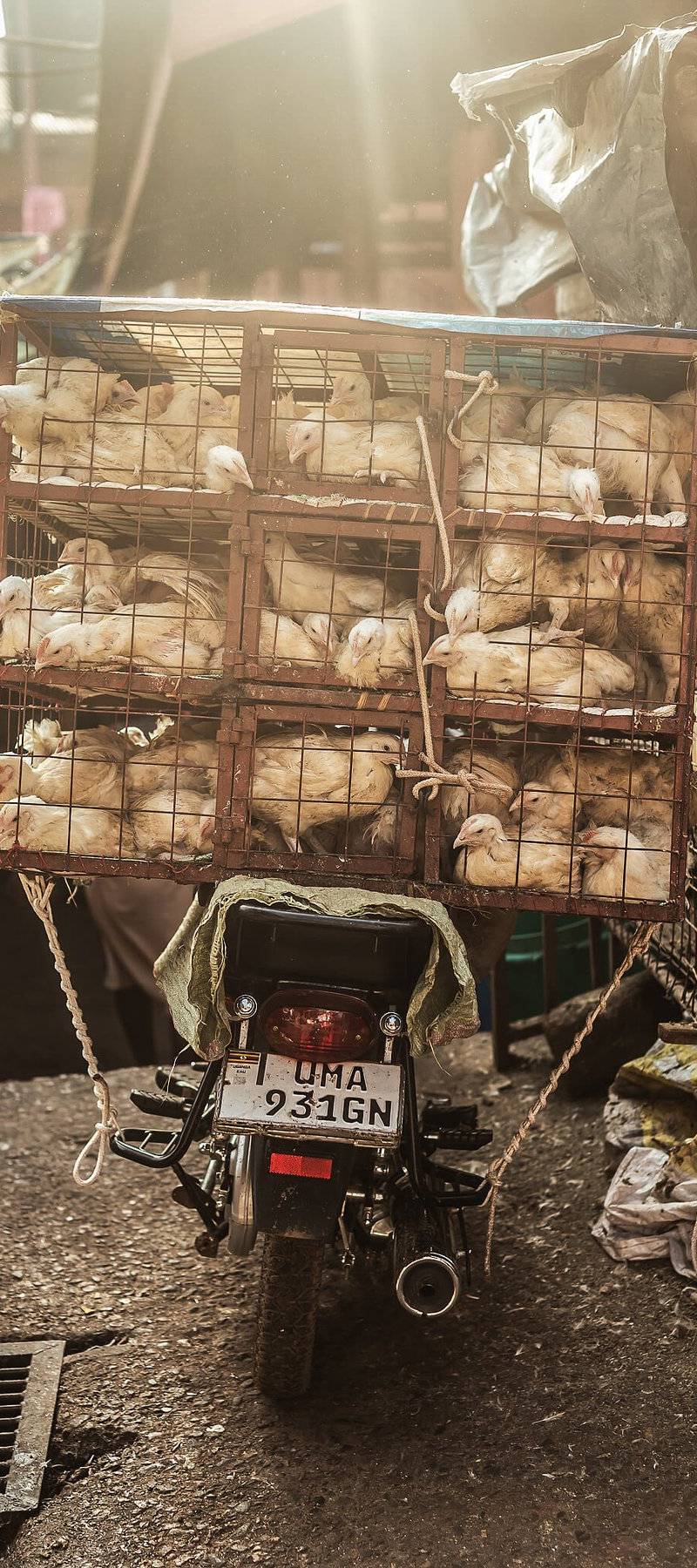
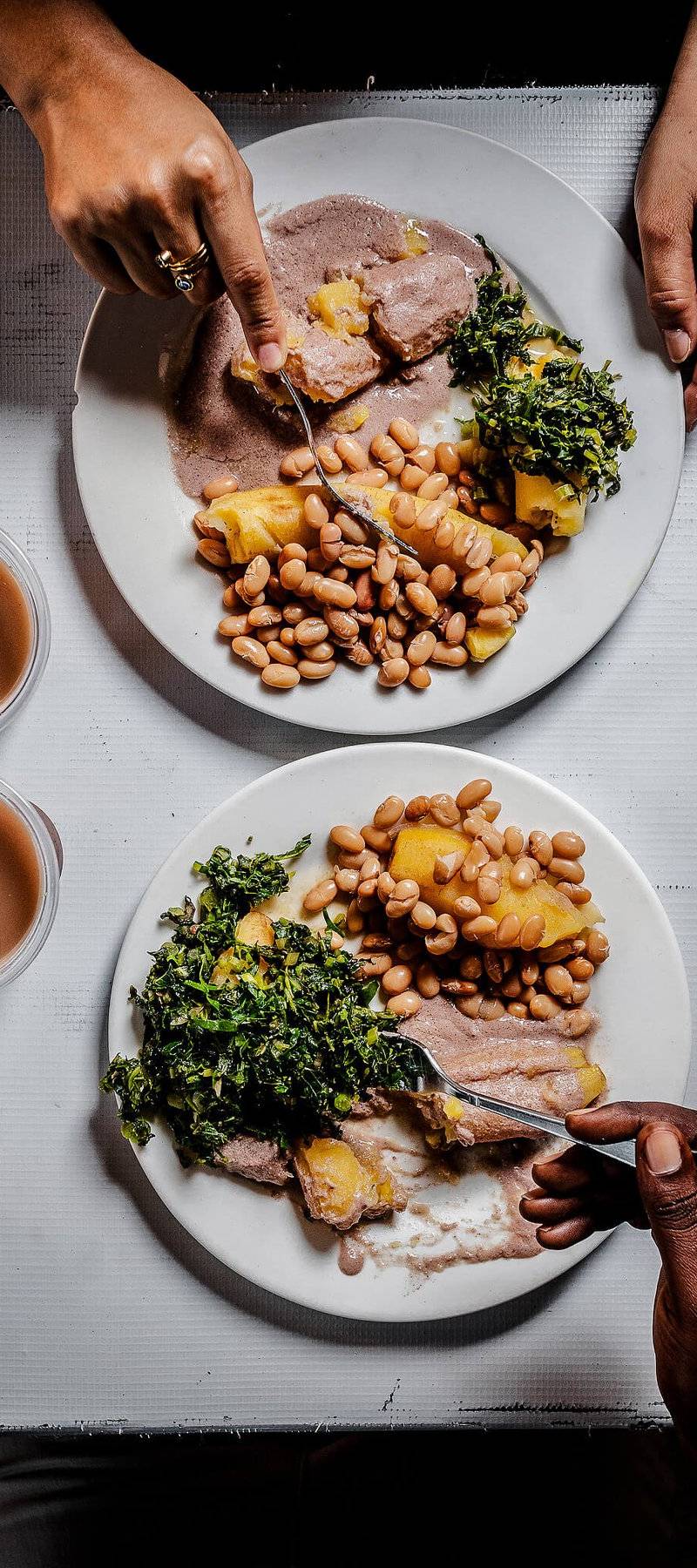
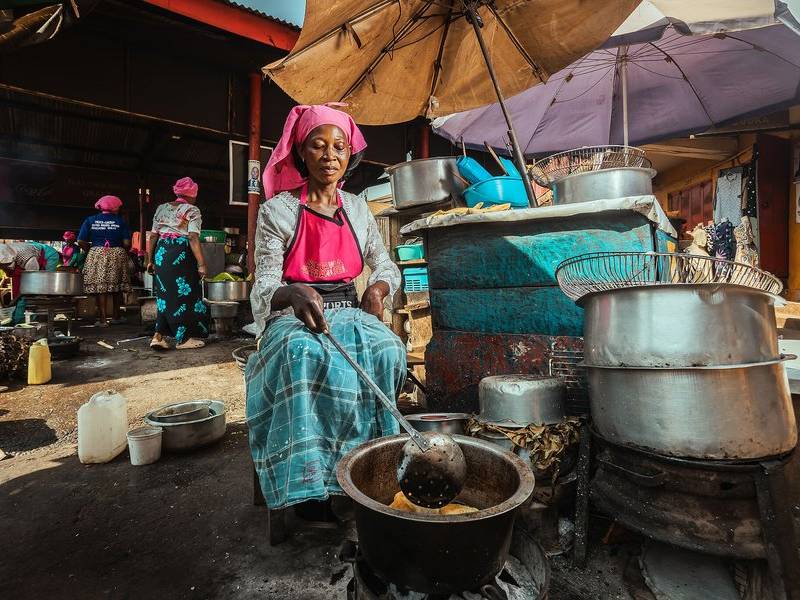
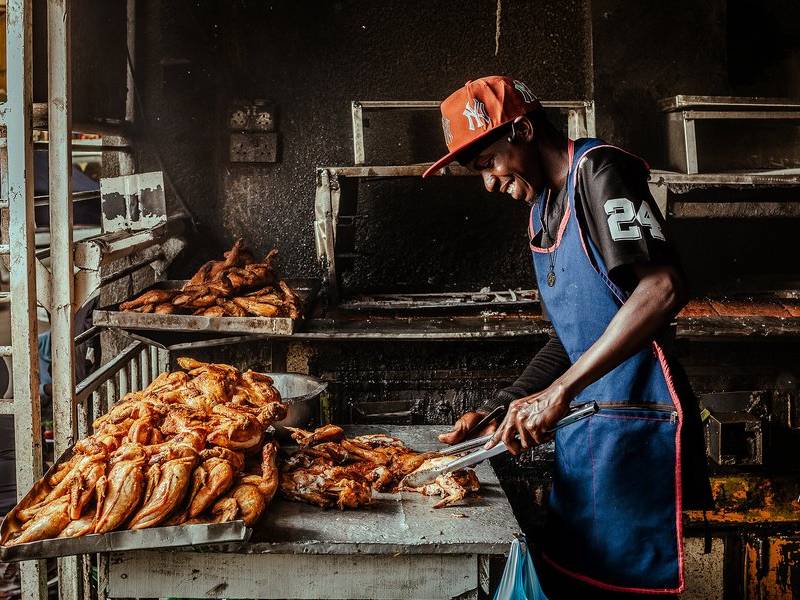
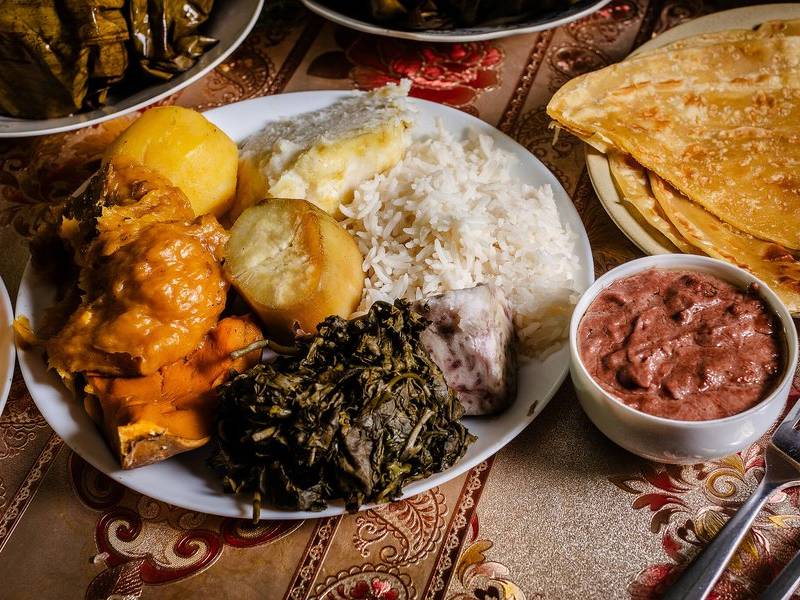
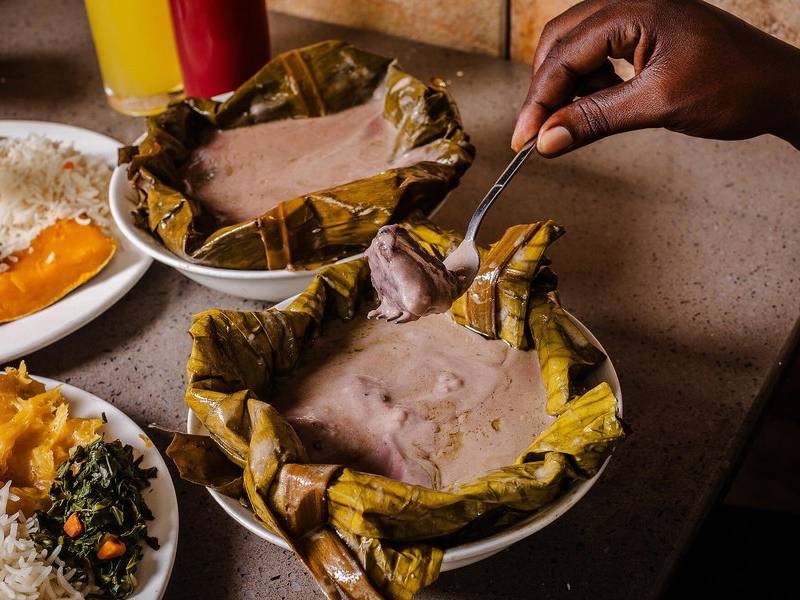
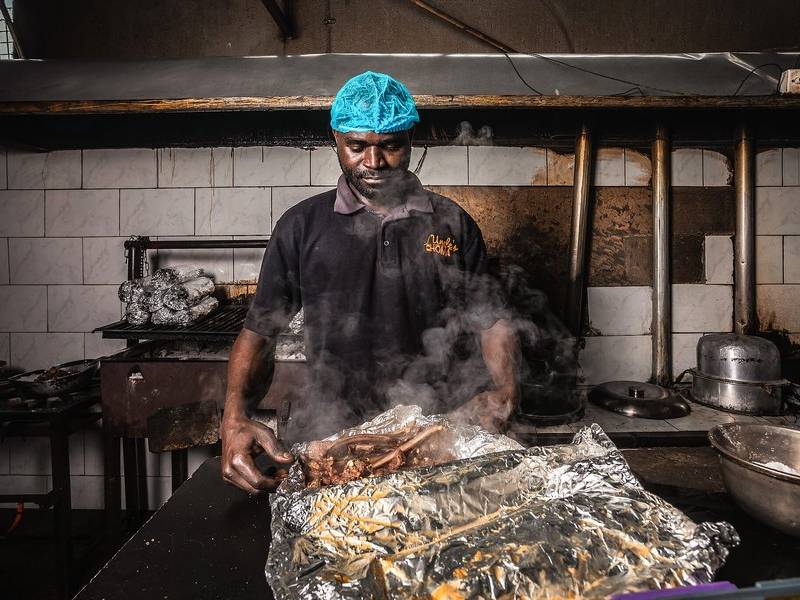
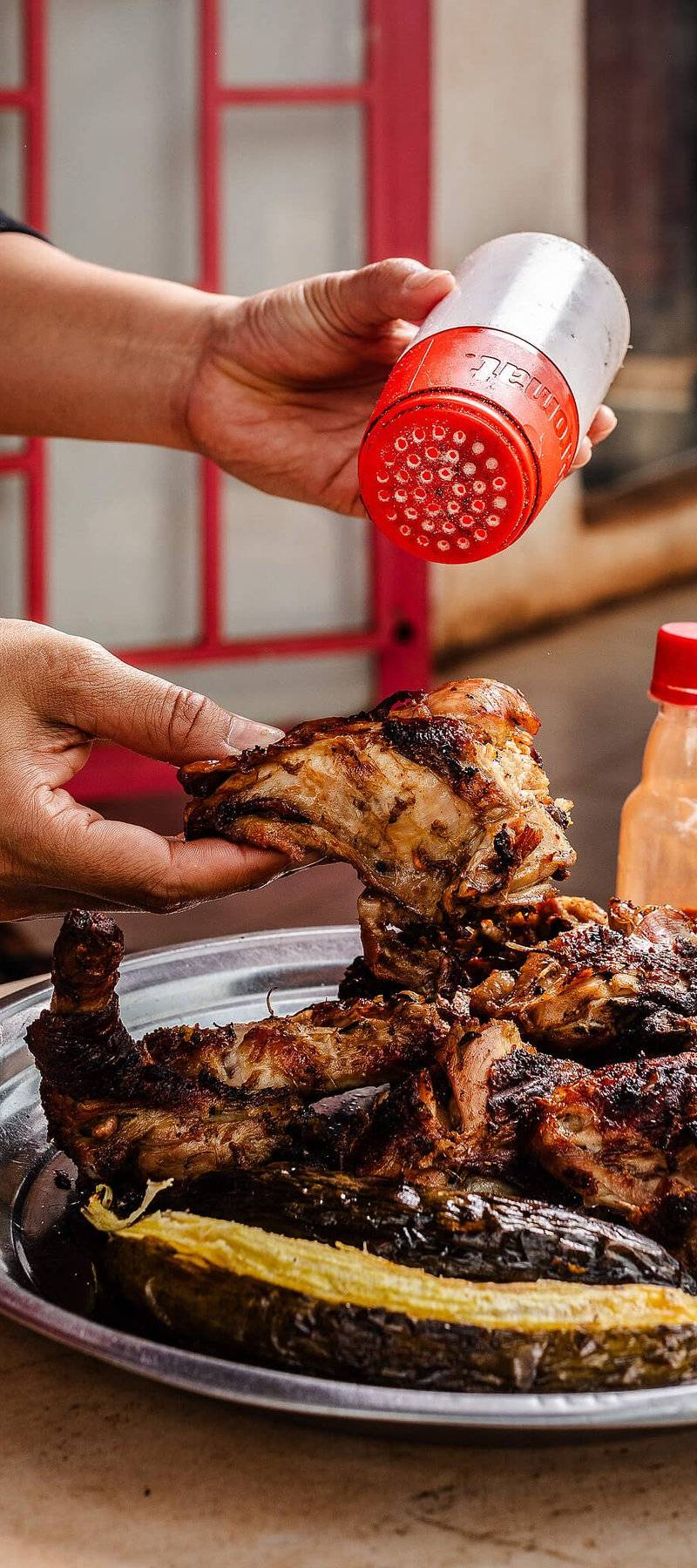
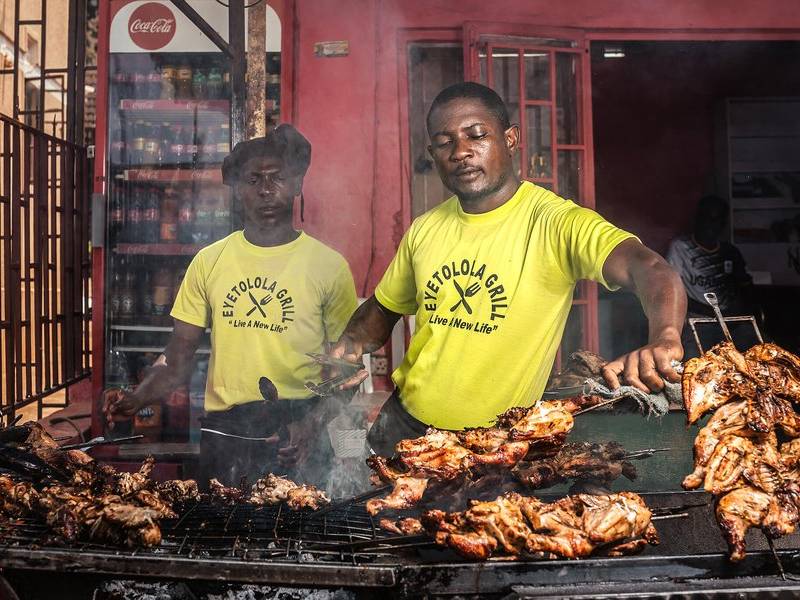
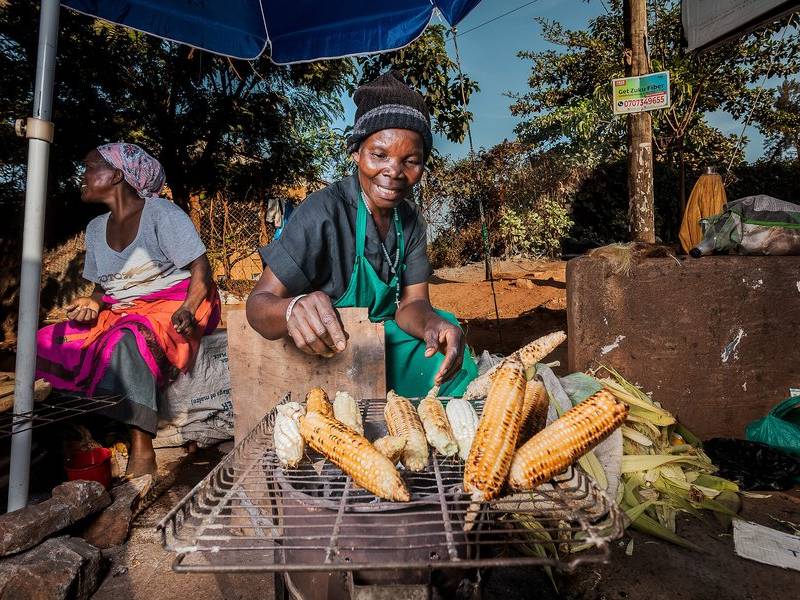
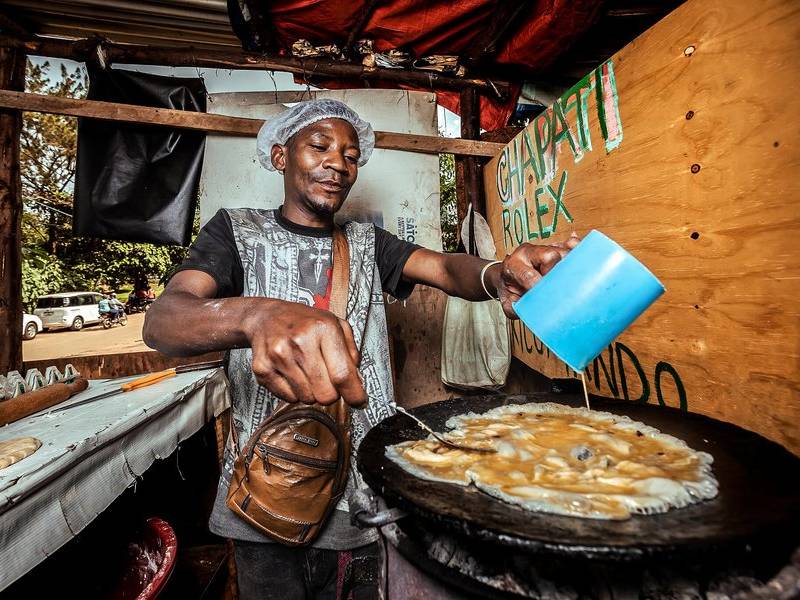
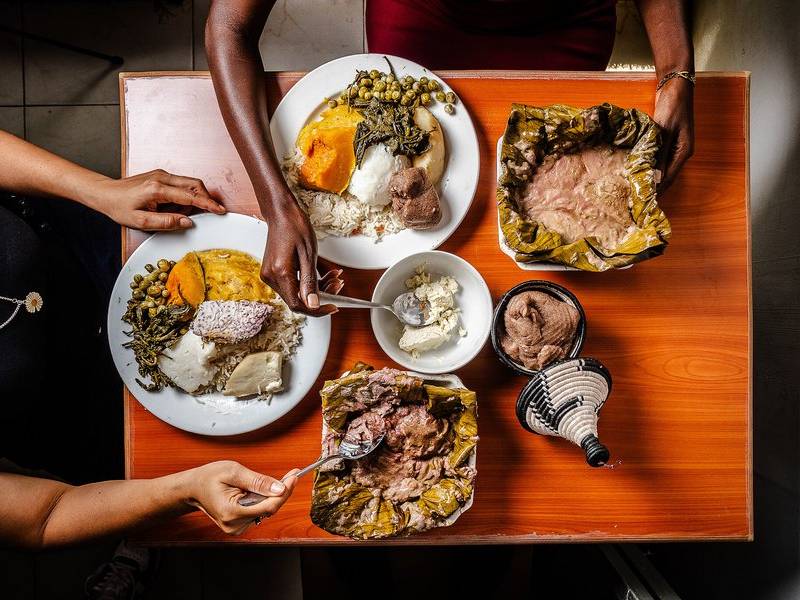
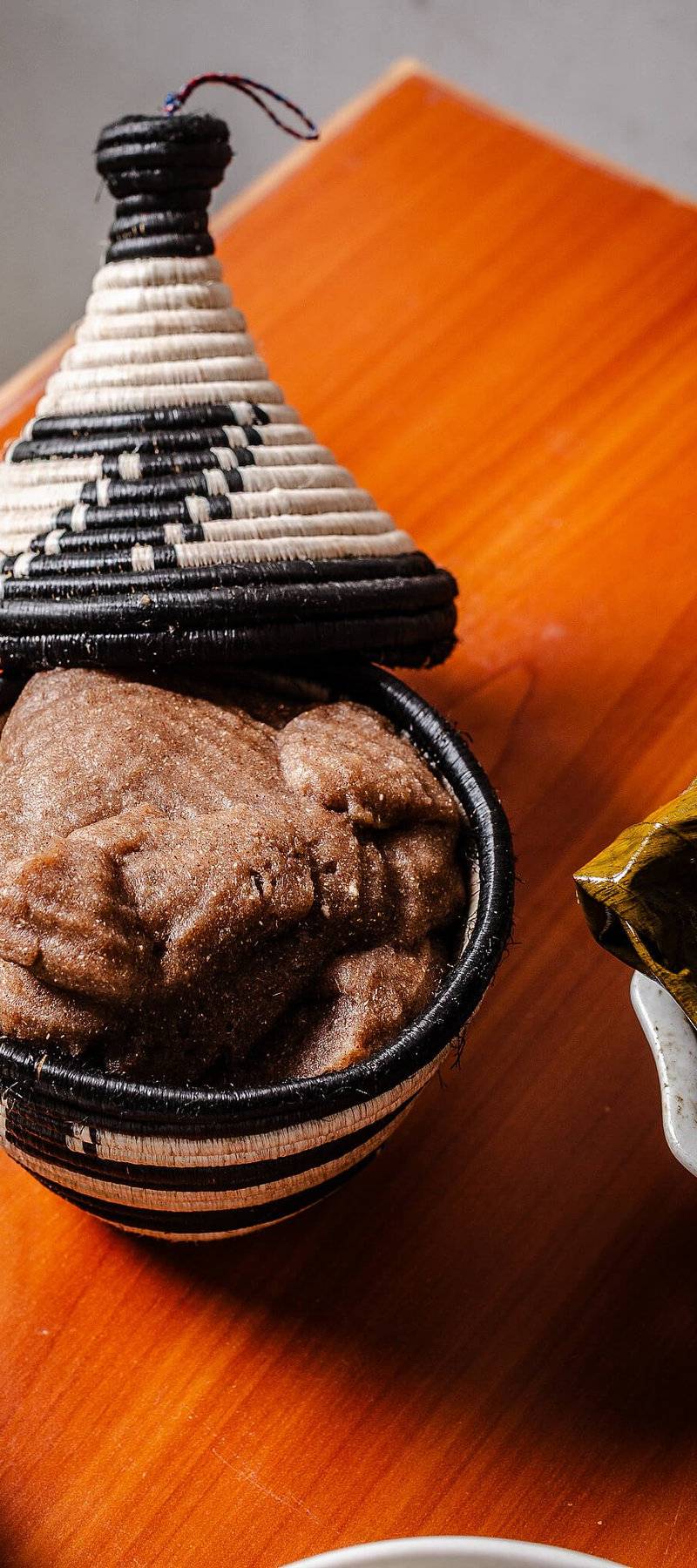
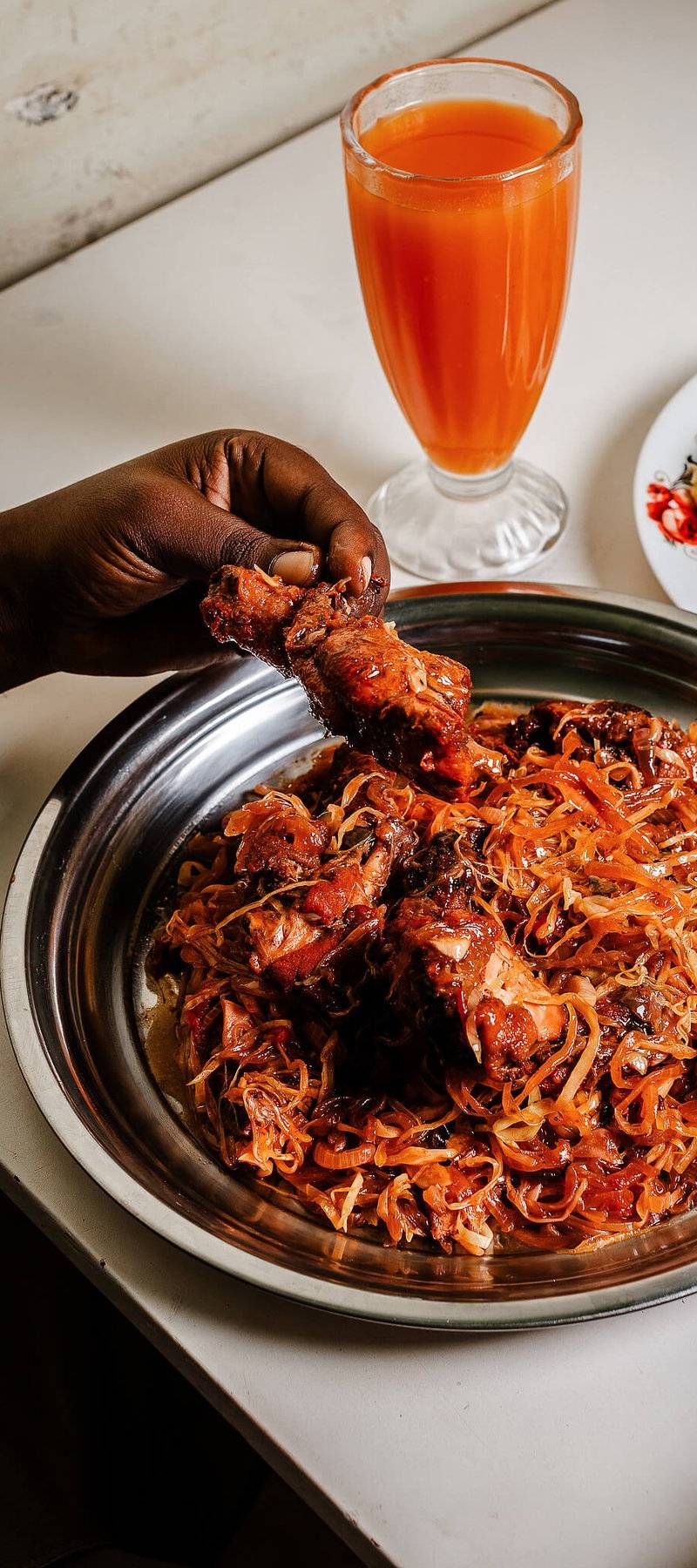
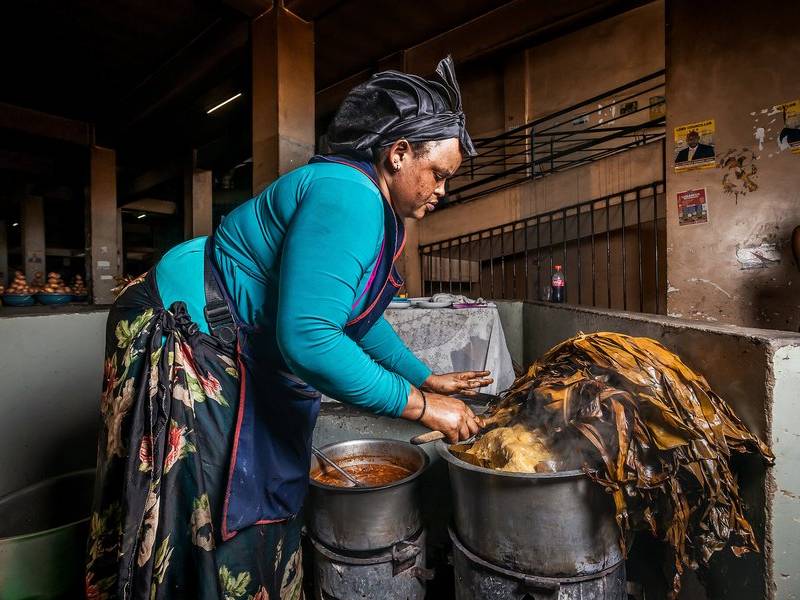
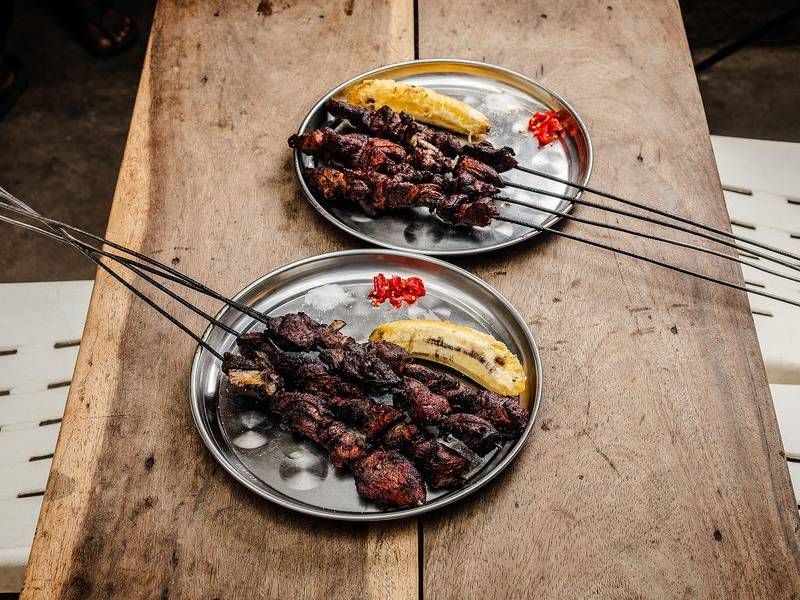
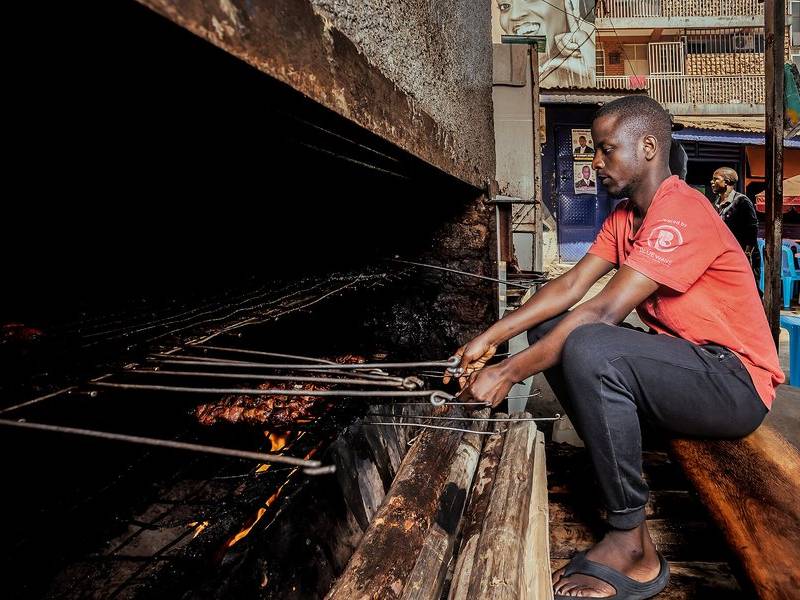
Matoke steamed plantain, luwombo peanut stew wrapped in banana leaf, rolex chapati and egg on the roll, muchomo grilled goat. Ugandan food is soft, starchy and quietly savoury.
04 The pantry
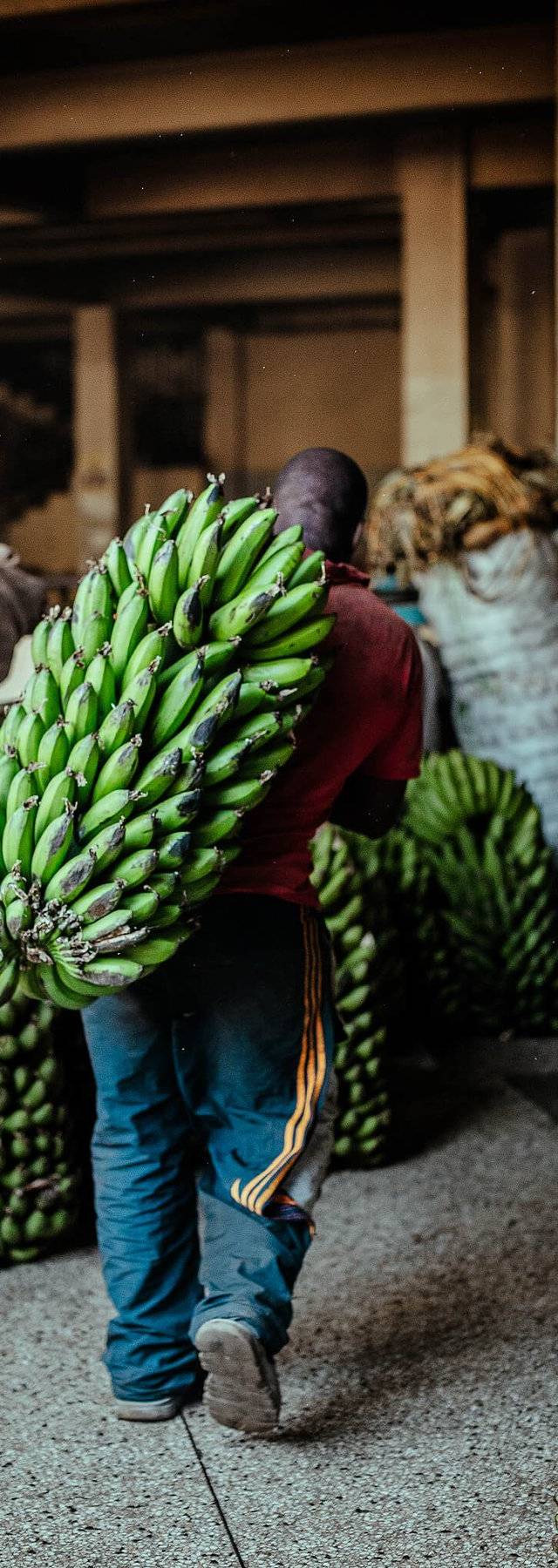
- Matoke, cooking bananas steamed as the daily starch
- G-nut sauce, peanut paste ground into rich groundnut stew
- Simsim, sesame paste and seeds folded into snacks
- Cassava leaves, ground for saka saka stews
- Nakati, African nightshade leaves for the everyday greens
05 In the kitchen
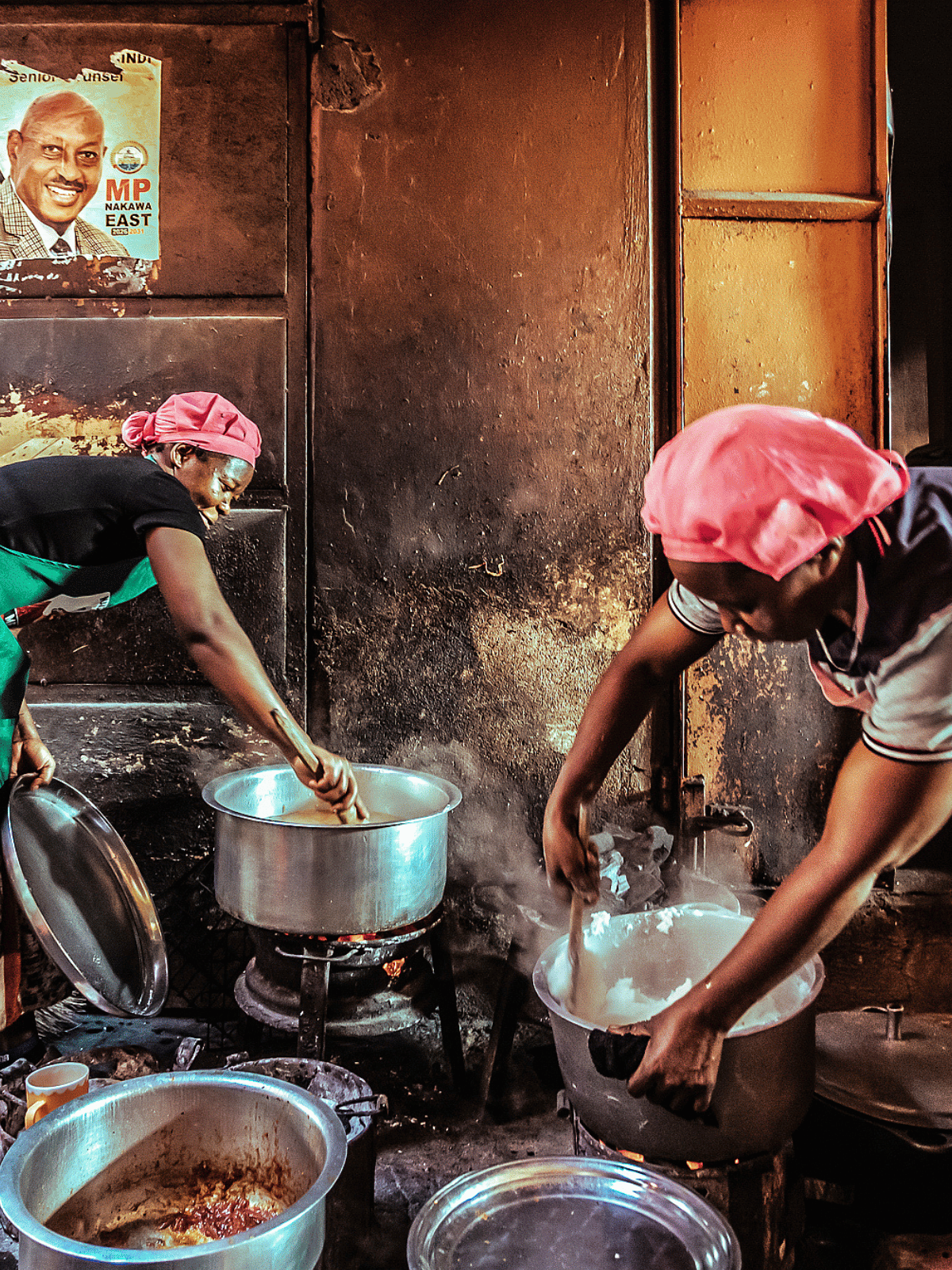
- Steaming matoke in banana leaves over a slow fire
- Grinding groundnuts into thick gnut sauce
- Rolling rolex chapati and omelette on the roadside griddle
- Slow-cooking luwombo peanut and chicken parcels tied in banana leaf
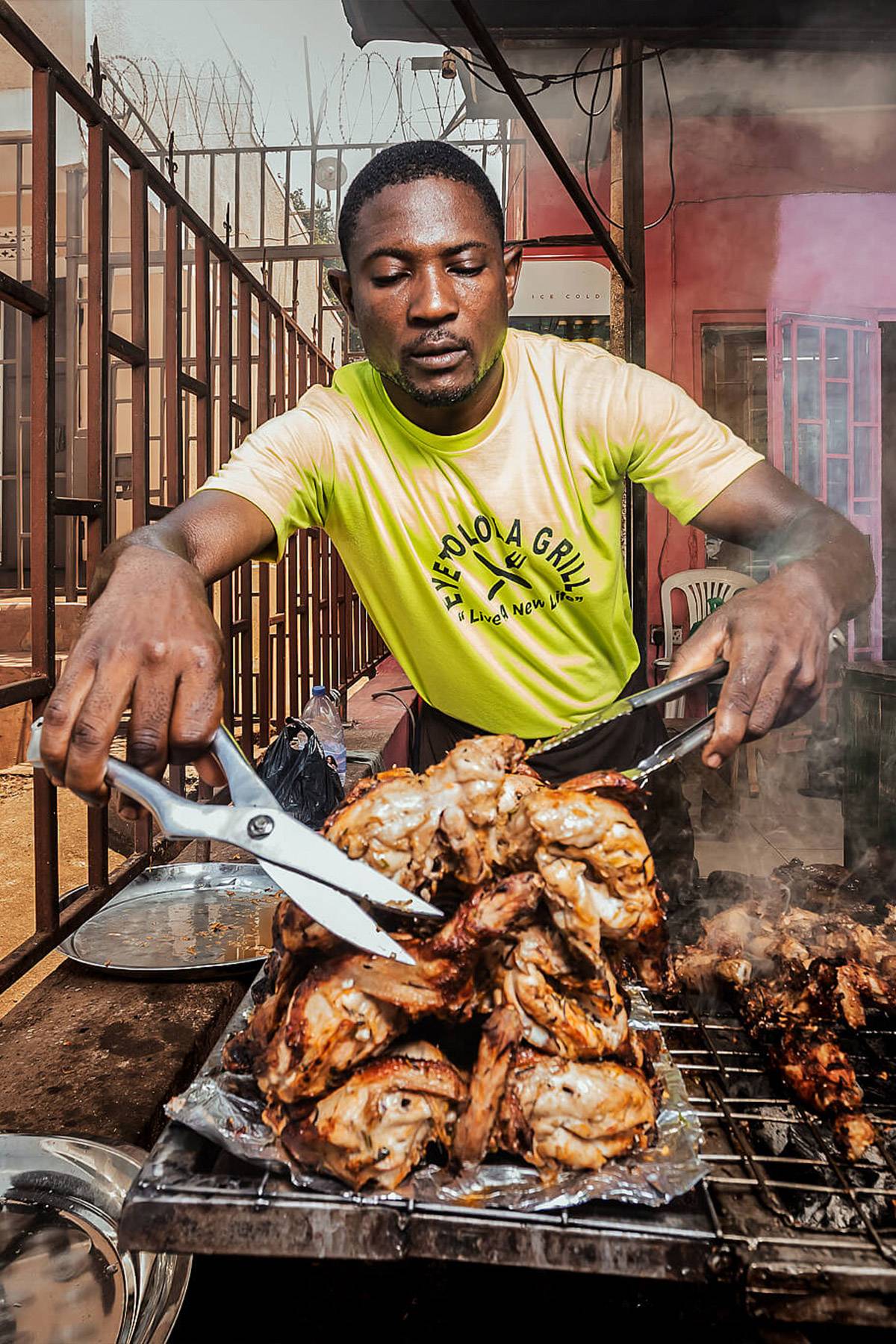
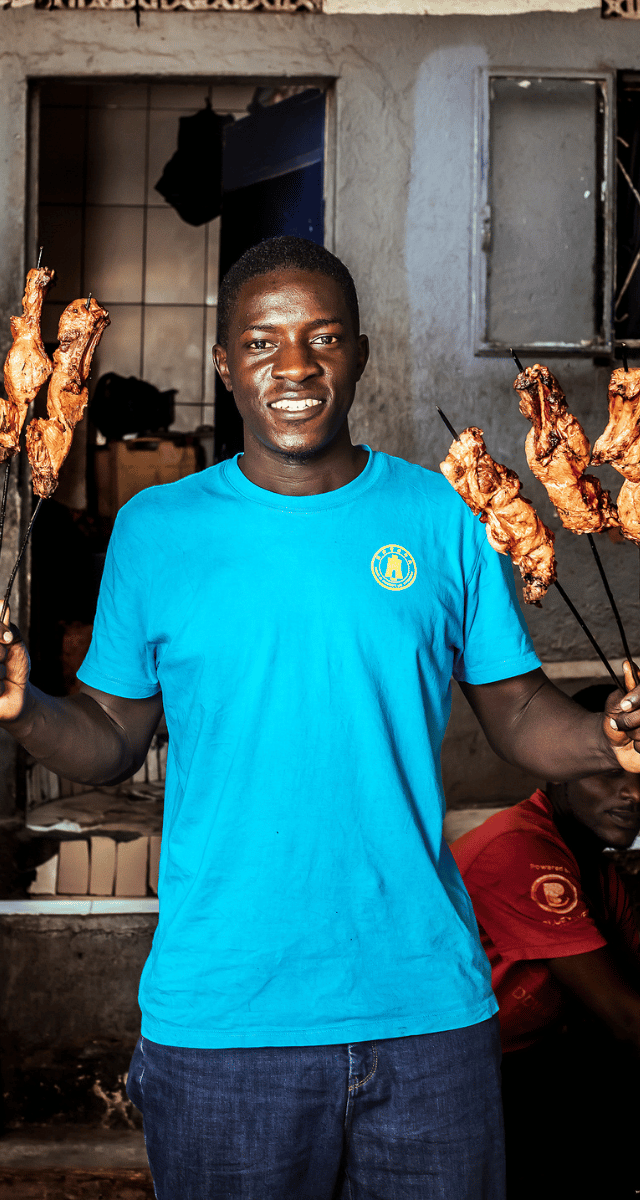
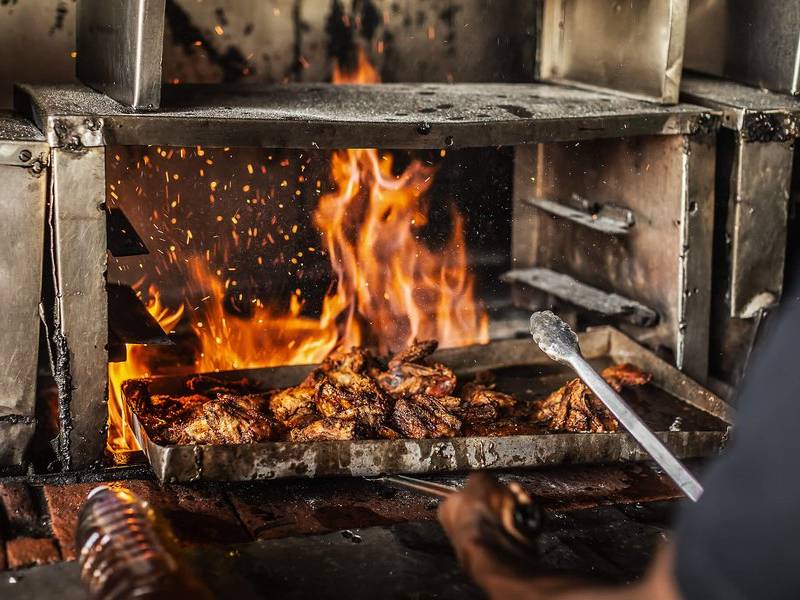
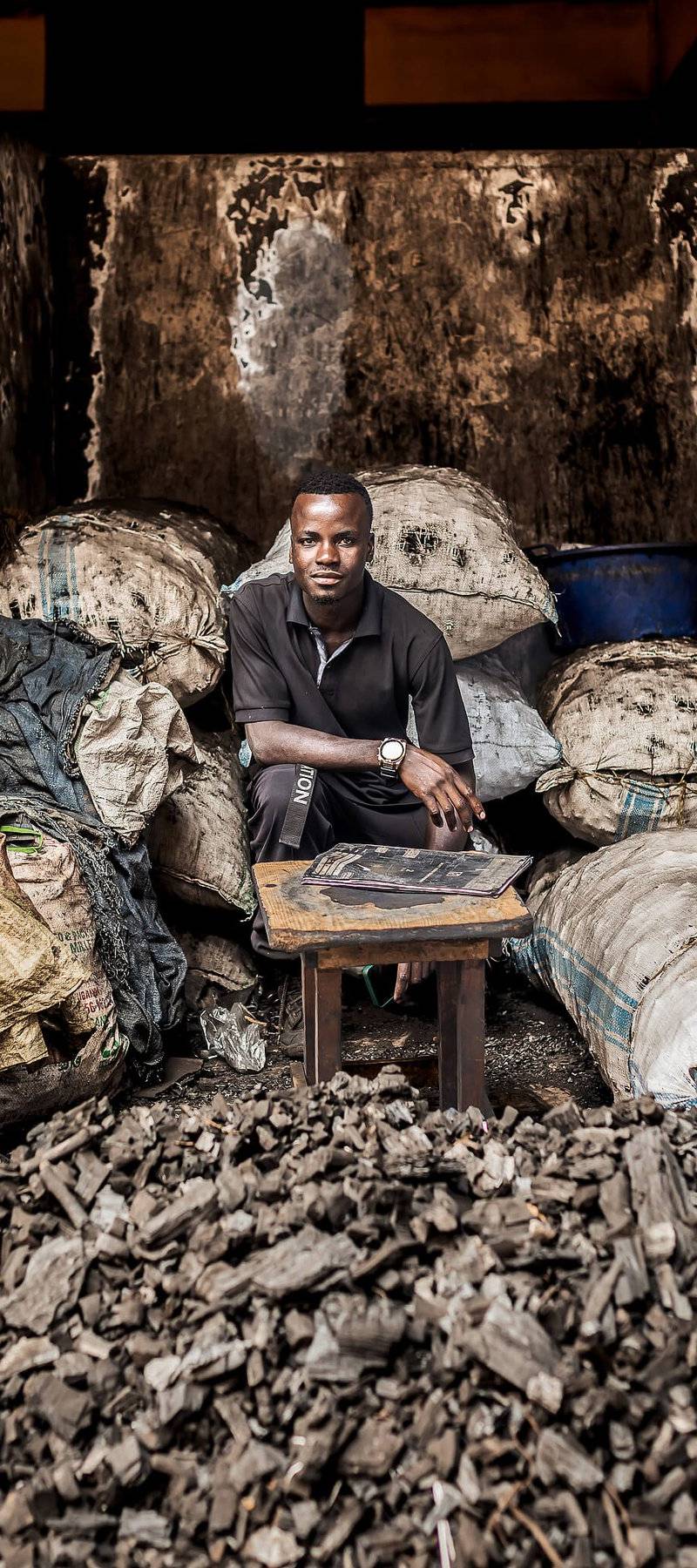
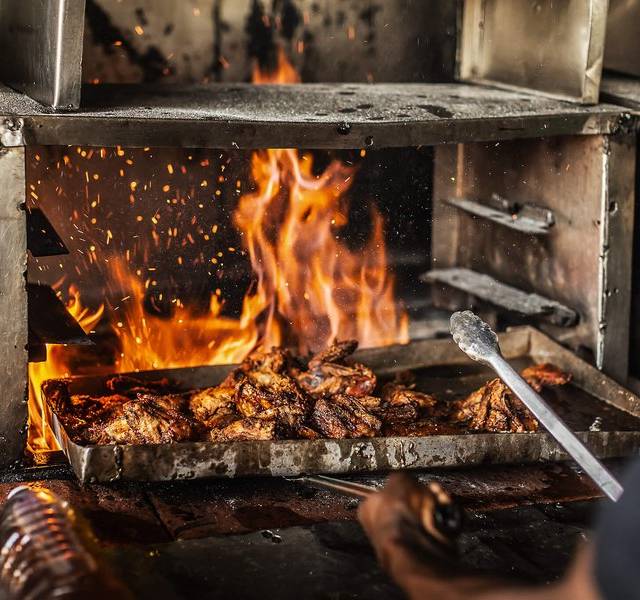
- Grilling muchomo skewers over glowing charcoal
06 Eat this first
- Rolex, chapati rolled around an omelette with tomato and cabbage
- Luwombo, chicken or beef stewed in a banana-leaf parcel
- Matoke, steamed green banana served under groundnut sauce
- Muchomo, charcoal-grilled goat skewers at the roadside
- Katogo, morning stew of matoke and offal or beans


What happens inside a hammam kitchen
A morning with the cooks who feed the neighbourhood before dawn. Charcoal, dough, the smell of a bakery working its second oven.
09 Recipes
A collection of authentic recipes we couldn't leave behind.

Chicken or beef in an aromatic peanut sauce, wrapped in a folded banana leaf and slow-steamed for hours. Buganda's royal court dish, served at every wedding.

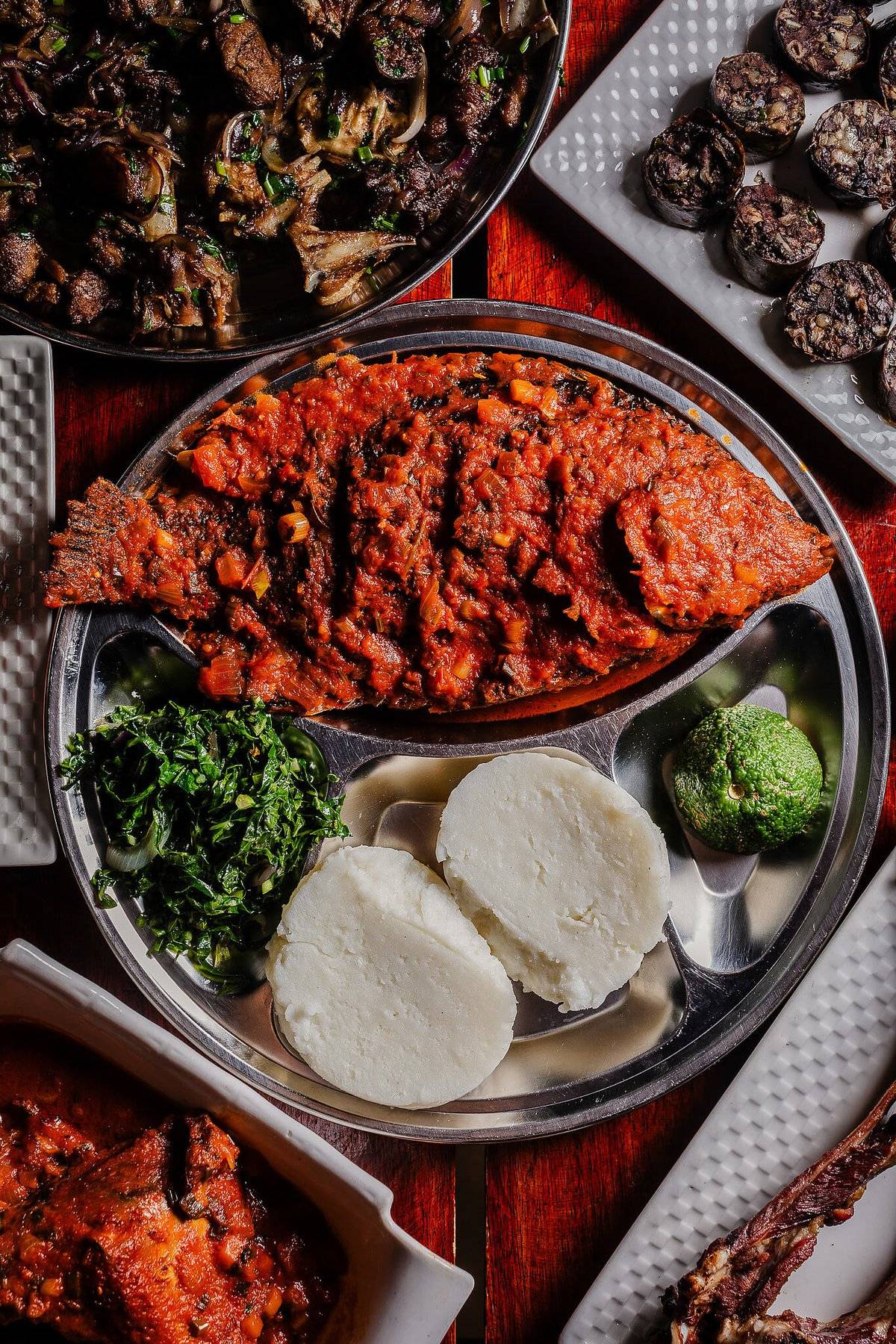
Whole tilapia scored deep, marinated in garlic and lime, then deep-fried until the skin is dark crackly. Kampala fish-market lunch, served with cassava and kachumbari.

Cubes of goat meat pan-fried hard with onion, tomato, garlic and curry powder until the sauce is thick and glossy. Kampala's everyday goat dish.
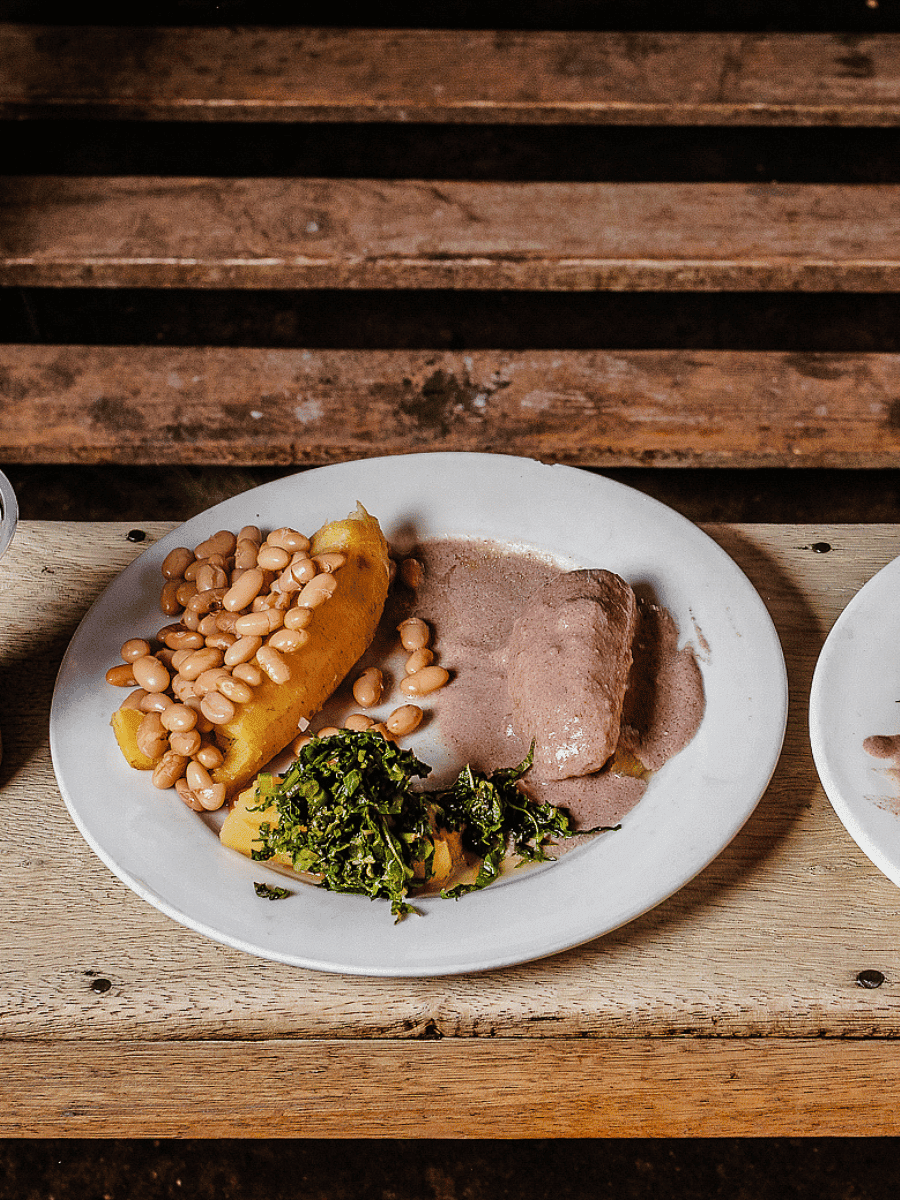
Ground peanuts simmered with onion, tomato and mixed spices into a rich, creamy sauce. Buganda's essential accompaniment to matoke, posho and rice.

Marinated chicken pieces threaded onto skewers and grilled hard over charcoal, served with cassava, sliced avocado and a fresh lime wedge. Kampala's roadside standard.

Boiled potatoes, maize, green peas and pumpkin leaves mashed together into a bright green side. A Kikuyu-Ugandan mash beloved across the border regions.
10 Field Notes
Quick field notes to help you get accustomed to Kampala.
Weather
Equatorial climate. Warm year-round (25–28°C) with two rainy seasons (March–May and October–November). Rain arrives in sudden afternoon downpours. Mornings usually stay clear.
Currency
The Ugandan shilling (UGX). Cash is essential outside upscale hotels. Bring small notes and change bureau rates (better than airport). ATMs are plentiful in the centre.
Language
English is the official language and widely spoken. Luganda is the everyday street language. A cheerful 'oli otya?' opens doors.
Etiquette
Modest dress in religious sites and rural neighbourhoods. Ask before photographing people. Greetings are important, take a moment before jumping to business.
Getting around
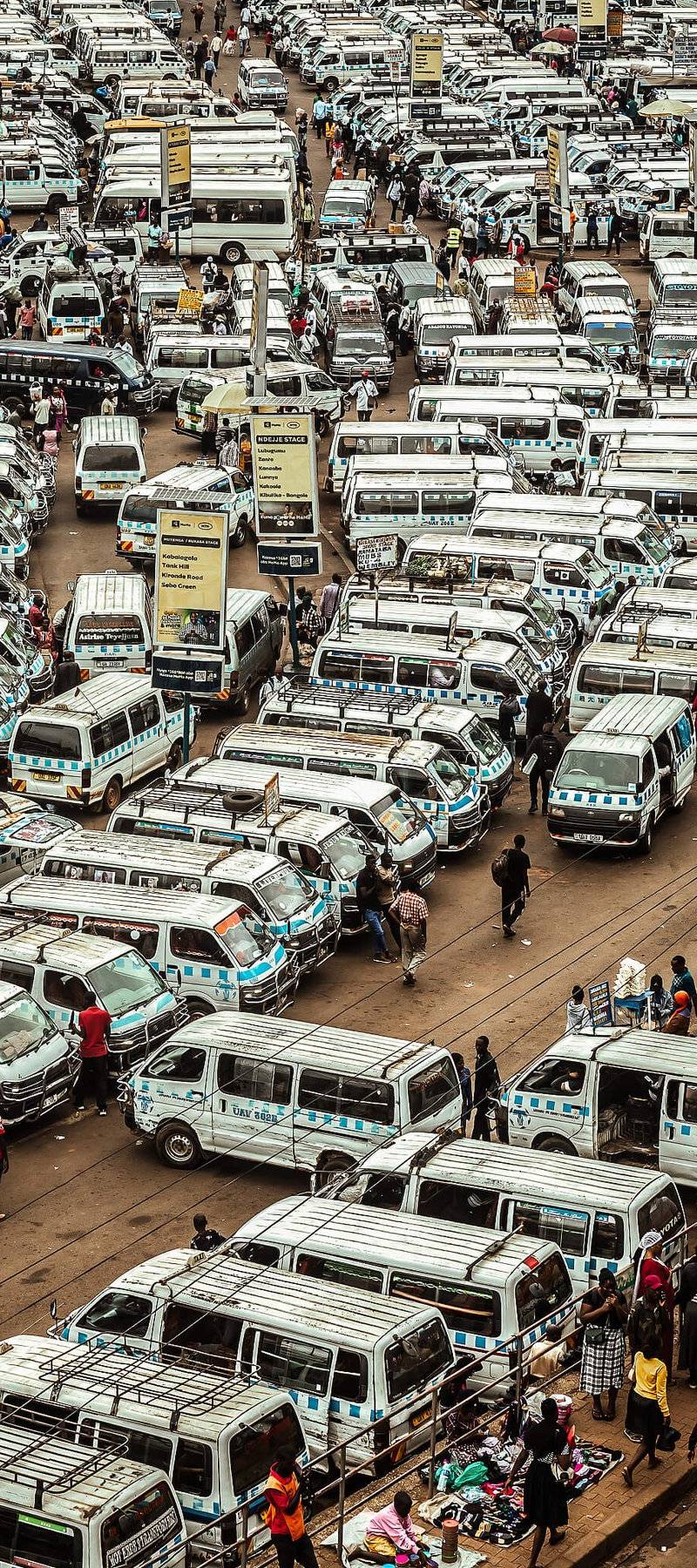
Boda-bodas (motorbike taxis) are the fastest but require care. SafeBoda has helmets and metred fares. Minibus taxis are cheap but chaotic. Uber and Bolt also work.
Prayer
Predominantly Christian. Sundays are the biggest day of the week for many families. A large Muslim community marks Friday prayers, and the city's Bahá'í temple is a national landmark.