
01 Food tours
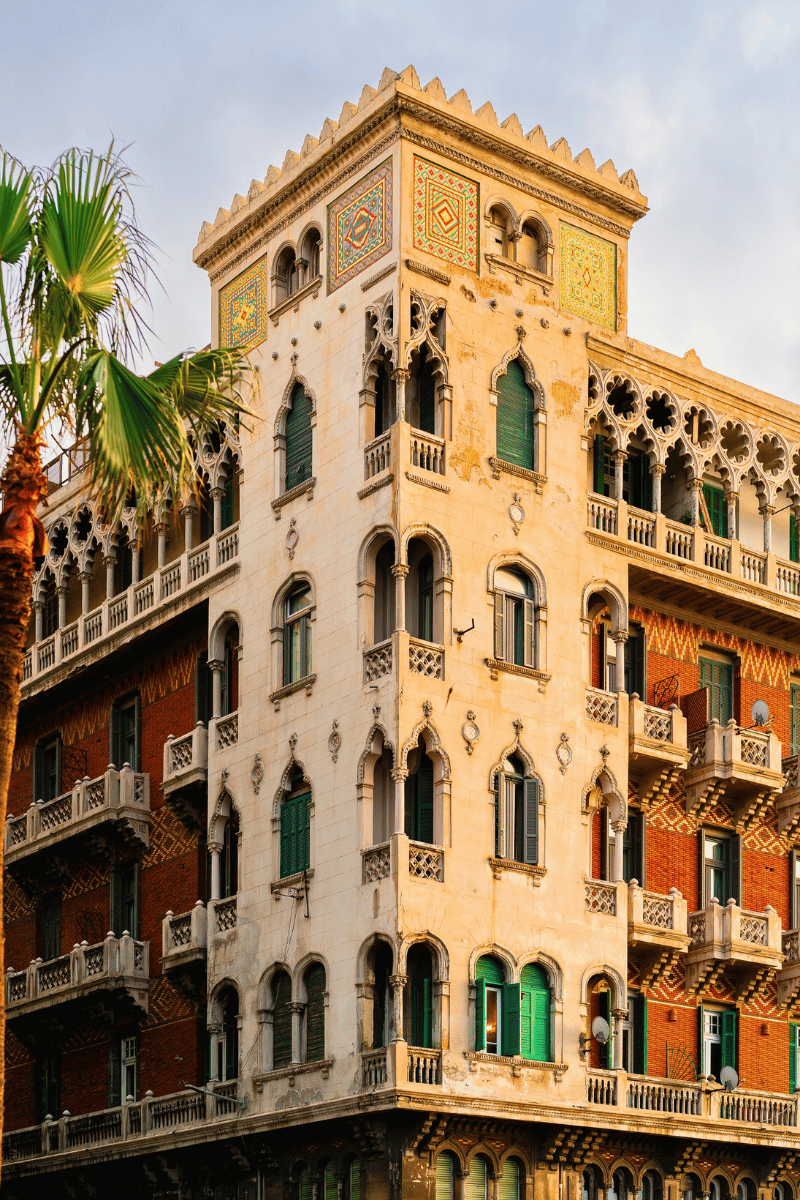
Original food tours, curated with our local tastemakers to showcase the neighbourhood kitchens, markets and family-run eateries that define Alexandria.
Sofra Stories
Alexandria
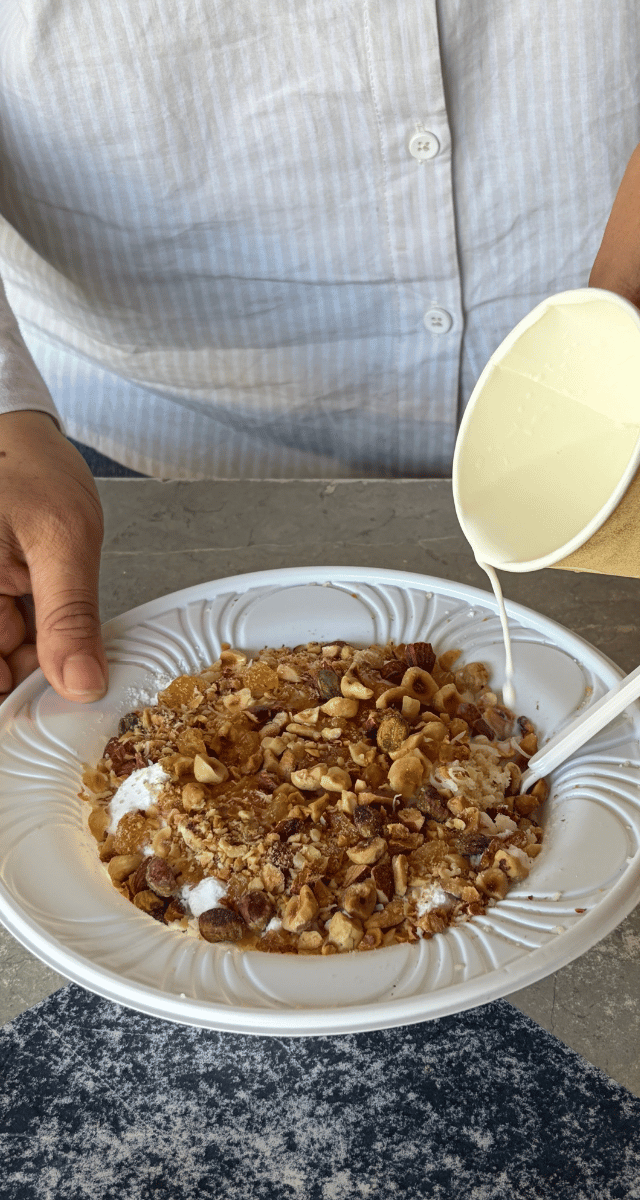
Taste Alexandria at lunchtime — sayadeya, whole fried fish and moussaka by the corniche.
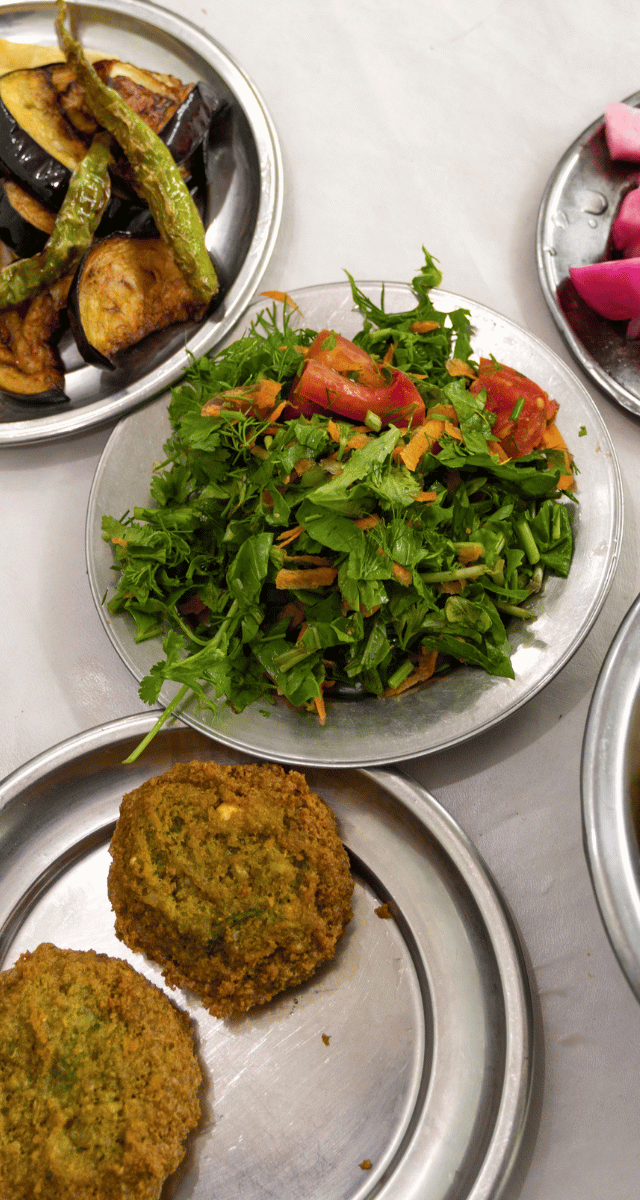
Baladi Plates
Alexandria
Eat Alexandria's Mediterranean coast — sayadeya, samak makly and the day's catch.
02 Meet the tastemakers
The local food experts who help us research, refine and lead every A Chef's Tour.

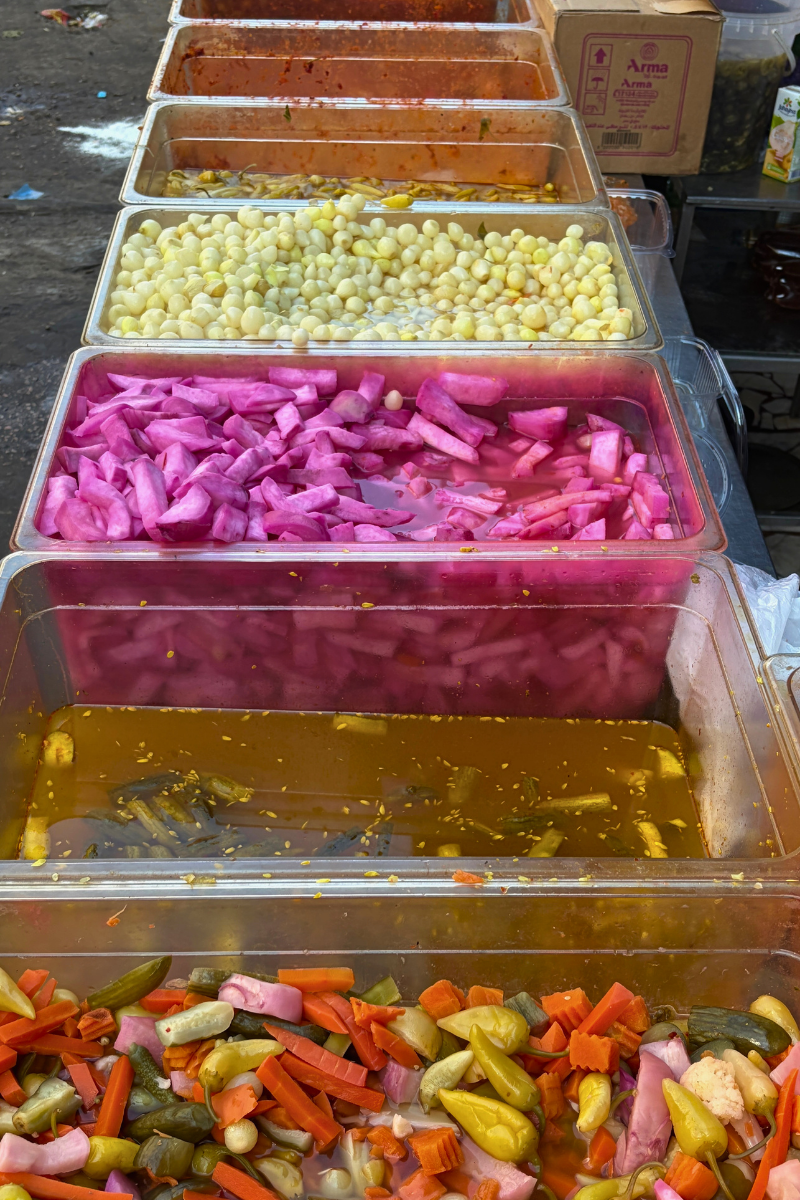
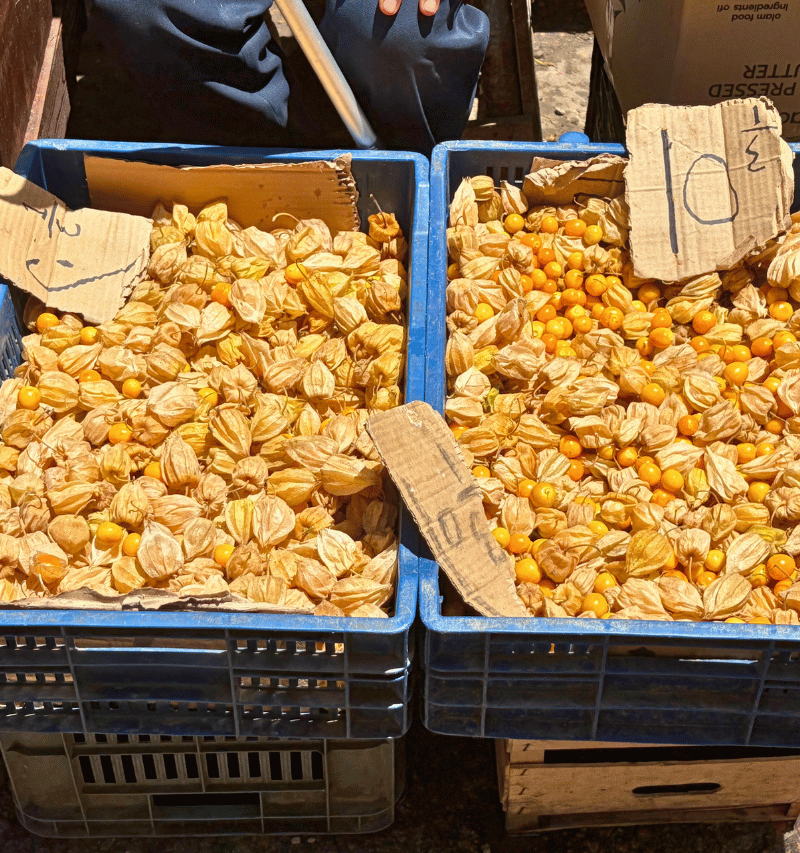
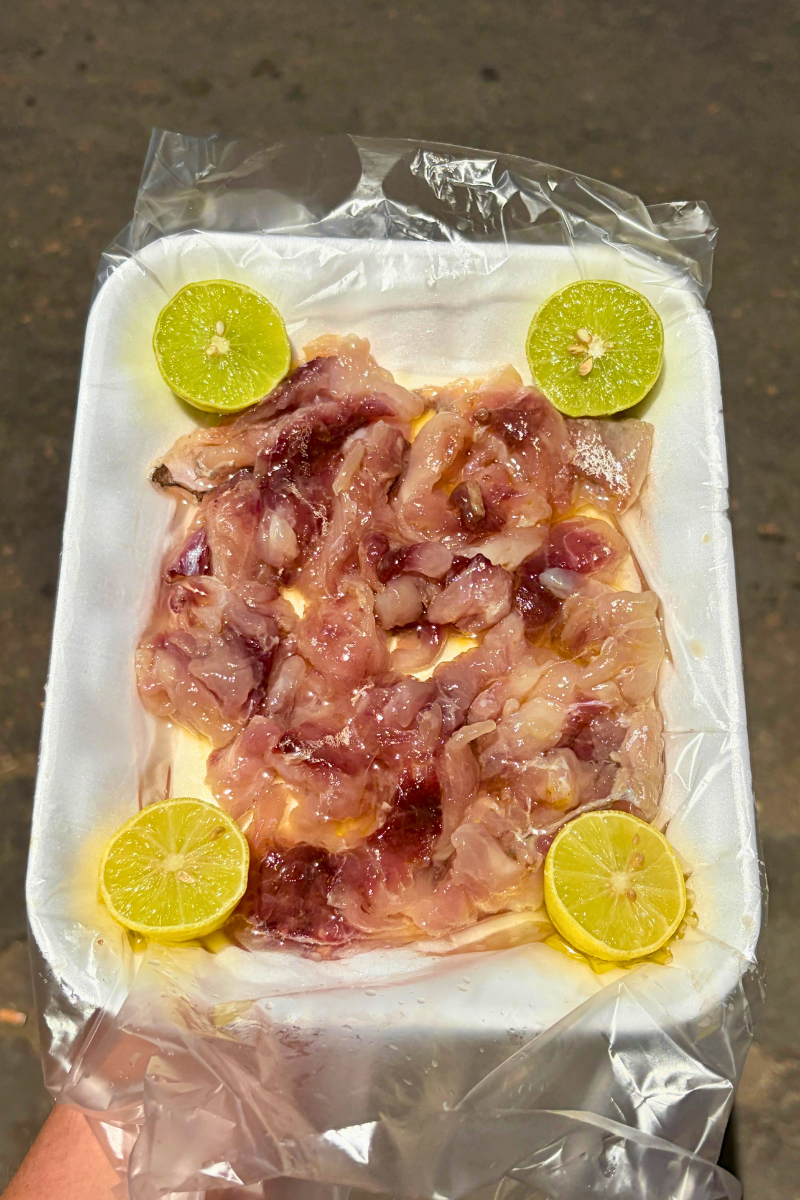
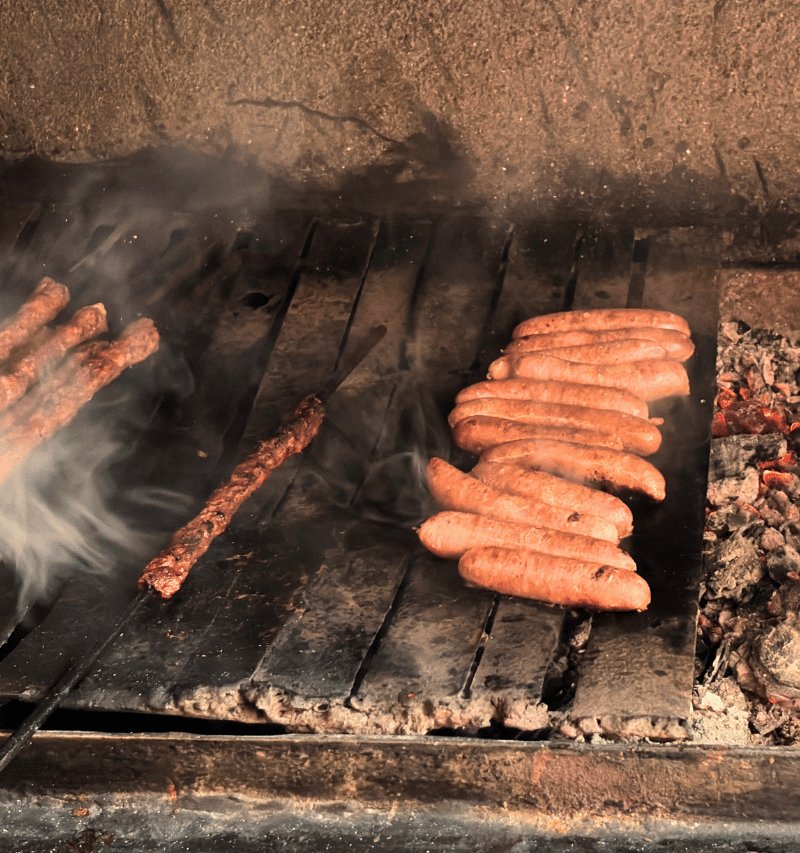
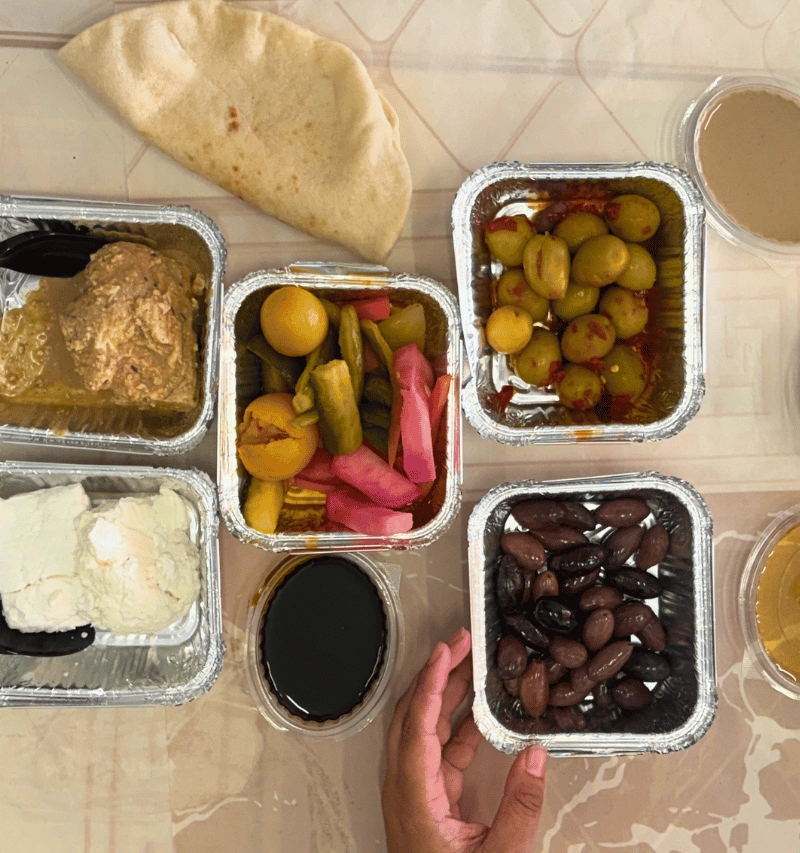
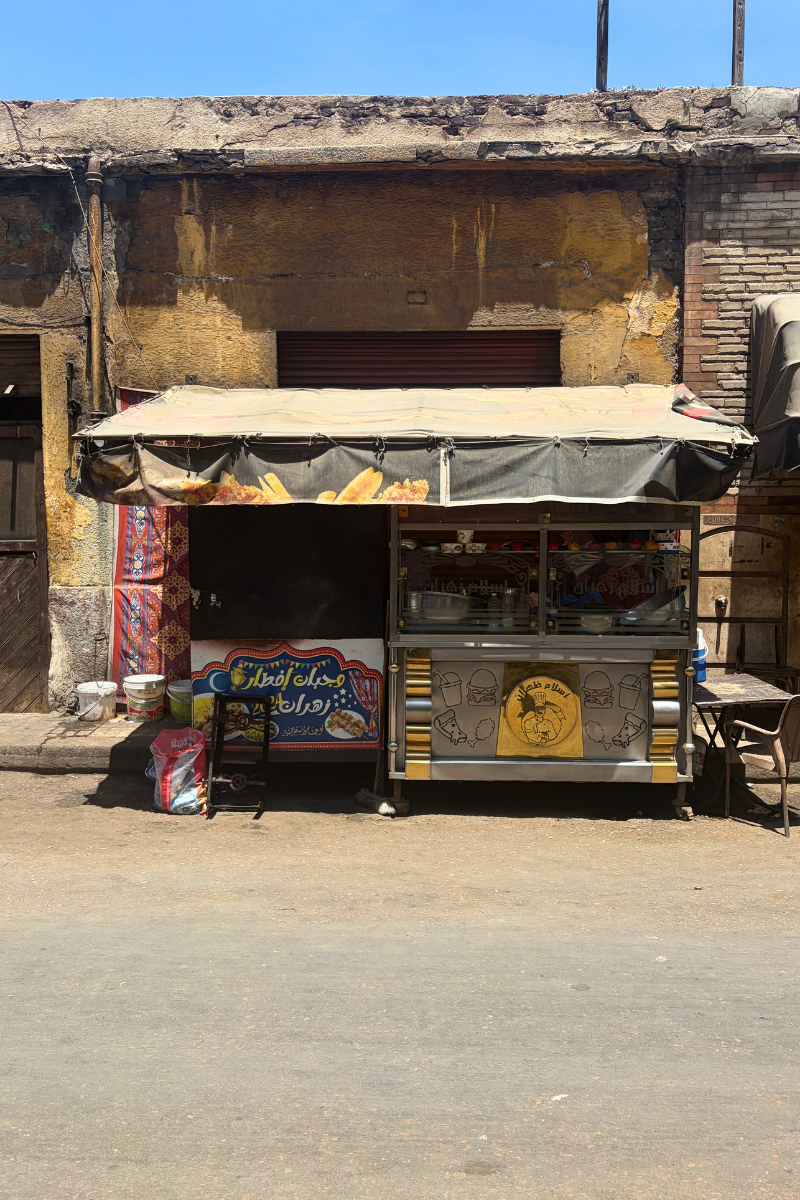
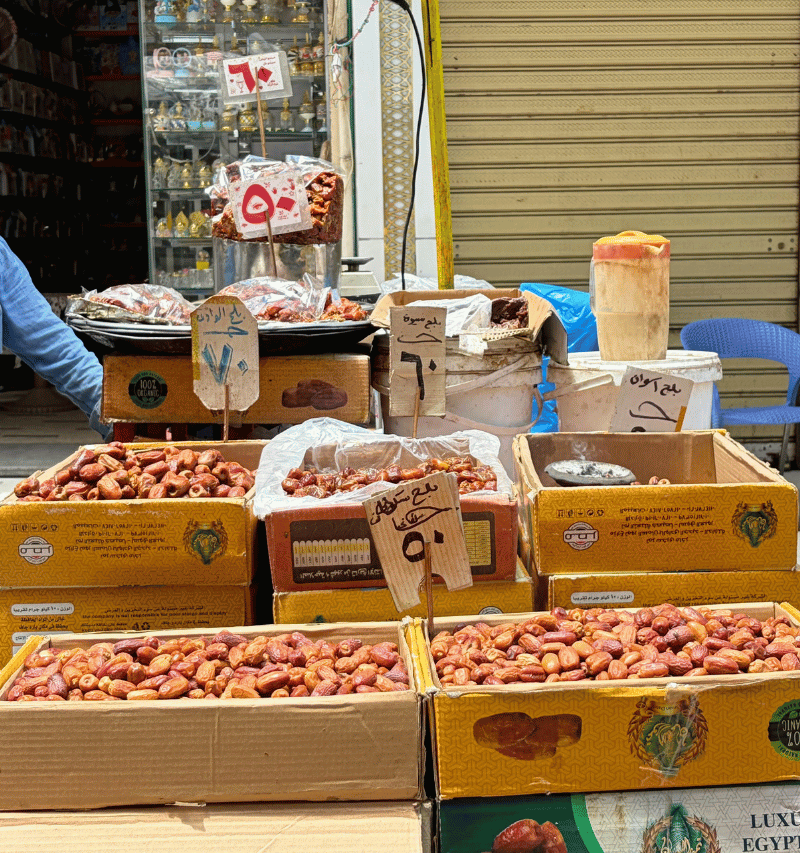
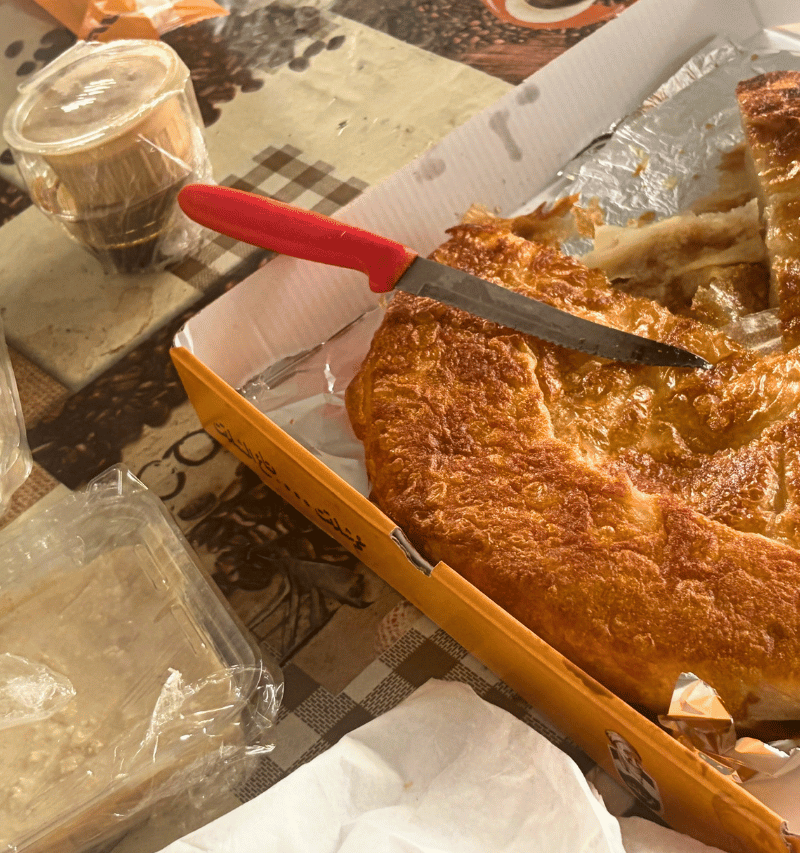
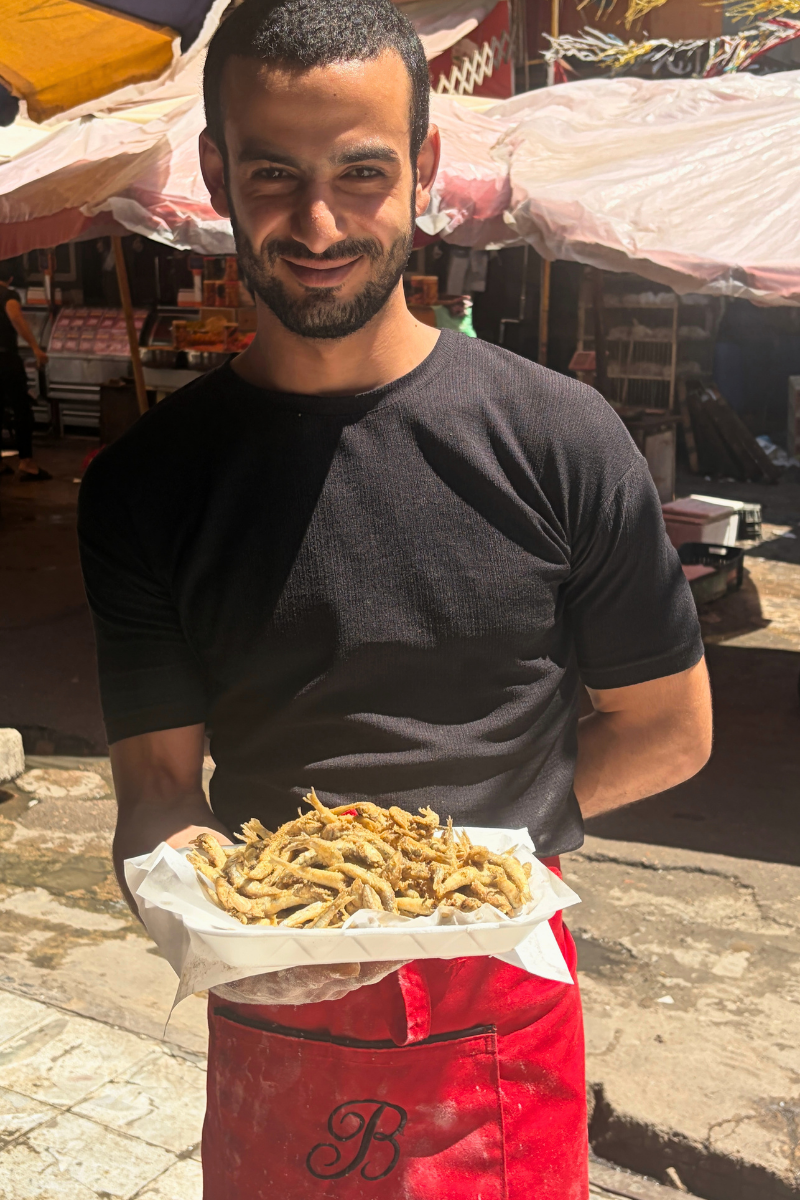
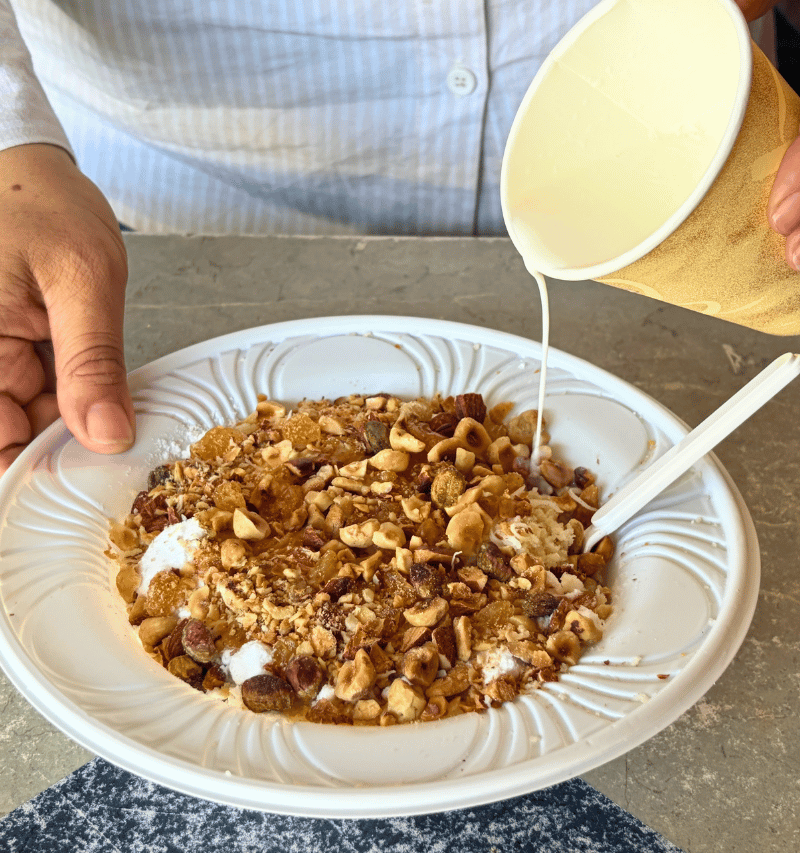
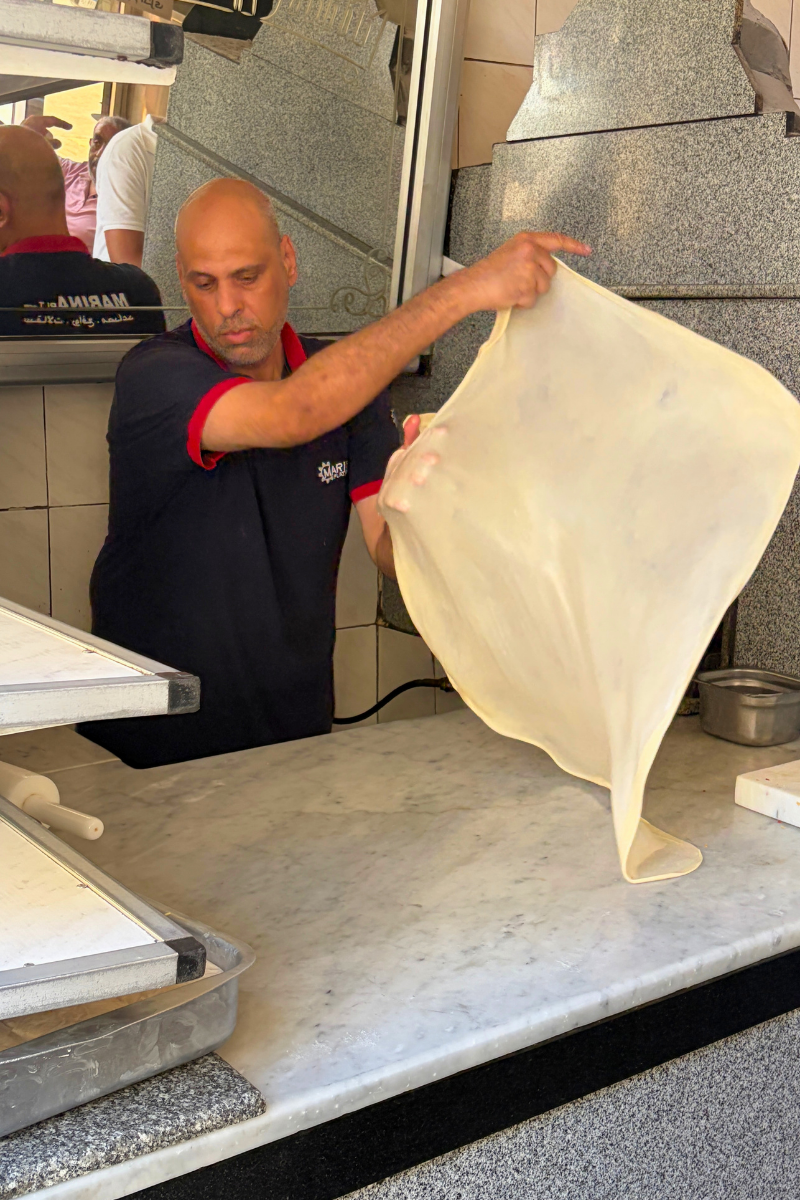
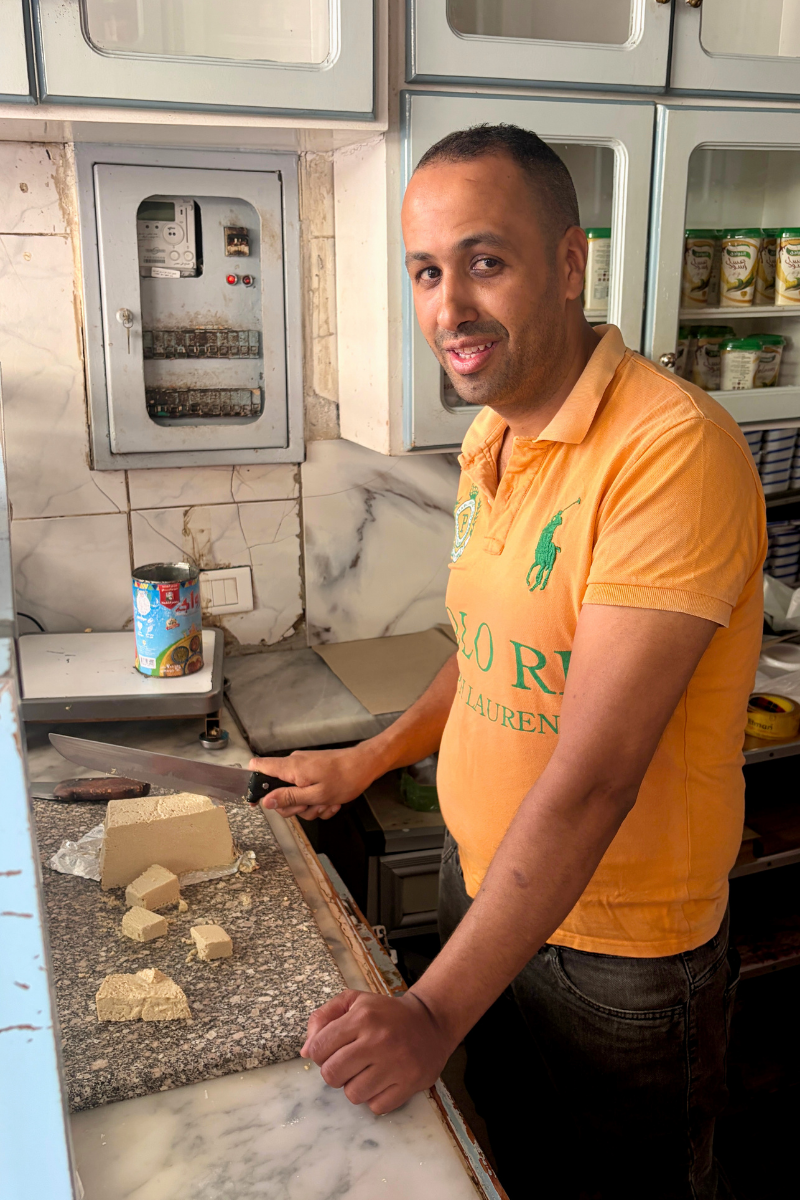
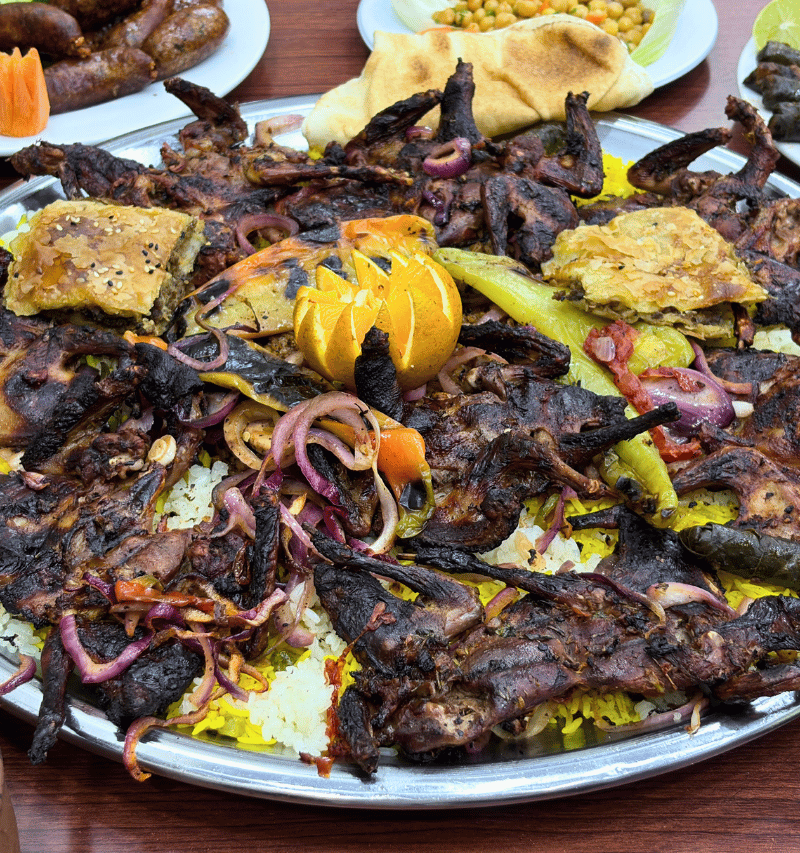
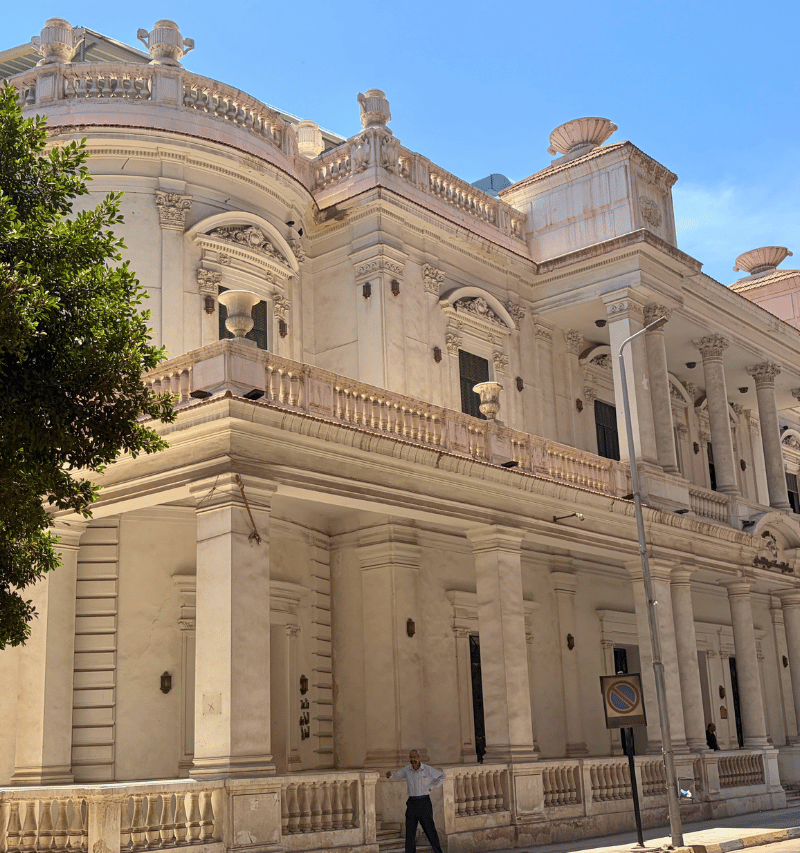
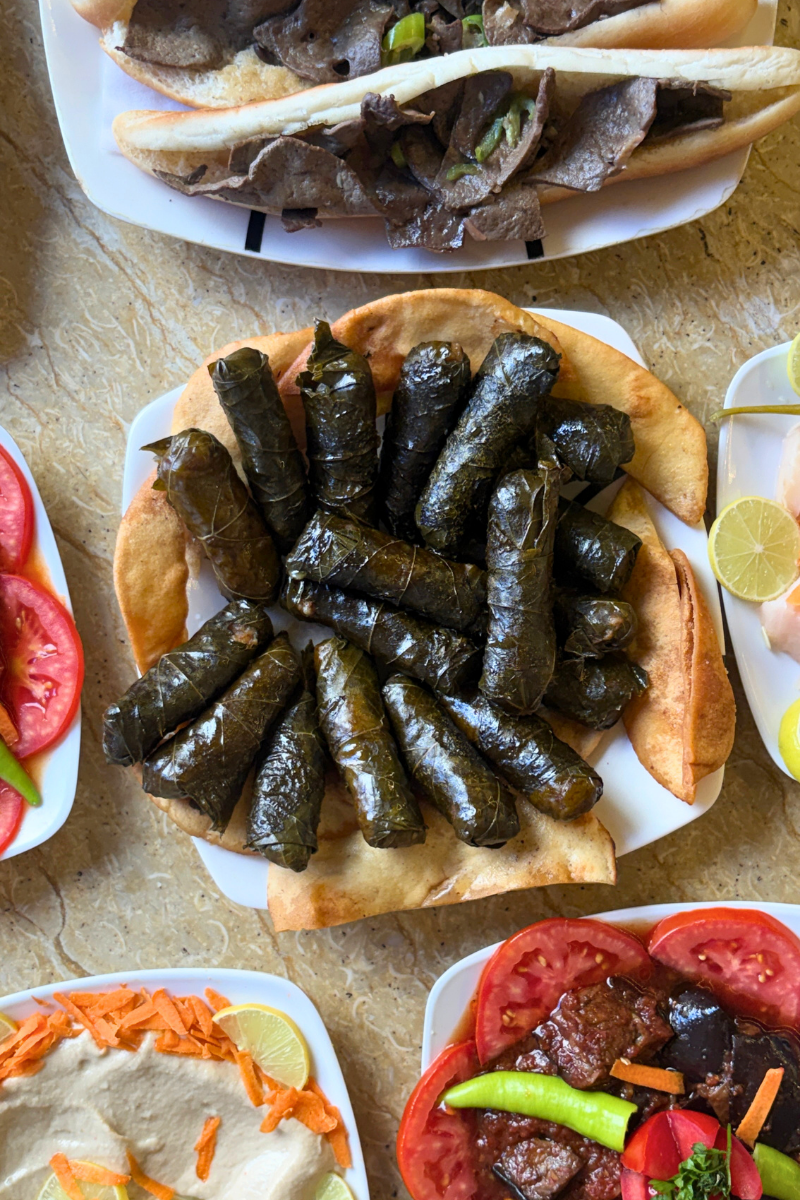
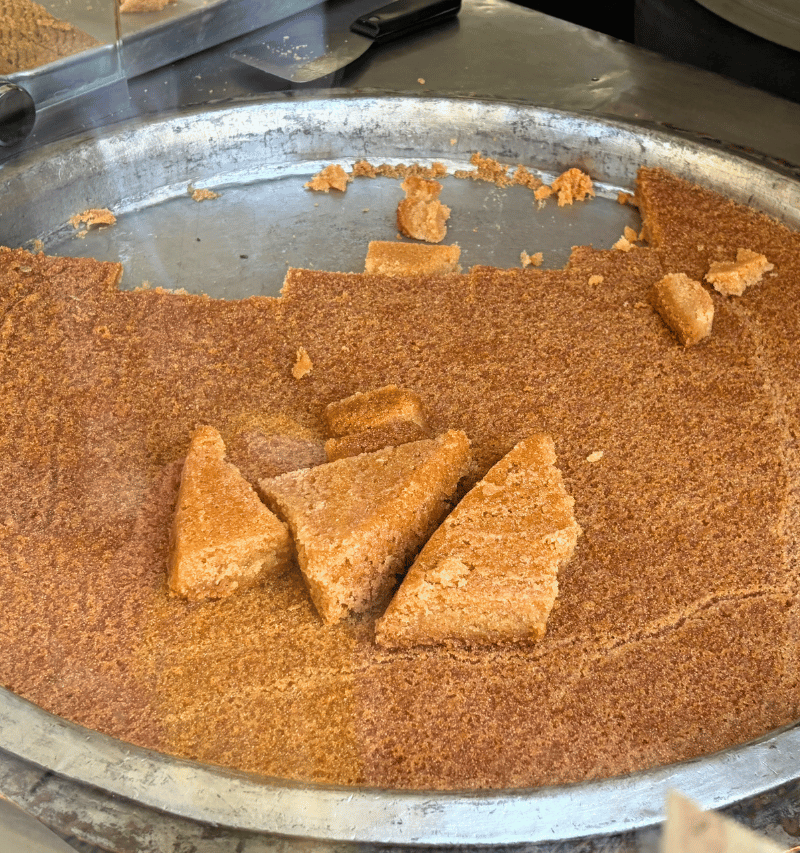
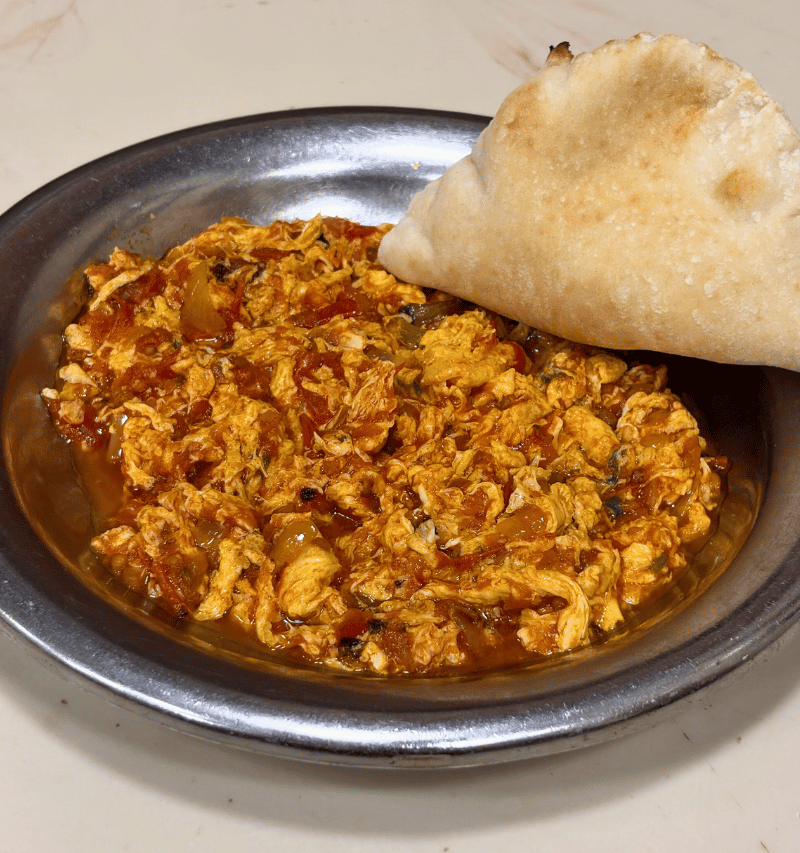
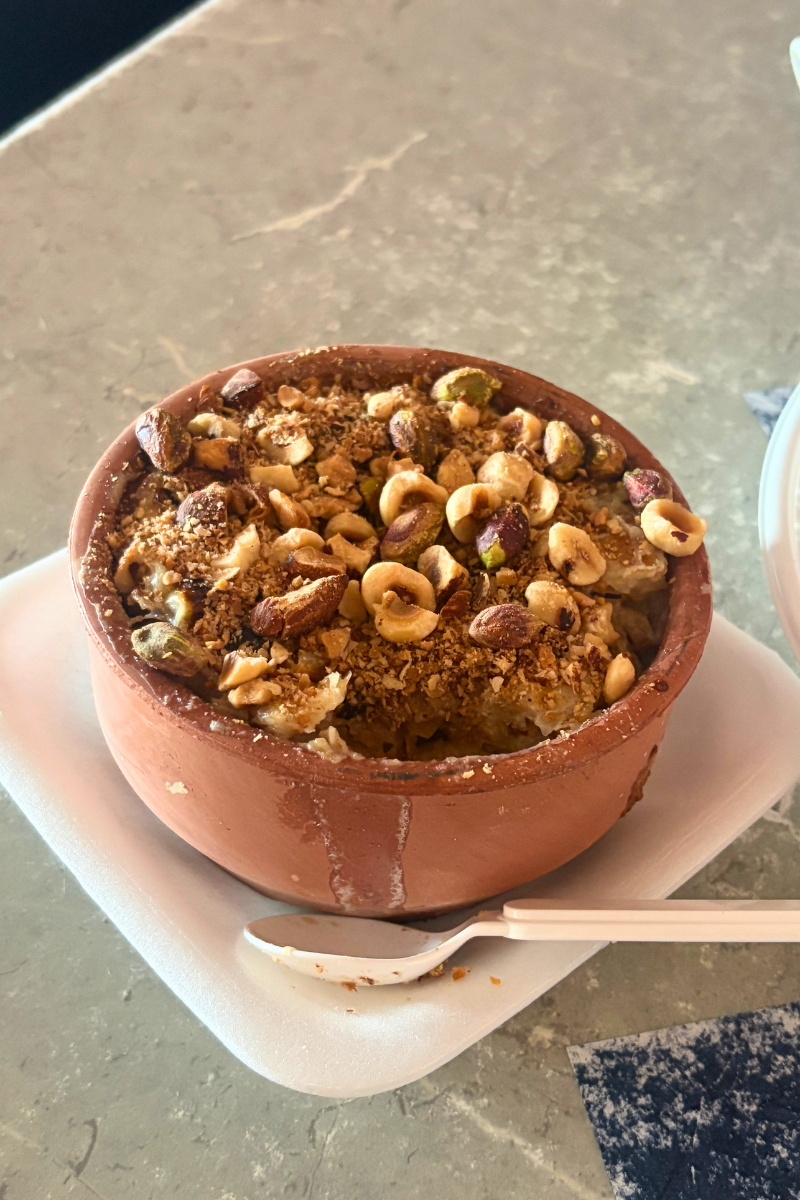
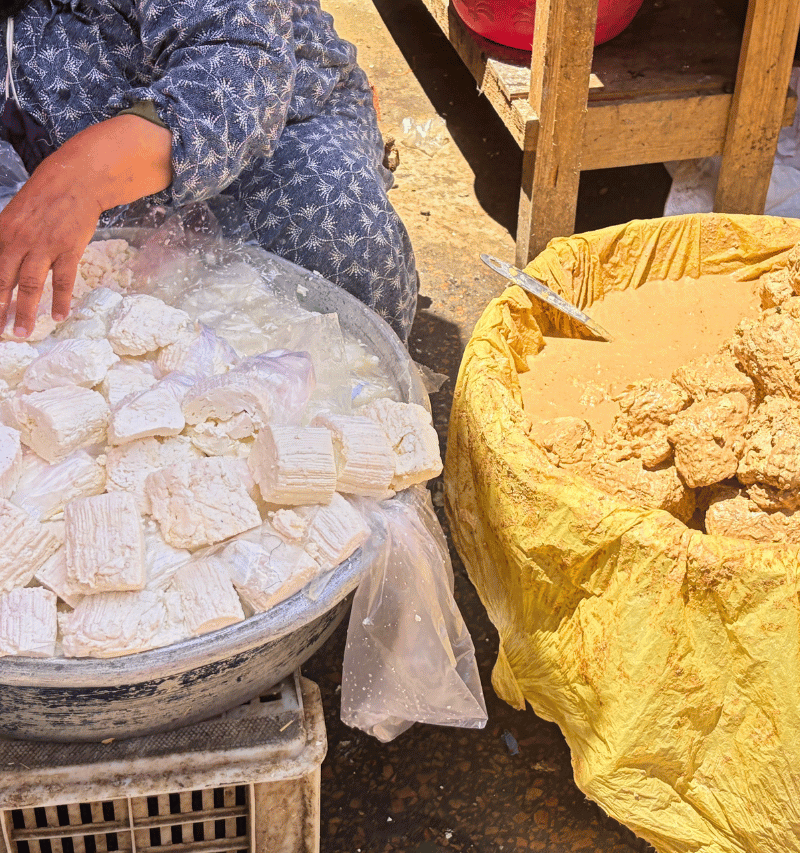
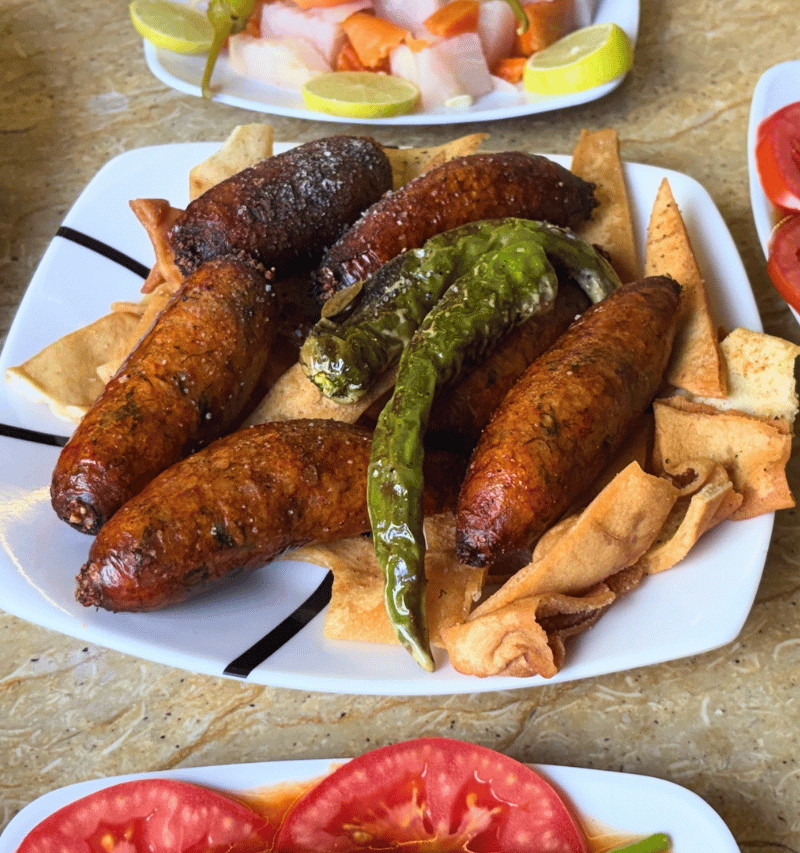
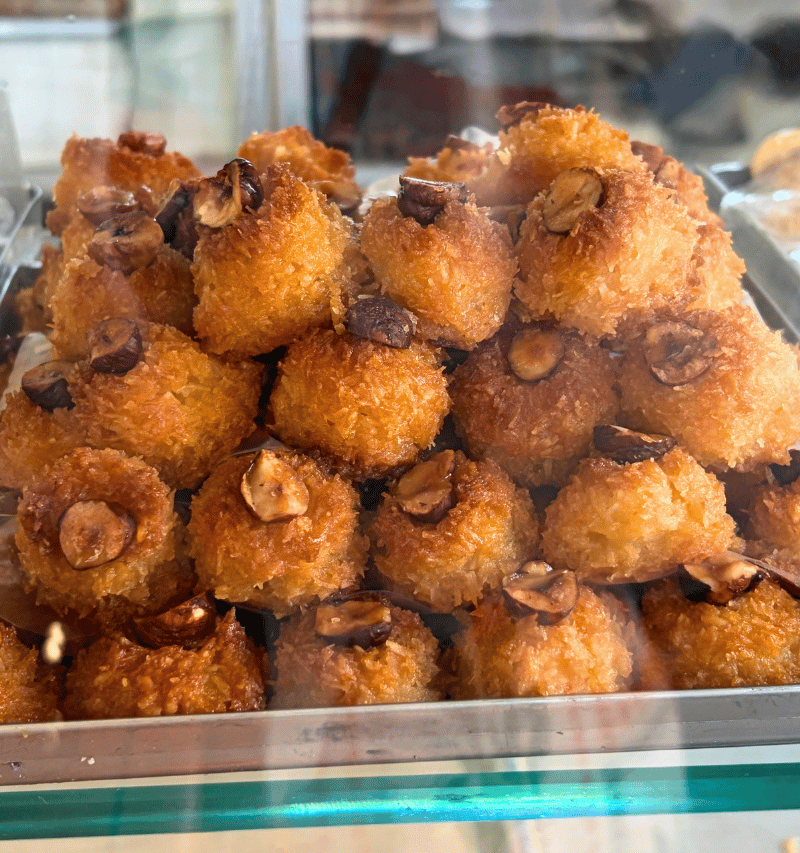
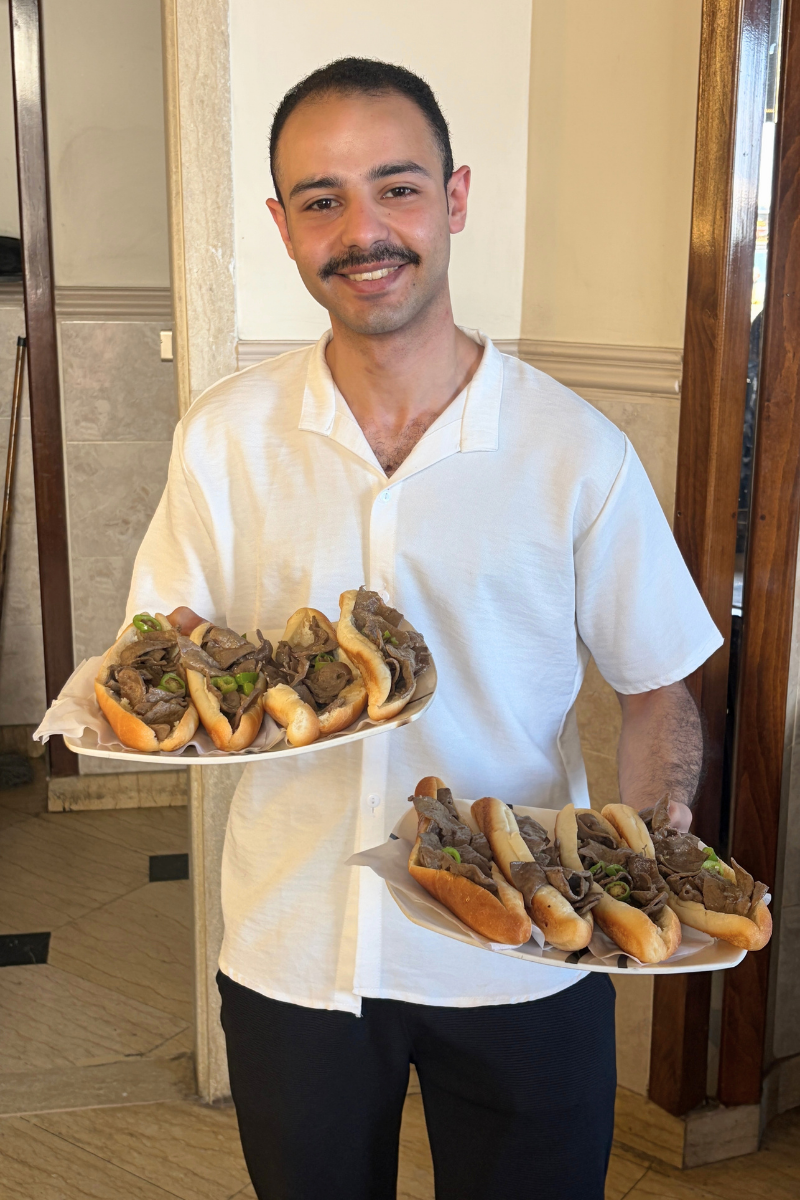
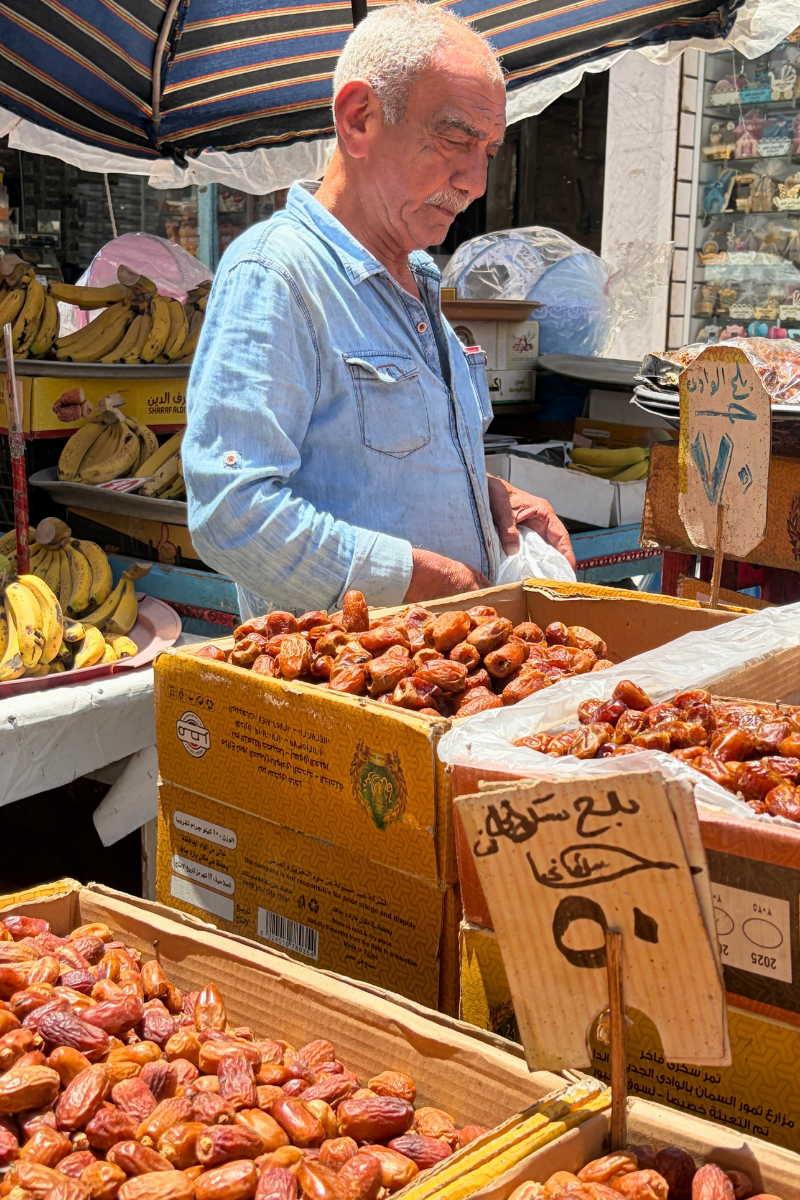
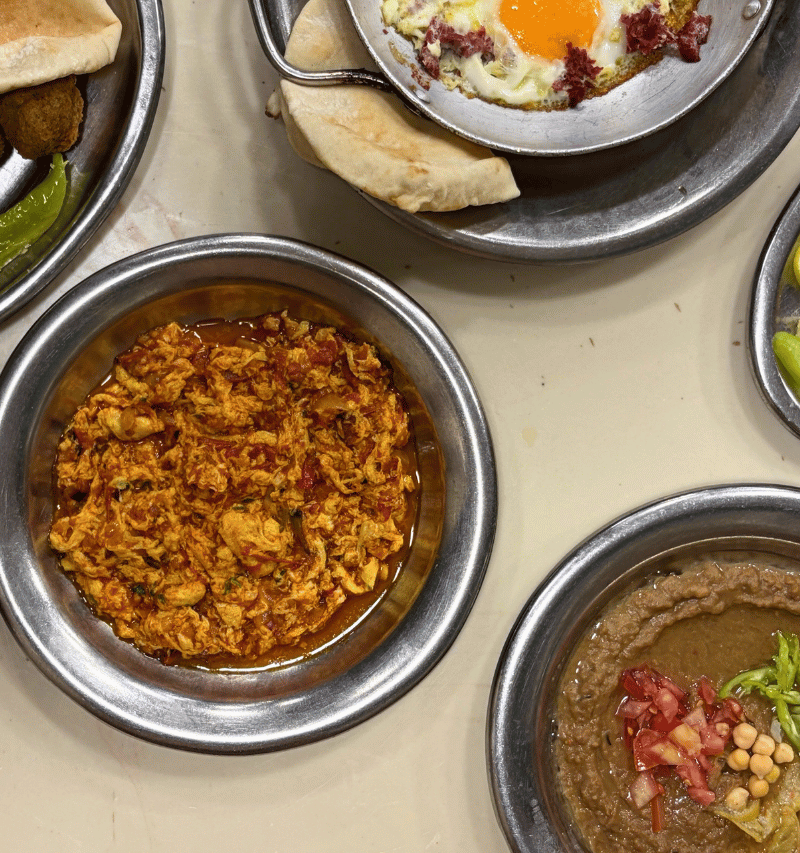
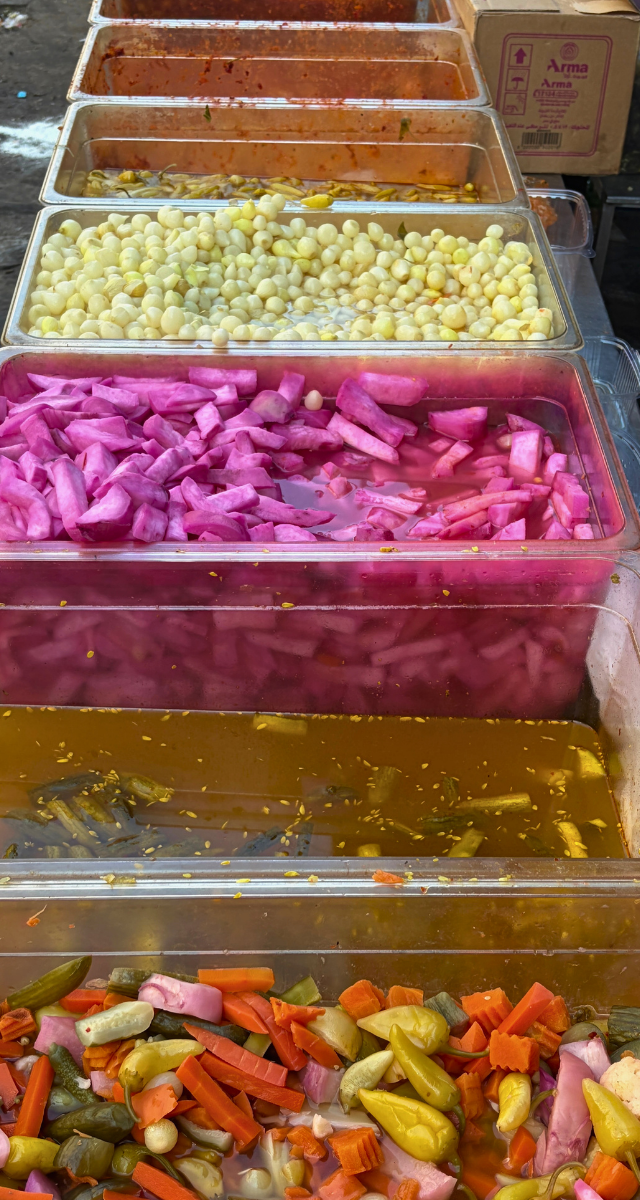
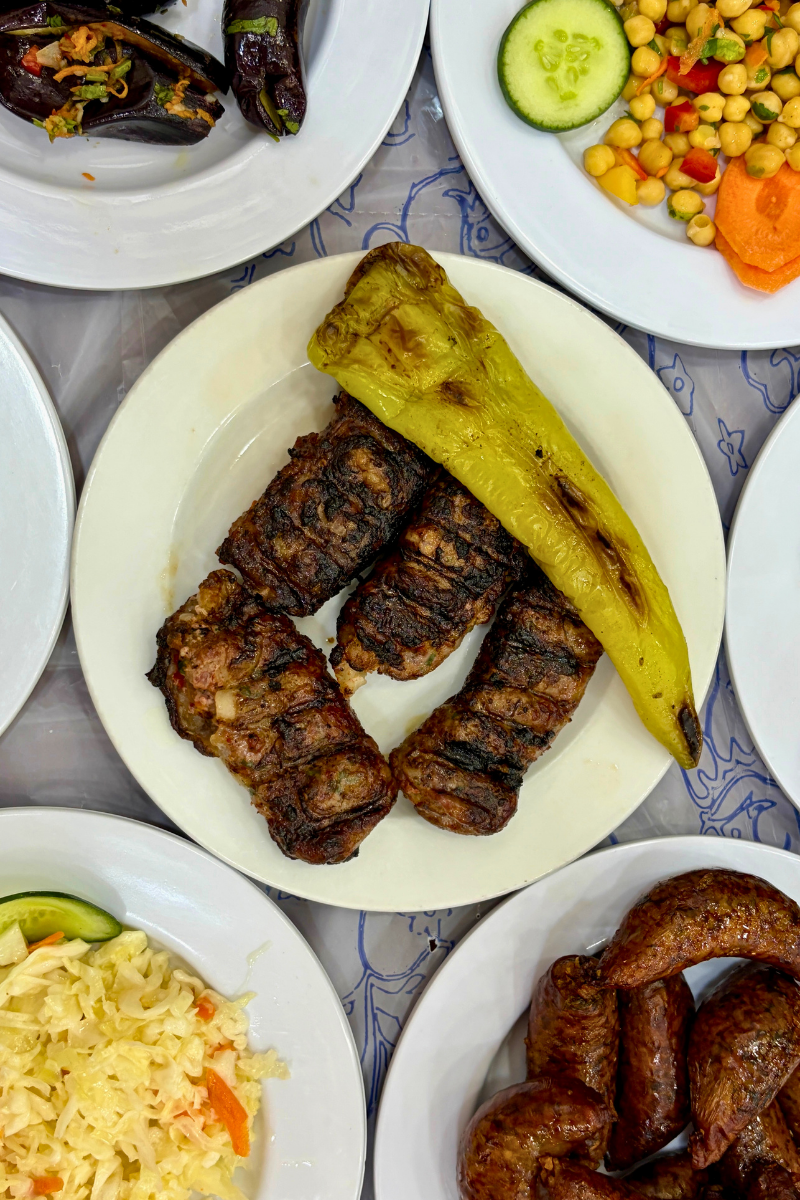
Sayadeya rice cooked in fish broth, samak makly fried whole, moussaka al betingan, sabbet at the fish market. Alexandria has always eaten more Mediterranean than Egyptian.
04 The pantry
- Fresh Mediterranean fish, straight from the boats at Anfoushi
- Tehina, thick sesame paste for dips and dressings
- Feta, brined Egyptian sheep's cheese for salads
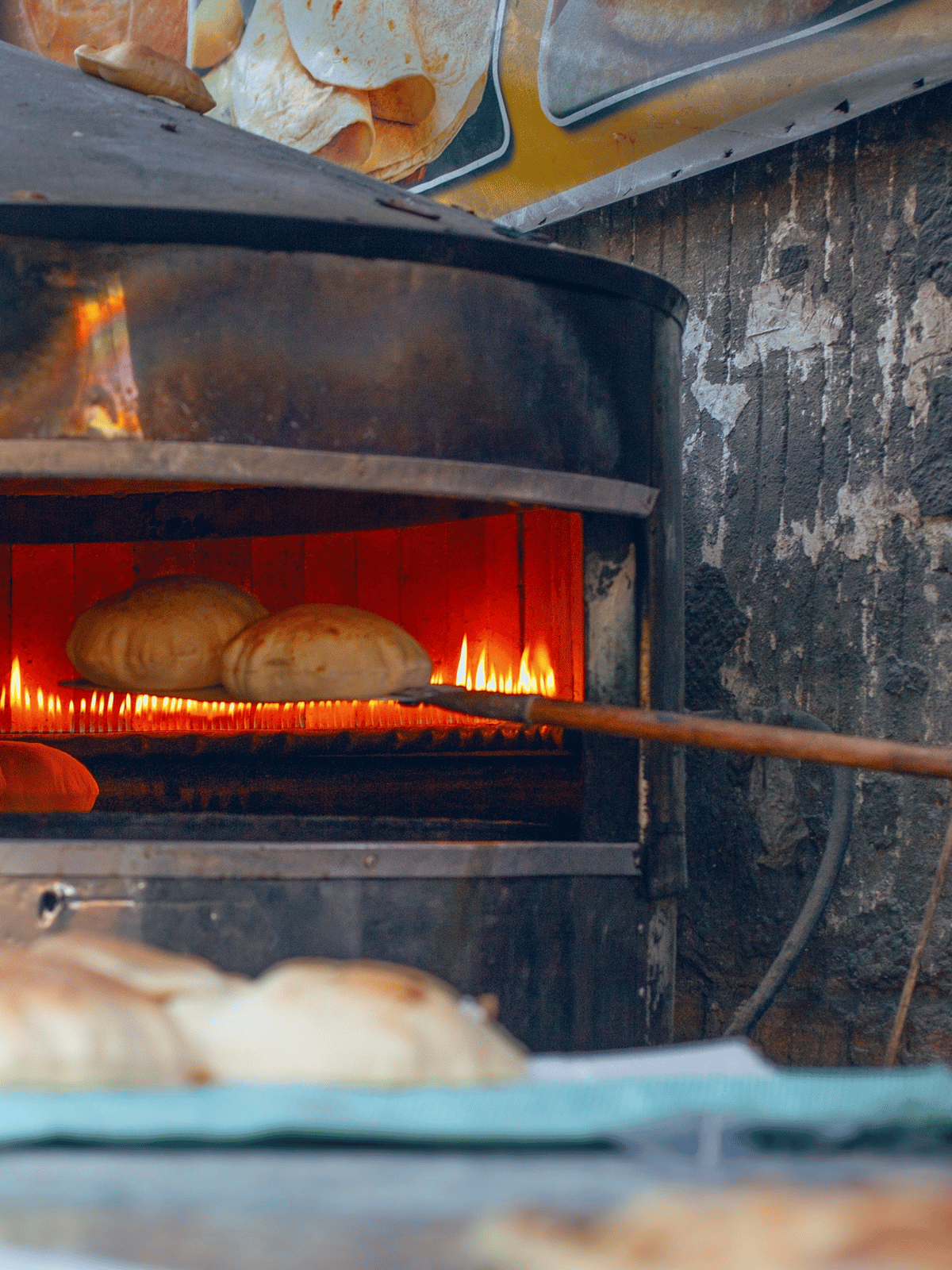
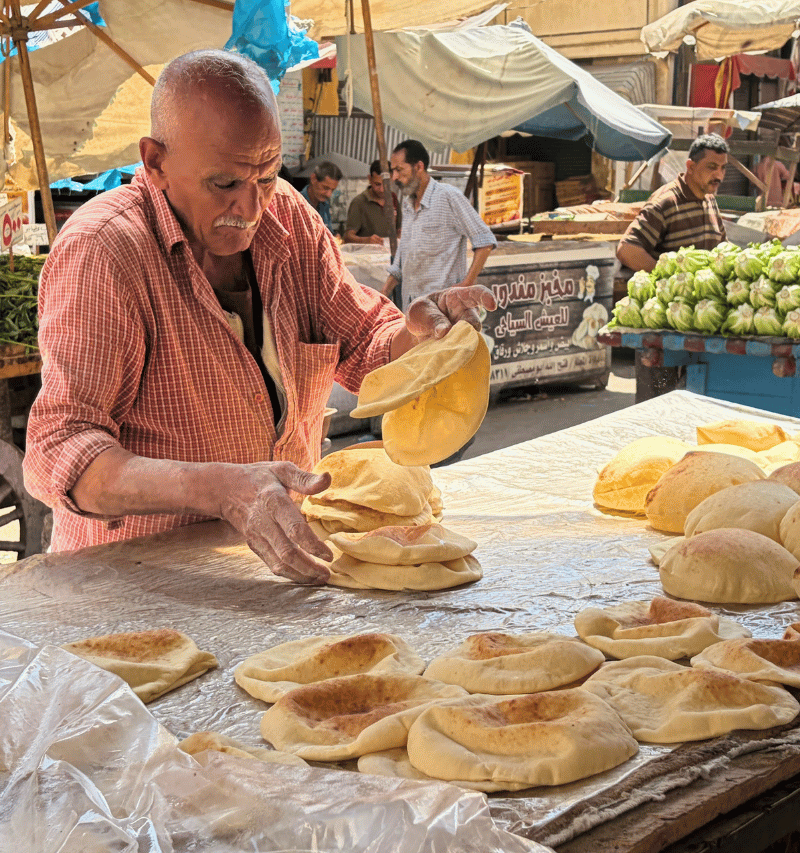
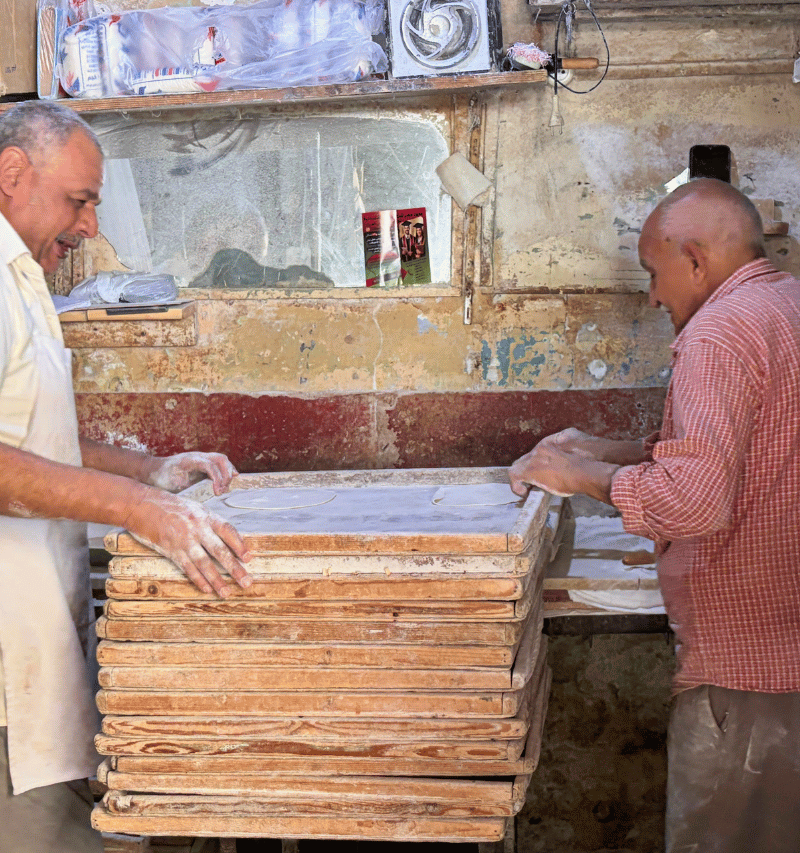
- Baladi bread, warm whole-wheat pita from the corner bakery
- Olive oil, from the Mersa Matruh coast
05 In the kitchen
- Baking sayadeya fish rice in tomato and caramelised onion
- Frying whole fish quickly in shallow oil for samak makly
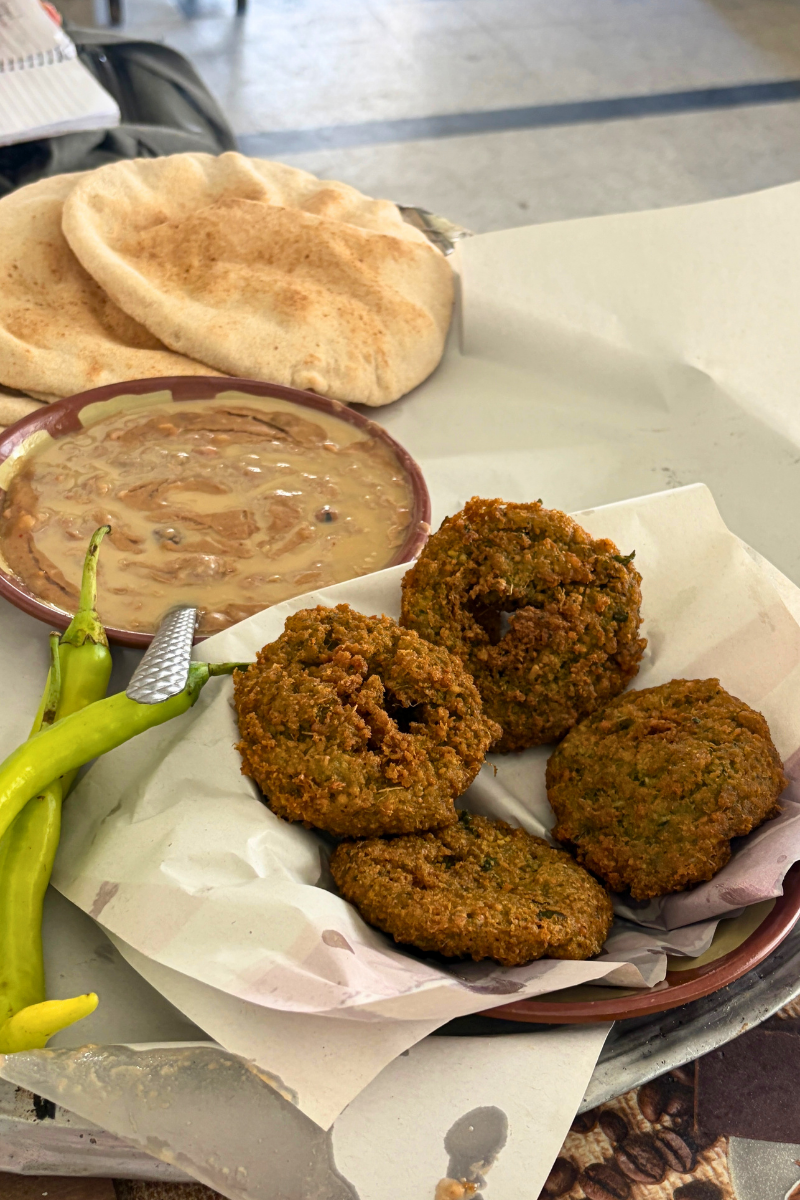
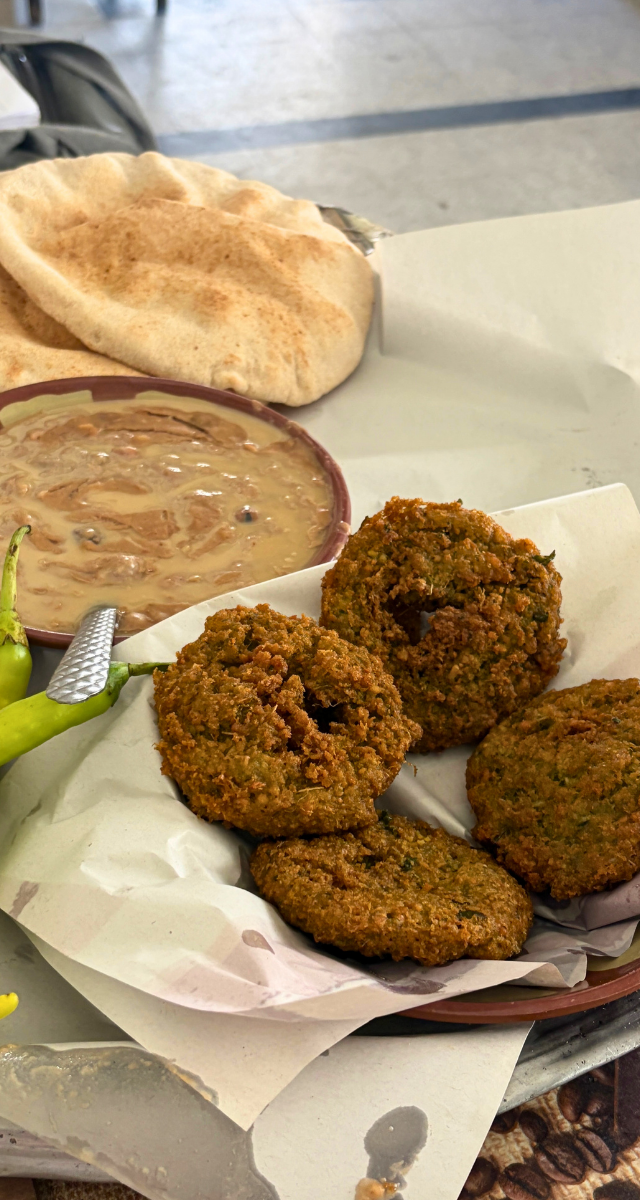
- Layering ta'meya with tehina and salad in warm bread
- Rolling grape leaves for mahshi at the family table
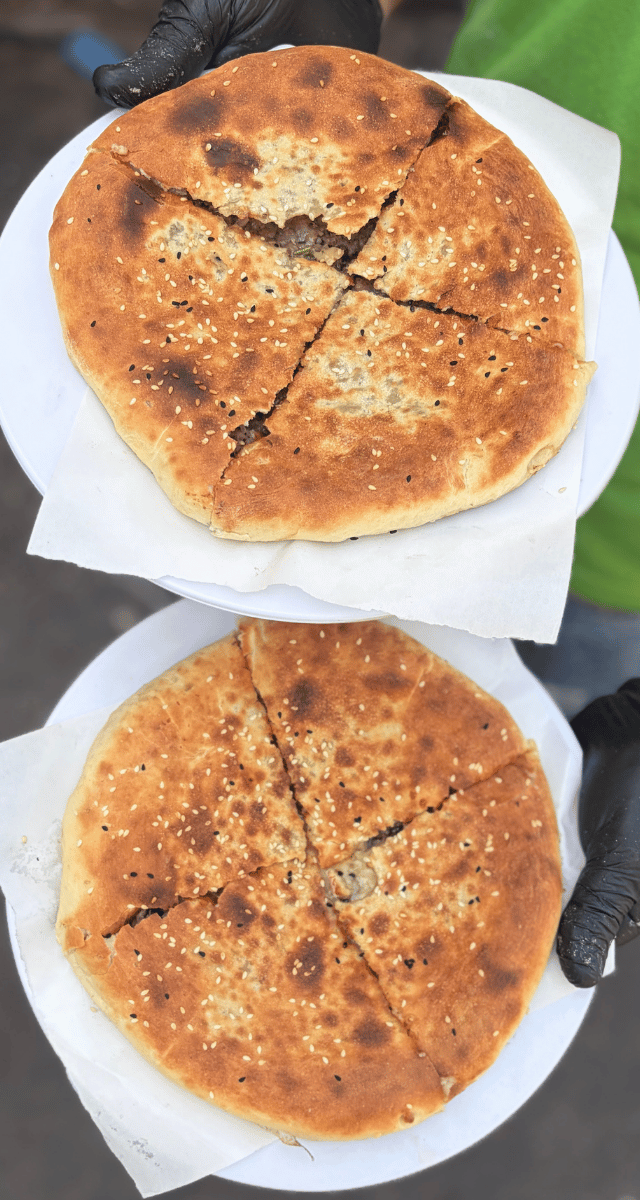
- Making fiteer Egyptian layered pastry with ghee and cheese
06 Eat this first
- Sayadeya, spiced fish rice under caramelised onion
- Samak makly, whole fried Mediterranean fish with tehina and lemon
- Batarekh, Alexandrian cured grey mullet roe pressed in wax
- Kebda Iskandarani, chilli-heavy Alexandria-style fried liver sandwiches
- Basbousa, semolina cake drenched in orange-blossom syrup


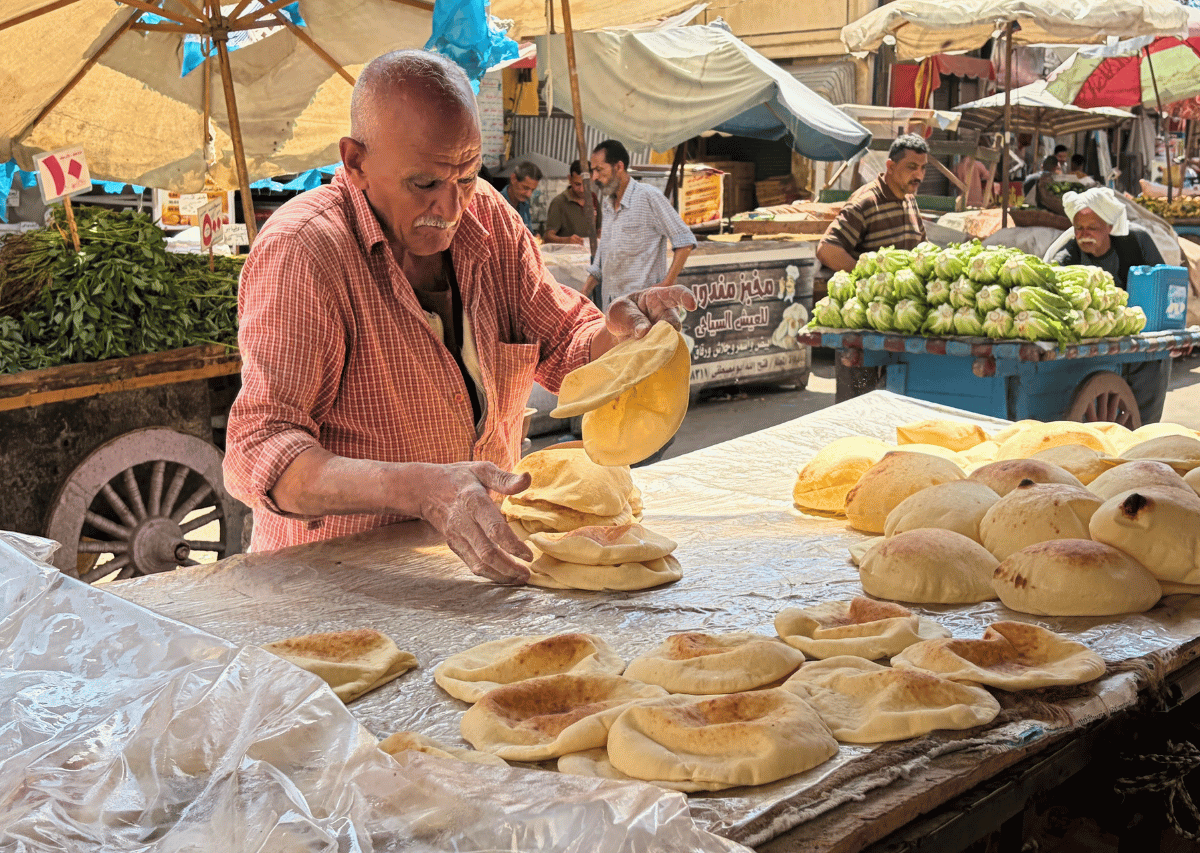
What happens inside a hammam kitchen
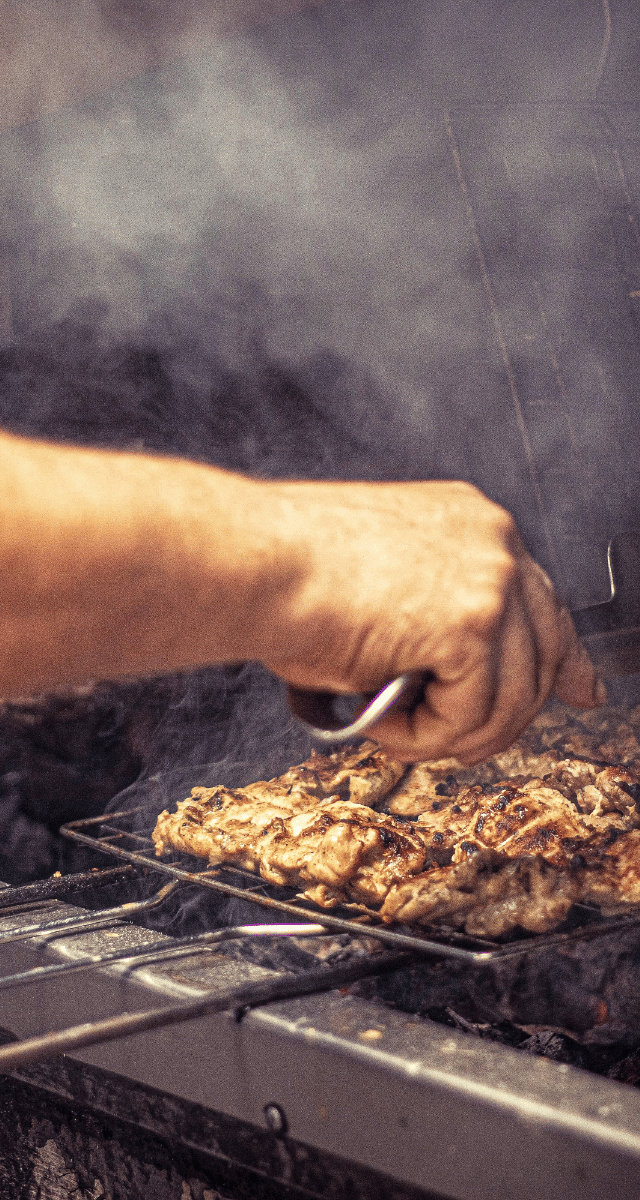
A morning with the cooks who feed the neighbourhood before dawn. Charcoal, dough, the smell of a bakery working its second oven.
10 Field Notes
Quick field notes to help you get accustomed to Alexandria.
Weather
Milder and breezier than Cairo — summers are warm but rarely brutal (25–30°C), and winters can feel damp with occasional storms rolling off the Mediterranean. Spring and autumn are ideal.
Currency
The Egyptian pound (EGP); cash for street food, coffee houses, and tips, with cards accepted in most restaurants and hotels. Keep small notes on hand.
Language
Arabic is the everyday language, with Egyptian dialect the norm; English and French are common along the corniche and in tourist areas.
Etiquette
Dress modestly in the older quarters — cover shoulders and knees. Ask before photographing people, especially women, and remove shoes before entering mosques.
Getting around
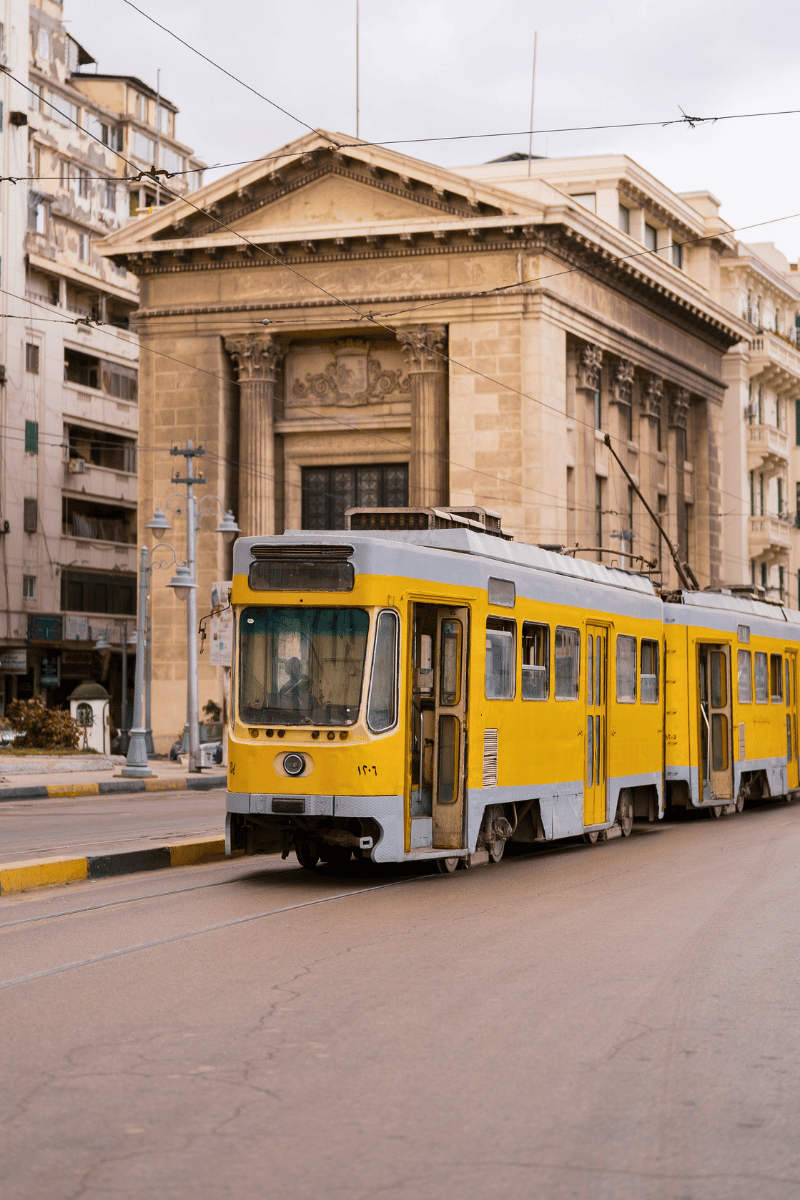
Yellow taxis and Uber both work well; the tram along the corniche is a cheap, atmospheric way to reach the eastern beaches. Traffic near Ramla Station is chaotic at rush hour.
Prayer
Five calls to prayer a day; the Friday midday prayer briefly quiets the city as shops shutter. Coptic Christian churches also mark Sundays.