
Destination
Taipei
The story
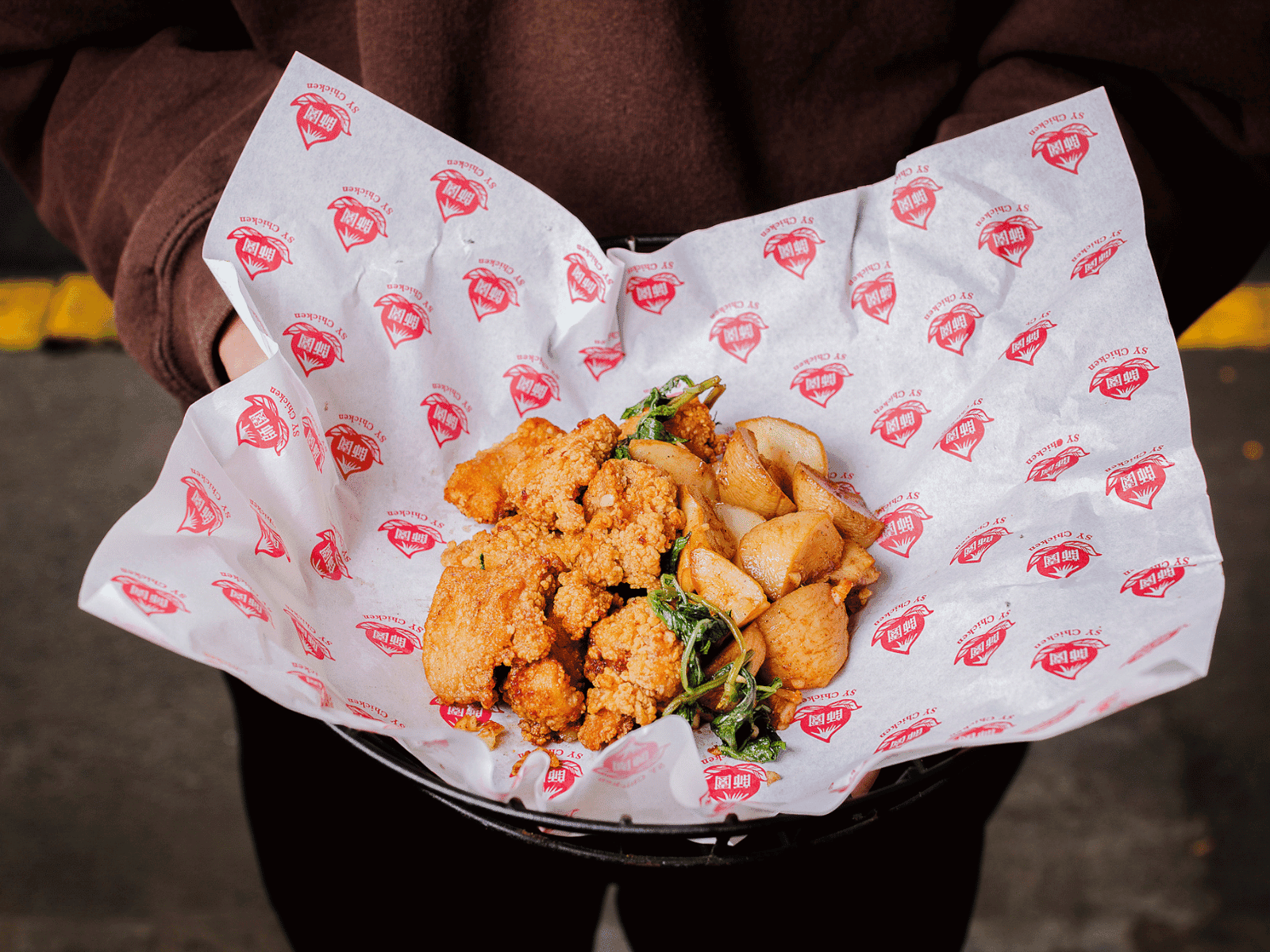
Yan su ji — literally "salt-crispy chicken" — is Taipei's most-loved night-market snack: bite-sized cubes of boneless chicken thigh, marinated in soy sauce, Shaoxing wine, five-spice, garlic and ginger, then coated in a thick layer of sweet potato starch (essential for the classical crackly texture) and deep-fried until deep golden and shatteringly crisp. Just before serving, the hot chicken is tossed briefly with fresh Thai basil leaves and dusted heavily with a mixture of white pepper, five-spice powder and salt. Served in paper cones or small trays at every Taipei night market (Shilin, Raohe, Ningxia), and at every Taiwanese fried chicken chain shop across the world. Small enough to eat by the fistful with fingers, hot enough to burn your mouth.
Method
Combine all marinade ingredients in a large bowl. Add the chicken cubes and toss so every piece is coated. Cover and refrigerate 30 minutes to 2 hours.
In a small bowl, whisk together all spice dust ingredients. Set beside the fryer.
Whisk sweet potato starch and cornstarch in a wide bowl.
Warm the oil in a deep heavy pot to 175C. A test piece of starch should sizzle immediately.
Working one piece at a time: lift a chicken cube from the marinade (do not wipe — some marinade should still coat the piece). Roll in the sweet potato starch, pressing so the coating adheres in a thick uneven layer. Do not shake off. Immediately drop into the hot oil. Continue with 8 to 10 pieces per batch.
Fry each batch 3 to 4 minutes until deep golden and crackly. Do not crowd the oil. Between batches, let the oil come back to 175C.
Add the Thai basil leaves to the oil for the final 20 seconds of the last batch. They'll fry crisp and become part of the garnish.
As each batch comes out of the oil onto a wire rack, immediately dust generously with the spice mixture and toss with a few fried basil leaves. Serve in paper cones or on a shared plate with lime wedges, sliced chili and cold beer. Eat with fingers, immediately.
Tips
- Sweet potato starch is essential. This is the whole trick. It creates a coating with a distinctive uneven, bumpy, shatter-crisp texture that no other starch replicates. Any Asian grocer sells it. Cornstarch or flour do not work.
- Wet starch coating. Do not rest after coating — dip and fry immediately. The wet starch fries into the classical rough-textured yan su ji crust.
- Thai basil, not sweet Italian basil. The specific pungent-anise character of Thai basil is what makes yan su ji taste Taiwanese. Any Asian grocer stocks it fresh.
- 175C oil, 3 minutes. A thermometer is essential. Cooler and the chicken absorbs oil; hotter and the outside burns before the inside cooks.
- Spice dust while hot. The classical wu wei fen mix (white pepper + five-spice + salt) sticks to the still-glistening hot chicken. Dust cold chicken and it doesn't adhere.
More recipes
View all
Fermented tofu deep-fried until the outside is crackly gold and the inside is silky, served with pickled cabbage, sweet chili sauce and a coriander topping. Taipei's night-market lightning rod.

Chicken wings marinated in fish sauce, garlic and pepper, then deep-fried until dark caramelised and crispy. Ho Chi Minh City's most-loved beer snack, dipped in salt-pepper-lime.
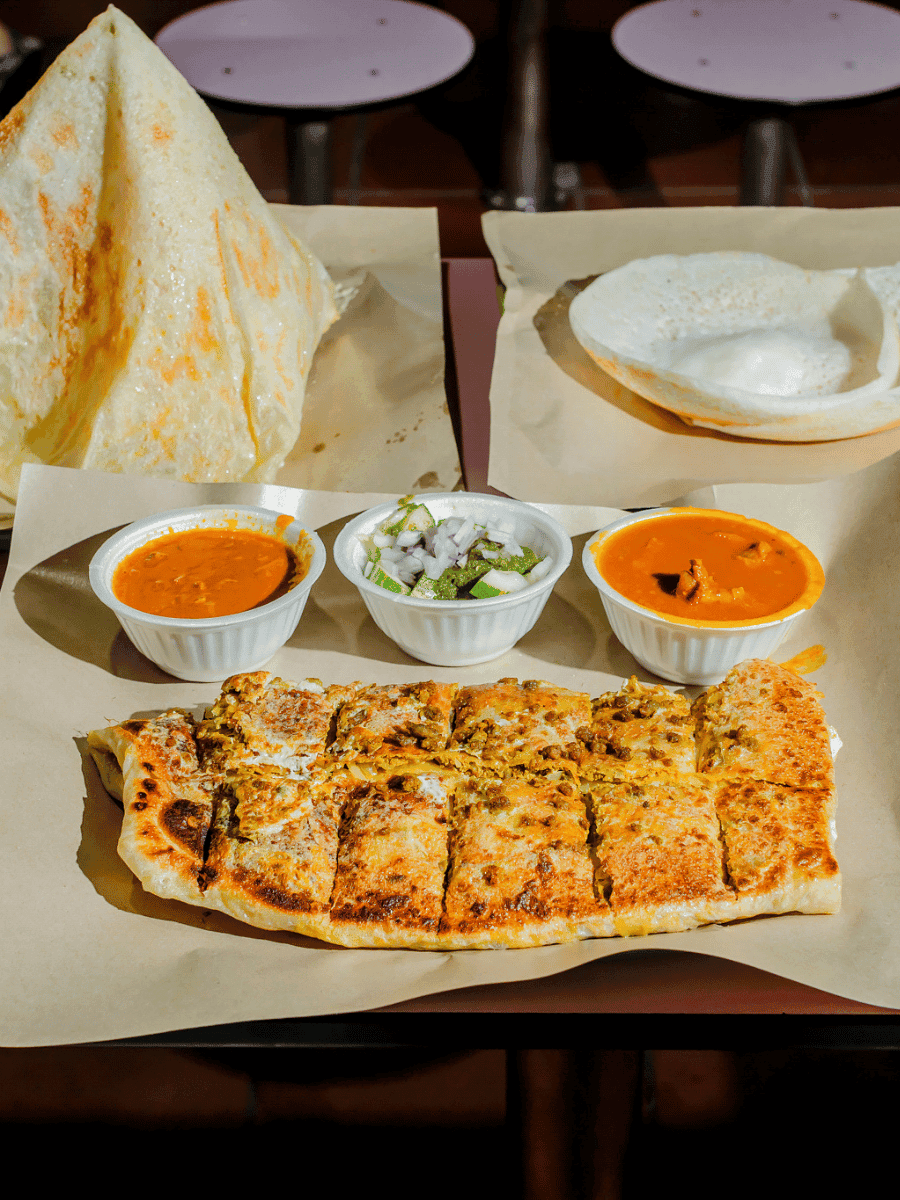
Thin roti prata dough stretched paper-thin and folded around a filling of minced mutton, onion and egg, pan-fried until crackly. Little India's late-night favourite.
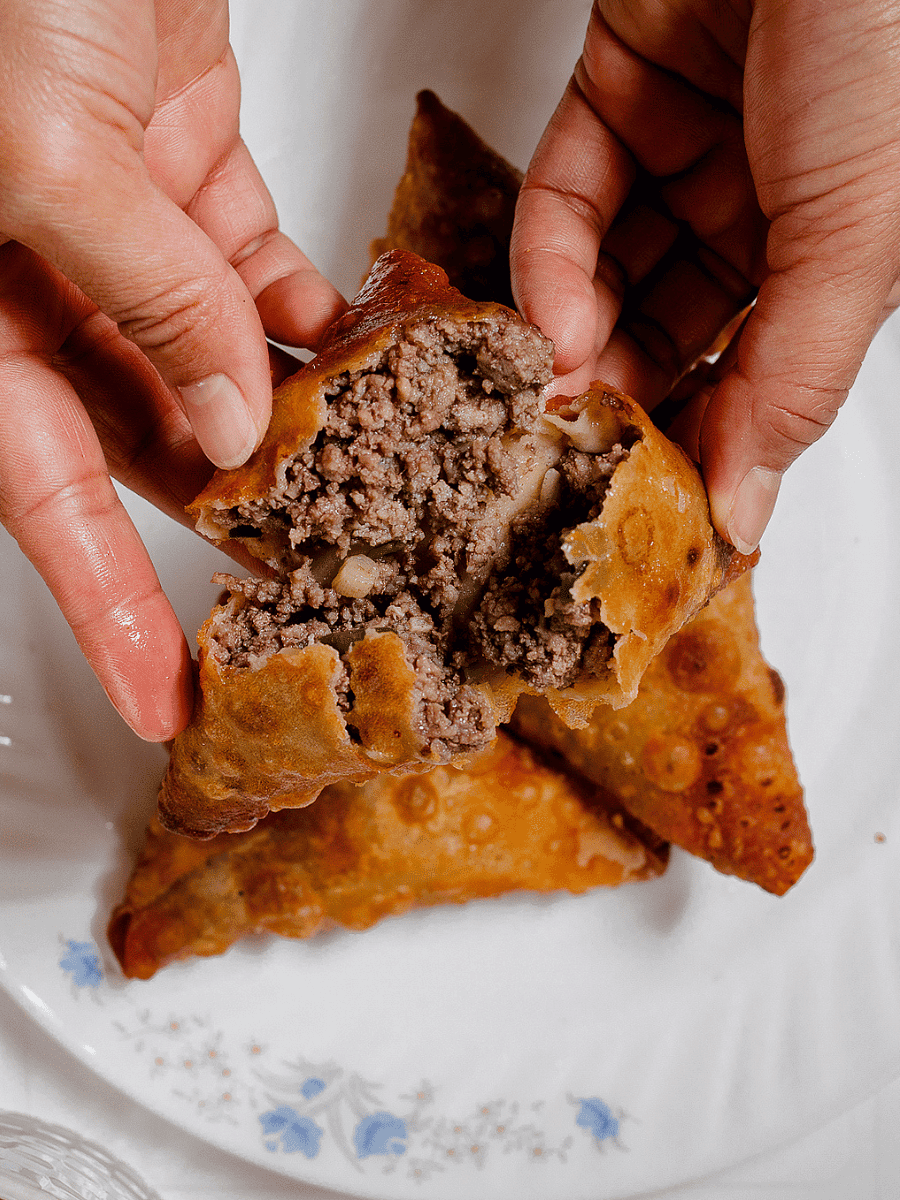
Small triangular pastries stuffed with spiced minced beef, onion and green peas, deep-fried until crisp. Rwanda's answer to Indian samosas, sold at every bar.

Yellow corn dough wrapped around a filling of shredded chicken, potato and hogao, deep-fried until deep gold and crackly. Colombia's small crunchy street empanada.
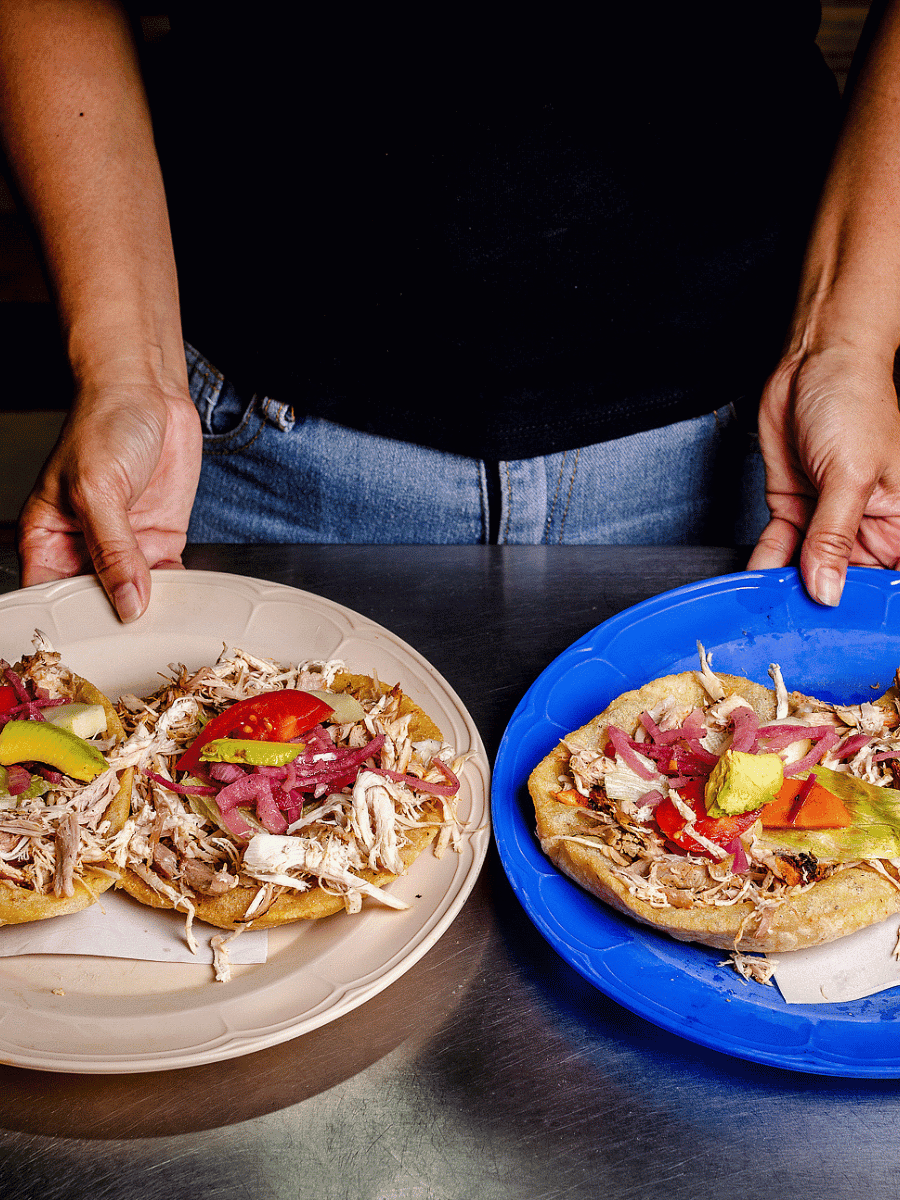
Fried tortillas stuffed with black beans and topped with shredded turkey, pickled red onion and avocado — the Yucatán's crunchy answer to the tostada.