

Destination
Puerto Vallarta
The story
Tamales verdes de pollo are the tamales of central Mexico: fluffy corn-husk-wrapped parcels of light, whipped masa filled with shredded chicken cooked in a bright green tomatillo salsa. They're the Sunday-breakfast tamal you buy from a woman with a big steamer pot on a street corner at 8am, cost 15 pesos each, and eat one-handed on the walk to church. Every central Mexican state — Puebla, Tlaxcala, State of Mexico, Guerrero, Hidalgo — has its version, all essentially the same recipe with tiny differences (Puebla adds a leaf of hierba santa; Hidalgo uses chile pasilla; Guerrero adds a piece of egg). The corn husk wrap is the marker of the central Mexican tamal, in contrast to the banana leaves that Oaxaca uses.
Method
Cover the corn husks with boiling water in a large bowl. Weigh down with a plate to keep submerged. Soak 30 minutes until pliable.
Combine chicken, onion, garlic, bay, oregano, salt and water. Simmer 25 minutes. Shred with forks. Reserve 1.2 litres of broth.
Char tomatillos, chillies, onion and garlic on a dry pan 6 minutes. Toast cumin 30 seconds. Blend charred vegetables, coriander, cumin and salt to smooth. Warm 2 tbsp oil in a pan; tip in salsa and simmer 10 minutes. Reserve 300ml for the masa; use the rest for the filling and serving.
Combine shredded chicken with 400ml of the salsa in a pan. Simmer 10 minutes to marry the flavours. Keep warm.
Beat the softened lard in a large bowl for 3 minutes until fluffy. Add masa harina, baking powder and salt; mix. Slowly pour in the warm broth and the 300ml of salsa while stirring. Beat 8 more minutes until light, fluffy and spreadable — the texture of soft frosting. A pinch dropped in cold water should float.
Working with a soaked husk: pat dry. Spread 3 tbsp of masa in an 8 x 10cm rectangle on the wide end of the husk, leaving borders. Spoon 1.5 tbsp of chicken filling down the centre. Fold the two long sides of the husk over the filling, then fold the pointed end up. Set seam-down. Repeat until you have 30 tamales.
Set up a large steamer with 5cm of water. Line the base with extra husks. Arrange tamales standing up, seam-side out, packed against each other. Cover with more husks and a heavy lid. Steam 90 minutes, checking water every 30 minutes. Test by unwrapping one — the masa should pull cleanly from the husk.
Turn off the heat and rest tamales 15 minutes in the covered pot. This firms them up. To serve, unwrap directly onto plates. Top with extra warm salsa, crema, queso fresco, sliced onion and coriander. Two tamales per person is a solid breakfast.
Tips
- Whip the masa. Eight minutes of beating is not too much. Under-whipped masa gives you dense, wet tamales; properly whipped masa is light and pillowy. The float test — a pinch in cold water — should show it floating.
- Corn husks, not banana leaves. This is central Mexico. Banana leaves are for Oaxaca and Veracruz. The corn husk wrap gives a specific dry, papery flavour that's central to the dish.
- Pack the steamer tight. Tamales cook better when packed against each other — they hold their shape and don't unfold. If your steamer has empty space, fill it with balls of foil.
- Rest before serving. 15 minutes off the heat, covered, is when the masa firms up from wet to pillowy. Skip the rest and the masa is gluey.
- Freeze extras. Steamed tamales freeze beautifully wrapped in their husks. Reheat directly from frozen in a steamer for 20 minutes. Every Mexican freezer has a permanent stash for weekday breakfast.
More recipes
View all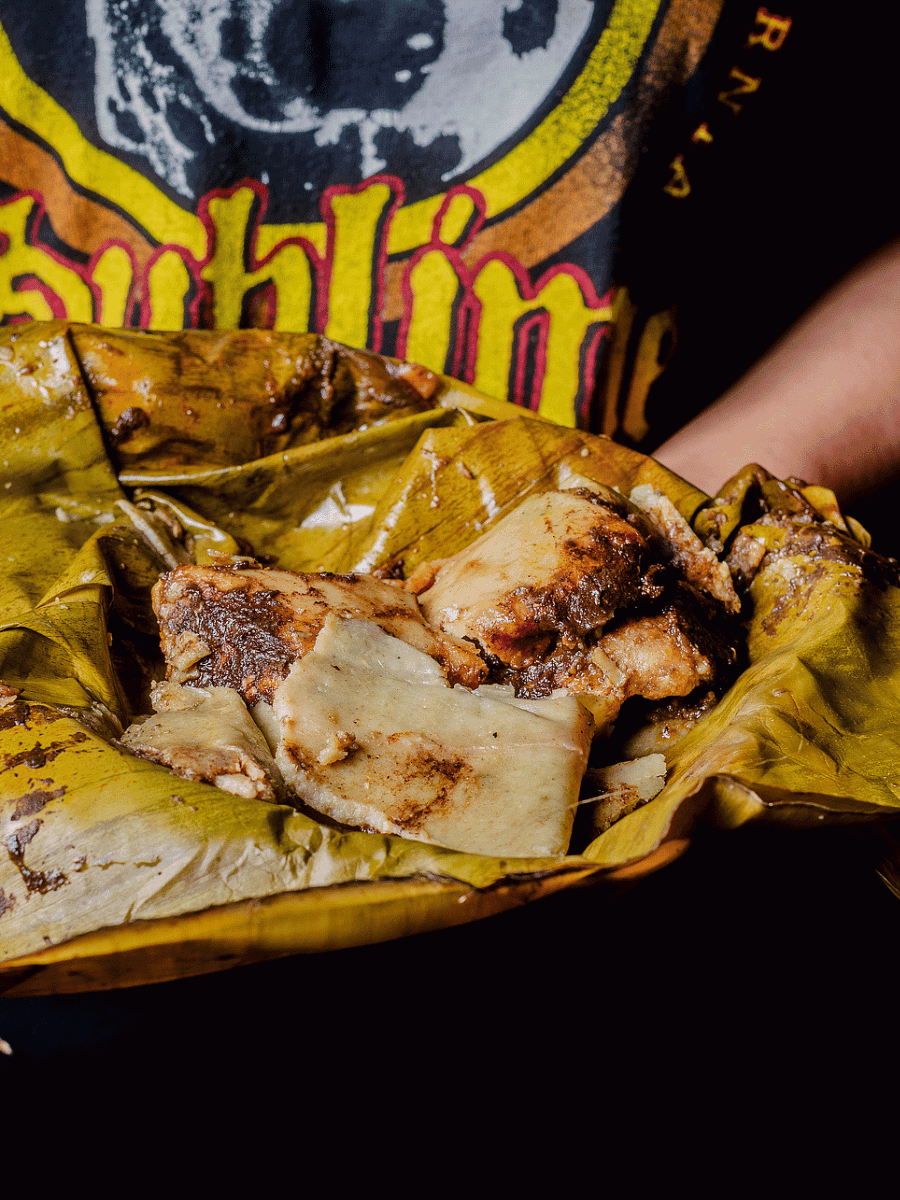
Corn masa cakes filled with mole negro and shredded chicken, wrapped in banana leaves and steamed. The Oaxacan tamal — softer, flatter, and heavier than the CDMX kind.

Chicken enchiladas drenched in bright green tomatillo salsa, topped with crema, queso fresco and rings of raw white onion. The Mexican comfort-food default.
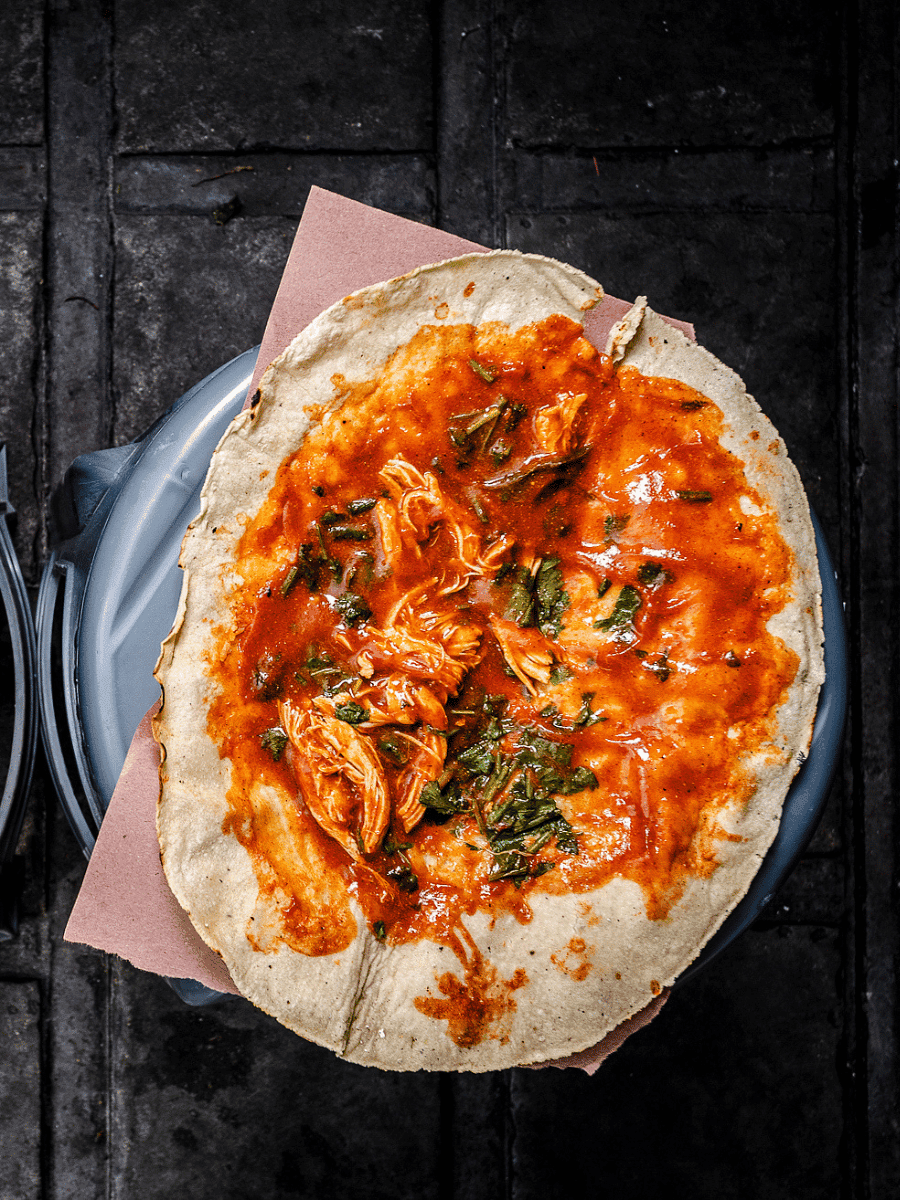
A giant half-moon masa turnover stuffed with yellow mole, chicken and squash flower, then browned on a comal. The Oaxacan Sunday empanada.

Thick handmade masa cakes with a pinched rim, topped with beans, meat, cream, cheese and salsa. The pinched-rim tortilla that holds all the sauce.

A whole edam cheese hollowed and stuffed with spiced pork picadillo, then drenched in a white-flour cream sauce and a bright red tomato salsa. Yucatán's most theatrical dish.
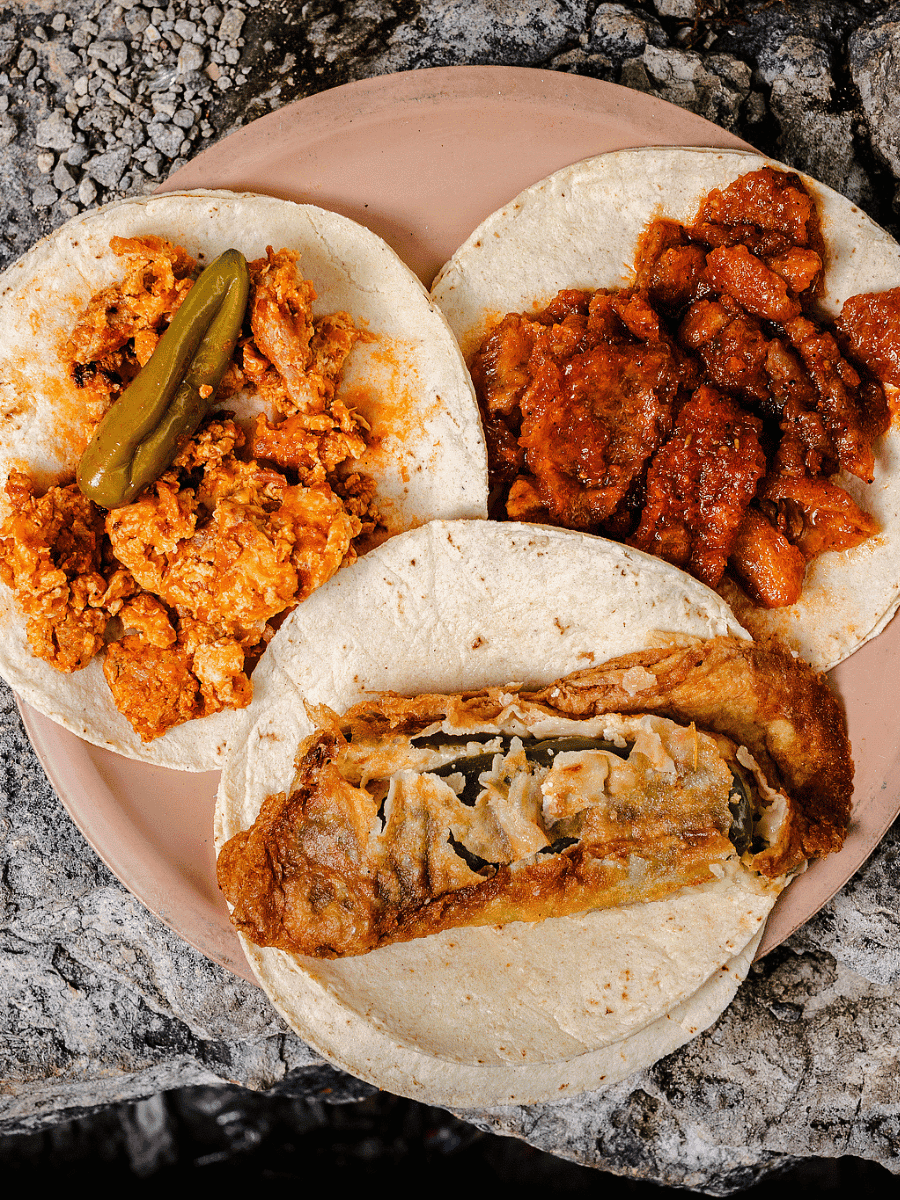
Whatever grandma's been stewing since dawn, spooned onto warm tortillas at a Mexico City lunch fonda. Chicken tinga, chile relleno, huevo en salsa verde — the daily menu.